

Reclaiming Memories: Embracing The Truth
By Tom Seest
At LegacyExplorations, we help people plan and explore their legacy by collecting information and news regarding end-of-life planning.
Please share this post with your friends, family, or business associates who may want help to plan or explore their legacy.
How to Reconstruct The Past When It’s Fuzzy
Reconstructing the past when it’s fuzzy isn’t just a task; it’s a journey through the labyrinth of memory, emotion, and history. At its core, every recollection, every blurry photograph, is an invitation to engage in legacy storytelling. These stories—not just fragments of truth—form the very foundation of who we are and where we come from.
Imagine standing in your grandparents’ old living room, the scent of aged wood ensconced in cherished memories. As you flip through dusty albums, each page tells you something vital—not just about the past, but about our human experience. Legacy storytelling breathes life into these experiences, connecting us through the universal themes of love, struggle, and triumph. It beckons us to pause, lean in, and make sense of the chaos swirling around our recollections.
Let’s get practical. How do you sift through the fuzziness? Start by asking questions—lots of them. Who was there? What did they do? Share those memories with others. Gather stories from family members or friends who might hold pieces of your puzzle. This isn’t just about facts; it’s about cultivating connection. When we share and listen, we’re engaging in a communal act that strengthens our bonds and reinforces our shared humanity.
And while it may feel risky to revisit the past—particularly the moments we’d prefer to forget—there’s tremendous strength in that vulnerability. Consider the ethical responsibility we have to honor our stories, to weave together the narratives that define our legacy. The stories we tell today shape the history of tomorrow. This is not merely an exercise in nostalgia; it’s a calling to preserve the essence of our experiences, to ensure that the wisdom gleaned is passed down like a treasured heirloom.
As we embark on this journey, let’s embrace our narratives, fuzzy edges and all. These stories have power, not just to inspire, but to instigate change. They foster a deeper understanding of ourselves and our place in the world. Whether it’s a tale of overcoming adversity or recounting joyful moments under a starlit sky, every account adds a brushstroke to the masterpiece of our lives. So dive in, embrace the fuzziness, and ignite the power of your legacy storytelling. Together, we can illuminate the past and honor the future.

How to Reconstruct The Past When It’s Fuzzy
How to Reconstruct The Past When It’s Fuzzy
- Reconstructing the past involves navigating through memory, emotion, and history.
- Every recollection serves as an opportunity for legacy storytelling, shaping our identity.
- Viewing aged photographs and albums connects us to vital human experiences and themes.
- Asking questions and gathering stories from others helps to clarify fuzzy memories.
- Sharing and listening to stories fosters connections and reinforces shared humanity.
- Revisiting the past, even uncomfortable moments, honors our narratives and defines our legacy.
- Embracing our stories can inspire change, deepen self-understanding, and illuminate the future.

How to Reconstruct The Past When It’s Fuzzy
Table Of Contents
- How to Reconstruct The Past When It’s Fuzzy
- What Memories Are Most Vivid, And Why Do They Resonate With You?
- In What Ways Do Our Emotions Shape Our Recollections Of Past Events?
- What Role Does Trust In Our Sources Play In Reconstructing History?
- How Does The Passage Of Time Alter Our Perception Of What Happened?
- Are There Ethical Implications In Interpreting Historical Events?
- Why Do Stories From Our Past Hold Power Over Our Current Decisions?
- How Can Conversations With Others Help Clarify Our Memories?
- Conclusion
- Other Resources
- Glossary Of Terms
- Other Questions
- Haiku
- Poem
- Checklist
What Memories Are Most Vivid, And Why Do They Resonate With You?
Memories are odd little things, aren’t they? They swirl in our minds like leaves caught in the wind—some gleaming with vibrant hues while others fade to a dusty gray. But the ones that stick, the ones that tug at our hearts with an unyielding grip, often shine the brightest. Why? Because they resonate with our core, shaking us awake to a truth we can’t ignore: we are connected.
Take a moment to consider your own legacy. Think about the stories that get told over and over again at family gatherings or around a campfire. What makes them so powerful? Often, it’s not the detail in a grand adventure or a monumental achievement; it’s the emotion tied to those memories. Maybe it’s the sound of your grandmother’s laughter ringing through the years when she caught you stealing cookies, or the warmth of your father’s hand slapping your back the night he told you he was proud. These emotional anchors create a tapestry of storytelling, painting the canvas of who we are and what we value.
From a rational standpoint, our brains are wired to retain memory that is significant, unique, or sometimes even traumatic. These experiences mold our perspectives and influence our decisions. When we reflect on joyful times or even the hardships we’ve faced, they become lessons etched into our psyche, reinforcing our resilience and guiding us in tough moments. They remind us that we’ve walked through fire and emerged, forever changed but stronger.
Nevertheless, memories are not just personal; they possess a social element that draws us together. Think about how shared experiences create bonds stronger than steel. The stories we tell one another not only preserve our individual journeys but also shape the narratives of our families, communities, and cultures. Through collective storytelling, we build a legacy, an interconnected web of human experience that urges us to engage with others, to listen and to share.
The memories that flicker vividly in our consciousness are those steeped in meaning—moments that invite us to reflect, connect, and inspire action. They beckon us to tap into the rich soil of our past, to reflect on where we’ve been, and to nurture the seeds of experiences we wish to plant for those who come after us. That’s how memories transform from fleeting thoughts into timeless legacies.

What Memories Are Most Vivid, And Why Do They Resonate With You?
What Memories Are Most Vivid, And Why Do They Resonate With You?
- Memories are complex, swirling in our minds with varying vibrancy.
- The most impactful memories resonate with our core and highlight our connections.
- Legacy is shaped by stories told repeatedly, often rooted in strong emotions.
- Significant and traumatic experiences are retained by our brains, shaping our perspectives.
- Reflecting on joyful and challenging times reinforces resilience and growth.
- Memories have a social aspect, fostering bonds through shared experiences.
- Timeless legacies are created by reflecting on our past and nurturing future experiences.

What Memories Are Most Vivid, And Why Do They Resonate With You?
In What Ways Do Our Emotions Shape Our Recollections Of Past Events?
Emotions, those vivid brushstrokes on the canvas of our memories, play a pivotal role in how we recollect past experiences. Picture this: a gathering of old friends, laughter spilling over as shared stories revive long-dormant emotions. It’s here, amidst the warmth of camaraderie, that our emotions emerge like undercurrents, steering our Legacy Storytelling. Are we remembering the cheery moments, or do those pangs of sorrow also sneak in? Each recollection is a mosaic, shaped by the emotional lens through which we view it.
Think about the last significant moment in your life. Perhaps it was a wedding, where joy filled the air, or a farewell, heavy with goodbye. These emotions don’t just accompany the stories; they morph them into something more powerful. Emotional highs and lows carve deep grooves in the mind’s corridors, making those memories vivid and visceral. Yet, it’s not merely nostalgia at play. Science tells us that emotional experiences can enhance our memory retention. When our hearts are involved, our brains record those events more clearly—as if to ensure we don’t forget the lessons embedded within.
Now, consider the ethical dimension. How do we navigate the truth amid our emotional recollections? Sometimes, we embellish or soften the edges of reality to shield ourselves or others from pain; these acts reflect our values, as much as our emotions. Yet, authenticity in storytelling is crucial to fostering trust and connection. Own your story. Own your scars. They are your badges of resilience. Sharing these truths binds us together, creating echoes of understanding that resonate across diverse experiences.
Moreover, when we gather to share our stories, we’re participating in a social ritual that transcends time and space. Each tale builds a bridge; it invites empathy and nurtures community. Through the act of storytelling, we affirm our shared humanity, leaving footprints of our journeys in the hearts of others. We become part of a larger narrative, one that extends beyond ourselves—creating a legacy that influences generations.
So, the next time you find yourself reminiscing, remember: your emotions are not merely fleeting moments; they are the architects of your memories, crafting stories that have the power to heal, connect, and inspire. Let your feelings guide you—as you continue to tell your story, you invite others to share theirs, sparking a dialogue that can change perspectives, reshape lives, and build enduring legacies.

In What Ways Do Our Emotions Shape Our Recollections Of Past Events?
In What Ways Do Our Emotions Shape Our Recollections Of Past Events?
- Emotions significantly influence how we remember past experiences, acting as vivid brushstrokes on our memories.
- Gatherings with friends can evoke emotional undercurrents that shape our recollections, blending joyful and sorrowful moments.
- Significant moments in life are transformed by emotions, creating powerful and visceral memories.
- Emotional experiences enhance memory retention; emotions help our brains record events more clearly.
- Navigating the truth in storytelling involves balancing authenticity and the emotional lens through which we view our pasts.
- Storytelling serves as a social ritual that fosters empathy and builds community, leaving a legacy that influences future generations.
- Emotions are not fleeting; they craft stories that connect, heal, and inspire dialogue, reshaping lives and building enduring legacies.

In What Ways Do Our Emotions Shape Our Recollections Of Past Events?
What Role Does Trust In Our Sources Play In Reconstructing History?
When we think about how we piece together our shared history, we must consider the threads that weave the tapestry of our past. The role of trust in our sources is pivotal—not just as a backdrop but as the very fabric that holds our understanding together. Each story we share carries with it a legacy, a narrative that shapes both our identity and the way future generations will perceive us. When we dismiss the importance of reliability in our sources, we risk tarnishing that legacy.
Imagine sitting around a campfire, where the warmth of the flames flickers against the cool night air, and a storyteller brings the past to life. Each tale is a thread, spun from truth and embellished with passion, designed to connect listeners not just with the events but with the emotions behind them. When we trust the storyteller, it’s not merely because of their charisma; it’s rooted in the belief that they’ve sifted through the muck and mire of history, extracting the essence of what truly transpired.
Yet, in our digital age, where information flows like an unyielding river, distinguishing fact from fiction becomes daunting. The heart races when we uncover contradictions and biases that taint our sources. With these internal conflicts, we are left pondering—what’s the real story? We have a responsibility to scrutinize the reliability of our information. It’s not just an academic exercise; it’s an ethical commitment to honor those whose lives shaped our world. By taking the time to evaluate our sources, we protect the integrity of our collective memory and ensure that future storytellers have a sturdy foundation to stand upon.
Authority in storytelling is built on the bedrock of trust. Those who dedicate their lives to study history and preserve it deserve our respect and confidence. Their insights frame our understanding of the world, providing a compass to navigate the murky waters of the past. The more informed we are about our sources, the more robust our narratives become, allowing us to engage with history meaningfully.
As we reconstruct history, let’s embrace the notion that our sources are not just vessels of information but portals to understanding humanity. By nurturing trust, we strengthen the bonds that unite us, creating a narrative that resonates across generations. Let’s commit to seeking clarity, honoring our legacy, and ensuring that the stories we tell today will inspire those who listen tomorrow.

What Role Does Trust In Our Sources Play In Reconstructing History?
What Role Does Trust In Our Sources Play In Reconstructing History?
- Trust in historical sources is crucial for understanding our shared history.
- Each story has a legacy that shapes our identity and the perception of future generations.
- Storytelling connects listeners emotionally to past events, relying on the storyteller’s credibility.
- The digital age complicates the distinction between fact and fiction, requiring scrutiny of sources.
- Evaluating reliability is an ethical obligation to honor those who influenced our world.
- Authority in storytelling is built on trust in historians and their insights into the past.
- Nurturing trust in our sources strengthens our narrative and inspires future generations.

What Role Does Trust In Our Sources Play In Reconstructing History?
How Does The Passage Of Time Alter Our Perception Of What Happened?
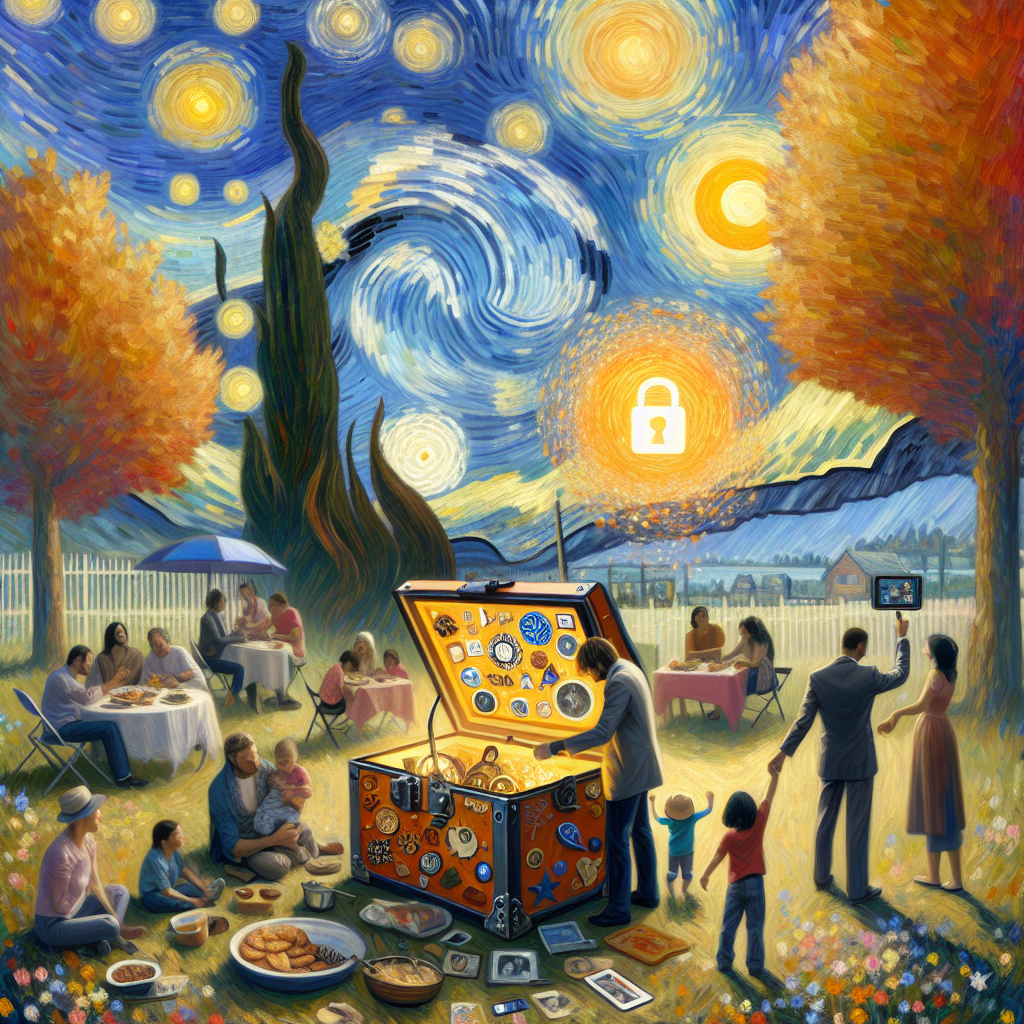
Time has a funny way of reshaping our memories, like an old photograph that fades around the edges while the center remains vivid. As the moments we once clung to become distant echoes, our perception alters—not merely in the way we recall events, but in how we frame our own legacy. Each recollection carries with it the weight of emotion, and over time, the sharp edges of pain often soften into something more bearable, occasionally transforming into poignant lessons that serve to enrich our storytelling.
Think back to a moment of triumph. Perhaps you crossed the finish line after months of training, adrenaline still coursing through your veins. Years later, that moment might seem like a distant victory, but the feelings of determination and resilience remain alive, tucked away in the recesses of your heart. Our brains are wired to celebrate these stories, not just as milestones, but as reminders of what it means to persevere. The older we get, the more we appreciate these nuanced tapestries of experience.
On the flip side, consider the moments of regret. In our youth, we might have seen them as irreversible failures, looming large and heavy like a storm cloud. With time, these moments can transform into powerful narratives—stories of growth, highlights of what not to do. We find wisdom in our missteps, and these tales often resonate more deeply with others than tales of unblemished success ever could. It’s this shared vulnerability that creates a bridge between us, knitting together disparate experiences into a common human thread.
Moreover, the way we discuss our past shapes our social identities. By carefully choosing which stories to share and how to frame them, we not only honor our own journeys but also engage others in a dialogue about resilience, compassion, and the human condition. In doing so, we establish trust and foster connection. Our collective storytelling can galvanize communities—reminding us that while time may alter the details, it only underscores the universal truths we all face.
In embracing the passage of time, we realize that not only do our memories change, but so do the narratives we pass along. Each tale—whether of hardship, triumph, or everything in between—becomes part of a legacy we leave behind. Understanding this interconnectivity empowers us to mold our stories with intention, inviting others to join us on this never-ending journey of reflection and growth.
How Does The Passage Of Time Alter Our Perception Of What Happened?
How Does The Passage Of Time Alter Our Perception Of What Happened?
- Time reshapes memories, akin to a fading photograph, altering both recall and legacy framing.
- Emotions attached to memories evolve; pain softens over time, often turning into meaningful lessons.
- Moments of triumph serve as reminders of perseverance, cherished as part of our experiences.
- Regrets can transform from significant failures to narratives that reflect growth and wisdom.
- Shared vulnerability in storytelling creates connections and highlights common human experiences.
- The way we discuss our past influences our social identities and fosters engagement with others.
- Each narrative contributes to our legacy, urging intentional storytelling to inspire reflection and growth.

How Does The Passage Of Time Alter Our Perception Of What Happened?
Are There Ethical Implications In Interpreting Historical Events?
When we dive into the murky waters of history, we’re faced with more than just dusty books and old documents; we’re grappling with a profound legacy that shapes who we are today. Each historical interpretation is a thread in the vast tapestry of human experience, weaving together stories that evoke empathy and understanding—or, at times, resentment and division. It’s the kind of storytelling that can ignite a fire in our hearts, compelling us to act upon our values and beliefs.
Let’s consider the impact of these narratives. A tale told from one perspective may lionize a hero while demonizing an adversary, shaping public perception for generations. This isn’t just academic; it affects real lives. Think about the conversations you’ve had, the dinner tables you’ve sat at. History emerges in our discussions and influences how we relate to each other in our communities. The way a historical figure is portrayed can either empower or marginalize entire groups.
Ethically, we face a significant dilemma: Who gets to tell the story? Who benefits from it? It’s easy to think of history as a mere recounting of facts, but every interpretation is layered with bias, intent, and selectivity. This means our understanding of the past is constantly evolving—like a living organism—and thus, it demands our critical engagement. As stewards of this legacy storytelling, we bear a responsibility to question the narratives we inherit and, at the very least, appreciate the multiple viewpoints that exist.
By examining historical events through various lenses, we can foster trust and connection among divergent communities. We are not merely passive consumers of history; we are active participants. This engagement calls for our heads to critically assess information, our guts to heed moral imperatives, and our hearts to embrace the shared narratives that unite us in our humanity.
Let’s not forget the authority of storytelling. The weighty responsibility of shaping our communal history should drive us toward greater accountability. As we sift through the remnants of bygone eras, we have the power to elevate marginalized voices and confront uncomfortable truths. When we embrace the complexity of our past and allow it to inform our present, we carve out a path toward a more inclusive future, ensuring that history isn’t just a series of events, but a collective journey that resonates with each of us.

Are There Ethical Implications In Interpreting Historical Events?
Are There Ethical Implications In Interpreting Historical Events?
- History is not just about old documents but a profound legacy shaping our identity.
- Each historical interpretation weaves together stories evoking empathy or division.
- Different narratives can influence public perception, often lionizing heroes or demonizing adversaries.
- The portrayal of historical figures can empower or marginalize entire groups.
- Understanding history requires critical engagement, acknowledging biases and perspectives.
- Examining history through various lenses fosters trust and connection among communities.
- Embracing the complexity of our past can lead to a more inclusive future.

Are There Ethical Implications In Interpreting Historical Events?
Why Do Stories From Our Past Hold Power Over Our Current Decisions?
The stories from our past are like old friends who show up uninvited but bring a familiar warmth and comfort. They shape our identity, guide our decisions, and compel us to act—not necessarily because they lay out the right path, but because they resonate with our very essence. When we think about our legacy, we are confronted with the realization that we’re not just living for ourselves. Each decision we make is an echo of who came before us and who will come after.
Legacy storytelling is a powerful tool in this regard. It reminds us of the trials faced, the triumphs gained, and the lessons learned. These are the tales that resonate through generations, binding us together with invisible threads that carry the weight of history and culture. When we reflect on these narratives, they spark emotions deep within, often reminding us of the sacrifices our ancestors made or the laughter they shared around a flickering fire on cold winter nights.
Let’s peel back the layers, shall we? Each story is a reflection of human experience—a tapestry woven from the joys, sorrows, failures, and victories we all share. Rationally, we know that decisions should be based on facts and figures, yet time and again we find ourselves swayed by stories that tug at our hearts. They foster not only connection but also a sense of responsibility. It’s as if the weight of our choices goes beyond personal consequences, carrying the hopes and dreams of those who walked this earth before us.
Think about it: When we choose to honor our past through conscious decision-making, we instill a sense of purpose in our present that can ripple through our communities and create profound change. This isn’t just about nostalgia; it’s a call to action, acknowledging that our choices matter. The authority in these legacy stories lies not in their age but in their ongoing relevance. They remind us that we belong to something greater—a community, a family, a timeline—and by aligning our choices with these narratives, we take a step toward ensuring our own stories will resonate in the hearts of those who follow.
So, the next time you find yourself at a crossroads, stop and listen. The stories of your past are urging you forward, reminding you of who you are and who you’re meant to be. Embrace their power—they just might lead you to the decision that shapes your legacy.

Why Do Stories From Our Past Hold Power Over Our Current Decisions?
Why Do Stories From Our Past Hold Power Over Our Current Decisions?
- Past stories provide warmth and comfort, shaping our identity and guiding decisions.
- Our legacy is intertwined with the experiences of those who came before and will come after us.
- Legacy storytelling highlights trials, triumphs, and lessons, binding generations together.
- These narratives evoke deep emotions, reminding us of ancestral sacrifices and shared joys.
- Stories influence our choices beyond rational facts, fostering connection and responsibility.
- Conscious decision-making honors our past and can create profound change in communities.
- Listening to past stories can guide us at critical moments, shaping our legacy for future generations.

Why Do Stories From Our Past Hold Power Over Our Current Decisions?
How Can Conversations With Others Help Clarify Our Memories?
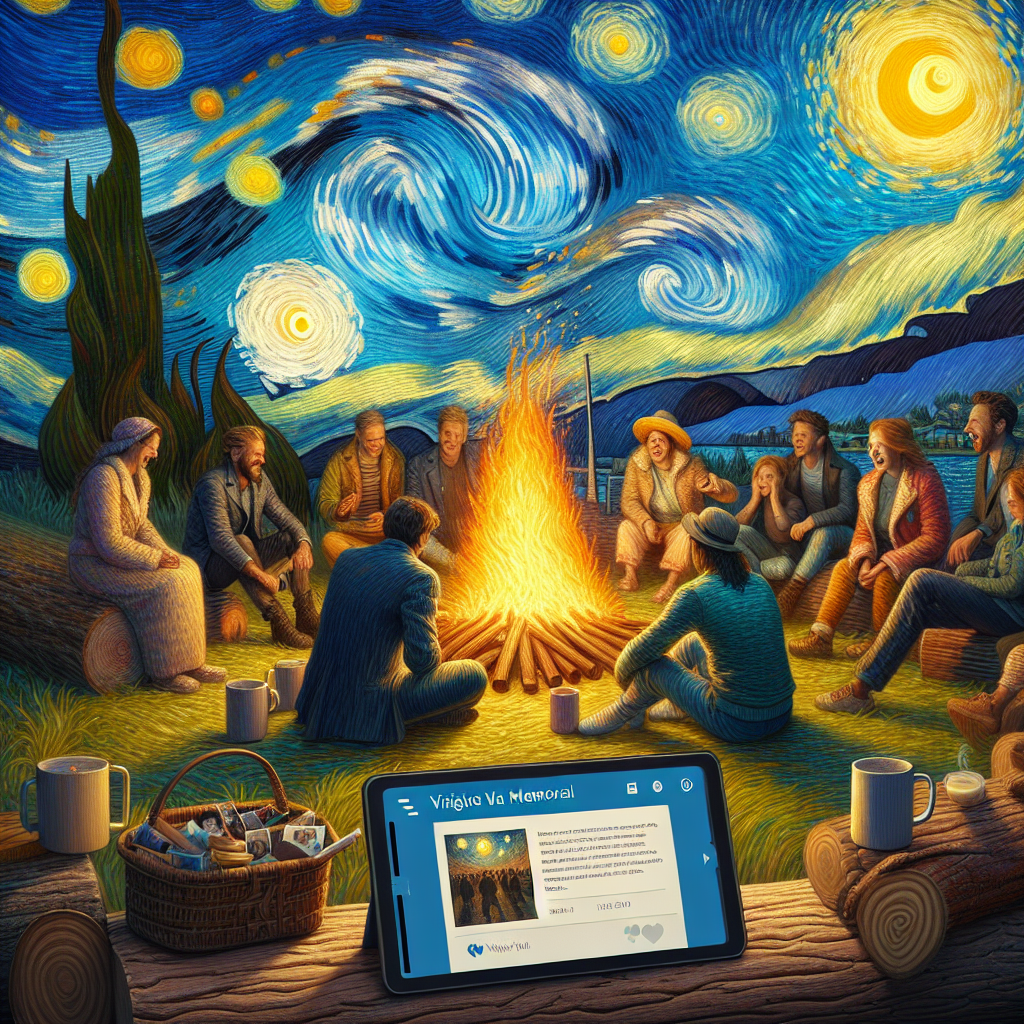
Conversations with others can act as time machines, allowing us to unearth treasures buried deep within our memories. Each shared story becomes a thread, weaving together the fabric of our past, enriching our lives with details we might have overlooked. When we sit down with friends or family, recounting tales of days gone by, we don’t just relive experiences; we shape their meanings, expanding our understanding. It’s a dance of recollection where every participant offers a unique perspective, reminding us of moments we might’ve forgotten or perceived differently.
Think back to a family gathering. Someone mentions that camping trip from five years ago, and a spark ignites—a mix of laughter, nostalgia, and surprising revelations. “You remember that time we got lost in the woods?” This question doesn’t just jog your memory; it stirs the pot of emotions, connecting your heart to shared experiences. Familiar faces come alive with joy, remembering the smell of pine trees or the warmth of a campfire. This isn’t mere storytelling; it’s legacy storytelling—an active process that reassures us our memories matter and deserve to be told.
But it’s not just about comforting vibes; it’s a brain workout, too. Engaging in conversations forces us to sift through mental archives, honing our critical thinking. What happened next? How did that shape who we are today? With each answer, we’re not just recalling facts; we’re constructing narratives that define our identities. Because let’s face it—our memories are like a jigsaw puzzle, and sometimes we need help finding those elusive pieces.
There’s a social bond forged in these exchanges, creating a tapestry rich with connections that transcend time. Our stories are safe harbors in an ever-changing world, reminders that we’re not alone in our experiences. The act of sharing fosters empathy, revealing that while our paths may differ, the emotions they elicit are universal.
So next time you find yourself sitting around a table or sharing a coffee with a friend, remember the power of those words. Talk it out. Listen closely. Each conversation is an opportunity to not just clarify what we remember but to reinforce the ties that bind us. In doing so, we not only solidify our personal legacies but also contribute to the collective story that unites us all.

How Can Conversations With Others Help Clarify Our Memories?
How Can Conversations With Others Help Clarify Our Memories?
- Conversations act as time machines, helping us rediscover buried memories.
- Shared stories weave together the fabric of our past, enriching our understanding.
- Recounting experiences allows us to shape their meanings and expand our perspectives.
- Memorable moments from conversations ignite emotions and rekindle connections.
- Engaging in storytelling is a mental exercise that hones critical thinking and identity formation.
- Sharing stories strengthens social bonds and creates a sense of belonging.
- Every conversation is an opportunity to clarify memories and reinforce connections.
How Can Conversations With Others Help Clarify Our Memories?
Conclusion
Reconstructing our past is a journey that transcends the mere act of recalling memories—it’s an exploration that intertwines our emotions, histories, and identities. Each blurred memory comes alive with stories that reflect our triumphs and struggles, emphasizing the shared experiences that connect us all. Remember that living room cluttered with relics of family history? It’s a sacred space where legacy storytelling fosters an understanding of our human condition, urging us to take a moment to reflect on our roots.
Diving into our past isn’t just therapeutic; it’s a communal effort that beckons us to seek connections. By asking questions and inviting others into our reminiscences, we strengthen the invisible bonds of family and friendship. The stories we share may seem trivial on the surface, yet they hold the keys to understanding our collective narrative, a narrative built on vulnerability, trust, and authenticity. It’s an act of courage that allows us to honor both our individual journeys and those of others. Through collective storytelling, we create a tapestry teeming with diverse threads, where every recollection contributes a vital stroke to the collective picture of humanity.
Time alters our perceptions, gently reshaping the contours of our memories. Joyful moments may fade into sweet nostalgia, while painful experiences transform into lessons learned. The sharp edges of regret are softened into empathy, allowing us to share wisdom gained through hard-won experience. Our memories hold immense power, guiding our daily decisions and ensuring we carry forth the values instilled in us by our ancestors.
In the pursuit of understanding our histories, we wield a responsibility rooted in ethics. Every story we choose to tell hinges on trust. Our commitment to presenting a balanced narrative shapes not just our legacies but also influences future generations. As we navigate through life, let’s remain engaged stewards of our stories, amplifying voices often left unheard and respecting the complexities that exist within our shared past.
Conversations act as catalysts, enlivening our memories and clarifying our experiences. Each dialogue enriches our understanding, weaving together our individual threads into a more substantial narrative. Together, let’s embrace the fuzziness and imperfections of our pasts. By doing so, we honor not only our stories but also the stories yet to be told, ensuring a legacy that resonates with authenticity, resilience, and the power to inspire. Your journey matters. Embrace it.

Conclusion
Conclusion:

Conclusion
Other Resources

Other Resources
Here is a list of other resources you can review online to learn more:
- Legacy
- FutureMe
- Memorial Matters
- INELA
- LivingDNA
- How to Avoid Losing Your Family History One Generation at a Time
- ForeverMissed
- Trust And Will
- My Wonderful Life
- How Has Time Changed The Cost Of Capturing Family Legacy Stories
- AmericanAncestors
- RootsMagic
- USLegalWills.com
- LegalZoom
- Storyfile Life
- Your Digital Afterlife
- Remembered.com
- EverLoved
- IronClad Family
Use This Prompt To Get More Resources With Your Favorite Online AI Tool: Please provide me with a list of online articles with their URLs in a bulleted list that I can read regarding How to Reconstruct The Past When It’s Fuzzy

Other Resources
Glossary Terms
How to Reconstruct The Past When It’s Fuzzy – Glossary Of Terms
1. Archival Research: The process of locating and examining historical documents and records to gather information about past events.
2. Contextualization: Placing events, artifacts, or information within the broader historical, cultural, or social circumstances to enhance understanding.
3. Oral History: Recorded accounts of personal experiences or historical events obtained through interviews, preserving individual perspectives.
4. Primary Source: Original documents or evidence from the time under study, such as letters, photographs, or official records.
5. Secondary Source: Works that interpret or analyze primary sources, like textbooks, articles, or biographies written after the fact.
6. Heuristic: A method or strategy used for discovering or learning information about the past, often involving creative problem-solving.
7. Corroboration: The process of confirming information by cross-referencing multiple sources to establish credibility and reliability.
8. Historical Narrative: A detailed account that tells the story of past events, often shaped by the author’s perspective or bias.
9. Chronology: The arrangement of events in the order they occurred, providing a timeline for understanding historical developments.
10. Folk History: Informal and subjective interpretations of history, often based on local traditions and stories rather than academic research.
11. Paleography: The study of ancient handwriting and documents, crucial for deciphering historical texts.
12. Genealogy: The study of family lineage and history, often used to trace ancestry and understand personal connections to the past.
13. Artifact: A tangible item or object from the past that provides insight into the culture, practices, or events of a specific time.
14. Interpretation: The act of explaining or providing meaning to historical data, often influenced by the researcher’s perspective.
15. Bias: A tendency to favor one perspective over another, which can influence the interpretation of historical events.
16. Anachronism: An error in chronology, where an object, event, or idea is placed outside its proper historical context.
17. Historiography: The study of how history has been written and interpreted differently over time, reflecting changing perspectives.
18. Data Triangulation: Using multiple methods or sources to validate findings and enhance the credibility of historical research.
19. Social Memory: Collective remembrance of past events by a community or society, shaping cultural identity and perception.
20. Cultural Artifact: Objects created by a society that reflect its beliefs, practices, and social structures.
21. Virtual Archives: Digital platforms that store and provide access to historical documents and resources.
22. Remembrance: The act of recalling or commemorating past events, which can influence present perceptions of history.
23. Contextual Evidence: Information that helps clarify the situation or environment surrounding a historical event, providing deeper understanding.
24. Historical Revisionism: The re-evaluation of historical records and narratives, often challenging established interpretations.
25. Narrative Construction: The process of piecing together information to create a coherent story or account of historical events.
26. Time Capsules: Collections of items representing a specific period, preserved for future discovery and analysis.
27. Ethnohistory: The study of a culture’s history through both historical documents and oral traditions, emphasizing indigenous perspectives.
28. Symbolism: The use of symbols to represent ideas or concepts, often significant in interpreting historical events and narratives.
29. Citations: References to sources used in research, essential for validating claims and providing credit to original authors.
30. Reflective Practice: The process of critically evaluating one’s own experiences and assumptions when studying history, fostering deeper understanding.

Glossary Of Terms
Other Questions
How to Reconstruct The Past When It’s Fuzzy – Other Questions
If you wish to explore and discover more, consider looking for answers to these questions:
- What techniques can be used to help recall fuzzy memories more clearly?
- How does sharing stories affect our emotional well-being?
- What are some common misconceptions about memory and recollection?
- How can cultural differences influence the way we remember and tell stories?
- What role does trauma play in how we reconstruct our memories?
- How do generations interpret the same historical events differently?
- What are the best practices for preserving family stories and legacies?
- How can we ensure the accuracy of the narratives we construct from our memories?
- What impact does technology have on how we remember events?
- How can we promote empathy through storytelling?
- In what ways do memories influence our beliefs and values over time?

Other Questions
Haiku
How to Reconstruct The Past When It’s Fuzzy – A Haiku
Whispers of the past,
Threads of memory unite,
Stories shape our souls.

Haiku
Poem
How to Reconstruct The Past When It’s Fuzzy – A Poem
In the chambers of our minds, memories unfold,
Faded photographs, whispers of stories told,
A journey through the fuzzy haze of time,
Each recollection a thread, weaving life’s rhyme.
Grandparents’ laughter, the scent of old wood,
Moments of joy, struggles understood,
Legacy storytelling, a bridge we extend,
Connecting our hearts, fostering the bonds that mend.
Questions arise as we sift through the dust,
Who shared the laughter? Who faced the thrust?
Gather the echoes, hold those tales dear,
For in each shared memory, our humanity’s clear.
Revisiting the past, both frail and bold,
Uncovers the treasures that time may withhold,
In vulnerability lies strength—we know,
The essence of stories helps our spirit grow.
From glowing triumphs to sorrowful falls,
Each shard is a lesson that beckons and calls,
Ethical threads weave our histories tight,
Shaping our future with shadows of light.
Trust in the tellers, who sift truth from lies,
Fireside tales breathed with passion arise,
As time changes lens, reshaping our views,
We cultivate purpose, in every choice we choose.
With conversations that spark, our memories ignite,
Revisiting moments, emotions take flight,
The past hands us wisdom, profound truths to share,
In every connection, we find that we care.
So gather those stories, embrace the mirage,
For each tale is a legacy, a timeless collage,
With hearts wide open, let our narratives flow,
For it’s in our shared journeys that we truly grow.

Poem
Checklist
How to Reconstruct The Past When It’s Fuzzy – A Checklist
Checklist: Reconstructing Your Past Through Legacy Storytelling
Heart: Emotional Engagement
_____ Reflect on Vivid Memories: Write down memories that evoke strong emotions. What moments make you feel connected to your past?
_____ Identify Emotional Anchors: Pinpoint experiences that shaped your values. How do they define who you are today?
_____ Share Joyous Stories: Share your favorite memories with someone close to you. Notice how laughter and nostalgia foster deeper connections.
Head: Rational Exploration
_____ Ask Reflective Questions: Who was involved in significant events in your life? What lessons did you learn from those experiences?
_____ Evaluate Sources of Memory: Consider the reliability and context of your recollections. Are the stories you remember based on facts or emotions?
_____ Analyze Shifting Perceptions: How has the passage of time altered your view of past events? List ways your outlook has evolved.
Gut: Ethical Consideration
_____ Acknowledge Complexities: Recognize that memories may be embellished or clouded by emotions. Are you being honest with yourself in your storytelling?
_____ Honor Multiple Perspectives: Consider the diverse experiences of others involved in your past stories. Are there narratives that contribute to a more inclusive understanding of your legacy?
_____ Commit to Authenticity: Make a pledge to tell your stories truthfully, respecting the impact they have on your legacy and the legacies of others.
Authority: Knowledge Gathering
_____ Consult Experts: Read books or attend lectures on memory and storytelling. What insights do experts offer that can deepen your understanding?
_____ Engage in Group Talks: Participate in community storytelling events or forums. How do others’ narratives complement or challenge your own?
Narrative: Storytelling and Social Binding
_____ Build a Story Database: Keep a journal of your memories, focusing on the stories that connect you with others.
_____ Encourage Shared Storytelling: Organize gatherings where family and friends can share their stories, creating a collective narrative that enriches everyone.
Social: Community and Connection
_____ Create Memory Circles: Establish regular meetings with friends or family to share memories. How does reconnecting with shared experiences strengthen your bonds?
_____ Explore Cultural Narratives: Investigate the broader cultural stories that have influenced your life. How do they shape the community you belong to?
By engaging with this checklist, you can embark on a meaningful journey of reconstructing your past through the power of legacy storytelling, embracing the interconnectedness of individual and collective experiences.

Checklist
At LegacyExplorations, we help people plan and explore their legacy by collecting information and news regarding end-of-life planning.
Please share this post with your friends, family, or business associates who may want help to plan or explore their legacy.