

Unlocking The Power Of Your Family’s History
By Tom Seest
At LegacyExplorations, we help people plan and explore their legacy by collecting information and news regarding end-of-life planning.
Please share this post with your friends, family, or business associates who may want help to plan or explore their legacy.
How to Sort and Prioritize Legacy Materials
Sorting and prioritizing legacy materials is not just a task; it’s an act of honoring our past. We all accumulate stories—each letter, photograph, and trinket holds a piece of our history. Legacy storytelling isn’t simply about what we remember; it’s about what we choose to pass down. Those memories are more than just dusty items tucked away in a box; they’re the foundation of who we are.
Start by gathering everything in one place. It’s like bringing together a family reunion of forgotten seconds, an emotional journey waiting to unfold. As you sift through them, notice what stirs your gut. Which items elicit a smile? Which ones prompt a headshake filled with disbelief? Tap into the emotions tied to those objects; they reveal the essence of your legacy. The heart has a way of leading us toward what matters most.
Next, prioritize based on significance. Not every item will hold equal weight. Ask yourself: What stories need to be told? What values do you want to pass on? This isn’t just about keeping clutter at bay. It’s about ethical stewardship of your family’s narrative. The items you choose to preserve can help shape future generations’ understanding of their identity. Each choice becomes a bulwark against the erasure of history.
Engage others in this process. Involve family members to create a social connection around the legacy materials. Conversations will spark new insights, perhaps leading to memories long forgotten. Remember, legacy storytelling isn’t a solitary endeavor; it’s communal. It’s an opportunity to share lessons learned, mistakes made, and triumphs achieved, fostering bonds between generations.
Finally, consider how to share these stories with the world. Today’s digital platforms make it easier than ever to tell your family’s tale. By doing so, you weave your legacy into the fabric of the broader community, where it can resonate far beyond the confines of your household.
Putting together a legacy isn’t just about looking backwards; it’s about firing up the imagination for what’s to come. It’s a call to action—preserve the past, embrace the present, and secure a better future, one story at a time. Each item matters, each tale transforms. So roll up your sleeves, sort through those treasures, and let the adventure begin.

How to Sort and Prioritize Legacy Materials
How to Sort and Prioritize Legacy Materials
- Sorting legacy materials honors our past and gathers our collective stories.
- Each item like letters and photographs holds a piece of our history and identity.
- Gather all items in one place to create an emotional journey and connect with memories.
- Prioritize items based on their significance and the stories and values they represent.
- Engage family members in the sorting process to foster communal connections and insights.
- Use digital platforms to share family stories, extending your legacy to the broader community.
- Putting together a legacy combines reflection on the past with imagination for the future.

How to Sort and Prioritize Legacy Materials
Table Of Contents
- How to Sort and Prioritize Legacy Materials
- What Memories Do These Legacy Materials Hold For You?
- How Can We Decide Which Items Truly Matter?
- What Methods Help Us Evaluate The Significance Of Each Piece?
- How Would You Feel If You Lost These Precious Items Forever?
- What Ethical Considerations Should Guide Our Sorting Process?
- How Can We Create A Narrative That Honors Our Past?
- What Role Do Family And Friends Play In This Decision-Making?
- Conclusion
- Other Resources
- Glossary Of Terms
- Other Questions
- Haiku
- Poem
- Checklist
What Memories Do These Legacy Materials Hold For You?
Legacy materials are more than just objects—they are vessels of our shared human experience. From a weathered quilt stitched by hands long gone to an old toolbox filled with rust and memories, each item tells a story that is more than the sum of its parts. They hold echoes of laughter, love, and loss, tying generations together in a tapestry of life that’s rich and textured. As we sift through these relics, we embark on a journey, driven by legacy storytelling that connects our past with the present, igniting an emotional spark that can teach us invaluable lessons.
Imagine holding your grandfather’s fishing rod, its grip worn down by years of casting lines into sun-dappled waters. It’s not just a tool; it’s a lifeline bridging memories of quiet afternoons spent together. As you relive those moments, it creates an undeniable pull—an invitation to honor and remember a man who valued patience and perseverance. This emotional connection invites you to take action, whether that’s passing down the rod to a child or forging your own memories on the water.
But let’s get real for a moment. These legacy materials also call us to reflect on where we stand in today’s world. They ask us: What values do we hold dear? What lessons can we extract from the stories embedded in these artifacts? Rationality plays its part as we evaluate our beliefs and choices in the context of the lives that have come before us. We find that in understanding our roots, we are better equipped to shape the future—a harmonious dance of past and present.
Ethically, we owe it to those who paved the way to preserve the stories contained within these items. In doing so, we foster a sense of responsibility, not just to our family but to society at large. By sharing these tales, we enrich our communities, weaving a collective narrative that withstands the test of time.
Legacy storytelling offers an opportunity to solidify these connections. Each piece holds a narrative waiting to be unearthed and shared. So next time you stumble upon an item that evokes a powerful memory, take a moment to explore its significance—both for you and for those who will come after. As we champion these legacies, we honor the past, inspire the present, and pave the way for a future that’s steeped in meaning.

What Memories Do These Legacy Materials Hold For You?
What Memories Do These Legacy Materials Hold For You?
- Legacy materials serve as vessels of shared human experiences, echoing laughter, love, and loss.
- Each item, like an old quilt or toolbox, tells intricate stories that connect generations.
- Holding a cherished item, such as a grandfather’s fishing rod, evokes deep emotional connections and memories.
- Legacy materials prompt reflection on personal values and lessons from the past.
- Understanding our roots empowers us to shape a better future, balancing past and present.
- Preserving stories within legacy materials fosters a sense of responsibility to family and society.
- Legacy storytelling enriches communities and paves the way for a meaningful future.

What Memories Do These Legacy Materials Hold For You?
How Can We Decide Which Items Truly Matter?
When we look around at the world, it’s easy to become overwhelmed by a whirlwind of distractions—shiny gadgets, fast fashion, and the incessant buzz of social media. But what happens when we shift our focus away from the superficial and towards the things that truly matter? Deciding which items are worthy of our time, energy, and resources is a crucial step in crafting our personal legacy. It’s about more than just material possession; it’s about weaving our legacy through the tapestry of our lives, narrated by the choices we make.
Let’s start by reflecting on your own life’s narrative. Think of the moments that made your heart race, the events that shaped who you are today. Those are the stories that define us, not the items collecting dust in the corner. Legacy storytelling isn’t just for the history books; it’s how we remind ourselves of what’s important. Every cherished item has a story—perhaps it’s a family heirloom filled with the laughter of generations past, or a worn-out book that guided you through tough times. What items resonate with your journey?
Now, let’s get a little more analytical. Consider the time you spend acquiring or maintaining possessions. Does it enrich your life, or does it weigh you down? This mindful evaluation can help you sift through the noise and clarify what deserves a prominent place in your life. You owe it to yourself to discern the value of these items through a lens of purpose rather than consumption.
Ethically speaking, we should ask ourselves: Do my possessions reflect my values? Our choices can impact our communities. When we prioritize thoughtful purchases that support artisans or environmentally responsible manufacturers, we send powerful ripples across our social fabric.
Connecting with others on this journey is crucial; it makes the process less isolating. Share your experiences and listen to the stories of those around you. You might find inspiration in their narratives and a shared understanding that transcends individual struggles.
Ultimately, deciding what truly matters is a blend of heart, head, and gut—an invitation to align what we cherish with our core beliefs and values. So, let’s break free from the noise, ignite our spirits, and focus on a life filled with the items and stories that truly contribute to the rich legacy we wish to leave behind.

How Can We Decide Which Items Truly Matter?
How Can We Decide Which Items Truly Matter?
- Modern life is filled with distractions like gadgets, fashion, and social media.
- Shifting focus to meaningful items is essential in crafting a personal legacy.
- Legacy storytelling defines who we are through our choices, not possessions.
- Reflect on pivotal life moments that shape your narrative and values.
- Evaluate whether your possessions enrich your life or cause burden.
- Ethically consider if your belongings align with your core values and impact your community positively.
- Connecting with others enhances the process and provides shared inspiration for meaningful living.
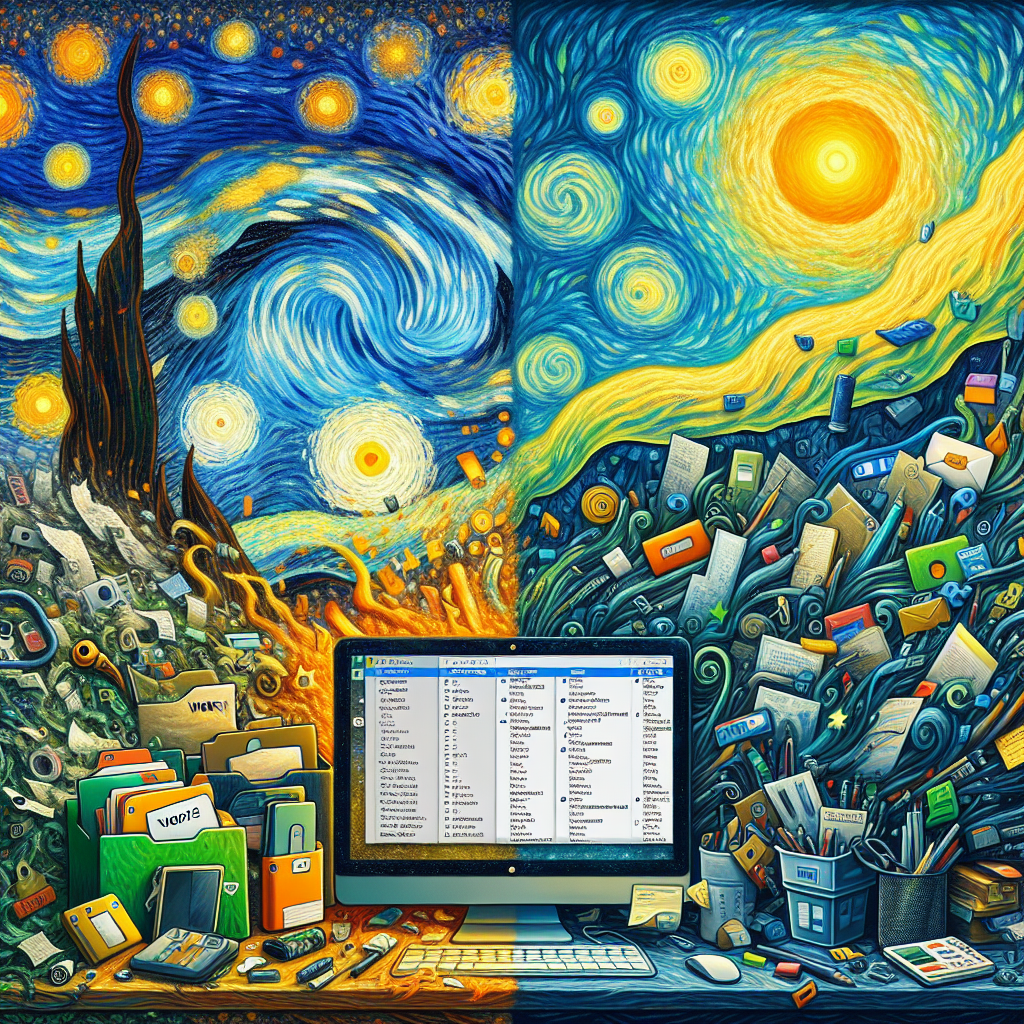
How Can We Decide Which Items Truly Matter?
What Methods Help Us Evaluate The Significance Of Each Piece?
When we look at the fabric of our lives, each thread tells a story—a legacy storytelling that weaves together experiences, choices, and moments that define us. Evaluating the significance of each piece in this intricate tapestry requires more than just data; it demands an examination of the heart, head, and gut.
Let’s start with the heart. Every story—whether it’s told around a dinner table or in the pages of a memoir—holds emotional weight. We connect with narratives that resonate; they play the strings of our emotions like a well-tuned instrument. By embracing our shared experiences and recognizing the emotional undertones, we can see how a seemingly small event can ripple through life and influence others, becoming part of a collective memory. The personal becomes universal, reminding us that none of us are alone in our struggles and triumphs.
Next, we challenge our heads. Analyzing the significance of each story requires critical thought, asking questions that delve deeper than face value. Why does this event matter? What are the lessons learned? This rational approach invites us to weigh the impact of choices, encouraging a thoughtful examination of our legacies. When we crunch the numbers behind our experiences, we discover patterns that illuminate broader truths, informing not just our personal narratives, but also those of generations to come.
Finally, we welcome the gut—the instinctual reaction that often speaks volumes before our minds catch up. Our visceral responses to stories guide us toward our values and beliefs. When we feel a twinge of connection or a sense of injustice, it’s a call to action. This ethical dimension compels us to evaluate the significance of our narratives, urging us to create legacies that foster compassion and understanding in our communities.
Wrapped within these approaches are the voices of authority—those who have walked the path before us, sharing insights that lend credibility to our evaluations. Their stories illuminate the lessons learned through experience, enabling us to build a bridge between their legacies and our own.
So, as we sift through the pieces of our lives, let us pause to appreciate the complex blend of emotion, reason, instinct, and wisdom that guides us. Each story holds significance; it’s our responsibility to recognize it and act with intention, ensuring that every chapter contributes to a legacy worthy of passing on. Together, we can celebrate the narratives that shape our identities and forge connections that last beyond a lifetime.

What Methods Help Us Evaluate The Significance Of Each Piece?
What Methods Help Us Evaluate The Significance Of Each Piece?
- Each thread of our lives tells a story, weaving together experiences, choices, and defining moments.
- Analyzing our stories requires an examination of the heart, head, and gut.
- Our emotional connection to narratives reveals the collective memory and shared experiences among individuals.
- Critical thought is necessary to evaluate the significance of stories and the lessons they impart.
- Instinctual reactions to stories guide our values and prompt us to take action.
- The voices of authority and experience help illuminate lessons learned and build bridges between legacies.
- Recognizing and acting upon the significance of our stories contributes to a worthy legacy for future generations.

What Methods Help Us Evaluate The Significance Of Each Piece?
How Would You Feel If You Lost These Precious Items Forever?
Imagine standing in the shadow of your family’s old oak tree, the one that’s been there for generations. Now picture it stripped of its leaves, the ground beneath your feet bare and empty. That’s how it feels when you think about losing cherished items embedded in our very identities, our memories — the photographs fading in an album, the letter hand-written by a loved one, the heirloom passed down through time. These are not just objects; they are the fabric of our legacy, woven from stories and experiences.
When we touch these items, we touch history; they ground us, remind us who we are, and where we come from. Our family stories, those narratives that shape our understanding of the world, are often encapsulated in the artifacts we hold dear. Without them, we risk leaving gaps in our lives, empty spaces where connection once thrived. It’s not just the loss of a physical item; it’s a severing of ties to our past and to each other.
Rationally, we know that things can be replaced, and yet, in our hearts, we know that some replacements will never capture the memories and emotions tied to the originals. Imagine framing a print of a famous painting instead of the family portrait taken by your grandfather decades ago. No matter how framed or well-printed, it will never hold the same weight, the same warmth, the same laughter that echoed around it.
It’s this understanding that compels us to safeguard these tokens of our existence. Ethically, it becomes our responsibility to preserve our legacy—not just for ourselves but for future generations. They are the storytellers of tomorrow who will share our values and beliefs if we ensure that the threads of our history remain intact.
Let’s also consider the social implications. Have you ever shared a story about a lost keepsake? You’d be surprised at how many people feel that same pang of nostalgia mixed with sorrow. There’s a community in shared grief — a bond forged in the recognition of what matters most. By connecting with others in this way, we reinforce the importance of cherishing and protecting our unique narratives and treasures.
So, what would it feel like to lose these precious items forever? It would feel like losing a part of yourself, an irrevocable silence where once there was life, laughter, and love. The urgency to act—to protect, preserve, and share our personal legacies—has never been clearer. Embrace it.

How Would You Feel If You Lost These Precious Items Forever?
How Would You Feel If You Lost These Precious Items Forever?
- The old oak tree symbolizes cherished family memories and legacy.
- Loss of treasured items equates to losing a part of our identity and connections to the past.
- Physical items serve as reminders of our family stories and histories.
- While items can be replaced, the emotional value tied to originals cannot be replicated.
- Preserving our legacy is an ethical responsibility for ourselves and future generations.
- Shared stories about lost keepsakes foster community and connections through shared grief.
- The urgency to protect and share personal legacies has never been clearer.

How Would You Feel If You Lost These Precious Items Forever?
What Ethical Considerations Should Guide Our Sorting Process?
When we talk about the sorting process, we’re really discussing much more than just arranging things into neat little piles. We’re diving into the heart of our collective identity—our Legacy. This process is rooted in the stories we tell, the values we hold dear, and the connections we foster within our communities. Each item we sort—be it data, experiences, or even relationships—carries a narrative. Are we honoring those stories, or are we just mindlessly stacking them away, hoping they won’t tumble down?
In every endeavor, ethical considerations should act like the compass guiding our journey. Let’s face it: the world is filled with choices, and every day we make decisions that can either uplift or undermine the very fabric of our society and environment. When we sort through information or experiences, we need to keep our integrity in check. Are we prioritizing sensationalism over truth? When we let emotion guide our sorting, we risk veering off the ethical path. But when we think with our heads and ground ourselves in facts, we not only gain clarity but foster trust with those around us.
Think of the lasting impact—your actions today ripple through the lives of others. They form connections, creating stories that intertwine with your own. We have a responsibility to inspire action and enlighten others. By embracing a system that values empathy, transparency, and respect, we transcend the mundane and create a lasting legacy. This isn’t just about cleaning up the clutter; it’s about nurturing the human experience.
And let’s not ignore the power of social appeal. People respond to relatable narratives. Share your struggle. Share the triumphs that emerged from the chaos. Let others see that you’re not just sorting through your life, but also making informed decisions that resonate on a deeper level. When we do this with authenticity, we foster a community built on collaboration and shared values.
By intertwining our emotional instincts with a rational, ethical framework, we can navigate the sorting process with purpose. It’s not merely about what we decide to keep or toss; it’s about the respect we show toward each piece—a respect that honors our legacy while paving the way toward a brighter, more connected future. Let’s sort wisely, not just for ourselves, but for generations to come.

What Ethical Considerations Should Guide Our Sorting Process?
What Ethical Considerations Should Guide Our Sorting Process?
- The sorting process reflects our collective identity and legacy, encompassing stories, values, and community connections.
- Each sorted item, whether data, experiences, or relationships, carries a significant narrative that deserves respect.
- Ethical considerations should guide our sorting decisions to maintain integrity and uphold societal values.
- Prioritizing truth over sensationalism is crucial in fostering trust and clarity in our actions.
- Our actions have lasting impacts, creating intertwined stories that extend beyond ourselves and inspire others.
- Sharing relatable narratives and struggles fosters community through collaboration and shared values.
- By combining emotional instincts with ethical reasoning, we can navigate sorting in a purposeful manner that honors our legacy.

What Ethical Considerations Should Guide Our Sorting Process?
How Can We Create A Narrative That Honors Our Past?
Creating a narrative that honors our past is not merely about recounting events; it’s about weaving the intricate threads of our history into a tapestry that resonates with the human experience. Legacy storytelling is a powerful tool in this process, inviting each of us to step into the shoes of those who walked before us. When we share stories of triumph, struggle, and everyday life, we connect on a visceral level. Think of the laborers whose hands created the very foundations of our communities; their sweat and sacrifice are not just distant memories but part of our shared identity.
Reflecting on our legacy means acknowledging the sacrifices made by countless individuals who shaped our world. Each tale of resilience, each moment of courage, etches itself into our collective consciousness. We honor them not just through homage but by taking their experiences to heart, letting them influence who we are today. Ask yourself: What stories have been passed down in your family? What lessons can they teach us about perseverance, compassion, and integrity? When we frame those lessons through legacy storytelling, we not only celebrate our ancestors but become custodians of their wisdom for future generations.
From a rational perspective, stories grounded in factual history can serve as guideposts, helping us navigate today’s complexities. By exploring the ethical implications of our past, we foster an environment where accountability and growth can flourish. When we confront uncomfortable truths within our narratives, we cultivate trust, challenging ourselves and others to reflect on our shared humanity. This is where the heart and the head converge; understanding our history is not merely an academic exercise, but a call to action.
Engaging our communities through shared narratives fosters connection, sparking conversations that resonate at the gut level. When you share your story, or even listen to someone else’s, it’s a powerful reminder that we are not alone in our journey. We engage in a collective process, weaving personal experiences into a shared narrative that embraces vulnerability and strength.
So, as we craft narratives that honor our past, let’s commit ourselves to genuine legacy storytelling. It’s a path that leads from the heart, through the mind, and into the core of our communities, urging us all to reflect, learn, and take action in shaping a brighter future together.

How Can We Create A Narrative That Honors Our Past?
How Can We Create A Narrative That Honors Our Past?
- Legacy storytelling weaves our history into a narrative that resonates with the human experience.
- Sharing stories of triumph and struggle connects us to the laborers and sacrifices that shaped our communities.
- Acknowledging sacrifices helps us internalize resilience and courage, influencing who we are today.
- Legacy storytelling allows us to celebrate our ancestors while becoming custodians of their wisdom.
- Fact-based narratives serve as guideposts for navigating today’s complexities and promoting accountability.
- Engaging in shared narratives fosters community connection and highlights our collective journeys.
- Genuine legacy storytelling encourages reflection, learning, and action for a brighter future.

How Can We Create A Narrative That Honors Our Past?
What Role Do Family And Friends Play In This Decision-Making?
When it comes to making life-altering decisions, the influence of family and friends cannot be overstated. These pivotal figures shape our thoughts, ignite our emotions, and even challenge our values, all while crafting a legacy that speaks to who we are and who we aspire to be. Think about it—every big choice we encounter often comes wrapped in a layered narrative, woven from the threads of the people who have stood by us. This is the essence of our unique legacy storytelling.
Consider a time when you faced a crossroads in your life. Perhaps it was a career change, a significant move, or the decision to pursue a dream that seemed out of reach. In the midst of that chaos, there they were: family and friends offering advice, perhaps sharing their own experiences, providing a calming presence or a fierce push to help you take that leap. This support not only builds confidence but also provides a safety net—a reminder that we are never truly alone in our decision-making.
Now, let’s delve into the ethical side of it. Our loved ones know us intimately; they understand the values instilled in us since childhood. Their insights often align with our moral compass, helping us evaluate our options through a lens of what feels right and just. This guidance reinforces the idea that we must consider not just ourselves, but also how our decisions ripple out to affect those we care about. Making choices in isolation can feel daunting, but when we invite our inner circle into the conversation, we create a shared dialogue that acknowledges their authority in our lives.
However, it’s not all serious business. The power of laughter and shared stories breaks the tension when decisions loom large. A friend might crack a joke just when you need it, while a family member may recount their own stumbles in the process, making the entire experience relatable and human. These moments foster connection, reminding us that the road to decision-making is often bumpy—and that’s perfectly okay.
At the end of the day, the legacy we leave isn’t just about our choices; it’s also about how those choices shape the lives of those around us. Armed with the wisdom, support, and love from our family and friends, we not only navigate the complexities of decision-making but also honor the stories that precede us. In doing so, we illuminate a path for future generations—one decision at a time.

What Role Do Family And Friends Play In This Decision-Making?
What Role Do Family And Friends Play In This Decision-Making?
- The influence of family and friends is crucial in making life-altering decisions.
- These individuals shape our thoughts, emotions, and values, contributing to our legacy.
- Major life decisions are often influenced by the narratives of those who support us.
- Support from loved ones builds confidence and provides a safety net during decision-making.
- Family and friends help evaluate choices through a shared moral compass and mutual understanding.
- Laughter and shared stories lighten the burden of decision-making, fostering connection.
- The legacy we create through our choices impacts not only ourselves but also future generations.

What Role Do Family And Friends Play In This Decision-Making?
Conclusion
Sorting and prioritizing legacy materials transcends mere organization; it’s a deeply emotional act that honors our past. These cherished items—a photograph, a handwritten letter, a beloved trinket—are vessels of our history, guiding us to understand who we are and where we come from. This process is like a family reunion of forgotten memories, allowing us to tap into emotions deeply tied to these artifacts. When we sift through our treasures, we’re not just evaluating stuff; we’re engaging with our identities, with feelings that provoke nostalgia, laughter, and even sorrow. Each piece prompts reflection, illuminating stories that deserve to be told and preserved for future generations.
Determining which items to keep requires thoughtful prioritization. Not every object carries the same weight in the narrative of our family history. As we choose what to maintain, we grapple with significant questions about the values and lessons we wish to pass forward. This isn’t simply decluttering; it’s an ethical stewardship of our legacy. Every decision carries the power to reinforce or reshape a sense of identity for those who come after us—a vital responsibility to ensure that vital threads of our history don’t fray into oblivion.
Engaging family and friends in the sorting process amplifies this experience. Conversations inspire fresh insights and reveal forgotten stories that enrich our shared narratives. Leaving behind a legacy is a collective endeavor allowing us to bond through shared experiences while imparting valuable lessons drawn from triumphs and mistakes alike. Today’s digital landscape opens new avenues to share these stories, intertwining them with the broader community, fostering connections that extend beyond the walls of our homes.
Ultimately, legacy storytelling is a call to action. It challenges us to secure the past, embrace the present, and ignite imaginations for the future. The adventure of preserving our history is not just a task—it’s a celebration of those who came before us and an invitation for future generations to appreciate the rich tapestry of experiences that form their foundation. So, as you embark on this meaningful journey, remember that every item, every story, creates the legacy you’ll leave behind, transforming both your life and the lives of those who will inherit your tales. Embrace that journey wholeheartedly.

Conclusion
Conclusion:
- Sorting and prioritizing legacy items is an emotional process that honors our past.
- These cherished artifacts, like photographs and letters, help us understand our identity and history.
- Engaging with these items can evoke nostalgia, laughter, and sorrow, prompting deep reflection.
- Choosing which items to keep involves thoughtful prioritization and ethical stewardship of our legacy.
- Involving family and friends in the sorting process enriches narratives and uncovers forgotten stories.
- Legacy storytelling connects us with the broader community and fosters shared experiences and lessons.
- This journey of preserving history celebrates our ancestors and invites future generations to appreciate our legacy.

Conclusion
Other Resources

Other Resources
Here is a list of other resources you can review online to learn more:
- 23AndMe
- Xarona
- USLegalWills.com
- FamilySearch
- Legacy Learned
- LivingDNA
- RootsMagic
- Forever Missed
- Trust And Will
- EverLoved
- INELA
- Willmaker
- Tributes
- UpCounsel
- IronClad Family
- My Wonderful Life
- Ancestry
- How Has Time Changed The Cost Of Capturing Family Legacy Stories
- Legacy
- Cake
Use This Prompt To Get More Resources With Your Favorite Online AI Tool: Please provide me with a list of online articles with their URLs in a bulleted list that I can read regarding How to Sort and Prioritize Legacy Materials

Other Resources
Glossary Terms
How to Sort and Prioritize Legacy Materials – Glossary Of Terms
1. Legacy Materials: Items, documents, or resources that are no longer in active use but may hold historical or organizational value.
2. Inventory: A comprehensive list of legacy materials that need sorting, including descriptions and classifications.
3. Categorization: The process of grouping legacy materials based on shared characteristics, such as type, age, or significance.
4. Prioritization: The act of determining the importance or urgency of legacy materials to decide their fate.
5. Assessment: Evaluating legacy materials to understand their condition, relevance, and potential for preservation.
6. Archiving: The systematic storage and preservation of materials deemed important for long-term retention.
7. Digitization: Converting physical legacy materials into digital formats for easier access and preservation.
8. Weeding: The process of removing unnecessary or obsolete materials from a collection.
9. Retention Policy: Guidelines that dictate how long and in what format certain legacy materials should be kept.
10. Deaccessioning: The formal process of removing legacy materials from a collection or archive that are no longer deemed necessary.
11. Conservation: The care and maintenance of legacy materials to prevent degradation and to ensure longevity.
12. Condition Report: A detailed description of the state of a legacy material, identifying any issues requiring attention.
13. Metadata: Data that provides information about other data, helping to organize and manage legacy materials effectively.
14. Authentication: The process of verifying the origin and legitimacy of legacy materials, particularly important for historical documents.
15. Documentation: Keeping records of legacy materials, including their history, usage, and any actions taken regarding them.
16. Access Policy: Rules governing who can view or handle legacy materials and under what circumstances.
17. Stakeholders: Individuals or groups with an interest in legacy materials, including historians, researchers, and organizational members.
18. Curatorial Review: An evaluation by a specialist to determine the historical or cultural significance of legacy materials.
19. Preservation Methods: Techniques used to protect and maintain the integrity of legacy materials, such as climate control and proper storage.
20. Stakeholder Engagement: Involving interested parties in discussions and decisions regarding legacy materials, often to gather input and support.
21. Collection Development: Strategies for acquiring new legacy materials to complement existing items and fill gaps.
22. Data Preservation: Ensuring that digital legacy materials remain accessible and intact over time through regular backups and updates.
23. Historical Significance: The importance of legacy materials in relation to their contribution to understanding history or culture.
24. Sorting Criteria: The specific standards used to evaluate and sort legacy materials, such as value, condition, and relevance.
25. Access Tools: Resources such as databases or finding aids that facilitate the retrieval of legacy materials.
26. Restoration: The process of fixing or repairing legacy materials to return them to a stable condition.
27. Handling Guidelines: Best practices for safely managing and interacting with legacy materials to prevent damage.
28. Storage Solutions: Strategies and materials used to safely store legacy items, ensuring protection against environmental factors.
29. Research Needs: Identifying the areas where legacy materials can provide insights or information to support scholarly inquiry.
30. Community Involvement: Engaging local or specialized communities in the process of sorting, preserving, or celebrating legacy materials.

Glossary Of Terms
Other Questions
How to Sort and Prioritize Legacy Materials – Other Questions
If you wish to explore and discover more, consider looking for answers to these questions:
- What are some effective strategies for gathering legacy materials?
- How can one engage family members in the sorting process?
- What criteria can help determine the significance of specific items?
- How can we effectively document the stories associated with legacy materials?
- What resources are available for preserving physical legacy materials?
- How can digital tools enhance legacy storytelling?
- What should we do if family members disagree on which items to keep?
- How can we ensure that the narrative we create is inclusive of all family members’ perspectives?
- What challenges might arise when sorting through emotionally significant items?
- How can we approach the topic of legacy materials with younger generations?
- What ethical dilemmas might arise in the sorting and prioritizing process?
- How can we keep the legacy narrative alive for future generations?
- What role can community organizations play in helping individuals with their legacy materials?

Other Questions
Haiku
How to Sort and Prioritize Legacy Materials – A Haiku
Treasured echoes call,
Stories whisper through the years,
Legacy unfolds.

Haiku
Poem
How to Sort and Prioritize Legacy Materials – A Poem
In the quiet corners of our lives, where memories reside,
Lies a treasure trove of stories, a legacy inside.
A worn letter, a photograph, whispers from the past,
Echoes of laughter and tears, each moment meant to last.
Gather them closely, like a family reunion near,
Sift through the fragments, let the emotions appear.
Feel the warmth of a childhood quilt stitched with care,
Or a fishing rod, worn smooth, full of love and shared air.
What stories matter? Which values must remain?
Each choice we make with purpose reminds us of our pain.
It’s not just about the clutter; it’s a call to take a stand,
To shape our future roots, to guide each coming hand.
Invite the tribe around, share in the woven tales,
As connections spark new memories, a vibrant heart prevails.
Through laughter and reflection, the past we intertwine,
Fostering bonds between generations, a sacred design.
Digital platforms beckon, to share these tales anew,
A fabric rich with history, a living thread that grew.
With each narrative we craft, honor those who came before,
For in their trials and triumphs lies a legacy to explore.
Let’s weigh the value, let’s feel the instinct’s pull,
Through emotional landscapes, our choices become whole.
In this journey of sorting, let integrity guide,
As we build a legacy nourished by love, never to hide.
Imagine losing these treasures, feel the void they leave behind,
A severed thread to our history, the stories left unlined.
Yet, in this urgent moment, we’re called to act, embrace,
To protect, preserve, and share our unique, sacred space.
With family and friends beside us, their wisdom lights the way,
Together we navigate choices, turning fear into play.
In this shared decision-making, our hearts and minds align,
For the legacy we sculpt today is our enduring, timeless sign.

Poem
Checklist
How to Sort and Prioritize Legacy Materials – A Checklist
Legacy Sorting and Prioritization Checklist
Emotional Appeals:
_____ Reflect on the memories associated with each item. Which ones evoke strong emotions (joy, nostalgia, sadness)?
_____ Identify objects that represent significant family moments or milestones.
_____ Share stories with loved ones about items to deepen emotional connections.
Rational Appeals:
_____ Evaluate the importance of each item based on its historical significance or contribution to family identity.
_____ Create a pros and cons list for each item to determine its value in your legacy.
_____ Assess how much time and resources are spent on maintaining these items.
Ethical Considerations:
_____ Consider the impact of your decisions on future generations. What values do you wish to convey through your chosen legacy items?
_____ Engage in open discussions with family about what to preserve and why, ensuring inclusive decision-making.
_____ Prioritize items that promote a sense of community and shared values.
Authority Insights:
_____ Seek guidance from family elders or respected figures in your life regarding the importance of certain items or stories.
_____ Research the historical context of family heirlooms or photographs to understand their significance better.
Narrative Development:
_____ Document the stories behind key items. What narratives do they hold that are worth sharing?
_____ Create a family chronology that intertwines significant items with important events, establishing a cohesive legacy.
Social Connections:
_____ Involve family and friends in the sorting process, fostering collaboration and shared memories.
_____ Share your journey of organizing legacy materials on social media or community platforms to inspire others.
_____ Host a gathering to tell stories about selected items, reinforcing family bonds and shared histories.
Intuitive (Gut) Responses:
_____ Trust your instincts when deciding which items resonate most deeply with you.
_____ Pay attention to your emotional reactions during the sorting process—let them guide your choices.
_____ Think about how certain items make you feel about your identity and familial ties.
Use this checklist as a guide to thoughtfully sort and prioritize your legacy materials, ensuring you honor your family’s history while creating meaningful connections for the future.

Checklist
At LegacyExplorations, we help people plan and explore their legacy by collecting information and news regarding end-of-life planning.
Please share this post with your friends, family, or business associates who may want help to plan or explore their legacy.