

Ensuring And Protecting Your Loved One’s Online Legacy
By Tom Seest
At LegacyExplorations, we help people plan and explore their legacy by collecting information and news regarding end-of-life planning.
Please share this post with your friends, family, or business associates who may want help to plan or explore their legacy.
How to Verify Online Legacy Information for Loved Ones?
In a world overflowing with digital remnants, piecing together the story of a loved one can feel like searching for a needle in a haystack. Online legacies are often a quagmire of unverified claims, social media snippets, and distant memories. If you’re on a quest to build an accurate tapestry of someone’s life, there are effective strategies to sift through the noise.
First off, start with the basics: the family archives. Old photo albums, letters, and journals can be gold mines for accurate information. They provide a tangible connection to the past, often holding dates, names, and places that can anchor your search. Scan these documents for unique names, locations, and events that can be matched up with online information. Also, don’t forget to talk to family members. A casual conversation over coffee can reveal stories and details that aren’t archived anywhere electronically.
Next, move online, but proceed with caution. Social media platforms are overflowing with profiles and memories, but understanding who’s who can be a puzzle. Start with major platforms like Facebook, Instagram, or LinkedIn. Look for posts from the person of interest that could help you determine their significant relationships and experiences. Comments and tags can reveal connections you might not have known existed, providing leads to follow.
Now we must tackle the sleuthing side of things. Online databases such as Ancestry.com, FamilySearch.org, or even more specialized ones like FindAGrave.com can be incredibly helpful. They gather information from public records, obituaries, and grave sites, and these sites often serve as a bridge between the past and present. When using these platforms, cross-reference the details you find. Don’t take things at face value; look for corroborating evidence to avoid falling into the pit of misinformation.
If you stumble upon newspapers, don’t overlook them! Websites like Newspapers.com or local library archives can yield obituaries, marriage announcements, and other documentation that flesh out a person’s life story. These artifacts can serve as footprints through time, leading you closer to the truth.
Lastly, when everything seems like a jigsaw puzzle with missing pieces, consider reaching out to local historical societies or genealogy groups. These organizations harbor a treasure trove of information and often have experienced members willing to lend a hand. They can help you navigate the often murky waters of online legacy information, ensuring that what you piece together is both accurate and meaningful.
Verifying online legacy information is more than about the facts; it’s about honoring a life lived. So roll up your sleeves—because the journey is as important as the destination.

How to Verify Online Legacy Information for Loved Ones?
How to Verify Online Legacy Information for Loved Ones?
- Start your search with family archives such as photo albums, letters, and journals for accurate information.
- Engage in conversations with family members to uncover untold stories and details.
- Be cautious when exploring online social media platforms like Facebook and Instagram to identify significant relationships.
- Utilize online databases like Ancestry.com and FamilySearch.org for public records and genealogical data.
- Cross-reference details found in online databases to avoid misinformation.
- Explore newspapers and local library archives for obituaries and marriage announcements.
- Seek assistance from local historical societies or genealogy groups to help navigate online legacy information.

How to Verify Online Legacy Information for Loved Ones?
Table Of Contents
- How to Verify Online Legacy Information for Loved Ones?
- How Can I Authenticate Online Legacy Information Effectively?
- What Are The Best Sources For Verifying Online Legacy Data?
- How Do I Know If An Online Memorial Is Reliable?
- What Steps Should I Take To Cross-Check Legacy Information?
- What Tools Are Available For Verifying Online Genealogical Claims?
- How Can I Determine The Accuracy Of Online Obituaries?
- What Red Flags Should I Watch For When Verifying Legacy Info?
- What Role Do Historical Records Play In Legacy Verification?
- How Can I Request Information From Online Genealogy Services?
- What Are Common Mistakes When Verifying Online Legacy Information?
- Where Can I Find Expert Help For Verifying Legacy Information?
- How Do I Handle Conflicting Information Found Online?
- What Is The Importance Of Local Libraries In Legacy Research?
- How Can I Validate Photos And Documents Shared Online?
- What Legal Considerations Should I Keep In Mind During Verification?
- Conclusion
- Other Resources
- Glossary Of Terms
- Other Questions
- Haiku
- Poem
- Checklist
How Can I Authenticate Online Legacy Information Effectively?
When diving into the vast ocean of online legacy information, it’s easy to feel like you’re swimming with sharks. The internet, while brimming with valuable nuggets of history, is also littered with misinformation and exaggerated tales. So, how do you sift through these digital waters to find the real deal? Let’s break down some practical steps for effective authentication.
First off, start with the source. If it sounds like a questionable back-alley vendor, it’s likely best to steer clear. Reliable information often comes from established institutions, like universities, libraries, or respected archives. Pay attention to the domain, too. Websites ending in .edu or .gov generally indicate a level of accountability and reliability. However, don’t let the URL alone be your guiding star; it’s just one piece of the puzzle.
Next, dig deeper into the author’s credentials. Who penned the information? A historian with decades of experience bears a lot more weight than an anonymous blogger sharing family recipes. Look for their background, their other works, and their ties to reputable organizations. If they’ve contributed to fearsome peer-reviewed journals, you’re likely on stable ground.
Then, cross-reference your findings. Treat online legacy information like a good chili recipe—no one should rely on a single can of beans. Are there multiple credible sources backing up the same historical event or claim? If you see a consensus amongst respected voices, you’re probably on to something significant. Remember, just because an idea is popular doesn’t make it true. With the right tools in hand, challenge and verify that popularity.
You can’t ignore the power of critical thinking either. Approach information with a healthy dose of skepticism—ask the hard questions. Who benefits from this information? Is it intended to inform, persuade, or mislead? If the dye used to paint the picture seems questionable, it’s worth scrutinizing.
Finally, don’t underestimate the expertise of local historians or archivists. They’re often the unsung heroes of legacy information. Seek them out. A conversation can provide insights and context that dry text simply can’t.
At the end of the day, the quest for authentic legacy information is like any worthwhile endeavor: it requires effort, intuition, and a sprinkle of common sense. So lace up your boots and get ready to dig in; the truth is out there waiting to be uncovered!

How Can I Authenticate Online Legacy Information Effectively?
How Can I Authenticate Online Legacy Information Effectively?
- The internet is full of valuable historical information but also rife with misinformation.
- Start by evaluating the source; established institutions like universities and libraries are more reliable.
- Check the author’s credentials, preferring experienced historians over anonymous bloggers.
- Cross-reference findings with multiple credible sources to confirm historical events or claims.
- Use critical thinking to analyze the intent behind the information you encounter.
- Engage with local historians or archivists for deeper insights and context.
- Authentic information gathering requires effort, intuition, and common sense.

How Can I Authenticate Online Legacy Information Effectively?
What Are The Best Sources For Verifying Online Legacy Data?
When it comes to digging through the tangled web of online legacy data, you might feel like a miner sifting through dirt for a glimmer of gold. The challenge lies not just in finding the information, but ensuring it’s legit. The internet is a wild frontier, and for every diamond, there’s a heap of fool’s gold waiting to lead you astray. So, strap on your boots and let’s get to work.
First off, reputable databases are your bread and butter. Websites like the Internet Archive or academic repositories like JSTOR are jam-packed with resources that have stood the test of time. They undergo rigorous curation and vetting processes, meaning the data you find there is more likely to be trustworthy. Think of them as the fortresses housing the historical tin cans filled with data—reliable and worthwhile.
Next, don’t overlook government sources. If you’re looking for statistics or historical records, official governmental sites often have the goods, including documents, research papers, and data sets. Just remember to vet the URL; you want a .gov or .edu domain at the end of the web address, not some questionable blog claiming to hold the secrets of the universe.
Then, there are peer-reviewed journals. These are the gold standard when it comes to verifying facts. Research that has been scrutinized by experts before publication tends to be more reliable. Websites like Google Scholar and PubMed can be your trusty shovels, helping you dig up articles that have passed the rigorous testing of peer review. If you want solid legacy data, go straight to the publications that contributors have labored tedious hours over – it’s worth the effort.
Don’t forget to tap into community resources, either. Online forums, professional groups, or even social media can lead to credible sources or individuals with firsthand knowledge. But be cautious here; you’ll need to separate the wheat from the chaff by cross-referencing their claims with established data.
Finally, utilize citation tools and cross-checking methods. If you find a piece of legacy data you’re curious about, run it through multiple sources. The more consensus you find among reputable sources, the more likely you are to stumble upon the truth buried beneath layers of misinformation.
So, gear up and get ready to sift through the online landscape. With diligence and the right tools, it’s entirely possible to unearth verifiable legacy data and separate the true nuggets from the tarnished debris. Happy hunting!

What Are The Best Sources For Verifying Online Legacy Data?
What Are The Best Sources For Verifying Online Legacy Data?
- Finding legitimate online legacy data is challenging due to the abundance of misinformation.
- Reputable databases like Internet Archive and JSTOR provide trustworthy resources that have been rigorously vetted.
- Government sources (.gov or.edu domains) are valuable for accessing statistics and historical documents.
- Peer-reviewed journals are essential for verifying facts and ensuring reliability; use platforms like Google Scholar and PubMed.
- Community resources, such as online forums and social media, can yield credible information but require careful cross-referencing.
- Utilize citation tools and cross-checking methods to confirm the validity of the data found across multiple reputable sources.
- Approach the search for legacy data with diligence and appropriate tools for successful results.

What Are The Best Sources For Verifying Online Legacy Data?
How Do I Know If An Online Memorial Is Reliable?
When it comes to honoring a loved one’s memory through an online memorial, reliability is key. You want a space that not only pays tribute but does so with integrity and respect. Here’s how you can sift through the noise and determine if an online memorial is worth your time—and your heart.
First, take a good look at the website itself. A reliable memorial platform should have a professional appearance. Think of it like a well-maintained garage: clean, organized, and free from clutter. Poor design, outdated information, or broken links are red flags. A shoddy website often reflects a lack of care or dedication to the mission at hand. So, pay attention.
Next, check the credentials of the organization behind the memorial. Are they a nonprofit? A recognized funeral service? Look for affiliations with reputable associations or recognitions from other organizations. If they’re established and known for their contributions to the community, the chances are better that they’re committed to honoring lives properly. Transparency is another great indicator—reliable sites will openly share their mission, values, and even their contact information.
Customer reviews can be a goldmine. Just like you’d check Yelp before trying that new BBQ joint, dig into testimonials from those who’ve used the site. Look for consistent patterns—positive feedback is great, but also pay attention to any complaints. If a service is inconsistently praised or comes with a laundry list of grievances, it’s worth heeding that advice.
Also, consider the features offered. A trustworthy memorial site should allow you to create a robust tribute. Look for options to share stories, upload photos, and even gather messages from family and friends. Community involvement can be enormously beneficial. If the platform encourages shared memories and contributions, it fosters a rich, supportive environment around your loved one’s legacy.
Another factor? Security. A reputable online memorial service will take your privacy seriously. They should have clear privacy policies in place and protect your data with robust security measures. If you can’t find information on how they handle your data, think twice before sharing personal stories and memories online.
Lastly, trust your gut. If something feels off or if the site feels more like a commercial venture than a memorial, you might want to keep looking. After all, your loved one’s memory deserves the highest level of respect and reliability.

How Do I Know If An Online Memorial Is Reliable?
How Do I Know If An Online Memorial Is Reliable?
- Reliability is crucial when choosing an online memorial to honor a loved one.
- The website should have a professional appearance and be free of poor design and broken links.
- Check the organization’s credentials, ensuring it’s a nonprofit or recognized funeral service with reputable affiliations.
- Customer reviews are important—look for consistent positive feedback and be wary of negative patterns.
- A trustworthy memorial site should provide robust features for sharing memories, stories, and photos.
- Privacy and security measures should be clear, ensuring the protection of your personal data.
- Trust your instincts; if the site feels commercial or untrustworthy, consider looking for alternatives.

How Do I Know If An Online Memorial Is Reliable?
What Steps Should I Take To Cross-Check Legacy Information?
When you’re wading through the murky waters of legacy information, it’s essential to don your boots and get ready to sift through the muck. Legacy information, whether it’s archives from yesteryear, outdated databases, or even old-school paperwork, can be a treasure trove or a minefield. In order to navigate these tricky depths safely, follow these steps to cross-check the facts.
Step 1: Identify Your Sources
Start by listing all the sources of your legacy information. This includes digital archives, printed records, and even informal data from past employees or community members. Understanding where your information comes from is like knowing which end of the shovel to start digging with—the more you know about your sources, the more prepared you’ll be for what you might unearth.
Step 2: Validate the Information
Once you’ve got your sources lined up, the next task is to validate the information. Look for corroborating documents or data that support what you’re finding. This can be other reports, public records, or testimonies from reliable individuals. Think of this as playing detective; you’re hunting down clues to verify the narrative of the past.
Step 3: Look for Red Flags
Watch out for inconsistencies or gaps in the legacy information. These can be your biggest clues that something might be amiss. Whether dates don’t match or references seem out of place, red flags signal that more digging is required. Don’t shy away from challenging the status quo; sometimes, the truth hides behind the shadows.
Step 4: Consult with Experts
When you’re knee-deep in complex information, don’t hesitate to call in the cavalry. Speak to historians, archivists, or subject matter experts related to the field of your research. These folks have seen a lot and can help you discern what’s valuable and what’s, well, a little more dubious.
Step 5: Document Your Findings
After you’ve cross-checked and validated, make sure to document everything. Create a clear record of what you found, how you validated it, and any questions that still linger. It’s your map for future explorers who may find themselves navigating the same landscape of legacy information.
Ultimately, the goal is to piece together an accurate account of the past while embracing the responsibility that comes with historical data. Tread carefully and keep an open mind, because sometimes the truth can be more surprising than fiction.

What Steps Should I Take To Cross-Check Legacy Information?
What Steps Should I Take To Cross-Check Legacy Information?
- Legacy information can be valuable but challenging to navigate, consisting of archives, outdated databases, and old paperwork.
- Step 1: Identify your sources by listing all forms of legacy information, including digital archives and printed records.
- Step 2: Validate information by looking for corroborating documents or reliable testimonies to support your findings.
- Step 3: Watch for red flags such as inconsistencies or gaps in the information, which may suggest the need for further investigation.
- Step 4: Consult with experts like historians or archivists to gain insights on the value and reliability of the information.
- Step 5: Document your findings meticulously to create a clear record for future reference.
- Embrace the responsibility of handling historical data and approach your research with an open mind.

What Steps Should I Take To Cross-Check Legacy Information?
What Tools Are Available For Verifying Online Genealogical Claims?
When it comes to sifting through the often murky waters of online genealogy, having the right tools at your disposal is essential. It’s a bit like being a treasure hunter; you need more than just a map—you need a reliable compass and sturdy shovel, too. Fortunately, a wide array of resources exists to help you verify family trees, shaky claims, and those tantalizing hints that might just lead to Aunt Gertrude’s long-lost twin.
First up on the list are established genealogical databases like Ancestry, MyHeritage, and FamilySearch. These platforms offer vast collections of records ranging from census data to birth, marriage, and death certificates. But don’t just stop at the online trees—dig deeper. Look for primary documents that verify the data you encounter. Original records are your best friends; they provide the proof you need to back up your family claims—because a pretty tree is just that until it’s anchored by solid roots.
Next, we can’t overlook the power of collaboration. Online forums, social media groups, and local genealogical societies are fantastic places to connect with others who are just as passionate about unearthing family histories. Engaging with fellow enthusiasts can lead to shared insights and discoveries that could expand or clarify your own findings. You’d be surprised how much knowledge is floating around when you put out a call for help.
Then there’s the indispensable role of critical thinking. Always approach online claims with a healthy dose of skepticism. Cross-reference information across multiple sources. The more confirmatory evidence you can gather from varied channels, the more likely you are to uncover the truth hidden behind the claims. And let’s be honest: the internet is a wild place. Those shaking leaves you see on Ancestry? They may shake, rattle, and roll their way into inaccuracies if not examined closely.
Lastly, consider enlisting modern technology, like DNA testing. With companies like 23andMe and AncestryDNA at your fingertips, genetic databases can offer clues that go beyond paper trails. They can connect you with distant relatives and help clarify uncertain lineages. Just remember—while science adds a whole new layer, it’s not a license to abandon other forms of verification.
Verifying online genealogical claims isn’t just a task, it’s an adventure—an unraveling of the fabric of your family’s past. Armed with the right tools, you can navigate that journey with confidence and precision. Happy hunting!

What Tools Are Available For Verifying Online Genealogical Claims?
What Tools Are Available For Verifying Online Genealogical Claims?
- Having the right tools is essential for effective online genealogy research, akin to being a treasure hunter.
- Established genealogical databases like Ancestry, MyHeritage, and FamilySearch provide extensive records such as census data and vital certificates.
- Original records serve as essential proof to substantiate family claims, moving beyond superficial online trees.
- Collaboration through online forums, social media groups, and local genealogical societies can enhance discoveries and insights.
- Critical thinking is crucial; approach online claims skeptically and cross-reference information from multiple sources.
- Modern technology, including DNA testing from companies like 23andMe and AncestryDNA, can uncover clues that traditional research methods may miss.
- The process of verifying online genealogical claims is an adventurous journey into your family’s history, requiring confidence and precision.

What Tools Are Available For Verifying Online Genealogical Claims?
How Can I Determine The Accuracy Of Online Obituaries?
In today’s digital age, the quest for truth can feel like wandering through a dense forest—especially when navigating the realm of online obituaries. With the click of a button, we can access a treasure trove of information, but how do we sift through the sediment to get to the gold? Understanding how to determine the accuracy of online obituaries is crucial, especially when these tributes are often the final word on a person’s life.
First things first: check the source. Just like you wouldn’t trust a recipe from someone who can’t boil water, you need to scrutinize the credibility of the website hosting the obituary. Established newspapers, local news stations, and funeral homes with a long-standing reputation often provide the most reliable information. If you stumble across an obituary on a site that’s cluttered with ads and feels sketchy, proceed with caution. It’s the online equivalent of finding a “deals” sign in a dark alley—you might just be entering a slippery situation.
Next up, seek corroboration. You’ve got the obituary from one source—great! But that doesn’t mean it’s gospel. Cross-reference the details with multiple credible outlets. If you can find the same information echoed in local news publications or from official family announcements, you’re moving closer to that precious jewel of accuracy. Think of it as a fact-checking treasure hunt where the more sources you gather, the clearer the picture becomes.
Don’t underestimate the power of social media, either. While these platforms can sometimes spread misinformation like wildfire, they also serve as a tool for families and friends to share updates and remembrances. Check to see if the deceased’s family or close friends have posted tributes or confirmations. Their words can provide crucial context and help clarify any discrepancies in public obituaries.
Also, pay attention to the details. Obituaries, much like building a house, require precise measurements. Names, dates, locations—each piece should be carefully scrutinized for correctness. If dates don’t match or key life events are missing, that could raise a red flag.
Determining the accuracy of online obituaries is a bit like detective work. Keep your eyes peeled, ask questions, and connect the dots. A little diligence on your part can ensure that the legacy of those who have passed is honored with the truth they deserve. After all, every life has a story, and it’s up to us to get it right.

How Can I Determine The Accuracy Of Online Obituaries?
How Can I Determine The Accuracy Of Online Obituaries?
- Check the credibility of the website hosting the obituary, focusing on established newspapers, local news stations, and reputable funeral homes.
- Cross-reference details from multiple credible sources to verify the accuracy of the information.
- Utilize social media to find posts or tributes from the deceased’s family or friends that may confirm the obituary’s details.
- Scrutinize important details such as names, dates, and locations for consistency and accuracy.
- Approach online obituaries with the mindset of a detective, remaining vigilant and inquisitive.
- Recognize that online obituaries can serve as the final testament of a person’s life, underscoring the importance of accuracy.
- Emphasize the responsibility to honor the legacies of the deceased by ensuring truthful representation.

How Can I Determine The Accuracy Of Online Obituaries?
What Red Flags Should I Watch For When Verifying Legacy Info?
When digging through the layers of history, whether it’s old photographs, documents, or even stories passed down through generations, there’s one thing to keep firmly in your mind: not everything that glitters is gold. A good sleuth knows how to spot the telltale signs of dubious legacy information. Here are some red flags to keep an eye out for as you sift through the rubble of the past.
First off, consider the source. If the information originates from a single individual without any collateral evidence to back it up, you’re standing on shaky ground. While personal anecdotes can be invaluable, they’re also inherently subjective. Look for multiple sources corroborating the same tale. A scattering of similar accounts from different voices often lends credibility to a narrative far more than solitary whispers of long-forgotten stories.
Next up is the timeline. Context is king in historical narratives. If you stumble upon information that seems to defy the timeline of established events, you should pump the brakes. Maybe it’s a case of bad memory, or perhaps it’s a blatant attempt at rewriting history. Always cross-reference dates and events with reliable historical records to avoid veering into fantastical territory.
Then, there’s the notion of sensationalism. Information that reads more like clickbait than a cohesive story should raise your hackles. If it’s dripping with hyperbole—think tales of heroic homesteaders battling mythical creatures or accounts steeped in melodrama—tread carefully. These exaggerations often serve more to impress or entertain than to inform, and you could be looking at a larger truth being obscured by flair.
Lastly, pay attention to the language. Legacy info might come cloaked in antiquated phrases and peculiar turns of speech, which can be charming but also deceptive. If the verbiage feels overly polished or too contemporary for the period being discussed, it’s a sign that someone might have been working hard to make the past seem more palatable. Authenticity is often found in the raw, unrefined simplicity of the old way of speaking.
In short, when it comes to verifying legacy information, be the seasoned investigator—trust your instincts, connect the dots, and don’t let your excitement lead you astray. Keep your wits about you; the truth is often buried beneath layers of revision, and recognizing these red flags can help you unearth it.

What Red Flags Should I Watch For When Verifying Legacy Info?
What Red Flags Should I Watch For When Verifying Legacy Info?
- Be cautious of information sources; single narratives without supporting evidence can be unreliable.
- Look for multiple corroborating sources to lend credibility to historical accounts.
- Check timelines and events for consistency with established historical records.
- Avoid sensationalized information that resembles clickbait; it may obscure larger truths.
- Analyze the language used; overly polished or modern phrases may indicate revisionism.
- Trust your instincts as an investigator while verifying legacy information.
- Recognizing red flags is crucial for uncovering the truth hidden in historical narratives.

What Red Flags Should I Watch For When Verifying Legacy Info?
What Role Do Historical Records Play In Legacy Verification?
When it comes to legacy verification, historical records are the unsung heroes worth their weight in gold. Imagine you’re standing in a creaky old archive surrounded by dusty tomes, boxes bursting with yellowing documents, and the occasional whiff of mildew. It might seem like a forgotten world, but within those walls lies a treasure trove of information waiting to be unearthed.
Historical records serve as the bedrock of legitimacy, providing a factual scaffold for individuals aiming to trace their lineage or establish their legacy. Think of them as the family photo album of history, yet instead of snapshots of Grandma’s cat, they’re brimming with birth certificates, wills, land deeds, and military service records. Each document holds a story, a piece of the puzzle that can affirm one’s heritage or rightful claims.
In an age when everyone seems to be a self-proclaimed expert, a quick online search won’t cut it. Those glossy online legacies crafted with a few clicks can rarely match the weight of a proper historical document. It’s easy to spin a yarn about where you come from, but without substantive proof, it’s just that—a story. That’s where these archaic yet vital records step in, pulling back the curtain on claims made with bravado.
Moreover, these records can clarify the fog of myth and exaggeration that often surrounds family histories. We’ve all heard tales about how great-great-grandpa was a valiant knight or a famous inventor. However, those aren’t always more than family folklore unless historical records can back them up. Verification isn’t just about gazing into the past; it’s about anchoring present identities and affirming the narratives we choose to carry forward.
Then there’s the legal aspect. Property ownership, inheritance, and even citizenship can hinge on these historical documents. Without them, claims can evaporate like morning mist. These records act as solid evidence, transforming disputes into resolutions, and making sure that the legacy you wish to protect is just as robust as you believe it to be.
In summary, historical records are guardians of truth and context, working tirelessly behind the scenes to separate fact from fiction. They guide us in understanding who we truly are and help us step forward with the confidence that our legacy is grounded in reality rather than myth. It’s the ultimate reality check in a world that seems increasingly enamored with the art of storytelling.

What Role Do Historical Records Play In Legacy Verification?
What Role Do Historical Records Play In Legacy Verification?
- Historical records are essential for legacy verification, serving as invaluable resources.
- They provide a factual basis for tracing lineage and establishing legitimacy.
- Documents such as birth certificates, wills, land deeds, and military records form a comprehensive family history.
- Online searches often lack the credibility and depth of traditional historical records.
- These records help dispel myths and exaggerations surrounding family histories.
- Legally, historical documents are crucial for property ownership, inheritance, and citizenship claims.
- Ultimately, they offer a reality check, ensuring legacies are grounded in truth, not fiction.

What Role Do Historical Records Play In Legacy Verification?
How Can I Request Information From Online Genealogy Services?
If you’ve ever found yourself neck-deep in old photos, dusty family trees, or peculiar stories about your ancestors, you’re probably itching to learn more about where you came from. Online genealogy services can be a treasure trove of information, but navigating the ins and outs of these platforms might feel like trying to assemble a piece of furniture without the instruction manual. Fear not, because asking for help and requesting information doesn’t have to be rocket science.
First things first, identify the specific service you want to use. There are several big players in the genealogy game, each offering a unique set of tools and databases. Think about what you need: Are you seeking birth records, death certificates, or perhaps immigration documents? Knowing exactly what you want can save you time and steer the ship in the right direction.
Once you’ve chosen your service, it’s time to dive in. Most platforms have a user-friendly interface that allows you to set up an account in just a few clicks. With your account ready, you can start exploring their archives. Look for a dedicated section for research requests or customer support. Typically, these services have a contact form or an email address specifically for inquiries.
Be clear and concise in your request. It’s a good rule of thumb to include essential details like the names, dates, and places related to your inquiry. The more information you provide, the easier it is for their seasoned staff to assist you. Think of it like fishing: the more bait you throw in the water, the better your chances of reeling in that big catch.
Additionally, don’t shy away from checking their FAQs or help sections. Many services outline their procedures for requests, fees, and expected timelines for responses. Some might even have community forums where you can ask questions or share your experiences with other genealogy enthusiasts.
Lastly, you’ll want to exercise a bit of patience. Understand that these services handle numerous requests daily. When you hit the “send” button, give them some time to dig through the archives. If necessary, follow up politely after a reasonable period has passed.
So, whether you’re tracing your roots or simply curious about your family history, unlocking the mysteries of your past is just a question away. Get ready to dig deep and perhaps discover a side of your family tree you never knew existed. Happy hunting!
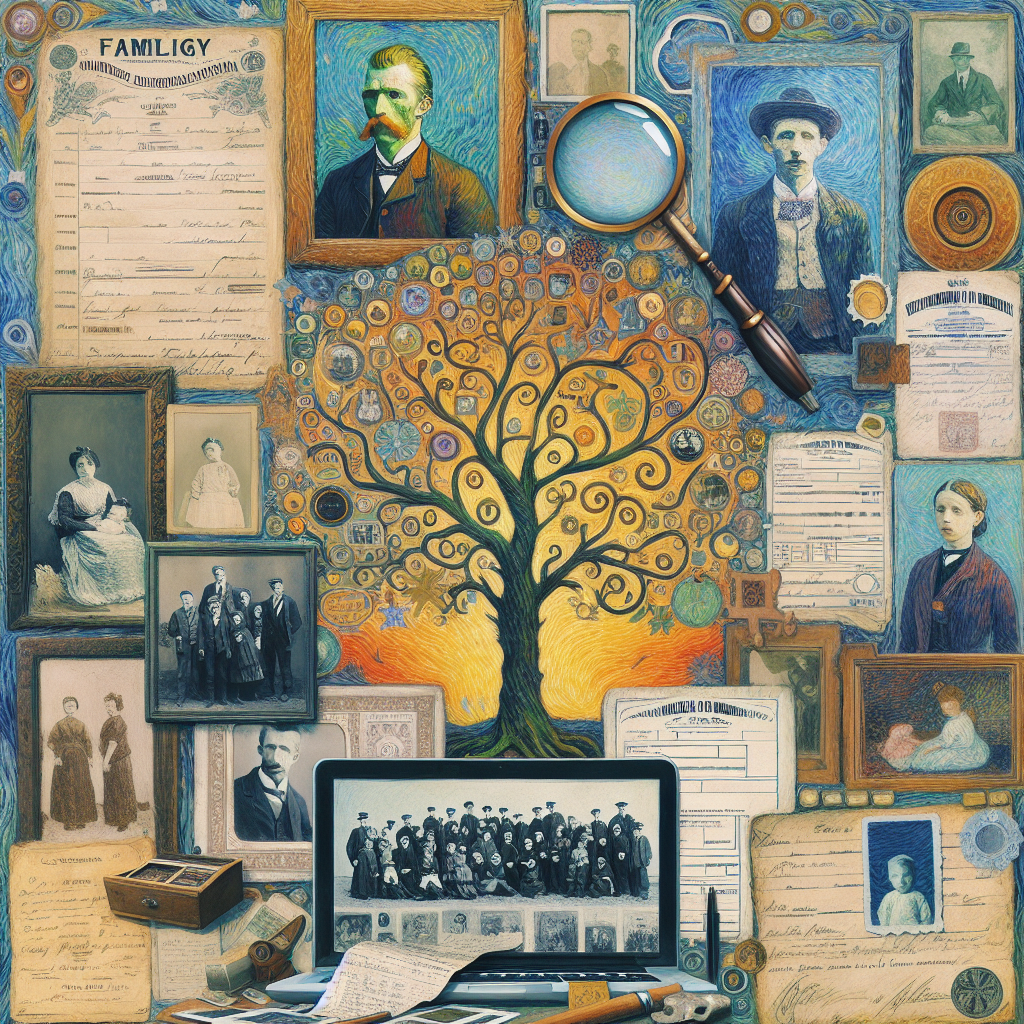
How Can I Request Information From Online Genealogy Services?
How Can I Request Information From Online Genealogy Services?
- Online genealogy services offer a wealth of information about family history.
- Identify the specific genealogy service you want to use based on your needs.
- Create an account on the chosen platform, which typically has a user-friendly interface.
- Be clear and concise in your request, including essential details like names and dates.
- Check FAQs or help sections for procedures, fees, and response timelines.
- Be patient as services handle numerous requests; follow up politely if needed.
- Explore and discover new aspects of your family tree while conducting your research.

How Can I Request Information From Online Genealogy Services?
What Are Common Mistakes When Verifying Online Legacy Information?
In the digital age, misinformation spreads faster than grease on a skillet. When it comes to verifying online legacy information, even the sharpest minds can trip over their own shoelaces. Let’s dive into some common missteps to help keep your research as solid as a well-built fence.
First and foremost, don’t just scratch the surface. The internet is like an iceberg—what you see on the surface often hides a lot below. Relying on a single source for your information is like relying on one nail to hold up a barn; eventually, it’s going to give way. It’s essential to cross-reference multiple sources to create a more rounded perspective. Just because something is on the first page of your search engine doesn’t mean it’s gospel truth. Quality over quantity is the name of the game here.
Next up, we have the “confirmation bias.” This is a fancy term for a simple error: seeking out information that confirms your already held beliefs while ignoring contradictory evidence. It’s like trying to fix a car by only looking at the shiny parts. Instead, you need to pop the hood and take a good, hard look at the engine. Be objective. If a source aligns too conveniently with your opinions, you might want to take a step back and question its accuracy.
Then you’ve got the issue of outdated information. History doesn’t come with a timestamp, and sometimes, the past can seem locked in time, despite new findings emerging over the years. Check the publication date. What was accepted as truth a decade ago may have since been revised or debunked. Always aim to fetch the latest data before making conclusions.
Another pitfall is giving too much credence to sensational headlines. A catchy title might grab your attention like a car horn at rush hour, but it can be misleading. Dive deeper than the headline. In the world of historical legacy, context is everything, and without it, you’re just looking at a pretty picture without understanding the story behind it.
Lastly, don’t forget about the historical context. Misinterpreting information due to the current lens we view it through can lead to skewed understandings. Remember, when it comes to legacy information, time, place, and the general climate of the era are crucial pieces of the puzzle.
By avoiding these common mistakes, you can navigate the swampy waters of online legacy information and emerge with clarity, ensuring that the legacy you uncover is both accurate and meaningful. Happy digging!

What Are Common Mistakes When Verifying Online Legacy Information?
What Are Common Mistakes When Verifying Online Legacy Information?
- Misinformation spreads rapidly in the digital age, making verification challenging.
- Rely on multiple sources rather than a single source to ensure accuracy.
- Be aware of confirmation bias by critically evaluating information that aligns with your beliefs.
- Check publication dates to avoid using outdated information that may have been revised.
- Don’t solely trust sensational headlines; seek context and deeper understanding.
- Consider historical context to avoid misinterpretation of legacy information.
- Avoid common research pitfalls to achieve clarity and accurate insight in your findings.

What Are Common Mistakes When Verifying Online Legacy Information?
Where Can I Find Expert Help For Verifying Legacy Information?
When the past starts to feel like a tangled ball of yarn, and you’re trying to make sense of it all, knowing where to find expert help can mean the difference between enlightening discoveries and pulling out your hair. The quest for verifying legacy information—a daunting task if there ever was one—doesn’t have to be an exercise in futility. Luckily, there’s a treasure trove of resources out there.
First things first: tap into the local historical societies or archives. These wonderful havens are often brimming with knowledgeable staff and volunteers who are passionate about preserving the past. Many have extensive collections of documents, photographs, and records that can provide the backbone for your search. The best part? These folks love sharing their wisdom with anyone who shows curiosity and respect for the legacy being explored. So, don’t be shy—divulge your queries, and watch as they pull back the curtain on history.
If your search extends into familial territory, consider enlisting the help of professional genealogists. These experts possess a unique skill set for navigating complex lineages and piecing together family histories that may seem shattered by time. They’re like the detectives of the past, skilled in the art of sifting through records, archives, and vast databases. While it may come at a cost, investing in their expertise can save you countless hours that would otherwise be spent combing through piles of disorganized data.
Moreover, don’t underestimate the power of the internet. Numerous online platforms are dedicated to facilitating research into historical documents and records. Websites like Ancestry, FamilySearch, and MyHeritage are equipped with tools to help you sift through mountains of data. These resources often have forums where you can pose questions, share insights, or even connect with other history buffs who may have faced similar quests.
Finally, academic institutions and universities frequently have departments dedicated to history or library sciences. Here, you can find scholars who conduct research and publish works pertaining to legacy information. Many professors and graduate students are more than willing to assist those seeking a deeper understanding of specific topics—after all, what’s research without a bit of collaboration?
So, whether you’re diving into local archives, hiring a genealogist, scouring online resources, or reaching out to academia, remember: the journey into verifying legacy information can be as rewarding as the discoveries you make along the way. Don’t hesitate to seek guidance; history is a narrative best told with a little help from our friends.

Where Can I Find Expert Help For Verifying Legacy Information?
Where Can I Find Expert Help For Verifying Legacy Information?
- The past can be complex, but expert help can ease the journey of understanding it.
- Local historical societies and archives offer knowledgeable staff and extensive collections of documents and records.
- Professional genealogists can help navigate complex family histories and save time in the research process.
- Online platforms such as Ancestry, FamilySearch, and MyHeritage provide valuable tools for researching historical documents.
- These online resources often include forums for questions and community support among history enthusiasts.
- Academic institutions have departments focused on history and library sciences, providing access to scholars for assistance.
- Seeking guidance from various sources can enhance your journey in verifying legacy information and uncovering history.

Where Can I Find Expert Help For Verifying Legacy Information?
How Do I Handle Conflicting Information Found Online?
In today’s digital age, sifting through a sea of information can feel like trying to find a needle in a haystack—blindfolded, while standing on one leg. We’re bombarded with opinions, facts, and everything in between, leaving us at times baffled and disoriented. But fear not, because navigating this swamp of conflicting information is a skill we can hone, and it all starts with a big ol’ reality check.
First, let’s talk about skepticism. Not the kind that turns you into a conspiracy theorist in a tinfoil hat, but a good healthy doubt. When you stumble across two headlines that directly contradict each other, pause for a moment. This is your cue to dig deeper. Read beyond the headlines and assess the sources. Not all publications are created equal. Some are like the wisdom of a beloved grandparent; others are more akin to a gregarious neighbor who spends a bit too much time on the internet.
Next up, consider the author’s credentials. Who wrote this piece of information? Are they a credible expert in the field, or are they just someone with a keyboard and a strong opinion? Check their background and affiliations. Just because someone has a flashy website and a million followers doesn’t make them an authority on the subject.
Then, we have to investigate the “evidence.” What are the claims based on? Are there data, studies, or statistics backing them up? Look for journal articles, official reports, or expert opinions that bolster the argument. If it’s all smoke and mirrors, with no hard facts to stand on, well, you might want to take that information with a grain of salt—or maybe a whole salt shaker.
Finally, don’t overlook the power of discussion. Engage with knowledgeable people—friends, professionals, or online communities who might have a clearer understanding of the topic at hand. Sometimes, the best way to cut through the noise is to talk it out. You’ll often find that shared experiences and insights can illuminate gray areas that statistics alone can’t touch.
So, the next time you find yourself lost in the wilderness of conflicting information, remember to stay curious and vigilant. Approach each claim with an open but questioning mind, and take the time to sift through the details. Truth may not always be easy to find, but with a bit of effort, it’s out there waiting for you.

How Do I Handle Conflicting Information Found Online?
How Do I Handle Conflicting Information Found Online?
- Navigating the vast amount of information available today requires skill and skepticism.
- Healthy skepticism involves questioning contradictory headlines and evaluating sources.
- Author credentials matter; verify the expertise and affiliations of the information’s creator.
- Investigate the evidence supporting claims; look for reputable data and expert opinions.
- Engage in discussions with knowledgeable individuals or communities to gain clarity.
- Stay curious and vigilant when encountering conflicting information.
- Truth requires effort to uncover, but it is attainable with diligent investigation.

How Do I Handle Conflicting Information Found Online?
What Is The Importance Of Local Libraries In Legacy Research?
When it comes to digging up the roots of your family tree, local libraries are often the gold mines you never knew existed. These unassuming buildings—full of worn books, dusty archives, and the whispers of countless stories—play a crucial role in legacy research, connecting us to our past in ways we often overlook.
Think of libraries as the gatekeepers to a treasure trove of information. While you might be tempted to hop online for your genealogy searches, there’s an undeniable charm to physically stepping into that quiet space. Local libraries aren’t just repositories of books; they house a wealth of resources like newspapers, city directories, and vital records. Imagine flipping through pages of old newspapers, discovering an article about your great-grandfather’s daring escapade from 1923 or stumbling upon a photo that brings your family history to life. It’s an experience that online searches simply can’t replicate.
Furthermore, many local libraries host genealogy workshops and offer specialized databases that you won’t find on just any website. Librarians often become your greatest allies in this quest, filled to the brim with knowledge, tips, and the kind of local insight that only comes from working in a community hub. They’ll help you navigate the labyrinth of local records and might even direct you to smaller, regional archives that you never knew existed.
Beyond the physical resources, libraries also foster a sense of community. You’re not alone on this journey; there are others out there, just as curious about their lineage as you are. Mulling over your findings with a fellow researcher can spark ideas, provide fresh perspectives, or lead you to resources you hadn’t considered.
Let’s not forget the emotional weight of legacy research. It’s not just about dates and names; it’s about understanding the tapestry of experiences that shaped your family. Local libraries help weave that tapestry, breathing life into the cold facts with stories, sights, and sounds from yesteryears.
In essence, local libraries are vital to legacy research because they serve as the bridge between past and present, connecting you with the history embedded in your roots. So the next time you find yourself in one of those quiet aisles, take a moment. Open a book, delve into those archives, and respect the history that lives within those walls. You might just unearth a piece of your story waiting to be told.

What Is The Importance Of Local Libraries In Legacy Research?
What Is The Importance Of Local Libraries In Legacy Research?
- Local libraries are invaluable resources for family tree research, often overlooked as locations for legacy research.
- They provide access to a variety of resources such as newspapers, city directories, and vital records, creating unique research opportunities.
- Physical visits to libraries offer a tangible experience that online searches cannot replicate, allowing for personal discoveries.
- Many local libraries also host genealogy workshops and maintain specialized databases not available on typical websites.
- Librarians can assist with navigation of local records and provide insights about regional archives, enhancing the research experience.
- Libraries help foster a sense of community among researchers, allowing for collaboration and shared exploration of genealogy.
- Engaging with legacy research in libraries connects individuals to their family’s past, adding depth and emotion to historical facts.

What Is The Importance Of Local Libraries In Legacy Research?
How Can I Validate Photos And Documents Shared Online?
In today’s digital age, where everyone wields a smartphone like a magician with a wand, it’s easier than ever to conjure up images and documents that can lead our minds astray. But fear not, because just as a keen-eyed mechanic can spot the slightest hiccup under the hood, you too can develop a discerning eye for sniffing out the forgeries lurking in the dark corners of the internet.
First off, let’s talk about the source. When you see a photo or document making the rounds—perhaps it’s a shocking headline or a picture that makes your jaw drop—take a moment to check where it came from. Is it a reputable news outlet? A verified social media account? Or is it a shady blog that looks like it hasn’t been touched since dial-up was a thing? Credibility counts, folks, so make sure you’re not taking a leap of faith on a slippery rock.
Next, consider the context surrounding the image. Was it taken in a controlled environment or does it appear manipulated? Tools like Google Reverse Image Search can help you trace an image’s history and see where else it’s popped up. You might be surprised to find that a so-called viral sensation is nothing more than an old photograph repurposed to fit a current narrative.
Then there’s the subtle art of examining the details. Look closely at aspects like lighting, shadows, and reflections. If something feels off—like a glaring inconsistency in the lighting or a shadow that’s bigger than the object casting it—your instincts might be onto something. Our eyes can catch things that words can’t explain, so trust that gut feeling when it tells you that an image may not tell the whole truth.
Lastly, don’t forget about expert tools. There is a whole toolbox of services designed to authenticate everything from digital images to PDF documents. Websites like FotoForensics can help you analyze metadata, revealing information like when and where an image was taken. And for those documents, optical character recognition (OCR) tools can examine text elements that might have been altered.
In a world brimming with information, the ability to validate photos and documents shared online is crucial. The next time that email pops up or a sensational photo catches your eye, take a step back, put on your detective hat, and dive a little deeper. The truth is out there waiting for you to uncover it, and trust me— your future self will thank you.

How Can I Validate Photos And Documents Shared Online?
How Can I Validate Photos And Documents Shared Online?
- In today’s digital age, it’s easy to create misleading images and documents.
- Check the source of photos and documents for credibility; reputable news outlets and verified accounts are more reliable.
- Consider the context of the image; use tools like Google Reverse Image Search to trace its origins.
- Closely examine details such as lighting, shadows, and reflections to identify inconsistencies.
- Utilize expert tools, like FotoForensics, to analyze metadata and validate images.
- Optical character recognition (OCR) tools can help examine potential alterations in documents.
- Developing skills to validate online content is essential in today’s information-rich environment.

How Can I Validate Photos And Documents Shared Online?
What Legal Considerations Should I Keep In Mind During Verification?
When it comes to verification, whether you’re checking a background, validating information, or ensuring compliance, it’s essential to remember that the legal landscape can be as murky as an oil slick. Navigating these waters requires a good balance of diligence and common sense. Here are a few key legal considerations to bear in mind.
First off, always be aware of the Fair Credit Reporting Act (FCRA). It’s a federal law that governs how consumer information is collected, disseminated, and used. If you’re conducting background checks for employment purposes, you’ve got some serious obligations. You must not only get consent from the individual being checked but also provide them with a copy of the report if you decide to take adverse action based on its contents. It’s about transparency, folks. Ignoring these requirements could lead to hefty fines and even lawsuits. Nobody wants that.
Now, let’s talk about privacy. In a world where data breaches make headlines daily, respecting individual privacy isn’t just a good practice—it’s a legal requirement. Familiarize yourself with relevant state laws, as they can vary significantly. For example, in California, the California Consumer Privacy Act (CCPA) grants residents specific rights regarding their personal information. Always check which laws apply to your situation before diving into verification processes.
Next, think about discrimination and equal opportunity. When verifying information, especially in employment contexts, ensuring your methods are non-discriminatory is crucial. The Equal Employment Opportunity Commission (EEOC) has guidelines in place to prevent biases based on race, color, religion, sex, national origin, age, disability, or genetic information. Check your biases at the door; failure to comply can not only tarnish your reputation but could also open the floodgates to potential lawsuits.
Lastly, be cautious with the data you collect. Information age notwithstanding, just because you can access something doesn’t necessarily mean you should. Misuse of data—including but not limited to handling sensitive information without proper justification—can lead to legal repercussions. It’s all part of responsible data stewardship.
When it comes to verification, staying in tune with legal frameworks is not merely a guideline; it’s an obligation. Approach the process with the seriousness it deserves. Do your homework, know your laws, and most importantly, respect the individuals whose data you’re verifying. After all, the integrity of your work relies on how well you navigate these legal waters.

What Legal Considerations Should I Keep In Mind During Verification?
What Legal Considerations Should I Keep In Mind During Verification?
- Understand the Fair Credit Reporting Act (FCRA), which governs consumer information handling.
- Obtain consent from individuals before conducting background checks and provide reports if adverse action is taken.
- Respect individual privacy and familiarize yourself with state laws such as the California Consumer Privacy Act (CCPA).
- Ensure that verification methods are non-discriminatory and adhere to EEOC guidelines.
- Avoid biases based on personal characteristics like race, religion, or age to prevent legal issues.
- Exercise caution in data collection; ensure justified handling of sensitive information to avoid legal repercussions.
- Approach verification processes seriously, knowing the legal frameworks, and respect individuals’ data privacy.

What Legal Considerations Should I Keep In Mind During Verification?
Conclusion
Alright, folks, let’s wrap this up with a straightforward reality check. In this digital era, piecing together the legacy of a loved one can feel like scavenging in a maze, but with the right approach, it’s a journey worth taking. It’s about honoring lives, preserving memories, and ensuring that the narratives woven into our family histories are accurate and respectful.
Start with the fundamentals. Delve into family archives where stories are embedded in old photo albums, letters, and journals—true gold mines for authentic details. Remember that talking with relatives can unearth the gems of information that may never have made it to the digital domain. These conversations are invaluable; they breathe life into the facts we gather online.
When you venture into the online abyss, tread carefully. Familiarize yourself with credible sources—think of reputable databases and government sites as your trusty compass in this information jungle. Keep your detective cap on as you cross-reference claims, scrutinizing details and recognizing red flags that shimmer like warning lights in the back alleys of the internet.
Communication with local historical societies and genealogy groups can take your search to astonishing depths. These folks know their stuff, often armed with insights, experience, and resources that go beyond what you can find with a few clicks. Involving the community in honoring a loved one’s legacy can enrich your experience immensely.
And always remember the importance of emotional context. Beyond dates and names, what we’re piecing together are stories of lives lived. Our loved ones’ legacies deserve that respect and accuracy, ensuring their contributions to our lives are portrayed truthfully.
So, as you roll up your sleeves and dive into the rewarding, sometimes challenging world of online legacy verification, take a breath. Equip yourself with diligence, a critical eye, and a bit of an investigator’s spirit, and you’ll navigate these waters like a pro. Just know that every detail you uncover strengthens the tapestry of your family’s history—an endeavor that honors those who came before us. It’s not merely about the end product; it’s the journey that counts. Happy hunting!

Conclusion
Conclusion:
- Verifying online legacy information is a significant journey that honors and preserves memories.
- Family archives containing old photo albums, letters, and journals are valuable sources of authentic details.
- Engaging in conversations with relatives can reveal information not found online.
- Rely on credible sources, such as reputable databases and government sites, when searching online.
- Cross-reference information and stay vigilant for red flags while researching.
- Local historical societies and genealogy groups can provide additional insights and resources.
- Understanding the emotional context of legacies ensures respect and accuracy in preserving stories.

Conclusion
Other Resources

Other Resources
Here is a list of other resources you can review online to learn more:
- How to Find an Obituary for a Specific Person – Legacy.com: This article provides a guide on how to find an obituary for a specific person using various online resources.
- How to Prepare Your Digital Life for Your Death | PCMag: This article discusses how to prepare your digital life for your death and how to make things easier for your loved ones.
- Digital Legacy: Caring for Online Accounts When a Loved One Passes Away: This article provides information on how to care for online accounts when a loved one passes away.
- How to manage your loved one’s digital legacy: This article provides tips on how to manage your loved one’s digital legacy.
- How to set up your digital accounts so that your loved ones can access: This article discusses how to set up your digital accounts so that your loved ones can access them.
I hope you find these resources helpful!

Other Resources
Glossary Terms
How to Verify Online Legacy Information for Loved Ones? – Glossary Of Terms
1. Legacy Information: Data relating to a person’s life, accomplishments, financial records, and personal history intended to be passed on or remembered after their death.
2. Online Presence: The sum of a person’s information and activities available on the internet, including social media profiles, websites, and digital content.
3. Genealogy: The study of family ancestry and history, often involving research into historical records to trace lineage.
4. Digital Footprint: The trail of data a person leaves behind on the internet, including social media activity, online purchases, and website visits.
5. Obituary: A published notice of a person’s death, often providing details about their life, family members, and funeral arrangements.
6. Public Records: Official documents that are created and maintained by government agencies, accessible to the public, including death certificates and marriage licenses.
7. Social Media Profiles: Accounts created on platforms like Facebook, Instagram, or Twitter that showcase personal information, photos, and interactions.
8. Archival Research: The process of seeking historical documents and records stored in archives or libraries to gain information about individuals or families.
9. DNA Testing: A method used to verify biological relationships or ancestry through genetic analysis, often utilized in genealogical research.
10. Privacy Settings: Configurable options on social media and other online platforms that allow users to control who can see their information and posts.
11. Virtual Memorials: Online platforms or websites that commemorate deceased individuals, allowing family and friends to share memories and tributes.
12. Censorship: The suppression or removal of information deemed inappropriate or sensitive, which can affect the availability of legacy information.
13. Cybersecurity: Measures taken to protect online information from unauthorized access, which is important for safeguarding legacy data.
14. Death Certificate: An official document that officially states an individual’s death, often required for settling estates and verifying legal matters.
15. Digital Will: A legal document that outlines how a person’s digital assets and online accounts should be managed after their death.
16. Heirloom: Valuable items or information passed down through generations, often related to personal or family history.
17. Memorial Page: A dedicated webpage that honors a deceased individual and collects memories, stories, and messages from family and friends.
18. Estate Plan: A strategy for managing a person’s assets, responsibilities, and legacy upon their death, including instructions for digital assets.
19. Audit Trail: A record of events or actions taken regarding an individual’s online information, useful for verifying changes or access.
20. Verification Process: The steps taken to confirm the authenticity and accuracy of legacy information found online, involving cross-checking multiple sources.
21. Internet Archive: A repository of historical web pages and online content, used to retrieve information from past versions of websites.
22. Digital Asset: Any form of digital content owned by an individual, such as photos, writings, cryptocurrencies, and social media accounts.
23. Ethical Will: A document where an individual shares values, beliefs, and lessons learned for future generations, intended to convey wisdom rather than legal considerations.
24. Metadata: Data providing information about other data, useful for understanding the context and origin of legacy information.
25. Trustee: A person or entity appointed to manage and distribute a deceased individual’s estate, including digital legacy matters.
26. Social Listening: The practice of monitoring online discussions about individuals or families, which can yield insights into their legacy.
27. Search Engine: An online tool that indexes and retrieves information from the web, essential for finding legacy-related data.
28. Forensic Genealogy: The use of genealogical methods to solve specific problems, often in legal contexts, including the identification of heirs or relatives.
29. Legacy Software: Older computer programs or systems used to manage data about individuals, which may still contain valuable legacy information.
30. Record Preservation: The process of safeguarding and maintaining historical documents and digital records to ensure they are accessible for future generations.

Glossary Of Terms
Other Questions
How to Verify Online Legacy Information for Loved Ones? – Other Questions
If you wish to explore and discover more, consider looking for answers to these questions:
- What are the first steps I should take to start verifying online legacy information?
- How can I ensure the information I gather is accurate and reliable?
- What databases or resources should I prioritize when searching for legacy information?
- How can I distinguish between credible and non-credible online sources?
- What are some common pitfalls to avoid when verifying online legacy information?
- How do I approach verifying legacy information with family members or relatives?
- What impact does historical context have on verifying legacy information?
- Are there specific technologies or tools that can assist in validation processes?
- How do I identify biases in the information I find online?
- What should I do if I find conflicting information about a loved one’s legacy?

Other Questions
Haiku
How to Verify Online Legacy Information for Loved Ones? – A Haiku
Legacy lives online,
Truth hidden ‘neath data waves—
Sift through, find the past.

Haiku
Poem
How to Verify Online Legacy Information for Loved Ones? – A Poem
In a digital sea where memories dance,
Lies a quest to find our loved ones’ glance.
With online tales, fragmented and bright,
We sift through shadows, searching for light.
Begin with your roots, those family halls,
Where old photographs and letters call.
Gather the whispers of stories untold,
In cherished archives, the past unfolds.
Navigate online with cautious intent,
Social threads weave lives where moments are spent.
In posts and comments, connections may glow,
Leading you deeper where truths ebb and flow.
Seek databases crafted with care,
Ancestry maps, their pathways laid bare.
But cross-reference all, let no tale stand alone,
For verification is key to the known.
Dive into history through journals and clippings,
Obituaries speak of lives and their skipping.
Find local lore in societies grand,
Where historians dwell, a guiding hand.
Yet beware the red flags, the glimmer and gold,
For spin and fabrication can twist the old.
Trust sources well, and question the claims,
In the art of recounting, we honor their names.
Power lies in patience as you piece it anew,
With expert counsel to help you break through.
Libraries beckon with tales tucked away,
In their shelves lie the truths of yesterday.
So roll up your sleeves, embark on this quest,
To honor the lives that we hold as the best.
For legacy’s truth is a living embrace,
A journey through time, a sacred space.

Poem
Checklist
How to Verify Online Legacy Information for Loved Ones? – A Checklist
1. Gather Initial Information
_____ Check family archives, such as photo albums and journals
_____ Talk to family members about their memories and experiences
2. Research Online
_____ Start with major social media platforms (Facebook, Instagram, LinkedIn)
_____ Look for relevant posts, comments, and tags
3. Use Reliable Online Databases
_____ Search reputable genealogy databases (Ancestry, FamilySearch, FindAGrave)
_____ Cross-reference data found on these platforms
4. Explore Historical Commercials
_____ Utilize platforms like Newspapers. com for obituaries and articles
_____ Check local library archives for historical records
5. Connect with Community Resources
_____ Reach out to local historical societies or genealogy groups for assistance
6. Verify the Sources of Information
_____ Ensure sources are credible (. edu, . gov, or reputable organizations)
_____ Scrutinize the author’s credentials and expertise
7. Cross-Check Information
_____ Look for multiple confirming sources for each piece of information
_____ Identify and flag any discrepancies or inconsistencies
8. Assess Online Memorials for Reliability
_____ Evaluate the website’s design and professionalism
_____ Research the organization behind the memorial for credibility
_____ Read customer reviews and feedback
9. Identifying Red Flags
_____ Be cautious of anecdotal evidence without supporting documentation
_____ Watch for sensationalized information and emotional appeals
_____ Check the timeline of events and context for accuracy
10. Seek Expert Help
_____ Consult historians or genealogists for complex cases
_____ Utilize local libraries for resources and workshops on genealogy
11. Document Your Findings
_____ Keep detailed records of sources used and verification processes
_____ Note any lingering questions for future research
12. Stay Ethical and Compliant
_____ Respect privacy laws and regulations during your research
_____ Be aware of the Fair Credit Reporting Act (FCRA) if applicable
By following this checklist, you can enhance your ability to verify online legacy information, ensuring it’s accurate and meaningful for you and your loved ones. Happy searching!

Checklist
At LegacyExplorations, we help people plan and explore their legacy by collecting information and news regarding end-of-life planning.
Please share this post with your friends, family, or business associates who may want help to plan or explore their legacy.