

Preserving Your Legacy: A Time-Sensitive Gift
By Tom Seest
At LegacyExplorations, we help people plan and explore their legacy by collecting information and news regarding end-of-life planning.
Please share this post with your friends, family, or business associates who may want help to plan or explore their legacy.
How Urgent Is It to Record Your Life Story for Your Children?
Let’s face it—life can feel like a relentless race. You wake up, hustle through the daily grind, and find yourself wondering where all the time went. Amidst meetings, errands, and social obligations, it’s easy to overlook something profoundly important: your legacy. That’s the real kicker, isn’t it? What will you leave behind when your time here comes to a close? What stories, values, and wisdom will your children hold onto?
Legacy storytelling is not just a feel-good concept; it’s a chance to pass down pieces of who you are and what you’ve experienced. Each family dinner, each holiday gathering, is filled with stories that shape your children’s identity. Publicly recorded history may tell them who was in office or what the stock market did, but your personal history—your triumphs, challenges, and lessons—speaks directly to who they are. It gives them a sense of belonging and a foundation to build their own lives upon.
Now, you might think, “I’ll do it someday.” But let’s be honest: we all know how that goes. “Someday” turns into months, and before you know it, you’re looking back, wishing you had captured those fleeting moments. Imagine your children sifting through old memories, only to discover empty spaces where your voice should be. Recording your life story isn’t just urgent; it’s essential. Think about it: your laughter, your tears, your ridiculous mishaps—they’re all part of the fabric that makes up your family. When you share these stories, you’re not just sharing memories; you’re carving out a legacy.
If you’re feeling overwhelmed about where to begin, start small. Jot down a few critical moments or lessons that shaped your life. Maybe it’s the story of your first job, some hard-earned wisdom about navigating relationships, or even the hilarious anecdote about a family vacation gone awry. Whatever it is, embrace it, let it flow, and share it! The act of putting pen to paper (or fingers to keys) is a deeply fulfilling experience; it’ll awaken a connection that we often overlook in the hustle.
Don’t wait. Embrace the urgency of legacy storytelling, and begin crafting the narrative of your life. Your children will thank you for it long after the pages are turned. Because at the end of the day, it’s not just your story—you’re building a bridge to the future.

How Urgent Is It to Record Your Life Story for Your Children?
How Urgent Is It to Record Your Life Story for Your Children?
- Life is fast-paced and can make it easy to overlook the importance of legacy.
- Legacy storytelling allows you to pass down your experiences, values, and stories to future generations.
- Your personal history contributes to your children’s identity and sense of belonging.
- Procrastination can lead to missed opportunities to capture meaningful moments and memories.
- Recording your life experiences is essential; it enriches your family’s narrative.
- Start small by writing down key moments or lessons that have shaped your life.
- Embrace legacy storytelling now to create a bridge between your past and your children’s future.

How Urgent Is It to Record Your Life Story for Your Children?
Table Of Contents
- How Urgent Is It to Record Your Life Story for Your Children?
- What Are The Benefits Of Recording Your Life Story?
- How Can Life Stories Strengthen Family Bonds?
- What Methods Can Be Used To Document Your Life Story?
- When Is The Best Time To Start Recording Your Life Story?
- What Challenges Do People Face When Sharing Their Stories?
- How Can Technology Assist In Documenting Life Stories?
- What Are The Emotional Impacts Of Sharing Your Life Story?
- Conclusion
- Other Resources
- Glossary Of Terms
- Other Questions
- Haiku
- Poem
- Checklist
What Are The Benefits Of Recording Your Life Story?
Think about it for a minute: every one of us has a story to tell. It’s like an intricate tapestry woven with experiences, lessons, and memories that deserve to be cherished. When you dive into the art of legacy storytelling, you aren’t just jotting down a few thoughts; you’re crafting a treasure trove of wisdom for future generations. Imagine your loved ones discovering a handwritten note, a voice recording, or a video of you sharing your journey. In that moment, you’ve become more than just a name or an old photograph; you’ve become a trusted guide in their lives.
Now, let’s be honest. Life gets busy, and it’s easy to push this task aside, thinking, “Who’s going to care about my story?” I’m here to tell you that your tale is important, not just to you but to everyone who comes after you. When we talk about leaving a legacy, we’re really talking about creating a connection that transcends time. Your children, grandchildren, and even their children will find inspiration in your triumphs and trials. There’s a profound comfort in knowing that what you’ve experienced can help shape the future of your family.
Recording your life story also offers a unique opportunity for self-reflection. As you sift through memories, you might discover lessons learned or insights gained that slipped away into the back of your mind. There’s something cathartic about this process, an inviting journey down memory lane that allows you to celebrate the highs and face the lows with clarity and courage. It’s a chance to consider what really mattered in your life, crafting not just a narrative but also an understanding of who you are.
Plus, let’s not forget the idea of accountability. By putting pen to paper or capturing your voice on a recording, you’re committing to preserve your experiences. You’re adding value and authenticity to your life; who doesn’t want to leave something meaningful behind? This isn’t just about you anymore—it’s a gift to those who will come after, a bridge connecting generations through shared experiences and stories.
So take the plunge. Start recording your life story today, and watch as it transforms not just how you see your past but how others see their future. Your legacy is waiting to be told, and it’s time you shared it with the world.
What Are The Benefits Of Recording Your Life Story?
What Are The Benefits Of Recording Your Life Story?
- Everyone has a unique story, like an intricate tapestry of experiences and lessons.
- Legacy storytelling creates a treasure trove of wisdom for future generations.
- Sharing your journey transforms you into a trusted guide for your loved ones.
- Your story is significant, providing inspiration and connection for future descendants.
- Recording your life promotes self-reflection and uncovers valuable insights.
- Documenting your experiences adds authenticity and provides a meaningful gift for the future.
- Starting your life story can reshape your past and influence how others view their future.

What Are The Benefits Of Recording Your Life Story?
How Can Life Stories Strengthen Family Bonds?
Gather ’round, folks—let’s talk about something that binds us closer together than any family reunion or holiday dinner ever could: the art of storytelling. You see, life isn’t just a series of events stacked up like bricks in a wall; it’s a rich tapestry woven from the threads of our experiences, dreams, and even our blunders. In many families, these narratives form what’s often referred to as Legacy Storytelling—an age-old tradition where wisdom and heart are passed down through generations.
All of us have a story, but not everyone takes the time to share it. Whether it’s a humorous mishap from childhood, a pivotal moment that changed your course, or a family legend that has been handed down like a prized possession, every tale adds color to our family’s fabric. When we sit down to share these anecdotes, we do more than just reminisce; we cultivate an atmosphere of trust and understanding.
Think about it: why do you feel that familiar warmth when your grandma pulls out that old photo album? It’s not just about the pictures—it’s the rich stories behind them that make you feel connected. Each narrative reinforces your identity, while subtly highlighting the lessons learned along the way. When we listen to our parents or grandparents recount their life journeys, we gain not only insight into their choices but also a glimpse into our own potential paths.
Creating a safe space for Legacy Storytelling is a powerful part of strengthening family bonds. Consider setting aside a dedicated evening to share stories. Encourage your loved ones to unveil their pasts, no matter how small the memories may seem. You’ll find that, even in the most mundane tales, there lies a treasure trove of wisdom.
And it doesn’t have to be a sit-down affair. Sometimes, the best stories flow over a campfire marshmallow roast or during long road trips. As laughter spills forth from the tales shared, and lessons learned point out the common ground we share, something essential happens: we come together.
Ready to connect deeper with your loved ones? Dust off those family stories and let them out into the light. Life is fleeting, and as we harvest these tales, we not only preserve our family’s legacy but fortify the bonds that hold us close. So gather ’round and let those stories fly; they just might be the glue your family didn’t know it needed.

How Can Life Stories Strengthen Family Bonds?
How Can Life Stories Strengthen Family Bonds?
- Storytelling is a unifying art that goes beyond familial connections, enriching relationships.
- Legacy Storytelling is an ancient tradition where wisdom and experiences are passed down through generations.
- Everyone has a story worth sharing, which adds diversity and richness to family narratives.
- Sharing tales fosters trust and understanding among family members.
- Stories reinforce our identity and illuminate the lessons learned from our ancestors’ life journeys.
- Creating a safe space for storytelling strengthens family bonds and encourages sharing even small memories.
- Informal settings, like campfires or road trips, can also serve as excellent opportunities for sharing stories.

How Can Life Stories Strengthen Family Bonds?
What Methods Can Be Used To Document Your Life Story?
When it comes to documenting your life story, the options are as varied as the experiences that fill it. The beauty of Legacy Storytelling is that it invites you to share yourself in ways that resonate with your audience—whatever that audience may be. We all have a story, and the world has a funny way of becoming a little more vivid when we set pen to paper, or fingers to keys.
First off, let’s talk about writing. There’s something timeless about putting your thoughts down in a journal. A simple notebook can capture memories with all the nuance they deserve. Whether you take a few minutes each day to jot down impressions or decide to dive into a more structured approach, the act of writing is therapeutic. It helps us sift through the chaos and find clarity. A well-organized collection of memories can make for powerful legacy storytelling—like a woven tapestry that holds your history, values, and lessons learned.
Next, consider recording your voice. Grab a smartphone, sit back, and share stories aloud. This method allows for an authenticity that can sometimes get lost in the written word. Just imagine a grandchild someday popping in that old recording and hearing your laughter and inflection while you recount a cherished memory. It’s like being transported through time, enabling real connection.
Then there’s video. The magic of seeing and hearing someone tell their story adds another layer of intimacy. You don’t need fancy equipment; just a smartphone and a desire to share. As you talk about your life—the good, the bad, and the downright hilarious—you give future generations a tangible connection to their roots.
If you’re feeling artistic, explore scrapbooking or visual storytelling techniques. Photos, mementos, ticket stubs—these offer a unique, tactile way to showcase your journey. Each page can reflect chapters of your life, surrounded by snippets of the past that bring emotions soaring.
Lastly, consider gathering family or friends for an oral history session. Sit together, share stories, and encourage others to contribute. It’s a collaborative process that not only preserves your narrative but also builds connections with those around you.
Whichever method you choose, start now. As you weave your tale into the fabric of time, remember: your life story matters, and documenting it is a gift to yourself and to those who will follow in your footsteps. So, roll up those sleeves and share your legacy—it’s waiting to be told.

What Methods Can Be Used To Document Your Life Story?
What Methods Can Be Used To Document Your Life Story?
- Legacy Storytelling offers diverse ways to share personal experiences with various audiences.
- Writing in a journal is a timeless method for capturing memories and providing therapeutic benefits.
- Recording your voice allows for an authentic expression of stories, creating a lasting connection with future generations.
- Video storytelling adds intimacy and a tangible connection to roots, using simple technology like smartphones.
- Artistic methods like scrapbooking enable a unique, visual representation of your life journey.
- Gathering family or friends for oral history sessions fosters collaboration and connection while preserving narratives.
- The importance of starting now; documenting your life story is a valuable gift for yourself and future generations.

What Methods Can Be Used To Document Your Life Story?
When Is The Best Time To Start Recording Your Life Story?
Let’s be honest: the thought of diving into your life story can feel a little daunting. But let me assure you, there’s no pressure to perfect the art of Legacy Storytelling overnight. Instead, consider this an invitation—a sort of gentle nudge to embrace the beautiful chaos of your own journey.
So, when is the best time to start? The simple truth is: right now. No matter where you are in life, there’s always a story worth sharing. Maybe you’re at a pivotal moment, be it a birthday milestone, a retirement, or even just a quiet afternoon with a mug of coffee in hand. Or perhaps you feel like your life is still a work in progress—wonderful! Every chapter, every challenge, adds rich layers to your narrative.
Recording your life story isn’t just for the so-called “greats” or the “perfect” moments. It’s about capturing the messiness, the laughter, the tears, and the lessons learned along the way. Some of the richest tales come from ordinary days, unpredictable twists, and the unforeseen bumps on the road. After all, those moments often resonate most deeply with the people you’ll eventually share your story with.
Now, I know what you might be thinking: “Who would want to hear my story?” The truth is, everyone has a unique perspective and flavor to share. By starting now to articulate your experiences, you’re building a bridge of connection with your future audience—your family, your friends, and maybe even strangers who will come to know you through your words. You’re offering them a piece of your world, and that’s a connection worth forging.
If you’re still hesitant, start small. Jot down a few memories each day or record a short audio clip. Perhaps share a funny anecdote or a lesson learned with someone close to you. There’s no wrong way to begin; every word you jot down is a step toward crafting your own legacy.
So, take a breath, grab your pen, or power on that recording device. Your story is waiting to be told, and there’s no better time to start than right now. After all, the best tales never fade—they become part of something larger, a legacy that lives on through those who come after us. Unleash your inner storyteller!

When Is The Best Time To Start Recording Your Life Story?
When Is The Best Time To Start Recording Your Life Story?
- Starting to tell your life story can feel daunting, but there’s no need for perfection.
- Now is the ideal time to begin sharing your journey, regardless of your current life stage.
- Every moment, from milestones to ordinary afternoons, offers a story worth telling.
- Recording life stories captures not just the highs, but also the messiness and lessons learned.
- Everyone has a unique perspective that adds value to their story, making it relatable to others.
- Start small by jotting down memories or sharing anecdotes with close ones.
- Your story contributes to a lasting legacy and connects you with future generations.
When Is The Best Time To Start Recording Your Life Story?
What Challenges Do People Face When Sharing Their Stories?
You might think that sharing your story should come naturally. After all, everyone’s got a tale to tell, right? But for many, the act of putting pen to paper—or fingers to keyboard—can feel a lot like trying to push a boulder up a hill. This isn’t just about relaying facts and figures; it’s about legacy storytelling, about crafting a narrative that resonates not just with ourselves but with those who’ll hear or read it.
One of the first hurdles is the fear of judgment. Let’s face it: vulnerability can be scary. When you share your experiences, you give others a window into your soul. But what if they don’t understand or, worse yet, they ridicule your truth? That fear can be so paralyzing that many people choose silence over storytelling, even when their stories hold tremendous value. The irony is that the very act of opening up often forges deeper connections with others who might be struggling with similar feelings.
Then there’s the challenge of memory. Have you ever tried to recount an experience only to draw a complete blank? Our brains can be tricky, filtering out details we might think are unimportant or, conversely, hyper-focusing on moments that don’t quite capture the essence of the whole. In this tightly woven tapestry of emotion and memory, it can be a real challenge to determine which threads to pull at—what to include, what to leave out.
Next, there’s the enormity of the task at hand. In a fast-paced world laden with distractions, carving out time for legacy storytelling can feel like a luxury. Between balancing work, family obligations, and social commitments, who has the bandwidth to reflect on their life, let alone write it down? But here’s the thing: story-sharing doesn’t have to be an overwhelming endeavor. It can begin with short snippets, simple reflections, and, before you know it, those small beginnings often grow into something much greater.
Lastly, there’s the question of purpose. Why share your story? Is it to inspire others? To create a tangible legacy for future generations? Finding clarity in your intent can help you navigate many of the obstacles that arise during the process.
Embracing these challenges isn’t just a personal endeavor; it’s communal. When we share our stories, we establish a bridge of trust that connects us all. So don’t shy away. Dive in. Your story is waiting to be told, and there are others out there who need to hear it.

What Challenges Do People Face When Sharing Their Stories?
What Challenges Do People Face When Sharing Their Stories?
- Sharing one’s story can be challenging and feels like pushing a boulder uphill.
- The fear of judgment creates hesitance, as vulnerability is intimidating.
- Opening up can lead to deeper connections with others facing similar feelings.
- Memory recall can be tricky, making it difficult to recount experiences accurately.
- Finding time for legacy storytelling is challenging amidst life’s distractions.
- Story-sharing can start small and grow into something significant over time.
- Understanding the purpose of sharing your story helps navigate the obstacles in the process.

What Challenges Do People Face When Sharing Their Stories?
How Can Technology Assist In Documenting Life Stories?
In a world that’s always buzzing, where every second seems to slip away faster than the last, it’s easy to overlook the stories that shape who we are. You know the ones—the little anecdotes that deserve a seat at the table of your legacy storytelling. The good news? Technology is here to help us preserve those nuggets of wisdom, laughter, and even heartache.
Imagine sitting down with your smartphone or tablet, ready to record a conversation with your grandparent. The device fits right in your pocket, but the stories stored within those conversations are worth their weight in gold. With just a push of a button, you’re capturing the essence of a life well-lived. The little quirks, the life lessons, the unfiltered advice—these are treasures that decline in value the longer we wait. Technology allows you to immortalize these moments in high-definition audio and video, ensuring that their stories ripple through time and touch future generations.
But why stop at voice memos? We live in an interconnected age where you can weave various multimedia elements into your storytelling. Use photo editing apps to enhance those old family pictures, or dive into video editing software to create a montage that highlights pivotal moments—graduations, weddings, or just good ol’ family picnics. You can align these visuals with the narratives shared, crafting an engaging tapestry that captivates your audience. Picture this: an interactive digital book that can be shared with family members, allowing them to add their own chapters. Suddenly, you’re not just preserving history; you’re creating a community.
And for those of us who might feel uneasy about the technical side of things, fear not! There are countless platforms designed specifically for legacy storytelling that are as user-friendly as they come. Guided templates and prompts make it easy to get started, even if you’re not a tech whiz. Just think of it as an opportunity to regain control over your narrative while preserving those precious fragments of the past.
So embrace the tools at your disposal. You’ve got the power—through technology—to document your world, to share your wisdom, and most importantly, to solidify your legacy. Your life’s story deserves to be told, and with the right tech, it can be aligned perfectly with the heartbeat of those you hold dear. Don’t let those stories fade away; capture them, nurture them, and let them shine through the ages.
How Can Technology Assist In Documenting Life Stories?
How Can Technology Assist In Documenting Life Stories?
- In a fast-paced world, personal stories often go overlooked.
- Technology can help preserve important anecdotes and life lessons.
- Recording conversations with loved ones can capture valuable memories.
- Multimedia elements, like photos and videos, can enhance storytelling.
- Interactive digital formats can engage family members in preserving history.
- User-friendly platforms simplify the legacy storytelling process.
- Utilizing technology empowers individuals to document their lives and legacies.

How Can Technology Assist In Documenting Life Stories?
What Are The Emotional Impacts Of Sharing Your Life Story?
There’s something profoundly liberating about sharing your life story. It’s not just a simple act of recounting events; it’s a deep dive into the essence of who we are. When we engage in Legacy Storytelling, we unlock the door to a treasure trove of memories. Think of it as going through a personal attic, filled with dusty boxes of laughter, lessons, heartaches, and triumphs. Each story we tell is like pulling out an old photo, reliving the moment, and allowing others to see the world through our eyes.
Now, you might ask, why does this matter? Well, sharing personal narratives doesn’t just help us—but those stories can serve as guides for others. It’s the kind of connection that invites understanding and empathy, allowing listeners a glimpse into our unique experiences. And let’s be real; everyone craves that connection. In a world that often feels fractured, our stories have the power to form bonds that transcend age, culture, and background.
But it goes even deeper. The act of sharing our life stories can be therapeutic. Ever notice how talking about struggles makes them feel lighter? When we articulately decipher our experiences—good, bad, or downright ugly—we can begin to make sense of things we’ve lived through. It’s a form of emotional housekeeping. Suddenly, a painful chapter transforms into a lesson learned. Your vulnerability becomes a bridge, connecting you and your listeners, often allowing them to reflect on their journeys, too.
Moreover, in a society fixated on perfection, sharing the unfiltered version of your life—the messiness, the failures, the victories—serves as a breath of fresh air. It tells others: “Hey, it’s okay not to have it all figured out.” Trust fosters courage, which becomes a ripple effect. When one person shares their truth, it encourages another to share theirs in return. That’s how communities grow stronger.
So, if you’re on the fence about whether or not your story is worth telling, let me reassure you: it is. Every story adds to a legacy. Each narrative we share enriches not only our own lives but also the lives of others. So grab that metaphoric microphone, reflect on your journey, and step into the light. You might just inspire someone to do the same.

What Are The Emotional Impacts Of Sharing Your Life Story?
What Are The Emotional Impacts Of Sharing Your Life Story?
- Sharing your life story is a profound act that reveals the essence of who we are.
- Legacy Storytelling unlocks memories and allows us to relive significant moments.
- Personal narratives foster understanding and empathy, building connections across diverse backgrounds.
- Discussing struggles helps alleviate burdens and transforms painful experiences into lessons.
- Sharing unfiltered life experiences encourages vulnerability and authenticity in others.
- Your story contributes to a legacy and enriches both your life and the lives of others.
- Embrace the opportunity to share your journey; it may inspire others to share theirs.

What Are The Emotional Impacts Of Sharing Your Life Story?
Conclusion
Alright, folks, let’s wrap this up with a rollicking reminder about the urgency of recording your life story for your children. Life, as we know, tends to zoom by at breakneck speed, leaving us clutching at the rearview mirror. Mornings roll into restless nights without a minute to spare for the things that truly matter, like the legacy we’re leaving behind. But here’s the kicker: your life story is vital. It’s not just some vanity project; it’s an essential gift to your children, a bridge to their identity and understanding of where they came from.
Picture it: your kids years down the line, flipping through old pages or tuning into recordings filled with your laughter, lessons, and yes, even those wonderfully embarrassing moments. These snapshots of your life—your triumphs and tribulations—will help define who they are, giving them roots to dig in and wings to fly. Don’t let your rich tapestry of memories fade into oblivion waiting for “someday.”
Now, don’t get overwhelmed thinking you have to write a bestseller. Start small! Jot down key moments, like the wisdom from your first job or a hilarious mishap on family vacation. Each little nugget encapsulates part of you, and collectively, they weave a narrative that’ll resonate now and in the future. Remember, technology stands ready to assist—whether you’re capturing audio snippets on your phone or recording heartfelt videos—every method adds a layer of connection not just to you but to a shared family history.
But hey, I get it. Sharing your story can come with a hefty load of hurdles like fear of judgment or riffing through foggy memories. However, look past those obstacles and recognize the profound benefit that emerges from vulnerability: it’s cathartic, it sparks connection, and it turns isolated experiences into shared legacies.
So, gather the family around and dig into those stories. Let’s utilize those quirky family reunions or even casual dinners to reminisce and reinforce those bonds. You might find that the mundane moments hold the richest lessons. After all, every fear, triumph, or ridiculous misadventure is a thread in the fabric of your family narrative.
It’s not just about you; it’s about the connections that tie generations together. Your story is waiting—so start documenting, share the tapestry of your life, and gift your wisdom to the next generation. Because in the grand scheme of things, when the dust settles, it’s these stories that define us, teach us, and ensure our legacies endure.

Conclusion
Conclusion:
- Recording your life story is essential for leaving a meaningful legacy for your children.
- Your life experiences provide a bridge for your children to understand their identity and heritage.
- Encourage your kids to engage with your memories through recordings, which will help shape who they are.
- Start small by jotting down key moments rather than striving for a polished narrative.
- Utilize technology to capture your stories through audio or video, creating a more connected family history.
- Overcome fears of judgment and benefit from vulnerability, turning personal experiences into shared legacies.
- Gather family members to reminisce and reinforce bonds, recognizing that even mundane moments can hold rich lessons.

Conclusion
Other Resources

Other Resources
Here is a list of other resources you can review online to learn more:
Use This Prompt To Get More Resources With Your Favorite Online AI Tool: Please provide me with a list of online articles with their URLs in a bulleted list that I can read regarding How Urgent Is It to Record Your Life Story for Your Children?

Other Resources
Glossary Terms
How Urgent Is It to Record Your Life Story for Your Children? – Glossary Of Terms
1. Autobiography: A self-written account of one’s life, typically covering significant events, experiences, and personal reflections.
2. Memoir: A narrative focusing on specific moments or themes in one’s life, often more personal and reflective than a complete autobiography.
3. Legacy: Something handed down from one generation to another, including values, teachings, or family histories.
4. Heritage: The traditions, culture, and history passed down through generations, often informing a person’s identity and values.
5. Narrative: A spoken or written account of connected events; in this context, the way one tells their life story.
6. Preservation: The act of keeping a memory, story, or artifact intact for future generations to access and appreciate.
7. Storytelling: The art of conveying events through narration, allowing for emotional connections and understanding across generations.
8. Reflection: The process of contemplating past experiences, ultimately leading to insights about one’s life and choices.
9. Oral History: The collection and study of historical information through recorded interviews with individuals who have lived through significant events.
10. Genealogy: The study of family descent; understanding one’s lineage can foster a deeper appreciation of one’s background.
11. Digital Legacy: The digital footprint a person leaves behind, including social media posts, emails, and other online records for future generations.
12. Voice: In this context, an individual’s unique perspective and tone in recounting their life story, contributing to authenticity.
13. Cultural Narratives: Stories shaped by the collective experiences, values, and beliefs of a culture, shaping individual life experiences.
14. Life Lessons: Insights gained from experiences that can be shared with future generations to guide them through challenges.
15. Introspection: The examination of one’s own thoughts and feelings, key in crafting an authentic life narrative.
16. Transcription: The process of converting spoken words or audio recordings into written texts, allowing for easier sharing and preservation.
17. Chronology: The order in which events occurred in a person’s life, crucial for creating a coherent life story.
18. Documentation: The act of recording events, memories, and personal accounts for future reference and historical accuracy.
19. Connection: The emotional bond formed when sharing personal stories, enhancing relationships between generations.
20. Authenticity: The genuine quality of a life story, reflecting true experiences and emotions, valuable to future listeners.
21. Reflective Writing: A writing practice that encourages individuals to explore their thoughts and feelings about life experiences.
22. Family Histories: Detailed accounts of family lineages, including stories of ancestors that help children understand their roots.
23. Narrative Therapy: A therapeutic approach that uses storytelling to help individuals reframe and find meaning in their life experiences.
24. Recordkeeping: The practice of maintaining written or digital records of life events, experiences, and memories.
25. Legacy Letters: Written documents that convey important messages, values, and life lessons from one generation to another.
26. Ancestry: The descent or lineage of a person; understanding one’s ancestry can enrich the life stories shared with children.
27. Ethos: The characteristic spirit or beliefs of a culture or community reflected in shared stories and traditions.
28. Intergenerational Communication: The exchange of ideas, stories, and values between different generations, fostering understanding and connection.
29. Life Review: The process of reflecting on one’s life, often leading to insights that can be shared with future generations.
30. Family Narrative: The collective story of a family, shaped by the experiences and memories of its members, fostering a sense of belonging and identity.

Glossary Of Terms
Other Questions
How Urgent Is It to Record Your Life Story for Your Children? – Other Questions
If you wish to explore and discover more, consider looking for answers to these questions:
- What are practical steps to start recording my life story?
- How do I choose which stories to share with my children?
- What tools or resources are available for documenting my life story?
- How can I inspire my family members to share their stories?
- Are there common themes that emerge in family stories, and why are they significant?
- What are some creative methods to make storytelling engaging for my children?
- How have other families benefited from legacy storytelling?
- Are there specific prompts or questions that can guide my storytelling process?
- What are the long-term effects on children who have their parents’ stories recorded?
- Can sharing my life story enhance my mental health or emotional well-being?
Other Questions
Haiku
How Urgent Is It to Record Your Life Story for Your Children? – A Haiku
Treasured tales unfold,
Legacy weaves through our hearts—
Stories bridge the past.
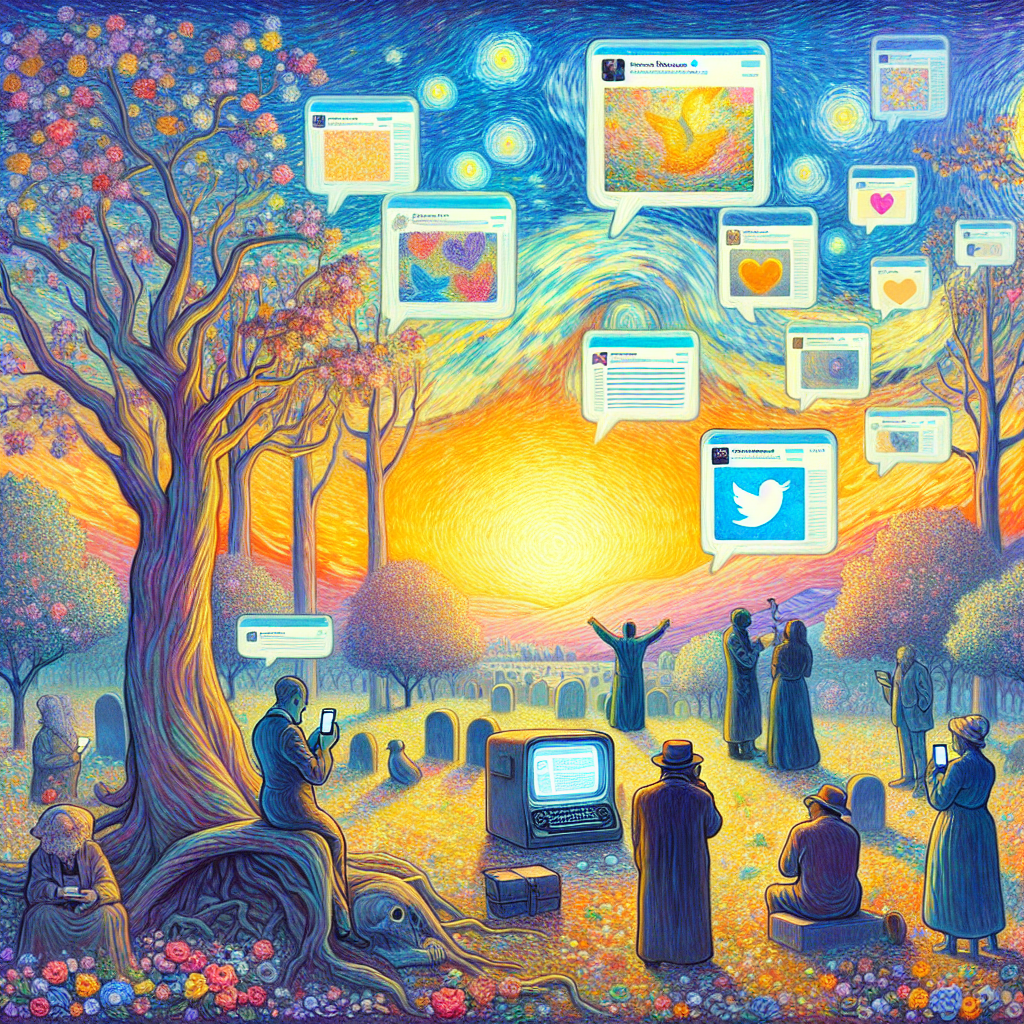
Haiku
Poem
How Urgent Is It to Record Your Life Story for Your Children? – A Poem
In life’s relentless, racing tide,
We often forget the stories inside,
Amidst our hustle, day by day,
What legacy will we convey?
Each dinner shared, each holiday cheer,
Echoes of wisdom we hold so dear;
Not a history of offices or trade,
But our laughter, our lessons, a love displayed.
We think, “Someday,” yet time slips by,
Leaving empty spaces, a silent goodbye.
But memories matter—each tear and mist,
Are pieces of us that must persist.
With every word or tape we make,
A bridge to our children, a journey we take.
From job first tried to vacations astray,
Every tale’s a treasure, a guiding ray.
Small beginnings become woven threads,
In the tapestry of life, where courage spreads.
Fear begs silence, “Who’d want to hear?”
Yet connections flourish when truth appears.
Memories can fade, but they’re worth the fight,
Through fleeting moments, we find our light.
In whispers and laughs, in audio warm,
Every story adds to the family’s charm.
Today’s the moment, there’s no time to lose,
Pick up your pen, share the life you choose.
Through technology’s grasp, we can store and share,
The echoes of lives lived, the beyond we bear.
So gather round, let the stories fly,
In every recount, we strengthen the tie.
Life’s woven fabric, rich and profound,
In every shared tale, our love is found.

Poem
Checklist
How Urgent Is It to Record Your Life Story for Your Children? – A Checklist
1. Set Your Intentions
_____ Reflect on why you want to share your story.
_____ Consider what values, lessons, and experiences you want to pass down.
2. Choose Your Medium
_____ Decide on a format that resonates with you:
_____ Writing (journal, blog, book)
_____ Voice recordings (using a smartphone or recorder)
_____ Video (simple tools or apps for recording)
_____ Art and scrapbooking (collages of photos and mementos)
3. Start Small
_____ Jot down a few significant memories or lessons.
_____ Identify key moments, such as your first job, a pivotal life lesson, or a humorous family story.
4. Create a Dedicated Space & Time
_____ Set aside specific time to focus on storytelling.
_____ Choose a comfortable setting free from distractions.
5. Gather Family Stories
_____ Initiate family storytelling sessions.
_____ Encourage others to share their narratives, creating a collective legacy.
6. Make It Engaging
_____ Utilize multimedia: incorporate photos, videos, and audio clips to enrich your storytelling.
_____ Consider crafting a digital book that invites family members to contribute their stories.
7. Overcome Challenges
_____ Address fear of judgment by focusing on authenticity and vulnerability.
_____ Tackle memory challenges by keeping notes or using prompts to jog your memory.
_____ Break the task into manageable segments to avoid feeling overwhelmed.
8. Invite Reflection
_____ As you document your stories, take moments to reflect and find meaning in your experiences.
_____ Consider journaling your thoughts on the emotions and lessons tied to each story.
9. Stay Consistent
_____ Regularly dedicate time to the storytelling process, even if only for a few minutes each week.
_____ Keep a list of topics or memories that you want to explore in future sessions.
10. Share and Connect
_____ Once you’ve recorded some stories, share them with your family.
_____ Create opportunities to discuss and reflect on these stories together, fostering deeper connections.
11. Utilize Technology
_____ Explore user-friendly apps or platforms designed for legacy storytelling.
_____ Consider online resources or guides that can aid in the process.
12. Embrace the Process
_____ Enjoy the journey of storytelling; it’s as valuable as the finished product.
_____ Remember, your life story matters and has the power to inspire others.
13. Set a Reminder
_____ Make a note to revisit your storytelling practice regularly.
_____ Life changes, and so will your stories—keep them fresh and engaging!
By following this checklist, you can begin the rewarding journey of recording your life story and preserving your legacy for the generations to come.

Checklist
At LegacyExplorations, we help people plan and explore their legacy by collecting information and news regarding end-of-life planning.
Please share this post with your friends, family, or business associates who may want help to plan or explore their legacy.