

Guarding Values In A World Of Boundless Preservation
By Tom Seest
At LegacyExplorations, we help people plan and explore their legacy by collecting information and news regarding end-of-life planning.
Please share this post with your friends, family, or business associates who may want help to plan or explore their legacy.
If Everything Is Saved, Nothing Is Sacred
If everything is saved, nothing is sacred. This phrase resonates deeply in an age where every moment is documented, every opinion shared, and every experience archived online. The heart of the matter is not just about technology’s relentless advance, but about what we choose to preserve and why. In our quest to capture every fleeting memory and every moment of joy or sorrow, we sometimes lose sight of the very essence that makes life meaningful: legacy storytelling.
Legacy storytelling is the art of sharing our experiences, values, and lessons learned in a way that fosters connectivity and understanding among us. It’s the mechanism through which generations pass down wisdom, culture, and identity. Yet, in this digital world of endless saving and documenting, the authenticity of those stories can be diluted. When everything is saved, the richness of narrative often gives way to mere data, reduced to hashtags and likes.
Consider this: when we sit around a campfire, we don’t recount the minutiae of our days as a list; we share tales that evoke laughter, tears, and reflection. These stories aren’t just preserved for historical sake; they shape us, mold our understanding of who we are, and connect us to one another in profound ways.
The rational mind recognizes that while technology offers us tools to save every detail, it is the emotional pull of a well-told story that resonates long after the data is forgotten. The ethical dilemma arises when we ask ourselves: Are we replacing genuine interaction with cold records? Our collective narrative loses potency when it becomes a collection of bits and bytes rather than shared human experiences.
We must ask ourselves, what are we sacrificing in the pursuit of saving everything? In the rush to document, how often do we pause to reflect, to interpret, and to share the deeper truths behind our experiences? This is where the gut comes in—our instinctual need for authenticity and connection. People yearn for stories that inspire trust and resonate on a fundamental level, stories that invite them to step into another’s shoes, to feel the weight of another’s journey.
As we navigate this sea of endless documentation, let us elevate legacy storytelling, crafting narratives that honor our values and deepen our connections. Let’s choose to transform this modern landscape from one of sheer preservation to one of meaningful connection, ensuring that while we save our experiences, we never lose the sanctity of what makes them truly sacred.

If Everything Is Saved, Nothing Is Sacred
If Everything Is Saved, Nothing Is Sacred
- “If everything is saved, nothing is sacred” highlights a concern in a digitally documented age.
- Legacy storytelling fosters connectivity by sharing experiences, values, and lessons learned.
- Endless documentation can dilute the authenticity of narratives, reducing them to mere data.
- Storytelling evokes emotions and shapes our understanding of identity and culture.
- The ethical dilemma questions if genuine interaction is replaced by cold records.
- A balance is needed between saving experiences and maintaining the sanctity of meaningful stories.
- There’s a call to elevate legacy storytelling to ensure deeper connections and authenticity.

If Everything Is Saved, Nothing Is Sacred
Table Of Contents
- If Everything Is Saved, Nothing Is Sacred
- How Are We Losing Value In Preservation?
- Is There a Risk In Treating Everything As Disposable?
- Can We Prioritize What Truly Matters In Our Memories?
- What Ethical Dilemmas Arise From Digital Preservation?
- How Does Excessive Saving Impact Our Emotional Well-Being?
- Are We Better Off Valuing Experiences Over Possessions?
- How Do Societal Trends Influence Our Saving Behaviors?
- Conclusion
- Other Resources
- Glossary Of Terms
- Other Questions
- Haiku
- Poem
- Checklist
How Are We Losing Value In Preservation?
Preservation isn’t just a matter of saving old buildings or artifacts; it’s about safeguarding our Legacy. In a world racing toward modernization, we must pause for a moment and consider what we risk losing. Each brick in a historic structure holds a Story—stories of triumph, struggle, and dreams that shaped our communities. When we dismantle these pieces of our past, we also erase the narratives that connect generations.
The gut punch here is the recognition that every preserved site is a testament to human experience, a tangible link to those who walked before us. Imagine a child, wide-eyed, exploring an old mill. They aren’t just looking at wood and stone; they’re connecting with the history of hard work, perseverance, and innovation that led to our present. Each encounter fosters a sense of belonging and identity, urging us to reflect on our place in this continuum. When we lose these sites, we lose the opportunity for future generations to learn, connect, and grow.
But there’s more at stake than individual stories. On a broader scale, the ethical implications of neglecting preservation are profound. When we allow our heritage to fade into oblivion, we diminish our collective identity. The argument isn’t just about aesthetics; it’s about moral responsibility. We owe it to our ancestors, to ourselves, and to those who will come after us to honor and maintain our shared history. It’s an authority we hold not just over the physical spaces but over the memories tied to those places.
Community engagement plays a vital role in preservation efforts. When neighborhoods come together for restoration projects, it reinforces social ties. People share their stories, forging authentic connections that enrich their communal fabric. The preservation of a building often reignites local pride and sparks a renewed interest in the heritage that surrounds it. It’s a rallying cry for collective action—a reminder that we are not just stewards of the past but active participants in the shaping of our future.
Ultimately, the value of preservation isn’t measured in dollars but in the human experience. As we confront a future fraught with change, let us not forget our roots. By championing preservation, we ensure that our Legacy remains intact, nurturing the stories that bind us and the wisdom that guides us.

How Are We Losing Value In Preservation?
How Are We Losing Value In Preservation?
- Preservation safeguards our Legacy, beyond just saving buildings and artifacts.
- Historic structures hold stories that connect generations, reflecting triumphs and struggles.
- Each preserved site links us to the past, fostering a sense of belonging and identity.
- Neglecting preservation diminishes our collective identity and moral responsibility.
- Community engagement in restoration efforts strengthens social ties and local pride.
- Preservation is a collective action, shaping our future while honoring our past.
- The value of preservation lies in the human experience, not just financial considerations.

How Are We Losing Value In Preservation?
Is There a Risk In Treating Everything As Disposable?
In a world where convenience reigns supreme, the allure of disposability can be overwhelmingly tempting. We throw away plastic bottles, toss out old electronics, and discard clothes as if they’re mere pieces of paper. But in this whirlwind of ease, we risk losing something profoundly valuable: our legacy. The stories we create, the connections we nurture, and the memories we cherish are far too rich to treat as fleeting commodities.
Consider the relationship between an item and its journey. Every piece of furniture has a history. Each worn shoe tells a story of adventure or hardship. When we embrace legacy storytelling, we honor those narratives, reminding ourselves that items are not mere objects; they serve as vessels of memories, laden with emotional weight. When we treat everything as disposable, we strip away the meaning behind each tale, reducing lives to a cycle of consumption that’s anything but sustainable.
This isn’t just about the environment or the economy; it’s about the values we pass on to future generations. Are we fostering a culture that reveres permanence, craftsmanship, and accountability, or are we endorsing a mindset that shrugs off responsibility? The choice is ours. When we opt for durability over disposability, we inspire trust and confidence in our choices.
Think about the legacy we want to leave behind. A legacy built on well-made, enduring items uplifts communities and empowers local artisans. Ethical consumption isn’t just a buzzword; it’s a philosophy that nurtures not only us but also the workers and craftspeople who pour their heart and soul into their creations. By prioritizing quality over convenience, we join a larger narrative—a movement of conscious consumers who value connection over isolation.
This isn’t merely an economic argument; it’s a call to reclaim our humanity in a disposable age. When we engage with the things we own, we connect with the artisans’ spirit, understanding their values, struggles, and dreams. This connection enriches our lives and fosters a sense of belonging in a world that can often feel fragmented.
Together, let’s redefine what it means to be a consumer in today’s society. We have the power to foster a future where belongings are cherished, stories are shared, and our choices reflect a purpose deeper than mere consumption. In doing so, every decision becomes an opportunity to create a legacy worth telling.

Is There a Risk In Treating Everything As Disposable?
Is There a Risk In Treating Everything As Disposable?
- Society’s reliance on disposability threatens valuable legacies, stories, and memories.
- Items have histories and emotional significance beyond their material value.
- Embracing legacy storytelling honors the narratives associated with possessions.
- The choice between durability and disposability reflects our responsibility to future generations.
- Ethical consumption supports communities and local artisans, prioritizing quality over convenience.
- Engaging with our belongings fosters connections and a sense of belonging in a fragmented world.
- Redefining consumerism allows us to create a meaningful legacy worth sharing.

Is There a Risk In Treating Everything As Disposable?
Can We Prioritize What Truly Matters In Our Memories?
Can we prioritize what truly matters in our memories? It’s a question that strikes at the very core of our human experience. Every day, we accumulate a vast tapestry of moments—some fleeting, others monumental. But amidst the chaos of our lives, how do we sift through the noise and grasp those memories that hold real significance?
Legacy storytelling plays a crucial role in this process. Consider how stories weave into the fabric of our identities and connect us to something greater than ourselves. The memories we cherish often emerge from shared experiences that resonate across generations. Think about the stories passed down through families; they envelop us in warmth, offering potent lessons wrapped in laughter, tears, and love. These narratives allow us to reflect on who we are and where we come from, guiding the decisions we make today.
Balancing emotional resonance with rational thought allows us to engage with these memories on multiple levels. Emotionally, we feel the pang of nostalgia as we reminisce about our childhoods, the first time we fell in love, or gathered around the dinner table with family. These moments pulsate with importance, shaping our values and choices. Rationally, we can analyze the impact these memories have on our lives, recognizing that our experiences shape our perceptions and inform our future actions.
Ethically, prioritizing meaningful memories leads to deeper connections with others. When we share our stories, we not only honor our pasts, but we also give others the permission to do the same. This vulnerability builds trust, crumpling the walls that often separate us. The simple act of sharing a story transforms personal experience into a collective narrative, reminding us that we are not alone in our struggles or triumphs.
Moreover, there’s something universally appealing about these genuine connections. In a world increasingly defined by surface-level interactions, the act of confronting our true selves through storytelling invites others to reflect on their own lives, forging a bond that is both profound and lasting.
So, as we ponder the question of what truly matters in our memories, let’s embrace the power of legacy storytelling. Let’s curate our pasts with intentionality, focusing on what enriches not just our lives, but the lives of those who come after us. In doing so, we honor our experiences while lighting the way for future generations, ensuring that the essence of who we are remains alive and vibrant in their minds.

Can We Prioritize What Truly Matters In Our Memories?
Can We Prioritize What Truly Matters In Our Memories?
- Questioning the significance of memories is central to the human experience.
- Legacy storytelling weaves narratives that shape our identities and connect generations.
- Shared experiences foster warmth, offering lessons and reflections on our pasts.
- Balancing emotions and rationality helps us engage with memories deeply.
- Prioritizing meaningful memories fosters deeper connections and builds trust.
- Storytelling transforms personal experiences into collective narratives.
- Curating our pasts intentionally honors experiences and enlightens future generations.
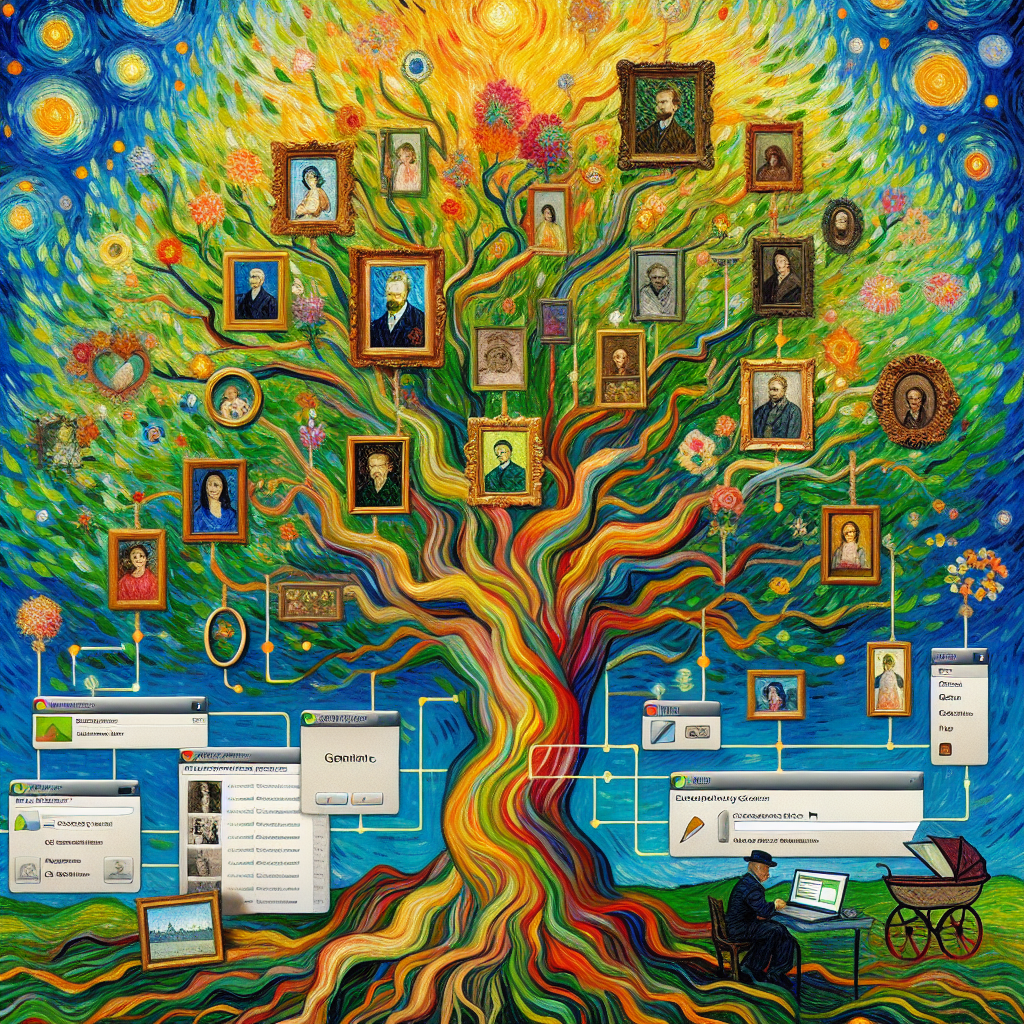
Can We Prioritize What Truly Matters In Our Memories?
What Ethical Dilemmas Arise From Digital Preservation?
In our increasingly digital world, the task of preserving the past has never been more crucial, yet it comes with a set of ethical dilemmas that demand our attention. Every byte of data holds stories, wisdom, and culture—an intricate tapestry of human experience begging to be safeguarded. But as we engage in this act of digital preservation, we often stand at a crossroads, faced with choices that can shape the legacy of future generations.
Consider, for instance, the concept of legacy storytelling. This isn’t just about saving old photographs or documents; it’s about curating narratives that resonate with who we are as a society. Digital preservation has the potential to give voice to marginalized communities, yet it can also unintentionally erase them if we fail to include diverse perspectives. Imagine a world where only the loudest voices echo through history, drowning out the quieter, yet equally significant, tales. This brings us to a fundamental question: who decides which stories are worth preserving?
On the rational side, we grapple with questions of access and ownership. The internet has democratized information, allowing virtually anyone to engage with digital archives. However, what happens when the guardians of this information become gatekeepers? When data is ensconced behind paywalls or inaccessible infrastructure, the very purpose of preservation is undermined. Ethical stewardship demands that we ensure equitable access to all. We must navigate these choppy waters with a keen awareness of our responsibility as preservationists.
Furthermore, there are implications of authenticity when curating digital artifacts. The ease of manipulation in the digital realm raises ethical concerns about trust and fidelity. How do we maintain the integrity of our legacy stories amidst the chaos of misinformation and altering narratives? It’s a gut-punch realization that our choices today will affect which stories are passed down tomorrow.
Lastly, there is the social aspect. Our collective memory is shaped not just by what we choose to preserve, but by what we ignore, and it’s our duty to foster a sense of connection. Engaging with these ethical dilemmas isn’t merely an academic exercise; it’s an emotional journey that requires us to confront our values and responsibilities. By embracing the complexities of digital preservation, we can inspire confidence in our collective future—a future where every story matters, and every voice is heard. It is through this unyielding commitment that we honor the past, enlighten the present, and empower the future.

What Ethical Dilemmas Arise From Digital Preservation?
What Ethical Dilemmas Arise From Digital Preservation?
- Digital preservation is crucial for safeguarding narratives of human experience.
- Legacy storytelling requires curating diverse perspectives to avoid erasing marginalized voices.
- Ethical dilemmas arise regarding who decides which stories are worth preserving.
- Access and ownership issues are critical, as gatekeeping can undermine preservation efforts.
- Authenticity concerns about digital artifacts challenge trust and integrity in legacy stories.
- Collective memory is shaped by preservation choices and what is intentionally ignored.
- Confronting these ethical issues fosters connection and ensures every voice is heard.

What Ethical Dilemmas Arise From Digital Preservation?
How Does Excessive Saving Impact Our Emotional Well-Being?
In a world where financial security is often praised, many find themselves caught in the relentless cycle of excessive saving. The irony is undeniable: in our quest to prepare for a secure future, we may be sacrificing our present joy. It’s a tale as old as time—people hoarding resources for a rainy day, convinced that the more they save, the better off they’ll be. But at what cost?
Let’s consider the legacy we leave behind. When we focus intensively on padding our bank accounts, we inadvertently neglect the rich tapestry of life experiences that truly define us. Those moments spent with loved ones, the spontaneous road trips, the late-night laughter—these are the stories that become our legacy. The bonds we forge with family and friends are not built on saved dollars but on shared experiences. By prioritizing saving over living, we risk creating a narrative that lacks depth and color.
From a practical standpoint, excessive saving can lead to accumulated stress and anxiety. Money can be a powerful tool, yet when it becomes the sole focus of our lives, it morphs into a burden. The constant worry over “what if” scenarios can turn into a paralyzing fear that overshadows any joy of spending or sharing. Rationally speaking, it’s essential to strike a balance between prudence and enjoyment. A well-rounded financial approach considers not just the numbers in an account but the laughter echoing in a home filled with love and warmth.
Ethically, we should strive for a mindset that values experiences over possessions. Imagine a society where people prioritized connection and community over financial hoarding. Such a shift would foster a culture of generosity, where sharing becomes a guiding principle and individuals recognize that their wealth is best utilized when it enriches the lives of others.
Narratively, think of those moments that define us not by the weight of our wallets, but by the richness of our lives. The stories of those who dared to step away from their savings to embrace adventure teach us that fulfillment often lies outside our comfort zones. When we decide that emotional well-being takes precedence over a growing savings account, we open ourselves up to a world teeming with possibility.
Ultimately, it’s about cultivating a deeper understanding of what brings true happiness. Excessive saving may keep the bank balance high, but it can also deplete the spirit. We have the power to redefine our relationship with money and live fuller, more connected lives—forging a legacy that celebrates the richness of our shared human experience.

How Does Excessive Saving Impact Our Emotional Well-Being?
How Does Excessive Saving Impact Our Emotional Well-Being?
- Excessive saving may compromise present joy for future security.
- Neglecting experiences for financial accumulation affects personal legacy.
- Strong relationships are formed through shared experiences, not savings.
- Focusing solely on money can cause stress and anxiety.
- Balance between saving and living enhances emotional well-being.
- Valuing experiences fosters generosity and community connection.
- True fulfillment comes from prioritizing life richness over financial hoarding.

How Does Excessive Saving Impact Our Emotional Well-Being?
Are We Better Off Valuing Experiences Over Possessions?
Life is a series of moments strung together, memories painted on the canvas of our hearts. It’s easy to chase after shiny possessions, convinced that the next big purchase will fill a void or elevate our status. But when we pause and reflect, we begin to see that true wealth isn’t measured by what we own, but by the experiences we collect and the legacy we build. Each story we create along the way shapes not only our own narrative but also influences those around us.
Think about it: the last time you felt truly alive wasn’t while unpacking a new gadget or admiring a trendy outfit. It was likely during that spontaneous road trip with friends, a heartfelt conversation under the stars, or the thrill of trying something entirely new. These experiences, the laughter, the adventures, and the lessons learned, form the backbone of our identity. They are the legacy we leave behind—stories that will be recounted and cherished long after the physical items have faded away.
From a rational standpoint, consider the research: studies consistently show that investing in experiences rather than possessions leads to greater long-term happiness. New belongings often bring only fleeting joy; they can quickly become mundane. Experiences, on the other hand, grow richer over time, shaping who we are and aligning with our values. They foster connections and reinforce the bonds we have with others, creating a network of shared memories that become our social currency.
Ethically speaking, valuing experiences over possessions encourages a mindset of appreciation and gratitude. We learn to respect the world we inhabit and the people in it. Instead of focusing on material wealth, we opt for moments that reflect kindness, compassion, and joy. This shift not only enriches our own lives but also encourages those around us to embrace the same philosophy.
Imagine a society that prioritizes adventure over acquisition. We’d see communities bound together by shared experiences, a culture of authenticity where stories matter more than status. The authority of our lives would no longer be dictated by the brands we wear but by the wisdom we share and the smiles we inspire.
In considering our values, let’s choose the path of rich experiences. After all, it’s not the things we collect that define us, but the stories we weave into the fabric of our lives.

Are We Better Off Valuing Experiences Over Possessions?
Are We Better Off Valuing Experiences Over Possessions?
- Life is composed of moments and memories, not possessions.
- True wealth is measured by experiences and the legacy we create.
- Memorable moments, like adventures and heartfelt conversations, define our identity.
- Research shows that investing in experiences yields greater long-term happiness.
- Experiences deepen social connections and foster a network of shared memories.
- Valuing experiences promotes appreciation, gratitude, and kindness.
- A society focused on experiences creates communities united by authenticity.

Are We Better Off Valuing Experiences Over Possessions?
How Do Societal Trends Influence Our Saving Behaviors?
Every dollar saved has a story—one that intertwines with our past, often echoing a legacy we may or may not fully understand. Imagine a grandmother saving coins in a jar, teaching the value of perseverance and sacrifice. This kind of legacy storytelling shapes our attitude toward money today. It reminds us that saving isn’t just about numbers; it’s about honoring the past and providing for the future.
Now, let’s focus on the head. Rationally speaking, society drives our saving behaviors through prevailing financial norms and trends. Consider how the rise of the sharing economy changed our perspective on ownership. Instead of buying every new gadget, we’re more inclined to rent or share. This shift encourages us to reconsider how we allocate our resources—a collective mind shift that reverberates through our communities. Logically, saving for unforeseeable events or economic downturns has become imperative, pushing us to adopt more disciplined saving practices.
Yet, it tugs at the gut, too. Think about the emotional weight many carry when they feel trapped by consumer culture. Advertisements bombard us, urging instant gratification. But here’s the kicker: while the world outside may scream to buy now, the quiet voice of conscience encourages us to save for later, to prepare for the unpredictable storms of life. This inner battle drives many to reflect on what really matters: financial security, stability, and a sense of control.
Ethically, our societal trends also foster a culture where saving isn’t viewed just as an individual responsibility but a communal one. When we witness our neighbors investing in their future through savings or ethical consumerism, we’re inspired to do the same. It creates a sense of accountability, urging us to step up and contribute to the fabric of our communities—not merely financially, but as good stewards of our resources.
We have the power to rewrite our narratives. With each choice, we craft a story that connects us to those who’ve saved before us and to future generations. So, as you contemplate your savings habits, remember: it’s not just the numbers that matter. It’s the legacy you create, the stories you tell, and the impact you leave behind. In this journey of saving, trust in your ability to make choices that resonate deep within—choices that honor the past, embrace the present, and pave the way for a brighter, more secure future.

How Do Societal Trends Influence Our Saving Behaviors?
How Do Societal Trends Influence Our Saving Behaviors?
- Every dollar saved represents a personal legacy intertwined with our past.
- Legacy storytelling influences today’s attitudes toward money, emphasizing the importance of financial responsibility.
- Societal norms and trends, like the sharing economy, shape our saving behaviors.
- There is a growing need for disciplined saving practices due to economic uncertainties.
- Consumer culture creates emotional challenges, prompting a reflection on financial security and stability.
- Saving is viewed as a communal responsibility, inspired by ethical consumerism and neighborly actions.
- Individuals have the power to rewrite their financial narratives, affecting future generations through their savings choices.

How Do Societal Trends Influence Our Saving Behaviors?
Conclusion
In a world inundated with digital storage and relentless documentation, the heart of legacy storytelling faces a daunting challenge. When everything is saved, the depth of meaning can vanish beneath a flood of data, risking the authenticity that binds us as human beings. True storytelling weaves our individual experiences into a rich tapestry, passing down values and wisdom across generations. Yet, today, we often prioritize mere preservation over genuine connection, leading to a dilution of the narratives that ground our identities.
Think about the campfire stories shared with loved ones, where laughter, tears, and life lessons intertwine. These narratives are essential not merely as historical remembrances but as defining elements of our existence. They shape our sense of self, our cultures, and our relationships. In contrast, as we chase after the latest mobile apps and social media accolades, we risk reducing rich experiences to mere statistics—likes and shares devoid of real emotional engagement. The ethical dilemma lies in our choice between significant interaction and sterile archives, questioning the long-term impact on our shared humanity.
Navigating this landscape requires us to confront the often-overlooked emotional aspects of our relationship with preservation. A well-told story resonates with our guts, drawing us into an empathic understanding of another’s journey. This capacity for connection not only enriches our lives but also strengthens our communities, reminding us that behind every preserved artifact or digital memory lies a story filled with human significance. By prioritizing experiences over possessions, we actively create a legacy anchored in authenticity.
The urgent call to action involves elevating these narratives in the face of overwhelming digital archiving. We must advocate for preserving not just the objects of our past but the stories that give those objects meaning. Each building, each tradition holds layers of history that, if neglected, sever the bonds that tie us to both our ancestors and each other. As we reclaim our narrative in this age of convenience, we nurture a culture that respects and honors the fullness of our collective experience.
Let’s embark on this journey to redefine preservation, celebrating meaningful connections over mere convenience. By honoring our values and crafting authentic stories, we ensure our legacy is not just saved but celebrated as sacred, preserving the very essence of what makes us human. In doing so, we foster a world rich with understanding, connection, and legacy—a heritage that we stand ready to pass on to the generations that follow.

Conclusion
Conclusion:
- The prevalence of digital storage poses a challenge to legacy storytelling, risking the authenticity of shared human experiences.
- True storytelling integrates personal experiences into a collective narrative that conveys values and wisdom across generations.
- Campfire stories exemplify the richness of shared narratives, which shape our identities and cultures.
- The pursuit of social media validation can diminish the emotional depth of experiences, reducing meaningful interactions to mere statistics.
- Confronting the emotional aspects of preservation is crucial for fostering genuine connections within communities.
- An urgent call to action emphasizes the importance of preserving the stories behind historical artifacts and traditions.
- Redefining preservation involves valuing meaningful connections and authentic storytelling to create a legacy that honors our shared humanity.

Conclusion
Other Resources

Other Resources
Here is a list of other resources you can review online to learn more:
- Xarona
- Forever Missed
- INELA
- LifeNaut
- How to Save Your Family�s Stories from Being Lost Forever � A Step-by-Step Guide to Creating a Lasting Digital Legacy
- Bcelebrated
- Digital Legacy Association
- Remembered.com
- MyWishes
- Everplans
- RocketLawyer
- ForeverMissed
- Geneanet
- LifeBio
- Your Digital Afterlife
- Storyfile Life
- YouMattered
- deviantART
- RootsMagic
- NoLo
Use This Prompt To Get More Resources With Your Favorite Online AI Tool: Please provide me with a list of online articles with their URLs in a bulleted list that I can read regarding If Everything Is Saved, Nothing Is Sacred

Other Resources
Glossary Terms
If Everything Is Saved, Nothing Is Sacred – Glossary Of Terms
1. Archiving: The process of storing data and documents for preservation and future access.
2. Backups: Copies of data stored separately to prevent loss in case of primary data failure.
3. Censorship: The suppression or restriction of information and content deemed inappropriate or sensitive.
4. Copyright: Legal right that grants creators exclusive control over the use of their creations.
5. Data Breach: An incident where unauthorized access to confidential information occurs.
6. Digital Footprint: The trail of data an individual leaves online, including social media interactions and website visits.
7. Encryption: The process of converting information into a coded format to prevent unauthorized access.
8. Information Overload: A state of being overwhelmed by the vast amount of data available, making it difficult to process effectively.
9. Intellectual Property: Creations of the mind, including inventions, literary and artistic works, and symbols.
10. Loss of Privacy: The diminishing ability to keep personal information secure and confidential.
11. Metadata: Data that provides information about other data, such as how, when, and where it was created.
12. Open Access: A movement advocating for free and unrestricted access to research outputs and data.
13. Online Permanence: The concept that information shared online can last indefinitely, regardless of deletion efforts.
14. Preservation: The act of maintaining the integrity and accessibility of information over time.
15. Privacy Policy: A legal statement outlining how an organization collects, uses, and protects personal data.
16. Public Domain: Creative works free from copyright restrictions, making them available for public use.
17. Regulation: Rules set by authorities governing the management and protection of information and data.
18. Reputation Management: The practice of influencing or controlling an individual or organization’s public perception.
19. Restoration: The process of returning lost or destroyed data to its original state.
20. Security Protocol: Established procedures to safeguard data from unauthorized access and breaches.
21. Surveillance: Monitoring individuals or groups, often conducted by governments or organizations for security purposes.
22. Taxonomy: A system for classifying information to facilitate organization and retrieval.
23. Transparency: The principle of openness in disclosing information practices and data handling.
24. Trust: The reliance on the integrity and accuracy of information sources and entities.
25. User Agreement: A contract between a provider and user outlining the terms of service regarding data usage.
26. Vulnerability: A weakness in a system that can be exploited by threats, leading to data breaches or loss.
27. Web Scraping: The automated process of extracting information from websites for data collection purposes.
28. Whistleblower: An individual who exposes information or activity deemed illegal or unethical within an organization.
29. XML (eXtensible Markup Language): A flexible markup language for encoding documents that can be read by both humans and machines.
30. Zero Knowledge Protocol: A method of sharing information without revealing the actual data itself, ensuring privacy and security.

Glossary Of Terms
Other Questions
If Everything Is Saved, Nothing Is Sacred – Other Questions
If you wish to explore and discover more, consider looking for answers to these questions:
- Who decides which stories, artifacts, or data are preserved and what criteria do they use?
- How do we balance individual privacy and consent with the desire to preserve digital memories?
- What are practical steps individuals and communities can take to preserve meaningful physical and digital items?
- How do we prevent digital deterioration (format obsolescence, bit rot) and ensure long-term access?
- What ethical frameworks should guide decisions about preserving or discarding culturally sensitive materials?
- How can marginalized voices be intentionally included in preservation efforts?
- Who owns digital legacies after someone dies, and how should access be managed?
- How do institutions (museums, libraries, archives) prioritize limited resources for preservation projects?
- What role should governments play in funding and protecting heritage preservation?
- How do we measure the value of preservation beyond monetary terms?
- When is it appropriate to let go of objects or digital records rather than preserve them?
- How can communities be mobilized to restore and maintain historic sites effectively?
- What are low-cost or community-focused preservation strategies for underfunded areas?
- How does over-documentation change the way we remember and interpret events?
- How can we curate personal memories to emphasize meaning rather than volume?
- What tools and methods help people create legacy stories that are authentic and durable?
- How should archives handle conflicting versions of events or contested histories?
- What legal issues arise from digitizing and sharing copyrighted or family-held materials?
- How can we protect preservation projects from censorship, manipulation, or misinformation?
- What responsibility do tech platforms have for preserving user-generated content long-term?
- How do subscription models and paywalls affect equitable access to preserved materials?
- How does treating possessions as disposable affect cultural transmission and craftsmanship?
- What policies or incentives could encourage durability, repair, and sustainable consumption?
- How can individuals find a healthy balance between saving money and investing in meaningful experiences?
- What psychological effects arise from hoarding memories versus selectively preserving them?
- How do cross-cultural differences influence what communities choose to preserve?
- What responsibilities do descendants have when curating or publishing family legacies?
- How can educators teach legacy storytelling and preservation skills to younger generations?
- What are the environmental impacts of physical versus digital preservation strategies?
- How can metadata, provenance, and context be preserved so future audiences understand artifacts?
- What role can AI play in curating, restoring, or misrepresenting preserved materials?
- How should institutions handle requests to remove or redact preserved content (right to be forgotten)?
- How can communities ensure preservation projects are inclusive, transparent, and accountable?
- What are clear first steps for a person who wants to start preserving their family’s stories today?

Other Questions
Haiku
If Everything Is Saved, Nothing Is Sacred – A Haiku
Memories like treasures,
Stories shared, not just saved,
Life’s depth in connection.

Haiku
Poem
If Everything Is Saved, Nothing Is Sacred – A Poem
In a world where every moment is saved,
What essence remains when memories are waived?
Digital archives stretch wide and deep,
Yet the heart longs for stories we keep.
Each tale around the fire, a bond that we share,
Is richer than data, more cherished and rare.
When we lose the narrative, the soul starts to fade,
In the rush to preserve, are we not deeply betrayed?
Historic buildings hold whispers of yore,
Each brick tells a story, each arch, a lore.
In preservations embrace, we find our place,
A tapestry woven with times gentle grace.
Disposability lures us with convenient schemes,
But legacy thrives in our shared hopes and dreams.
Every object a vessel, with journeys profound,
When we cherish their stories, true value is found.
Prioritize the moments that shape who we are,
For wealth lies not in possessions, but experiences afar.
Ethics and values guide the legacy we weave,
In each connection and memory, we truly believe.
In a society rushing for accolades of greed,
Let us remember the stories planted as seed.
With every choice made, let intention arise,
Creating a future where our shared truth lies.
Savor experiences, let memories ignite,
For in the heart’s tapestry, we find pure light.
Rewriting our narratives, let love lead the way,
In the end, it’s our stories that forever will stay.

Poem
Checklist
If Everything Is Saved, Nothing Is Sacred – A Checklist
Emotional Appeals
✅______ Reflect on personal memories that connect you to significant experiences.
✅______ Identify stories from your past that evoke strong feelings (joy, sadness, nostalgia).
✅______ Consider how these stories can enrich your identity and tell others who you are.
Rational Appeals
✅______ Analyze the benefits of prioritizing experiences over material possessions.
✅______ Examine how legacy storytelling can influence future decisions and emotional well-being.
✅______ Evaluate the outcomes of your saving habits—are they enriching your life or creating stress?
Ethical Appeals
✅______ Assess your role in preserving cultural and personal histories.
✅______ Consider the implications of digital preservation—are diverse voices represented in the stories you share?
✅______ Reflect on the moral responsibility of passing down stories and experiences to future generations.
Authority Appeals
✅______ Seek out credible sources on the impact of storytelling and preservation.
✅______ Engage with community leaders or heritage groups to learn about local preservation efforts.
✅______ Actively support initiatives that honor history and cultural identities through storytelling.
Narrative Appeals
✅______ Share your legacy stories with friends and family during gatherings.
✅______ Create a narrative that captures the essence of your experiences, focusing on lessons learned.
✅______ Use storytelling as a means to connect with others’ experiences, fostering a collective narrative.
Social Appeals
✅______ Participate in community events that celebrate local history and heritage.
✅______ Encourage discussions about shared experiences to strengthen community ties.
✅______ Share your stories on social platforms to inspire others and spark conversations about legacy and preservation.

Checklist
At LegacyExplorations, we help people plan and explore their legacy by collecting information and news regarding end-of-life planning.
Please share this post with your friends, family, or business associates who may want help to plan or explore their legacy.