

Preserving Memories: Beyond The Battery—What We Leave Behind
By Tom Seest
At LegacyExplorations, we help people plan and explore their legacy by collecting information and news regarding end-of-life planning.
Please share this post with your friends, family, or business associates who may want help to plan or explore their legacy.
If Your Phone Dies, Does Your Legacy Die with It?
In this digital age, the notion of legacy has evolved. Once, it was about shared stories around a dinner table or worn photo albums tucked away in the attic. Today, much of our legacy is captured in a device most of us carry in our pockets. Our phones hold our lives: photos, messages, social media posts, and the essence of our connections. But what happens when that device dies?
Think about it. The stories we tell, the memories we curate, the essence of who we are—it’s all encapsulated in bits and bytes. Our phones serve as the modern-day vessels for Legacy Storytelling. They document our highs, lows, laughter, and tears. They provide snapshots of our journeys that we share with family and friends, extending beyond our immediate circles to a vast digital audience. But the real question lingers: if your phone dies, does your legacy die with it?
Rationally, we know that a single device is just a tool. But emotionally, it’s much more intricate. When that phone goes silent, it can feel like losing a part of ourselves. The photos of a child’s first steps, the messages exchanged with a best friend, the digital scrapbook of a life lived—gone in an instant. This loss stirs a gut-wrenching realization: our very identities are precariously tied to these lightweight gadgets.
Ethically, we must consider the preservation of our narratives. Who will carry on your story if your digital archive vanishes? As stewards of our histories, we have a responsibility to ensure our legacies endure beyond the confines of technology. It’s about creating backup plans, sharing our stories verbally, and engaging with those we love in intentional ways.
Moreover, tapping into the sheer authority of human connection enriches the narrative. When we gather together, sharing our experiences and retelling our legacy, we not only preserve our individual stories but also weave them into the fabric of family and community. This creates a mosaic of collective memory that can weather the loss of a device.
Ultimately, as our connections deepen and we share our lives, we foster a sense of trust and confidence that extends beyond the digital realm. Embrace your legacy—nurture it, share it, and ensure it continues on, long after the last charge of your phone. Legacies don’t exist solely in our devices; they live in the hearts of those who carry on the stories we leave behind.

If Your Phone Dies, Does Your Legacy Die with It?
If Your Phone Dies, Does Your Legacy Die with It?
- The concept of legacy has shifted from physical albums and storytelling to being stored on digital devices like smartphones.
- Our phones encapsulate our memories, experiences, and connections, raising concerns about what happens if these devices fail.
- The emotional attachment to phones means that losing one can feel like losing a piece of our identity.
- Ethically, there is a need to ensure our stories are preserved beyond digital formats, prompting discussions about backup plans and verbal storytelling.
- Human connections enhance narrative preservation, as sharing experiences helps maintain individual and collective memories.
- Building deeper connections fosters trust that transcends the digital world.
- Legacies thrive not only in digital forms but also in the memories carried by those who remember our stories.

If Your Phone Dies, Does Your Legacy Die with It?
Table Of Contents
- If Your Phone Dies, Does Your Legacy Die with It?
- What Memories Do You Cherish That Live Only on Your Phone?
- How Do You Want to Be Remembered Beyond Your Digital Footprint?
- What Digital Assets Have You Created That Should Be Preserved?
- Who Has Your Digital Information If Your Phone Is Lost?
- How Can Technology Influence the Memory Of Your Loved Ones?
- What Legacy Do You Want to Leave In the Digital Realm?
- How Do You Navigate the Emotional Weight Of a Disappearing Legacy?
- Conclusion
- Other Resources
- Glossary Of Terms
- Other Questions
- Haiku
- Poem
- Checklist
What Memories Do You Cherish That Live Only on Your Phone?
In a world where the digital landscape unfolds like a sprawling canvas, our phones have become the vaults of our most cherished memories. Each picture, tweet, or video snippet captures a moment in time, a glimpse of laughter, love, and life that might otherwise fade away. Yet, for many, the memories stored within those tiny screens represent far more than mere pixels; they embody our legacy.
Consider a simple photograph of a child blowing out birthday candles. It’s not just an image; it’s a legacy storytelling moment that encapsulates joy, innocence, and the passing of time. Remember the smell of cake wafting through the air and the sound of cheers echoing in the room? That image transports you back, grounding you in the love shared among friends and family. It’s these visceral connections that anchor us, reminding us of what is truly important.
From a rational perspective, our phones serve as an office for these fragments of life. They organize and preserve our stories, ensuring that every birthday, every graduation, and every family trip is documented for future reflection. In an era where time seems to slip away faster than sand through our fingers, these digital snapshots serve as touchstones, grounding us in the narratives that define who we are.
Yet, the ethical implications of how we share these memories also weigh heavily on our hearts. What values do we pass along through our curated feeds? Do we focus on authenticity, or do we get caught in the allure of perfection? The stories we opt to share can shape the perceptions of our social circles, influencing not just how others see us, but also how we perceive ourselves. It’s a reminder that each click, each post, reverberates in the lives of those who follow our journey.
Moreover, in sharing our stories digitally, we foster connection in ways that transcend geography. A friend thousands of miles away can witness a wedding, a birth, or a moment of triumph through our lens. This social appeal speaks to our instinctive desire for community, a reminder that—even through screens—we’re interconnected in our human experience.
The memories we cherish that live only on our phones are not just about technology; they are the fabric of our lives. Each digital relic holds the weight of our legacy, the stories we compress into formats understood by algorithms but felt deeply in our hearts. So, take a moment to scroll through that camera roll. You’ll find more than just images; you’ll unearth a collection of moments that define you, waiting to be shared and cherished.

What Memories Do You Cherish That Live Only on Your Phone?
What Memories Do You Cherish That Live Only on Your Phone?
- Phones serve as vaults for cherished memories, capturing laughter, love, and life.
- Photographs encapsulate significant moments, grounding us in shared experiences with loved ones.
- Our devices organize and preserve life stories, documenting important events for future reflection.
- The ethical implications of sharing memories affect our perceptions and social circles.
- Digital sharing fosters connections that transcend geographical boundaries, reinforcing community.
- Memories viewed through screens transform into the fabric of our lives, reflecting our legacy.
- Exploring our digital collections reveals moments that define us and are waiting to be cherished.

What Memories Do You Cherish That Live Only on Your Phone?
How Do You Want to Be Remembered Beyond Your Digital Footprint?
We live in a time when our digital footprint often outlives us. Every post, tweet, and like contributes to a legacy many of us barely consider. But what if we could craft a legacy that tells our true story, one rooted in authenticity rather than algorithms? The notion of Legacy Storytelling beckons us to step beyond our screens and engage with the world around us, reminding us that the best narratives are not crafted through likes but through lived experiences.
Picture this: as you traverse through life, you’re not just accumulating pixels and data; you’re writing a narrative that deserves to be shared, cherished, and remembered. Every interaction, every choice, shapes how others perceive you—not just online, but in the very core of their lives. The stories we tell and the moments we create with those we love build bridges that span generations, reflecting our values, passions, and the essence of who we are.
Consider how your actions resonate within your community. Those casual conversations at the local diner, the laughter shared over a cup of coffee, or the tears shed during times of hardship all contribute to a tapestry of memories that define your legacy. It’s in these moments that our true character emerges, inviting others to connect with us on a deeper level. While technology often facilitates communication, it’s the richness of human connection that ultimately shapes our identities.
Legacy Storytelling isn’t just about nostalgia; it’s a powerful tool that offers us the chance to take control of our narrative. Think critically about how you’d like others to reflect on you. Is your digital presence a true reflection of your values? Are you engaging in conversations that matter?
Harness the essence of storytelling by sharing lessons learned, challenges overcome, and moments of joy. Write, speak, or gather your loved ones to share your hopes and dreams. The act of storytelling fosters emotional bonds and a sense of belonging. It’s your voice that matters, and when you share it, you create ripples that can inspire action in others.
In a world increasingly defined by a string of digital moments, the question remains: when people think of you, what stories come to mind? Your legacy should be more than a series of posts; let it be a heartfelt narrative that honors your journey and enriches the lives of those who follow. Embrace your story, ensure it reflects your true self, and leave a legacy that resonates long after your digital footprint fades.

How Do You Want to Be Remembered Beyond Your Digital Footprint?
How Do You Want to Be Remembered Beyond Your Digital Footprint?
- Our digital footprint often outlives us, contributing to a legacy many overlook.
- Legacy Storytelling encourages authenticity and engagement beyond screens.
- Every interaction and choice shapes how we are perceived, impacting both online and offline identities.
- Community actions and shared experiences form the tapestry of our legacies.
- Legacy Storytelling allows us to take control of our narratives and reflect our true values.
- Sharing stories of lessons and moments fosters emotional bonds and inspires others.
- Your legacy should be a heartfelt narrative that resonates beyond digital existence.

How Do You Want to Be Remembered Beyond Your Digital Footprint?
What Digital Assets Have You Created That Should Be Preserved?
In a world spinning quicker by the day, it’s easy to forget the digital treasures we create along the way. What’s sitting in your cloud storage? A collection of photos capturing family laughter, late-night jottings of that brilliant idea, or perhaps videos of those golden moments that make life worth living. These aren’t just files; they’re fragments of who we are, each one telling a story that deserves to be passed down.
Legacy storytelling is an art form, and our digital assets are the canvases where our narratives unfold. Each image or word is a brushstroke in the portrait of our lives, defining our journey and reminding us of where we’ve been. When you think back on your life, what memories do you hold dear? Those jovial family gatherings, heartfelt conversations, or perhaps the lessons learned through trials and tribulations. These moments are our legacy, and they need to be preserved.
Consider the emotional weight behind old emails filled with wisdom from a loved one or the playful banter that sparked from a shared meme. Rationally, preserving these digital assets allows future generations to connect with their roots, understand the fabric of their family’s culture, and grasp the values that shaped them. Ethically, sharing components of our lives honors the communities that influenced us, fostering a sense of belonging and continuity.
But there’s a practical aspect to this as well. Think of the authority these stories carry—they reflect the truths of our experiences and provide insights that can guide others. Documenting your life digitally also allows you to curate your narrative, showcasing your wins, losses, and everything in between. This creates a powerful connect-the-dots picture that illustrates not just success but resilience.
You’ve got a wealth of material at your fingertips. Don’t let it remain buried in the abyss of storage. Bring it to life. Share it, save it, protect it. Creating a digital legacy isn’t just preserving assets; it’s an invitation to your children and grandchildren to engage with the person you were and the experiences that shaped you.
So take a moment to reflect. What digital assets do you have that, if lost, would mean more than just a hard drive filled with data? Dive into your archives, embrace the heart of your storytelling, and ensure that your legacy—your unique, invaluable story—endures long after you’re gone.

What Digital Assets Have You Created That Should Be Preserved?
What Digital Assets Have You Created That Should Be Preserved?

What Digital Assets Have You Created That Should Be Preserved?
Who Has Your Digital Information If Your Phone Is Lost?
Losing your phone can feel like a gut punch, a chaotic moment that pivots your day into a whirlwind of anxiety. But beyond the immediate stress lies a deeper concern: who has your digital information? In this age of connectivity, our devices have become more than just tools; they are treasure troves holding our legacy, our stories, our lives.
When you think about it, our phones keep a library of your most personal memories—photos of loved ones, location data, texts filled with laughter and tears. The vulnerability of losing that connection can be profoundly unsettling. It’s not just about the device; it’s about what it represents—a legacy storytelling of who we are. Each swipe and click we make has become a testament to our existence, but it also raises critical questions about who can access that information, for better or worse.
The cold truth is that your lost phone could end up in the hands of someone who may have no ethical qualms about rifling through your private life. Hackers, finders, or even tech companies might harbor an interest in the data your phone contains. The thought alone sends a shiver down the spine. It’s rational to ponder what information could be extracted. Financial numbers, health records, or sentimental keepsakes could all be exposed with a few taps.
Authority figures in cybersecurity continuously warn us about this potential risk. They encourage taking proactive measures, such as enabling two-factor authentication and utilizing encryption tools, all designed to fortify your digital privacy. Yet, in the rush of life, these precautions often slip through the cracks, leaving many unaware of the vulnerability they face.
But amidst these fears, there’s a chance for action. Sharing this story can build trust and inspire a community intent on safeguarding its shared narrative. Engage with loved ones about digital security—make it a conversation at family gatherings or among friends. When we unite to discuss these concerns, we weave a fabric of accountability that can protect each other’s legacy.
Ultimately, it’s about connecting on a deeper level, understanding that your phone isn’t just a piece of technology; it is a vault of memories, experiences, and personal truths. So, the next time you feel overwhelmed by the loss of your device, remember the importance of protecting your digital life and the stories it carries. Together, we can ensure that our legacies remain ours, even when life throws a curveball.

Who Has Your Digital Information If Your Phone Is Lost?
Who Has Your Digital Information If Your Phone Is Lost?
- Losing a phone can lead to anxiety and concerns about digital information security.
- Phones store personal memories, photos, texts, and data that represent our lives.
- The loss of a phone raises questions about who may access your data.
- Your lost phone could be exploited by hackers or others with malicious intent.
- Cybersecurity experts recommend enabling two-factor authentication and using encryption tools.
- Discussing digital security with loved ones can foster a community of accountability.
- Recognizing that a phone is a vault of personal truths emphasizes the need to protect your digital legacy.

Who Has Your Digital Information If Your Phone Is Lost?
How Can Technology Influence the Memory Of Your Loved Ones?
In an age where technology permeates our lives, we often overlook its compelling role in preserving the memories of those we cherish. Imagine a platform that allows us to bridge the gap between the past and the present, transforming mere recollections into vibrant legacy storytelling. This isn’t just about keeping memories alive; it’s about creating a tapestry of experiences that can be cherished by future generations.
Consider the power of digital archives—photos synced to the cloud, video messages saved for anniversaries, recorded stories shared through social networks. Each click, each upload, every digital scrapbook becomes a thread woven into the larger narrative of our lives. This technology gives us the means to not just recall the moments, but to relive them. Seeing a loved one’s laughter captured in a video can spark joy, inspire nostalgia, and evoke a profound sense of connection.
But this isn’t merely an emotional journey; it’s a rational one too. Technology offers tools for preserving memories that are far more reliable than fading photographs or handwritten letters. Cloud storage allows us to safeguard these precious moments from the ravages of time. It’s a proactive way to ensure that our loved ones’ stories remain intact, benefiting not only us but also those who come after.
Ethically, we must recognize the importance of sharing these narratives. Every person’s story holds value in shaping who we are. By embracing technology to tell and share these stories, we honor our loved ones and celebrate their impact on our lives. Their legacy becomes a shared responsibility, inviting others to appreciate not just the individuals but the lessons and values they imparted.
From a social perspective, technology creates a community of remembrance. Platforms like social media can connect us with others who shared friendships or familial ties with those we’ve lost. In the space of a digital tribute, stories come alive, fostering connection and maintaining relationships that extend beyond the grave.
It’s time to take action. Embrace the tools at your fingertips and start creating your own legacy storytelling. Don’t let memories fade into obscurity. Collect those stories, record those voices, and share those laughs. By leveraging technology, we ensure that our loved ones remain at the forefront of our lives, continually inspiring and guiding us. In doing so, we honor their memories while enriching our own narratives, forging a bond that can never be broken.

How Can Technology Influence the Memory Of Your Loved Ones?
How Can Technology Influence the Memory Of Your Loved Ones?
- Technology plays a vital role in preserving cherished memories.
- Digital archives, such as cloud-synced photos and video messages, enhance legacy storytelling.
- Technology enables reliving moments rather than just recalling them.
- Cloud storage provides reliable preservation methods beyond traditional media.
- Sharing narratives honors loved ones and emphasizes their impact on lives.
- Social media creates a community that fosters connection and remembrance.
- Actively creating and sharing stories ensures memories remain vibrant and influential.

How Can Technology Influence the Memory Of Your Loved Ones?
What Legacy Do You Want to Leave In the Digital Realm?
In the vast expanse of the digital age, every click, share, and tweet contributes to a legacy that defines who we are. Legacy is more than what we leave behind; it’s the unstoppable current of storytelling that reflects our values, beliefs, and experiences. Each post is a stroke in the canvas of our lives. So, as we navigate the intricate digital pathways, we must consider: what narrative do we want to weave?
Think about the stories we tell. They shape our digital legacies. Your interactions, the compassion you show in comments, and the authenticity you bring forth in your posts create a tapestry that resonates with others. Legacy storytelling isn’t just about the monumental events; it’s about the small moments—the kindness shown in a heated debate or the sincere help offered in an online community. This is what builds trust, creating connections that transcend the screen and evolve into real relationships.
Your legacy in the digital realm can spark inspiration. An idea, a thought, or even a heartfelt message can ripple across the internet, igniting change or bringing comfort. By sharing personal struggles and triumphs, we encourage others to embrace vulnerability, fostering a culture of empathy. People are craving authenticity, longing for real narratives that mirror their own experiences. When you share from the gut, it transcends the virtual—transforming your presence into something meaningful.
Ethically, what responsibility do we hold in this digital space? The content we put forth shapes the perceptions and understandings of countless others. It’s a call to action: be intentional in your storytelling. Choose to share knowledge, promote kindness, and support causes that matter not just to you, but to the greater community. This isn’t just about your voice—it’s about elevating others and contributing positively to the collective narrative.
While the digital landscape may seem vast and impersonal, remember that each participant adds a brushstroke to the collective masterpiece. Your contributions can lend authority to a cause, support those in need, and inspire a generation.
So, as you post and interact in this realm, pause and reflect: what legacy story are you crafting? The footprints we leave in the digital sand matter more than you might think. Strive to make each interaction count, ensuring that your legacy is one of compassion, authenticity, and unwavering integrity.

What Legacy Do You Want to Leave In the Digital Realm?
What Legacy Do You Want to Leave In the Digital Realm?
- Every digital interaction contributes to a personal legacy that reflects our values and experiences.
- The stories we tell through posts shape our digital legacies and resonate with others.
- Legacy storytelling encompasses both monumental events and small moments of kindness.
- Your online presence can inspire change and foster a culture of empathy through shared struggles and triumphs.
- Ethical responsibility in digital storytelling requires intention, promoting kindness, and supporting meaningful causes.
- Each participant in the digital landscape adds to a collective narrative that can inspire and support others.
- Reflect on your digital interactions to ensure your legacy embodies compassion and authenticity.

What Legacy Do You Want to Leave In the Digital Realm?
How Do You Navigate the Emotional Weight Of a Disappearing Legacy?
Navigating the emotional weight of a disappearing legacy can feel like staring into an abyss. But within that darkness lies a glimmer of hope—an opportunity to shape our Legacy through intentional storytelling. It’s not just about remembering what was; it’s about crafting a narrative that connects generations.
Consider the notion of Legacy. We often think of it as something tangible—land, heirlooms, or wealth. Yet, the most valuable aspects of our legacy are the stories that accompany them. They are the lifeblood that breathes life into the past, weaving connections that can survive even the harshest trials. Think back to the tales told around family gatherings, where laughter intertwines with tears. Those shared moments anchor us to our roots and remind us that we are part of something larger.
As each generation passes, the danger of forgetting grows. We live in an age where the pace of life can overshadow the importance of remembering our roots. But if we allow ourselves to engage deeply with our own legacy story, we can reclaim control over our narrative. It’s about asking the right questions: What do we want to be remembered for? What tales deserve to be told? This requires courage and introspection, but the rewards are profound.
Rationally, preserving a legacy isn’t solely an emotional endeavor; it’s an ethical responsibility. We owe it to those who came before us to honor their struggles and triumphs. By sharing their stories, we enrich our own lives and create a shared understanding within our families and communities. This ethical obligation fosters a sense of belonging, bridging gaps that modernity often widens.
Moreover, the social implications of storytelling cannot be overstated. When we actively engage with our family’s past, we inspire others to reflect on their own legacies. The ripples of our actions can lead to a movement of remembrance that transcends the individual, fostering connection among peers and generations.
In this dance between heart, head, and gut, we empower ourselves and those around us to take action. Each story matters. Embrace the emotional weight of your legacy. Be the guardian of your family’s narrative. In every retelling, plant seeds of trust and understanding that can flourish far beyond your time, leaving an indelible mark on the world. The power of Legacy Storytelling lies not just in the stories we preserve but in the future we cultivate through them.

How Do You Navigate the Emotional Weight Of a Disappearing Legacy?
How Do You Navigate the Emotional Weight Of a Disappearing Legacy?
- Navigating the emotional weight of a disappearing legacy reveals an opportunity for intentional storytelling.
- Legacy encompasses not only tangible items but the stories that breathe life into them, connecting generations.
- The danger of forgetting increases with each generation, especially in a fast-paced modern world.
- Engaging with our legacy story allows us to reclaim control and reflect on what we want to be remembered for.
- Preserving a legacy is both an emotional and ethical responsibility to honor past struggles and triumphs.
- Storytelling fosters a sense of belonging and can inspire others to reflect on their own legacies.
- By embracing our family’s narrative, we plant seeds of trust and understanding for future generations.
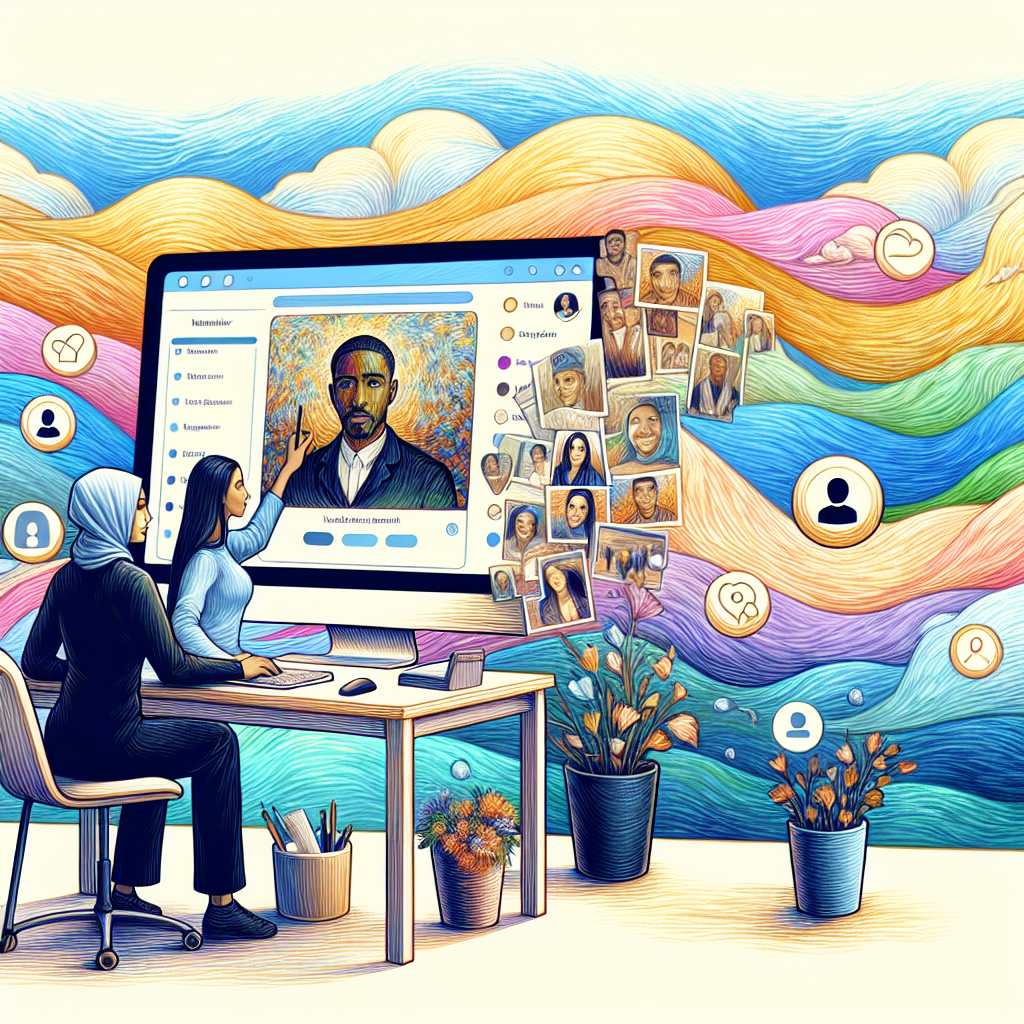
How Do You Navigate the Emotional Weight Of a Disappearing Legacy?
Conclusion
In this digital era, the essence of legacy has undergone a seismic shift. Gone are the days when memories resided solely in photo albums and storytelling around the dinner table. Today, our smartphones are the repositories of our lives—capturing photos, texts, and social media posts that illustrate our existence. But the crux of the matter is simple yet profound: what happens to our legacy when that device goes silent?
We often underestimate the emotional turmoil that accompanies the loss of our phones. Our digital devices are more than just tools; they embody who we are and the memories we hold dear. Consider those snapshots of milestones—birthdays, graduations—each representing stories worth preserving. When we lose access to these memories, we feel a part of ourselves fade away.
From an ethical perspective, it’s vital to address how we ensure our narratives endure beyond our devices. It’s our moral responsibility to engage in intentional storytelling, to communicate our experiences to loved ones, and to create backup plans that safeguard our memories. Our connections deepen when we share the essence of our lives with others, weaving a collective tapestry that transcends the limitations of technology.
Yet, in a world driven by digital interactions, we need to contemplate how we want to be remembered. True legacies extend beyond mere online personas; they hinge on authentic connections formed through shared experiences. Each laugh, tear, and triumph contributes to a narrative that others will carry forward.
As we reflect on our digital treasures—those cherished photos, heartfelt messages, and profound insights—we recognize their significance in shaping future generations’ understanding of us. These digital assets aren’t just files; they’re pieces of history that matter. In an age where memory can evaporate in an instant, we have the opportunity to act—to document, preserve, and safeguard our legacies.
In conclusion, as we navigate this complex digital landscape, let’s not allow our legacy to be dictated solely by algorithms. Embrace the stories that define us, inspire others through authenticity, and engage with our communities. Legacy storytelling is not just about remembering the past; it’s about creating a future where our values and stories resonate with those who follow. It’s time to take control and ensure that our legacies endure long after the last battery dies. What do you want your story to say? Let’s carve out a narrative that resonates, inspires, and connects, leaving a lasting imprint on the hearts of those who hold our stories close.

Conclusion
Conclusion:
- The concept of legacy has shifted from physical memories to digital ones stored on devices.
- Loss of digital devices often entails losing significant personal memories and identity.
- It is important to engage in intentional storytelling to preserve narratives beyond our devices.
- Authentic connections formed through shared experiences are essential for a meaningful legacy.
- Digital assets like photos and messages are important pieces of history that influence future generations.
- We should actively document and safeguard our legacies rather than relying solely on technology.
- Engaging with communities and inspiring others through authenticity helps ensure lasting impact.

Conclusion
Other Resources

Other Resources
Here is a list of other resources you can review online to learn more:
- Storyfile Life
- Forever Missed
- WishesKeeper
- My Wonderful Life
- LifeSite
- Obituary Templates
- How to Avoid Losing Your Family History One Generation at a Time
- Tributize
- RootsMagic
- Legacy Learned
- Meminto
- How To Write Legacy Stories That Appeal To The Heart, Gut and Head
- RocketLawyer
- LifeBio
- Geni
- Knotify.me
- MyWishes
- Trust And Will
- YouMattered
- Your Digital Afterlife
Use This Prompt To Get More Resources With Your Favorite Online AI Tool: Please provide me with a list of online articles with their URLs in a bulleted list that I can read regarding If Your Phone Dies, Does Your Legacy Die with It?

Other Resources
Glossary Terms
If Your Phone Dies, Does Your Legacy Die with It? – Glossary Of Terms
1. Legacy: The impact and memories left behind after an individual’s death, often encompassing personal, digital, and societal contributions.
2. Digital Footprint: The trail of data and information that a person leaves online, including social media posts, emails, and digital transactions.
3. Data Preservation: The process of maintaining and protecting digital information to ensure it remains accessible over time.
4. End-of-Life Planning: Preparations made regarding one’s affairs, including digital assets, before death.
5. Digital Estate: All digital assets and accounts, such as social media, email, and online services, owned by an individual.
6. Executor: A person appointed to manage and distribute someone’s estate according to their will, which may include digital assets.
7. Cloud Storage: Online services used for storing digital data, making it accessible from any device with internet connection.
8. Access Rights: Permissions to enter or manage someone’s digital accounts and information, often dictated by terms of service agreements.
9. Social Media Accounts: Profiles on platforms like Facebook, Twitter, and Instagram that may contain personal legacy items like photos and messages.
10. Content Creation: The act of producing digital media, such as videos, blogs, or art, which can contribute to a person’s legacy.
11. Intellectual Property: Creations of the mind, such as inventions, literature, and art, which can be part of an individual’s legacy and digital estate.
12. Memorialization: The act of preserving and commemorating a person’s memory, often through digital platforms.
13. Notifications: Alerts regarding the status of accounts that can inform beneficiaries or executors about important actions taken after someone’s passing.
14. Online Will: A digital document outlining how an individual wishes their digital assets to be managed after death.
15. Password Management: The process of using applications to store and manage access to various online accounts securely.
16. Two-Factor Authentication: A security process requiring two forms of verification for account access, relevant in securing digital legacies.
17. Digital Afterlife: The concept of how a person’s digital presence continues to exist following their death.
18. Privacy Settings: Controls that users can adjust to manage who can see their information, important for legacy considerations.
19. Unattended Accounts: Online accounts that remain inactive after a person’s death, possibly leading to privacy and security issues.
20. Beneficiaries: Individuals designated to inherit digital assets and accounts, defined by the deceased’s wishes.
21. Digital Will: Legal documentation that specifies how digital assets should be handled after death.
22. Encryption: The process of securing data by converting it into a code, vital for protecting sensitive information even after death.
23. Data Migration: The transfer of digital information from one system or location to another, relevant when securing a digital legacy.
24. Online Memorandum: A digital message or note left to communicate personal wishes regarding one’s digital legacy.
25. Security Breach: The unauthorized access to digital devices or accounts, posing risks to a legacy’s integrity.
26. Digital Legacy Services: Companies or organizations that assist in managing and preserving digital legacies for individuals.
27. User Agreement: Terms set forth by service providers outlining account ownership and management, influencing digital estate planning.
28. Legacy Contact: A person appointed to manage social media accounts after someone’s death, often involved in memorialization.
29. Deactivation Policy: Guidelines established by online platforms regarding account deactivation and data usage post-mortem.
30. Account Transferability: The potential for digital content and accounts to be passed to another individual, impacting digital legacy management.

Glossary Of Terms
Other Questions
If Your Phone Dies, Does Your Legacy Die with It? – Other Questions
If you wish to explore and discover more, consider looking for answers to these questions:
- What immediate steps should I take to preserve the photos, messages, and files on my phone?
- How can I create secure, reliable backups that outlive a single device?
- Which backup methods are safest: cloud services, external hard drives, or physical prints?
- What file formats best ensure long-term accessibility for photos, videos, and documents?
- How do I preserve metadata (timestamps, locations, captions) that provide context to digital memories?
- How do I organize my digital assets so future family members can understand and navigate them?
- What are the legal options for granting heirs access to my digital accounts and data?
- How do major platforms (Facebook, Google, Apple, Instagram) handle accounts after death?
- What is a digital will or digital estate plan, and how do I create one?
- How should I store and share passwords, encryption keys, and two-factor authentication methods?
- Can biometric locks (fingerprint/face ID) prevent loved ones from accessing my phone after I die, and what are alternatives?
- What professional services exist for digital-legacy planning and data recovery, and when should I use them?
- How much does long-term digital preservation typically cost, and how do I budget for it?
- How do I balance privacy for myself and others with the desire to preserve and share memories?
- What ethical issues arise from sharing sensitive or private messages and how should they be handled?
- How do I decide which digital assets are worth preserving and which can be deleted?
- What steps can I take to preserve messages or content that include other people who may not want it shared?
- How do I preserve multimedia (voice memos, home videos) that require specific codecs or players?
- What should I include in written legacy materials (biographies, story notes, explanations) to accompany digital files?
- How can families collaboratively build and maintain a shared archive of memories?
- What are best practices for preserving oral histories and recorded stories beyond a phone recording?
- How can I ensure that my social media persona isn’t lost or misrepresented after my death?
- What happens to cloud-stored data if I stop paying for a subscription?
- How can I protect my digital legacy against hacking, theft, or data corruption?
- What are the risks and benefits of using memorialization features provided by social platforms?
- How do data-retention and privacy laws (e.g., GDPR, state laws) affect post-mortem access to accounts?
- How should I document legal instructions for access to devices, accounts, and intellectual property?
- How can older devices or obsolete formats be migrated so future generations can open the files?
- What role can institutions (libraries, archives, museums) play in preserving personal digital legacies?
- How do I recover data from a physically damaged or “dead” phone?
- What conversations should I have with family or executors about my digital legacy now?
- When is the right time to start organizing and preserving digital memories?
- How do I handle copyrighted work, creative projects, or monetizable digital content after I’m gone?
- What tools exist to help curate and present a narrative or “story” from scattered digital artifacts?
- How do I keep a balance between curated, polished content and authentic, unedited memories?
- What contingency plans should I have if cloud providers shut down or change terms of service?
- How do I ensure my legacy reflects my values rather than just the highlights that happen to be online?

Other Questions
Haiku
If Your Phone Dies, Does Your Legacy Die with It? – A Haiku
Digital memories fade,
Snapshots of life, lost and found,
Legacy endures.

Haiku
Poem
If Your Phone Dies, Does Your Legacy Die with It? – A Poem
In pockets we hold our lives embrace,
A tapestry woven of memory and face.
Each photo, each text, a moment we share,
But what remains when the battery’s bare?
A child’s laughter, a first step’s delight,
Fleeting snapshots, turned whispers of light.
Yet if the device fades, does the story fall,
Or can it rise again through the hearts of us all?
We bear the weight of each narrative spun,
Connected by threads, we’re never alone.
In gatherings shared, our truths intertwine,
Creating a legacy that’s truly divine.
Digital treasures, our heirlooms in code,
Each file a fragment of love that we’ve sowed.
But in the vast sea of ones and of zeros,
We must safeguard the tales, protect our heroes.
So pause for a moment, reflect on your deed,
What stories will flourish when the last post is freed?
In laughter and whispers, in bonds we create,
A legacy thrives, beyond the screen’s gate.
Through technology’s lens, our memories thrive,
But the heart of our legacy is alive and contrived.
Let’s weave every narrative, let’s share every tale,
In the end, it’s the love that will always prevail.

Poem
Checklist
If Your Phone Dies, Does Your Legacy Die with It? – A Checklist
Emotional Appeals
✅______ Reflect on the memories that matter most to you; identify digital assets that hold significant emotional value.
✅______ Consider how sharing your stories can strengthen relationships with loved ones.
✅______ Encourage family gatherings to reminisce about cherished moments captured digitally.
Rational Appeals
✅______ Create backups of important digital files (photos, videos, messages) to prevent loss.
✅______ Organize your digital assets systematically (folders, cloud storage) for easier access and preservation.
✅______ Assess the security of your accounts; enable two-factor authentication for added protection.
Ethical Appeals
✅______ Think critically about the narratives you share; aim for authenticity over perfection.
✅______ Discuss digital privacy and security with family and friends to promote awareness and responsibility.
✅______ Foster a culture of storytelling that honors the values and lessons from those who came before you.
Authority Appeals
✅______ Research best practices for protecting your digital legacy; consult experts or credible sources.
✅______ Attend workshops or webinars about digital security and legacy preservation.
✅______ Share insights from trusted figures in your community about legacy storytelling.
Narrative Appeals
✅______ Begin a journal or digital scrapbook that documents your life’s significant moments and experiences.
✅______ Create a video or audio recording sharing personal stories, lessons learned, or hopes for the future.
✅______ Engage with others online through social-media platforms to share meaningful narratives that resonate with your community.
Social Appeals
✅______ Connect with a community of individuals interested in legacy storytelling; share your experiences and learn from others.
✅______ Participate in digital memory-sharing events or platforms to broaden your narrative reach.
✅______ Encourage discussions about legacy among friends and family, emphasizing the importance of preserving collective memories.

Checklist
At LegacyExplorations, we help people plan and explore their legacy by collecting information and news regarding end-of-life planning.
Please share this post with your friends, family, or business associates who may want help to plan or explore their legacy.