

Navigating Global Solutions Amidst Local Uncertainties
By Tom Seest
At LegacyExplorations, we help people plan and explore their legacy by collecting information and news regarding end-of-life planning.
Please share this post with your friends, family, or business associates who may want help to plan or explore their legacy.
International Cloud, Local Confusion
In today’s fast-paced world, the concept of the “cloud” promises global connectivity and unlimited potential, but for many, it brings a whirlwind of uncertainty and confusion. Picture a vast, cerulean sky, filled with fluffy clouds that seem to float effortlessly above—all of it representing the promise of innovation and efficiency. Yet, underneath this expansive metaphor lies a maze of legal, ethical, and biological implications that leave many feeling lost.
When we think about this international cloud, we often forget the local stories woven into its fabric. These aren’t just bits and bytes zipping along fiber optic lines; they are the legacy storytelling of our communities—small businesses, local governments, and everyday citizens each contributing unique narratives to the digital age. These stories often intersect with the world of technology, yet they may be shrouded in ambiguity. How is data handled? Who is responsible when things go wrong? These unanswered questions spark a dialogue not just in boardrooms but in cafes, backyards, and at community centers, urging us to reflect on our collective responsibility.
Embracing this evolving landscape requires us to confront our fears. The gut reaction to new technologies can often be to resist or doubt their intentions. This is where accountability becomes crucial. Local communities must take a stand, demanding transparency from those who provide these international services. When we trust companies to store our data and manage our privacy, we are inviting them into our lives—a significant responsibility that shouldn’t be taken lightly. Ethics should be at the forefront, ensuring the technology serving us respects our rights and values.
Our collective narrative must focus on fostering a sense of connection. As we engage with this international cloud, we must recognize that we share a communal stake in its operations. Every action taken at the global level reverberates locally, impacting the lives of individuals and families. We are not just abstract users in a faceless system; we are citizens whose stories contribute to the larger narrative of progress and innovation.
Ultimately, engaging with the international cloud is not just about technology—it’s about understanding our identity in a rapidly changing world. It’s a call to action for every individual, urging us to become informed participants in the narrative we are all crafting together. Recognizing the interplay between local stories and global technologies can help alleviate confusion and inspire future generations. In this digital age, it’s time to rewrite our legacy storytelling, emphasizing both accountability and connection, ensuring that as we move forward, we do so together.

International Cloud, Local Confusion
International Cloud, Local Confusion
- The concept of the “cloud” symbolizes global connectivity and innovation but causes confusion and uncertainty for many.
- Local narratives of communities, small businesses, and citizens contribute to the broader digital landscape.
- Questions about data handling and accountability prompt discussions in various community settings.
- Embracing new technologies requires confronting fears and demanding transparency from service providers.
- Ethics should guide technology, ensuring it respects individual rights and values.
- Every global action affects local communities, emphasizing a shared responsibility in the digital age.
- Engaging with the cloud involves understanding one’s identity and creating informed, collective narratives for the future.

International Cloud, Local Confusion
Table Of Contents
- International Cloud, Local Confusion
- What Does the Cloud Mean for Our Local Data Security?
- How Can We Trust International Cloud Providers?
- What Are the Ethical Implications Of Cloud Data Storage?
- How Does Local Infrastructure Impact Cloud Service Performance?
- How Do Cloud Services Affect Our Daily Lives and Decisions?
- What Narrative Can We Create Around the Benefits Of Local Data?
- How Can We Overcome the Confusion Surrounding Cloud Technology?
- Conclusion
- Other Resources
- Glossary Of Terms
- Other Questions
- Haiku
- Poem
- Checklist
What Does the Cloud Mean for Our Local Data Security?
In today’s digital age, the cloud isn’t just a buzzword; it’s an evolving part of our lives that presents both opportunities and challenges. It’s a landscape where our local data security hangs in the balance, like a tightrope walker suspended high above the ground, our safety reliant on trust, vigilance, and robust systems.
Imagine for a moment our personal stories—the legacy storytelling of our lives preserved in digital formats: beloved family photos, cherished emails, and critical documents. Storing these treasures in the cloud can feel like a gamble, where you’re placing your faith in invisible entities. The irony is that the very essence of the cloud—promising efficient access and connectivity—often collides with our primal instinct to protect what we hold dear. It’s this dissonance that tugs at our gut.
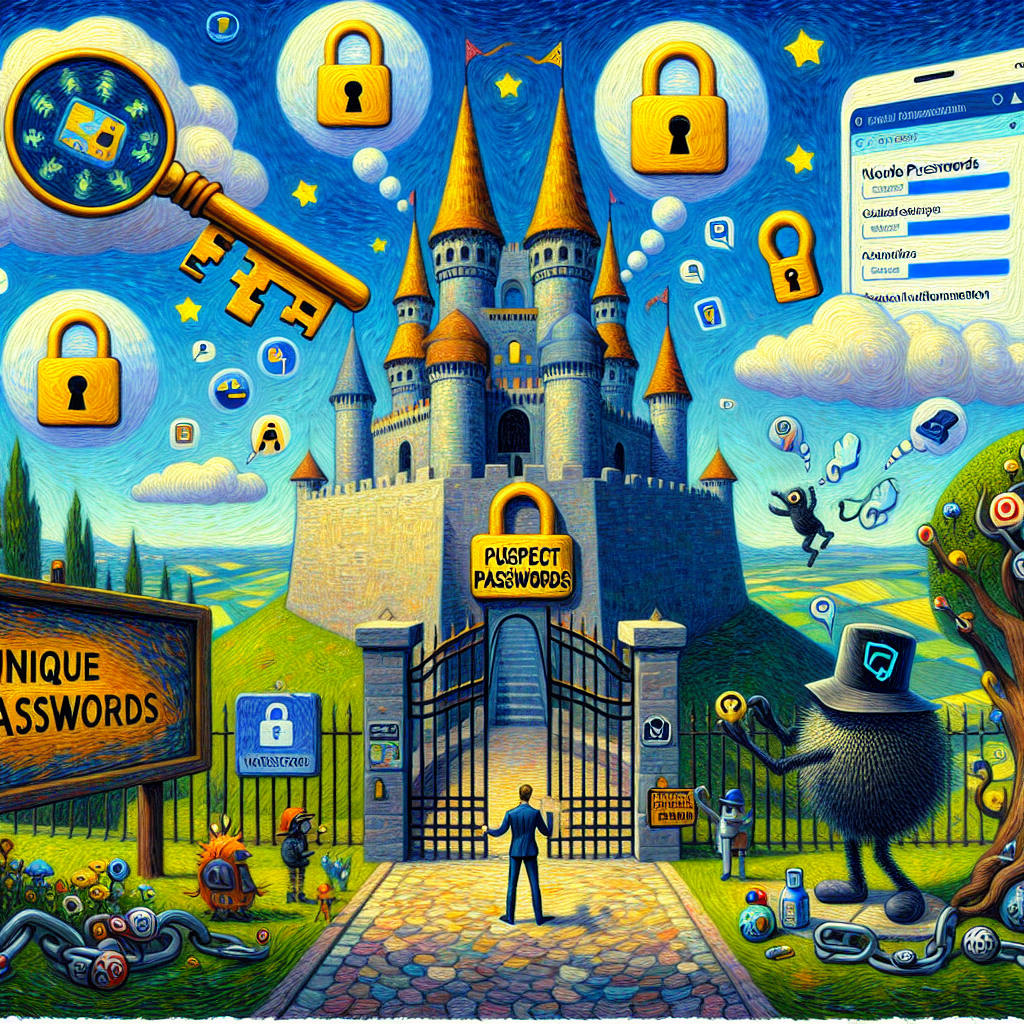
But let’s take a step back and think rationally. The cloud, with its scalable solutions, enables businesses and individuals alike to innovate without the hardware limitations of the past. Yet, this convenience comes with responsibility. When we relinquish our data to cloud services, we hand over control, placing our trust in protocols designed for protection. It’s essential to weigh the ethical implications of data storage and security. After all, safeguarding our information must carry the same importance as sharing it.
As we navigate these uncharted waters, it’s easy to overlook the human side of this equation. We’re not just numbers in a database; we’re people with dreams, experiences, and vulnerabilities. Connecting with our local communities and knowing how cloud services store data can ground us. This awareness transforms the abstract into the tangible—the stuff of narratives that resonate with all of us.
Security isn’t just a checkbox on a corporate agenda; it’s a commitment to protect what matters. Businesses must demonstrate authority in data security, proving their systems can withstand breaches. Transparent policies foster trust and allow us, as consumers, to feel confident in their services.
We all share this journey of digital transformation, and it’s critical to engage with our local data practices actively. By working together to advocate for transparent policies and security measures, we can create a resilient community. In this shared legacy storytelling of our lives, we may find solace knowing that our data is secure, empowering each of us to step boldly into the future. We can embrace the cloud, but let’s do so with our eyes wide open, ensuring our local data security is as steadfast as our stories.

What Does the Cloud Mean for Our Local Data Security?
What Does the Cloud Mean for Our Local Data Security?
- The cloud is an integral part of modern life with both opportunities and challenges.
- Storing personal data in the cloud involves a gamble of trust and security.
- The cloud allows for innovation but requires responsibility in data management.
- Understanding ethical implications in data storage is crucial.
- People are more than just data; they have personal stories and vulnerabilities.
- Security must be a priority for businesses to build consumer trust.
- Engagement in local data practices fosters community resilience and awareness.

What Does the Cloud Mean for Our Local Data Security?
How Can We Trust International Cloud Providers?
In a world where data is the new currency, trusting international cloud providers isn’t just a technical decision—it’s a deeply personal one. We’re not just handing over bits and bytes; we’re sharing our stories, our legacies. Each file we upload carries with it the echoes of our struggles, triumphs, and every nuance that makes us human. This is legacy storytelling, where our data defines who we are and where we’ve been.
Let’s think about how we build trust. It starts with transparency. When a cloud provider lays bare its practices, policies, and the technology that safeguards our data, they show us they have nothing to hide. This isn’t just smart business; it’s ethical. A provider that invites you behind the curtain isn’t just selling a service; they’re inviting you into a partnership. By sharing their challenges and triumphs, they craft a narrative that resonates, fostering connection and creating confidence.
Consider the experience of a small business owner who, after years of hard work, decides to store everything online. The fear is palpable. What if their information is compromised? Yet, when a provider showcases its certifications, partnerships, and even real-time data on security setups, that fear begins to dissipate. Here lies our rational appeal: an informed choice based on data-driven insights is empowering. It tells us: “We’ve got you covered.”
But what about the gut? The visceral reaction to a breach or failure can be crushing. To combat that, providers must not only emphasize robust security measures but also demonstrate empathy. They should communicate their commitment to protecting our data as diligently as they would protect their own. Building a compassionate narrative around how they’ve helped others weather storms fosters a sense of belonging—making it a community effort to protect what matters most.
Consider the social fabric we weave with technology. When international cloud providers leverage their authority—showcasing testimonials from both individuals and organizations alike—they stitch together a tapestry of trust that we can all relate to. Sharing stories of real people whose lives were positively impacted by these services makes it tangible. Together, we become part of a larger narrative, where security and trust aren’t just buzzwords but shared values.
So, as you consider your choices in cloud services, remember: it’s more than just tech. It’s about finding a partner willing to honor your legacy. Trust is a journey, and together, we can navigate this digital landscape more securely, one story at a time.

How Can We Trust International Cloud Providers?
How Can We Trust International Cloud Providers?
- Trusting cloud providers is a personal decision, reflecting our shared stories and legacies.
- Transparency in practices and policies builds trust and fosters partnerships.
- Showcasing certifications and security measures helps alleviate concerns for users.
- Providers must demonstrate empathy and commitment to data protection.
- Sharing real-life testimonials creates a relatable narrative and sense of community.
- Security and trust should be viewed as shared values, not just buzzwords.
- Choosing cloud services is about finding a partner that honors your legacy.

How Can We Trust International Cloud Providers?
What Are the Ethical Implications Of Cloud Data Storage?
What Are the Ethical Implications of Cloud Data Storage?
In a world where data is as precious as gold, cloud storage presents us with a modern dilemma. We’re constantly told that the cloud is the future, promising convenience and efficiency, but at what cost? For every file we upload, a piece of our legacy story is tethered to an unseen universe of servers. When we think about cloud data storage, it’s not just about bits and bytes; it’s about what those bits and bytes represent—our memories, our personal stories, and even our identities.
Imagine, for a moment, the photos of your child’s first steps or the heartfelt emails from a loved one. These moments are more than data packets; they’re threads woven into the tapestry of our lives. Storing them in the cloud can feel like entrusting a part of ourselves to a faceless entity. Can we truly accept the idea that our cherished memories are guarded by algorithms and corporate policies? This raises ethical questions on privacy, consent, and ownership. Are we relinquishing our rights when we click “agree” to those terms and conditions that we seldom read?
From a rational standpoint, cloud storage offers unparalleled accessibility. But think about the implications: who has access to that data? The tech giants behind these services wield immense power, and with it comes responsibility. It’s crucial to understand how our information is being used—who benefits from it, and at whose expense? As a society, we must hold these companies accountable, demanding transparency and ethical standards that align with our values.
On a broader scale, the choices we make in using cloud services ripple through our communities. When we upload our data, it’s not just an individual act; it shapes collective norms around trust and security. We must engage in legacy storytelling, not only for ourselves but for future generations who will inherit our digital footprints. The way we store and protect our data today sets the precedent for how future technologies will regard ethics.
So, as you contemplate the cloud’s conveniences, take a moment to weigh the ethical implications. Realize that each choice you make in this digital landscape is a step toward defining the kind of legacy you wish to leave behind. Embrace the responsibility that comes with modern technology, and ensure that the stories we hold dear are treated with the respect they deserve. Trust is not just given; it’s earned, and that’s something worth fighting for.
What Are the Ethical Implications Of Cloud Data Storage?
What Are the Ethical Implications Of Cloud Data Storage?
- Cloud storage presents ethical dilemmas regarding privacy, consent, and ownership of personal data.
- Storing memories like photos and emails can feel like entrusting them to faceless corporations.
- Access to stored data poses questions about who controls and benefits from that information.
- Accountability is essential for tech companies to maintain transparency and ethical standards.
- Individual decisions about data storage have broader implications for community trust and security norms.
- Legacy storytelling is crucial for future generations inheriting digital footprints.
- Each choice in the digital landscape contributes to the legacy we leave behind and the respect for our stories.

What Are the Ethical Implications Of Cloud Data Storage?
How Does Local Infrastructure Impact Cloud Service Performance?
The digital landscape, much like the landscape outside your window, thrives on the strength of its foundations. When we talk about cloud service performance, we cannot overlook the pivotal role that local infrastructure plays. It’s a classic legacy storytelling scenario: thriving communities built on the backs of sturdy bridges and reliable roads. If the infrastructure crumbles or falters, so too does the promise of seamless connectivity and productivity.
Imagine this: a bustling small town, full of entrepreneurs and innovators, each relying on cloud services to connect with customers miles away. These individuals pour their hearts into their businesses, crafting solutions that could change lives. But if their local internet service is teetering on the brink—if latency spikes or connections drop—those dreams can evaporate faster than morning mist. A reliable connection isn’t just an add-on; it’s the lifeblood of their aspirations. When infrastructure falters, the impact is felt at the gut level, as livelihoods hang in the balance.
Rationally speaking, robust local infrastructure leads to enhanced cloud service performance due to lower latency and quicker data retrieval times. Each significant investment in fiber optics or updated routing systems is not merely a number on a budget sheet; it’s a commitment to community growth and resilience. It’s about ensuring that every bit of data flows as efficiently as a well-oiled machine, enabling businesses to thrive and innovate without barriers.
Ethically, we must consider the implications of ignoring our local infrastructure. In many communities, underfunded networks create a two-tier system, leaving those on the wrong side of the digital divide behind. Everyone deserves equitable access to technology, empowering them to compete in the global arena. When we prioritize local infrastructure, we are nurturing a more inclusive society, one where opportunity is not a privilege reserved for a few.
By sharing the narratives of those who face these challenges, we build a connection that goes beyond mere statistics. Each story of a startup that struggled due to poor cloud connectivity resonates, reminding us that behind the numbers are real people, chasing their purposes.
In this storytelling journey, let’s advocate for local infrastructure enhancements, not just as a technical necessity but as a moral imperative. Each step toward improving that infrastructure is a step toward lifting dreams, fostering connections, and creating lasting impacts. We’re in this together—let’s ensure that the foundations we build serve everyone equally, fueling innovation and success for all.

How Does Local Infrastructure Impact Cloud Service Performance?
How Does Local Infrastructure Impact Cloud Service Performance?
- The strength of local infrastructure is crucial for cloud service performance and connectivity.
- Communities rely on solid infrastructure to support entrepreneurs and innovators chasing dreams.
- Poor local internet service can jeopardize businesses, emphasizing the need for reliable connections.
- Investments in infrastructure enhance performance by reducing latency and improving data retrieval.
- Ignoring local infrastructure exacerbates digital divides and hinders equitable access to technology.
- Sharing narratives of those affected by poor connectivity highlights the human aspect behind the statistics.
- Advocating for infrastructure enhancements is essential for fostering innovation and inclusivity.

How Does Local Infrastructure Impact Cloud Service Performance?
How Do Cloud Services Affect Our Daily Lives and Decisions?
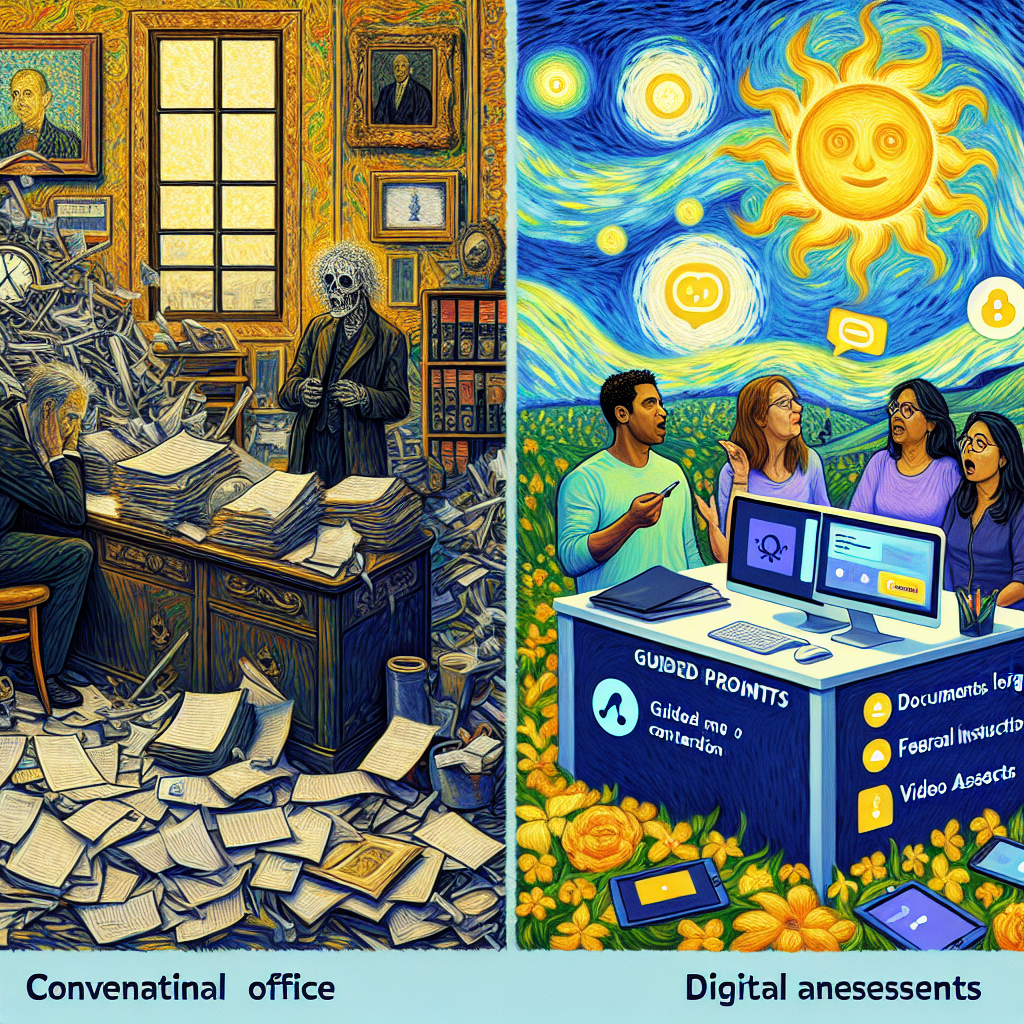
In the vast expanse of our daily existence, the impact of cloud services isn’t just a digital phenomenon; it’s woven into the very fabric of our lives. From the moment we rise and check our emails to the late-night browsing sessions that keep us scrolling, cloud technology quietly shapes our decisions. It’s like a legacy storytelling that transcends the boundaries of time, reminding us that the stories we share and the connections we foster have roots in something greater.
Picture this: A mother, miles away from her family, using a cloud service to share moments, from a child’s first step to a graduation ceremony. These aren’t mere pixels on a screen; they’re memories, captured and stored in the cloud, accessible at the touch of a button. The emotional weight of being present—albeit virtually—tugs at our hearts. It shows us that no matter how far we are geographically, cloud services bridge the gap, affirming that connectedness is fundamental to our humanity.
Rationally, the efficiency these services offer can’t be overstated. Consider a small business owner. With cloud-based solutions, they can manage their inventory, payroll, and customer interactions in real-time. This efficiency not only saves time but also resources, turning a cumbersome operation into a sleek, streamlined process. Decisions are made with data at our fingertips, allowing for informed choices that drive success. It speaks to our gut—a natural inclination to pursue what simplifies our lives.
Ethically, there’s a growing concern about data privacy and security. We trust these services to safeguard our most sensitive information. This trust isn’t given lightly; it’s earned by companies that prioritize transparent practices and robust protections. As we navigate this landscape, we must hold these providers accountable, ensuring they uphold a standard that protects our narratives while empowering our choices.
On a societal level, the rise of remote work, facilitated by cloud technology, has shifted the way we think about employment and work-life balance. It’s a new chapter in the legacy storytelling of our workforce, where flexibility and adaptability are now woven into our expectations. The collective shift encourages collaboration, fosters innovation, and inspires action in ways that resonate deeply within our communities.
Cloud services are more than technology; they are the gateway to a connected existence, a reflection of our stories, our decisions, and our values. As we embrace this reality, we find ourselves not just consumers of technology, but storytellers of our own lives.
How Do Cloud Services Affect Our Daily Lives and Decisions?
How Do Cloud Services Affect Our Daily Lives and Decisions?
- Cloud services are integral to daily life, influencing decisions from morning to night.
- They facilitate emotional connections by enabling remote sharing of significant life moments.
- Cloud technology enhances efficiency for businesses, streamlining operations and decision-making.
- There is a critical focus on data privacy and security, requiring trust in service providers.
- The rise of remote work reshapes employment expectations and work-life balance.
- Cloud solutions promote collaboration and innovation within communities.
- They serve as a medium for storytelling, reflecting values and personal narratives.

How Do Cloud Services Affect Our Daily Lives and Decisions?
What Narrative Can We Create Around the Benefits Of Local Data?
In an age where data often feels impersonal and distant, we have an opportunity to reclaim its heart through local narratives. Imagine walking through your community and seeing the faces behind the numbers. Each data point represents a story— a legacy of individuals, families, and dreams woven into the fabric of our neighborhoods. By embracing local data, we aren’t just crunching numbers; we’re engaging in legacy storytelling that honors and amplifies the voices of our community.
Consider for a moment what local data can reveal. It offers a window into the everyday trials and triumphs of your neighbors, fostering an emotional connection that raw statistics can’t achieve. It’s one thing to hear about national trends in unemployment; it’s another to understand how those numbers reflect the older gentleman down the street who lost his job after decades of hard work or the young woman who turned her passion for baking into a thriving business against all odds. These stories engage the heart while compelling our heads to recognize the urgent need for community support.
Local data also challenges us ethically. Are we as a society willing to ignore the plight of those right next door in favor of more generalized narratives? By utilizing data that is close to home, we uphold a moral obligation to advocate for our own, ensuring that resources, opportunities, and attention flow where they are needed most. This approach creates a ripple effect, inspiring others to become active participants in the conversation about local issues.
Furthermore, local data shines as an authoritative source that cuts through the noise of generalized information. When community leaders rely on localized statistics, they connect with residents in a way that feels authentic and trustworthy. This relationship fosters an environment ripe for collaboration, allowing individuals to come together around common goals.
By sharing stories rooted in local data, we invite a sense of belonging. We recognize that the most potent narratives don’t just stem from grand gestures but from the collective experiences of those within our communities. It’s time to shift the narrative— to rally around the real people living in our midst, not just the metrics that define them. Together, armed with local data and the power of legacy storytelling, we can inspire trust, confidence, and action in building a brighter future for our neighborhoods.

What Narrative Can We Create Around the Benefits Of Local Data?
What Narrative Can We Create Around the Benefits Of Local Data?
- Local narratives reclaim the heart of data, connecting communities to individual stories.
- Each data point reflects the experiences and dreams of local individuals and families.
- Local data fosters emotional connections that raw statistics cannot achieve.
- Ethical implications arise in the responsibility to advocate for nearby communities.
- Localized statistics are a reliable source that enhances trust between leaders and residents.
- Sharing stories based on local data promotes a sense of belonging within the community.
- Together, local data and storytelling can inspire action towards a brighter future.

What Narrative Can We Create Around the Benefits Of Local Data?
How Can We Overcome the Confusion Surrounding Cloud Technology?
Cloud technology can often feel like a complicated labyrinth, overwhelming those who approach it without the right roadmap. Yet, behind its technical facade lies a narrative that connects us all, a legacy storytelling that weaves through our collective experience. To cut through the confusion surrounding these digital clouds, we must tap into both our hearts and our minds.
Begin by recognizing that cloud technology is not just a collection of servers floating in cyberspace; it’s a tool designed to empower individuals and organizations alike. Picture a small business, struggling to keep up with the competition—then, with the leap into the cloud, find themselves capable of scaling operations overnight. This isn’t just a story about technology; it’s about human potential. Each person, whether they’re a CEO or an intern, has a unique part to play in this evolving narrative. When we craft our own stories with cloud technology at the helm, we cast off the cloak of confusion and step boldly into clarity.
Yet it’s not enough to simply understand what the cloud can do; we must also feel its influence in our lives. Let’s consider the ethical dimensions. Trust is the bedrock of any relationship, including our relationship with technology. By selecting tools that prioritize security and transparency, we not only safeguard sensitive information but reinforce a cultural narrative that values integrity. This action resonates with our gut—because when we act with purpose, we create a foundation of trust, not just in ourselves but in the communities we build around us.
Now, imagine the conversations around the water cooler, or the shared experiences of employees gathered for lunch. Engaging with cloud technology should spark discussions filled with curiosity and excitement rather than fear. By fostering an environment where questions are encouraged and answers are shared, we contribute to a collective understanding. We move from isolated understanding to a community rooted in shared knowledge and collaboration.
Finally, think of those legacy stories that connect generations—the stories of invention and perseverance. Cloud technology offers us new chapters to write, chapters where innovation meets human connection. By embracing the cloud, we join a broader narrative that not only enhances our work but also enriches our lives. It’s an invitation to turn confusion into clarity, and anxiety into action. Together, let’s create a future where every cloud is a canvas for stories waiting to unfold.

How Can We Overcome the Confusion Surrounding Cloud Technology?
How Can We Overcome the Confusion Surrounding Cloud Technology?
- Cloud technology can appear complex and overwhelming without proper guidance.
- It serves as a tool to empower individuals and organizations, enabling rapid operational scaling.
- Each person has a unique role in the evolving narrative of cloud technology.
- Understanding the cloud’s impact involves recognizing its ethical dimensions, particularly trust and security.
- Engaging with cloud technology should foster curiosity and excitement in discussions.
- Building community through shared knowledge is essential for collaborative understanding.
- Cloud technology offers opportunities for innovation and connection, inviting us to create meaningful stories.

How Can We Overcome the Confusion Surrounding Cloud Technology?
Conclusion
In navigating the intricate world of cloud technology, we find ourselves at a unique crossroads where innovation meets local experience. The promise of connectivity and efficiency often collides with the complexities of real-life implications, leaving many feeling adrift in a sea of uncertainty. Picture the digital landscape as a vast sky, where cloud services float above us, embodying potential yet casting shadows of ethical and practical dilemmas on the ground below.
At its core, cloud technology is about more than mere data storage; it represents our collective identity and shared legacy. Each file we upload carries our stories—tales of our triumphs, losses, and everyday moments that define who we are. Yet, while the appeal of convenience draws us in, we must remain vigilant, recognizing that this trust is a two-way street. Businesses must prioritize transparency and accountability, demonstrating with authority that they are worthy custodians of our digital lives.
Engaging with the cloud requires acknowledging the complex interplay between local narratives and global systems. It isn’t just about being users in an abstract framework; it’s about how our individual and community stories resonate within this digital ecosystem. Every decision regarding data usage impacts not only the individual but echoes through our neighborhoods and communities, shaping the social fabric we inhabit.
The ethical implications of cloud storage loom large, challenging us to consider who holds the power over our data and how it is used. As individuals, our voices matter. We must advocate for ethical standards that ensure our stories are respected and protected. Local data practices can bridge the gap between technology and community needs, affirming that every voice deserves to be heard in this digital transformation.
Moreover, let’s not forget the tangible benefits of local data. It serves as a rich narrative that enhances our understanding of community dynamics. Stories rooted in local experiences prompt us to act, allowing us to forge deeper connections as we face shared challenges. This approach fosters a culture of collaboration, paving the way for communal progress powered by trust and cooperation.
As we embrace the clouds above us, let’s do so with our feet firmly planted on the ground. The journey through this digital landscape is not one we take alone; it requires the collective commitment of individuals and organizations alike. Together, we can navigate from confusion to clarity, empowering ourselves and future generations to write a legacy story that respects our identities and enhances our interconnected lives. The future of technology lies not just in data, but in the narrative we weave around those digital threads—one that champions accountability, fosters community, and celebrates the rich tapestry of our shared existence.

Conclusion
Conclusion:
- Cloud technology embodies a combination of innovation and local experience.
- It represents our collective identity and shared legacy through the data we store.
- Transparency and accountability from businesses are crucial for maintaining trust in cloud services.
- Individual and community stories are essential in shaping the digital ecosystem.
- The ethical implications of data control challenge us to advocate for our rights.
- Local data practices enhance understanding of community dynamics and foster collaboration.
- The journey through the digital landscape requires collective commitment for a shared legacy.

Conclusion
Other Resources

Other Resources
Here is a list of other resources you can review online to learn more:
- LegacyFamilyTree
- Legacy Family Tree
- PartingWishes
- Knotify.me
- Everplans
- UpCounsel
- Remembered.com
- Tributes
- Ancestry
- How To Write Legacy Story Headlines That Appeal To The Heart, Gut and Head
- Funeral Finder
- RocketLawyer
- YouMattered
- Digital Legacy Association
- LastPass
- Afternote
- LegacyLearned
- Living Wisely
- LifeNaut
- My Wonderful Life
Use This Prompt To Get More Resources With Your Favorite Online AI Tool: Please provide me with a list of online articles with their URLs in a bulleted list that I can read regarding International Cloud, Local Confusion

Other Resources
Glossary Terms
International Cloud, Local Confusion – Glossary Of Terms
1. International Cloud: A computing model that allows storage and access of data and applications over the internet, enabling global collaboration and scalability.
2. Cloud Computing: The delivery of computing services, including servers, storage, databases, networking, software, and analytics, over the internet.
3. Public Cloud: Cloud services offered over the public internet, accessible to anyone, often provided by third-party vendors.
4. Private Cloud: Cloud infrastructure exclusively used by a single organization, offering enhanced security and control.
5. Hybrid Cloud: A combination of public and private cloud services, allowing data and applications to be shared between them.
6. Cloud Storage: A service that allows data to be stored on remote servers accessed via the internet, enabling easy retrieval and backup.
7. SaaS (Software as a Service): A software distribution model in which applications are hosted by a vendor and made available to users over the internet.
8. IaaS (Infrastructure as a Service): A form of cloud computing that provides virtualized computing resources over the internet.
9. PaaS (Platform as a Service): A cloud computing model that provides a platform allowing customers to develop, run, and manage applications without dealing with infrastructure.
10. Data Sovereignty: The concept that data is subject to the laws and governance structures within the nation it is collected or stored.
11. Latency: The time delay in data transmission across a network, which can affect the performance of cloud applications.
12. Multi-Cloud: The use of multiple cloud computing services from different providers to reduce redundancy and avoid vendor lock-in.
13. Vendor Lock-In: A situation where a customer is dependent on a single cloud provider for products and services, making it difficult to switch to another provider.
14. Compliance: Adherence to laws, regulations, guidelines, and specifications relevant to the organization’s operations, particularly in relation to data handling.
15. Cloud Migration: The process of moving data, applications, and services from on-premises infrastructure to the cloud.
16. Edge Computing: A computing model that processes data near the source of data generation rather than relying on a central location, reducing latency.
17. Containers: Lightweight, portable units of software that bundle an application’s code with its dependencies, allowing it to run consistently across various computing environments.
18. Microservices: An architectural style that structures an application as a collection of loosely coupled services, which implement business capabilities.
19. APIs (Application Programming Interfaces): Tools that allow different software applications to communicate and interact with each other, essential for cloud services integration.
20. Disaster Recovery: Strategies and processes to recover data and restore functionality after disruptive events, often facilitated by cloud services.
21. Backup and Restore: The process of copying and archiving data to protect against loss, with the ability to recover it when necessary.
22. Security: Measures and protocols implemented to protect cloud data and applications from unauthorized access, breaches, and threats.
23. Data Center: A facility used to house computer systems and associated components, crucial for cloud computing infrastructure.
24. Scalability: The capability to increase or decrease IT resources as needed to meet demand without impacting performance.
25. Load Balancing: Distributing network or application traffic across multiple servers to ensure no single server becomes overwhelmed.
26. Digital Transformation: The integration of digital technology into all areas of a business, fundamentally changing how it operates and delivers value to customers.
27. User Experience (UX): The overall experience a user has when interacting with a cloud service, including ease of use and satisfaction.
28. Service Level Agreement (SLA): A contract between a service provider and a customer that defines the expected level of service, including performance metrics.
29. Cost Management: The process of planning and controlling the budget for cloud services, ensuring efficiency and cost-effectiveness.
30. Collaboration Tools: Software solutions that facilitate teamwork and communication among users, often leveraged in international cloud settings to enhance productivity.

Glossary Of Terms
Other Questions
International Cloud, Local Confusion – Other Questions
If you wish to explore and discover more, consider looking for answers to these questions:
- What laws and regulations govern where my cloud data is stored and who can access it?
- How does data residency affect my privacy rights and legal obligations?
- Who is legally responsible if data stored in the cloud is breached or lost?
- What are the provider’s incident response and breach-notification procedures and timelines?
- How are encryption keys managed—does the provider control them or can I retain ownership?
- Is my data encrypted at rest and in transit, and which encryption standards are used?
- Can I independently audit or verify the provider’s security controls and practices?
- Which certifications and third‑party audits does the provider hold (e.g., SOC 2, ISO 27001, GDPR compliance)?
- How transparent is the provider about subcontractors, data centers, and third‑party data access?
- What do the terms of service say about data ownership, usage rights, and monetization?
- How easy is it to migrate data and applications away from the provider (risk of vendor lock‑in)?
- What are the full cost and pricing models, including charges for data egress, API calls, and support?
- How does local infrastructure (last‑mile connectivity, ISPs) affect cloud latency and uptime for my area?
- What service‑level agreements (SLAs) cover availability, latency, data durability, and support response times?
- How do cross‑border data transfers impact compliance with local and international laws?
- Are hybrid or local/cloud solutions available to keep especially sensitive data on‑premises or within the country?
- How does the provider handle data deletion and retention—can I ensure complete and verifiable erasure?
- What backup, versioning, and disaster‑recovery options exist, and how frequently are backups tested?
- How are access controls, identity management, and least‑privilege policies implemented for users and admins?
- What logging, monitoring, and forensic capabilities are provided to investigate incidents?
- How will government or law‑enforcement requests for customer data be handled, and will customers be notified?
- What protections are in place against insider threats within the provider’s organization?
- What level of local support is offered (language, hours, on‑the‑ground presence, escalation paths)?
- How does using a particular cloud provider affect regulatory compliance in specific industries (healthcare, finance, education)?
- What ethical policies govern the provider’s use of customer data for analytics, AI training, or product improvement?
- Could provider processing or AI introduce bias or other harms when acting on my data?
- What steps are being taken to avoid widening the digital divide and ensure equitable access to cloud services?
- How energy‑efficient and sustainable are the provider’s data centers and operations?
- What are the likely local economic and social impacts of adopting international cloud services (jobs, local vendors, tax implications)?
- What training, onboarding, and change‑management resources are available for small businesses and community groups?
- How can edge computing or local caching be used to mitigate latency and reliability issues?
- What monitoring and cost‑control tools exist to detect and prevent unexpectedly high bills?
- What contractual remedies, insurance options, or liability limits are in place if the provider fails to meet obligations?
- How should I evaluate marketing claims versus technical reality when choosing a cloud provider?
- What practical steps and best practices should I follow to anonymize or minimize personal data before uploading it to the cloud?

Other Questions
Haiku
International Cloud, Local Confusion – A Haiku
Clouds promise connection,
Yet local voices whisper—
Trust in shared stories.

Haiku
Poem
International Cloud, Local Confusion – A Poem
In the skies of innovation, vast and wide,
Lies the promise of connection, yet confusion resides.
Beneath fluffy clouds, stories weave and blend,
Local lives entwined with global trends.
In our hands, we hold legacies, memories bright,
Yet we wrestle with trust, shadows haunting our sight.
A dance of responsibility, ethics at the fore,
Whispers of accountability, our hearts cry for more.
Each data point a pulse, a community’s song,
Yet the algorithms stall us, where do we belong?
Transparency beckons, a call to unite,
In the web of cloud services, we find both hope and fright.
Infrastructure crumbles, dreams hang in the air,
Yet with strong foundations, we can rise up with care.
Empower each other, embrace local might,
A tapestry of stories, guiding us to the light.
So, let’s navigate this labyrinth, with eyes open wide,
In a world of technology, let human hearts guide.
Together we’ll craft, with trust as our thread,
A legacy of connection, where all voices are fed.

Poem
Checklist
International Cloud, Local Confusion – A Checklist
Emotional Appeals
✅______ Reflect on personal stories connected to local businesses and communities.
✅______ Recognize the emotional impact of data loss and the importance of data preservation.
✅______ Consider how cloud services enhance personal connections and family ties.
Rational Appeals
✅______ Evaluate the benefits of cloud technology for efficiency and scalability in daily operations.
✅______ Research the security protocols of cloud providers to make informed decisions.
✅______ Compare local infrastructure quality and its direct effects on cloud service performance.
Ethical Appeals
✅______ Assess the ethical implications of data privacy and ownership with cloud services.
✅______ Advocate for transparency from cloud providers regarding data usage and storage policies.
✅______ Reflect on the responsibility to protect community stories and data integrity.
Authority Appeals
✅______ Seek out testimonials and case studies from credible sources regarding cloud services.
✅______ Consult industry experts for insights on trustworthy cloud providers.
✅______ Utilize local data to inform decisions and engage community leaders in discussions.
Narrative Appeals
✅______ Craft compelling stories that highlight real community experiences with cloud technology.
✅______ Share narratives illustrating the positive impact of reliable cloud services on local businesses.
✅______ Emphasize the collective journey towards understanding and trust in technology.
Social Appeals
✅______ Engage with community forums and discussions about shared local data practices.
✅______ Encourage collaboration among local businesses to advocate for improved infrastructure.
✅______ Foster a sense of belonging by sharing and celebrating local success stories linked to cloud services.

Checklist
At LegacyExplorations, we help people plan and explore their legacy by collecting information and news regarding end-of-life planning.
Please share this post with your friends, family, or business associates who may want help to plan or explore their legacy.