

Capturing Life: The Power Of Storytelling
By Tom Seest
At LegacyExplorations, we help people plan and explore their legacy by collecting information and news regarding end-of-life planning.
Please share this post with your friends, family, or business associates who may want help to plan or explore their legacy.
Is Documenting Your Life Story Essential for Personal Reflection?
When it comes to documenting your life story, there’s an undeniable resonance that echoes through the ages. We all have tales to tell—stories born from triumphs, failures, loves, and losses. But is it essential to put pen to paper or fingers to keyboard to capture these moments? Some might say it’s just a passing whim, while others might see it as a crucial art form that lays the groundwork for our legacy.
Legacy storytelling is more than just an act of nostalgia. It’s an opportunity to pause and reflect on the many paths we’ve trodden. Life can be messy, often resembling a house built without plans, where rooms emerge haphazardly, and some spaces remain empty or forgotten. Documenting our lives allows us to step back and draw together the threads that shape our understanding of ourselves. We get the chance to connect the dots, turning chaos into coherence—a necessary endeavor, if you ask me.
The beauty of crafting your story is that it’s a personal exploration. It’s not about trying to impress anyone with your prose or orchestrating tales that belong in a best-selling memoir. Rather, it’s about wrestling with ideas, emotions, and experiences that define you. Think of it like digging through your own attic; you might find treasures you forgot you had. In that process, you could unearth wisdom that not only reflects who you are but also provides insight into who you want to become.
Moreover, no one’s life is lived alone. Each person’s narrative intertwines with the stories of family, friends, and even strangers. When you document your life, you contribute to a collective history—an intricate tapestry woven from countless threads of existence. Your account may inspire others or provide comfort to someone going through a similar struggle. Imagine the impact of passing down your journey through generations, affecting everyone from your grandchildren to their grandchildren. That’s the power of legacy storytelling.
So, is documenting your life story essential for personal reflection? For many, it can be an enlightening adventure, a tool for growth, and a heartfelt testament to a life well-lived. It’s the difference between existing and truly living—a chance to create something meaningful from the everyday grind. In a world that often moves too fast, taking the time to reflect can lead you to unexpected discoveries about yourself and the legacy you wish to leave behind.

Is Documenting Your Life Story Essential for Personal Reflection?
Is Documenting Your Life Story Essential for Personal Reflection?
- Life stories are filled with moments of triumphs, failures, loves, and losses.
- Documenting your life is viewed by some as a passing whim, while others consider it essential for legacy building.
- Legacy storytelling encourages reflection on the paths we’ve taken in life.
- Writing helps to connect chaotic experiences into a coherent understanding of oneself.
- Crafting your story is a personal exploration, not aimed at impressing others.
- Documenting your life contributes to a collective history, intertwining with the stories of others.
- Engaging in legacy storytelling offers personal growth and can provide insight into who you are and want to become.

Is Documenting Your Life Story Essential for Personal Reflection?
Table Of Contents
- Is Documenting Your Life Story Essential for Personal Reflection?
- Is Documenting Your Life Story Important For Self-Discovery?
- How Can Writing Your Life Story Enhance Personal Growth?
- What Are The Benefits Of Reflecting On Past Experiences?
- How Does Documenting Your Life Story Improve Mental Well-Being?
- What Methods Can You Use To Document Your Life Effectively?
- How Can Journaling Contribute To Your Life Story Documentation?
- What Role Does Storytelling Play In Personal Reflection?
- Conclusion
- Other Resources
- Glossary Of Terms
- Other Questions
- Haiku
- Poem
- Checklist
Is Documenting Your Life Story Important For Self-Discovery?
When it comes to self-discovery, there’s something profoundly revealing about the act of documenting our life stories. It’s not just about putting pen to paper; it’s a journey that beckons us to examine our experiences and insights, ultimately shaping our identities and our legacies.
Life moves fast, and it’s all too easy to let the days slip by, each moment fading into memory like a distant echo. But when we sit down to record our stories, we force ourselves to pause and reflect. This process is often called legacy storytelling, a way to carve our narratives into stone, or at least into an old notebook. It helps us sift through the chaos of daily life, capturing the essence of who we are and what we stand for.
Consider this: each of us has a tapestry woven from countless threads of experiences—joys, struggles, lessons learned, and dreams pursued. By documenting our stories, we become the weavers of that tapestry, taking control over the narrative. It’s a chance to examine those pivotal moments that shaped our character and perhaps understand why we turned left when others chose right. It’s in these reflections that we often find the hidden gems of our existence—the “aha!” moments that define self-discovery.
But let’s not kid ourselves: reflecting on our lives can sometimes dredge up uncomfortable memories or choices we’d rather forget. And that’s precisely where the growth happens. The process of legacy storytelling encourages vulnerability. It pushes us to confront our flaws and failures, and in doing so, we learn to embrace our authenticity. When we remove the mask and unveil our true selves—warts and all—we gain clarity about our values, beliefs, and aspirations.
Moreover, documenting our stories isn’t just about us. It’s about leaving behind a legacy for future generations. Imagine your grandchildren flipping through pages filled with your adventures and missteps. They’ll not only learn about your life but also gain insights into their own identity. The ripple effect of legacy storytelling can serve as a roadmap for others, guiding them through their own challenges.
So, whether it’s writing a memoir, starting a blog, or simply jotting down thoughts in a journal, embracing this practice can be an invaluable tool on the journey to self-discovery. Every story matters, and every story deserves to be told. Grab that pen or keyboard—you never know what you might uncover.

Is Documenting Your Life Story Important For Self-Discovery?
Is Documenting Your Life Story Important For Self-Discovery?
- Documenting life stories facilitates self-discovery and identity formation.
- Legacy storytelling allows individuals to reflect and capture their experiences amidst the chaos of daily life.
- Everyone has a unique tapestry of experiences that informs their personal narrative.
- Reflection can reveal pivotal moments and “aha!” insights that aid in self-discovery.
- Engaging in legacy storytelling promotes vulnerability and authenticity by confronting flaws and failures.
- Documenting stories creates a legacy for future generations, providing them with insights into their own identities.
- Practices like writing memoirs, blogs, or journaling are valuable tools for self-discovery and storytelling.
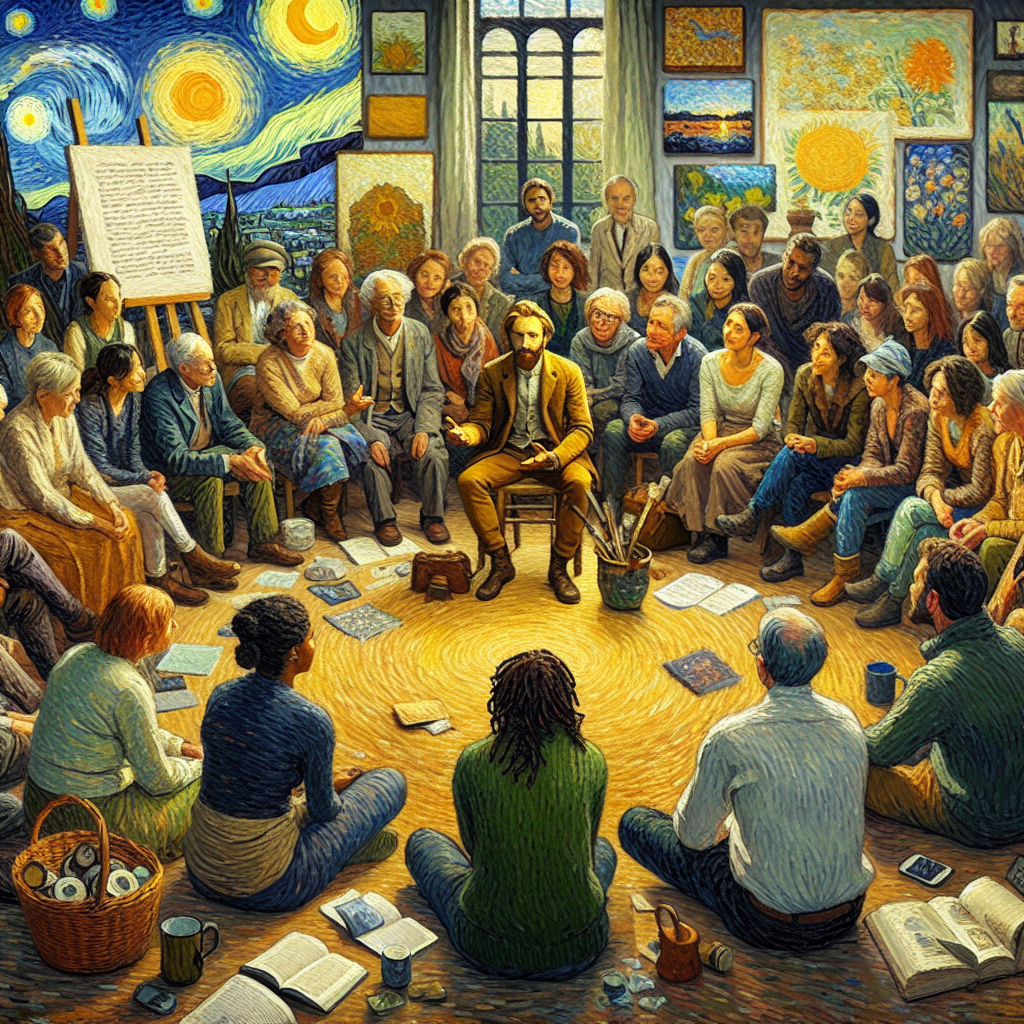
Is Documenting Your Life Story Important For Self-Discovery?
How Can Writing Your Life Story Enhance Personal Growth?
When you grab a pen and start to document your life, you’re not just scribbling down memories; you’re embarking on a journey of self-discovery that can transform the way you view yourself and the world around you. You see, writing your personal narrative is like sifting through the dirt and rock to uncover the gems buried within — those nuggets of experience that shape who you are. This process, often referred to as Legacy Storytelling, is about more than just sharing anecdotes; it’s a chance to reflect on your life’s key moments and impart valuable lessons learned along the way.
Consider the stories that make up the fabric of your existence. Every challenge faced, every triumph celebrated, is woven together to create a rich tapestry of experiences. By putting these stories on paper, you take a step back and examine the threads that bind them. It prompts you to see patterns, to understand how you’ve grown from hardship, and perhaps even to recognize recurring themes. What started as a mere recounting of your days evolves into a profound exploration of your values, motivations, and aspirations.
Engaging in this act of Legacy Storytelling can spur personal growth in more ways than one. For starters, it cultivates self-awareness. Writing requires us to pause, think critically about our experiences, and evaluate how they’ve influenced our lives. This self-reflection can lead you to confront uncomfortable truths, helping you to learn from your mistakes instead of burying them deep and hoping they’ll go away.
Moreover, by putting your story into words, you create a tangible artifact that can be passed down through generations. It’s your way of leaving behind a legacy that captures not just facts, but the emotional truths and lessons that might resonate with future generations. Think about it: your grandchildren might find solace or inspiration in your tales of resilience and perseverance. This connection, stretching across time, can foster a sense of belonging and continuity.
Ultimately, writing your life story is less about crafting a biography and more about forging a deeper understanding of who you are. With every word you write, you contribute to your personal growth, enriching not only your life but also potentially illuminating the paths of those who come after you. There’s power in your story—embrace it, and you may just find that the journey is as rewarding as the destination.

How Can Writing Your Life Story Enhance Personal Growth?
How Can Writing Your Life Story Enhance Personal Growth?
- Documenting your life through writing leads to self-discovery and changes your perspective.
- Legacy Storytelling helps reflect on key life moments and share valuable lessons learned.
- Your personal narrative is a tapestry of experiences, including challenges and triumphs.
- Writing offers insight into your growth, recurring themes, and personal values.
- This process cultivates self-awareness and encourages critical reflection on life experiences.
- Your written story becomes a legacy, inspiring future generations with emotional truths.
- Writing is about understanding yourself and enriching both your life and the lives of others.

How Can Writing Your Life Story Enhance Personal Growth?
What Are The Benefits Of Reflecting On Past Experiences?
We often hear the phrase, “those who do not learn from history are doomed to repeat it,” and while that might sound a bit dramatic, there’s a powerful truth buried within. When you take a step back to reflect on your past experiences, you engage in what could be called a form of legacy storytelling. It’s not just some fluffy exercise in nostalgia, but a chance to mine the gold hidden in the rough terrain of your life.
Reflecting on your journey helps you unearth lessons learned, mistakes made, and triumphs celebrated. Those moments, whether they were filled with joy or tinged with regret, form the fabric of your personal narrative. This process acts as a kind of mental GPS, helping you chart a course for the future based on where you’ve been. Think of each past experience as a chapter in your life’s book—each one informs the next, weaving a storyline that is uniquely yours.
Moreover, reflection fosters resilience. Life throws curveballs, and sometimes they can wallop you right in the gut. But when you take the time to analyze these experiences, you’re not merely reminiscing; you’re extracting wisdom from them. You learn what worked, what didn’t, and perhaps most importantly, why it matters. It gives you the tools to navigate future challenges with greater ease.
Another benefit of reflecting on your past is the power of storytelling. When you share your experiences—both the highs and the lows—you not only connect with others but also build your legacy. Your stories become beacons for those who find themselves in similar situations, guiding them through their trials. This kind of connection is invaluable, as it validates our shared human experience, reminding us we’re not alone in our struggles.
Finally, spending time in reflection can lead to personal growth. The act itself encourages you to set goals, adjust expectations, and redefine your priorities. It’s the inner dialogue that allows you to sift through the noise of everyday life and figure out what really matters.
So, take a moment. Sit down with your thoughts. What do your past experiences say about you? Engaging in this kind of reflection not only enhances your understanding of yourself but also equips you to step boldly into the future. The journey may be long, but the rewards are plentiful.

What Are The Benefits Of Reflecting On Past Experiences?
What Are The Benefits Of Reflecting On Past Experiences?
- The phrase “those who do not learn from history are doomed to repeat it” highlights the importance of reflecting on past experiences.
- Legacy storytelling allows individuals to uncover lessons, mistakes, and triumphs from their life, forming a personal narrative.
- Reflection acts as a mental GPS, helping chart future directions based on past experiences.
- Engaging in reflection fosters resilience by extracting wisdom from life’s challenges.
- Sharing personal stories connects individuals, creating a legacy and validating shared human experiences.
- Reflection encourages personal growth by setting goals and redefining priorities.
- Overall, reflecting on the past enhances self-understanding and prepares individuals for future challenges.
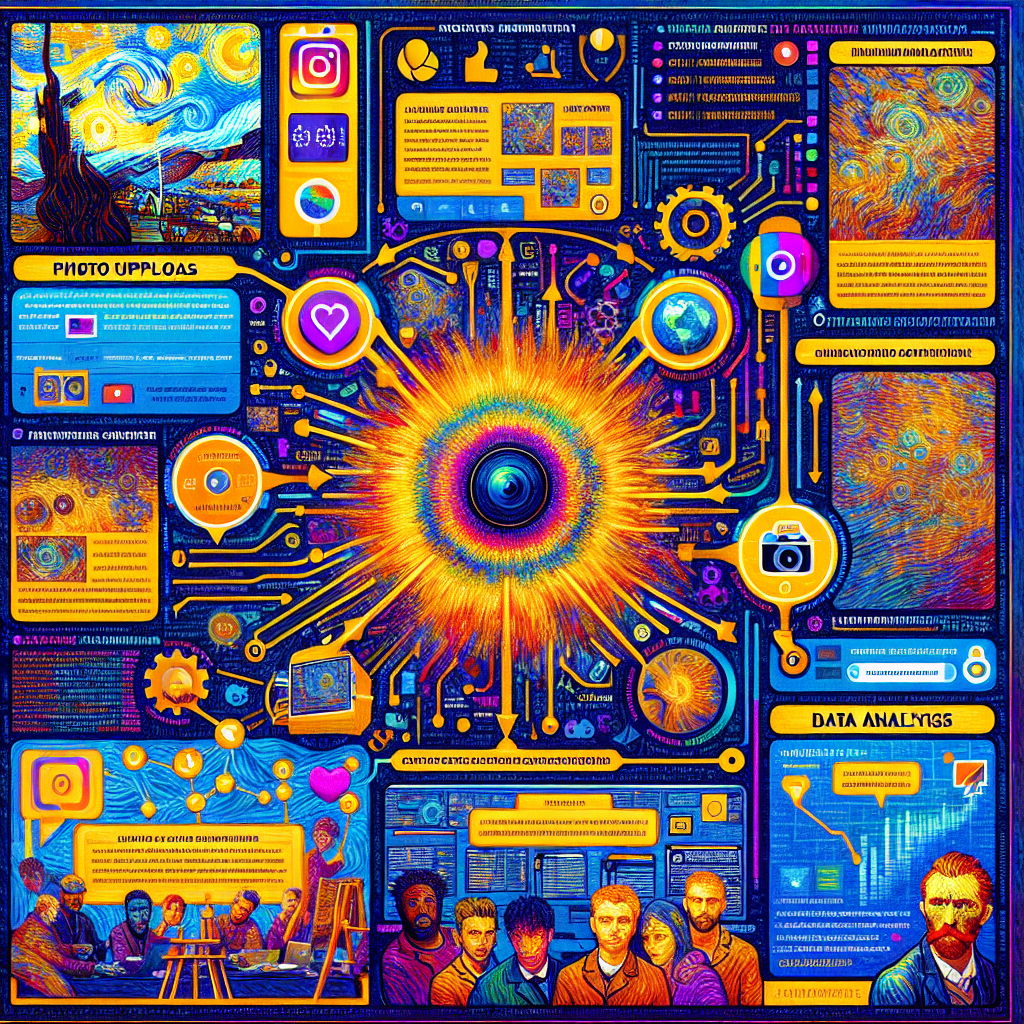
What Are The Benefits Of Reflecting On Past Experiences?
How Does Documenting Your Life Story Improve Mental Well-Being?
When you think about it, the idea of Legacy Storytelling is not just some lofty concept reserved for authors or historians. It’s an everyday exercise in introspection that can work wonders for your mental well-being. In a world that often feels chaotic and relentless, taking the time to document your life story provides you with a recalibrating moment—a chance to pause, reflect, and rediscover who you are and what you’ve been through.
Picture this: you sit down with pen and paper or your favorite digital device. As you begin to recount the highlights and the low points of your journey, an unexpected thing happens. Not only are you chronicling the events of your life, but you’re also connecting dots that may have previously seemed unrelated. You’re piecing together the puzzle of your existence, and that can be incredibly empowering. You become both the storyteller and the main character, shaping the narrative in a way that feels authentic to you.
Now, why does this matter for mental well-being? Well, in documenting your experiences—whether through journaling, blogging, or even recording videos—you’re essentially providing yourself with a form of therapy. Reflecting on the challenges you’ve overcome can foster resilience, helping you realize that you’ve faced adversity before and can do so again. It’s a reminder that life is a series of stories, each with its own lessons. And when you embrace the messiness of your own narrative, you often find clarity.
Beyond individual benefits, Legacy Storytelling can enhance your sense of connection. When you share your story with others, you open the door for shared experiences and vulnerabilities. Those around you may resonate with your struggles, creating a sense of community that’s hard to match. You’ll find that storytelling sparks conversations—cathartic exchanges that can lighten burdens and foster understanding.
So, whether you’re jotting down memories for your family to read in the future or simply reflecting on a pivotal moment in your life, the act of documenting your life story goes beyond mere nostalgia. It’s a therapeutic journey that invites you to engage with your past and find a sense of peace in the present. In a world that often rushes us along, taking time to narrate your story is not just worthwhile; it can be downright transformative.

How Does Documenting Your Life Story Improve Mental Well-Being?
How Does Documenting Your Life Story Improve Mental Well-Being?
- Legacy Storytelling is an accessible practice for mental well-being, not just for authors or historians.
- Documenting your life story allows for introspection, helping you pause and reflect on your experiences.
- The process of recounting experiences helps connect previously unrelated events, empowering you as both storyteller and main character.
- Documenting experiences acts as a therapeutic exercise, fostering resilience by reminding you of past challenges overcome.
- Embracing your narrative leads to clarity and understanding of life’s lessons.
- Sharing your story promotes connection and community, fostering shared experiences and vulnerabilities.
- Engaging with your past through storytelling can be a transformative journey, providing peace in the present.

How Does Documenting Your Life Story Improve Mental Well-Being?
What Methods Can You Use To Document Your Life Effectively?
When it comes to documenting your life, the methods you choose can shape how your story is told — not just for you, but for generations to come. You might think this is a task reserved for the famous or the extraordinary, but I argue that everyone has a life worth documenting. You don’t need a bestseller or a viral video; you just need authenticity. Let’s explore how you can get there through some straightforward, honest approaches.
First off, Legacy Storytelling is at the heart of documenting your journey. Think of it as sitting around the dinner table, sharing tales of triumph, struggle, and eccentricity. Start by jotting down your cherished memories. These snippets don’t have to be polished; in fact, the rawness adds texture to your tale. Consider keeping a daily journal. Each entry is a snapshot of your highs and lows, your hopes and fears. Don’t worry about grammar or style — this is your story, and it should sound like you.
Next, we cannot ignore the power of photographs. Capture the mundane moments alongside the milestones: a messy kitchen after a family meal, the sun setting over your favorite fishing spot, or that cracked picture frame holding your beloved childhood memory. These images complement your written thoughts perfectly. They provide context and really flesh out the narrative.
Then there’s audio or video recording. This method adds another layer of depth. Imagine sitting down with a loved one and just talking — without a script, just pure conversation. Record these sessions and you’ll not only preserve your voice but also capture the nuances of your relationships. These recordings can later become a powerful tool for family gatherings, a way to recall shared laughter or even serious lessons discussed.
Social media isn’t just a place for brunch photos and cat memes; it can also serve as a modern diary. Use it wisely to share your thoughts, reflections, and life events. With hashtags and geotags, you can create an accessible digital legacy.
Finally, while you document, remember to engage with your surroundings. Involve family and friends; they add their voices to the fabric of your story. Each of these methods allows you not only to record your life but to shape your Legacy Storytelling in a way that is distinctly, unapologetically you. It’s not just about documenting; it’s about creating a tapestry that honors who you are and where you’ve been.

What Methods Can You Use To Document Your Life Effectively?
What Methods Can You Use To Document Your Life Effectively?
- Documenting your life influences how your story is told for future generations.
- Everyone’s life is worth documenting; authenticity is key.
- Legacy Storytelling involves sharing memories and experiences, like around a dinner table.
- Keep a daily journal to capture highs and lows, focusing on your unique voice rather than grammar.
- Photographs should complement your written memories, capturing both mundane moments and milestones.
- Audio and video recordings preserve your voice and relationships through unscripted conversations.
- Utilize social media as a modern diary to share life events and create a digital legacy.

What Methods Can You Use To Document Your Life Effectively?
How Can Journaling Contribute To Your Life Story Documentation?
Journaling is a practice as old as the hills, yet it remains a rusty gold mine for those looking to contribute meaningfully to their life’s narrative. Picture it: a blank page beckoning you to fill it with thoughts, experiences, and emotions that act as the building blocks of your personal legacy storytelling. You might be thinking, “What does journaling have to do with the bigger picture?” Well, let’s dig in, shall we?
When we put pen to paper—or fingers to keys, if you prefer the digital route—we’re not just capturing a moment in time; we’re digging deep into the oily machinery of our lives. Each entry is a snapshot, a window into our thoughts and feelings during specific moments. Over time, these snapshots accumulate, forming a rich tapestry that tells our story. It’s like a family recipe—sure, the main ingredients are your experiences, but it’s the spice of your reflections and emotions that truly flavor the dish of legacy storytelling.
Think of journaling as your personal time capsule. You’re documenting everything from the mundane to the monumental, chronicling the day-to-day that shapes who you are. The act of writing compels us to pause and reflect, and therein lies the magic. You sift through memories like a prospector sifting for gold. What emerges may surprise you: old hurts, hopes, regrets, and triumphs find their way to the surface. By naming them, you’re crafting your narrative, framing how you want to be remembered.
As your story unfolds on those pages, consider the lessons you’ve learned along the way. Each entry acts like a compass needle, pointing towards the values that guide you. It’s this introspection that enriches your legacy storytelling. Your children, grandchildren, or even your future self will thank you for the treasure trove of insight you’ve shared through your writing. This is more than just a hobby; it’s a gift you’re crafting for those who come after you.
So, if you’ve been toying with the idea of journaling but haven’t taken the plunge, stop putting it off. Embrace the dirty work of digging through your own history and experiences. You might find, in sharing your journey, you’re not just documenting your life; you’re preserving your legacy, a gift that will outlive you and inspire generations yet to come. Now that’s a story worth telling.

How Can Journaling Contribute To Your Life Story Documentation?
How Can Journaling Contribute To Your Life Story Documentation?
- Journaling is a timeless practice that allows individuals to contribute meaningfully to their life narrative.
- Each journal entry captures thoughts and emotions, creating snapshots that form a rich tapestry of personal stories.
- Writing encourages reflection, helping to uncover old hurts, hopes, regrets, and triumphs.
- Journaling serves as a personal time capsule, documenting both mundane and monumental experiences.
- Lessons learned through writing act as a compass, informing the values that guide one’s life.
- The insights gained can be a valuable legacy for future generations.
- Embracing journaling can help preserve personal history and inspire those who come after you.

How Can Journaling Contribute To Your Life Story Documentation?
What Role Does Storytelling Play In Personal Reflection?
When we take the time to close our eyes and think about our lives, we often find ourselves spinning a narrative—a story that defines who we are and where we’ve been. This isn’t just idle daydreaming; it’s an essential part of personal reflection. Now, the magic of storytelling is its ability to weave memories together, transforming isolated moments into a cohesive Legacy Storytelling that captures our essence.
Let’s face it: we all have chapters in our lives that feel like they were ripped from a much larger tome. Some are filled with triumph, while others are riddled with challenges that seemed insurmountable at the time. When we sit down to reflect, to put pen to paper or even just to mull it over in our minds, we engage in the age-old practice of storytelling. Each memory we dredge up isn’t just a snapshot; it’s a piece of a larger mosaic, each tile contributing to the picture of who we are.
By telling these stories, we gain perspective. Consider a tough work experience. Instead of viewing it as a failure, when reflected upon through the lens of storytelling, it morphs into a lesson—a turning point that shaped our future choices. This transformational process allows us to embrace our past rather than shy away from it.
Moreover, storytelling fosters connection. When we share our stories, they often resonate with others, creating bonds that transcend the barriers of time and place. Talking about our experiences encourages empathy and understanding, both from our listeners and within ourselves. These shared narratives not only provide us with affirmation but also help frame our legacy for future generations.
The act of storytelling during personal reflection becomes a powerful tool. It allows us to examine decisions, reconsider paths, and ultimately, cultivate wisdom. We might find that the toughest periods are the ones that gave us the most insight, or that the victories were often accompanied by hidden lessons. Through Legacy Storytelling, we create a nuanced understanding of our journey, one that can be passed down, serving as both a guide and a beacon for those who follow.
Storytelling in personal reflection isn’t just about recounting events; it’s about understanding ourselves. It’s about framing our lives in a way that honors our experiences—good, bad, or otherwise—and ensuring that the stories we tell resonate far beyond our own existence.
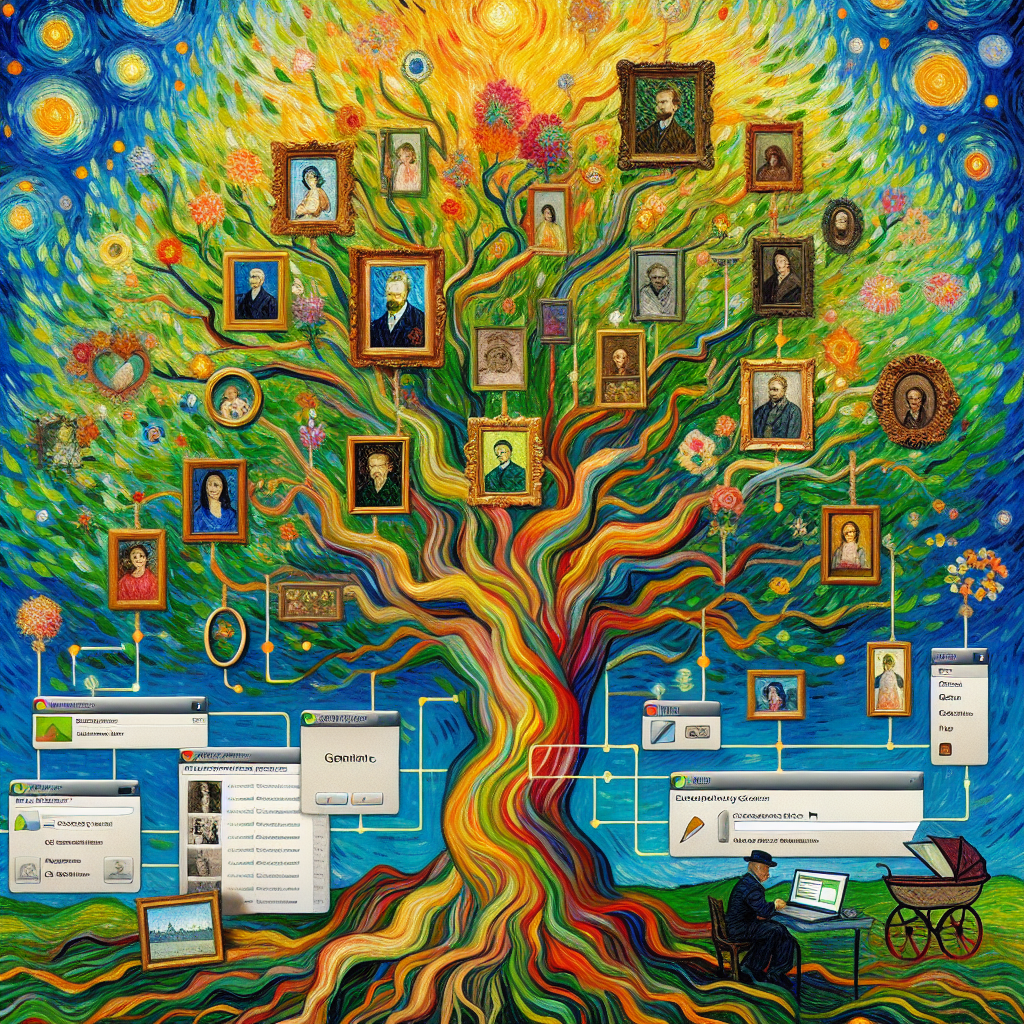
What Role Does Storytelling Play In Personal Reflection?
What Role Does Storytelling Play In Personal Reflection?
- Personal reflection often involves creating a narrative that defines our identity and past experiences.
- Storytelling transforms isolated memories into a cohesive Legacy Story, capturing our essence.
- Life chapters can vary from triumphs to challenges, each contributing to a larger mosaic of who we are.
- Reflecting on experiences allows us to gain perspective and see failures as lessons that shape our future.
- Sharing stories fosters connections and empathy, resonating with others and framing our legacy for future generations.
- Storytelling serves as a powerful tool for examining decisions and cultivating wisdom throughout our journey.
- It’s about understanding ourselves and honoring our experiences in a way that resonates beyond our own lives.

What Role Does Storytelling Play In Personal Reflection?
Conclusion
So, let’s talk about this concept of documenting your life story and why it’s not just some whimsical pastime but an essential practice for anyone looking to elevate their self-awareness, foster personal growth, and leave a meaningful legacy.
You see, underneath the surface of our daily lives lies a treasure trove of experiences waiting to be unearthed. Each moment, whether a triumph or a setback, contributes to the rich tapestry of who we are. By taking the time to jot down our thoughts, record our stories, or even create a digital diary, we’re not merely chronicling events; we’re engaging in a profound act of self-examination and reflection. This is what the folks in the know call “legacy storytelling,” and let me tell you, it’s a game changer.
When we document our lives, we trace the paths we’ve walked, connect the dots that shaped our experiences, and transform the chaos of existence into something coherent and meaningful. Think of it like sifting through your attic. Amidst the dust and cobwebs, you might unearth forgotten treasures that reflect who you are today and help you illuminate the future you want to create. It’s about creating an opportunity for reflection—a moment to ask, “What have I learned from all of this?”
Moreover, the act of telling our stories isn’t solely a solitary endeavor; it’s a way to forge connections with others. Each of us is intertwined with countless narratives—family, friends, even those fleeting encounters that leave a lasting impact. By sharing your experiences, you contribute to a communal history that resonates with others, perhaps offering comfort or inspiration to someone navigating their own stormy seas.
Now, let’s talk mental well-being. In a chaotic world propelling us forward at breakneck speed, taking time to record our thoughts becomes a grounding experience. It’s like hitting pause and recalibrating our internal compass. Just by reflecting on the tough moments we’ve lived through, we often find resilience where we thought none existed. This introspection can foster authenticity, helping us embrace our flaws as much as our triumphs.
So, if you’ve ever thought about sitting down to write out your story—be it in a dedicated journal, a blog, or even a simple Word document—don’t hesitate. You’re not just documenting a life; you’re defining your legacy, and trust me, that’s worth every ounce of effort. Whether it brings clarity to your journey or sheds light on others, your story deserves to be told. And who knows, perhaps the biggest discovery might just be about you. Grab that pen and start weaving the tale of your life; it’s sure to be one heck of a story.

Conclusion
Conclusion:
- Documenting your life story is essential for self-awareness, personal growth, and leaving a legacy.
- Every moment in life, whether good or bad, contributes to our identity and offers valuable experiences.
- Legacy storytelling involves recording our thoughts and experiences, facilitating deeper self-examination.
- Documenting life helps in reflecting on past experiences and provides clarity for future aspirations.
- Telling our stories fosters connections with others and contributes to a shared communal history.
- This practice enhances mental well-being by allowing introspection and promoting resilience.
- Writing your story can define your legacy and illuminate both your journey and the experiences of others.

Conclusion
Other Resources

Other Resources
Here is a list of other resources you can review online to learn more:
- FamilySearch
- Living Wisely
- Trust And Will
- INELA
- EverLoved
- Digital Legacy Association
- EverNote
- UpCounsel
- Funeral Services Guide
- GhostMemo
Use This Prompt To Get More Resources With Your Favorite Online AI Tool: Please provide me with a list of online articles with their URLs in a bulleted list that I can read regarding Is Documenting Your Life Story Essential for Personal Reflection?

Other Resources
Glossary Terms
Is Documenting Your Life Story Essential for Personal Reflection? – Glossary Of Terms
1. Autobiography: A self-written account of the author’s life, detailing personal experiences and reflections.
2. Memoir: A specific form of autobiography, focusing on particular themes, events, or aspects of the author’s life.
3. Reflection: The act of contemplating personal experiences, emotions, and growth, often leading to deeper understanding.
4. Journaling: The practice of writing down thoughts, feelings, and experiences regularly, serving as a tool for self-exploration.
5. Narrative: A structured story or account of events, often used to understand and convey personal experiences.
6. Therapeutic Writing: Writing used as a therapy approach, helping individuals process their emotions and experiences.
7. Life Review: Reflecting on life experiences, often associated with aging, to gain insight and closure on one’s life journey.
8. Self-Discovery: The process of gaining insight into one’s own character, values, and motivations through reflection and exploration.
9. Legacy: The lasting impact of an individual’s life history, values, and lessons shared with future generations.
10. Mindfulness: The practice of being present and fully engaged in the moment, often enhancing reflective thinking.
11. Narrative Therapy: A therapeutic approach that uses storytelling to help individuals reframe their life experiences and identities.
12. Introspection: The examination of one’s own thoughts, feelings, and motives, often leading to greater self-awareness.
13. Chronicle: A factual and detailed account of events in the order they occurred, often used in historical documentation.
14. Identity: The understanding of oneself as a distinct individual, shaped by personal experiences and reflections.
15. Personal Growth: The ongoing process of developing one’s capabilities and potential through experiences and reflection.
16. Storytelling: The act of conveying personal experiences through narrative, often fostering deep connections with oneself and others.
17. Eulogy: A speech or tribute honoring someone’s life, often reflecting on their achievements and characteristics posthumously.
18. Life Mapping: A visual representation of significant events and turning points in one’s life, aiding in reflection and analysis.
19. Existential Reflection: Contemplation of the nature of existence, purpose, and one’s place in the world, often igniting personal insight.
20. Writing Prompts: Stimulating questions or topics that encourage self-exploration and reflection through writing exercises.
21. Emotional Literacy: The ability to recognize, understand, and express emotions, facilitating deeper self-reflection.
22. Cognitive Processing: The thought processes involved in making sense of experiences, often through analysis and reflection.
23. Self-Narrative: The story individuals tell themselves about their lives, influencing their identity and self-perception.
24. Personal Archive: A collection of documents, writings, photos, and artifacts that represent an individual’s life and history.
25. Regret: A feeling of sadness or remorse over something lost or done, often leading to valuable life lessons upon reflection.
26. Closure: The emotional resolution or acceptance of unresolved events or memories, often aided through documenting experiences.
27. Cultural Reflection: The examination of one’s life within the context of cultural backgrounds, traditions, and societal influences.
28. Therapeutic Benefits: The positive outcomes derived from reflective practices, such as reducing stress and enhancing mental well-being.
29. Authenticity: The quality of being true to oneself, often discovered and reinforced through personal reflection and storytelling.
30. Vision Statement: A personal declaration of one’s aspirations and values, informed by reflective practices and life experiences.
These terms can provide a foundational understanding of the importance of documenting one’s life story and the role it plays in personal reflection.

Glossary Of Terms
Other Questions
Is Documenting Your Life Story Essential for Personal Reflection? – Other Questions
If you wish to explore and discover more, consider looking for answers to these questions:
- What are the best methods for documenting my life story?
- How can I overcome writer’s block when trying to journal my life experiences?
- What types of stories should I prioritize when documenting my life?
- How often should I reflect on and update my life story?
- What are some common challenges people face when writing their life stories?
- How do I make my life story interesting to others?
- What role does vulnerability play in the storytelling process?
- How can I encourage my family to share their stories as well?
- What tools or platforms are recommended for documenting life stories (journals, blogs, etc.)?
- Can storytelling be beneficial for mental health beyond just documentation?
- How can I use my life story to help others?
- What are some inspirational examples of life stories that have had a positive impact?

Other Questions
Haiku
Is Documenting Your Life Story Essential for Personal Reflection? – A Haiku
Reflect on your past,
Stories weave a legacy—
Growth in every line.

Haiku
Poem
Is Documenting Your Life Story Essential for Personal Reflection? – A Poem
In the quiet corners of our mind,
Life’s stories linger, intertwined.
Tales of love, loss, laughter, and strife,
Each thread a testament to the fabric of life.
With pen in hand, we seek to explore,
A map of moments, a personal lore.
Through triumphs and trials, we gather our past,
In pages, our legacies are stitched to last.
Memory dances like shadows at play,
As we sift through the chaos of each passing day.
A tapestry woven with joys and with fears,
Revealing our truths through laughter and tears.
Legacy storytelling, a way to connect,
To capture the gleam and the lessons we’ve met.
Each chapter unfolds with its dazzling hue,
Reflections that lead us to discover the true.
The treasures lie hidden within our own tales,
In journaling whispers, where introspection prevails.
We confront our missteps, unearth our regrets,
Crafting meaning from chaos, our story begets.
In sharing our narratives, we gather the light,
Kindling sparks of connection that shine through the night.
As voices unite in the echoes we share,
A chorus of lives, in the fabric we wear.
So pause and reflect in the journey of time,
With every word penned, your essence will climb.
For in documenting life, we cultivate grace,
A legacy woven, that time can’t erase.

Poem
Checklist
Is Documenting Your Life Story Essential for Personal Reflection? – A Checklist
Preparing for Your Journey
1. Identify Your Purpose
_____ Why do you want to document your life story? Consider self-discovery, legacy, or healing.
2. Set Aside Your Fears
_____ Remember that your story is uniquely yours. Focus on authenticity, not perfection.
3. Choose Your Format
_____ Decide whether you’ll write, blog, journal, or use audio/video recording.
Gathering Your Thoughts
4. Reflect on Key Experiences
_____ List pivotal moments, triumphs, struggles, and lessons learned throughout your life.
5. Think About Your Values
_____ Identify core beliefs and values that have guided you through your experiences.
6. Include Personal Stories
_____ Gather anecdotes that highlight your character and growth.
Engaging in the Process
7. Create a Regular Writing Schedule
_____ Dedicate time weekly for writing or documenting your thoughts.
8. Use Prompts to Spark Reflection
_____ Refer to questions or prompts that encourage deeper introspection, like:
_____ What is a lesson learned from a past mistake?
_____ When did you experience the greatest joy?
9. Document Daily Life
_____ Capture everyday moments and reflections to enrich your narrative.
Enhancing Your Story
10. Incorporate Visual Aids
_____ Use photographs, souvenirs, or mementos that evoke memories and add depth to your story.
11. Share with Others
_____ Involve family and friends to contribute their perspectives or co-create stories.
12. Seek Feedback
_____ Share drafts with a trusted friend for constructive insights and support.
Reflecting on Your Progress
13. Review Regularly
_____ Periodically reread your entries to see your evolution over time and find patterns.
14. Celebrate Milestones
_____ Acknowledge when you complete sections or chapters—small celebrations encourage ongoing motivation.
Leaving a Legacy
15. Consider Future Generations
_____ Think about what you want to pass down to your loved ones and how your story can guide them.
16. Store Your Work Safely
_____ Keep your documented story in a safe place for future reflection by yourself or your descendants.
17. Explore Ways to Publish or Share
_____ If comfortable, consider self-publishing or sharing your story with a broader audience.
Final Thoughts
18. Embrace Vulnerability
_____ Understand that sharing your ups and downs fosters authenticity and connection.
19. Practice Self-Compassion
_____ Remember, every story is valuable. Treat your journey with kindness and patience.
20. Keep Going!
_____ Stay committed to this journey of self-discovery and reflection, knowing that your story matters.
By following this checklist, you can embark on the rewarding journey of documenting your life story, enhancing your personal reflection and growth along the way.

Checklist
At LegacyExplorations, we help people plan and explore their legacy by collecting information and news regarding end-of-life planning.
Please share this post with your friends, family, or business associates who may want help to plan or explore their legacy.