

The Power Of Narrative: Shifting The Focus To The Audience
By Tom Seest
At LegacyExplorations, we help people plan and explore their legacy by collecting information and news regarding end-of-life planning.
Please share this post with your friends, family, or business associates who may want help to plan or explore their legacy.
Is Legacy Storytelling More About The Listener Than The Speaker?
When we dive into the world of Legacy Storytelling, it’s essential to recognize that this ancient art is just as much about the listener as it is about the speaker. Sure, the storyteller stands up there, weaving a narrative, connecting threads of memory and emotion, but without an engaged audience, the story risks fading into the ether. To truly appreciate the depth of Legacy Storytelling, we need to roll up our sleeves and examine how these stories resonate with those who hear them.
Picture this: a grandparent recounting tales from their youth, sharing the wisdom of hard-earned lessons and the laughter from moments long gone. The storyteller might be the one with the microphone, but guess what? The audience is the heart and soul of the whole affair. They are the ones processing, relating, and absorbing every word. In fact, it’s the listener’s reactions—the nods of understanding, the laughter at just the right moments, the tears in the eyes—that breathe life into the narrative.
Legacy Storytelling serves as a bridge across generations, a conduit for shared experiences. It’s a vibrant exchange where the listener becomes an active participant. They sift through the story, finding threads that weave into their own lives, transforming the tale into a personal reflection. This is not merely passive consumption; the listener becomes a co-creator of meaning. They take the story and, in many ways, reshape it into something that resonates uniquely with them.
Moreover, Legacy Storytelling fosters connection. It draws the listener in, inviting them to reflect on their legacy, their experiences, and their own stories. This two-way street enhances the delivery and impact of the original tale. When the listener feels an emotional investment, the speaker’s words carry weight. Each laugh, each sigh, and each moment of silence during the story creates a relationship—a bond that spans the ages.
LLegacy Storytelling isn’t just about the magnificent tapestry woven by the speaker; it’s about the threads that connect us all. The stories endure, not just because they are told well, but because they find a home in the hearts of those who hear them. So, the next time you sit down for a story, remember: you’re not just an audience member; you’re a vital part of this captivating journey.

Is Legacy Storytelling More About The Listener Than The Speaker?
Is Legacy Storytelling More About The Listener Than The Speaker?
- Legacy Storytelling emphasizes the importance of both the speaker and the listener.
- The storyteller shares memories and emotions, but the audience engages and brings the story to life.
- Listeners actively participate and relate the stories to their own experiences.
- This form of storytelling fosters a meaningful connection across generations.
- Listeners become co-creators of the narrative, reshaping it to resonate uniquely with them.
- Emotional investment from the audience enhances the impact of the original story.
- Legacy Storytelling highlights the bond that forms through shared experiences and reflections.

Is Legacy Storytelling More About The Listener Than The Speaker?
Table Of Contents
- Is Legacy Storytelling More About The Listener Than The Speaker?
- How Does Listener Engagement Shape Storytelling Effectiveness?
- What Role Does Emotion Play In Legacy Storytelling?
- Can Legacy Stories Evolve Based On Listener Feedback?
- What Techniques Enhance Listener Connection In Storytelling?
- How Do Personal Biases Influence Listener Interpretation?
- Are There Cultural Differences In Legacy Storytelling Preferences?
- What Makes A Legacy Story Resonate With Listeners?
- Conclusion
- Other Resources
- Glossary Of Terms
- Other Questions
- Haiku
- Poem
- Checklist
How Does Listener Engagement Shape Storytelling Effectiveness?
When we talk about storytelling, we often think of grand tales spun in cozy corners—words woven together like a warm blanket on a cold night. But let’s hook into a different angle: the idea of listener engagement. The reality is, it doesn’t matter how beautifully you craft your story if no one is tuning in or, worse yet, if they’re not invested. In today’s fast-paced world, where attention spans seem to flit away like autumn leaves, the ability to engage your audience is more crucial than ever, and that’s where the art of Legacy Storytelling comes into play.
Legacy Storytelling isn’t just a nostalgic nod to the past; it’s about building a connection that resonates across generations. This type of storytelling thrives on listener engagement and lays the groundwork for something that can endure. Think about the stories passed down through families—tales of triumph, mistakes, or the quirky way Uncle Joe always managed to end up in the wrong place at the right time. These aren’t just stories; they’re the fabric of our identities. When we share these narratives, we’re not only engaging our listeners; we’re inviting them to become part of a larger narrative that transcends our own experience.
Now, let’s consider how engagement shapes the effectiveness of these stories. When a listener is actively engaged, they’re not just occupying space; they’re participating. A well-timed question, a knowing laugh, or even a quiet nod of understanding transforms the storytelling experience into a dialogue. This interaction creates an electric atmosphere. Suddenly, the storyteller isn’t just reciting words; they’re connected to a community of listeners who are leaning in, eager to absorb every detail.
Moreover, the emotional impact of these stories deepens significantly when the audience is invested. Your audience might remember every word if they feel like stakeholders in the story. They might even find themselves sharing that story, thus perpetuating the legacy. Stories swaddled in listener engagement tend to stick. They morph into something bigger and often take on lives of their own, embedding themselves into the collective memory.
Effective storytelling isn’t just about the tale you tell; it’s about the connections you forge. In our fast-moving slice of time, finding that engagement is what transforms simple narratives into legacies, memories worth sharing, and stories worth telling again and again.

How Does Listener Engagement Shape Storytelling Effectiveness?
How Does Listener Engagement Shape Storytelling Effectiveness?
- Storytelling often evokes images of grand tales, but listener engagement is crucial.
- Legacy Storytelling focuses on building connections that resonate across generations.
- Family stories create a collective identity, inviting listeners into a broader narrative.
- Engaged listeners transform storytelling into a dialogue, enhancing the experience.
- Emotional investment from the audience increases the impact and memorability of stories.
- Stories that engage listeners can evolve and embed themselves in collective memory.
- Effective storytelling is about forging connections that make narratives worth sharing.

How Does Listener Engagement Shape Storytelling Effectiveness?
What Role Does Emotion Play In Legacy Storytelling?
When we think about Legacy Storytelling, we often get caught up in the grand tales, the sweeping narratives of lives well-lived. But let’s take a moment to pull back the curtain and shine a light on one of the most powerful tools in this rich tapestry: emotion. Whether we’re sharing stories around a campfire or relaying family history at a reunion, the emotional threads weave through the fabric of our storytelling, giving it life and resonance.
At its core, Legacy Storytelling isn’t just about facts and dates; it’s about feelings. It’s that palpable sense of nostalgia and sense of belonging that connects generations. Picture this: an elder recounting their childhood, the twinkle in their eye as they speak of an old family farm, or a beloved pet that left paw prints on their heart. The raw emotion transforms a simple narrative into an experience. It pulls you in, and before you know it, you’re not just listening—you’re feeling.
Emotion serves as the bridge, the link that connects past to present. When someone shares a story laden with passion—be it triumph, heartache, or joy—it resonates far more than a mere recounting of events. That emotional depth allows us to see the world through another’s eyes, creating empathy and understanding. Think about the tales passed down through families; they’re often marked not just by the important milestones but by the laughter, sorrows, and struggles that punctuated those moments.
Furthermore, emotion enriches Legacy Storytelling by ensuring that the stories endure. A tale filled with genuine sentiment can stick in your mind like honey on a biscuit—sticky and impossible to shake off. And just like that, the emotions we invest into these stories become the seeds for future generations. They carry the spirit of those who came before us, infusing their wisdom, values, and experiences into our own lives.
In essence, without emotion, Legacy Storytelling risks becoming a quiet, dusty archive of facts. But with it, we craft vibrant stories full of life and meaning. So, the next time you share a tale from your own legacy, remember: it’s not just about what happened; it’s about how it felt—and that’s the heartbeat of storytelling that stretches across generations.

What Role Does Emotion Play In Legacy Storytelling?
What Role Does Emotion Play In Legacy Storytelling?
- Legacy Storytelling often focuses on emotional connections rather than just grand narratives.
- Emotion adds life and resonance to storytelling, making it more impactful.
- It creates a sense of nostalgia and belonging that bridges generational gaps.
- Raw emotions transform simple narratives into immersive experiences.
- Emotional depth fosters empathy and understanding across different perspectives.
- Genuine sentiment ensures stories endure and resonate with future generations.
- The heartbeat of storytelling lies in how it felt, not just what happened.

What Role Does Emotion Play In Legacy Storytelling?
Can Legacy Stories Evolve Based On Listener Feedback?
In the tapestry of human history, legacy storytelling has served as a vessel, carrying the wisdom and experiences of generations past into the present. But what happens when the narrative, once set in stone, encounters the dynamic and ever-evolving landscape of listener feedback? Can these age-old tales adapt, shift, and grow in response to the perceptions of their audiences?
Let’s take a step back and consider the essence of legacy storytelling. It’s not just about recounting events; it’s about understanding the cultural contexts, values, and lessons embedded in those stories. These narratives are often the bedrock of identity, connecting us to our ancestors and showing us who we are. Yet, when we introduce feedback into this mix, we open a door to an intriguing interplay. Feedback, after all, is rooted in experience—it reflects how listeners interpret and interact with the story being shared.
Listeners bring their own perspectives, shaped by their unique experiences, biases, and the world they inhabit. This interaction can illuminate facets of a story that may have been overlooked or underappreciated. Imagine a legacy story that resonates deeply with one audience but falls flat with another. By listening to feedback, storytellers can revisit and reinterpret these tales, enriching them with new insights. The result? Stories that are not just preserved but evolve, becoming more inclusive and relevant to a wider range of listeners.
However, this evolution raises a crucial question: How far should we go in altering the story’s core? Tradition and authenticity are vital components of legacy storytelling, and it’s essential to strike a balance. Maintaining the integrity of the original narrative while incorporating new perspectives can be a delicate dance. The goal is not to dilute the message but to enhance its impact, ensuring that it continues to resonate in an ever-changing world.
Take a moment to reflect on the stories that matter most to you. What makes them significant? Could they be enriched by the voices of those who hear them? As we engage with feedback, we create a dynamic space for growth and transformation, where legacy storytelling becomes a living dialogue rather than a monologue frozen in time. In this way, we honor both the past and the present, crafting narratives that truly reflect the shared human experience.
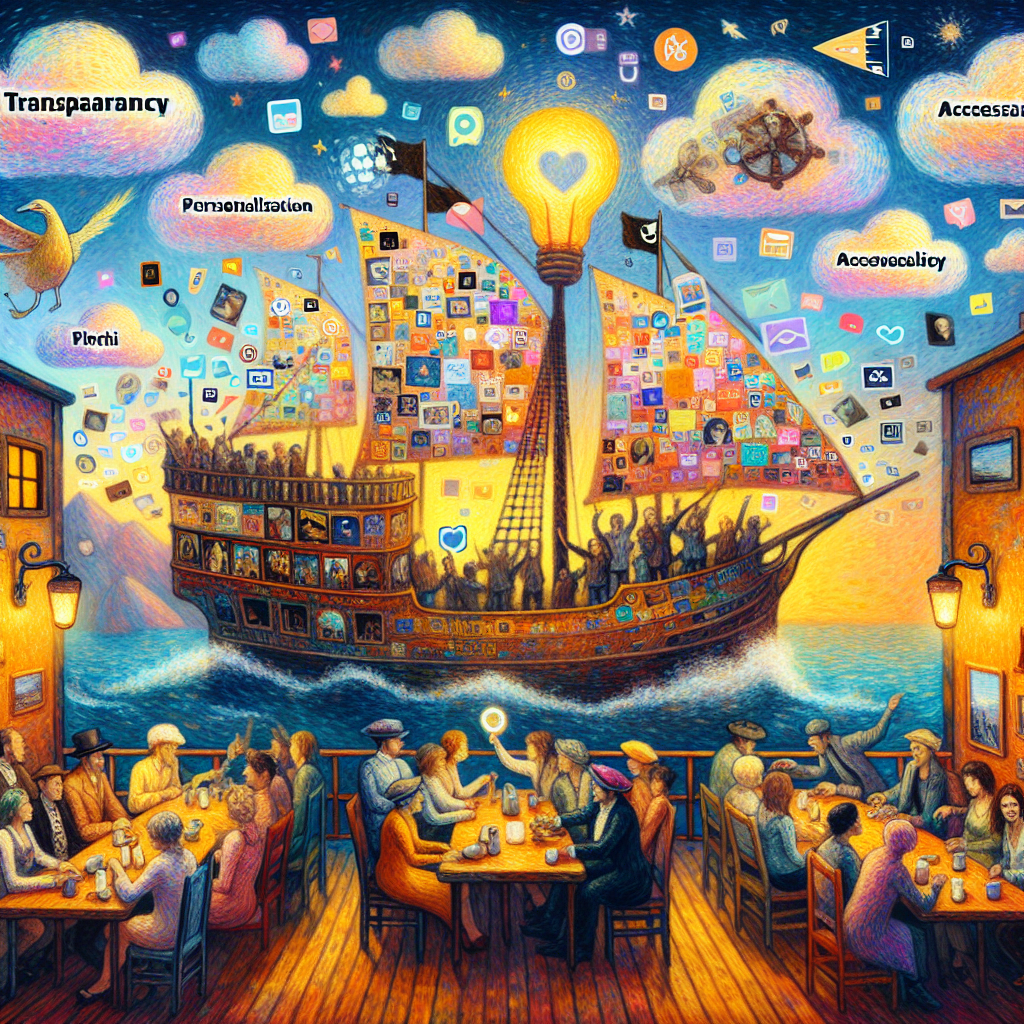
Can Legacy Stories Evolve Based On Listener Feedback?
Can Legacy Stories Evolve Based On Listener Feedback?
- Legacy storytelling carries the wisdom and experiences of past generations into the present.
- Introduction of listener feedback allows narratives to adapt and shift based on audience perceptions.
- Storytelling encompasses cultural contexts, values, and lessons, linking us to our ancestors.
- Listener feedback can reveal overlooked aspects of a story, enriching its narrative.
- Incorporating feedback can lead to stories that evolve and become more inclusive and relevant.
- Striking a balance between tradition and innovation is crucial to maintain the story’s integrity.
- Engaging with feedback transforms legacy storytelling into a dynamic dialogue, reflecting the shared human experience.

Can Legacy Stories Evolve Based On Listener Feedback?
What Techniques Enhance Listener Connection In Storytelling?
When it comes to establishing a genuine connection with an audience, the art of storytelling becomes a vital tool in a storyteller’s arsenal. It’s not just about relaying information; it’s about weaving a narrative that resonates deeply with listeners, compelling them to invest emotionally in the tale being told. Let’s explore some tried-and-true techniques that can enhance that connection.
First and foremost, legacy storytelling plays a pivotal role in bridging generations and fostering a feeling of shared heritage. By grounding a story in personal or communal history, a storyteller taps into an innate desire for connection that exists in all of us. When you tell a story that speaks to the values and experiences of your audience, you create a bond that goes beyond mere words. Whether it’s reminiscing about a family tradition or recounting pivotal moments in history, these narratives allow listeners to see themselves reflected in the story.
Next, the emotional arc in storytelling cannot be overlooked. Emotion is the secret ingredient that transforms a mundane account into a gripping narrative. When a storyteller authentically expresses joy, sorrow, or triumph, listeners are drawn in, their own emotions mirrored in the tale. It’s akin to being on a rollercoaster – the ups and downs keep you invested, holding your breath for the next twist. The more you can connect emotionally, the tighter your audience’s grip will be on the thread of your story.
Another crucial technique is the use of vivid imagery. Descriptive language paints pictures in the minds of listeners, allowing them to visualize the characters and settings. This visual engagement is key; when people can see a story unfold in their mind’s eye, they are more likely to feel connected to it. Employ metaphors and similes that resonate with your audience’s experiences, making the story not just an act of narration, but an experience they can share.
Humor, when appropriately applied, can also be a powerful connector. Laughter has a unique way of breaking down barriers, creating an atmosphere of camaraderie among listeners. A well-timed joke or a light-hearted observation can turn a simple story into a memorable experience, fostering an instant bond between the storyteller and the audience.
Lastly, encourage participation. Inviting your audience to share their own stories or thoughts transforms the narrative from a solo act into a collaborative experience. This inclusivity fosters connections that last long after the final word has been spoken, turning mere listeners into engaged participants.
Successful storytelling is more than just recounting events; it’s about creating an experience that resonates, sticking with your audience long after the story has ended.

What Techniques Enhance Listener Connection In Storytelling?
What Techniques Enhance Listener Connection In Storytelling?
- Storytelling is essential for establishing genuine connections with audiences.
- Legacy storytelling connects generations and fosters a sense of shared heritage.
- The emotional arc in storytelling engages listeners through shared feelings of joy, sorrow, or triumph.
- Vivid imagery and descriptive language enhance visualization and emotional engagement.
- Appropriate use of humor can break down barriers and build camaraderie among listeners.
- Encouraging audience participation transforms storytelling into a collaborative experience.
- Successful storytelling creates lasting experiences that resonate beyond the narrative itself.

What Techniques Enhance Listener Connection In Storytelling?
How Do Personal Biases Influence Listener Interpretation?
In the complex world of communication, it’s easy to overlook the subtle yet powerful influence of personal biases on how we interpret what we hear. Let’s face it: we all carry a backpack full of experiences, beliefs, and preconceived notions into every conversation. That’s our “Legacy Storytelling,” a tapestry we weave from our past that shapes how we view the present.
Picture this: You’re at a gathering, surrounded by a mix of individuals, and someone shares a story that strikes a chord with you. Your immediate response isn’t just about the words they choose; it taps into your own experiences and judgments. You might resonate with their triumphs or recoil at their challenges, all based on what you’ve lived through, good or bad. Your understanding is conditioned by that legacy, colored by everything from upbringing to personal victories and disappointments. This is where it gets interesting; even a simple anecdote can morph into something entirely different depending on who’s listening.
Now, biases aren’t solely about fond memories or harsh realities. They include the societal narratives we absorb, the cultural frameworks we navigate, and the belief systems we adopt. If you hear a story about overcoming adversity, someone who has faced their own struggles might find inspiration in those words. On the flip side, another listener who has experienced the same circumstances but hasn’t yet found resolution may interpret that same tale as a painful reminder of their own failures. That divergence in interpretation stems directly from how each person’s biases interact with the story being told.
It’s a two-way street, though. Not only do personal biases shape how we interpret someone else’s narrative, but they also influence what we communicate in the first place. When we share our “Legacy Storytelling,” we often filter our tales through our biases, consciously or not. We adapt our narratives to connect with our listeners, hoping to engage them while unwittingly reinforcing their own perspectives.
At the end of the day, understanding that personal biases play a role in listener interpretation can deepen our awareness and empathy. By recognizing our biases, we can become more conscious communicators, crafting stories that resonate while respecting the diverse backgrounds of those who hear them. So, next time you’re spinning a tale or simply listening, remember: it’s not just about the story itself. It’s about all the stories that came before it, shaping every twist and turn along the way.

How Do Personal Biases Influence Listener Interpretation?
How Do Personal Biases Influence Listener Interpretation?
- Personal biases significantly influence our interpretation of conversations.
- Everyone carries a “Legacy Storytelling” filled with personal experiences, beliefs, and notions.
- Interpretation of shared stories varies based on listeners’ past experiences.
- Biases encompass societal narratives, cultural frameworks, and belief systems.
- A listener’s background can change the impact of a story, whether as inspiration or painful reminder.
- Our biases filter the stories we share, affecting how we connect with our audience.
- Recognizing personal biases can enhance understanding and empathy in communication.

How Do Personal Biases Influence Listener Interpretation?
Are There Cultural Differences In Legacy Storytelling Preferences?
Legacy storytelling is more than just a method of passing down information; it’s an intricate tapestry woven through the fabric of our cultures. The way we tell our stories reflects not only our shared histories but also our social norms, values, and views about what it means to live a life worth remembering. But here’s the kicker—we’re not all on the same page when it comes to the stories we choose to immortalize.
Take, for instance, the fisherman’s tale from a small coastal village. He may entrust his legends to the wind-driven waves, sharing anecdotes of tempest and triumph, of fish that got away and the ones they caught against all odds. For him, legacy storytelling revolves around the communal bonfire, where laughter is the common currency and tales are enriched by the presence of family and friends. This oral tradition is steeped in camaraderie, emphasizing the collective over the individual—a theme prevalent in many indigenous cultures.
Now, let’s hop over to the tech-savvy urban dweller who thrives on social media. Here, the story might not echo across generations but lights up a digital platform, where likes and shares become the tokens of approval. Legacy storytelling in this context often slants toward the shiny and sensational—a personal highlight reel designed to promote an ever-curated self-image. Different strokes for different folks, as they say, and the implications for how legacy stories are told and shared are significant.
Then there are cultures that honor the written word with a profound respect. In places with a rich literary history, legacy storytelling can be a meticulous affair, where each word carries the weight of a thousand memories. Families pour over journals and diaries, penning down each generation’s triumphs and tribulations in the hope that future descendants will glean wisdom from their words.
These contrasting preferences highlight a key aspect of legacy storytelling: it is inherently fluid and influenced by cultural touchstones. Whether through the fireside stories of a farmer, the flashy posts of a social media influencer, or the carefully crafted pages of ancestral tomes, each narrative approach tells us something profound about the group telling it.
So, the next time you find yourself around a campfire or scrolling through your feed, consider this: What does your choice of legacy storytelling say about you? And equally, what does it reveal about the culture you belong to? We’re all shaping the future, one story at a time.

Are There Cultural Differences In Legacy Storytelling Preferences?
Are There Cultural Differences In Legacy Storytelling Preferences?
- Legacy storytelling reflects the shared histories, social norms, values, and life perspectives of cultures.
- Different individuals create and preserve stories in unique ways, influenced by their environments.
- Oral traditions, like the fisherman’s tales, emphasize communal experiences and collective memory.
- In urban settings, storytelling may be shaped by social media, focusing on curated self-images and immediate feedback.
- Some cultures prioritize written storytelling, meticulously documenting family histories to impart wisdom to future generations.
- The contrasting styles of storytelling illustrate its fluid nature, shaped by cultural contexts and practices.
- Understanding one’s legacy storytelling choices can reveal personal identity and cultural belonging.

Are There Cultural Differences In Legacy Storytelling Preferences?
What Makes A Legacy Story Resonate With Listeners?
When you dive into the art of Legacy Storytelling, you quickly realize that it’s not just about facts and dates; it’s about connection. A resonant legacy story thrives in the realm of human experience—the shared emotions, challenges, and triumphs that define us all. That’s what elevates a simple recounting of events into something memorable and impactful.
First, let’s talk about authenticity. Audiences can sniff out a manufactured narrative from a mile away. If you want your legacy story to hit home, it has to be genuine. Whether it’s an anecdote about your grandfather, your own personal journey, or the trials faced by your community, the truth resonates. Harnessing raw truths—not just the polished versions of life—is what captures the heart. Listeners respond to vulnerability. When you lay bare your struggles, it creates an invitation for empathy. It’s this emotional honesty that draws people in and keeps them engaged.
Next, we must consider relatability. A legacy story that weaves in universal themes—perseverance, love, sacrifice—will strike a chord with a diverse audience. No one is immune to the trials of life; thus, the stories that anchor their narratives in common human experiences become the ones that linger. While each person’s life is unique, the emotions attached to those moments are often shared.
Now, let’s discuss the importance of storytelling techniques. A good legacy story isn’t just thrown together; it’s crafted with care. Skillful use of imagery, pacing, and voice can elevate a story from ordinary to extraordinary. Think about how you can paint a picture with words; make your listeners feel like they’re right there alongside you, experiencing each twist and turn. When listeners can visualize the scene, the experience becomes more visceral.
Finally, a great legacy story isn’t just about the past—it’s also a compass for the future. When people hear a story that speaks to overcoming adversity or triumphing against the odds, they gain hope and inspiration. These tales can motivate listeners to reflect on their own lives and the legacies they’re building, thereby ensuring your narrative resonates beyond the moment it’s shared.
In essence, for a legacy story to resonate, it must blend authenticity, relatability, skillful storytelling, and a forward-looking perspective. So whether you’re sharing your tale or honoring someone else’s, remember to root it in the very fabric of what makes us human. That’s where the real magic lies.

What Makes A Legacy Story Resonate With Listeners?
What Makes A Legacy Story Resonate With Listeners?
- Legacy Storytelling transcends mere facts and dates, focusing on human connection and shared experiences.
- Authenticity is crucial; audiences prefer genuine narratives over manufactured ones, creating engagement through emotional honesty.
- Relatable themes like perseverance, love, and sacrifice resonate across diverse audiences, grounding stories in universal experiences.
- Effective storytelling techniques, including imagery and pacing, enhance the experience and draw listeners into the narrative.
- A great legacy story serves not only as a recount of the past but also as inspiration for the future.
- Stories about overcoming adversity encourage listeners to reflect on their own lives and legacies.
- Successful legacy storytelling blends authenticity, relatability, skillful technique, and a forward-looking perspective.

What Makes A Legacy Story Resonate With Listeners?
Conclusion
So, you’ve reached the end of our journey through the vibrant landscape of Legacy Storytelling, and what a ride it’s been! Now, let’s peel back the layers and take a moment to appreciate something fundamental: Legacy Storytelling isn’t just about the one who grabs the mic. Nope, it’s a two-way street, bouncing between the storyteller and the listener, rooted deeply in the fertile soil of connection.
Picture a grandparent spinning tales from days gone by. Sure, they’re using their words to paint a picture, but guess what? It’s the audience—the wide-eyed children, the nodding relatives, the chuckles shared—that truly adds life to those narratives. Without engaged listeners, even the best stories risk fading into obscurity. That’s where the magic happens! As listeners soak in the story, they find bits of their own experiences woven through the fabric of the narrative, transforming it into something uniquely personal.
And let’s not forget the emotional punch that really brings these legacies to life. A great tale isn’t simply a recounting of events; it’s a visceral experience. When a storyteller lays bare their emotions—the joy, the heartache, the laughter—it resonates on a deeper level, stitching connections that span generations. This visceral sharing creates a tapestry of shared humanity that binds us together, giving our individual stories collective significance.
But here’s the kicker: today’s storytelling landscape is ever-evolving. Listener feedback has the power to shape these narratives, influencing how they’re shared and the lessons they impart. There’s an ongoing dialogue that keeps legacy storytelling dynamic and relevant. Authenticity counts; it anchors the tale in real experiences, and without it, stories risk becoming nothing more than dusty old artifacts.
In a world where attention spans are fleeting, it’s crucial that we craft our narratives with care—using vivid imagery, relatable themes, and a sprinkle of humor to engage our audiences. After all, the best stories don’t just entertain; they inspire, motivate, and invite introspection. They linger long after the last word is spoken, echoing in the hearts and minds of those who listened.
So, as we wrap this all up, remember that when you engage in Legacy Storytelling, you’re not just a passive observer. You’re an integral part of a living, breathing exchange that transcends time. Whether you’re telling a tale or listening intently, you’re helping to forge connections that will echo across generations. That, my friends, is the true power of storytelling. Let’s keep passing it on!

Conclusion
Conclusion:
- Legacy Storytelling is a two-way engagement between the storyteller and the audience, emphasizing connection.
- Listeners play a crucial role in bringing stories to life, enriching narratives with their own experiences.
- Emotional content in storytelling transforms narratives into visceral experiences that resonate across generations.
- Listener feedback can shape storytelling, ensuring it remains dynamic and relevant.
- Authenticity in stories roots them in real experiences, preventing them from becoming obsolete.
- Effective narratives should incorporate vivid imagery, relatable themes, and humor to engage audiences.
- Participating in Legacy Storytelling constructs intergenerational connections and highlights the enduring power of stories.

Conclusion
Other Resources

Other Resources
Here is a list of other resources you can review online to learn more:
- Ancestry
- Legacy Family Tree
- LifeNaut
- Everplans
- MyHeritage
- Memorial Matters
- MyWishes
- LifeBio
- UpCounsel
- deviantART
Use This Prompt To Get More Resources With Your Favorite Online AI Tool: Please provide me with a list of online articles with their URLs in a bulleted list that I can read regarding Is Legacy Storytelling More About The Listener Than The Speaker?

Other Resources
Glossary Terms
Is Legacy Storytelling More About The Listener Than The Speaker? – Glossary Of Terms
1. Legacy Storytelling: The practice of sharing personal narratives meant to convey values, lessons, and experiences that leave a lasting impact on an audience.
2. Listener-Centric: An approach that prioritizes the needs, perspectives, and interpretations of the audience over the speaker’s intentions or experiences.
3. Narrative: A structured story that typically comprises characters, a plot, and a conflict, used to convey messages or themes.
4. Empathy: The ability to understand and share the feelings of another, crucial for connecting with stories as listeners.
5. Interpretation: The process through which listeners understand and derive meaning from a story based on their own experiences and perceptions.
6. Cultural Context: The background, beliefs, and social norms that inform how a story is received and understood by listeners.
7. Resonance: The degree to which a story’s themes, messages, or emotions echo within the listener, often leading to a stronger connection.
8. Active Listening: A communication technique that involves fully concentrating, understanding, and responding to what the speaker is expressing.
9. Personal Relevance: The aspect of a story that relates directly to a listener’s own experiences or beliefs, enhancing their connection to the narrative.
10. Testimonial: A personal account or anecdote shared by an individual to illustrate a point or illustrate their experience, often resonating more with listeners than with the storyteller.
11. Moral: A lesson or principle conveyed through a story, which can significantly influence how the listener interprets the narrative.
12. Story Arc: The developmental structure of a story, detailing the progression from introduction to resolution, shaping how a listener engages with the plot.
13. Symbolism: The use of symbols within a story that holds deeper meaning, allowing listeners to derive personal significance from the narrative.
14. Connection: The bond formed between the storyteller and the audience, which can be more impactful for the listener in legacy storytelling.
15. Voice: The distinct style or tone of the storyteller that can enhance or detract from the listener’s engagement and understanding.
16. Contextualization: The practice of providing background information and situational elements that help listeners frame the story within their own life experiences.
17. Emotional Impact: The effect a story has on a listener’s feelings, often driving home the narrative’s significance through resonance with personal experiences.
18. Relatability: The quality of a story that allows listeners to see their own lives reflected within the narrative, influencing the depth of their engagement.
19. Memorable: The characteristic of a story that makes it stick in the listener’s mind, often because of its emotional or significant elements.
20. Cognitive Dissonance: The mental discomfort experienced by a listener when encountering a story that challenges their beliefs or values, prompting deeper engagement.
21. Purpose: The underlying intention of the storyteller, which can sometimes take a backseat to what listeners draw from the narrative.
22. Engagement: The level of involvement and interest a listener has in a story, which can reflect their personal stakes in the narrative.
23. Transmission: The act of passing down stories from one generation to another, emphasizing the listener’s role in preserving legacy.
24. Reflection: The process of thinking deeply about a story’s messages and how they relate to one’s own life and choices as a listener.
25. Feedback Loop: The dynamic interaction between the storyteller and listeners, where responses can influence how stories are shaped and understood.
26. Catharsis: The emotional release experienced by listeners as a result of engaging with poignant or moving stories.
27. Narrative Ownership: The sense of personal connection listeners feel when they relate to or internalize aspects of a story, making it part of their own legacy.
28. Intergenerational Dialogue: The exchange of stories between different ages, highlighting how listeners derive meaning across generations.
29. Community: The social context in which stories are shared and interpreted, underscoring the collective experience of legacy storytelling.
30. Authenticity: The genuineness of a story, which can significantly impact how it resonates with listeners, often making personal stories more poignant.

Glossary Of Terms
Other Questions
Is Legacy Storytelling More About The Listener Than The Speaker? – Other Questions
If you wish to explore and discover more, consider looking for answers to these questions:
- What are some practical ways to engage listeners during storytelling?
- How can storytellers adapt their narratives for different audiences?
- What specific elements make a story more emotionally impactful?
- How can modern technology enhance legacy storytelling?
- What are examples of legacy stories that have evolved over time?
- In what ways can listener feedback be incorporated without compromising the story?
- How do cultural differences affect storytelling techniques and preferences?
- What psychological principles can be applied to enhance audience engagement?
- How can storytellers ensure their narratives resonate across generations?
- What role does humor play in enhancing story connections?
- How can personal storytelling promote empathy and understanding among listeners?
- What are the potential pitfalls of legacy storytelling?
- How important is context when telling a legacy story?
- What narratives have the most influence on personal identity?

Other Questions
Haiku
Is Legacy Storytelling More About The Listener Than The Speaker? – A Haiku
Legacy stories thrive,
Listeners weave their own threads,
Hearts connect through tales.

Haiku
Poem
Is Legacy Storytelling More About The Listener Than The Speaker? – A Poem
In ancient echoes, stories weave,
Not just for tellers, but listeners to receive.
Voices rise and memories connect,
Where laughter, tears, and truths intersect.
A grandparent’s wisdom, a child’s delight,
In each shared moment, hearts take flight.
Threading emotions through rich tapestry,
Bridges built from history’s legacy.
Listeners transform what was once told,
As eager hearts grasp the narratives bold.
They sift through memories, past and present,
In the dance of engagement, it’s truly incandescent.
Each nod of understanding, a silent embrace,
Stories evolve in this sacred space.
From struggles faced to triumphs won,
Legacy flows, melding all as one.
Cultural whispers shape tales we spun,
From laughter by the fire to screens that run.
Authenticity and relatability become the key,
In crafting legacies, we find unity.
And as we listen, our biases shape,
The flickering stories take their shape.
Each ear a lens, each heart a guide,
In the dialogue of life, we all coincide.
So gather ’round, let the tales unfold,
In every heart, let the legends be told.
For storytelling thrives not in the past alone,
But in the bonds and connections we’ve grown.

Poem
Checklist
Is Legacy Storytelling More About The Listener Than The Speaker? – A Checklist
1. Understand Your Audience
_____ Identify who your listeners are.
_____ Consider their backgrounds, experiences, and expectations.
2. Engage Your Listeners
_____ Encourage active participation (questions, comments).
_____ Use body language to invite interaction.
3. Emphasize Emotional Connections
_____ Share real-life feelings and emotions related to the story.
_____ Use moments of laughter and silence to enhance engagement.
4. Use Vivid Imagery
_____ Incorporate descriptive language to paint a picture.
_____ Utilize metaphors and similes that resonate with your audience.
5. Craft an Emotional Arc
_____ Structure your story with highs and lows to maintain interest.
_____ Reflect on personal triumphs, failures, and shared experiences.
6. Reflect Authenticity
_____ Share genuine experiences and raw truths.
_____ Avoid overly polished or rehearsed narratives.
7. Highlight Relatable Themes
_____ Weave in universal concepts such as love, sacrifice, and perseverance.
_____ Connect personal stories to larger societal lessons.
8. Embrace Cultural Perspectives
_____ Recognize how cultural backgrounds influence storytelling.
_____ Adapt your storytelling approach to fit the audience’s values.
9. Incorporate Feedback Mechanisms
_____ Be open to listener reactions and adjust your narrative accordingly.
_____ Reflect on how feedback can enhance or evolve stories.
10. Utilize Humor Where Appropriate
_____ Include light-hearted moments to foster camaraderie.
_____ Use humor to break barriers and enhance relatability.
11. Focus on Storytelling Techniques
_____ Pay attention to pacing, tone, and voice modulation.
_____ Practice storytelling to refine delivery and connection.
12. Look Forward: Purposeful Conclusion
_____ End with a message or lesson that encourages reflection.
_____ Inspire listeners to think about their legacies and stories.
13. Foster a Collaborative Environment
_____ Encourage listeners to share their stories.
_____ Create a space where participants feel valued and connected.
14. Practice and Refine
_____ Regularly practice your storytelling skills.
_____ Seek feedback from peers to continually improve.
By using this checklist, you can enhance your legacy storytelling, making it not only impactful but also a shared experience that resonates deeply with your audience.

Checklist
At LegacyExplorations, we help people plan and explore their legacy by collecting information and news regarding end-of-life planning.
Please share this post with your friends, family, or business associates who may want help to plan or explore their legacy.