
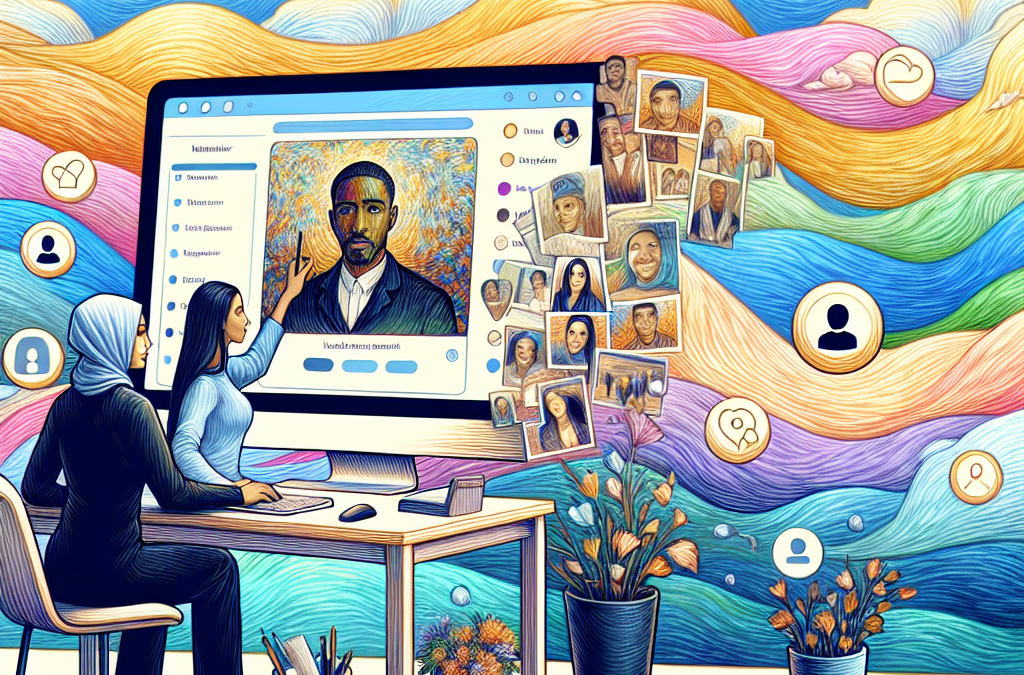
Unpacking The Limitations Of Nostalgic Storytelling
By Tom Seest
At LegacyExplorations, we help people plan and explore their legacy by collecting information and news regarding end-of-life planning.
Please share this post with your friends, family, or business associates who may want help to plan or explore their legacy.
Is Nostalgia In Legacy Storytelling Holding Seniors Back?
In the realm of storytelling, particularly when it comes to Legacy Storytelling, nostalgia often reigns supreme. Picture this: an elder recounts the good old days, spinning tales rich with memories of yesteryear, complete with laughter, love, and loss. While there is undeniable beauty in these narratives, I can’t help but wonder if this fondness for the past is creating a barrier for older generations, preventing them from fully engaging with the present and future.
Now, let’s be clear: there is a significant value in preserving our history. Our ancestors’ experiences hold lessons that can guide us today. Legacy Storytelling serves a fundamental purpose in passing down wisdom, traditions, and values through generations. But when nostalgia becomes the primary lens through which we view our narratives, it can lock individuals into a time capsule, inhibiting growth and interaction with the world beyond.
Imagine the scene. An elderly gentleman sits surrounded by family, eagerly sharing tales from his youth—the glory days of rock and roll, the thrill of the first job, the sweetness of falling in love for the first time. Everyone listens, captivated, but as he recounts these tales, you can almost feel the weight of expectation to conform to his narrative. Everyone is engaged, but are they truly present? It’s as if the vibrant tapestry of the present is overshadowed by sepia-toned memories.
This reliance on nostalgia can inadvertently create a divide. Younger generations, eager to explore their own identities and experiences, may find themselves alienated by these stories that feel less relatable and more like a museum exhibit. The golden years may glimmer brightly in the rearview mirror, but does that mean they should eclipse the possibilities that lie ahead?
Now, I’m not suggesting we toss the past aside like a worn-out magazine. Far from it. Rather, let’s consider how to blend those cherished memories with the vibrancy of modern existence. Legacy Storytelling can evolve into a two-way street—an exchange where both seniors and younger family members share stories. By embracing the present alongside the past, all generations can create a rich, shared narrative that honors history while celebrating life as it unfolds. After all, the best stories are the ones we write together.

Is Nostalgia In Legacy Storytelling Holding Seniors Back?
Is Nostalgia In Legacy Storytelling Holding Seniors Back?
- Nostalgia is central to Legacy Storytelling, often dominated by tales from the past.
- These nostalgic narratives, while beautiful, may hinder older generations from engaging with the present and future.
- Preserving history is vital, as ancestors’ experiences offer lessons for today’s life.
- Legacy Storytelling plays a crucial role in passing down wisdom, traditions, and values.
- Overemphasis on nostalgia can create a time capsule effect, limiting personal growth and interaction.
- Younger generations may feel alienated by stories that seem less relatable and more like relics of the past.
- A more effective Legacy Storytelling can be achieved by encouraging a two-way exchange of stories between seniors and younger family members, creating a shared narrative that honors both the past and the present.

Is Nostalgia In Legacy Storytelling Holding Seniors Back?
Table Of Contents
- Is Nostalgia In Legacy Storytelling Holding Seniors Back?
- How Does Nostalgia Shape Seniors’ Memories?
- Are Seniors Overly Attached To Past Storytelling Methods?
- Can Modern Storytelling Techniques Help Seniors Connect Better?
- What Role Does Nostalgia Play In Legacy Storytelling Today?
- How Can Seniors Benefit From Sharing Nostalgic Stories?
- Does Nostalgia Hinder Open Discussion Among Seniors?
- How Do Life Experiences Influence Nostalgia In Storytelling?
- Conclusion
- Other Resources
- Glossary Of Terms
- Other Questions
- Haiku
- Poem
- Checklist
How Does Nostalgia Shape Seniors’ Memories?
Nostalgia is a curious thing. It’s that warm, fuzzy feeling that grips you when you hear an old song or catch a whiff of a favorite dish simmering on the stove. For seniors, nostalgia often transcends mere sentiment; it serves as a vital thread weaving together their legacy storytelling. With age comes a wealth of experiences, memories that are as rich as they are diverse. Those memories don’t just sit on a shelf collecting dust; they become stories, vibrant narratives woven together by the colors of their past.
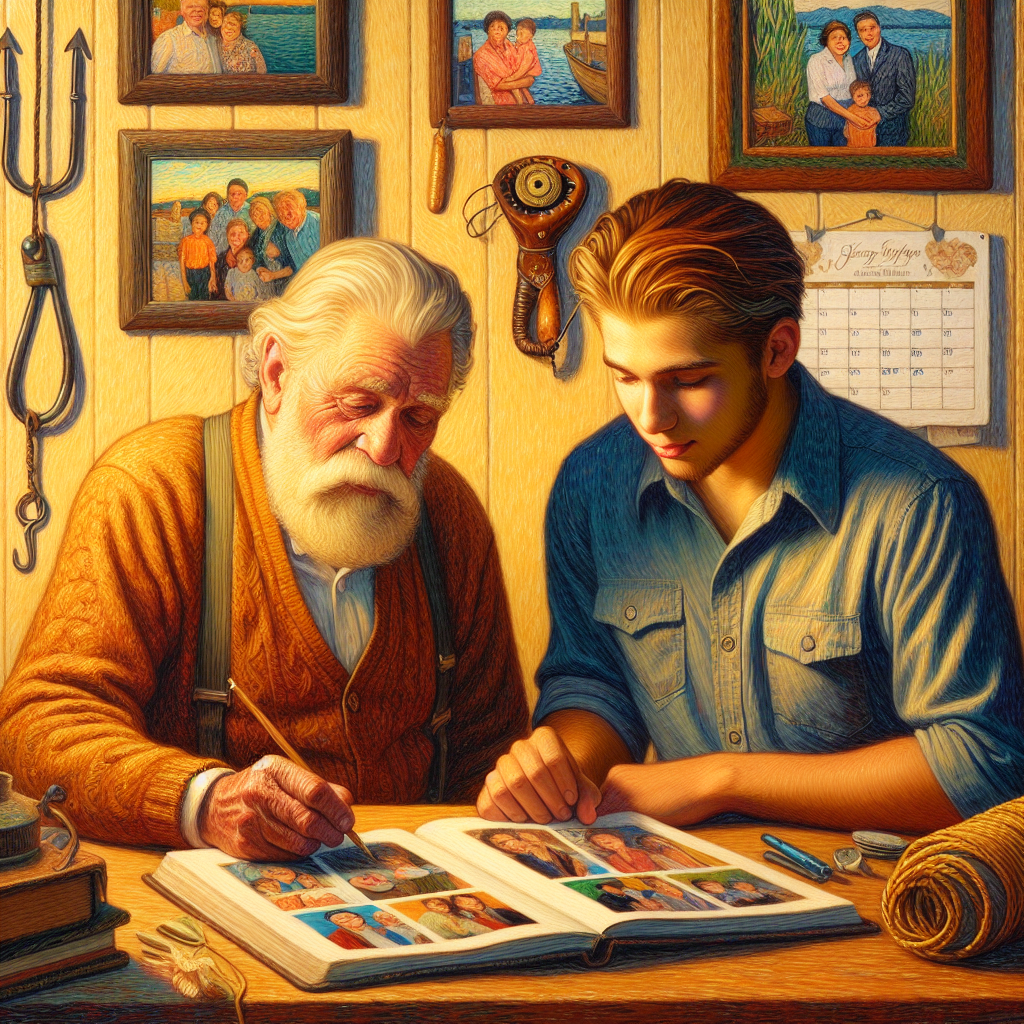
Think about it. Every face in a senior’s photo album tells a story—some filled with laughter, others marked by struggle. Each image sparks a memory that can transport them back to a long-forgotten moment in time. This reminiscing isn’t merely an exercise in nostalgia; it’s a concrete way to reinforce their identity. For many seniors, nostalgia becomes an anchor, a way to navigate the sometimes turbulent waters of aging. When they share these stories, they aren’t just chatting about the good old days; they’re actively constructing a legacy.
Much of this legacy storytelling plays out in conversations, whether it’s at family gatherings, nursing homes, or casual encounters at coffee shops. These stories, often peppered with humor and wisdom, serve dual purposes—they not only keep the past alive but also provide a framework for understanding the present. Hearing their life stories recounted can pepper a listener’s understanding of their ancestry, their values, and even the lessons learned through hardship.
Furthermore, nostalgia acts like a balm for loneliness, often creeping into moments of solitude. When seniors find themselves alone, they can take a stroll down memory lane, reliving significant events or savoring relationships that defined their lives. This nostalgia provides comfort, reminding them of meaningful milestones and connections that, though faded in time, are alive in the heart.
In this digital age, where social media occasionally overshadows authentic connection, it’s crucial to invite our seniors into the conversation. Encourage them to share their legacy—whether it’s a cherished family recipe, a photograph, or a life lesson learned the hard way. By engaging in this storytelling, we allow ourselves a glimpse into the vast reservoir of wisdom that nostalgia holds. Ultimately, it’s more than a reflection; it’s a celebration of the lives that helped shape ours.

How Does Nostalgia Shape Seniors’ Memories?
How Does Nostalgia Shape Seniors’ Memories?
- Nostalgia evokes a warm feeling tied to memories from the past, often triggered by music or food.
- For seniors, nostalgia plays a key role in legacy storytelling, linking their diverse experiences.
- Each photo in a senior’s album carries a story, reinforcing their identity and connection to the past.
- Seniors use storytelling to navigate aging and construct a legacy through shared experiences.
- Legacy stories are commonly shared in various settings and help contextualize the present.
- Nostalgia alleviates loneliness, allowing seniors to relive significant memories and relationships.
- Encouraging seniors to share their stories enriches understanding and celebrates their lived experiences.

How Does Nostalgia Shape Seniors’ Memories?
Are Seniors Overly Attached To Past Storytelling Methods?
In a world where technology evolves at a breakneck pace, one can’t help but notice that many seniors seem to hold their storytelling methods dear, like cherished family heirlooms. This is what I call “Legacy Storytelling.” You see, for some older folks, the act of sharing stories carries profound significance, acting as a bridge between generations and a means to keep memories alive. Yet, is this devotion to traditional methods fostering a meaningful connection, or is it simply a nostalgic attachment to the past?
Consider the classic scenario: a grandparent settles in with a rapt audience of curious grandchildren, ready to regale them with tales of yore. The punchlines might be a bit old-fashioned, the references perhaps unfamiliar, but the engagement is palpable. These stories often come laden with life lessons, wrapped in humor that may seem outdated to young ears but resonates deeply with a history that shaped the present.
But as much as I admire this dedication to narrative tradition, there’s another side to the tale. The landscape of storytelling has shifted dramatically. Digital platforms, social media, and instant messaging have changed how we share experiences. A quick text or a viral video now replaces the lengthy recountings of days gone by. The question arises: are seniors, in their commitment to legacy storytelling, potentially alienating themselves from younger generations who are accustomed to a faster-paced, multimedia-driven form of communication?
To be fair, many older individuals have embraced these new tools, blending the old with the new. They’re sharing their tales on blogs, posting video diaries, and, yes, even using social media to connect with family and friends. However, some still cling to the way storytelling used to be—around a campfire, or at the dinner table, where every word carries weight and every pause holds significance.
It’s not necessarily about being overly attached to legacy storytelling; rather, it’s about finding a balance. While there’s undeniable beauty in the art of telling stories the old-fashioned way, perhaps our elders could benefit from a bit of adaptation. Younger generations might learn to appreciate the depth of these tales, while seniors can discover new avenues to share their legacies in today’s fast-paced world. After all, every good story deserves to be told, no matter the medium.

Are Seniors Overly Attached To Past Storytelling Methods?
Are Seniors Overly Attached To Past Storytelling Methods?
- “Legacy Storytelling” refers to the cherished storytelling methods of seniors, seen as valuable connections to their past.
- Storytelling serves as a bridge between generations, keeping memories alive and imparting life lessons.
- Grandparents often engage younger audiences with traditional tales that may contain outdated humor and references.
- The rise of digital platforms and social media has transformed how stories are shared, leading to shorter, faster communication methods.
- Some seniors embrace new technologies, blending traditional storytelling with modern tools like blogs and social media.
- A balance is needed between legacy storytelling and modern communication for meaningful intergenerational connections.
- Adapting storytelling methods can enhance appreciation for elders’ tales while enabling them to share their legacies effectively.

Are Seniors Overly Attached To Past Storytelling Methods?
Can Modern Storytelling Techniques Help Seniors Connect Better?
In today’s ever-changing world, where digital screens and complex narratives often dominate our lives, it’s crucial to remember the roots of communication—particularly for seniors who have a wealth of experiences to share. Enter Legacy Storytelling, a technique that digs deep into the rich soil of our past and helps to bind generations together. But how can these modern storytelling techniques bridge the gap for our aging population?
Imagine: A grandmother sitting on her porch, surrounded by her grandchildren, who are glued to their devices. Suddenly, she begins to weave a tale from her youth. Instead of the usual eye rolls or absent-minded chatter, the kids perk up. Why? Because she’s using Legacy Storytelling—a method that emphasizes engaging, relatable anecdotes, and emotional connections. By incorporating sensory details and personal insights, she transforms a simple memory into a vivid experience.
It’s about more than just sharing a story; it’s about enriching the lives of those present and connecting them to history and family ties. Modern storytelling techniques can enhance these interactions, encouraging seniors to express their experiences in a way that resonates with younger audiences. Think about it: By utilizing audio recordings, video snippets, or even interactive scrapbooks, stories become multi-dimensional, allowing the past to glow with renewed vibrancy.
What’s fascinating is how these techniques encourage collaboration. Caring individuals—be they family members, volunteers, or social workers—can actively engage with seniors, helping them curate and present their narratives. This collaboration not only provides companionship but also fosters a sense of community, as the stories evolve and adapt to a fresh context.
Furthermore, relationship building naturally flourishes in these story-sharing environments. A simple anecdote can spark conversations about shared struggles, triumphs, and moral lessons. When seniors share their wisdom, they impart valuable life lessons to those who may still be trying to navigate the choppy waters of adulthood. This reciprocity can bolster feelings of self-worth in seniors while nurturing empathy in younger generations.
In this whirlwind of modernity, let’s not overlook the power of a good story. By reviving and adapting Legacy Storytelling with contemporary techniques, we can help seniors connect better—not just within their families, but with the world at large. In doing so, we honor their past while ensuring a meaningful present. It’s a connection worth forging, in every sense of the word.

Can Modern Storytelling Techniques Help Seniors Connect Better?
Can Modern Storytelling Techniques Help Seniors Connect Better?
- Legacy Storytelling emphasizes the importance of sharing experiences, especially for seniors with rich life narratives.
- This technique fosters intergenerational connections by using engaging and relatable anecdotes.
- Sensory details and personal insights transform memories into vivid experiences for younger audiences.
- Modern storytelling tools like audio recordings and interactive scrapbooks enhance engagement and vibrancy of stories.
- Collaboration between seniors and caregivers enriches the storytelling process, providing companionship and community.
- Story-sharing promotes relationship building and shared conversations, highlighting lessons and moral teachings.
- Reviving Legacy Storytelling helps seniors maintain connections, honoring their past while engaging with the present.

Can Modern Storytelling Techniques Help Seniors Connect Better?
What Role Does Nostalgia Play In Legacy Storytelling Today?
Nostalgia has a sneaky way of weaving itself into the fabric of our lives, and when it comes to Legacy Storytelling, its texture is unmistakable. Whether you’re flipping through an old photo album or revisiting a classic film, nostalgia often stirs emotions that bypass our rational minds and head straight for the heart. This connection is at the core of what Legacy Storytelling aims to achieve: preserving the essence of the past while making it relevant for today.
In an age where technology rapidly evolves, many of us find ourselves longing for simpler times—moments of warmth, connection, and shared experience. Think about it: stories from the past are like weathered maps, guiding us through the shifting landscapes of our own lives. They remind us of who we were, what we valued, and why we hold certain things dear. Legacy Storytelling taps into that powerful urge to remember, allowing us to grasp onto something that feels genuine, even in an ever-changing world.
Take a look at films, television shows, and even literature that lean into nostalgia. They tend to evoke images of childhood, family gatherings, or the trials and triumphs that shaped our communities. By revisiting these familiar narratives, storytellers are not merely recreating the past; they are celebrating the traditions and values that helped build the very foundation of our society.
But nostalgia isn’t just a trip down memory lane. It’s also a way to spark conversations about identity and purpose. When we share stories from our past, we engage in a dialogue about what’s important—not just for ourselves, but for future generations. Legacy Storytelling serves as a bridge, connecting us with our roots while fostering an understanding of how those roots can inform our actions today.
As we navigate the complexities of modern life, the role of nostalgia in Legacy Storytelling grows even more significant. It encourages us to reflect on our legacies, not just for our sake, but for those who will follow. In a way, we are all storytellers, passing down the lessons and experiences that were handed to us. So, whether through blogs, podcasts, or good old-fashioned storytelling around the dinner table, we hold the power to keep our legacies alive—and in doing so, we inspire others to share theirs. After all, what better way to honor our past than to make it resonate with those who come after us?

What Role Does Nostalgia Play In Legacy Storytelling Today?
What Role Does Nostalgia Play In Legacy Storytelling Today?
- Nostalgia intertwines with Legacy Storytelling, stirring deep emotions that connect with the heart.
- Legacy Storytelling aims to preserve the essence of the past while making it relevant for contemporary audiences.
- In our rapidly changing world, nostalgia evokes a longing for simpler times and shared experiences.
- Stories from the past serve as guides, reminding us of our values and the essence of who we are.
- Films, television, and literature that evoke nostalgia celebrate traditions and societal values.
- Nostalgia facilitates conversations about identity and purpose, connecting our past with future generations.
- We are all storytellers, responsible for passing down our legacies and inspiring others to do the same.

What Role Does Nostalgia Play In Legacy Storytelling Today?
How Can Seniors Benefit From Sharing Nostalgic Stories?
There’s an old saying that history isn’t just about the past; it’s also about the present, and when it comes to seniors sharing their stories, that couldn’t be more true. Legacy storytelling is not just a fancy term—it’s a genuine opportunity for our older generations to connect deeply with those around them. Think about it: every wrinkle has a tale, every gray hair a memory. Tapping into that can do wonders, not just for them, but for everyone lucky enough to listen.
First off, we’ve got to recognize that storytelling is a bridge to understanding. When seniors share their nostalgic stories, they’re welcoming you into their world, revealing what shaped them and how they came to be who they are today. It’s like holding a mirror up to history itself, showing how events long gone shaped the contemporary landscape. Plus, let’s be real: those tales of yesteryear often carry a rich tapestry of life lessons, humor, and grit that you simply can’t find in textbooks.
There’s also a social aspect that simply can’t be overlooked. Many seniors face loneliness, and sharing stories can help combat that feeling. Whether in a cozy living room or a community gathering, each shared memory can ignite connections, spark laughter, and sometimes even shed a tear or two. It’s a reminder that despite the passage of time, emotions are universal. When seniors recount their youth—the triumphs, the trials, the sheer absurdity of it all—they’re inviting others into a shared human experience, fostering relationships that can last a lifetime.
Moreover, consider the impact on family dynamics. When grandma opens up about her youthful escapades or grandpa reminisces about historical events he lived through, it’s a bonding session waiting to happen. Kids and grandkids get a glimpse into the world of their elders, offering an invaluable context to the family legacy. These stories create an anchoring point, reminding everyone of their roots and the values passed down through generations.
In essence, sharing nostalgic stories is a transformative act—a process of connection, healing, and education. It’s about recognizing the worth inherent in those lived experiences and seeing just how crucial they are. So the next time you sit across from a senior, don’t hesitate. Ask them about their past. You might just find that their legacy storytelling enriches you far more than you ever expected.

How Can Seniors Benefit From Sharing Nostalgic Stories?
How Can Seniors Benefit From Sharing Nostalgic Stories?
- History is not only about the past but also shapes the present through seniors’ storytelling.
- Legacy storytelling allows older generations to connect deeply with others, sharing valuable life experiences.
- These stories serve as a bridge to understanding, revealing the factors that shaped seniors’ identities.
- Seniors’ tales offer life lessons, humor, and perspectives often absent in formal education.
- Storytelling can combat loneliness among seniors, fostering connections and shared emotional experiences.
- Family dynamics are strengthened when younger generations learn from elders’ stories, reinforcing family legacies.
- Engaging with seniors’ narratives is a transformative act that promotes connection, healing, and education.

How Can Seniors Benefit From Sharing Nostalgic Stories?
Does Nostalgia Hinder Open Discussion Among Seniors?
Nostalgia is a curious beast, especially when it comes to the conversations of our seniors. It can be a natural bridge to their pasts; after all, who doesn’t enjoy a good trip down memory lane? But here’s where it gets sticky: sometimes that journey can sour the roads of open discussion, leaving us stranded miles away from the present.
When seniors reminisce, they’re often engaging in what I like to call Legacy Storytelling. This is the art of sharing personal experiences, family histories, and cultural touchstones – all those vivid snapshots of life that help define who they are. These stories can showcase the resilience, joy, and trials they’ve faced. However, there’s a flip side. Dwelling too much on the “good old days” can cast a long shadow over the current landscape of conversation.
Picture this: a group of seniors sitting in a room, perhaps at a community center or a family gathering, and instead of delving into contemporary issues like technology, health, or even politics, they’re wrapped up in stories from decades past. These tales are rich and meaningful but can sometimes shift the focus away from essential dialogue. When nostalgia fills the air, it may create a comfortable bubble, one where new ideas struggle to break through.
Moreover, this reliance on recollection can unintentionally create an emotional barrier, preventing some seniors from addressing current realities. For instance, discussing the challenges of modern life might feel overwhelming when someone is more comfortable regaling tales of simpler times. This dynamic can lead to a stagnation of thought, where new perspectives are seen as foreign intrusions rather than opportunities for growth.
That’s not to say we should eliminate the stories of yesteryear altogether; they are crucial for preserving history and wisdom. The challenge lies in finding a balance. By honoring their legacy storytelling while gently steering conversations toward the present, we open pathways for dialogue that includes both the past and the now.
In essence, nostalgia can be both a treasure trove and a trap. It’s a delicate dance, and the key is to recognize when we’re merely reliving the past rather than engaging with the future. If we can navigate that tightrope, we might just uncover a richer tapestry of discussion that blends the old with the new, enriching everyone in the process.

Does Nostalgia Hinder Open Discussion Among Seniors?
Does Nostalgia Hinder Open Discussion Among Seniors?
- Nostalgia serves as a natural bridge to the past, particularly in conversations with seniors.
- Legacy Storytelling involves sharing personal experiences, family histories, and cultural touchstones that define seniors.
- While these stories highlight resilience and joy, they can overshadow contemporary discussions.
- Seniors may become stuck in reminiscing, avoiding essential topics like technology, health, and politics.
- An over-reliance on nostalgia can create emotional barriers, hindering discussions about modern life challenges.
- It is important to preserve legacy stories while finding a balance that allows for discussions about the present and future.
- Navigating the interplay of past and present fosters richer conversations that benefit all participants.

Does Nostalgia Hinder Open Discussion Among Seniors?
How Do Life Experiences Influence Nostalgia In Storytelling?
Nostalgia, that warm blanket of memory that wraps around us, has a remarkable ability to influence how stories are told and retold. It’s a curious thing, really. When we think back to our own life experiences, every joy, heartache, triumph, and failure becomes a part of the tapestry of our narrative. This is where legacy storytelling comes into play—it’s not just about recounting events; it’s about weaving life lessons into the fabric of our tales.
Take a moment to consider your own journey. Each significant moment is like a stitch in that tapestry, some brighter than others, some frayed at the edges yet still beautiful in their imperfection. These experiences inform how we narrate our stories, drawing on the nostalgia of our past to connect with others. When an individual shares their struggles and victories, it resonates deeply with the audience, evoking feelings and experiences that are often buried under the wear and tear of daily life.
Legacy storytelling harnesses this nostalgia not just to entertain, but to inspire and educate. Think about that time your grandfather told you about his first job. It wasn’t all sunshine and rainbows, but the wisdom he imparted helped shape who you are today. The nostalgia you feel for those moments is what makes them powerful. When people share their life experiences, they’re not just passing on tales; they’re crafting a legacy, ensuring that the lessons learned are not lost to time.
Moreover, it’s the imperfections in those life stories that often evoke the most nostalgia. The missteps, the awkward moments, the failures—they all play a role in shaping the narrative. A polished story may seem enticing, but it’s the raw, unfiltered experiences that stick with us. They remind us of our shared humanity, binding us together through the common thread of struggle and resilience.
In essence, nostalgia becomes a catalyst for connection in storytelling. It encourages us to revisit our past, reflect on our experiences, and translate them into lessons that resonate with others. The stories we tell—shaped by nostalgia—ensure our legacies live on, teaching the next generation and reminding us that we are not alone in our journeys. So, the next time you pick up a pen or sit down to share your story, think about how your life’s experiences have colored your perspective and what legacy you wish to leave behind. That fire in your heart can ignite a flame in others, illuminating paths that once seemed dark.

How Do Life Experiences Influence Nostalgia In Storytelling?
How Do Life Experiences Influence Nostalgia In Storytelling?
- Nostalgia influences storytelling, weaving memories into narratives.
- Life experiences, both joyful and painful, form a tapestry of personal stories.
- Legacy storytelling incorporates life lessons, going beyond mere recounting of events.
- Sharing struggles and victories resonates with audiences, evoking buried emotions.
- Imperfections in life stories enhance nostalgia, reminding us of our shared humanity.
- Nostalgia fosters connections, allowing us to reflect and translate experiences into valuable lessons.
- Stories shaped by nostalgia help preserve legacies and inspire future generations.

How Do Life Experiences Influence Nostalgia In Storytelling?
Conclusion
As we close out this deep dive into the world of Legacy Storytelling, one thing becomes crystal clear: nostalgia isn’t just a stroll down memory lane; it’s a double-edged sword. Sure, it offers a soft, warm glow of yesteryear, where laughter echoes and beloved moments come alive. But it can also act as a blindfold, selectively dimming the vibrant realities of the present. When we rely too heavily on the glory days, we risk overshadowing the rich tapestry of today’s experiences, leaving younger generations feeling like they’re trapped in someone else’s time capsule—no chance to carve their own identity, no room for their own stories to take flight.
Let’s be honest: while those tales of rock and roll glory and first loves are fascinating, the world has changed, and so have the modes of storytelling. Digital platforms and speedy communication styles now dominate our discourse, presenting both challenges and opportunities for our seasoned storytellers. The trick lies not in letting go of the past, but in weaving it seamlessly into a modern narrative. Imagine a lively family gathering where a grandparent pulls out their smartphone, showcasing a video diary alongside their cherished anecdotes. That’s the powerful blend of old and new, creating a multi-generational dialogue that enriches everyone involved.
It’s also crucial to recognize the role nostalgia plays in combating loneliness among seniors. Those stories—while they reinforce a sense of identity—can also serve as lifelines, bridging gaps between generations. They remind our elderly loved ones that their experiences matter, that their wisdom still has a place. In contrast, if their stories become just echoes of the past, it can create emotional barriers, preventing meaningful discussions about the here and now.
So, what’s the solution? Engage, collaborate, and adapt. Encourage our seniors to embed their stories in today’s context. Let’s invite them to share their legacies while still embracing the fluidity of modern communication. After all, every generation has its own story to tell; the real treasure lies in how we all come together, blending threads from the past with those of the present and future. Our legacies aren’t static—they’re living, breathing narratives waiting to inspire the next chapter. Whether it’s through a shared family meal, a digital platform, or a quiet moment over coffee, let’s keep these conversations rolling. Together, we can forge a rich narrative that honors our roots while nurturing the future.

Conclusion
Conclusion:
- Nostalgia serves as both a comforting memory and a potential blindfold, obscuring present realities.
- Overemphasis on past glory can inhibit younger generations from creating their own identities and stories.
- Modern storytelling has evolved with digital platforms, presenting new challenges and opportunities.
- Combining past and present narratives can foster multi-generational dialogue, enhancing family connections.
- Nostalgia can combat loneliness in seniors by reinforcing their sense of identity and bridging generational gaps.
- It’s important to adapt storytelling methods, inviting seniors to share their legacies in contemporary contexts.
- Engaging in shared narratives can create a rich tapestry that honors the past while looking to the future.
Conclusion
Other Resources

Other Resources
Here is a list of other resources you can review online to learn more:
- Tributes
- AmericanAncestors
- DocuBank
- Association of Personal Historians
- MyMoriam
- USLegalWills.com
- APH
- Ancestry
- Willmaker
- FutureMe
Use This Prompt To Get More Resources With Your Favorite Online AI Tool: Please provide me with a list of online articles with their URLs in a bulleted list that I can read regarding Is Nostalgia In Legacy Storytelling Holding Seniors Back?

Other Resources
Glossary Terms
Is Nostalgia In Legacy Storytelling Holding Seniors Back? – Glossary Of Terms
1. Nostalgia: A sentimental longing for the past, often seen as a mix of happiness and sadness tied to memories.
2. Legacy Storytelling: The practice of sharing personal narratives and life experiences with the intention of preserving heritage or imparting wisdom.
3. Cognitive Dissonance: The mental discomfort experienced when holding two conflicting beliefs or values, potentially affecting how seniors view their past.
4. Reminiscence: The process of recalling past experiences, often used in therapeutic settings to foster connection and self-reflection.
5. Generational Gap: The differences in beliefs, values, and practices between older and younger generations, which can influence storytelling dynamics.
6. Cultural Heritage: The traditions, customs, practices, and artifacts that are passed down through generations, often reflected in legacy storytelling.
7. Emotional Well-being: A state of mental health that includes the ability to cope with stress, maintain relationships, and find meaning in life.
8. Identity: The sense of self that is shaped by personal experiences, memories, and cultural influences, often discussed in storytelling.
9. Intergenerational Communication: The exchange of ideas, stories, and knowledge between different age groups, essential for effective legacy storytelling.
10. Sentimentality: An excessive emotional response to nostalgia that can cloud one’s perspective and hinder growth or change.
11. Story Arc: The progression of a narrative from beginning to end, encapsulating the development of characters and themes.
12. Life Review: A psychological process where individuals reflect on their life experiences, often leading to greater understanding and closure.
13. Contextualization: The practice of placing a story in its historical and cultural context to enhance understanding and significance.
14. Change Resistance: The reluctance to adapt to new situations or ideas, which may stem from a strong attachment to the past.
15. Empathy: The ability to understand and share the feelings of another, which can create connections through storytelling.
16. Life Lessons: Insights and teachings gained from personal experiences, often shared in legacy stories to inspire future generations.
17. Preservation: The act of keeping and maintaining cultural and familial stories, artifacts, or traditions to ensure their survival.
18. Therapeutic Narratives: Stories used in a therapeutic context to help individuals process emotions and experiences.
19. Authenticity: The quality of being genuine and true to oneself, an essential element in impactful storytelling.
20. Memory Lane: A colloquial term for reminiscing about one’s past and significant life events, often provoking nostalgia.
21. Generativity: The concern for establishing and guiding the next generation, a motivation often reflected in legacy storytelling.
22. Social Connectedness: The feeling of belonging and being linked to others, which can be fostered through shared stories.
23. Personal Narrative: A unique life story told from an individual’s perspective, filled with personal insights and experiences.
24. Curation: The process of thoughtfully selecting and organizing stories or artifacts for the purpose of preserving cultural heritage.
25. Disengagement Theory: A concept proposing that as people age, they gradually withdraw from social and emotional involvement.
26. Sociocultural Influences: The social and cultural factors that shape an individual’s beliefs, values, and storytelling practices.
27. Digital Storytelling: The use of digital media to create and share personal narratives, often expanding the reach of legacy storytelling.
28. Subjectivity: The influence of personal feelings, opinions, and experiences on one’s interpretation of events and stories.
29. Vicarious Experience: The experience of living through someone else’s story, which can be both enriching and limiting.
30. Resilience: The ability to adapt and bounce back from challenges, often reflected in the stories shared by seniors about their life journeys.

Glossary Of Terms
Other Questions
Is Nostalgia In Legacy Storytelling Holding Seniors Back? – Other Questions
If you wish to explore and discover more, consider looking for answers to these questions:
- What are the potential negative effects of nostalgia on seniors’ mental health?
- How can families encourage a balance between reminiscing and discussing current topics?
- What modern storytelling platforms are most effective for seniors?
- How does nostalgia affect intergenerational relationships?
- What specific techniques can help seniors share their stories more effectively?
- How can younger generations be more receptive to legacy storytelling?
- What role does technology play in evolving legacy storytelling for seniors?
- Are there any studies that examine the impact of nostalgia in storytelling?
- How can we help seniors overcome feelings of isolation through storytelling?
- What resources are available for seniors to develop their storytelling skills?

Other Questions
Haiku
Is Nostalgia In Legacy Storytelling Holding Seniors Back? – A Haiku
Nostalgia’s warm glow,
Holding back tales of today,
Past and present blend.

Haiku
Poem
Is Nostalgia In Legacy Storytelling Holding Seniors Back? – A Poem
Whispers of the past drift softly,
In tales of laughter, love, and loss,
Elders weave memories in a fabric fine,
Yet a question lingers, like a shadow across.
Is nostalgia a treasure or a tether tight,
Holding back the present, dimming future light?
As they recount their glory days, we listen,
But are we lost in sepia, or truly given?
Each wrinkle and gray holds a story,
Of triumph, heartache, and human glory,
Yet younger hearts seek to find their own beat,
In the vibrant agora where new journeys meet.
Stories flow like rivers, winding and deep,
But cling to the banks, where nostalgia sleeps,
While cherished legacies deserve a place,
Can we bridge the gap, embrace new space?
Let’s blend memory with the now we breathe,
Create a tapestry where all can believe,
With modern voices sharing ancient ties,
In a dance of connection, where wisdom flies.
For each narrative shared is a path to understand,
A journey in time, hand in hand we stand,
Echoes of old stir the pot of today,
In the art of storytelling, we find our way.
So gather ’round, let the stories flow,
With laughter and tears, let our spirits glow,
Through the fires of nostalgia, we’ll forge a path bright,
Honoring the past while embracing the light.
Together we’ll craft a legacy grand,
Where every voice matters, every heart can expand,
In the garden of life, it’s a shared bouquet,
Binding generations in each vivid display.

Poem
Checklist
Is Nostalgia In Legacy Storytelling Holding Seniors Back? – A Checklist
1. Recognize the Value of the Past
_____ Acknowledge the importance of nostalgic memories in shaping identity and history.
_____ Understand that sharing stories from the past can provide valuable life lessons.
2. Encourage Two-Way Storytelling
_____ Invite seniors to share their memories while also allowing space for younger generations to share their experiences.
_____ Foster an environment where storytelling becomes a collaborative effort.
3. Blend Old and New Techniques
_____ Introduce modern storytelling methods such as multimedia presentations, digital scrapbooks, or video recordings.
_____ Encourage seniors to adapt their storytelling style to be more relatable for younger audiences.
4. Focus on Emotional Connections
_____ Emphasize sensory details and emotional resonance in stories to engage listeners.
_____ Relate past experiences to current events, creating relevance and context.
5. Create Opportunities for Sharing
_____ Organize regular family gatherings focused on storytelling.
_____ Utilize community resources like libraries or senior centers for storytelling events.
6. Address Loneliness Through Connection
_____ Recognize that storytelling serves as a means of combating loneliness for seniors.
_____ Encourage shared storytelling experiences to strengthen relationships.
7. Facilitate Open Discussions
_____ Promote discussions that blend nostalgia with contemporary topics, ensuring current events are also addressed.
_____ Balance storytelling of the past with explorations of the present and future.
8. Highlight Life Lessons and Morals
_____ Focus on the lessons embedded within nostalgic stories.
_____ Encourage seniors to articulate the life lessons derived from their past experiences.
9. Adapt Storytelling Methods for Different Generations
_____ Tailor stories to suit the interests and understanding of younger audiences.
_____ Experiment with different formats (e. g. , podcasts, blogs, social media) to share stories.
10. Celebrate Shared Human Experiences
_____ Facilitate discussions that connect personal stories with universally shared emotions.
_____ Promote empathy and understanding across generations through storytelling.
11. Encourage Reflection and Legacy Building
_____ Urge seniors to reflect on what legacy they wish to leave behind.
_____ Facilitate activities that allow seniors to document or compile their stories for future generations.
12. Create a Supportive Environment
_____ Foster a comfortable atmosphere for sharing stories, free from judgment or criticism.
_____ Encourage interactions that prioritize listeners’ engagement and appreciation.
By following this checklist, you can help bridge the generational gap and enrich the experience of legacy storytelling, ensuring that both the past and present are honored while fostering meaningful connections.

Checklist
At LegacyExplorations, we help people plan and explore their legacy by collecting information and news regarding end-of-life planning.
Please share this post with your friends, family, or business associates who may want help to plan or explore their legacy.