
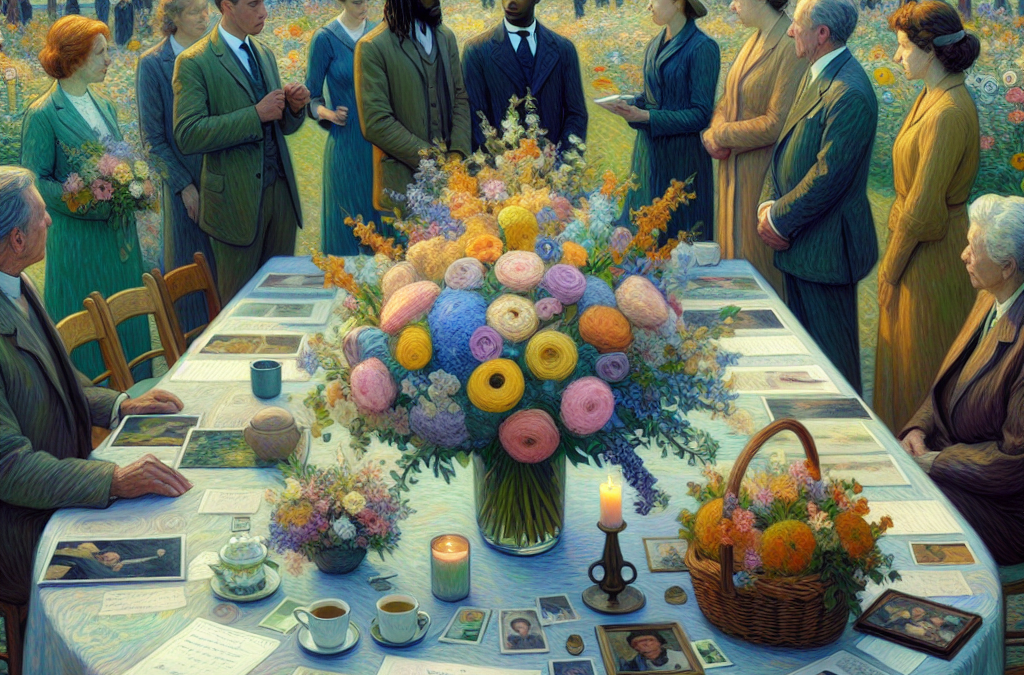
Securing Your Future: Ensuring Peace For Your Family
By Tom Seest
At LegacyExplorations, we help people plan and explore their legacy by collecting information and news regarding end-of-life planning.
Please share this post with your friends, family, or business associates who may want help to plan or explore their legacy.
Is Preserving Your Legacy The Gift Of Peace Your Family Deserves?
Let’s take a moment to ponder a simple truth: life is fleeting, yet the stories we leave behind can echo for generations. When you think about it, what really matters at the end of the day? It’s not the material possessions we accumulate, but the memories, lessons, and values we pass down. This is where legacy storytelling enters the picture—a powerful way to ensure that your life’s essence doesn’t just fade into the ether but instead becomes a treasured part of your family’s history.
Imagine sitting with your loved ones, sharing anecdotes that capture the spirit of who you are. These stories don’t have to be grand adventures or monumental achievements; they can be the little moments that shaped your existence—the laughter over a family dinner, the trials that taught you resilience, and the dreams that fueled your passions. Each tale is a thread in the rich tapestry of your life, serving not just as an account of experiences, but as a guidepost for those who come after you.
Now, you might be thinking, “What if my stories don’t matter?” Well, let me assure you: they matter more than you realize. Every family has its unique narrative, and your perspective adds depth and richness to that narrative. Think of legacy storytelling as planting seeds in the hearts of your family; with time, these seeds grow into understanding, inspiration, and connection. When your loved ones hear about your struggles and triumphs, it provides them not just with context about you, but also equips them with insights to navigate their own lives.
This isn’t just about you, though. It’s about creating a space where your family feels anchored and connected. In a world that often feels chaotic, sharing your legacy can be a soothing balm. It’s a way of saying, “I was here, and I mattered.”
So, take a moment to reflect on what you want to leave behind. Will it be just memories locked away in your mind, or will it be a gift of peace and understanding for your family? The impact of your legacy storytelling has the power to foster trust, inspire confidence, and motivate action, not just in your lifetime, but for generations to come. Because in the end, it’s not just about who you were; it’s about who your family will continue to become. Let’s give them that gift.

Is Preserving Your Legacy The Gift Of Peace Your Family Deserves?
Is Preserving Your Legacy The Gift Of Peace Your Family Deserves?
- Life is fleeting, but stories can echo through generations.
- What truly matters are the memories, lessons, and values we pass down.
- Legacy storytelling helps preserve your essence in family history.
- Stories can be small moments that shaped your existence, not just grand achievements.
- Your unique perspective enhances your family’s narrative and connection.
- Sharing your legacy provides comfort and a sense of belonging in a chaotic world.
- Your legacy can inspire, foster trust, and motivate future generations.
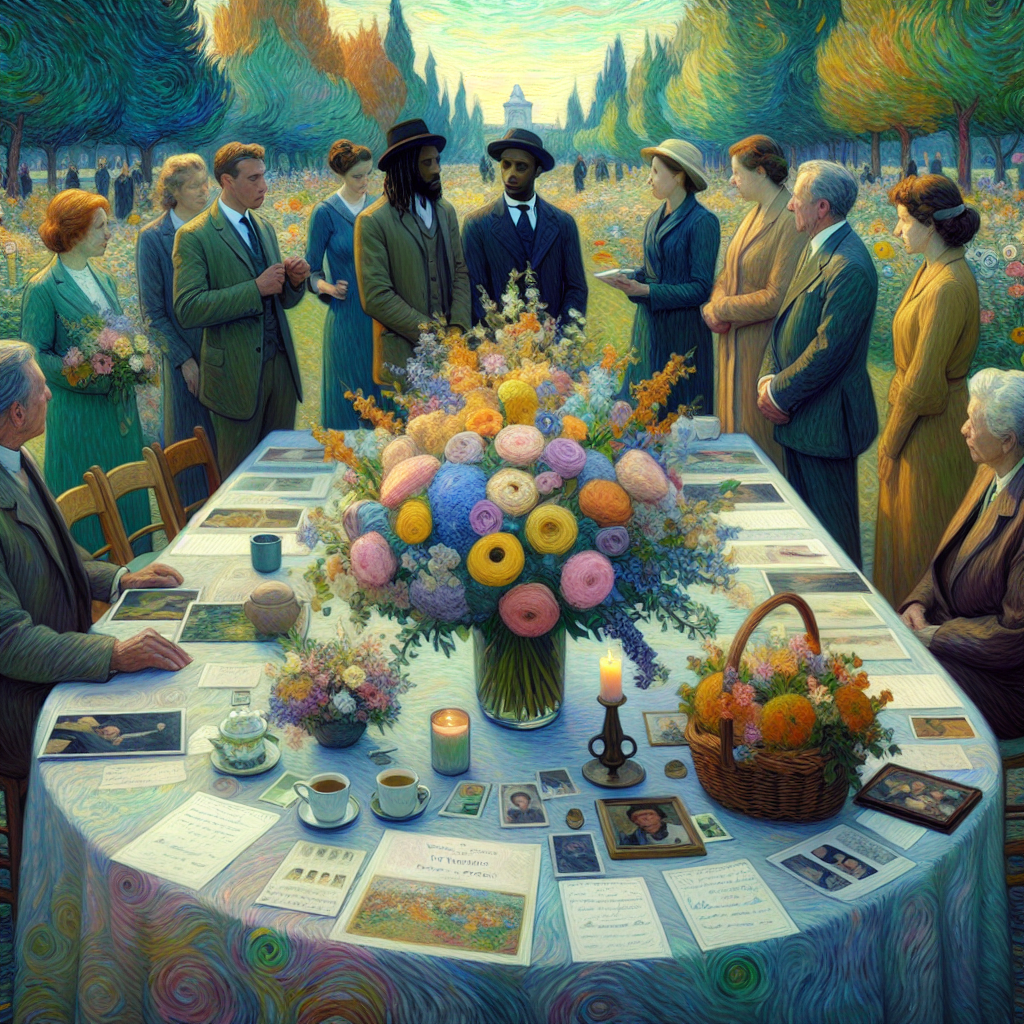
Is Preserving Your Legacy The Gift Of Peace Your Family Deserves?
Table Of Contents
- Is Preserving Your Legacy The Gift Of Peace Your Family Deserves?
- Is Your Family Prepared For The Responsibility Of Your Legacy?
- How Can You Ensure Your Values Are Passed Down Effectively?
- What Steps Can You Take To Document Your Life Story?
- How Do You Communicate Your Wishes To Your Loved Ones?
- What Role Does Estate Planning Play In Preserving Your Legacy?
- How Can You Mitigate Family Conflicts Regarding Your Legacy?
- What Are The Benefits Of Creating A Legacy Fund For Your Family?
- Conclusion
- Other Resources
- Glossary Of Terms
- Other Questions
- Haiku
- Poem
- Checklist
Is Your Family Prepared For The Responsibility Of Your Legacy?
We all know that life is a journey filled with twists and turns. But when that journey comes to an end, what remains? It’s the legacy we leave behind, the stories we’ve woven, and the lessons we’ve imparted. Have you ever stopped to think about how well-equipped your family is to shoulder that legacy?
Imagine sitting with your loved ones, reminiscing about the moments that defined you. It’s more than just nostalgic reminiscences; it’s about passing down wisdom, core values, and the very essence of who you were. This isn’t merely a task; it’s a calling. Through Legacy Storytelling, you invite your family to become custodians of your narrative. They step into a role that helps shape not just memories, but the future.
Many families shy away from these conversations, often shrouded in discomfort or the fear of coming off as morbid. But here’s the truth: embracing our mortality can actually galvanize our relationships. Trust me, there’s nothing more empowering than a family coming together to explore who they are and where they come from. When you open up about your hopes, dreams, and even your missteps, it creates a tapestry of connections that binds your loved ones together tightly.
Encouraging your family to take an active role in this storytelling isn’t just enriching; it’s essential. Have your kids or grandkids interview you, capture your favorite experiences, and document family history. You’d be surprised how much joy this process can bring, transforming what once felt like a daunting responsibility into a shared mission. Suddenly, it doesn’t feel like a burden—it becomes a celebration of life, a chance to laugh and reflect together.
And let’s not overlook the importance of preparing them to manage practical aspects of your legacy. Financial arrangements, digital possessions, and even those dusty photo albums tucked away in the attic need thoughtful stewardship. Equip your family with the tools they need to carry this weight, and watch how they rise to the occasion.
Legacy is not just about what we leave behind; it’s about how we prepare the next generation to honor, understand, and nurture our story. So, take that first step. Open that door. You might just find that your family’s journey has only just begun.

Is Your Family Prepared For The Responsibility Of Your Legacy?
Is Your Family Prepared For The Responsibility Of Your Legacy?
- Life is a journey, and at its end, we leave behind a legacy characterized by stories and lessons.
- Legacy Storytelling allows families to become custodians of their narratives, fostering deep connections and shaping the future.
- Discussing mortality can strengthen relationships by creating openness about hopes, dreams, and past experiences.
- Encouraging younger family members to document stories transforms a daunting task into a joyous shared mission.
- Preparing family for practical aspects of the legacy, such as financial matters and personal memorabilia, is essential.
- Legacy not only involves what is left behind but also how the next generation understands and honors that story.
- Taking the first step to discuss legacy can open new avenues for your family’s journey together.
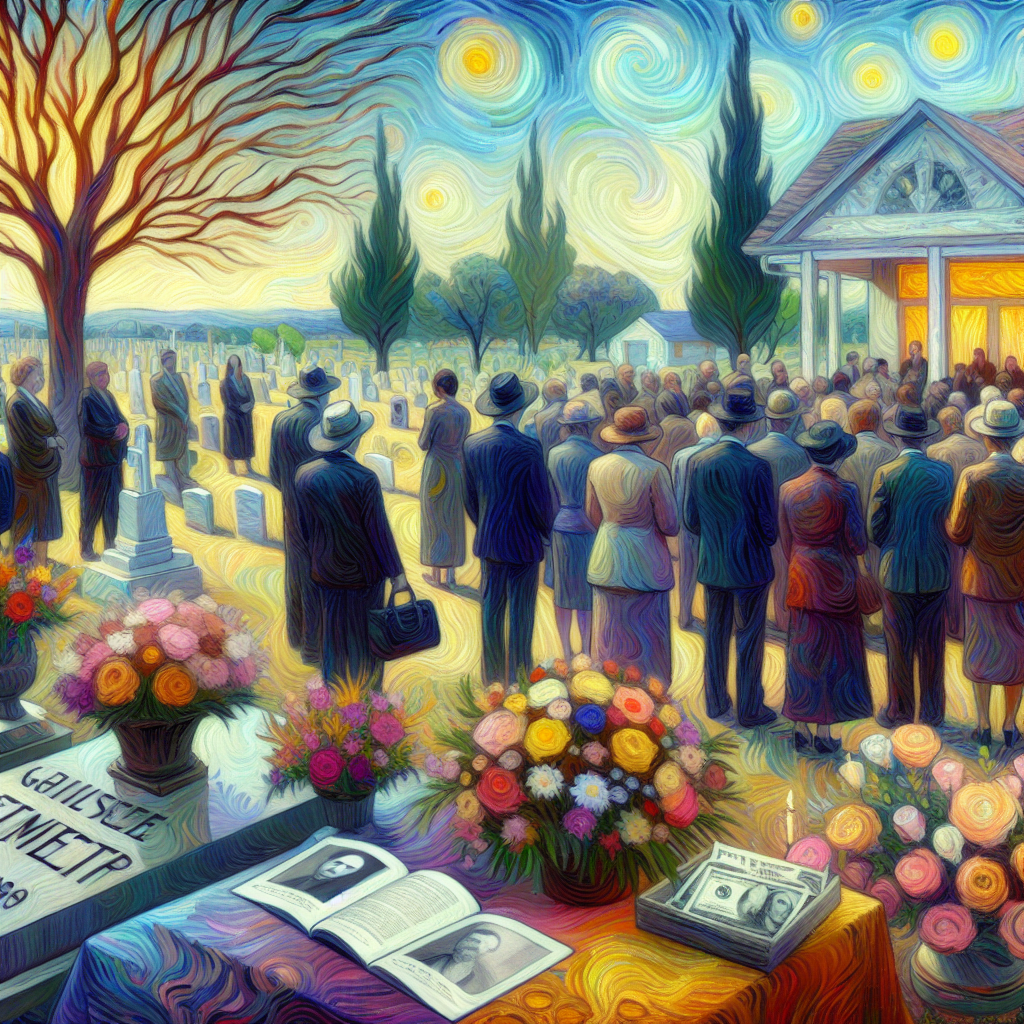
Is Your Family Prepared For The Responsibility Of Your Legacy?
How Can You Ensure Your Values Are Passed Down Effectively?
When it comes to passing down values, it often feels like we’re trying to hand off a priceless family heirloom without the right box or packaging. We want to make sure that what we cherish doesn’t get lost in translation or, even worse, tossed aside like last week’s leftovers. So how do we turn our values into a legacy worth keeping? That’s where legacy storytelling swoops in, ready to bridge the gap between generations.
First, let’s acknowledge that values can sometimes feel abstract. They’re more than a laundry list of dos and don’ts; they’re woven into the fabric of our lives. Share stories that illustrate the importance of those values. Instead of lecturing your kids on honesty, recount that time you returned the extra change mistakenly given to you at the coffee shop. Let them feel the weight of that moment, understand your thought process, and see the satisfaction of doing the right thing. Those personal anecdotes have the power of connection that mere words lack.
Encourage conversations, too. Make the dinner table a sanctuary for open dialogue, where conveying values becomes a part of the everyday rhythm. Ask questions, share experiences, and invite them to do the same. Let them know that their thoughts and feelings matter just as much. In doing this, you’re not just passing down values; you’re building an atmosphere of trust and understanding.
An often-overlooked tactic is to involve your kids in community activities that resonate with your family’s values. Whether it’s volunteering, participating in local events, or simply helping a neighbor, these experiences lay the groundwork for empathy, responsibility, and a sense of belonging. Each shared experience becomes a chapter in your family’s legacy story, where they can see and feel the values in action rather than just hearing about them.
Lastly—and this is crucial—model the behavior you want to see. Children are astute observers. They’re soaking in lessons from every interaction they witness. If they see you embodying your values, that imprint will stick with them far longer than any speech ever could.
It’s all about connection. By embracing legacy storytelling and making it tangible through real-life applications and conversations, you’re not just teaching values; you’re creating a dynamic, living legacy that can inspire trust and confidence for generations to come. So go ahead, start sharing those stories today—your legacy awaits!

How Can You Ensure Your Values Are Passed Down Effectively?
How Can You Ensure Your Values Are Passed Down Effectively?
- Passing down values is like handing off a priceless family heirloom that needs proper packaging to avoid being lost or ignored.
- Values should be illustrated through personal stories rather than just rules; sharing anecdotes makes them more relatable.
- Encouraging open dialogue at the dinner table fosters trust and understanding, integrating values into everyday life.
- Involving children in community activities that align with family values helps cultivate empathy and a sense of responsibility.
- Shared experiences become part of the family legacy, allowing children to see values in action.
- Modeling desired behaviors is crucial, as children learn by observing adults more than through lectures.
- Using legacy storytelling creates a dynamic legacy that inspires confidence and trust across generations.

How Can You Ensure Your Values Are Passed Down Effectively?
What Steps Can You Take To Document Your Life Story?
Every life is a tapestry woven with threads of experiences, emotions, and choices, each story worth telling, worthy of remembrance. If you’re pondering how to start documenting your own life story, you’re not alone. Many people are recognizing the value of *legacy storytelling*—a means to leave behind something meaningful that captures who you are.
To begin, consider setting aside some time each week for reflection. This isn’t about crafting literary genius; it’s about tapping into your memories. Grab a notebook, or better yet, some quality recording equipment. Trust me, when you start speaking into that microphone, those words can flow like gravy over mashed potatoes. Let yourself wander: remember your childhood, the mishaps, and the triumphs. Maybe it’s that time you tried to impress someone and ended up with whipped cream in your hair. Those moments matter!
Once you’ve gathered your thoughts, consider organizing them. Perhaps create chapters based on significant life stages: childhood, adolescence, adulthood. This structure can not only make your storytelling clearer but also help you pinpoint the key milestones of your journey. Want to spice it up? Include photos, keepsakes, or even mementos that correspond to those memories—like that rock you painted at summer camp or the ticket stub from your first concert. These tangible pieces can ignite memories you didn’t even know you still held.
Next, think about your audience. This is where you truly start to connect. Whether it’s family or friends, consider who would benefit from hearing your story. You’re not just documenting history; you’re handing down wisdom, humor, and love. Consider setting up informal storytelling sessions with loved ones. This is a two-way street. As you share your experiences, they may let you in on theirs, creating a rich tapestry of shared memories.
Finally, don’t be afraid to revisit and revise your story. Life is dynamic, and so too is your narrative. You don’t have to have it all figured out right now. Allow your life story to evolve as you do. Embrace the chaotic beauty of it all.
So, take that leap. Bake those memories into *legacy storytelling*—it’s a gift you’ll be proud to pass on. After all, we all have stories to share; the only difference is how we choose to tell them. Now, go ahead and start capturing your slice of life.

What Steps Can You Take To Document Your Life Story?
What Steps Can You Take To Document Your Life Story?
- Life is a tapestry of experiences, emotions, and choices worth documenting.
- Set aside weekly time for reflection to tap into your memories.
- Use a notebook or recording equipment to capture your thoughts and stories.
- Organize your memories into chapters based on significant life stages.
- Enhance storytelling with photos and mementos that correspond to your experiences.
- Consider your audience and engage in informal storytelling sessions with loved ones.
- Allow your life story to evolve and revisit it as you grow and change.

What Steps Can You Take To Document Your Life Story?
How Do You Communicate Your Wishes To Your Loved Ones?
When it comes to laying out your wishes for the future, it can feel a bit like navigating a minefield. But let’s break it down that makes it accessible, relatable, and downright necessary. After all, we all leave behind a legacy—a tapestry stitched together by our choices, values, and stories. So why not make it a conscious act of storytelling?
Legacy storytelling isn’t just for the annals of history; it’s a powerful way to communicate your hopes and dreams to the people you care about most. Picture this: Gather your family, not just for a holiday dinner, but to share your stories—your dreams, values, and yes, your future wishes. This might sound a bit daunting, but engaging in discussions about your legacy invites closeness. It creates “the talk” without the intimidating nature of that phrase. In a relaxed environment, perhaps over a Sunday roast or while hiking your favorite trail, you can weave your narrative, your legacy.
Start small. Open up about the values that mean the world to you. What lessons have shaped the person you are? Share stories about your parents, grandparents, or even the quirky neighbor who taught you resilience. These moments can create an emotional safety net that inspires your loved ones to share their feelings and thoughts, too. The more you share, the more encouragement they’ll feel to open up their own wishes and worries.
Imagine the power of knowing your loved ones understand your desires. The peace of mind that comes from giving clarity—who wouldn’t want that? This transparency can help alleviate uncertainty and confusion during emotionally charged times, allowing everyone to focus on what truly matters: honoring your wishes and cherishing the memories you’ve built together.
And let’s be clear: This isn’t just a one-time chat; it’s an ongoing dialogue. As life evolves, so do your wishes. So, revisit these conversations. Life is a moving target, and your story will continue to grow. By fostering this trusting space, you ensure that your family feels valued, connected, and equipped to honor your legacy.
So, don’t shy away from it. Sit down, share a meal, and share your heart. Embed your wishes in meaningful dialogue, and let your legacy storytelling resonate with every heart in the room. It’s not just about what you leave behind; it’s about the values you instill as you move forward together.

How Do You Communicate Your Wishes To Your Loved Ones?
How Do You Communicate Your Wishes To Your Loved Ones?
- Navigating future wishes can be daunting, but it’s essential to discuss them openly.
- Legacy storytelling is a way to convey hopes, dreams, and values to loved ones.
- Engaging family in storytelling fosters closeness and encourages open conversation.
- Start small by sharing values and personal stories that have shaped you.
- Transparency in sharing desires provides peace of mind and reduces confusion.
- These discussions should be ongoing to reflect evolving wishes and life changes.
- Meaningful dialogue about legacy enhances connections and instills important values.

How Do You Communicate Your Wishes To Your Loved Ones?
What Role Does Estate Planning Play In Preserving Your Legacy?
When it comes to preserving your legacy, estate planning isn’t just a dry, legal exercise. Think of it as a form of legacy storytelling—one that extends beyond the mere distribution of assets. It’s your opportunity to craft a narrative that will outlast you, a way to communicate your values, beliefs, and desires to future generations. So, let’s get real for a moment. Have you ever thought about what you want people to remember about you when you’re gone? That’s where the power of effective estate planning comes in.
Imagine sitting down with your family thirty years from now, flipping through old photo albums. “Remember when Dad used to…?” “Oh, and how about that time Mom…” Those stories are the heart of your legacy. But without a thoughtful plan, the narrative could be short-circuited. Assets can be tangled in legal disputes, your wishes ignored, or even worse, your family fractured over misunderstandings. With a solid estate plan, you can guide your loved ones and give them the tools to keep the story of your life alive.
You see, estate planning allows you to articulate what matters most to you. Maybe you want to support your favorite charitable causes, ensure your children receive an education, or simply make sure that treehouse you built together goes to the family you cherish. This isn’t just about dollars and cents; it’s about framing the story you want them to carry forward.
And while creating an estate plan may feel like an overwhelming task—and let’s be honest, nobody loves paperwork—consider it a necessary step in the journey of legacy storytelling. It’s the insurance against chaos, the solid foundation for the memories you want to cultivate. By taking charge of this process, you inspire trust in your family and friends, showing them that you care enough to lay out a clear path for the future.
So, don’t put it off. Begin the conversation today. Whether you’re solo or surrounded by loved ones, take the time to map out your thoughts and desires—your legacy deserves that much. Your story is a gift, and with proper planning, it can be a lasting, impactful treasure for those who come after you.

What Role Does Estate Planning Play In Preserving Your Legacy?
What Role Does Estate Planning Play In Preserving Your Legacy?
- Estate planning serves as a form of legacy storytelling, extending beyond asset distribution.
- It provides an opportunity to communicate values, beliefs, and desires to future generations.
- A thoughtful estate plan helps avoid legal disputes and misunderstandings among family.
- Effective estate planning can keep the narrative of your life alive for loved ones.
- It allows you to express what matters most, supporting charitable causes or ensuring your children’s education.
- Creating an estate plan, though daunting, is essential for establishing a solid foundation for memories.
- Initiate the conversation about your legacy today, as it can be a lasting treasure for future generations.

What Role Does Estate Planning Play In Preserving Your Legacy?
How Can You Mitigate Family Conflicts Regarding Your Legacy?
Let’s face it: when it comes to family and legacies, the waters can get murky. One minute you’re reminiscing about Aunt Edna’s famous lasagna recipe, and the next, you’re stuck in a heated debate over who gets the family silverware set. It’s a classic scenario — we’ve all seen it, and many of us have lived it. But fear not; savvy handling of legacy storytelling can steer your family trunk away from the rocky shoals of conflict toward clearer waters.
Start by inviting open conversations about legacy — your vision, your values, and what you hope will be carried forward. Don’t wait until the inevitable “what do we do now?” moment arrives. Schedule a family dinner or a casual get-together, and approach it like an old-fashioned roundtable discussion. Share your stories. Explain the meaning behind heirlooms or family traditions. These stories don’t just live in your head; they breathe life into your legacy and bring your family closer to understanding its importance.
Now, speaking of understanding, make space for everyone’s input. It’s not just your legacy—it’s theirs too! Invite your family to share their thoughts on what matters to them. You might be surprised at the depth of feelings surrounding seemingly trivial items. A worn-out baseball glove might hold a child’s memories of playing catch with dad and serve as a bridge for future generations. By weaving these narratives together, you’ll create a richer tapestry that binds everyone, rather than dividing them.
In addition, clarify your wishes in a straightforward document. Let’s be real: no one wants to sort through half-hearted attempts at expressing who gets what with emotional baggage weighing them down. By laying your plans down clearly, you inspire trust and confidence among your loved ones.
And here’s a concept to consider: involve a neutral party, like a family mediator or a trusted friend, to facilitate discussions if tensions flare. Having someone impartial can help keep the peace when emotions run high.
Ultimately, legacy storytelling isn’t just about the “things” you leave behind; it’s about nurturing relationships, understanding motivations, and creating a sense of continuity that transcends generations. So roll up your sleeves, gather your loved ones, and begin this journey together. It’s not easy, but I promise it’s worth every ounce of effort. After all, nothing can be more striking than a family, united by stories, grasping not just what is inherited, but the love, laughter, and lessons that come with it.

How Can You Mitigate Family Conflicts Regarding Your Legacy?
How Can You Mitigate Family Conflicts Regarding Your Legacy?
- Family legacies often involve both fond memories and conflicts over inheritance.
- Start discussions about legacy early with family gatherings to share your vision and values.
- Encourage everyone to share their feelings and memories related to heirlooms and traditions, fostering understanding.
- Create a clear and straightforward document outlining your wishes for the distribution of heirlooms.
- Consider involving a neutral party, such as a mediator, to help facilitate discussions when tensions arise.
- Legacy storytelling is about nurturing relationships and creating continuity across generations.
- Unite your family through shared stories and the love, laughter, and lessons that come with them.

How Can You Mitigate Family Conflicts Regarding Your Legacy?
What Are The Benefits Of Creating A Legacy Fund For Your Family?
Creating a legacy fund for your family isn’t just about money; it’s about weaving together a tapestry of experiences, beliefs, and values that can be passed down from generation to generation. Imagine sitting around the dinner table, laughter echoing in the air, as your loved ones share tales of your family history. This is where legacy storytelling begins—a beautiful tradition that can be enriched by a dedicated fund that embodies your family’s dreams and aspirations.
So, what are the benefits of establishing such a fund? First and foremost, a legacy fund positions your family for success. It’s like a safety net, a financial cushion that can support educational endeavors, purchase a first home, or kickstart a business dream. When you create a legacy fund, you are essentially saying, “I believe in you.” You are investing in not just financial stability but the potential for your family to follow their passions without being weighed down by crippling debt or uncertainty.
But let’s not stop at practicalities. A legacy fund serves as a catalyst for deep, meaningful connections. It opens the door for conversations about dreams, goals, and what truly matters to your family. When you involve younger generations in these discussions, you’re sparking their interest in family values and traditions. You’re inviting them to participate in legacy storytelling, shaping their relationship with money and instilling the belief that they can—and should—dream big.
And here’s the kicker: establishing a legacy fund creates a sense of responsibility. It encourages your family to think consciously about how they contribute to their collective future. They’ll learn about stewardship, accountability, and the value of hard work. Think of it as a family project that fosters unity and establishes a shared mission—a project where each member plays an integral part in building something greater than themselves.
Ultimately, creating a legacy fund is about leaving more than just currency; it’s about crafting stories, values, and dreams that ripple through time. As you embark on this journey, know that you are planting seeds of inspiration for generations to come. Trust in the process, take action, and watch as your legacy unfolds before you, enriching the lives of your family for years to come.

What Are The Benefits Of Creating A Legacy Fund For Your Family?
What Are The Benefits Of Creating A Legacy Fund For Your Family?
- A legacy fund is about more than just financial support; it encompasses experiences, beliefs, and values to be passed down through generations.
- It establishes a “safety net” for the family, aiding in educational pursuits, home purchases, or business ventures.
- The fund communicates a message of belief and investment in the family’s potential for success.
- It fosters deep connections and opens discussions about dreams and goals within the family.
- Engaging younger generations in these conversations helps instill values and traditions, encouraging them to dream big.
- Creating a legacy fund instills a sense of responsibility and teaches stewardship, accountability, and hard work.
- Ultimately, it is about crafting enduring stories and values that inspire future generations and enrich family lives.

What Are The Benefits Of Creating A Legacy Fund For Your Family?
Conclusion
Conclusion: Securing Peace and Preserving Your Legacy for Generations to Come
Alright, folks, let’s cut to the chase. Life is short, and it’s often the stories and values we leave behind that create a lasting impact. Tom Seest draws attention to a truth we all know: we often get caught up in accumulating stuff, forgetting that what really counts are the memories and life’s lessons we share with our loved ones. You see, preserving your legacy isn’t just about handing down material possessions; it’s about weaving a narrative that connects families across generations. It’s the feel of a favorite family recipe being passed around the dinner table, or the chuckles shared over tales of life’s fumbles and triumphs.
The practice of legacy storytelling is akin to planting seeds in your family’s hearts. Those stories of laughter, struggle, and resilience don’t just tell who you are—they serve as guides for those who come after. It’s a way to ensure that your essence is felt long after you’re gone, a gift of peace that anchors your family amidst life’s unavoidable chaos. And don’t discount your own story. It matters. Your unique experiences can serve as touchstones for your loved ones, helping them navigate their own lives with wisdom and confidence.
Now, let me emphasize this: legacy doesn’t end with storytelling. It extends into practical preparations like estate planning, open conversations, and even establishing a legacy fund. These aren’t just boring chores—they’re powerful shields against the potential conflict that often arises after a loved one passes. By clearly communicating your wishes, you’re creating an invaluable roadmap to peace for your family, helping them to carry forward your story without the weight of confusion or strife.
Moreover, getting everyone involved in documenting your family’s history and values fosters unity. It allows your loved ones to not only inherit assets but to inherit a sense of duty—an understanding that they are part of something bigger. They learn about stewardship, responsibility, and the satisfaction that comes from being a good custodian of family legacy. So, step up and take control of your narrative. Sit down, share a meal, and share your heart. Talk openly about what you wish to leave behind, and watch as your family embraces these stories and values, knitting them into the fabric of who they are.
In the end, your legacy is more than just what you’ll leave behind; it’s a living, breathing connection that inspires, uplifts, and preserves the essence of what it means to be a family. Telling your story isn’t just an act; it’s a gift—a true legacy your family deserves and one they will carry forward with pride. Now, roll up those sleeves and start sharing—you’ve got a treasure trove of memories and lessons waiting to be told!

Conclusion
Conclusion:
- Life is short; the true impact comes from the stories and values we share.
- Preserving legacy goes beyond material possessions; it’s about connecting families through narratives.
- Legacy storytelling plants seeds of resilience, providing guidance for future generations.
- Your unique experiences serve as touchstones, helping loved ones navigate their lives.
- Legacy includes practical preparations like estate planning and open conversations to prevent conflicts.
- Documenting family history fosters unity and instills a sense of duty among loved ones.
- Your legacy is a living connection that inspires and uplifts, deserving to be carried forward with pride.

Conclusion
Other Resources

Other Resources
Here is a list of other resources you can review online to learn more:
- LegalZoom
- FamilySearch
- Living Wisely
- LegalNature
- PartingWishes
- Remembered.com
- UpCounsel
- IronClad Family
- Legacy
- LifeSite
Use This Prompt To Get More Resources With Your Favorite Online AI Tool: Please provide me with a list of online articles with their URLs in a bulleted list that I can read regarding Is Preserving Your Legacy The Gift Of Peace Your Family Deserves?

Other Resources
Glossary Terms
Is Preserving Your Legacy The Gift Of Peace Your Family Deserves? – Glossary Of Terms
1. Legacy: The impact and memories one leaves behind, encompassing values, possessions, and life experiences.
2. Estate Planning: The process of organizing and managing an individual’s assets and wishes to ensure that they are distributed according to their desires after passing.
3. Will: A legal document outlining how a person wishes their assets to be distributed upon their death.
4. Trust: A legal arrangement in which one party holds property for the benefit of another, often used for estate planning to ensure privacy and avoid probate.
5. Probate: The legal process of validating and administering a deceased person’s will, including the distribution of assets.
6. Intestate: The state of dying without a valid will, resulting in assets being distributed according to state laws.
7. Executor: An individual appointed to carry out the terms of a will and manage the estate’s affairs after a person’s death.
8. Beneficiary: A person or entity designated to receive assets or benefits from a will, trust, or life insurance policy.
9. Generational Wealth: Financial assets passed down from one generation to another, contributing to family stability and security.
10. Family Harmony: The state of peaceful and cooperative relationships among family members, often enhanced by clear communication and shared values.
11. Ethical Will: A non-legally binding document expressing the creator’s values, beliefs, and life lessons intended for their heirs.
12. End-of-Life Care: Medical and personal care provided to individuals in the final stages of life, focusing on comfort and quality of life.
13. Advance Directive: A legal document outlining a person’s wishes regarding medical treatment and end-of-life care in case they cannot communicate these wishes.
14. Power of Attorney: A legal document that allows one person to act on behalf of another in financial or legal matters.
15. Living Will: A type of advance directive that specifies an individual’s preferences for medical treatment in situations where they are unable to communicate.
16. Life Insurance: A financial product providing a payout to beneficiaries upon the insured person’s death, often used for income replacement or debt repayment.
17. Philanthropy: The desire to promote the welfare of others, often expressed through charitable donations or establishing foundations.
18. Digital Legacy: The online presence and digital assets accumulated over a lifetime, including social media accounts, blogs, and digital files.
19. Memorialization: The act of preserving memories and honoring the legacy of a loved one, often through rituals, celebrations, or digital tributes.
20. Health Care Proxy: A designated individual authorized to make healthcare decisions on behalf of another person if they are unable to do so themselves.
21. Trustee: An individual or organization entrusted with managing a trust according to its terms for the benefit of the beneficiaries.
22. Succession Planning: Preparing for the transfer of leadership or ownership in a business or estate to ensure continuity and stability.
23. Communication: The act of exchanging information and feelings between family members, vital for preserving relationships and addressing legacy matters.
24. Document Organization: The systematic arrangement of important legal and personal documents, ensuring ease of access for families when needed.
25. Conflict Resolution: The process of addressing and resolving disputes or misunderstandings among family members, especially related to inheritance or legacy issues.
26. Family Meetings: Gatherings where family members discuss important matters affecting the family, including financial issues, legacy planning, and personal values.
27. Cultural Heritage: The traditions, customs, and values passed down from previous generations that shape a family’s identity.
28. Values Transmission: The process of instilling important moral and ethical beliefs in the next generation, contributing to a cohesive family legacy.
29. Emotional Legacy: The feelings and memories a person leaves behind for their loved ones, often more impactful than material possessions.
30. Memory Preservation: The act of documenting and safeguarding memories through storytelling, photographs, and other forms of personal history.
Conclusion
These terms reflect the multifaceted aspects of preserving a legacy and ensuring that family members find peace in the process. By understanding these concepts, individuals can better navigate their journey toward achieving a meaningful and lasting impact on their loved ones.
Glossary Of Terms
Other Questions
Is Preserving Your Legacy The Gift Of Peace Your Family Deserves? – Other Questions
If you wish to explore and discover more, consider looking for answers to these questions:
- What is legacy storytelling, and how can I start documenting my own stories?
- How can I encourage my family to participate in legacy storytelling?
- What are effective methods for sharing values with future generations?
- How can family discussions about legacy be structured to avoid discomfort?
- What practical aspects should I consider when planning my legacy?
- How can legacy storytelling help mitigate conflicts among family members?
- What elements should I include in my estate planning to reflect my values?
- How can I ensure that my digital assets are included in my legacy planning?
- How do I motivate my family to actively engage with their own legacy?
- What resources are available for families looking to create a legacy fund?

Other Questions
Haiku
Is Preserving Your Legacy The Gift Of Peace Your Family Deserves? – A Haiku
Tales of love and life,
Stories weave through time’s fabric,
Legacy blooms bright.

Haiku
Poem
Is Preserving Your Legacy The Gift Of Peace Your Family Deserves? – A Poem
The Gift of Legacy
In the tapestry of life, threads are spun,
Moments cherished, stories begun.
Beyond possessions, it’s memories we weave,
A legacy of love—what we truly believe.
Gather close, let the tales unfold,
Not in grand feats, but in whispers told.
Laughter shared over a humble meal,
Life’s simple treasures, the warmth we feel.
A guiding light for those to follow,
Lessons of resilience, in joy and sorrow.
Plant the seeds of wisdom and trust,
In hearts of the young, in the bonds that last.
Embrace the talk of what lies ahead,
Dreams and wishes, words gently spread.
For in open dialogue, connections bloom,
Transforming the burden into a room of grace.
Document the journey—every twist and turn,
With stories and photos, let passion burn.
Invite family to share, laugh, and reflect,
Together, you build a legacy, perfect.
Estate planning—more than just scribbled laws,
Crafting your values in a world full of flaws.
Clear wishes laid, so misunderstandings cease,
A gift of clarity, a treasure of peace.
Though conflicts may rise, let kindness prevail,
Through shared stories, misunderstandings frail.
Invite every voice, let their feelings ignite,
A legacy shared keeps the family tight.
And as you create a fund of hope,
You pave the way for each to cope.
With dreams nurtured and aspirations alive,
A legacy woven where love will thrive.
So take up the pen, let your heart take flight,
Your life’s vibrant tale—a beacon of light.
For in every story, in each gentle plea,
Lies the peace your family surely deserves,
In the tapestry of legacy, forever preserved.
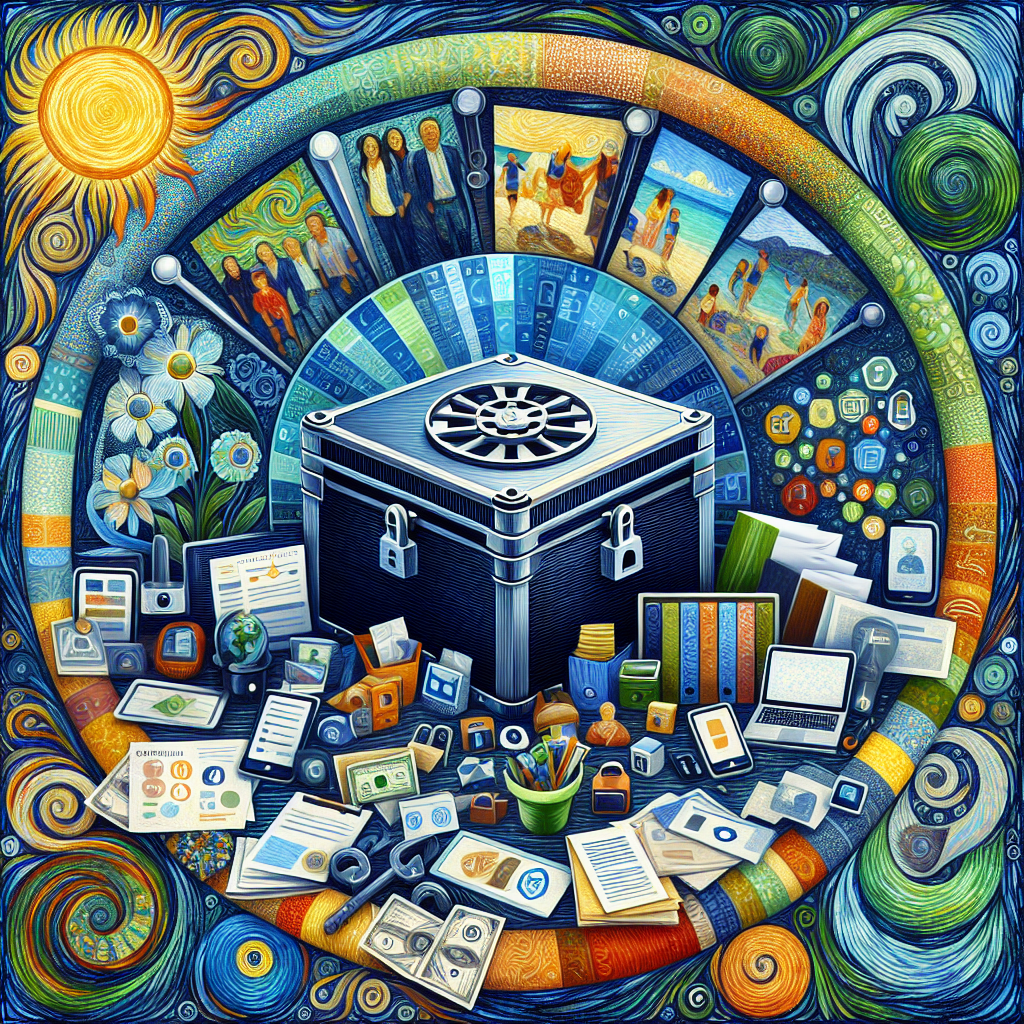
Poem
Checklist
Is Preserving Your Legacy The Gift Of Peace Your Family Deserves? – A Checklist
Checklist: Preserving Your Legacy for Peace of Mind
1. Reflect on Your Legacy
_____ Take time to consider what memories, values, and lessons you want to pass down to your family.
_____ Identify key stories from your life that encapsulate who you are and what you stand for.
2. Engage in Legacy Storytelling
_____ Schedule family gatherings focused on sharing personal stories and anecdotes.
_____ Encourage family members to share their own stories and experiences to enrich your family narrative.
3. Document Your Life Story
_____ Set aside time weekly for reflection and documentation of your life experiences.
_____ Organize stories into chapters based on different life stages (childhood, adolescence, adulthood).
_____ Include photos and memorabilia that correspond to your narratives.
4. Communicate Your Values
_____ Share specific instances that illustrate your core values through storytelling.
_____ Make family discussions a regular occurrence to encourage open dialogue on values and life lessons.
5. Incorporate Family Involvement
_____ Involve kids and grandkids in documenting family history through interviews or storytelling sessions.
_____ Include them in community activities that highlight family values, such as volunteering.
6. Prepare Practical Aspects of Your Legacy
_____ Invest time in estate planning to outline your wishes clearly.
_____ Discuss financial arrangements with family to prepare them for managing your legacy.
7. Foster Open Conversations about Your Legacy
_____ Initiate discussions about your desires and hopes for the future with family.
_____ Create an ongoing dialogue to allow wishes and values to evolve over time.
8. Address Potential Conflicts Preemptively
_____ Hold family meetings to openly discuss legacy issues, goals, and shared stories.
_____ Draft clear documentation outlining your wishes, and consider involving a neutral mediator if needed.
9. Establish a Legacy Fund
_____ Consider creating a legacy fund to support educational endeavors and family projects.
_____ Discuss the importance of stewardship and accountability with younger generations.
10. Embrace and Celebrate Your Legacy
_____ Regularly revisit and reflect on your family’s shared stories and values.
_____ Celebrate milestones and achievements as a family to keep the legacy alive and thriving.
This checklist serves as a guide to help you and your family initiate meaningful conversations about preserving your legacy and ensuring your values are passed on effectively. Start taking these steps today for a lasting impact on future generations!

Checklist
At LegacyExplorations, we help people plan and explore their legacy by collecting information and news regarding end-of-life planning.
Please share this post with your friends, family, or business associates who may want help to plan or explore their legacy.