

Digitally Preserving Memories: Software For Deceased Loved Ones
By Tom Seest
At LegacyExplorations, we help people plan and explore their legacy by collecting information and news regarding end-of-life planning.
Please share this post with your friends, family, or business associates who may want help to plan or explore their legacy.
Is Software Available to Curate Digital Assets When Loved Ones Die?
In an age where our lives are intricately woven into the digital world, the thought of losing a loved one can bring to the forefront an unsettling question: what happens to their digital assets? The photographs, emails, social media accounts, and all those cherished memories tucked away in the cloud—their digital legacy needs preserving, even when they are no longer around. Enter the realm of software designed to help curate these digital footprints after death.
Now, the technology isn’t exactly a magic wand. It won’t resurrect your loved ones or bring them back for one last chat; but it does offer a tremendous tool for comfort during a difficult time. Various software applications and services are available to help families manage this digital estate, providing a way for folks to commemorate memories, protect legacies, and even close those online accounts that no longer serve a purpose.
Let’s take a quick tour. Some services focus on “digital estate planning,” allowing individuals to designate what should happen to their accounts and assets upon their passing. Think of it as a digital will—complete with instructions for family members left behind. These programs often let you catalog everything from bank accounts to TikTok profiles, ensuring nothing valuable slips through the cracks.
Then there are platforms aimed at preserving memories; you know, that emotional safe haven where family and friends can gather, swap stories, and relive the good times. Many of these tools allow users to upload photos and videos, creating a virtual tribute that can be navigated by loved ones. Some even offer multimedia storytelling features, allowing people to create digital scrapbooks that serve as a lasting reminder of the bonds shared.
However, tread cautiously. Data privacy concerns loom large in the digital landscape. Choosing to trust a third-party service with such sensitive information requires careful consideration. Always read the fine print and ensure the company has robust data protection measures in place.
While no software can replace the irreplaceable touch of a loved one, these digital tools can be a lifeline when it comes to preserving memories in a world increasingly defined by bytes and pixels. Embracing this technology might just be one way to hold onto the legacies that matter most.

Is Software Available to Curate Digital Assets When Loved Ones Die?
Is Software Available to Curate Digital Assets When Loved Ones Die?
- The advent of digital technology raises questions about what happens to digital assets after a loved one dies.
- Software exists to help curate and manage digital assets such as photographs, emails, and social media accounts after a person’s passing.
- These tools provide comfort by allowing families to commemorate memories and protect legacies.
- Some services focus on digital estate planning, acting like a digital will to manage accounts and assets.
- Other platforms aim to preserve memories by enabling users to create virtual tributes and digital scrapbooks.
- Data privacy is a concern; it’s crucial to choose services with robust data protection measures.
- While no software can replace a loved one, these tools offer a way to preserve and honor cherished memories.

Is Software Available to Curate Digital Assets When Loved Ones Die?
Table Of Contents
- Is Software Available to Curate Digital Assets When Loved Ones Die?
- Is There Software To Manage Digital Assets After Death?
- What Legal Considerations Are There For Digital Assets?
- Are There Tools To Help Track Digital Asset Locations?
- What Happens To Cryptocurrency When Someone Passes Away?
- Can Digital Assets Be Inherited Legally?
- Is There Software That Automates Digital Asset Curation?
- How Do I Handle Passwords For Deceased Family Members?
- Are There Services That Offer Digital Asset Management?
- What Are The Risks Of Neglecting Digital Assets After Death?
- Conclusion
- Other Resources
- Glossary Of Terms
- Other Questions
- Haiku
- Poem
- Checklist
Is There Software To Manage Digital Assets After Death?
The conversation around digital assets after death is not just a technical discussion; it’s a deeply personal one. We live our lives online, and as a result, our digital footprints have grown alongside us. From social media profiles to digital currencies and cloud-stored photographs, the digital legacy we leave behind often holds as much significance as the physical belongings we pass down. So, what happens to all that virtual baggage when we kick the bucket?
Managing your digital legacy is akin to reading the fine print of a contract you signed in your sleep. It’s not the most glamorous task, but it’s vital. Believe it or not, there are software solutions designed with this very purpose in mind—tools that can help organize, safeguard, and even distribute digital assets after that final curtain call.
These digital estate planning options come equipped to help users catalog their online accounts and assign access to trusted loved ones. Imagine a digital vault where all your crucial logins, passwords, and account information reside, safe until that inevitable day comes. Some software solutions offer a way for account holders to specify what happens to their assets: Do you want your Twitch channel archived, your online portfolio maintained, or your social media accounts memorialized? You can make those choices clear, ensuring your digital legacy reflects your wishes rather than leaving it to the whims of a forgotten password.
Furthermore, many of these solutions employ a method known as “successorship,” allowing designated individuals to step in and manage your digital assets posthumously. Think of it as appointing an executor for your digital estate—someone who knows how to navigate the labyrinth of online life and can honor your wishes.
However, while the software is a step in the right direction, it’s important to understand that it’s not a one-size-fits-all solution. Every online platform has its own policies on account management after death. Some will hand over the keys without too much fuss, while others may require more legal finesse to untangle.
In short, digital asset management after death isn’t just about finding software; it’s about planning ahead. It’s about ensuring that the stories, photos, and creations that matter to us endure beyond our time and continue to resonate with those we leave behind. Because in the end, it’s not just data; it’s legacy. And that’s something worth preserving.

Is There Software To Manage Digital Assets After Death?
Is There Software To Manage Digital Assets After Death?
- The discussion of digital assets after death is both technical and deeply personal.
- Our online lives create digital footprints that are as significant as physical belongings.
- Managing a digital legacy is crucial and can be as intricate as understanding a contract.
- Software solutions exist to help organize, safeguard, and distribute digital assets posthumously.
- These tools allow individuals to catalog accounts and designate trusted loved ones for access.
- The concept of “successorship” lets appointed individuals manage digital assets after death.
- Effective digital estate planning requires understanding platform-specific account management policies.

Is There Software To Manage Digital Assets After Death?
What Legal Considerations Are There For Digital Assets?
In our ever-evolving digital landscape, it’s easy to get swept away in the excitement of new technologies and opportunities. However, when it comes to digital assets—ranging from cryptocurrency and NFTs to domain names and digital art—understanding the legal implications is crucial. Treating digital assets with the same gravity as physical assets might not be the first thought on your mind, but trust me, it should be.
To kick things off, let’s talk about ownership. Just because you can download an image or mint an NFT doesn’t mean you own it in the eyes of the law. Copyright laws are still very much alive and kicking in the digital arena. If you’re creating or trading digital items, make sure you’re not infringing on someone else’s intellectual property. That little “Terms and Conditions” box you skimmed through? It can hold all the clues you need about who owns what.
Then there’s taxation, which is a maze more complex than it seems. Governments around the globe are trying to catch up with the rapid pace of digital assets. In the U.S., for example, the IRS treats cryptocurrency as property. If you’ve bought, sold, or traded, you may be on the hook for capital gains tax. It’s like trying to keep a straight face while a magician pulls a rabbit out of a hat—the tricks keep coming, and they won’t disappear just because you wish they would.
As we dive deeper, let’s not forget about security and privacy. Digital assets are prime targets for hackers, and the theft of cryptocurrencies can be devastating. If someone breaks into your digital wallet, good luck proving you had ownership or value tied to those virtual coins. This is where blockchain technology shines; it’s not just about the assets, but about the transparency and traceability it offers. But remember, all that glitters isn’t gold. Just because it’s on the blockchain doesn’t mean it’s immune to legal disputes.
Lastly, it’s wise to have a plan for what happens to your digital assets when you’re no longer around. Estate planning for digital assets is still a gray area, but as more people recognize the value of their online property, it’s an area that’s starting to gain traction.
So, whether you’re trading digital art or dabbling in cryptocurrency, navigating the legal considerations of digital assets is no longer a luxury—it’s a necessity. Embrace the complexities, do your homework, and remember: ignorance may be bliss, but knowledge is power, especially in the digital world.

What Legal Considerations Are There For Digital Assets?
What Legal Considerations Are There For Digital Assets?
- Understanding legal implications of digital assets like cryptocurrency and NFTs is crucial.
- Ownership is complex; downloading or minting does not equate to legal ownership.
- Copyright laws still apply in the digital space; be mindful of intellectual property rights.
- Taxation of digital assets varies globally; cryptocurrencies are often treated as property.
- Digital assets are vulnerable to theft, creating challenges in proving ownership.
- Blockchain technology enhances transparency and traceability but does not eliminate legal issues.
- Estate planning for digital assets is emerging as an important consideration.

What Legal Considerations Are There For Digital Assets?
Are There Tools To Help Track Digital Asset Locations?
In the ever-evolving digital landscape, keeping track of assets can sometimes feel like trying to find a needle in a haystack. For businesses flooded with information—files, documents, images, videos, and more—the challenge of locating the right digital asset at the right time is akin to searching for a lost sock in a jumbled laundry basket. Enter a suite of tools designed specifically to manage and track these assets more efficiently.
First up, we’ve got Digital Asset Management (DAM) systems. These software solutions operate like well-organized libraries, cataloging your digital assets so that you can find what you need quickly. Think of them as a friendly librarian, guiding you through stacks of digital content. These systems allow you to tag and categorize files, making search functions highly effective. With a simple keyword search, you can locate everything from high-res images to video clips, saving time and sanity when deadlines loom.
Next, let’s talk about cloud storage platforms. Services like Google Drive, Dropbox, and OneDrive aren’t just glorified storage boxes; they help you maintain a clear overview of where your files live. Most of these services offer folder-sharing capabilities, version history, and even integration with other tools. They’re incredibly flexible, allowing teams to collaborate seamlessly, no matter where they’re working from. Just remember, though, with great power comes great responsibility—keep your organization practices tight, or the cloud can quickly become a muddy puddle of confusion.
And while we’re on the subject of collaboration, project management platforms are worth mentioning. Tools such as Trello, Asana, and Monday.com can help track your digital assets within the context of ongoing projects. They allow teams to attach files directly to tasks, ensuring that everyone knows exactly where to find that all-important infographic or presentation slide—before the meeting begins, of course.
Last but not least, analytics tools play a crucial role in keeping tabs on your assets. Google Analytics, social media insights, and various content management systems provide rich data about how your digital assets are performing. By understanding which assets attract attention and generate engagement, you can make more informed decisions about what to create next, ensuring that your digital strategy stays relevant and effective.
In short, tracking digital assets doesn’t have to be akin to running in circles. With the right tools, you can navigate the chaos, find what you need when it counts, and keep your digital world organized—all while staying one step ahead in an ever-changing landscape.

Are There Tools To Help Track Digital Asset Locations?
Are There Tools To Help Track Digital Asset Locations?
- Managing digital assets can be challenging amidst a flood of information.
- Digital Asset Management (DAM) systems act like organized libraries, cataloging assets for quick access.
- Cloud storage platforms such as Google Drive and Dropbox provide easy file organization and collaboration capabilities.
- Project management tools like Trello and Asana help teams track digital assets within ongoing projects.
- Analytics tools, including Google Analytics, offer insights on asset performance and engagement.
- Leveraging the right tools can simplify the tracking process and enhance organizational efficiency.
- Staying organized is essential for navigating the complexities of the digital landscape.

Are There Tools To Help Track Digital Asset Locations?
What Happens To Cryptocurrency When Someone Passes Away?
When you think about cryptocurrency, you might picture vibrant charts, digital wallets, and a rolodex of complex passwords. But what happens to all that digital wealth when the person behind the keyboard departs this mortal coil? It’s a question that looms larger than a Bitcoin bull market, and the answer is both complicated and, frankly, a little unsettling.
First off, let’s talk about ownership. Unlike traditional bank accounts or investments, cryptocurrency operates on a decentralized ledger known as the blockchain. This means that the asset isn’t held by any central authority—it’s all in your digital wallet, which requires a private key to access. If someone passes away and that private key goes with them, the cryptocurrency connected to it might as well just vanish into thin air. They might have amassed significant wealth in Bitcoin, Ethereum, or other altcoins, but if no one knows the secret key, it’s all about as useful as a three-legged chair.
For the heirs left behind, finding that key is akin to searching for a needle in a digital haystack. If the deceased was wise enough to document their crypto holdings and access information, that’s a goldmine. But many people treat their digital assets like secret recipes—known only to them and locked tight. So, what happens next? Often, family members may face the harsh reality of either giving up on the search or looking into costly recovery services, which may have varying degrees of success.
Then there’s the legitimate issue of taxes. In many jurisdictions, when someone dies, the value of their cryptocurrency at the time of passing is often subject to inheritance taxes, just like other forms of wealth. Not only does the estate need to know about these assets, but the heirs also need to navigate the murky waters of crypto taxation—something few tax professionals are well-versed in.
And let’s not forget the emotional toll that comes with such losses. Grieving a loved one is tough enough. Now, imagine your relative had a sizable crypto portfolio that could have been a financial cushion, but it’s locked in a digital vault—a bittersweet twist of fate wrapped in ones and zeroes.
In a nutshell, as the cryptocurrency landscape continues to evolve, so too must our understanding of how to manage these assets with foresight and care. Because the only thing worse than losing a loved one is losing the fortune they left behind simply because no one held the keys to the digital kingdom.

What Happens To Cryptocurrency When Someone Passes Away?
What Happens To Cryptocurrency When Someone Passes Away?
- Cryptocurrency operates on a decentralized blockchain ledger, making access reliant on private keys.
- If a user passes away without sharing their private key, their cryptocurrency can become inaccessible.
- Heirs face challenges in recovering digital assets, often struggling to locate crucial access information.
- Failure to document crypto holdings can lead family members to costly and uncertain recovery services.
- Cryptocurrency value is often subject to inheritance taxes, complicating estate management.
- Many tax professionals lack expertise in crypto taxation, adding to the difficulties for heirs.
- Emotional distress arises when loved ones are unable to access potential financial assets due to access issues.

What Happens To Cryptocurrency When Someone Passes Away?
Can Digital Assets Be Inherited Legally?
In an age where our lives are increasingly lived online, the question of whether digital assets can be inherited legally has become just as crucial as the age-old practice of passing down tangible belongings. You see, digital assets aren’t just files floating in the ether; they can encompass a wide range of items, from cryptocurrencies and social media accounts to digital photos, music libraries, and even virtual real estate. But the critical question remains: how does one go about bequeathing these modern-day treasures once it’s time to shuffle off this mortal coil?
To start, it’s important to recognize that the legal landscape surrounding digital inheritance is still pretty murky. Unlike physical assets, which have been governed by laws for centuries, digital assets operate in a realm that can feel as foreign as interstellar travel. The first stumbling block you might encounter is the terms of service agreements many digital platforms impose. For instance, companies like Facebook or Google often have restrictive policies about what happens to your account after you pass away. They might limit access or outright prevent it, treating your online presence like an ephemeral ghost, lingering but untouchable.
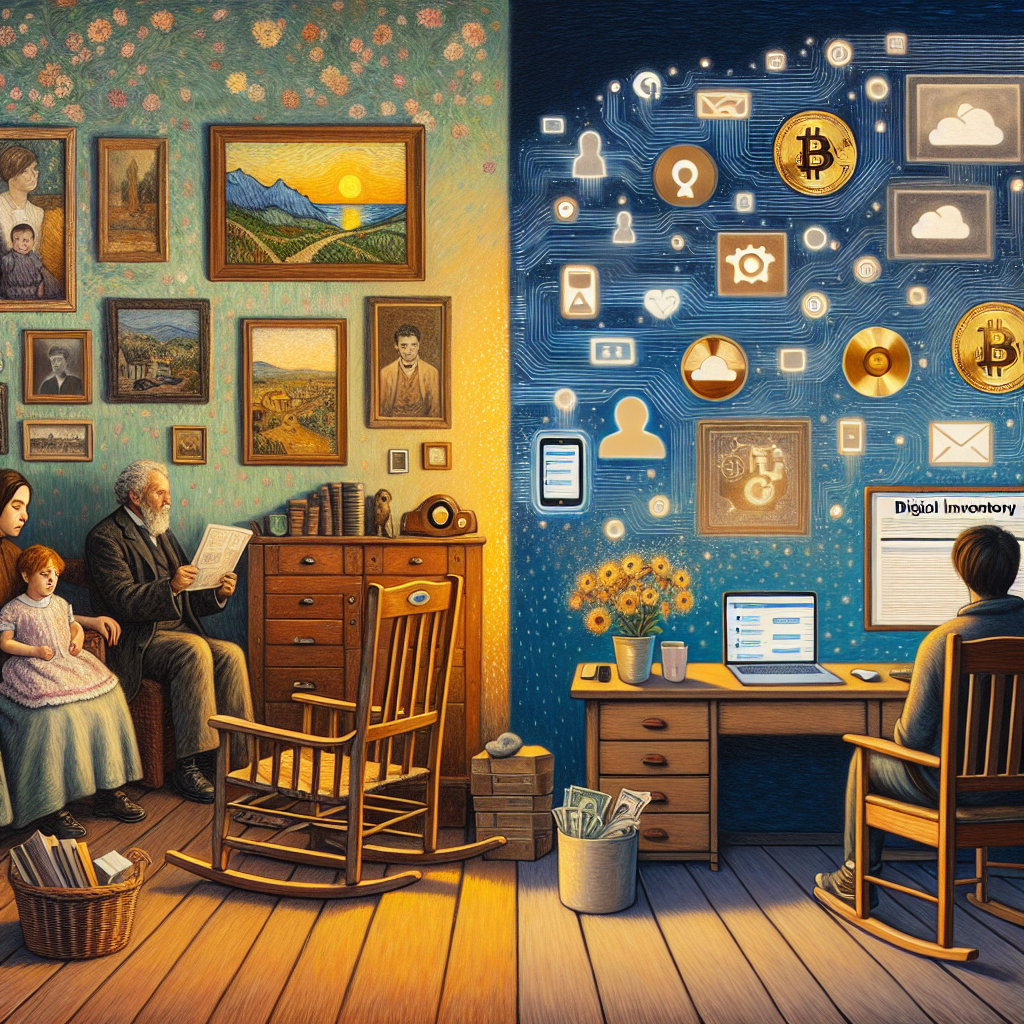
However, some legal avenues do exist. In many jurisdictions, digital assets can be included in a will, just like Grandma’s old rocking chair or Dad’s beloved collection of vinyl records. The key is to be clear and specific. Not only should your will outline which digital assets you want to pass on, but you should also consider creating a ‘digital inventory’—a comprehensive list of your online accounts, their login details, and the specific instructions on how you want them handled. Think of it as the 21st-century version of a treasure map; it’s only worthwhile if someone knows where to find the gold.
Several states have begun to enact laws specifically addressing digital inheritance—the Uniform Law Commission has even proposed the Uniform Fiduciary Access to Digital Assets Act. This act aims to clarify the rights of fiduciaries when it comes to accessing a deceased person’s digital accounts. Yet, as with anything related to the law, details can vary significantly from one place to another, making it crucial to consult with a legal professional who’s savvy in digital asset management.
So, while digital inheritance may not have all the kinks worked out just yet, it’s clear that entering your virtual afterlife doesn’t have to be a chaotic digital free-for-all. With a little foresight, planning, and a good dose of awareness about platform policies, your digital legacy can live on long after you’ve logged off.
Can Digital Assets Be Inherited Legally?
Can Digital Assets Be Inherited Legally?
- Digital assets, ranging from cryptocurrencies to social media accounts, can now be inherited like tangible belongings.
- The legal framework for digital inheritance is unclear, differing significantly from traditional asset inheritance laws.
- Terms of service from digital platforms can restrict access to accounts after death, complicating inheritance processes.
- Including digital assets in a will requires clarity and specificity, similar to traditional assets.
- Creating a ‘digital inventory’ with accounts and instructions can help heirs navigate your digital legacy.
- Some states have begun to implement laws like the Uniform Fiduciary Access to Digital Assets Act to clarify fiduciary rights.
- Consulting a legal professional knowledgeable in digital asset management is essential for successfully planning digital inheritance.
Can Digital Assets Be Inherited Legally?
Is There Software That Automates Digital Asset Curation?
In an age where digital assets proliferate like weeds in a forgotten garden, the task of curating content can feel as overwhelming as trying to wrangle a herd of cats. From articles and images to videos and social media posts, the sheer volume of data inundating us can make even the most seasoned professional’s head spin. So, is there software that can help tame this chaotic digital landscape? The short answer is a resounding yes!
Digital asset curation software has become a true lifeline for marketers, content creators, and anyone else trying to make sense of this vast digital wilderness. These tools are designed to sift through the noise and identify the gems worth keeping. Picture it as your trusty sidekick, tirelessly scanning the horizon for the best content while you focus on crafting your masterpiece.
Among the features these programs offer, automated tagging and categorization stand out as a game-changer. Imagine having an army of digital minions sorting, labeling, and cataloging your assets based on keywords, topics, and even trends in real-time. With this level of organization, you’ll spend less time combing through a digital haystack and more time focusing on what you do best: creating, engaging, and connecting with your audience.
Then there’s the magic of content recommendations. Some software utilizes machine learning to understand your preferences and curate suggestions based on your previous behavior. It’s like having a personalized digital assistant who knows your style and taste inside and out. You won’t just stumble upon relevant content; it’ll practically be delivered to your doorstep, freshly curated and ready to go.
However, it’s important to remember that these tools aren’t a silver bullet. Automation can enhance and streamline your curation process, but it’s not a substitute for the human touch. The best results come from a mix of technology and that good old-fashioned intuition. While algorithms can help you identify trends and curate content, it’s your expertise and voice that will ultimately resonate with your audience.
So, if you’re feeling overwhelmed by the digital deluge, consider investing in curation software. It can transform your content strategy from chaotic to cohesive, allowing you to more effectively connect with your audience in this bustling digital marketplace. After all, the right tools can turn this wild frontier into a well-tended garden.
Is There Software That Automates Digital Asset Curation?
Is There Software That Automates Digital Asset Curation?
- The digital landscape is overflowing with content, making curation challenging for professionals.
- Digital asset curation software serves as a valuable tool for marketers and content creators.
- These tools help identify and organize valuable content amidst the noise.
- Automated tagging and categorization features enhance efficiency in managing digital assets.
- Some software uses machine learning to provide personalized content recommendations.
- Automation supports the curation process, but human intuition remains essential for effective engagement.
- Investing in curation software can help create a more organized content strategy and improve audience connection.
Is There Software That Automates Digital Asset Curation?
How Do I Handle Passwords For Deceased Family Members?
When someone you love passes away, it can feel like you’re navigating a minefield of emotions – grief, confusion, and, of course, the practical matters that must be addressed. Among these are the digital legacies left behind, which often include an array of passwords for accounts that hold everything from cherished memories to critical financial information. It ain’t pretty, but addressing these digital remnants is part of the journey. So, let’s dive into how to handle this delicate issue.
First off, it’s crucial to have a conversation with relatives or the deceased’s close friends before it comes time to tackle the digital cleanup. Did they talk about their online accounts? Was there a password manager in place? If you can gather the info from those close to them, it will save you a ton of time and a whole lot of guesswork. But let’s face it: not everyone is organized, and that’s where things can get sticky.
If you find yourself stumbling through a digital treasure hunt, try checking any devices they may have used—smartphones, tablets, or computers. Sometimes, browsers will store passwords. If the device is locked, you might need a little extra finesse to gain access. If they had a will, check if they made any provisions about their digital properties. Some folks know that the digital world can outlast them, and they take steps to address it.
Next up: reach out to service providers. Many major companies have policies for dealing with accounts belonging to deceased individuals. For instance, Facebook has a way to memorialize an account, while banks have processes for transferring ownership of financial accounts. Each service has its own rules, so be prepared to provide a death certificate and proof of your relationship to the deceased. It might feel tedious, but it’s necessary.
Lastly, don’t underestimate the emotional toll this process can take. It’s not just about recovering passwords; it’s about going through the pieces of someone’s life. Take your time and allow yourself to feel whatever it is you need to feel along the way. After all, those digital breadcrumbs can lead you down some meaningful paths, even when they are difficult to traverse.
So, there you have it. Handling passwords and accounts for deceased loved ones isn’t glamorous work, but it’s vital to ensure their digital legacies are treated with respect. Take a deep breath, and do it for the love you shared.

How Do I Handle Passwords For Deceased Family Members?
How Do I Handle Passwords For Deceased Family Members?
- Dealing with the death of a loved one involves navigating complex emotions and practical matters, including their digital legacy.
- Engage in conversations with relatives or close friends to gather information about the deceased’s online accounts and password management.
- Check personal devices like smartphones and computers for stored passwords, bearing in mind that some devices may be locked.
- Review the deceased’s will for any provisions regarding digital properties, as some people may have planned ahead.
- Contact service providers as they often have specific policies for handling accounts of deceased individuals, requiring a death certificate and proof of relationship.
- Recognize the emotional weight of sorting through a loved one’s digital remnants, allowing yourself the necessary space to grieve.
- Respecting and properly managing digital legacies is crucial for honoring the memory of the deceased.

How Do I Handle Passwords For Deceased Family Members?
Are There Services That Offer Digital Asset Management?
When it comes to managing digital assets, we’re living in an age where the options are as plentiful as they are perplexing. From treasured family photos to important documents and invaluable business resources, the need for efficient digital asset management (DAM) has never been more critical. So, what services are out there to help wrangle this digital wilderness? Let’s dive into the world of DAM with a bit of grit and gusto.
First up, we have cloud-based services. Think of them as the unsung heroes of digital storage. Platforms like Google Drive, Dropbox, and Microsoft OneDrive are practically household names at this point. They offer users a user-friendly interface to store and organize files securely. The cloud ensures that your precious memories or critical business documents are safe from the chaos of a hard drive crash. These services don’t just stop at storage; they also provide features like collaborative editing and sharing, transforming them into robust tools for both personal and professional use.
Then we have dedicated digital asset management systems. If your needs are more specialized, platforms like Adobe Experience Manager and Bynder provide a more nuanced approach. Tailored for businesses that handle vast quantities of images, videos, and other creative materials, these systems give users the ability to categorize, tag, and manage their assets with surgical precision. They’re not just storage solutions; they’re comprehensive systems designed to streamline workflows, improve brand consistency, and enhance overall efficiency.
Let’s not forget about the emerging players in the market—Blockchain-based platforms. In an era of rising concerns over digital rights and ownership, blockchain technology is stepping up to the plate. By creating a secure ledger of ownership, these services ensure that your digital assets are not only safe but also verifiable. They provide a level of security and transparency that traditional systems often lack.
Now, if you’re a fan of the old-school approach, don’t count out local storage solutions. External hard drives and network-attached storage devices still have a place in this digital age. They can be a reliable alternative for backing up important files, especially if you prefer to keep things hands-on.
Regardless of which path you choose, it’s clear: digital asset management services are here to make our lives easier, more organized, and far less chaotic. Whether you’re a creative professional or someone just trying to keep their digital life in check, there’s a solution out there that suits your needs. The ride may be bumpy, but with the right tools, you can navigate it like a pro.
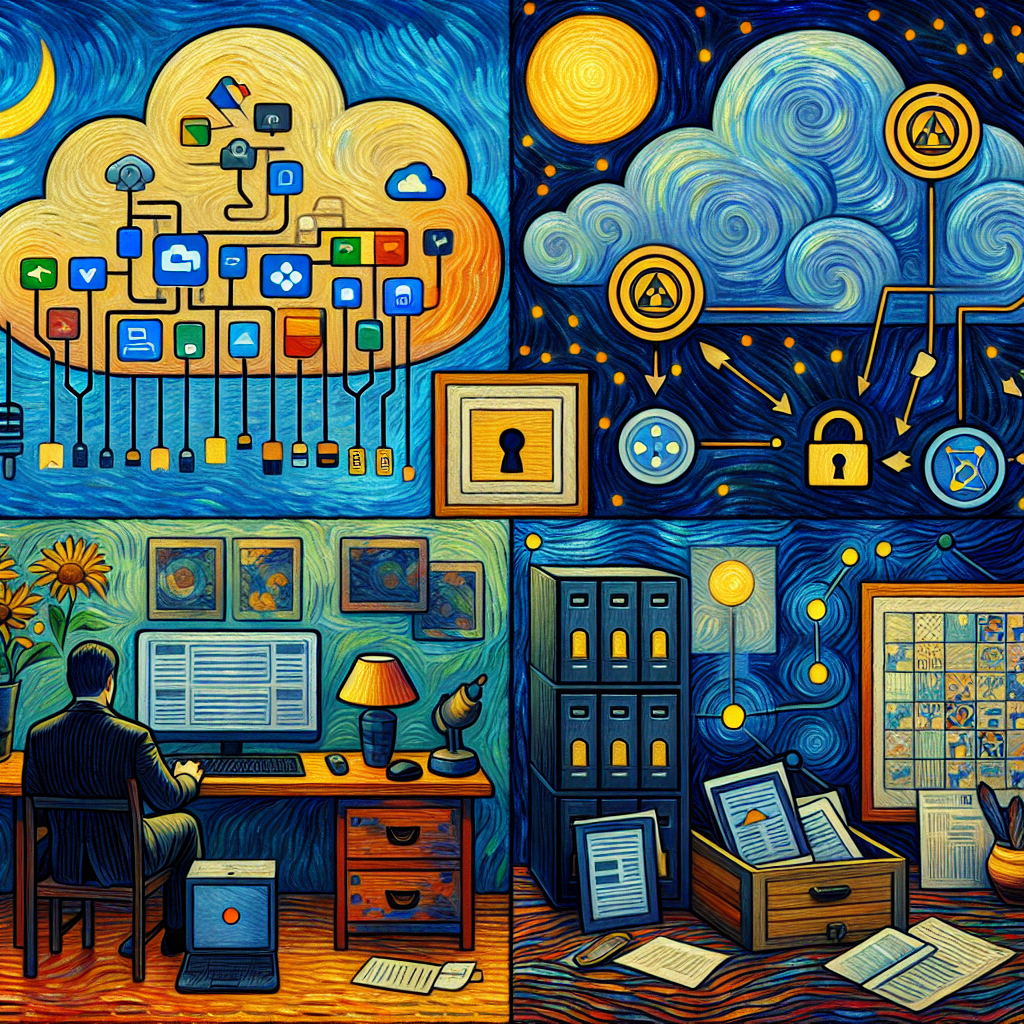
Are There Services That Offer Digital Asset Management?
Are There Services That Offer Digital Asset Management?
- The demand for efficient digital asset management (DAM) is critical for personal and business needs.
- Cloud-based services like Google Drive, Dropbox, and Microsoft OneDrive offer user-friendly storage and collaborative features.
- Dedicated DAM systems such as Adobe Experience Manager and Bynder provide tailored solutions for businesses handling large quantities of creative materials.
- Blockchain-based platforms are emerging, offering secure ownership verification and enhanced transparency for digital assets.
- Local storage solutions like external hard drives and network-attached storage devices remain reliable options for backups.
- DAM services aim to simplify organization and reduce chaos in managing digital assets.
- There are diverse solutions available to suit various needs, from creative professionals to everyday users.

Are There Services That Offer Digital Asset Management?
What Are The Risks Of Neglecting Digital Assets After Death?
Let’s face it: we live in a world increasingly dominated by digital footprints. When you think about it, our lives are woven into a tapestry of online accounts and digital assets. We’re storing memories in the cloud, banking online, and sharing milestones through social media. But what happens to all those bits and bytes when we shuffle off this mortal coil? Neglecting to plan for our digital afterlife can leave our loved ones grappling with a labyrinth of passwords, user agreements, and potential financial pitfalls.
First off, let’s address the elephant in the room: access. Imagine your family trying to gain access to your online accounts after you’re gone. It’s like handing them a locked suitcase with no combination. Without proper documentation, they might find themselves shut out of treasured family photos stored in the cloud or critical financial accounts. Some platforms may even permanently delete accounts after a period of inactivity, meaning invaluable memories could vanish faster than a sneeze in a windstorm.
Then there are the pesky financial ramifications. Digital assets aren’t just sentimental; they can have real monetary value. Think about cryptocurrency wallets, online business accounts, and investments tucked away in the digital ether. If you haven’t properly designated heirs or outlined a plan for these assets, they could be left in limbo, creating stress and confusion for those you leave behind. In a worst-case scenario, beneficiaries might struggle to untangle the mess, leading to legal battles and loss of assets.
And let’s not forget about identity theft. If you pass away without securing your digital life, prying eyes can take advantage of your online presence. Your accounts can be hacked, financial information exploited, and your reputation tarnished, causing havoc for your bereaved family members who are already navigating grief. It’s a cold reality, but leaving digital accounts unattended can tarnish your legacy rather than preserve it.
So what’s the solution? Digital estate planning is the way forward. It involves cataloging your digital assets, securing passwords, and clearly stating your wishes regarding their management after your death. Facing this reality might not be the most glamorous of tasks, but taking the time to organize your digital legacy can save your loved ones headaches down the road. After all, wouldn’t you rather leave behind cherished memories instead of a chaotic digital mess?

What Are The Risks Of Neglecting Digital Assets After Death?
What Are The Risks Of Neglecting Digital Assets After Death?
- Modern life involves digital footprints, including online accounts and assets.
- Planning for a digital afterlife is crucial to avoid leaving loved ones in confusion.
- Access to online accounts after death can be challenging without proper documentation.
- Digital assets have monetary value and require designated heirs to avoid complications.
- Failure to secure your digital life can lead to identity theft and exploitation.
- Digital estate planning involves cataloging assets and securing passwords for post-death management.
- Organizing your digital legacy can prevent complications and preserve cherished memories for loved ones.

What Are The Risks Of Neglecting Digital Assets After Death?
Conclusion
So here’s the thing: we’re all digital creatures now. Our lives are intertwined with our screens, and we leave digital footprints everywhere we go, whether we realize it or not. As much as we love to scroll through memories on social media or pull up old family photos stored in the cloud, we need to confront the uncomfortable truth: what happens to all that data when we kick the bucket?
The answer isn’t straightforward, but it’s essential. Digital assets, from cherished photos to cryptocurrency, constitute an important aspect of our legacy. Thankfully, there’s a growing landscape of software and services designed to help families manage the digital aftermath of a loved one’s passing. Think of these tools as a lifeline, offering a way to curate memories and manage legacies—with a healthy dose of caution required. You wouldn’t just hand your family a bag of keys and expect them to figure out which ones unlock what, right?
Digital estate planning software acts as your virtual will, guiding you through who gets what and how. It allows you to compile an inventory of your online presence, ensuring your loved ones know what exists and how to access it. Platforms aimed at preserving memories help families create digital memorials, providing spaces to remember and share stories even after the loved one is gone. But tread carefully—this isn’t a free-for-all. Your data is personal, and it’s crucial to assess privacy policies and security measures before you trust anyone with your digital belongings.
And while we’re at it, we’ve got to talk about the legal side of things. The laws surrounding digital inheritance aren’t fully fleshed out, and every platform—be it Facebook, TikTok, or a cryptocurrency wallet—operates under its own set of rules. Here, knowledge is power. You have to be proactive in understanding how to navigate this murky territory.
In short, while the future of our digital legacies isn’t fully settled, there are tools and strategies available to us. Planning ahead is the name of the game: catalog your assets, prepare your heirs, and secure your digital life. You’ll spare your family the heartache of navigating a messy digital estate amidst the sorrow of loss. So, roll up your sleeves, dive into some digital estate planning, and ensure your legacy—be it memories, values, or those beloved cat videos—endures long after you’ve logged off for good. Remember, it’s not just data; it’s a legacy worth preserving.

Conclusion
Conclusion:
- We are increasingly digital, leaving footprints online that need careful management after death.
- Digital assets play a crucial role in our legacy, including cherished memories and cryptocurrency.
- Digital estate planning software acts as a guide for managing digital inheritance.
- These tools help compile an inventory of online assets and their access methods for loved ones.
- Creating digital memorials allows families to share memories and stories posthumously.
- Understanding the legal landscape of digital inheritance is essential, as rules vary by platform.
- Proactive planning can ease the burden on loved ones, preserving your digital legacy effectively.

Conclusion
Other Resources

Other Resources
Here is a list of other resources you can review online to learn more:
- “What is a digital legacy?”
- “Digital Estate Planning for Social Media Complete Guide”
- “What is a Digital Legacy?”
- “What is a Digital Legacy? And Why You Should Be …”
- “A Plan for Your Digital Assets”
- “The Importance of Digital Estate Planning”
- “Preserving Your Digital Legacy: Managing Social Media …”
- “We each have an average of 100 online accounts. Here’s …”
- “How do you know if someone is active on Tinder?”

Other Resources
Glossary Terms
Is Software Available to Curate Digital Assets When Loved Ones Die? – Glossary Of Terms
1. Digital Assets: Refers to any form of digital content owned by an individual, including social media accounts, emails, photos, videos, and online accounts.
2. File Preservation: The process of keeping digital files safe and accessible over time, especially after the owner’s death.
3. Digital Legacy: The digital footprint left behind by an individual, which includes everything from social media profiles to online memberships and transactions.
4. Posthumous Account Management: Services or tools that help manage the digital accounts of a deceased person, allowing for closure or memorialization.
5. Legacy Contact: A person designated by the account owner, often on social media platforms, to manage their accounts after their death.
6. Digital Executor: An individual tasked with handling the digital affairs of the deceased, which may include accessing accounts and distributing digital assets.
7. Cloud Storage: Online services that allow users to save and access their files from any device, often used for storing digital assets.
8. Social Media Memorialization: The process of converting a deceased person’s social media profile into a memorial page, allowing friends and family to share memories.
9. Estate Planning: The process of preparing for the distribution of an individual’s assets, including digital assets, after their death.
10. Data Recovery: The process of retrieving lost or inaccessible digital files, which may be important after a loved one passes away.
11. Digital Wills: Legal documents outlining how a person’s digital assets should be managed or distributed after their death.
12. Encryption: A method of securing digital information by converting it into a coded format, often necessary to protect sensitive personal data.
13. Decision-Making Software: Tools that aid individuals in making informed choices regarding how to manage and curate digital assets upon losing a loved one.
14. Memorialization Software: Programs designed to create virtual memorials or tributes, allowing families to celebrate the life of the deceased online.
15. User Authentication: Processes that verify a person’s identity before granting access to their digital accounts, often an issue for executors.
16. Account Deactivation: The process of closing online accounts, often requested by family members of the deceased.
17. Digital Footprint: The trail of data one creates while using the internet, including social media interactions and online purchases.
18. Online Repository: A digital storage system where files, photos, and other assets can be organized and stored for easy access by loved ones.
19. Privacy Settings: Options within online platforms that allow users to control who can see their information, relevant for estate planning.
20. Virtual Memorial: An online space created to remember and honor someone who has passed, often featuring photos, stories, and memories.
21. Digital Heir: A person who inherits or is responsible for managing a deceased individual’s digital assets.
22. Data Auditing: The process of reviewing and analyzing digital files and accounts to assess their value and ensure they are properly handled after death.
23. Cyber Estate: The entirety of a person’s digital assets and online presence, considered part of their overall estate.
24. Digital Archive: A permanent repository of digital records, designed to keep important files accessible for future generations.
25. Legacy Planning Software: Tools designed to help individuals organize and manage their digital assets before their death.
26. Content Management Systems: Software that facilitates the creation, storage, and management of digital content, useful for curating memories after loss.
27. Grief Management: Tools and resources designed to assist individuals in coping with the emotional effects of losing a loved one, which may include digital support.
28. Trustee: An individual or organization appointed to manage and distribute assets, including digital ones, according to the wishes of the deceased.
29. Personal Branding: The digital persona that can be left behind, encompassing online reputation and identity, which may need curation after death.
30. Digital Remembrance Services: Professional services or platforms that specialize in helping families honor and curate the digital legacies of loved ones.

Glossary Of Terms
Other Questions
Is Software Available to Curate Digital Assets When Loved Ones Die? – Other Questions
If you wish to explore and discover more, consider looking for answers to these questions:
- What are some recommended software options for digital asset curation?
- How can family members access a deceased loved one’s digital assets?
- What steps should be taken to prepare a digital estate plan?
- What are the common features of digital asset management software?
- Are there any specific legal requirements for digital asset inheritance?
- How does one ensure their digital legacy is handled according to their wishes?
- What are the ramifications of not managing digital assets properly after death?
- Can digital assets lose value after a person’s death?
- How do cultural attitudes towards digital legacy differ around the world?
- What are the best practices for documenting digital assets while alive?
- How can technology companies improve the management of digital assets after death?
- What should be included in a digital inventory for asset management?

Other Questions
Haiku
Is Software Available to Curate Digital Assets When Loved Ones Die? – A Haiku
Digital ties remain,
Memories held in silence—
Legacy swells bright.

Haiku
Poem
Is Software Available to Curate Digital Assets When Loved Ones Die? – A Poem
In this world of bytes and beams,
Where memories dance in pixel dreams,
We weave our lives, both near and far,
Yet ponder what remains, when we depart.
What of the cherished, digital treasure,
Photos and stories, captured with pleasure?
Emails, accounts, and laughter shared,
Their echoes linger, though we are ensnared.
Enter the tools, with promises bright,
Software to guide through shadows of night,
To curate, protect, and honor the past,
A digital will, where legacies last.
From cloud to vault, each asset aligned,
Cryptocurrency, social tales entwined,
Yet navigate with care, for privacy’s song,
In the realm of data, protections belong.
What of the keys, to wallets unseen,
Hidden in gossamer, a cryptic screen?
A missed opportunity, wealth lost to the void,
In the chaos of grief, trust is destroyed.
And grim is the truth: many neglect,
Their digital lives, not meant to protect,
Leaving loved ones to ferret and fight,
Amidst passwords and policies cloaked in night.
Yet hope shines amid the tangled strands,
A digital estate, managed by hands,
Of those who care, who cherish the link,
To memories held close, lest they sink.
For in planning ahead, a compass we find,
Navigating the web, leave a map behind,
A testament strong, to all we hold dear,
Digital footprints, preserved year by year.
So let’s weave our tales, both vivid and true,
With foresight and love, for those we imbue,
In our final chapter, let’s ensure with intent,
That our digital lives, grace the halls of content.

Poem
Checklist
Is Software Available to Curate Digital Assets When Loved Ones Die? – A Checklist
Pre-Planning for Digital Assets
1. _____ Discuss Digital Legacy: Have open conversations with loved ones about your digital assets and preferences for their management.
2. _____ Create a Digital Inventory: Compile a comprehensive list of all digital accounts, including usernames and passwords.
3. _____ Use a Password Manager: Consider using a password manager to securely store access information for easy retrieval.
Managing Accounts After Loss
4. _____ Identify Key Accounts: List important accounts (e. g. , social media, banking, email) that require management or closure.
5. _____ Contact Service Providers: Reach out to service providers to understand their policies regarding deceased accounts (e. g. , Facebook memorialization).
6. _____ Prepare Necessary Documents: Gather necessary documentation (death certificate, proof of relationship) required by service providers.
Digital Estate Planning
7. _____ Establish Digital Will: Consider creating a digital will to specify wishes for digital assets and their management after death.
8. _____ Designate Digital Heirs: Assign trusted individuals as heirs for your digital accounts and assets.
9. _____ Learn About Legal Regulations: Familiarize yourself with state laws regarding digital inheritance and consider consulting a legal professional.
Tools for Preservation and Management
10. _____ Explore Digital Estate Software: Research software options for digital estate planning and memory preservation.
11. _____ Consider Digital Memory Platforms: Investigate platforms that allow family and friends to collect memories, photos, and stories in tribute to the deceased.
Handling Cryptocurrency and Other Digital Assets
12. _____ Secure Cryptocurrency Access: Document information regarding cryptocurrency wallets and access keys to prevent loss.
13. _____ Understand Tax Implications: Be aware of any taxation on digital assets upon the owner’s passing.
Emotional Considerations
14. _____ Take Time for Grieving: Allow yourself and others the space to process emotions during digital cleanup.
15. _____ Support System: Rely on a support network of family or friends during this transition to help share the workload and emotional burden.
Periodic Review
16. _____ Regularly Update Digital Inventory: Set reminders to review and update your digital inventory and will regularly.
17. _____ Evaluate Digital Asset Management Tools: Stay informed about new tools and services that can make managing digital assets easier.
Final Thoughts
18. _____ Educate Family Members: Encourage family members to understand the importance of digital estate planning.
19. _____ Prioritize Discussions on Legacy: Make discussions about digital legacy a frequent part of family conversations.
Use this checklist to simplify the process of managing and preserving the digital assets of loved ones after they pass away. Managing digital legacies thoughtfully can contribute to honoring their memory and ensuring their wishes are respected.

Checklist
At LegacyExplorations, we help people plan and explore their legacy by collecting information and news regarding end-of-life planning.
Please share this post with your friends, family, or business associates who may want help to plan or explore their legacy.