

Preserve Your Family Legacy: Don’t Let It Fade Away
By Tom Seest
At LegacyExplorations, we help people plan and explore their legacy by collecting information and news regarding end-of-life planning.
Please share this post with your friends, family, or business associates who may want help to plan or explore their legacy.
Is Your Family History At Risk Of Being Forgotten?
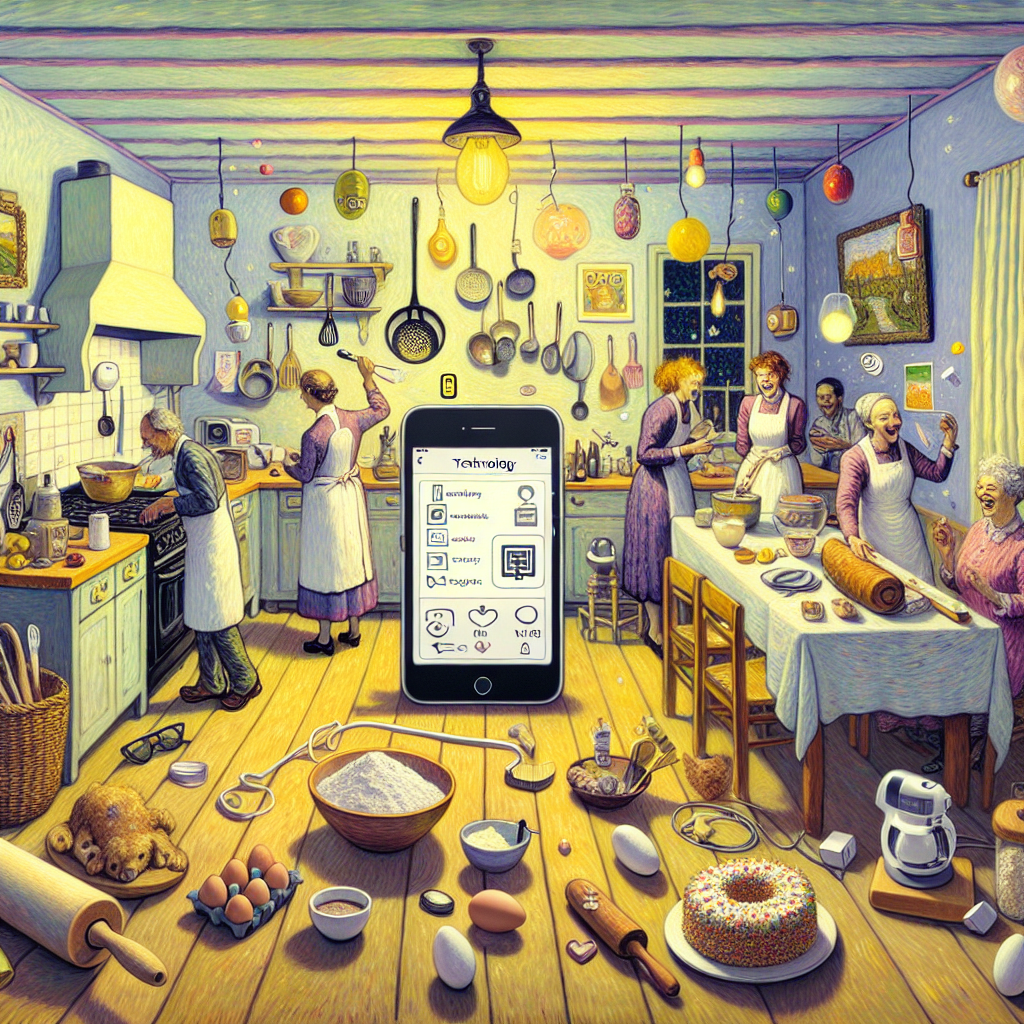
Picture this: a cozy evening gathered around the dinner table, laughter piercing the air as stories of yesteryear unfold. The charm of family gatherings lies in those shared tales—the kind that enriches our identity and bonds us together. But as the years roll by, there’s a creeping realization that these treasured memories, like grains of sand slipping through our fingers, might fade away. If your family history feels like a flickering candle, you’re not alone.
Legacy storytelling is more than just a way of passing time; it’s the essence of who we are. It’s a captivating journey through the chapters of existence filled with love, struggle, triumph, and, yes, even a few hilarious mishaps. These stories connect generations, grounding us in a larger narrative than our individual lives. Yet, for many of us, sharing these tales is not a priority, and before we know it, the voices that once resonated with wisdom become whispers of the past.
Now, let’s be honest: not everyone is a natural storyteller, and the thought of recounting these stories might feel like a daunting task. But consider this a call to action! Think about the generations that came before you. They faced challenges, celebrated victories, navigated the turbulence of life—just like you do today. By engaging in legacy storytelling, you could breathe life into their experiences, ensuring they are not relegated to the dusty pages of an old album.
Have you ever sat with a grandparent or an elderly relative and listened to their experiences? The magic happens when you lean in—when you commit to capturing those stories, whether on paper or through digital means. It could be as simple as recording a conversation or starting a family journal. Imagine the joy on a child’s face when they discover that great-grandpa fought in a war or that great-aunt Sally had a knack for mischief.
Let’s reclaim those fading voices and ensure they resonate across time. Each tale you preserve adds a vital thread to the rich tapestry of your family’s heritage. Take a few minutes today to chart a course back to those forgotten stories—your future generations will thank you. In doing so, you aren’t just telling a story; you’re safeguarding a legacy, ensuring that the struggles and triumphs of those who came before you will never be lost to time.

Is Your Family History At Risk Of Being Forgotten?
Is Your Family History At Risk Of Being Forgotten?
- Family gatherings are enriched by shared stories that bind us together and shape our identity.
- As time passes, treasured memories can fade if not preserved.
- Legacy storytelling connects generations and serves as a vital part of our identity and history.
- Many people find sharing stories intimidating, but it’s an important act to remember and honor the past.
- Engaging in legacy storytelling helps breathe life into the experiences of past generations.
- Listening to older relatives and capturing their stories can create joy and understanding for younger generations.
- Preserving family stories safeguards legacies, ensuring that struggles and triumphs are not forgotten.

Is Your Family History At Risk Of Being Forgotten?
Table Of Contents
- Is Your Family History At Risk Of Being Forgotten?
- Is Your Family History Documented In Any Form?
- Have You Talked To Relatives About Family Stories?
- Are You Preserving Family Heirlooms And Artifacts?
- How Can You Encourage Older Relatives To Share Their Histories?
- What Tools Are Available For Recording Oral Histories?
- Have You Considered Creating A Family Tree?
- Are You Aware Of Family History Resources Online?
- Conclusion
- Other Resources
- Glossary Of Terms
- Other Questions
- Haiku
- Poem
- Checklist
Is Your Family History Documented In Any Form?
Let’s take a moment to consider something that often gets lost amidst the hustle and bustle of our everyday lives—our family history. It’s the fabric that connects us to our past, weaving in tales of triumphs, struggles, and the colorful personalities that paved the way for us. But have you ever stopped to ask yourself if your family’s legacy is documented in any form?
Legacy storytelling is more than just recounting old tales over a holiday dinner; it’s about preserving the essence of who we are and where we come from. Think of it as a treasure map leading to pieces of our identity. Maybe there’s an old diary tucked away in a dusty attic, or perhaps your aunt has a sharp memory of the family’s ancestral roots that could use a little polishing. Capturing these stories can serve as a family heirloom to pass down to future generations, one that speaks not only of ancestry but also of the values that define us.
Imagine sitting with your grandparents, sipping coffee, and inviting them to share their favorite memories. You’d be amazed at what comes spilling out—a first job, a daring adventure, or even a heartbreak. Each story is a tiny thread in the expansive tapestry of your family’s past, and when pieced together, it forms a narrative that is undeniably rich and complex. It’s a process that bridges generations and fosters connections that can sometimes feel lost in the chaos of modern life.
Now, you might be wondering how to get started. Well, it doesn’t take a family historian or a fancy degree; it starts with curiosity and a willingness to listen. Grab a notebook, set up a family tree chart, or even launch a simple digital project to collect photos and anecdotes. Whether it’s a handwritten letter or a digital scrapbook, find a way that feels right for you.
Ultimately, documenting your family history matters. It builds a legacy that reflects our shared journey, a gift for those who come after us. So, don’t let your stories fade away into obscurity. Embrace them, write them down, and ensure that the beautiful narrative of your family continues to thrive. After all, preserving your past today can inspire the steps you take tomorrow.

Is Your Family History Documented In Any Form?
Is Your Family History Documented In Any Form?
- Family history connects us to our past and includes tales of triumphs and struggles.
- Legacy storytelling preserves the essence of our identity and ancestry.
- Stories can serve as family heirlooms, reflecting the values that define us.
- Engaging with family members to share memories can uncover rich and complex narratives.
- Documenting family history starts with curiosity and a willingness to listen.
- Use various methods—like notebooks, family tree charts, or digital projects—to collect stories.
- Preserving family history builds a legacy and inspires future generations.

Is Your Family History Documented In Any Form?
Have You Talked To Relatives About Family Stories?
Let’s take a moment to think about the treasures tucked away in the minds of our relatives—those unique family stories just begging to be shared. And I’m not talking about your Aunt Edna’s infamous casserole mishap (though that one does have its charm). No, I’m referring to the heart and soul of who we are: the tales that outline our family legacy.
Family storytelling is a vital thread weaving through our shared history, connecting us to our past and giving context to our present. It’s about understanding where you come from and appreciating the pathways forged by those before you. When was the last time you picked up the phone or sat down with a grandparent, parent, or even a cousin to have a heart-to-heart? I bet they’d relish the opportunity to share their stories, and you’d be surprised at how many captivating experiences lie within.
Think about it: every person in your family has lived through events that have shaped them. From the trials faced during tough times to the joyous milestones celebrated, each tale adds depth to your family’s narrative. When you sit down and engage with those stories, you unlock a legacy of resilience, humor, and wisdom that has been passed down through generations.
Imagine gathering around the dinner table, laughter filling the air as you listen to your father recount his childhood adventures. Picture your grandmother recounting how she met your grandfather amidst a backdrop of historical change, her voice imbued with nostalgia. These moments foster connection—not just with your relatives, but with the very essence of your lineage.
Now, take a moment and reflect: how many family stories do you already know? More importantly, how many stories do you still need to uncover? If you haven’t done it yet, make a plan. Pick a relative. Set a date. Forget about binge-watching that new series for a minute and invest in a conversation that could enrich your life in unexpected ways.
It’s time to cultivate your family legacy storytelling, weaving together a rich tapestry of experiences that can inspire future generations. The stories are just waiting for you to be curious, to ask, and to listen. Your family’s legacy isn’t just history; it’s a living, breathing part of who you are. Go ahead—unlock that treasure trove!

Have You Talked To Relatives About Family Stories?
Have You Talked To Relatives About Family Stories?
- Family storytelling reveals unique family stories and shapes our family legacy.
- It connects us to our past and helps us appreciate the paths forged by previous generations.
- Engaging in conversations with relatives can uncover captivating experiences and strengthen bonds.
- Every family member has faced trials and celebrated milestones that contribute to the family’s narrative.
- Listening to family tales fosters connections with relatives and the essence of one’s lineage.
- Plan to have conversations with relatives to uncover unknown stories and enrich your life.
- Family legacy storytelling can inspire future generations and is a living part of who we are.

Have You Talked To Relatives About Family Stories?
Are You Preserving Family Heirlooms And Artifacts?
Are You Preserving Family Heirlooms and Artifacts?
Let’s face it—the items that make up your family’s inventory of heirlooms and artifacts are more than just tangible possessions. They’re the very building blocks of your legacy, each crafted chunk of history bearing the fingerprints of past generations. They tell stories—stories woven through time and stitched into the fabric of your family. So, are you preserving these precious artifacts, or are they gathering dust in a forgotten corner of the attic, waiting for you to acknowledge their worth?
Think about it for a moment; that dusty old trunk filled with letters, photos, and trinkets from your grandparents could be the key to incredible legacy storytelling. Each piece has the potential to bridge the gap between generations, allowing you to share the laughter, heartaches, and achievements that have shaped who you are today. But storytelling requires a stage, and your family heirlooms are the cast that brings these sagas to life.
Now, I know—life gets busy. Between work, responsibilities, and the daily grind, it’s easy to overlook those custodial duties. But here’s the truth: neglecting your heirlooms is like tossing a family history book into the fireplace. Sure, it might make for a cozy evening, but you’ve just lost an irreplaceable treasure.
So, where do you begin? First, dust off those relics and assess what you have. Take the time to document their origins and the stories that come with them. Who crafted that quilt? What adventures did that ancient compass witness? The more details you gather, the richer your family’s story becomes. And remember, this is not just for you; it’s for your children and their children.
Hosting a family gathering to share these artifacts can instantly ignite a conversation that’s ripe with nostalgia. You’ll find that people lean in closer, eager to hear the tales spun from those heirlooms. It’s a chance to foster connection, ensuring that your family’s narrative doesn’t fade like an old photograph left in the sun.
So, roll up your sleeves, grab those treasures, and start weaving your legacy story. You’ll not only preserve your family history but also cultivate a sense of unity and identity that may just inspire the next generation to carry the torch. Let’s keep the stories alive and let the artifacts do their magic. Your family deserves it.

Are You Preserving Family Heirlooms And Artifacts?
Are You Preserving Family Heirlooms And Artifacts?
- Family heirlooms and artifacts represent your legacy and the history of past generations.
- These items tell stories that connect different generations through shared experiences.
- Neglecting heirlooms is akin to losing an irreplaceable part of family history.
- Begin by documenting the origins and stories associated with each heirloom.
- Hosting family gatherings can promote storytelling and strengthen familial bonds.
- Preserving these artifacts fosters a sense of unity and identity in future generations.
- Engaging with family heirlooms keeps their stories alive and honors your family’s heritage.

Are You Preserving Family Heirlooms And Artifacts?
How Can You Encourage Older Relatives To Share Their Histories?
Gathering around the table with our older relatives can feel like steering a ship through uncharted waters. The ocean of their memories is vast, and sometimes the waves of time can make it tricky to navigate. But diving into those depths can yield treasures far beyond mere anecdotes—think of it as engaging in a bit of legacy storytelling. You’re not just asking them to recount facts; you’re inviting them to weave together the fabric of who they are, who they were, and, in many ways, who you hope to be.
So, how do we encourage them to open up? First off, remember that conversation is a two-way street. Share your experiences and ask questions that resonate with them. If you can connect a story they might have shared with something from your own life, you’ll find common ground to build on. For instance, if grandma once told you about a summer job she had in her youth, it might prompt you to share your own job experiences. The key is to stimulate their interest by inviting them into your world; this can inspire them to take a journey back into theirs.
Setting the right mood is crucial. Opt for a quiet environment, perhaps over a warm meal or during a peaceful evening at home. Sometimes, familiarity and comfort can unlock stories long tucked away in memory. Picture it: the aroma of a favorite dish wafting through the air, laughter echoing as you reminisce about the past—these are the moments where legacy storytelling truly begins.
So, arm yourself with a notebook or, better yet, a recording device. The goal is simply to capture the essence of what they share. Be present. Ask follow-up questions when they pause or look contemplative, and don’t shy away from moments of silence; they often unveil the most profound reflections.
Lastly, remember to honor their stories. Whether it’s through preserving them in journals, compiling them into a family narrative, or sharing them with younger generations, your efforts can build a bridge of understanding that spans years. By creating a safe space for them to share, you not only learn about your family’s history—you solidify your role in a legacy that connects the past, present, and future. That’s something worth celebrating, don’t you think?

How Can You Encourage Older Relatives To Share Their Histories?
How Can You Encourage Older Relatives To Share Their Histories?
- Gathering with older relatives can be like navigating uncharted waters, filled with vast memories.
- Engaging in legacy storytelling helps connect who they are, who they were, and who you hope to be.
- Encourage open conversation by sharing your experiences and asking resonant questions.
- Create a comfortable atmosphere, such as during a warm meal or quiet evening, to unlock stories.
- Use tools like notebooks or recording devices to capture their stories and reflections.
- Honor their narratives by preserving them in journals or sharing them with younger generations.
- Creating a safe space for sharing strengthens family connections across generations.

How Can You Encourage Older Relatives To Share Their Histories?
What Tools Are Available For Recording Oral Histories?
When it comes to preserving the rich tapestry of our past, the right tools can make all the difference. Think of oral histories as a treasure chest, brimming with experiences, anecdotes, and lessons learned. The goal? To capture those fleeting moments and ensure they don’t fade into the ether. Fortunately, you don’t need to be a tech wizard or a seasoned historian to embark on this journey. With a few dependable tools in your back pocket, your legacy storytelling can flourish.
First off, let’s talk audio recorders. You can go high-tech with a handheld digital recorder or just use your trusty smartphone—you know, the one you’ve been lugging around every day. Most phones today come with quality recording apps that can do the job just as well as any fancy gadget. The key here is clarity. You want your subjects’ voices to be crisp, their emotions to shine through, so find a quiet spot where those stories can unfold without interruptions.
Next up, consider investing in some decent microphones. Even a simple clip-on lapel mic can dramatically improve sound quality, making your recorded stories more enjoyable to listen to later on. Don’t underestimate the power of good audio—you want your listeners to immerse themselves in the narratives, not struggle to hear them.
In addition to recording devices, having a solid backup plan is essential. Cloud storage solutions like Google Drive or Dropbox ensure that your recorded materials are safe, accessible, and ready for future generations. After all, nothing feels worse than losing a heartfelt story because of a misplaced file or a malfunctioning device.
Then there’s the editing software. Programs like Audacity are user-friendly and, best of all, free! With a simple interface and a toolbox of features, you can trim awkward silences and enhance your recordings, polishing them until they shine. It’s all about making the final product as engaging as the stories themselves.
And don’t forget the power of visuals. Using a camera (or your phone, again) to capture images while recording can add another dimension to your legacy storytelling. Take candid shots of your subject before or after the interview, or even capture their joyful expressions as they share their tales.
So gear up! Whether you’re recording a grandparent’s memories, archiving a community’s history, or simply engaging friends and family, the tools you choose are stepping stones to preserving knowledge for generations to come. Your stories matter—let’s make sure they’re heard loud and clear.

What Tools Are Available For Recording Oral Histories?
What Tools Are Available For Recording Oral Histories?
- Oral histories serve as a treasure chest of experiences, aiming to preserve fleeting moments.
- Audio recorders, whether high-tech or smartphone-based, are essential for capturing clear stories.
- Good microphones, like clip-on lapel mics, enhance sound quality for a better listening experience.
- Utilize cloud storage solutions to safely back up recorded materials for future generations.
- Editing software, such as Audacity, helps polish recordings and enhance engagement.
- Visual elements, captured through photos, can add depth to legacy storytelling.
- The right tools are crucial for preserving knowledge and ensuring stories are heard.

What Tools Are Available For Recording Oral Histories?
Have You Considered Creating A Family Tree?
Have you ever thought about the stories that drift through your family’s veins? The laughter, the struggles, the triumphs—these are the moments that shape who we are. Creating a family tree isn’t just about listing names and dates; it’s about weaving a rich tapestry of our ancestors’ lives. It’s a journey into the past, and quite frankly, it’s an adventure worth taking.
Imagine sitting around the dinner table, with your kids, sharing tales that go beyond just ‘great-grandpa was a farmer.’ What if you could tell them how he took that leap of faith to settle in a new town, or how great-aunt Louise stood up for what was right, a true pioneer of her time? These are examples of *Legacy Storytelling*—the art of passing down not just names, but the essence of who we are as a family.
Think about it: how many cherished memories have you heard about, but never really got to know? Digging into your family history can uncover long-buried narratives—stories that resonate, inspire, and connect generations. It can be a fascinating hunt for hidden gems in dusty archives or lively discussions with family members. Each name in your family tree is not just a point on a chart; it’s a piece of the puzzle that links you to your roots.
Now, let’s get practical. Starting a family tree can be as simple or complex as you want it to be. Begin with what you know: jot down names you remember, talk to your relatives, and gather their stories. Use online resources or community workshops to expand your search. Want to take it a step further? Documenting your findings with photos and anecdotes can create a keepsake that transcends generations.
Building your family tree isn’t merely an exercise in genealogy; it’s a profound way to reinforce the connection within your own family. As you embark on this journey, you not only honor those who came before you, but you also establish a legacy for those who will follow. So why not take that first step today? Grab a pen, gather your loved ones, and dive into the wonderful world of family history. You might just uncover stories that could change the way you see your own life—and that’s a legacy worth celebrating.

Have You Considered Creating A Family Tree?
Have You Considered Creating A Family Tree?
- Family stories shape our identities and connect us to our ancestors.
- Creating a family tree involves more than names and dates; it’s a rich narrative of our family’s history.
- Legacy Storytelling emphasizes the importance of sharing not just names but significant family experiences.
- Exploring family history can reveal inspiring stories that resonate through generations.
- Starting a family tree can be simple: record known names, converse with relatives, and gather their narratives.
- Documenting findings with photos and anecdotes can create a lasting family keepsake.
- Building a family tree strengthens family connections and honors ancestors while establishing a legacy for future generations.

Have You Considered Creating A Family Tree?
Are You Aware Of Family History Resources Online?
In the whirlwind of our daily lives, it’s all too easy to overlook the treasure trove of stories that lie in our family history. But what if I told you that the essence of who we are is interwoven with the experiences, struggles, and triumphs of those who came before us? Diving into the world of family history resources online not only reveals the rich tapestry of your ancestors’ lives but also ignites a spark of connection that spans generations.
Imagine sitting down with your loved ones to share a Legacy Storytelling session—how awesome would that be? Think of it as a family reunion, but without the awkward small talk. Instead, you engage in a fascinating journey through time. Websites like Ancestry.com and FamilySearch.org are modern-day portals that open up the past. With just a few clicks, you can uncover everything from census records to military enlistments. Not only do these tools empower you to build your family tree, but they also help you weave in those incredible stories behind the names and dates.
Now, I get it. You may think, “What makes my grandma’s story worth telling?” Well, let me assure you, it’s worth its weight in gold. Each generation has its own unique experiences that can breathe life into your understanding of who you are today. Imagine learning about your great-grandfather’s journey across the country during the Great Depression or your grandmother’s cheerful resilience during World War II. These aren’t just histories; they’re legacies waiting to be told.
And don’t forget the communities that these platforms foster. You’re not alone in your quest. Joining forums or groups dedicated to genealogy can introduce you to individuals who share your interests. Connecting with others who are on the same journey not only validates your efforts but also adds layers of excitement to the exploration.
So, let’s not just skim the surface! Dive into the depths of your family history. Revel in the absurdities, the glories, the heartaches, and the victories that are interwoven in your lineage. Accept this adventure with open arms; it’s a chance to discover your roots and share those stories for generations to come. Your family’s legacy isn’t merely a chart of names—it’s a living, breathing saga waiting for you to explore and celebrate!

Are You Aware Of Family History Resources Online?
Are You Aware Of Family History Resources Online?
- Family history holds a wealth of stories that connect us to our ancestors’ experiences and triumphs.
- Online resources like Ancestry.com and FamilySearch.org make exploring family history accessible and engaging.
- Legacy Storytelling sessions can serve as meaningful family gatherings filled with fascinating stories.
- Each family member’s unique experiences add depth to our understanding of our identity.
- Exploring stories from ancestors, such as during the Great Depression or World War II, can illuminate personal legacies.
- Genealogy forums and groups provide opportunities to connect with like-minded individuals on the same journey.
- Embracing the adventure of discovering your roots allows for the celebration and sharing of your family’s living legacy.

Are You Aware Of Family History Resources Online?
Conclusion
Alright folks, let’s wrap this up. As we sit here, poised at the tail end of this exploration into the rich world of family history, one thing stands crystal clear: the narratives that shape us are often at the risk of fading from memory. We’re living in a whirlwind of daily obligations, scrolling through endless feeds, but what about the legacy that our forebears created—a legacy filled with love, hardship, and everything in between? If that doesn’t tug at your heartstrings, I don’t know what will.
Now, think about it. Picture those family gatherings—the aroma of a home-cooked meal wafting through the air, the sound of laughter and stories bubbling over the rim of your favorite mug. Those aren’t just trivial moments; they’re the soul of who we are. However, if you’re like many, you might be feeling an unsettling truth: these crucial stories are slipping through the cracks. The solution? Legacy storytelling. Whether it’s recording a grandparent’s memories or diving into dusty old boxes of family heirlooms, every effort you make is a lifeline thrown to the past.
It’s easier than it seems. Start small: pull out a notebook, talk to relatives, or even launch a family tree project. Engage with older generations—gather their tales, ask the right questions, and listen as they share nuggets of wisdom. And remember those tools we’ve discussed—audio recorders, online resources, and simple discussion prompts—they’re not just gadgets; they’re gateways to preserving legacies woven over generations.
At the end of the day, it boils down to responsibility. We hold the power to document these histories—stories that deserve a spotlight. So, dust off those collections of family photos, set up those interviews, and don’t shy away from the challenging yet rewarding task of capturing your heritage. Because let me tell you, every shared experience, every artifact, and every laugh serves as a thread in your family’s intricate tapestry.
So here’s the final challenge: don’t let your family’s legacy be a whisper in the wind. Embrace it, celebrate it, guard it jealously. By preserving these vital stories today, you create a living legacy that reverberates through time. And trust me, future generations? They’ll be grateful for the breadcrumbs you leave behind. Now go on, start your journey—because those stories are waiting to be told!

Conclusion
Conclusion:
- Family narratives are at risk of fading from memory amidst daily obligations.
- Family gatherings create lasting memories that shape our identity.
- Legacy storytelling captures and preserves important family histories and experiences.
- Starting small with a notebook and conversations can help document family stories.
- Engaging with older generations is key to gathering their wisdom and tales.
- Utilizing tools like audio recorders and online resources can facilitate the preservation of legacies.
- We have a responsibility to document and celebrate our family histories for future generations.
Conclusion
Other Resources

Other Resources
Here is a list of other resources you can review online to learn more:
- Storyfile Life
- EverNote
- AmericanAncestors
- APH
- FutureMe
- Obituary Templates
- Storyworth
- Directive Communication Systems
- LifeSite
- Tributes
Use This Prompt To Get More Resources With Your Favorite Online AI Tool: Please provide me with a list of online articles with their URLs in a bulleted list that I can read regarding Is Your Family History At Risk Of Being Forgotten?

Other Resources
Glossary Terms
Is Your Family History At Risk Of Being Forgotten? – Glossary Of Terms
1. Ancestry: The lineage or heritage of an individual, tracing back through generations to understand familial connections.
2. Genealogy: The study and tracing of family lineages and histories, often involving research into records, DNA analysis, and oral histories.
3. Heritage: The cultural, historical, or familial background passed down from previous generations, often encompassing traditions, beliefs, and heritage sites.
4. Oral History: A method of preserving family stories and histories through storytelling, often passed down verbally from one generation to another.
5. Archival Records: Documents and materials that have been preserved due to their historical significance, including birth certificates, marriage licenses, and other vital records.
6. Family Tree: A visual representation of an individual’s ancestry, showing the relationships between family members across multiple generations.
7. Preservation: The act of safeguarding and maintaining family history materials, such as photographs, documents, and artifacts, to prevent deterioration and loss.
8. Cultural Memory: The shared pool of knowledge and information within a community that helps to shape its identity, often tied to family histories and traditions.
9. Descendant: A person who is descended from a particular ancestor or ancestor group, often central to discussions about family lineage and heritage.
10. Relic: An object, artifact, or item of historical interest that provides insight into a family’s past, often cherished for its sentimental value.
11. DNA Testing: A method used to trace ancestry and familial connections through genetic analysis, revealing biological relationships and heritage.
12. Legacy: The impact or values left behind by ancestors, which can include traditions, morals, and historical achievements that influence future generations.
13. Prescriptive Narratives: The stories and accounts shared in families that shape identities and values, often emphasizing lessons learned from the past.
14. Ethnic Identity: A sense of belonging and identification with a particular ethnic group, often tied to shared cultural practices, histories, and familial ties.
15. Documentary Evidence: Written or recorded documents that provide proof of familial connections or historical facts regarding family ancestry.
16. Family Reunion: An event where family members come together, often to celebrate, reconnect, and share stories and histories.
17. Chronicler: A person who records or recounts historical events or family stories, helping to preserve family history for future generations.
18. Historical Society: An organization dedicated to preserving and promoting local history, often providing resources for individuals researching their family lineage.
19. Preservationist: A person who advocates for and practices the preservation of family history and heritage, often through documentation and education.
20. Memoir: A collection of memories, personal reflections, and stories about an individual’s life or family, often written to document unique experiences.
21. Curation: The act of selecting, organizing, and preserving artifacts and documents associated with family history for future generations.
22. Lifespan: The duration of an individual’s life, often discussed in relation to how it intersects with family history and memory preservation.
23. Hereditary: Attributes, traits, or conditions passed down from ancestors to descendants through genetics or lineage, often used in discussions of family history.
24. Census Records: Official count and record of a population, often used as a valuable resource for genealogists to trace family members and movements.
25. Photographic Archive: A collection of photographs preserved for their historical value, often serving as vital connections to family heritage.
26. Socio-cultural Influences: External social and cultural factors that impact how family histories are perceived, shared, and remembered across generations.
27. Memory Mapping: A technique used to visually represent collective memories and narratives within a family, helping to maintain connections to the past.
28. Digitization: The process of converting physical documents and artifacts into digital formats, enhancing accessibility and preservation of family histories.
29. Family Bible: A book that records family births, marriages, deaths, and significant events, often considered a treasured heirloom.
30. Continuity: The ongoing transmission of family values, traditions, and histories across generations, vital for preventing the forgetfulness of family legacies.

Glossary Of Terms
Other Questions
Is Your Family History At Risk Of Being Forgotten? – Other Questions
If you wish to explore and discover more, consider looking for answers to these questions:
- What are the best practices for gathering family stories from relatives?
- How can I organize and document family history effectively?
- What types of family heirlooms should I prioritize for preservation?
- How can I involve my children in the process of family storytelling?
- What are some creative ways to display family history and heirlooms?
- How do I find and connect with living relatives for family stories?
- What are common challenges in preserving family history, and how can I overcome them?
- Are there any online communities or resources specifically for genealogy and family storytelling?
- What technology can assist in preserving oral histories beyond recording devices?
- How do I ensure that family stories are passed down to future generations?

Other Questions
Haiku
Is Your Family History At Risk Of Being Forgotten? – A Haiku
Cherished stories fade,
Voices weave through time’s embrace—
Preserve your legacy.

Haiku
Poem
Is Your Family History At Risk Of Being Forgotten? – A Poem
A Tapestry of Time
In quiet corners where memories dwell,
Lurk stories whispered, deep as a well.
Around the table, laughter takes flight,
Weaving our histories in the soft evening light.
But time moves swiftly, like grains of sand,
A flickering flame, a fading hand.
Will voices of old become whispers, mere sighs,
As generations pass, leaving nothing but ties?
Gather your kin, let the tales be retold,
Of struggles and triumphs, the brave and the bold.
Record the laughter, the smiles and the tears,
For each cherished story dissolves distant fears.
A family tree builds with roots to explore,
Not just names and dates, but so much more.
Each branch holds a narrative, waiting to spring,
A legacy sewn with the threads of our being.
Heirlooms and artifacts, the treasures we hold,
Tell stories of past that never grow old.
Breathe life into relics, bring forth their grace,
As echoes of history find their rightful place.
Encourage the elders, let their voices take flight,
Navigating memories, igniting the light.
With open hearts and attentive ears,
We gather the tales, absolve all the fears.
In digital made realms, our histories call,
From Ancestry’s depths to FamilySearch’s hall.
Tools are at hand, so dive in with glee,
Unlock the wisdom that flows through your family tree.
So pick up your pen, let the stories flow,
Preserve your legacy so future generations know.
For in each word shared, a bond unites,
A tapestry of time, in the soft, glowing lights.

Poem
Checklist
Is Your Family History At Risk Of Being Forgotten? – A Checklist
Checklist for Preserving Your Family History and Legacy
This checklist will guide you in documenting, preserving, and sharing your family history, ensuring that your family legacy remains vibrant and impactful for generations to come.
Family History Preservation Checklist
1. Engage in Legacy Storytelling
_____ Schedule regular family gatherings to share stories.
_____ Record conversations with older relatives.
_____ Create a family journal dedicated to storytelling.
2. Document Family History
_____ Search for existing records (diaries, letters, photographs).
_____ Start a family tree chart to outline your lineage.
_____ Create a digital scrapbook or online repository for family stories.
3. Connect with Relatives
_____ Make a list of relatives you want to talk to about their stories.
_____ Set up one-on-one sessions with family members to share memories.
_____ Use technology (e. g. , video calls) to engage with distant relatives.
4. Preserve Family Heirlooms
_____ Gather and assess family heirlooms (artifacts, photos, memorabilia).
_____ Document the origins and stories behind each item.
_____ Host a family gathering to share heirlooms and their significance.
5. Encourage Story Sharing from Older Relatives
_____ Create a comfortable atmosphere for sharing.
_____ Ask open-ended questions to spark deeper conversations.
_____ Respect and honor their narratives by preserving their stories.
6. Utilize Tools for Recording Oral Histories
_____ Choose accessible recording devices (smartphone, digital recorder).
_____ Consider using good-quality microphones for clarity.
_____ Explore editing software to refine your recorded content.
7. Create a Family Tree
_____ Begin documenting names and relationships you know.
_____ Conduct interviews with relatives to gather more names and stories.
_____ Use online resources for genealogy research.
8. Explore Online Family History Resources
_____ Sign up for family history websites (e. g. , Ancestry. com, FamilySearch. org).
_____ Participate in online forums and communities related to genealogy.
_____ Share discoveries with family members to foster collective storytelling.
9. Share Your Findings
_____ Organize family presentations or gatherings to share stories and history.
_____ Create a family newsletter or blog to keep everyone updated.
_____ Encourage younger family members to engage in storytelling activities.
Final Thoughts
Preserving your family history is not just about collecting data; it involves celebrating the stories that define who you are. Start today, and take small steps towards maintaining your family’s legacy for future generations!

Checklist
At LegacyExplorations, we help people plan and explore their legacy by collecting information and news regarding end-of-life planning.
Please share this post with your friends, family, or business associates who may want help to plan or explore their legacy.