

Preserve Your Legacy For Future Generations
By Tom Seest
At LegacyExplorations, we help people plan and explore their legacy by collecting information and news regarding end-of-life planning.
Please share this post with your friends, family, or business associates who may want help to plan or explore their legacy.
Is Your Personal History In Danger Of Being Forgotten By Future Generations?
Have you ever paused to think about the rich tapestry of your life—those stories filled with heart, humor, and hard-earned wisdom? It may be easy to assume that all of these memories will live on, some kind of irrefutable legacy that your loved ones will cherish. However, the truth is a little less absolute. As time rolls on, the details of our personal history, the legacy storytelling that we often take for granted, can fade away faster than you might think.
Consider this: your handwritten recipes, the silly anecdotes from your childhood, the lessons learned from challenges you faced, and even the mundane yet significant moments of life—they could all be at risk of being swept away in the sands of time. The stories you tell today may not be the stories your family hears tomorrow. Why? Because storytelling requires an audience, and if we don’t actively engage in sharing our history, even the most emotional and transformative experiences can vanish into obscurity.
Now, let’s face it—life is busy. Between jobs, errands, and navigating the chaotic whirl of modern existence, it can feel easy to let the intimate act of storytelling slip through our fingers. But here’s the vibrant truth: you have the power to capture those moments, to weave them into the richer narrative of who you are, providing a roadmap for future generations.
Remember the old saying, “If you don’t write it down, it never happened”? Well, perhaps we need to take that a step further. Don’t just write it down—tell it, share it, and celebrate it! Gather your family, dig out those forgotten photo albums, and sit in the living room while you recount the wild stories of your youth, the triumphs, and the trials. In essence, become the living embodiment of your family’s history.
Your legacy isn’t just about dates and milestones; it’s about character and connection. Embrace the art of storytelling, and you’ll ensure that your unique experiences, lessons, and humor live on in the hearts and minds of those you cherish. It’s not just history—it’s your history, and it’s worth every moment spent holding onto it. So, let’s get started!
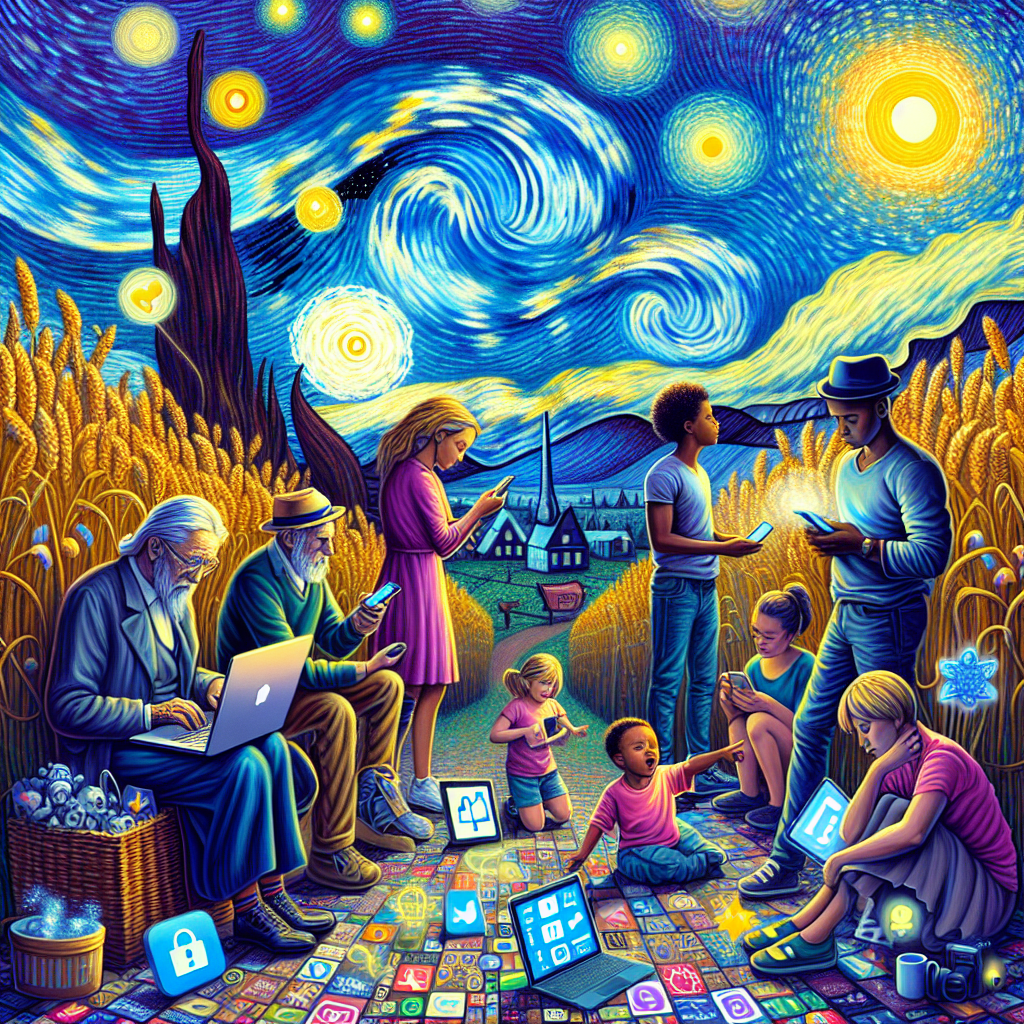
Is Your Personal History In Danger Of Being Forgotten By Future Generations?
Is Your Personal History In Danger Of Being Forgotten By Future Generations?
- The tapestry of life is filled with stories of heart, humor, and wisdom.
- Memories can fade quickly; they are not guaranteed to be cherished as a legacy.
- Every aspect of life, from recipes to lessons learned, is at risk of being forgotten.
- Storytelling requires an audience, and without sharing, even profound experiences can vanish.
- Life’s busyness can make it easy to neglect storytelling and preserving memories.
- Capture and share your stories to create a rich narrative for future generations.
- Your legacy is about character and connection, making storytelling essential for keeping memories alive.

Is Your Personal History In Danger Of Being Forgotten By Future Generations?
Table Of Contents
- Is Your Personal History In Danger Of Being Forgotten By Future Generations?
- Is My Life Story Relevant To Future Generations?
- How Can I Preserve My Memories?
- What Methods Can I Use To Document My Experiences?
- Are Digital Memories Safe For The Future?
- Should I Write A Memoir Or Create A Video Archive?
- How Can I Ensure My Family Knows My History?
- What Role Do Social Media Play In Preserving History?
- Conclusion
- Other Resources
- Glossary Of Terms
- Other Questions
- Haiku
- Poem
- Checklist
Is My Life Story Relevant To Future Generations?
You might be sitting there, reflecting on your daily grind, and the idea of your life story being relevant to future generations feels like an ambitious thought—perhaps even a little far-fetched. But let’s take a step back and unpack that notion. Every person has a narrative woven from triumphs, failures, and everything in between. This is what I like to call legacy storytelling. It’s the tapestry of experiences that not only shape who we are but have the potential to inspire those who come after us.
Think about it. What stories have you heard from your parents or grandparents that stuck with you? Were they tales of resilience during tough times or moments of joy that sparked laughter around the dinner table? Those snippets of their lives may seem mundane on the surface, but they are loaded with lessons and insights. You too, have a treasure trove of experiences that can be shared, embraced, and appreciated by generations yet to come.
Now, let’s address the elephant in the room: you might feel your story lacks the gravitas of a heroic tale. Let me assure you, it doesn’t have to be earth-shattering. The most powerful stories are often the simplest—like the painstaking effort it took to make ends meet, the quiet triumphs in the face of adversity, or even the everyday moments of joy that glimmer in the chaos of life. These stories are the fabric of human experience, relatable to anyone, regardless of the era.
So, here’s the action step: start documenting your story, even if it’s just through notes, recordings, or conversations with your loved ones. Ask yourself what moments have shaped you, what lessons you’ve learned, and what principles guide you. When you take the time to reflect on your journey, you’re not just crafting your legacy; you’re also creating a bridge—a connection that can resonate across generations.
Remember, your story is more than a collection of events; it’s a beacon of hope, a warning, a source of wisdom, and sometimes, a jolt of laughter. Each chapter you pen down can empower future generations to navigate their own lives, reminding them that they are never alone in their struggles. So, lean into your story. Embrace it. After all, it’s not just relevant; it’s vital.

Is My Life Story Relevant To Future Generations?
Is My Life Story Relevant To Future Generations?
- Every person’s life story is significant and contributes to legacy storytelling.
- Personal narratives are derived from a mix of triumphs, failures, and everyday experiences.
- Stories from previous generations, such as those of resilience or joy, hold valuable lessons.
- A person’s story doesn’t need to be heroic; even simple events can resonate deeply.
- Documenting your story can take various forms, like notes, recordings, or conversations.
- Reflecting on your journey helps you connect with future generations and craft your legacy.
- Your story serves as a beacon of hope and wisdom, empowering others in their own struggles.
Is My Life Story Relevant To Future Generations?
How Can I Preserve My Memories?
Life is a patchwork quilt of moments, each square stitched together with laughter, tears, and everything in between. But let’s be honest: sometimes, it feels as if those precious memories are slipping through our fingers like grains of sand. If you’ve ever wished to hold onto those snapshots in time just a little bit longer, you’re not alone. The process of preserving memories isn’t just about reminiscing; it’s about crafting your Legacy Storytelling for future generations.
First off, let’s talk about the power of documentation. You don’t need to be a poet or a novelist to write down your experiences. Just take a moment to grab a notebook or even open a note-taking app on your phone. Begin with the basics—your first bike ride, that epic road trip, or your grandma’s incredible pie recipe. Let your words flow freely; don’t overthink it. The goal here is authenticity. Your unique voice will shine through, and in the years to come, reading your stories will feel like having a heartfelt conversation with a cherished friend.
Next, consider turning those memories into visual treasures. Snap photos. Whether it’s the everyday moments that make you smile or the milestones that mark your journey, a picture is worth a thousand words. You might find joy in creating a dedicated photo album or even a digital scrapbook. Label each photo with a date and a little jot about what made that moment special. You might be surprised how such small details can unlock a flood of nostalgia later on.
And let’s not overlook the people who’ve walked through life alongside you. Have heart-to-heart conversations with family and friends. Share stories, ask questions, and encourage them to do the same. These chats not only deepen connections but also weave a rich tapestry of shared experiences. Record those conversations, or jot down the highlights. Imagine how rewarding it will be for your children or grandchildren to hear the voices of their ancestors, each tale brimming with wisdom and laughter.
Lastly, don’t underestimate the power of rituals. Consider setting aside time each year—perhaps on a family member’s birthday or during the holidays—to revisit your memories together. Share stories, flip through albums, and relive those moments. It not only honors your past but strengthens your bonds for the future.
Preserving your memories is about more than just saving pieces of the past—it’s about honoring the experiences that shape who you are. So go ahead, grab that pen, snap those photos, and start weaving your Legacy Storytelling today. You’ll be grateful you did, and so will those who come after you.

How Can I Preserve My Memories?
How Can I Preserve My Memories?
- Life is a blend of moments, and preserving memories can feel like capturing grains of sand.
- Document your experiences using a notebook or a note-taking app; write authentically about your life.
- Transform memories into visual treasures by taking photos and creating albums or digital scrapbooks.
- Label photos with dates and brief notes to enhance nostalgia when revisiting them later.
- Have heart-to-heart conversations with family and friends to share stories and deepen connections.
- Regularly honor memories through yearly rituals, such as sharing stories on special occasions.
- Preserving memories shapes your identity and creates a Legacy Storytelling for future generations.
How Can I Preserve My Memories?
What Methods Can I Use To Document My Experiences?
When it comes to capturing your life’s journey, think of it as a form of legacy storytelling. Every one of us has a unique tapestry woven with experiences, lessons, and memories. The question is: how do we document that? There are a myriad of methods to choose from, and finding the right fit for you can make all the difference.
First off, consider journaling. This classic method has stood the test of time for a reason. There’s something profoundly therapeutic about jotting down your thoughts, reflections, and encounters. It offers a private space to unpack your day-to-day life, allowing you to sift through the chaos and find clarity. And let’s be honest, you don’t have to be a master wordsmith to do it. Just write. Scribble down what moved you, what challenged you, or even what made you laugh until you cried. Over time, you’ll build a treasure trove of insights that serve as your personal legacy.
If you’re more visually inclined, photography is a fantastic way to document your experiences. Snapshots capture moments that words sometimes cannot. They evoke emotions, remind us of specifics, and transport us back in time. Create albums or scrapbooks, or maybe even start a blog where you can share those images alongside your stories. The beauty of it is that anyone can do this, and you don’t need fancy equipment. Your smartphone can do wonders today; just be willing to see the world through a lens.
Then there’s the art of storytelling itself. Talk about your experiences with friends or family. Share your adventures around the dinner table or during casual get-togethers. Storytelling creates connection. It invites others into your world and helps cultivate a supportive environment where you can explore and understand your narrative. Plus, who doesn’t love a good story? It’s like creating a live-action legacy while filling the air with laughter and learning.
Finally, consider using technology. Podcasts, vlogs, and social media are powerful tools to narrate your experiences. They allow you to reach out beyond your immediate circle and share your insights with others, enabling new connections and fostering a sense of community.
Whatever method you choose, remember that documenting your experiences is not just about leaving a mark but finding meaning in your journey. Your story matters. Don’t shy away from sharing it! Make it tangible, shareable, and enduring, just like you.

What Methods Can I Use To Document My Experiences?
What Methods Can I Use To Document My Experiences?
- Legacy storytelling captures the unique tapestry of our life’s experiences, lessons, and memories.
- Journaling offers a therapeutic way to document thoughts and reflections, allowing clarity amidst chaos.
- Photography serves as a powerful medium to evoke emotions and document experiences, easily done with a smartphone.
- Storytelling fosters connection and understanding by sharing experiences with friends and family.
- Utilizing technology like podcasts, vlogs, and social media extends the reach of your narrative beyond immediate circles.
- Documenting experiences helps find meaning in your journey, making your story valuable and important.
- Embrace the method that resonates with you to make your experiences tangible, shareable, and enduring.

What Methods Can I Use To Document My Experiences?
Are Digital Memories Safe For The Future?
Ah, digital memories. They’ve become the modern-day scrapbook, a collection of snapshots, videos, and messages that capture the essence of our lives. We upload, share, and digitize everything—from childhood photos to cherished family recipes. But as we seamlessly navigate through this digital labyrinth, we often pause to ask, “Are these memories safe for the future?”
Let’s take a moment to reflect. When you think about your digital footprint, what comes to mind? Perhaps it’s the countless selfies you’ve taken or that viral video of your cat doing something absolutely ridiculous. These moments are more than just bytes and pixels; they shape our Legacy Storytelling. They connect us to others, allowing generations to laugh, cry, and empathize. So, what happens to these cherished snippets of our lives when the technology we rely on inevitably evolves or, worse, fails?
Consider this: How many platforms have you signed up for, only to forget about them? Do you remember that one app everyone was raving about five years ago? It’s likely gathering dust in the cloud, while your precious memories sit in digital limbo. Yet, we can’t overlook the power these digital keepsakes hold. They are threads in the rich tapestry of our lives, capturing not just moments but emotions, lessons, and anecdotes we hold dear.
So, how can we safeguard our stories? First, take an inventory of your digital memories. Organize them thoughtfully—make categories, create backups—whatever it takes to ensure that they’ll be accessible for the next family gathering or impromptu storytelling session. And remember, it’s not just about securing them; it’s about sharing them. Talk to your loved ones about what matters, what memories to preserve, and learn about their stories too.
Amid the fast-moving digital landscape, trust in the enduring power of connection. Our experiences deserve to be recorded, celebrated, and shared; they shape who we are and create bonds that unite us. So get out there and safeguard your digital legacy, because today’s moments become tomorrow’s treasures—but only if we take the steps to keep them safe and sound.

Are Digital Memories Safe For The Future?
Are Digital Memories Safe For The Future?
- Digital memories serve as modern-day scrapbooks, encompassing snapshots, videos, and messages that capture life’s essence.
- As we engage with our digital footprints, we consider the longevity and safety of these memories amidst changing technology.
- Our digital keepsakes connect us across generations, allowing for shared emotions, laughter, and empathy.
- Many digital platforms may fade from memory, potentially leaving cherished memories in digital limbo.
- To safeguard your stories, inventory and organize your digital memories into accessible categories and create backups.
- Engage in conversations with loved ones about which memories are important to preserve, fostering connections and shared experiences.
- Ultimately, taking steps to protect and share our digital legacy ensures that today’s moments transform into tomorrow’s treasured memories.

Are Digital Memories Safe For The Future?
Should I Write A Memoir Or Create A Video Archive?
When it comes to preserving our stories, we often grapple with a fundamental question: should I write a memoir or create a video archive? It’s a choice that many face, yet it’s not simply about the medium; it’s about how you want your voice to echo in the hearts and minds of those you leave behind. Let’s dig a little deeper, shall we?
Picture this: your grandkids are sifting through old boxes of dusty keepsakes, and they stumble upon your memoir. Words etched in ink, your life spills out on the pages like a well-loved novel. Each chapter is infused with your thoughts, emotions, and lessons learned, offering them a glimpse into the fabric of your existence. It’s Legacy Storytelling at its best—an intricate tapestry that they can touch, feel, and read at their leisure. With every word, you invite them into your world, letting them understand not just what you did, but who you were.
On the other hand, imagine that same moment, but instead of pages, your grandchildren find a collection of videos. There you are, animated and full of life, sharing stories with a spark in your eye that no amount of words could encapsulate. The laughter, the pauses, the heartfelt reflections—these things come alive in ways that invite connection differently than a written memoir. Video allows your essence, your energy, to shine through, providing a sense of intimacy that words alone might struggle to convey.
Both options carry their own weight. Writing can offer the depth of thought, while video brings vibrancy and immediacy to your experience. Your choice ultimately depends on how you see your story unfolding. Are you more comfortable whispering your wisdom in written form, allowing readers to savor your words, or do you thrive in the energetic exchange of storytelling face-to-face, camera rolling?
Whatever path you choose, don’t underestimate the impact of your narrative. Whether it’s transforming handwritten pages into a treasured memoir or capturing raw moments on video, you’re crafting an enduring legacy that will resonate through generations. So, roll up those sleeves—pick up a pen or grab that camera! Your story deserves to be told, and no one else can tell it quite like you can.

Should I Write A Memoir Or Create A Video Archive?
Should I Write A Memoir Or Create A Video Archive?
- Choosing between a memoir and a video archive involves more than just medium; it’s about how you want your voice remembered.
- A memoir offers a tactile experience, allowing readers to connect with your thoughts and emotions through written words.
- Your memoir can provide insights into your identity, weaving together lessons and experiences for future generations.
- Video storytelling captures your essence and energy, providing a vibrant, intimate connection that written words may not convey.
- Writing gives depth and thoughtfulness to your story, while videos bring immediacy and liveliness to your experiences.
- Ultimately, your choice reflects your comfort with storytelling—whether through written or spoken word.
- Regardless of the medium, your narrative will create an enduring legacy that resonates with future generations.

Should I Write A Memoir Or Create A Video Archive?
How Can I Ensure My Family Knows My History?
When it comes to preserving your family history, it’s less about the how and more about the heart. It’s easy to get overwhelmed by the thought of recording your legacy, but let’s simplify it. Think of it as an opportunity for legacy storytelling—a chance to turn your life into a narrative that connects generations. After all, every family member has had experiences that shape them into who they are today. By sharing your stories, you’re not just passing on information; you’re handing down a piece of your soul.
Start with the basics. Sit down with your loved ones and have deep conversations about your past. Share memories that may seem mundane but are rich with lessons. Maybe it’s your first job, the challenges you faced, or even the mistakes you made. You’d be surprised at how these seemingly small snippets can resonate and teach the next generation about perseverance, resilience, and love.
Consider creating a family scrapbook or a digital archive. Fill it with photographs, letters, and documents that tell your story visually. Each image holds its weight, sparking memories and emotions that words alone sometimes can’t capture. You might find that your children or grandchildren relish flipping through the pages of your past just as much as they enjoy hearing your stories aloud.
Don’t just talk; record it. Today’s technology allows you to capture stories through videos or podcasts. You don’t need fancy equipment or perfect lighting; it’s the authenticity of your voice that matters. Speak from the heart, and those moments will resonate. Imagine years from now, your family gathered around, watching or listening to you share your experiences. It becomes a time capsule of love, wisdom, and connection.
It might also be worthwhile to engage the family in the storytelling process. Encourage them to share their stories as well—every narrative is interwoven, forming a rich tapestry of experiences. This collective storytelling not only strengthens family bonds but also creates a culture of remembrance, ensuring that no one’s story is forgotten.
It’s about creating a legacy that’s alive and vibrant. It’s about ensuring that your family knows where they come from, understands the struggles, the triumphs, and the love that flow through you like a river. Dive into the storytelling, and don’t shy away from vulnerability. Your history is a treasure—let it shine bright for generations to come.

How Can I Ensure My Family Knows My History?
How Can I Ensure My Family Knows My History?
- Preserving family history is rooted in storytelling that connects generations.
- Share personal stories and experiences, even seemingly mundane ones, to impart important lessons.
- Create a family scrapbook or digital archive to visually document your history with photographs and letters.
- Record your stories through videos or podcasts, emphasizing authenticity over perfection.
- Encourage family members to participate in storytelling to create a richer, shared narrative.
- Foster a culture of remembrance that strengthens family bonds and ensures every story is remembered.
- Embrace vulnerability in storytelling to highlight the treasure of your family history for future generations.

How Can I Ensure My Family Knows My History?
What Role Do Social Media Play In Preserving History?
Social media is more than just a platform for sharing vacation photos or the latest memes—it acts as a vibrant tapestry of human experience, weaving together the stories that form our collective legacy. In this digital age, where every post, tweet, and video can reach millions, we have the remarkable opportunity to sculpt our history in real-time. Think about it: each update captures a fleeting moment that, without the click of a button, would likely fade into oblivion.
Legacy storytelling is at the heart of what makes social media so powerful. It allows individuals to narrate their experiences, share their passions, and document history through a personal lens. From family traditions passed down through generations to community events that might otherwise go unnoticed, the ability to share these snippets of life echoes across platforms like Facebook, Instagram, and Twitter. When someone posts a photo from a small town parade or shares an emotion-laden story about a loved one, they aren’t just keeping a memory alive—they’re adding a brushstroke to the larger canvas of our history.
But it goes beyond personal anecdotes. Social media empowers movements and gives a voice to those who might have remained unheard. Activists can rally support by amplifying issues that matter, educators can disseminate knowledge, and historians can connect with the public in ways that traditional media often struggles to achieve. The immediacy of social media means that history isn’t static; it’s alive, evolving, and as dynamic as the people contributing to it.
You might think, “What can I do? My little tale is just a drop in the bucket.” But here’s the truth: each drop adds to the ocean. Every post you make about your community, your culture, or your family shapes the legacy for future generations. By sharing your unique perspective, you contribute to a richer, more diverse historical narrative that captures the complexities of the human experience.
So, if you’re sitting on a treasure trove of memories—stories that have been tested by time and infused with meaning—consider sharing them. The beauty of social media is that it invites everyone to participate in this ongoing dialogue. Who knows? Your story might just resonate with someone halfway around the world, inspiring them to reflect on their own past, or to take action that honors history in an unexpected way. Embrace the power of your voice and join in the conversation—after all, history is not just something that happens; it’s something we create together.

What Role Do Social Media Play In Preserving History?
What Role Do Social Media Play In Preserving History?
- Social media serves as a dynamic platform for sharing human experiences and shaping collective history.
- Legacy storytelling is key, enabling individuals to narrate personal experiences and document history.
- Platforms like Facebook, Instagram, and Twitter allow sharing of significant life moments, contributing to our historical tapestry.
- Social media empowers movements, amplifying the voices of activists, educators, and historians.
- The immediacy of social media makes history alive and ever-evolving rather than static.
- Every shared story, no matter how small, contributes to a richer historical narrative for future generations.
- Participating in social media discourse can inspire others and honor history through personal storytelling.
What Role Do Social Media Play In Preserving History?
Conclusion
In wrapping up this exploration of preserving your personal legacy, let’s not beat around the bush: your life story matters. Mike Rowe could’ve summed it up with a hearty handshake and an honest grin, urging us to leave a mark while we still can. Life is a wild ride filled with laughter, tears, and countless lessons learned. Each of these moments is a thread in your unique tapestry, but here’s the kicker: if we don’t actively weave them into a story, they risk being lost in the shuffle.
Think of storytelling as more than just a nostalgic pastime; it’s your chance to build a bridge spanning generations. Sure, life gets busy. We’ve all got obligations pulling us in a million directions. But when was the last time you kicked back and shared the crazy adventures that shaped who you are? Those discussions around the dinner table or the videos replayed during family gatherings are vital. They are what keep the fire of your history alive. If you don’t share your tales, who will?
Now, let’s flesh out the nitty-gritty. You might be thinking, “What makes my life relevant?” Here’s the truth—every life is chalked full of relatable moments. The mundane experiences, the hard-fought victories, and even the heartbreaking struggles carry weight. They’re the lessons you learned that can guide your loved ones through their own trials.
And when it comes to documenting these details, you’re armed with tools that previous generations could only dream of—journals, social media, video recordings. Whether you choose to commit your memories to text or capture them in a vibrant video, do it! Your legacy isn’t merely for you; it’s a gift for your family, a treasure they can look back on and learn from.
So, join the conversation! Embrace this essential act of legacy storytelling. Start today by jotting down those memories, having those conversations, and sharing those digital snapshots. Craft the wind in your family’s sails, the history that they’ll carry forward. After all, you’re not just preserving your past; you’re ensuring those who come after you understand where they came from. Your history is worth it. Get going!

Conclusion
Conclusion:
- Your life story is significant and deserves preservation.
- Storytelling creates a bridge between generations, keeping memories alive.
- Sharing personal experiences strengthens familial bonds and heritage.
- Every life is filled with relatable lessons, both mundane and extraordinary.
- Modern tools like journals, social media, and videos make documenting easier than ever.
- Legacy storytelling is a gift for future generations, providing insights and guidance.
- Start today by recording memories, sharing stories, and ensuring your family’s history is cherished.

Conclusion
Other Resources

Other Resources
Here is a list of other resources you can review online to learn more:
Use This Prompt To Get More Resources With Your Favorite Online AI Tool: Please provide me with a list of online articles with their URLs in a bulleted list that I can read regarding Is Your Personal History In Danger Of Being Forgotten By Future Generations?

Other Resources
Glossary Terms
Is Your Personal History In Danger Of Being Forgotten By Future Generations? – Glossary Of Terms
1. Ancestry: The lineage or family tree from which a person descends, encompassing historical and cultural narratives.
2. Archiving: The process of preserving documents, records, and artifacts to ensure they remain accessible and intact for future generations.
3. Autobiography: A self-written account of one’s life, providing personal insights, experiences, and reflections.
4. Cultural Heritage: The legacy of physical artifacts and intangible attributes inherited from past generations, including traditions and practices.
5. Documentary: A non-fictional film or written account that captures real-life events, often focusing on personal stories or cultural histories.
6. Ephemeral: Short-lived or temporary items, such as social media posts or personal journals, that may not endure over time.
7. Genealogy: The study of family lineages and the tracing of ancestral history.
8. Lifespan: The duration of an individual’s life, influencing the perspective and experiences shared with future generations.
9. Memory Keepers: Individuals who actively work to preserve family history and narratives through storytelling or archiving.
10. Nostalgia: A sentimental longing for the past, which can impact how personal histories are viewed and shared.
11. Oral History: The collection and study of historical information through recorded interviews with people having personal knowledge of past events.
12. Preservation: The act of maintaining and protecting historical artifacts and documents from deterioration.
13. Primary Source: Original documents or firsthand accounts that provide direct evidence of historical events and personal experiences.
14. Reminiscence: The act of recalling past experiences, often shared as narratives that enrich personal and collective history.
15. Socio-Cultural Context: The environment and cultural aspects surrounding an individual or community, influencing how personal histories are shaped and remembered.
16. Storytelling: The art of sharing personal narratives, which helps maintain cultural memory and connects generations.
17. Technological Obsolescence: The outdatedness of technology leading to the potential loss of digital records and personal stories.
18. Tradition: Customs and practices handed down through generations, often shaping how personal histories are celebrated or remembered.
19. Transfer of Knowledge: The process of passing down information, experiences, and skills from one generation to another.
20. Universal History: A broader account of human experiences that may encapsulate individual stories within larger historical narratives.
21. Visual Archive: A collection of photographs, videos, and other visual materials that document personal and family histories.
22. Vulnerability: The risk that personal histories and stories face in being forgotten due to changes in society, culture, and technology.
23. 1970s Archives: Refers to historical records from the 1970s, often seen as crucial for understanding personal and cultural narratives from that era.
24. Curation: The process of selecting, organizing, and presenting personal histories or cultural artifacts for preservation and public awareness.
25. Digital Legacy: The online presence and digital footprint left by individuals, which serves as a repository of personal history.
26. Empathy: The ability to understand and share the feelings of others, essential for appreciating personal histories and the context surrounding them.
27. Family Archive: A collection of documents, photographs, and other materials that preserve a family’s history and stories.
28. Historical Significance: The importance assigned to events, individuals, and narratives based on their impact on society and culture over time.
29. Intergenerational Transmission: The passing down of knowledge, stories, and values between different generations, crucial for maintaining personal histories.
30. Legacy: What individuals leave behind through their actions, stories, and experiences, shaping how they are remembered by future generations.
This list captures a range of concepts related to personal history, memory preservation, and cultural continuity.

Glossary Of Terms
Other Questions
Is Your Personal History In Danger Of Being Forgotten By Future Generations? – Other Questions
If you wish to explore and discover more, consider looking for answers to these questions:
- What is legacy storytelling?
- Why is it important to share personal histories?
- What are some effective ways to engage family members in storytelling?
- How can I start documenting my life story?
- What should I include when preserving memories for future generations?
- How can technology aid in preserving my family’s history?
- What types of mediums are best for family storytelling—written, audio, or visual?
- What are the potential risks of relying solely on digital memories?
- How can I organize my digital memories effectively?
- What role do rituals play in preserving family history?
- How can I ensure that my stories are authentic and connect with future generations?
- What resources are available for those interested in writing memoirs?
- How can social media be leveraged to preserve family and community history?
- What are some tips for creating engaging video archives of my life?
- How can I overcome the fear of sharing my personal stories?

Other Questions
Haiku
Is Your Personal History In Danger Of Being Forgotten By Future Generations? – A Haiku
Memories linger,
In stories shared and told—
Legacy lives on.
Poem
Is Your Personal History In Danger Of Being Forgotten By Future Generations? – A Poem
Legacy in the Tapestry of Time
In the tapestry of life, we weave so thin,
Threads of laughter, lessons, where memories begin.
A handwritten recipe, a child’s silly song,
Are whispers of life, where ancestors belong.
Yet as the clock ticks on, our stories may fade,
Those precious reflections in shadows arrayed.
Life rushes by, busy hands at play,
But silence won’t keep our legacies stayed.
Let’s gather together, embrace stories passed,
From triumphs to trials, let’s share the vast.
With photographs loaded and voices that glow,
Our histories blossom through the tales that we sow.
Whether penned in a memoir or captured on screen,
Each choice tells a story, both vivid and keen.
Journals, recordings, images bright,
Each method a beacon, a dance in the light.
In digital corners where memories hide,
We guard them like treasures, in clouds they abide.
Yet platforms may crumble, so together we stand,
Organizing fragments, reaching out with a hand.
Conversations around us, the laughter we find,
Create bonds that unite, our legacies bind.
Social media now, a canvas so grand,
Captures fleeting moments, hand in hand.
So speak of your journey, your heart’s secret song,
For every small tale adds to the throng.
Your voice is a river, a map for the lost,
A guide for the future, no matter the cost.
Remember, dear soul, as you craft your tale bright,
Your history matters—bring it to light!
For in sharing your truth with those who will come,
You’ll ensure that your legacy echoes, not done.
Checklist
Is Your Personal History In Danger Of Being Forgotten By Future Generations? – A Checklist
Checklist: How to Preserve Your Legacy for Future Generations
1. Reflect on Your Story
_____ Take time to consider your life experiences and how they can inspire others.
_____ Think about key events, lessons learned, and significant moments in your life.
2. Engage in Storytelling
_____ Gather family members and share your stories, anecdotes, and memories.
_____ Encourage open conversations and create a culture of storytelling in your family.
3. Document Your Memories
_____ Begin journaling your experiences, joys, and challenges.
_____ Keep a list of important memories and the lessons they impart.
4. Capture Visual Memories
_____ Take photos of everyday moments and significant milestones.
_____ Create dedicated photo albums or digital scrapbooks with notes about each picture.
5. Initiate Conversations
_____ Have heart-to-heart talks with family members to understand their stories and experiences.
_____ Record these conversations or take notes to create a richer family history.
6. Establish Rituals for Memory Sharing
_____ Set aside time each year for family gatherings to share stories and revisit old memories.
_____ Celebrate birthdays or holidays with storytelling sessions.
7. Choose Your Documentation Method
_____ Decide whether to write a memoir, create a video archive, or a combination of both.
_____ Consider which method best captures the essence of your experiences.
8. Create a Digital Archive
_____ Organize your digital photos, videos, and documents.
_____ Use cloud storage or external hard drives to back up your memories.
9. Share Your Stories on Social Media
_____ Use social media to document and share snippets of your life and family stories.
_____ Engage your audience with memories that highlight your legacy.
10. Encourage Family Participation
_____ Involve your family in the storytelling process by inviting them to share their memories.
_____ Create a collective family history that includes everyone’s experiences.
11. Reflect on Their Importance
_____ Understand that your life stories might seem ordinary, but they hold valuable lessons for future generations.
_____ Celebrate your unique journey and the wisdom it provides.
12. Commit to Ongoing Legacy Building
_____ Make preserving your legacy an ongoing project, continually adding stories and memories.
_____ Regularly revisit and share your documented history with family and loved ones.
This checklist serves as a guide to help you actively preserve and share your unique life story, ensuring it remains alive and cherished for generations to come.
At LegacyExplorations, we help people plan and explore their legacy by collecting information and news regarding end-of-life planning.
Please share this post with your friends, family, or business associates who may want help to plan or explore their legacy.