

Preserving Memories: Uncovering The Emotional, Rational, And Ethical Significance
By Tom Seest
At LegacyExplorations, we help people plan and explore their legacy by collecting information and news regarding end-of-life planning.
Please share this post with your friends, family, or business associates who may want help to plan or explore their legacy.
Keepsakes with Context – Gen X’s Guide to Artifact Legacy
When we think about keepsakes, we often picture dusty corners and forgotten boxes. But for Generation X, these artifacts are powerful vessels of legacy storytelling. Each item carries a narrative, stitched with memories, emotions, and the essence of who we are. Imagine a worn baseball glove that belonged to your father, or a faded letter from a long-lost friend. These aren’t just trinkets; they are threads in the tapestry of our lives.
Our generation straddles the analog and digital worlds, giving us a unique perspective on preserving memories. We’ve seen the evolution of communication, and we understand how easily stories can be lost in the shuffle of technology. Legacy storytelling isn’t just a hobby; it’s a responsibility. It’s a way to ensure that the voices from our past resonate through time, giving wisdom to those who come after us.
Consider the emotional pull of sharing these stories with the next generation. Imagine sitting around a fire, surrounded by your children and grandchildren, as they listen intently to your tales of yesteryear. That’s not just storytelling; that’s forging connections and fostering values that transcend time. By sharing these keepsakes, we’re not merely passing down items; we’re passing down lessons, love, and laughter. This is where legacy becomes an act of generosity, nurtured by the ethical obligation to remember where we came from.
As you sift through your treasures, think critically. What does each item say about your life? Which artifacts evoke powerful memories? This isn’t just an exercise in nostalgia; it’s about framing your legacy to give meaning to others. By instilling confidence in your story, you encourage your loved ones to do the same—creating a ripple effect of remembrance.
The social aspect of this legacy is profound. When we share our keepsakes and their stories, we inspire others to reflect on their own lives. The act of sharing creates community, reminding us that while each life is unique, our experiences often resonate on a universal level.
So, pull that box from the attic. Dust off those keepsakes and embrace the art of legacy storytelling. You’ll find that the narratives you unveil can ignite conversations, inspire generations, and remind us all that every article has a heartbeat—a connection that echoes through time.

Keepsakes with Context – Gen X’s Guide to Artifact Legacy
Keepsakes with Context – Gen X’s Guide to Artifact Legacy
- Keepsakes for Generation X serve as powerful vessels for legacy storytelling, carrying narratives filled with memories and emotions.
- Items like a worn baseball glove or a faded letter are not just trinkets; they are integral threads in the tapestry of our lives.
- This generation has a unique perspective on memory preservation, having experienced the shift from analog to digital communication.
- Legacy storytelling is seen as a responsibility to keep the voices of the past alive for future generations.
- Sharing stories with younger family members creates connections and imparts values that transcend time, conveying lessons, love, and laughter.
- Examining keepsakes allows for critical reflection on their significance and the legacy we wish to frame for others.
- Sharing keepsakes fosters community and encourages others to reflect on their own lives, highlighting universal experiences.

Keepsakes with Context – Gen X’s Guide to Artifact Legacy
Table Of Contents
- Keepsakes with Context – Gen X’s Guide to Artifact Legacy
- What Memories Do Your Keepsakes Evoke That Shape Your Identity?
- How Can Sharing Your Artifact Stories Strengthen Family Bonds?
- What Emotions Do You Feel When You Revisit Cherished Keepsakes?
- How Does the History Of Your Artifacts Reflect Societal Changes?
- How Can You Ethically Share Your Keepsakes’ Stories with Others?
- How Do You Feel About the Responsibility Of Passing Down Your Legacy?
- How Can You Use Your Artifacts to Inspire and Teach Others?
- Conclusion
- Other Resources
- Glossary Of Terms
- Other Questions
- Haiku
- Poem
- Checklist
What Memories Do Your Keepsakes Evoke That Shape Your Identity?
Keepsakes—they’re more than just trinkets collecting dust on a shelf. Each item is a thread in the fabric of our legacy, weaving together a story that defines who we are. Picture an old pocket watch, its engravings barely visible but brimming with the echoes of laughter and whispered goodbyes. Each tick takes you back to a moment in time when a loved one held it close, sharing life lessons over steaming mugs and warm fires. It’s not just a watch; it’s a storytelling device, one that connects past generations to the present.
Think about the significance behind family heirlooms. These artifacts carry weight, both physically and emotionally, often standing as quiet witnesses to pivotal moments in our lives. They serve as reminders of who we come from and the values instilled in us. In a world where everything is disposable, these remnants teach us about permanence, responsibility, and connection. They shape our identity not merely through nostalgia, but through a shared narrative that binds us to our roots and entwines our stories with those who’ve walked before us.
But it’s not just about the memories themselves; it’s how we honor them. By sharing the stories behind our keepsakes, we invite others into our lives and forge deeper connections. There’s an unmistakable power in remembering together, a collective human experience that resonates on a fundamental level. When we talk about our keepsakes, we engage in an ethical act of storytelling, valuing our experiences and inviting others to reflect on what is vital in their own lives.
As we look at these items, let’s ask ourselves: what do they teach us about resilience, love, and sacrifice? What lessons from the past must we carry into the future? The keepsakes might be small, but the conversations they spark can be profound. They encourage us to take action, to be mindful stewards of our personal histories, and to create a legacy that will resonate with generations to come. Sharing these stories can inspire others to reflect on their own keepsakes, opening the door to empathy, understanding, and the universal quest for identity.
Embrace the stories locked within your possessions. Their mere existence reminds us that we are part of a continuum, shaping our identity through the memories we cherish and the tales we share.

What Memories Do Your Keepsakes Evoke That Shape Your Identity?
What Memories Do Your Keepsakes Evoke That Shape Your Identity?
- Keepsakes are more than just objects; they represent threads in the fabric of our legacy.
- Each item, like an old pocket watch, connects us to memories and stories from loved ones.
- Family heirlooms serve as emotional reminders of our origins and core values.
- They teach us lessons about permanence, responsibility, and our connections to the past.
- Sharing stories behind keepsakes fosters deeper human connections and engages ethical storytelling.
- Keepsakes prompt reflection on resilience, love, and sacrifice, encouraging mindful stewardship of personal histories.
- Embracing these stories reinforces our identity and highlights the continuum of shared memories and experiences.

What Memories Do Your Keepsakes Evoke That Shape Your Identity?
How Can Sharing Your Artifact Stories Strengthen Family Bonds?
Gathering around the table, each family member holding an artifact—a weathered baseball glove, a delicate locket, or a faded photograph—creates an undeniable sense of connection. These objects, though inanimate, carry the weight of legacy; they are vessels of legacy storytelling that tether generations together. Our stories breathe life into these items, transforming them from mere belongings into the very essence of our shared history.
It’s not just about recounting events; it’s about going beyond the surface, diving deep into the emotions tied to those artifacts. Remember the thrill of that baseball glove, catching the last game with Dad, or the laughter shared while looking at that old photograph? These tales invite us to relive those moments, sparking a warmth that resonates within our hearts. At the same time, they offer a platform for reflection, a mental exercise in recognizing the love and struggles woven into our family tapestry.
Sharing these stories isn’t merely a nostalgic journey; it’s a powerful act of connection. These conversations foster trust, allowing younger generations to understand their roots. This isn’t just storytelling; it’s an ethical duty to preserve our family narratives, to pass them along like a torch in the dark. As we share, we not only recall but reinforce our commitments to one another. Each story shared is a thread woven deeper into the fabric of our family’s identity, inviting everyone to feel seen, valued, and remembered.
Moreover, this practice touches on our innate human need for community. In a world that often feels fragmented, gathering to share memories speaks to our fundamental desire for belonging. It’s empowering to see the ripple effect: when one person shares an artifact’s story, it opens the floor for others, creating a rich tapestry of experience and emotion. The simple act of conversation can transform a room filled with silence into a chorus of laughter, tears, and mutual understanding—a vivid reminder that we’re not alone.
So, take a moment, dig through those forgotten boxes, and dust off those cherished keepsakes. Each item has a story waiting to be told, a chance to spark conversations that can strengthen your family’s bond. It’s more than an activity; it’s a declaration that our stories matter—both the highs and lows—and an invitation to forge a deeper connection that lasts beyond time. Dive in, share what you love, and watch as your family grows closer, one story at a time.

How Can Sharing Your Artifact Stories Strengthen Family Bonds?
How Can Sharing Your Artifact Stories Strengthen Family Bonds?
- Family gatherings with artifacts foster a deep sense of connection among members.
- Inanimate objects like gloves, lockets, and photographs carry the weight of family legacy and storytelling.
- Sharing stories related to these artifacts dives into emotions and memories, enhancing the meaning of the items.
- These narratives promote reflection on love and struggles, reinforcing family bonds.
- Storytelling serves as a vital act of connection, helping younger generations understand their roots.
- Exchanging memories satisfies our human need for community and belonging, transforming silence into vibrant conversation.
- Encouraging the sharing of stories strengthens family identity and deepens relationships over time.

How Can Sharing Your Artifact Stories Strengthen Family Bonds?
What Emotions Do You Feel When You Revisit Cherished Keepsakes?
When you sift through a box of keepsakes, what you’re really doing is diving into a treasure chest of your own legacy. It’s remarkable how a simple object—like an old baseball glove or a faded photograph—can trigger a flood of memories, both joyful and bittersweet. These cherished items are more than just dust collectors; they are portals to moments, emotions, and connections that transcend time.
Each piece has its own story to tell, and revisiting these keepsakes transforms you into a storyteller, allowing you to connect with your past. Picture a young child, wide-eyed and full of wonder as they hold your favorite childhood toy. They’re not just holding a toy; they’re clutching the legacy of your laughter, fears, and dreams. It’s a profound reminder that our experiences shape who we are.
Emotionally, you might feel a rush of nostalgia, a longing for simpler times where joy was found in the ordinary. Perhaps the sight of a wedding ring takes you down the aisle of memory, leading you to relive the promises made and the love shared. The joy mingling with the pang of loss paints a complex picture of your journey, reminding you that life encompasses both beauty and heartbreak.
From a rational perspective, revisiting these items can ground you in reality. They provide a tangible connection to the past, a reminder of the lessons you’ve learned. In a world where everything seems fleeting, these keepsakes anchor you, bolstering your sense of identity. When times get tough, reflecting on the people and experiences that shaped you can reignite your fire, encouraging you to forge ahead with renewed determination.
Ethically, there’s a sense of responsibility that comes with these reminders. They compel you to honor the stories of those who came before you, to weave their history into your narrative, adding depth and meaning. You become part of a greater tapestry, an ever-expanding tale that offers wisdom and guidance to future generations.
In every flip through that scrapbook or every touch of that well-worn object, you’re embracing your shared humanity. You’re reminded that while life can be tough, it’s also rich with experiences that deserve to be cherished and shared. In sharing these stories, both within ourselves and with others, we foster connections that bridge generations, reminders that in this intricate web of existence, none of us are truly alone.

What Emotions Do You Feel When You Revisit Cherished Keepsakes?
What Emotions Do You Feel When You Revisit Cherished Keepsakes?
- Sifting through keepsakes reveals a treasure chest of personal legacy.
- Simple objects can evoke powerful memories and connections that transcend time.
- Each keepsake has its own unique story, transforming you into a storyteller.
- Revisiting memories can elicit feelings of nostalgia and remind you of life’s complexities.
- These items serve as tangible reminders of your past and anchor your sense of identity.
- There is a responsibility to honor the stories of those who preceded you, weaving their history into your own.
- Sharing these stories fosters connections across generations, emphasizing our shared humanity.

What Emotions Do You Feel When You Revisit Cherished Keepsakes?
How Does the History Of Your Artifacts Reflect Societal Changes?
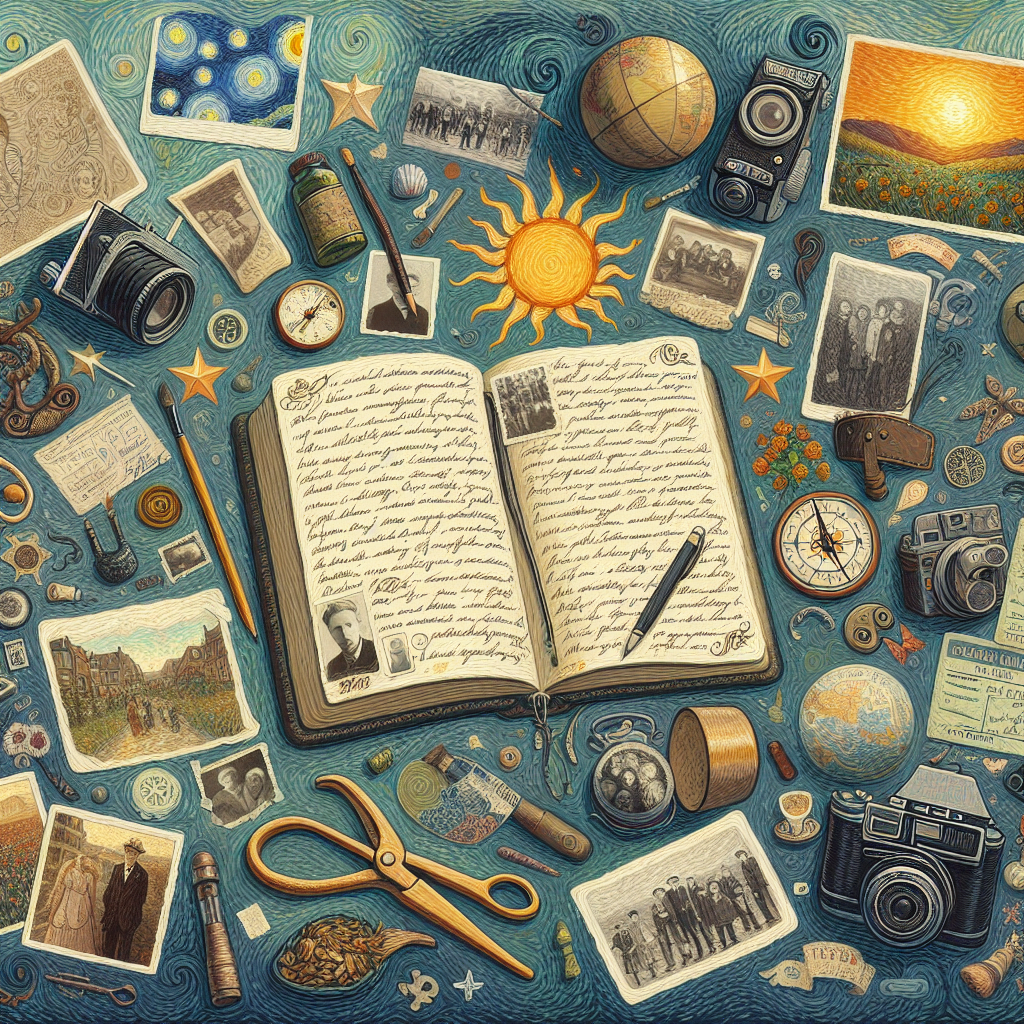
Artifacts carry with them a legacy that transcends time, whispering stories of our ancestors and their ever-evolving societies. Whether it’s a well-worn tool, a faded photograph, or an ornate piece of jewelry, each item is a silent witness to the historical tapestry of human experience. They embody collective memories, reflecting the values, struggles, and triumphs that define us as a people. What you often find in these relics is a remarkable thread woven through generations, a thread that not only binds us to the past but also shapes the future.
As we delve into the history of these artifacts, we engage in a practice known as storytelling. Each artifact tells a tale—some of innovation and creativity, others of hardship or resilience. Take, for instance, the simple clay pot; it might not look like much to the naked eye, but it speaks of agricultural advancements and community survival. Once upon a time, it was crafted by hands that understood the soil, the seasons, and the significance of nourishment. Today, it challenges us to appreciate our modern convenience while urging a reflection on sustainability. That’s the magic of artifacts; they remind us where we came from, nudging us gently towards where we ought to go.
But let’s not forget the ethical dimensions wrapped up in these tangible pieces of our collective existence. Each artifact discovered and preserved carries with it the responsibility of representation. Are we honoring the voices of all those who have walked this earth, or are we telling a story that favors a select few? Engaging with artifacts requires us to confront these questions, feeling the weight of our historical narrative and its impact on present and future generations. We become stewards of history, tasked with the imperative to ensure that the stories told are inclusive and representative.
As we navigate the complexities of societal change, these artifacts can be our compass. They compel us to examine our beliefs, challenge our perceptions, and rally around our shared humanity. By connecting with our past through tangible items, we cultivate empathy and understanding—a reason to stand together in our quest for progress. The next time you find yourself holding a piece of history, remember: it’s not just an object; it’s a powerful vessel of legacy, begging us to listen and learn as we continue shaping the world ahead.
How Does the History Of Your Artifacts Reflect Societal Changes?
How Does the History Of Your Artifacts Reflect Societal Changes?
- Artifacts hold a timeless legacy, sharing stories of ancestors and evolving societies.
- Each item, from tools to jewelry, serves as a witness to the historical tapestry of human experience.
- They embody collective memories, reflecting the values, struggles, and triumphs of humanity.
- Artifacts engage us in storytelling, revealing tales of innovation, resilience, and community survival.
- There are ethical dimensions in how we represent these artifacts and the stories we tell.
- Artifacts guide us through societal changes, urging empathy and understanding towards shared humanity.
- Holding a piece of history is a reminder of our legacy and the responsibilities we carry for the future.

How Does the History Of Your Artifacts Reflect Societal Changes?
How Can You Ethically Share Your Keepsakes’ Stories with Others?
When it comes to sharing the stories behind our cherished keepsakes, the power of Legacy Storytelling holds a significant place in our hearts. Each item carries with it the weight of memories—joys, struggles, triumphs—that weave the fabric of our lives. But how do we pass on these narratives ethically, ensuring respect for those involved while inviting others into our experience?
First, consider the emotional bonds tied to your keepsakes. These are not mere objects; they encapsulate a piece of your journey. Share these stories with intention, letting the emotions behind them shine through. Talk about your grandfather’s watch, not just as a timepiece, but as a symbol of resilience during tough years. This deeper connection is what resonates with others, fostering empathy and understanding.
Now, let’s engage the rational side. When sharing, think about the implications for everyone involved. Will your story impact your family, friends, or ancestors? Ethical storytelling respects the wishes and dignity of these individuals. Discuss, if possible, with loved ones who are part of these stories. This not only strengthens relationships but also ensures you’re honoring their truth while building a colorful tapestry that reflects your collective experiences.
Then there’s the gut feeling, the instinctive tug that prompts you to share. Recognize when your story could inspire or comfort someone else navigating similar circumstances. Perhaps it’s the letter you found tucked inside an old book—its words a guiding light for someone else. The act of sharing becomes a profound gift, connecting hearts across time and space.
Authority in storytelling comes from lived experience. You are the expert of your narrative. Embrace that power, but do so with a sense of responsibility. Accountability to your story and to those in it ensures that their voices resonate authentically. The narrative shared should uplift, not diminish, the complexities of the human experience.
Lastly, remember the social aspect of storytelling. It builds bridges, transcending generations and reminding us we’re all part of a greater whole. Encourage conversations, create spaces where stories can be exchanged freely, and let the experiences of others enhance your own. Ultimately, the ethical sharing of our keepsakes’ stories not only preserves our legacies—it threads us together in an intricate, beautiful tapestry of human connection.

How Can You Ethically Share Your Keepsakes’ Stories with Others?
How Can You Ethically Share Your Keepsakes’ Stories with Others?
- Legacy Storytelling is vital for sharing the stories behind cherished keepsakes, filled with personal memories.
- Emotional bonds tied to keepsakes should guide storytelling; items embody personal journeys rather than being mere objects.
- Consider the impact of storytelling on family, friends, and ancestors, respecting their wishes and dignity.
- Engage in discussions with loved ones involved in the stories to strengthen relationships and ensure their truth is honored.
- Recognize the potential for your story to inspire or comfort others facing similar challenges, creating a profound gift of connection.
- Claim authority over your narrative while embracing responsibility to ensure the authentic voices of others are represented.
- Storytelling fosters social connections, encourages free exchanges, and threads us together in a tapestry of human connection.

How Can You Ethically Share Your Keepsakes’ Stories with Others?
How Do You Feel About the Responsibility Of Passing Down Your Legacy?
When it comes to the responsibility of passing down your legacy, it’s not just about the stories we tell; it’s about the values we engrain in those narratives. Each of us carries a unique tapestry of experiences, triumphs, and hardships that shape who we are. This is where storytelling becomes our most powerful tool. It allows us to connect with the next generation in ways that go beyond simple facts. When you tell your legacy story, you’re not merely recounting events; you’re imparting wisdom, instilling courage, and sowing the seeds of resilience.
Consider the mechanics of a legacy. It’s built on a foundation of purpose. What do you work for? What do you stand for? When you reflect on these questions, you are standing at the crossroads of your history and the future of those you love. This is a profound responsibility. You are the architect of the values that will be passed down, and each conversation you have is a brick laid in that structure. It’s not just about family trees; it’s about creating a narrative that supports the branches of your lineage.
Ethically, it’s important to recognize that our legacies don’t only impact our loved ones—they resonate through communities, shaping cultures and influencing societies. Every time you share your legacy story, you’re igniting a spark. You’re inviting others to reflect on their own journeys and to consider what footprints they will leave behind. This is where the gut comes into play. The emotional weight of knowing that your life lessons could guide someone else through their trials can be both daunting and exhilarating. There’s power in vulnerability, and there’s strength in shared experiences.
In a world that’s often disconnected, your legacy story can serve as a bridge—uniting generations, fostering connections, and creating a sense of belonging. It reminds us that we are not alone; our struggles and victories are stitched into the fabric of those around us. Ultimately, the responsibility of passing down your legacy is a call to action. It’s about embracing your role as a custodian of wisdom, championing the values that matter most, and encouraging others to tell their stories. Each legacy story is a gift, a roadmap, and a challenge to the future, waiting for someone to pick it up and carry it forward. This is what it means to pass down a legacy, and it’s a responsibility that can change lives.

How Do You Feel About the Responsibility Of Passing Down Your Legacy?
How Do You Feel About the Responsibility Of Passing Down Your Legacy?
- Legacy involves more than just storytelling; it encompasses the values embedded in those narratives.
- Each person’s experiences shape their identity, making storytelling a powerful tool for guidance.
- Sharing your legacy story imparts wisdom, courage, and resilience to future generations.
- Reflecting on personal purpose is crucial in the construction of a meaningful legacy.
- Legacies impact not just families but also communities and societies at large.
- Your legacy story fosters connections and a sense of belonging among generations.
- Embracing the role of a custodian of wisdom can inspire others to share their own narratives.

How Do You Feel About the Responsibility Of Passing Down Your Legacy?
How Can You Use Your Artifacts to Inspire and Teach Others?
When we think about our artifacts, we often see them merely as objects, remnants of the past, or trophies of achievement. However, there is something profoundly human about these items that extends beyond nostalgia. They hold the key to legacy storytelling—an opportunity to breathe life into history and create a bridge to the future.
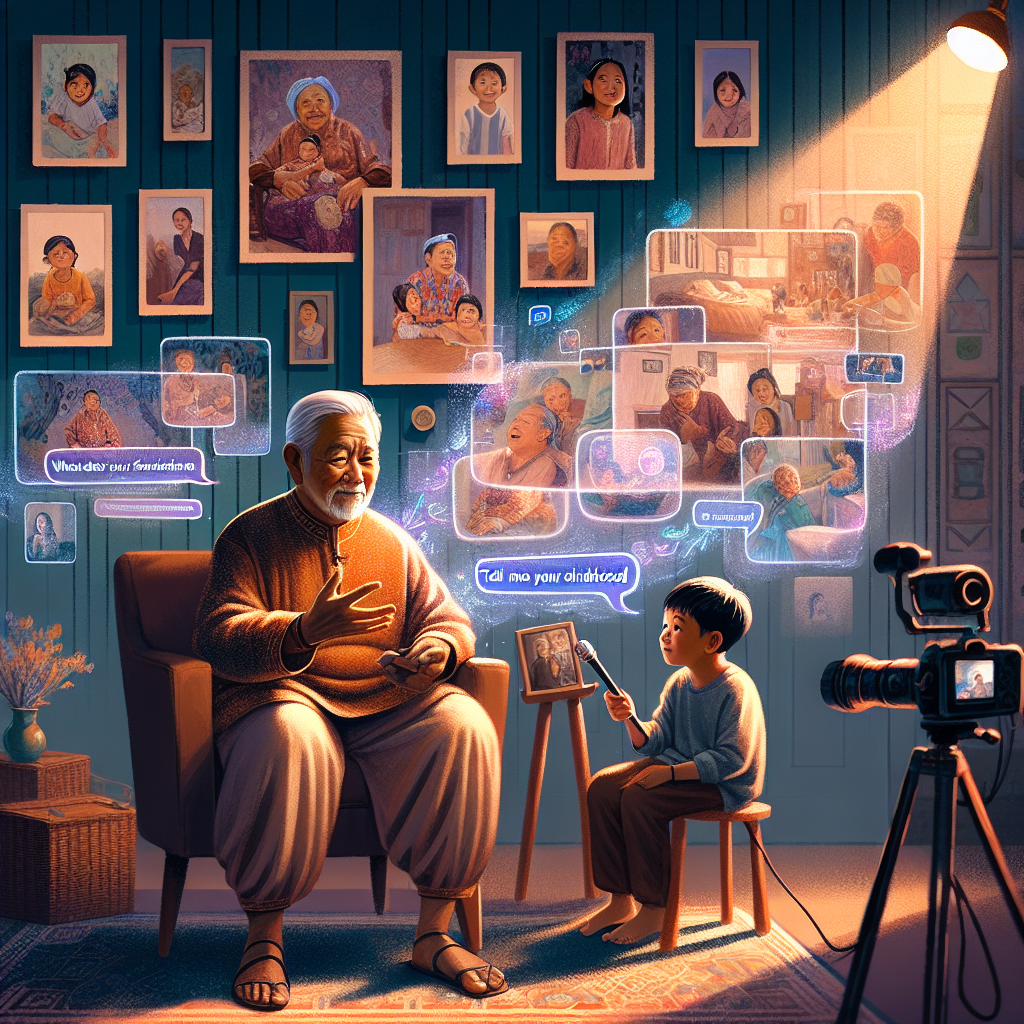
Picture this: you’re sitting around a fire with friends, an old guitar propped against the wall. As you strum a few chords, you share tales of where the guitar has been—the coffee shops filled with laughter, the heartache it accompanied, the moments of triumph that echoed through its strings. Each chord strikes a deeper note, resonating with your audience, connecting them to a feeling of shared experience. This is how you teach with your artifacts.
Legacy storytelling isn’t just about sharing an object; it’s about unpacking the lessons woven into its fabric. When you share the bumps and bruises of your journey, your audience perceives the truth that failure often trails success. They see not a polished image of perfection but a raw, relatable account of what it means to strive for something greater. This can inspire others to embrace their own struggles, fostering resilience.
Use your artifacts to ground your narrative in authenticity. Display that well-worn tool or the cherished book that shaped your perspective. Invite others to touch and interact with these pieces of your life, sparking conversations that invite them into your world. The tactile experience deepens connection—making your story not just heard but felt.
Furthermore, your artifacts can serve as powerful symbols of values. Whether it’s a family heirloom that represents resilience, or the first paintbrush you ever held, they can encapsulate ethics that guide you. By sharing these values, you invite others to reflect on their own guiding principles, creating ripples of thought and action.
Ultimately, storytelling through artifacts creates a communal space where vulnerability meets courage. People bond over stories of struggle and triumph, finding common ground in experiences often deemed solitary. When you open that door, you may ignite a spark in someone else—encouraging them to pursue their passions and craft their own legacy. Think of your artifacts not just as reminders of the past, but as lighthouses guiding others toward their own horizons. This is where true inspiration begins.

How Can You Use Your Artifacts to Inspire and Teach Others?
How Can You Use Your Artifacts to Inspire and Teach Others?
- Artifacts are more than objects; they are essential to legacy storytelling and human connection.
- Sharing stories about artifacts, like an old guitar, enhances the emotional resonance and fosters shared experiences.
- Legacy storytelling involves unpacking personal lessons, showcasing the journey of failures leading to successes.
- Authentic narratives invite interaction with artifacts, deepening connections through tactile experiences.
- Artifacts symbolize core values and can inspire others to reflect on their own guiding principles.
- Storytelling through artifacts creates a community bond, where vulnerability and courage intersect.
- Viewing artifacts as lighthouses encourages others to pursue their passions and craft their own legacies.
How Can You Use Your Artifacts to Inspire and Teach Others?
Conclusion
Keepsakes are more than mere relics; they are active participants in our stories, weaving a rich tapestry of identity and legacy. For Generation X, these artifacts serve as powerful vessels of memory, each one saturated with emotions, experiences, and lessons from days gone by. Picture an old baseball glove or a family photograph—these items hold the laughter, love, and trials of our past, offering a concrete connection to those who came before us. Legacy storytelling begins here, in the dust-covered corners where these treasures reside, waiting to be shared.
In today’s fast-paced digital world, the importance of preserving these stories becomes increasingly apparent. Generation X has seen both sides of the communication spectrum, understanding the risk of losing voices and narratives in the shuffle of constant technological advancement. By dusting off those keepsakes and articulating their stories, we engage in a profound act of connection, not just with our lineage but also with the present and future generations. This is where the ethical dimension shines; it’s a responsibility to ensure that the wisdom from our past resonates throughout time.
Imagine gathering with family, each member holding a treasured artifact. Each story recounted is a bridge connecting generations, enabling university-level discussions on life lessons, resilience, and shared values. These tales stretch beyond personal histories and enter the realm of collective experiences, fostering a sense of community that reaffirms our shared humanity. In each conversation, we craft a legacy steeped in love, laughter, and heartaches, creating a living history that can guide those who follow.
Moreover, these keepsakes invite reflection, urging us to ask what they signify about our values and lives. Each time we share these narratives, we inspire others to dive into their collections, sparking dialogues that encourage empathy and broaden understanding. It’s a powerful ripple effect—one person sharing can lead to a chorus of stories that bind us together, bridging gaps where isolation once thrived.
Ultimately, the responsibility of sharing these legacies is a call to action—a means to honor lives lived, lessons learned, and to foster connections that remind us we are not alone. Embrace those artifacts, tell those stories, and recognize the power they hold in shaping our tomorrow. Legacy storytelling isn’t just about preserving the past; it’s about nurturing the future, igniting passions, and lighting paths for generations to come. Every item has a heartbeat, a connection to a life lived—let’s ensure those connections echo through time.

Conclusion
Conclusion:
- Keepsakes serve as active participants in our stories, enriching our identity and legacy.
- For Generation X, these artifacts embody emotions and experiences from the past.
- Preserving these memories is crucial in today’s fast-paced digital world to maintain connection with our lineage.
- Sharing stories connected to keepsakes fosters community and reinforces shared values across generations.
- These narratives inspire empathy, spark dialogues, and encourage others to reflect on their own collections.
- The act of sharing legacies honors lives lived and creates connections that combat isolation.
- Legacy storytelling shapes the future while preserving the past, igniting passions for generations to come.

Conclusion
Other Resources

Other Resources
Here is a list of other resources you can review online to learn more:
- FindMyPast
- LifeBio
- Xarona
- RocketLawyer
- Directive Communication Systems
- USLegalWills.com
- NoLo
- Tributes
- deviantART
- WishesKeeper
- How Has Time Changed The Cost Of Capturing Family Legacy Stories
- Ever Loved
- Storyworth
- Your Digital Afterlife
- LivingDNA
- Bcelebrated
- How to Avoid Losing Your Family History One Generation at a Time
- LegacyFamilyTree
- Willmaker
- How to Save Your Family�s Stories from Being Lost Forever � A Step-by-Step Guide to Creating a Lasting Digital Legacy
Use This Prompt To Get More Resources With Your Favorite Online AI Tool: Please provide me with a list of online articles with their URLs in a bulleted list that I can read regarding Keepsakes with Context – Gen X’s Guide to Artifact Legacy

Other Resources
Glossary Terms
Keepsakes with Context – Gen X’s Guide to Artifact Legacy – Glossary Of Terms
1. Artifact: An object made or used by humans that holds cultural or historical significance.
2. Keepsake: A sentimental item kept for remembrance, often tied to personal experiences or relationships.
3. Legacy: Something handed down from one generation to another, encompassing traditions, memories, and possessions.
4. Gen X: A demographic cohort born roughly between the early-to-mid 1960s and the early 1980s, often characterized by cultural shifts.
5. Nostalgia: A sentimental longing for the past, often evoked by keepsakes and artifacts that trigger memories.
6. Memento: An object kept as a reminder of a person, place, or event, similar to a keepsake but often more generic.
7. Context: The circumstances or background that give meaning to an artifact or keepsake, enhancing its significance.
8. Curation: The act of selecting, organizing, and maintaining collections of artifacts, often with cultural or personal importance.
9. Heritage: The traditions, values, and artifacts passed down through generations that shape a group’s identity.
10. Memory Mapping: A technique to visually represent personal memories, often by linking keepsakes to specific experiences or stories.
11. Sentimentality: The quality of being influenced by emotions, especially in relation to personal memories associated with keepsakes.
12. Preservation: The process of maintaining and protecting artifacts or keepsakes to ensure their longevity and historical integrity.
13. Digital Legacy: The digital assets and online presence individuals leave behind, which can also hold sentimental value.
14. Cultural Significance: The importance of an object within a specific culture, often relating to shared history and collective identity.
15. Social History: The study of everyday life and social structures, often informed by artifacts and keepsakes of common people.
16. Tangible: An adjective describing an object that can be physically touched or experienced, often used to describe keepsakes.
17. Generational Shift: The changes in values, beliefs, or practices that occur from one generation to another, influencing artifact significance.
18. Souvenirs: Items collected or purchased as a reminder of a particular place or event, often tied to travel experiences.
19. Archiving: The systematic storage and preservation of documents and artifacts for future reference or study.
20. Intangible: Referring to concepts or qualities that cannot be physically touched, often associated with emotions tied to keepsakes.
21. Familial: Related to family or lineage; often describes keepsakes that have been passed down through generations.
22. Narrative: The story or account associated with a particular keepsake or artifact, providing deeper meaning to its existence.
23. Symbolism: The use of objects or artifacts to represent larger concepts or ideas, often tied to cultural or personal significance.
24. Rediscovery: The process of finding or realizing the significance of previously stored or overlooked artifacts or keepsakes.
25. Reflection: The act of contemplating past experiences and the role of keepsakes in shaping memories and identity.
26. Collectibles: Items that are gathered and valued for their rarity or significance, often tied to personal or cultural nostalgia.
27. Transition: The phase when artifact or keepsake ownership changes, often signaling shifts in family dynamics or legacy.
28. Emotional Resonance: The capacity of a keepsake to evoke strong feelings and memories, highlighting its importance in personal history.
29. Prescriptive Memory: The concept that memories can dictate how we recall and share past experiences, often shaped by artifacts.
30. Sustainability: The practice of maintaining and protecting artifacts and keepsakes in a way that honors their legacy for future generations.

Glossary Of Terms
Other Questions
Keepsakes with Context – Gen X’s Guide to Artifact Legacy – Other Questions
If you wish to explore and discover more, consider looking for answers to these questions:
- What types of keepsakes resonate most with Generation X?
- How can I identify the most meaningful artifacts in my collection?
- What are the best practices for sharing keepsake stories with family?
- How do I approach discussing sensitive memories tied to certain keepsakes?
- What role do keepsakes play in modern family dynamics?
- How can I encourage younger generations to cherish their own memories?
- What ethical considerations should I keep in mind when sharing family stories?
- Can the act of sharing keepsakes help in healing family rifts?
- How do artifacts reflect changes in societal values over time?
- What techniques can I use to preserve physical artifacts for future generations?
- How does technology impact the way we preserve and share memories?
- What challenges do I face when trying to pass down my legacy?
- In what ways can storytelling through artifacts enhance community connections?
- How do personal narratives through keepsakes promote understanding among diverse groups?

Other Questions
Haiku
Keepsakes with Context – Gen X’s Guide to Artifact Legacy – A Haiku
Treasured relics speak,
Stories thread through time and hearts,
Legacy ignites.

Haiku
Poem
Keepsakes with Context – Gen X’s Guide to Artifact Legacy – A Poem
In dusty boxes, treasures lie,
Fragments of life, whispers from the sky.
A baseball glove, a locket worn,
Stories woven, legacies born.
Generation X, with stories to tell,
In a world of noise, let silence dwell.
Artifacts carry our hopes and fears,
Echoes of laughter, reflections of tears.
Gather the family, let the tales flow,
Around the fire, let connections grow.
Each shared fragment, a bridge to the past,
Binding us tighter, forging love that will last.
Nostalgia’s embrace, a tender pull,
Every memory cherished, making us whole.
Yet beyond mere sentiment, lies duty profound,
To honor our stories, let their roots be found.
What lessons we carry, from those who came before,
In keepsakes and narratives, our values restore.
Ethical echoes, responsibilities we share,
History’s weight upon us, reminds us to care.
Take that worn pocket watch, let its stories unfold,
Teach resilience and courage through moments of old.
Artifacts speak softly, yet powerfully call,
To inspire, to teach, to unite us all.
In every conversation, a ripple can start,
As we unveil our treasures, we open our heart.
Together we weave a tapestry bright,
Guiding the future with stories of light.
Our past, intertwined, through laughter and pain,
In the sharing of keepsakes, community gained.
So dust off those relics, let their wisdom ignite,
For in every heartbeat, there’s a legacy’s light.

Poem
Checklist
Keepsakes with Context – Gen X’s Guide to Artifact Legacy – A Checklist
Legacy Storytelling Checklist: Connecting Through Keepsakes
Emotional Appeals:
_____ Reflect on a specific keepsake that evokes strong memories. What emotions does it stir?
_____ Plan a storytelling session with family, focusing on the emotional connections attached to your artifacts.
_____ Write down three lessons learned from your cherished items to share with others.
Rational Appeals:
_____ Create a list of your keepsakes and their historical significance. How do they reflect your identity?
_____ Identify the practical lessons associated with each artifact. How can these lessons apply today?
_____ Consider the potential impact of sharing your artifacts’ stories on younger generations. What insights can they gain?
Ethical Appeals:
_____ Assess the stories behind your keepsakes. Are they inclusive and respectful of all involved?
_____ Discuss with family members how they feel about sharing family stories. Ensure you honor their perspectives.
_____ Establish a plan for ethically sharing the history of your keepsakes, acknowledging everyone’s contribution.
Authority Appeals:
_____ Recognize your own lived experiences as valid stories. How can you leverage your authority in sharing them?
_____ Identify experts or resources on legacy storytelling to enrich your sharing process or inspire your approach.
_____ Become an advocate for documenting family stories within your community. How can your own storytelling inspire others?
Narrative Appeals:
_____ Write a short narrative for each keepsake that captures its history and significance. How does it contribute to your family’s overall story?
_____ Invite family members to join in creating a collective family story, weaving together different perspectives and artifacts.
_____ Craft a visual representation (like a family tree or timeline) that illustrates the connections made through your keepsakes.
Social Appeals:
_____ Set a date for a family gathering centered on sharing keepsake stories. What artifacts will you present?
_____ Create a social media group dedicated to sharing legacy stories and encouraging others to contribute.
_____ Reflect on how sharing your stories can foster a sense of belonging and connection in your community. What actions can you take to deepen those connections?
Use this checklist to explore and share the profound stories behind your keepsakes, fostering connection and understanding across generations.

Checklist
At LegacyExplorations, we help people plan and explore their legacy by collecting information and news regarding end-of-life planning.
Please share this post with your friends, family, or business associates who may want help to plan or explore their legacy.