

Navigating Family History: Resolving Conflicting Legacies
By Tom Seest
At LegacyExplorations, we help people plan and explore their legacy by collecting information and news regarding end-of-life planning.
Please share this post with your friends, family, or business associates who may want help to plan or explore their legacy.
Legacy Conflict: When Stories Don’t Match
In the tapestry of our lives, Legacy Conflict emerges when the threads of our stories don’t quite align. Imagine a family gathered around a dinner table, sharing memories that seem to diverge like rivers carving their own paths through time. Each tale, rich with emotion and personalized detail, has a purpose, but when those purposes don’t match, the air thickens with tension. This is the essence of Legacy Storytelling, where divergent narratives can either bind us closer or pull us apart.
Consider the grandmother who fondly remembers her immigrant parents’ journey, punctuated by sacrifice and hardship. Her story is a monument to resilience, echoing through the hallways of her life. Then, envision the teenage grandson, who hears a different version. For him, the stories of hardship feel distant and irrelevant, muffled by the chaos of modern life. This disconnect isn’t just a clash of facts; it’s a clash of identities, values, and worlds.
Now think for a moment about what’s at stake. These memories are more than just personal histories; they are inherited legacies that shape who we are. Confronting legacy conflicts head-on challenges us to scrutinize our assumptions and reevaluate our narratives. It demands courage to navigate the gray areas where facts become subjective and emotions blend with reality. When we face these divergences, we engage not just our hearts but our heads. We learn to listen deeply, uncovering nuances hidden beneath the surface of storytelling.
Ethically, we have a responsibility to honor every version of the story. Each voice carries weight and meaning, deserving of recognition. Acknowledging diverse perspectives fosters empathy and promotes understanding. It’s a step toward shared narratives, ones that weave individual stories into a collective legacy, rather than tearing them apart.
And there’s authority in honesty. By bravely confronting these conflicts, we reinforce trust—not just within our families, but in our communities. Thus, we can take action, embracing the power of Legacy Storytelling to bridge divides and inspire connection where it matters most. Embrace the conversation, invite differing viewpoints to your table, and cherish the complexities that make us human. Together, we can build a legacy rich with understanding, compassion, and an unbreakable bond that transcends generations.

Legacy Conflict: When Stories Don’t Match
Legacy Conflict: When Stories Don’t Match
- Legacy Conflict arises when family stories diverge, creating tension among members.
- Personal narratives shape identity and values, highlighting the differences between generations.
- Confronting legacy conflicts encourages scrutiny of assumptions and reevaluation of narratives.
- Ethical responsibility exists to honor and recognize all versions of the family story.
- Acknowledging diverse perspectives fosters empathy and promotes a shared understanding.
- Honesty in confronting conflicts builds trust within families and communities.
- Embracing conversations and differing viewpoints can create a deeper, collective legacy.

Legacy Conflict: When Stories Don’t Match
Table Of Contents
- Legacy Conflict: When Stories Don’t Match
- What Feelings Do Conflicting Family Stories Evoke In You?
- How Can We Reconcile Differing Memories Of Our Shared Past?
- What Truths Are Often Lost In The Stories We Tell About Our Families?
- How Do Our Personal Narratives Shape Our Understanding Of Legacy?
- Why Is It Important To Honor Diverse Perspectives In Family History?
- How Can We Create A Respectful Dialogue Around Conflicting Narratives?
- What Role Does Authority Play In Validating Family Histories?
- Conclusion
- Other Resources
- Glossary Of Terms
- Other Questions
- Haiku
- Poem
- Checklist
What Feelings Do Conflicting Family Stories Evoke In You?
What feelings do conflicting family stories evoke in you? This question digs deeper than you might think. In every family, there exists a rich tapestry of narratives, woven together but often frayed at the edges by differing perspectives. These threads—some vibrant with joy, others darkened by sorrow—layer our very identities and remind us that family is not just a matter of blood, but of stories.
Think about the last time you gathered around the dinner table. Perhaps someone recounted a family legend, maybe a heroic tale from a grandparent or an embarrassing incident from childhood. You felt the air buzz with emotion—a collective connection forged through shared memories. Yet, as those tales unfolded, did you catch a hint of discord? Maybe your sister remembered the event differently, or your uncle couldn’t resist throwing in a contrasting viewpoint. The laughter shifts, the smiles fade, and an almost palpable tension fills the room.
This is the essence of legacy storytelling—an intricate balancing act between loyalty to our personal truths and the universal truths shared by families. Each conflicting account stirs up a whirlwind of feelings—resentment, validation, confusion, perhaps even nostalgia. We wrestle with the conflicting narratives: How does one family event become multiple stories? And why do these differences matter?
From a rational standpoint, it reflects our inherent need for belonging. Each person brings their own experiences and viewpoints, and therein lies the beauty—and the struggle—of family dynamics. Ethically speaking, honoring these varied stories means acknowledging their significance, giving voices to those unheard.
The gut reaction is equally potent. You may feel a surge of protectiveness over your interpretation of events, or perhaps a yearning for consensus amidst the chaos. It’s this emotional tug-of-war that prompts dialogue, leading to deeper connections and a greater understanding of one another. Those conflicting narratives—often seen as a burden—can actually be a vehicle for empathy and growth.
We all have a comedian, a storyteller, and a historian in our families. These roles can ignite important conversations about who we are, where we come from, and where we’re going. So when you find yourself in the midst of contrasting family stories, embrace the moment. Share your truth, listen more intentionally, and weave those differences into your family legacy. After all, it’s in the clash of stories that we often find the unity and resilience that binds us together.

What Feelings Do Conflicting Family Stories Evoke In You?
What Feelings Do Conflicting Family Stories Evoke In You?
- Conflicting family stories evoke deep emotions and reflect the complexity of family narratives.
- Family gatherings often reveal differing perspectives, creating tension amidst shared memories.
- Legacy storytelling balances personal truths with shared family experiences, stirring various feelings.
- Conflicting accounts bring up emotions like resentment, nostalgia, and confusion, raising questions about family dynamics.
- Acknowledging diverse perspectives fosters belonging and gives voice to those unheard within the family.
- These narrative conflicts can facilitate empathy, growth, and deeper connections among family members.
- Engaging in contrasting family stories strengthens family bonds, reflecting unity and resilience.

What Feelings Do Conflicting Family Stories Evoke In You?
How Can We Reconcile Differing Memories Of Our Shared Past?
In the fabric of our shared history, threads often fray and unravel, revealing a tapestry woven with differing memories. It’s not uncommon to hear two people talk about the same event and wonder if they were living in parallel universes. Yet, amidst the confusion lies an opportunity for profound reconciliation.
Consider this: our legacy is not just a collection of facts and dates; it’s a living story that shapes who we are and how we connect with one another. When we approach contrasting memories, we embark on a journey of collective storytelling that demands not just our hearts, but our heads and guts too.
Engaging the heart means recognizing that those differing perspectives come steeped in personal experience. Each story carries emotions—pain, joy, loss, and triumph. When we listen, we allow these feelings to wash over us, creating bridges where walls once stood. It’s easy to dismiss an opposing viewpoint as invalid, but the truth is, every memory serves a purpose in the greater narrative.
Rationally, we must confront the reality that our historical narratives are often colored by the lens through which we view the world. Different backgrounds, cultures, and experiences influence how we process events. By embracing these variances, we don’t just validate another person’s perspective; we enrich our understanding of the shared path we walk. This requires us to set aside pride and preconceptions, allowing truth to emerge from diverse accounts.
Ethically speaking, we have a responsibility to honor every voice in our shared legacy. Ignoring or dismissing any segment diminishes the experience of those who lived it. Instead, we can create forums where stories can be told and retold, fostering a culture of cooperation and mutual respect.
This isn’t just about reconciliation; it’s about action. As we confront and share these memories, we sow seeds of trust that can flourish into a deeper connection. When we acknowledge our different narratives, we lay the groundwork for future generations to build upon.
Let’s engage in this critical work of legacy storytelling together. Every conversation is a step toward healing, understanding, and ultimately reconciling our disparate memories into a shared history we can all embrace. It’s time to listen, reflect, and act—not just for ourselves, but for the tapestry we’ll leave for those who come after us.

How Can We Reconcile Differing Memories Of Our Shared Past?
How Can We Reconcile Differing Memories Of Our Shared Past?
- Shared history is complex, with differing memories creating a frayed tapestry.
- Contrasting memories provide an opportunity for profound reconciliation.
- Our legacy is a living story that shapes our identity and connections.
- Listening to differing perspectives involves engaging emotionally and rationally.
- Understanding diverse narratives enriches our collective historical understanding.
- Every voice in our shared legacy deserves honoring to foster cooperation and respect.
- Engaging in legacy storytelling nurtures trust and lays a foundation for future generations.

How Can We Reconcile Differing Memories Of Our Shared Past?
What Truths Are Often Lost In The Stories We Tell About Our Families?
We gather around the kitchen table, stories swirling like the steam from a fresh pot of coffee. On the surface, a family’s narrative seems simple—filled with shared laughter, cherished moments, and a few heart-wrenching trials. But often, the truths that bind a family together lie beneath the surface, submerged beneath layers of carefully crafted legacy storytelling.
Every family has its myths, right? The tales that glorify heroic acts and gloss over the messier details. Maybe Uncle Jerry was the bravest firefighter in the county, but no one speaks of the nights he walked out of the station, haunted by the memories of those he couldn’t save. These stories, while well-intentioned, often overshadow the complexity of our shared experiences. It’s the silence around the struggles that can become enduring shadows, deceitfully painting a picture of the past that does not reflect reality.
Yet, consider this: every family’s story is a patchwork quilt, each square representing a piece of truth that reveals not just what we want to believe, but the rich tapestry of our existence. When we ignore the uncomfortable chapters—the addiction, the failures, the regrets—we unintentionally diminish the humanity in our lineage. It’s not just about where we’ve come from, but rather how we’ve navigated the storms together. Igniting a conversation about these difficult truths can be transformative, fostering connection over shared vulnerabilities.
To truly honor our legacy, we must embrace authenticity. It takes courage to peel back the layers, but this act of raw vulnerability allows us to create space for deeper understanding and healing. The beauty of a family lies in its resilience—how we overcome challenges together and learn from our collective mistakes. That transparency enriches the human experience, demonstrating that no one is perfect and that imperfection is, in fact, part of the narrative that shapes who we are.
Let’s share the stories worth telling, the ones that reveal the truths that often get lost. Bring out the laughter alongside the tears. Acknowledge the strength in fragility, and in doing so, know that we’re all writing legacy in real-time. By becoming willing to share the full spectrum of our experiences, we can cultivate trust and connection, inspiring not just our families but also future generations to embrace their own authentic journeys.
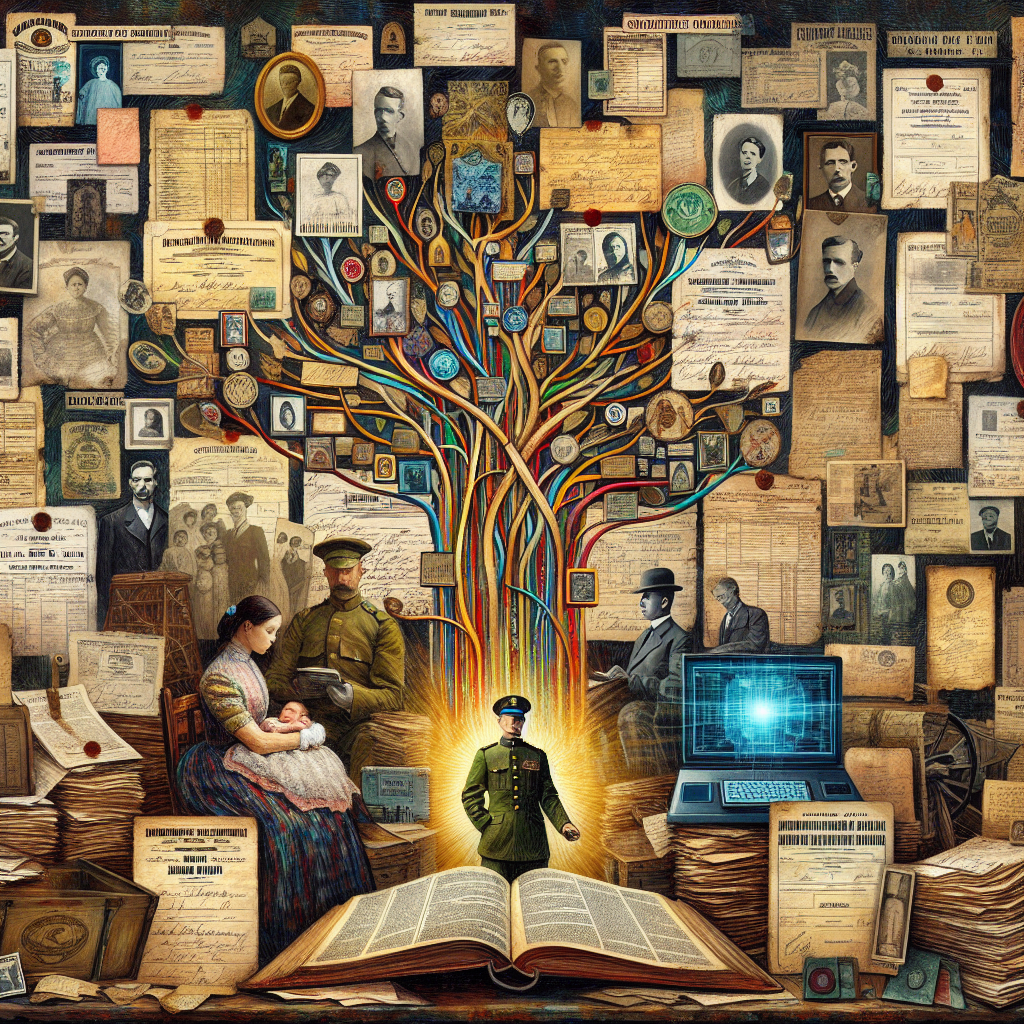
What Truths Are Often Lost In The Stories We Tell About Our Families?
What Truths Are Often Lost In The Stories We Tell About Our Families?
- Family narratives encompass shared laughter, cherished moments, and heart-wrenching trials.
- Many family stories glorify heroic acts while glossing over difficult truths and struggles.
- Silence around complexities can distort the reality of shared experiences.
- Every family’s story is a patchwork quilt, revealing both desired beliefs and the rich tapestry of existence.
- Ignoring uncomfortable chapters diminishes the humanity within family legacies.
- Embracing authenticity and vulnerability fosters deeper understanding and healing among family members.
- Sharing the complete spectrum of experiences cultivates trust and inspires future generations.

What Truths Are Often Lost In The Stories We Tell About Our Families?
How Do Our Personal Narratives Shape Our Understanding Of Legacy?
Every one of us carries a legacy within, a narrative intricately woven from the threads of our experiences. Each story we tell—not just to others but to ourselves—paints a picture of who we are and who we aspire to be. Through Legacy Storytelling, we can explore not only our past but also how it shapes our present and future.
Picture this: a young boy listening to his grandfather recount tales of grit and resilience, stories that resonate with trials, failures, and triumphs. These moments are more than just tales; they are blueprints for understanding how to navigate life’s chaotic seas. They build an emotional connection that stirs the heart, igniting aspirations and hopes for what one can achieve. It’s in these shared experiences that we find comfort and inspiration, allowing us to develop an identity steeped in something greater than ourselves.
Rationally, our personal narratives do more than inspire; they offer a framework for decision-making. When faced with adversity, recalling the lessons from our ancestors or influential figures in our lives can provide clarity. These impactful stories equip us with ethical grounding, shining a light on values like honesty, perseverance, and compassion. Legacy becomes a mirror through which we assess our choices and the paths we take, shaping our character and, ultimately, the way we engage with the world around us.
Socially, discussions about legacy create a sense of belonging. We all have stories to share—some of joy, others of hardship—but each one is a thread in the expansive tapestry of human experience. When we come together to share these narratives, we foster connection, building bridges that unite generations and diverse backgrounds. In conversations that celebrate legacy, we find camaraderie, laughter, and even healing.
So, consider this an invitation: dig into your own story. Share it, celebrate it, live it! Whether it’s around a dinner table, a campfire, or even in the quiet of your own reflection, let your voice resonate. By honoring our narratives, we not only empower ourselves but inspire those around us to chart their own legacies. Remember, the stories we tell shape not just our understanding of legacy, but define it for future generations. Let’s get to work, one tale at a time.

How Do Our Personal Narratives Shape Our Understanding Of Legacy?
How Do Our Personal Narratives Shape Our Understanding Of Legacy?
- Each individual carries a unique legacy shaped by their experiences and narratives.
- Legacy Storytelling helps explore past experiences and their impact on the present and future.
- A young boy’s lessons from his grandfather illustrate how stories guide personal growth and aspirations.
- Personal narratives serve as frameworks for decision-making and provide ethical grounding during adversity.
- Sharing legacy narratives fosters a sense of belonging and connection across generations.
- Celebrating and sharing stories enables camaraderie, healing, and inspiration among individuals.
- Honoring our own stories empowers us and inspires others to create their own legacies.
How Do Our Personal Narratives Shape Our Understanding Of Legacy?
Why Is It Important To Honor Diverse Perspectives In Family History?
Family history is far more than just names and dates etched into dusty records; it’s a rich tapestry woven with the diverse threads of our ancestors’ lives. When we honor these varied perspectives, we engage in a profound act of legacy storytelling. It’s not just about where we came from; it’s about understanding who we are and what we stand for as individuals and as a community.
Think about it: each family member, each ancestor has their own unique narrative filled with struggles, triumphs, and lessons. Acknowledge that a great-grandparent who immigrated to a new land faced challenges that shaped the future of your family in ways you might never have imagined. This isn’t mere history; it’s raw, emotional material that invites empathy and connection. By embracing diverse perspectives, we allow their voices to resonate in our lives today, guiding us through the trials of our own journey.
From a rational standpoint, understanding varied viewpoints enriches our worldview. When we peek into the lives of family members who may have different backgrounds, beliefs, or experiences, we discover layers of resilience and adaptability—qualities that are essential in our fast-paced, often polarized society. These stories remind us that while we may not walk the same path, we share the same humanity. It equips us with the wisdom to approach future challenges with a more thoughtful and nuanced understanding.
On an ethical level, honoring diverse perspectives in family history obliges us to recognize the privilege we may hold and the hurdles others have faced. Acknowledging these differences fosters inclusivity, ensuring that no story is silenced or overlooked. It connects us, shaming the notion of superiority that can plague family narratives where only one voice prevails.
Socially, reflecting on these diverse narratives allows us to forge deeper connections with others—even those outside our family unit. When we celebrate our multifaceted heritage, we learn tolerance, compassion, and an appreciation for the rich variety that humanity offers. This is how communities thrive—as people come together, sharing stories and recognizing their shared struggles and victories.
So dig deep, listen intently, and embrace the full spectrum of your family’s heritage. In doing so, you not only enrich your own life but also honor a legacy that deserves to be told and retold, illuminating paths for future generations. Let’s keep the conversations alive; they are the heartbeat of what it means to truly belong.

Why Is It Important To Honor Diverse Perspectives In Family History?
Why Is It Important To Honor Diverse Perspectives In Family History?
- Family history goes beyond names and dates; it’s a complex narrative of our ancestors’ lives.
- Engaging with diverse family perspectives is an act of legacy storytelling that deepens personal and communal identity.
- Each family member’s unique story includes struggles and triumphs that significantly shape future generations.
- Understanding varied viewpoints enriches our worldview and helps us appreciate shared humanity.
- Honoring diverse family histories requires acknowledging privilege and the challenges faced by others, promoting inclusivity.
- Reflecting on different narratives fosters connections and social appreciation for humanity’s variety.
- Embracing your family’s heritage not only enriches your life but also honors a legacy that benefits future generations.

Why Is It Important To Honor Diverse Perspectives In Family History?
How Can We Create A Respectful Dialogue Around Conflicting Narratives?
To create a respectful dialogue around conflicting narratives, we must first recognize that every story is a legacy—shaped by our experiences, beliefs, and the unique journeys we undertake. Each narrative we encounter contains layers of truth that resonate on both an emotional and intellectual level. Embrace the power of legacy storytelling; it’s how we connect with one another and bridge the gaps between divergent viewpoints.
Imagine sitting around a campfire, sharing stories under a starlit sky. You listen to a neighbor’s triumphs and struggles as if they were your own. This is the essence of dialogue—an opportunity to understand, rather than merely defend. When we approach discussions with an open heart, we honor our shared humanity. This isn’t just about nodding politely; it’s about being genuinely curious. Why does that narrative matter to the other person? What history fosters their beliefs? Engaging with compassion invites a connection that transcends ideological barriers.
Allow your mind to wander through the corridors of your own beliefs. Look at the values that underpin them, and recognize the gray areas where we can find common ground. It’s crucial to validate the other’s experiences, even if those experiences clash with your own. That doesn’t mean conceding ground; it means stepping closer and cultivating a dialogue that fosters collective understanding. This kind of engagement encourages rational discourse, where diverse perspectives can spark innovation and growth.
Ethics come into play when we acknowledge that every narrative has its own place in the tapestry of life. It’s not just about being right; it’s about being human. By honoring the stories we tell and hear, we build a foundation based on trust. Your story is your gift to share, and their story is a bridge to understanding.
In a world filled with cacophony, let’s be bold enough to lean in and listen, signaling that we value the voice of others. Social dynamics often hinge on the relationships we foster, and by nurturing respectful dialogue, we cultivate a deeper connection to our communities.
The next time you’re faced with a conflicting narrative, consider it an opportunity to embrace legacy storytelling. Engage with the heart, head, and gut. Inspire not just action, but transformation, where every conversation brings us one step closer together in mutual respect.

How Can We Create A Respectful Dialogue Around Conflicting Narratives?
How Can We Create A Respectful Dialogue Around Conflicting Narratives?
- Every story is a legacy shaped by personal experiences, beliefs, and journeys.
- Narratives contain layers of truth that resonate emotionally and intellectually.
- Engaging in dialogue means understanding others rather than merely defending one’s own views.
- Genuine curiosity about others’ narratives fosters compassion and connection.
- Recognizing gray areas in beliefs can help find common ground and validate diverse experiences.
- Honoring narratives builds trust and fosters rational discourse and innovation.
- Embrace conflicting narratives as opportunities for transformation and mutual respect.

How Can We Create A Respectful Dialogue Around Conflicting Narratives?
What Role Does Authority Play In Validating Family Histories?
When we delve into our family histories, we embark on an exploration of who we are and where we come from. This journey can feel like wandering through a vast, uncharted forest filled with twists, turns, and the occasional hidden pitfall. But here’s the truth: our paths often lead us back to authority figures—those trusted voices that pave the way for understanding our legacy.
The role of authority in validating family histories cannot be overstated. It’s like having a compass in our hands as we navigate through the stories and echoes of our ancestors. Think about it—when your grandfather shares tales of hardship during wartime, or your grandmother recounts the joys of a simpler life, you’re not just absorbing information. You’re witnessing the heart of your family’s legacy storytelling, a vibrant tapestry woven from lived experiences. That story resonates not just in your head but in your gut, igniting an innate desire to preserve and honor those who came before us.
But let’s face it—hollow hearsay doesn’t build trust. Validation from credible sources transforms these narratives into something robust and actionable. This is where genealogy experts, historical records, and documented evidence come into play. They serve as the anchor in our journey, lending authenticity to the tales passed down through generations. A family history that stands on a foundation of factual evidence fosters a connection that’s deeply rooted in not just emotional affinity but rational understanding.
Ethically, it’s our responsibility to preserve these stories with respect. Misrepresentation or exaggeration can dilute the integrity of our histories and disrespect those who lived them. Gaining authority through accurate research and peer-reviewed sources ensures we honor our ancestors and present truths that future generations will cherish.
Authority also has a social dimension. When we share our validated family histories with others—whether at a family gathering, a community event, or even in an online forum—we’re not merely recounting facts. We’re forging connections, building bridges, and often inspiring others to dig deeper into their own legacies. Each story we tell carries weight and significance, urging those around us to acknowledge their roots and embark on their own quests for identity.
So, let’s approach our family histories with vigor. Seek out trusted voices, embrace those complex narratives, and honor your legacy with the diligence it deserves. Your ancestors have stories worth sharing—what are you waiting for?

What Role Does Authority Play In Validating Family Histories?
What Role Does Authority Play In Validating Family Histories?
- Exploring family histories helps us understand our identity and origins.
- Authority figures play a crucial role in validating family narratives, acting as guides through our ancestry.
- Storytelling from grandparents connects us to our family’s legacy and ignites a desire to preserve it.
- Validation from credible sources, such as genealogy experts and historical records, enhances the authenticity of family stories.
- Accurate research and peer-reviewed sources are vital to ethically preserving family histories and honoring ancestors.
- Sharing validated family histories fosters social connections and encourages others to explore their own legacies.
- Approaching family histories with diligence allows us to celebrate and share the significant stories of our ancestors.

What Role Does Authority Play In Validating Family Histories?
Conclusion
In a world where family narratives can clash like opposing forces in a storm, understanding Legacy Conflict becomes not just important, but essential. Picture the scene: family members seated around a table, voices rising and falling with the ebb and flow of memory. Each story told is a reflection of individual experiences, yet the discrepancies between them can spark tension, highlighting the undeniable truth that while we share blood, we don’t always share perspectives.
At the heart of this conflict lies the challenge of reconciling differing accounts—tales that are steeped in emotion, rich with history, and intricately linked to our identities. When we face these conflicting stories, we embark on a journey that demands more than just attentiveness; it calls for courage—the courage to listen without defensiveness, to allow our hearts to feel the weight of another’s experience. As we dig deeper, we find that these stories, while unique, are interconnected threads in the tapestry of our family legacy and reveal the values, struggles, and triumphs that shape us collectively.
Acknowledging diverse narratives is not merely an act of virtue but a necessity for genuine understanding. We owe it to ourselves and our ancestors to honor every voice, recognizing that each contributes significant insight into our collective identity. This creates a rich soil from which empathy can grow, allowing us to weave our individual experiences into a shared legacy rather than letting them unravel.
Moreover, the act of storytelling serves as a powerful medium for fostering connection. The beauty of our multifaceted histories lies in their ability to bridge divides and nourish mutual respect. When we intentionally create spaces for dialogue—whether through family gatherings or community discussions—we equip ourselves with the tools to transform conflict into cohesion. These conversations not only preserve the complexity of our past but galvanize us to confront the future equipped with a fuller understanding of our heritage.
Ultimately, embarking on this path calls us to embrace and honor all dimensions of family history, the light and the dark. By peeling back the layers of our narratives, we cultivate a legacy rich in authenticity and resilience. So, let’s gather around the table, share our truths, and embark on this journey together, threading our stories into a rich legacy that future generations will cherish and understand. Embrace the discussions; the legacy we build today is the foundation for those who will come after us.

Conclusion
Conclusion:
- Understanding Legacy Conflict is essential for navigating family narratives.
- Individual stories reflect personal experiences, often leading to tension due to differing perspectives.
- Reconciling conflicting accounts requires courage, empathy, and attentiveness.
- Each family narrative contributes to a collective identity, honoring diverse voices is crucial for understanding.
- Storytelling fosters connection and helps bridge divides, promoting mutual respect.
- Creating spaces for dialogue transforms conflict into cohesion, preserving the complexity of family history.
- Embracing all dimensions of family history cultivates a legacy rich in authenticity and resilience.

Conclusion
Other Resources

Other Resources
Here is a list of other resources you can review online to learn more:
- How To Write Legacy Stories That Appeal To The Heart, Gut and Head
- Bcelebrated
- Xarona
- FamilySearch
- Legacy Family Tree
- RootsMagic
- IronClad Family
- WishesKeeper
- UpCounsel
- Digital Legacy Association
- Meminto
- LifeNaut
- Willmaker
- Trust And Will
- Funeral Services Guide
- International End of Life Doula Association
- LegacyFamilyTree
- 23AndMe
- Personal Legacy Advisors
- ForeverMissed
Use This Prompt To Get More Resources With Your Favorite Online AI Tool: Please provide me with a list of online articles with their URLs in a bulleted list that I can read regarding Legacy Conflict: When Stories Don’t Match

Other Resources
Glossary Terms
Legacy Conflict: When Stories Don’t Match – Glossary Of Terms
1. Legacy Conflict: Discrepancies in historical narratives, often arising from differing perspectives or interpretations of events.
2. Narrative: A structured account of a series of events or experiences, conveying a particular viewpoint or message.
3. Historical Revisionism: Reinterpretation of historical records, which can lead to conflicts when contrasting views emerge.
4. Oral History: Stories passed down verbally, which may evolve over time and differ from documented history.
5. Cultural Memory: Collective memories shared by a group, influencing identity and perceptions of the past.
6. Testimonial: A personal account or statement that serves as evidence or a narrative of particular experiences.
7. Collective Identity: The shared sense of belonging to a group, often shaped by shared histories and narratives.
8. Mythmaking: The process of creating myths or stories that shape cultural beliefs or values, potentially leading to conflicting narratives.
9. Documentary Evidence: Written records or artifacts used to support historical claims, which can be interpreted differently.
10. Perspective: A particular attitude or way of considering an issue, crucial in understanding differing narratives.
11. Bias: A tendency to favor one perspective over another, affecting the portrayal of historical events.
12. Intersectionality: The interconnected nature of social categorizations (like race, gender, class) that can influence personal narratives.
13. Canon: A collection of works or texts considered authoritative, impacting how stories are told and understood.
14. Narratology: The study of narrative structure and how it affects perception and interpretation of events.
15. Symbolism: Use of symbols within narratives to convey deeper meanings or values, sometimes leading to misinterpretation.
16. Discourse: Written or spoken communication that shapes and reflects societal norms, including historical narratives.
17. Authenticity: The quality of being true or genuine, often questioned in the context of historical accounts.
18. Conflict Resolution: Methods and processes aimed at resolving disputes or disagreements, particularly in conflicting narratives.
19. Historical Amnesia: A collective forgetting of events or narratives, which can lead to conflicts when differences arise.
20. Framing: The way information is presented, influencing interpretation and understanding of narratives.
21. Testimonial Injustice: The wrong done to a speaker when their word is given less credibility due to bias.
22. Mediation: An intervention to resolve disputes by bringing parties together to reach an agreement, applicable in legacy conflicts.
23. Resilience: The capacity to recover from conflicts or historical trauma, influencing how narratives are shared.
24. Competing Narratives: Conflicting accounts of the same events or issues, highlighting differences in perspective or interpretation.
25. Ethical Considerations: Moral implications of representing historical narratives, especially regarding accuracy and fairness.
26. Censorship: The suppression or limitation of knowledge or narratives, which can contribute to legacy conflicts.
27. Legacy: The lasting impact or influence of individuals or events on future generations, often tied to historical narratives.
28. Reconciliation: The process of restoring harmony between conflicting narratives or groups, promoting understanding.
29. Intersection of Histories: The point at which different narratives converge or diverge, often sparking debates.
30. Empowerment: The process of enabling individuals or groups to assert their stories or narratives, often in the context of legacy conflicts.

Glossary Of Terms
Other Questions
Legacy Conflict: When Stories Don’t Match – Other Questions
If you wish to explore and discover more, consider looking for answers to these questions:
- What techniques can be used to effectively listen to conflicting family narratives?
- How can storytelling help in healing family rifts?
- What are some common themes in family stories that often conflict?
- How does culture influence the way family histories are perceived?
- What role does technology play in preserving family stories?
- How can one facilitate discussions around painful family memories?
- What are the consequences of ignoring conflicting narratives in family dynamics?
- How can family historians ensure diverse perspectives are included in their research?
- What methods can be used to document family stories for future generations?
- How do generational differences affect the interpretation of family history?
- What are the ethical implications of sharing family stories publicly?
- How can reconciliation be achieved when memories of an event conflict?
- What resources are available to help families explore their histories?
- How does the perception of truth vary among different family members?

Other Questions
Haiku
Legacy Conflict: When Stories Don’t Match – A Haiku
Stories diverge, clash,
Tales weave threads of family—
Listen, heal, unite.

Haiku
Poem
Legacy Conflict: When Stories Don’t Match – A Poem
In the heart of our gatherings, where stories converge,
A tapestry unfolds, each thread a voice, a urge,
Legacies collide like rivers, fierce and grand,
Echoes of the past slip through our hands.
Grandmothers speak of journeys, of trials and fears,
While grandsons roll their eyes, lost in modern years.
Each tale holds a truth, a beating heart,
Yet conflicting memories can tear us apart.
What’s at stake is deeper than mere words exchanged,
It’s the essence of identity, the lives rearranged.
To confront our differences, requires brave insight,
To blend our stories and make the canvas bright.
Let us share our truths, the bold and the frail,
For in every struggle, there’s strength to prevail.
Ethically bound to honor each voice,
We weave understanding, we invite the choice.
With authority in honesty, let trust take its place,
We cradle the complexities, for in them, we embrace.
A family’s rich history holds lessons untold,
In the warmth of connection, our stories unfold.
So gather ‘round the table, bring forth your light,
In the dance of narratives, let’s unite the night.
For beyond the discord lies unity’s call,
In the clash of our legacies, we find hope for us all.

Poem
Checklist
Legacy Conflict: When Stories Don’t Match – A Checklist
Legacy Conflict Checklist: Navigating Conflicting Family Histories
Emotional Appeal:
_____ Reflect on how family stories resonate with your emotions—what feelings arise when you hear different versions?
_____ Identify personal connections to the narratives—how have these stories shaped your identity?
_____ Acknowledge the emotional weight of each family member’s perspective and validate their experiences.
Rational Appeal:
_____ Analyze the reasons behind differing narratives—consider the contexts and backgrounds that shape individual views.
_____ Document key events from multiple perspectives to understand the bigger picture of family history.
_____ Engage in open discussions that allow for rational exploration of conflicting accounts.
Ethical Appeal:
_____ Recognize the importance of honoring every family member’s story—commit to giving voice to the unheard.
_____ Foster an environment where all narratives are respected, ensuring no perspective is dismissed.
_____ Take action to create forums or family discussions aimed at sharing varied viewpoints.
Authority Appeal:
_____ Validate family histories with credible sources—research genealogical records or consult history experts.
_____ Share documented family stories that underline the significance of collective experiences.
_____ Encourage family members to seek accurate representations of their narratives.
Narrative Appeal:
_____ Share an unforgettable family story that encapsulates your family’s values and lessons learned.
_____ Encourage others to tell their stories, reinforcing the importance of legacy storytelling.
_____ Connect personal anecdotes to broader themes of resilience and unity.
Social Appeal:
_____ Host family gatherings focused on storytelling—establish a safe space for sharing different viewpoints.
_____ Create opportunities for dialogue that promote understanding, compassion, and connection.
_____ Embrace diversity in narratives—acknowledge that multiple stories can coexist and enrich your family legacy.
Use this checklist as a guide to facilitate meaningful conversations around family histories and conflicts, building a legacy that reflects the richness of diverse perspectives.

Checklist
At LegacyExplorations, we help people plan and explore their legacy by collecting information and news regarding end-of-life planning.
Please share this post with your friends, family, or business associates who may want help to plan or explore their legacy.