

Passing Down Wisdom: The True Currency Of Legacy
By Tom Seest
At LegacyExplorations, we help people plan and explore their legacy by collecting information and news regarding end-of-life planning.
Please share this post with your friends, family, or business associates who may want help to plan or explore their legacy.
Legacy Isn’t Just Money—It’s Know-How
When we think of legacy, our minds often wander to the financial endgame—inheritances, properties, and the dollar signs that can echo long after we’re gone. But let’s take a moment to peel back that layer. What good is money without the wisdom passed down alongside it? Legacy isn’t just about what we leave behind; it’s about how we shape the lives of those who follow.
Consider the artisans, the craftspeople, and the trades that have withstood the test of time. These individuals didn’t just hand down trinkets; they poured their heart and soul into teaching the next generation. Their legacy is woven into the fabric of skill, resilience, and know-how—a legacy storytelling that speaks to our shared human experience.
A field full of wheat is impressive, sure, but the real magic lies in the knowledge of how to cultivate it. It’s not just seeds that get passed down; it’s the understanding of timing, soil, and the patience to wait for growth. When we empower others with our own experiences—triumphs and failures alike—we’re not just gifting them recipes for success; we’re arming them with the tools to navigate life’s unpredictable terrain.
In a world that often measures success by what is tangible, let’s not forget the ethical dimensions of our legacies. Are we equipping our children, our communities, and our friends with the ability to stand on their own two feet? Are we igniting their passions, fueling their ambitions, and nurturing their minds? When you share your know-how, you’re creating a ripple effect—an invitation for others to rise and flourish.
Think of the stories we tell around a dinner table: the challenges faced, the victories won, the foibles that made us laugh. These narratives don’t just entertain; they bind us together, establishing trust and a sense of belonging. This is the essence of legacy: fostering connections that last far beyond our years.
So, when you consider what you will leave behind, remember that the most profound impact doesn’t come from bank statements but from the seeds of knowledge and values you sow. It’s that wealth of spirit and understanding, the real currency, that will echo through generations. Strive to create a legacy that teaches, inspires, and empowers because how we influence the world’s next chapter matters more than anything else we might leave behind.

Legacy Isn’t Just Money—It’s Know-How
Legacy Isn’t Just Money—It’s Know-How
- Legacy encompasses more than financial assets; it includes the wisdom and values shared with future generations.
- Artisans and craftspeople exemplify the importance of passing down skills and knowledge, shaping lives through teaching.
- True legacy is about empowering others with both successes and failures, providing them tools for life’s challenges.
- Ethical dimensions of legacy involve equipping others to be self-sufficient, igniting passions, and nurturing potential.
- Storytelling around gatherings creates connections, building trust and belonging that outlasts individual lives.
- The most significant legacy is the sharing of knowledge and values, which acts as a real currency across generations.
- Focus on creating a legacy that teaches, inspires, and empowers, influencing the next chapter of the world.

Legacy Isn’t Just Money—It’s Know-How
Table Of Contents
- Legacy Isn’t Just Money—It’s Know-How
- What Wisdom Do You Hope to Pass to Future Generations?
- Are You Prepared to Share Your Knowledge and Skills?
- What Stories From Your Life Can Inspire Others to Grow?
- How Does Mentoring Impact Both the Guide and the Mentee?
- Is There a Way to Quantify the Value Of Life Lessons Learned?
- How Can We Ensure That Our Values Live on Beyond Our Lives?
- What Role Does Community Play In Preserving Collective Knowledge?
- Conclusion
- Other Resources
- Glossary Of Terms
- Other Questions
- Haiku
- Poem
- Checklist
What Wisdom Do You Hope to Pass to Future Generations?
When we contemplate the legacy we want to pass to future generations, we hover over a treasure trove of stories waiting to be told. Each story we share serves as a building block for an understanding of our world, offering insights into both our triumphs and failures. It’s not just about what we leave behind in physical form; it’s about the lessons embedded in our experiences, the wisdom woven into our lives like a tapestry.
Imagine standing around a fire with your loved ones, the warmth on your skin as you recount your own struggles and victories. This is the power of storytelling—a vehicle to transmit not just facts but emotions, values, and ethics. These narratives become vital threads connecting us across time and space, linking your experiences to the hopes and dreams of those yet to come. When you share your failures, they don’t just hear a cautionary tale; they feel the weight of your choices, the pangs of regret, and the balm of hard-earned wisdom.
In our fast-paced world, it’s crucial to remember that success is not merely defined by wealth or accolades. Real success lies in resilience, kindness, and the courage to question the status quo. We need to teach the next generation that failure is not the end, but rather an invaluable teacher. This is the story that matters—the raw narrative of perseverance that instills grit.
Let’s also not shy away from discussing ethics. In a society where moral compasses can seem skewed, imparting a strong sense of right and wrong becomes imperative. It’s a legacy of integrity that we pass on—not for accolades, but for honor. By cultivating a moral foundation, we create individuals who make responsible choices, not just for themselves but for the greater good.
In doing so, we also foster connection and belonging. In a world increasingly marked by division, sharing our stories and values can unite us. Let us create a community that encourages open dialogue, empathy, and mutual respect. Every time we share, we’re inviting others into our lives—opening the door for understanding and compassion.
So, what wisdom do you hope to pass on? Every story, every lesson, every value you champion can shape the hearts and minds of future generations. That’s not just influence; that’s legacy. And that’s what will endure, long after we’re gone.

What Wisdom Do You Hope to Pass to Future Generations?
What Wisdom Do You Hope to Pass to Future Generations?
- Stories serve as building blocks for understanding the world through insights from our triumphs and failures.
- Storytelling conveys emotions, values, and ethics, connecting past experiences to future hopes and dreams.
- Sharing failures offers important life lessons, allowing the next generation to feel the weight of choices made.
- True success is defined by resilience, kindness, and the courage to challenge the status quo.
- Failure should be seen as an invaluable teacher rather than an endpoint, emphasizing the importance of perseverance.
- A strong sense of ethics is essential for fostering individuals who make responsible choices for the greater good.
- Sharing stories cultivates connection and belonging, promoting open dialogue, empathy, and mutual respect in society.

What Wisdom Do You Hope to Pass to Future Generations?
Are You Prepared to Share Your Knowledge and Skills?
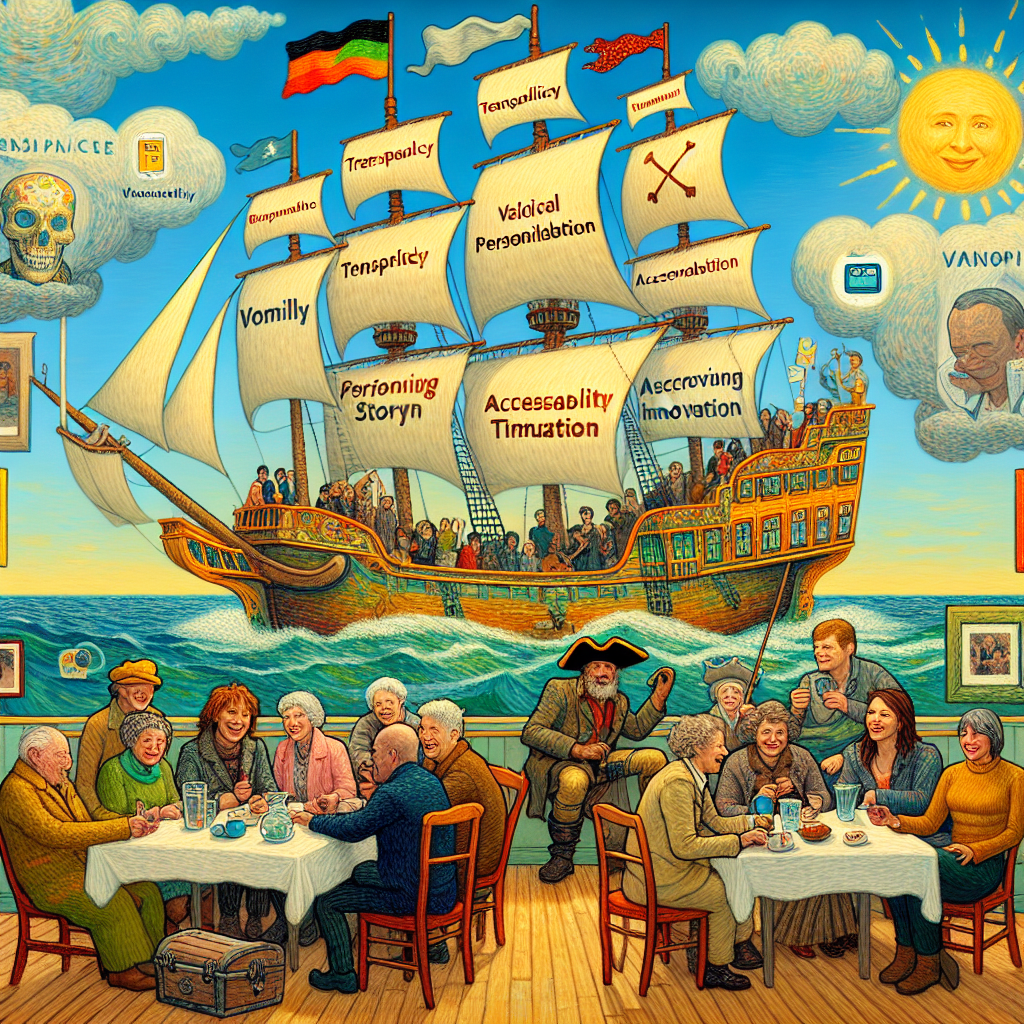
What if the path you’re walking isn’t meant just for you, but for those who will follow? When you think about sharing your knowledge and skills, consider it as a form of legacy storytelling. Your experiences can be a guiding light in someone else’s journey, illuminating the often dark and confusing places of learning.
Think back to a moment when someone took the time to teach you. Maybe it was a mentor who saw potential in you before you did, or a colleague who patiently guided you through a tough project. These moments stick with us; they shape our values, fine-tune our skills, and ultimately, they influence how we interact with the world. Sharing your expertise is not merely an exchange of information; it’s a chance to create a connection, to reach back and lend a hand to those navigating their own challenges.
Rationally speaking, the next generation of professionals will face obstacles you’ve never encountered. The rapid pace of change in technology and the evolving landscape of work demand a fresh perspective. By sharing what you know, you equip others with tools they can wield to tackle modern complexities. This isn’t just smart; it’s ethical. We all have a responsibility to contribute to the growth of our communities and our industries. A legacy isn’t built solely on accomplishments; it’s also about the lives you touch and how you make others feel capable and empowered.
Think of your own story woven together with lessons learned, mistakes made, and victories celebrated. When you share it, you’re offering a treasure map—a toolkit of resilience, courage, and creativity. Real connection happens when we expose our vulnerabilities, allowing others to see that they’re not alone on this ride. Sharing knowledge is like holding out a lantern in the darkness, creating a ripple that encourages others to step into the light.
So, are you prepared to share? Are you ready to leave a mark on someone else’s journey? The impact you can make isn’t just a fleeting moment; it can echo through generations. Your story, paired with your skills, can be the spark that ignites passion and purpose in others. Take that step forward; your legacy awaits, and so does the opportunity to inspire those who follow.

Are You Prepared to Share Your Knowledge and Skills?
Are You Prepared to Share Your Knowledge and Skills?
- The path we walk may be for the benefit of others who come after us.
- Sharing knowledge is a form of legacy storytelling that can guide others in their learning journeys.
- Mentors and colleagues influence our growth by shaping our values and skills through teaching moments.
- Today’s professionals face new challenges, and sharing expertise equips them to tackle modern complexities.
- Creating connections through knowledge sharing builds community responsibility and empowers others.
- Our personal stories, including lessons learned and victories, serve as valuable resources for others.
- Sharing knowledge can create a lasting impact, inspiring future generations to find their passion and purpose.
Are You Prepared to Share Your Knowledge and Skills?
What Stories From Your Life Can Inspire Others to Grow?
Life is a series of stories waiting to be told—some big, some small, but all of them capable of inspiring others to grow. When we take the time to share our experiences—our triumphs and our failures—we engage in what I like to call Legacy Storytelling. These narratives are more than mere recollections; they are blueprints for resilience, courage, and authenticity.
Consider the story of a small-town mechanic. He grew up in a family that valued hard work but faced every challenge with grit. There was a time when his garage was struggling to stay afloat. Instead of giving up, he leaned into his passion, learning everything he could about fixing cars. He didn’t just want to keep his business going; he wanted to create a service customers could trust. Through relentless determination and a refusal to shy away from mistakes, he rebuilt his reputation and transformed his shop into a cornerstone of the community. His story isn’t just about car maintenance; it’s about the human spirit’s power to rise from adversity.
But why do these stories matter? They resonate on multiple levels. For one, they appeal to our emotions—the feelings of nostalgia, empathy, and hope that every listener feels when confronted with the raw struggles of another. Narratives like this provoke thought and reflection, tapping into our rationality; they push us to ask ourselves how we can apply these lessons in our lives. They inform our ethical compass, illustrating that authenticity and integrity can yield growth, not just for the individual, but for the community at large.
Every story shared contributes to a social fabric rich with lessons. It fosters a connection between the teller and the listener, making us realize that we are not alone in our struggles. It builds trust, encouraging others to step out of their comfort zones. When we narrate our own journeys—warts and all—we empower others to embrace their truths, inspiring them to confront their challenges head-on.
So, what stories from your life can inspire others to grow? Dig deep. Unearth the moments that forged you, and lay them bare. Each story can spark motivation in another, creating ripples of change that extend far beyond your immediate circle. When you share your legacy, you invite others to join you on a path of growth and connection. And that, quite simply, is the beauty of storytelling.

What Stories From Your Life Can Inspire Others to Grow?
What Stories From Your Life Can Inspire Others to Grow?
- Life consists of stories—big and small—that can inspire growth in others.
- Sharing experiences is referred to as “Legacy Storytelling,” encompassing both triumphs and failures.
- A small-town mechanic’s story showcases resilience and determination in the face of challenges.
- Such narratives resonate emotionally, evoking nostalgia, empathy, and hope.
- Stories provoke thought, encouraging listeners to reflect on their own lives and apply lessons learned.
- Every shared story strengthens social bonds and fosters connection by reminding us of our shared struggles.
- Sharing personal experiences can inspire others, creating ripples of change and fostering a sense of growth and community.

What Stories From Your Life Can Inspire Others to Grow?
How Does Mentoring Impact Both the Guide and the Mentee?
Mentoring is like an old, trusted compass, guiding both the mentor and the mentee through the dense woods of uncertainty. When you dive into the messy, unpredictable world of shared experiences, you find that the relationship is more than just advice and guidance; it’s a profound dance of legacy. Think about it: every piece of wisdom shared is like a brick laid in the foundation of a story that transcends time. That’s the essence of legacy storytelling.
For the mentee, having a mentor feels like wielding a key to a locked door, opening up a world of insight and knowledge that was once out of reach. Chatting over coffee, exchanging stories, and navigating the hurdles together—this is where the magic happens. It’s not just about learning the ropes; it’s about understanding the significance behind them. The mentee walks away transformed, not only equipped with practical skills but also enriched by life lessons that help shape their future. The roots run deep, creating a strong sense of belonging and purpose.
But let’s not overlook the mentor. There’s an undeniable joy in passing the torch, watching another person flourish under your guidance. Mentorship is a two-way street, often sparking a renewed vigor in the mentor’s own journey. As they invest their time and energy, mentors often reflect on their own legacy, reevaluating their values and motivations. It’s a cathartic experience that reminds them why they started down their path in the first place, reigniting that spark of passion that may have dimmed over the years.
Yet, mentorship isn’t just about practicality; it’s about ethics and responsibility. The weight of influence can be heavy, and mentors carry it not just for their own good, but for the sake of their mentees and the ripple effect that follows. When a mentor chooses to invest in someone else’s future, they’re making a choice that goes beyond the individual. It benefits families, communities, and even entire generations. That’s powerful.
The peer connection in mentorship fosters a unique bond. This relationship isn’t just about facts and figures; it’s about sharing stories that resonate on a human level, creating a mutual understanding that enriches both lives. So, whether you’re a seasoned professional reflecting on your legacy or someone just starting their career, know this: mentorship is a journey worth taking. Engage with it, nurture it, and watch as it transforms not just you, but the world around you.

How Does Mentoring Impact Both the Guide and the Mentee?
How Does Mentoring Impact Both the Guide and the Mentee?
- Mentoring serves as a guiding force for both mentors and mentees, helping navigate uncertainty.
- It involves sharing experiences that build a legacy through wisdom and storytelling.
- Mentees gain access to insights and knowledge, transforming their perspectives and skills.
- The mentor experiences joy and renewed passion as they watch their mentee flourish.
- Mentorship encourages introspection in mentors, highlighting their values and motivations.
- It brings ethical considerations, as mentors influence not only individual mentees but also families and communities.
- The peer connection in mentorship fosters deep, human connections and enriches both parties’ lives.

How Does Mentoring Impact Both the Guide and the Mentee?
Is There a Way to Quantify the Value Of Life Lessons Learned?
When we think about the lessons learned throughout our lives, it’s easy to get lost in the numbers—years, dollars, or achievements. But what if we flipped that script? Imagine instead of counting the things we’ve amassed over time, we focused on the stories that shape our identity. These narratives—the messy, the triumphant, the heartbreaking—are our legacy storytelling, and they hold a value that can’t be quantified in a bank account.
Think about it: How many times have you sat around a fire, sharing tales of hardship, perseverance, or discovery? Those moments resonate, not just as background noise but as the connective tissue of our human experience. Every story told is a lesson learned, one that can transcend generations. It’s a fabric of wisdom woven from the threads of our trials and triumphs, binding us together in a shared human journey.
Yet, we often overlook the power of these lessons, inflating the importance of material wealth while dismissing the profound impact of lived experience. It’s in those heart-to-heart conversations, those moments of vulnerability, that we sow seeds of understanding and resilience. Science backs this up too; studies show that sharing our stories enhances empathy and builds stronger communities. It’s the head, heart, and gut all working in concert.
Ask yourself: What legacy are you creating? Are you only leaving behind possessions, or could you be imparting invaluable life lessons? Think of a mentor, a teacher, or a parent whose story resonated with you. Their lived experience inspired you to make different choices, to act with courage, or to simply understand the world a little better. Those lessons became guideposts, illuminating paths for you, and perhaps even for others as you pass those stories along.
We cannot measure the worth of a life lesson in dollars yet judging their impact on our choices and relationships reveals a richer truth. They inspire trust, foster connections, and encourage us to act, whether in small, everyday decisions or monumental life changes. So as we forge ahead, let’s commit to embracing our life lessons, turning our experiences into stories, and sharing them with others, ensuring our legacy storytelling lives on—not as mere echoes of our past, but as powerful guides for the future.

Is There a Way to Quantify the Value Of Life Lessons Learned?
Is There a Way to Quantify the Value Of Life Lessons Learned?
- Life lessons are often overshadowed by material achievements like years, money, or accolades.
- Focusing on the narratives that shape our identity provides a more meaningful legacy than possessions.
- Stories of hardship, perseverance, and discovery resonate deeply and connect us through shared experiences.
- Each story shared is a lesson learned that can transcend generations and form a fabric of collective wisdom.
- The impact of lived experiences is often undervalued compared to material wealth, despite their profound effects.
- Sharing stories enhances empathy, builds stronger communities, and fosters resilience and understanding.
- Embracing and sharing life lessons creates a legacy that acts as a guide for future generations.

Is There a Way to Quantify the Value Of Life Lessons Learned?
How Can We Ensure That Our Values Live on Beyond Our Lives?
When pondering our place in this vast world, we often ask ourselves: How can we ensure our values live on beyond our lives? The answer lies in a practice as old as humanity itself: storytelling.
Think about it. Every culture has its legends, passed down through generations like precious heirlooms. These stories encapsulate values, shaping how we view right and wrong, love and sacrifice. They inspire us, challenge us, and remind us of our shared humanity. By engaging in legacy storytelling, we’re not just etching our values into the ether; we’re creating a roadmap for future generations.
Consider your own experiences. What lessons have you learned? What values have guided your most challenging moments? Now, imagine sharing those moments through a story—personal and raw, filled with both triumph and failure. When you evoke emotion, you make your values relatable. People connect not just with the facts, but with the feelings behind them. It’s not just about imparting wisdom; it’s about inviting others to walk alongside you in your journey.
This approach compels us to reflect on our own lives, too. As we tether our values to our personal narratives, we harness the rational mind. Sharing stories grounded in real experiences fosters understanding and empowers others. We’re not just asking them to adopt our beliefs; we’re giving them a context, a reason to consider living life on our terms. And let’s be honest—these days, amidst the noise of social media and sensationalism, authenticity shines brighter than ever.
People gravitate toward those who live by their values. You become a beacon, someone who earns trust through genuine connection. Others will want to carry your torch, ensuring that the principles you valued are not just preserved but amplified. They may name their children after you or continue traditions you championed, extending your influence far beyond the confines of your lifetime.
In this era, legacy storytelling isn’t just a tool; it’s an ethical responsibility. We owe it to those who follow in our footsteps to pass on what matters. So ask yourself: What story will your legacy tell? Let your values be the thread that weaves through the fabric of countless lives yet to be lived. Stand up, tell your stories, and watch as the ripple effect transforms not only your world but the generations that will come to know you through your life’s work.

How Can We Ensure That Our Values Live on Beyond Our Lives?
How Can We Ensure That Our Values Live on Beyond Our Lives?
- Storytelling has been a vital practice for humanity, allowing values to transcend generations.
- Every culture possesses legends that encapsulate core values, shaping perspectives on morality, love, and sacrifice.
- Legacy storytelling creates a roadmap for future generations by sharing personal experiences and lessons learned.
- Emotionally rich stories foster connections, making values relatable and inviting others to engage with our journeys.
- Authenticity in storytelling stands out amidst the noise of social media, helping individuals earn trust through genuine connection.
- Legacy storytelling is an ethical responsibility, ensuring that important values are passed on to future generations.
- Consider what story your legacy will tell and how your values can impact countless lives yet to come.

How Can We Ensure That Our Values Live on Beyond Our Lives?
What Role Does Community Play In Preserving Collective Knowledge?
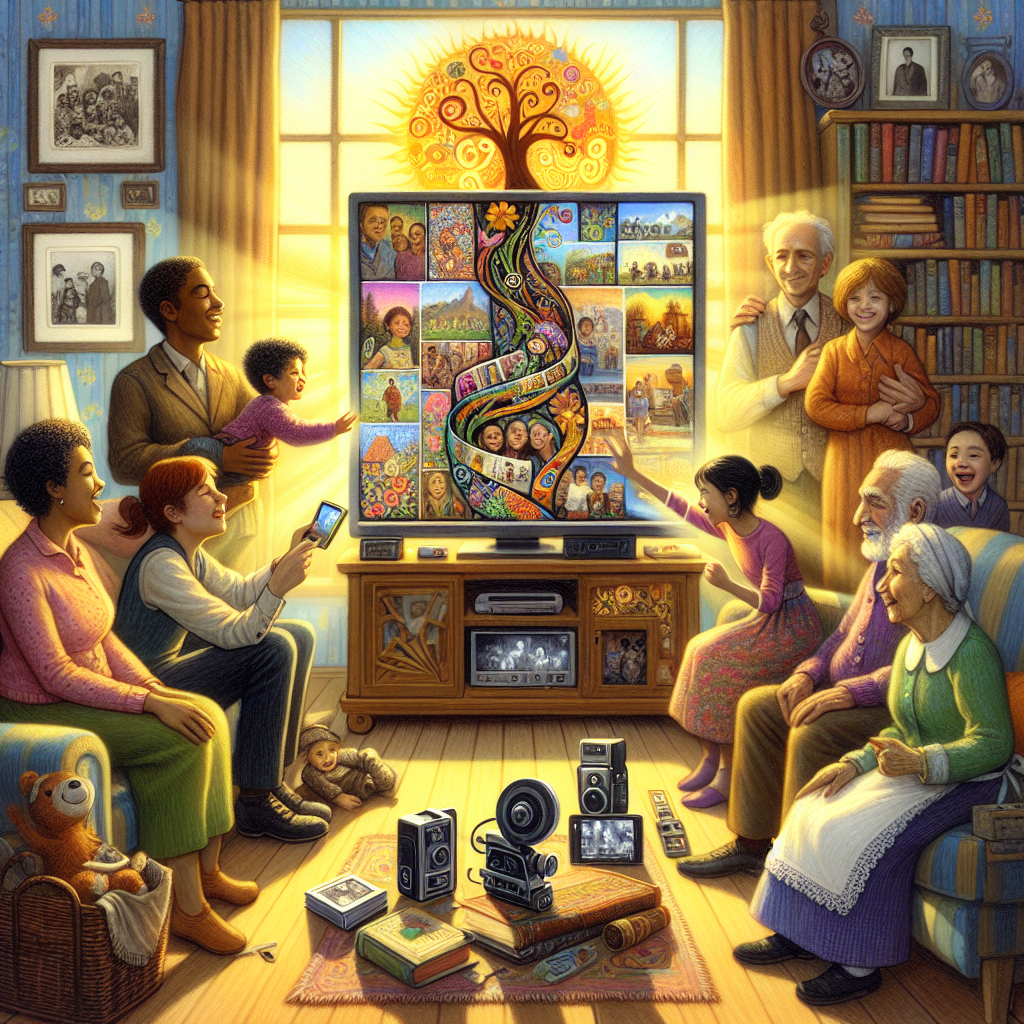
The preservation of collective knowledge is a vibrant tapestry woven through the lives of everyday people in every community. Each thread is a story, a lesson learned, or a skill honed, passed down through generations. This legacy storytelling is more than just a practice; it’s the very fabric that connects us, offering roots to the past while reaching toward the future. When we gather around a fire, share a meal, or sit in our living rooms, we exchange more than words; we exchange values, traditions, and insights that define who we are.
Think about your own experiences. What do you cherish more—an impersonal lecture or a heartfelt anecdote shared by a loved one? When a grandparent recounts tales from their youth, laden with laughter and hardship, they ignite something primal within us. Those stories resonate because they carry real-life implications, teaching us resilience, the importance of hard work, and the beauty of community. By participating in these exchanges, we not only honor those who came before us but also strengthen our own identities in the process. The heart beats louder when we witness history in the making—from simple joys like a family recipe to the crucial moral lessons that help shape our communities.
However, it’s not merely about nostalgia. Rationally, communities thrive when their histories are actively preserved and adapted. In every entrepreneurial endeavor, innovation stems from understanding the past. When young people learn the struggles and successes of those who paved the way, they develop a blueprint of resilience and tenacity. This transfer of knowledge fuels progress, creating informed citizens who are ready to tackle tomorrow’s challenges with sharpened instincts.
From an ethical standpoint, safeguarding collective knowledge ensures that marginalized voices aren’t lost in the shuffle of time. Every culture has a story to tell, and every individual adds value to that narrative. Our sense of social responsibility implores us to lift these stories up, fostering an environment where diversity of experience is celebrated.
Ultimately, it comes down to connection. The act of sharing stories builds empathy, trust, and solidarity. It reminds us that we are not alone in our struggles and triumphs. In a fast-paced world, the practice of community storytelling grounds us, encouraging action that uplifts everyone involved. Let us engage with our own stories and those of our neighbors, preserving our collective knowledge for generations to come. It’s a task that requires commitment and heart but will undeniably empower the community, carving pathways toward a brighter future.

What Role Does Community Play In Preserving Collective Knowledge?
What Role Does Community Play In Preserving Collective Knowledge?
- The preservation of collective knowledge connects communities through stories, lessons, and skills passed down generations.
- Legacy storytelling fosters a connection to the past while influencing future identities.
- Personal anecdotes shared by loved ones resonate deeply, teaching values like resilience and the importance of community.
- Understanding and preserving history is crucial for community thriving and innovation.
- Rationally, knowledge transfer empowers young people to face future challenges with informed perspectives.
- Ethically, protecting collective knowledge ensures marginalized voices are heard and valued.
- Sharing stories promotes empathy, trust, and solidarity, grounding us in a fast-paced world.

What Role Does Community Play In Preserving Collective Knowledge?
Conclusion
Legacy isn’t simply a financial inheritance; it’s the invaluable wisdom we pass on. It’s time to shift our focus from dollar signs to the knowledge we cultivate. True legacy is not found in the properties we leave behind, but rather in the life lessons forged through experience. Think of the artisans and tradespeople who not only teach skills but instill values of perseverance and dedication. Their stories become the thread that weaves us together in the tapestry of human experience.
Picture a vast field of wheat—not just an impressive sight, but a testament to the understanding of cultivation, timing, and patience nurtured over time. This is the essence of legacy: empowering others with experiences that equip them to thrive. In doing so, we ignite passion, foster resilience, and nurture growth in those who follow us.
Consider the tales shared among friends at a dinner table; these aren’t idle conversations but vital connections that build trust and a sense of belonging. Are we offering the next generation just material items, or are we giving them the tools to navigate life’s unpredictable terrain? Sharing our successes and failures generates a ripple effect—an opportunity for both empowerment and inspiration.
Mentoring exemplifies this beautifully. The relationship between mentor and mentee is a two-way street, where both parties grow through shared experiences. It’s not just about leveraging knowledge for immediate success; it’s about nurturing a spirit of responsibility that extends beyond oneself to benefit the community at large. Thus, every act of mentorship is profoundly ethical; it’s a contribution to building a legacy that thrives in the collective heart of society.
As we contemplate our shareable wisdom, envision the stories you could tell that might inspire resilience in others. Stories are the backbone of our existence, breathing life into lessons learned. A life lived authentically, laden with tales of grit and grace, can spark motivation that transcends generations. The very act of storytelling builds social bridges, creating understanding in a world often ripe with division.
Let’s commit to sharing our knowledge, whether through mentorship or simply storytelling, as it is these interactions that truly define our legacy. It’s not just the physical assets we can leave behind, but the values and experiences we impart that will endure long after we’re gone. So, embrace life’s narratives, engage with your community, and actively preserve the lessons of the past to ensure that our values live on, inspiring others for years to come.

Conclusion
Conclusion:
- Legacy encompasses invaluable wisdom passed on rather than just financial inheritance.
- True legacy lies in life lessons forged through experiences rather than material possessions.
- Artisans and tradespeople impart not only skills but also values of perseverance and dedication.
- Empowering others with experiences helps ignite passion, foster resilience, and nurture growth.
- Sharing stories builds vital connections and trust, offering tools for the next generation.
- Mentoring exemplifies a two-way growth relationship that benefits both individuals and the community.
- Engaging in storytelling and mentorship preserves values and experiences that inspire future generations.

Conclusion
Other Resources

Other Resources
Here is a list of other resources you can review online to learn more:
- Directive Communication Systems
- Can Telling and Preserving Personal or Family Legacy Stories Be Therapeutic?
- Is There A Need To Pay For Copyrighting Services For Personal Or Family Legacy Stories?
- Obituary Templates
- FamilySearch
- Postumo
- LifeWeb 360
- Personal Legacy Advisors
- Legacy
- Memorial Matters
- ForeverMissed
- Forever Missed
- International End of Life Doula Association
- LastPass
- Living Wisely
- Remembered.com
- USLegalWills.com
- INELA
- FutureMe
- deviantART
Use This Prompt To Get More Resources With Your Favorite Online AI Tool: Please provide me with a list of online articles with their URLs in a bulleted list that I can read regarding Legacy Isn’t Just Money—It’s Know-How

Other Resources
Glossary Terms
Legacy Isn’t Just Money—It’s Know-How – Glossary Of Terms
1. Legacy: The enduring impact of knowledge, values, and experiences transmitted from one generation to another.
2. Know-How: Practical knowledge or expertise required to perform specific tasks effectively.
3. Wealth: A broad term that encompasses both financial assets and intangible resources like skills and wisdom.
4. Intergenerational: Involving or affecting multiple generations, often in the context of knowledge transfer.
5. Mentorship: A relationship in which a more experienced individual provides guidance and advice to a less experienced person.
6. Cultural Capital: Non-financial assets, such as education, skills, and cultural knowledge, that contribute to an individual’s social mobility.
7. Tradition: Established customs and practices passed down through generations, shaping family and community values.
8. Skills Transfer: The process of passing on specific abilities or expertise from one person or generation to another.
9. Resilience: The capacity to recover quickly from difficulties, often strengthened through shared knowledge and experiences.
10. Innovation: The introduction of new ideas or methods, often resulting from the application of accumulated knowledge.
11. Empowerment: Enabling individuals or communities to gain control over their lives through knowledge and skills.
12. Sustainability: The ability to maintain certain processes or states without depleting resources, heavily reliant on knowledge sharing.
13. Legacy Planning: The process of preparing for the intentional transfer of knowledge, values, and resources to future generations.
14. Wisdom: The accumulation of knowledge, experience, and good judgment, often passed down through storytelling.
15. Community Knowledge: The collective understanding and skills held by a particular group, contributing to its identity and cohesion.
16. Equity: Fairness and justice in the distribution of resources, including knowledge and opportunities.
17. Networking: Building relationships and connections that facilitate the exchange of knowledge and support.
18. Collaboration: Working jointly with others to achieve a common goal, often enhancing collective knowledge.
19. Continuity: The maintenance of a consistent connection and flow of knowledge and values across generations.
20. Skill Development: The process of acquiring new or improving existing skills through education and practice.
21. Documentation: The written or recorded preservation of knowledge and experiences for future reference.
22. Storytelling: The art of conveying knowledge and life lessons through narratives, fostering cultural continuity.
23. Resourcefulness: The ability to find quick and clever ways to overcome difficulties, often relying on passed-down knowledge.
24. Civic Engagement: Active participation in communities, encouraging the sharing of knowledge and involvement in democratic processes.
25. Adaptive Learning: The process of changing approaches to learning based on the lessons learned from past experiences.
26. Transfer of Knowledge: The deliberate process of sharing information, skills, and insights from one person or group to another.
27. Diversity: The inclusion of different perspectives and experiences, enriching the pool of knowledge available to a community.
28. Mentorship Programs: Structured initiatives designed to pair experienced individuals with mentees to facilitate knowledge transfer.
29. Cognitive Heritage: The intellectual legacy left by previous generations, encompassing ideas, traditions, and problem-solving techniques.
30. Philanthropy: The act of donating resources, time, or knowledge to promote the welfare of others, often aimed at future generations.

Glossary Of Terms
Other Questions
Legacy Isn’t Just Money—It’s Know-How – Other Questions
If you wish to explore and discover more, consider looking for answers to these questions:
- What specific strategies can individuals use to share their knowledge effectively?
- How can storytelling be incorporated into everyday life as a means of teaching?
- What types of legacies exist beyond financial and material aspects?
- How can communities foster environments that encourage knowledge sharing?
- What are some successful examples of legacy storytelling in different cultures?
- How can parents ensure they are passing down ethical values to their children?
- What role do schools play in preserving and sharing community stories?
- How can individuals reflect on their own experiences to better prepare for mentoring?
- What challenges might arise when sharing personal stories, and how can they be overcome?
- In what ways can technology aid in the preservation of collective knowledge?
- How can we measure the impact of life lessons shared on future generations?
- What techniques can be used to improve storytelling skills for greater impact?
Other Questions
Haiku
Legacy Isn’t Just Money—It’s Know-How – A Haiku
Wisdom is the seed,
Stories bloom in shared hearts—
Legacy of love.

Haiku
Poem
Legacy Isn’t Just Money—It’s Know-How – A Poem
In the echo of life’s fleeting song,
We ponder what we leave, where we belong,
Is it gold or homes that mark our fate,
Or the wisdom we share, the love we create?
Between the lines of our daily grind,
Lies a legacy richer, a truth redefined.
Not in vaults where treasures lay still,
But in hearts we inspire, in dreams we fulfill.
Craftsman and storyteller, hands intertwined,
Passing not just objects but the light of the mind.
In fields of wheat and tales of the past,
The seeds of knowledge laid down will hold fast.
Gather round the fire, let narratives flow,
Of triumphs and failures, the paths we know.
Each word a connection, a thread softly spun,
Binding the present with battles hard-won.
To teach is to guide, to nurture the spark,
In the vastness of shadows, be the guiding mark.
From mentor to mentee, both spirits shall grow,
In the dance of their journeys, the lessons bestow.
What value to measure, what currency true?
Is it what we possess or the paths that we drew?
In the tapestry woven with stories we share,
Lies the essence of life, a legacy rare.
And as we reflect on the lives yet to come,
Will our passions take root, in their hearts to be strum?
For every story spoken, every lesson revived,
Lives on through generations, in memories survived.
So embrace those who gather, uplift every voice,
In the circle of wisdom, let the soul rejoice.
Craft a legacy rich; let your values resound,
In the hearts of the living, where true wealth is found.
Poem
Checklist
Legacy Isn’t Just Money—It’s Know-How – A Checklist
Legacy Storytelling Checklist
Heart Appeals (Emotional)
_____ Reflect on a moment when someone’s story inspired or impacted you.
_____ Identify personal experiences that could resonate emotionally with others.
_____ Consider how sharing your challenges and triumphs can forge bonds with future generations.
_____ Think about the feelings you want to evoke when you share your legacy.
Head Appeals (Rational)
_____ List the key lessons learned from your life experiences that could benefit others.
_____ Analyze how sharing your knowledge can help others navigate modern challenges.
_____ Assess the potential impact of your story on the growth of individuals in your community.
_____ Create a plan for how you’ll pass on your skills to others.
Gut Appeals (Ethical)
_____ Evaluate the ethical responsibility of sharing your knowledge and skills.
_____ Commit to anti-elitism: ensure everyone has access to the wisdom you wish to share.
_____ Reflect on how your values can positively influence future generations.
_____ Consider how mentoring others aligns with your moral compass.
Authority Appeals
_____ Compile quotes or teachings from leaders who have influenced your perspective on legacy.
_____ Identify your unique experiences that position you as a trusted storyteller.
_____ Seek out opportunities to share your narratives in community gatherings or workshops.
Narrative Appeals
_____ Write down a compelling story from your life that encapsulates significant lessons.
_____ Create an engaging introduction to your story that hooks the audience emotionally and intellectually.
_____ Develop an outline for storytelling sessions that intertwine personal anecdotes with universal themes.
Social Appeals
_____ Join a community group focused on storytelling or mentorship to share and learn from others.
_____ Initiate discussions with family and friends about what legacy means to them.
_____ Encourage open dialogue about values and wisdom that can be shared in your community.
_____ Plan a gathering where stories can be shared, fostering connection and preserving collective knowledge.

Checklist
At LegacyExplorations, we help people plan and explore their legacy by collecting information and news regarding end-of-life planning.
Please share this post with your friends, family, or business associates who may want help to plan or explore their legacy.