

Empower Your Loved Ones: Transforming Skills Into Inherited Wealth
By Tom Seest
At LegacyExplorations, we help people plan and explore their legacy by collecting information and news regarding end-of-life planning.
Please share this post with your friends, family, or business associates who may want help to plan or explore their legacy.
Legacy Lessons – Turn Your Expertise Into Family Assets
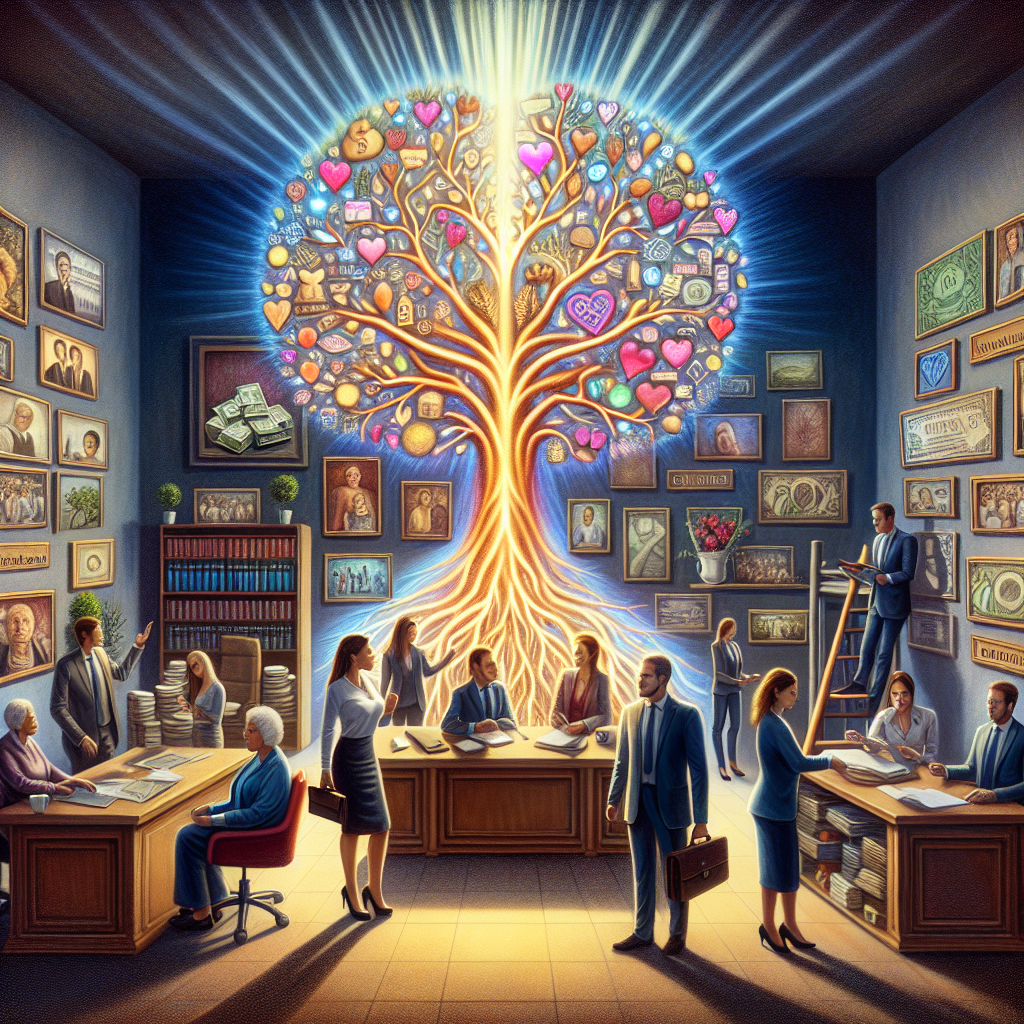
Imagine sitting around the hearth on a chilly evening, the flicker of candlelight casting shadows of laughter and wisdom. This is where legacy storytelling begins. It’s more than just sharing tales; it’s connecting the threads of your experience to the fabric of your family’s future. We all have expertise, honed through years of hard work, triumphs, and setbacks. This knowledge isn’t just a personal milestone; it’s a treasure chest waiting to be opened by the next generation.
Think about it: how many times have your parents or grandparents shared anecdotes of their struggles? Those stories aren’t just entertainments; they’re blueprints for resilience, filled with emotional lessons that can guide your descendants. If you’ve built a skilled trade, mastered a particular craft, or navigated the complexities of life, why not weave those experiences into tales of triumph? Your stories can become family assets—resources that enrich your kin with insights and ideals that textbooks simply can’t teach.
Now, let’s get heady for a moment. Every family has a unique culture, a rhythm that’s molded by shared experiences. Your expertise can cultivate that culture, grounding your family in principles of hard work, empathy, and ingenuity. By documenting these lessons through legacy storytelling, you’re not just passing down facts; you’re fostering a community of thinkers who can articulate values and navigate challenges with grace.
And there’s a gut punch of truth here as well: life is unpredictable. One day you’re on solid ground, and the next, you might face storms you never saw coming. When those moments arrive, it’s your stories and teachings that will serve as anchors. They provide a moral compass—guiding your family through life’s tempests with wisdom borne from your own experiences.
Sharing your knowledge opens a door to meaningful conversations, fostering relationships that transcend generational gaps. When you invite your loved ones to engage with your legacy, you’re building a bridge of trust and confidence. Your narrative—filled with both triumphs and trials—creates a sense of belonging, allowing them to see themselves in your journey and draw strength from it.
As you ponder how to transform expertise into a lasting legacy, remember: you have the power to shape not only your family’s history but also their future. Each story you tell is a thread woven into the tapestry of their lives, and every lesson shared is a step toward ensuring that your wisdom continues to echo long after you’re gone. So, gather them close, share your story, and watch as those seeds take root for generations to come.

Legacy Lessons – Turn Your Expertise Into Family Assets
Legacy Lessons – Turn Your Expertise Into Family Assets
- Legacy storytelling connects personal experiences to family history, enriching future generations.
- Sharing anecdotes from parents and grandparents serves as blueprints for resilience, providing emotional lessons.
- Your experiences and skills can be transformed into family assets, offering insights that traditional education may not provide.
- Every family has a unique culture shaped by experiences, and your expertise helps ground this culture in core values.
- Documented lessons through storytelling foster a community of thinkers capable of navigating challenges.
- Your stories act as anchors during unpredictable times, offering guidance and a moral compass to your family.
- Sharing knowledge promotes meaningful conversations, strengthens relationships, and builds trust across generations.

Legacy Lessons – Turn Your Expertise Into Family Assets
Table Of Contents
- Legacy Lessons – Turn Your Expertise Into Family Assets
- How Can We Ensure Our Knowledge Benefits Future Generations?
- What Life Lessons Have Shaped Your Values and Decisions?
- How Do We Create a Legacy That Reflects Our True Self?
- How Does Sharing Our Expertise Nurture Family Bonds?
- What Moral Responsibilities Come with Passing Down Our Knowledge?
- How Can Storytelling Preserve Our Family History and Wisdom?
- What Skills Can We Teach Our Children to Thrive In a Changing World?
- Conclusion
- Other Resources
- Glossary Of Terms
- Other Questions
- Haiku
- Poem
- Checklist
How Can We Ensure Our Knowledge Benefits Future Generations?
When we think about the knowledge we possess, it’s essential to remember that it’s not just ours—it’s a thread in the rich tapestry of humanity’s narrative. Each piece of wisdom, each lesson learned through trial and error, forms a part of our legacy. This legacy storytelling isn’t just an account of facts and figures; it’s the expression of who we are and what we stand for.
We must recognize that our experiences—good and bad—hold the power to shape the future. So, how do we secure that knowledge for future generations? First, we need to embrace vulnerability and share our stories authentically. When we let young people in on our journeys, we connect on a deeper level. Every stumble, every triumph is a lesson wrapped in the fabric of our everyday lives, waiting to be passed down. It’s more than ethics; it’s about responsibility—the kind of responsibility that beckons us to contribute to a community that thrives on wisdom rather than mere information.
Now, let’s get to the head of the matter. Knowledge preserved through storytelling becomes not just a legacy but also a guidebook for those navigating the complexities of their own lives. By creating spaces where these stories can be told and retold—whether through family dinners, community gatherings, or social media platforms—we instill a sense of authority in the collective knowledge pool. This shared wisdom acts as a lighthouse guiding future generations through turbulent waters, grounding them in values, ethics, and the lessons of the past.
But let’s not forget the gut—our instinctual yearning for connection. When we share our failures alongside our successes, we foster an environment where future generations know it’s okay to mess up. They’ll learn that resilience is built on those moments of struggle—an understanding that’s powerful in their own development. It becomes a call to action, urging them to share their own stories and continue the cycle of knowledge transfer.
Ultimately, it’s an appeal to the heart: to nurture a culture where knowledge becomes a living, breathing entity passed from one generation to the next. We each have a role to play in elevating this conversation and ensuring that our legacy doesn’t just fade away. It thrives. It inspires. And above all, it connects us all—a testament to our shared human experience.

How Can We Ensure Our Knowledge Benefits Future Generations?
How Can We Ensure Our Knowledge Benefits Future Generations?
- Knowledge is part of humanity’s narrative, contributing to our collective legacy.
- Sharing experiences, both positive and negative, shapes the future for younger generations.
- Vulnerability in storytelling fosters deeper connections with young people.
- Stories serve as a guidebook for navigating life’s complexities and contribute to community wisdom.
- Collective knowledge serves as a lighthouse, grounding future generations in values and ethics.
- Sharing failures alongside successes encourages resilience and the importance of learning from mistakes.
- We are called to nurture a culture where knowledge is actively shared and valued across generations.

How Can We Ensure Our Knowledge Benefits Future Generations?
What Life Lessons Have Shaped Your Values and Decisions?
Life is a series of lessons wrapped in the fabric of our everyday experiences. Each choice, each moment, is like a thread weaving into a broader tapestry that tells our unique life story. But what lies at the heart of those choices? What values shape our decisions and ultimately create our legacy?
Take a moment to think back on a hardship or a failure. Perhaps it was a job you didn’t land or a relationship that didn’t work out. At the time, it felt like the end of the world. Yet, with distance and reflection, you realize it was a defining moment—an opportunity cloaked in disappointment. I’ve learned that the most powerful stories are those of resilience and transformation. They aren’t just mine; they’re universal. When we share these tales, we find a community; a collective understanding that we’re not alone in our struggles. That shared narrative fosters connection, reminding us that every setback can be an invaluable lesson.
Rationally, we know that life isn’t meant to be a smooth ride. Candidly facing adversity equips us with skills and insights that success never could. It’s through challenges that our ethical compass sharpens. We learn what truly matters—integrity, hard work, empathy. When things get tough, you see who steps up and who steps back. Those moments crystallize character. Your legacy is shaped not just by triumphs, but by how you respond in the face of difficulty.
Emotionally, think about the people in your life who have influenced your path. Were they a mentor, a family member, or perhaps a stranger whose words struck a chord? Each interaction, whether big or small, weaves itself into our foundation. These catalysts propel us toward our decisions, reinforcing our values and shaping our worldviews.
Embrace your own storytelling, for it’s both an act of courage and of connection. Share your experiences, especially the messy and imperfect ones—they resonate. The truths you’ve uncovered can inspire others as much as they’ve shaped you. So, when you consider your legacy, remember: it’s not just about what you achieve but the lives you touch along the way. The choices we make today create echoes that can last a lifetime.

What Life Lessons Have Shaped Your Values and Decisions?
What Life Lessons Have Shaped Your Values and Decisions?
- Life is composed of lessons that are intertwined with daily experiences, creating a unique life story.
- Each decision is influenced by values that shape our choices and legacy.
- Reflecting on hardships can reveal defining moments and opportunities for growth.
- Resilience and transformation are universal themes that foster community and connection through shared experiences.
- Adversity equips us with insights that successes cannot, sharpening our ethical compass and revealing true character.
- Influential people in our lives contribute to our development, guiding our values and worldviews through their interactions.
- Your storytelling is an opportunity to inspire others, emphasizing the impact of choices on the lives we touch along the way.

What Life Lessons Have Shaped Your Values and Decisions?
How Do We Create a Legacy That Reflects Our True Self?
Creating a legacy that truly reflects who we are requires more than just the passing of time; it demands a deliberate commitment to our values, experiences, and the stories we share. Think about legacy storytelling as more than a mere recollection of events—it’s a powerful tapestry woven from the threads of our lives. Each thread represents our triumphs, failures, loves, and lessons learned. When we take the time to consciously craft our legacy, we compel ourselves to reckon with what truly matters, confronting our deepest motivations and desires.
Explore your past; reflect on the moments that shaped you. This isn’t a superficial exercise in nostalgia; it’s about understanding the ethos that drives you. Ask yourself: What do I want my story to convey? What values do I want to echo through the lives I touch? A strong legacy is not just about accolades or possessions. It’s about the impact of our decisions, the kindness we show, and the authenticity with which we navigate our days. Embrace the messy, uncomfortable truths alongside the polished highlights.
Now, consider the stories you share with others. Every one of us carries the weight of narratives waiting to be told. So, how do we turn these individual tales into a legacy that resonates? Start conversations that matter. Engage with family, friends, and communities; allow them to see the real you. In doing so, you inspire a ripple effect, encouraging others to reflect on their own legacies. This gives your story an even deeper purpose—one that includes and uplifts others.
When we approach this work authentically, weaving ethical considerations into our choices, we build trust with those around us. Our legacy isn’t merely a gift to ourselves; it’s a foundation for future generations to stand upon. They’ll inherit not just our possessions, but the essence of who we were.
So let’s move beyond the superficial, beyond the clichés of what it means to leave a mark. Let’s dig deep, grapple with our emotions, and stir the conversations that lead us to our core selves. It begins with storytelling—intentional, heartfelt, honest. That’s where the real legacy starts.

How Do We Create a Legacy That Reflects Our True Self?
How Do We Create a Legacy That Reflects Our True Self?
- Creating a meaningful legacy requires a commitment to our values, experiences, and shared stories.
- Legacy storytelling is a rich tapestry, representing our triumphs, failures, loves, and lessons learned.
- Consciously crafting our legacy helps us confront our motivations and desires.
- Reflect on your past to understand the ethos that drives you and what you want your story to convey.
- A strong legacy is defined by our impact, kindness, and authenticity, rather than by accolades or possessions.
- Share your stories and engage with others to inspire reflections on their own legacies.
- Build trust by incorporating ethical considerations into our choices, creating a foundation for future generations.

How Do We Create a Legacy That Reflects Our True Self?
How Does Sharing Our Expertise Nurture Family Bonds?
When we dive into the expansive ocean of expertise we’ve gathered over our lives, we’re not just sharing knowledge; we’re weaving the very fabric of family history. Legacy is more than a collection of memories; it’s a story yearning to be told, a narrative threaded through generations, filled with lessons, triumphs, and even failures. Imagine sitting around a dinner table where an elder recounts tales of hard work and perseverance, planting seeds of inspiration in young minds. This is storytelling at its best—a hopeful thread that binds us together.
When we invest time in sharing what we know, we’re not merely imparting skills; we’re crafting connections that nurture our family bonds. Picture it: a father teaching his daughter how to build a wooden birdhouse, laughter echoing amidst sawdust, each moment punctuated by life lessons that linger long after the last nail is hammered. It’s tangible proof of love and commitment—it says, “I care about your future and want you to be ready for it.” This is not just about the craft; it’s about passing the torch, kindling an unbreakable bond that transforms a house into a home.
Engaging in these shared activities invokes trust. When family members openly share their successes and struggles, it creates a safe space—a sanctuary where vulnerability is celebrated. This authenticity fosters confidence, encouraging younger generations to embrace their own challenges with tenacity and courage.
On an ethical level, sharing expertise cultivates a culture of mutual respect. It teaches us that wisdom doesn’t come from age alone but is amassed through experience, making every voice invaluable. Parents become mentors, siblings become allies, and conversations flow more freely, igniting the ember of curiosity in the hearts of our loved ones.
Finally, let’s not forget the power of that human connection. When we come together to share what we know, no matter how small, we build a communal legacy that’s felt long beyond our years. We’re inviting future generations to stand on our shoulders, adding their own stories to the tapestry as we cheer them on from the sidelines.
So, let’s put down our devices, roll up our sleeves, and make the conscious choice to share our expertise. Each lesson we teach, each story we narrate, isn’t just a moment in time—it’s a strand of legacy, woven into the rich fabric of family life, connecting us heart to heart, mind to mind, and soul to soul.

How Does Sharing Our Expertise Nurture Family Bonds?
How Does Sharing Our Expertise Nurture Family Bonds?
- Sharing knowledge weaves the fabric of family history, creating a rich narrative through generations.
- Legacy involves storytelling that inspires and binds family members together around shared experiences.
- Teaching skills fosters connections, exemplified by moments like a father and daughter building a birdhouse.
- Engaging in shared activities creates trust and a safe space for vulnerability within the family.
- Sharing expertise cultivates mutual respect, emphasizing that wisdom is gained through experience, not just age.
- Human connection through shared knowledge builds a communal legacy that impacts future generations.
- Intentional sharing of skills and stories strengthens familial bonds and enriches family life as a whole.

How Does Sharing Our Expertise Nurture Family Bonds?
What Moral Responsibilities Come with Passing Down Our Knowledge?
We live in a world teeming with knowledge, yet too often, it feels like wisdom is on a slow boat to nowhere. The moment we stop passing down our knowledge, we begin to sever the very threads that weave our collective legacy. This isn’t just a matter of teaching; it’s about storytelling—legacy storytelling that connects generations and transforms abstract lessons into lived experiences. Think about it: Every time a grandparent shares a story from their youth, they’re crafting a bridge, a passageway between past and present that allows values, skills, and hard-earned lessons to flow freely and flourish.
But with this act of sharing comes a moral responsibility, one that transcends age or expertise. It asks us to consider the weight of our words and the depth of our intentions. When we choose to impart knowledge, we are not simply reciting facts or handing over tools; we are entrusting our successors with the foundation upon which they will build their lives. This is a powerful notion. We hold in our hands the fate of the next generation, and it challenges us to be mindful of the narratives we create.
Imagine a young person standing at a crossroads, torn between choices that could define their future. What if the story you shared helps them see a path they hadn’t considered? That moment is the intersection of heart, head, and gut. It’s the emotional resonance of experiences told with care; it’s the rational presentation of choices backed by practical wisdom; it’s the instinctual urge to guide someone away from pitfalls you’ve encountered yourself.
This is not merely altruism; it’s a contract between generations. Scholars will tell you that every society flourishes when its members share their truths, pass on their failures, and celebrate their triumphs. Ethically, we owe it to the future to prepare them—not just for success, but for resilience in the face of adversity. This is an invitation to engage, to step into a role of mentorship, to be an authority in areas where our experiences can make a difference.
So, as we ponder the weighty responsibility of transferring our knowledge, let’s remember: it’s not just about what we teach, but how our stories resonate. Every story is an opportunity to inspire trust, foster connection, and spark action—setting the stage for those who follow to not just exist, but thrive. The future is listening; what will you tell them?

What Moral Responsibilities Come with Passing Down Our Knowledge?
What Moral Responsibilities Come with Passing Down Our Knowledge?
- Knowledge is abundant, but conveying wisdom often feels stagnant.
- Sharing knowledge is crucial for maintaining our collective legacy through storytelling.
- Storytelling connects generations, allowing values and lessons to flow between them.
- There is a moral responsibility in sharing knowledge that goes beyond mere facts.
- Personal stories can guide young people in making life-defining choices.
- Mentorship and sharing experiences are vital for preparing future generations for challenges.
- Each story offers an opportunity to inspire and empower, shaping a thriving future.

What Moral Responsibilities Come with Passing Down Our Knowledge?
How Can Storytelling Preserve Our Family History and Wisdom?
When you sit around the dinner table, a curious thing happens. The clinking of silverware fades, and the mundane buzz of daily life gives way to something more profound—stories emerge. Conversations shift from casual topics to tales that bind generations, weaving a rich tapestry that forms our family’s legacy. This simple act of storytelling isn’t just entertainment; it’s a vital link that connects us to our roots, our experiences, and the wisdom handed down through time.
Embracing legacy storytelling allows us to capture more than just facts about our ancestors. It imprints their trials and triumphs in our hearts and heads, forging an emotional connection that transcends the years. When Grandma recounts her childhood during the Great Depression, she’s not just sharing hardship; she’s embedding resilience in our psyche. Each story becomes a lesson—a guidepost we can refer back to when confronted with our own challenges. It’s the difference between knowing someone and truly understanding them.
Don’t underestimate the power of this oral tradition. It resonates on multiple levels, creating an ethical responsibility to pass along our heritage. When we hold those stories close, we acknowledge the sacrifices made by those who walked before us. It’s a way of honoring their struggles while learning compassion and strength. Our collective wisdom improves not only our own lives but strengthens the community fabric, forging social connections that bind us together.
Think about how many stories are woven into the fabric of our daily life—every wrinkle in a grandparent’s smile has a tale to tell. By engaging in legacy storytelling, we become stewards of our family history. We enrich young minds eager to learn, cultivating not just knowledge but identity. Each story told is an invitation to understand who we are, where we came from, and who we aspire to be.
The challenge we face today is that in our fast-paced world, these invaluable narratives risk being lost. It’s on us to embrace the art of storytelling, to pass down the tales that encapsulate our ancestors’ wisdom, quirks, and spirit. It’s about making sure the young ones know their lineage—adding layers to their identity, fostering a sense of belonging, and inspiring them to craft their own stories.
So, let’s roll up our sleeves and dive into the treasure trove of family history. Share a story, listen intently, and commit to safeguarding our legacy through the simple yet powerful act of storytelling. It’s not just about preserving the past; it’s about enriching the future.

How Can Storytelling Preserve Our Family History and Wisdom?
How Can Storytelling Preserve Our Family History and Wisdom?
- Storytelling at the dinner table transforms casual conversations into profound connections that shape family legacy.
- Legacy storytelling goes beyond facts, embedding emotions and lessons from ancestral experiences in our hearts and minds.
- Sharing stories, like Grandma’s childhood during the Great Depression, fosters resilience and understanding across generations.
- This oral tradition serves as an ethical duty to pass down heritage, honoring sacrifices of ancestors and cultivating compassion.
- Engaging in legacy storytelling enriches young minds, helping them to understand their identity and background.
- The fast-paced modern world risks losing these invaluable narratives, necessitating a commitment to storytelling.
- Preserving family stories not only safeguards the past but also enriches future generations by instilling a sense of belonging.

How Can Storytelling Preserve Our Family History and Wisdom?
What Skills Can We Teach Our Children to Thrive In a Changing World?
In a world that seems to change faster than we can blink, the ability to adapt is not just advantageous; it’s essential. Imagine your child sitting around a campfire, eyes wide with wonder as they hear stories of their ancestors overcoming adversity. That’s not just nostalgia; it’s legacy storytelling at its finest. When we equip our children with the skills to weave their own narratives, we give them the power to craft their identities in a fluid world.
Think about it—storytelling isn’t merely an art; it’s a strategy for connectivity. It teaches empathy, a necessary attribute in our increasingly diverse society. In a world rife with differing perspectives, understanding how to listen, appreciate, and articulate one’s viewpoint fosters relationships that last. Encouraging thoughtful dialogue within the family is key, as it builds a framework of trust and respect.
Now let’s delve into the practical side—curiosity and critical thinking. Gone are the days when rote memorization sufficed. Instead, we should cultivate their innate wonder and teach them how to ask questions that challenge the status quo. When our children learn to think critically, they enhance their decision-making capabilities. They become adept at navigating life’s gray areas, understanding that answers are seldom black and white.
Hands-on skills, too, cannot be overlooked. Whether it’s woodworking, coding, or gardening, practical abilities grant a sense of accomplishment. With emerging technologies, such as AI and robotics, we must encourage our youth to not just consume information, but to innovate. That’s how we transform our children from passive participants into active contributors to society.
Let’s not forget resilience. Life will certainly throw curveballs, and nurturing emotional intelligence empowers our children to bounce back. Teaching them to accept failure as a stepping stone rather than a barrier equips them to face the world with tenacity.
In fostering these skills—legacy storytelling, curiosity, hands-on experience, and resilience—we build a foundation that not only prepares our children for their futures but enriches our communities. It echoes beyond our family units, creating a ripple effect that shapes a society capable of embracing change with confidence. As we hold their hands while they forge ahead, we’re not merely teaching skills; we’re igniting the fire within them—an unstoppable force ready to take on the world.

What Skills Can We Teach Our Children to Thrive In a Changing World?
What Skills Can We Teach Our Children to Thrive In a Changing World?
- The ability to adapt is essential in a rapidly changing world.
- Legacy storytelling empowers children to craft their identities and connect with their heritage.
- Storytelling teaches empathy, fostering understanding and respect in diverse societies.
- Cultivating curiosity and critical thinking encourages questioning and enhances decision-making.
- Hands-on skills, like woodworking and coding, foster a sense of accomplishment and innovation.
- Nurturing resilience equips children to face challenges and view failure as a learning opportunity.
- Fostering these skills enriches communities and prepares children to embrace change confidently.

What Skills Can We Teach Our Children to Thrive In a Changing World?
Conclusion
Legacy isn’t just a passage of time; it’s a profound connection spanning generations, uniquely shaped by the stories we tell. Picture this: the warmth of voices around a family dinner table, the laughter mingling with lessons learned, the wisdom of past experiences flowing seamlessly through the air. Every one of us carries a treasure trove of knowledge, honed through years of challenges and triumphs, waiting to be shared with those who will come after us. It’s not just about imparting skills; it’s about creating a fabric of understanding and resilience rich enough to guide future generations through life’s unpredictable journey.
When we share our narratives—our stumbles and victories—we craft a moral responsibility to ensure these stories resonate with authenticity. This isn’t merely nostalgia; it’s an opportunity to weave our own identities into a legacy that reflects our true selves, anchored in the principles of hard work, empathy, and ingenuity. Each lesson told is more than a fact; it’s a thread connecting our children to their roots, empowering them to face life’s complexities with empathy and strength.
We have to engage in legacy storytelling deliberately. It demands vulnerability and courage, inviting our loved ones to witness our journeys in all their messy, imperfect glory. In doing so, we cultivate a safe place, sparking conversations that transcend ages and build trust. Our family culture becomes a living testament to resilience, encouraging younger generations to embrace their own challenges and share their struggles openly.
As we nurture these connections, we also acknowledge the weight of our choices—the responsibility we carry to craft narratives steeped in truth and integrity. It’s a call to action, urging us to sit down, roll up our sleeves, and dive into the rich tapestry of our family history. This storytelling isn’t solely about remembering the past; it’s an invitation to secure the future. Through the tales we share, we gift our children not just knowledge but the capacity to innovate, to be curious, and to adapt in a rapidly changing world.
In the end, legacy is a living, breathing entity. It thrives when we nurture it, ignite it with our experiences, and ensure it resonates through the lives we touch. Let’s take the time to share our stories, not just for ourselves but for all those who will walk through the doors of our lives, carrying forward the wisdom that shapes not just their own futures, but the very fabric of our shared human experience.

Conclusion
Conclusion:
- Legacy is a connection across generations, formed by the stories we share.
- Every individual holds valuable knowledge from past experiences, waiting to be shared.
- Storytelling creates a moral responsibility to convey authentic narratives.
- Lessons from our experiences connect future generations to their roots.
- Engaging in legacy storytelling requires vulnerability and courage.
- Our choices in storytelling shape narratives rich in truth and integrity.
- Legacy thrives through nurturing connections and sharing stories for future guidance.

Conclusion
Other Resources

Other Resources
Here is a list of other resources you can review online to learn more:
- deviantART
- Meminto
- LifeNaut
- Ever Loved
- Cake
- Postumo
- APH
- MyWishes
- How to Save Your Family�s Stories from Being Lost Forever � A Step-by-Step Guide to Creating a Lasting Digital Legacy
- NoLo
- Bcelebrated
- LegacyLearned
- Lexikin
- FuneralWise
- EverNote
- Memorial Matters
- EverLoved
- GhostMemo
- Digital Legacy Association
- Trust And Will
Use This Prompt To Get More Resources With Your Favorite Online AI Tool: Please provide me with a list of online articles with their URLs in a bulleted list that I can read regarding Legacy Lessons – Turn Your Expertise Into Family Assets

Other Resources
Glossary Terms
Legacy Lessons – Turn Your Expertise Into Family Assets – Glossary Of Terms
1. Legacy: Wealth, values, or knowledge passed down through generations.
2. Expertise: Specialized knowledge or skill in a particular area or field.
3. Family Assets: Properties, investments, and intellectual resources owned by a family.
4. Mentorship: Guidance provided by an experienced individual to help develop skills and knowledge in another.
5. Wisdom: Insights gained from life experience, often shared to benefit others.
6. Heritage: Traditions, values, and cultural backgrounds inherited from ancestors.
7. Generational Knowledge: Information and skills passed from one generation to the next.
8. Succession Planning: Preparing for the transfer of leadership and assets within a family business or estate.
9. Philanthropy: Charitable giving and initiatives aimed at enhancing community welfare.
10. Storytelling: The art of narrating personal experiences and lessons to preserve family heritage.
11. Blueprint: A strategic plan outlining steps to turn expertise into family assets.
12. Skills Transfer: The process of imparting knowledge and abilities to others, ensuring continuity.
13. Financial Literacy: Understanding financial concepts and managing money effectively.
14. Empowerment: Providing the tools and confidence for family members to grow and thrive.
15. Cultural Transmission: The way cultural values and practices are communicated across generations.
16. Entrepreneurship: The act of starting and managing businesses, often leveraged to create family wealth.
17. Collaboration: Working together within the family to maximize resources and skills.
18. Legacy Planning: The process of preparing for the distribution of one’s estate and values after death.
19. Values: Core beliefs and principles that guide behavior and decision-making.
20. Investment: The allocation of resources towards initiatives that will yield future benefits.
21. Coaching: A personal development process aimed at enhancing performance and potential.
22. Tradition: Established customs or practices passed down within a family.
23. Resilience: The ability to adapt and recover from challenges, often learned through family experiences.
24. Financial Goals: Specific objectives set to achieve desired financial outcomes.
25. Networking: Building relationships within and outside the family to create opportunities and resources.
26. Preservation: Efforts made to safeguard family heritage, stories, and assets for future generations.
27. Accountability: The responsibility to act in alignment with family values and goals.
28. Documentation: Recording family stories, values, and processes to ensure continuity.
29. Legacy Symbols: Items or practices that represent family history and values.
30. Community Engagement: Involvement in local initiatives to foster relationships and enhance family standing.

Glossary Of Terms
Other Questions
Legacy Lessons – Turn Your Expertise Into Family Assets – Other Questions
If you wish to explore and discover more, consider looking for answers to these questions:
- What are some effective methods for documenting and sharing family stories?
- How can families encourage storytelling among different generations?
- What specific skills should parents focus on teaching their children for future success?
- How do different cultures approach legacy storytelling?
- What role does technology play in preserving family history and knowledge?
- How can we ensure that family stories are not lost over time?
- What are the potential emotional benefits of storytelling for both the storyteller and the listener?
- How can storytelling improve communication within families?
- What challenges do families face when sharing their legacy stories?
- How can we foster an environment that values and respects shared experiences?
Other Questions
Haiku
Legacy Lessons – Turn Your Expertise Into Family Assets – A Haiku
Stories weaves through time,
Legacy born from our truths,
Hearts, minds, futures thrive.

Haiku
Poem
Legacy Lessons – Turn Your Expertise Into Family Assets – A Poem
Gather ’round, my dear ones, as the embers glow bright,
We’ll weave together stories, by the warm candlelight.
With expertise handed down, like heirlooms, true gold,
Life lessons wrapped in laughter, and in moments bold.
Every struggle faced, a thread in our family’s seat,
In trials and in triumphs, wisdom finds its beat.
From grandparents’ tales to the dreams that we dare,
A legacy blossoms through love, compassion, and care.
Let the past guide our hearts, let the future unfold,
As we share every failure, every victory told.
With empathy as our compass and curiosity our spark,
We nurture bonds that flourish, lighting pathways in the dark.
From hands that craft and create to minds that seek to learn,
Resilience shapes our story—it’s the fire that will burn.
Embrace the messy lessons that life graciously sends,
For each moment shared strengthens the family that mends.
It’s our moral duty, to pass down what we know,
To paint a vivid tapestry, let our love overflow.
Each story told is a seed, planting trust in young hearts,
With roots deep in the soil of our thoughts and our parts.
So gather close, my loved ones, let’s share in this delight,
For legacy lives in laughter, in those whispers of the night.
Let’s build a bridge of stories, where generations connect,
In the warmth of our togetherness, our legacies reflect.

Poem
Checklist
Legacy Lessons – Turn Your Expertise Into Family Assets – A Checklist
Legacy Lessons Checklist: Transforming Expertise Into Family Assets
Emotional Appeals:
1. Reflect on a personal story that shaped your values—how can you share it with your family?
2. List three life lessons learned from hardships you’ve faced. How can these guide future generations?
3. Identify a moment of vulnerability in your life; how can sharing this help your loved ones feel connected?
Rational Appeals:
4. Write down the skills or knowledge you possess that can benefit your family.
5. Create a document or digital space to compile your stories and lessons for easy sharing.
6. Consider how your family’s unique culture can be enriched by your expertise—what principles will you emphasize?
Ethical Appeals:
7. Reflect on the moral responsibility you have to share your knowledge. What do you owe your descendants?
8. Evaluate the impact of your teachings on community—how can your legacy contribute to a greater good?
Authority Appeals:
9. Identify a mentor or figure from your life whose teachings you can incorporate into your storytelling.
10. Gather resources (books, articles) that can enhance your storytelling and provide authoritative insights.
Narrative Appeals:
11. Write a fictionalized account of a lesson learned from a family member—how can this inspire your loved ones?
12. Plan regular family gatherings focused on storytelling—what themes will you explore?
Social Appeals:
13. Start a family tradition where members share stories at events—how can you involve everyone?
14. Encourage collaboration by asking family members to share their own stories and lessons—how can this create community?
Mind and Heart Integration:
15. Create a vision board of the values you wish to pass down—include imagery and words that resonate emotionally.
16. Set a regular schedule to document your family’s stories—consider using multimedia methods to capture and share them.
Action-Oriented Steps:
17. Choose one lesson you want to pass on this month; plan how you will share it.
18. Engage with younger family members in activities that emphasize learning together—what skills will you teach?
19. Make a list of family members’ stories you want to hear—set a time to explore these with them.
Legacy Reflection:
20. Write a letter to your future grandchildren, sharing your hopes for them and the lessons you wish to pass down.

Checklist
At LegacyExplorations, we help people plan and explore their legacy by collecting information and news regarding end-of-life planning.
Please share this post with your friends, family, or business associates who may want help to plan or explore their legacy.