

Reviving Tradition: A Modern Millennial’s Guide
By Tom Seest
At LegacyExplorations, we help people plan and explore their legacy by collecting information and news regarding end-of-life planning.
Please share this post with your friends, family, or business associates who may want help to plan or explore their legacy.
Legacy Meets Aesthetic – Millennial Guide to Nostalgic Biz Revival
There’s something about walking into a store that smells of fresh leather and aged wood, where the shelves sag a little under the weight of history and hard work. It’s not just a retail experience; it’s a portal to the past, a connection to stories that deserve to be told. Millennial consumers, armed with smartphones and a yearning for authenticity, are flocking to small businesses that embrace legacy storytelling. They are searching for something real, something that resonates deeply in their hearts, heads, and guts.
Imagine stepping into a local bakery that’s been run by the same family for generations. The aroma of cookies baking transports you back to your grandmother’s kitchen. It’s not just about satisfying your sweet tooth; it’s about savoring memories—every bite a delicious reminder of childhood laughter and love. This emotional pull is powerful. It resonates with the gut-felt desire for tradition, a yearning to be part of something larger than yourself, something rich with history.
But there’s also a rational side to this nostalgia. Millennials are more discerning than ever. They’ve witnessed a world dominated by mass production, and they’re ready for a change. Purchasing from a local business isn’t just about getting a great product; it’s about aligning with values—supporting sustainability, ethical production, and community welfare. You’re not just putting money into someone’s pocket; you’re investing in a story worth sharing, contributing to a legacy that matters.
And let’s not forget the power of social connection. In a digital age where everything feels somewhat disconnected, walking into a family-run shop allows for genuine interaction. You can chat with the owner, hear the tales behind their craft, and feel that palpable passion. This is where authority meets approachability, where the authenticity of a product comes not just from its quality but also from the story of the people who make it.
So, as you navigate the landscape of business revival, remember: it’s about more than selling a product. It’s about weaving the fabric of legacy with each handcrafted item, each conversation, and each purchase. It’s about embracing nostalgia not just as a memory, but as a vibrant, living connection that fuels dreams for the future. This isn’t just business; it’s a heartfelt revival, and it’s time to reclaim that magic.

Legacy Meets Aesthetic – Millennial Guide to Nostalgic Biz Revival
Legacy Meets Aesthetic – Millennial Guide to Nostalgic Biz Revival
- Walking into stores with fresh leather and aged wood creates a nostalgic retail experience.
- Millennial consumers seek authenticity and storytelling from small businesses.
- Local bakeries evoke memories and emotional connections through their offerings.
- Millennials prefer supporting local businesses that align with their values, such as sustainability.
- Purchasing from local shops allows consumers to invest in meaningful stories and legacies.
- Genuine interactions in family-run businesses foster a sense of community and connection.
- Business revival is about weaving legacy into products and relationships, embracing nostalgia as a living connection.

Legacy Meets Aesthetic – Millennial Guide to Nostalgic Biz Revival
Table Of Contents
- Legacy Meets Aesthetic – Millennial Guide to Nostalgic Biz Revival
- What Memories Do You Cherish That Inspire Your Entrepreneurial Vision?
- How Can Nostalgia Enhance the Emotional Connection with Your Brand?
- How Do You Balance Innovation with Tradition In Your Business Model?
- Can Past Successes Inform Your Modern Business Strategies Effectively?
- What Stories From the Past Resonate Most with Your Target Audience?
- How Do Nostalgic Brands Build a Loyal Community Among Millennials?
- What Role Does Authenticity Play In Creating a Successful Revival?
- Conclusion
- Other Resources
- Glossary Of Terms
- Other Questions
- Haiku
- Poem
- Checklist
What Memories Do You Cherish That Inspire Your Entrepreneurial Vision?
Every entrepreneur has a tapestry woven from both joy and hardship, and those threads often come from cherished memories that light the path ahead. Think back to moments that shaped you: Perhaps it’s the smell of freshly baked cookies wafting through your grandmother’s kitchen, where you learned the value of hard work and persistence. Maybe it’s the time a mentor took you under their wing, showing you not just how to succeed, but how to fail gracefully. These experiences become essential pieces of our legacy. They remind us who we are and why we do what we do.
In the business world, success is rarely a straight line; it’s a series of turns, both exhilarating and daunting. When you find yourself wrestling with doubt or fear, recall the stories that resonate deeply within you. They serve as inspiration, igniting a passion that pushes you towards your goals. Remember that time you faced an insurmountable challenge, only to discover grit you didn’t know you possessed? That’s the power of remembrance.
We’re not just navigating markets; we’re engaged in a grand act of storytelling. The ones we tell ourselves matter just as much as the ones we share with customers. When you craft your brand’s narrative, think about the values you hold dear, the people who inspired you, and the lessons learned along the way. Those elements evoke trust, enabling you to forge authentic connections with your audience.
This venture isn’t solely about profits and losses; it’s about leaving an imprint that resonates far beyond spreadsheets and sales reports. Ethical entrepreneurship means contributing positively to society—something we can do when we anchor our vision in the memories that shape us. Your legacy is not just what you achieve but how you inspire others to pursue their dreams as well.
By leaning into these cherished memories, we can harness our entrepreneurial spirits not only to build empires but to uplift the communities around us. Your story holds the power to encourage others who might be battling their own storms. So, what memories fuel your entrepreneurial journey? Embrace them, share them, and let them guide you. When you do, you create a ripple effect that ignites passion in both yourself and others.

What Memories Do You Cherish That Inspire Your Entrepreneurial Vision?
What Memories Do You Cherish That Inspire Your Entrepreneurial Vision?
- Every entrepreneur’s journey is shaped by both joy and hardship, with memories guiding their path.
- Key formative moments, such as learning hard work from a grandmother or guidance from a mentor, are essential to one’s legacy.
- Success in business is non-linear, filled with challenges that can build resilience and determination.
- Stories that resonate personally can inspire and serve as motivation during tough times.
- Crafting a brand narrative involves reflecting on personal values and inspirations to foster trust and connection with customers.
- Ethical entrepreneurship focuses on making a positive societal impact while nurturing one’s legacy.
- Embracing and sharing cherished memories can motivate others and create a ripple effect of encouragement and passion.

What Memories Do You Cherish That Inspire Your Entrepreneurial Vision?
How Can Nostalgia Enhance the Emotional Connection with Your Brand?
Nostalgia is a powerful tool that can enhance the emotional connection with your brand in ways that resonate deeply with your audience. Think about it: every time someone reminisces about a simpler time—be it the smell of grandma’s cookies or the sound of a favorite childhood song—they’re tapping into memories that evoke warmth and comfort. This is where legacy storytelling comes into play.
When brands anchor their messages in nostalgia, they create a shared emotional space that draws consumers back to formative moments in their lives. It’s not just about selling a product; it’s about weaving a narrative that feels familiar and safe. These stories provide an opportunity to connect on a personal level, evoking feelings that are often buried beneath the hustle and bustle of modern life.
From a rational standpoint, people are more likely to trust brands that evoke positive memories. When the past is wrapped in warmth and positivity, it influences our buying decisions. A well-crafted advertisement that reminds us of “the good old days” becomes more than just a visual—it transforms into a piece of storytelling that feels almost like family. This can be a game-changer, especially in a marketplace flooded with options that all seem to shout louder than the next. Using nostalgia, a brand can quiet the noise and instead, foster a connection that invites participation rather than passive consumption.
But it’s not just about what feels good. Ethically, brands that engage in legacy storytelling often create communities based on shared values rather than mere transactions. They rally patrons around a collective identity, giving people a reason to champion your success. A community founded on nostalgia builds trust, as customers feel understood and valued. When a brand reflects their history and traditions, it sends a powerful message: “We are on this journey together.”
Let’s not forget the social side of the equation. Nostalgic experiences are typically shared. Think about the moments you recall with friends—those shared glances filled with understanding and warmth. When consumers share nostalgic experiences about a brand, it fosters a sense of togetherness, creating a kinship that’s hard to replicate.
Embrace the power of nostalgia, and watch as it transforms your brand from a simple name into a beloved part of your customers’ stories.

How Can Nostalgia Enhance the Emotional Connection with Your Brand?
How Can Nostalgia Enhance the Emotional Connection with Your Brand?
- Nostalgia enhances emotional connections with brands by evoking warm, comforting memories.
- Legacy storytelling anchors brand messages in shared past experiences, creating familiarity and safety.
- These narratives allow brands to connect personally with consumers, making them feel valued.
- Positive memories influence buying decisions, with nostalgic advertisements resonating as relatable stories.
- Nostalgia can differentiate brands in a crowded marketplace, fostering active consumer participation.
- Brands engaging in legacy storytelling create communities based on shared values and collective identity.
- Nostalgic experiences foster togetherness among consumers, creating a unique kinship with the brand.

How Can Nostalgia Enhance the Emotional Connection with Your Brand?
How Do You Balance Innovation with Tradition In Your Business Model?
Balancing innovation with tradition in your business model is more than just a strategic decision; it’s a delicate dance between the heart, head, and gut. It’s about honoring the legacy of what has come before while boldly stepping into the future. Every business has a story—a legacy storytelling that defines its roots, values, and the very essence of its identity. This narrative is a powerful tool, reminding us of the blood, sweat, and tears that built the company and the people who believed in it.
As you ponder the balance, consider the emotional connection your business has with its customers. There’s a reason folks return to brands that resonate with their values, and often, tradition plays a role in that resonance. Think about the familiar warmth of a favorite diner where the waitress knows your order before you sit down. It’s those little traditions that create a sense of belonging, turning customers into loyal advocates. But to maintain that connection, you must innovate, bringing fresh ideas to the table while staying true to your foundational story.
Rationally, innovation drives growth. It’s essential to evolve and adapt in a constantly changing marketplace. Look at the giants in your industry—they didn’t reach their heights by clinging to outdated practices. Yet, abandoning what made them great can lead to a loss of identity. The challenge is to leverage your legacy while exploring new avenues. Invest in technology, yes, but do so with the understanding that these new tools are only as good as the stories they help tell.
Ethically, merging innovation with tradition requires transparency and integrity. Show your team and customers that you are committed to your values, even as you embrace change. This alignment fosters trust; people are more likely to support your growth journey when they see you’re not forgetting where you came from.
Finally, think about the social implications of this balance. Your business should reflect the values of the community it serves, merging old and new in a way that fosters inclusivity and respect for diverse traditions. This connection creates fertile ground for sharing ideas, encouraging collaboration, and inviting others into your legacy.
So, step boldly into the future, but bring your story along. Balance innovation with tradition, and you’ll find a powerful formula that inspires trust, confidence, and action—both within your team and with your customers.

How Do You Balance Innovation with Tradition In Your Business Model?
How Do You Balance Innovation with Tradition In Your Business Model?
- Balancing innovation and tradition is a complex process that honors legacy while embracing the future.
- Every business has a unique story that reflects its roots, values, and identity, which can enhance customer connection.
- Tradition fosters loyalty, as seen in familiar experiences, like a favorite diner where patrons feel recognized.
- Innovation is crucial for growth, necessitating adaptation to a changing marketplace without losing core identity.
- Ethical merging of innovation with tradition involves transparency and integrity to foster trust with customers and teams.
- Businesses should reflect community values, blending old and new practices that promote inclusivity and collaboration.
- Striving for balance between tradition and innovation can build trust and inspire action among customers and employees.

How Do You Balance Innovation with Tradition In Your Business Model?
Can Past Successes Inform Your Modern Business Strategies Effectively?
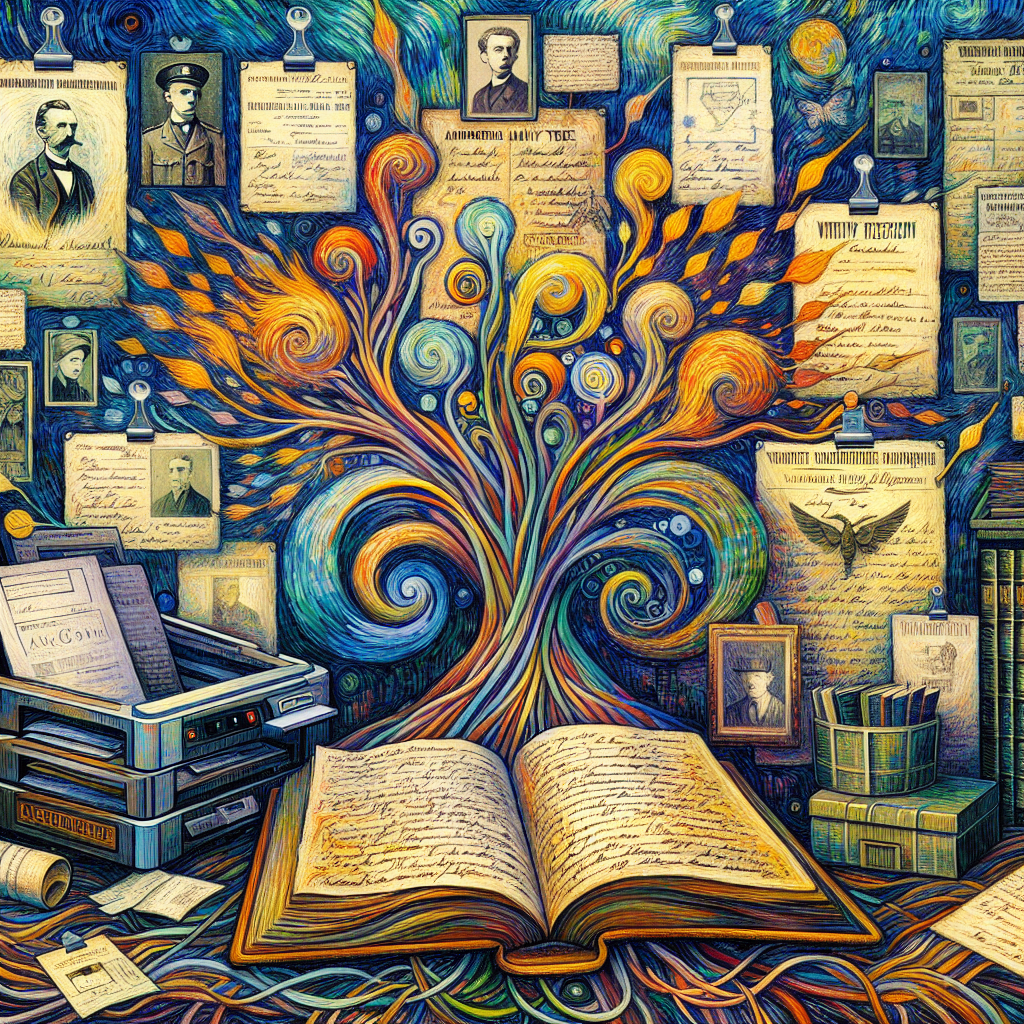
In the bustling world of modern business, where change is the only constant, it’s easy to overlook the wisdom embedded in our past. Yet, these past successes are not mere relics—they are a treasure trove of insight waiting to be tapped. Legacy storytelling serves as a powerful bridge, connecting what once was with the vibrant potential of what can be. It reminds us that behind every thriving enterprise lies a tale of challenges faced, lessons learned, and victories celebrated.
Consider the stories of your predecessors—those resilient souls who forged ahead against daunting odds. They didn’t have all the answers, but they had something perhaps more valuable: grit and determination. Their experiences, full of trials and triumphs, become a roadmap for us today. When we weave these narratives into our business strategies, we tap into a wellspring of inspiration that resonates deeply. It’s the kind of inspiration that awakens the heart and stirs the gut, igniting a fire within us to persevere, innovate, and lead.
Rationally speaking, examining past successes offers a framework through which we can analyze what worked and what didn’t. This wisdom can guide us in making informed decisions about the trajectory of our businesses. A successful strategy isn’t plucked from thin air; it’s an evolution shaped by careful consideration of history. Data-driven insights combined with the art of legacy storytelling empower us to forge ahead with confidence.
Ethically, embracing our past fosters a culture of respect and gratitude. It acknowledges the hard work and sacrifices made by those who came before us. This respect enhances our brand’s authenticity, creating a connection with both employees and customers who appreciate a company willing to honor its roots.
Sharing these stories can also fortify our authority in our respective industries. They provide proof that not only do we understand our field, but we also value the lessons that have brought us to this moment. When we openly tell our legacy story, we cultivate trust—our audience sees the heartbeat of our organization, and they want to be part of that journey.
Every business is a tapestry woven from the threads of its past experiences. By embracing legacy storytelling, we don’t just remember our roots; we breathe life into them, inviting our teams and customers to join us in crafting a future that honors those who have paved the way.
Can Past Successes Inform Your Modern Business Strategies Effectively?
Can Past Successes Inform Your Modern Business Strategies Effectively?
- The wisdom of past successes serves as a treasure trove of insights for modern businesses.
- Legacy storytelling connects the challenges and victories of the past with future potential.
- Learning from predecessors’ experiences provides inspiration for perseverance and innovation.
- Analyzing past successes helps inform strategic decision-making based on what has worked historically.
- Embracing history fosters respect and gratitude, enhancing brand authenticity.
- Sharing legacy stories cultivates trust and authority within industries.
- Legacy storytelling invites collaboration in shaping a future that honors past experiences.

Can Past Successes Inform Your Modern Business Strategies Effectively?
What Stories From the Past Resonate Most with Your Target Audience?
When it comes to connecting with your target audience, the stories that resonate most are often the ones entrenched in “Legacy Storytelling.” These are the narratives that weave the fabric of our shared experiences, the tales handed down through generations, and those that remind us of our shared humanity. Think about the veterans who returned home, carrying not just the weight of their service, but the stories of sacrifice and resilience. Their experiences permeate the very core of what it means to be ‘American’ or ‘citizen of the world.’ These stories evoke deep emotional responses, speaking to our hearts and reminding us of the value of courage and camaraderie.
Then, consider the practical wisdom hidden in these narratives. Every legacy story presents lessons learned—moments of clarity that can guide our rational decision-making. Take the industrious grandma who made ends meet during tough times; her ingenuity in the face of hardship is a guiding light for today’s entrepreneurs. These past experiences aren’t just relics; they offer a roadmap that can lead us forward in our own lives. We can build upon their trials and triumphs, instilling confidence in our own abilities to overcome adversity.
Ethically, there’s a fundamental connection we experience when we reflect on the past. Legacy stories remind us of our responsibilities—to honor those who came before us and to carve a path for those who will follow. Sharing these tales fosters a sense of community, creating bonds that can transcend generations. When we stand together and acknowledge our shared histories, we encourage mutual trust and understanding, building a stronger, tighter-knit society.
The power of narrative comes alive through relatable characters and experiences that resonate on a personal level. Each story offers an invitation to not only listen but also to participate in the broader conversation about who we are and what we stand for. Whether it’s the struggle for civil rights or the quiet acts of kindness that transform lives, each legacy story can spur action—inviting us to contribute our own chapters.
So, what stories will echo in the hearts of your audience? Those rich with lessons from the past, relatable characters, and meaningful connections. Embrace them, share them, and inspire others to carry the torch forward. It’s the legacy that binds us all together, guiding us into the future with purpose and resolve.

What Stories From the Past Resonate Most with Your Target Audience?
What Stories From the Past Resonate Most with Your Target Audience?
- Legacy storytelling connects deeply with audiences through shared experiences and narratives passed down through generations.
- Veterans symbolize sacrifice and resilience, embodying the essence of being ‘American’ or ‘citizen of the world’.
- These stories elicit strong emotional responses, highlighting values like courage and camaraderie.
- Legacy stories carry practical wisdom, providing lessons and guidance for contemporary decision-making.
- Reflecting on the past fosters responsibility to honor predecessors and pave the way for future generations.
- Sharing legacy tales creates community bonds, enhancing mutual trust and understanding across generations.
- Inviting participation in the broader conversation about identity, legacy stories inspire action and personal contributions.

What Stories From the Past Resonate Most with Your Target Audience?
How Do Nostalgic Brands Build a Loyal Community Among Millennials?
In a world buzzing with fleeting trends and shiny new products, nostalgia has emerged as the secret sauce that keeps millennials coming back for more. These brands don’t just sell products; they weave a tapestry of legacy storytelling that honors the past while embracing the future. Picture yourself flipping through an old photo album, only to discover a beloved toy or snack from childhood. That wave of emotion? It’s what makes nostalgia so powerful—a bridge between who we were and who we are now.
Brands that tap into this nostalgia offer more than merchandise; they create experiences that resonate on a personal level. When a brand evokes memories of youth, it fosters a connection that transcends mere consumerism. Think of the moment you opened a classic candy bar. Instantly, you’re back in your grandmother’s kitchen, laughter echoing with every chewy bite. This combination of emotional engagement and memory establishes a relationship built on trust and familiarity.
The head also plays a role in this loyalty-building strategy. Nostalgic brands leverage a deep understanding of their audience’s shared experiences. They recognize that millennials are not just looking for a quick buy; they’re after authenticity. By embedding legacy storytelling into their ethos, these brands create a narrative that feels ethically sound. They acknowledge the past while positioning themselves as guardians of cherished memories, which inspires confidence and a sense of responsibility in their consumers.
Yet it’s not only about the past—it’s about community. Brands that embrace nostalgia often cultivate thriving social circles. Whether through online forums or local meet-ups centered around cherished products, they invite engagement, inviting consumers to be part of something larger. It’s a place where shared stories become the backbone of a vibrant community, drawing in like-minded souls who value the same experiences.
Consider the authority these brands hold as they serve as custodians of collective memories. They understand their audience’s values and sentiments, allowing them to craft messages that resonate deeply. An invitation to participate in a brand’s journey—whether through user-generated content or collaborative campaigns—creates a palpable sense of belonging.
In this world of instantaneous gratification, nostalgic brands offer something far more substantial: a chance to relive memories, reinforce connections, and build a community that, even in a rapidly changing landscape, feels timeless. And isn’t that something we all long for?

How Do Nostalgic Brands Build a Loyal Community Among Millennials?
How Do Nostalgic Brands Build a Loyal Community Among Millennials?
- Nostalgia is a powerful marketing tool for brands to connect with millennials.
- Brands create experiences through legacy storytelling, blending the past with the future.
- Nostalgic products evoke emotional connections, enhancing brand loyalty and trust.
- These brands prioritize authenticity, appealing to consumers seeking meaningful experiences.
- Nostalgia fosters community engagement through shared experiences and social interactions.
- Brands act as custodians of collective memories, crafting messages that resonate deeply.
- Nostalgic brands offer more than products; they provide a sense of belonging in a changing world.

How Do Nostalgic Brands Build a Loyal Community Among Millennials?
What Role Does Authenticity Play In Creating a Successful Revival?
Authenticity is the beating heart of any successful revival. When we talk about reviving a brand, a community, or even a long-held tradition, it’s vital to remember that what appeals to us most isn’t just the polished surface—it’s the genuine story beneath. Authenticity is like a legacy; it’s built on the very essence of who we are, whether we’re discussing a family-run diner trying to bring back old recipes or a local theater reviving a classic play.
People crave connection; they want to feel like they are part of a story that matters. These revival efforts hinge not merely on slick marketing or catchy taglines, but rather on a narrative that captures the imagination. Think about it: how many times have you walked into a place that feels like a shell of what it once was? You can sense that something’s off. The heart and soul are missing. In contrast, a revival that honors its past—embracing the quirks and flaws that come with it—instills confidence. It invites people in, saying, “Here’s what we are, and here’s why it matters.”
Moreover, authenticity fosters trust. When we see a revival that truly reflects its roots—whether through the passionate voices behind it or the heartfelt craftsmanship—it strikes a chord deep within us. We become emotionally invested, not just as customers but as participants in a larger story, one that reverberates through our own legacy. We can’t help but feel good about supporting an endeavor that mirrors our own values.
In this age of superficiality, where slick appearances often mask hollow intentions, a genuine revival reminds us of our shared humanity. It reinforces the importance of integrity, inviting us to join hands and support something real. When you embrace authenticity, you foster a community around that revival—a social fabric woven from shared experiences, triumphs, and even failures. This is the power of legacy storytelling: a reminder that every effort, every triumph, has deep roots and soaring branches.
So, as we embark on reviving what we cherish, let’s remember: it’s not just about what we bring back, but how we bring it back. Let that authenticity shine, and watch as it lights the way for a brighter future, one where we all gather around the table, not just as consumers, but as storytellers in our own right.
What Role Does Authenticity Play In Creating a Successful Revival?
What Role Does Authenticity Play In Creating a Successful Revival?
- Authenticity is essential for successful brand, community, or tradition revival.
- People are drawn to genuine stories rather than just surface-level marketing.
- Reviving something that honors its past builds trust and invites participation.
- Authentic revivals foster emotional investment in a shared legacy.
- In contrast to superficiality, authenticity connects us to our shared humanity.
- Genuine stories create a community around revival efforts, weaving shared experiences.
- The process of revival should focus on how we bring things back, emphasizing authenticity.

What Role Does Authenticity Play In Creating a Successful Revival?
Conclusion
Reviving our connection to the past is at the heart of what savvy entrepreneurs are doing today. In an age where disconnection can seem like the norm, nostalgia emerges as a guiding light, inviting us to remember the roots and stories that inform our identities and businesses. When consumers walk into a quaint store, the smell of leather, wood, and baked goods pulls them into a world where history lives and breathes. Millennial shoppers are not just looking for products—they’re searching for authenticity and meaning. They want to support businesses that tell stories, ones that reflect their own experiences and yearnings for tradition.
This isn’t merely an emotional response; there’s a rational layer at play. Consumers today make purchasing decisions based on values. They opt for businesses that prioritize sustainability, ethical production, and communal upliftment over mass-produced goods. This discerning demeanor signals an evolution in consumer behavior where spending is seen as an investment in a narrative that matters, not just a transaction.
As entrepreneurs, weaving the fabric of legacy into business strategies creates genuine connections. It enriches social interactions. Each conversation with a business owner brings to life the ethos behind their craft, creating an engaging narrative that resonates with customers on multiple levels. The challenge lies in balancing innovation with tradition—to uphold the values that first sparked interest while also adapting to the modern landscape.
Let’s not underestimate the value of the stories that bind us. Their resonance can steer our entrepreneurial journeys, illuminating paths through the toughest of trials. As we confront modern marketplace challenges, we must lean into these narratives and harness their power. They not only inform our strategies but also fortify our authenticity. This authenticity captures attention amid a cacophony of competing messages, transforming brands into beloved symbols of shared history and community.
Each purchase made from a local shop isn’t just a material exchange; it’s an investment in a lasting legacy. The stories from those who came before—with their lessons and struggles—become our guiding force, generating loyalty rooted in emotional and ethical grounds. Through this legacy storytelling, we are creating communities where memories flourish and unite us, where we identify not just as consumers but as part of a collective narrative.
In this revival of tradition, embracing our authenticity becomes not just a choice but an obligation. It’s about reclaiming the magic of who we are and what we have faced, inviting others to join in a journey that honors our shared past as we forge ahead into a future full of promise. Let’s raise our voices, recount our stories, and create connections that resonate through time, turning nostalgia into a vibrant catalyst for change.

Conclusion
Conclusion:
- Reviving connections to the past is essential for modern entrepreneurs.
- Nostalgia serves as a guiding light, emphasizing authenticity and story in business.
- Modern consumers, especially millennials, seek meaningful purchases linked to tradition.
- Spending is viewed as an investment in a narrative rather than a mere transaction.
- Entrepreneurs are encouraged to blend legacy with innovation for genuine connections.
- Each local purchase contributes to a lasting legacy and fosters community loyalty.
- Embracing authenticity is a collective obligation, transforming nostalgia into a force for change.

Conclusion
Other Resources

Other Resources
Here is a list of other resources you can review online to learn more:
- Digital Legacy Association
- StoryCorps
- Is There A Need To Pay For Copyrighting Services For Personal Or Family Legacy Stories?
- Legacy Family Tree
- FutureMe
- AmericanAncestors
- Everplans
- Memorial Matters
- LegalNature
- Bcelebrated
- Obituary Templates
- IronClad Family
- Meminto
- LifeBio
- Trust And Will
- USLegalWills.com
- LegacyFamilyTree
- Postumo
- Xarona
Use This Prompt To Get More Resources With Your Favorite Online AI Tool: Please provide me with a list of online articles with their URLs in a bulleted list that I can read regarding Legacy Meets Aesthetic – Millennial Guide to Nostalgic Biz Revival

Other Resources
Glossary Terms
Legacy Meets Aesthetic – Millennial Guide to Nostalgic Biz Revival – Glossary Of Terms
1. Aesthetic: The appreciation of beauty and style, often influencing design and branding choices in business.
2. Nostalgia: A sentimental longing for the past, often driving consumer preferences and trends.
3. Millennial: A generation born roughly between 1981 and 1996, known for its unique values and consumption habits.
4. Revival: The process of rejuvenating or reintroducing something from the past into present contexts.
5. Heritage: The unique cultural, historical, or legacy aspects that a business can embrace and promote.
6. Branding: The process of creating a unique identity for a product or service, often incorporating elements of nostalgia.
7. Retro: Styles, trends, or designs that are reminiscent of previous decades, often embraced by modern businesses.
8. Vintage: Items or styles that are at least 20 years old, often valued for their charm and durability.
9. Sustainability: Business practices that are ecologically sound, often appealing to socially conscious consumers.
10. Artisan: A skilled craftsperson creating handmade products, often valued for their quality and uniqueness.
11. Localism: The preference for locally sourced products and businesses, fostering community engagement.
12. Curation: The thoughtful selection and organization of products or experiences to enhance brand storytelling.
13. Experience Economy: A trend where consumers prioritize experiences over material goods, impacting business strategies.
14. Storytelling: The art of conveying a narrative that connects with consumers on an emotional level.
15. Collaboration: The partnership between brands or individuals to merge ideas and create innovative offerings.
16. Aestheticization: The process of making something aesthetically pleasing, often to attract a target audience.
17. Disruption: Innovations that significantly alter industries and consumer behaviors, often rooted in nostalgia.
18. Digital Nomad: An individual who leverages technology to work remotely while traveling, influencing lifestyle brands.
19. Cultural Capital: The non-financial social assets that promote social mobility, such as education, skills, and cultural knowledge.
20. Pop Culture: Trends, ideas, or phenomena prevalent in mainstream culture, often influencing branding.
21. Minimalism: A design and lifestyle philosophy emphasizing simplicity and the reduction of excess, contrasting with nostalgic clutter.
22. Emotional Branding: Creating a strong emotional connection between consumers and a brand through nostalgia and storytelling.
23. Market Trend: A general direction in which consumer preferences are shifting, often influenced by nostalgia.
24. Consumer Behavior: The study of how individuals select, purchase, and use goods and services, heavily influenced by millennial values.
25. Craftsmanship: The art of creating quality goods by hand, often appealing to consumers valuing authenticity.
26. Revitalization: The act of restoring life and vitality to a brand or product through innovative practices.
27. Social Media: Digital platforms that facilitate communication and marketing, vital for reaching millennial consumers.
28. Crowdsourcing: The practice of obtaining input or ideas from a large group of people, often fostering community engagement.
29. Personalization: Tailoring products or services to individual consumer preferences, enhancing brand loyalty.
30. Iconic: Representing a significant and recognizable emblem or symbol, often utilized in branding to evoke nostalgia.

Glossary Of Terms
Other Questions
Legacy Meets Aesthetic – Millennial Guide to Nostalgic Biz Revival – Other Questions
If you wish to explore and discover more, consider looking for answers to these questions:
- What are some successful examples of businesses that have successfully combined legacy and innovation?
- How can businesses effectively tell their legacy stories to engage customers?
- What strategies can entrepreneurs use to connect with millennial consumers through nostalgia?
- How can brands measure the effectiveness of nostalgia-based marketing?
- What are the potential pitfalls of relying too heavily on nostalgia in branding?
- How do different cultures interpret and use nostalgia in their business practices?
- What role does community engagement play in the success of nostalgic brands?
- How can businesses ensure their nostalgic narratives remain relevant to future generations?
- What tools or platforms can assist brands in sharing their legacy stories effectively?
- How do consumer perceptions of authenticity impact their buying decisions?

Other Questions
Haiku
Legacy Meets Aesthetic – Millennial Guide to Nostalgic Biz Revival – A Haiku
Memories of old,
Nostalgic tales intertwine,
Traditions reborn.

Haiku
Poem
Legacy Meets Aesthetic – Millennial Guide to Nostalgic Biz Revival – A Poem
In the shop where memories linger,
Fragrant whispers of leather and wood,
Millennials seek more than mere trinkets,
They crave stories, where nostalgia once stood.
Through family recipes, warmth flows,
Grandma’s cookies, the laughter we share,
Every taste a direct line to the past,
Reminders that love, like life, demands care.
In a world overwhelmed by mass design,
They carve paths of ethics and sustainable choice,
A purchase becomes an act of connection,
A resonance of values, a united voice.
Hands that provide a patchwork of tales,
In every crafted piece, their passion ignites,
Authenticity—the heartbeat of revival,
Building bridges between days and nights.
Oh, those joyous moments, both tender and tough,
Fueling dreams with threads woven tight,
A legacy not dictated by profits alone,
But by passion and purpose that shine bright.
As we balance the old with the bold new,
Innovation blooms, while roots stay intact,
In the fabric of community, we dare to believe,
Together we rise, as our stories interact.
So let us reclaim the sacred, the true,
An invitation to tread where the heart still dwells,
For in every nostalgic echo that calls us home,
Live the legacies, the narratives that compel.

Poem
Checklist
Legacy Meets Aesthetic – Millennial Guide to Nostalgic Biz Revival – A Checklist
Nostalgic Business Revival Checklist
Emotional Connection
_____ Recall cherished memories: What personal stories can you share to connect with your audience?
_____ Identify sensory triggers: How can scents, sounds, or visuals evoke nostalgia for your brand?
Rational Appeal
_____ Analyze past successes: What lessons from your history can inform your current strategies?
_____ Evaluate product quality: Are your offerings high-quality and reflective of your brand’s heritage?
Ethical Considerations
_____ Align with values: How does your business model support sustainability and community welfare?
_____ Share the story: Are you transparent about your brand’s origins and mission?
Authority and Authenticity
_____ Leverage expertise: What unique knowledge does your team bring that reinforces your brand’s authority?
_____ Maintain integrity: Is your revival rooted in genuine practices that reflect your brand’s true identity?
Narrative and Legacy
_____ Create a compelling brand story: Are your marketing efforts weaving a narrative that includes historical and emotional elements?
_____ Encourage storytelling: How can you invite customers to share their own stories related to your brand?
Social Engagement
_____ Foster community connections: What initiatives can you introduce to create a sense of belonging among your customers?
_____ Promote customer engagement: How can you encourage interaction and participation in your brand’s journey?
Balancing Tradition and Innovation
_____ Explore new technology: What modern tools can enhance your legacy without compromising authenticity?
_____ Adapt traditional practices: How can you modernize your offerings while honoring your brand’s heritage?
Building Trust and Loyalty
_____ Establish customer relationships: Are you prioritizing personal connections over transactions?
_____ Create shared experiences: How can your brand facilitate moments that resonate with collective memories?
Inspire Action
_____ Encourage participation: What opportunities can you provide for customers to be part of your brand’s story?
_____ Lead by example: How can your brand inspire others through its revival efforts?

Checklist
At LegacyExplorations, we help people plan and explore their legacy by collecting information and news regarding end-of-life planning.
Please share this post with your friends, family, or business associates who may want help to plan or explore their legacy.