

Transforming Clutter Into Meaningful Legacies
By Tom Seest
At LegacyExplorations, we help people plan and explore their legacy by collecting information and news regarding end-of-life planning.
Please share this post with your friends, family, or business associates who may want help to plan or explore their legacy.
Legacy Projects for People Who Hoard Sentimental Junk
We all have that box in the attic or that drawer stuffed full of keepsakes—old ticket stubs, faded photographs, handwritten letters, trinkets that whisper stories of who we were and who we loved. These items, while they take up space, hold emotional power that can bind generations together. Yet, in their accumulation, they can also create a claustrophobic maze of memories, making it all too easy to feel overwhelmed. This is where the beauty of legacy storytelling shines through.
Imagine sitting around a fire with family, each person sharing the story behind a cherished item that others might have dismissed as junk. A simple typewriter could evoke emotions about a grandparent’s dreams. That keychain from a long-forgotten vacation could open a floodgate of laughter, illustrating a family trip gone hilariously wrong. Through shared narratives, we transcend mere possessions; we elevate them to living connections. It’s not just about decluttering. It’s about honoring the past and weaving our collective legacies.
But let’s look at the numbers—a startling 75% of people who keep sentimental possessions admit they would be saddened to throw them away, yet over half feel guilty about not sharing their stories. This disconnect between holding on and letting go highlights the importance of intentional legacy projects. Creating dedicated space—be it a scrapbook, a digital archive, or even a memory wall—can transform that clutter into a treasure trove of wisdom and laughter. Structuring these narratives not only makes them accessible but also gives purpose to the objects we cling to.
Ethically, we owe it to ourselves and our loved ones to keep stories alive. We have an opportunity to be custodians of memories, to pass on not just physical items, but the essence of who we are. Your legacy project is not just an effort to sort through old possessions; it’s a chance to engage in a meaningful dialogue with your loved ones, fostering social bonds that will resonate long after we’re gone.
As you embark on this journey, you’re not just decluttering—you’re crafting a narrative that speaks to all who will come after you. Engaging with your sentimental pieces allows them to live on, binding the past to the present and ensuring that your stories are told for generations to come. So grab that box, gather your family, and begin. It’s time to turn sentimental junk into a celebration of life lived and love shared.

Legacy Projects for People Who Hoard Sentimental Junk
Legacy Projects for People Who Hoard Sentimental Junk
- Many people have sentimental keepsakes that evoke memories but can also create clutter.
- Legacy storytelling highlights the emotional connections behind cherished items.
- Shared narratives can transform mundane possessions into meaningful connections.
- 75% of people regret throwing away sentimental items; over half feel guilty about not sharing their stories.
- Intentional legacy projects, like scrapbooks or memory walls, can organize and elevate these narratives.
- Cultivating memories honors the past and fosters social bonds across generations.
- Engaging with sentimental items allows families to create and pass on meaningful stories.

Legacy Projects for People Who Hoard Sentimental Junk
Table Of Contents
- Legacy Projects for People Who Hoard Sentimental Junk
- What Memories Do Your Sentimental Items Hold For You?
- How Can We Honor Loved Ones Through Projects?
- Are You Ready To Release Items Weighing Down Your Heart?
- What If Letting Go Could Uncover New Possibilities For Joy?
- How Does Your Attachment To Items Shape Your Identity Today?
- In What Ways Can We Create Lasting Memories Without The Clutter?
- What Stories Do Your Items Tell, And Who Will Continue Them?
- Conclusion
- Other Resources
- Glossary Of Terms
- Other Questions
- Haiku
- Poem
- Checklist
What Memories Do Your Sentimental Items Hold For You?
Picture this: a dusty old box tucked away in your attic, filled with treasures that hold the weight of your life’s tapestry. Each item tells a story—maybe it’s a hand-knit scarf from a beloved grandmother or an old baseball glove worn by a childhood friend. These aren’t mere trinkets; they’re anchors, reminders of who we were and who we’ve become. They are, in essence, our legacy, crafting a narrative that connects generations, bridging the past with our present.
Consider how these pieces evoke emotion. When you pick up that weathered photograph from your high school graduation, it’s not just about the moment captured; it’s about the friendships forged, the dreams born, and the youthful promise that once filled the air. That photograph resonates not only in your heart but in your gut, reminding you of late-night study sessions and the thrill of what lay ahead.
Now, think about the rational side. Studies show that sentimental items can boost our mental health, providing comfort and a sense of belonging. In a world that often feels chaotic, these tactile reminders offer a retreat into nostalgia. They help ground us in our identities, reminding us that our experiences shape our choices. When you hold that memento, you are not only recalling memories, but you are also honoring the stories that formed you, confirming that every struggle and triumph was worth it.
Ethically, consider what it means to preserve these memories. It’s our responsibility to pass on these stories to future generations. Imagine a young child cuddled up with a worn teddy bear, the same one that offered you solace on stormy nights. You’re not just sharing an object; you’re sharing a legacy, instilling values and the importance of connection.
These items foster connection, both with the past and the present. As you share your stories around a dinner table or gather family and friends to reminisce, you’re weaving a fabric of social ties that bind us together. You encourage others to reflect on their own sentimental items, inviting them into a collective journey of memory-making and legacy-building.
So, as you sift through your belongings, pause for a moment. Ask yourself what each item truly means. What stories are waiting to be told? What memories do they hold, not only for you but for those who will come after you? Embrace these connections, for they enrich your life’s narrative, inspiring trust and a sense of belonging that transcends time.

What Memories Do Your Sentimental Items Hold For You?
What Memories Do Your Sentimental Items Hold For You?
- Old items in our possession serve as anchors, representing our legacy and connecting past and present.
- Sentimental objects, like a graduation photograph, evoke strong emotional responses tied to personal stories and experiences.
- Studies indicate that keeping sentimental items can improve mental health by providing comfort and a sense of belonging.
- These reminders of our past help ground us in our identities, reinforcing that our experiences shape who we are.
- Preserving memories is an ethical responsibility, allowing us to pass on stories and values to future generations.
- Sharing memories around loved ones fosters connections and invites collective reflection on personal legacies.
- Taking time to reflect on the meaning of our belongings enhances our life’s narrative and inspires a sense of trust and belonging.

What Memories Do Your Sentimental Items Hold For You?
How Can We Honor Loved Ones Through Projects?
Honoring loved ones through projects can be a powerful way to celebrate their lives and keep their spirit alive in our hearts. When we think about legacy, it’s not simply about wealth or possessions—it’s about the stories and values they passed down. So how do we transform those cherished memories into something concrete? By embracing legacy storytelling, we start a journey that connects us to our past while shaping our future.
It begins with reflection. Dive into the tales that shaped your loved one’s life. What were their passions? What made them laugh? By recounting these moments, you weave a narrative that pays homage to their spirit. This isn’t just nostalgia; it’s an act that honors their contributions to your life and the world. It invites others in, fostering a shared connection through the stories that made them who they were.
Now, let’s think about action. Projects can take many forms—volunteering for a cause they cared about, creating a garden where their favorite flowers bloom, or even starting a community initiative that echoes their values. Each project is like a thread in the fabric of your family’s legacy; it weaves together not just memory, but purpose. By taking on these endeavors, you reaffirm the moral responsibility we all have to carry forth the lessons and ideals imparted to us.
But here’s the kicker: each time you engage in these projects, you’re also inviting your family and community to join in. This collective effort strengthens bonds and builds understanding. When you gather to paint a mural in their honor or organize a charity event, the echo of their life resonates not just within you, but throughout the hearts of those around you. It’s a rallying cry—a celebration of everything that made them unique.
As you embrace this journey, let trust guide you. Trust in the stories that need telling, the values that deserve championing, and the connections that ripple through time. In honoring loved ones through projects, you aren’t just keeping their memory alive; you’re creating a living legacy that tells the world who they were and what they stood for. It’s a call to action—an invitation to remember, celebrate, and make a difference in a way that immortalizes the essence of those we hold dear.

How Can We Honor Loved Ones Through Projects?
How Can We Honor Loved Ones Through Projects?
- Projects honoring loved ones celebrate their lives and keep their spirit alive.
- Legacy is about the stories and values passed down, not just wealth or possessions.
- Embrace legacy storytelling to connect with the past and shape the future.
- Reflect on the tales that defined your loved one’s life, including their passions and joys.
- Actionable projects can include volunteering, creating a garden, or starting community initiatives.
- Engaging in these projects invites family and community involvement, strengthening bonds.
- This journey creates a living legacy that immortalizes the essence and values of those we cherish.

How Can We Honor Loved Ones Through Projects?
Are You Ready To Release Items Weighing Down Your Heart?
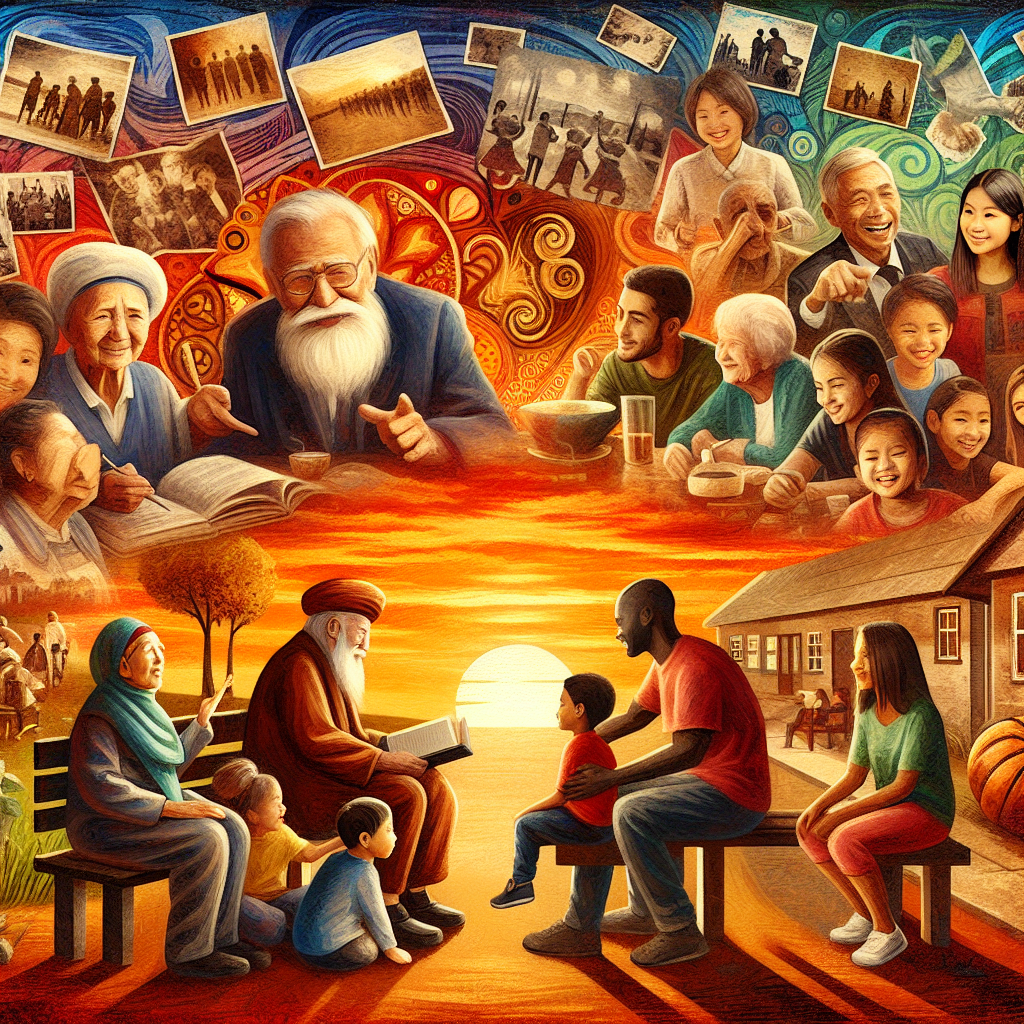
Life often hands us burdens that weigh heavily on our hearts. These aren’t just physical items cluttering our spaces—they’re memories, regrets, and fears wrapping around our souls like a thick vine. It’s easy to convince ourselves that we need to hold on to these items, that they somehow contribute to our legacy. But what if, instead, they were just holding us back from living our own authentic stories?
Let’s take a moment to reflect. Think about your own life’s journey. Each of us has a legacy we want to shape, a story we want to tell. Yet, how can we craft that narrative when our hearts are weighed down by unnecessary baggage? When was the last time you felt unburdened? Free to embrace the present and dream of the future instead of dragging along a suitcase full of yesterday’s woes?
Releasing what no longer serves our growth is not just an emotional exercise; it’s an ethical imperative for ourselves and those we care about. By letting go, we create space—not just in our closets but in our hearts. Think of the lives we touch by sharing our journey, not the struggles but the triumphs that arise from the ashes of our past. This is where true legacy storytelling comes alive. Each item we release can be a chapter closed, making room for new narratives that uplift and inspire.
It’s easier than you might think. Start small. Choose one item that symbolizes a weight you’ve been carrying. Let that be your launching point. Reflect on what it represents. Is it fear, regret, or perhaps guilt? Now, think about how releasing it could empower you to write your next chapter. This isn’t just about decluttering; it’s a radical act of self-love and self-affirmation.
You’re not alone in this. Many are on similar paths, finding camaraderie in the shared experience of shedding old skins. Join the conversation. Share your triumphs and challenges as you make room for what sparks joy, ignites passion, and feeds your spirit. It’s a journey that fosters connection—each story a thread in the rich tapestry of our communal experience.
So, are you ready to take that leap? To unshackle your heart from the weight of unnecessary items and, in turn, enhance your legacy? Embrace that challenge, and you may just find freedom waiting on the other side.

Are You Ready To Release Items Weighing Down Your Heart?
Are You Ready To Release Items Weighing Down Your Heart?
- Life often burdens us with emotional weights—memories, regrets, and fears.
- These burdens can hinder our ability to live our authentic stories and shape our legacies.
- Releasing what no longer serves us is essential for personal growth and ethical living.
- Letting go creates emotional space for new narratives and triumphs to emerge.
- Starting small by releasing a single symbolic item can kickstart the process of decluttering.
- Many people share this journey, fostering connection through shared experiences and stories.
- Embracing the challenge of letting go can lead to freedom and a more meaningful legacy.
Are You Ready To Release Items Weighing Down Your Heart?
What If Letting Go Could Uncover New Possibilities For Joy?
What if letting go could uncover new possibilities for joy? Imagine standing at the edge of a vast landscape, the horizon stretching out before you, filled with opportunities just waiting to be explored. We often cling to the familiar, even when it weighs us down. The clothes we hold onto, the grudges we nurse, the dreams deferred—each a thread in the tapestry of our current reality. But what if we dared to sever those threads, just for a moment?
Letting go can feel like a leap into the unknown. It’s scary, but that’s where transformation begins. Look closely, and you’ll see it’s not about losing something; it’s about creating space for something new. Think of it as releasing the grip on a balloon—once free, it dances in the wind, discovering heights we never imagined. This isn’t mere wishful thinking. Research has shown that those who embrace change, whether through downsizing their possessions or revisiting old relationships with a fresh perspective, often find surprising joy in the unlikeliest of places.
Let’s shift gears. Every legacy we leave behind has its roots in the stories we cherish. When you let go of burdens, you make room for the storytelling that truly matters—stories that bind us together and inspire those who come after us. Imagine sharing tales that celebrate resilience, connection, and triumph over adversity. These narratives shape our communities and deepen our bonds.
Culturally, we thrive on connection. Yet, the weight of unexamined emotions can isolate us, making us feel as though we’re the only ones navigating this complex human experience. By letting go, we not only invite joy for ourselves but encourage others to do the same. It opens the door for shared struggles and triumphs, igniting a spark of empathy that can fuel social change.
In waiting for the “right time” to let go, we inadvertently cage our potential. When you finally unshackle what no longer serves you, you ignite a powerful force in your life. You reclaim agency and become an architect of your own joy. So, take that leap. Allow yourself to let go. The possibilities are endless, and waiting just beyond the horizon, ready to paint your life with vibrant new colors.

What If Letting Go Could Uncover New Possibilities For Joy?
What If Letting Go Could Uncover New Possibilities For Joy?
- Letting go can uncover new possibilities for joy, allowing for exploration of a vast landscape of opportunities.
- Clinging to familiar burdens, such as possessions and grudges, can weigh us down and hinder personal growth.
- Severing these ties can be transformative, creating space for new experiences and possibilities.
- Research indicates that embracing change often leads to surprising joy and fulfillment.
- Letting go of burdens allows for storytelling that binds communities and inspires future generations.
- By confronting unexamined emotions, we not only invite our own joy but also encourage empathy and connection in others.
- Releasing what no longer serves us empowers us to reclaim agency and actively shape our joy and life narrative.

What If Letting Go Could Uncover New Possibilities For Joy?
How Does Your Attachment To Items Shape Your Identity Today?
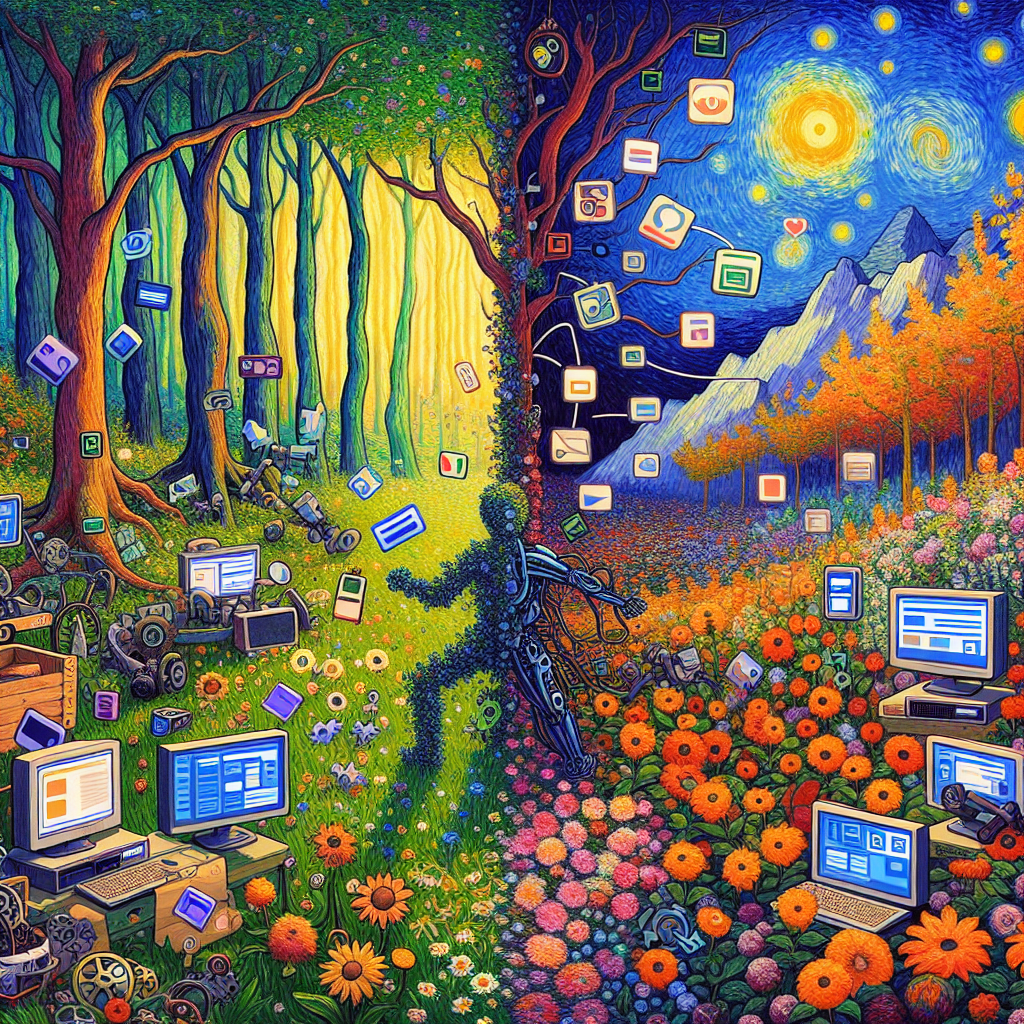
Our attachment to items runs deeper than the surface of what we own; it’s etched into the very framework of our identities. Each possession tells a story—a fragment of our legacy—that we carry like a compass, guiding who we are and how we navigate this world. Picture the old, frayed baseball glove resting on a forgotten shelf. It’s not just leather; it’s a bridge to summer days filled with laughter, competition, and those profound life lessons learned beneath an open sky. When we touch these items, we don’t just feel the texture; we feel the excitement of a child’s laughter, the warmth of a parent’s guidance, and the thrill of breaking a sweat under the sun.
In a society overwhelmed by consumerism, we often lose sight of the real value of our possessions. The truth is, the worth of an item doesn’t lie in its price tag, but in the stories it tells. Think about your grandmother’s heirloom necklace or the battered books that lined your childhood shelves. Each one is a testament to resilience, dreams, and the shared humanity that we all experience. Through legacy storytelling, we breathe life into tangible objects, transforming them into vessels for connection that transcend generations. These aren’t just things; they are anchors to our past, reminders of what has shaped us, what we cherish, and who we aspire to be.
On a rational level, this attachment influences how we assess our priorities and relationships. Items like family photos or a well-worn suitcase can evoke streams of thoughts about love, adventure, and connection. They serve as honorable witnesses to our trials and triumphs, imbuing us with resilience and perspective. But it’s more than just sentimentality; it’s a moral choice to embrace what truly matters, elevating our lives above fleeting trends and superficial distractions.
As we navigate the whirlwind of modern life, let us take a moment to embrace our clutter as a living gallery of our identity—a tapestry woven from memory, experience, and hope. Share these stories with others, allowing them to resonate and evolve. When we understand our attachment to items, we not only foster a deeper sense of self but also inspire a legacy for those who come after us. By connecting with our past, we shape a brighter future for ourselves and our communities, reminding us that we are all custodians of our own narratives.
How Does Your Attachment To Items Shape Your Identity Today?
How Does Your Attachment To Items Shape Your Identity Today?
- Our possessions are integral to our identities, serving as a compass for who we are.
- Each item tells a personal story, linking us to memories and life lessons.
- In a consumerist culture, the true value of items lies in the stories they tell rather than their price tags.
- Heirloom objects embody resilience and shared humanity, connecting generations through legacy storytelling.
- Items can evoke emotions and memories, influencing our perceptions of love and adventure.
- Embracing our possessions as a living gallery can elevate our lives beyond superficial distractions.
- Understanding our attachment to items fosters a deeper sense of self and inspires future legacies.

How Does Your Attachment To Items Shape Your Identity Today?
In What Ways Can We Create Lasting Memories Without The Clutter?
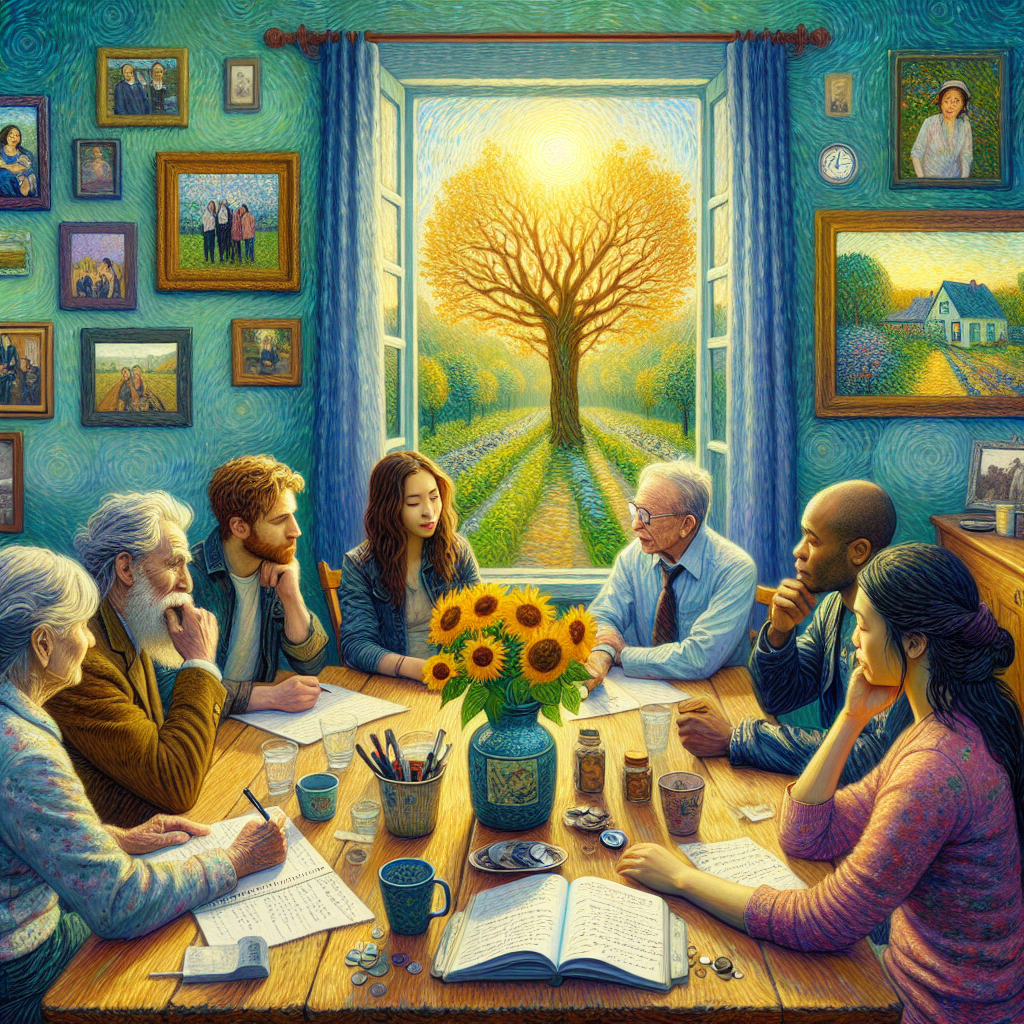
Creating lasting memories without clutter is not just about tidying up; it’s a matter of legacy. Think about it: when we look back on our lives, it’s not the accumulation of “things” that brings warmth to our hearts; it’s the stories intertwined with those experiences. Every moment you invest in someone can become a part of their legacy—a story worth telling.
Imagine sitting around a fire with family and friends, sharing narratives of laughter, hardship, and triumph. These shared experiences etch themselves into our minds in a way no physical object ever could. The warmth of your grandmother’s laughter or the thrill of that camping trip with your dad—those tales become cherished heirlooms. They spark joy and connection, much like a well-worn book whose pages tell of adventures shared.
Now, let’s talk about modern parenting for a moment. The pressure to provide our kids with everything, from gadgets to toys, often leads to clutter, both in our homes and our minds. But what if we shifted that focus? Instead of showering them with things, give them your time and attention. Take a hike, paint a mural in the garage, or plant a garden together. These activities become part of their narrative. They are the chapters of a life story that they will carry with them and, ultimately, pass down.
From a rational standpoint, the less clutter we have, the more mental space we create for genuine emotional connections. Why are we rewarding consumption instead of genuine experiences? This is a question we all need to ponder. Every choice we make today sets the tone for the narrative of our lives and our families.
And let’s not ignore the ethical angle. The environment pays a price for excess. Each time we choose a memory over a material object, we’re making a statement: We value relationships and experiences over fleeting possessions. We can inspire not just our children, but also our communities, to embrace the idea that real wealth lies in shared memories.
So, redefine what you consider valuable. The next time you want to celebrate a special occasion or milestone, think of ways to create memories instead of collecting items. Commit to crafting a legacy of storytelling that won’t gather dust. This is how we truly create lasting memories—stories, experiences, and connections that resonate long after the moment passes.

In What Ways Can We Create Lasting Memories Without The Clutter?
In What Ways Can We Create Lasting Memories Without The Clutter?
- Creating lasting memories is about legacy rather than material possessions.
- Meaningful experiences, not physical items, warm our hearts and shape our lives.
- Shared narratives—like laughter and triumph—become cherished heirlooms.
- Modern parenting often leads to clutter; focus on giving time and attention instead.
- Engaging in activities together creates lasting life stories that can be passed down.
- Choosing memories over material things fosters genuine emotional connections and helps the environment.
- Redefining value and emphasizing experiences can craft a legacy of storytelling.
In What Ways Can We Create Lasting Memories Without The Clutter?
What Stories Do Your Items Tell, And Who Will Continue Them?
Every object in your life carries a weight far beyond its physical form. Think of that old toolbox inherited from a grandparent, the leather-bound diary filled with thoughts and dreams, or even that faded photograph from a long-bygone era. Each item is a chapter in your personal narrative, a piece of your legacy. They whisper stories of struggle, triumph, laughter, and love, weaving a tapestry that connects the past to the future.
Legacy storytelling is not merely an exercise in nostalgia; it’s a profound responsibility. It invites us to consider who will inherit our stories and how these inherited items will shape their lives. Imagine a child finding that toolbox, filled not just with tools but with the ethos of hard work and craftsmanship. What do they learn about resilience? How does that memory influence their future choices?
It’s easy to dismiss these items as “just stuff,” but is that really the case? These objects, brimming with emotion and significance, challenge us to think rationally about our attachments. Every scratch and dent tells a story; every tear and crease holds meaning. They serve as reminders of our collective history, the triumphs and missteps that have shaped our characters. Shouldn’t we not only value these items but also pass their stories down, ensuring that the lessons we learned are not lost?
Ethically, we face a choice: to preserve or neglect. In a world so inclined towards surface-level engagement, the act of sharing these narratives becomes an act of defiance against disposability. By choosing to engage with our past, we honor those who came before us. We acknowledge their struggles and celebrate their victories.
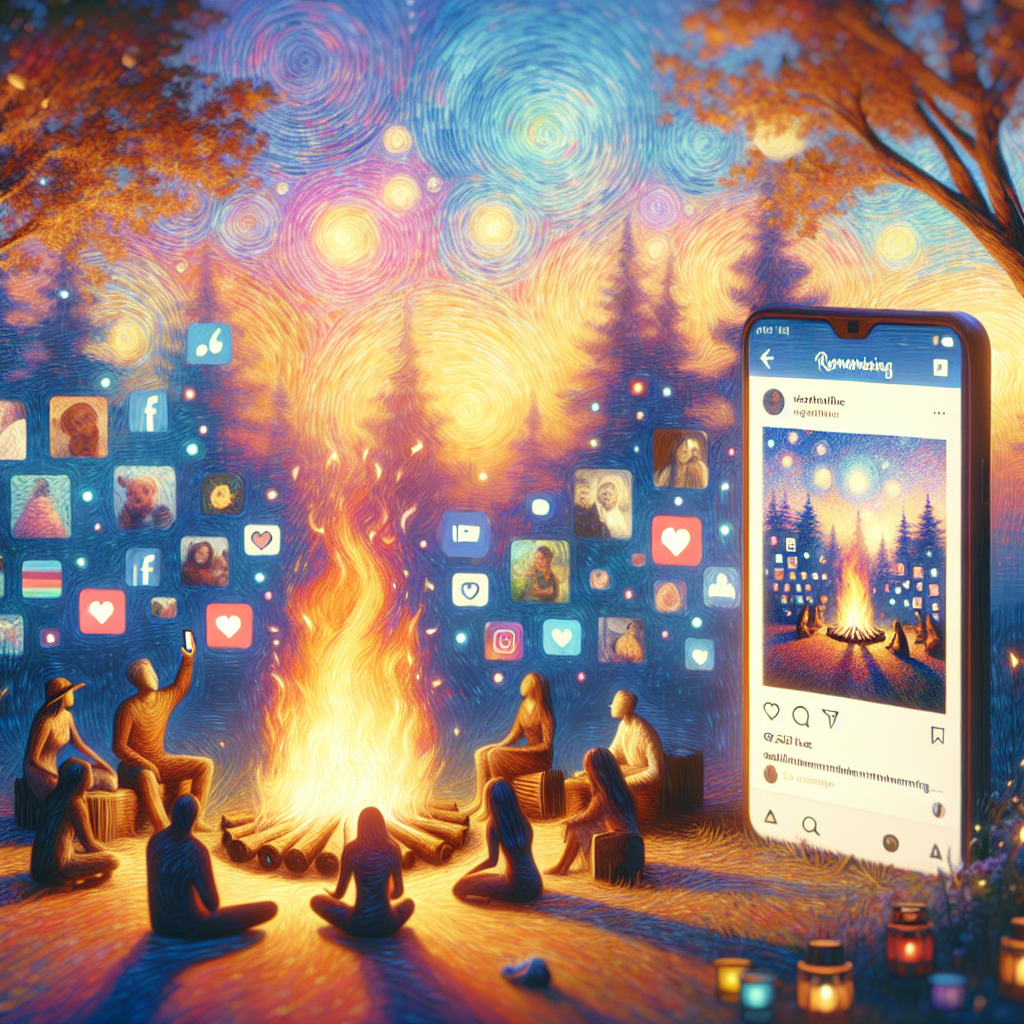
So, let’s spark a conversation. Gather with friends and family, dig into boxes of old memorabilia, and share the stories that emerge. Let them flow through laughter and tears, connecting generations. The items we cherish deserve to be more than mere relics; they should be vibrant conduits of our life experiences.
When the time comes to pass these stories on, the people who will carry them forward are waiting in the wings—curious, eager, and ready to embrace the narratives that shape their identities. Together, let’s ensure those stories live on, sparking inspiration and forging connections that transcend time. What stories do your items tell? And who will carry that torch forward? Be the author of that legacy.
What Stories Do Your Items Tell, And Who Will Continue Them?
What Stories Do Your Items Tell, And Who Will Continue Them?
- Every object in our lives holds deeper significance beyond its physical presence, representing personal stories and legacies.
- Legacy storytelling involves reflecting on who will inherit our stories and the impact of these items on their lives.
- Items like an inherited toolbox or a diary teach values such as hard work, resilience, and connection to the past.
- We often undervalue these meaningful objects, overlooking their emotional stories linked to our shared history.
- There is an ethical choice to preserve these narratives as an act of defiance against a disposable culture.
- Engaging with our past by sharing stories fosters connections across generations and honors those who came before us.
- As we prepare to pass on our stories, we embrace the opportunity to inspire and connect future generations through our legacies.

What Stories Do Your Items Tell, And Who Will Continue Them?
Conclusion
Clutter has a way of creeping into our lives and suffocating our spaces, both physically and emotionally. It’s easy to dismiss those boxes stuffed with trinkets as mere junk, but each item is a vessel holding the whispers of our past; they encapsulate the essence of who we are. The sentimental baseball glove or the school graduation picture isn’t just a reminder of a moment—they are chapters in the story of our identity. These objects connect generations and are not just keepsakes, but living legacies waiting to be honored through legacy storytelling.
Although many cling to their sentimental items out of fear of letting go, a staggering number acknowledge that they’d be saddened to part with these pieces yet feel guilty for not sharing the memories tied to them. This critical disconnect can create a burden of emotional clutter, weighing down our hearts. The reality is, releasing some of these items can clear mental space, allowing us to weave more intentional narratives about our lives and the lessons we’ve learned.
The ethical responsibility we carry as custodians of our stories cannot be overlooked. By choosing to share our experiences, we enrich our family legacies, ensuring that the meanings wrapped around those possessions live on. Projects inspired by cherished memories—whether crafting a scrapbook, creating a community garden in honor of a loved one, or simply sharing stories around the dinner table—transform clutter into meaning. These actions don’t merely declutter our homes; they solidify our connections to those we love and celebrate the bonds that define us.
It’s time we gather those dusty boxes and dusty hearts, inviting our family to share the joys and sorrows wrapped in emotional anchoring objects. Legacy storytelling brings the past into the light, inviting new possibilities for joy as we shed the weight of clutter. By doing this, we not only honor our loved ones but actively participate in the crafting of a legacy that echoes through time. Letting go isn’t easy, but it ignites a profound journey—a journey that has the potential to bind generations, fostering a vibrant tapestry of shared experiences.
So what’s your next step? Don’t just clear out those emotional weights; turn them into a celebration of life lived and love shared. Dive into the warmth of memories, engage in collective storytelling, and craft a legacy that speaks of resilience, connection, and hope. Together, let us transform sentimental junk into treasures that uplift, inspire, and bridge the past with the present for generations to come.

Conclusion
Conclusion:
- Clutter can suffocate our physical and emotional spaces, filled with items that represent our past.
- Sentimental items like baseball gloves and graduation pictures embody our identity and connect generations.
- Many individuals feel guilty about not sharing memories attached to sentimental items, creating emotional clutter.
- Releasing some items can create mental space for a more intentional narrative about our lives.
- Sharing experiences enriches family legacies and helps maintain the meanings of cherished possessions.
- Projects inspired by memories can transform clutter into meaningful connections with loved ones.
- Engaging in collective storytelling and honoring our loved ones can create a vibrant legacy for future generations.

Conclusion
Other Resources

Other Resources
Here is a list of other resources you can review online to learn more:
- LegalNature
- LivingDNA
- How to Save Your Family�s Stories from Being Lost Forever � A Step-by-Step Guide to Creating a Lasting Digital Legacy
- Bcelebrated
- LegacyLearned
- ForeverMissed
- Willmaker
- How to Avoid Losing Your Family History One Generation at a Time
- RocketLawyer
- Can Telling and Preserving Personal or Family Legacy Stories Be Therapeutic?
- Forever Missed
- Storyfile
- LegalZoom
- Ever Loved
- Storyfile Life
- StoryCorps
- FutureMe
- FuneralWise
- How To Write Legacy Story Headlines That Appeal To The Heart, Gut and Head
- UpCounsel
Use This Prompt To Get More Resources With Your Favorite Online AI Tool: Please provide me with a list of online articles with their URLs in a bulleted list that I can read regarding Legacy Projects for People Who Hoard Sentimental Junk

Other Resources
Glossary Terms
Legacy Projects for People Who Hoard Sentimental Junk – Glossary Of Terms
1. Legacy Project: An initiative aimed at preserving memories or items of personal significance for future generations.
2. Hoarding: The excessive accumulation of items, often driven by emotional attachment or fear of loss.
3. Sentimental Junk: Items that hold emotional value but may lack practical use, such as old letters or trinkets.
4. Decluttering: The process of reducing clutter by sorting, organizing, and eliminating unnecessary items.
5. Emotional Attachment: A strong bond or connection to an object or memory, often influencing retention.
6. Memory Curation: The intentional selection and organization of items to reflect personal history and significance.
7. Documenting: The practice of recording memories, stories, or the significance of items through writing or media.
8. Personal Archive: A collection of documents, photographs, and memorabilia kept for historical and emotional relevance.
9. Organizational System: A structured method for categorizing and storing items to ease the decluttering process.
10. Memory Mapping: A visual representation of important memories and their associated items to help prioritize what to keep.
11. Value Assessment: Evaluating the significance of items to determine what should be kept or discarded.
12. Eulogy Letters: Personal letters written to be read after one’s passing, sharing memories and thoughts about significant items.
13. Repurposing: Transforming items into something new or functional, preserving value while reducing clutter.
14. Scrapbooking: The art of creating a scrapbook to showcase memories and sentiments through photos and decorations.
15. Keepsake: A cherished item retained for its sentimental value, often intended as a reminder of a person or memory.
16. Memory Box: A container used to store significant items and mementos, creating a tangible collection of memories.
17. Digital Archiving: The process of converting physical items into digital formats to preserve memories without physical clutter.
18. Therapeutic Decluttering: Using the process of letting go of items as a means to address emotional challenges related to hoarding.
19. Storytelling: The act of sharing personal anecdotes and histories connected to specific items or experiences.
20. Emotional Preservation: The effort to maintain emotional ties to past experiences while responsibly managing physical items.
21. Sustainable Memory: Finding environmentally friendly methods for preserving memories or repurposing items into new uses.
22. Legacy Designation: Identifying which items or memories are most important to pass on to future generations.
23. Mindful Keeping: An approach focused on intentionally keeping items that bring genuine joy or meaning.
24. Purging: The decisive act of removing excess items to create a more organized and meaningful living space.
25. Family Heirloom: An item passed down through generations, often carrying historical and emotional significance.
26. Visual Documentation: Capturing images or recordings of significant items, stories, or memories to preserve their essence.
27. Clutter Threshold: The point at which accumulated items become overwhelming and hinder one’s living space or emotional well-being.
28. Memory Lane: A metaphorical journey through past memories, often invoked when reflecting on significant items or experiences.
29. Gratitude Journal: A written record of things for which one is grateful, often including shared memories or items of significance.
30. Sentimental Value: The emotional importance assigned to an item, often exceeding its monetary or practical worth.

Glossary Of Terms
Other Questions
Legacy Projects for People Who Hoard Sentimental Junk – Other Questions
If you wish to explore and discover more, consider looking for answers to these questions:
- What are some practical steps for starting a legacy project?
- How can I involve my family in the process of creating a legacy project?
- What types of legacy projects are most meaningful?
- How do I decide which sentimental items to keep and which to let go?
- What are some ways to digitally archive cherished items and their stories?
- How can storytelling enhance our emotional connections with sentimental items?
- What psychological benefits are associated with letting go of sentimental clutter?
- How can we create a balance between preserving memories and decluttering?
- What role does culture play in how we perceive sentimental items?
- How can I encourage future generations to value their own sentimental items?
- What strategies can help someone who struggles to let go of sentimental possessions?
- How do we ensure our legacies are remembered and honored after we are gone?
- Can legacy projects also benefit the environment, and if so, how?
- What are some common misconceptions about sentimental possessions and decluttering?

Other Questions
Haiku
Legacy Projects for People Who Hoard Sentimental Junk – A Haiku
Memories like ghosts,
Whisper tales of love and loss—
Clutter transformed, shared.
Haiku
Poem
Legacy Projects for People Who Hoard Sentimental Junk – A Poem
In attics dim where memories gleam,
Nestled deep is a treasure’s dream,
Faded photographs, keys to the past,
Whispers of love, forever to last.
A typewriter’s click, a glove worn in play,
Each object a story, each tale a ray,
Binding generations in laughter and tears,
Celebrating life lived throughout the years.
But in the chaos, our hearts feel the weight,
Of clutter that lingers, as we hesitate,
To release what constrains, what no longer fits,
Yet inside lies the joy that true freedom begets.
Studies reveal what our hearts have discerned,
That possession holds power, but stories we yearn,
To share and connect, to nurture our ties,
Honoring lives and love that never dies.
Let’s gather together in circles of grace,
And talk of the journeys that each item chased.
Fostering bonds, a narrative thread,
Weaving a legacy, where memories are fed.
So pause for a moment, reflect and engage,
In legacy projects, let’s turn a new page.
By letting go gently, we create space anew,
For joy and connections to blossom and bloom.
Think of those who follow, curious eyes bright,
Who’ll grasp what we cherished and feel our delight.
For every old trinket that holds us in thrall,
Is a chapter in life’s book—most treasured of all.
Embrace the stories, let the past shine,
Let go of the burdens that inhibit design.
In transforming clutter to meaning we find,
A legacy rich, lovingly entwined.

Poem
Checklist
Legacy Projects for People Who Hoard Sentimental Junk – A Checklist
Legacy Project Checklist: Transforming Clutter into Meaningful Legacies
Heart Appeals
_____ Reflect on Emotion: Identify three sentimental items in your home. What emotions do they evoke? Write down the memories associated with each.
_____ Share Stories: Schedule a family gathering (in-person or virtual) to exchange stories about cherished items. Prepare to share at least one story of your own.
_____ Create a Memory Wall: Designate a spot in your home to display meaningful items alongside their stories. Start with a few pieces and add as you go.
Head Appeals
_____ Rationalize Your Attachments: List five items you feel attached to. Assess their true value—do they serve a functional purpose, or are they merely emotional keepsakes?
_____ Set Goals: Create specific, achievable goals for your legacy project. For instance, identify a time frame for creating a scrapbook or digital archive.
_____ Research Legacy Projects: Look into various legacy projects, such as digital storytelling platforms or memory journals, to find inspiration for your own.
Gut Appeals
_____ Grasp the Weight of Clutter: Choose one item that feels heavy emotionally. Reflect on why you keep it and consider the possibility of releasing it for a new narrative.
_____ Visualize New Possibilities: Picture your life without unnecessary clutter. How would it feel to let go? Jot down your feelings about this vision.
_____ Embrace Letting Go: Identify one item you can part with today. Write a short note explaining its significance, then let it go as an act of self-love.
Ethical Appeals
_____ Consider Legacy Responsibility: Discuss with family what it means to carry forward their stories. How will you ensure these narratives are passed on?
_____ Volunteer in Honor: Pick a cause your loved one cared about and engage in a related project. Reflect on how this honors their memory and values.
_____ Document Ethical Choices: As you clear out clutter, reflect on how donating or repurposing items can benefit others. Create a plan for how you will share the items that no longer serve you.
Authority Appeals
_____ Gather Resources: Research books, articles, or community workshops focused on legacy storytelling and organizing sentimental items.
_____ Consult Experts: Reach out to family historians or organizational specialists for advice on best practices for creating lasting legacies through sentimental items.
_____ Participate in Discussions: Join online forums or local groups that focus on organizing techniques and legacy projects to learn from shared experiences.
Narrative Appeals
_____ Craft Your Story: Write a brief story about a treasured item, focusing on its significance in your life. Ask family to do the same.
_____ Create a Timeline: Chart out key life events and the items that represent them. This visual aids in understanding the narrative weave of your possessions.
_____ Encourage Shared Storytelling: Start a family tradition where each member shares their legacy story during holidays or special occasions, deepening connections through narratives.
Social Appeals
_____ Build Connections: Invite friends over for a “memory swapping” night where you exchange items and the stories behind them.
_____ Organize a Legacy Project Group: Form a small group with friends or family members to work on individual legacy projects together, fostering support and sharing insights.
_____ Engage with Community: Host a community event where people can bring items of significance and share stories, creating a broader tapestry of local memories.
By using this checklist, you can create a meaningful legacy that honors the past while shaping the future, transforming clutter into connections.

Checklist
At LegacyExplorations, we help people plan and explore their legacy by collecting information and news regarding end-of-life planning.
Please share this post with your friends, family, or business associates who may want help to plan or explore their legacy.