

The Pursuit Of Lasting Impact
By Tom Seest
At LegacyExplorations, we help people plan and explore their legacy by collecting information and news regarding end-of-life planning.
Please share this post with your friends, family, or business associates who may want help to plan or explore their legacy.
Legacy Vs. Memory: The Battle for How We’re Remembered
In the grand theater of life, we often find ourselves grappling with two powerful forces: legacy and memory. Legacy is the deliberate tapestry we weave through our actions and choices, a purposeful narrative we hope to leave behind. Memory, on the other hand, is more elusive. It’s the unintentional folklore created by those who come after us, shaped by their experiences, interpretations, and sometimes, misunderstandings.
When we think about legacy, we’re talking about the values, principles, and contributions that define us in the eyes of the world. This is where storytelling comes into play—as humans, we are natural storytellers. We connect through shared experiences, and the stories we tell about our lives can resonate through generations. Consider the choices you make daily; every interaction, every small act of kindness or courage adds a stitch to the fabric of your legacy. Ask yourself: What story am I telling?
Yet, there’s a stark truth to confront: no matter how precisely we craft our legacies, they can be overshadowed by the memories others hold. Someone might remember a harsh word over an act of service or misinterpret a fleeting moment as the essence of who we are. That’s both humbling and disconcerting. It reminds us that while we can shape our legacies through intention, we also surrender our power to the memories of others.
So how do we bridge the gap? First, let’s embrace vulnerability. Share your story, flaws included. Connect with empathy, allowing others to see the human behind the legacy. This not only fosters relationships but invites trust.
Next, recognize the role of community in shaping both legacy and memory. We are influenced by the dialogues we engage in and the narratives we promote. Participate actively in your community; your actions will echo through the lives you touch, even in small ways.
Ultimately, both legacy and memory matter. While legacy gives us a sense of direction and purpose, memory offers a reflection of our impact. Together, they form a dialogue about who we were, what we achieved, and how we’re remembered long after our stories are told—implying that the greatest tale we could ever tell is one of connection, compassion, and authenticity.
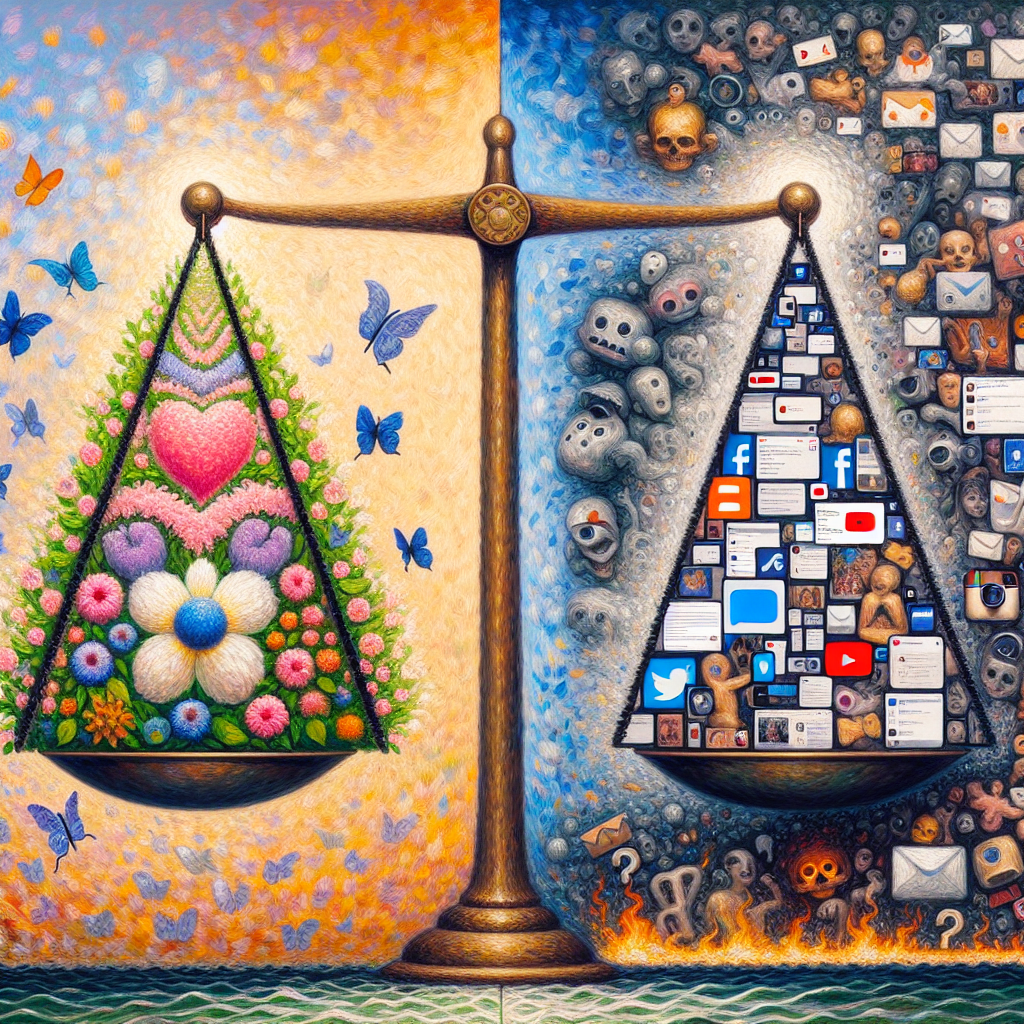
Legacy Vs. Memory: The Battle for How We’re Remembered
Legacy Vs. Memory: The Battle for How We’re Remembered
- Legacy is a deliberate narrative shaped by our actions and choices.
- Memory is the unintentional folklore created by others, influenced by their experiences and interpretations.
- Storytelling is crucial for connecting through shared experiences and defining our legacy.
- Every interaction contributes to our legacy; consider what story you are telling through your actions.
- Legacies can be overshadowed by the memories of others, reminding us of our vulnerability.
- Embracing vulnerability and sharing our stories fosters trust and connection with others.
- Community involvement shapes both legacy and memory, as our actions influence those around us.

Legacy Vs. Memory: The Battle for How We’re Remembered
Table Of Contents
- Legacy Vs. Memory: The Battle for How We’re Remembered
- What Stories Do You Want To Be Told About Your Life?
- How Do You Define Your Legacy?
- Are Memories Of You Shaped By Your Actions Or Intentions?
- What Impact Do You Wish To Have On Future Generations?
- How Does Our Personal Narrative Influence Our Legacy?
- What Emotional Connections Do You Wish To Foster In Others?
- How Do You Balance Personal Desires With Social Expectations?
- Conclusion
- Other Resources
- Glossary Of Terms
- Other Questions
- Haiku
- Poem
- Checklist
What Stories Do You Want To Be Told About Your Life?
What stories do you want to be told about your life? That question resonates more profoundly than many realize because it taps into the essence of our very existence: legacy. We’re not just living; we’re crafting narratives that will echo long after we’re gone. Every decision, every sacrifice, and every small act of kindness we undertake becomes a thread in the tapestry of our personal legacy storytelling.
Consider for a moment the impact of your everyday actions. Do you want to be remembered as someone who took the easy road, or do you dream of being that person who faced challenges head-on? The stories that will be told about you will not be fashionably edited or filtered through the lens of social media’s highlights. They’ll emerge from the raw, unvarnished truth of your life experiences, the moments of grit and grace that defined who you are.
When you think about your legacy, imagine the heart of your community beating in sync with yours. Think of the younger generation that looks up to you. What stories do you want them to tell someday? Stories of resilience? Of pulling together when the going got tough? Or do you hope they’ll share tales of adventure and laughter, of discovering life’s magic side by side with you? Every choice you make is a vote for the story you want to leave behind.
Your legacy isn’t just about you; it’s about a collective narrative. As you engage in the world, remember the ethical responsibility you carry. Your actions ripple outward, influencing those around you. It’s not about being perfect; it’s about being real. Authenticity connects us in a way that fancy words and accolades never will.
The stories we tell create a sense of belonging, a reminder that we are all navigating this complex journey together. So, as you chart your path, ask yourself: What kind of tales do I want to inspire? What truths do I wish to share? When the final chapters of your story are written, will they capture the fullness of your spirit?
Delve deep, live boldly, and foster connections that resonate through time. The stories you wish to tell are a call to action not only for yourself but for everyone who crosses your path. What legacy do you choose to write today?

What Stories Do You Want To Be Told About Your Life?
What Stories Do You Want To Be Told About Your Life?
- The question of what stories you want told about your life relates deeply to legacy.
- Your actions, decisions, and kindnesses create a narrative that shapes your personal legacy.
- Legacy is not about how others perceive you through social media, but about raw life experiences.
- Consider how the younger generation views you and the stories they will share about you.
- Your legacy is a collective narrative that affects not just you but the broader community.
- Authenticity in your actions is crucial; it builds deeper connections than superficial accolades.
- Ask yourself what truths you want to share and how you want to inspire others in your lifetime.

What Stories Do You Want To Be Told About Your Life?
How Do You Define Your Legacy?
How do you define your legacy? It’s a question that lingers in the quiet moments, often surfacing when you least expect it—maybe while sharing a meal with family or watching the sun dip below the horizon. Legacy isn’t merely what you leave behind; it’s the story that unfurls through the lives you’ve touched and the values you’ve instilled. It’s the fabric woven from everyday interactions, the moments you took to lend a hand or share a laugh.
Embracing the notion of legacy involves a certain kind of storytelling, a narrative crafted not only from grand gestures but also from the mundane acts of kindness. The legacy you leave is birthed in the tiny choices: the afternoon spent with a loved one, the encouragement given to a friend in need, the lessons imparted to a child. Each thread adds strength to the tapestry of your existence, creating a vast narrative that resonates with others long after you’ve departed.
Rationally, consider this: what will people remember about you in five, ten, or thirty years? Will they recount your successes, or will they speak of your character? How you treated others casts a longer shadow than your achievements. Every interaction is a small transaction of respect and dignity, and each one contributes to the greater legacy you build. Legacy is an ethical investment in human connections.
Yet, it’s not just about being idealistic; it’s about grounding yourself in reality. A legacy isn’t passive; it’s a call to action. It invites you to shape your days with intention, to actively engage in the lives of those around you. By fostering relationships built on trust and empathy, you not only elevate your own existence but also inspire those nearby to reflect upon their own legacy.
On a social level, legacy becomes an anchor in a world that often feels chaotic. When you share your story—your struggles and triumphs—you create a dialogue that connects us all. It echoes the ancient tale of humanity, binding each generation to the next through shared experiences.
As you navigate the winding path of life, remember: it’s not just about you. Your legacy is a gift—not only to yourself but to everyone fortunate enough to cross your journey. Embrace the responsibility of crafting a narrative worth telling, one that inspires others to consider their own legacies. In doing so, you may just ignite a spark in someone’s heart that lasts long after the final chapter of your life is written.

How Do You Define Your Legacy?
How Do You Define Your Legacy?
- Legacy is defined by the impact you have on others, not just what you leave behind.
- It encompasses everyday interactions and small acts of kindness.
- Your legacy is shaped by relationships and moments spent with loved ones.
- How you treat others will be remembered far longer than your achievements.
- Legacy requires intention and action in nurturing human connections.
- Sharing your story fosters community and binds generations through shared experiences.
- Your legacy serves as a gift to yourself and those who intersect with your life’s journey.

How Do You Define Your Legacy?
Are Memories Of You Shaped By Your Actions Or Intentions?
When we think about the essence of who we are to others, it raises an important question: are memories of us shaped more by our actions, or are they influenced by our intentions? Perhaps it’s a tangled web of both, woven together in a way that transcends simple definitions. Legacy storytelling is where this tapestry comes to life. It’s about the moments we crafted and the backing we provided to others along their journeys.
Consider the countless stories that weave through our lives. Each narrative is an invitation into our character, our purpose, and, ultimately, our impact. A friend once recounted a time when he was struggling, armpits deep in a crisis. Who showed up? Not the folks with grandiose plans, but the ones with quiet resolve—those who simply took action, no strings attached. Their intentions were clear: they cared, but it was their actions that cemented their place in his memory.
This brings us to a crucial point: intentions matter, but they are often overshadowed without action. A heartfelt sentiment can inspire, but it’s the choices we make—big or small—that craft the lasting images in the mind of others. When you dive into the deep end of your purpose, driven by desire and intent, your legacy isn’t just built on what you had hoped to do. It’s forged by what you dared to accomplish, often against the odds.
Now, think about the ethical dimensions of this. In our lives, we have choices that ripple outwards, affecting not just our own legacy but the legacies of those we touch. Like a stone thrown into a still pond, our actions create waves—some big, some small—but rippling through the connections we forge. Each interaction carries weight. When you step up, you validate not only your beliefs but also inspire others to step up alongside you.
Ultimately, when faced with the question of how we are remembered, let’s engage our hearts, heads, and guts. Are you living a legacy that speaks to both your intentions and actions? Sure, it’s easy to hope for memory to favor the good, but it’s far more rewarding to live in a way that ensures it. Step forward—your legacy is waiting to be carved by how you act today.

Are Memories Of You Shaped By Your Actions Or Intentions?
Are Memories Of You Shaped By Your Actions Or Intentions?
- Memories of us are shaped by both our actions and intentions, forming a complex legacy.
- Legacy storytelling reveals our character, purpose, and impact through narratives.
- Actions speak louder than intentions; those who support in times of crisis leave lasting memories.
- Intentions are important, but actions solidify how we are remembered by others.
- Your legacy is built on what you accomplish, especially when faced with challenges.
- Our choices have ripple effects, influencing not just our legacy but also those around us.
- Living intentionally through actions ensures a legacy that reflects both our beliefs and efforts.

Are Memories Of You Shaped By Your Actions Or Intentions?
What Impact Do You Wish To Have On Future Generations?
When we ponder the impact we wish to leave on future generations, it’s essential to recognize that our actions today weave the very fabric of tomorrow’s story. This is where legacy and storytelling intersect, creating a narrative that transcends time. Imagine your grandchildren, years from now, referencing you not just as a name in a family tree, but as a pivotal character in their personal saga. What do you want that story to say?
Consider this: we live in a world rife with distractions, where the superficial often takes precedence over substance. It’s crucial we embrace the profound influence we can have by instilling values that matter. Hard work, integrity, and empathy should no longer be mere bullet points in a speech; they should pulsate through our every interaction. The stories we share with our descendants, be it around a dinner table or during quiet moments, forge a legacy that shapes their perspective for generations.
Think about it rationally. Each decision we make has a ripple effect. If we choose kindness over indifference, our children witness the power of compassion, inspiring them to do the same. When they see us pursuing our passions with unwavering determination, they learn the value of hard work. These tangible lessons become the bedrock of their experiences, creating a legacy of resilience and purpose.
But it’s not solely about rational thought; it’s also about fostering emotional connections. When we reflect on our own stories—the struggles, triumphs, failures, and laughter—we feel a sense of shared humanity. These narratives resonate deeply, grounding us in our values and anchoring us to one another. Future generations will appreciate not just the lessons learned but also the connections forged through our shared experiences.
Ethically, it’s imperative we model a world worth inheriting. Our stewardship is not just for ourselves, but for those who will tread this Earth long after we’re gone. We bear a responsibility to ensure our legacy uplifts and inspires them, rather than burdens them with our mistakes.
So, let’s step beyond the mundane and craft a legacy worth telling. Let’s be deliberate in our storytelling, nurturing connections that will echo through time. Together, we can cultivate a future that thrives on hard work, empathy, and hope—a true testament to the stories we choose to leave behind.

What Impact Do You Wish To Have On Future Generations?
What Impact Do You Wish To Have On Future Generations?
- Our actions today create the foundation for future generations’ narratives.
- Legacy and storytelling merge, allowing us to be pivotal characters in our descendants’ lives.
- Instilling core values like hard work, integrity, and empathy is essential for shaping a meaningful legacy.
- Every decision we make has a ripple effect, influencing our children’s understanding of compassion and determination.
- Shared experiences and emotional connections enrich our storytelling and foster a sense of shared humanity.
- We have a responsibility to model a world worth inheriting, uplifting future generations through our legacy.
- Deliberate storytelling can cultivate a future built on hard work, empathy, and hope.

What Impact Do You Wish To Have On Future Generations?
How Does Our Personal Narrative Influence Our Legacy?
Each of us crafts a personal narrative, a unique tale that shapes how we view the world and ourselves. This narrative doesn’t just guide us through the challenges of daily life; it lays the groundwork for our legacy storytelling. Think about it—our stories are what people remember long after we’re gone. They define our impact, and this influence stretches far beyond the confines of our immediate lives.
What drives you? Is it the desire to be remembered fondly, to inspire a future generation, or perhaps to extend a helping hand to someone struggling? These motivations are the pulse of our narratives, the forces that carve out our legacy. When we place value on sharing our experiences, we connect with others in profound ways. It’s through empathy and vulnerability that we foster relationships that transcend time. Our struggles, triumphs, and the lessons learned along the way lend texture to our stories, making them relatable and grounded in the human experience.
However, let’s break it down rationally. The legacy we leave isn’t merely a reflection of our professional achievements or accolades; it’s an embodiment of our values and choices. Every decision we make ripples outward, influencing those around us and shaping how they perceive our character. When we choose integrity over convenience, compassion over indifference, we build a narrative that speaks volumes—one that resonates with honesty and inspires others to act similarly.
On an ethical level, there’s an understanding that our stories carry weight. We have the responsibility to acknowledge our failures and celebrate our victories, weaving them into a legacy that guides others. Our lived experiences can provide invaluable insights, offering hope to someone who feels lost. In a world flooded with noise, authenticity cuts through, compelling others to listen and learn from our journey.
Ultimately, legacy storytelling is about connection. It’s about inviting others to walk alongside us, sharing in both the laughter and the tears. It’s about leaving behind a map—a guide for those who come after us—illustrating not just where we tread but why we chose those paths. So, take a moment to ponder your own story. What legacy are you crafting with each chapter? How can you write your narrative in a way that uplifts, empowers, and inspires? The pen is in your hands—let your story, your legacy, unfold.

How Does Our Personal Narrative Influence Our Legacy?
How Does Our Personal Narrative Influence Our Legacy?
- Each individual crafts a personal narrative that influences their worldview and self-perception.
- Our stories have lasting impacts, shaping how we are remembered and defining our legacy.
- Motivations such as being remembered, inspiring others, and helping those in need drive our narratives.
- Sharing experiences fosters deep connections through empathy and vulnerability, enriching relationships.
- A meaningful legacy reflects our values and choices, emphasizing integrity and compassion over convenience.
- Our stories carry ethical weight, highlighting the importance of acknowledging both failures and victories.
- Legacy storytelling invites others to share in our experiences, creating a guide for future generations.

How Does Our Personal Narrative Influence Our Legacy?
What Emotional Connections Do You Wish To Foster In Others?
Imagine standing around a crackling fire, the night sky stretching endlessly above you. The warmth of the flames dances in the cold air, drawing people closer, sparking laughter, stories, and connections. This is where emotional ties begin, and it’s what we’re all yearning for in a world that sometimes feels disconnected. It’s not just about sharing experiences; it’s about weaving the fabric of our lives into something that can be remembered, cherished, and passed down.
When you think about the emotional connections you want to foster, consider the legacy you wish to leave behind. Every relationship, whether with family, friends, or even strangers, is an opportunity to create a story worth telling—a legacy story that encapsulates your values, joys, and the challenges overcome. These are the moments that linger long after you’re gone, resonating through generations like the echoes of laughter in a quiet room.
It’s easy to get caught up in the minutiae of daily life, scrolling through endless social media feeds or getting lost in the chaos of work. But true fulfillment lies in the moments that make you stop and reflect—those interactions that go beyond small talk and delve deep into shared aspirations and fears. Think about the last time you had a heart-to-heart conversation with someone. That connection was more than mere words; it was an acknowledgment of each other’s existence, of shared struggles, and of mutual desire for understanding and growth.
But fostering these connections takes intention and effort. It requires vulnerability and the courage to share your own story while being genuinely interested in the stories of others. Recognizing that we all have narratives shaped by our experiences is key. Remember, it’s not just about you or me; it’s about us, and the bonds we create together.
Embrace the opportunity to forge connections that matter. Invite people into your life and be open to theirs. When you take the time to listen and share, you nurture relationships that enrich not just your life but the lives of those around you. Together, you can create a legacy—a wellspring of compassion, understanding, and resilience that transcends time and speaks to the heart. After all, in a world where we can choose to focus on the superficial, why not invest in something deeper, shot through with meaning and warmth?

What Emotional Connections Do You Wish To Foster In Others?
What Emotional Connections Do You Wish To Foster In Others?
- Standing around a fire symbolizes warmth, connection, and shared experiences in a disconnected world.
- Emotional ties form through storytelling, creating lasting legacies that reflect values and joys.
- Relationships with family, friends, and strangers offer opportunities to create meaningful legacy stories.
- True fulfillment comes from deep interactions that transcend small talk and connect on a personal level.
- Fostering connections requires intention, vulnerability, and a willingness to share and listen.
- Building relationships enriches not only our lives but also those of others, creating a lasting impact.
- Invest in deep, meaningful connections that foster compassion and understanding in a superficial world.

What Emotional Connections Do You Wish To Foster In Others?
How Do You Balance Personal Desires With Social Expectations?
Finding the sweet spot between personal desires and the relentless pull of social expectations can feel like walking a tightrope strung high above your own life. It’s a balancing act that demands not just skill, but a deep understanding of who you are and what truly matters to you. We often get caught up in a cycle of striving to meet the expectations of family, friends, or society at large—attempting to sculpt our identities to fit molds that may not even be ours. Yet, within each person lies a legacy storytelling waiting to unfold, a narrative built on authentic experiences and choices.
Imagine standing at a crossroads while holding a mirror that reflects both your desires and the expectations of others. That mirror doesn’t just show your own face; it highlights a spectrum of stories—collected moments of joy, struggle, and resilience. These stories shape who you are; they are your heart’s truth. To pursue your dreams while honoring social dynamics doesn’t mean abandoning your voice; it means finding a way to amplify it within the chorus of society.
On one hand, adhering too rigidly to social norms can lead to the dull thud of unfulfilled ambitions—a rational thought we often bury under layers of obligation. However, stepping into your own narrative means facing the world with the courage to embrace vulnerability; you begin to create a ripple effect, inspiring others to ponder their own legacies. This is how change unfolds: one story at a time.
Ethically, think about the impact you have on those around you. If you stifle your own desires to fit into a role you don’t resonate with, you not only cheat yourself but also rob others of the chance to learn from your unique journey. Authenticity breeds connection, and when people see someone living honestly, they’re inspired to examine their own lives.
It’s a challenge, no doubt. But when you commit to weaving your desires into the fabric of a larger social tapestry, the weight of expectation becomes lighter. You’ll find moments—small and significant—where personal dreams align with the collective good, giving rise to a richer, deeper experience for everyone involved. So ask yourself: what story do you want to tell? Embrace the discomfort, choose authenticity, and remember—your legacy starts with you.

How Do You Balance Personal Desires With Social Expectations?
How Do You Balance Personal Desires With Social Expectations?
- Finding balance between personal desires and social expectations is a skill requiring self-awareness.
- People often conform to the expectations of family, friends, and society, losing touch with their authentic selves.
- Your unique narrative is built on genuine experiences and choices that deserve to be expressed.
- Adhering too strictly to social norms can lead to unfulfilled ambitions and regrets.
- Embracing vulnerability allows for personal growth and inspires others to reflect on their own journeys.
- Authenticity fosters connection and encourages others to live truthfully.
- Weaving personal desires into a social context can enrich experiences for both individuals and the community.

How Do You Balance Personal Desires With Social Expectations?
Conclusion
Life is a story, a relentless interplay between legacy and memory, shaping how we are remembered long after we depart. Legacy is the conscious narrative we craft through our deeds and choices—a purposeful testament of who we hoped to be. Memory, however, is like a wild card in this game, shaped by the perceptions and experiences of others that can often differ widely from our intentions. This duality should ignite a sense of urgency in each of us to reflect on the tales we weave day in and day out, recognizing the profound impact of our everyday actions.
Ask yourself—what stories do you want to be told about your life? Each interaction, whether it’s a word of support or a smile shared with a stranger, stitches a thread into the fabric of your legacy. However, it’s sobering to realize that while we strive to curate our narrative, others may remember us by a fleeting moment rather than our steadfast character. That’s the reality of human connection—a delicate dance between our intentions and how they land in the hearts of others.
To navigate this complex landscape, we must foster vulnerability and authenticity. Embrace the humanness of your journey, flaws and all, and engage in your community diligently. By doing so, you cultivate relationships and create a legacy rooted in empathy and trust, enriched by experiences shared over meals or firesides. Through these connections, we build a societal narrative that speaks to our collective triumphs and hardships.
In pondering your future impact, consider what you want future generations to inherit. Do you wish to instill values of hard work, compassion, and resilience? Because these qualities don’t merely float in the air; they’re taught through the very way we live. Let your actions ripple through time, inspiring others to carve their own legacies filled with purpose.
Ultimately, your story is your legacy, a canvas demonstrating how you navigated the dichotomy of personal ambition and societal expectations. Choose to live authentically, inspire those around you, and foster connections that endure. Your life is a call to action, an invitation for others to engage fully, reflect deeply, and leave behind a legacy worthy of being told. It’s the story of our shared humanity, echoing long after we’ve gone. The pen is in your hands—write boldly, and let your narrative resonate through time.

Conclusion
Conclusion:
- Life is a narrative shaped by the interplay of legacy and memory.
- Legacy is the conscious narrative created through our actions and choices.
- Memory is influenced by others’ perceptions, often differing from our intentions.
- Every interaction contributes to the fabric of our legacy, highlighting the importance of daily actions.
- Human connection is a complex dynamic between our intentions and their reception by others.
- Authenticity and vulnerability are essential for fostering meaningful relationships and a lasting legacy.
- Consider the values you want future generations to inherit through your actions and how they inspire others.

Conclusion
Other Resources

Other Resources
Here is a list of other resources you can review online to learn more:
- deviantART
- Legacy Family Tree
- How to Save Your Family�s Stories from Being Lost Forever � A Step-by-Step Guide to Creating a Lasting Digital Legacy
- Geni
- Legacy
- FindMyPast
- USLegalWills.com
- EverNote
- INELA
- Digital Legacy Association
- Xarona
- Meminto
- PartingWishes
- MyMoriam
- ForeverMissed
- APH
- Lexikin
- LegacyLearned
- FuneralWise
- Everplans
Use This Prompt To Get More Resources With Your Favorite Online AI Tool: Please provide me with a list of online articles with their URLs in a bulleted list that I can read regarding Legacy Vs. Memory: The Battle for How We’re Remembered

Other Resources
Glossary Terms
Legacy Vs. Memory: The Battle for How We’re Remembered – Glossary Of Terms
1. Legacy: The lasting impact or contribution one leaves behind, often through actions, achievements, or values.
2. Memory: The recollection of past events or experiences, influenced by personal perception and cultural narratives.
3. Influence: The capacity to have an effect on the character, development, or behavior of someone or something.
4. Cultural Narratives: Stories and shared beliefs within a society that shape collective understanding and identity.
5. Commemoration: The act of remembering and honoring a person or event, often through rituals or memorials.
6. Remembrance: The conscious recalling of someone or something, often associated with honoring their significance.
7. Reputation: The beliefs or opinions that are generally held about someone or something, impacting their legacy.
8. Eulogy: A speech or tribute given at a funeral to honor and remember the deceased’s life and contributions.
9. Historiography: The study of the methods and principles of historical writing, influencing how legacies are perceived.
10. Posthumous: Occurring after a person’s death, often used to describe awards or recognition given post-death.
11. Narrative: A spoken or written account of connected events; vital in shaping how legacies are constructed.
12. Recollection: The act of remembering or recalling past events, which can be subjective and varied among individuals.
13. Testimony: A formal statement or evidence provided, often reflecting personal experiences or memories of someone.
14. Oral History: The collection and study of historical information primarily through interviews and personal testimonies.
15. Monument: A structure erected to commemorate a person or event, serving as a physical representation of legacy.
16. Artifacts: Objects made or used by humans that provide insight into past cultures and contribute to collective memory.
17. Mythologizing: The process of creating and perpetuating myths about a person or event, often enhancing their legacy.
18. Transmission: The process by which knowledge, culture, or traditions are passed from one generation to another.
19. Narrative Identity: The internalized and evolving story of a person’s life, influencing how they are remembered.
20. Cemetery: A burial ground that serves as a physical space for remembrance and reflection on legacies.
21. Legacy Projects: Initiatives undertaken to preserve and enhance someone’s legacy, often involving community engagement.
22. Memorialization: The act of preserving the memory of a person or event, often involving public recognition.
23. Influencer: A person who has the ability to affect the buying decisions of others due to their authority, knowledge, or relationship with their audience, shaping modern legacies.
24. Symbolism: The use of symbols to represent ideas or qualities, which can enhance the understanding of legacies.
25. Critique: A detailed analysis and assessment of something, often used to challenge or refine perceptions of individual legacies.
26. Archiving: The process of collecting, preserving, and providing access to historical records and documents that shape memory.
27. Cultural Memory: The shared pool of knowledge and information held in common by a group of people, influencing collective legacy.
28. Philanthropy: Charitable acts or donations aimed at promoting the common good and often viewed as part of a legacy.
29. Ethos: The characteristic spirit or values of a community, era, or person, which can influence their legacy.
30. Legacy Branding: The practice of associating a brand with a historical figure or event, thereby intertwining their legacy with the brand’s narrative.

Glossary Of Terms
Other Questions
Legacy Vs. Memory: The Battle for How We’re Remembered – Other Questions
If you wish to explore and discover more, consider looking for answers to these questions:
- What is the difference between legacy and memory?
- How can I ensure my legacy aligns with the memories others have of me?
- What specific actions can I take to craft a positive legacy?
- How does storytelling play a role in establishing my legacy?
- What are some examples of legacy-building actions?
- How can I measure the impact of my legacy on others?
- In what ways do community involvement and engagement shape my legacy?
- How can I involve my family and friends in my legacy-building efforts?
- What strategies can I use to communicate my legacy to future generations?
- How do cultural differences influence perceptions of legacy and memory?
- What role does forgiveness play in how I am remembered?
- How can I learn from past mistakes to improve my legacy?
- How do emotions play a role in shaping memories of individuals?
- What are the most common misconceptions about legacy?
- How does one maintain authenticity while pursuing societal expectations?

Other Questions
Haiku
Legacy Vs. Memory: The Battle for How We’re Remembered – A Haiku
Threads of life we weave,
In the heart, stories linger—
What will echo on?

Haiku
Poem
Legacy Vs. Memory: The Battle for How We’re Remembered – A Poem
In the theater of existence, we act our part,
Two forces entwined, legacy and memory at heart.
Legacy, the tapestry weaves with intent,
Frame by frame, through actions, our essence is spent.
Memory, elusive, held close by another’s gaze,
Stories reshaped in time’s twisting maze.
Each kind word, each brave choice in hand,
Threads our legacy’s tale, a narrative grand.
Yet, beware the shadows of how we are seen,
An echo of harsh words can sever the seam.
In vulnerability, we find the strength to connect,
Letting others glimpse the flawed yet perfect.
Community breathes life into the stories we tell,
Engagement and trust weave a tighter spell.
Through small acts of kindness, our impact grows wide,
In the hearts of the many, our legacies bide.
As we reflect on the tales we wish to inspire,
What fires will we stoke? What truths will we admire?
Through the lens of our choices, let hope take its flight,
For our tale doesn’t end—it echoes into the night.
We’ll be remembered not just for triumph or fame,
But for love’s quiet whispers, the warmth of our name.
So engage wholly, let your life be a song,
Crafting a legacy where future hearts belong.

Poem
Checklist
Legacy Vs. Memory: The Battle for How We’re Remembered – A Checklist
Legacy and Memory Checklist
Emotional Appeals
_____ Identify three emotional connections you wish to create with others.
_____ Reflect on a story from your life that embodies vulnerability and authenticity.
_____ Think of moments where you demonstrated compassion and how they impacted others.
Rational Appeals
_____ Consider what you want people to remember about you in five years. Write down specific qualities or stories.
_____ List five actions you can take today that contribute positively to your legacy.
_____ Analyze your daily choices; are they aligned with the legacy you desire? Make adjustments as necessary.
Ethical Appeals
_____ Write down your core values that you want to instill in future generations.
_____ Reflect on ethical responsibilities in your interactions—how can your actions inspire others positively?
_____ Commit to one ethical act or choice you will take in the next week that reflects your desired legacy.
Authority Appeals
_____ Identify one mentor or role model whose legacy you admire. What can you learn from them?
_____ Consider joining a community organization that aligns with your values. Research opportunities in your area.
Narrative Appeals
_____ Write a personal narrative or short story that encapsulates the legacy you want to leave. What themes emerge?
_____ Think of a time when your struggle led to growth. How can sharing that story influence others?
Social Appeals
_____ Make a list of individuals who you wish to connect with more deeply. Reach out to at least one this week.
_____ Create a gathering or event focused on sharing stories with friends or family to strengthen communal bonds.
_____ Reflect on the collective narratives within your community. How can you contribute to a shared legacy that uplifts everyone?
Connection to Purpose
_____ Ask yourself: What story do I want to inspire in others?
_____ Define the impact you wish to have on future generations—write it down and review it regularly.
_____ Challenge yourself to balance personal desires with social expectations—what small changes can you implement today?

Checklist
At LegacyExplorations, we help people plan and explore their legacy by collecting information and news regarding end-of-life planning.
Please share this post with your friends, family, or business associates who may want help to plan or explore their legacy.