

Crafting Impact: Your Guide To Meaningful Legacies Unwritten
By Tom Seest
At LegacyExplorations, we help people plan and explore their legacy by collecting information and news regarding end-of-life planning.
Please share this post with your friends, family, or business associates who may want help to plan or explore their legacy.
Legacy Without Instructions
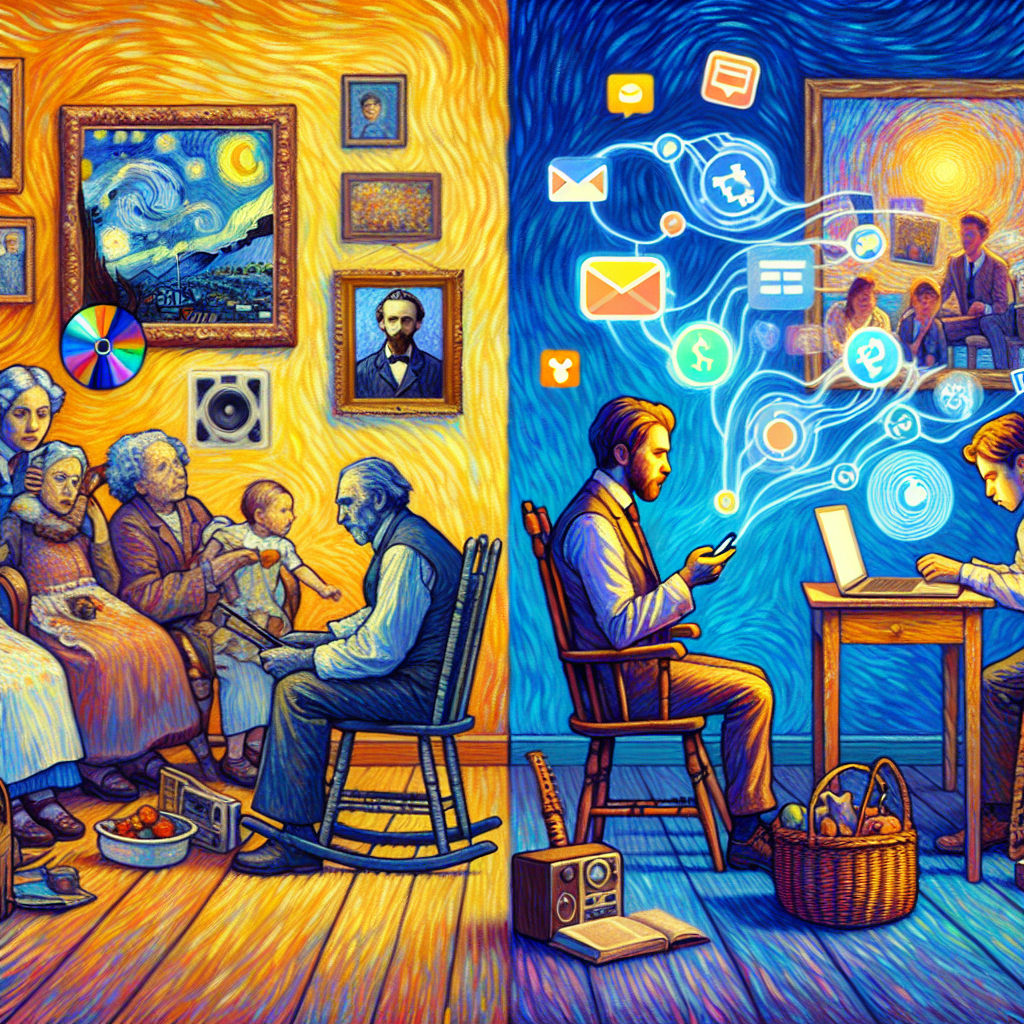
In a world often consumed by fast-paced priorities, the essence of legacy often gets lost in translation. Legacy isn’t just about wealth or accomplishments; it’s the story we leave behind, the ripple of our actions felt long after we’re gone. Legacy storytelling weaves our experiences and values into a narrative that inspires others, creating a bridge across generations. It’s not handed down with a manual or a list of do’s and don’ts; instead, it’s a living, breathing testament to who we are and what we stood for.
Picture a sunset over a small town, as a grandfather shares tales of his youth with eager young ears. Each story, rich with laughter, hardship, and triumph, reveals lessons that can’t be taught in a classroom. These narratives don’t just entertain; they impart wisdom, giving form to our values and instilling a sense of purpose. It’s this intertwining of personal experiences that fosters connection, reminding us that we are all part of something larger.
The heart of legacy storytelling is authenticity. When we speak from the gut, we invite vulnerability, acknowledging our struggles and triumphs alike. Those stories resonate, creating a bond between teller and listener. Our imperfections become the threads that stitch us together, making it clear that none of us navigates life without bumps along the way. It’s in these shared experiences where trust begins to flourish, as we realize we’re not alone in our journeys.
Rationality also plays a pivotal role. Legacies grounded in ethical considerations resonate throughout time. When we act with integrity, we set an example for others to follow. It’s about modeling behaviors, encouraging the next generation to uphold values that elevate the community. Legacy isn’t just about what we achieve; it’s about how we uplift others in the process.
Social connections are integral too. When we embrace legacy storytelling within our communities, we empower those around us. It’s not about individual accolades; it’s about weaving a rich tapestry where each thread contributes to the whole. This creates a culture of support and inspiration, where voices are amplified and lessons learned become guiding lights.
Ultimately, legacy without instructions demands a commitment to living authentically and sharing those experiences openly. It calls for bravery in vulnerability, a willingness to engage in the intricate dance of storytelling that invites others to reflect, connect, and, most importantly, act. In doing so, we not only honor our past but also forge a path for future generations, ensuring that the stories we leave behind continue to resonate long after we’re gone.
Legacy Without Instructions
Legacy Without Instructions
- Legacy transcends wealth and accomplishments; it embodies the stories and values we leave behind.
- Legacy storytelling connects generations, sharing wisdom through personal experiences.
- Authenticity is central to legacy storytelling, fostering vulnerability and connection.
- Sharing imperfections nurtures trust and emphasizes common human experiences.
- Ethical behavior strengthens legacies, setting examples for future generations to follow.
- Community engagement in legacy storytelling empowers collective growth and support.
- Living authentically and sharing openly is essential for meaningful legacy creation.

Legacy Without Instructions
Table Of Contents
- Legacy Without Instructions
- What Memories Do You Want to Leave Behind?
- How Can Your Story Shape Others?
- Are You Living a Life That Aligns with Your Values?
- What Would You Want Your Loved Ones to Remember About You?
- How Can Your Actions Today Impact Future Generations?
- Are You Creating Connections That Reinforce Your Legacy?
- What Lessons From Your Life Do You Want to Share?
- Conclusion
- Other Resources
- Glossary Of Terms
- Other Questions
- Haiku
- Poem
- Checklist
What Memories Do You Want to Leave Behind?
In the grand journey of life, the memories we create weave a tapestry that defines our legacy. When the dust settles, it’s not the accolades or possessions that will echo through time; it’s the stories we leave behind, the capturing of moments, shared with those we hold dear. Consider your own legacy storytelling—what chapters do you want to be remembered by? What tales will bridge generations, binding your loved ones to your spirit long after you’re gone?
We often think of legacies as monumental achievements, but the truth lies in the simplicity of everyday experiences. Think about the warmth of a shared meal, the laughter that spills over during stories told around a campfire, or the quiet moments spent listening to a loved one’s hopes and dreams. These fragments form the foundation of relationships, creating connections that offer strength and solace. To others, your story brings light, a guiding beacon in their own journeys.
But how do we ensure that our memories resonate? It begins with authenticity. Reflect on what truly matters to you. Engage in conversations that matter, express gratitude, and offer understanding. Leave behind not just memories, but lessons learned—the hard-won wisdom crafted through trials and triumphs. These narratives can inspire others, instilling a sense of confidence that they too can navigate their challenges.
Responsibility plays a role here; as we shape our stories, it’s important to consider the ripple effects. Each word we speak and action we take contributes not just to our memory but to the legacy we leave for others. A compassionate act can inspire kindness in those who witness it, creating a cycle of positivity that transcends time. As you navigate the intricate tapestry of life, remember that your actions can serve as a compass, guiding future generations toward empathy and resilience.
Ultimately, the legacy you leave doesn’t need to be grand; it simply needs to be real. Ask yourself: what do you want your loved ones to remember when they think of you? Be intentional about crafting your narrative. Share your struggles, your joys, and the lessons they taught you. Engage in life fully, memorizing those moments, and allow your legacy storytelling to flourish through the connections you foster. The memories you choose to create will echo, not just in your life, but in the hearts of those you care for, long after your own story has been told.

What Memories Do You Want to Leave Behind?
What Memories Do You Want to Leave Behind?
- Memories create a tapestry that defines our legacy, highlighting the importance of storytelling.
- Legacies are often built on everyday experiences rather than monumental achievements.
- Shared moments, such as meals and laughter, form the foundation of meaningful relationships.
- Authenticity is crucial in resonating memories; reflecting on what truly matters guides this process.
- Lessons learned from trials and triumphs can inspire and instill confidence in others.
- Each action and word contributes to our legacy, creating ripples that inspire kindness and positivity.
- Engaging fully in life and sharing personal stories allows legacy storytelling to flourish.

What Memories Do You Want to Leave Behind?
How Can Your Story Shape Others?
Every person carries a narrative, a legacy of experiences that, when shared, can ripple outwards like a stone tossed into a pond. These stories—your stories—play a pivotal role in shaping the lives of those around you. When you step into the light and recount the challenges you’ve faced, like craftspeople chiseling away at a block of granite, you reveal the grit and grace that define human experience. This is the essence of legacy storytelling.
Your journey, marked by failures and triumphs, serves as a powerful tool to connect with others. It doesn’t matter if you’re a teacher sharing a lesson from a difficult moment in your classroom or a tradesperson discussing the craftsmanship behind a completed project; authenticity resonates. People yearn for real connections, and your narrative can provide the comfort of knowing they are not alone in their struggles. By opening up, you invite listeners into your world, fostering empathy and understanding.
Think about the young adults navigating their way through the chaos of life. What if, in your storytelling, you could lend them the wisdom you’ve gathered along the way? They’re not merely seeking advice—they’re looking for a sense of direction, a North Star. Your experiences can serve as a guiding light, illuminating paths they might not have considered, encouraging them to embrace their own journeys with confidence.
Legacy storytelling isn’t just about recounting events; it’s about constructing a spark. It’s ethical and powerful to share lessons learned through adversity. The tales we tell have the potential to ignite change, shifting perspectives within our communities and beyond. When you share your vulnerabilities, an unspoken authority emerges. It draws people in, creating a space where they can reflect on their own lives and find courage in their stories.
To shape someone’s life isn’t merely an act of expression; it’s an act of service. When we share our truths, we build a lineage of hope and resilience. We stand together as a community, supporting each other through the varied landscapes we traverse. The stories we tell can uplift spirits, inspire dreams, and even provoke action. So, don’t underestimate the power of your narrative. Every word has the potential to shape futures, spark conversations, and forge connections that endure. Embrace your legacy; let it inspire others, and watch how their stories, in turn, take flight.

How Can Your Story Shape Others?
How Can Your Story Shape Others?
- Every person possesses a narrative that influences those around them.
- Sharing experiences fosters empathy and connection due to authenticity.
- Your journey can guide young adults seeking direction in their lives.
- Legacy storytelling is about igniting change and shifting perspectives.
- Vulnerability in storytelling creates space for reflection and courage.
- Sharing truths builds community and resilience through shared experiences.
- Every narrative has the potential to shape futures and inspire action.

How Can Your Story Shape Others?
Are You Living a Life That Aligns with Your Values?
Are you living a life that aligns with your values? Let’s be honest—this isn’t just a philosophical question; it’s a call to action that resonates from the gut. When you wake up every morning, what drives you? Is it the legacy you hope to leave behind, the story you’ll tell through your actions, or is it a routine that feels more like obligation than inspiration?
Think back to your own legacy storytelling. What anecdotes shape your identity? Every choice, every path taken or avoided contributes to the narratives we build in our lives. It’s essential to reflect on whether these narratives mirror what you truly value. The stories you tell yourself about why you do what you do—those are the building blocks of your personal legacy. Wouldn’t it be something to know that the decisions you make every single day are grounded in authenticity?
Consider this: every time you choose to act in accordance with your values, you’re not just shaping your life; you’re also setting an example for others. People look up to those who live with intention. When your actions align with your core beliefs, you inspire trust—not just in yourself but in your community. Suddenly, you’re not just living a life; you’re crafting a legacy, a narrative that extends beyond you.
Now, let’s get real. Living in alignment requires the courage to confront those uncomfortable areas where your life might not be matching your values. It takes guts to make changes, to venture down paths less traveled. But remember, growth often comes from discomfort. The voices that challenge you to live authentically may not always be the loudest, but they are the most powerful.
Engaging with your values doesn’t mean isolation; it’s an invitation to connect with others. When you share your journey, your struggles, and your victories, you create a sense of community. People want to resonate with someone who understands their challenges. They want to hear that it’s okay to strive for more and that doing so is worth it. You’re not just influencing your own path—you’re empowering others to reflect on theirs.
So ask yourself: Are you living a life that aligns with your values? If the answer is no, take a moment to reflect, reassess, and reclaim your narrative. Remember, the life you lead is a story worth telling—a legacy that deserves to be honored.

Are You Living a Life That Aligns with Your Values?
Are You Living a Life That Aligns with Your Values?
- Reflect on whether your life aligns with your values and legacy.
- Every choice shapes the narrative of your identity.
- Actions grounded in authenticity inspire trust in yourself and your community.
- Living in alignment requires courage to confront uncomfortable truths.
- Growth often arises from discomfort and challenging experiences.
- Sharing your journey fosters community and empowers others.
- Reassess and reclaim your narrative to ensure your life story is meaningful.

Are You Living a Life That Aligns with Your Values?
What Would You Want Your Loved Ones to Remember About You?
When we think about the fleeting nature of life, it prompts the question: What do we truly want our loved ones to remember? This isn’t just a whimsical pondering; it’s a profound reckoning. Legacy storytelling, after all, shapes how we are remembered and the values we impart. The essence of our existence lies in the impact we have on others and the lessons we leave behind.
Imagine a world where your stories, your triumphs, and even your failures are the threads that weave the fabric of your loved ones’ memories. What tales would you want them to carry forward? Perhaps it’s the moment you overcame adversity with grit, showcasing resilience that they can draw from in their own lives. Or maybe it’s the laughter shared over a simple meal, illustrating the importance of family and connection. These narratives don’t just paint a picture of who we were; they provide a roadmap for those we leave behind, guiding them through the twists and turns of their own journeys.
Ethics play a vital role here too. The values we uphold—honesty, compassion, hard work—form the bedrock of our legacies. It’s critical to live by these principles so that they resonate in the stories told. When your loved ones recall you, let it be with stories rich in moral fiber, where integrity shines through every anecdote. This authenticity fosters a sense of trust, creating a legacy that lives on, echoing through the generations.
Our memories are anchored in moments of connection. The way we uplift each other in times of need, the courage to face challenges head-on, and the joy of celebrating successes collectively are memories that stick. Encourage those you care about to share their own stories, fostering an environment where thoughts and feelings can flow freely. This is about more than nostalgia; it’s about embracing our shared humanity, reminding us that we are not alone in our struggles and triumphs.
Ultimately, think of how you want to inspire action. Whether that’s sparking kindness in others or igniting the courage to pursue dreams, your legacy is intertwined with the aspirations you instill in those around you. So as you navigate through life, consider this: What stories and values will you leave behind? Your legacy story will shape not just your memory, but the very fabric of your loved ones’ lives. Create something worth remembering.

What Would You Want Your Loved Ones to Remember About You?
What Would You Want Your Loved Ones to Remember About You?
- Legacy storytelling shapes how we are remembered and imparts values to loved ones.
- Personal narratives and experiences serve as the foundation for memories passed down.
- Ethics like honesty, compassion, and hard work are essential to creating a meaningful legacy.
- Sharing experiences fosters connection and helps others navigate their own journeys.
- Memories are formed through moments of support, courage, and shared celebrations.
- Encouraging storytelling among loved ones promotes a sense of community and understanding.
- Consciously shaping your legacy can inspire kindness and courage in future generations.

What Would You Want Your Loved Ones to Remember About You?
How Can Your Actions Today Impact Future Generations?
Each choice we make today is a building block of the legacy we leave behind, a story that gets woven into the larger narrative of humanity. Think about it. Every time you choose kindness over indifference, or you opt for sustainable practices over convenience, you are crafting a legacy that echoes through time. This legacy isn’t just for you; it’s for the generations that will inhabit this planet long after we’re gone.
Imagine a child reading about the struggles of previous generations, those who fought against adversity—environmental, social, and economic. This is where storytelling comes in. We share our experiences, our mistakes, and our triumphs with one another, and in doing so, we generate a narrative that can empower. It’s about passing down lessons learned, not just triumphs celebrated. Will future generations learn from our courage and resolve, or will they inherit a cautionary tale of missed opportunities?
Emotion drives connection. When you think about your actions—whether it’s how you treat your neighbors or the planet—you see the rippling effects of your choices. Your neighbors’ children learn from your interactions; the larger community notices how you respect your environment. It isn’t just personal; it’s part of a collective ethos that shapes who we are as a society.
It’s also important to think rationally about the long-term implications of our daily decisions. A decision that seems trivial now could snowball into significant environmental or social consequences down the line. For example, choosing to support local businesses or sustainable products strengthens your community today while ensuring there are resources and opportunities for future generations. Your small acts can become a powerful narrative of resilience and innovation.
Moreover, ethically speaking, we have a responsibility to ensure that our footprint doesn’t become a burden for those who come after us. This perspective isn’t merely about making the right choice; it’s about embodying a mindset of stewardship. By being conscious stewards of our resources, we nurture an attitude of responsibility—one that can inspire others to join the cause.
Remember, the stories we tell about our actions today have the power to shape the future. So, take heart. Engage passionately with the world around you. Your legacy is not just what you leave behind; it’s about fostering a culture of care, respect, and awareness that will inspire future generations to do the same.

How Can Your Actions Today Impact Future Generations?
How Can Your Actions Today Impact Future Generations?
- Choices today shape the legacy we leave for future generations.
- Acts of kindness and sustainability contribute to a lasting positive impact.
- Storytelling preserves experiences and lessons for future learners.
- Community actions influence societal values and collective identity.
- Long-term consequences of decisions can significantly affect the environment and society.
- We hold ethical responsibility to minimize our impact on future generations.
- Fostering a culture of care, respect, and awareness inspires others to act similarly.

How Can Your Actions Today Impact Future Generations?
Are You Creating Connections That Reinforce Your Legacy?
In this fast-paced world, it’s easy to lose sight of what truly matters. Legacy isn’t just about wealth or achievements; it’s about the stories we leave behind and the connections we forge along the way. Ask yourself, are you cultivating relationships that not only echo through time but also reinforce the very essence of your legacy?
Legacy storytelling is not merely a clever phrase; it encapsulates the core of human interaction. When we share stories—whether it’s around a campfire or in a bustling office—those narratives form the backbone of our connections. Think about the times you’ve genuinely resonated with someone. Perhaps it was an elder sharing a heartfelt tale, imbuing you with wisdom that transcended generations. Stories evoke emotions, inviting us into a shared experience that shapes our understanding of each other.
Now, consider the rational side. Relationships are built on trust, and trust is constructed through shared narratives and mutual understanding. When you take the time to connect on a deeper level, to listen and share your experiences, you create a community that embraces resilience. This not only fortifies your relationships but also strengthens the moral fabric of your interactions. It’s not just about what you know; it’s about how well you understand and respect the stories of others.
The ethical imperative of fostering genuine connections is undeniable. Every encounter is an opportunity to lead by example, showcasing the values you wish to pass on. This is your chance to embody the legacy you want to create—one of integrity, authenticity, and respect.
Moreover, connecting with others cultivates authority in your field. People seek out those who not only possess knowledge but who also understand and empathize with their journeys. When you engage, when you show up, you inspire confidence. Others look to you not just for information, but for guidance, potentially transforming your influence into a lasting legacy.
As you navigate your path, remember that the legacy you craft is deeply intertwined with the connections you nurture. Focus on leaving stories worth telling, connections worth cultivating, and values worth upholding. Ultimately, it’s these connections that will resonate for generations to come—reinforcing not only your legacy, but the rich tapestry of lives you’ve touched along the way.

Are You Creating Connections That Reinforce Your Legacy?
Are You Creating Connections That Reinforce Your Legacy?
- Legacy transcends wealth and achievements; it encompasses the stories and connections we create.
- Legacy storytelling is fundamental to human interaction, shaping relationships through shared narratives.
- Trust in relationships is built through mutual understanding and shared experiences.
- Fostering genuine connections is essential for demonstrating values of integrity, authenticity, and respect.
- Connecting with others enhances authority and inspires confidence in your expertise.
- Your legacy is intricately linked to the relationships you nurture and the stories you leave behind.
- Meaningful connections cultivate a lasting impact, resonating through generations.

Are You Creating Connections That Reinforce Your Legacy?
What Lessons From Your Life Do You Want to Share?
Life has a way of etching lessons into our very being, like a sculptor shaping a block of marble. Each experience, whether triumph or trial, contributes to our legacy. The truth is, our stories—rich with struggles and triumphs—are more than mere memories; they’re powerful narratives that connect us to one another. Legacy storytelling is not just about sharing experiences; it’s about weaving a tapestry that reflects not just who we are, but who we aspire to be.
Reflect on your journey. The moments that challenged you the most often hold the deepest insights. Perhaps it was a job that pushed you past your limits, a relationship that taught you resilience, or a failure that sparked a newfound determination. These aren’t just anecdotes; they’re the blueprints of your character. By articulating these narratives, we not only make sense of our past but inspire others to confront their own challenges with courage.
Consider the ethical implications of sharing your story. It’s a matter of authenticity. We live in an age where curated images overshadow reality, and the truth often gets lost in the noise. When you share your story, you offer others permission to be vulnerable. You create a space where imperfections are celebrated, where struggles are acknowledged, and where connection is fostered. It’s in this shared humanity that we find strength and solidarity. Our legacies—crafted from honesty and humility—serve as a guiding light for those who walk a similar path.
Now, think about the social aspect of your story. How often have you felt isolated in your struggles? In truth, your experiences resonate with many. When you recount your journey, you strike a chord in others. You remind them they’re not alone; they’re part of a greater collective narrative. And that’s where true power lies. It’s in the shared lessons, the universal truths, and the quiet reassurance that we are all navigating this complex existence together.
So, what lessons from your life do you want to share? Embrace the courage to open up, and in doing so, you create a legacy that doesn’t fade away but lives on in the hearts and minds of others. Your story matters; don’t hesitate to tell it.

What Lessons From Your Life Do You Want to Share?
What Lessons From Your Life Do You Want to Share?
- Life experiences shape our legacies, connecting us through shared narratives.
- Challenges provide deep insights and serve as blueprints for character development.
- Articulating personal stories can inspire others to face their challenges with courage.
- Sharing authentic experiences fosters vulnerability and celebrates imperfections.
- Connection through shared struggles creates a sense of solidarity and strength.
- Your experiences are part of a greater collective narrative; sharing them is powerful.
- Openness in storytelling creates lasting legacies that resonate with others.

What Lessons From Your Life Do You Want to Share?
Conclusion
In our fast-paced world, the true essence of legacy often gets overshadowed. It’s more than just wealth or accolades; it’s the stories we share and the values we pass down. Legacy storytelling intertwines our experiences with the lessons learned, creating a powerful connection that transcends time. Whether it’s a grandfather’s tales told at sunset, rich with laughter and hardship, or the quiet lessons imparted around a dinner table, these narratives are the threads that weave our lives together. They offer wisdom that no classroom can teach, binding generations in a shared understanding of humanity.
At the heart of meaningful legacy storytelling lies authenticity. When we share from the gut, embracing vulnerability, we form genuine connections. These stories resonate, revealing our shared struggles and triumphs, reminding us that none of us is alone in our journey. Rationally, a legacy rooted in integrity influences future generations, encouraging them to uphold values that foster community improvement. It’s about more than individual achievements; it’s instilling hope and purpose in those who follow.
As we journey through life, the relationships we cultivate reinforce our legacies. By sharing tales that evoke emotion and understanding, we create a sense of belonging. These connections aren’t just personal; they contribute to a collective memory, emphasizing the importance of empathy and support. The ethical dimension of our actions plays a crucial role in shaping our legacy. Each choice we make today—be it kindness, responsibility, or authenticity—carries lessons for those who come after us.
Moreover, engaging in legacy storytelling acts as a compass, guiding future generations toward resilience and courage. It’s about crafting an ethos of shared experiences that transcend individual narratives. When we reflect on our lives and the values we hold dear, we find that our stories can serve not only as a legacy but also as a source of inspiration for others.
Ultimately, consider what memories you want to leave behind. It isn’t about grand achievements but the everyday moments and lessons that define who we are. As you navigate life, ask yourself: What stories resonate with your truth? Embrace your journey, share your experiences, and in doing so, create a legacy that endures long after you’re gone. Through authentic connections and meaningful storytelling, we enrich the fabric of our communities and inspire future generations to carry our stories forward.

Conclusion
Conclusion:
- The essence of legacy is beyond wealth; it includes stories and values passed down.
- Legacy storytelling creates powerful connections through shared experiences and lessons.
- Authenticity in sharing stories fosters genuine connections and reveals common struggles.
- A legacy rooted in integrity encourages future generations to value community improvement.
- Relationships and emotional storytelling contribute to a sense of belonging and collective memory.
- Legacy storytelling guides future generations toward resilience, crafting an ethos of shared experiences.
- Consider the memories you wish to leave behind, focusing on everyday moments and lessons.

Conclusion
Other Resources

Other Resources
Here is a list of other resources you can review online to learn more:
- AmericanAncestors
- International End of Life Doula Association
- APH
- Knotify.me
- Legacy Learned
- GhostMemo
- FuneralWise
- Everplans
- Postumo
- MyHeritage
- YouMattered
- deviantART
- Ancestry
- ForeverMissed
- Obituary Templates
- Digital Legacy Association
- Meminto
- RootsMagic
- Funeral Services Guide
- Tributes
Use This Prompt To Get More Resources With Your Favorite Online AI Tool: Please provide me with a list of online articles with their URLs in a bulleted list that I can read regarding Legacy Without Instructions

Other Resources
Glossary Terms
Legacy Without Instructions – Glossary Of Terms
1. Ancestry: The lineage or heritage from which one descends, influencing personal identity and legacy.
2. Bequest: A legacy or gift left to others through a will, often reflecting the values of the giver.
3. Cultural Legacy: The traditions, customs, and values passed down through generations that shape a community’s identity.
4. Endowment: A donation or fund intended to provide ongoing support, often contributing to educational or cultural institutions.
5. Heritage: The inherited traditions, monuments, objects, and culture that define a society’s history.
6. Inheritance: Assets, values, or traits passed down from previous generations, shaping an individual’s future.
7. Legacy Project: An initiative aimed at creating a lasting impact or memory, often associated with community service or philanthropy.
8. Memory: The mental process of recalling past experiences, often linked to the way individuals and cultures preserve their legacies.
9. Patrimony: Heritage that is inherited from one’s ancestors, encompassing both tangible and intangible cultural assets.
10. Philanthropy: The act of giving to promote the welfare of others, often creating a lasting legacy through charitable work.
11. Preservation: The act of maintaining and protecting cultural heritage or historical sites for future generations.
12. Progeny: Descendants or offspring, who carry forward the legacy of their ancestors.
13. Reputation: The beliefs or opinions that are generally held about someone, often reflecting the legacy they leave behind.
14. Roots: The fundamental origins of a person or culture, emphasizing the importance of understanding one’s background.
15. Sustainability: Practices aimed at maintaining resources for future generations, integral to a positive legacy.
16. Tradition: Customs or beliefs handed down from generation to generation, forming a crucial part of cultural legacy.
17. Transcendence: The act of going beyond limits, often related to a legacy of inspiration or achievement.
18. Values: Core principles and beliefs that guide behavior, significantly influencing one’s legacy.
19. Virtue: Moral excellence and righteousness, qualities that can be part of an individual’s or community’s legacy.
20. Witness: Someone who observes an event or experience, often playing a role in the legacy of shared stories.
21. Legacy Letter: A personal document conveying thoughts and beliefs to future generations, encapsulating one’s values.
22. Artifacts: Tangible items from history, such as tools or art, that convey information about past cultures and legacies.
23. Narrative: The story or account of events that shapes how legacies are understood and remembered.
24. Legacy Skills: Abilities or knowledge passed down through generations, contributing to personal and communal development.
25. Impact: The strong effect that one’s actions or ideas have on others, central to legacies.
26. Education: The process of learning and teaching that promotes the transmission of knowledge, contributing to cultural legacies.
27. Symbolism: The use of symbols to represent ideas or qualities, often important in communicating legacy.
28. Community: A group of individuals sharing common interests or values, crucial for creating a collective legacy.
29. Mentorship: Guidance provided by an experienced individual, fostering growth and shaping future legacies.
30. Storytelling: The art of sharing stories that preserve history and culture, vital for keeping legacies alive.

Glossary Of Terms
Other Questions
Legacy Without Instructions – Other Questions
If you wish to explore and discover more, consider looking for answers to these questions:
- What exactly counts as a “legacy” beyond wealth and accomplishments?
- How do I start telling my legacy story if I’ve never reflected on it before?
- Which storytelling formats (written, audio, video) are most effective for different audiences?
- How do I choose which memories and lessons are most important to preserve?
- What practical prompts can I use to elicit meaningful stories from myself or loved ones?
- How can I ensure my stories remain authentic without oversharing or harming others?
- How do I handle conflicting memories or different versions of the same story within a family?
- What are ethical considerations when sharing painful or private family histories?
- How can I balance vulnerability with dignity when recounting failures or regrets?
- What are simple techniques to make my stories more engaging and memorable?
- How can I coach elders or shy family members to share their stories comfortably?
- Where should I store or archive recorded stories to keep them safe and accessible?
- How do I incorporate cultural or generational differences into legacy storytelling?
- What role should rituals and traditions play in reinforcing a legacy?
- How can I involve children and young adults in legacy conversations in age-appropriate ways?
- What legal or practical steps (wills, digital accounts) should accompany legacy storytelling?
- How can everyday actions and habits be intentionally shaped to leave a better legacy?
- How do I measure or recognize the impact my stories have on others?
- What common obstacles stop people from creating a meaningful legacy and how do I overcome them?
- How should I update or revise my legacy story over time as my values change?
- How can community projects or volunteering become part of a personal legacy?
- What digital tools or apps best support recording and sharing life stories?
- How do I preserve multimedia (photos, videos, voice recordings) with context and captions?
- How do I handle sensitive topics (addiction, trauma, family conflict) in my legacy narrative?
- What questions should I ask relatives to uncover overlooked or hidden family stories?
- How can I ensure my legacy inspires action and not just nostalgia?
- How do I pass on specific skills, values, or crafts as part of a living legacy?
- How do I create a legacy plan that aligns personal ethics with community benefit?
- When is the best time to begin formalizing a legacy—what milestones prompt action?
- How can organizations or workplaces cultivate and capture collective legacies?

Other Questions
Haiku
Legacy Without Instructions – A Haiku
Legacy weaves through time,
Stories shared, hearts intertwine,
Authentic echoes.

Haiku
Poem
Legacy Without Instructions – A Poem
In the heart of a world so fast and vast,
Lies a legacy, a tale to cast.
Not of riches or worldly gains,
But of stories woven, joys and pains.
Sunset whispers of wisdom shared,
In every laugh, in every care.
A bridge built from the past to new,
With threads of truth, connecting you.
Authenticity sings, a vulnerable call,
In shared experiences, we rise, we fall.
Through trials faced and battles fought,
We find the wisdom that can’t be taught.
Rational echoes through our days,
Ethics guide us in myriad ways.
Each act of kindness, each lesson learned,
Crafts a legacy, a way to be returned.
Connections forged in narratives dear,
Create a culture of hope, free from fear.
In the simplicity of tales we share,
We shape the futures, show them we care.
Reflect on your values, let them guide,
In every choice, let your truth reside.
For when actions align with beliefs held tight,
You craft a legacy, shining bright.
What memories linger in the hearts of your kin?
The laughter, the stories, where love does begin.
It’s not just what’s done but the lives you impact,
A tapestry woven, where all hearts attract.
So live with intention, embrace your own tale,
For in every heartbeat, in every inhale,
Your legacy thrives, a narrative spread,
Long after your footsteps have gently fled.

Poem
Checklist
Legacy Without Instructions – A Checklist
Emotional Appeals
✅______ Reflect on your most cherished memories. What stories evoke strong feelings?
✅______ Identify moments of vulnerability in your life; how can sharing these foster connection?
✅______ Consider the values you wish to instill emotionally in others through your stories.
Rational Appeals
✅______ List key experiences that shaped your values and decisions.
✅______ Evaluate the lessons learned from both successes and failures. How can these be shared effectively?
✅______ Assess how your daily actions align with your intended legacy. Are there areas for improvement?
Ethical Appeals
✅______ Identify core values you want to uphold in your storytelling (e.g., honesty, compassion).
✅______ Consider the long-term impact of your actions on future generations. What ethical legacies do you want to create?
✅______ Reflect on your responsibilities as a storyteller. Are you contributing positively to the community?
Authority Appeals
✅______ List experiences that have positioned you as a mentor or guide in your community.
✅______ Consider how your narrative can inspire confidence and leadership in others.
✅______ Reflect on moments when your actions have had a significant impact on someone else’s life.
Narrative Appeals
✅______ Craft a brief outline of a personal story that encompasses key life lessons.
✅______ Consider how to weave anecdotes that reinforce the overarching themes of your legacy.
✅______ Identify the narrative style that resonates with you to effectively share your experiences.
Social Appeals
✅______ Reflect on the relationships that are pivotal in your life. How can storytelling strengthen these bonds?
✅______ Consider how your stories can inspire collective action within your community.
✅______ Identify opportunities to share your narrative in group settings (e.g., gatherings, community events).
Action Steps
✅______ Schedule regular reflections on your legacy. What stories do you want to prioritize?
✅______ Engage with others in conversations about legacy; share and invite their stories as well.
✅______ Create a timeline of significant life events, noting lessons learned and how to convey these to others.

Checklist
At LegacyExplorations, we help people plan and explore their legacy by collecting information and news regarding end-of-life planning.
Please share this post with your friends, family, or business associates who may want help to plan or explore their legacy.