

Embracing Grief: Empowering Stories Of Healing
By Tom Seest
At LegacyExplorations, we help people plan and explore their legacy by collecting information and news regarding end-of-life planning.
Please share this post with your friends, family, or business associates who may want help to plan or explore their legacy.
Legacy Writing After Loss: Turning Pain Into Purpose
Life is an unpredictable journey, but one thing is certain: loss is an inescapable part of that journey. When faced with the heart-wrenching reality of losing a loved one, it’s natural to feel like you’re drowning in a sea of emotions. But what if I told you that there’s a powerful way to turn that pain into purpose? That’s where the art of legacy storytelling comes into play.
Think about it. Every life is a story waiting to be told. Each heartbeat, smile, and laugh contributes to a narrative that deserves to be shared. Legacy storytelling is not just a therapeutic exercise; it’s an act of love, a way to honor those we’ve lost by bringing their essence back into the world through our words. Imagine flipping through the pages of your own life or your loved one’s life, each memory a chapter filled with lessons, struggles, and triumphs. By committing these memories to paper, you’re not just preserving their existence; you’re crafting a narrative that speaks to the human experience in all its messy glory.
We’ve all felt the weight of silence after someone we love is gone. The urge to retreat, to hide away from the world, can be overwhelming. Yet, by sharing your story—your loved one’s story—you invite connection, not just with your own grief but with the collective grief of others. It’s a reminder that we’re not alone; that heartbreak is a universal experience that binds us together. Your words could resonate with someone else wandering through the dark, offering a flicker of light and understanding.
From a rational standpoint, documenting a legacy creates a powerful tool for reflection and healing. It can bring clarity amidst chaos, allowing you to navigate your emotions with intention. You’re not just writing; you’re assessing, teaching, and ultimately finding your own path toward acceptance.
Ethically, legacy storytelling respects the lives we cherish. It honors the truth of their existence—the good, the bad, the beautiful, and the tragic. In a world that often rushes to move on, it’s an act of rebellion to sit with our memories, to appreciate the impact of each life on our own.
In this tapestry of grief and healing, legacy storytelling becomes a bridge—a connection to our past and a guide for our future. It dares to demand that we not only remember but actively share, transforming individual sorrow into shared strength. Write it out, let the ink flow, and watch as your pain blossoms into purpose.

Legacy Writing After Loss: Turning Pain Into Purpose
Legacy Writing After Loss: Turning Pain Into Purpose
- Life is unpredictable, and loss is an unavoidable part of it.
- Grieving a loved one often leads to overwhelming emotions.
- Legacy storytelling offers a powerful way to transform pain into purpose.
- Every life is a story that deserves to be shared and honored.
- Sharing stories connects us to others and highlights the universal nature of grief.
- Documenting a legacy helps with reflection, healing, and finding acceptance.
- Legacy storytelling serves as a bridge to the past and a guide for the future, turning sorrow into shared strength.

Legacy Writing After Loss: Turning Pain Into Purpose
Table Of Contents
- Legacy Writing After Loss: Turning Pain Into Purpose
- What Stories Can Your Loved One’s Life Inspire In Others?
- How Can Writing Help In Processing Your Grief?
- What Lessons Did You Learn From Their Life Experiences?
- What Values Do You Want To Carry Forward In Their Memory?
- How Can Sharing Your Legacy Provide Healing For Others?
- What Impact Can Your Words Have On Future Generations?
- How Does Writing Your Legacy Empower Your Own Healing Journey?
- Conclusion
- Other Resources
- Glossary Of Terms
- Other Questions
- Haiku
- Poem
- Checklist
What Stories Can Your Loved One’s Life Inspire In Others?
Every life is a unique tapestry woven from threads of moments that resonate far beyond the individual. Each of us holds experiences—triumphs, trials, and laughter—that, when shared, have the power to inspire, heal, and connect in ways we often overlook. Think about your loved one’s journey: their challenges, the rich lessons learned along the way, and the impact they’ve made on those around them. These stories are not just personal; they are the very building blocks of legacy storytelling, transcending time and place.
Consider the raw emotions that fill a room when someone recounts their struggles and victories. It’s a powerful reminder that we are all human, navigating our own paths, sometimes in darkness, sometimes in the light. When you share your loved one’s story, you invite others to reflect on their own lives. You engender a sense of belonging—reminding us all that no matter how isolated we feel, we are part of a greater narrative. Isn’t it comforting to know that every challenge faced has the potential to inspire others to rise to their own occasions?
But it’s not just about connection. It’s also about understanding the lessons hidden within those stories. Rationally, stories serve as a thrilling roadmap, detailing what worked, what didn’t, and where we can find growth. Reflecting on your loved one’s experiences can spark critical thinking in others, pushing them toward new ideas and experiences. These tales can prompt innovation in how we address life’s hurdles, encouraging a practical response to whatever storms may come.
Moreover, there’s an ethical dimension here. By honoring your loved one’s story, you are also entering a pact with the truth. You respect their journey by giving it voice, ensuring that their experiences—both the wins and the losses—are accounted for and shared. In doing so, you inspire a sense of responsibility in others to reflect on their own lives and the stories they, too, can share.
So, whether it’s by gathering around a family table or creating a platform to amplify these narratives, step forward and engage. When we share those stories, we foster community, inspire action, and most importantly, we uphold the legacy of those we cherish. By weaving their experiences into the fabric of our lives, we serve not just as witnesses, but as agents of change and inspiration for generations to come.

What Stories Can Your Loved One’s Life Inspire In Others?
What Stories Can Your Loved One’s Life Inspire In Others?
- Every life is a unique tapestry woven from significant moments that resonate beyond the individual.
- Shared experiences—triumphs, trials, and laughter—hold the power to inspire, heal, and connect.
- Honoring a loved one’s journey reveals rich lessons and impacts on those around them.
- Sharing stories fosters a sense of belonging and reminds us that we are part of a greater narrative.
- Stories serve as roadmaps, offering insights into growth and innovation when facing challenges.
- Respecting a loved one’s story honors their journey and encourages others to reflect on their own lives.
- Sharing narratives fosters community, inspires action, and upholds the legacy of those we cherish.

What Stories Can Your Loved One’s Life Inspire In Others?
How Can Writing Help In Processing Your Grief?
Grief is a heavy load to bear, and each of us deals with it in our own way. But here’s something you might not expect: writing can be a powerful tool for processing that grief. When the world feels like it’s closing in, putting pen to paper—or fingers to keys—offers a kind of relief that talks very little can. That blank page becomes a trusted confidant, allowing us to articulate our feelings in a raw, honest way.
Think about it. Every time you write, you’re crafting your own legacy. It’s more than just jotting down emotions; it’s about storytelling—your story. By articulating your pain and memories, you honor those you’ve lost while stitching your own narrative back together. It’s a paradox, really. In facing the harsh reality of our loss through writing, we also gain control over the chaos swirling around. Each metaphor, each word, helps us regain some footing, reminding us that as long as we can tell our story, we can still be heard—and that matters.
The act of writing serves the head, heart, and gut. Emotionally, it lets you pour out all that bottled-up sadness and rage, transforming turmoil into something manageable. Rationally, it provides clarity. You see where you’ve been and perhaps glimpse a way forward, not in spite of your loss, but in cooperation with it. Ethically, you’re communicating the truth of your experience, essential not just for yourself but for those who might find solace in your words.
Think of the communities you’re a part of, the connections you can forge. Others grappling with loss may see their own journeys reflected in yours. You may inspire someone to pick up their pen, chipped away at their grief brick by brick through your openness. That’s not just writing; that’s a lifeline, a beacon.
So, next time you find yourself caught in the bittersweet tide of grief, consider sitting down with your thoughts. Invite the raw, messy feelings onto the page. Let them breathe and transform into something that not only helps you heal but also resonates with others. Trust in this process, and trust that your story can help shape a brighter tomorrow, both for yourself and for those who may follow in your footsteps.

How Can Writing Help In Processing Your Grief?
How Can Writing Help In Processing Your Grief?
- Grief is a heavy burden, and individuals cope with it differently.
- Writing can be a powerful tool for processing grief, offering relief that conversation often cannot.
- A blank page serves as a trusted confidant, allowing for honest expression of feelings.
- Writing honors lost loved ones while helping to reconstruct one’s narrative, turning pain into storytelling.
- The act of writing supports emotional release, clarity, and communication of personal truth.
- Sharing your writing can connect with others experiencing similar loss, inspiring them to express their feelings.
- Engaging in writing can aid personal healing and contribute to the collective journey of grief recovery.

How Can Writing Help In Processing Your Grief?
What Lessons Did You Learn From Their Life Experiences?
Every life holds a legacy, crafted through the choices we make and the stories we share. But have you ever paused to consider what truly shapes these narratives? When we dig into the life experiences of others, we uncover profound lessons that resonate across generations. It’s not just about the triumphs, triumphs often come with hidden struggles—those are the moments that forge character and build resilience.
Think about the stories that get retold around the dinner table. They stir the heart and soothe the soul, but they also carry weight—weight that tells us about sacrifices made in the name of family, friendship, and integrity. In listening to these accounts, we gain clarity. We start to see our own paths illuminated by the flickering light of shared experience, recognizing that our challenges and victories are far from unique. Life is messy, yet within that mess lies an undeniable beauty.
Every hardship faced becomes a lesson learned, and every misstep transforms into wisdom—a truth echoed in the lives of those who have come before us. This storytelling isn’t just entertainment; it’s a roadmap guiding us through treacherous terrain. It teaches us to embrace vulnerability while encouraging us to rise stronger than before.
Moreover, these stories remind us of our ethical responsibilities to be stewards of our own experiences. Each of us holds the power to impact others, and sharing our wounds alongside our wins helps to paint a fuller picture of the human experience. This transparency fosters connection, allowing others to relate to our struggles, to cheer for our joys, and to find solace in the knowledge that they, too, are not alone.
As we reflect on the lessons learned from the lives of others, we must ask ourselves: How can we be a part of this collective narrative? Sharing our own stories not only honors those who have influenced us but also contributes to a richer tapestry of human existence. As we weave these threads of legacy storytelling, we invite others to join in, creating a community where trust and resilience flourish.
So, take a moment. Open your heart, engage your mind, and listen intently. There’s a world of wisdom waiting for you in the stories of life’s tapestry, each thread a reminder that together, we learn, we grow, and we leave a legacy worth sharing.

What Lessons Did You Learn From Their Life Experiences?
What Lessons Did You Learn From Their Life Experiences?
- Every life creates a legacy through choices and shared stories.
- Examining life experiences reveals lessons that resonate through generations.
- Triumphs often arise from hidden struggles that shape character and resilience.
- Stories shared within families reflect sacrifices made for love and integrity.
- Hardships and missteps teach valuable lessons and transform into wisdom.
- Sharing personal experiences fosters connection and helps others feel less alone.
- Contributing our own stories enriches the collective human narrative and strengthens community.

What Lessons Did You Learn From Their Life Experiences?
What Values Do You Want To Carry Forward In Their Memory?
When we reflect on those who have shaped our lives, often it’s not the grand achievements that linger, but the simple, unwavering values they embodied. Think about the stories they shared—the laughter, the struggles, the lessons learned along the way. These moments, stitched together like the fabric of our very existence, create a legacy that lives beyond the fleeting nature of time.
Consider how frequently we engage in storytelling, recounting the tales that define us. They are not mere memories. They are vessels carrying our values, echoing the principles of hard work, integrity, kindness, and perseverance. Each narrative shapes our understanding of what is truly important and challenges us to carry those ideals forward. So, what values resonate with you? What stories do you want to tell? Legacy isn’t built in isolation; it thrives in the shared experiences that connect us to one another and to our loved ones.
In the hustle of life, it’s easy to lose sight of these fundamental truths. Yet, when we pause and reflect, clarity emerges. Your loved one’s values are not just words; they are a call to action, urging us to uphold what truly matters. Think of the moments that encapsulated their spirit. Perhaps it was a time they extended a hand to a neighbor in need, or the way they carried themselves through adversity with grace. Those actions speak louder than any accolade or achievement ever could.
Embracing these values won’t just honor their memory; it will influence your path. When you prioritize compassion over indifference, generosity over greed, and resilience over despair, you forge connections rooted in authenticity and purpose. This is how we cultivate a community that thrives on shared ideals. Each time you embody these traits, you pay homage to their legacy.
Stories have unique power. They inspire trust and confidence and stir action. They remind us that we can be more than we are—embracing the potential for greatness instilled in us by those who came before. So ask yourself: How will you carry their legacy forward? What values will you transform into your own? It’s not just about remembering—they paved the way for us; let’s ensure their wisdom and spirit guide us in every step we take.

What Values Do You Want To Carry Forward In Their Memory?
What Values Do You Want To Carry Forward In Their Memory?
- Life’s lasting impact often comes from the simple values embodied by others rather than grand achievements.
- Storytelling serves as a vessel for sharing values like hard work, integrity, kindness, and perseverance.
- Legacy is built through shared experiences and narratives that connect us to one another and our loved ones.
- Reflecting on loved ones’ values provides clarity and urges us to uphold what truly matters.
- Actions reflecting compassion, generosity, and resilience forge authentic connections and honor their memory.
- Stories inspire trust, confidence, and the potential for greatness, encouraging us to embody those values.
- Carrying forward a legacy involves transforming the wisdom of our predecessors into our own guiding principles.

What Values Do You Want To Carry Forward In Their Memory?
How Can Sharing Your Legacy Provide Healing For Others?
When we talk about legacy storytelling, we’re standing at the crossroads of the past and the present, where our history meets the hope of future generations. Imagine this: you’re sipping a cup of coffee with someone you trust deeply, and they start sharing tales about their family’s struggles and triumphs. With every word, you’re not just hearing facts; you’re absorbing lessons that resonate in your gut and linger in your heart. That’s the power of sharing a legacy.
You see, sharing our stories isn’t just a sentimental exercise; it’s an act of courage. Each tale we recount has the potential to heal not only ourselves but also those who listen. When we open the door to our own experiences—good, bad, and everything in between—we invite others to step inside, break down their walls, and share their burdens. This connection isn’t merely emotional; it’s rational, too. Research shows that storytelling activates empathy in listeners, fostering understanding and compassion. In an era marked by digital distractions, these moments of authentic engagement offer a refreshing reminder of our shared humanity.
But let’s not skirt around the heavy stuff. Each story carries an ethical responsibility. By being honest and vulnerable in our storytelling, we set a precedent. We encourage others to narrate their journeys truthfully—warts and all. This isn’t about crafting a polished legacy; it’s about authenticity! The raw and gritty parts resonate because they’re relatable. They speak to the risk we all face: the fear of our struggles being laid bare. Yet, it is this very vulnerability that nurtures trust and resonates on a deeply personal level.
And let’s not underestimate the ripple effect. When a community begins to share its legacies, those narratives interweave, creating a rich tapestry of collective understanding. By recognizing the common threads that bind us—grief, joy, resilience—we forge connections that uplift. Instead of feeling isolated in our individual battles, we find kinship in storytelling, realizing that we’re not alone in our struggles.
So, take a moment to ask yourself: what stories are waiting to be shared? Whose legacy might inspire healing? When we embrace the power of legacy storytelling, we don’t just preserve our past; we lay down a beacon of hope for others. In doing so, we create a culture where sharing is thriving, and healing is possible—one story at a time.

How Can Sharing Your Legacy Provide Healing For Others?
How Can Sharing Your Legacy Provide Healing For Others?
- Legacy storytelling bridges the past, present, and future, highlighting individual and collective histories.
- Sharing personal stories provides valuable lessons and emotional resonance for both the storyteller and the listener.
- Storytelling is an act of courage that promotes healing and encourages vulnerability in others.
- Research indicates that storytelling enhances empathy, fostering understanding and compassion among listeners.
- Authenticity in storytelling encourages honesty and relatability, making raw experiences relatable.
- Community storytelling weaves together individual narratives, creating a richer understanding of shared experiences.
- Embracing legacy storytelling cultivates a culture of sharing and healing, offering hope for future generations.

How Can Sharing Your Legacy Provide Healing For Others?
What Impact Can Your Words Have On Future Generations?
Imagine standing on a mountainside, overlooking a valley rich with activity—children playing, adults working, farmers tending to their fields. All the hustle and bustle stems from a simple truth: words have a power that extends beyond our immediate comprehension. They are the building blocks of legacy, shaping not only our own paths but also the journeys of generations yet to come.
When we share our thoughts and experiences through storytelling, we create a bridge to the future—a vehicle that carries our values, beliefs, and lessons to those who haven’t yet had the chance to learn them. This isn’t just an exercise in nostalgia; it involves creating a roadmap for individuals who may find themselves lost in a world that feels foreign and unwelcoming.
Think about it: every time you articulate an idea, you’re crafting a legacy, whether you realize it or not. Your tales of perseverance, failure, and triumph become part of someone else’s education, instilling them with knowledge they can turn to in times of trouble. Emotional resonance is critical here; when you share the grit and grace of your experiences, you touch hearts. That connection doesn’t just leave an imprint; it ignites a fire within the next generation, fostering a sense of belonging and shared purpose.
From a rational standpoint, consider the implications of silence. If we fail to articulate our thoughts, lessons become lost, risks go uncalculated, and opportunities vanish. Future generations need insights that can only come from your lived experiences—those unfiltered reflections inspired by hardship, joy, or even mundane moments. In crafting your narrative, you provide a transparent lens through which they can see potential pathways and pitfalls.
Ethically, we carry a responsibility to impart wisdom that encourages integrity, resilience, and empathy. Think of the capacity your words hold to ignite change. They can inspire action, encouraging future leaders to uphold values that matter.
Finally, let’s not overlook the social aspect. Community thrives on shared stories; they bind us together, creating a tapestry of experiences that enrich our collective existence. So, as you ponder what to leave behind, remember that each word can shape worlds. Your story is a profound legacy—write it with intention, for future generations are listening and learning, ready to carve their own paths in the echoes of your voice.

What Impact Can Your Words Have On Future Generations?
What Impact Can Your Words Have On Future Generations?
- Words possess a profound power that shapes legacies and influences future generations.
- Storytelling serves as a bridge, transmitting values and experiences to those who have yet to learn them.
- Every articulated idea contributes to your legacy, impacting others’ education and experiences.
- Sharing personal narratives of perseverance and failure fosters emotional connections and belonging.
- Silence can lead to lost lessons and missed opportunities; lived experiences provide essential insights.
- There is an ethical responsibility to share wisdom that promotes integrity, resilience, and empathy.
- Community thrives on shared stories that enrich our collective existence, making each word significant.

What Impact Can Your Words Have On Future Generations?
How Does Writing Your Legacy Empower Your Own Healing Journey?
Writing your legacy isn’t just about the past; it’s a powerful tool in your healing journey. Think about it: we’re all walking around with stories tucked away under the surface, stories waiting for a voice. When you embark on legacy storytelling, you’re not just crafting a narrative for others; you’re giving shape and form to your own experiences, transforming them from heavy burdens into tales of resilience and growth.
Imagine sitting down with a blank page, a cup of coffee, and your heart wide open. You have the chance to reflect on your life, the challenges you faced, and the lessons learned. It’s like standing at the crossroads of your history, looking back at the rainstorms that shaped you and the sunrises that inspired hope. You give yourself permission to process grief, joy, and everything in between. This isn’t just therapy; it’s a profound act of self-love.
From a rational viewpoint, articulating your life story can help organize thoughts that might feel chaotic or overwhelming. It’s as if you’re pulling threads from a tangled ball of yarn, weaving them into a coherent tapestry that makes sense to you and those you love. It can foster understanding among family members, bridging generational gaps, and offering insights that invite empathy and connection.
Ethically, there’s something pure in sharing our truths. Your experiences—both the triumphs and failures—carry value. By documenting them, you not only empower yourself but also give others permission to embrace their journeys. It’s an unspoken contract that says: “You aren’t alone.” This sharing creates a collective tapestry of resilience, where each story adds strength to the whole.
As you navigate your thoughts, you may feel that initial vulnerability bubbling up. That’s okay; it’s a part of the process. It’s a signal that you’re onto something significant. And when that weight starts to lift, you realize you’re not just writing a legacy; you’re crafting a story that inspires trust and confidence, not only in yourself but in those who will walk beside you.
The beauty of this journey lies in its relatability. Everyone has their own scars, struggles, and victories; when you put pen to paper, you invite others to join you in embracing their own narratives. So pick up that pen. Your legacy isn’t just a formal goodbye; it’s an ongoing conversation with the world, a healing mantra that echoes long after you’ve shared your last word.
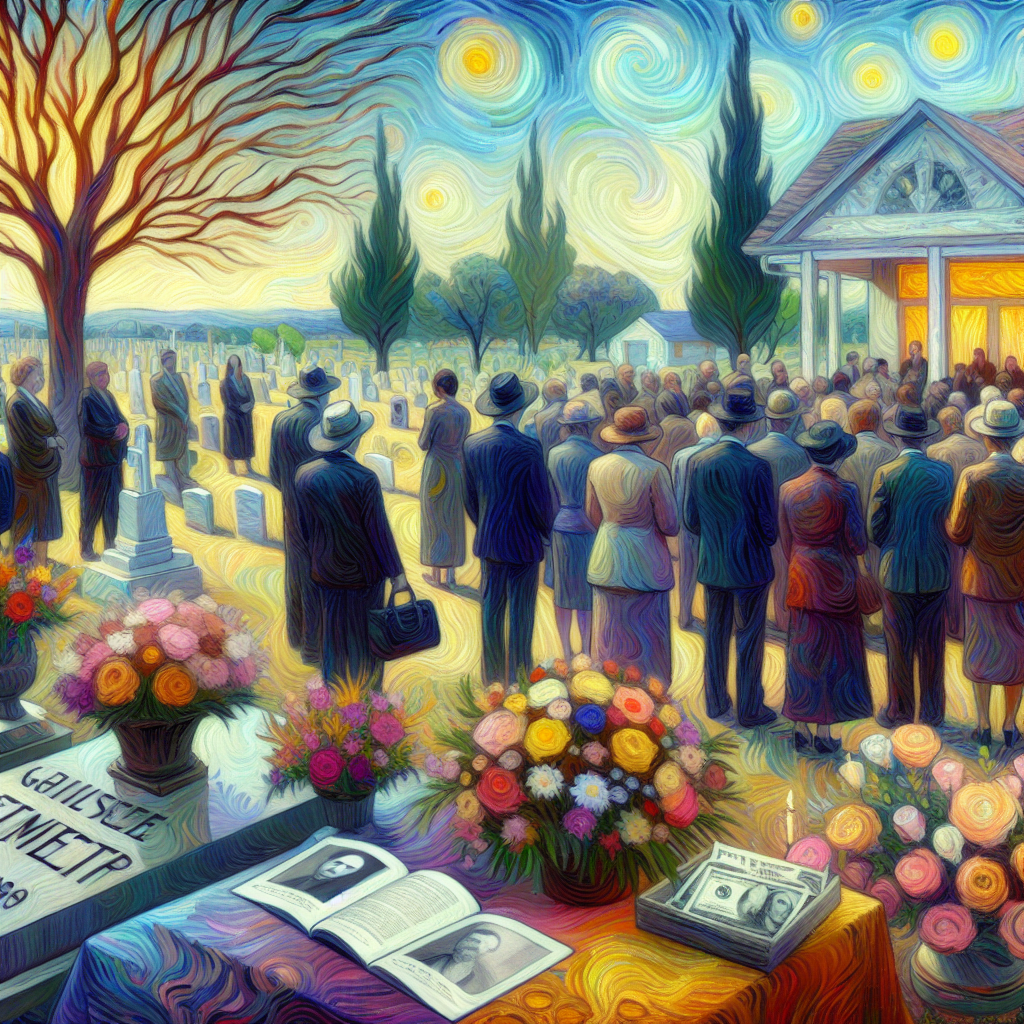
How Does Writing Your Legacy Empower Your Own Healing Journey?
How Does Writing Your Legacy Empower Your Own Healing Journey?
- Writing your legacy is a powerful healing tool, connecting past experiences to present growth.
- Legacy storytelling allows you to reflect on life’s challenges, transforming burdens into narratives of resilience.
- Documenting your story helps organize chaotic thoughts and fosters understanding among family members.
- Sharing your truths empowers both yourself and others, reinforcing the idea that no one is alone in their journey.
- Vulnerability during this process indicates a significant emotional breakthrough, contributing to personal confidence.
- Your legacy is relatable; everyone has their own struggles, and sharing invites others to embrace their narratives.
- This ongoing conversation with the world serves as a healing mantra, echoing beyond the written words.

How Does Writing Your Legacy Empower Your Own Healing Journey?
Conclusion
Life serves up heartaches, and loss is one of its most relentless companions. But through the depths of despair, a transformative power emerges: legacy writing. In the shadows of grief, these narratives illuminate a path, turning sorrow into purpose and silence into connection. Every life is a unique story, rich with laughter, struggle, and wisdom waiting to be shared. When you commit a loved one’s experiences to paper, you breathe life into their legacy, honoring their journey while inviting others into your own.
Think about it: each memory captured is not just a tribute; it’s a lifeline for others navigating their own pain. By sharing these stories, you forge an unbreakable bond among those wrestling with grief, underscoring the truth that we are never truly alone in our heartache. This act transcends mere emotion—it’s a rational response that provides clarity and progress through the chaos of loss. When we document our experiences, we don’t just recount history; we reflect, assess, and ultimately find healing in the shared human experience.
Ethically, legacy writing demands authenticity. It celebrates the entirety of the human condition—the joys, the struggles, and the lessons learned. In a world that often urges us to gloss over pain, taking the time to sit with our memories is a revolutionary act. Each word, filled with raw truth, becomes a bridge—connecting past and present while guiding future generations through the universal tapestry of existence.
Moving beyond ourselves, think about how our stories serve as roadmaps for those who come after us. They are building blocks of resilience and hope, echoes that inspire and empower. We must ask ourselves what values we want to carry forward in memory of our loved ones. Each value shared through storytelling lays the groundwork for connection, understanding, and growth within our communities.
As you embrace your own journey of healing through writing, understand its profound impact on those around you. Writing isn’t just an act of remembrance; it’s an invitation to engage in an ongoing dialogue about the essence of life, loss, and triumph. Through every story shared, we create a rich mosaic of experiences that fortify our shared humanity. Your legacy can be a beacon of light, guiding others through their darkness. So, grab that pen, let your heart speak, and watch as pain transforms into purpose—not just for you, but for all of us navigating this complex journey together.

Conclusion
Conclusion:
- Life brings heartaches, with loss being a constant companion.
- Legacy writing emerges as a transformative power amidst grief, turning sorrow into purpose.
- Capturing a loved one’s experiences honors their journey and connects with others.
- Every memory shared acts as a lifeline for those dealing with their own pain.
- Legacy writing requires authenticity, celebrating the full spectrum of the human experience.
- Our stories serve as guiding roadmaps for future generations, fostering resilience and hope.
- Writing as an act of remembrance creates an ongoing dialogue about life, loss, and triumph.

Conclusion
Other Resources

Other Resources
Here is a list of other resources you can review online to learn more:
- Tributize
- StoryCorps
- Remembered.com
- How to Save Your Family�s Stories from Being Lost Forever � A Step-by-Step Guide to Creating a Lasting Digital Legacy
- Directive Communication Systems
- How To Write Legacy Story Headlines That Appeal To The Heart, Gut and Head
- LegalNature
- Storyfile Life
- Funeral Finder
- Bcelebrated
- LastPass
- LegalZoom
- Obituary Templates
- USLegalWills.com
- Is There A Need To Pay For Copyrighting Services For Personal Or Family Legacy Stories?
- INELA
- Postumo
- LegacyLearned
- DocuBank
- How to Avoid Losing Your Family History One Generation at a Time
Use This Prompt To Get More Resources With Your Favorite Online AI Tool: Please provide me with a list of online articles with their URLs in a bulleted list that I can read regarding Legacy Writing After Loss: Turning Pain Into Purpose

Other Resources
Glossary Terms
Legacy Writing After Loss: Turning Pain Into Purpose – Glossary Of Terms
1. Legacy: The lasting impact or memories left behind by an individual after their death.
2. Grief: The intense sorrow and emotional suffering that arises from the loss of a loved one.
3. Healing: The process of recovering emotionally, mentally, and spiritually after experiencing a loss.
4. Purpose: The intention or meaning derived from one’s experiences, particularly in the context of loss and recovery.
5. Reflection: The act of thinking back on memories and experiences to derive insights and understanding.
6. Tribute: A statement or action that honors and commemorates the deceased, often revealing their strengths and values.
7. Nostalgia: A sentimental longing for the past, often triggered by memories of shared experiences with the deceased.
8. Closure: The sense of resolution or acceptance following a significant loss, allowing one to move forward.
9. Transformation: The process of changing grief into a source of strength or motivation for positive action.
10. Storytelling: The art of sharing personal narratives that celebrate the life and legacy of a loved one.
11. Commemoration: The act of remembering and celebrating someone who has passed away, often through special events or writings.
12. Catharsis: The emotional release achieved through expressing grief and discussing one’s feelings about loss.
13. Empathy: The ability to understand and share the feelings of others, especially those who are grieving.
14. Memorialization: The act of creating physical or virtual spaces that honor and remember those who have passed.
15. Introspection: The deep examination of one’s thoughts and feelings, especially regarding personal loss.
16. Resilience: The capacity to recover quickly from difficulties and adapt to challenging circumstances.
17. Legacy Letter: A personal document in which an individual shares beliefs, values, and lessons learned with future generations.
18. Sustainability: The concept of ensuring a lasting legacy that nourishes future generations or continues meaningful work.
19. Integration: The process of incorporating the experience of loss into one’s life narrative for healing and growth.
20. Ritual: A symbolic act or ceremony performed to honor the deceased, creating a connection between the present and memory.
21. Vulnerability: The emotional openness experienced in sharing grief and personal stories after loss.
22. Support Network: A group of family, friends, or community members that provides emotional assistance during times of grief.
23. Acceptance: Coming to terms with the reality of loss, which can lead to peace and understanding.
24. Legacy Projects: Initiatives or creations that honor a loved one’s memory, such as charities, scholarships, or creative works.
25. Mindfulness: The practice of being fully present and aware of one’s thoughts and feelings, aiding in the grief process.
26. Connection: The bond maintained with the deceased through memories, rituals, and legacy writing.
27. Narrative: The structured story or account of one’s life experiences, especially in relation to grief and loss.
28. Healing Journey: The personal path each individual takes to process grief and find purpose after loss.
29. Honor: To respect and remember the deceased in a way that upholds their values and life lessons.
30. Inspiration: The motivation derived from one’s experiences with loss, often leading to positive changes or contributions.

Glossary Of Terms
Other Questions
Legacy Writing After Loss: Turning Pain Into Purpose – Other Questions
If you wish to explore and discover more, consider looking for answers to these questions:
- What are some practical steps to begin legacy writing after loss?
- How can one overcome fear and hesitation in sharing personal stories of grief?
- What are the emotional benefits of engaging in legacy storytelling?
- Can legacy writing help improve mental health and well-being?
- How do different cultures view legacy storytelling in the context of grief?
- Are there workshops or resources available for individuals interested in legacy writing?
- What role does community play in supporting legacy storytelling?
- How can legacy writing be adapted for children or younger generations?
- What ethical considerations should be kept in mind when sharing someone else’s story?
- How can legacy storytelling facilitate intergenerational connections?
- What are some examples of impactful legacies created through storytelling?
- How can one ensure their stories are preserved for future generations?
- What is the significance of vulnerability in the legacy writing process?
- How can technology assist in the process of legacy storytelling?
- What kinds of prompts or exercises can stimulate legacy writing?
- How does the act of writing itself influence the healing process?

Other Questions
Haiku
Legacy Writing After Loss: Turning Pain Into Purpose – A Haiku
Words from the heart,
Pain weaves through tales of the past,
Healing blooms in light.

Haiku
Poem
Legacy Writing After Loss: Turning Pain Into Purpose – A Poem
In the shadow of loss, where silence looms wide,
A tapestry beckons, woven with pride.
Every heart bears a story, untold yet profound,
In grief’s heavy grip, let healing be found.
Through legacy writing, the pain can transform,
Each memory etched serves as a bond, a warm balm.
A chapter of laughter, a verse of despair,
In sharing our stories, we lighten the air.
With ink as your vessel, the past you reclaim,
Articulating sorrow, igniting life’s flame.
From chaos to clarity, the narrative guides,
In the depths of our wounds, shared strength abides.
Honor the truth of those who have gone,
Each struggle, each triumph, their essence lives on.
Vulnerability fosters the trust we hold dear,
A bridge to connection through stories we share here.
The values they taught, like seeds gently sown,
Grow roots deep within us, ensuring we’re known.
In a world that rushes, take time to reflect,
Embrace the slow beauty; let love and respect.
When words resonate, they empower and heal,
In sharing our legacies, hearts start to feel.
Generations listen, learning from the past,
In your authentic voice, their futures are cast.
So pick up your pen, let the ink flow as rain,
Together we’ll weather the storm and the pain.
For in every story, a lifeline is spun,
A legacy lives on, forever as one.

Poem
Checklist
Legacy Writing After Loss: Turning Pain Into Purpose – A Checklist
Legacy Writing Checklist: Turning Pain Into Purpose
Emotional Appeals
_____ Reflect on feelings of loss and grief. Allow yourself to fully experience these emotions.
_____ Identify a memory of your loved one that brings both joy and sadness. Write it down.
_____ Think of a lesson learned from your loved one that can inspire others. Note it.
Rational Appeals
_____ Create a timeline of significant experiences with your loved one. Organize your thoughts clearly.
_____ Consider how your writing can provide clarity on your grief journey. Write a few sentences about this.
_____ List the ways sharing your story could impact others. Be specific.
Ethical Appeals
_____ Pledge to honor the truth of your loved one’s existence—highlight both their struggles and triumphs.
_____ Acknowledge the responsibility you have to share your journey authentically.
_____ Reflect on what values you wish to carry forward and how you plan to embody them.
Authority Appeals
_____ Find quotes or writings from authors or thought leaders on grief or legacy. Keep them for inspiration.
_____ Consider joining a writing group or workshop focused on legacy storytelling for accountability.
_____ Read books or articles that explore the power of storytelling in healing.
Narrative Appeals
_____ Write a short story or vignette about a meaningful moment you shared with your loved one.
_____ Create an outline for a future piece dedicated to telling your loved one’s story.
_____ Imagine how their story might resonate with others. Write a few lines on this potential impact.
Social Appeals
_____ Reach out to friends or family members to discuss the importance of sharing stories. Invite them to join you.
_____ Share one of your written pieces or memories on social media or in a community group.
_____ Organize a storytelling session with loved ones to honor those who have passed.
Use this checklist as a guide to channel your emotions, thoughts, and stories into a meaningful legacy that can help heal not only yourself but also others.

Checklist
At LegacyExplorations, we help people plan and explore their legacy by collecting information and news regarding end-of-life planning.
Please share this post with your friends, family, or business associates who may want help to plan or explore their legacy.