

Preserving Your Story: A Timeless Guide For All
By Tom Seest
At LegacyExplorations, we help people plan and explore their legacy by collecting information and news regarding end-of-life planning.
Please share this post with your friends, family, or business associates who may want help to plan or explore their legacy.
Legacy Writing for The Technologically Timid
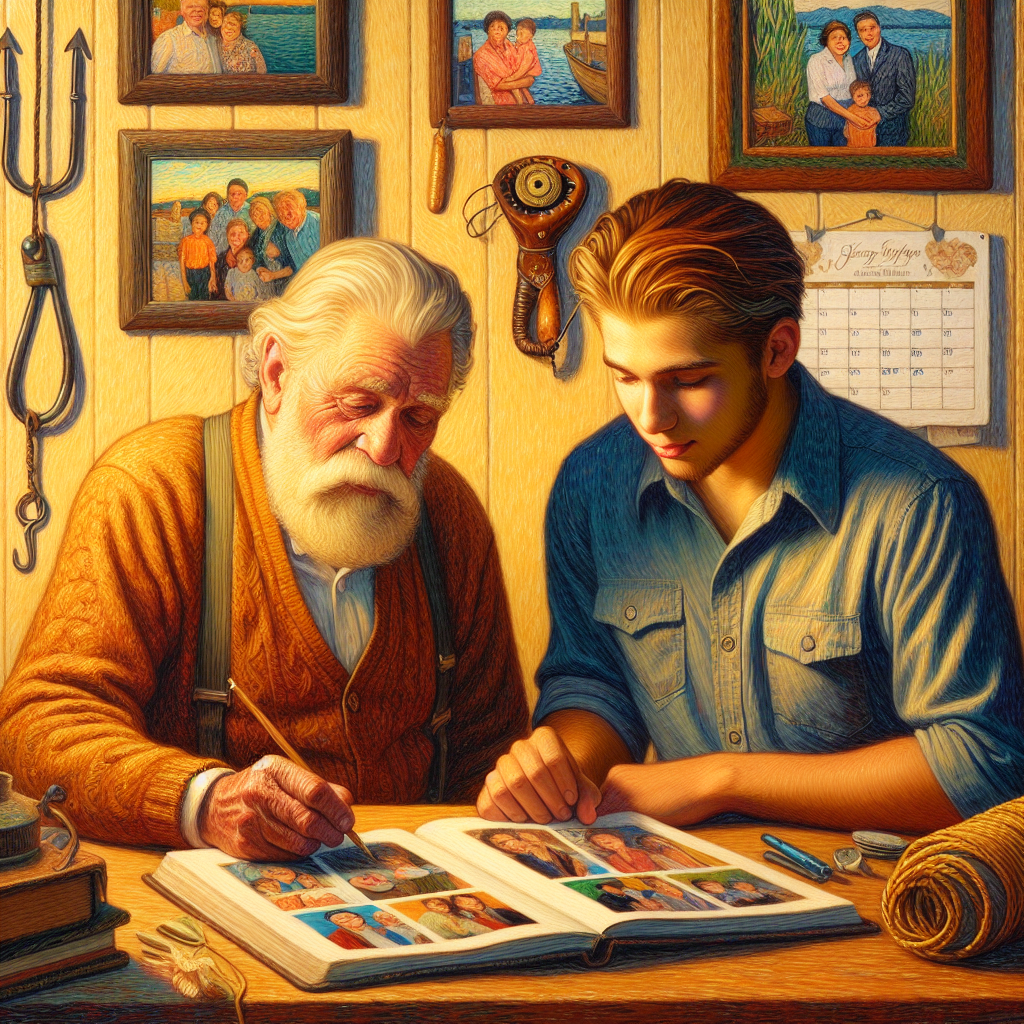
Legacy writing isn’t just about putting pen to paper; it’s about creating a bridge between generations, stitching together the vibrant tapestry of our lives. Imagine for a moment the wisdom locked inside your heart, lessons learned through sweat, tears, and laughter, waiting to be passed on. This isn’t just family folklore; it’s Legacy Storytelling—your narrative, your truths, anchored in the history that shapes who we are.
When you sit down to write, you’re engaging in an act of profound significance. The stories you share have the power to echo through time, acting as a compass for your loved ones. It’s more than documenting milestones; it’s about cultivating a legacy that embodies values, ethics, and the grit it took to navigate the rough waters of life. Think of the quiet strength in your grandmother’s story or the humor infused in your father’s tales. These narratives provide context and forge connections that transcend mere facts.
But let’s confront the truth: the digital age may cause us to shy away from Legacy Storytelling. It can feel overwhelming to choose the right platform or medium. Yet, take a deep breath and remember—your stories don’t have to be wrapped in perfection. They can be as simple as a handwritten letter, a photo album filled with captions, or an audio recording that captures your voice. The ethos of storytelling isn’t lost in the details; it’s preserved in the authenticity of the message.
Now, what if I told you that this endeavor is an act of love? The gut-wrenching truth is that, someday, our loved ones will want more than just our possessions; they will long for our stories. Your words can serve as a lighthouse guiding them through their storms, reminding them of where they’ve come from and illuminating the way forward. By embracing this calling, you too become part of a lineage, ensuring that your experiences aren’t just whispers of the past but a roaring fire that lights the paths ahead.
So, let’s shed the fear and hesitation. Every moment spent in Legacy Storytelling isn’t merely an exercise in writing; it’s a brave step toward forging connections that loom larger than life itself. It’s about leaving footprints in the sand that your family will be proud to follow, choosing courage over comfort. Your legacy starts now; what story will you tell?

Legacy Writing for The Technologically Timid
Legacy Writing for The Technologically Timid
- Legacy writing connects generations and weaves together personal histories.
- It captures wisdom and experiences, serving as a treasure trove of lessons.
- This form of storytelling shapes individual identities through shared narratives.
- Your stories can guide loved ones and embody values through the challenges of life.
- Digital distractions may hinder Legacy Storytelling, but authenticity remains key.
- This writing is an act of love, providing guidance and connection for future generations.
- Embracing Legacy Storytelling fosters bravery and significance in relationship-building.

Legacy Writing for The Technologically Timid
Table Of Contents
- Legacy Writing for The Technologically Timid
- What Memories Do You Wish To Leave For Future Generations?
- How Can You Express Your Values Without Fear Of Technology?
- What Stories Define Your Journey And Deserve To Be Shared?
- How Do You Want Your Loved Ones To Remember You?
- What Wisdom Have You Gained That Others Could Benefit From?
- How Can You Overcome The Fear Of Writing Your Legacy?
- What If Your Legacy Could Inspire Others To Face Their Fears?
- Conclusion
- Other Resources
- Glossary Of Terms
- Other Questions
- Haiku
- Poem
- Checklist
What Memories Do You Wish To Leave For Future Generations?
When we think about the footprints we leave behind, the questions we often grapple with are profound. What memories do we wish to leave for future generations? What stories will define us long after we’re gone? It’s easy to get lost in the rush of life, consumed by our daily grind, but it’s essential to pause and reflect on the legacy we’re crafting—and the storytelling that will carry it on.
Consider this: every life is a tapestry of experiences, woven together by moments both mundane and extraordinary. The stories we share are not just reflections of who we are; they are the compass guiding our loved ones in navigating their own paths. The tales of triumph and failure, love and heartbreak, laughter and grief—these are the threads that ground our existence. They embody lessons learned, mistakes made, and the humanity that binds us. Our experiences are powerful inheritances that can inspire courage, ignite passion, or, at the very least, offer companionship in trying times.
But let’s also engage our rational side: every generation faces unique challenges. What wisdom have we gathered that can help them tackle uncertainties? In a rapidly changing world, the insights we offer can serve as a beacon of hope. By sharing our strategies for resilience, we help equip future generations with tools that can help them thrive.
Ethically, there’s an undeniable responsibility that comes with storytelling. We must strive to share not only our successes but also our failures. This authenticity fosters trust and connection, highlighting our shared human experience. It’s important to create a dialogue that honors our collective journey, one that recognizes the struggles we all face, regardless of the superficial differences.
Ultimately, the memories we choose to pass down will shape the values of those who come after us. In a society where connections often feel fleeting, weaving strong narratives allows us to foster deeper relationships, cultivating empathy and understanding. So, as you ponder your legacy, ask yourself: What stories reflect who you are, and who do you want to become? Let your memories resonate, not just as isolated instances, but as part of a larger human saga, one that inspires and empowers. Your legacy is not just yours; it’s a gift to the future—a narrative waiting to be unfolded.

What Memories Do You Wish To Leave For Future Generations?
What Memories Do You Wish To Leave For Future Generations?
- Reflect on the legacy and memories we leave for future generations.
- Every life is a tapestry of experiences, shaped by both mundane and extraordinary moments.
- Stories guide loved ones and embody life’s lessons, triumphs, and challenges.
- Sharing insights and resilience strategies can provide hope for future generations.
- Authentic storytelling, including successes and failures, builds trust and connection.
- Our chosen memories will shape the values of those who come after us.
- Consider how your narrative can inspire and empower future generations.

What Memories Do You Wish To Leave For Future Generations?
How Can You Express Your Values Without Fear Of Technology?
In a world buzzing with digital noise, finding a way to express your values authentically can feel like navigating a minefield. Yet, technology can be your ally, not your adversary. Take a moment to reflect on your Legacy Storytelling. What kind of narrative do you want to weave? How do you want to be remembered? This is where technology steps in—not to distort your truth, but to amplify it.
Imagine you’re sitting around a campfire with friends, sharing stories that resonate deeply. Those stories, grounded in your values, carry an emotional weight far beyond the pixels on a screen. They connect us, remind us of our shared humanity, and inspire others to embrace their values. Think about that one time you stood up for what you believed in. Your text messages, social media posts, or even a blog could convert that moment into a ripple effect, igniting courage in others to share their own experiences. By choosing what you share, you leverage technology as a powerful storytelling tool.
Now, let’s engage the rational mind. With so many platforms available, you have the chance to curate your message strategically. Share insights that resonate with your community—stories about perseverance, empathy, or kindness. The data supports it: people are more likely to engage with content that reflects their own values. Your voice can cut through the chatter, inviting others to join your narrative rather than drown them in noise.
Ethically, being transparent about your values fosters trust. When your audience sees you as an authentic individual, they’re not just consuming; they’re connecting with you. Creating a brave space for honest dialogue allows you to lead with integrity, showing that your digital persona aligns with your real-world values.
As you navigate this technological landscape, remember that people crave connection. They want to see the face behind the screen, and they seek individuals who demonstrate courage in expressing what they stand for. So, share your journey—celebrate both failures and triumphs. Your narrative invites others to join a conversation, fostering a sense of community where everyone feels empowered. When you express your values without fear of technology, you aren’t just telling a story; you’re building a legacy. A legacy that thrives on connection and authenticity, resonating across generations. Embrace it, and let your voice be heard.

How Can You Express Your Values Without Fear Of Technology?
How Can You Express Your Values Without Fear Of Technology?
- Navigating digital expression of values can be challenging, but technology can aid authenticity.
- Reflect on your Legacy Storytelling and the narrative you want to create and be remembered for.
- Sharing values-based stories can connect people and inspire them to embrace their own values.
- Utilize technology (social media, blogs) to amplify moments when you stood up for your beliefs.
- Curate your message wisely across platforms to resonate with your community, focusing on perseverance and empathy.
- Transparency in expressing values builds trust, fostering genuine connections with your audience.
- Encourage open dialogue about your journey, celebrating both successes and failures to empower community engagement.

How Can You Express Your Values Without Fear Of Technology?
What Stories Define Your Journey And Deserve To Be Shared?
Every life is marked by a series of moments—like stepping stones along a winding path. The stories we collect along the way are not just colorful snippets; they are threads woven into the intricate fabric of our legacy. When we share these narratives, we illuminate our journeys, revealing not just who we are, but who we aspire to be.
Imagine the impact of a hard-fought lesson learned in the heat of struggle. Perhaps it’s a story about a time when you faced the unexpected—a job you thought you nailed, only to find it slipped through your fingers. In that moment of vulnerability, you discovered resilience you didn’t know you had. These experiences resonate deeply—not just with those who hear them but within us, igniting a sense of purpose.
Legacy storytelling has a unique way of connecting the dots between generations. Your tale of triumph over adversity can be a beacon for the younger ones in your life, guiding them through their own uncharted waters. When we share these stories, we are not simply recounting events; we’re passing on vital life lessons and offering companionship. We are saying, “You are not alone.” The bonds formed through shared experiences create an intricate web of understanding and support, enriching our communities and families.
This isn’t merely a call to reminisce. It’s a call to action. Each story holds power—the power to inspire, to teach, and to heal. Embracing the stories that define your journey can forge connections that withstand the test of time. Encourage others to share theirs, too. In doing so, we create a culture where vulnerability is met with empathy, where challenges are met with collective strength.
Think about the diverse range of voices that enrich our lives—the mentors whose lessons collide with our own experiences, the friends whose laughter punctuates our pain. Their stories, intertwined with ours, become the living notes in the symphony of humanity. They remind us that while life’s journey is rife with difficulty, there is immeasurable beauty in perseverance and growth.
So, take a moment. Reflect on what stories have shaped you. Embrace the stories yet to unfold. Share them boldly, and let the journey inspire others, for in each narrative lies the possibility of making a profound impact. Let your legacy be one that not only tells the tale but engages hearts and minds along the way.

What Stories Define Your Journey And Deserve To Be Shared?
What Stories Define Your Journey And Deserve To Be Shared?
- Life is composed of moments that form our legacy, much like stepping stones on a winding path.
- Sharing our stories reveals not only our identities but also our aspirations.
- Lessons learned through struggle, such as resilience, resonate deeply and ignite purpose.
- Legacy storytelling connects generations, guiding others through adversity with shared experiences.
- This is a call to action; stories have the power to inspire, teach, and heal.
- The stories of diverse voices enrich our lives, showcasing beauty in perseverance and growth.
- By reflecting on and sharing our experiences, we create a profound impact that engages hearts and minds.

What Stories Define Your Journey And Deserve To Be Shared?
How Do You Want Your Loved Ones To Remember You?
When you think about how you want your loved ones to remember you, consider the impact of your legacy storytelling. It’s more than just the stories told at family gatherings; it’s about the threads of your life that weave together your values, struggles, and triumphs into a tapestry rich with meaning. Imagine a future where your children and grandchildren gather around, sharing tales of your unwavering kindness, relentless work ethic, and unshakeable principles. Each story is a way for them to touch a piece of you, to carry forward the essence of who you were.
Let’s get down to brass tacks: life is fleeting, yet the impressions we leave behind can resonate through generations. Think about the last time something you did, or a principle you upheld, inspired someone close to you. Maybe it was offering a helping hand to a neighbor or choosing honesty even when it was hard. These are the moments that define you. When you’re gone, those who loved you will hold on to those experiences, echoing your choices in their own lives.
It’s not just emotional—there’s an ethical component, too. The stories you pass on align with values that can guide your loved ones during hard times. Your life is a blueprint; when you shape it with integrity, resilience, and compassion, you create a guide for others to follow. Your legacy is the map they’ll use when they journey through their own challenges, and that’s a weighty responsibility worthy of reflection.
Now, let’s talk about what matters to you. You want trust? You want confidence? It doesn’t come from grand gestures but from sticking to your core when life gets messy. Your friends and family will remember you not for the size of your bank account but for the strength of your character.
The next time you sit down with a loved one, think about the stories you choose to share. Make them count. Create moments that will echo beyond your lifetime—moments filled with laughter, love, and life lessons that leave an indelible mark. That’s how you transform fleeting existence into a lasting legacy, ensuring that your memory will bring warmth and inspiration long after you’re gone. Embrace your story, live it fully, and let it be the gift you leave behind.

How Do You Want Your Loved Ones To Remember You?
How Do You Want Your Loved Ones To Remember You?
- Consider the lasting impact of your legacy storytelling on how loved ones remember you.
- Your life’s stories reflect your values, struggles, and triumphs in a meaningful tapestry.
- Future generations will share tales of your kindness, work ethic, and principles, keeping your essence alive.
- Your actions and choices serve as defining moments that inspire those close to you.
- Ethical storytelling aligns with values that guide loved ones through difficult times.
- True trust and confidence stem from maintaining core principles, not grand gestures.
- Share meaningful stories and create memorable moments that ensure your legacy lives on.

How Do You Want Your Loved Ones To Remember You?
What Wisdom Have You Gained That Others Could Benefit From?
Everyone has a story to tell, a journey that has shaped their perspective, and maybe even a nugget of wisdom worth sharing. Think of your own life—every triumph, every setback, and every lesson learned along the way. It’s this legacy storytelling that connects us, weaving together the fabric of our experiences into a tapestry of shared understanding.
Consider a moment when you felt truly alive, perhaps while facing a daunting challenge or celebrating a hard-won achievement. There’s a certain clarity that comes when you step back and reflect. Often, the toughest trials reveal our deepest truths. In those moments, we learn that vulnerability is not weakness but rather a courageous act of authenticity. Sharing your struggle and how you overcame it might not just inspire someone—it might save a person from despair.
Now, let’s think about the ethics of sharing our stories. When you bare your truths, allowing others to see your flaws and victories, you grant them permission to do the same. This creates an environment where trust thrives. The mere act of being honest can bridge generational gaps, fostering connection with those who’ve walked different paths. Your life lessons become guideposts for others, offering insights that may never have crossed their minds.
On the other hand, we must also approach these stories with wisdom and responsibility. Not every detail is meant to be shared, and sometimes, the real wisdom lies in knowing what to hold back. When we craft our narratives, we do so with intention, considering how our words will land on the ears of others. It takes courage to dig deep and be vulnerable, but that’s where the real magic happens.
So, what’s stopping you? Whether it’s a story that left you changed or a piece of wisdom gleaned from the trenches of experience, reflecting on your journey can ignite something powerful. Use your insights to mentor someone else or to foster a deeper connection at work or within your community.
Remember, your story matters. It’s not just about you; it’s about the impact your experiences can have on others. When you take the time to share your wisdom, you not only honor your own journey but also help others navigate their paths with a bit more courage and clarity. Embrace the power of your story—it may just be the push someone needs to move forward.

What Wisdom Have You Gained That Others Could Benefit From?
What Wisdom Have You Gained That Others Could Benefit From?
- Everyone has a unique story shaped by their life experiences, which fosters connection through shared understanding.
- Moments of triumph and trial often reveal deep truths about vulnerability, showcasing it as a courageous act of authenticity.
- Sharing struggles and achievements can inspire others and potentially provide crucial support in times of need.
- Honest storytelling fosters trust and bridges generational gaps, allowing different perspectives to connect and resonate.
- Approaching storytelling with wisdom is essential; not all details need to be shared, and intention matters.
- Reflecting on personal journeys can empower others and enhance connections within communities and workplaces.
- Your story holds significance; sharing it can help guide others and foster courage and clarity in their lives.

What Wisdom Have You Gained That Others Could Benefit From?
How Can You Overcome The Fear Of Writing Your Legacy?
When you sit down to confront the blank page, it can feel like you’re staring into an abyss. The weight of your legacy is heavy, but that’s precisely why it matters. Each word you write isn’t just an attempt at storytelling; it’s a testament to who you are and what you value. In the face of this fear, remember that you’re not just writing for you—you’re chronicling memories, lessons, and hopes that will resonate long after you’re gone.
Think about the stories your ancestors might have passed down, the wisdom wrapped in their lives. They weren’t perfect; they were human. And therein lies the beauty of legacy storytelling. Your imperfections, the moments of uncertainty, and the triumphs are all part of the narrative tapestry you’re weaving. This isn’t just an exercise in self-reflection; it’s an opportunity to inspire others. Embrace your truth, however messy it may be; it holds the power to connect with someone who is waiting for the very story you have to tell.
From a rational perspective, consider this: legacy isn’t about leaving monumental monuments behind; it’s about embedding your values, beliefs, and experiences into the fabric of those you love. Make this process simple. Set achievable goals. Rather than writing a novel, perhaps start with a letter to a loved one or a collection of memories from a pivotal moment in your life. With each small step, you diminish the daunting nature of the task and assert control over your narrative.
Ethically, think about what your legacy communicates about your values. Write with intention and honesty, for truth has a way of building bridges. Connect with your audience authentically; they want to hear your voice, your perspective. Whether that’s your children, friends, or strangers, know they’ll find courage and solace in your authenticity.
Most importantly, remember you’re part of a collective human experience. We all share the fear of leaving something behind, but when you allow yourself to be vulnerable, you invite others to do the same. Don’t let fear dictate your legacy; let it fuel your fire. Write from your heart, and let your story be the beacon that lights the way for others navigating their own paths. Embrace the process, and let your legacy flourish, one word at a time.

How Can You Overcome The Fear Of Writing Your Legacy?
How Can You Overcome The Fear Of Writing Your Legacy?
- Confronting a blank page may feel daunting, but it represents your legacy and values.
- Your writing is a testament to your identity and the memories, lessons, and hopes you wish to convey.
- Legacy storytelling highlights the beauty of shared human imperfection and experience.
- This writing process is an opportunity to inspire others by embracing and sharing your truth.
- Focus on embedding your values into the lives of loved ones through achievable writing tasks.
- Writing with intention and honesty fosters authentic connections with your audience.
- Vulnerability in storytelling can create a sense of collective experience and encourage others to share their narratives.

How Can You Overcome The Fear Of Writing Your Legacy?
What If Your Legacy Could Inspire Others To Face Their Fears?
What if your legacy could inspire others to face their fears? Imagine crafting a story that echoes through time, a narrative so powerful it encourages those who come after you to take risks, dive into the unknown, and confront their fears head-on. This is the essence of legacy storytelling—it’s not merely a collection of life events; it’s a blueprint for courage.
Think about your own journey. Every challenge you’ve faced, every risk you’ve taken, has shaped who you are. When you share those lessons, you provide a compass for others wandering through their own trepidation. It’s easy to feel overshadowed by doubt, but when someone sees the light that shines from your struggles, it can ignite a fire in their hearts. You aren’t just sharing your triumphs; you’re displaying the grit it took to achieve them. Your story becomes a beacon, revealing the truth: fear is a universal experience, not a personal flaw.
At the head level, consider the tangible impact of this storytelling. Research shows that narratives are more than just tales; they connect us, foster empathy, and stimulate action. By sharing your vulnerabilities, you cultivate trust. The people around you become more receptive to your messages, and the lessons you’ve learned become invaluable. Vulnerability is the great equalizer, and when you embrace it, you forge powerful connections that ripple through your community.
From the gut perspective, think about how many dreams are deferred because of fear. If your legacy encourages even one person to step beyond their comfort zone, you’ve not only changed a life; you’ve sparked a chain reaction. You’re giving them permission to face their demons and emerge stronger, blazing their own trail. That’s the kind of impact that leaves ripples, a testament to resilience that others will wear as armor.
Ethically, it’s a responsibility. When we own our fear and share our truths, we gift others the courage to do the same. This isn’t just about you; it’s about creating a legacy of bravery, fostering a community that uplifts one another in the face of fear.
Embrace your story. Let it resonate, inspire, and motivate. Your legacy has the power to awaken the courage in others, transforming hesitation into action and fear into fortitude. Every word you share can light a path that leads someone out of the shadows. Make it count.

What If Your Legacy Could Inspire Others To Face Their Fears?
What If Your Legacy Could Inspire Others To Face Their Fears?
- Your legacy can inspire others to confront their fears and take risks.
- Legacy storytelling serves as a blueprint for courage, shaping the journey of both the storyteller and the audience.
- Sharing personal challenges and triumphs helps provide guidance to others navigating their own fears.
- Narratives foster empathy and connect people, creating a ripple effect in communities.
- Your vulnerabilities can build trust, making others more receptive to your message.
- Encouraging someone to overcome fear can initiate a transformative chain reaction, empowering them to forge their own path.
- Embracing and sharing your story creates a legacy of bravery that uplifts others and promotes community resilience.

What If Your Legacy Could Inspire Others To Face Their Fears?
Conclusion
Every one of us is a storyteller at heart, weaving our experiences into a fabric that will either adorn or guide future generations. Picture this: You sit down, pen in hand, ready to share your unique narrative—the stories that don’t just recount events but convey the profound lessons of your life. This isn’t merely about documenting achievements; it’s about leaving behind an enduring legacy that captures your values, struggles, and strengths. Your life is a wealth of experiences, rich with lessons learned and wisdom gained through both daunting trials and joyous triumphs.
Imagine your grandchildren gathered around, rapt with attention as they hear how their grandparent faced challenges with humor and grace. That’s more than just storytelling; that’s planting seeds of resilience and hope in fresh soil for generations to come. These narratives connect us—not only as a family but as a community, reminding us that while our paths may diverge, the emotional truths remain constant.
Yet, the digital age can create obstacles—flashing screens and complex platforms may make sharing feel daunting. But remember, the medium matters less than the message. Your authenticity shines brightest in the rawness of handwritten notes or simple audio recordings. This act of bravery isn’t merely a task; it’s an act of love, offering your loved ones more than just possessions—they’ll yearn for your stories, your voice as a guide.
Reflection is crucial. What memories do you want to gift to the future? What stories will shape the values of those who come after you? Consider every lesson learned, every road taken, and the emotional weight they carry. These aren’t fleeting moments; they’re the framework for understanding who we are and how we can face life together.
Engage the heart, the head, and the gut as you embark on this writing journey. Embrace the fear—that’s where your authenticity lies—and turn it into a message of resilience. Use technology as your ally to amplify your stories, fostering deeper connections of trust and empathy.
Ultimately, it’s not about leaving behind just a message; it’s about crafting a narrative that inspires courage in others—a legacy that invites them to push beyond their boundaries. What story will you tell? What legacy will you leave? Embrace the power of your unique voice and let it reverberate through time, guiding and inspiring those who will carry your legacy forward. Your journey has the potential to light the way for others; don’t let it go unwritten.

Conclusion
Conclusion:
- Everyone is a storyteller, sharing life experiences to guide future generations.
- Storytelling is about leaving a legacy that reflects values, struggles, and strengths.
- Sharing personal narratives fosters resilience and hope, connecting family and community.
- The digital age may pose challenges, but the authenticity of the message is more important than the medium.
- Reflection on memories shapes the values of future generations and builds an understanding of ourselves.
- Engaging your heart, head, and gut in writing can turn fear into a message of resilience.
- Crafting an inspiring narrative creates a legacy that motivates others to push beyond their boundaries.

Conclusion
Other Resources
Other Resources
Here is a list of other resources you can review online to learn more:
- Trust And Will
- Legacy Learned
- RootsMagic
- WishesKeeper
- Is There A Need To Pay For Copyrighting Services For Personal Or Family Legacy Stories?
- LifeWeb 360
- FutureMe
- How To Write Legacy Story Headlines That Appeal To The Heart, Gut and Head
- Knotify.me
- My Wonderful Life
- Afternote
- Legacy
- Everplans
- LastPass
- Funeral Services Guide
- INELA
- How To Write Legacy Stories That Appeal To The Heart, Gut and Head
- StoryCorps
- EverLoved
- Lexikin
Use This Prompt To Get More Resources With Your Favorite Online AI Tool: Please provide me with a list of online articles with their URLs in a bulleted list that I can read regarding Legacy Writing for The Technologically Timid

Other Resources
Glossary Terms
Legacy Writing for The Technologically Timid – Glossary Of Terms
1. Legacy Writing: The process of documenting personal stories, experiences, and values for future generations.
2. Technologically Timid: Individuals who feel apprehensive or anxious about using modern technology.
3. Digital Legacy: The digital information and assets that a person leaves behind after they pass away.
4. Memoir: A written account of a person’s life experiences, often focusing on specific themes or periods.
5. Narrative: A structured story that conveys a message or lesson, typically featuring characters and events.
6. Storytelling: The art of using words, images, or sounds to convey a narrative, often engaging the audience emotionally.
7. Personal History: A record of an individual’s past events, experiences, and milestones.
8. Oral History: Collecting and preserving personal narratives through recorded interviews.
9. Family Tree: A diagram representing familial relationships, often used to illustrate lineage and heritage.
10. Writing Prompts: Guiding questions or statements designed to inspire and facilitate writing about personal experiences.
11. Autobiography: A self-written account of one’s life, often including personal reflections and insights.
12. Time Capsule: A collection of documents or objects intended to capture a moment in time for future discovery.
13. Journaling: The practice of regularly writing down thoughts, ideas, and experiences, serving as a mental and emotional outlet.
14. Legacy Letter: A personal letter intended for loved ones, conveying insights, values, and advice.
15. Digital Archive: A collection of digital documents and files preserved for future access and reference.
16. Scrapbooking: The art of preserving and presenting personal and family history through the assemblage of photographs and memorabilia.
17. Prompt Book: A book of suggested topics and questions to help inspire legacy writing.
18. Writing Workshop: A structured group activity focused on teaching and practicing writing skills, often including feedback from peers.
19. Reflection: The process of thinking deeply about personal experiences, often leading to insights and understanding.
20. Writing Style: The distinctive manner in which an author expresses their thoughts through written language.
21. Digital Tools: Software and applications designed to facilitate and ease the process of writing and documenting.
22. Documentary: A nonfiction film or series that explores real-life stories and subjects, often through interviews and archival materials.
23. Editing: The process of reviewing and revising written content to improve clarity, coherence, and overall quality.
24. Publication: The act of making a written work available to the public, whether in print or digital form.
25. Audience: The intended readers or viewers of a written work, influencing style and content direction.
26. Formatting: The arrangement and presentation of text within a document, including fonts, margins, and spacing.
27. Legacy Project: A specific initiative or collection focused on creating a tangible representation of one’s life and values.
28. Photographic Memoir: A memoir that uses photographs as primary elements in telling one’s story.
29. Collaboration: Working together with others to create a shared project or written work.
30. Therapeutic Writing: Writing used as a form of self-expression to promote emotional healing and personal growth.

Glossary Of Terms
Other Questions
Legacy Writing for The Technologically Timid – Other Questions
If you wish to explore and discover more, consider looking for answers to these questions:
- What are some effective ways to start legacy writing?
- How can I choose the right medium for my legacy stories?
- What are common fears associated with legacy storytelling?
- How do technological tools enhance the legacy writing process?
- What types of stories are best for legacy writing?
- How can I ensure my legacy storytelling is authentic?
- What are some tips for overcoming writer’s block while writing my legacy?
- How can I encourage my family members to share their stories?
- What ethical considerations should I keep in mind while sharing personal stories?
- Are there specific exercises to help explore my memories for legacy writing?
- How can I protect my family’s privacy while sharing our stories?
- Can I include humor in my legacy storytelling, and how might that impact the narrative?
- What resources are available for someone new to legacy writing?
- How do cultural differences impact legacy storytelling practices?
- What role does feedback from others play in developing my legacy narrative?

Other Questions
Haiku
Legacy Writing for The Technologically Timid – A Haiku
Stories shape our paths,
Whispers of love, truth, and strength—
Legacies ignite.

1958 Chevrolet Bel Air
Poem
Legacy Writing for The Technologically Timid – A Poem
Whispers of Legacy
In the quiet corners of an endless night,
Stories intertwine, a tapestry of light,
Heartfelt whispers from ancestors past,
Echoes of wisdom, lessons meant to last.
With ink as our compass and courage our guide,
We weave through the laughter, the tears that we’ve cried,
Each memory a thread, each struggle a seam,
Creating a legacy, a shared, living dream.
What wisdom have you gathered, what paths have you trod?
In the eyes of the young, your truths can be their god,
They yearn for the stories that kindle the fight,
To face their own shadows, to step into light.
Fear may loom heavy, a ghost in the room,
But within your frailty, new courage will bloom,
The tales of your trials, the triumphs you claim,
Become beacons of hope, igniting the flame.
So write, oh dear heart, let your fears take their flight,
For each word is a lantern that glows in the night,
A legacy written not just for the now,
But a gift for tomorrow; for they’ll know you, somehow.
As generations gather, your essence remains,
In laughter, in values, in love that sustains,
From simple letters to stories profound,
Your spirit will linger, where connection is found.
With every recounting, a bond forged anew,
An ethical call to reveal what is true,
To inspire and uplift, like the sun through the storm,
Your narrative crafted, your heart kept warm.
Embrace this endeavor, shed doubt like a shroud,
For in sharing your journey, you live unbowed,
Your legacy whispers, invites courage to soar,
Together, we rise; we are forevermore.
Legacy Writing for The Technologically Timid – A Checklist
Legacy Writing Checklist: Crafting Your Story for Future Generations
Heart Appeals
_____ Reflect on Emotional Moments: Identify key experiences that shaped your values (joys, sorrows, triumphs).
_____ Embrace Vulnerability: Write about challenges and personal growth to connect on a deeper level.
_____ Capture Family Heritage: Honor your ancestors by sharing stories that reflect traditions, beliefs, and love.
_____ Celebrate Connections: Share anecdotes that illustrate the bonds between you and your loved ones.
Head Appeals
_____ Identify Lessons Learned: List valuable insights from your life experiences that can guide future generations.
_____ Set Clear Goals: Break down your legacy writing into manageable steps (daily journaling, weekly narratives).
_____ Research Shareable Formats: Explore different mediums (letters, videos, blogs) to find what resonates with you.
_____ Evaluate Your Audience: Consider who will be reading your stories and tailor your messages accordingly.
Gut Appeals
_____ Confront Your Fears: Acknowledge anxieties about legacy writing and commit to overcoming them.
_____ Start Small: Begin with brief accounts or key lessons instead of overwhelming yourself with a full narrative.
_____ Commit to Authenticity: Write sincerely from the heart; your true voice will resonate more than polished perfection.
_____ Give Yourself Grace: Understand that sharing your story is a process and it doesn’t have to be perfect.
Ethical Appeals
_____ Be Transparent: Share both successes and failures to foster trust and connection.
_____ Consider Long-Term Impact: Reflect on how your values and stories can shape the lives and decisions of your descendants.
_____ Honor Privacy: Respect the stories and feelings of others when including them in your narratives.
_____ Raise Social Awareness: Use your platform to highlight social issues or moral values important to you and your community.
Authority Appeals
_____ Engage with Experts: Read books or take workshops on legacy storytelling to enhance your skills.
_____ Seek Feedback: Share your writings with trusted individuals for constructive criticism and support.
_____ Document Personal Expertise: Share knowledge or wisdom from your career or life experiences that could inspire others.
Narrative Appeals
_____ Outline Key Life Chapters: Structure your story in themes or chapters that represent significant periods in your life.
_____ Incorporate Dialogues: Use conversations from your experiences to make your stories more relatable and engaging.
_____ Use Imagery and Emotion: Paint vivid pictures with your words to bring your stories to life for readers.
_____ Encourage Others to Share: Create a platform or space where your community can tell their stories, fostering a culture of legacy sharing.
Social Appeals
_____ Involve Family and Friends: Encourage loved ones to participate in your legacy writing by sharing their perspectives or stories.
_____ Create Collective Narratives: Consider a family project where multiple generations contribute their stories.
_____ Share Your Journey: Be open about your writing process through social media or community groups to inspire others.
_____ Host Legacy Events: Organize gatherings or workshops focused on legacy writing to strengthen communal ties and encourage storytelling.
At LegacyExplorations, we help people plan and explore their legacy by collecting information and news regarding end-of-life planning.
Please share this post with your friends, family, or business associates who may want help to plan or explore their legacy.