

Protecting Your Family’s Privacy: Securing A Digital Legacy
By Tom Seest
At LegacyExplorations, we help people plan and explore their legacy by collecting information and news regarding end-of-life planning.
Please share this post with your friends, family, or business associates who may want help to plan or explore their legacy.
Lock Down Your Secrets – Legacy Privacy for the Next Generation
As you gather around the dinner table, sharing laughter and stories, there’s something deeper happening—not just a meal being shared, but a rich tapestry of legacy storytelling woven into the very fabric of your family. This isn’t just nostalgia; it’s a powerful connection to the past that can guide and shape the future. Every tale told, every lesson learned, forms a bridge between generations, passing on wisdom and experiences that can illuminate life’s challenges.
Think for a moment about your own childhood. How often did those seemingly mundane stories—like Aunt Margie’s fearless adventures or Grandpa’s tales of sacrifice—ring true in your life? Now reflect on the next generation. What are they inheriting from you? With the pace of our modern world, it can be easy to overlook the importance of those narratives that define who we are. Legacy storytelling isn’t just about preserving family lore; it’s about instilling values, morals, and behaviors that will serve as a compass for our children as they navigate their own lives.
Consider this: When you share your fears, triumphs, and lessons learned, you’re not just creating a family history—their lives are being enriched by your experiences. Your authenticity in sharing vulnerabilities opens a door of trust and strengthens bonds. Ethically, preserving our family’s narratives cultivates respect for the sacrifices made and the hardships overcome.
From a rational standpoint, think of the power of storytelling in shaping identity. Children who understand their heritage carry an invisible anchor, a sense of belonging that serves as a bedrock for decision-making. They know they’re not alone; they walk the path paved by those who came before them.
And let’s not forget the gut instinct—nurturing these stories empowers the heart. When you emphasize connection through shared values, you build unity that transcends mere genetics. Those shared moments unite family, creating resilient support systems that bolster not only individuals but entire communities.
So, gather your family, share your stories. Create a space where the past meets the future, and watch as your legacy unfolds before your very eyes, nurturing a new generation equipped with the wisdom of those who have come before them.

Lock Down Your Secrets – Legacy Privacy for the Next Generation
Lock Down Your Secrets – Legacy Privacy for the Next Generation
- Gathering around the dinner table fosters legacy storytelling, intertwining family narratives with meals.
- These stories connect the past and future, offering wisdom that can illuminate life’s challenges.
- Mundane childhood stories often convey deep truths and lessons relevant to personal experiences.
- Legacy storytelling instills values and behaviors that guide the next generation in navigating life.
- Sharing personal experiences creates trust, enriching the lives of listeners and strengthening family bonds.
- Understanding family history fosters a sense of belonging, providing children with an anchor for decision-making.
- Nurturing these stories builds unity and resilient support systems within families and communities.

Lock Down Your Secrets – Legacy Privacy for the Next Generation
Table Of Contents
- Lock Down Your Secrets – Legacy Privacy for the Next Generation
- What Legacy Do You Want to Leave for Your Loved Ones?
- Are Your Cherished Memories Safe for Future Generations?
- How Does Sharing Your Digital Footprint Affect Your Loved Ones?
- Are You Prepared If Something Happens to You Unexpectedly?
- What Ethical Considerations Should Be Made When Storing Personal Info?
- What Can a Strong Legacy Of Privacy Teach Your Children?
- What Role Does Trust Play In Sharing Your Secrets with Family?
- Conclusion
- Other Resources
- Glossary Of Terms
- Other Questions
- Haiku
- Poem
- Checklist
What Legacy Do You Want to Leave for Your Loved Ones?
When you think of legacy, what springs to mind? Money? Possessions? A few dusty knickknacks that gather more dust than affection? While these can be markers of a life lived, true legacy lies in something far more profound: the stories we share and the values we instill. Legacy storytelling transforms the mundane into the meaningful. It’s how we connect with those we love, weaving a rich tapestry that binds generations together.
Consider your own family’s narrative. What tales echo through the years? Perhaps it’s a grandfather who worked the fields sunup to sundown, or a grandmother who nurtured resilience through her sweet, yet firm, guidance. What do you want your loved ones to remember about you? Will they speak of your laughter, your work ethic, or the lessons learned around the dinner table? This is where the legacy you create comes alive. It’s built upon action, intention, and the heartfelt truths you share.
Rationally, think about the impact of these stories. They provide a moral compass; a map for your descendants to navigate a world that can feel unpredictable and chaotic. When they hear your voice in their heads during tough times, reminding them to persevere or choose kindness, you’re guiding them long after you’re gone. That kind of legacy isn’t bought; it’s earned through lived experiences, struggles, and triumphs.
Ethically speaking, leaving this kind of legacy is a gift—a way to show love and responsibility toward those who will carry your name. Your legacy story isn’t about perfection; it’s about authenticity. It’s about owning your mistakes and celebrating your victories, all while encouraging others to do the same.
As you ponder the legacy you wish to leave, remember: it’s never too late to start weaving your tale. Gather your family, share your stories, and listen. Forge connections that matter, embrace vulnerabilities, and celebrate successes—no matter how small. This is how we create a legacy that resonates, inspiring future generations to live with purpose and passion, connected by the threads of your life. Ultimately, your legacy isn’t about what you leave behind but what you instill in those you love—it’s the spark that helps them write their own meaningful chapters.

What Legacy Do You Want to Leave for Your Loved Ones?
What Legacy Do You Want to Leave for Your Loved Ones?
- True legacy transcends material possessions; it lies in the stories and values shared.
- Legacy storytelling connects generations, transforming mundane facts into meaningful connections.
- Family narratives often hold powerful tales that shape how we are remembered.
- Stories provide guidance, acting as moral compasses for descendants in challenging times.
- Leaving an ethical legacy involves authenticity—embracing both mistakes and victories.
- It’s never too late to start sharing your story and connecting with family.
- Your legacy is defined by the impact you have on loved ones, inspiring them to live purposefully.

What Legacy Do You Want to Leave for Your Loved Ones?
Are Your Cherished Memories Safe for Future Generations?
When you think about the lineage of your family, what comes to mind? Perhaps it’s a weathered photograph of a grandparent, the glimmery smiles frozen in time, or a quaint story passed down—a parable of resilience, laughter, and life lessons. This is the essence of legacy storytelling. It’s not just a tradition; it’s a bond that keeps our roots firmly planted in the soil of our history while allowing the future to blossom.
But as society advances, the question lingers: Are your cherished memories safe for future generations? The reality is that memories are as fragile as they are valuable. Digital files can vanish in an instant, and physical artifacts can degrade or be lost completely. Can you imagine the heartbreak of future generations sifting through boxes, only to find empty spaces where stories once lived?
Emotional connections are the glue that binds families. They inspire laughter at family gatherings and tears during heartfelt reminiscing. By preserving your stories, you’re not just maintaining a history—you’re creating a tapestry that knits your loved ones together. It’s in those late-night conversations, where the fragrances of old recipes linger, that we pass down wisdom and laughter. Everyone deserves a piece of that history.
From a rational perspective, think about the technological tools we now have at our disposal. Video recording, cloud storage, and social media platforms can serve as vessels for your storytelling. With a little effort, your stories can reach generations beyond your own. It’s an opportunity to turn fleeting moments into lasting legacies. Imagine your great-grandchildren seeing your smiling face, hearing your voice, understanding your struggles, and celebrating your triumphs.
Ethically, it’s our responsibility to honor those who paved the way before us. They endured trials and triumphs that deserve to be told, respected, and cherished. By confirming that their stories will be retold, we demonstrate gratitude for their sacrifices.
Remember, this isn’t just about preserving memories; it’s about solidifying a framework for connection. It’s about ensuring that no matter how far technology takes us, the essence of who we are remains anchored in storytelling. Take the time today to begin your legacy. Whether it’s recording a video message, compiling your family recipes, or jotting down stories in a journal, trust that your actions now will ignite purpose and passion in the hearts of generations to come.
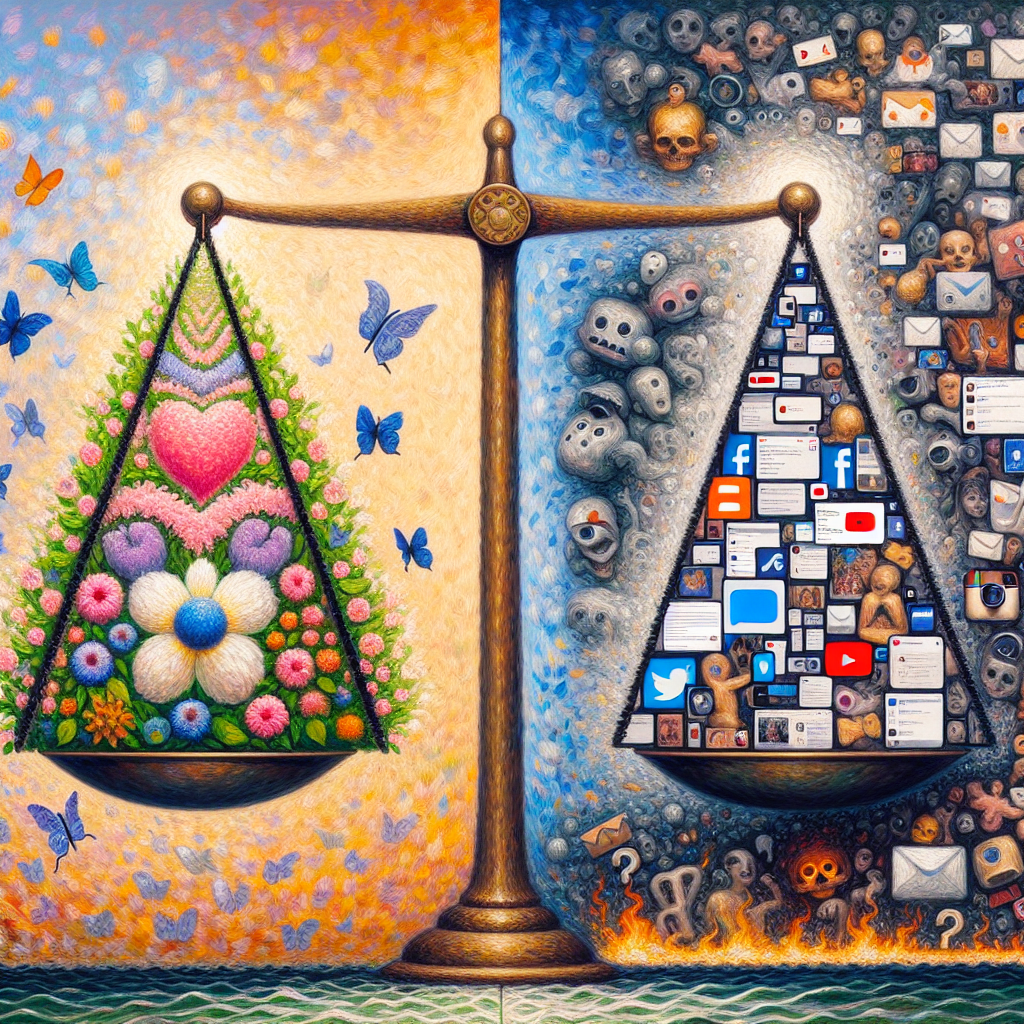
Are Your Cherished Memories Safe for Future Generations?
Are Your Cherished Memories Safe for Future Generations?
- Legacy storytelling connects families to their history and future, preserving bonds and memories.
- Memories are fragile and can be lost; the safeguarding of these stories is crucial for future generations.
- Emotional connections foster family unity and create lasting memories through shared experiences.
- Technological tools like video recording, cloud storage, and social media can enhance storytelling and preservation.
- Telling family stories honors ancestors and acknowledges their struggles and triumphs.
- Preserving memories creates a framework for connection, ensuring our essence endures through storytelling.
- Take action now by recording messages, compiling recipes, or journaling to ignite purpose in future generations.

Are Your Cherished Memories Safe for Future Generations?
How Does Sharing Your Digital Footprint Affect Your Loved Ones?
In our increasingly digital world, each like, share, and post adds another layer to the legacy we leave behind for our loved ones. Think about your own online presence and what it says not just about you, but about the people who care about you. The choices we make every day—sharing a triumph, recounting a mishap—shape a narrative that will echo through the lives of those who come after us. This is more than just a matter of pixels and code; it’s about legacy storytelling, the very essence of how we’re remembered.
Imagine your child years from now, sifting through social media posts or blog entries, trying to paint a picture of who you were. The stories you tell, the moments you capture—they’re not just your memories. They form the building blocks of their understanding of you, offering lessons in resilience and joy, and sometimes exposing the vulnerabilities that make us human. Want them to remember you as a hard worker? Share your triumphs. Want them to see authenticity? Reflect on your failures and how they shaped you. This digital footprint can be a treasure trove, or it can lead to difficult shadows.
On the other hand, consider the ethical implications. The vastness of your digital existence poses challenges not just to you but to those you love. Controversial posts or fleeting comments might affect their reputation long after you’ve forgotten about them. Is that the legacy you wish to leave behind? Sharing is an act of trust; choosing not to guard your stories with care may inadvertently burden your loved ones.
It’s not just the content that matters, but the intention behind it. We should strive to cultivate a narrative that honors our loved ones and stands as a trustworthy testament to our values. Avoid the trap of superficial connectivity, and instead, focus on meaningful exchanges that resonate. Recognize the power of your voice in shaping perceptions, and reflect on how it can unite or divide.
Your digital footprint isn’t just yours—it’s a shared tapestry of lives interwoven. By being mindful of what you post and how it represents not just you but your circle, you take a deliberate step towards building a legacy that uplifts and connects. So think deeply, share wisely, and let your digital storytelling bind generations to come.

How Does Sharing Your Digital Footprint Affect Your Loved Ones?
How Does Sharing Your Digital Footprint Affect Your Loved Ones?
- Every digital interaction contributes to the legacy we create for our loved ones.
- Your online presence reflects not just your identity but also that of the people who care about you.
- The stories you share shape how future generations perceive you, including lessons of resilience and joy.
- Consider the long-term implications of your online content on the reputation of your loved ones.
- Genuine storytelling involves a balance of triumphs and failures, highlighting authenticity.
- Your digital footprint is a shared narrative, influencing perceptions of both you and your community.
- Mindful sharing can help create a meaningful legacy that connects and uplifts future generations.

How Does Sharing Your Digital Footprint Affect Your Loved Ones?
Are You Prepared If Something Happens to You Unexpectedly?
Life is a wild ride, full of unexpected twists and turns. One moment, you’re planning the weekend, and the next, you’re faced with the stark reality that life can change in an instant. When we think about our own mortality, it’s an uncomfortable truth that often gets pushed aside. But here’s the thing: embracing that discomfort isn’t just about preparing; it’s about crafting a legacy.
Let’s start with the heart. Imagine a loved one standing at your gravestone, struggling to articulate who you were and what you meant to them. Wouldn’t you want them to have stories to tell, memories to share, and lessons to pass on? Legacy isn’t just about the inheritance of assets; it’s about the richness of your life experience—the laughter, the struggles, and yes, the triumphs. Legacy storytelling gives your loved ones the tools to honor your memory, ensuring that your values, hopes, and dreams ripple through the generations.
Now, consider the head. Life is unpredictable, and there’s a practical side to preparedness. Drafting a will, discussing your wishes, or even organizing your assets can transform the chaos following your departure into a moment of clarity for those left behind. Relying on a clear, rational approach not only alleviates stress for your family but also ensures your legacy is upheld the way you envision it.
But then there’s the gut. The emotional weight of knowing you’ve left your loved ones in a chaotic mess can be unsettling. It’s a heavy burden that doubt and fear can amplify. However, when you take the proactive steps to prepare, that gut feeling shifts from anxiety to confidence. You’re not just anticipating the worst; you’re taking control, standing firm in the face of the unknown, and saying, “I’ve got this.”
From an ethical standpoint, preparing for the unexpected is more than just a personal endeavor; it’s a social responsibility. It’s a loving act towards your family and friends, providing them with the peace of mind to focus on healing rather than stressing over logistics.
Ultimately, this journey of preparation isn’t just about you. It’s about creating connections, sharing your story, and making sure your essence lives on, long after your time on this earth has ended. So, let’s not shy away from the tough conversations. Embrace them. Your legacy awaits.

Are You Prepared If Something Happens to You Unexpectedly?
Are You Prepared If Something Happens to You Unexpectedly?
- Life is unpredictable, with sudden changes that remind us of our mortality.
- Embracing discomfort related to mortality is key to crafting a meaningful legacy.
- Legacy is about experiences, stories, and values, not just material inheritance.
- Legacy storytelling helps loved ones honor your memory and share your values.
- Practical preparedness, such as drafting a will, can alleviate stress for your family.
- Taking proactive steps to prepare shifts feelings of anxiety to confidence.
- Preparing for the unexpected is both a personal choice and a social responsibility.

Are You Prepared If Something Happens to You Unexpectedly?
What Ethical Considerations Should Be Made When Storing Personal Info?
In an era where personal information is more accessible than our favorite childhood friends, we must pause and consider: what does it mean to store someone’s life in a digital vault? The act of collecting and storing personal data isn’t just a binary transaction; it’s an ethical commitment, a promise that resonates far beyond the click of a button. Each piece of information stored becomes part of a legacy story, shaped not only by the holder of that data but also by the myriad people connected to it.
Picture this: you walk into a cozy diner, a place where the walls are lined with stories—pictures of patrons past, moments frozen in time. Each photo illustrates a life lived, choices made, and trust earned. This emotional connection tugs at our heartstrings, reminding us that behind every data entry lies a beating heart. When handling personal information, we must cultivate this same respect and reverence. We owe every individual the ethical consideration that their story matters, ensuring their data is treated like a cherished memory rather than mere digits on a server.
Rationally, we know that mishandling personal information can lead to dire consequences—identity theft, privacy breaches, and unwanted exposure. The risks become glaringly real when we think about how inherently vulnerable we become when we share our personal tales. Social responsibility comes into play as we decide whether to guard each narrative fiercely or let it slip into the chaotic abyss of the digital world. We are the stewards of these legacies, responsible not only to the individuals but to society as a whole. Each decision we make ripples through the fabric of our communities.
The ethical imperative here isn’t just about what we can store, but what we should. We must ask ourselves: How do we honor these stories? How do we create trust? We inspire confidence when we adopt transparent practices, robust security measures, and a genuine commitment to accountability. When individuals feel secure, they are often willing to share more, revealing the layers of their identities for the betterment of society. Through this, we build connections, encouraging a culture of openness and respect—one where every story matters.
So, as we navigate this complex world of data storage, let’s pledge to be keepers of integrity—protectors of the narratives that connect us all. When we take these ethical considerations to heart, we not only safeguard information but enrich the tapestry of human experience.

What Ethical Considerations Should Be Made When Storing Personal Info?
What Ethical Considerations Should Be Made When Storing Personal Info?
- The storage of personal data is an ethical commitment beyond mere transactions.
- Each piece of information forms a legacy story influenced by both the data holder and their connections.
- Handling personal information requires respect for the emotional stories behind the data entries.
- Mishandling data can lead to severe consequences, including identity theft and privacy breaches.
- We are responsible for safeguarding legacies, impacting not just individuals but society at large.
- Building trust involves transparent practices, strong security measures, and accountability.
- By prioritizing ethics in data storage, we can enrich the fabric of human experience.
What Ethical Considerations Should Be Made When Storing Personal Info?
What Can a Strong Legacy Of Privacy Teach Your Children?
What can a strong legacy of privacy teach your children? Quite a lot, actually. Think about it: in a world where the digital landscape often seems like a sprawling playground with no boundaries, instilling the value of privacy can become an essential part of your children’s upbringing. It’s about more than just protecting information; it’s about cultivating a mindset—one that recognizes the beauty in choosing what to share and what to safeguard.
Imagine a dinner table ingrained with the art of legacy storytelling. There, your children learn about the family’s past, not just through dates and names, but through rich narratives that highlight the importance of personal space and the dignity of privacy. Stories of ancestors who faced challenges and triumphs ground your children in a legacy of respect—respect for themselves and for others. They learn that privacy isn’t merely about keeping secrets; it’s about establishing trust, nurturing relationships, and maintaining integrity in an increasingly transparent world.
From a rational standpoint, consider the countless stories filled with cautionary tales of oversharing that fill the headlines. It paints a vivid picture from which your children can learn—how a single impulsive moment can spiral into a lifetime of vulnerability. Teaching them the ethical responsibility that comes with sharing information fosters decision-making skills that protect not just them, but also those around them. It’s about comprehension. It plants in them the seeds of caution and discernment, skills that will serve them well long after they’ve left your home.
Now, let’s get visceral for a moment—think about the pride and comfort in knowing your child understands the power of silence. They know when to speak up and when to hold back, creating an internal compass that guides their interactions. In a world permeated by constant connectivity, recognizing the need for pause can empower them. They become thoughtful navigators, informed yet discreet, free from the pressures of public opinion.
Ultimately, it’s about connection—building relationships rooted in trust and authenticity. By modeling a strong legacy of privacy, you give your children a framework to thrive in their personal and professional lives. They learn to cherish their own privacy while being considerate of others’, creating a culture of respect that spreads like ripples in a pond. This is the profound lesson—privacy is not just a shield, but a sanctuary. It’s a legacy worth sharing, teaching future generations how to love, protect, and be authentically themselves in a world that would often have them do otherwise.

What Can a Strong Legacy Of Privacy Teach Your Children?
What Can a Strong Legacy Of Privacy Teach Your Children?
- Instilling the value of privacy in children is crucial in today’s digital landscape.
- Family storytelling helps children understand the importance of personal space and dignity of privacy.
- Lessons from ancestors‘ challenges instill respect for themselves and others.
- Oversharing can lead to vulnerability; teaching caution fosters decision-making skills.
- Children learn when to speak up and when to hold back, guiding their interactions with an internal compass.
- A strong legacy of privacy helps build trust and authenticity in relationships.
- Privacy is more than a protective shield; it’s a sanctuary that teaches future generations to be true to themselves.

What Can a Strong Legacy Of Privacy Teach Your Children?
What Role Does Trust Play In Sharing Your Secrets with Family?
Trust is the cornerstone of any meaningful relationship, especially when it comes to sharing our secrets with family. Picture yourself sitting around the dinner table, laughter echoing off the walls, as stories of yesteryear weave a tapestry of your family’s shared history. This kind of legacy storytelling invites each member to unearth their truth, forging bonds that stand the test of time. But what fuels this exchange? At its core, it’s trust.
When you share your secrets, you’re laying bare parts of yourself that others may not see. It’s an act of vulnerability, and it takes guts. Every secret unveiled is a step into the unknown, a leap that demands not just courage, but an invitation to a deeper connection. Imagine the relationships that thrive on unspoken truths—the whispered dreams, the hidden fears. Each one shared is a brick laid in the foundation of trust, transforming relationships from casual to profound.
This isn’t just emotional; it’s a rational choice too. The very act of sharing your secrets can foster resilience, not just within yourself but within your family. Research shows that open communication strengthens familial ties, helping each member to feel valued and understood. Secrets kept can create barriers, while those exchanged often lead to mutual support and growth. You teach family members how to navigate their own challenges, enabling everyone to rise together.
Ethically, we have a responsibility to nurture these relationships. By sharing our truths, we model authenticity and encourage others to do the same. It’s a core part of being human, a social contract that reminds us we are not alone in our struggles. Just as your stories are stitched into the fabric of your family’s history, your willingness to be open inspires others to share theirs.
Every time you gather and recount tales of triumph or hardship, you’re not just telling a story; you’re building a network of trust that runs deep. So lean into those moments. When you share, you create a ripple effect that can inspire others to open up. Think of the legacy you’re crafting, where each secret shared is a testament to love, acceptance, and connection. After all, in a world that often feels fragmented, it’s this authenticity that reminds us of the strength found in unity. Engage with your family’s narratives; dare to dive into the depths of trust. The rewards are immeasurable.
What Role Does Trust Play In Sharing Your Secrets with Family?
What Role Does Trust Play In Sharing Your Secrets with Family?
- Trust is essential for meaningful relationships, especially in sharing secrets with family.
- Legacy storytelling at family gatherings fosters deep connections and encourages members to share their truths.
- Sharing secrets is an act of vulnerability that requires courage and strengthens relationships.
- Open communication promotes resilience and mutual support within families, making each member feel valued.
- Ethically, sharing our truths encourages authenticity and reminds us of our shared human struggles.
- Every story shared builds a deeper network of trust and inspires others to open up.
- Engaging in family narratives cultivates love, acceptance, and connection, reinforcing unity in a fragmented world.

What Role Does Trust Play In Sharing Your Secrets with Family?
Conclusion
Legacy is about more than money or possessions; it’s forged in the stories we share, the values we pass down, and the bonds we cultivate. Around a dinner table filled with laughter, the air thick with history, we weave narratives that connect us across generations. Each story—of struggle, triumph, and the mundane—forms a roadmap for those who will follow, giving them a sense of belonging and guidance. Think of your ancestors’ tales: the sacrifices made, the joy shared, the lessons learned. These experiences don’t just fade away; they live on, intricately stitched into the fabric of our family identity.
As we navigate our digital age, it’s essential to consider how our online presence becomes part of this legacy. Each post or shared triumph contributes to a narrative that shapes how future generations view us. This isn’t simply data; it’s a story waiting to be told. Will it reflect the values you cherish, or will it be a cautionary tale? The onus is on us to curate a digital footprint that uplifts rather than burdens our loved ones. It’s about intention and authenticity—being aware of the impact our words and actions have on those we care about.
In a world filled with unpredictability, embracing our mortality becomes a powerful catalyst for legacy creation. By preparing for the unexpected, we not only protect our families from logistical chaos but also give them the tools to remember us meaningfully. What stories and memories do you want them to carry forward? Taking proactive steps toward organizing your affairs is not just practical; it’s an act of love and responsibility.
The ethical responsibility looms large when it comes to managing personal information. Our digital lives can be a treasure trove of memories or a Pandora’s box of vulnerability. It’s crucial to recognize that behind every byte of data lies a human story. Treating these stories with respect builds a culture of trust—one where privacy is cherished, and connections are genuine.
Ultimately, the legacy we leave hinges on sharing our truths, navigating the fine line between vulnerability and trust. When we open up, we invite others to do the same, fostering deeper connections that can uplift and unify families. Engaging with our histories not only enriches our lives but equips future generations with the wisdom and resilience they need to thrive. So, gather your loved ones. Share the stories that matter, weave those narratives into the hearts of your family, and watch as a profound legacy unfolds—one of love, strength, and authentic connection that stands the test of time.

Conclusion
Conclusion:
- Legacy extends beyond material wealth, encompassing shared stories, values, and bonds.
- Dinner table conversations create a tapestry of narratives that connect generations.
- Family stories provide guidance and a sense of belonging for future generations.
- Our digital presence contributes to our legacy, impacting how we are perceived later.
- Preparing for mortality safeguards families from chaos and helps sustain meaningful remembrances.
- Responsible management of digital information respects personal stories and fosters trust.
- Sharing truths and personal narratives creates deeper connections and enriches family legacies.

Conclusion
Other Resources
Other Resources
Here is a list of other resources you can review online to learn more:
- INELA
- Tributize
- Forever Missed
- MyMoriam
- MyHeritage
- LifeWeb 360
- EverLoved
- APH
- RootsMagic
- Storyfile Life
- Legacy Family Tree
- StoryCorps
- Trust And Will
- Knotify.me
- FindMyPast
- Meminto
- Personal Legacy Advisors
- LivingDNA
- AmericanAncestors
- Ever Loved
Use This Prompt To Get More Resources With Your Favorite Online AI Tool: Please provide me with a list of online articles with their URLs in a bulleted list that I can read regarding Lock Down Your Secrets – Legacy Privacy for the Next Generation

Other Resources
Glossary Terms
Lock Down Your Secrets – Legacy Privacy for the Next Generation – Glossary Of Terms
1. Legacy: Something handed down from one generation to another, often referring to wealth, values, or secrets.
2. Privacy: The state of being free from public attention or scrutiny; the right to keep personal information confidential.
3. Confidentiality: The ethical principle of keeping sensitive information secret and not disclosing it without permission.
4. Inheritance: Assets, rights, or obligations passed on to heirs after an individual’s death.
5. Trust: A legal entity that holds property or assets for the benefit of another, often used in estate planning.
6. Executor: A person appointed to carry out the instructions of a deceased individual’s will, ensuring their wishes are fulfilled.
7. Will: A legal document specifying how a person’s assets and affairs should be managed and distributed after their death.
8. Estate Planning: The process of arranging for the management and distribution of a person’s assets after their death.
9. Digital Legacy: The online presence and assets left behind by an individual, including social media accounts, digital files, and online property.
10. Data Breach: An incident where unauthorized individuals access confidential data, posing risks to personal information.
11. Legacy Planning: The process of preparing for the transfer of an individual’s wealth and values to future generations.
12. Beneficiary: A person or entity designated to receive assets or benefits from a trust, will, or insurance policy.
13. Living Trust: A trust established during an individual’s lifetime, allowing for asset management and distribution without probate.
14. Probate: The legal process of validating a will and administering the estate of a deceased individual.
15. Heirloom: An item of special significance passed down through generations, often with a family history.
16. Power of Attorney: A legal document granting someone authority to act on behalf of another individual in financial or medical matters.
17. Executor Fees: Compensation paid to an executor for the management and distribution of an estate, subject to jurisdiction.
18. Guardianship: A legal arrangement in which a person is appointed to care for the personal and financial interests of another, often a minor.
19. Charitable Bequest: A provision in a will that designates a portion of an estate to a charitable organization.
20. Trustee: An individual or organization appointed to manage and administer the assets of a trust according to its terms.
21. Documentation: Official records providing evidence of an individual’s wishes, legal agreements, or ownership of assets.
22. Asset Protection: Strategies employed to guard an individual’s wealth from claims by creditors or legal judgments.
23. Family Meetings: Gatherings where family members discuss estate plans, shared values, and wishes regarding legacy and privacy.
24. End-of-Life Planning: Preparing for medical, legal, and financial decisions near the end of life to ensure personal wishes are met.
25. Financial Literacy: The knowledge and skills needed to manage financial resources effectively for informed decision-making.
26. Mentorship: Guiding and supporting younger generations in navigating challenges and learning from experiences.
27. Ethical Will: A non-legal document conveying a person’s values, beliefs, and personal messages to future generations.
28. Data Privacy Laws: Regulations governing the collection, storage, and sharing of personal information to protect individual privacy rights.
29. Legacy Document: A comprehensive record detailing an individual’s wishes, values, and important life lessons for heirs.
30. Generational Wealth: Financial assets that are passed down from one generation to another, contributing to a family’s long-term financial security.

Glossary Of Terms
Other Questions
Lock Down Your Secrets – Legacy Privacy for the Next Generation – Other Questions
If you wish to explore and discover more, consider looking for answers to these questions:
- What are practical ways to initiate family storytelling sessions?
- How can modern technology assist in preserving family stories?
- What specific steps can I take to ensure my digital legacy is safe?
- How do I balance sharing personal stories while maintaining privacy?
- What impact does sharing family narratives have on children’s identity development?
- How can I effectively encourage family members to share their stories?
- What should I include when drafting a legacy plan for my family?
- In what ways can open communication about secrets improve family relationships?
- How can I teach my children the value of digital privacy?
- What should I consider before sharing sensitive family stories publicly?
- How can I make legacy storytelling engaging for younger generations?
- What are the ethical implications of sharing family secrets?
- How might cultural differences influence family storytelling traditions?
- What resources are available for helping to document family history?
- How can you involve extended family in legacy storytelling efforts?

Other Questions
Haiku
Lock Down Your Secrets – Legacy Privacy for the Next Generation – A Haiku
Whispers of the past,
Stories weave through dinner nights,
Bonds of love endure.
Haiku
Poem
Lock Down Your Secrets – Legacy Privacy for the Next Generation – A Poem
In whispered moments ’round the table,
Where laughter breathes the stories’ fable,
Lives a tapestry rich, a legacy bright,
Binding us gently, weaving light.
Each tale recalls the strength of the past,
Of hardships borne, of shadows cast.
In authentic sharing, hearts collide,
Fostering trust, our souls opened wide.
What will they carry from your embrace?
Not gold or treasures, but wisdom’s grace.
A compass forged in struggles shared,
Teaching the values, the hopes, the cared.
Yet in this digital dawn, so vast and wide,
Protect your memories, let love be your guide.
For vulnerable moments can swiftly slip,
Are your tales anchored in the digital grip?
Rational minds recall the weight of your words,
Echoes of laughter, the unheard birds.
Prepare for the unknown, let burdens cease,
A legacy nurtured brings lasting peace.
Instill in them privacy, the gentle art,
Of knowing when to share, and when to guard the heart.
In a world that clamors for the spotlight’s gleam,
Teach them the beauty of silence’s dream.
For trust is a bond that we endlessly weave,
In sharing our secrets, we learn to believe.
Each story we tell’s a step toward the light,
Building a future where love conquers the night.
So gather your kin, let stories abound,
In the heartbeat of family, true treasures are found.
For what you leave behind is not mere artifact,
But a legacy lived, a love intact.

Poem
Checklist
Lock Down Your Secrets – Legacy Privacy for the Next Generation – A Checklist
Legacy Privacy Checklist: Protecting Your Family’s Story
Emotional Connection:
_____ Recall a Meaningful Story: Identify a story from your past that connects you to your family history. Write it down.
_____ Family Gathering Goals: Plan a dinner where each member shares a personal story that impacted their life.
_____ Create a Memory Journal: Set aside time weekly to document memories, lessons, and experiences.
Rational Strategies:
_____ Evaluate Digital Footprint: Review your online presence and what stories you’re sharing. Decide what is appropriate or needs to change.
_____ Setup Cloud Storage: Choose a secure cloud service to store family photos, videos, and important documents.
_____ Organize Legal Documents: Create or update your will, ensuring it reflects your wishes to guide your loved ones.
Ethical Responsibility:
_____ Discuss Family Privacy: Engage in conversations with family about the importance of privacy and data sharing.
_____ Set Guidelines for Sharing: Establish family rules on what personal information is appropriate to share online.
_____ Reflect on Shared Values: Identify core family values and how you can express them in stories shared with future generations.
Authority Guidance:
_____ Seek Professional Help: Consult with a legal or financial advisor about setting up a trust or legacy plan.
_____ Educate Yourself on Privacy Laws: Stay informed about data privacy laws that affect how you delegate your digital legacy.
Narrative Building:
_____ Compile Family Recipes: Start a family cookbook with contributions from different generations.
_____ Create Video Messages: Record short videos sharing advice, stories, and memories for future family members.
_____ Legacy Storytelling Sessions: Schedule regular family meetings dedicated to discussing and sharing personal histories.
Social Connections:
_____ Engage with Extended Family: Initiate a family tree project to connect with extended relatives and gather their stories.
_____ Create a Family Newsletter: Share updates, stories, and family achievements to maintain connections and strengthen ties.
_____ Host Storytelling Circles: Organize events—either virtual or in-person—where family members can come together to share experiences.
By following this checklist, you can begin to secure your legacy, ensuring that your family stories, values, and memories are preserved and passed on with care and intention.

Checklist
At LegacyExplorations, we help people plan and explore their legacy by collecting information and news regarding end-of-life planning.
Please share this post with your friends, family, or business associates who may want help to plan or explore their legacy.