

Preserving Family Legacies For Future Generations
By Tom Seest
At LegacyExplorations, we help people plan and explore their legacy by collecting information and news regarding end-of-life planning.
Please share this post with your friends, family, or business associates who may want help to plan or explore their legacy.
Memory Boxes for the Modern Heir
In a world spinning faster than the last rollercoaster ride, it’s easy to lose sight of the threads that hold our existence together. We hustle from one obligation to the next, driven by deadlines and expectations, often forgetting the simple yet profound truth: we are all stories in the making. Memory boxes—those small, tangible artifacts—become vessels of our legacy, allowing us to curate and capture the essence of who we are and what we cherish.
Think about it. When was the last time you paused to reflect on the weight of your own story? The moments that made your heart race, the challenges that shaped your character; they’re not just random episodes—they are the building blocks of your legacy. Each trinket, letter, or photo nestled in a memory box holds a piece of that personal narrative, waiting to be unfurled, shared, and honored.
When you take a moment to engage in legacy storytelling through these boxes, you’re not only preserving your past but actively crafting your future. Consider how powerful it is to pass on these stories to the next generation. It fosters connection, allowing those who come after us to understand and appreciate their roots. It empowers them to take pride in their heritage, as they sift through memories, feeling like they’ve tapped into a wellspring of wisdom and resilience.
On a rational level, these boxes serve a purpose beyond mere sentiment. They provide a structured way to navigate the emotional clutter of life—an antidote to chaos. Each item serves as a reminder of lessons learned, mistakes made, and victories celebrated. By engaging with these memories, we cultivate an awareness that strengthens bonds within families and communities.
Ethically, we have a responsibility to preserve those memories. We owe it to ourselves and to those who came before us to ensure that their stories live on. Think of your memory box as a part of your social fabric—a way of weaving history and identity, allowing it to breathe, expand, and inspire.
So, grab a box, fill it with pieces of your journey, and embark on this adventure of legacy storytelling. Trust me, the act of creating your memory box isn’t just about what you keep; it’s about who you choose to become.
Memory Boxes for the Modern Heir
Memory Boxes for the Modern Heir
- Life’s fast pace often makes us forget the significance of our personal narratives.
- Memory boxes are tangible artifacts that capture and preserve our legacy.
- Reflecting on our stories and experiences helps shape our identity and character.
- Legacy storytelling through memory boxes strengthens connections with future generations.
- These boxes help navigate life’s emotional clutter, providing clarity and focus.
- Preserving memories is an ethical responsibility to honor ourselves and our ancestors.
- Creating a memory box is an empowering act that shapes who we become.
Memory Boxes for the Modern Heir
Table Of Contents
- Memory Boxes for the Modern Heir
- What Memories Will Your Loved Ones Cherish In Years to Come?
- What Items Best Represent Your Family Legacy for Future Generations?
- How Does Creating a Memory Box Help Process Grief and Loss?
- What Is the Emotional Weight Of the Objects We Choose to Preserve?
- How Can Organizing Memories Help Strengthen Family Bonds Today?
- What Ethical Responsibilities Do We Have to Preserve History?
- How Can Memory Boxes Create a Sense Of Belonging for Heirs?
- Conclusion
- Other Resources
- Glossary Of Terms
- Other Questions
- Haiku
- Poem
- Checklist
What Memories Will Your Loved Ones Cherish In Years to Come?
What memories will your loved ones cherish in years to come? This question isn’t just a casual pondering; it’s a profound consideration that ties directly to the legacy we craft throughout our lives. When we think about memories, it’s easy to get lost in the big moments: the graduations, weddings, and family reunions. However, the memories that truly resonate are often the small, everyday experiences that become cherished stories passed down through generations.
Consider the last family dinner you shared—the laughter around the table, the teasing, the stories that spilled forth like wine from a freshly opened bottle. Those moments, filled with warmth and authenticity, are gold. They weave into the very fabric of your family’s legacy storytelling. It’s important to realize that every interaction you have with your loved ones plants a seed of memory. The mundane can transform into the magical if we take a moment to be present and engaged.
Think rationally for a moment: life is fragile. What are you doing today to create meaningful moments? Are you setting aside time to have real conversations, to listen, to share your own stories of triumph and failure? It’s easy to get caught up in the relentless pace of life, but when we prioritize connection, we not only enrich our lives but those of our loved ones too.
This brings us to the moral imperative of fostering these connections. It’s an ethical duty to remember that our actions shape the narrative of our lives. When we share our stories, we build a richer, wiser legacy for future generations. They won’t just remember us for what we did; they’ll remember how we made them feel—the safety of our laughter, the comfort of our embrace, the wisdom of our words.
Moreover, think about the authority your experiences hold. You have the power to guide your loved ones through your stories—the lessons learned, the pitfalls avoided, and the fleeting joys celebrated. These narratives serve not only as markers of who you are but as a roadmap for those who come after you.
Life is an intricate web of relatable moments stitched together through shared experiences. It requires action and intention. Start today. Be present. Share your memories. Allow your family to craft a tapestry rich with stories, ensuring they not only remember you but also carry your spirit into the future.
What Memories Will Your Loved Ones Cherish In Years to Come?
What Memories Will Your Loved Ones Cherish In Years to Come?
- Consider the lasting impact of cherished memories on loved ones and the legacy we create.
- Memories that resonate often arise from small, everyday experiences rather than major life events.
- Family interactions, like shared dinners, are invaluable and weave into the fabric of family storytelling.
- Contemplating life’s fragility highlights the importance of creating meaningful moments with loved ones.
- Prioritizing connection through conversations enriches our lives and those of our family.
- Sharing personal stories contributes to a richer legacy and shapes how we are remembered.
- Intended actions and shared experiences create a tapestry of memories that carry our spirit into the future.

What Memories Will Your Loved Ones Cherish In Years to Come?
What Items Best Represent Your Family Legacy for Future Generations?
When we think about what our family legacy will be, it often stirs a mix of emotions. It’s more than just stories about great-grandparents; it’s the tangible items that capture snippets of our history. These are the small treasures that hold the weight of memory and the power of connection. Imagine pulling out your grandmother’s quilt, worn and frayed, each patch a reminder of love and resilience. This isn’t just fabric; it’s a narrative woven into every stitch, a testament to hard-working hands that shaped not just a blanket, but a family story.
Legacy storytelling draws us back to our roots, where we honor the past while shaping the future. The ability to pass down the essence of who we are — our values, struggles, triumphs, and dreams — is a gift we must cherish. An old photograph album, for instance, captures laughter, milestones, and moments frozen in time. When our kids flip through those pages, they see not just faces, but the very fabric of their history. It fosters a sense of belonging and identity that today’s fast-paced world often lacks.
Consider the wisdom behind family heirlooms. They don’t just hold value; they embody principles like perseverance and sacrifice. When you pass down your father’s watch or your mother’s cherished recipe book, you’re gifting a piece of guidance that stands firm against the test of time. It’s an authority of experience that can anchor younger generations, grounding them in the knowledge that they are part of something bigger.
Yet, it’s not just about preserving the past. It’s an ethical responsibility. If we fail to share these artifacts and the stories attached to them, we risk the erasure of everything that shaped us. Each item attaches its own weight to our actions; it shapes the way we view ourselves and the choices we make moving forward. These legacies invite future generations to reflect on their core values, ensuring that history has a seat at the table.
So, as you sift through your own belongings, ask yourself: which items tell your family’s story? What objects embody the lessons learned and the love shared? These are not just keepsakes; they are bridges to our ancestry, and in passing them on, we keep our legacy alive. Inspire courage, instill pride, and foster connection; start building your family’s legacy today, one cherished item at a time.

What Items Best Represent Your Family Legacy for Future Generations?
What Items Best Represent Your Family Legacy for Future Generations?
- Family legacy evokes a mix of emotions and encompasses both stories and tangible items from our history.
- Treasures like quilts serve as narratives of love, resilience, and family history, enriched by personal memories.
- Legacy storytelling connects us to our roots, allowing us to honor the past while shaping our future.
- Old photographs capture significant moments and foster a sense of belonging and identity for future generations.
- Family heirlooms embody principles such as perseverance and sacrifice, providing guidance to younger generations.
- Sharing artifacts and their stories is an ethical responsibility that prevents the erasure of our heritage.
- Identifying items that tell your family’s story fosters connection and keeps your legacy alive, inspiring future generations.

What Items Best Represent Your Family Legacy for Future Generations?
How Does Creating a Memory Box Help Process Grief and Loss?
When grappling with grief and loss, many find solace in the art of creating a memory box. This simple activity transforms a chaotic swirl of emotions into something tangible, preserving moments that form the very fabric of our legacy. As we sift through photographs, letters, trinkets, and items that once sparked joy, we engage in a powerful form of legacy storytelling, crafting a narrative that honors those we have loved and lost.
Think of it as an act of love, not just for the departed, but for ourselves. Each item chosen becomes a vessel between the past and present, encouraging us to reflect on shared experiences, whispered laughter, and unspoken words. Our hearts often ache for connection, and in curating a memory box, we create a bridge to those cherished moments that seem lost to time. Instinctively, this process instills a sense of purpose, reminding us that grief doesn’t erase our loved ones; it celebrates their existence.
On a rational level, engaging in this tangible act can help organize our thoughts and feelings. Grief is a complex puzzle, with emotions often overlapping and swirling together. A memory box offers a methodical way to sort through what feels overwhelming. When you’re holding a cherished toy or a worn-out book, it’s difficult not to remember the moments attached to them. This objective, intentional act provides clarity in a fog of confusion, offering space to breathe.
Ethically, the act of preserving memories holds profound significance. Each story encapsulated in the box allows us to ethically honor the lives of those we’ve lost, ensuring their legacy lives on. We affirm that their existence mattered by safeguarding their stories, making it a shared responsibility to carry their memories into the future. In times of sorrow, connecting with friends or family over shared memories fosters a sense of community, reminding us we’re not alone in our grief.
Lastly, there’s empowerment in action. The moment you decide to create a memory box is a step toward reclaiming your narrative amidst loss. So, gather those prized possessions, sit down quietly with your thoughts, and start building. Your memory box is more than a collection; it’s a testament to love, resilience, and the human spirit’s unbreakable desire to remember.
How Does Creating a Memory Box Help Process Grief and Loss?
How Does Creating a Memory Box Help Process Grief and Loss?
- Creating a memory box transforms grief into a tangible form, preserving meaningful moments.
- This activity serves as a form of legacy storytelling, honoring loved ones who have passed.
- A memory box acts as a bridge to cherished experiences, fostering connection and reflection.
- It provides a methodical way to sort through overwhelming emotions, offering clarity and space to breathe.
- Preserving memories ethically affirms the significance of lost loved ones and their stories.
- Sharing memories with others strengthens community and reminds us that we are not alone in our grief.
- The act of building a memory box empowers individuals to reclaim their narrative amidst loss.

How Does Creating a Memory Box Help Process Grief and Loss?
What Is the Emotional Weight Of the Objects We Choose to Preserve?
Objects hold a unique power in our lives. They are not merely items gathering dust; they are tangible pieces of our legacy. Each one carries a story, weaving a narrative that connects us to our past and shapes our future. Consider the old watch passed down from your grandfather, its hands frozen in time yet brimming with memories of family gatherings and lessons learned. It’s not just a functional piece; it’s a vessel of emotion, an artifact of love and perseverance.
When we choose to preserve an object, we are making a conscious decision to embrace our history and share it with others. Every scar on that wooden table, every nick on that old guitar, whispers tales of laughter, hardships, and triumphs. It’s through these objects that we engage in legacy storytelling, bridging the gap between generations. We gather with friends and family, recounting the experiences tied to those items, reliving moments that bring us closer.
The emotional weight of these possessions lies in their ability to ground us. In a world that’s constantly changing, where technology evolves overnight, these objects remind us of who we are and where we come from. They stand as symbols of our resilience, the bedrock upon which we build our identities. They compel us to pause, reflect, and appreciate the journey we’ve traveled. As we navigate life’s complexities, the tangible threads of our past anchor us, offering comfort in a chaotic world.
Ethically, choosing to preserve these relics represents a commitment to honor our heritage and the lessons it imparts. In a society that often prioritizes the new over the old, our decisions carry weight. By safeguarding our stories, we affirm that history matters, deserving respect and acknowledgment. It’s a reminder that, as custodians of our narratives, we have a responsibility to carry the torch for future generations, ensuring they understand their roots.
Moreover, sharing these objects form bonds among us, creating an instant connection over shared experiences. When we stand around the kitchen table, reminiscing about the laughter shared there, we recognize that we are part of a larger tapestry. Each thread, each story, woven together. In preserving the emotional weight of our objects, we engage not just with our past, but with each other, cultivating trust and solidarity in the present. So next time you find yourself holding something from your past, take a moment to appreciate its weight: the stories it tells, the legacy it carries, and the connections it forges.

What Is the Emotional Weight Of the Objects We Choose to Preserve?
What Is the Emotional Weight Of the Objects We Choose to Preserve?
- Objects serve as tangible pieces of our legacy, carrying stories that connect us to our past.
- Preserving objects is a conscious decision to embrace history and share it with others.
- Each scar and nick on an item whispers tales of laughter, hardships, and triumphs.
- These possessions ground us during times of change, reminding us of our identity and resilience.
- Ethically, preserving relics honors our heritage and acknowledges the importance of history.
- Sharing objects fosters connections through shared experiences, creating a sense of community.
- Taking time to appreciate the emotional weight of objects enhances our understanding of their significance.

What Is the Emotional Weight Of the Objects We Choose to Preserve?
How Can Organizing Memories Help Strengthen Family Bonds Today?
Organizing memories isn’t just about sorting through old boxes or organizing digital archives; it’s a powerful way to strengthen family bonds today. Think of it as creating a legacy, where each story, every photo, and all those forgotten moments remind us of who we are and where we come from.
Imagine gathering around the dinner table, not just for food, but for storytelling. This isn’t the kind of storytelling you find in a book or a movie; these are the tales that breathe life into our family history. When parents share their adventures, and grandparents recount their youthful escapades, a sense of connection emerges. Suddenly, generations unite over laugh lines and lessons learned, creating an intimate space where vulnerability and triumph coexist.
Now, let’s approach this from a rational standpoint. Memory organization fosters understanding and helps you see the parallels between generations. Perhaps that photo of a great-uncle who ventured west in search of gold strikes a chord with a teenager contemplating a bold future. By organizing memories, we provide the tools for younger generations to navigate their own paths, with wisdom lovingly passed down through time.
It’s also a matter of ethics. When we take the time to honor our family stories, we acknowledge their struggles, victories, and daily life. This exercise in remembering reminds us of our shared humanity and the respect that comes from understanding different perspectives. It’s a reminder that each family member’s story contributes to a larger narrative—one that deserves to be preserved and celebrated.
The authority in this practice comes from the profound impact it has had on countless families. Those who have embraced memory organization often find that they not only gain insight into their lineage but also cultivate deeper relationships. The process can be simple—like an afternoon spent sifting through dusty albums or digital files together—and the rewards are immense.
Yet beyond the individual impacts, there lies a bigger story. In this increasingly digital age, connection can feel fleeting. Organizing memories invites families to pause, reflect, and engage with each other in meaningful ways. It fosters a culture of openness, belonging, and continuity—key ingredients for any strong family.
So, pick up that old box or fire up your computer. In every memory organized, you weave an unbreakable thread that binds your family today and for generations to come. Let’s create a legacy together, one story at a time.
How Can Organizing Memories Help Strengthen Family Bonds Today?
How Can Organizing Memories Help Strengthen Family Bonds Today?
- Organizing memories strengthens family bonds and creates a lasting legacy.
- Storytelling at family gatherings connects generations and enriches family history.
- Memory organization fosters understanding and helps younger generations navigate their futures.
- Acknowledging family stories, struggles, and victories promotes shared humanity and respect.
- The practice of memory organization deepens relationships and provides insight into lineage.
- In a digital age, organizing memories encourages meaningful family engagement and connection.
- Creating a legacy through organized memories binds families together across generations.

How Can Organizing Memories Help Strengthen Family Bonds Today?
What Ethical Responsibilities Do We Have to Preserve History?
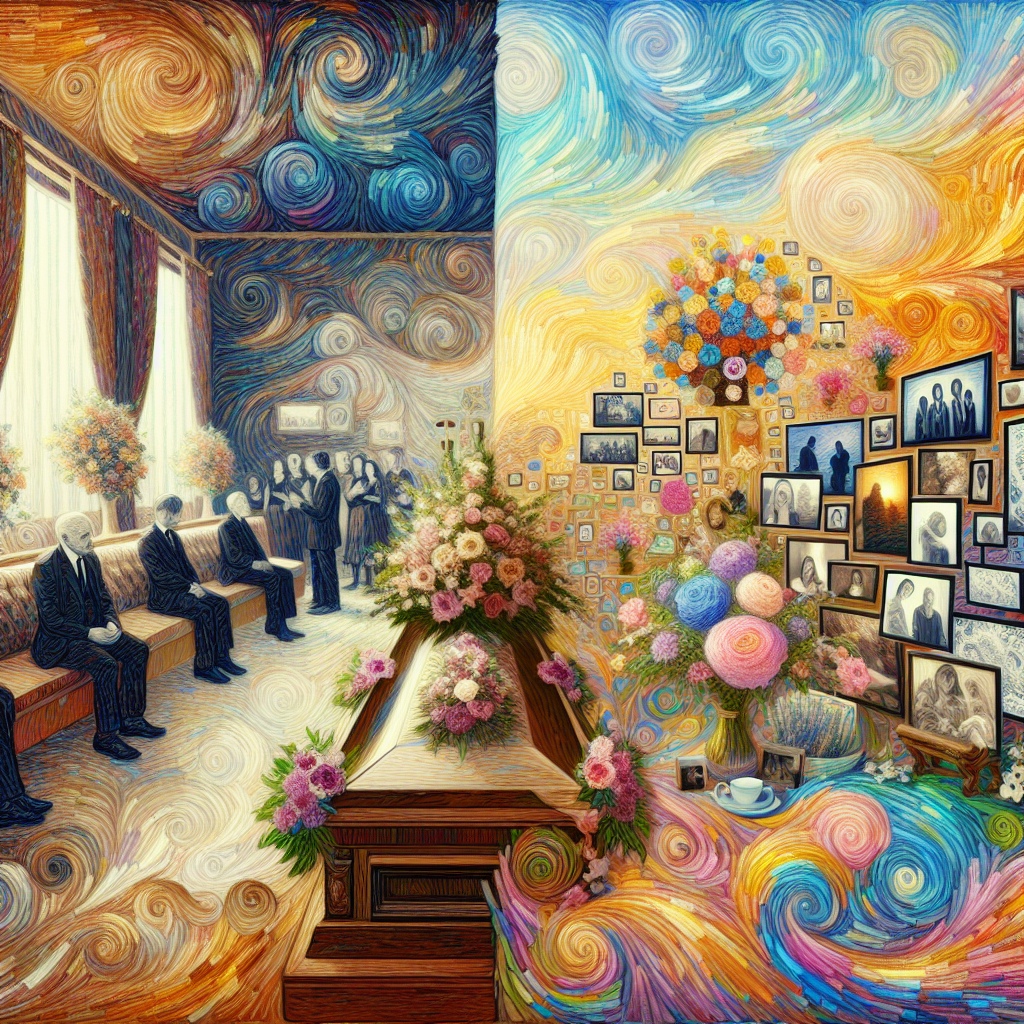
When you think about history, what comes to mind? A dusty old book? A crumbling statue? Perhaps a story told around the dinner table, echoing the voices of those who came before? Our ethical responsibility to preserve history isn’t merely an academic task; it’s a legacy, a narrative that binds us to our collective identity. It’s a tapestry woven from countless threads of triumphs, failures, struggles, and victories.
Every wrinkle in an old photograph tells a story that deserves to be heard, every artifact contains wisdom that can guide our future. This isn’t just about facts and dates; it’s about the people behind them. Consider your grandparents’ tales of resilience during difficult times. Those stories shape not only our understanding of the past but also our approach to the present and future. Without these narratives, we risk becoming a society adrift, disconnected from the invaluable lessons that history has to offer.
Think about the communities that rally around preserving their local history—they’re not simply maintaining buildings or artifacts. They’re fostering connections, igniting passion, and empowering future generations. This is where history transforms from mere preservation into powerful storytelling, reminding us that we all play a role in shaping the narrative. Our world is rich with diverse experiences, and each one enriches our understanding of what it means to be human.
Ethically, preserving history goes beyond nostalgia; it’s a duty. It authorizes us to hold ourselves and each other accountable. By ensuring that every voice is included in the historical narrative, we show respect not just for the past but also for the present and the future. Remember, each story fences out ignorance, builds bridges of understanding, and aids us in making informed decisions as we navigate the complexities of our modern world.
So, how do we embrace this responsibility? Start in your own backyard—visit a local museum, listen to your relatives’ stories, or volunteer to catalog historical documents. The call to action lies not only in preservation but in participation. When we actively engage with our history, we don’t just protect our legacy; we enrich our own lives and those of generations to come, ensuring that the narratives we forge today resonate into eternity. The heart of history beats in every effort we make to preserve it.
What Ethical Responsibilities Do We Have to Preserve History?
What Ethical Responsibilities Do We Have to Preserve History?
- History is more than dusty books; it is a collective identity shaped by triumphs and struggles.
- Every image and artifact carries stories that provide wisdom for the future.
- Personal narratives, like those of grandparents, help shape our understanding of the past and present.
- Communities preserving local history foster connections and empower future generations.
- Preserving history transcends nostalgia; it holds us accountable to one another.
- Each inclusive story builds understanding and helps navigate modern complexities.
- Engagement in history through local initiatives enriches both personal lives and communal legacies.

What Ethical Responsibilities Do We Have to Preserve History?
How Can Memory Boxes Create a Sense Of Belonging for Heirs?
A memory box is more than just a containment for trinkets; it’s a gateway to our roots and a canvas for legacy storytelling. Imagine opening a beautifully designed box filled with photos, handwritten letters, and mementos from generations past. Instantly, you are transported into the fabric of your family’s history. Each item tells a story, weaving a rich narrative that binds you to those who came before you. It’s not just about remembering; it’s about belonging.
When we create or inherit a memory box, we tap into an emotional reservoir that can be profoundly powerful. There’s something undeniably moving about holding a piece of your heritage in your hands. Those faded photographs of your grandparents on their wedding day or the first pair of shoes that your mother wore—these items aren’t simply objects; they’re touchstones. They evoke memories and feelings that run deep, creating a sense of continuity that can often be missing in our modern, fast-paced lives. This experience resonates with the gut, igniting a fierce sense of identity and connection.
On a rational level, conveying family history through tangible objects helps our memories solidify. Scientific studies show that we retain emotional information better than abstract concepts. When we encapsulate experiences in physical form, we create anchors in our minds. This isn’t just fluff; it’s a real way to foster understanding and acceptance within families, reinforcing values and traditions that might otherwise fade away.
Ethically, a memory box invites us to honor those who’ve passed. It’s a way of keeping their stories alive, ensuring that their wisdom and experiences are not consigned to the oblivion of forgotten pasts. By engaging in this act of preservation, we not only respect our elders but also take on the vital role of stewarding their legacies for future generations.
Socially, memory boxes gather us together. Imagine siblings sitting around a table, flipping through old photos and sharing tales that spark laughter and tears alike. There’s a profound bonding that occurs in these spaces, as stories come to life through shared recollections. In a world where disconnection often prevails, these moments serve as vital threads that weave relationships tighter.
So whether you’re creating one from scratch or inheriting a cherished box, embrace the opportunity. Dive into those narratives, feel the emotions, and recognize the importance of living the stories that make you who you are. Memory boxes are not just containers; they are the heart of belonging, waiting to be unlocked.

How Can Memory Boxes Create a Sense Of Belonging for Heirs?
How Can Memory Boxes Create a Sense Of Belonging for Heirs?
- A memory box serves as a gateway to family history and legacy storytelling.
- It contains sentimental items like photos, letters, and mementos that bind us to our roots.
- Engaging with a memory box evokes deep emotions and creates a sense of belonging.
- Tangible objects solidify family history, helping us retain emotional memories better than abstract concepts.
- The act of preserving memories honors those who’ve passed, keeping their stories alive for future generations.
- Memory boxes foster social connections by bringing family members together to share stories and experiences.
- Creating or inheriting a memory box is an opportunity to dive into narratives that shape our identity.

How Can Memory Boxes Create a Sense Of Belonging for Heirs?
Conclusion
In the relentless whirlwind of modern life, we often forget the fundamental truth: we are each a mosaic of memories and stories that define us. Memory boxes serve as our tangible time capsules, safeguarding fragments of our legacies for future generations. These boxes are not just vessels for trinkets; they encapsulate experiences, emotions, and narratives that weave the very fabric of who we are.
Think of a memory box as a rich anthology of your family’s history, brimming with letters, photographs, and objects that illuminate the joys and heartaches of those who came before us. Each item encapsulates a moment—a grandmother’s laughter, a father’s words of wisdom, or a cherished family recipe—and invites reflection on the victories and lessons that shape our identities. This act of preservation isn’t merely sentimental; it presents a chance to foster connections between generations, allowing descendants to root themselves in a lineage filled with resilience and shared experiences.
The emotional impact of engaging with these memories can be profound. As families sift through a box, they revive the magic of everyday moments—the laughter at a dinner table, the warmth of shared stories. These recollections stir emotions that remind us of our interconnectedness, reinforcing the idea that we belong to something greater than ourselves. Socially, memory boxes create an intimate atmosphere where family ties deepen. They are the bridge that brings past and present together, fostering understanding and unity in a world that often prioritizes the superficial.
Rationally, the act of organizing these memories builds a framework that helps us construct our narratives. It encourages introspection, allowing us to navigate our family histories purposefully. We learn from our predecessors’ journeys and troubles, equipping us to face our own challenges with the wisdom passed down through generations. Ethically, there exists a profound duty to uphold these stories. By honoring our ancestors’ legacies, we affirm that their lives mattered and ensure that their wisdom continues to resonate.
Creating memory boxes is not just about preserving the past; it’s an intentional act of shaping the future. We have the power to influence how our descendants perceive their identity and heritage, crafting a legacy that instills pride and belonging. So, gather those cherished items, share the stories they hold, and build a lasting connection with your family. Start creating your memory box today—because each moment archived is a reminder that our stories are worth telling, remembering, and passing down.

Conclusion
Conclusion:
- Individuals are mosaics of memories and stories that define who they are.
- Memory boxes serve as time capsules, preserving legacies for future generations.
- These boxes contain experiences, emotions, and narratives that connect us to our past.
- They foster intergenerational connections and help descendants root themselves in their lineage.
- Engaging with memory boxes revives everyday moments, deepening family ties.
- Organizing memories allows for introspection and learning from past experiences.
- Creating memory boxes shapes the future by influencing descendants’ identities and heritage.

Conclusion
Other Resources

Other Resources
Here is a list of other resources you can review online to learn more:
- USLegalWills.com
- How To Write Legacy Story Headlines That Appeal To The Heart, Gut and Head
- Association of Personal Historians
- My Wonderful Life
- Storyfile Life
- MyMoriam
- Postumo
- Legacy Learned
- WishesKeeper
- deviantART
- Cake
- LegalZoom
- 23AndMe
- Tributize
- Legacy Family Tree
- EverLoved
- Storyfile
- Willmaker
- LegacyFamilyTree
- Xarona
Use This Prompt To Get More Resources With Your Favorite Online AI Tool: Please provide me with a list of online articles with their URLs in a bulleted list that I can read regarding Memory Boxes for the Modern Heir

Other Resources
Glossary Terms
Memory Boxes for the Modern Heir – Glossary Of Terms
1. Memory Box: A decorative container used to preserve personal mementos, photographs, and heirlooms.
2. Heirloom: A valuable object passed down through generations, often with a family history attached.
3. Memento: An item kept as a reminder of a person, event, or experience.
4. Legacy: Something handed down from one generation to the next, especially intangible qualities like values or traditions.
5. Genealogy: The study of family lineage and history, often used to trace heritage and familial connections.
6. Curate: The process of selecting, organizing, and presenting items within a memory box to tell a meaningful story.
7. Ephemera: Collectible items that were originally meant to be temporary, such as tickets, pamphlets, or postcards.
8. Sentimental Value: The emotional significance attached to an item, making it personally invaluable despite its monetary worth.
9. Craftsmanship: The skill and quality of constructing items, especially significant for handmade memory box contents.
10. Narrative: The story that connects items within the memory box, providing context and meaning.
11. Preservation: Techniques used to protect and prolong the life of items included in the memory box.
12. Archival Quality: Materials that meet standards for long-term preservation of documents and artifacts.
13. Personalization: Tailoring the contents and design of a memory box to reflect the individual’s tastes and heritage.
14. Documentation: The practice of writing down stories, information, and descriptions of the items included in the box.
15. Tradition: Customs and beliefs passed down through generations, often represented in memory boxes.
16. Incorporation: The process of adding new items or memories to an existing memory box.
17. Souvenir: An object kept as a reminder of a place visited or an event attended, often included in memory boxes.
18. Keepsake: A small item kept in memory of a person or event, often emotionally significant.
19. Artisan: A skilled craftsperson who creates handmade items, such as customized memory boxes.
20. Box Types: Various designs and materials used for memory boxes, such as wooden, metal, or fabric options.
21. Storytelling: The art of narrating events, often reflected in the selection of items for a memory box.
22. Collectibles: Items gathered over time, often due to shared interests or experiences, contributing to the memory box.
23. Symbolism: The deeper meanings attached to specific items or themes within a memory box.
24. Custom Design: Tailoring a memory box for specific purposes, aesthetics, or individual preferences.
25. Reflection: The process of looking back on memories associated with the items in the memory box.
26. Family Ties: The connections and relationships among relatives, often explored through the contents of a memory box.
27. Curation: The act of thoughtfully choosing and arranging items in a memory box to create a cohesive experience.
28. Reminisce: To recall past experiences, often inspired by the items found in a memory box.
29. Floater: A technique used in memory boxes to create a three-dimensional display, allowing items to appear suspended.
30. Journey: The personal and emotional path of creating and revisiting a memory box, often tied to family history and experiences.

Glossary Of Terms
Other Questions
Memory Boxes for the Modern Heir – Other Questions
If you wish to explore and discover more, consider looking for answers to these questions:
- What are the key components of an effective memory box?
- How can individuals start their own memory box journey?
- What types of items are recommended for inclusion in a memory box?
- How can memory boxes be customized to reflect personal or family identities?
- What psychological benefits can arise from creating and maintaining a memory box?
- How do memory boxes contribute to family gatherings and storytelling traditions?
- What are some creative ways to display or share the contents of a memory box?
- How can technology integrate with memory box creation (e.g., digital archives)?
- Are there professional services that help with memory box creation or organization?
- What challenges might one encounter when creating a memory box and how can they be overcome?
- How can memory boxes help in remembering and honoring deceased loved ones?
- What role do memory boxes play in cultural or community heritage preservation?
- How do children typically react to memory boxes, and what can they learn from them?
- Are there specific rituals or ceremonies associated with memory box sharing?
- What is the long-term impact of memory boxes on family dynamics and relationships?

Other Questions
Haiku
Memory Boxes for the Modern Heir – A Haiku
Tangible treasures,
Stories weave through memory,
Roots nurture our hearts.

Haiku
Poem
Memory Boxes for the Modern Heir – A Poem
In a world that rushes by like fleeting dreams,
Where daily burdens mask our deepest themes,
A box holds echoes of lives once led,
Stories and whispers of love, tears, and dread.
Each trinket tells of laughter, lessons learned,
Moments of bravery where the heart has burned.
Captured in letters, in photographs old,
A legacy woven in threads of gold.
Pause for a moment, let the chaos cease,
Embrace your history, find solace and peace.
For every small dinner, each mundane hour,
Crafts the foundation of life’s true power.
What will they remember, the children we raise?
Not the grandeur, but warmth in our gaze.
The watch on the mantelpiece, the quilt on the chair,
They carry our stories, remind us to care.
In grief, we gather memories to save,
A memory box becomes a gentle wave,
Linking the past with the now, forging ties,
Reminding us gently that love never dies.
It is our duty, through heart and through mind,
To preserve the stories, for the future we find,
For every object whispers truths yet unfurled,
Binding us closer in this vast, spinning world.
So let us create, engage, and reflect,
In each box we fill, our legacies connect.
With every shared moment, let connection flow,
Memory boxes nurture the love that we sow.

Poem
Checklist
Memory Boxes for the Modern Heir – A Checklist
Memory Box Creation Checklist
Heart (Emotional Appeal)
_____ Reflect on your favorite family stories and experiences. What memories evoke strong emotions?
_____ Gather items that connect you to your loved ones—photos, letters, trinkets.
_____ Choose objects that represent love, resilience, and growth within your family history.
Head (Rational Appeal)
_____ Make a list of items you want to include; categorize them to create structure.
_____ Consider how each item contributes to your family narrative and what lesson it imparts.
_____ Set a timeline to regularly revisit and update your memory box.
Gut (Instinctual Appeal)
_____ Trust your intuition when selecting items. Which objects resonate deeply with your personal story?
_____ Allow space for spontaneity—include unexpected items that may trigger powerful memories.
_____ Engage in the process fully; let your emotions guide the curation of your memory box.
Ethical Considerations
_____ Reflect on the responsibility of preserving family stories and ensuring they are not forgotten.
_____ Discuss with family members what items and memories should be valued through the memory box.
_____ Consider adding a note with the story behind each item to honor the legacy they represent.
Authority (Credibly Engaged)
_____ Draw upon family history and traditions as a foundation for your memory box creation.
_____ Share your intentions with family members who can contribute pertinent items or stories.
_____ Seek advice from individuals who have successfully preserved their legacies through similar means.
Narrative Engagement
_____ Write a short narrative for each item you include that explains its significance to the family.
_____ Create a timeline or family tree linking the items to events or family members.
_____ Capture the essence of your family’s journey through a cohesive narrative woven throughout the box.
Social Connections
_____ Involve family members in the selection process—plan a gathering to share and reminisce.
_____ Organize a storytelling session around the completed memory box to strengthen bonds.
_____ Make a pact to preserve and regularly engage with the memory box together as a family tradition.
Use this checklist to guide your journey in creating a memory box that reflects your family legacy, ensuring these important stories and connections endure for future generations.

Checklist
At LegacyExplorations, we help people plan and explore their legacy by collecting information and news regarding end-of-life planning.
Please share this post with your friends, family, or business associates who may want help to plan or explore their legacy.