

An Overview Of Metadata – the Invisible Heirloom
By Tom Seest
At LegacyExplorations, we help people plan and explore their legacy by collecting information and news regarding end-of-life planning.
Please share this post with your friends, family, or business associates who may want help to plan or explore their legacy.
Metadata – the Invisible Heirloom
In a world teeming with fleeting moments, metadata serves as the invisible heirloom that traces our legacy storytelling. Imagine for a moment that every photograph you take, every social media post you share, and every digital interaction you engage in carries an essence, a whisper of time. It’s in the dates, locations, and descriptions—those humble data points that might seem trivial at first glance. Yet, they weave together the narrative of our lives, creating a tapestry where each thread holds memory and meaning.
Consider the power of these stories, entwined with metadata. They are not merely facts but emotional touchstones that resonate with our experiences. When we look back at a family gathering captured in a snapshot, the metadata—those details we often overlook—can transport us back, evoking the warmth of laughter, the richness of connection, and the bittersweet reality of change. The gut feels the weight of nostalgia. Our hearts beat a little faster as we recognize that every piece of data is more than just numbers and letters; it’s a portal to our past.
On a rational level, metadata serves a crucial purpose in an ever-growing digital landscape. As we navigate this expansive sea of information, it allows us to retrieve, organize, and understand the essence of our collective experiences. It’s not just about saving data; it’s about preserving legacies that define who we are and where we come from. In an age where the next viral trend can overshadow our shared narratives, understanding metadata becomes an ethical responsibility. It’s about honoring our heroes and everyday champions whose stories might otherwise fade into oblivion.
Moreover, this is not just a solo journey. The act of legacy storytelling connects us to one another, fostering a social bond that transcends generations. Each piece of metadata we collect is a testament to our lives shared with others, encouraging dialogue and reflection within our communities. It inspires a trust that what we create together matters, and those intangible links strengthen the fabric of our society.
As you navigate your digital footprint, remember that each moment, documented or not, contributes to an invisible heirloom. Embrace the power of metadata—it’s not just data. It’s a legacy waiting to be told, a story yearning to be shared, and ultimately, a call to action to cherish and preserve our narratives for those who will come after us.
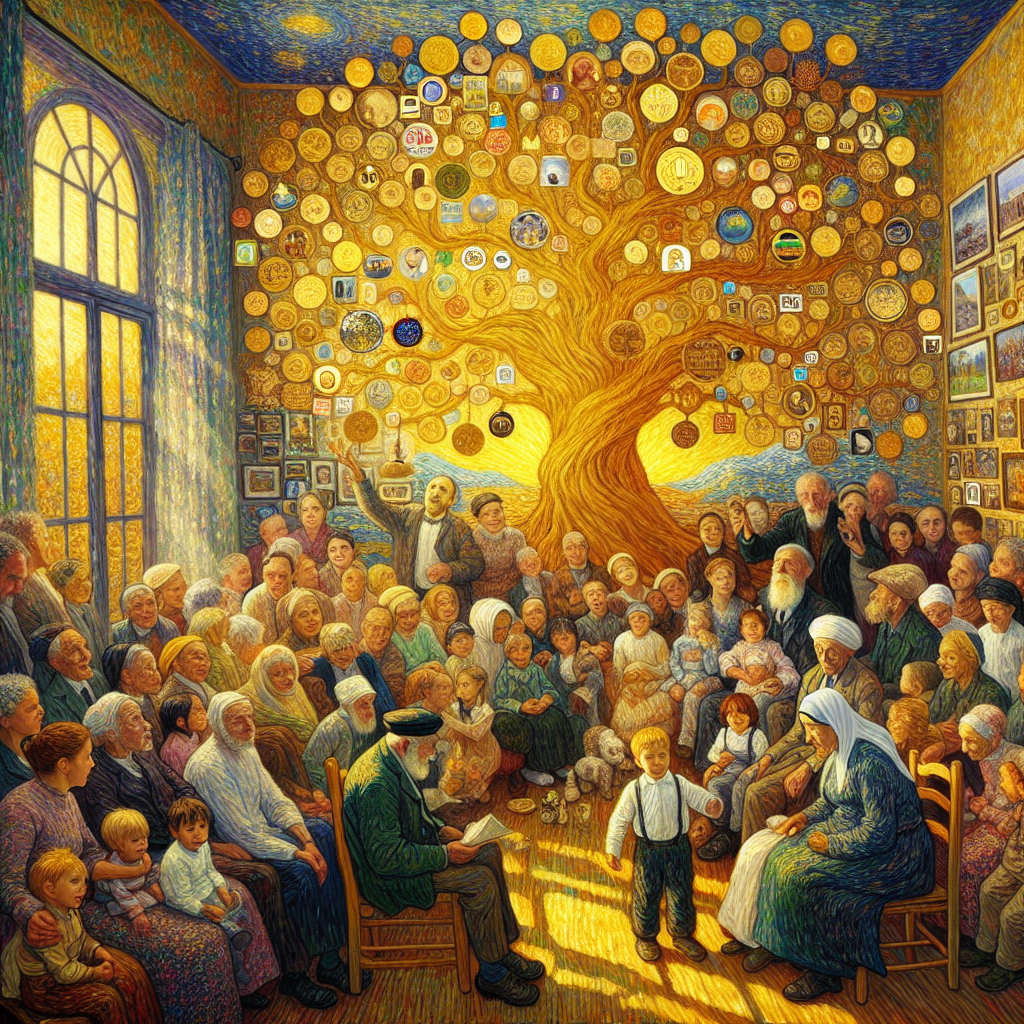
Metadata – the Invisible Heirloom
Metadata – the Invisible Heirloom
- Metadata acts as an invisible heirloom, tracing legacy storytelling through digital interactions.
- Important data points like dates, locations, and descriptions create a rich narrative of our lives.
- These stories, intertwined with metadata, evoke emotions and memories, providing a portal to the past.
- On a practical level, metadata helps organize and retrieve collective experiences in a growing digital landscape.
- Understanding metadata is an ethical responsibility, preserving the stories of heroes and everyday champions.
- Legacy storytelling fosters connections and dialogue within communities, strengthening social bonds.
- Each documented moment contributes to an invisible heirloom, emphasizing the importance of cherishing our narratives.

Metadata – the Invisible Heirloom
Table Of Contents
- Metadata – the Invisible Heirloom
- What If Memories Are the Most Valuable Treasures We Possess?
- How Can We Better Preserve the Stories Of Our Ancestors?
- Are We Neglecting the Wisdom That Comes From Our Collective History?
- How Does Our Understanding Of Heritage Shape Our Identity Today?
- What Role Does Storytelling Play In Connecting Generations?
- How Can We Turn Invisible Heirlooms Into Tangible Legacies?
- Why Is It Vital to Pass Down Our Family Narratives?
- Conclusion
- Other Resources
- Glossary Of Terms
- Other Questions
- Haiku
- Poem
- Checklist
What If Memories Are the Most Valuable Treasures We Possess?
What if memories are the most valuable treasures we possess? Imagine for a moment a forgotten box in the attic, tucked away but filled not with dust-covered knickknacks, but with the essence of who we are. Each memory is a thread in the vast tapestry of our lives. We often think of wealth in monetary terms, but true richness lies within the stories we carry. Our legacy is built not on possessions but on experiences, the moments of laughter, love, and lessons learned.
Legacy storytelling is more than a fleeting reminiscence; it’s an act of preservation. These narratives forge connections across generations, binding us to those who came before and those who follow. Our shared stories become the glue of our communities, creating a collective identity that is both grounding and uplifting. It’s in these tales of triumph and struggle that we discover empathy and understanding, reminding us we are not alone in our journey.
Reflect on your own life for a moment. What stories have shaped your path? Perhaps it was a mentor who offered unsolicited wisdom during a difficult time, or a serendipitous encounter that led to lifelong friendships. These memories are not insignificant; they bear witness to our growth, acting as compass points that guide our decisions and values. They challenge us to live with intention.
As we cultivate these memories, we also affirm our responsibility to pass them on. It’s not just about safeguarding personal history; it’s about nurturing a culture of authenticity and dialogue. The stories shared at family gatherings or with dear friends resonate long after they are spoken. They reflect our ethical obligations to enrich the lives of those around us, creating a ripple effect that can transform hearts and minds.
In the grand scheme of life, the treasures we accumulate fade, while memories endure. They remind us to appreciate every moment, urging us to act, to connect deeply, and to share. When we embrace the power of our narratives, we unlock the potential to inspire, to encourage boldness in others, and to affirm our place in the world. So, let us not shy away from celebrating our memories, for they truly are the most precious assets we possess. It’s time to transform our lived experiences into cherished legacies and invite the world to partake in the remarkable stories of our lives.

What If Memories Are the Most Valuable Treasures We Possess?
What If Memories Are the Most Valuable Treasures We Possess?
- Memories are invaluable treasures that define our identity.
- True wealth is found in experiences, not material possessions.
- Legacy storytelling preserves narratives that connect generations.
- Shared stories create community identity, fostering empathy and understanding.
- Significant memories shape our values and guide our decisions.
- Cultivating and sharing memories nurtures culture and authenticity.
- Celebrating memories transforms our experiences into lasting legacies.

What If Memories Are the Most Valuable Treasures We Possess?
How Can We Better Preserve the Stories Of Our Ancestors?
In a world driven by rapid change and fleeting trends, the need to anchor ourselves in the wisdom of those who came before us has never been more crucial. Our ancestors, through their trials and triumphs, left us a rich tapestry of lessons and narratives that form the very foundation of our existence. Legacy is not just about the inheritance of material wealth; it’s about the stories that shape our identity, morality, and community.
Storytelling is a powerful tool, a bridge connecting generations. It speaks to the heart by allowing us to feel the joy, pain, struggle, and resilience that course through our family lines. These tales breathe life into our collective history, reminding us that we are part of something far greater than ourselves. They instill a sense of belonging, fostering connections that transcend time. When we share these narratives around a table or in a gathering, we create an inclusive environment where every voice adds to the chorus of who we are.
Rationally speaking, preserving these stories makes sense. They serve as navigational beacons, offering guidance in uncertain times. When we know where we’ve come from, we can more clearly see where we’re headed. The anecdotes of our ancestors hold powerful lessons on perseverance, ethics, and choices, illuminating the tough decisions they made that can inform our own. It’s not just about the past; it’s also about preparing for a future laden with challenges.
Ethically, it is our responsibility to ensure these stories don’t fade into silence. Every culture has its narratives—some majestic, others haunting—but all contribute to the rich mosaic of humanity. By reviving these stories, we honor our ancestors, acknowledging their struggles and accomplishments. This act not only instills pride but builds a sense of duty; we are custodians of their memories, tasked with keeping their spirit alive for future generations.
And let’s not forget the power of authority that comes from these narratives. The lived experiences of our ancestors lend credence to our identities and beliefs. Their stories are a testament to resilience and hope, providing a blueprint for navigating life’s complexities.
By embracing and sharing their stories, we initiate a dialogue that resonates deeply within us all, connecting heart, head, and gut. Let’s step forward with intention, ensuring that our ancestors’ legacies and their invaluable stories endure, enriching not just our lives, but those of our children and their children. Together, we can create a culture of storytelling that honors the past and ignites the future.

How Can We Better Preserve the Stories Of Our Ancestors?
How Can We Better Preserve the Stories Of Our Ancestors?
- The importance of anchoring ourselves in ancestral wisdom amidst rapid change.
- Legacy encompasses stories that shape identity, morality, and community beyond material wealth.
- Storytelling serves as a bridge connecting generations and fostering a sense of belonging.
- Preserving ancestral stories provides guidance during uncertain times and informs future choices.
- It is an ethical responsibility to revive and honor cultural narratives, acknowledging struggles and achievements.
- Stories confer authority and credibility to our identities, serving as a blueprint for resilience and hope.
- Embracing and sharing these stories creates a meaningful dialogue that enriches lives across generations.

How Can We Better Preserve the Stories Of Our Ancestors?
Are We Neglecting the Wisdom That Comes From Our Collective History?
Are we neglecting the wisdom that comes from our collective history? In a world racing forward, where information overload often drowns out the whispers of the past, we face a pivotal moment. The stories that shaped us, the lessons etched in the fabric of our lives, speak a truth that is at risk of being lost. Every community has a legacy, rich with tales of triumph and hardship. These narratives, rooted in our collective experience, serve as not only reminders but also as guides for the future.
Legacy storytelling is more than a mere recounting of events; it’s a connection to our roots, a bridge linking generations. When we take the time to share and listen to these stories, we become part of a larger tapestry, woven with the threads of other lives. It’s in these exchanges that we find common ground, whether it’s the struggle of our ancestors or the aspirations of those who came before us. These tales carry the weight of history and the wisdom of experience, reminding us that we are not isolated in our journeys.
Consider the gut-wrenching stories of sacrifice and resilience that our forebearers endured. They remind us that while progress is crucial, it cannot come at the cost of our shared narrative. If we neglect the wisdom embedded within these experiences, we risk repeating mistakes, losing the very essence of who we are. It’s not just a question of knowing history; it’s about integrating those lessons into our daily lives.
Rationally, we know that understanding our past equips us to tackle present and future challenges. The ethical responsibility to honor those who paved the way for us cannot be overstated. They entrusted us with lessons borne of hardship and victories fought hard. Ignoring that trust undermines not just our past but also our potential.
The authority of these stories, told by those who walked before us, grants us the confidence to act wisely. We owe it to ourselves and future generations to not only remember our history but to engage with it actively. Let’s weave our individual experiences into the grand narrative, fostering a society that values its past while boldly stepping into the future. Together, through legacy storytelling, we can inspire a movement to reclaim our shared wisdom, ensuring it remains a guiding torch for all.

Are We Neglecting the Wisdom That Comes From Our Collective History?
Are We Neglecting the Wisdom That Comes From Our Collective History?
- Collective history holds wisdom that may be neglected in a fast-paced, information-heavy world.
- Stories of triumph and hardship within communities serve as reminders and guides for the future.
- Legacy storytelling connects generations and fosters a sense of belonging through shared experiences.
- Understanding past sacrifices and resilience is crucial for informed progress.
- Integrating historical lessons into daily life prevents the repetition of past mistakes.
- Honoring those who came before us acknowledges our ethical responsibility and potential.
- Engaging with history actively allows us to weave individual experiences into a collective narrative.

Are We Neglecting the Wisdom That Comes From Our Collective History?
How Does Our Understanding Of Heritage Shape Our Identity Today?
Heritage is the invisible thread weaving through each of our lives, connecting us to the past while simultaneously shaping who we are today. It is a tapestry of Legacy, rich with stories that echo through generations, reminding us of where we came from. This Legacy is not simply a record of events; it is a collection of teachings, values, and experiences passed down through storytelling that define our place in the world.
Consider the power of storytelling in shaping our identities. These narratives aren’t just historical accounts; they’re emotional touchstones that foster connection among families and communities. They remind us of sacrifices made, traditions upheld, and dreams pursued. Each tale carries with it lessons learned and values established, serving as guideposts in our lives. In revisiting these stories, we stand on the shoulders of those who came before us, gaining a sense of belonging and purpose. It’s through this storytelling that we discover not just who we are, but also what we are capable of achieving.
Rationally, engaging with our heritage provides a framework through which we understand our current challenges. As we grapple with social injustices or personal struggles, it is in the examination of our roots that we find answers and solutions. Heritage offers a treasure trove of wisdom, enabling us to draw from our collective experiences and apply those lessons to modern dilemmas. By understanding the sacrifices and triumphs that shaped our communities, we can forge a path forward that honors our past while meeting the needs of the present.
Ethically, there’s a responsibility that comes with understanding our heritage. It urges us to take ownership of our narratives and advocate for those whose stories might have been neglected or suppressed. By exploring the intricacies of our past, we also gain insight into the complexities of others’ experiences, fostering empathy and unity. This is the heart of our social fabric, a generous and inclusive understanding that binds us together in shared humanity.
Ultimately, how we connect with our heritage influences our choices and aspirations. It awakens a sense of duty to honor our roots while encouraging us to shape the future. As we gather around the metaphorical campfire of our collective stories, we find strength and inspiration, collectively writing the next chapter in this unfolding narrative. Embrace your legacy; it matters more than you may realize.

How Does Our Understanding Of Heritage Shape Our Identity Today?
How Does Our Understanding Of Heritage Shape Our Identity Today?
- Heritage connects us to the past and shapes our identity.
- It is a tapestry of legacy, consisting of stories that reflect our origins.
- Storytelling plays a crucial role in fostering emotional connections within families and communities.
- Understanding our heritage provides insights into our current challenges and solutions.
- There is a responsibility to own our narratives and advocate for those overlooked.
- Exploring our past enhances empathy and unity among diverse experiences.
- Connecting with our heritage influences our choices and inspires future aspirations.

How Does Our Understanding Of Heritage Shape Our Identity Today?
What Role Does Storytelling Play In Connecting Generations?
In a world awash with technology and fleeting digital moments, one timeless thread weaves through the fabric of our existence: storytelling. It’s an age-old craft, a vital conduit that connects generations. Through storytelling, we transmit experiences, values, and wisdom, forging a chain linking our past with the present and future. This isn’t just about sharing tales; it’s about legacy storytelling—where each narrative serves as the bridge between who we were and who we aspire to be.
Consider for a moment the comfort found in the familiar cadence of a grandparent’s voice recounting their youth. Those stories resonate deep within us, sparking curiosity about our roots, shaping our identity, and molding our moral compass. It’s an ethical foundation that continues to influence how we navigate life’s challenges. These narratives provide context, offering explanation and understanding, encouraging us to learn from both triumphs and missteps. Each story is a piece of advice wrapped in experience, creating a landscape of knowledge that is both rich and profound.
Rationally, storytelling nurtures empathy and perspective. By listening to the struggles, dreams, and realities of others, we build a tapestry of shared human experience. It inspires connection, enabling us to step into someone else’s shoes—whether it’s the child enthralled by their parent’s adventurous tales or the elderly listener recalling their own adventures. This mutual engagement fosters a sense of community and continuity, reinforcing that we are part of something bigger than ourselves.
Moreover, the social aspect of storytelling is undeniable. In gatherings, around campfires, or during quiet evenings at home, sharing stories elevates our relationships. It invites laughter, provokes reflection, and ignites discussions across generations. Each story told acknowledges a sense of belonging, imparting trust that transcends age barriers.
As storytellers, there’s a responsibility to preserve these narratives, ensuring they endure amidst changing times. They are the lifeblood of our communities, the glue binding us together. In the act of storytelling, we are not merely passing down words; we are saving memories, cultivating resilience, and strengthening familial ties.
So, the next time a story emerges, whether woven into dinner conversation or whispered on a quiet evening, embrace it. Recognize the power it holds to connect hearts, ignite minds, and stir the gut, creating a legacy worth sharing. Dive into these stories and let them shape not just your understanding but pave the way for generations to come.

What Role Does Storytelling Play In Connecting Generations?
What Role Does Storytelling Play In Connecting Generations?
- Storytelling is a timeless craft that connects generations and conveys experiences, values, and wisdom.
- It serves as a bridge linking our past, present, and future, contributing to our identity and moral compass.
- Stories nurture empathy and perspective, helping us understand shared human experiences.
- They foster community and continuity, reinforcing a sense of belonging among different age groups.
- Storytelling enhances relationships, prompting laughter, reflection, and intergenerational dialogue.
- Preserving narratives is essential as they are vital to community bonds and cultural legacy.
- Embracing storytelling can ignite minds and connect hearts, shaping future generations.

What Role Does Storytelling Play In Connecting Generations?
How Can We Turn Invisible Heirlooms Into Tangible Legacies?
Invisible heirlooms—those stories, memories, and lessons passed down through generations—often exist like wisps of smoke, difficult to grasp yet profoundly impactful. We must transform these intangible treasures into tangible legacies that resonate and inspire. This isn’t just about preserving the past; it’s about crafting a narrative that can be shared and celebrated, a living testament to our heritage.
At the heart of this transformation lies legacy storytelling. When we gather around the dinner table or around a fire, we delve into the rich tapestry of our family’s history. These stories connect us, grounding our identity in a mosaic of experience. They provide context for who we are today. By actively sharing these narratives, we give voice to the invisible heirlooms that define us, creating a bridge between generations.
When recounting our ancestors’ journeys, it’s crucial to appeal to our audience’s heart. Paint vivid pictures of hardship and triumph, of laughter shared and lessons learned. A story about a grandmother who worked tirelessly to build a better future for her family can ignite a sense of pride and responsibility in younger generations. It makes the legacy not just a collection of memories but a call to action—to live with the same courage and determination.
From a rational standpoint, consider how these stories provide a framework for understanding our place in the world. They offer insights into how we can navigate challenges, drawing upon the wisdom learned by those who came before us. Legacy storytelling becomes a tool, equipping us with the knowledge and emotional resilience to face life’s hurdles, ensuring that our family’s struggles and successes are not forgotten.
Ethically, it’s imperative to honor the stories of our predecessors. This isn’t just a duty; it’s a privilege. When we share these narratives, we uphold our ancestors’ memory while fostering a sense of community and connection among family members. It reminds us that we are not alone in our endeavors—each of us carries the weight of our history, and we are woven into a larger tapestry of human experience.
By transforming invisible heirlooms into tangible legacies through meaningful storytelling, we create bonds that can withstand the test of time. We cultivate trust, nurture confidence, and inspire future generations to share their own stories, ensuring that our rich histories continue to thrive in the collective memory. Let’s embrace this journey together, turning our legacies into something that resonates deeply, fostering connection, and celebrating the invaluable heritage that unites us all.

How Can We Turn Invisible Heirlooms Into Tangible Legacies?
How Can We Turn Invisible Heirlooms Into Tangible Legacies?
- Invisible heirlooms like stories and memories are impactful yet intangible.
- Transforming these heirlooms into tangible legacies creates a narrative that resonates.
- Legacy storytelling connects generations, grounding identity in shared experiences.
- Anecdotes of ancestors’ journeys inspire pride and responsibility in younger generations.
- These stories provide a framework for understanding and navigating life’s challenges.
- Sharing narratives honors predecessors, fostering community and connection.
- Transforming invisible heirlooms cultivates trust and encourages future generations to share their own stories.

How Can We Turn Invisible Heirlooms Into Tangible Legacies?
Why Is It Vital to Pass Down Our Family Narratives?
In a world where the fast pace of life often drowns out the subtle whispers of our past, the act of sharing our family narratives becomes a form of legacy storytelling that connects us to who we are and where we come from. Each story, etched in the fabric of our family history, serves not merely as a recollection of events, but as a bridge that links generations, providing context and meaning to the chaos around us.
Consider for a moment the impact of a single narrative passed down through the years. It’s not just a recounting of facts; it’s a lesson infused with the emotions, struggles, and triumphs of those who walked before us. When we share tales of resilience, hardship, and perseverance, we’re not just preserving these experiences; we’re offering our children a well of wisdom to draw from, a guide to navigate the complexities of their own lives. Stories have power—they shape our values, inform our decisions, and build our identities.
From a rational standpoint, passing down these narratives acts as an educational tool, allowing younger generations to learn not just about their ancestors, but also about the cultural and historical landscapes that shaped them. This understanding fosters a sense of belonging and continuity, a reminder that they are part of something larger than themselves. It’s about connecting the dots between past and present, giving them the confidence to step forward into the future with a sense of purpose and identity.
Ethically, there’s a responsibility that comes with preserving our family stories. By sharing them, we honor the lives and experiences of those who lived them. Each story carries the weight of lessons learned, sacrifices made, and victories celebrated, demanding respect. This act of tribute is a commitment to remember not just for ourselves, but for future generations who may one day find themselves yearning for the context that only those narratives can provide.
Socially, sharing these stories fosters connections, not just within families, but across communities. Our stories resonate with others, creating bonds of empathy and understanding, reminding us that despite our differences, our human experiences are often similar. When we share our family narratives, we invite others into our lives, creating a tapestry of shared experiences that encourages dialogue and unity.
Family narratives remind us of our roots and our responsibilities. They are the threads that weave together the fabric of our lives, urging us to not only remember but also to act—because each story matters, and so does every single one of us.

Why Is It Vital to Pass Down Our Family Narratives?
Why Is It Vital to Pass Down Our Family Narratives?
- Sharing family narratives creates a legacy that connects us to our identity and history.
- Each story embodies lessons, emotions, and experiences from previous generations.
- Stories empower children with wisdom and guide them through life’s complexities.
- Passing down narratives educates younger generations about their ancestors and cultural backgrounds.
- Preserving stories honors the lives and sacrifices of those who came before us.
- Sharing narratives fosters empathy and understanding within families and communities.
- Family stories remind us of our roots and responsibilities, urging us to take meaningful action.

Why Is It Vital to Pass Down Our Family Narratives?
Conclusion
In a world overflowing with noise and distractions, the idea of metadata as the invisible heirloom that shapes our legacies rings truer than ever. Think of each piece of data associated with our digital footprints—be it a photo, a post, or a digital interaction—not as mere facts but as the connective strands of our personal and collective narratives. These data points, while often dismissed as trivial, are the threads weaving the rich tapestry of our lives. They carry the weight of memories that evoke laughter, nostalgia, and sometimes, the bittersweet sting of growth and change.
At an emotional level, metadata could be viewed as the vital essence of our shared human experience. Each timestamp, location, and description serves as a portal to our past, granting us a way to relive cherished moments and acknowledge our evolution over time. Our histories are stored in these digital archives, allowing us not only to remember who we are but also to savor the intricate bonds that link us to others. This notion isn’t just poetic; it speaks to the heart of legacy storytelling, interweaving our experiences into a collective identity that reflects both individual journeys and shared community.
Rationally, metadata assists us in navigating the chaotic sea of information that defines modern life. It’s a foundational tool that helps organize our narratives, ensuring that Essential tales are accessible and preserved. This isn’t merely about amassing data; it’s a custodial duty to honor the stories—our own and those of our ancestors—ensuring that they do not fade into obscurity. Ethically, every piece of metadata is a responsibility; it allows us to recognize and celebrate the heroes in our lives, the ordinary people with extraordinary stories that deserve to be told.
Moreover, there’s a social element to this discussion. The act of storytelling—preserving and sharing our experiences—bolsters community ties, bridging generational gaps and cultivating a sense of belonging. By daring to document our lives, we create a space for dialogues that reverberate across time. This tradition encourages reflection and connection, reminding us that our stories not only matter but are vital in shaping the world for future generations.
As we grapple with the rapid passage of time and the stories that compose our legacy, remember: metadata is more than invisible data; it’s part of a profound narrative waiting to unfold. Cherish each memory, revive those connections, and transform your experiences into meaningful legacies that endure long after you’ve gone. Let’s embrace this responsibility, ensuring that our shared histories resonate, enrich, and inspire from one generation to the next.

Conclusion
Conclusion:
- Metadata acts as an invisible heirloom shaping our legacies in a noisy world.
- Each digital data point we create serves as a connective strand in personal and collective narratives.
- Metadata evokes memories and emotions, highlighting growth and change in our lives.
- It provides a vital essence of our shared human experience, allowing us to relive cherished moments.
- Metadata helps organize our narratives, preserving essential stories and honoring our ancestors.
- The act of storytelling strengthens community ties and fosters a sense of belonging.
- Embracing metadata responsibility ensures our shared histories inspire future generations.
Conclusion
Other Resources

Other Resources
Here is a list of other resources you can review online to learn more:
- LastPass
- UpCounsel
- Storyworth
- RootsMagic
- Can Telling and Preserving Personal or Family Legacy Stories Be Therapeutic?
- Legacy Learned
- LifeBio
- LifeNaut
- Knotify.me
- Memorial Matters
- Cake
- Meminto
- Everplans
- PartingWishes
- Geneanet
- GhostMemo
- Ever Loved
- MyHeritage
- LegacyFamilyTree
Use This Prompt To Get More Resources With Your Favorite Online AI Tool: Please provide me with a list of online articles with their URLs in a bulleted list that I can read regarding Metadata – the Invisible Heirloom

Other Resources
Glossary Terms
Metadata – the Invisible Heirloom – Glossary Of Terms
1. Metadata: Data that provides information about other data, enabling easier identification, organization, and retrieval.
2. Heirloom: A valuable object passed down through generations, often carrying historical or sentimental significance.
3. Invisible: Not visible or easily perceived; often refers to elements or information that are not immediately obvious.
4. Schema: A structured framework that defines the organization and relationships of different data elements.
5. Data Provenance: The history of the origins and lifecycle of data, including how it was created, modified, and stored.
6. Tagging: The process of assigning descriptive labels to data or content to facilitate searchability and categorization.
7. Contextualization: The process of providing background or context to data, enhancing its meaning and relevance.
8. Interoperability: The capability of different systems or applications to communicate and exchange information seamlessly.
9. Standardization: The process of establishing uniform specifications or criteria to ensure consistency in data formats and usage.
10. Data Governance: The overall management of data availability, usability, integrity, and security within an organization.
11. Structured Data: Data organized in a predefined format, typically within databases to facilitate easy access and analysis.
12. Unstructured Data: Information that does not have a predefined format or structure, making it more challenging to analyze.
13. Classification: The process of organizing data into categories based on shared characteristics or attributes.
14. Data Lifecycle: The stages data goes through, from creation and storage to usage, sharing, and eventual deletion.
15. Annotation: Adding explanatory notes or comments to data, enhancing understanding and usability.
16. Data Quality: The measure of data’s accuracy, completeness, reliability, and relevance to its intended use.
17. Taxonomy: A classification system that organizes concepts or items into hierarchical categories.
18. Data Mining: The process of extracting patterns and insights from large datasets using analytical techniques.
19. Repository: A central location where data is stored and managed, facilitating access and sharing.
20. Metadata Schema: A formal structure outlining the fields and elements used in metadata creation for consistent application.
21. Data Mapping: The process of linking data fields from one source to another for comparison or integration.
22. Access Control: Mechanisms that restrict who can view or use specific data, ensuring security and privacy.
23. Descriptive Metadata: Information that describes the content, context, and characteristics of data for identification purposes.
24. Technical Metadata: Data that provides information about the technical aspects of data files, such as format, size, and structure.
25. Administrative Metadata: Information that assists in managing and organizing data, including rights, access levels, and storage.
26. Digital Object Identifier (DOI): A unique alphanumeric string assigned to identify a digital object and provide a permanent link.
27. Data Stewardship: The management and oversight of data assets to ensure quality, integrity, and compliance.
28. Open Data: Data that is made accessible to the public, allowing for reuse and redistribution without restrictions.
29. Data Visualization: The graphical representation of data to help communicate information clearly and effectively.
30. Semantic Web: An extension of the web aimed at enabling machines to understand and interpret data on the internet through standardized formats and metadata.
Glossary Of Terms
Other Questions
Metadata – the Invisible Heirloom – Other Questions
If you wish to explore and discover more, consider looking for answers to these questions:
- What exactly is metadata and what types exist (EXIF, IPTC, XMP, file system metadata, etc.)?
- How is metadata created and embedded in digital files like photos, videos, and documents?
- How does metadata differ from the content it describes?
- Why does metadata matter for personal memories and family history?
- What tools and platforms can I use to view, edit, and preserve metadata?
- How can I standardize metadata across a mixed collection of formats and devices?
- What are best practices for preserving metadata long-term?
- How do I ensure metadata survives format migrations and future technology changes?
- How should I organize and catalog metadata to make stories and files easily discoverable?
- What metadata fields are most important for legacy storytelling (dates, locations, people, events, provenance)?
- How can I capture contextual and emotional details that metadata schemas don’t cover?
- What are ethical considerations when collecting and sharing metadata about other people?
- How do privacy laws and regulations (GDPR, CCPA) affect what metadata I can collect and share?
- How can I remove or redact sensitive metadata before sharing files publicly?
- Who owns metadata and what are the rights around its use and distribution?
- How does metadata interact with copyright, attribution, and moral rights?
- Can metadata be used to verify authenticity and provenance of digital artifacts?
- How reliable is metadata as evidence of when, where, and by whom something was created?
- How can metadata help with genealogy research and tracing family histories?
- What role can oral histories and human-curated notes play alongside technical metadata?
- How can communities and institutions collaborate to preserve shared metadata and stories?
- What are practical ways to collect metadata from elderly relatives or people with fading memories?
- How do social media platforms handle and expose metadata for shared content?
- What are the risks of leaving metadata intact on files I post online?
- How can metadata be used responsibly by journalists, historians, and archivists?
- What metadata standards do museums, archives, and libraries use and why?
- How does AI interact with metadata — can AI generate useful descriptive metadata or misinterpret it?
- How can I create a metadata-driven narrative or digital exhibit from my family archive?
- What are affordable or free solutions for digitizing, tagging, and backing up family collections?
- How do I maintain emotional accuracy and nuance when converting memories into metadata fields?
- How do cultural differences affect what is recorded, prioritized, or omitted in metadata?
- What happens to metadata when files are compressed, resized, or converted to different formats?
- How can I retain metadata when printing physical copies or creating tangible heirlooms?
- What metadata should I include in wills or estate plans to help heirs find and interpret digital legacies?
- How do I balance openness and preservation with the need to protect vulnerable or private information?
- What are common mistakes people make when managing metadata and how can they be avoided?
- How can schools and families teach younger generations to create and respect meaningful metadata?

Other Questions
Haiku
Metadata – the Invisible Heirloom – A Haiku
Silent threads of time,
Stories weave our hearts and minds,
Legacy unfolds.

Haiku
Poem
Metadata – the Invisible Heirloom – A Poem
In shadows of the past, where whispers dwell,
An heirloom resides, a story to tell.
Metadata, the fabric of moments we weave,
Captures our essence, the legacy we leave.
Each snapshot taken, each word that we share,
Carries memories rich, tender, and rare.
As laughter and heartache together entwine,
In digital footprints, our lives intertwine.
Not mere facts and figures, but threads of our fate,
These stories unite us, in love, they create.
Through trials of forebears, wisdom flows clear,
Guiding our hearts through the challenges near.
Ethical duty binds us, to honor their fights,
To cherish the stories that illuminate sights.
In gatherings sacred, let voices arise,
Building connections, under vast, starry skies.
From gut-wrenching tales of sacrifice made,
To triumphs that echo, our fears they dispel,
Each narrative shared, a bridge across time,
An invitation to reflect, to learn, and to climb.
Empathy blossoms where stories are told,
Uniting our spirits, in warmth we behold.
Let us treasure the legacy our stories confer,
And turn invisible heirlooms to legacies sure.
Together, we stand on this rich tapestry,
Crafting our futures with care and esprit.
For within us lies power to honor the past,
To forge a bright future, our stories will last.

Poem
Checklist
Metadata – the Invisible Heirloom – A Checklist
Heart
✅______ Reflect on your emotional connections to past memories and stories.
✅______ Identify significant moments that evoke strong feelings and how they shape your identity.
✅______ Share a family story that brings warmth and nostalgia to inspire others.
Head
✅______ Explore the role of metadata in understanding the significance of your experiences.
✅______ Assess the importance of organizing and preserving your digital and physical memories.
✅______ Create a plan for documenting your family histories, including key dates and narratives.
Gut
✅______ Recognize the weight of nostalgia and its impact on personal growth.
✅______ Identify ways to actively engage with your family’s history to instill a sense of pride.
✅______ Commit to a regular practice of sharing stories with family and friends to foster deep connections.
Ethical Appeal
✅______ Acknowledge your responsibility to honor and preserve family legacies for future generations.
✅______ Discuss how sharing stories contributes to a culture of authenticity and belonging.
Authority Appeal
✅______ Dive into the lessons from ancestral stories and how they can guide current decisions.
✅______ Consult trusted sources or family members for insights into your heritage.
Narrative Appeal
✅______ Craft compelling narratives that illustrate the struggles and triumphs of your family history.
✅______ Encourage children and relatives to contribute their own stories to enrich the family narrative.
Social Appeal
✅______ Foster a dialogue within your community about the importance of storytelling and shared history.
✅______ Organize family gatherings or events focused on storytelling to strengthen bonds across generations.
Call to Action
✅______ Set a date for a family storytelling night to share memories and preserve them through documentation.
✅______ Create a digital or physical scrapbook that captures the essence of your family’s legacy, including metadata and personal narratives.

Checklist
At LegacyExplorations, we help people plan and explore their legacy by collecting information and news regarding end-of-life planning.
Please share this post with your friends, family, or business associates who may want help to plan or explore their legacy.