

Unraveling Truths: How Our Narratives Shape Our Future
By Tom Seest
At LegacyExplorations, we help people plan and explore their legacy by collecting information and news regarding end-of-life planning.
Please share this post with your friends, family, or business associates who may want help to plan or explore their legacy.
Mislabeling the Past
There’s something about the way we tell stories that shapes our identities. Legacy storytelling weaves a rich tapestry of experience, values, and history, yet it can easily become distorted when not handled with care. We live in a time when narratives are often misrepresented, twisted, or oversimplified, leading us to misunderstand not just our past, but also ourselves.
Consider the stories that define communities and families. They’re often passed down with pride, filled with colorful characters and significant events. Yet, when we encounter the past second or thirdhand, those stories can lose their authenticity, becoming mere caricatures of what once was. This mislabeling can strip away the nuance, turning complex realities into palatable sound bites. We owe it to ourselves to dig deeper, to explore the richer fabric of our ancestry.
Each of us has a stake in this. The heart wants to connect; we crave the wisdom that comes with authenticity. Everyone has ancestors who faced hardships and triumphs, stories that are worth sharing in their true form. Think about the small-town grandparent who raised a family through love and labor. These narratives aren’t just stories; they’re lifelines to the past, existing repositories of resilience and perseverance. Mislabeling such rich legacies does a disservice not only to those who came before us, but to future generations who will glean lessons from them.
Rationally, we must recognize the danger of a simplified narrative. Our history is riddled with complexities that demand exploration. Oversimplification erases context, leading to misunderstandings that ripple through time. By engaging with the past authentically, we gain a clearer lens through which to view our present and future. Understanding history in its full spectrum empowers us to make better decisions today.
Ethically, we have an obligation to honor our histories in their totality. The power of legacy storytelling rests on truthfulness and integrity. To take shortcuts in recounting these tales undermines their significance and risks perpetuating myths that can mislead those who trust us to tell the truth.
As we reflect on these narratives, let’s harness their power for unity and understanding. By embracing the richness of our shared stories—both good and bad—we stand a chance to foster connections that transcend misunderstandings. In a world increasingly divided, the stories of our roots can serve as bridges, inviting conversations that heal rather than divide. Let’s reclaim our legacy, ensuring that the past is labeled truthfully, honoring the intricate stories that connect us all.

Mislabeling the Past
Mislabeling the Past
- Legacy storytelling shapes identities and weaves together experiences, values, and history.
- Misrepresentation of narratives can lead to distorted perceptions of the past and ourselves.
- Authentic stories passed down through generations lose nuance when encountered secondhand.
- Everyone has ancestors whose true stories embody resilience and perseverance.
- Oversimplifying history erases context, leading to misunderstandings that can persist over time.
- There’s an ethical obligation to recount histories truthfully to avoid perpetuating myths.
- Shared stories can foster understanding and connection in a divided world, inviting healing conversations.

Mislabeling the Past
Table Of Contents
- Mislabeling the Past
- What Does Our Past Truly Reveal About Who We Are?
- How Does History Shape Our Identity?
- Are We Responsible for Misinterpretations Of History?
- What Happens When We Ignore the Voices Of the Marginalized?
- How Does Mislabeling Distort Our Understanding Of Events?
- Can Narratives Of the Past Be Rewritten for a Better Future?
- Who Benefits From a Misrepresented History?
- Conclusion
- Other Resources
- Glossary Of Terms
- Other Questions
- Haiku
- Poem
- Checklist
What Does Our Past Truly Reveal About Who We Are?
Our past is not just a collection of dates and events; it’s a tapestry woven from the threads of our experiences, our struggles, and our triumphs. Each of us carries a legacy, a narrative that shapes who we are today. Legacy storytelling is more than just reminiscing about where we came from; it’s about understanding the choices we made and the lessons we learned along the way. When we reflect on our histories, we uncover the values and principles that guide our decisions, the very fabric of our identities.
Think of the stories told around a family table or shared among friends. They evoke emotions—laughter in one breath and tears in the next. These narratives connect generations, bridging the gap between the past and present, reminding us that we are not alone in our journeys. They ground us, bringing a sense of belonging amidst the chaos of modern life. When we acknowledge our roots, we embrace the complexity of our existence, recognizing that our struggles often mirror those of our ancestors, which draws us closer together.
But it’s not just about feelings; there’s a rational component to understanding our histories. The choices made by those who walked before us were shaped by their challenges. By analyzing their decisions, we can learn valuable lessons that inform our own paths. What risks did they take? How did they overcome obstacles? Our past holds the key to navigating our futures. Each decision becomes a stepping stone, and as we interpret these legacies, we build a framework for resilience and growth.
In a world that often thrives on superficial connections, understanding our legacy fosters genuine relationships. Sharing our stories ignites conversations that matter. It invites others to reflect on their experiences and recognize common threads among us. In a sense, we become part of a larger narrative, a social fabric rich with shared history, collective wisdom, and mutual respect.
Ultimately, our past is a compass, guiding us through the tumult of life. It inspires trust, not only in ourselves but in those around us. As we honor our stories, we cultivate confidence and the conviction to act—be it for ourselves, our families, or our communities. When we embrace the lessons of yesterday, we forge a future that respects where we’ve been while daring to venture forward with purpose and courage.

What Does Our Past Truly Reveal About Who We Are?
What Does Our Past Truly Reveal About Who We Are?
- Our past is a tapestry of experiences, struggles, and triumphs shaping our identities.
- Legacy storytelling helps us understand choices and lessons learned from history.
- Family and friends’ narratives evoke emotions, connecting generations and fostering belonging.
- Acknowledging our roots reveals shared struggles, drawing us closer together.
- Analyzing past decisions offers valuable lessons to navigate our futures.
- Understanding our legacy fosters genuine relationships and ignites meaningful conversations.
- Our past serves as a compass, guiding us and building confidence for future actions.

What Does Our Past Truly Reveal About Who We Are?
How Does History Shape Our Identity?
History, much like a tapestry, weaves together the threads of our past, each strand a different story, each color a distinct experience that collectively shapes the fabric of our identity. In navigating the timelines of our ancestors, we discover the legacy they left behind—a legacy that reverberates through generations, imbuing us with a sense of belonging and purpose. This legacy is not merely a collection of dates and events; it’s a profound narrative—a storytelling that connects us to those who walked before us.
As we reflect on our personal histories, we tap into rich wells of wisdom. Those moments of triumph, perseverance, and even defeat teach us about resilience, ethics, and the choices that define us. When we recognize that our personal stories are interwoven with the broader human experience, we begin to appreciate the complex interplay of culture, tradition, and shared struggles that shape our collective identity. It’s not just our individual paths that matter; it’s the intersection of those paths, where community and history collide.
Consider the stories of everyday people—your grandparents, your neighbors—who faced challenges with grit and determination. Their experiences resonate deeply, reminding us that we all have battles to fight and victories to celebrate. This is where the heart connects with the head; we reason through our history while feeling its weight on our shoulders. Those echoes from the past stir something primal within us, urging us to honor their sacrifices by living fulfilling lives.
Engaging with history instills confidence and responsibility. We become stewards of the stories we inherit, tasked with passing them down, much like cherished heirlooms. This ethical obligation not only preserves our legacies but also empowers future generations to forge their paths, informed by the struggles and successes of those who came before them. We owe it to ourselves to understand these narratives and use them as a beacon for the decisions we make today.
Ultimately, every person is a storyteller in their own right. By sharing our histories, we cultivate connections that transcend time and space, fostering a sense of community that unites us. So, as we delve into the rich depths of our past, let’s celebrate those stories—stories that define us, shape us, and inspire us to take action. History isn’t just an account of what was; it’s an invitation to embrace who we are and who we can become.

How Does History Shape Our Identity?
How Does History Shape Our Identity?
- History is a tapestry woven from diverse stories and experiences that shape our identity.
- The legacy of our ancestors provides a sense of belonging and purpose, transcending mere dates and events.
- Personal histories offer wisdom through moments of triumph and defeat, teaching us about resilience and ethics.
- Individual stories are interconnected within a broader human experience, highlighting the importance of community.
- Everyday people’s experiences remind us of shared struggles and victories, fostering connection.
- Engagement with history empowers us to pass down stories as cherished legacies for future generations.
- Sharing our histories cultivates community and inspires action, inviting us to embrace our identities and potential.

How Does History Shape Our Identity?
Are We Responsible for Misinterpretations Of History?
Are We Responsible for Misinterpretations of History?
History is not just a collection of events; it’s a rich tapestry woven from the legacy of those who came before us. Every story we share is a thread that connects us to our past, and yet, how often do we misinterpret these vital accounts, leading to a skewed understanding of who we are? This misrepresentation isn’t just a historical faux pas; it’s an ethical responsibility that weighs heavily on our collective conscience.
Consider for a moment the power of storytelling. When we recount the struggles, triumphs, and failures of those who forged our paths, we’re not merely relaying facts. We’re creating a narrative that shapes our identity and influences how generations perceive their heritage. If the stories we tell are twisted or simplified, what do we say about our values? Do we diminish the sacrifices made by those who fought for a better world? Misinterpretations can rob these stories of their essence, leading us to forget the lessons they impart.
The gut reaction to misinterpretations often stems from discomfort—an unsettling realization that our understanding of history might be flawed. Yet, diving into the depths of our collective story can inspire trust and foster a sense of community. When we engage in thoughtful discussions about our past, we create an environment where truth can flourish and resonate. History isn’t the property of the elite; it’s a shared narrative that belongs to all of us. Each time we learn, teach, or share, we build bridges that connect cultures and generations.
Embracing our role as responsible narrators means grappling with difficult truths and acknowledging the perspectives that may have been neglected. It’s not enough to only tell a story; we must ask whose stories are being told and whose are being silenced. Authority in legacy storytelling requires us to hold ourselves accountable for the narratives we perpetuate. Do we choose to uplift voices from diverse backgrounds, or do we cling to comfortable tales that fit a preconceived mold?
In inspiring action, let’s commit to honoring the fullness of our history. It calls for an open-hearted approach that invites conversation and embraces the complexity of our shared past. By doing so, we not only preserve our legacy but enrich our collective understanding, ensuring that each story contributes to a more equitable and insightful future. History is a living entity, and how we interpret it shapes the legacy we leave behind.

Are We Responsible for Misinterpretations Of History?
Are We Responsible for Misinterpretations Of History?
- History is a rich tapestry influenced by the legacy of those before us.
- Misinterpretations of history lead to a skewed understanding of identity and values.
- Storytelling shapes our collective identity, impacting how future generations perceive their heritage.
- Engaging in discussions about history fosters trust and community, highlighting history as a shared narrative.
- Responsible narrators must recognize neglected perspectives and hold themselves accountable for the narratives they promote.
- Uplifting diverse voices enriches our understanding and challenges preconceived notions.
- Honoring the complexity of our shared history is essential for a more equitable and insightful future.

Are We Responsible for Misinterpretations Of History?
What Happens When We Ignore the Voices Of the Marginalized?
In a world brimming with stories, there’s a legacy we need to confront—the stories of the marginalized. When we overlook these narratives, we not only diminish our collective humanity but also risk repeating the mistakes of the past. The power of storytelling has long been recognized as a tool for connection. It resonates deep within us, inviting both understanding and empathy. Yet, when we silence certain voices, we create a void that reverberates through our communities like a dull ache, one that stifles growth and innovation.
Every underserved voice carries a legacy story, offering unique insights gleaned from lived experiences. Ignoring these perspectives means forfeiting the wisdom that could illuminate our paths forward. It’s akin to navigating without a compass, blindly steering into uncharted waters. When we fail to listen, we may find ourselves trapped in cycles of misunderstanding, distrust, and missed opportunities. Rationally, we know that diversity breeds strength, yet far too often, the perspectives that could catalyze change remain unheard.
Moreover, ethical considerations compel us to acknowledge these marginalized voices. To do otherwise is not only unjust; it undermines our moral fabric as a society. Each person holds inherent value, and their stories deserve to be told—not just for their sake, but for ours. The act of listening is a profound acknowledgment of dignity and respect, one that can foster connection and healing.
Consider the narratives of those in overlooked corners of society—people who have faced discrimination, barriers, or systemic neglect. Their adversities are not mere statistics; they are the building blocks of a shared human experience. By engaging with these stories, we can cultivate a deeper appreciation for our interconnectivity and shared responsibility. It ignites a fire in the belly; it stirs the conscience.
Neglecting these voices isolates us. It creates a chasm between us and a wealth of understanding that could transform not just individuals but entire communities. When we listen, we cultivate a culture of trust and collaboration, foreseeing the benefits of unity over division. Ignoring the marginalized may seem easier in the short term, but the long-term consequences are far greater.
The call to action is clear: we must ensure that every legacy story is heard. Let it spark a conversation that bridges divides, inspires trust, and fosters a more inclusive society. By amplifying these voices, we pave the way for a future that embraces all of humanity—not just the loudest among us.

What Happens When We Ignore the Voices Of the Marginalized?
What Happens When We Ignore the Voices Of the Marginalized?
- Marginalized stories are essential to our collective humanity and preventing past mistakes.
- Storytelling fosters connection, understanding, and empathy, but silencing voices stifles growth.
- Every underserved voice represents valuable insights from lived experiences.
- Ignoring these perspectives can lead to cycles of misunderstanding, distrust, and lost opportunities.
- Acknowledging marginalized voices is an ethical imperative that supports moral integrity.
- Engaging with these narratives deepens appreciation for our interconnected experiences.
- Listening cultivates trust and collaboration, paving the way for a more inclusive society.

What Happens When We Ignore the Voices Of the Marginalized?
How Does Mislabeling Distort Our Understanding Of Events?
Mislabeling can turn our perceptions of events upside down, obscuring the truth and distorting our understanding in a profound way. At its core, mislabeling is a betrayal of our collective legacy, the rich tapestry of our shared stories that shape who we are. When we mislabel events, we fracture this narrative, robbing ourselves of the opportunity to learn and grow.
Consider the impact of mislabeling on our daily lives. The stories we tell ourselves and each other lay the foundation for trust and connection. When a significant event is misrepresented, it creates a ripple effect, affecting how we react emotionally, rationally, and socially. For instance, a politician’s speech might be framed in a way that highlights fear over hope. This manipulative labeling influences public sentiment, pulling at our hearts and minds while diverting attention from the actual message. The ethical implications are staggering; are we truly engaging with reality or simply responding to a manufactured version of it?
Legacy Storytelling becomes crucial here. Our legacy is built on honest narratives, weaving together facts, emotions, and experiences. When we engage in storytelling that distorts the truth, we erode the trust that binds us as a society. Mislabeling isn’t just about incorrect terms; it’s about the fundamental way we relate to one another. A mislabeled event can turn heroism into villainy, or compassion into intolerance, creating invisible divides that can last generations.
To combat this, we must anchor ourselves in the principles of integrity and authenticity. By demanding accurate representations of events, we reclaim our agency. Stories should uplift and illuminate, not confuse us or lead us astray. We have the power to reshape our narrative landscape, fostering an environment where truth prevails.
What’s better than a shared understanding? It builds confidence in our institutions, encourages dialogue, and creates a platform for action. When we embrace storytelling that is authentic, we invite others along with us, dismantling barriers and inspiring change.
Ultimately, mislabeling warps our lens on reality. Let’s strive for a future where our narratives reflect the truth, harnessing the power of legacy storytelling to guide us back toward empathy and understanding. Trust lies in truth, and that’s an unmistakable foundation upon which we can all stand firm.

How Does Mislabeling Distort Our Understanding Of Events?
How Does Mislabeling Distort Our Understanding Of Events?
- Mislabeling distorts our understanding of events and betrays our collective legacy.
- It fractures our shared narratives, hindering learning and growth.
- Misrepresentation affects emotional, rational, and social reactions; example includes politicians framing speeches to evoke fear.
- Ethical implications challenge our engagement with reality versus a manufactured version.
- Legacy storytelling relies on honest narratives to preserve societal trust.
- Demanding accuracy in storytelling empowers us to reclaim agency and foster authentic understanding.
- Striving for truth strengthens institutions, encourages dialogue, and inspires change.

How Does Mislabeling Distort Our Understanding Of Events?
Can Narratives Of the Past Be Rewritten for a Better Future?
Can Narratives of the Past Be Rewritten for a Better Future?
Every generation wrestles with the stories they inherit—tales spun from triumphs and failures, heroes and villains. These narratives shape our collective consciousness and define our path forward. However, the question remains: can we rewrite these stories for a better future? The answer lies in our understanding of legacy and the art of storytelling.
Legacy is more than a mere collection of events; it’s the emotional imprint left on our hearts. It shapes how we see ourselves and our place in the world. When we reflect on our past, we engage in a type of intimate dialogue with history. This act of introspection can either paralyze us or empower us. To rewrite our narratives is to step into our power and take control of the legacies we pass down. It’s about acknowledging the rawness of our experiences—the joy, the pain, the lessons.
Storytelling serves as a bridge connecting our past to our future. Each story has the potential to evoke strong feelings, tugging at our hearts and igniting a fire in our guts. Consider those tales of everyday people doing extraordinary things; they challenge the status quo and remind us that change is possible. The heroes in these narratives aren’t necessarily the ones wearing capes; they often come from the most unexpected corners of society, demonstrating the profound impact of common actions.
Rationally, we know that history is often written by the victors, but rewriting narratives can give voice to the unheard. It reflects an ethical responsibility—we hold the pen and can choose to tell stories that uplift marginalized voices. This act fosters connection, reminding us that we are all part of a larger tapestry. We must ask ourselves: what stories do we want to tell, and how do we want them to resonate with those who come after us?
In this endeavor, authority matters. By embracing our shared history, we can identify common ground, allowing us to unite instead of divide. When we understand the fabric of our past, we weave a future that is inclusive and affirming.
Moreover, social dynamics play a crucial role. When we share stories that reveal our vulnerabilities and triumphs, we inspire others to reflect and join us in rewriting their own narratives. This collective storytelling can ignite movements and inspire generations, forging a new legacy rooted in empathy and understanding. In embracing our stories, imperfect and rich as they are, we ignite the potential for change—one narrative at a time.

Can Narratives Of the Past Be Rewritten for a Better Future?
Can Narratives Of the Past Be Rewritten for a Better Future?
- Every generation confronts the narratives shaped by past triumphs and failures.
- Legacy influences individual identity and collective consciousness.
- Rewriting narratives empowers communities to control their legacies.
- Storytelling connects past experiences with future possibilities and inspires change.
- Rewriting history gives voice to marginalized groups and fosters connection.
- Understanding shared history promotes unity and inclusivity.
- Collective storytelling can inspire movements and shape a new legacy rooted in empathy.

Can Narratives Of the Past Be Rewritten for a Better Future?
Who Benefits From a Misrepresented History?
Misrepresented history has a unique way of shaping perceptions, often serving up narratives that cater more to the heart than to the head. The true beneficiaries of these distorted tales are not always the ones you’d expect. When we peel back the layers, we find a complex web of interests—political entities, corporations, and social movements—that thrive on a skewed version of past events.
Consider the impact of legacy storytelling. It’s an age-old practice, rooted deeply in cultural identity. When history is told through a narrow lens, it becomes a powerful tool for manipulation. Those in charge of the narrative shape what we remember and, more crucially, what we forget. For example, idealized tales of heroism can uplift a community, but they may also suppress uncomfortable truths that challenge the status quo. These selective stories can promote a false sense of unity while deepening divisions, making it easier for some to exploit collective sentiments.
Rationally, we can see how this practice serves a clear function. Political leaders often champion a glorified version of history to rally support or legitimize their agendas. This isn’t just a matter of pride; it’s a calculated move that influences policy decisions and financial investments. In this light, the manipulation of history becomes a tool for exerting power, unmoved by the genuine pain or struggles of those it misrepresents.
Ethically, we must ask ourselves: who gets a voice in these stories? Whose truths are silenced? The narratives that arise from these flawed interpretations often marginalize entire communities, stripping them of their rich histories and the respect they deserve. This ethical void not only alienates individuals but fosters a society that’s disconnected from its true roots.
Moreover, from a social perspective, we find that misrepresented history can create a profound misunderstanding between generations. Older folks may hold onto a glorified past, while younger people, exposed to differing perspectives, may become frustrated and disillusioned. This gap widens the chasm of trust, leaving a society divided.
Ultimately, awareness and engagement with the full spectrum of our history are crucial. By acknowledging the nuances, we can foster dialogue that bridges divides, build trust in communities, and inspire action toward a more informed and inclusive future. It’s a call not just to listen but to understand, fostering connection through the very stories that shape our collective identity.

Who Benefits From a Misrepresented History?
Who Benefits From a Misrepresented History?
- Misrepresented history shapes perceptions, often prioritizing emotional narratives over factual accuracy.
- Beneficiaries of distorted historical tales include political entities, corporations, and social movements.
- Legacy storytelling, rooted in cultural identity, can manipulate memories and suppress uncomfortable truths.
- Political leaders often use glorified history to garner support and legitimize agendas, influencing policies and investments.
- Flawed narratives marginalize communities, stripping them of their histories and alienating individuals.
- Misinterpreted history creates generational misunderstandings, widening trust gaps within society.
- Awareness and engagement with diverse historical perspectives are crucial for fostering dialogue and community trust.

Who Benefits From a Misrepresented History?
Conclusion
Our narratives serve as the bedrock of our identities, revealing the intricate web of history, culture, and experience that defines us. Yet, in today’s flood of information, the danger of mislabeling these narratives looms large, distorting our understanding of who we are and where we come from. Legacy storytelling carries immense power; it connects generations, preserving not just tales of triumph but also the trials that shaped them. Authenticity in these stories is crucial, for when we oversimplify or misrepresent the past, we rob ourselves—and future generations—of vital lessons and valuable connections.
History, when viewed through a narrow lens, can flatter certain narratives while neglecting others, particularly those of marginalized voices. Ignoring these perspectives weakens our communal fabric, preventing us from gleaning the richness that a full spectrum of stories provides. Empathy is fundamental here. We must recognize that every experience, especially those that disrupt our comfort, teaches us about resilience, dignity, and the shared human condition.
Rationally, we understand that confrontation with our history empowers growth. It illuminates patterns of decision-making seen in our ancestors, offering us the wisdom needed to make informed choices today. This is not simply an academic exercise; it’s a deeply ethical obligation. We owe it to those who came before us to present their stories truthfully, acknowledging the complexities of their journeys. Simplifying our past means erasing the nuanced struggles and victories that inform our present and shape our future.
As we embrace a more inclusive narrative, we foster trust and understanding within our communities. Each of us holds a piece of this narrative, and sharing these stories creates bonds that bridge generational and social divides. Our histories should not only evoke emotion but also inspire action, motivating us to create a world where everyone’s story matters. Mislabeling or neglecting parts of our shared history can lead to division, but celebrating the full context of our narratives can unite us in common purpose.
Ultimately, the true benefit lies not in the glorification of any one perspective but in the collective recognition of our intertwined legacies. Let us commit to honoring the authenticity of our stories, creating a rich tapestry that reflects the complexity of our existence. By doing so, we can build a future that respects the lessons of the past, embracing empathy, solidarity, and understanding as we move forward together.

Conclusion
Conclusion:
- Narratives are foundational to our identities, reflecting our history, culture, and experiences.
- Mislabeling narratives can distort our understanding of ourselves and our origins.
- Legacy storytelling connects generations and preserves both triumphs and trials.
- Authenticity in storytelling is essential to convey important lessons and connections.
- Inequitable historical perspectives neglect marginalized voices, weakening community bonds.
- Confronting our history is vital for personal and communal growth and ethical responsibility.
- Inclusive narratives foster trust, understanding, and a shared purpose in communities.
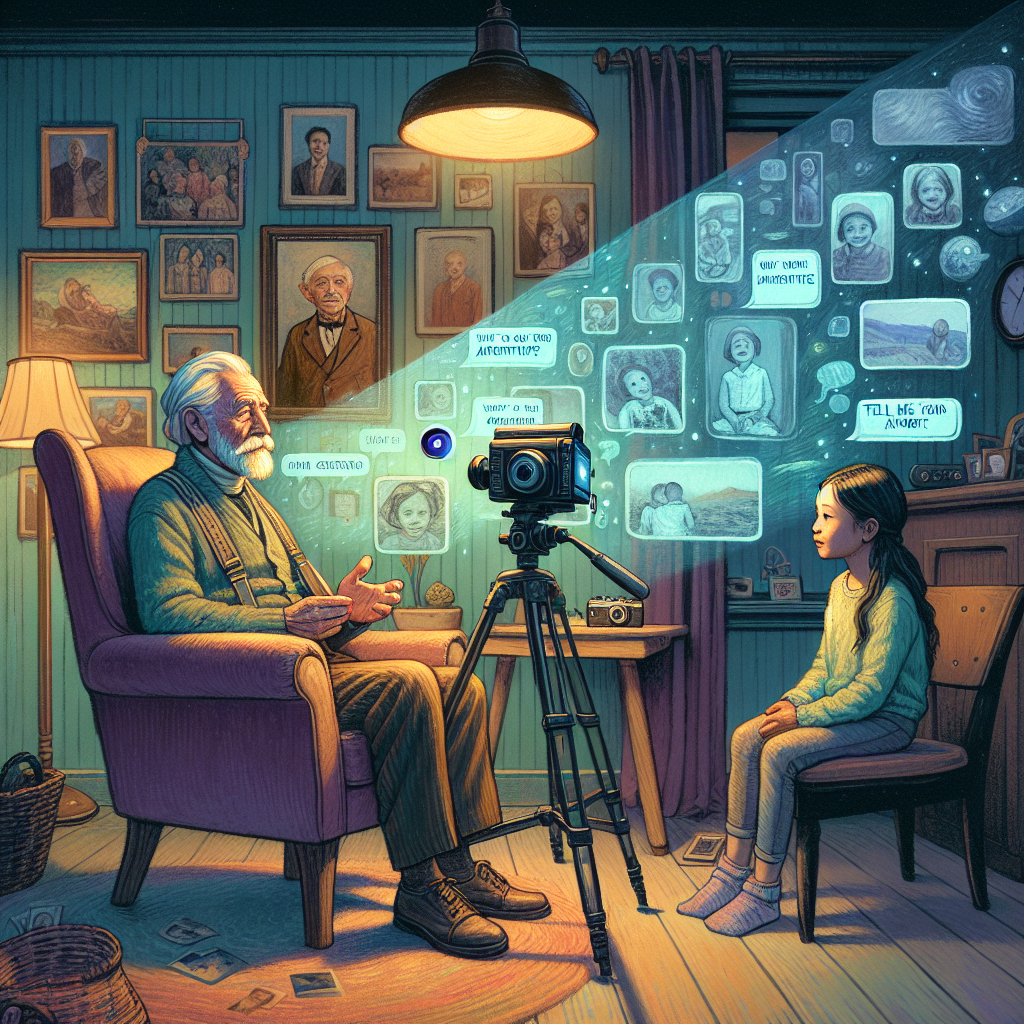
Conclusion
Other Resources

Other Resources
Here is a list of other resources you can review online to learn more:
- WishesKeeper
- Personal Legacy Advisors
- LegalZoom
- UpCounsel
- LegalNature
- How Has Time Changed The Cost Of Capturing Family Legacy Stories
- RocketLawyer
- GhostMemo
- MyHeritage
- Cake
- LifeWeb 360
- Meminto
- Postumo
- Funeral Services Guide
- Ever Loved
- LifeBio
- How to Avoid Losing Your Family History One Generation at a Time
- LivingDNA
- StoryCorps
- Living Wisely
Use This Prompt To Get More Resources With Your Favorite Online AI Tool: Please provide me with a list of online articles with their URLs in a bulleted list that I can read regarding Mislabeling the Past

Other Resources
Glossary Terms
Mislabeling the Past – Glossary Of Terms
1. Mislabeling: Assigning an inaccurate or misleading label or category to a person, event, or concept.
2. History: The study of past events, particularly in human affairs, often interpreted through various perspectives.
3. Revisionism: The reinterpretation of historical events and the re-examination of accepted narratives, sometimes with a controversial intent.
4. Narrative: A spoken or written account of connected events; often shapes understanding of history and can be subjective.
5. Context: The circumstances or background information surrounding an event or situation, vital for accurate historical interpretation.
6. Interpretation: The act of explaining or making sense of historical events, which can vary based on perspectives and biases.
7. Bias: A tendency to favor one perspective over others, leading to a distorted or unbalanced view of history.
8. Perspective: A particular attitude or way of considering an event, which influences how history is understood and recorded.
9. Disinformation: Deliberately misleading or biased information spread with the intent to deceive.
10. Historical Amnesia: A collective forgetting of significant events, leading to misinterpretations or a loss of context in understanding the past.
11. Censorship: The suppression or alteration of information, often affecting historical accounts and narratives.
12. Propaganda: Information, often biased or misleading, used to promote a particular political cause or perspective regarding historical events.
13. Oral History: The collection and study of historical information through interviews and recordings of individuals’ firsthand accounts.
14. Primary Source: Original materials from the time period being studied, such as documents, photographs, and artifacts, critical for accurate historical analysis.
15. Secondary Source: Works created by analyzing primary sources, often providing interpretations and evaluations of historical events.
16. Chronology: The arrangement of events in the order in which they occurred, which can help clarify historical understanding.
17. Source Criticism: The evaluation of historical sources for their authenticity, reliability, and context, essential for uncovering mislabeling.
18. Mythmaking: The process by which societies create stories or myths to explain their history, often leading to distorted perceptions of the past.
19. Historical Revisionism: A movement or trend that seeks to correct traditional historical narratives, which can unintentionally lead to mislabeling.
20. Anachronism: An error in chronology, typically a person, object, or event placed in a time where it does not belong, affecting historical accuracy.
21. Contextualization: The practice of placing events within their relevant circumstances to better understand their significance and implications.
22. Framing: Presenting information in a specific manner that influences interpretation and perception, relevant in historical discussions.
23. Hindsight Bias: The tendency to see events as having been predictable after they have already occurred, which can distort past evaluations.
24. Informed Consent: The principle of ensuring that individuals are educated about the context of historical data presented to them.
25. Reconstruction: The process by which historians and scholars piece together historical events based on available evidence, which can lead to mislabeling if done carelessly.
26. Falsification: The act of deliberately altering or misrepresenting historical facts, often resulting in a skewed understanding of the past.
27. Archival Research: The study of historical documents and records in archives, crucial for uncovering truths about the past.
28. Narrative Fallacy: The tendency to create a compelling story from historical data that oversimplifies complexities and nuances.
29. Cultural Memory: How societies remember their past, which can lead to selective recollection or mislabeling of historical events.
30. Post-truth: A term describing a cultural or political situation where emotional appeal and personal beliefs have more influence on public opinion than objective facts and truthful narratives, impacting historical understanding.

Glossary Of Terms
Other Questions
Mislabeling the Past – Other Questions
If you wish to explore and discover more, consider looking for answers to these questions:
- How can an individual recognize when a story about the past has been mislabelled or oversimplified?
- What concrete steps can people take to verify family or community narratives?
- Which primary sources and archival records are most useful for confirming contested stories?
- How can oral histories be collected and preserved ethically and accurately?
- What methods help reconcile conflicting accounts within families or communities?
- How should educators teach history to avoid perpetuating simplified or biased narratives?
- What role do museums, textbooks, and cultural institutions play in correcting misrepresentations?
- How can marginalized voices be identified, amplified, and integrated into mainstream histories?
- Who benefits most from distorted versions of history, and what motives drive those distortions?
- What ethical obligations do historians, journalists, and storytellers have when recounting the past?
- How can individuals avoid unintentionally perpetuating myths or caricatures of their ancestors?
- What are effective strategies for initiating intergenerational conversations about legacy and truth?
- How can communities fund and support projects that recover overlooked histories?
- What policy or institutional reforms are needed to ensure more inclusive historical narratives?
- How does power, politics, and economic interest shape which stories are preserved and which are erased?
- What techniques do propagandists or interest groups use to mislabel historical events, and how can these be countered?
- How does social media contribute to the spread of mislabelled history, and what countermeasures are effective?
- How can teachers and parents cultivate media literacy and critical thinking about historical claims?
- What are best practices for balancing the desire to honor ancestors with the need to correct inaccuracies?
- Can rewriting or reframing narratives ever risk minimizing past harms, and how can that be avoided?
- What legal or restorative mechanisms exist (or should exist) to address harms rooted in misrepresented histories?
- How can impact be measured when communities work to correct or reclaim their narratives?
- What role do arts, literature, and film play in reshaping public understanding of the past?
- How can institutions ensure that efforts to include marginalized stories do not become tokenistic?
- What training or resources do community leaders need to responsibly steward local histories?
- How can collaborative, multidisciplinary research improve the accuracy and richness of legacy storytelling?
- What are practical first steps for someone who wants to reclaim or retell their family’s legacy more truthfully?
- How should public commemorations, monuments, and holidays be revisited in light of fuller historical accounts?
- How do cultural differences affect approaches to memory, truth, and legacy storytelling?
- What safeguards can be put in place to prevent future generations from adopting distorted or simplified narratives?

Other Questions
Haiku
Mislabeling the Past – A Haiku
Stories once cherished,
Now mislabelled, lost in time,
Truths fade, hearts divide.

Haiku
Poem
Mislabeling the Past – A Poem
In the tapestry of time, stories intertwine,
Threads of truth and struggle, in memory we find.
Legacies woven, of joy and despair,
Yet mislabeling echoes, distorting our care.
What once was a journey, complex and deep,
Now diminished to sound bites, we’re urged not to keep.
The heart seeks connection, for wisdom to flow,
Through tales of our past, the seeds of trust grow.
Rational paths forge from the choices we make,
Learning from struggles, the lessons at stake.
With every retelling, a duty we own,
To honor the voices, let the truth be known.
In the margins, silenced, rich stories await,
Wisdom from those who faced history’s weight.
To ignore their narratives is to risk our own grace,
For unity thrives when we embrace every face.
So let us rewrite, with courage and care,
The stories that shape us, learning to share.
In honoring all, we reclaim our ground,
A legacy vibrant, where healing is found.
For history’s weave is a guide we must heed,
Empathy blooms from each heart, each deed.
Together we rise, on foundations so wide,
In the stories of all, our true selves abide.

Poem
Checklist
Mislabeling the Past – A Checklist
Understanding and Honoring Our Narratives
✅______ Reflect on personal stories: Identify narratives from your family or community that evoke strong emotions.
✅______ Connect with ancestors: Consider the struggles and triumphs of those who came before you and how their stories shaped your identity.
✅______ Share emotional legacies: Engage in conversations that highlight the resilience and perseverance of your forebears.
Head Appeals
✅______ Analyze historical events: Examine the complexity of past events and the lessons they can teach us today.
✅______ Recognize oversimplification: Be aware of narratives that strip down history to mere sound bites, leading to misinterpretations.
✅______ Research diverse perspectives: Investigate accounts of marginalized voices often overlooked in mainstream narratives.
Gut Appeals
✅______ Question mislabeling: Reflect on how misrepresented histories impact your understanding of current social dynamics.
✅______ Evaluate ethical responsibilities: Acknowledge the importance of sharing authentic stories to honor the integrity of those whose legacies we inherit.
✅______ Trust in collective storytelling: Engage in discussions that promote understanding and healing, reinforcing community bonds.
Narrative Appeals
✅______ Highlight legacy storytelling: Explore how sharing personal and communal stories strengthens connections across generations.
✅______ Encourage honest dialogue: Foster conversations that embrace the fullness of our histories, both good and bad.
✅______ Promote inclusivity in narratives: Ensure diverse voices are represented, enriching the overall tapestry of our shared past.
Social Appeals
✅______ Cultivate community engagement: Organize events or discussions that invite people to share and reflect on their stories.
✅______ Build bridges through storytelling: Use narratives to foster trust and collaboration among different groups within your community.
✅______ Encourage mutual respect: Recognize the value of every individual’s story to cultivate a culture of empathy and understanding.

Checklist
At LegacyExplorations, we help people plan and explore their legacy by collecting information and news regarding end-of-life planning.
Please share this post with your friends, family, or business associates who may want help to plan or explore their legacy.