

Embrace The Unpredictable: Strength In Preparedness And Trust
By Tom Seest
At LegacyExplorations, we help people plan and explore their legacy by collecting information and news regarding end-of-life planning.
Please share this post with your friends, family, or business associates who may want help to plan or explore their legacy.
Multiple Backups, Zero Certainty
In a world dominated by technology and convenience, the concept of multiple backups emerges as a metaphor for life itself—reminding us that certainty is an illusion. Life is unpredictable, and just as we save files on our computers, we must weave a tapestry of experiences, relationships, and memories that safeguard our emotions against the unexpected. Legacy storytelling becomes our safeguard, allowing us to transfer wisdom, humor, and heart from one generation to the next.
Imagine sitting around a fire, a circle of loved ones gathered to hear tales of triumph and failure. Each story shared holds a lesson, a reminder that life doesn’t always go as planned. These narratives shape who we are and connect us to our shared past. In this light, every person we encounter plays a role in this grand narrative, contributing to the legacy we leave behind. Stories remind us that multiple backups aren’t just a technical strategy but a foundational principle for navigating life’s uncertainties.
We live in an age where data can fade, files can be corrupted, and memories can slip through our fingers. By investing in legacy storytelling, we establish emotional touchstones—moments of laughter, connection, and influence that can never be deleted. They act as historical markers that guide our decisions, build our character, and shape our future. The more we share and preserve these stories, the stronger our collective memory becomes, grounding us in ethics and shared values.
Rationally, we know that no plan is foolproof. Unexpected challenges will arise, and yet, the beauty of multiple backups is in their intrinsic offer of security. When we embrace the stories of our predecessors, we arm ourselves with insights that can inform our paths. They empower us with the courage to face downfall with grace and to celebrate victory with humility.
Socially, these connections knit us into a community, inviting others to contribute their tales, thereby creating a rich quilt of experiences that extend beyond ourselves. In these shared moments, trust is built; confidence flourishes, and action is inspired. We realize we are part of something greater, unified in our fragility and strength.
So let’s keep telling our stories—layer upon layer—knowing that in a world where nothing is certain, our shared legacy becomes the most reliable backup of all.

Multiple Backups, Zero Certainty
Multiple Backups, Zero Certainty
- The concept of multiple backups serves as a metaphor for life, emphasizing the unpredictability of existence.
- Life’s experiences, relationships, and memories are essential for emotional safeguarding against uncertainties.
- Legacy storytelling allows for the transfer of wisdom and humor across generations.
- Shared narratives foster connection and shape individual identities while contributing to a collective legacy.
- Investing in storytelling creates emotional touchstones that guide character development and decision-making.
- Embracing stories of predecessors equips us with insights and strength to face challenges gracefully.
- Shared stories foster community trust and confidence, reminding us of our collective fragility and resilience.

Multiple Backups, Zero Certainty
Table Of Contents
- Multiple Backups, Zero Certainty
- What If Every Backup Fails When You Need It Most?
- How Do You Trust Your Data Is Safe?
- Is Relying on Multiple Backups Just an Illusion Of Security?
- Can You Afford the Emotional Cost Of Data Loss?
- How Would Your Life Change Without Access to Key Files?
- What Do Experts Say About Backup Reliability?
- Are We Investing Enough In Protecting Our Memories?
- Conclusion
- Other Resources
- Glossary Of Terms
- Other Questions
- Haiku
- Poem
- Checklist
What If Every Backup Fails When You Need It Most?
In this fast-paced world, we’re often led to believe that backups are a solid safety net—an insurance policy for our data, our memories, our livelihoods. But what happens when that net frays, when every backup fails right when you need it most? Let’s take a moment to explore this from a human perspective, because at the core of every lost file or corrupted record lies a legacy storytelling that transcends mere data; it tells our story.
Imagine a family gathered around, sharing laughter and tears over old photographs. Those images, once reliable reflections of cherished moments, suddenly vanished. It’s a gut punch, isn’t it? Those snapshots of life events—birthdays, anniversaries, milestones—are more than pixels; they encapsulate our legacy. When backups betray us, the stakes rise. We lose a part of our history, a piece of our identity. Losing memories is not just about inconvenience; it’s about losing the foundation upon which our lives are built.
Now, let’s think logically. In this digital age, the expectation is that we have redundancy, that our data paths are secure, that we can retrieve what matters when it matters. But what if your go-to solutions—cloud services, external drives, and even that promising “hard copy” you made—fall short? The ramifications extend far beyond frustration. Businesses can crumble. Relationships can fracture. What seemed like a simple safety measure morphs into a crisis of trust and dependence, challenging our very understanding of reliability.
Ethically, we owe it to ourselves and those around us to enhance our digital preservation strategies. It’s not enough to assume everything will work when needed. Rather, we must foster a culture of vigilance—encouraging conversations about data security, sharing fears, and seeking advice from those with knowledge. Engaging in this dialogue creates a community that values accountability and builds relationships.
So, what do we do? We act. Create a plan, establish multiple layers of protection, and, importantly, tell our legacy story to those who matter. Share your experiences, educate others, and foster a sense of collective responsibility. By inviting everyone into this narrative, we forge a bond that strengthens our resolve. Together, we can ensure our stories live on, even when the unexpected happens.

What If Every Backup Fails When You Need It Most?
What If Every Backup Fails When You Need It Most?
- Backups are commonly seen as a safety net for data, memories, and livelihoods.
- Failures in backup systems can lead to the loss of cherished moments, affecting personal identity and history.
- Corrupted files and lost records transform from inconveniences into crises of trust and reliability.
- Redundancy and secure data retrieval are essential in the digital age, yet many solutions may fail.
- Ethical responsibility exists to improve digital preservation strategies and promote awareness of data security.
- Encouraging discussions about fears and strategies enhances community accountability.
- Creating a comprehensive protection plan and sharing legacy stories fosters collective responsibility and resilience.

What If Every Backup Fails When You Need It Most?
How Do You Trust Your Data Is Safe?
In an age where data is currency, the question of trust looms larger than ever: how do you know your data is safe? It’s not just a matter of encryption and firewalls; it’s about the legacy storytelling of our digital existence, the narratives woven into every byte of information we share. Picture this: each click you make, every purchase you finalize, builds a story that reflects who you are. Those stories deserve to be protected, not just from hackers lurking in the shadows, but from careless handling by those we trust to safeguard our most personal details.
Understanding the significance of this trust goes beyond the intellectual. We need to feel it in our bones. It’s about recognizing the social contract we enter with our service providers: that when we share our information, we’re opening a door to our lives. The flood of anxiety that washes over many at the thought of identity theft or data breaches is real and palpable. That gut instinct guides us to seek out platforms and companies that demonstrate a commitment to data safety.
Imagine the late-night conversations with friends about the latest data breach, the dismay shared over a cold beer or a good cup of coffee. Those tales echo the struggles we face together. It’s here, in these exchanges, where we discover our collective desire for security. When companies embrace transparency and share their own legacy storytelling about data protection practices, they invite us into their world, fostering connections built on mutual respect and integrity.
But the ethical dimension can’t be overlooked. Organizations owe it to us to be forthright about their data handling practices. We deserve to know if our information is collected with care or recklessly tossed into a digital abyss. When companies adopt sound ethics around data security, they not only instill confidence but also inspire action—action that compels us to support brands that prioritize our safety.
Ultimately, trusting that your data is safe isn’t just about encryption algorithms; it’s about the human element behind them. It’s about feeling that the companies we engage with honor our stories, even if their lives are lived in lines of code. Engage with those who tell their tales well—who not only safeguard your data with protocols but respect it with dignity. When we connect like this, we don’t just protect our data; we protect our stories for generations to come.

How Do You Trust Your Data Is Safe?
How Do You Trust Your Data Is Safe?
- Data safety is a key concern in the digital age, transcending simple encryption and firewalls.
- Each interaction with digital platforms contributes to a personal narrative that requires protection.
- Trust in service providers is a social contract; sharing information opens a door to one’s life.
- The anxiety surrounding identity theft underscores the importance of data safety commitments.
- Transparency in data protection practices fosters connection and mutual respect between companies and users.
- Organizations must uphold ethical standards in data handling to build consumer confidence.
- True data safety involves respecting and honoring personal stories, not just implementing technical safeguards.

How Do You Trust Your Data Is Safe?
Is Relying on Multiple Backups Just an Illusion Of Security?
Is relying on multiple backups just an illusion of security? In today’s world, the answer to that question often boils down to mindset more than mere technology. Picture this: a family heirloom, something passed down through generations, whispered stories of resilience and love. Just like those artifacts, our digital data—memories, achievements, connections—defines a part of who we are. Yet, in a society racing towards our next tech upgrade, we often overlook a fundamental truth: having numerous backups doesn’t guarantee security; it merely offers a comforting facade.
When we discuss backups, we typically think of hard drives, cloud storage, and flash drives, but what we often miss is the legacy of our information. Each file possesses its own legacy storytelling, a narrative woven into the fabric of our lives. The images of birthdays, the files of hard-earned accomplishments; they’re more than just bits and bytes. They represent time, relationships, and experiences. Unfortunately, backup strategies can lull us into a false sense of security.
Emotionally speaking, there’s a seductive charm in believing that a multitude of backups will protect our treasures. While redundancy is wise, the reliance on it can actually numb our vigilance. We’ve all heard tales of friends or family who, in their quest for safety, neglected the very act of safeguarding their digital lives. They believed in the illusion, only to discover that a single catastrophic event—such as a ransomware attack, accidental deletion, or a natural disaster—could obliterate everything they held dear.
Rationally, consider this: what good is a backup that you can’t access? Sometimes, the most secure stance isn’t about hoarding copies but rather taking the time to ensure that whatever backups you maintain are organized, monitored, and tested. It’s like having a well-trained team ready for action, not just lining up jerseys in the locker room.
Ethically, there’s a responsibility to our digital legacy. We owe it to ourselves and to those we care for to ensure our stories survive. In a world driven by constant change, our collective narrative deserves preservation.
In this connected age, by fostering a deeper understanding of what backing up truly means, we spark a movement. A community that values not only its data but the stories behind it. Let’s build a culture where our digital lives seamlessly intertwine with real-world caution, inviting trust, confidence, and inspire decisive action—not just against threats, but in celebrating our lasting legacies.

Is Relying on Multiple Backups Just an Illusion Of Security?
Is Relying on Multiple Backups Just an Illusion Of Security?
- Relying on multiple backups often reflects a mindset rather than just technology.
- Digital data serves as a personal legacy, similar to family heirlooms.
- Numerous backups do not guarantee security; they create a false sense of safety.
- Each file tells a story, representing relationships and experiences beyond mere data.
- Overconfidence in backups can lead to negligence in safeguarding digital lives.
- Effective backup strategies require organization, monitoring, and accessibility.
- There is an ethical responsibility to preserve our digital narratives for future generations.

Is Relying on Multiple Backups Just an Illusion Of Security?
Can You Afford the Emotional Cost Of Data Loss?
Can You Afford the Emotional Cost of Data Loss?
In a world where our lives are woven into digital threads, the question of data loss isn’t just about bits and bytes; it’s about what those digital fragments represent. Picture a legacy storytelling session around a cozy fire, sharing family anecdotes that span generations. Each photograph, email, and document captures a moment in time, a heartbeat in your story. But what happens when those moments evaporate? The emotional impact can be profound—a visceral jolt that echoes through our lives, leaving an emptiness that lingers.
When we lose data, we aren’t just losing files; we’re losing the connections that form our identity and heritage. Consider a child’s first steps, beautifully documented in photos and videos. Now imagine those images disappearing in an instant. The laughter, the milestones, the growth—it’s all gone. For many, the emotional cost of this loss extends far beyond mere inconvenience. It confronts the very essence of who we are and what we care about.
From a rational standpoint, the metrics are staggering. Studies reveal that businesses alone can lose thousands, if not millions, due to data loss. Yet, for individuals, the stakes are equally high, albeit less quantifiable. The missed memories, the unrecaptured moments, create an ethical dilemma: is it acceptable to take risks with our most cherished memories? The choice seems simple—protect what matters.
Authority figures in the tech industry often emphasize the importance of backups as a preventive measure. Their voices echo in the halls of our memory, urging us to protect our digital archives. This isn’t just a technical issue; it’s a deeply human concern that invites introspection and communal action. When we share our experiences of data loss within our social circles, we create a tapestry of shared wisdom, reminding one another that vulnerability is universal.
The narrative behind data loss extends into every corner of our lives. It’s not just about the scramble for recovery but about acknowledging our stories. Every picture deleted resonates with a deeper truth: life is unpredictable. However, just as we learned from past failures, we can fortify our digital legacies with diligence and foresight.
So, as you think about your own virtual storybook, consider the cost of potential loss. Can you afford it? The value of the memories captured far outweighs the fleeting thrill of convenience. Make the choices today that ensure your legacy remains intact for tomorrow.

Can You Afford the Emotional Cost Of Data Loss?
Can You Afford the Emotional Cost Of Data Loss?
- Data loss represents more than just lost files; it impacts identity and heritage.
- Each photograph and document captures meaningful moments, and their loss can evoke profound emotional pain.
- The stakes of data loss are high for both individuals and businesses, with significant financial implications.
- Protecting cherished memories should take precedence over convenience, emphasizing the need for preventive measures like backups.
- Sharing experiences of data loss fosters a sense of community and reminds us of our shared vulnerabilities.
- Every lost memory signifies life’s unpredictability and highlights the importance of acknowledging our stories.
- Making proactive choices today can help preserve our digital legacies for the future.
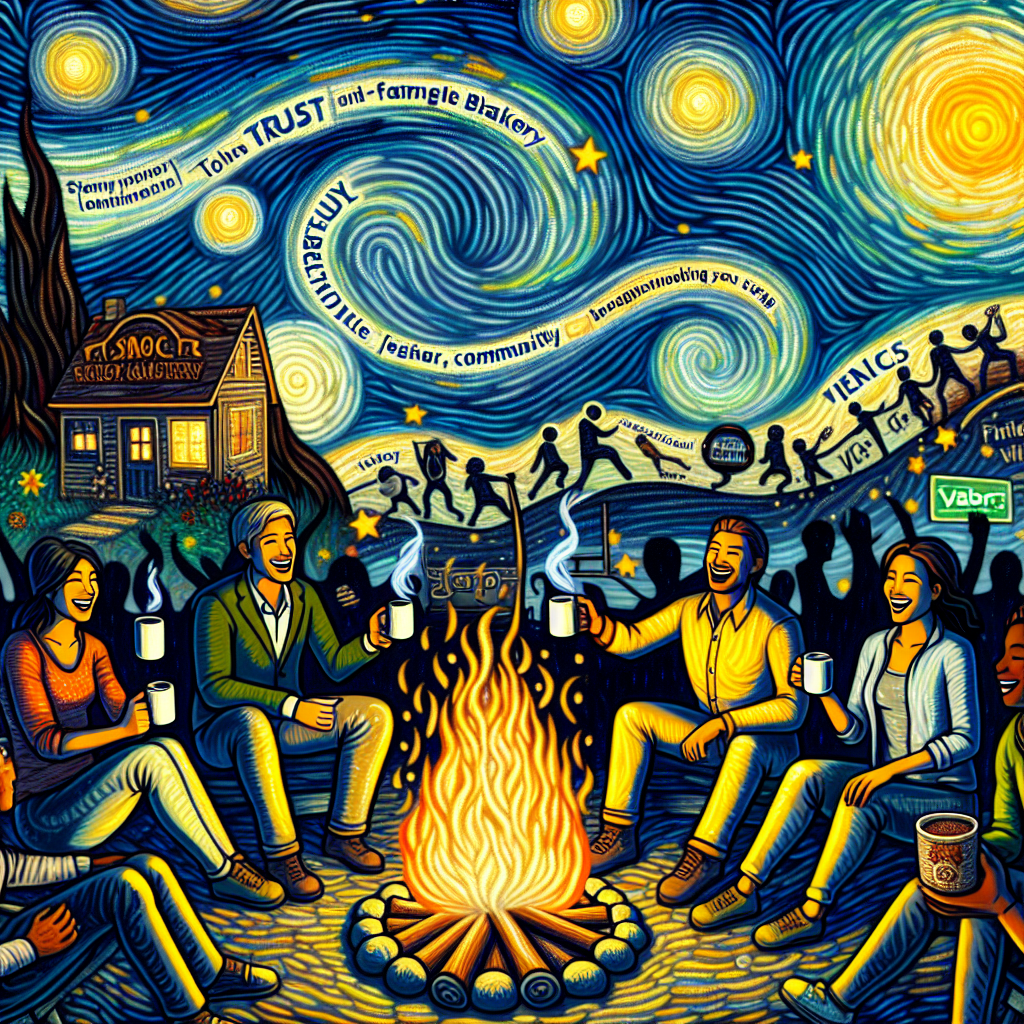
Can You Afford the Emotional Cost Of Data Loss?
How Would Your Life Change Without Access to Key Files?
Imagine waking up one day to find that the key files—those personal and professional documents that define your legacy—are gone. The digital world has brought a convenience we once only dreamed of, but it also comes with risks that can shake your very foundation. What does it mean for your future when you can’t access that essential information? The loss can feel like a thief in the night, robbing you of not just paper but of your identity, your history, and your plans.
Legacy is more than just a word; it’s the story you tell about who you are and where you come from. Without access to your important files, that narrative becomes fragmented. You might lose vital records like your family history, financial statements, and work accomplishments that have stitched the fabric of your life. Each file represents a piece of your journey, filled with triumphs and lessons that have shaped who you are. When those pieces vanish, they take with them your ability to communicate your story clearly to others.
Consider the emotional impact. How would it feel to be unable to prove your achievements during a crucial job interview or to show your children the family tree they’ve always asked about? The immediate gut reaction is one of frustration and helplessness. Yet, it’s essential to think rationally about the implications. In a world that values data, having access to your key files allows you to make informed decisions. It ensures your voice remains strong in a cacophony of others vying for attention.
Ethically, the protection of your personal information is paramount. Trust in data management is crucial; lack of security can lead to identity theft or lost opportunities. Authority in maintaining your legacy hinges on taking proactive steps to safeguard these resources.
But amidst the technicalities, let’s not forget the human connection. Every file contains the essence of relationships—emails exchanged with loved ones, cherished photos, and plans for the future. When we lose access to these files, we tend to lose a sense of belonging. Sharing our stories fosters connection, building a community around shared experiences and mutual understanding.
So, let us take action. Appreciate the necessity of backing up your key files, not just for you, but for those who will carry on your legacy. It’s our responsibility to ensure our stories, rich with heritage and hard-earned knowledge, remain intact for future generations. After all, your story is not just yours; it’s a thread in the broader tapestry of human experience.

How Would Your Life Change Without Access to Key Files?
How Would Your Life Change Without Access to Key Files?
- Waking up to the loss of key personal and professional files can significantly impact your identity and future.
- Legacy is defined by the story of who you are; lost files lead to fragmented narratives.
- Important documents like family history and financial records are crucial for maintaining one’s life narrative.
- The emotional toll includes feelings of frustration and helplessness during significant moments, such as job interviews.
- Access to key files is essential for informed decision-making and maintaining a strong voice in society.
- Protecting personal information is critical to avoid identity theft and preserve opportunities.
- Backing up files is vital not only for individuals but also for future generations to ensure the continuity of shared stories and connections.

How Would Your Life Change Without Access to Key Files?
What Do Experts Say About Backup Reliability?
When it comes to protecting what matters most, backup reliability isn’t just a fancy buzzword; it’s the lifeline for your digital life. Picture this: years of memories, important documents, and hard-earned work, all sitting on a single hard drive, vulnerable to the whims of fate. Experts agree—nothing erodes trust faster than the nagging fear of losing the precious legacy you’ve built.
In the realm of digital preservation, the stakes are high. Think of backup systems as the guardians of your legacy. They are the unsung heroes making sure that your story doesn’t just evaporate into thin air. The narratives they hold are not just data; they are snapshots of your life’s journey, moments that define who you are, and the milestones that deserve to be cherished. A reliable backup process stands between those memories and potential chaos, offering peace of mind that’s as soothing as it is essential.
From the pulsing heart of small businesses to the intricate systems of large enterprises, the message from industry experts is clear: don’t gamble with your information. A recent survey showed that nearly a third of businesses experience data loss due to inadequate backup practices. This isn’t just a statistic; it’s a wake-up call. Rationally, it’s simple math: the cost of data loss can far exceed the investment in reliable backup solutions. It’s an ethical obligation to protect not just your assets, but your legacy.
These are not just abstract ideas. They represent real people—moms and dads, professionals, students, and every dreamer caught up in the digital age. Each of these stories is woven into the fabric of our society, interconnected and dependent on each other’s successes and setbacks. When a backup fails, it sends ripples through communities, families, and friendships. Reliable backups help ensure these narratives continue, fostering a sense of connection and mutual support.
So, the next time you consider your backup strategy, remember: you’re not just investing in a piece of technology; you are safeguarding your legacy story. You’re choosing to protect the heart of your life, the memories you hold dear, and the dreams you’ve yet to realize. Trust the experts when they say that backup reliability is not just a feature—it’s a necessity. When you take action today, you lay the groundwork for a future where your legacy can flourish, uninterrupted and intact.

What Do Experts Say About Backup Reliability?
What Do Experts Say About Backup Reliability?
- Backup reliability is essential for safeguarding digital memories and important documents.
- Experts emphasize the risk of losing valuable data due to inadequate backup practices.
- Backup systems serve as guardians of personal and professional legacies.
- A significant percentage of businesses experience data loss, highlighting the need for reliable backups.
- The cost of data loss often outweighs the investment in backup solutions.
- Failures in backup systems can impact families, communities, and relationships.
- Creating a solid backup strategy is crucial for preserving memories and dreams for the future.

What Do Experts Say About Backup Reliability?
Are We Investing Enough In Protecting Our Memories?
In a world dominated by fleeting moments caught on smartphones and social media, the foundation of our personal histories often feels precarious. Legacy is not just a concept; it’s our enduring narrative, the tapestry of stories that shape who we are. But are we investing enough in protecting these memories? This question should resonate deeply within each of us, because our memories are more than just snapshots of the past. They are the cornerstones of our identities and the very fabric of our communities.
Think about the stories you hold dear—those rich tales passed down through generations, complete with laughter, tears, and hard-earned wisdom. These narratives connect us, offering a glimpse into the lives of those who came before and laying the groundwork for those who will come after. Yet, in this fast-paced world, the art of Legacy Storytelling seems to have taken a backseat. We find ourselves consumed by the moment, often forgetting the importance of treasuring and sharing our experiences.
It’s easy to dismiss memory preservation as a task for the elderly or a luxury for those with time to spare. But that line of thinking falls short. Protecting our memories is not just an ethical duty; it’s a responsibility we all share. When we document our experiences, we empower ourselves to reflect and teach others. We create a reservoir of knowledge that future generations can draw upon, fostering an understanding of our shared human experience.
Consider this: every photo, journal entry, and conversation is a thread woven into a larger narrative that speaks not only to our individual lives but also to the collective ethos of our society. By investing in this process, we engage not just our hearts but also our heads and guts. We forge connections that transcend time and space, highlighting the universal truths that bind us.
As we enact this change, let’s galvanize our community. Encourage conversations around preserving memories and share your own stories. Start recording those moments that seem mundane, for they often hold the most profound truths. We need to support one another in this endeavor, as it cultivates a culture of remembrance and appreciation.
Our memories deserve not just to exist but to thrive, shaping a legacy that future generations can cherish. Let’s commit to investing in the protection of our memories, ensuring they live on, inspiring confidence and action in every heart they touch.

Are We Investing Enough In Protecting Our Memories?
Are We Investing Enough In Protecting Our Memories?
- Personal histories are at risk in a world focused on fleeting moments shared online.
- Legacy represents our enduring narrative and is crucial to our identities and communities.
- Storytelling connects generations and preserves the wisdom of the past.
- Memory preservation is a shared responsibility, not just for the elderly or those with time.
- Documenting experiences creates a reservoir of knowledge for future generations.
- Every memory is part of a larger narrative that reflects our collective society.
- Encouraging conversations and supporting one another fosters a culture of remembrance.

Are We Investing Enough In Protecting Our Memories?
Conclusion
Multiple backups in today’s tech-driven world symbolize more than just safety for our data—they serve as a profound metaphor for life itself. Emphasizing that certainty is an illusion, the essence of legacy storytelling emerges as a vital tool in preparing us emotionally, rationally, and ethically for the unpredictable nature of existence. Just as we save critical files, we must also cultivate a rich tapestry of stories that bind us to our history and each other.
Gatherings around a fire, where stories of triumph and failure are shared, shape our identities and reinforce our connections within our communities. These narratives become the building blocks of our legacy, preserving lessons learned while nurturing trust and fostering bonds among generations. Each moment captured—whether in photographs or shared tales—becomes an irreplaceable touchstone in navigating the uncertainties of life.
However, our reliance on backups must extend beyond the digital realm. We often live under the comforting notion that technology offers a foolproof safety net. Yet this belief can morph into complacency, as we grow accustomed to the security granted by multiple storage options. What happens when every backup fails? The loss isn’t just about data; it’s about losing pieces of ourselves—our achievements, emotions, and shared experiences.
Rationally, data security is a necessity, stemming from the collective responsibility we share towards preserving our legacies. Companies and individuals alike must engage in proactive conversations about safeguarding personal stories and critical information, not merely as technical tasks but as ethical obligations. By doing so, we also inspire a culture where community support flourishes, inviting everyone to participate in this collective safeguarding mission.
Trust becomes paramount when it comes to the companies we choose to rely on. Transparent practices regarding data management not only protect our information but also regard our stories with respect and dignity. As we share our experiences and learned lessons, we fortify our community bonds and foster mutual understanding in an age that can feel increasingly isolating.
Ultimately, embracing the unpredictable means recognizing the value of our shared narratives. The act of storytelling enriches our lives, serving not just as a backup for our memories but also as a vital lifeline connecting past, present, and future. Investing in the preservation of our stories ensures they endure, shaping a legacy that transcends generations and speaks of the resilience and depth of our shared human experience. Thus, let’s commit to articulating and safeguarding our legacy—layer by layer—so that when we reflect on our lives, we can see a tapestry woven with meaning, connection, and strength.

Conclusion
Conclusion:
- Multiple backups symbolize safety for data and serve as a metaphor for life.
- Legacy storytelling prepares us emotionally and ethically for life’s unpredictability.
- Sharing stories around gatherings strengthens community bonds and shapes identities.
- Backups must extend beyond digital solutions to avoid complacency about data security.
- Preserving personal stories is an ethical obligation that fosters a supportive culture.
- Trust and transparency in data management are crucial for protecting our narratives.
- Investing in storytelling enriches lives and creates a lasting legacy for future generations.

Conclusion
Other Resources

Other Resources
Here is a list of other resources you can review online to learn more:
- Storyworth
- Lexikin
- Xarona
- Postumo
- ForeverMissed
- Association of Personal Historians
- How Has Time Changed The Cost Of Capturing Family Legacy Stories
- USLegalWills.com
- FamilySearch
- YouMattered
- FutureMe
- Funeral Services Guide
- Storyfile
- Funeral Finder
- LegacyLearned
- Cake
- Ancestry
- Legacy Family Tree
- Memorial Matters
Use This Prompt To Get More Resources With Your Favorite Online AI Tool: Please provide me with a list of online articles with their URLs in a bulleted list that I can read regarding Multiple Backups, Zero Certainty

Other Resources
Glossary Terms
Multiple Backups, Zero Certainty – Glossary Of Terms
1. Backup: A copy of data stored separately to prevent loss in case of system failure or data corruption.
2. Redundancy: The practice of duplicating critical components or systems to ensure reliability and availability.
3. Data Loss: The unintentional loss of data due to hardware failure, corruption, or accidental deletion.
4. Disaster Recovery: Strategies and processes for recovering access to applications, data, and IT infrastructure after a catastrophe.
5. Versioning: Maintaining multiple versions of files or data to facilitate recovery from different points in time.
6. Cloud Backup: Storing data on remote servers accessed via the internet, offering off-site protection.
7. Local Backup: A physical copy of data stored on local hardware devices such as external drives.
8. Incremental Backup: Backing up only the data that has changed since the last backup to save time and storage.
9. Full Backup: A complete copy of all selected data at a specific point in time, providing a comprehensive restore point.
10. Incremental Restore: The process of restoring data from a sequence of incremental backups, often requiring interdependencies.
11. Snapshot: A state of a system or volume at a specific point in time, used for backup or recovery purposes.
12. Replication: The process of copying data from one location to another in real-time, ensuring consistency across sites.
13. Onsite Backup: Local backups that are stored within the same physical location as the original data.
14. Offsite Backup: Data stored at a different location than the original to protect against localized disasters.
15. Data Integrity: The accuracy and consistency of data during its lifecycle, ensuring data remains unaltered and reliable.
16. Restore Point: A specific date and time where data can be restored, often defined by backup schedules.
17. Backup Schedule: A predetermined plan outlining when and how backups should occur to ensure regular data protection.
18. Storage Capacity: The maximum amount of data that a storage device can hold, crucial for planning backups.
19. Encrypt: The process of converting data into a coded format to prevent unauthorized access during storage or transmission.
20. Access Control: Security measures that regulate who can view or use resources in a computing environment.
21. Retention Policy: Guidelines governing how long backups are kept before being deleted or overwritten.
22. Failure Rate: The probability of data loss or system malfunction due to hardware, software, or human error.
23. Data Migration: The process of transferring data between storage types, formats, or computing environments.
24. File Recovery: Techniques and tools used to retrieve lost or corrupted files from backup sources.
25. Business Continuity: Planning and preparation to ensure that business operations can continue during and after a disaster.
26. System Redundancy: Implementing backup systems that can take over in case the primary system fails.
27. Checksum: A value derived from data used to verify its integrity during transfer or storage.
28. Local Area Network (LAN) Backup: Backup processes conducted over a local network, enabling faster data transfer.
29. Automated Backup: A system that periodically backs up data without manual intervention, increasing reliability.
30. Point-in-Time Recovery: A restore method allowing systems to revert to a specific moment, minimizing data loss.

Glossary Of Terms
Other Questions
Multiple Backups, Zero Certainty – Other Questions
If you wish to explore and discover more, consider looking for answers to these questions:
- What specific backup strategies should I use for personal photos, videos, documents, and email?
- How many backups are enough to feel confident my data will survive disasters?
- Where should backups be stored (local, offsite, cloud, cold storage) for best reliability?
- How often should backups be performed and how do I automate them?
- How do I verify that a backup is complete and recoverable before disaster strikes?
- What are the most common causes of backup failure and how can I prevent them?
- How do I choose between different cloud providers and assess their trustworthiness?
- What encryption and privacy practices should I apply to backups without making recovery impossible?
- How can I protect backups from ransomware, malware, and targeted attacks?
- What file formats and archival methods ensure long-term readability and avoid obsolescence?
- How do I create a digital estate plan so loved ones can access my legacy after I’m gone?
- Which legal and regulatory issues affect how long I must keep certain files or how they are shared?
- When should I pay for professional backup or archival services versus doing it myself?
- How much will a robust backup and preservation plan cost and is it worth the investment?
- What are best practices for organizing and labeling backups so future generations understand them?
- How do I preserve not just files but context, captions, and stories that give memories meaning?
- Which devices, media, or storage brands have the best longevity and reliability?
- How can small businesses balance cost and reliability when designing backup strategies?
- What immediate steps should I take after discovering data loss to maximize recovery chances?
- Are there reputable recovery services for corrupted or physically damaged media and how much do they cost?
- How does backup strategy differ for highly sensitive data (medical, financial, legal) versus casual photos?
- How do I involve family members in legacy storytelling and ensure stories are recorded and preserved?
- How do I test restore procedures without risking existing data?
- What ethical considerations arise when deciding which personal or family data to preserve or share?
- How do I securely back up social media, messaging apps, and cloud-only platforms?
- What role should physical “hard copies” (prints, paper records) play in a modern preservation plan?
- How do I handle duplicates and version control so backups don’t become confusing or bloated?
- What metrics should I track to measure backup reliability and readiness over time?
- How do cultural or generational differences affect attitudes toward preserving digital legacy?
- How can communities or organizations create shared systems for preserving collective memories and stories?

Other Questions
Haiku
Multiple Backups, Zero Certainty – A Haiku
Backups like stories,
Guardians of memories,
In loss, find our strength.

Haiku
Poem
Multiple Backups, Zero Certainty – A Poem
In a realm where shadows dance on datas thread,
We weave our stories, alive and unsaid.
Backup whispers in the night, a timely call,
Yet trust can falter, and we risk it all.
Memories flicker like fires warm glow,
Echoes of laughter, the triumphs we know.
Through generations, tales are intertwined,
Each spoken word, a legacy defined.
But what if the net frays, what if we fall?
Lost in the silence, we hear the hearts call—
The gut-wrenching fear of memories lost,
In the whirlwind of life, what’s the true cost?
Rational voices echo caution’s refrain,
Protect what matters, avoid the pain.
Ethical duty lingers, a solemn pact,
To honor our stories, never look back.
Communities gather, as threads come undone,
Sharing their burdens, the weights of the run.
Fueling connection, in vulnerabilitys light,
We stand united, ready to fight.
So let’s craft our safety, layer after layer,
Know that each backup is a tale we ensnare.
In a world unpredictable, we learn and we grow,
Our shared narrative thrives, in the stories we sow.

Poem
Checklist
Multiple Backups, Zero Certainty – A Checklist
Emotional Appeals
✅______ Share a personal story that highlights the importance of memories and connections.
✅______ Reflect on the emotional cost of data loss and how it affects identity.
✅______ Organize a family or friend gathering to share stories and treasure past moments.
Rational Appeals
✅______ Evaluate your current backup systems for reliability and redundancy.
✅______ Create a documented backup strategy that includes multiple backup options.
✅______ Test your backups regularly to ensure data recovery is possible when needed.
Ethical Appeals
✅______ Engage in discussions about data security and preservation in your community.
✅______ Educate family and friends about ethical data handling practices.
✅______ Establish a mindset prioritizing legacy storytelling as a communal responsibility.
Authority Appeals
✅______ Research expert opinions on the necessity of reliable backup solutions.
✅______ Follow industry guidelines for data management and preservation.
✅______ Consult with professionals about enhancing your data security measures.
Narrative Appeals
✅______ Develop a family history project that documents shared stories and experiences.
✅______ Create a visual timeline of significant life events that can be easily referenced.
✅______ Encourage others to write down their stories or create a family newsletter.
Social Appeals
✅______ Join or establish a community group focused on preserving personal and family histories.
✅______ Share your experiences with data loss on social platforms to raise awareness.
✅______ Coordinate efforts to document community history and shared experiences.

Checklist
At LegacyExplorations, we help people plan and explore their legacy by collecting information and news regarding end-of-life planning.
Please share this post with your friends, family, or business associates who may want help to plan or explore their legacy.