

Building Tomorrow’S Legacy Through The Power Of Storytelling
By Tom Seest
At LegacyExplorations, we help people plan and explore their legacy by collecting information and news regarding end-of-life planning.
Please share this post with your friends, family, or business associates who may want help to plan or explore their legacy.
Narrative Is the Architecture Of Legacy
In a world buzzing with information and noise, legacy storytelling stands as a quiet but powerful beacon, guiding us through the tumult. It’s a remarkable thing, really, how the stories we share shape the very fabric of our lives and the lives of those who come after us. Every family has tales to tell, from the struggles that define them to the triumphs that elevate their spirit. These narratives form the architecture of legacy, connecting generations and providing a framework upon which values, morals, and identity are built.
When you think about your own legacy, what stories come to mind? Perhaps it’s that tale of perseverance from a grandparent who overcame insurmountable odds. Maybe it’s a simple lesson learned the hard way, shared around a dinner table, bridging gaps between past and present. These stories are more than just words; they are the essence of who we are and who we aspire to be. They make us laugh, cry, and reflect—appealing to our hearts and informing our choices.
In the ebb and flow of daily life, it’s easy to overlook the weight of our words. Yet, storytelling is a profound act of sharing, a way to honor those who came before while illuminating the path for future generations. Ethical legacies emerge from acknowledging our shared humanity—stories teach empathy, understanding, and connection among various backgrounds and experiences. They remind us that, despite our differences, we are all intricately linked by the narratives that define us.
Now consider the impact on our communities. When we invest in legacy storytelling, we strengthen social ties, fostering a sense of belonging. This isn’t merely an academic endeavor or a fleeting whim; it’s groundwork for resilience. The more we consciously cultivate these stories, the more we empower ourselves and those around us.
Every time we share a story, we plant a seed. Those small, seemingly inconsequential moments accumulate into a rich tapestry of legacy. By embracing and sharing our unique tales, we inspire confidence—both in ourselves and in our collective futures. So let’s make it a point to transform those lived experiences into narratives that resonate. Let’s weave them into the architecture of legacy, ensuring they stand resilient against the test of time, echoing through the hearts and minds of generations to come.

Narrative Is the Architecture Of Legacy
Narrative Is the Architecture Of Legacy
- Legacy storytelling serves as a guiding force in a noisy world, shaping lives and identities.
- Every family possesses unique narratives, connecting generations and establishing values and morals.
- Personal tales of perseverance and lessons learned serve to bridge gaps between past and present.
- Storytelling fosters empathy and understanding, emphasizing our shared humanity.
- Investing in legacy storytelling strengthens social ties and builds community resilience.
- Sharing stories plants seeds that contribute to a rich tapestry of legacy.
- Transforming lived experiences into narratives ensures they endure through future generations.

Narrative Is the Architecture Of Legacy
Table Of Contents
- Narrative Is the Architecture Of Legacy
- Is Your Legacy Reflecting Your True Self?
- How Will You Be Remembered?
- Are You Creating Meaning for Future Generations?
- What Values Do You Want to Pass On?
- How Does Your Narrative Influence Others?
- Can Your Legacy Inspire Change In the World?
- What Impact Do Your Choices Have on Your Community?
- Conclusion
- Other Resources
- Glossary Of Terms
- Other Questions
- Haiku
- Poem
- Checklist
Is Your Legacy Reflecting Your True Self?
At some point, most of us find ourselves pondering what we’ll leave behind. Will it be a legacy woven from our own authentic story, or just a collection of experiences and achievements that fail to reflect who we really are? Legacy is more than a mere reflection of accomplishments; it’s a narrative—a tapestry of intertwined lives that speak to our core values, struggles, and triumphs. To engage in meaningful legacy storytelling, we must dive into the depths of our own truths, embracing both the beautiful and the flawed.
Consider why we tell stories. Stories connect us. They bind us to our past and project our values into the future. They resonate with our hearts and ignite the passion that fuels our purpose. In a world that often feels chaotic, your legacy can be a steady beacon, symbolizing the lives touched and the lessons learned. It’s not just about the accolades you accumulate; it’s about the impact you make on those around you. Are you known for your honesty, your kindness, or your relentless pursuit of justice? Reflecting on these attributes will help clarify if your legacy truly resonates with your true self.
Yet, legacy is also a rational endeavor. Structuring our contributions thoughtfully allows us to measure our impact. It requires reflection, accountability, and a clear sense of direction. Ask yourself: are you acting in alignment with the values you espouse? When your actions echo your beliefs, you build a persuasive case for those who look up to you. It’s this authority, rooted in authenticity, that cultivates trust—essential for shaping a legacy that endures.
Then there’s the ethical dimension. We live in a society that craves integrity. Are we crafting a legacy that upholds fundamental truths? To foster genuine connection, our stories must reflect our ethical compass, inviting others to join our journey toward healing and understanding.
Finally, there’s the gut feeling; this instinctual response often reveals our deepest desires. Your legacy embodies the DNA of your existence. Embrace the parts of your story that might feel uncomfortable or vulnerable. These elements can resonate deeply with others, reminding them that growth often blossoms from adversity.
As you navigate the terrain of your legacy, remember: it should be a narrative unfolding in real time. Engage with your community, share your truth, and let your life’s story be a guiding light. What will your legacy tell the world about you? It’s time to start writing your story.

Is Your Legacy Reflecting Your True Self?
Is Your Legacy Reflecting Your True Self?
- Legacy is a narrative that reflects core values, struggles, and triumphs, not just accomplishments.
- Storytelling connects us to our past and projects our values into the future, serving as a beacon in chaotic times.
- Impact on others, rather than mere accolades, defines the true essence of a legacy.
- Legacy requires thoughtful structure, reflection, accountability, and alignment with personal values.
- Ethics play a crucial role in legacy, as integrity fosters genuine connections and invites community engagement.
- Embracing vulnerability can highlight personal growth and resonate with others’ experiences.
- Your legacy should be an evolving narrative that reflects your truth and guides others.

Is Your Legacy Reflecting Your True Self?
How Will You Be Remembered?
Life is an intricate tapestry woven from the threads of our experiences, choices, and relationships. Each of us is writing our own legacy—an unending story filled with moments of triumph, failure, and everything in between. As you navigate this journey, consider the power of legacy storytelling. It’s not just about the big wins or the accolades; it’s about how we touch the lives of those around us.
Think about the people who’ve influenced you. Perhaps it was a teacher who challenged you to think differently or a mentor who saw potential in you. Each of these interactions contributed to their legacy and yours. When we make the effort to invest in genuine connections, we create a narrative that resonates far beyond our own lives. It’s about the ripples we send out into the world. How are you making people feel? What will they remember about you when you’re no longer here?
This isn’t merely an emotional appeal; it’s a rational one as well. Studies consistently show that people who engage in meaningful relationships report higher levels of happiness and well-being. There’s an ethical responsibility in how we treat others and the legacies we choose to build. By fostering kindness, compassion, and understanding, we cultivate an environment where everyone feels valued.
Imagine attending a gathering years from now and hearing stories about your life shared by others. What tales define you? The laughter during shared triumphs? The moments of vulnerability and growth? Your legacy will be a reflection of how you treated those around you, shaped by the decisions you make today.
The authority of your life story lies in authenticity. Be honest about your journey—the struggles, the victories, the lessons learned. This genuine storytelling fosters connection and enables others to see themselves in your narrative. You’re not just a character in your own story; you’re a participant in a larger narrative that includes everyone you encounter.
As you ponder how you will be remembered, let it stir something deep within you. Recognize that your actions today are seeds planted for tomorrow’s memories. Make them count. Craft your legacy. Channel your energy into storytelling that inspires, uplifts, and connects. In doing so, you embrace a profound truth: you are more than an individual; you are part of a collective memory that shapes the future.

How Will You Be Remembered?
How Will You Be Remembered?
- Life is a tapestry of experiences, choices, and relationships, forming our individual legacies.
- Legacy storytelling emphasizes the impact of our connections and how we influence others’ lives.
- Meaningful relationships contribute to higher levels of happiness and well-being.
- Our legacy reflects how we treat others, shaped by our decisions today.
- Authenticity in storytelling allows genuine connections and shared experiences.
- Actions today serve as seeds for tomorrow’s memories; they define how we are remembered.
- Embracing our collective narrative shapes the future and enriches our legacy.

How Will You Be Remembered?
Are You Creating Meaning for Future Generations?
We often find ourselves grappling with a simple yet profound question: What kind of legacy are we leaving behind? Every day, we make choices that shape our lives and, inevitably, the world for those who will come after us. Legacy storytelling is not just a whimsical pursuit; it’s a vital thread in the fabric of human experience. It invites us to reflect on our actions, beliefs, and values, and to consider how these narratives will echo through time.
Think about the stories you’ve inherited. Were they tales of resilience, kindness, or sacrifice? Perhaps they were warnings forged from hard-won lessons, illuminating paths you would choose not to tread. These narratives not only shape our identities but also serve as powerful beacons for future generations. By sharing our stories, we hand down wisdom, instilling a sense of continuity and purpose that connects us from one generation to the next.
Every interaction we have, every challenge we face, becomes a building block of our legacy. Each moment is an opportunity to create a meaningful story worthy of being handed down. When we act with intention and integrity, we provide a framework for those who will follow. It’s about creating a narrative that is rich with values like compassion, diligence, and respect—an ethical map that guides others in their journey.
Moreover, the narratives we construct today ripple out into our communities. They foster connections, sometimes in ways we can’t immediately see. When we demonstrate commitment to our beliefs, we inspire trust and confidence. People instinctively gravitate towards authenticity; when they see you living your truth, it encourages them to do the same. This becomes a communal legacy where our stories intermingle, enriching a collective identity that can withstand the test of time.
Consider the impact of your choices. Are they merely for the moment, or are they investing in something greater? The stories we tell and live by will be the building blocks for those who come after us. By consciously shaping our legacy through honest storytelling and powerful action, we pave a path for future generations to walk upon—a road that’s not only familiar but also inspiring.
So, as you ponder this question of legacy, remember that every day is an opportunity to craft the story that will resonate with those not yet born. Are you creating meaning for future generations? The answer may define not just your life, but the lives that will follow.

Are You Creating Meaning for Future Generations?
Are You Creating Meaning for Future Generations?
- Legacy storytelling shapes our identity and influences future generations.
- Inherited stories can be of resilience, kindness, or warnings from past lessons.
- Every interaction contributes to our legacy and creates opportunities for meaningful storytelling.
- Acting with intention and integrity establishes a framework for those who follow.
- Narratives ripple out into communities, fostering connections and trust.
- Conscious choices can have lasting impacts, investing in something greater than the moment.
- Each day provides a chance to craft a resonant legacy for future generations.

Are You Creating Meaning for Future Generations?
What Values Do You Want to Pass On?
In a world that often feels chaotic, the values we choose to pass on to our children become our most significant legacy. Think of legacy storytelling as not just a method but a mission. It’s the craft of weaving the tales of our lives into lessons that stick. What do we want our children to carry forward as they forge their paths? Consider this not just an academic pursuit but an emotional journey.
At the heart of our values lies authenticity. We teach best by living our truths, demonstrating courage, and showing the importance of hard work. Children absorb these lessons not through grand speeches but through our everyday actions. Imagine the moments we share, not as isolated incidents, but as threads in a rich tapestry of stories. Each laughter, setback, and triumph contributes to a greater narrative that our kids can reference throughout their lives. This storytelling creates a connection, bridging the past and future, ensuring that they understand their roots and can stand firm in their identity.
Rationally, it makes sense; values like integrity and empathy shape not only individual character but also better communities. When we model kindness and respect, we lay the groundwork for a society grounded in cooperation rather than division. The more we embrace sharing stories of our mistakes and successes, the more relatable we become. These narratives build trust. Children learn from stories of resilience, from witnessing how we navigate challenges and emerge stronger. They see that failures are merely stepping stones, not dead ends.
However, passing on values isn’t merely an intellectual endeavor; it’s an ethical obligation. We’re shaping the next generation, equipping them with tools to face the world’s myriad challenges. We instill a sense of responsibility, teaching them to care for themselves and others—important lessons they will essentialize in their lives.
Ultimately, the aspiration is to inspire action. Each value is a catalyst for change, urging them to act with purpose and intention. We desire our children to be thoughtful leaders, compassionate friends, and relentless pursuers of their dreams. When we pass on values like honesty, hard work, and respect for others, we create a ripple effect. Our legacy storytelling transforms lives—not just within our families but extending into the broader society. The stories we tell today are the values they will carry tomorrow, and in that truth, we find both purpose and promise.

What Values Do You Want to Pass On?
What Values Do You Want to Pass On?
- Passing on values to children is our most significant legacy.
- Legacy storytelling weaves personal experiences into meaningful lessons.
- Authenticity, courage, and hard work are core values to teach.
- Children learn through everyday actions rather than grand speeches.
- Sharing stories fosters connections and understanding of identity.
- Modeling values builds trust and shapes better communities.
- Inspiring action in children creates a ripple effect in society.

What Values Do You Want to Pass On?
How Does Your Narrative Influence Others?
Every conversation we engage in, every story we tell, shapes the narrative landscape of our lives. This Legacy Storytelling isn’t just a fun pastime; it’s an essential force that influences how people perceive us and, by extension, how they align their beliefs and actions. Our narratives resonate at different levels, hitting the heart, head, and gut.
At the heart of it, emotions are powerful drivers. Picture the laughter shared around a campfire or the tension in a room during a critical decision-making moment. These narratives invite connection. They spark empathy, allowing others to see the world through our experiences. When we share a story of struggle or triumph, we offer our audience a mirror reflecting their own hopes and fears. This emotional thread can inspire trust, making others feel understood and less isolated. When we allow our vulnerabilities to surface, we build bridges and foster genuine relationships.
Rationally, stories provide context and clarity around complex ideas. They break down barriers, making intricate concepts more digestible. For instance, think of a business leader sharing a pivotal moment of failure and the subsequent lessons learned. This approach not only simplifies the message but also adds credibility to their authority. By outlining a process of growth through adversity, they cultivate an environment where learning and improvement are celebrated, thus engaging the head in a much-needed dialogue about progress.
Ethically, we position ourselves as stewards of our narratives. We have the power to influence not just through the stories we tell but how we choose to tell them. This responsibility invites reflection on our values and the impact of our words. Each story holds the potential to inspire others to take action, encouraging them to reflect on their choices and narratives. When we share authentically, maintaining integrity, we encourage those around us to also embrace their truths.
Finally, consider the social implications of narrative. Every story cast in the public sphere can shift perceptions and transform communities. By connecting personal anecdotes to larger issues, we invite others to care about what may have once felt distant. This is where Legacy Storytelling becomes transformative; it not only engages individuals but can ultimately mobilize groups toward common goals.
In every narrative, the potential to influence is immense. When we harness our stories, we illuminate paths forward, empowering others and weaving a tapestry of shared experiences and aspirations.

How Does Your Narrative Influence Others?
How Does Your Narrative Influence Others?
- Every conversation and story shapes our life’s narrative landscape.
- Legacy Storytelling influences perceptions, beliefs, and actions.
- Emotions drive connections, fostering empathy and understanding.
- Stories provide context, simplify complex ideas, and enhance credibility.
- We are ethical stewards of our narratives, impacting others through our storytelling choices.
- Socially, narratives can shift perceptions and transform communities.
- Harnessing stories empowers others and weaves shared experiences and aspirations.
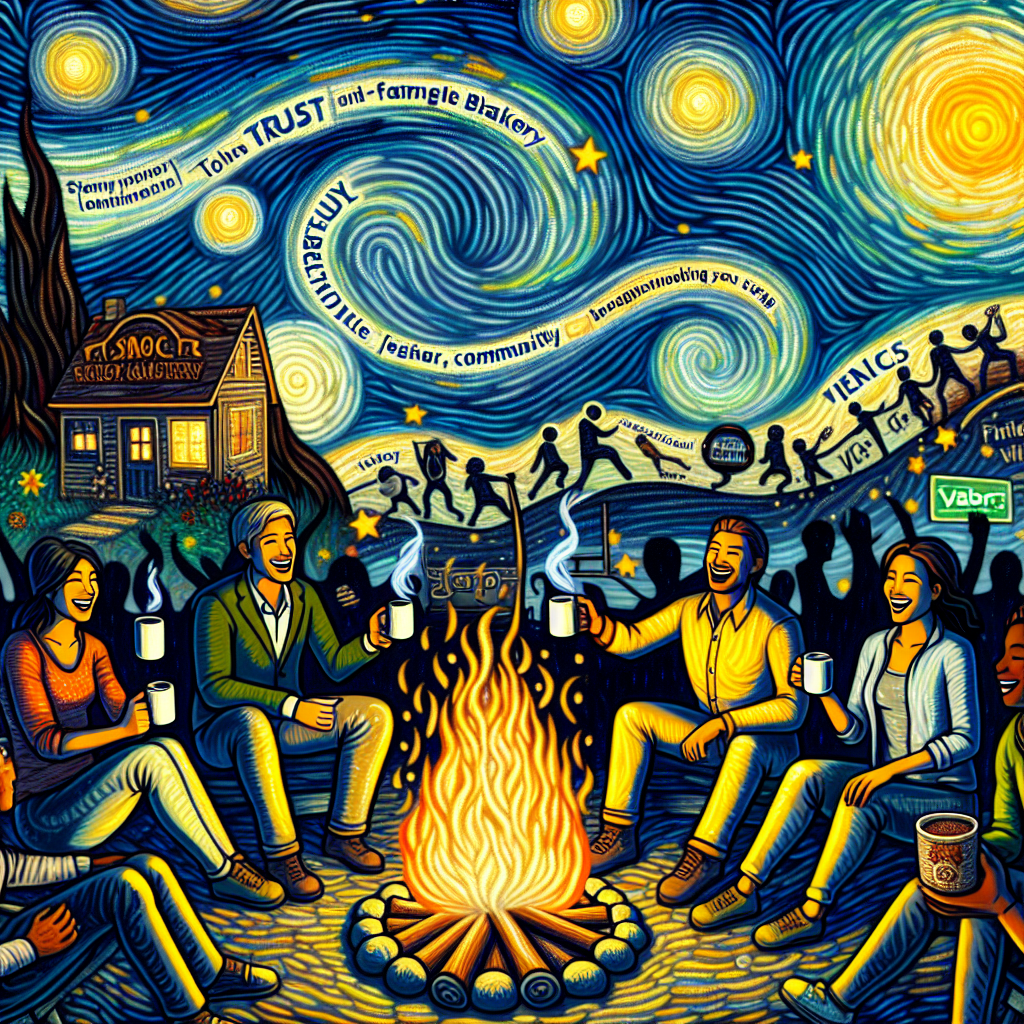
How Does Your Narrative Influence Others?
Can Your Legacy Inspire Change In the World?
When we think about legacy, we often conjure images of grand gestures, monumental achievements, or the towering figures of history. Yet, the true power of a legacy lies not just in what we accomplish, but in the stories we leave behind. Every life is a legacy story, a unique narrative woven from the threads of our experiences, choices, and values. This isn’t just about the past; it’s about how we can inspire change in the world for generations to come.
A legacy isn’t defined by fame or fortune. Instead, it’s about the impact we have on those around us, the small moments that collectively create a ripple effect of change. Consider the countless unsung heroes whose quiet determination ignited transformation in their communities. Their legacy storytelling often begins with simple acts—helping a neighbor, mentoring a child, or standing up for what’s right. Each of these momentous decisions has the potential to inspire others to reflect on their own actions, revealing the profound truth: that each of us possesses the power to influence our surroundings.
Rationally, we recognize that every action we take can foster social change. In a world filled with noise, our authentic stories resonate with our shared humanity. They challenge us to reflect on our values and how we can embody them daily. When you share your legacy story, you’re inviting others to be part of something larger—a collective narrative that champions courage, empathy, and resilience. It builds connections, reminding us that we are not solitary figures but part of an interconnected web of lives.
Ethically, we must ask ourselves what we want our legacy to be. Will it speak to our integrity? Will it embody our commitment to justice, service, or innovation? The choices we make today craft the narrative that will echo tomorrow. This responsibility weighs on us, beckoning us to embrace our potential for positive change.
Community leaders, mentors, and everyday people can each inspire trust and action by demonstrating vulnerability and authenticity. Share your story, every triumph and struggle; it’s in those moments of honesty that others will find the courage to share theirs. In doing so, we don’t just leave behind a legacy—we spark a movement of change that transcends generations. As we reflect on the legacies we wish to create, let us remember that every story counts, and every voice matters in the quest to inspire a better world.

Can Your Legacy Inspire Change In the World?
Can Your Legacy Inspire Change In the World?
- A legacy encompasses the stories we leave behind, reflecting our experiences, choices, and values.
- True impact comes from small moments that create a ripple effect of change in communities.
- Unsung heroes often begin their legacy with simple acts of kindness and courage.
- Every action can foster social change and resonate with our shared humanity.
- Sharing personal legacy stories invites others to join a collective narrative that values empathy and resilience.
- We must consider what we want our legacy to represent, focusing on integrity and commitment to positive change.
- Honest storytelling inspires others, fostering a movement of change that can last across generations.

Can Your Legacy Inspire Change In the World?
What Impact Do Your Choices Have on Your Community?
Every day, your choices shape the community around you. From the morning coffee you buy to the local services you support, every decision adds a thread to the rich tapestry of your community’s story. This isn’t just about individual actions; it’s about building a legacy—a legacy that resonates long after you’re gone.
Consider the power of legacy storytelling. It’s not just a phrase; it’s a call to action. Every choice you make contributes to the narratives that define who you are and how you’re perceived. When you choose to shop local, you’re not merely purchasing goods; you’re investing in your neighbors’ dreams, their families, and the shared future of your community. This is where the heart comes in. It feels good to know your money is helping a single parent put their child through school or enabling a local artist to showcase their talent.
Rationally, supporting local businesses strengthens the economy. Statistics show that communities thrive when residents invest in their own neighborhoods. Think of the ripple effect: when you choose to buy from local vendors, you’re not just helping one person; you’re fostering an ecosystem of interconnected lives and stories. That connection bolsters community resilience—an essential factor in a world rife with uncertainty.
On an ethical level, your choices carry weight. They reflect your values and influence the standards you set in your community. By prioritizing sustainability or social responsibility, you inspire others to follow suit. This isn’t just about shopping or voting; it’s about instilling a culture of thoughtfulness and awareness. As you demonstrate these principles in your daily life, you encourage peers to think about the broader implications of their actions.
Take a moment to consider your own stories—your experiences, your struggles, and your triumphs. These shape your perspective, enriching conversations and deepening bonds. When you engage in your community—whether through volunteer work, mentorship, or simply sharing your story—you weave your narrative into the larger story of your town or city.
Ultimately, your choices matter. They can incite change, encourage a sense of belonging, and create a lasting impact. As you navigate the world, remember that you hold the power to guide the future, not just for yourself, but for generations to come. Embrace this opportunity, and let your legacy be a story worth telling.

What Impact Do Your Choices Have on Your Community?
What Impact Do Your Choices Have on Your Community?
- Your daily choices shape the community and contribute to its narrative.
- Legacy storytelling is a call to action, encouraging mindful decision-making.
- Shopping locally supports neighbors and strengthens community bonds.
- Supporting local businesses enhances the economy and fosters resilience.
- Your choices reflect personal values and set standards in the community.
- Engaging in community activities enriches personal narratives and connections.
- Your decisions can inspire change and create a lasting impact for future generations.

What Impact Do Your Choices Have on Your Community?
Conclusion
In a world teeming with distractions, legacy storytelling emerges as a vital thread, intricately weaving together the past, present, and future. These narratives—shaped by personal experiences, struggles, and triumphs—form the very essence of our identities and influence those who come after us. Every family has a rich tapestry of stories that not only define them but also provide direction for future generations. Reflecting on your own legacy invites you to consider the stories that have shaped your journey and how they influence those around you.
Legacy storytelling goes beyond mere recollection; it is a profound way to connect with others, fostering empathy and understanding across diverse backgrounds. Every tale shared nurtures social bonds, strengthening communities and cultivating a sense of belonging. The act of storytelling is not just about what we leave behind; it’s an ethical responsibility, one that reminds us of our shared humanity, urging us to pass down values that carry weight—values of resilience, kindness, and integrity.
The impact of your choices reverberates through your community. Every decision, whether it involves supporting local businesses, volunteering, or lending a listening ear, contributes to the legacy you build. These choices are seeds planted for future generations, sprouting in ways you may not immediately see. Your story has the power to inspire change, encouraging others to join you in crafting a collective narrative that uplifts and empowers.
Consider how your legacy resonates not just as an individual story but as part of a greater community narrative. As each person adds their voice, it creates a rich mosaic of experiences that future generations will reference and draw strength from. This interconnectedness amplifies the message: your narrative can profoundly influence not just your legacy but also the fabric of society itself.
Thus, as you ponder how you wish to be remembered, focus on the values you embody and the stories you share. These narratives can become the guiding lights for others navigating their paths, creating a legacy that inspires and instills meaning for years to come. Embrace the power of your story—each word, each moment lived—can change lives and cultivate a legacy that echoes through time.

Conclusion
Conclusion:
- Legacy storytelling weaves together the past, present, and future, shaping our identities.
- Each family’s narrative provides direction and connection for future generations.
- Storytelling fosters empathy and understanding across diverse backgrounds.
- Sharing stories nurtures social bonds and strengthens communities.
- Individual choices contribute to a collective legacy that can inspire change.
- Your narrative amplifies the interconnectedness of community experiences.
- Focus on the values you embody and the stories you share to create a meaningful legacy.

Conclusion
Other Resources

Other Resources
Here is a list of other resources you can review online to learn more:
- FuneralWise
- Storyfile
- How To Write Legacy Stories That Appeal To The Heart, Gut and Head
- Trust And Will
- Storyfile Life
- Lexikin
- Cake
- Forever Missed
- APH
- LegalNature
- Memorial Matters
- Bcelebrated
- FutureMe
- How Has Time Changed The Cost Of Capturing Family Legacy Stories
- EverLoved
- FindMyPast
- ForeverMissed
- Geneanet
- Remembered.com
- MyWishes
Use This Prompt To Get More Resources With Your Favorite Online AI Tool: Please provide me with a list of online articles with their URLs in a bulleted list that I can read regarding Narrative Is the Architecture Of Legacy

Other Resources
Glossary Terms
Narrative Is the Architecture Of Legacy – Glossary Of Terms
1. Narrative: A structured story or account that conveys meaning through a sequence of events.
2. Architecture: The art and science of designing structures, here used metaphorically to describe the framework of storytelling.
3. Legacy: Something handed down from one generation to another, often reflecting values, beliefs, and culture.
4. Storytelling: The practice of sharing stories, encompassing both oral and written forms, to convey messages and connect with audiences.
5. Plot: The sequence of events and actions in a narrative, creating the story’s framework and driving the action forward.
6. Character: A person, animal, or figure that plays a role in the narrative, often influencing the story’s direction.
7. Theme: The underlying message, main idea, or universal truth explored in a narrative.
8. Setting: The time and place in which the narrative unfolds, providing context and atmosphere.
9. Point of View: The perspective from which the narrative is told, determining how events are perceived by the audience.
10. Conflict: The struggle between opposing forces that drives the plot and engages the audience’s interest.
11. Resolution: The conclusion of the story where conflicts are resolved and the narrative comes to a close.
12. Dialogue: The spoken exchanges between characters that reveal personality, emotions, and relationships.
13. Narrator: The voice or character that tells the story, influencing how the narrative is received by the audience.
14. Symbolism: The use of symbols to represent ideas or concepts, enriching the narrative’s meaning.
15. Motif: A recurring element, theme, or idea within a narrative that reinforces its central themes.
16. Tension: The suspense or anticipation created within the narrative, often leading to heightened emotional engagement.
17. Context: The circumstances surrounding the creation of a narrative, including cultural, historical, and social influences.
18. Imagery: Descriptive language that creates vivid pictures in the reader’s mind, enhancing the narrative experience.
19. Arc: The trajectory of a character’s development or the plot’s progression from beginning to end.
20. Legacy Narrative: A type of storytelling focused on what is passed down through generations, encapsulating history and values.
21. Voice: The unique style or tone of the narrative, reflecting the author’s or narrator’s personality.
22. Essence: The fundamental nature or intrinsic qualities that define the core of a narrative or legacy.
23. Heritage: The cultural traditions and values inherited from previous generations, often shaping narratives.
24. Reflection: The process of looking back on past events to derive meaning and insight, often present in legacy narratives.
25. Wisdom: The knowledge and insights gained from experiences, often communicated through narrative.
26. Cohesion: The quality of forming a united whole in a narrative, ensuring all elements work together effectively.
27. Audience: The intended recipients of the narrative, whose engagement and interpretation are central to its impact.
28. Philosophy: The study of fundamental questions about existence, knowledge, and values that can be woven into narratives.
29. Legacy Building: The intentional act of creating a narrative that contributes to a positive and enduring impact on future generations.
30. Critical Analysis: The examination of a narrative’s structure and components to understand its deeper meanings and implications.

Glossary Of Terms
Other Questions
Narrative Is the Architecture Of Legacy – Other Questions
If you wish to explore and discover more, consider looking for answers to these questions:
- What specific steps can I take today to start documenting my legacy stories?
- Which storytelling formats (oral, written, video) best preserve legacy for future generations?
- How do I decide which family stories are worth preserving and sharing?
- How can I involve reluctant family members in legacy storytelling?
- What ethical considerations should I keep in mind when sharing other people’s stories?
- How do I handle painful or traumatic memories when crafting a legacy narrative?
- How can I ensure my legacy reflects my true self rather than a curated public image?
- What practical tools and platforms make it easy to collect and archive stories?
- How do I balance privacy and openness when sharing family narratives online?
- How can parents intentionally pass values to children through stories and rituals?
- What storytelling techniques make personal narratives more memorable and inspiring?
- How do I measure the impact of my legacy on family and community over time?
- What role do community leaders and institutions play in preserving collective legacies?
- How can businesses and organizations craft legacy stories that align with their values?
- How should legacy storytelling adapt across different cultures and generations?
- What are common pitfalls that make legacy stories feel inauthentic or self-serving?
- How can storytelling be used to repair relationships and foster reconciliation?
- What legal or financial steps should accompany legacy planning (wills, trusts, archives)?
- How do I ensure my legacy encourages positive change rather than perpetuating harm?
- What metrics or indicators show that a legacy narrative is resonating with others?
- How can educators incorporate legacy storytelling into schools and curricula?
- What methods exist for collecting oral histories from elders in my family or community?
- How do I handle conflicting versions of the same family story?
- When is the right time in life to start intentionally shaping my legacy?
- How can I use storytelling to inspire civic engagement and community resilience?
- What are best practices for creating a public-facing legacy versus a private family archive?
- How can technology (AI, archives, social media) help or harm legacy preservation?
- What funding or grant opportunities exist for community legacy projects?
- How can I mentor others to create and share their legacy stories effectively?
- What role do rituals, anniversaries, and memorials play in sustaining legacy narratives?
- How can legacy storytelling support intergenerational dialogue and understanding?
- What privacy and consent issues arise when documenting other people’s lives?
- How do I turn personal stories into actionable values and habits for future generations?
- What frameworks or templates help structure a coherent and impactful legacy narrative?
- How can nonprofits and grassroots groups use legacy storytelling to mobilize supporters?
- How do I preserve physical artifacts and link them to the stories behind them?
- What are effective ways to share legacy stories at family gatherings or community events?

Other Questions
Haiku
Narrative Is the Architecture Of Legacy – A Haiku
Stories weave our lives,
Legacy echoes hope,
Generations rise.

Haiku
Poem
Narrative Is the Architecture Of Legacy – A Poem
In whispers of legacy, our stories unfold,
Weaving threads through time, both humble and bold.
Each tale of struggle, triumph, or pain,
Shapes the essence of who we are, like sun and rain.
Around the dinner table, lessons emerge,
From loved ones’ journeys, our spirits converge.
With each shared narrative, connection ignites,
Teaching empathy, illuminating our sights.
In the cacophony of life, our truth stands clear,
Values passed on, in whispers we hear.
Its not in the accolades or the glory we claim,
But how we touch hearts, that shapes our name.
Legacys architecture, forged with intent,
A map of our ethics, in every moment spent.
We sow seeds of kindness, resilience, and grace,
Crafting a legacy that time can embrace.
So ponder your choices, let authenticity ring,
In every small action, find the change you can bring.
Stories not just told, but lived and set free,
Create a future, a world we envision to be.
Will your legacy echo, inspire hearts anew?
In the tapestry of lives, what role will you pursue?
Let each decision resonate, a thread in the loom,
For our legacies blossom, beyond the tomb.

Poem
Checklist
Narrative Is the Architecture Of Legacy – A Checklist
Emotional Connection
✅______ Reflect on personal stories that evoke strong emotions (joy, sorrow, triumph)
✅______ Identify key moments that shaped your values and beliefs
✅______ Share these stories with family and friends
Rational Reflection
✅______ Analyze how past experiences have influenced your decision-making
✅______ Determine the core values you wish to communicate through your legacy
✅______ Create an outline of your life’s narrative that highlights significant life events
Ethical Considerations
✅______ Evaluate the morals and ethics you embody in your daily life
✅______ Consider how your choices impact others and your community
✅______ Ensure your narratives promote empathy, kindness, and integrity
Authority in Storytelling
✅______ Acknowledge the expertise gained through your experiences
✅______ Share lessons learned to guide others towards personal growth
✅______ Be honest and vulnerable in your storytelling to foster trust
Narrative Structure
✅______ Craft your narrative with a beginning (background), middle (conflicts), and end (resolution)
✅______ Include pivotal moments that demonstrate your values and growth
✅______ Use relatable anecdotes to engage your audience
Social Impact
✅______ Reflect on the relationships that have influenced your legacy
✅______ Identify ways to connect your stories to broader community issues
✅______ Encourage dialogue within your community about shared values and experiences
Inspiration for Future Generations
✅______ Document the lessons you want to pass on to others
✅______ Encourage storytelling among family members to keep traditions alive
✅______ Emphasize the importance of continuous learning and adaptation in your narrative
Community Engagement
✅______ Participate in local initiatives that resonate with your values
✅______ Share your stories in community gatherings or social media platforms
✅______ Foster connections with others by listening to their stories
Personal Accountability
✅______ Regularly assess if your actions align with your desired legacy
✅______ Set achievable goals that reflect your values and aspirations
✅______ Celebrate small milestones that contribute to your larger narrative
Continuous Storytelling
✅______ Commit to regularly reflecting on and updating your story
✅______ Encourage feedback from trusted individuals to improve your narrative
✅______ Actively seek new experiences that enrich your legacy storytelling journey

Checklist
At LegacyExplorations, we help people plan and explore their legacy by collecting information and news regarding end-of-life planning.
Please share this post with your friends, family, or business associates who may want help to plan or explore their legacy.