

Unlocking The Power Of Nostalgia: Building A Lasting Legacy
By Tom Seest
At LegacyExplorations, we help people plan and explore their legacy by collecting information and news regarding end-of-life planning.
Please share this post with your friends, family, or business associates who may want help to plan or explore their legacy.
Nostalgia Isn’t Just for Marketing—It’s a Legacy Asset
Nostalgia isn’t just a clever marketing trick; it’s a legacy asset that can anchor us amidst the whirlwind of change. Picture your grandparents’ stories—the goldmine of experiences wrapped up in faded photographs and worn-out recipes. These aren’t just fond memories; they’re the threads that weave together our identity and values. This is legacy storytelling at its finest, a heart-tugging reminder that who we are is often shaped by where we came from.
Now, I’m not talking about unlocking emotions like a magician with nostalgia as his wand. No, think of it more as a time capsule, opening all those feelings we’ve tucked away. When brands harness this power, they don’t just sell products; they offer a piece of our past, a little slice of home that we didn’t even know we missed. It’s the smell of a Sunday roast or the sound of laughter shared over old board games. This visceral connection stirs something deep within us, sparking not just memories but a sense of belonging.
From a rational perspective, nostalgia fosters positive feelings that can translate into consumer behavior. Studies show that when we feel connected to our past, we’re more likely to engage, not just with a brand, but with the community it represents. Trust is built on this nostalgia; it creates a bridge between the individual and the collective shared experience. And in a world driven by fleeting trends, loyalty born from these deeper connections is what stands the test of time.
Ethically, there’s something profound about the use of nostalgia. When brands tap into legacy storytelling, they remind us of values resilience, family, and tradition that have shaped generations. They’re inviting us to look back and reflect, not just consume but also to engage in a conversation about who we are and what we stand for.
In a time when the future feels uncertain, nostalgia shines as a guiding star. It beckons us to remember, to honor our past, and to consider how those stories will shape our future. It connects us, reminding us that we’re part of a bigger story—one worth telling, sharing, and celebrating together. Embrace this tool, not just to market, but to foster bonds and nurture the legacies that make us human.

Nostalgia Isn’t Just for Marketing—It’s a Legacy Asset
Nostalgia Isn’t Just for Marketing—It’s a Legacy Asset
- Nostalgia serves as a legacy asset, grounding us amid constant change.
- It represents our identity and values through memories shared by previous generations.
- Brands that utilize nostalgia connect deeper, offering consumers a sense of home and belonging.
- Nostalgia fosters positive feelings, influencing consumer engagement and loyalty.
- It builds trust through connections between individuals and collective experiences.
- Nostalgia promotes reflection on resilience, family, and tradition, encouraging meaningful conversations.
- In uncertain times, nostalgia provides a framework for honoring our past and shaping our future.
Nostalgia Isn’t Just for Marketing—It’s a Legacy Asset
Table Of Contents
- Nostalgia Isn’t Just for Marketing—It’s a Legacy Asset
- What Memories Evoke the Strongest Feelings Of Nostalgia for You?
- How Has Nostalgia Shaped Your Identity and Sense Of Belonging?
- In What Ways Can You Leverage Nostalgic Experiences In Your Life?
- Why Do Certain Brands Resonate with Us Through Nostalgic Elements?
- How Can Nostalgia Serve As a Powerful Tool for Personal Growth?
- Could Recalling Nostalgic Moments Enhance Your Decision-Making Today?
- What Ethical Considerations Arise When Using Nostalgia In Marketing?
- Conclusion
- Other Resources
- Glossary Of Terms
- Other Questions
- Haiku
- Poem
- Checklist
What Memories Evoke the Strongest Feelings Of Nostalgia for You?
What memories evoke the strongest feelings of nostalgia for you? Close your eyes for a moment. Picture that first summer spent at your grandparents’ farmhouse. The sweet, earthy scent of freshly cut hay mingling with the bustling excitement of family reunions. That was more than just a place; it was a legacy—a testament to the stories of those who came before us. Each creaky floorboard echoed laughter and wisdom, a kind of storytelling that could wring emotions from even the toughest of hearts.
Nostalgia isn’t just a fleeting memory; it’s a deep-seated connection to our roots, a reminder of where we came from. The scenes may vary—your childhood room, the old diner with a jukebox, or a lively end-of-summer barbecue—but the feelings harmonize into a single, powerful chord. It’s that rush of emotion, whether it’s joy, longing, or bittersweet sadness, that knits our experiences together. This is what links us as humans, providing a sense of belonging in a world that often feels fragmented.
When we engage in legacy storytelling, we don’t merely recount events; we weave a narrative that fosters connection across generations. Sharing a meal prepared using your grandmother’s recipe does more than satisfy hunger. It invokes stories of her youth, her trials, her triumphs. You are not just eating food; you’re savoring history, feeling the warmth of love that transcends time. These moments possess a certain ethical power—they remind us of our responsibilities to those who came before us and those who will follow.
Reflect on your social circle. Have you ever found yourself bonding over a shared memory? Maybe it’s the winter holidays, complete with snowball fights and hot cocoa, or spring weekends filled with tender first crushes and long walks. These recollections cradle our vulnerabilities and connect us to each other in profound ways. It’s in these shared experiences that we cultivate empathy, compassion, and understanding, breathing life into our innate need for human connection.
As we navigate the ebbs and flows of life, these nostalgic memories serve as anchors, guiding us back home when the waves get rough. Remember, sharing these stories is not just an act of reminiscence; it is an invitation to forge bonds, to inspire action, and to honor the rich tapestry of our shared heritage. Embrace them, treasure them, and pass them on.

What Memories Evoke the Strongest Feelings Of Nostalgia for You?
What Memories Evoke the Strongest Feelings Of Nostalgia for You?
- Nostalgia brings powerful emotions tied to cherished memories, such as time spent at a grandparents’ farmhouse.
- It fosters deep connections to our roots and serves as a reminder of our heritage.
- Common nostalgic scenes may include childhood rooms or family gatherings, evoking feelings of joy and longing.
- Legacy storytelling facilitates connections across generations, sharing more than just events but also meaningful narratives.
- Eating meals made from family recipes connects us to history and evokes love and warmth from our ancestors.
- Shared memories among social circles cultivate empathy and understanding, enhancing our human connections.
- Nostalgic memories act as anchors during challenging times, encouraging the sharing of stories to inspire bonds and honor our heritage.

What Memories Evoke the Strongest Feelings Of Nostalgia for You?
How Has Nostalgia Shaped Your Identity and Sense Of Belonging?
Nostalgia is the bridge that connects us to our past, shaping our identities and strengthening our sense of belonging. It’s like the comforting scent of fresh-baked bread, wafting through the air—filling the space around us with warmth and familiarity. We often find ourselves returning to those cherished memories, weaving a tapestry of experiences that not only narrate our personal history but also craft the legacy we leave behind.
Consider the power of storytelling in our lives: every time we reminisce about childhood adventures or family traditions, we aren’t just reliving moments; we are sharing a piece of ourselves. These stories—filled with laughter, struggle, and triumph—resonate deeply within us, creating connections that transcend time and geography. They remind us of where we came from and highlight the shared experiences that bind us to one another.
Through the lens of nostalgia, we gather insights that can steer our present and future. Reflecting on how we once navigated challenges helps us tackle new ones with wisdom and authority. There’s a particular strength—an ethical imperative—found in understanding that our struggles are not unique but part of the shared human experience. When we embrace those emotions tied to our memories, we cultivate empathy, and in turn, foster deeper relationships.
From the stories told over family gatherings to the songs that evoke a flood of memories, each recollection plays a role in forging our identities. We become a collection of these narratives, stitched together not by singular events but by an intricate montage of shared moments. That’s where belonging lives, right in the heart of connection and understanding.
In a world that often feels chaotic and disconnected, nostalgia serves as a reminder of what truly matters: community, history, and the legacies we pass along to future generations. As we gather to share these pivotal moments, we inspire not just ourselves but those who listen. We invite them into our story—a story that is richer for every thread of shared experience and emotion. This is the power of nostalgia; it transforms individual existence into collective memory, urging us to hold tight to our roots while inspiring others to do the same. Embrace your past, share your story, and in doing so, continue the legacy that will shape not only your identity but the very fabric of those around you.

How Has Nostalgia Shaped Your Identity and Sense Of Belonging?
How Has Nostalgia Shaped Your Identity and Sense Of Belonging?
- Nostalgia connects us to our past, shaping identities and fostering belonging.
- It evokes warmth and familiarity, much like the scent of fresh-baked bread.
- Reminiscing creates a tapestry of experiences that narrate our personal history.
- Storytelling allows us to share our experiences, creating lasting connections.
- Nostalgia helps us gather insights for navigating present and future challenges.
- Embracing memories cultivates empathy and fosters deeper relationships.
- Nostalgia transforms individual experiences into collective memory, urging a connection to our roots.

How Has Nostalgia Shaped Your Identity and Sense Of Belonging?
In What Ways Can You Leverage Nostalgic Experiences In Your Life?
Nostalgia is a strange and powerful thing. It’s that warm wash of memory that pulls us back to simpler times, those moments when we found joy in small things. Think of your childhood, the sights, sounds, and smells that shaped you. Each of these is a piece of your legacy, a rich layer in the tapestry of who you are today. By tapping into nostalgic experiences, you can not only reconnect with your roots but also weave compelling narratives that bridge the past and present, grounding you in your identity.
Consider this: how often do we rush through life, forgetful of the lessons embedded in our backstories? Nostalgic reflections invite us to slow down, to marvel at where we’ve been, and more importantly, where we’re going. When you share these legacy stories—your own or those of others—you’re engaging in a form of storytelling that resonates on both a personal and a collective level. These aren’t just tales of yore; they’re the foundation for meaningful conversations, the scaffolding for relationships built on shared values and experiences.
Think about your family gatherings or a reunion with old friends—what do you talk about? Chances are, you share those quintessentially nostalgic moments: the laughter, the challenges, the victories. By reflecting on these memories, you reaffirm the connections that ground us. You stoke the flames of camaraderie, bridging gaps that time or distance may have created. This isn’t merely about reminiscing; it’s about reinforcing ties that bind us, reminding ourselves of the fabric of our shared humanity.
Moreover, a dose of nostalgia can act as a catalyst for action. It can beckon you back to forgotten dreams or aspirations. When was the last time you dusted off that old guitar or picked up a beloved hobby? Leaning into your past could reignite a passion that once made your heart race. This is not only liberating but incredibly empowering, giving you the opportunity to infuse your life with purpose once more.
Nostalgia, then, isn’t just a longing for what was; it’s a tool—a compass that can guide us to build new legacies. Embrace these experiences. Share your stories and listen to others. In doing so, you foster deeper connections, paving the way for a more enriching, engaged life.
In What Ways Can You Leverage Nostalgic Experiences In Your Life?
In What Ways Can You Leverage Nostalgic Experiences In Your Life?
- Nostalgia evokes warm memories and connects us to simpler, joyful times.
- Reflecting on childhood experiences shapes our identity and legacy.
- Nostalgia encourages us to slow down and appreciate our journey and growth.
- Sharing personal and collective stories fosters meaningful conversations and relationships.
- Family gatherings often revolve around nostalgic memories that strengthen connections.
- Nostalgia can reignite forgotten dreams and aspirations, empowering personal growth.
- Embracing nostalgia helps build new legacies and deepen connections in our lives.

In What Ways Can You Leverage Nostalgic Experiences In Your Life?
Why Do Certain Brands Resonate with Us Through Nostalgic Elements?
Why do certain brands resonate with us through nostalgic elements? The answer lies deep in our shared human experience, where colors, scents, and sounds can evoke powerful memories. When a brand masterfully employs legacy storytelling, it connects us not just to their product, but to a piece of our past. They tap into something primal, something that resonates in our hearts, heads, and guts.
Think about it: when you hear that jingle from a favorite childhood cereal, or see the retro packaging of a classic soda, it’s as if a time machine has whisked you back to simpler days. That nostalgic energy can bring warmth, smiles, even a twinge of longing for moments gone by. It’s a visceral feeling that cuts through the noise of today’s fast-paced consumerism. These brands don’t just sell; they tell stories that align with our values and memories, fostering an emotional connection that can feel as comforting as a well-worn blanket.
From a rational standpoint, brands that harness nostalgia often enjoy a competitive edge. They create a loyal base of consumers who yearn for authentic experiences—the kind that aren’t easily replicated. When a brand successfully weaves its narrative into the fabric of our lives, it isn’t just about marketing; it becomes a shared story that aligns with our own journeys. This alignment builds trust, as consumers start to view these brands as extensions of their own stories rather than mere entities trying to peddle goods.
Ethically, these brands carry the responsibility of honoring that nostalgia genuinely. It’s not merely a ploy to sell more; it’s an invitation to reminisce, to reflect, and to celebrate a heritage that many hold dear. We have a collective memory, and when a brand taps into it, it speaks to our values and identities.
Moreover, there’s a social aspect to this connection. When people discuss the joys of a favorite snack or the thrill of an iconic toy, they’re weaving a community through those shared experiences. This interconnectedness fosters trust—not just in the brand but among individuals sharing those stories.
So, as we navigate the marketplace filled with fleeting trends and flashy ads, let’s remain open to the brands that speak to our hearts. They remind us of who we were, what we cherished, and the beautiful tapestry of our shared lives. Brands that leverage nostalgia do more than market; they inspire us to reconnect with our own stories, urging us to embrace the past while looking toward the future.

Why Do Certain Brands Resonate with Us Through Nostalgic Elements?
Why Do Certain Brands Resonate with Us Through Nostalgic Elements?
- Nostalgic elements in branding resonate deeply due to shared human experiences, evoking powerful memories through colors, scents, and sounds.
- Effective legacy storytelling connects consumers to brands not just as products but as pieces of their past, evoking warm emotions and memories.
- Brands that incorporate nostalgia create a visceral feeling that cuts through modern consumerism, fostering emotional connections similar to comfort.
- These brands benefit from a loyal consumer base that seeks authentic experiences woven into their narratives and personal journeys.
- Brands must honor nostalgia genuinely, reflecting a collective memory that resonates with consumers’ values and identities rather than using it merely as a marketing strategy.
- Sharing experiences related to nostalgic brands builds community, trust, and interconnectedness among individuals.
- Nostalgic brands inspire consumers to reconnect with their personal stories, encouraging a balance between honoring the past and looking toward the future.
Why Do Certain Brands Resonate with Us Through Nostalgic Elements?
How Can Nostalgia Serve As a Powerful Tool for Personal Growth?
Nostalgia is more than just a warm, fuzzy feeling; it’s a profoundly powerful force for personal growth. Remember the laughter shared around the dinner table or those conversations that went late into the night? Those moments aren’t just fleeting memories; they’re your legacy, a storytelling tapestry that weaves together your past, present, and future. When you tap into your nostalgia, you’re not simply reminiscing; you’re unearthing valuable life lessons that can guide your journey forward.
Take a moment to think back to a formative experience. Perhaps it was your first time riding a bike or a bittersweet farewell as a friend moved away. These memories carry with them the essence of who you are. They remind you of the resilience you showed when learning something new or the empathy you felt when letting go. By revisiting such moments, you can ground yourself in the values that have shaped your identity—all the triumphs and failures that have contributed to your education in life.
Nostalgia serves as a mirror, reflecting not only the individual you were but also the collective experiences that define your community. When you share your stories, you’re connecting with others. Each anecdote becomes a thread in a larger narrative where vulnerability meets strength, where struggles resonate across generations. Such sharing creates bonds that can empower a group and inspire change. You might find that the seemingly trivial moments hold profound wisdom, bursting with insights that remind us we are not alone in our struggles.
In an age where the future feels uncertain, nostalgia can anchor you to what truly matters. It instills a sense of purpose—a reminder that each experience, whether joyous or painful, adds depth to your character and enriches your life’s narrative. The ethical dimension here is clear: we owe it to ourselves and to those who walked the path before us to honor these moments, reflecting on how they can influence our choices today.
Leverage the power of your own memories to inspire action. Use your legacy as a compass, guiding you back to your core values and igniting passion for what lies ahead. So, next time you find yourself wandering down memory lane, embrace it; there’s plenty to discover. After all, who better to write the next chapter of your life than you?

How Can Nostalgia Serve As a Powerful Tool for Personal Growth?
How Can Nostalgia Serve As a Powerful Tool for Personal Growth?
- Nostalgia is a powerful force for personal growth, encompassing more than just warm feelings.
- Memories are not fleeting; they create a legacy that connects past, present, and future experiences.
- Formative experiences, such as learning to ride a bike or saying goodbye to a friend, shape personal identity and values.
- Nostalgia reflects both individual identity and collective community experiences, fostering connection through shared stories.
- Sharing nostalgic memories can build bonds and inspire change within groups.
- Nostalgia provides a sense of purpose, reminding us of the depth and richness our experiences contribute to our lives.
- Embracing nostalgia can inspire action and guide future choices, making us the authors of our life’s narrative.

How Can Nostalgia Serve As a Powerful Tool for Personal Growth?
Could Recalling Nostalgic Moments Enhance Your Decision-Making Today?
Recollections of days gone by stir something in our very core. Those memories, vivid and often tinged with warmth, shape who we are. But what if I told you that these nostalgic moments could also sharpen your decision-making today? Think of nostalgia not just as a sentimental journey but as a form of legacy storytelling—a way to weave the past into our present with purpose.
When we recall significant episodes from our lives—be it a family gathering around the Thanksgiving table or triumphs at the local ballpark—we tap into deep wells of emotion and understanding. It’s easy to forget how powerful those stories can be. They confer a sense of belonging, an anchor in turbulent times, affirming the values we hold dear. This isn’t just fluff; neuroscience backs it up. Engaging with memories activates the brain regions associated with emotion and empathy, enhancing our ability to navigate complex decisions by illuminating our values and priorities.
Picture this: You face a crossroads in your career. The allure of a new job tempts you. Yet, as you tap into your reservoir of memories, a childhood story about teamwork and perseverance surfaces. Suddenly, the allure isn’t the only factor to weigh—you start to consider your legacy. The impact of staying true to your authentic self, the lessons from past mentors, and the relationships you’ve built come into play. This engaging narrative doesn’t just resonate with your heart; it guides your head, pressuring you to weigh facts and principles against an emotional backdrop.
Furthermore, ethical considerations emerge as you align your choices with the values your past experiences drilled into you. Ask yourself: What would your younger self say about this decision? What would your family expect of you? These reflections don’t merely lay the groundwork for choices; they foster a connection with those who’ve walked the path before you—an invisible thread linking generations.
Nostalgia doesn’t just serve as a personal compass; it also fosters social ties. Sharing these memories with others can empower communities. When we recount our stories, we equip our peers with the wisdom of our experiences, building confidence in their decision-making.
So, the next time you’re wrestling with a choice, dig deep. Allow yourself to revel in the nostalgia of your life’s rich tapestry. The threads are more than mere memories; they’re the guiding principles for crafting a future that not only honors where you’ve been but also celebrates who you are yet to become.
Could Recalling Nostalgic Moments Enhance Your Decision-Making Today?
Could Recalling Nostalgic Moments Enhance Your Decision-Making Today?
- Nostalgic memories shape our identity and can enhance decision-making.
- Recollection of significant life events provides warmth and understanding.
- Stories create a sense of belonging and affirm core values.
- Neuroscience shows that engaging with memories activates emotional and empathetic brain regions.
- Nostalgia influences career decisions by prompting reflections on legacy and personal values.
- Ethical considerations from past experiences guide contemporary choices.
- Sharing memories fosters community ties and empowers collective decision-making.

Could Recalling Nostalgic Moments Enhance Your Decision-Making Today?
What Ethical Considerations Arise When Using Nostalgia In Marketing?
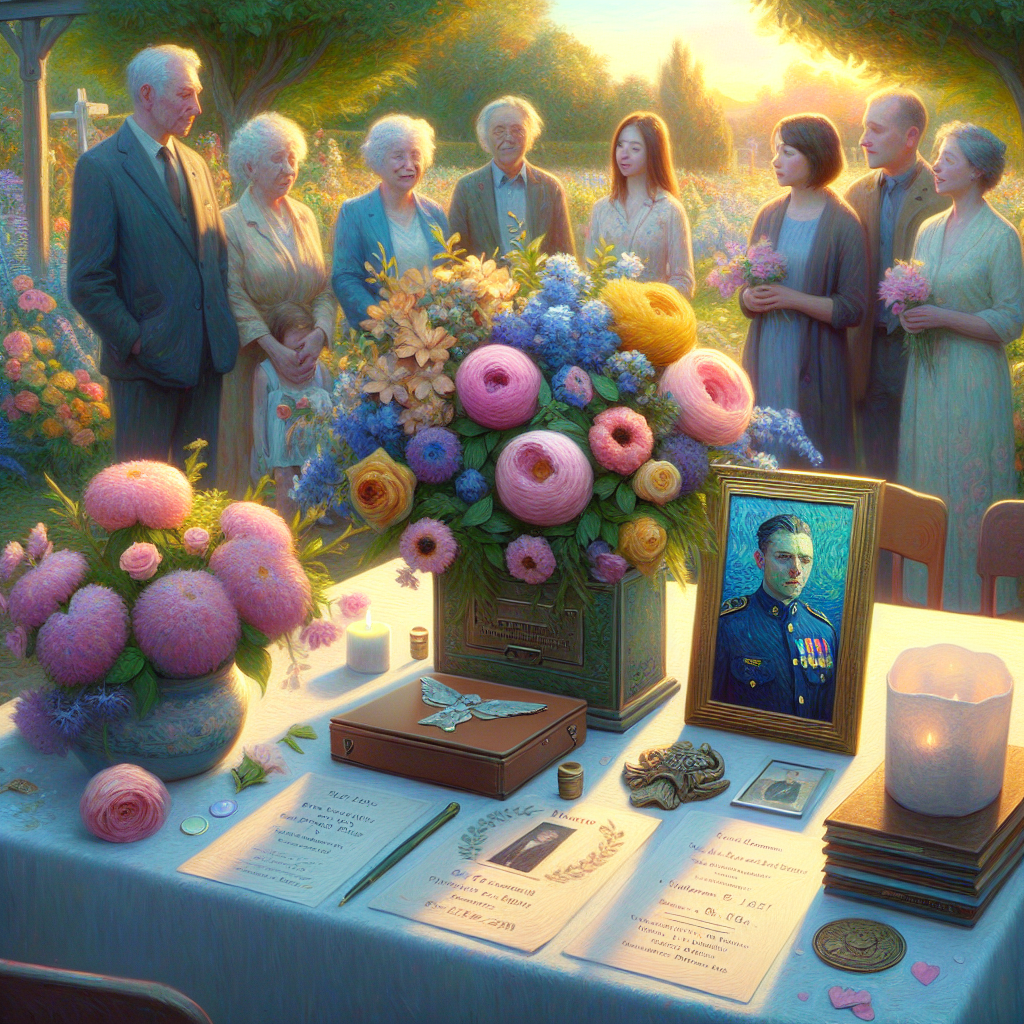
Ah, nostalgia. It’s that bittersweet brew of warm memories and wistful longing, laced with the essence of yesteryear. As we find ourselves diving headfirst into sentimentality, brands harness this emotional treasure trove to capture our hearts and wallets. But let’s not overlook the ethical minefield lying beneath those glossy ads and heartfelt videos. After all, while nostalgia can be a powerful marketing tool, wielding it without care can lead to stripped legacies rather than celebrated ones.
Consider the recent surge in products built around legacy storytelling. Companies parade images of a simpler time, invoking cherished memories that entice consumers. But here’s the catch: Are they honoring that past or merely exploiting it for profit? When brands tap into nostalgia, they risk commodifying the very emotions that once shaped our identities. We instinctively crave connection, but that same longing can veer into manipulation.
Let’s take a moment to think critically. When we buy into these nostalgic narratives, are we simply reminiscing, or are we sacrificing our present preferences for echoes of the past? Ethical marketing acknowledges the fine line between honoring a legacy and engaging in manipulation. It’s crucial for brands to ensure they’re uplifting stories and experiences that resonate deeply rather than just scratching the surface for a quick buck. Trust is built on transparency, and when nostalgia is leveraged responsibly, it can forge genuine connections between consumers and brands.
Moreover, there’s the matter of representation. Who gets to tell these nostalgia-tinged tales? Brands must be careful about who they include in their legacy storytelling. Nostalgia is not one-size-fits-all; it resonates differently across diverse cultures and experiences. A responsible approach not only acknowledges those differences but embraces them, creating a tapestry of stories that unify rather than divide.
As we navigate this complex landscape, consider this: Trust your gut. If a marketing message hits you in the feels— but doesn’t quite align with ethics—pause and reflect. Engage with brands that choose authenticity over artifice. With each purchase, you’re not just buying a product; you’re voting for the stories that shape our culture and community. So let’s support the brands that treat nostalgia with the respect it deserves, weaving together a narrative that honors the past while enriching our present.
What Ethical Considerations Arise When Using Nostalgia In Marketing?
What Ethical Considerations Arise When Using Nostalgia In Marketing?
- Nostalgia combines warm memories and longing, becoming a potent tool for brands to attract consumers.
- Brands often exploit nostalgia through legacy storytelling, raising questions about ethical marketing.
- There is a risk of commodifying emotions that shape our identities when brands tap into nostalgia.
- Consumers must discern whether they are reminiscing or sacrificing present preferences for nostalgia.
- Ethical marketing balances honoring legacies with avoiding manipulation of consumer emotions.
- Representation is crucial in nostalgic narratives; brands should reflect diverse cultures and experiences.
- Consumers should choose authenticity in marketing and support brands that respect nostalgia’s complexity.

What Ethical Considerations Arise When Using Nostalgia In Marketing?
Conclusion
Nostalgia isn’t merely a fleeting emotion or a clever marketing gimmick; it stands as a legacy asset that shapes our identities and guides our decisions. Think back to your own childhood—those sun-drenched afternoons spent playing tag in your backyard, or the aroma of your grandmother’s baking wafting through the house. Each moment is a thread in the tapestry of your life, reminding you of where you came from. This deep connection isn’t just sentimental; it encompasses our values, our communities, and the very fabric of who we are. When brands tap into nostalgia, they evoke not just memories but a sense of belonging, sparking trust and loyalty that transcends fleeting trends. It’s about storytelling—an invitation to reflect on shared experiences that resonate across generations.
Grasping the power of nostalgia offers an ethical dimension as well. It challenges brands to honor the complexities of the human experience rather than exploit it. Authentic legacy storytelling necessitates that companies tread carefully, ensuring they uplift rather than manipulate our sentiments. This is where responsibility plays a crucial role. Brands have the opportunity to foster genuine connections, reminding us that while we may differ in backgrounds and experiences, our shared memories can unite us. Each nostalgic narrative, whether around a dinner table or during a family outing, celebrates diversity while reinforcing our common humanity.
In today’s fast-paced world, nostalgia serves as a grounding force amidst uncertainty. It offers guidance, reflecting the wisdom of our past that can illuminate our paths forward. By reconnecting with those cherished moments, we gain insights that sharpen our decision-making, compelling us to weigh our values against our choices. As we disassemble and celebrate our narratives, we find ourselves woven into a larger story that invites empathy, understanding, and community building.
Embracing nostalgia doesn’t mean clinging to the past; rather, it’s an opportunity to cultivate new legacies while honoring old ones. Each nostalgic story we share can strengthen our connections while simultaneously nudging us toward personal growth and self-awareness. In the end, it’s not about the memories themselves; it’s about how those memories inspire action, foster bonds, and enrich our lives. So let’s celebrate this powerful tool, not just in marketing, but as a vital part of the human experience—a reminder of what has shaped us and what we can become together. Embrace your past, share your journey, and keep the legacy alive.
Conclusion
Conclusion:
- Nostalgia shapes our identities and influences our decisions as a legacy asset.
- Personal memories, such as childhood experiences, form a tapestry that connects us to our origins.
- Brands leveraging nostalgia create a sense of belonging and loyalty that surpasses trends.
- Authentic storytelling requires brands to honor and not exploit the complexities of human experiences.
- Nostalgia fosters connections among diverse individuals through shared memories, reinforcing our common humanity.
- It serves as a grounding force in uncertain times, providing wisdom from the past that guides decision-making.
- Embracing nostalgia allows for the cultivation of new legacies while honoring old ones, enriching our lives.
Conclusion
Other Resources

Other Resources
Here is a list of other resources you can review online to learn more:
- LivingDNA
- PartingWishes
- LegacyFamilyTree
- Remembered.com
- How To Write Legacy Story Headlines That Appeal To The Heart, Gut and Head
- UpCounsel
- Storyfile Life
- How to Avoid Losing Your Family History One Generation at a Time
- Legacy Family Tree
- RootsMagic
- FuneralWise
- Forever Missed
- How To Write Legacy Stories That Appeal To The Heart, Gut and Head
- APH
- IronClad Family
- EverNote
- WishesKeeper
- Directive Communication Systems
- AmericanAncestors
- Association of Personal Historians
Use This Prompt To Get More Resources With Your Favorite Online AI Tool: Please provide me with a list of online articles with their URLs in a bulleted list that I can read regarding Nostalgia Isn’t Just for Marketing—It’s a Legacy Asset

Other Resources
Glossary Terms
Nostalgia Isn’t Just for Marketing—It’s a Legacy Asset – Glossary Of Terms
1. Nostalgia: A sentimental longing for the past, often triggered by memories, objects, or experiences that evoke feelings of warmth and comfort.
2. Legacy Asset: An enduring quality or resource that maintains value over time, particularly in branding and marketing.
3. Branding: The process of creating a unique identity for a product or service, often leveraging nostalgia to evoke emotional connections.
4. Emotional Marketing: Strategies that engage consumers’ feelings, often using nostalgia to forge deeper customer relationships.
5. Consumer Behavior: The study of how individuals make decisions to spend their resources on consumption-related items, influenced by nostalgic cues.
6. Cultural Memory: Shared recollections or experiences within a group that shape collective identity and values, often tapped into by brands.
7. Retro: A style or practice from the past that has been revived in contemporary culture, frequently associated with nostalgic feelings.
8. Sentimentality: Tenderness, sadness, or nostalgia in the expression of emotions, often used in marketing to evoke strong consumer responses.
9. Generational Appeal: Marketing strategies that target different age groups, leveraging nostalgia to enhance appeal across generations.
10. Storytelling: The art of conveying messages through narratives, frequently employed in marketing to evoke nostalgia and enhance brand affinity.
11. Consumer Engagement: The emotional connection between consumers and brands, often deepened by nostalgic experiences or references.
12. Affective Response: Emotional reactions elicited by stimuli, such as nostalgic content, that affect consumer decisions.
13. Heritage Branding: A branding strategy rooted in historical significance and legacy, often utilizing nostalgia to connect with consumers.
14. Iconography: Visual imagery or symbols associated with nostalgia that can trigger specific emotional responses in consumers.
15. Nostalgic Products: Items designed to invoke past experiences or memories, often marketed to resonate with consumers’ emotions.
16. Throwback Culture: A societal trend that celebrates and revisits elements from the past, fostering nostalgic feelings among consumers.
17. Emotional Resonance: The degree to which a nostalgic marketing message connects with consumers’ feelings and past experiences.
18. Retro Branding: The practice of reviving outdated brand elements or styles to evoke nostalgia and attract fans of the original.
19. Market Differentiation: Strategies that position a brand uniquely in the market, often employing nostalgia to distinguish itself from competitors.
20. Legacy Marketing: Marketing efforts that emphasize a brand’s history and heritage, appealing to consumers’ nostalgia.
21. Memory Lane: A metaphorical reference to recalling past experiences, often used in marketing to elicit nostalgia.
22. Nostalgia Marketing: A strategy that incorporates nostalgic elements to enhance consumer connection and loyalty.
23. Cognitive Dissonance: Psychological conflict resulting from inconsistent attitudes, which can be alleviated by nostalgic experiences.
24. Pop Culture: Current trends and ideas prevalent in society, often referencing past decades, eliciting nostalgia in various audiences.
25. Long-Term Value: The sustained impact and appreciation of nostalgic elements in branding that contribute to customer loyalty over time.
26. Brand Equity: The value added to a product or service because of its brand, often enhanced through nostalgic marketing.
27. FOMO: Fear of missing out, which can be exacerbated by nostalgia as consumers long for experiences or products from the past.
28. CRM (Customer Relationship Management): Strategies to manage a company’s interactions with current and potential customers, increasingly leveraging nostalgia.
29. Authenticity: The perceived genuineness of a brand or experience, where nostalgia can play a crucial role in establishing trust.
30. Digital Nostalgia: The phenomenon of experiencing or invoking nostalgia through digital platforms, often manifested in the revival of retro content online.

Glossary Of Terms
Other Questions
Nostalgia Isn’t Just for Marketing—It’s a Legacy Asset – Other Questions
If you wish to explore and discover more, consider looking for answers to these questions:
- What are some examples of brands that effectively use nostalgia in their marketing?
- How can individuals create their own legacy through storytelling?
- What role does nostalgia play in mental health and well-being?
- How can nostalgia influence our relationships with others?
- What are the potential downsides of excessively relying on nostalgia?
- How can nostalgia be used to foster community engagement?
- What psychological effects does nostalgia have on decision-making?
- How can brands ensure they are ethically using nostalgia in their campaigns?
- In what ways can nostalgia be leveraged in personal development?
- How can different cultures utilize nostalgia in their storytelling?

Other Questions
Haiku
Nostalgia Isn’t Just for Marketing—It’s a Legacy Asset – A Haiku
Memories unfold wide,
Threads of legacy woven,
Guiding hearts and minds.
Haiku
Poem
Nostalgia Isn’t Just for Marketing—It’s a Legacy Asset – A Poem
In the halls of memory, where echoes reside,
Nostalgia breathes warmth, a comforting tide,
With whispers of laughter from dinners long past,
It weaves through our stories, a legacy cast.
Through faded old photographs and journeys we’ve known,
Each reminiscence whispers, “You’re never alone.”
From the rich scents of kitchens where love intertwined,
To each shared adventure, the family defined.
Marketing’s touch, yes, but more than a ploy,
It’s heartstrings and values, the magic of joy.
In a world spinning swiftly, it roots us anew,
A compass in chaos, guiding us true.
Ethics guide brands as we cherish each tale,
Invoking connection, through sunlight and hail.
When they honor our past, not just seek a sale,
They bridge us together, ensuring we sail.
In stories we share, in gatherings bright,
Empathy blossoms, igniting our light.
For the threads of our histories dance in the air,
Uniting us boldly, with depths we can share.
So let’s lean in to the warmth that we find,
Each memory cherished, a treasure entwined.
Embrace all the moments that shape who we are,
For nostalgia’s a legacy, our guiding star.

Poem
Checklist
Nostalgia Isn’t Just for Marketing—It’s a Legacy Asset – A Checklist
Nostalgia and Legacy: A Heartfelt Checklist
Emotional Appeals:
_____ Reflect on your favorite childhood memory. What feelings does it evoke?
_____ Consider a family recipe that reminds you of your heritage. How does it make you feel when you prepare it?
_____ Picture the smell of a familiar place from your past. What emotions does it invoke?
Rational Appeals:
_____ Identify a brand that reminds you of your childhood. How does this nostalgia influence your purchasing decisions today?
_____ List the positive feelings you associate with your nostalgic memories. How could they impact your current relationships?
_____ Write down how nostalgia can enhance trust in brands or communities you’re part of.
Ethical Considerations:
_____ Think about a time when a brand used nostalgia in a way that felt genuine. What made it resonate with you?
_____ Consider the fine line between using nostalgia authentically and exploiting emotions for profit. How do you evaluate this in brands you support?
_____ Reflect on the diverse stories of nostalgia within your community. Are all voices included in the legacy being told?
Authority Appeals:
_____ List any research or studies you’ve read about the impact of nostalgia on decision-making or consumer behavior.
_____ Reflect on any experiences where trusted figures (family, mentors) have shared nostalgic stories that influenced you.
Narrative Appeals:
_____ Write down a personal story that connects your past to your present. How can you share this with others to strengthen bonds?
_____ Think about a pivotal life lesson learned through nostalgia. How can you use this in guiding your future actions?
Social Connections:
_____ Recall a shared nostalgic experience (e. g. , holidays, family gatherings) that strengthened your relationships. How can you create similar moments in the future?
_____ Identify opportunities to use nostalgia in conversations with friends or family to deepen connections. What stories would you share?
_____ Reflect on how reminiscing can foster empathy and understanding in your community. How can you promote this connection?

Checklist
At LegacyExplorations, we help people plan and explore their legacy by collecting information and news regarding end-of-life planning.
Please share this post with your friends, family, or business associates who may want help to plan or explore their legacy.