

Transforming Chaos Into Connection: The Heartfelt Path To Order
By Tom Seest
At LegacyExplorations, we help people plan and explore their legacy by collecting information and news regarding end-of-life planning.
Please share this post with your friends, family, or business associates who may want help to plan or explore their legacy.
Organization Is an Act Of Love
When we think of organization, our minds often drift toward spreadsheets, color-coded lists, or that pristine garage many of us dream about. But at its core, organization transcends mere tidiness; it’s an act of love. Just think about the legacy we leave behind. Every time we organize our homes, our workspaces, or even our thoughts, we’re crafting a narrative—one that tells others who we are and what we value.
Consider the act of decluttering a home filled with items from our past. Each item tells a story, part of our legacy. When we take the time to sift through, we’re not just tossing things away; we’re engaging in a profound exercise of storytelling. We reflect on memories, decide which stories to hold onto, and which to release. This not only frees up physical space but also emotional bandwidth, allowing us to engage with the present—and those we love—more fully.
Beyond the sentimental, there’s a rational aspect to organization. Studies show that an organized environment can drastically improve focus and productivity. It’s common sense: chaos breeds distraction. When our surroundings are in order, our minds can follow suit. We owe it to ourselves—and to those who depend on us—to create spaces that foster functionality and clarity rather than frustration.
The ethical component is equally significant. When we organize, we demonstrate respect for our belongings and our relationships. Every organized element in our lives sends a message that we value time, effort, and connection. This is crucial in a world where busyness often overshadows meaningful interactions. By investing in organization, we’re essentially making a choice to prioritize what matters most.
Moreover, there’s undeniable authority in organization. People who master their spaces often inspire others to take action. It’s contagious! When you witness someone’s dedicated commitment to creating order, it motivates a ripple effect. Friends, family, or coworkers often take cues, leading to a shared ethos centered on love and respect for our environments.
Ultimately, organization is about more than neat shelves or tidy rooms. It’s an invitation—a call to honor our legacy, to tell our stories, to navigate our realities with intention. It’s about fostering connections and creating spaces that reflect our values. When we embrace organization, we’re not just organizing our surroundings; we’re cultivating love in its many forms.

Organization Is an Act Of Love
Organization Is an Act Of Love
- Organization goes beyond tidiness; it represents an act of love and showcases our values.
- Decluttering involves engaging with memories and deciding which stories to keep or release.
- An organized environment boosts focus and productivity by reducing chaos and distractions.
- Organization reflects respect for our belongings and relationships, emphasizing the importance of connection.
- Investing in organization is a choice to prioritize what matters most in life.
- Mastering organization can inspire others, creating a shared ethos of respect for environments.
- Ultimately, organization fosters connections and reflects our values, cultivating love in various forms.

Organization Is an Act Of Love
Table Of Contents
- Organization Is an Act Of Love
- Is Love the Foundation Of Effective Organization?
- How Can We Organize Our Lives with Compassion?
- What Role Does Empathy Play In Our Organizational Efforts?
- How Does Love Influence Our Decision-Making Processes?
- Can a Loving Approach Improve Team Collaboration?
- What Ethical Considerations Arise When Organizing for Change?
- How Can Storytelling Enhance Our Organizational Impact?
- Conclusion
- Other Resources
- Glossary Of Terms
- Other Questions
- Haiku
- Poem
- Checklist
Is Love the Foundation Of Effective Organization?
Is Love the Foundation of Effective Organization?
In the world of organizations, love often gets relegated to greeting card sentiment. Yet, when you dig deeper, it reveals a truth that can underpin everything we do. Love—at its core—is a connection, a commitment to one another that transcends the confines of job descriptions and quarterly reports. It’s that feeling of belonging, the warmth in the workplace that can drive productivity and innovation.
Imagine a team that thrives on legacy storytelling, where the threads of shared experiences weave a rich tapestry of camaraderie. This isn’t just fluff; it’s a strategic advantage. When employees feel loved and valued, they are more likely to invest emotionally in their work and their colleagues. This emotional investment fosters loyalty that can weather the toughest storms. Companies that embrace this ethos create not just employees but advocates—people who will champion the organization’s cause, going above and beyond because they are moved by a sense of purpose.
Rationally speaking, fostering an environment of love is smart business. Studies have shown that organizations with strong emotional connections see increased productivity, lower turnover rates, and enhanced collaboration. The numbers don’t lie—an engaged workforce literally translates to a healthier bottom line. When love manifests in professional settings, it nurtures a culture of accountability, where team members trust one another to uphold not just their own responsibilities, but also the collective mission.
Ethically, this commitment to love aligns with principles of fairness and respect. It transforms workplace dynamics into one of mutual support rather than competition. Employees thrive in spaces where they can voice concerns and share ideas without fear of judgment. This openness encourages a diverse range of perspectives that enrich the organization’s problem-solving arsenal.
And let’s not underestimate the power of narrative. Every organization has a story, a unique saga that reflects its values. By embedding love into the fabric of that narrative, you not only connect with employees but also with customers. People gravitate toward brands that stand for something more than profits—a heartbeat behind the mission.
Ultimately, it’s about connection. We crave authenticity in our workplaces, a space where collaboration and creativity flourish. Organizations that embrace love as foundational are not just surviving; they are thriving, creating a legacy that inspires trust and confidence—a legacy that begins with the simplest of gestures: love.

Is Love the Foundation Of Effective Organization?
Is Love the Foundation Of Effective Organization?
- Love in organizations is more than sentiment; it signifies connection and commitment beyond job roles.
- A team thriving on legacy storytelling fosters camaraderie, driving emotional investment and loyalty.
- Organizations that embrace love see increased productivity, lower turnover rates, and better collaboration.
- An engaged workforce leads to a healthier bottom line and a culture of accountability among team members.
- Ethical commitment to love promotes fairness and respect, creating a supportive workplace dynamic.
- Embedding love in organizational narratives connects with both employees and customers, fostering brand loyalty.
- Authenticity and collaboration flourish in environments where love is foundational, leading to legacy creation.

Is Love the Foundation Of Effective Organization?
How Can We Organize Our Lives with Compassion?
We live in a world that often feels cluttered with noise and distraction, yet at the core of a fulfilling life lies an ancient truth: the power of compassion. It’s about more than just being kind; it’s about weaving a legacy through our actions, a kind of storytelling that transcends time, touching hearts and sparking change.
Imagine for a moment the daily routines that govern our lives. We wake up, check our phones, rush through breakfast, and shuffle off to work, often lost in our thoughts. But what if, amid this frenetic pace, we paused to consider the impact of our interactions? A simple act of kindness—a smile, a helping hand—can transform not just the recipient’s day but also ours. Each compassionate action builds our legacy, crafting a narrative that others will share long after we’re gone.
Think about the stories you cherish, those that resonate deep within. They often feature individuals who faced challenges, not through bravado but through empathy and understanding. They inspire us to reflect on our own lives. When we organize our lives around compassion, we begin to craft our legacy as part of a vast human tapestry, inviting others to find their place within it.
From a rational perspective, organizing our lives with compassion leads to tangible benefits. Studies show that when we engage in acts of kindness, it not only enhances our well-being but also strengthens our communities. This isn’t just feel-good fluff; kindness elevates us all, fostering connections that enrich our existence and enhance our collective resilience.
Ethically, embracing compassion means recognizing our shared humanity. It’s the understanding that behind every face is a complex story, a journey worthy of respect. It’s about honoring each person’s narrative and choosing to uplift rather than diminish.
As we navigate this complex world, let’s make a conscious effort to prioritize compassion in our daily lives. Whether it’s in our families, at work, or in our communities, the power of a compassionate approach can inspire trust and foster deeper connections. It motivates not just ourselves, but those around us to rise to action, to carry the torch of kindness forward.
In doing so, we create a legacy of compassion, a story that reverberates through our interactions, shaping not only who we are but also who we wish to be in this world together. So, take a moment, breathe, and remember: organizing our lives with compassion is not just a choice; it’s a call to action that has the power to change everything.
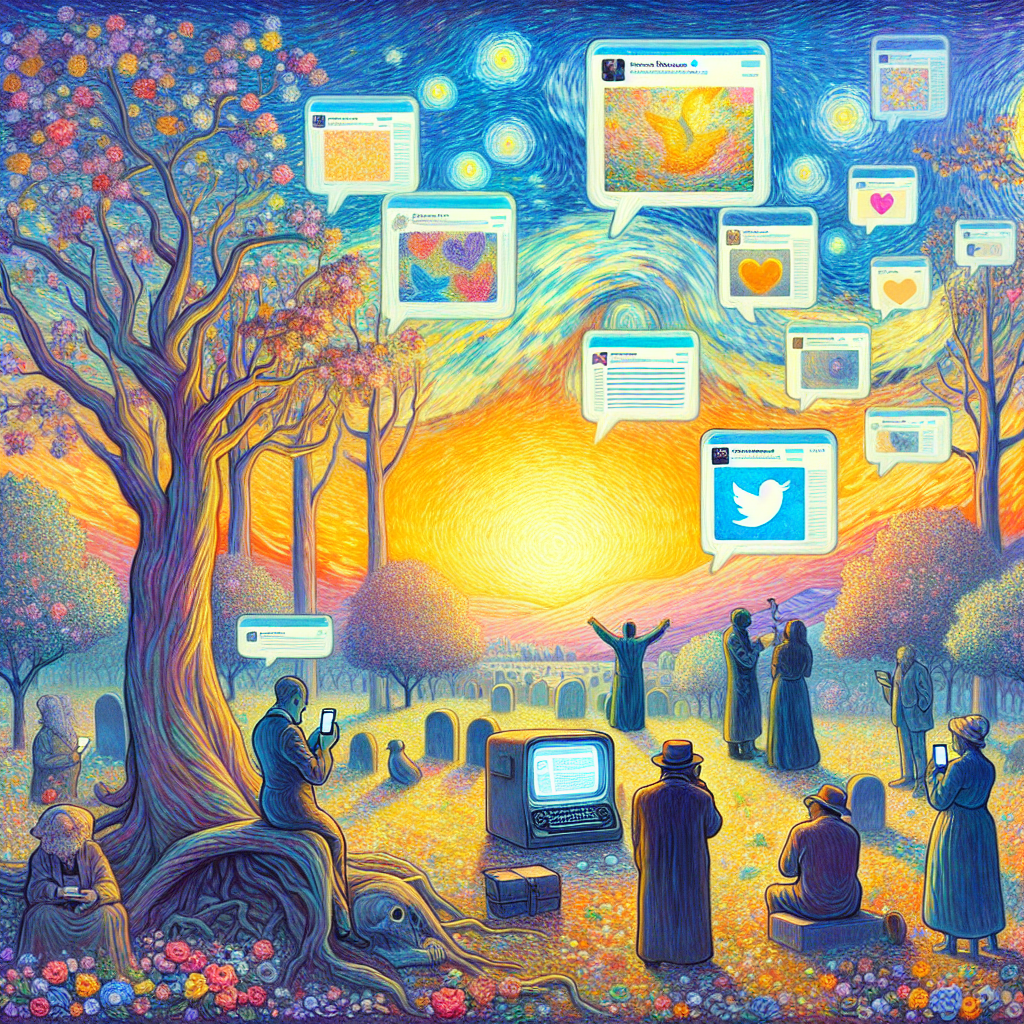
How Can We Organize Our Lives with Compassion?
How Can We Organize Our Lives with Compassion?
- Compassion is essential for a fulfilling life, serving as a powerful legacy through our actions.
- Daily routines often distract us, but kindness can transform lives and create lasting narratives.
- Stories of empathy inspire reflection and encourage us to organize our lives around compassion.
- Acts of kindness enhance well-being and strengthen community resilience.
- Embracing compassion recognizes our shared humanity and honors individual narratives.
- Prioritizing compassion fosters trust and deeper connections in families, workplaces, and communities.
- Organizing our lives with compassion is a transformative call to action that can change everything.

How Can We Organize Our Lives with Compassion?
What Role Does Empathy Play In Our Organizational Efforts?
Empathy isn’t just a buzzword tossed around in corporate boardrooms; it’s the backbone of any thriving organization. Picture this: a team coming together not because they have to, but because they genuinely care about one another. This isn’t merely a feel-good notion; it’s a legacy built on storytelling, shared experiences, and the understanding that every member brings something unique to the table.
When we lean into empathy, we invite a connection that resonates deeper than mere cooperation. It’s the kind of collaboration that sparks innovation, transforms challenges into triumphs, and creates a culture where everyone feels heard and valued. Employees who identify with their workplace as a community are more motivated to invest in the organizational mission. They don’t just clock in and out; they pour their hearts into their work. It’s this emotional investment that fosters loyalty—a vital asset for any legacy and storytelling within an organization.
Rationally, fostering empathy can dramatically enhance productivity. When people feel respected and understood, they’re more likely to share ideas, tackle problems collaboratively, and tackle any obstacles with a mindset rooted in support rather than competition. This isn’t just about getting the job done; it’s about building a dynamic where creativity flourishes, and innovation is a shared pursuit. Think about it: isn’t that the kind of environment where breakthroughs occur?
Ethically, there’s a responsibility to create a workplace that champions empathy as foundational to its values. This commitment builds trust—essential in any organization. Employees feel more secure to voice their thoughts, knowing they’re in a space that honors their humanity. By making empathy a pillar of your organizational culture, you are not only inspiring a productive work environment but also setting a standard of behavior that encourages everyone to do their best.
Moreover, trust comes not only from policies and procedures but from shared narratives—those legacy stories of triumphs and failures that forge connections. When we embrace these stories, individuals understand they’re part of something bigger than themselves. It’s a powerful motivator, leaving a legacy that extends beyond quarterly reports and bottom lines.
In a world often distracted by competition and transactional relationships, embracing empathy offers a path toward deeper organizational success. It’s more than just a nice idea; it’s a call to action that demands we cultivate an environment where every individual feels seen, heard, and valued.

What Role Does Empathy Play In Our Organizational Efforts?
What Role Does Empathy Play In Our Organizational Efforts?
- Empathy is crucial for thriving organizations, fostering genuine care among team members.
- Building a culture of empathy enhances collaboration, innovation, and emotional investment in work.
- Employees feel motivated and connected to the organizational mission when treated as a community.
- Respect and understanding in the workplace lead to higher productivity and idea sharing.
- Championing empathy creates trust, allowing employees to voice thoughts safely.
- Shared narratives forge deeper connections and reinforce a sense of belonging.
- Embracing empathy is essential for long-term organizational success beyond profits.

What Role Does Empathy Play In Our Organizational Efforts?
How Does Love Influence Our Decision-Making Processes?
Love isn’t just a feeling—it’s a powerful influence that seeps into the very fabric of our decision-making processes. It shapes our choices in ways that often transcend logic and reason, guiding us towards actions that reflect our deepest values and connections. When faced with decisions, love challenges us to ponder not just the immediate consequences but also the long-term legacy we leave behind.
Think of it in terms of storytelling: our lives are narratives woven from threads of experience, choice, and consequence. Each decision we make—whether professional, personal, or relational—is part of a larger tale that we tell ourselves and others. Love acts as the narrator in this story, prompting us to act with compassion and empathy, urging us to consider how our choices impact those we care about.
The gut instinct often associated with love can’t be ignored. When we’re wrapped in the warmth of affection, our intuition sharpens, pushing us toward decisions that align with our moral compass. It’s not unusual for someone to abandon a secure job to pursue a passion, driven by a desire to create a life steeped in love and fulfillment. These choices, while risky, resonate with our core values and, ultimately, our story.
Additionally, the social calculus of love can’t be understated. We’re inherently social beings, wired for connection, and our relationships anchor our decision-making framework. Love instills a sense of responsibility, pushing us to consider how our actions will affect not just ourselves, but our loved ones and our community. The decisions guided by love often prioritize collective well-being over self-interest, enhancing societal cohesion.
Furthermore, there’s an ethical dimension; love encourages us to hold ourselves accountable to higher standards. It inspires us to rise above immediate gratification, fostering resilience and the fortitude to navigate difficult choices with integrity.
In every decision influenced by love, we contribute to a legacy—a legacy built on compassion, understanding, and meaningful connections. The choices we make shape not just our lives but the lives of those we cherish. They spark a ripple effect, demonstrating that love isn’t merely a soft sentiment; it’s a powerful catalyst for purposeful action. In weighing our decisions, we should embrace the notion that our legacy—crafted through love—is worth every moment of deliberation and every ounce of courage we possess.

How Does Love Influence Our Decision-Making Processes?
How Does Love Influence Our Decision-Making Processes?
- Love is a powerful influence on decision-making, shaping choices beyond logic and reason.
- It prompts reflection on both immediate consequences and long-term legacy.
- Life decisions are narratives influenced by love, encouraging compassion and empathy.
- Intuition strengthens in the presence of love, guiding morally aligned decisions.
- Love instills responsibility, prioritizing collective well-being over self-interest.
- It encourages accountability to higher ethical standards, fostering resilience.
- Decisions influenced by love contribute to a meaningful legacy and societal cohesion.

How Does Love Influence Our Decision-Making Processes?
Can a Loving Approach Improve Team Collaboration?
In the hustle and bustle of our daily grind, where deadlines loom and pressures mount, it’s easy to forget that the heart of any team is not just its collective skills but its people. The foundation of effective collaboration lies in the connections we forge with one another. A loving approach to teamwork doesn’t mean softening expectations; rather, it’s about creating an environment where vulnerability, respect, and mutual support foster growth and innovation.
Imagine for a moment a workplace where each member feels valued, where their input is not just heard but truly appreciated. This is not just wishful thinking; it’s a viable strategy that can transform a group of individuals into a cohesive unit. Legacy storytelling plays a pivotal role here. By sharing personal experiences and the trials and tribulations that shaped us, we can build rapport and understanding among teammates. These stories illuminate our humanity and remind us that beyond the emails and meetings, we all share common struggles and aspirations.
The rational mind needs to see the numbers, and studies show that teams that cultivate a culture of care and camaraderie not only report higher satisfaction rates but also see productivity soar. When team members engage with one another on a deeper emotional level, they are more likely to take ownership of their roles and collaborate effectively. This isn’t simply a feel-good notion; it’s a strategy backed by research that aligns with ethical leadership principles. Decision-makers who foster a caring workplace not only do right by their team, they also cultivate trust and loyalty that translates to greater organizational success.
Now, let’s not ignore the gut. At our core, we all want to belong, to feel part of something larger than ourselves. Teamwork thrives when individuals are willing to extend grace, to show empathy, and to support one another—even when the seas are rough. When challenges arise, the bonds we form through a loving approach provide the resilience needed to navigate the storm, creating a safety net built on shared experiences and mutual respect.
Ultimately, a loving approach to team collaboration isn’t merely an idealistic notion; it’s a powerful call to action. It invites leaders and team members alike to embrace one another with an open heart and a willingness to grow together. In a world that often prioritizes competition over collaboration, it’s time to redefine success through the lens of connection and compassion, paving the way for a more engaged, effective, and harmonious team dynamic.

Can a Loving Approach Improve Team Collaboration?
Can a Loving Approach Improve Team Collaboration?
- The heart of a team lies in its people, not just skills.
- Effective collaboration is based on connections, vulnerability, and mutual respect.
- A workplace where input is valued can transform individuals into a cohesive unit.
- Legacy storytelling fosters rapport and understanding among teammates.
- Studies show that a culture of care leads to higher satisfaction and productivity.
- Empathy and support are essential for navigating challenges within teams.
- A loving approach to teamwork promotes growth, engagement, and a harmonious dynamic.

Can a Loving Approach Improve Team Collaboration?
What Ethical Considerations Arise When Organizing for Change?
When we band together to push for change, it’s more than just a movement; it’s a legacy waiting to unfold. Every decision we make reverberates through time, leaving a mark that can inspire generations. Understanding the ethical landscape in this pursuit isn’t just a checklist—it’s about weaving our collective story into the fabric of society.
Picture this: a group of dedicated individuals, hearts burning with passion, rallying around a cause. They share a common vision, yet each carries a unique backstory. This is where legacy storytelling comes into play. It’s not just about the facts and figures; it’s about the narratives that resonate deep within us. Each person’s experience can highlight the stakes of change, connecting the emotional with the rational. The power of a well-told story can galvanize action, reminding us why we began this journey in the first place.
Yet, with great power comes great responsibility. Ethical considerations arise not just from the ends, but from the means. In striving for progress, are we considering the voices often left unheard? Are we fostering an inclusive environment, where diversity isn’t merely a buzzword but a lived reality? Engaging the community means recognizing that activism is not a solo act—it’s a symphony, and every voice matters. This collective identity strengthens our resolve, making the journey relatable and grounded in shared values.
Moreover, as we challenge the status quo, we must weigh our actions against moral frameworks. Are we prioritizing transparency and integrity, or are we tempted by shortcuts that may compromise our ethics? The guiding principle should be to elevate not just our cause, but also the individuals entwined in it. When we advocate with authenticity, we build trust—our most valuable currency in the world of change-making.
Organizing for change is akin to planting a seed. It requires nurturing, patience, and a commitment to ethical principles. The roots of our mission grow deeper when they are intertwined with honesty and respect for all. This connection fosters confidence, not just in what we aim to achieve, but in who we are as change agents.
As we chart this path, let’s remember that every action has the potential to create ripples. Our legacy is built not simply on triumphs, but also on how we treat one another along the way. Every change we fight for becomes a part of our shared history, a narrative rich with lessons learned, inviting others to join in, and fostering a community bound by purpose and compassion.

What Ethical Considerations Arise When Organizing for Change?
What Ethical Considerations Arise When Organizing for Change?
- Collective efforts for change create a lasting legacy that inspires future generations.
- Legacy storytelling intertwines individual experiences with shared goals, highlighting the importance of narratives.
- Ethical considerations must include amplifying unheard voices and fostering genuine inclusivity.
- Activism is a collaborative endeavor that values every participant’s contribution.
- Guiding principles should prioritize transparency and integrity over shortcuts that compromise ethics.
- Building trust and confidence in the movement relies on authenticity and respect for all involved.
- Actions taken during the journey shape our collective history, emphasizing compassion and shared values.

What Ethical Considerations Arise When Organizing for Change?
How Can Storytelling Enhance Our Organizational Impact?
Storytelling, when woven into the fabric of an organization, can profoundly enhance its impact. It’s not just a technique; it’s a legacy. Think about the stories we tell—those narratives capture our journey, our challenges, and our victories. Legacy storytelling transcends mere information; it resonates with our core values and reflects our mission in a way that both individuals and teams can grasp and rally around.
Imagine standing in a room full of employees, each listener with their own concerns, aspirations, and backgrounds. Instead of presenting dry statistics or corporate jargon, what if we shared genuine, relatable experiences? Every leader carries a story that shapes their vision. When these stories are told in an engaging manner, they foster a deep connection. Employees are more likely to invest themselves emotionally when they can see their own experiences mirrored in the company’s narrative.
Moreover, storytelling serves as a powerful means of rational persuasion. It draws out the logical thinker, presenting facts and outcomes in a context that makes sense. By illustrating how past decisions have led to present successes or failures, organizations can cultivate a clear understanding of their trajectory. People understand trends and changes when they see them play out in real life, through relatable characters rather than abstract data.
Ethically, organizations have a responsibility to share their truths—both the successes and the missteps. This transparency builds credibility and fosters trust. Employees are more inclined to support a leadership team that openly addresses failures, providing an opportunity to learn and grow. Legacy storytelling allows organizations to own their narratives fully, presenting an authentic image that nurtures loyalty and respect.
On a social level, stories can bridge gaps between departments and foster collaboration. A shared narrative helps unite diverse teams, creating a sense of belonging. When individuals see themselves as part of a larger story, they engage more meaningfully in their work.
The call to action is clear: embrace the power of storytelling. Start small, sharing anecdotes that reflect the culture and the aspirations of the organization. Encourage every level of the company to contribute their voices to the tapestry of your legacy. In doing so, an organization doesn’t just communicate—it transforms, inspires, and elevates its collective impact on the world. Legacy storytelling is not merely about what we do; it’s about who we are and the connections we forge along the way.

How Can Storytelling Enhance Our Organizational Impact?
How Can Storytelling Enhance Our Organizational Impact?
- Storytelling enhances organizational impact and embodies a legacy.
- It captures the journey, challenges, and victories, resonating with core values.
- Engaging narratives foster emotional investment among employees.
- Storytelling rationalizes persuasion by contextualizing facts and outcomes.
- Transparency in sharing successes and failures builds credibility and trust.
- It bridges gaps between departments, fostering collaboration and a sense of belonging.
- Organizations are encouraged to embrace storytelling to transform and inspire their culture.

How Can Storytelling Enhance Our Organizational Impact?
Conclusion
Organization is more than just a strategy for tidying up your life; it’s a profound act of love. When we engage in organizing, we create connections that tell our stories, reveal our values, and reflect the legacies we aspire to leave behind. Each item we choose to keep or discard serves as a snapshot of our past, shaping our present and guiding our narratives forward. This thoughtful process not only declutters our physical spaces but also gives us clarity, enhancing our mental well-being. Studies back this up—an organized environment fosters focus and productivity, proving that chaos impedes our ability to thrive.
At its core, organization is an ethical commitment. It shows we respect not just our belongings but the relationships that surround us. By prioritizing organization, we affirm what matters most in our lives, reinforcing our bonds with others. Moreover, there lies immense authority in being organized. Those who master their environments inspire others, creating a community driven by care and respect—an ethos in which love becomes a catalyst for positive change.
When we talk about love in organizational settings, it transcends sentimentality. It fosters a culture that encourages emotional investment and loyalty, transforming employees into advocates who go beyond their expected roles because they sense purpose. Compassion and empathy begin to flourish, turning work environments into communities where innovation and collaboration thrive.
Navigating through life and work with compassion is crucial. By incorporating kindness into our daily routines, we not only enhance our own lives but enrich those around us. Empathy nurtures the connections that fuel effective teamwork, enabling us to tackle challenges collaboratively rather than in isolation. As we embrace this ethos, we’re not just organizing for order but laying the groundwork for a compassionate legacy.
Ultimately, our decisions—from personal choices to organizational strategies—shape the legacies we leave. When guided by love and empathy, we define not only the quality of our actions but also the collective impact on our communities. This is the essence of true organization; it’s about connecting hearts and minds while creating spaces that resonate with care and intent. Embrace organization as a loving journey, one that invites each of us to play our part in a larger narrative—one that inspires change, nurtures relationships, and honors the stories we share.

Conclusion
Conclusion:
- Organization is an act of love, creating connections that tell our stories and reflect our values.
- Each item we choose to keep or discard shapes our present and guides our future narratives.
- An organized environment enhances mental well-being by fostering focus and productivity.
- Organization reflects an ethical commitment, respecting our belongings and relationships.
- Mastering organization inspires others, creating a community driven by care and respect.
- Incorporating compassion into organizational settings transforms employees into advocates.
- Our decisions shape the legacies we leave, connecting hearts and minds through care and intent.

Conclusion
Other Resources

Other Resources
Here is a list of other resources you can review online to learn more:
- MyHeritage
- RocketLawyer
- Digital Legacy Association
- USLegalWills.com
- Forever Missed
- Personal Legacy Advisors
- ForeverMissed
- Geneanet
- Ancestry
- Living Wisely
- deviantART
- LifeWeb 360
- Storyworth
- My Wonderful Life
- Storyfile Life
- Remembered.com
- Your Digital Afterlife
- Xarona
- Can Telling and Preserving Personal or Family Legacy Stories Be Therapeutic?
- FuneralWise
Use This Prompt To Get More Resources With Your Favorite Online AI Tool: Please provide me with a list of online articles with their URLs in a bulleted list that I can read regarding Organization Is an Act Of Love

Other Resources
Glossary Terms
Organization Is an Act Of Love – Glossary Of Terms
1. Organization: The process of arranging resources and tasks systematically to achieve goals efficiently.
2. Clarity: The quality of being clear and easy to understand, essential for effective organization.
3. Intentionality: The practice of being purposeful in actions and decisions, guiding organizational efforts.
4. Efficiency: Achieving maximum productivity with minimum wasted effort, a key benefit of organization.
5. Compassion: Sympathy and concern for others, which can drive supportive organizational practices.
6. Collaboration: Working together among individuals or groups to achieve shared objectives in an organized manner.
7. Structure: The framework or arrangement of parts within an organization that lends order and stability.
8. Vision: A clear and strategic outlook on what an organization aims to achieve, guiding its structure and practices.
9. Time Management: The ability to use one’s time effectively or productively, crucial for maintaining organization.
10. Prioritization: The act of arranging tasks or goals in order of importance, central to efficient organization.
11. Systems Thinking: An approach that sees how things are interrelated and affects overall organization.
12. Emotional Intelligence: The ability to recognize and manage one’s own emotions and the emotions of others, enhancing organizational relationships.
13. Flexibility: The capacity to adapt to changes or unexpected challenges while maintaining organization.
14. Sustainability: Practices that ensure long-term organizational effectiveness without compromising future needs.
15. Empathy: The ability to understand and share feelings of others, crucial in fostering a loving organizational culture.
16. Accountability: Responsibility for actions and outcomes, promoting integrity within an organized framework.
17. Leadership: The act of guiding and influencing individuals or groups towards organizational goals.
18. Support: The act of providing assistance or encouragement, fostering a caring organizational environment.
19. Communication: The exchange of information necessary for maintaining transparency and clarity in organization.
20. Resource Management: The efficient and effective deployment of an organization’s resources, ensuring sustainability.
21. Alignment: The process of ensuring that all parts of an organization are coordinated towards common goals.
22. Inclusivity: The practice of ensuring all individuals feel valued and included within the organizational structure.
23. Trust: The firm belief in the reliability of others, essential for fostering strong organizational relationships.
24. Creativity: The ability to develop original ideas and solutions, enhancing organizational adaptability.
25. Motivation: The inner drive that encourages individuals to act towards organizational goals.
26. Balance: The equitable distribution of effort across different organizational responsibilities to prevent burnout.
27. Reflection: The practice of contemplating experiences and actions to improve future organizational practices.
28. Innovation: The introduction of new ideas or methods that can enhance organizational effectiveness.
29. Well-being: A state of comfortable health and happiness that an organization can promote for its members.
30. Commitment: The dedication to a cause or organization, which fosters loyalty and continuous improvement.

Glossary Of Terms
Other Questions
Organization Is an Act Of Love – Other Questions
If you wish to explore and discover more, consider looking for answers to these questions:
- What does “organization as an act of love” look like in concrete, everyday actions?
- How can I organize sentimental items without feeling guilty or losing important memories?
- What step‑by‑step methods help declutter a home with compassion and respect for family stories?
- How do I balance emotional attachments with practical needs for space and functionality?
- Which psychological techniques reduce anxiety when making decisions about personal belongings?
- How can leaders foster a culture of love and compassion without reducing accountability or performance?
- What training or practices reliably build empathy and compassionate communication at work?
- How do you measure the impact of a love‑based approach on productivity, retention, and morale?
- Are there empirical studies that quantify benefits of emotionally connected workplaces?
- How can storytelling be structured and used in onboarding, performance reviews, and team meetings?
- What ethical guidelines should govern use of personal stories in organizational narratives?
- How do you protect privacy and obtain consent when sharing employees’ or community members’ stories?
- How do you prevent a loving approach from becoming favoritism or bias?
- What strategies address resistance from employees or stakeholders who view “love” as unprofessional?
- How can organizations scale compassionate practices across large, diverse, or global teams?
- How do remote and hybrid work environments change the way we cultivate empathy and connection?
- What metrics or KPIs can track legacy, long‑term cultural shifts, and ethical impact?
- How can companies align incentives, performance reviews, and compensation with compassionate values?
- How should leaders model vulnerability and storytelling without overstepping professional boundaries?
- What are common pitfalls when implementing legacy storytelling and how can they be avoided?
- How do you reconcile short‑term business pressures with a long‑term commitment to compassion?
- What legal or compliance risks might arise when organizing change around personal narratives or community activism?
- How can organizers ensure inclusive participation and uplift voices from marginalized groups?
- What frameworks help evaluate ethical trade‑offs during activist organizing or institutional change?
- How can teams maintain compassion and connection during crises, conflict, or high stress?
- What practical tools, apps, or systems best support organized, compassionate workflows and spaces?
- How can individuals create personal routines that reflect organization as an act of love (time, space, relationships)?
- How do we teach children and younger generations to view organization as a form of care and legacy?
- How do you repair trust and restore a culture after actions that contradicted stated compassionate values?
- What rituals or practices can sustain a culture of love and organization over time?
- How do you document and preserve a meaningful legacy without encouraging hoarding or excessive accumulation?
- How can compassionate organization be implemented on a tight budget or with limited resources?
- How should teams handle conflicts that arise between compassionate ideals and individual autonomy?
- How can storytelling be crafted to persuade diverse stakeholders without oversimplifying complex issues?
- What role do external partners, customers, and communities play in shaping an organization’s loving legacy?

Other Questions
Haiku
Organization Is an Act Of Love – A Haiku
Legacy crafted with love,
Chaos turned to harmony,
Hearts and minds unite.

Haiku
Poem
Organization Is an Act Of Love – A Poem
In the dance of chaos, love compels us to organize,
To weave a tapestry from memories cast aside.
Each object, a chapter, in our life’s vast book,
Not mere clutter, but legacies that we must look.
Through compassionate actions, we find our way,
Crafting stories that echo, shining light on each day.
A team united, their hearts aglow,
Empathy fosters creativity, allowing ideas to flow.
In every decision, let love be our guide,
Building trust and connection, casting selfishness aside.
For in our shared narratives, true power resides,
Transforming workplaces into communities where pride abides.
Let kindness lead our organizing quest,
Creating spaces of respect, where all feel blessed.
As we act with intention, let’s sow seeds of change,
For in love’s embrace, our legacies rearrange.
So, with open hearts, let us rise to the call,
Organizing our lives, together we stand tall.
Through stories and compassion, let us craft the way,
A future where love guides us, come what may.

Poem
Checklist
Organization Is an Act Of Love – A Checklist
Heart Appeals
✅______ Reflect on the legacy you wish to create through organization.
✅______ Share a personal story related to your organizational journey to inspire others.
✅______ Engage in regular acts of kindness that positively impact your surroundings.
✅______ Encourage open discussions about shared experiences to foster deeper connections.
Head Appeals
✅______ Establish a structured plan for decluttering both physical and mental spaces.
✅______ Research and implement organizational techniques that enhance productivity.
✅______ Set measurable goals to track the effectiveness of your organizational strategies.
✅______ Analyze the impact of organization on overall well-being and workplace efficiency.
Gut Appeals
✅______ Trust your instincts when making organizational decisions that align with your values.
✅______ Prioritize spaces and systems that evoke a sense of comfort and belonging.
✅______ Cultivate an atmosphere where team members feel secure to express their ideas.
✅______ Embrace the notion that compassionate decision-making can drive positive change.
Ethical Appeals
✅______ Ensure that your organizational practices respect the diverse narratives within your community.
✅______ Be transparent about your organizational processes and their intended impact.
✅______ Foster inclusivity by seeking input from all stakeholders involved.
✅______ Commit to ethical storytelling that honors both successes and failures.
Authority Appeals
✅______ Share success stories from leaders who have transformed their spaces and teams through love and compassion.
✅______ Engage with experts or resources that advocate for holistic organizational approaches.
✅______ Lead by example in implementing organizational strategies that others can model.
✅______ Highlight research that supports the benefits of compassionate leadership.
Narrative Appeals
✅______ Frame your organizational journey as a story of growth, challenges, and triumphs.
✅______ Encourage team members to contribute their own stories to the organizational narrative.
✅______ Use storytelling techniques to communicate the shared vision and values of your organization.
✅______ Celebrate milestones and achievements publicly to reinforce the collective journey.

Checklist
At LegacyExplorations, we help people plan and explore their legacy by collecting information and news regarding end-of-life planning.
Please share this post with your friends, family, or business associates who may want help to plan or explore their legacy.