

Creating A Lasting Impact: Conquer Your Legacy’s Doubt
By Tom Seest
At LegacyExplorations, we help people plan and explore their legacy by collecting information and news regarding end-of-life planning.
Please share this post with your friends, family, or business associates who may want help to plan or explore their legacy.
Overcoming The Fear That Your Legacy Won’t Stick
When you think about your legacy, it’s easy to feel like you’re standing at the edge of a towering cliff, gazing down into an abyss of doubt. That fear—that your story won’t stick, that your contribution to the world will dissolve like footprints in the sand—is something we all grapple with. But what if I told you that the very act of worrying about your legacy is a testament to your humanity? It reveals a heart yearning to echo, to connect, and to be remembered. Legacy storytelling isn’t just for the great and famous; it’s for anyone who has ever made an impact, no matter how small.
Beneath the surface, the pressure to leave a significant mark often leads to paralysis. You might think, “What difference can I really make?” Yet, consider this: every interaction, every moment shared with others contributes to the tapestry of your legacy. Look around; your life is rich with stories waiting to be told. Reflect on those times you’ve helped a neighbor, supported a friend, or even just brightened someone’s day with a smile. These deeds, however mundane you deem them, are pieces of your narrative that deserve to be shared and celebrated.
From a rational perspective, think about the science behind storytelling. Research shows that stories resonate with us on a fundamental level, shaping our beliefs and values. They create connections, bridging gaps between generations and cultures. By sharing your experiences, you’re not just chronicling your life; you’re providing a guidepost for others, an ethical framework for them to explore their paths. Your tales can inspire action and reflection, encouraging those who hear them to step outside their own fears.
Embrace your vulnerability. Understand that every legacy is a work in progress, like a rough draft begging for refinement. Every successful person you admire has stories of missteps and failures that shaped their journeys. As you spin your legacy storytelling, don’t forget to weave in the lessons learned through hardship and joy alike. Engage with others, invite them into your narrative, and allow them to share theirs in turn. Together, you’ll create a communal legacy—a narrative that stands the test of time.
So take a deep breath and own your story. The fear may never fully dissipate, but it can transform into motivation. Not every legacy has to be monumental. Sometimes, the smallest ripples create the biggest waves. By sharing your life, you’re leaving a mark far beyond your imagination. And that, my friend, is where true legacy begins.

Overcoming The Fear That Your Legacy Won’t Stick
Overcoming The Fear That Your Legacy Won’t Stick
- Legacy concerns often evoke feelings of doubt and fear, highlighting our humanity and desire to be remembered.
- Everyone has the potential for legacy storytelling, regardless of their level of fame or impact.
- Every interaction contributes to your legacy; even small, everyday actions matter.
- Storytelling is backed by research, showing its power to shape beliefs and connect cultures.
- Sharing your experiences can provide guidance and inspire others to confront their fears.
- Legacy is an evolving narrative shaped by both successes and failures; embrace vulnerability in your storytelling.
- Your personal story can create significant impacts, proving that even small contributions can leave lasting marks.

Overcoming The Fear That Your Legacy Won’t Stick
Table Of Contents
- Overcoming The Fear That Your Legacy Won’t Stick
- What Legacy Do You Truly Want To Leave Behind For Future Generations?
- How Can We Ensure Our Contributions Remain Valued Over Time?
- What Emotions Drive Our Desire To Be Remembered And Respected?
- What Fears Do You Harbor About Being Forgotten, And Why?
- What Steps Can We Take To Communicate Our Values More Effectively?
- Is It Possible To Measure The Impact Of A Legacy In Tangible Ways?
- What Role Does Social Media Play In Shaping Modern Legacies?
- Conclusion
- Other Resources
- Glossary Of Terms
- Other Questions
- Haiku
- Poem
- Checklist
What Legacy Do You Truly Want To Leave Behind For Future Generations?
When we consider our legacy, it’s easy to get lost in lofty ideals and grand gestures. Yet, the truth is, a powerful legacy often stems from the simplest of actions—a kind word, a helping hand, or a story that resonates across generations. Each of us weaves our own narrative into the fabric of society, but how often do we pause to think about the threads we are leaving behind?
Imagine a future where your story inspires someone to pursue a dream they thought was unattainable. Picture your grandchildren sharing anecdotes about your life—the way you braved challenges, celebrated small victories, or simply treated others with kindness. That emotional connection can be deeply transformative. It tells them that facing adversity isn’t merely an option; it’s a vital chapter in their own story, one that equips them for the trials of life.
On a rational level, it’s essential to consider how the lessons you impart can shape the minds and morals of those who come after you. In an age defined by rapid change and uncertainty, the principles of hard work, integrity, and empathy remain steadfast. Your legacy can act as a compass, guiding future generations toward choices that are not only beneficial to themselves but also to their communities. When you live your values openly, it invites others to journey alongside you, creating a ripple effect that can span generations.
Ethically, ask yourself: What does it mean to leave a legacy that genuinely reflects your values? It’s not just about wealth or accolades; it’s about being a responsible steward of the planet and a resource for others. Future generations will inherit not just our achievements but our challenges. The stories we share—about overcoming obstacles, striking compromises, and serving others—offer a roadmap through the maze of life.
Together, we can cultivate a social fabric that embraces vulnerability and authenticity. People resonate with honesty; they understand the challenges of balancing ambition and compassion. When you share your experiences, especially the difficult ones, you foster trust. You show others that it’s okay to struggle, to get back up, and to keep striving.
So, what legacy do you want to leave behind? Let your story be one of inspiration, guided by values that align with your heart and your gut. After all, it’s not just about what you leave behind; it’s about how you can empower future generations to craft their own remarkable stories.

What Legacy Do You Truly Want To Leave Behind For Future Generations?
What Legacy Do You Truly Want To Leave Behind For Future Generations?
- A powerful legacy often arises from simple actions rather than grand gestures.
- Your story can inspire future generations to pursue their dreams and face challenges.
- Lessons imparted can shape the morals and minds of those who follow you.
- Your legacy can serve as a guiding compass for future choices benefiting both individuals and communities.
- Leaving a true legacy involves being a responsible steward of the planet and a resource for others.
- Sharing vulnerable and honest experiences fosters trust and encourages others to overcome challenges.
- Craft a legacy that empowers future generations to create their own remarkable stories.

What Legacy Do You Truly Want To Leave Behind For Future Generations?
How Can We Ensure Our Contributions Remain Valued Over Time?
Every contribution we make has the potential to create ripples far beyond our immediate circle, shaping the lives of others in ways we might not even grasp. To ensure that our efforts resonate, we must embrace a principle that transcends the mundane: the power of legacy storytelling. It’s not just about the work we do but the narrative we build around it. Each day, we labor not just for the paycheck, but to leave an indelible mark on those who come after us.
Think for a moment about the stories that have inspired you. What about them made you feel a connection? Maybe it was the tale of a humble craftsman who turned a simple tool into a lifeline for his community. Or perhaps it was a whistleblower, brave enough to stand up against injustice, whose resolve spurred change and inspired integrity. These stories allow us to see ourselves in the narrative, and in turn, they drive us to contribute in meaningful ways.
But storytelling isn’t just a fluff piece; it’s a strategic method by which we solidify our values and influence. When we share our experiences and the lessons learned, we create a framework that others can relate to. This isn’t just emotional; it’s rational. By articulating why we do what we do, we craft a legacy that becomes a shared narrative, fostering a sense of belonging in a community built on purpose. This invites empathy and deeper connections, helping all of us embrace the human experience.
Now, let’s add another dimension: the ethical responsibility we have to uphold our contributions with integrity. A legacy infused with authenticity is one that stands the test of time. We owe it to ourselves—and to the generations that follow—to ensure our work reflects our values and contributes positively to society.
You see, it’s not just about making a name for ourselves; it’s about inviting others into our journey. By sharing our legacy story, we create a tapestry woven with diverse experiences, each thread enhancing the overall picture. So, as you forge ahead, remember: your contributions, grounded in authenticity and shared through compelling narrative, have the extraordinary power to uplift and inspire, creating a legacy that resonates through time.

How Can We Ensure Our Contributions Remain Valued Over Time?
How Can We Ensure Our Contributions Remain Valued Over Time?
- Every contribution can create ripples beyond our immediate circle, influencing others significantly.
- The power of legacy storytelling is essential for ensuring our efforts resonate with others.
- Stories inspire connections and encourage meaningful contributions, drawing on real-life examples.
- Storytelling is both emotional and rational, helping solidify values and foster a sense of belonging.
- We have an ethical responsibility to ensure our legacy reflects our values and benefits society.
- Sharing our legacy invites others into our journey, creating a richer, diverse narrative.
- Your authentic contributions can uplift and inspire, crafting a lasting legacy that resonates over time.

How Can We Ensure Our Contributions Remain Valued Over Time?
What Emotions Drive Our Desire To Be Remembered And Respected?
When we peel back the layers of our yearning to be remembered and respected, we discover a tangled web of emotions driven by our deepest instincts, values, and desires. It’s a primal urge we all share, rooted in the need for connection and acknowledgment. Each of us wants to leave a mark—a legacy that tells our unique story and validates our existence in this vast tapestry of humanity.
Consider the power of storytelling; it’s not just a way to share experiences, but rather, a conduit for immortality. Every tale we tell, every experience we share, serves as a thread woven into the fabric of our collective memory. When we recount our struggles and triumphs, we invite others to step into our shoes for a moment, to feel our pain and joy. This reciprocity fosters a sense of belonging, a reminder that we are not alone in our journey. Our legacies, forged through these narratives, resonate far beyond our time on this earth.
Rationally speaking, respect is the currency of relationships—one that enriches both personal and communal bonds. It’s built on trust and authenticity, and our pursuit of respect often compels us to reflect on our values and actions. What kind of person do we aspire to be? What principles guide our decisions? As we navigate life, there’s a compelling logic to engaging with others in meaningful ways, and in doing so, we become stewards of our own stories and those of others.
On an ethical plane, our desire to be remembered is intertwined with our sense of responsibility. We owe it to the lives we touch—to the friends, family, and even strangers we inspire—to leave a legacy that speaks of compassion, integrity, and respect. This isn’t just about personal glory; it’s about creating a ripple effect that influences lives long after we’re gone. When we act in service of others, we lay the foundation for a legacy that embodies respect and remembrance.
Finally, there’s an undeniable social dimension to this desire. As humans, we thrive on connection. We celebrate anniversaries, milestones, and even small victories that highlight our achievements and contributions. By recognizing the common thread of being remembered and respected, we forge deeper bonds—one story, one experience at a time. Ultimately, this pursuit isn’t just about us; it’s a collective journey that binds us in our shared humanity, inspiring us to act, to connect, and to leave a legacy that transcends the confines of time.

What Emotions Drive Our Desire To Be Remembered And Respected?
What Emotions Drive Our Desire To Be Remembered And Respected?
- Desire for remembrance and respect is a universal human instinct tied to connection and acknowledgment.
- Storytelling serves as a powerful avenue for immortality, weaving individual experiences into collective memory.
- Sharing struggles and triumphs fosters belonging and reminds us we are not alone in our journeys.
- Respect enriches relationships, built on trust and authenticity, reflecting our values and decisions.
- Our desire to be remembered is linked to our responsibility to leave a legacy grounded in compassion and integrity.
- Acts of service contribute to a legacy that positively influences others, creating a ripple effect.
- This pursuit of legacy is a collective journey that strengthens our shared humanity and connections.

What Emotions Drive Our Desire To Be Remembered And Respected?
What Fears Do You Harbor About Being Forgotten, And Why?
Picture this: a quiet room filled with artifacts of a life lived, yet the stories behind them fade into silence. The fear of being forgotten isn’t just the apprehension of erasing our names from history—it’s the anguish of watching our legacies slip away like sand through a clenched fist. It’s a reflection of our deepest desire for connection, a yearning to be remembered not just for our accomplishments but for our very essence.
The weight of this fear can be overwhelming. We chase after validation, whether through work, relationships, or our passions, hoping that somehow, this will inscribe our presence into the hearts and minds of others. But as we rush through life chasing trophies and accolades, we often forget that true legacy comes not from a plaque on a wall but from the stories we leave behind. Consider instead what it means to engage in legacy storytelling—sharing experiences that resonate with others long after we’re gone.
When we talk about fears of being forgotten, we must address it head-on. It’s a distinctly human fear, one shared across generations, cultures, and nations. Is it so unreasonable to want our children’s children to tell tales of their great-grandparents’ quirks and wisdom? There’s a moral obligation to connect, to pass along our narratives to keep them alive. This isn’t just idealistic; it’s intrinsic to our social fabric. When we actively choose to engage in storytelling, we weave ourselves into the lives of others.
And there’s authority in vulnerability. Sharing those raw, unfiltered moments—joyful or regretful—builds bridges. It creates a tapestry of collective experiences, allowing us to inspire trust and foster connections. The beauty of vulnerability lies in its relatability; when we voice our fears, we open a door for others to step through and share their own.
So, I urge you to think about your own legacy and how you can confront and conquer the fear of being forgotten. Start sharing your stories—those rough, real, and raw moments that reflect the core of who you are. Engage with loved ones, put your experiences to paper, or embrace the power of conversation. By doing this, you not only beat back the specter of anonymity, but you also empower others to join this vital journey of remembrance. Because, at the end of the day, we are not just looking for survival in memory; we are seeking a sense of belonging.

What Fears Do You Harbor About Being Forgotten, And Why?
What Fears Do You Harbor About Being Forgotten, And Why?
- The fear of being forgotten reflects a deep desire for connection and legacy.
- This fear is shared across cultures and generations, highlighting its human aspect.
- True legacy stems from the stories we share rather than material accolades.
- Engaging in legacy storytelling fosters connections and preserves narratives through generations.
- Vulnerability in sharing personal moments builds trust and relatability among individuals.
- Confronting the fear of being forgotten involves actively sharing our genuine experiences.
- Ultimately, the goal is to achieve a sense of belonging and remembrance in the lives of others.

What Fears Do You Harbor About Being Forgotten, And Why?
What Steps Can We Take To Communicate Our Values More Effectively?
When it comes to communicating our values, it’s more than just a message; it’s a legacy rooted in storytelling. Every one of us has a tale to tell, a unique narrative that encapsulates our principles and what we stand for. But how do we share that story in a way that truly connects with others?
Start with authenticity. People can sniff out insincerity like a bloodhound on a scent. Own your values, and don’t be afraid to showcase the struggles that shaped them. Say you’ve always believed in hard work and integrity, but along that path, you faced failures and setbacks that tested your mettle. Sharing these moments of vulnerability allows others to relate on a human level. It’s in those cracks where real connection thrives.
Next, be clear about your purpose. What drives your commitment to these values? Consider weaving in your experiences—those moments when standing by your principles made all the difference. Maybe it was the time you chose to speak up for what was right, even when it was inconvenient. That’s not just a story; it’s an illustration of your ethical framework that resonates. It shows your audience not only what you believe, but also why it matters.
Now, let’s talk about action. It’s all well and good to share your values, but what are you doing about it? Live your principles out loud. If you value community, get out there and volunteer. If you champion equity, take steps to ensure inclusivity in your circle. Your actions become the living embodiment of your story, inviting others to join in a collective effort.
Lastly, foster conversations rather than monologues. Encourage dialogue with the very people you wish to connect with. Let their stories intertwine with yours. By creating a safe space for sharing and listening, you nurture a sense of belonging, and trust flourishes.
In a world often devoid of real connection, your legacy storytelling can shine through like a beacon. By being genuine, clear, and actively engaged, you lay the groundwork for an impactful exchange of values that invites others to participate and inspires confidence in what you stand for. So, go ahead—share your narrative, live your truth, and watch as others are drawn into the richness of your story.

What Steps Can We Take To Communicate Our Values More Effectively?
What Steps Can We Take To Communicate Our Values More Effectively?
- Communicating values is more than a message; it’s established through storytelling.
- Start with authenticity; share personal struggles that shaped your values.
- Be clear about your purpose and how your experiences illustrate your ethical framework.
- Actions speak louder than words; live out your values to invite others to join.
- Encourage conversations instead of monologues to nurture connection and trust.
- Create a safe space for sharing stories to foster a sense of belonging.
- By being genuine and engaged, you inspire confidence in your values and invite participation.
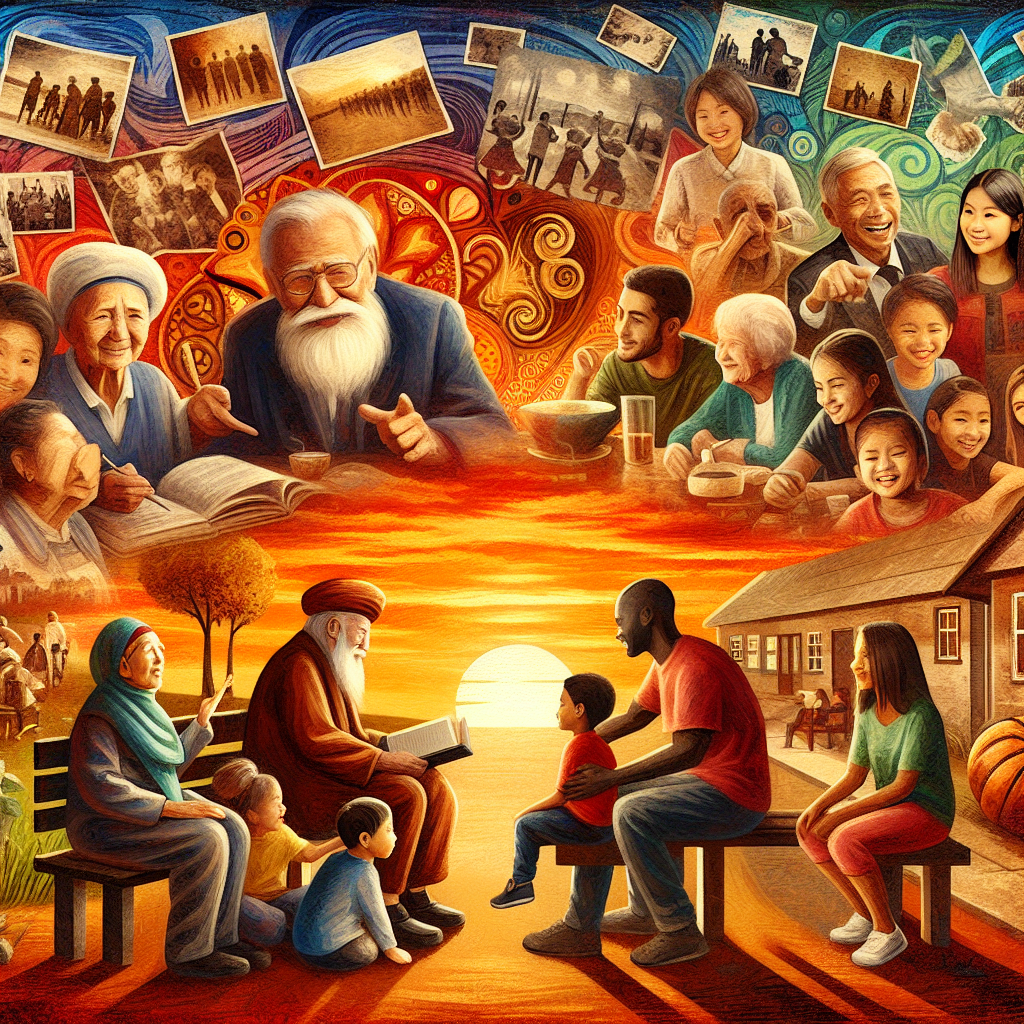
What Steps Can We Take To Communicate Our Values More Effectively?
Is It Possible To Measure The Impact Of A Legacy In Tangible Ways?
Is it possible to measure the impact of a legacy in tangible ways? That’s a question that dances on the edge of emotion and logic, appealing to our hearts, heads, and guts alike. Think for a moment about your own legacy. What story are you telling through your actions, your choices, the very way you walk through this world? Legacy storytelling isn’t just for the history books; it’s a thread that weaves us together, a shared narrative that reflects our values, dreams, and the lives we touch.
Imagine an old craftsman, his hands weathered yet skilled, teaching his trade to a young apprentice. The apprentice stumbles through the process but, over time, begins to master the craft. This isn’t just about woodworking or metalwork; it’s about imparting wisdom, resilience, and the understanding that hard work pays off. The tangible impact of that legacy isn’t just in the objects created, but in the character formed, in the community strengthened, and in the dreams ignited. This ripple effect, this cascading influence, is what makes legacies powerful and measurable, even if the metrics aren’t always numerical.
Now, let’s engage our rational side. Studies suggest that people often find fulfillment through acts of giving and mentorship, leading to improved well-being and community connection. There’s a deep-seated ethical responsibility we carry to leave something meaningful behind, not just for ourselves but for future generations. We have the capacity to redefine success—not just in wealth or fame but in the hearts and minds we touch.
And what about narratives? Each of our lives weaves its own unique tapestry. The stories we share, the lessons we learn, echo long after we’re gone. Perhaps it’s the joy in a childhood classroom or the courage seen in a community leader; these moments are markers of legacy, honest and raw.
Lastly, let’s talk about connection. Your legacy is not just a personal journey; it’s a collective experience that reverberates through family, friends, and even strangers. The actions we take today shape the stories told tomorrow. So, let’s choose to measure our legacies in moments that matter, in relationships built, in lives transformed. Because in the end, that’s what truly counts. Engage with your legacy; it’s not just a reflection of the past, but a blueprint for a more impactful future.

Is It Possible To Measure The Impact Of A Legacy In Tangible Ways?
Is It Possible To Measure The Impact Of A Legacy In Tangible Ways?
- Measuring the impact of a legacy intertwines emotion and logic, reflecting our actions and choices.
- Legacy storytelling connects us through shared narratives that embody our values, dreams, and influences.
- The example of a craftsman teaching an apprentice illustrates the broader impact of mentorship beyond tangible objects.
- Legacies create ripple effects, forming character, strengthening communities, and igniting dreams.
- Research indicates that acts of giving and mentorship enhance personal fulfillment and community connections.
- Narratives and lessons from our lives create lasting echoes, marking our legacies authentically.
- Your legacy is a collective journey that shapes future stories, emphasizing the importance of meaningful relationships.

Is It Possible To Measure The Impact Of A Legacy In Tangible Ways?
What Role Does Social Media Play In Shaping Modern Legacies?
In the vast digital landscape where every thought, moment, and experience is just a click away, social media serves as an unexpected architect of legacies. It bridges the personal with the public, transforming individuals into storytellers of their own legacy. Think about the power of legacy storytelling today: it’s no longer confined to dusty family albums or ornate biographies. Instead, it flows through vibrant feeds, where memories are immortalized in real-time and shared across borders.
Consider a parent documenting their child’s milestones, a community rallying behind a cause, or an influencer pouring their heart into a post that resonates deeply with millions. These moments aren’t just fleeting pixels; they’re the fabric of what we leave behind. When you share triumphs, setbacks, laughter, and even sorrow, you’re not just crafting an online presence; you’re weaving a narrative that will outlive you. Each post can spark conversation, inspire action, or comfort someone in a time of need—reminding us all that our stories matter.
But let’s get real. There’s a layer of responsibility here. In a world saturated with voices, authenticity is gold. People can sniff out insincerity faster than a dog on a scent. When crafting your legacy through social media, let’s focus on ethical storytelling. Capture the genuine moments—the messy, unscripted life that connects us—instead of chasing viral trends that fade as quickly as they rise. Stand by your values, share your struggles alongside your successes, and build a legacy that stands as a beacon of integrity.
And it’s not just about you; it’s about the community that surrounds you. When a local hero isn’t just recognized in the streets but celebrated online, their influence can extend well beyond their immediate circle. They inspire others to take action, to embody the kind of values that cultivate change and pave the way for a future worth cherishing.
So, as you scroll through your feed, think of every click as a choice. Choose to share stories that resonate, uplift, and motivate others. Your social media presence isn’t just a reflection of you; it’s the legacy you’re building for generations to come—one post, one story, one connection at a time. The digital footprints we leave can be powerful, reminding us that while technology evolves, the essence of our shared humanity remains as constant as ever.

What Role Does Social Media Play In Shaping Modern Legacies?
What Role Does Social Media Play In Shaping Modern Legacies?
- Social media acts as a contemporary architect of legacies, merging personal experiences with public storytelling.
- Legacy storytelling has evolved from traditional formats to dynamic, real-time sharing on social platforms.
- Every shared moment, from milestones to community causes, contributes to a meaningful narrative beyond fleeting impressions.
- Authenticity is crucial; users should focus on ethical storytelling and genuine moments rather than chasing viral trends.
- The online celebration of local heroes can extend their influence and inspire positive change within communities.
- Your social media presence is a lasting legacy, impacting future generations with each story shared.
- The digital footprint we create highlights our shared humanity, reminding us of the enduring value of our narratives.

What Role Does Social Media Play In Shaping Modern Legacies?
Conclusion
Legacy—it’s a word that carries weight, but it’s more than just a final chapter in a book or a bullet point on a résumé. Each of us stands at a precipice, grappling with the fear that our contributions might dissipate like mist. Yet, understand this: if you care about your legacy, it means you possess a heart that yearns to be remembered. Your life is a canvas vibrant with stories, each brushstroke echoing through time. So often, we underestimate the power of our mundane moments—a smile shared with a neighbor, a listening ear to a friend, a simple act of kindness. These are not forgettable; they are the very threads that weave our legacies.
Now, let’s address that rational part of us that seeks evidence. Studies show that storytelling is a fundamental part of the human experience. When you share your tales—your struggles, your triumphs—you’re not just chronicling your journey; you become a lighthouse guiding others through their own stormy seas. Your narrative is a compass that can lead future generations, instilling values like hard work, empathy, and integrity. We have a duty to authentically express our intentions, turning our experiences into powerful touchstones for others, and ensuring that our legacies are not just personal triumphs, but beacons for communal growth.
We cannot ignore the ethical obligation we have to cultivate a legacy that reflects not only our achievements but also our struggles. It’s okay to admit our imperfections and share the lessons gleaned from failures. Vulnerability builds trust and connection. When we gather around the shared fire of storytelling, we create a vibrant tapestry of diverse experiences, each narrative enhancing the fabric of our collective memory.
Every time you engage in meaningful conversations, you lay down bricks toward a legacy that transcends time. Remember that social connections are crucial; they form the bedrock upon which we build. Our online interactions through social media can amplify our legacies, transforming personal stories into trending narratives that can reach and inspire across distant shores.
So, take a deep breath and dare to own your story. Whether it’s grand or small, your legacy is a ripple effect that can create waves far beyond your reach. Engage with your past, live your values out loud, and embrace the narratives that connect us all. After all, it’s not just about being remembered; it’s about creating a future where your essence continues to inspire long after you’re gone. Your true legacy begins now, in every heartfelt story you choose to tell.

Conclusion
Conclusion:
- Legacy is more than a final chapter; it reflects our desire to be remembered.
- Every life is a canvas rich with stories that echo through time.
- The power of simple moments, like kindness and connection, weaves our legacies.
- Storytelling is fundamental to the human experience and guides others through their challenges.
- Sharing our struggles and triumphs instills values of hard work, empathy, and integrity.
- Vulnerability in storytelling builds trust and enhances our collective memory.
- Your legacy is a ripple effect that can inspire the future; start owning your story now.

Conclusion
Other Resources

Other Resources
Here is a list of other resources you can review online to learn more:
- FutureMe
- How To Write Legacy Story Headlines That Appeal To The Heart, Gut and Head
- Bcelebrated
- Memorial Matters
- StoryCorps
- Funeral Finder
- deviantART
- USLegalWills.com
- IronClad Family
- AmericanAncestors
- YouMattered
- Geneanet
- FindMyPast
- EverNote
- Ancestry
- Your Digital Afterlife
- LifeSite
- LegacyFamilyTree
- FuneralWise
- Afternote
Use This Prompt To Get More Resources With Your Favorite Online AI Tool: Please provide me with a list of online articles with their URLs in a bulleted list that I can read regarding Overcoming The Fear That Your Legacy Won’t Stick

Other Resources
Glossary Terms
Overcoming The Fear That Your Legacy Won’t Stick – Glossary Of Terms
1. Legacy: The impact or influence one leaves behind, particularly through contributions to society or future generations.
2. Fear of Legacy: Anxiety stemming from doubts about the permanence or significance of one’s contributions.
3. Anxiety: A state of apprehension or worry, often about future uncertainties or potential failures.
4. Self-Doubt: Lack of confidence in one’s abilities or worth, which can hinder efforts to create a lasting legacy.
5. Imposter Syndrome: A psychological pattern where individuals doubt their accomplishments and feel like frauds despite evidence of success.
6. Mindfulness: The practice of being present and fully engaged in the moment, which can help mitigate fears.
7. Introspection: The examination of one’s thoughts, feelings, and motives, crucial for understanding and addressing fears about legacy.
8. Resilience: The ability to recover quickly from setbacks or failures, important for overcoming fears.
9. Purpose: The reason for one’s actions and contributions, which can provide clarity and motivation to leave a meaningful legacy.
10. Authenticity: Staying true to oneself and one’s values, which enhances the impact of one’s legacy.
11. Narrative: The story one constructs about their life and achievements, shaping how their legacy is perceived.
12. Contribution: Actions or efforts made towards community, society, or specific causes, integral to establishing a lasting legacy.
13. Mentorship: Guiding and supporting others, which can enhance both the mentor’s legacy and the legacies of those they guide.
14. Impact: The measurable effect or influence of one’s actions on others or society at large.
15. Visibility: The degree to which one’s contributions are recognized and valued by others, affecting perceptions of legacy.
16. Eulogy: A speech or piece of writing that praises someone, typically given at their funeral, often summing up their legacy.
17. Philanthropy: The act of donating money or resources to help others, a common way of building a legacy.
18. Curation: The careful selection and organization of one’s work or contributions to showcase a coherent legacy.
19. Collaboration: Working with others to achieve common goals, often resulting in a more significant collective legacy.
20. Documentation: The process of recording achievements and experiences, crucial for preserving one’s legacy.
21. Inspiration: The ability to motivate others through one’s actions or words, contributing to an enduring legacy.
22. Endurance: The capacity to persist in the face of challenges, reinforcing the strength of one’s legacy.
23. Reflection: The process of contemplating past actions and their meanings, essential for understanding legacy fears.
24. Generational Impact: The long-term effects of one’s actions on future generations, highlighting the importance of a meaningful legacy.
25. Goal Setting: Defining specific objectives can clarify desired contributions and help in overcoming legacy-related fears.
26. Values: The principles and beliefs that guide one’s actions, deeply influencing legacy development.
27. Storytelling: The art of sharing experiences, which can help to articulate and strengthen one’s legacy.
28. Connection: The relationships built with others, often crucial for a lasting impact and legacy.
29. Personal Growth: The ongoing development of oneself through experiences and challenges, which can enrich legacy.
30. Accountability: Taking responsibility for one’s actions and contributions, fostering a sense of purpose and clarity in legacy creation.

Glossary Of Terms
Other Questions
Overcoming The Fear That Your Legacy Won’t Stick – Other Questions
If you wish to explore and discover more, consider looking for answers to these questions:
- What are some practical tips for individuals wanting to start their legacy storytelling?
- How can one identify the key values they want to convey through their legacy?
- What role do relationships play in shaping one’s legacy?
- Can legacy storytelling be used as a tool for personal development?
- How can one balance authenticity with the desire for public approval when sharing their legacy?
- What are the consequences of not addressing the fear of being forgotten?
- How do cultural differences affect perceptions of legacy and storytelling?
- What examples exist of legacies that have significantly impacted communities or societies?
- How can technology help in preserving and sharing legacies beyond social media?
- What are common misconceptions about what constitutes a meaningful legacy?

Other Questions
Haiku
Overcoming The Fear That Your Legacy Won’t Stick – A Haiku
Whispers of our deeds,
Echo through shared stories’ threads,
Legacy lives on.

Haiku
Poem
Overcoming The Fear That Your Legacy Won’t Stick – A Poem
At the cliff of doubt, where fears take flight,
We ponder our legacies in the dimming light,
The urge to be remembered, to leave our mark,
Is a testament of heart, a luminous spark.
In every small gesture, in kindness bestowed,
Lies the thread of our stories, where true legacies grow.
With each word and action, each moment we share,
We weave a rich tapestry, a life laid bare.
Consider the tales that your heart yearns to tell,
Of struggles and triumphs, of moments that swell
With lessons like ripples, that echo through time—
In the quietest corners, our legacies climb.
Rational minds ponder the impact we seek,
In values expressed, in the actions we speak.
Integrity blossoms in the warmth of the truth,
Guiding our futures, heart, head, and youth.
In a world that can blur with each fleeting trend,
Let authenticity shape the connections we mend.
Share not just the glory, but the rawness of pain,
For vulnerability binds us; it’s here we gain.
So reflect on the stories your life will impart,
A compass for others, a map of the heart.
In the dance of our lives, both fragile and bold,
Is the legacy crafted—worth more than pure gold.
Empower the dreamers, inspire the earth,
For each simple act gives our narratives worth.
Together, we’re threads in this vast human loom,
Creating a legacy, transcending the gloom.
Thus, fear not the silence, nor shadows that creep,
For your legacy whispers in the hearts that you keep.
Embrace every moment, every joy, every test—
In a world full of stories, your legacy rests.

Poem
Checklist
Overcoming The Fear That Your Legacy Won’t Stick – A Checklist
Legacy Creation Checklist
Emotional Appeals:
_____ Reflect on the emotional stories from your life that have shaped who you are.
_____ Identify the moments in life that made you feel connected to others.
_____ Consider how sharing your struggles can create authentic connections.
Rational Appeals:
_____ Analyze the impact of your actions—what lessons do they impart to others?
_____ Evaluate the ways your contributions serve to guide and influence future generations.
_____ Think critically about how your values can be presented through storytelling.
Ethical Appeals:
_____ Assess how your legacy can reflect your core values and principles.
_____ Determine the responsibilities you hold in shaping the legacies of others through mentorship or support.
_____ Contemplate the broader implications of your legacy on your community and environment.
Authority Appeals:
_____ Identify influential figures who have shaped your understanding of legacy—what stories resonate with you?
_____ Investigate research on the importance of storytelling in legacy building and personal development.
_____ Seek knowledge from experts on effective communication of values and legacies.
Narrative Appeals:
_____ Craft a compelling narrative about your life that includes both triumphs and challenges.
_____ Share anecdotes that illustrate your core beliefs and actions in everyday life.
_____ Encourage storytelling from others to enrich your own legacy and build a communal narrative.
Social Appeals:
_____ Engage in conversations about legacy with friends and family—what does it mean to them?
_____ Use social media to share your stories authentically and meaningfully.
_____ Build a supportive community around legacy creation, encouraging collaboration and shared experiences.
Take Action:
_____ Commit to writing down or sharing at least one story each week that contributes to your legacy.
_____ Engage with someone in your life about the legacy they want to create.
_____ Reflect regularly on your values and adjust your actions to align with your desired legacy.

Checklist
At LegacyExplorations, we help people plan and explore their legacy by collecting information and news regarding end-of-life planning.
Please share this post with your friends, family, or business associates who may want help to plan or explore their legacy.