

Embrace Change: Secure Your Legacy For Future Generations
By Tom Seest
At LegacyExplorations, we help people plan and explore their legacy by collecting information and news regarding end-of-life planning.
Please share this post with your friends, family, or business associates who may want help to plan or explore their legacy.
Preparing Your Archive for Transition
As we stand on the brink of change, the task of preparing your archive for transition isn’t just an administrative chore; it’s an exercise in Legacy Storytelling. Each item in your archive isn’t mere paper or bytes of data; it encapsulates memories, battles fought, and victories claimed. It’s a tapestry woven with the threads of human experience, creating a narrative that deserves to be preserved and honored.
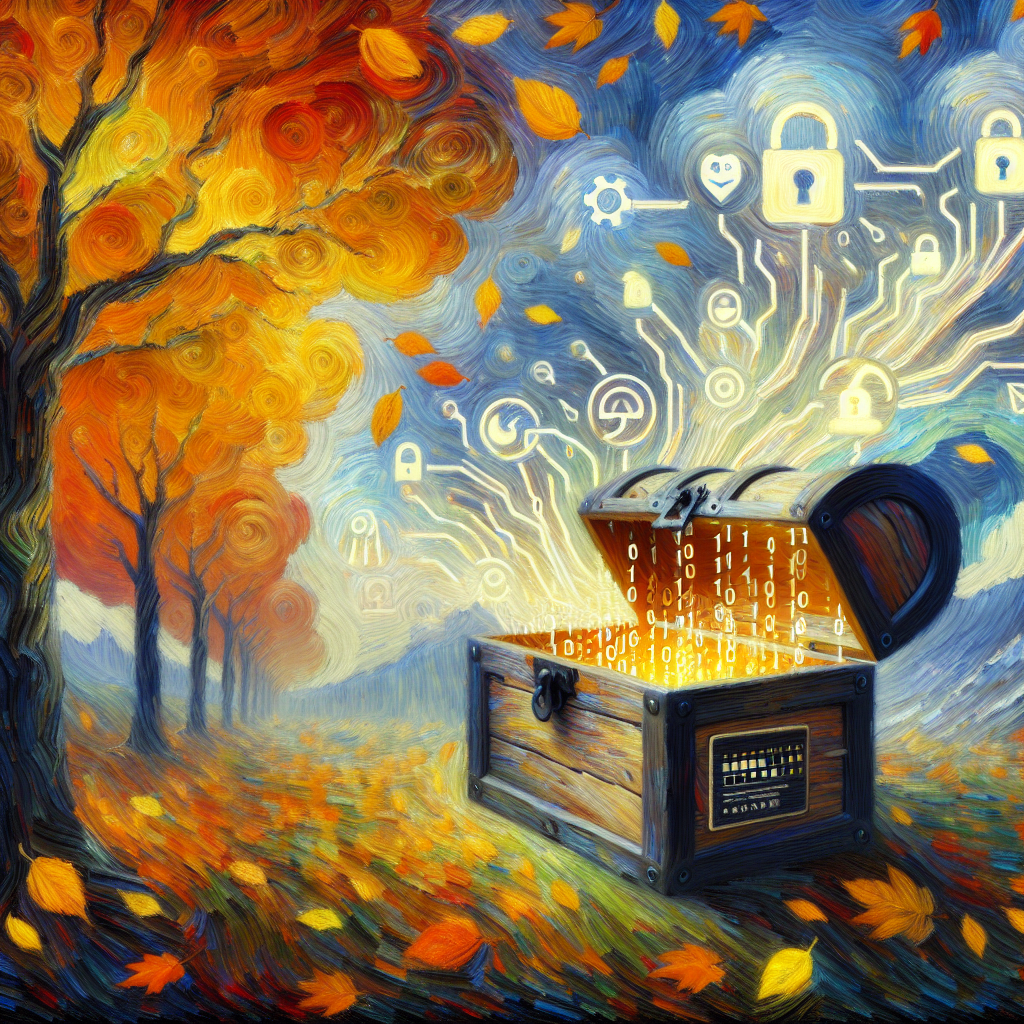
Imagine this archive as a treasure chest. Every document and photo tells a story that, when handled with care, will resonate through generations. The heart of the matter lies not just in storage techniques but in the responsibility we hold. Are we prepared to pass on these stories? The answer should echo a confident, resounding yes. The act itself fosters a connection not only with our past but also with our future.
Consider the ethical obligation we have to those who came before us. They entrusted us with their legacies, and it’s our duty to ensure their stories continue to thrive. This isn’t about mere curation—it’s about preserving the essence of lives lived, battles faced, and dreams pursued. It’s a rational move, too; organizations that embrace their historical context outperform those that don’t. They operate with a clarity rooted in a rich understanding of their journey, which can guide future decisions and inspire employees.
As you sift through boxes and digital files, think about the impact these stories have on the individuals who will encounter them. This transition is also an excellent opportunity to involve your community. Host an event where people can share their stories, allowing voices to merge and create a collective narrative rich with diverse experiences. When people see themselves in the narrative, trust builds, and engagement deepens.
Remember, every effort put into this preparation is an investment. You’re not just organizing; you’re curating a legacy. This drive towards meticulous organization and passionate storytelling establishes you as an authority in your field, demonstrating that you recognize the past’s value in shaping the future.
So, as you prepare your archive for transition, do it with intention. Engage not just the head but the heart and gut. This is about more than preservation; it’s about creating a vibrant dialogue between yesterday and tomorrow. Your archive is waiting to tell its story—make sure it’s a great one.

Preparing Your Archive for Transition
Preparing Your Archive for Transition
- Preparing your archive is an act of Legacy Storytelling, preserving memories and experiences.
- The archive is a treasure chest, with each document and photo holding significant narratives.
- There is a responsibility to pass on these stories, fostering connections with the past and future.
- Ethically, it is vital to ensure the legacies of those who came before us continue to thrive.
- Organizations that embrace their history perform better, using insights from the past to inform future decisions.
- Involving the community is important; hosting events can help share diverse experiences and build trust.
- Preparation is an investment in curation, establishing authority and recognizing the value of history in shaping the future.

Preparing Your Archive for Transition
Table Of Contents
- Preparing Your Archive for Transition
- What Memories Do You Cherish Most From Your Past?
- How Does Your Archive Reflect Your Identity?
- Are You Ready to Let Go Of What No Longer Serves You?
- What Stories Do Your Documents Tell About Your Journey?
- How Can Preserving Your Archive Impact Future Generations?
- What Emotions Do Your Old Letters and Photos Evoke In You?
- How Do You Feel About the Changes Your Archive Will Undergo?
- Conclusion
- Other Resources
- Glossary Of Terms
- Other Questions
- Haiku
- Poem
- Checklist
What Memories Do You Cherish Most From Your Past?
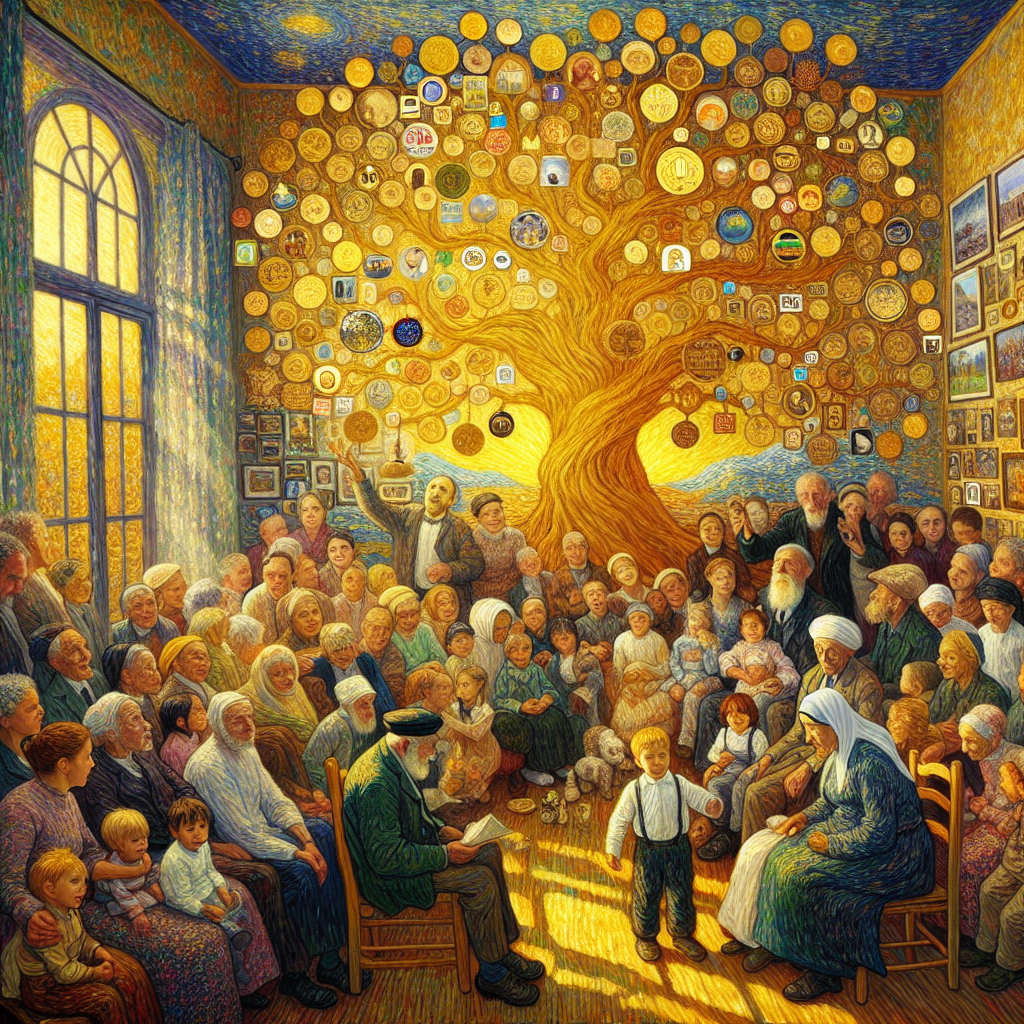
Life is a tapestry woven with moments that define not just who we are, but also where we come from. Each cherished memory we hold is a thread in that tapestry, a snapshot that tells a larger story—a legacy of experiences that shape our understanding of the world and our place in it.
Think back to the moments that made your heart swell. Perhaps it was a lazy summer afternoon spent with friends, laughter echoing as you shared stories that felt like they’d last forever. Or maybe it was a quiet evening with family, the warmth of togetherness wrapping around you like a favorite blanket. These are not just memories; they are the foundations of your identity, the building blocks of your future. They resonate with the heart, igniting feelings of joy and connectedness that remind us we are not alone.
Rationally, we understand that the past is immutable, yet those memories have the power to influence our present and guide our choices for tomorrow. They serve as reminders of what we value, showcasing triumphs and trials alike. When we reflect on our legacy, we see the essence of who we are—not just through our achievements, but through the relationships we’ve nurtured and the lessons learned amid adversity.
In a world that often feels fragmented, engaging in legacy storytelling becomes a powerful vehicle for connection. Sharing our stories invites empathy and understanding, helping us discover the common threads that bind us together as a society. Each narrative contributes to a collective experience, illustrating the truth that while we may lead different lives, we share fundamental emotions, challenges, and triumphs.
As you sift through your cherished memories, consider what they reveal about your values and the impact you want to leave behind. Trust that these stories are worth telling, because they not only encapsulate your journey but also resonate with others. They inspire action, encouraging those who hear them to reflect on their own stories, to find value in their experiences, and to share them authentically.
So, what memories do you cherish most? They might be more than just personal milestones; they could be the very essence of your legacy, echoing through time, connecting hearts, and enriching lives. Embrace these moments, for they are the foundation of who you are and the guiding light for who you can become.

What Memories Do You Cherish Most From Your Past?
What Memories Do You Cherish Most From Your Past?
- Life is a tapestry of moments that define our identity and heritage.
- Each cherished memory serves as a thread, illustrating our experiences and understanding of the world.
- Memories, such as joyful moments with friends or family, form the foundation of our identity.
- While the past is fixed, memories influence our present and future choices.
- Legacy storytelling fosters connection, empathy, and shared understanding in a fragmented world.
- Reflecting on cherished memories reveals our values and desired impact on others.
- Embracing and sharing our stories enriches lives and influences future actions.
What Memories Do You Cherish Most From Your Past?
How Does Your Archive Reflect Your Identity?
In the digital age, the concept of an archive has transformed from dusty shelves filled with forgotten boxes into vibrant landscapes where our lives are meticulously curated. Every photograph, text, or even a fleeting post we choose to preserve serves as a chapter in the ongoing saga of our identity. Legacy storytelling is a powerful tool, shaping not only how we see ourselves but also how others perceive us.
Think about it: your archive is a mosaic crafted from the fragments of experiences, lessons, and aspirations that have accumulated over the years. It’s a space where memories are neither frivolous nor insignificant; they’re the roots that anchor us, the stories that resonate within us. Each piece you curate has the potential to speak volumes about who you are and the values you hold dear, etching your legacy into the fabric of time.
Consider the emotional weight carried by a simple photograph. An image capturing a moment of genuine laughter at a family reunion or a snapshot from a pivotal life experience can evoke nostalgia and pride. These artifacts remind us of where we came from while illuminating the path that lies ahead. In preserving these memories, we not only celebrate our past but also inspire those who come after us, fostering a connection that extends beyond time and space.
There’s a rational aspect to this too. In an age where we often grapple with our identity in the face of social media and constant scrutiny, maintaining an archive allows us to reflect on our personal growth. It provides clarity amid the noise, reminding us of our values and the choices we’ve made. It reinforces our sense of self, serving as a beacon of authenticity in a world that can sometimes feel lost in superficiality.
Moreover, archives create a community. They bring together stories that resonate with shared experiences, bridging gaps between individuals. People find comfort in knowing they’re not alone—your story could inspire another to embrace their journey, creating a ripple effect of understanding and support.
As you consider how your archive reflects your identity, think of it not as a static collection but as a living testament to your evolution. Each moment captured has the power to tell a story that contributes to a bigger narrative—your legacy. Embrace it, curate it, and let it inspire not just you but also those who will walk this path long after you.

How Does Your Archive Reflect Your Identity?
How Does Your Archive Reflect Your Identity?
- The concept of an archive has evolved, representing curated aspects of our lives rather than forgotten items.
- Legacy storytelling influences our self-perception and how we are viewed by others.
- Archives consist of personal experiences and values that form a mosaic of identity.
- Photographs and memories carry emotional significance, linking past and future.
- Maintaining an archive fosters personal reflection and reinforces a sense of authenticity.
- Archives create community by sharing stories that resonate and connect individuals.
- Archives serve as living testaments to our evolution and contribute to a larger narrative of legacy.

How Does Your Archive Reflect Your Identity?
Are You Ready to Let Go Of What No Longer Serves You?
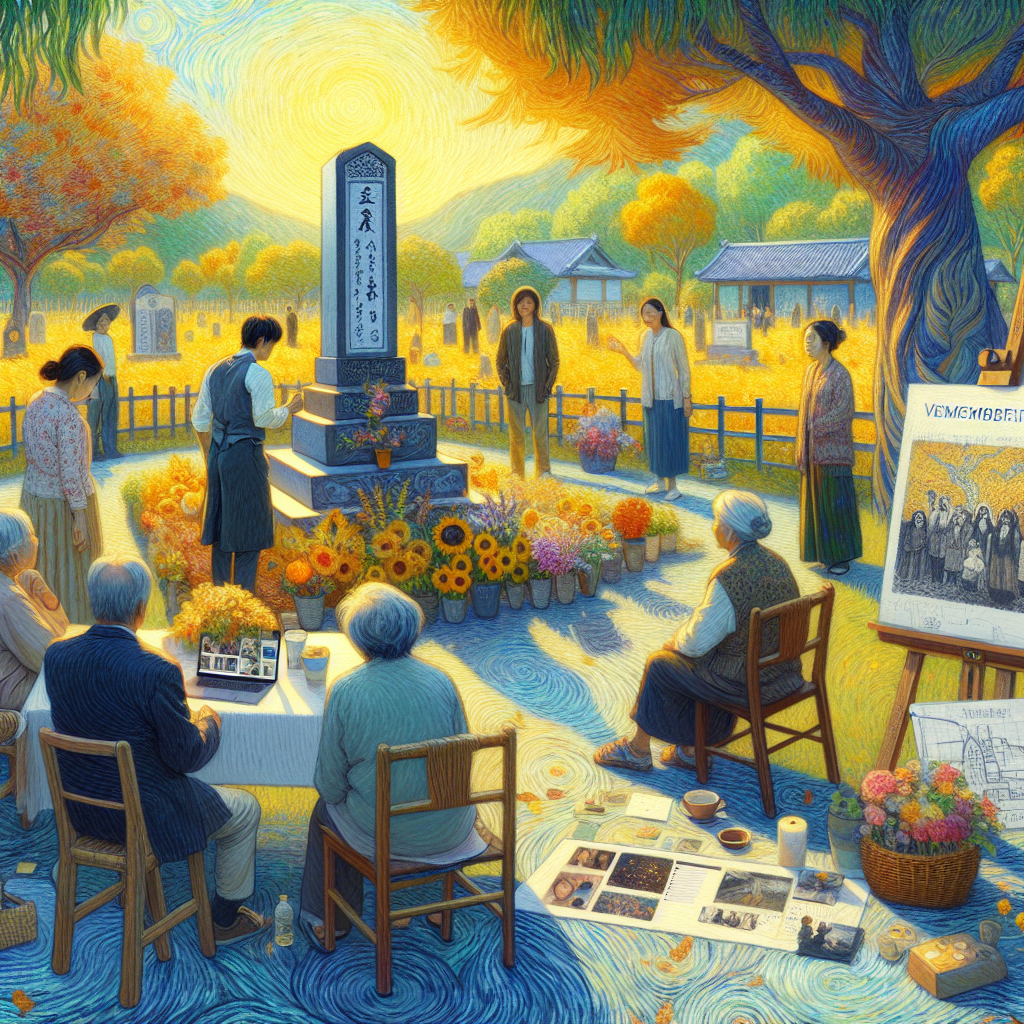
Let’s face it: hanging onto things that weigh us down is a habit we all fall into, whether it’s outdated beliefs, toxic relationships, or unfulfilling jobs. Each of these burdens not only steals our joy but also dims the legacy we leave behind. The good news? We possess the strength to redefine that legacy. It’s time to embrace the power of storytelling—not the polished tales woven for social media, but the raw, unfiltered accounts of our lives. These narratives connect us to our true selves and those around us.
Think back to a moment that shook you, whether a failure you endured or a wake-up call that shifted your perspective. These experiences are your story, part of your DNA. They are the threads that weave together a rich tapestry only you can create. Every scar tells a tale, and choosing to let go is crucial if we want to craft a narrative worth sharing. Too often, we find ourselves clinging to chapters that no longer contribute to our growth. Just like a book can only hold so many pages, we must recognize when it’s time to turn the page.
Rationally speaking, holding onto negativity can have a profound impact on our mental and physical well-being. Studies show that freeing ourselves from emotional baggage can lead to increased happiness and improved health. When we choose to let go, we not only have room for new experiences but also set a powerful example for those around us. We show others that it’s truly okay to shed the excess, to pursue what aligns with our values, and to embrace the unknown.
Ethically, we owe it to ourselves and those we love to cultivate a life that reflects authenticity and purpose. This journey of letting go invites conversations about the importance of boundaries and self-respect. We have a duty to nurture not just our spirit but also our community; letting go allows space for connection and understanding, forging deeper relationships.
The world is waiting for your story—the one that will not only inspire action but will also resonate deeply with others. So ask yourself: what no longer serves you? In this journey of legacy storytelling, stripping away the unnecessary equips you to build a life that speaks of resilience, authenticity, and hope. Embrace the freedom that accompanies release. It’s time to create a narrative that truly reflects who you are meant to be.
Are You Ready to Let Go Of What No Longer Serves You?
Are You Ready to Let Go Of What No Longer Serves You?
- Holding onto burdens like outdated beliefs, toxic relationships, and unfulfilling jobs can hinder joy and legacy.
- Storytelling, especially raw and unfiltered narratives, helps connect us to our true selves and others.
- Personal experiences, including failures and wake-up calls, form a unique tapestry that shapes our identity.
- Letting go of negative influences is essential for personal growth and crafting a meaningful narrative.
- Freeing oneself from emotional baggage can enhance happiness and physical well-being.
- Embracing authenticity and purpose is a duty to ourselves and those we love, facilitating deeper connections.
- Creating space for new experiences and relationships allows for a life that reflects resilience and hope.

Are You Ready to Let Go Of What No Longer Serves You?
What Stories Do Your Documents Tell About Your Journey?
Every document you keep carries with it a tale, a thread woven into the fabric of your life. These aren’t just pieces of paper; they’re artifacts of experience — snapshots of growth, struggle, and triumph. Legacy storytelling transcends the mundane; it paints a picture of who you are, who you were, and who you aspire to become. So, what do your documents say about your journey?
As you sift through boxes or scroll through digital files, you might find letters, certificates, or photographs, each a milestone. Perhaps there’s a yellowed letter from your first job, full of excitement and uncertainty. It serves as a reminder of youthful ambition, the thrill of the unknown, and the early seeds of determination nurtured through grit. This document doesn’t just represent a point in time; it embodies the countless hours of effort put in to pave your path. It tells a story of resilience, sparking a connection deep in your gut—a reminder that every accomplishment starts with a single step.
Now, consider the ethics of your journey. What do these documents reflect about your values? When you display an award or a certificate of achievement, you’re not just showcasing it to the world; you’re making a statement about what you stand for. Every award is a beacon, a testament to hard work and dedication, inviting others to join in your narrative. These stories are not just personal; they resonate within your community, fostering connection and inspiring others to chase their dreams with the same fervor.
Moving from the heart to the head, think about the choices laid bare in your records. Your decisions—be it a career change, a leap into the unknown, or even the choice to persevere in challenging times—are captured in the paperwork of your life. This isn’t simply nostalgia; it’s strategic reflection. These documents provide insights into your patterns of thinking and acting, building authority in your story, equipping you with knowledge that propels you forward.
Your journey, captured through legacy storytelling, isn’t just for you. It’s an invitation for those who come after—family, friends, or anyone who crosses your path—to learn from your experiences. By contributing your narrative, you cultivate an environment of trust and shared human experience. The documents you accumulate tell the world that while the journey may be uniquely yours, the lessons echo far beyond your own life. So, dig deep, embrace your story, and let it inspire action—not just in yourself but in generations to come.

What Stories Do Your Documents Tell About Your Journey?
What Stories Do Your Documents Tell About Your Journey?
- Documents are artifacts of experience, reflecting growth, struggle, and triumph.
- Legacy storytelling reveals personal identity and aspirations through documents.
- Items like letters and photographs mark milestones and embody effort and determination.
- Awards and certificates signify values and commitments, resonating within communities.
- Choices documented reveal personal decisions and patterns of thinking for strategic reflection.
- Your narrative invites others to learn from your journey and fosters shared experiences.
- Embracing your story inspires action and lessons that can influence future generations.

What Stories Do Your Documents Tell About Your Journey?
How Can Preserving Your Archive Impact Future Generations?
How can preserving your archive impact future generations? It’s a question that reaches into the very core of our existence and influences the way we connect with those who come after us. Think about it: every photograph, letter, or piece of memorabilia tucked away in a dusty box isn’t just a remnant of the past; it’s a thread in the intricate tapestry of your family’s legacy. Your archive is more than just preservation; it’s a way of telling your legacy story.
Imagine your grandchildren flipping through an old scrapbook. As they turn the pages, they see not just images but echoes of laughter, struggles, and triumphs from a time they could never know. They become part of a story that’s bigger than themselves, connecting them to roots that ground their identity and provide a sense of belonging. This is the emotional power of legacy storytelling—it’s the heartbeat of families, communities, and cultures passed down through generations.
Preserving your archive also fulfills a rational imperative. In a world overflowing with digital distractions, it’s easy to overlook the importance of tangible memories. These artifacts serve as concrete evidence of who we are and where we came from. They provide context for our future, offering insights and lessons learned that can guide the generations that follow. Just think about how crucial this is: every piece of your history has the potential to educate, inspire, and shepherd future generations through their own trials and triumphs.
Ethically, it magnifies the responsibility we have toward our descendants. It’s a commitment to truth, authenticity, and continuity. By safeguarding these stories and memories, we uphold the values and lessons we hold dear, ensuring that they aren’t lost to the fog of time or the sweep of progress.
Moreover, there’s authority in legacy storytelling. When we choose to preserve our history, we acknowledge the struggles and achievements of those who came before us, recognizing their contributions to our present reality. It fosters a collective understanding of societal narratives that shape how future generations view their world.
Lastly, consider the social appeal of this endeavor. An archive is not simply about one family; it’s about a network of lives intertwined. It fosters connections among family members, friends, and communities who can share in these stories. In doing so, we invite others into our journeys, enriching their lives with wisdom amassed through experience and time.
Preserving your archive isn’t just an act of nostalgia; it’s an investment in the future. It’s an invitation to witness, understand, and celebrate the shared human experience that binds us together across generations.

How Can Preserving Your Archive Impact Future Generations?
How Can Preserving Your Archive Impact Future Generations?
- Preserving archives connects future generations to their family legacy through tangible memories.
- Legacy storytelling enhances children’s sense of belonging and identity by revealing family history.
- Tangible artifacts provide context, insights, and guidance for future generations amid digital distractions.
- Safeguarding stories ensures the values and lessons of the past are not lost over time.
- Preservation recognizes the contributions of ancestors, shaping societal narratives for future understanding.
- Archives foster connections among family, friends, and communities, enriching collective experiences.
- Investment in preservation is an invitation to appreciate and celebrate shared human experiences across generations.

How Can Preserving Your Archive Impact Future Generations?
What Emotions Do Your Old Letters and Photos Evoke In You?
There’s a certain magic locked away in the pages of old letters and the faded images captured in photographs. These objects are more than just ink on paper or pixels frozen in time; they are unwritten chapters of a legacy, pieces of storytelling that echo back through our lives. Each letter carries the weight of emotions once felt—love, joy, sorrow—like a time capsule revealing layers of who we were and who we’ve become.
Consider for a moment what happens when you lay eyes on that yellowed envelope addressed in a familiar hand. The scent of old paper wafts up, transporting you to moments long past. Your heartbeat quickens, emotions rush in, and suddenly you’re back, experiencing the warmth of a handwritten note from a grandparent or the ache of a breakup letter tucked away in a forgotten box. These artifacts invite us to reflect, to savor the lessons embedded within them, urging us to connect not only with our memories but with our shared human experience.
Legacy storytelling is at play here—a powerful means to preserve our narratives. In a world that often overlooks the past, these reminders invite us to revisit who we are. Each photo captures not just a moment but a story. A family gathering, a candid laugh, a quiet moment of reflection; they remind us of the people that weave the fabric of our existence. It’s easy to feel isolated in the chaos of everyday life, yet each image serves as a bridge to others, illustrating the fullness of life and the bonds we share.
As we sift through these remnants of our stories, we are reminded of the ethical importance of remembering where we came from. It provides perspective, grounding us in our values and guiding our future choices. The connection forged through past experiences can inspire action today—a commitment to preserve our stories, share them with younger generations, and weave the narratives of today into the tapestry of tomorrow.
Feeling a pang of nostalgia isn’t just sentimental; it’s a call to honor our legacies. It’s an opportunity to share, to empower, and to ensure that our stories endure. Open those boxes, dust off those albums. Let the emotions wash over you. Embrace the journey of discovery and the profound legacy that lives within those old letters and photos. Join in the larger narrative that binds us all—each one of us with our unique stories, yearning to be heard and celebrated.

What Emotions Do Your Old Letters and Photos Evoke In You?
What Emotions Do Your Old Letters and Photos Evoke In You?
- Old letters and photographs hold emotional significance, serving as time capsules of personal history.
- Recognizing familiar handwriting evokes deep emotions and memories from the past.
- These artifacts encourage reflection and connection with shared human experiences.
- Legacy storytelling preserves narratives, reminding us of our identity and values.
- Photos capture moments and stories, illustrating the relationships that shape our lives.
- Remembering the past guides future choices and fosters intergenerational connections.
- Nostalgia is a call to honor our legacies and share our stories with others.

What Emotions Do Your Old Letters and Photos Evoke In You?
How Do You Feel About the Changes Your Archive Will Undergo?
When you think about your archive—a collection of memories, stories, and pieces of your life—what stirs within you? It’s more than just boxes of old photos or digital files; it’s your legacy storytelling in a world that craves authenticity and connection. This archive holds the narratives that define who you are, and the thought of change can evoke a mix of emotions. Change can feel overwhelming, even intimidating. Yet, consider this: it’s also an opportunity.
In our fast-paced world, we often scramble to preserve what matters most. But as we ponder the changes your archive will undergo, it’s essential to look not just at what’s being transformed but at the deeper purpose behind it. These changes can improve accessibility, ensuring that your stories can reach the people who matter most. It’s about shaping a legacy that resonates, that speaks to future generations. Each shift paves the way for richer storytelling, bridging hearts and minds.
Now let’s engage the head. Think practically. What if these changes make your stories easier to share? With new technologies and formats, what seemed like mere memories can become vibrant narratives that touch lives. This isn’t just about preservation; it’s about enhancing the experience of sharing your legacy. By adapting and evolving, you wield the power to bring life to your past in ways you never imagined.
Don’t overlook the ethical dimension either. The responsibility of legacy storytelling lies in safeguarding your stories and ensuring they are shared respectfully. This means considering what tales will resonate not just with you, but with others. The values embedded in these stories can inspire and instruct, forging connections that transcend time.
A strong archive can empower communities, inviting others to contribute, forging a collective narrative that strengthens bonds and fosters a sense of belonging. When you embrace change, you model resilience and adaptability, encouraging others to do the same. It’s an invitation to journey together through shared experiences, making every story a contribution to a larger tapestry of life.
So as you reflect on the upcoming changes in your archive, recognize that it’s not just about what will be lost or altered. It’s a call to action—to dig deeper, adapt, and embrace new ways of storytelling. Trust in the process. Embrace the change, and let it inspire you to share your legacy boldly.

How Do You Feel About the Changes Your Archive Will Undergo?
How Do You Feel About the Changes Your Archive Will Undergo?
- An archive encompasses memories and stories that reflect personal identity and legacy.
- Change can evoke mixed emotions but presents an opportunity for growth and adaptation.
- Transformations in an archive can enhance accessibility, allowing stories to reach significant audiences.
- New technologies enable memories to become engaging narratives, enriching the sharing experience.
- Ethics in storytelling is crucial, emphasizing respectful sharing and consideration for audience resonance.
- A strong archive can strengthen community bonds through collective narratives and shared experiences.
- Embracing change is essential for evolving storytelling and inspiring others to connect through shared legacies.

How Do You Feel About the Changes Your Archive Will Undergo?
Conclusion
Preparing your archive for transition is an endeavor that transcends mere organization; it’s about crafting a narrative that honors the past while shaping the future. Each document, photo, and artifact serves as a fragment of a larger story—a rich tapestry of human experience that spans generations. As you go through your materials, consider the emotional weight they carry. These remnants of a life lived foster connections not only with our personal history but also with the generations that will follow. Your archive isn’t just a collection; it’s an inheritance, a testament to the trials and triumphs that have shaped your identity.
In doing this work, you engage in a rational act with profound implications. Organizations and individuals that acknowledge their histories outperform those that don’t because they operate from a place of authenticity and understanding. The process of sifting through memories, identifying what to keep, and determining how to share those stories enriches not only your own life but also the lives of others. It creates a dialogue that builds community and fosters trust.
Ethically, we owe it to those who came before us—and to those who will come after—to honor and preserve their narratives. This isn’t just about curation; it’s about ensuring that the lessons, values, and experiences embedded within our stories continue to resonate. By actively participating in legacy storytelling, we affirm the significance of our history, which can inspire future generations facing their own challenges and triumphs.
As you prepare for transition, consider involving your community in this process. Engaging others allows diverse voices to contribute to a collective narrative. When people identify with the shared experiences within those archives, barriers dissolve, fostering a sense of belonging. This, in turn, enhances social bonds and enriches the overall narrative you seek to preserve.
Ultimately, the act of preparing your archive is a call to acknowledge the intricacies of identity, community, and legacy. Each step you take is an investment—not just in preserving history, but in shaping a future that honors the past while embracing change. Embrace this journey with intentionality and passion. Your archive is waiting to tell its story—make it one worth sharing, one that echoes through time and connects hearts, past and present.
Conclusion
Conclusion:
- Preparing an archive involves crafting a narrative that honors the past while shaping the future.
- Each document and artifact contributes to a larger story, connecting personal history with future generations.
- Archives serve as an inheritance, reflecting the trials and triumphs that have shaped identity.
- Acknowledging histories leads to authenticity and understanding, enhancing individual and organizational performance.
- Engaging in legacy storytelling preserves narratives and ensures that lessons and values resonate through time.
- Involving the community fosters a shared narrative, enhancing social bonds and a sense of belonging.
- Preparing your archive is an investment in shaping a future that honors the past while embracing change.

Conclusion
Other Resources

Other Resources
Here is a list of other resources you can review online to learn more:
- Afternote
- Cake
- Willmaker
- INELA
- LifeBio
- My Wonderful Life
- Legacy Family Tree
- Is There A Need To Pay For Copyrighting Services For Personal Or Family Legacy Stories?
- Funeral Finder
- IronClad Family
- Ancestry
- Obituary Templates
- LegacyLearned
- Storyfile Life
- Forever Missed
- AmericanAncestors
- ForeverMissed
- Storyfile
- Knotify.me
Use This Prompt To Get More Resources With Your Favorite Online AI Tool: Please provide me with a list of online articles with their URLs in a bulleted list that I can read regarding Preparing Your Archive for Transition

Other Resources
Glossary Terms
Preparing Your Archive for Transition – Glossary Of Terms
1. Archiving: The process of storing and preserving records and documents for future reference.
2. Metadata: Data that provides information about other data, often used to describe the content, context, and structure of archived materials.
3. Digital Preservation: Techniques and strategies used to maintain and ensure long-term access to digital data.
4. File Format: The specification that determines how data is encoded for storage and use, impacting accessibility and preservation.
5. Data Migration: The process of transferring data from one storage system or format to another, often necessary during archiving.
6. Backup: A copy of data stored separately to protect against loss or corruption.
7. Curation: The active selection and organization of materials to ensure their relevance and accessibility in an archive.
8. Taxonomy: A system of classification used to categorize and organize archived materials systematically.
9. Access Policy: Guidelines that dictate how archived materials can be accessed, shared, and used by individuals or organizations.
10. Retention Schedule: A document outlining how long different types of records should be maintained before they are disposed of or archived.
11. Digitization: The process of converting physical materials into digital formats for easier access and preservation.
12. THM (Transitional Handling Model): A framework for managing the transition of records from one system or format to another.
13. Workflow: A series of processes involved in managing the archiving and transition of records, ensuring efficiency and clarity.
14. Integrity Check: A procedure to ensure that archived data remains unchanged and intact over time.
15. User Engagement: The process of involving users in the archiving process, often to improve access and usability.
16. Content Management System (CMS): A software tool used to create, manage, and modify digital content within an archive.
17. Storage Solution: The method or technology used to store archived data, such as cloud storage, magnetic tape, or hard drives.
18. Records Management: The discipline of managing records and information throughout their lifecycle from creation to disposal.
19. Descriptive Standards: Guidelines that determine how to describe archival materials to facilitate discovery and access.
20. Preservation Strategy: A set of plans and practices aimed at conserving archival materials, particularly in the face of technological changes.
21. User Access Rights: Permissions assigned to users that dictate their level of access to archived materials.
22. Compliance: Adherence to legal and regulatory requirements related to the preservation and management of records.
23. Appraisal: The process of evaluating records to determine their value and future retention in an archive.
24. Indexing: The practice of creating an index to improve the organization and retrieval of archived materials.
25. Version Control: A system for managing changes to documents and ensuring that archived versions are preserved.
26. Environmental Control: Measures taken to protect archived materials from physical deterioration due to environmental factors.
27. Disposal: The process of removing records from active use and, when appropriate, destroying them securely.
28. Interoperability: The ability of different systems or tools to work together seamlessly, particularly in the context of data migration.
29. Access Control: Mechanisms used to restrict access to archived materials based on user roles and permissions.
30. Provenance: The history of ownership and management of an archival item, providing context and authenticity.

Glossary Of Terms
Other Questions
Preparing Your Archive for Transition – Other Questions
If you wish to explore and discover more, consider looking for answers to these questions:
- What exactly should be included in the archive—what types of materials and formats?
- How do I create a complete inventory or catalog of my archive?
- What criteria should I use to decide what to keep, discard, or digitize?
- How do I assess the historical, emotional, or monetary value of items?
- Which file formats and physical media are best for long-term preservation?
- What are best practices for digitizing photographs, letters, audio, and video?
- What scanning resolutions, file formats, and metadata are recommended for future-proofing?
- How should I name and organize digital files and folders for easy discovery?
- What metadata schema should I use (e.g., Dublin Core), and how detailed should metadata be?
- How can I ensure authenticity and provenance of items in the archive?
- What storage environment conditions are required for physical materials (temperature, humidity, light)?
- How often should I inspect and maintain physical and digital materials?
- What backup and redundancy strategies should I use for digital archives?
- Should I use cloud storage, local servers, or a hybrid approach—and which providers are trusted?
- How do I manage versioning and format migration as technologies change?
- What costs are involved (equipment, software, storage, professional services), and how do I budget?
- Are there grants, tax incentives, or community resources available to support archiving projects?
- What legal issues should I consider, such as ownership, copyright, and transfer of rights?
- How do I handle sensitive or private information in the archive while respecting privacy and consent?
- What are the ethical responsibilities when archiving materials related to other people or communities?
- How should I document and transfer legal ownership or custodianship to heirs or institutions?
- What provisions should be included in wills or estate plans regarding the archive?
- How can I set access controls and permissions—who can view, edit, or distribute items?
- What security measures protect digital archives from hacking, ransomware, or data loss?
- How do I choose archival software or cataloging tools appropriate to scale and budget?
- When should I consult professional archivists, conservators, or digitization services?
- What training or documentation should I create for successors or volunteers who will manage the archive?
- How can community involvement and storytelling events be structured to both preserve and enrich the archive?
- What formats or platforms best support sharing stories while preserving context and nuance?
- How do I create finding aids, indexes, or search tools so others can navigate the archive?
- How can oral histories and personal narratives be recorded, preserved, and linked to related materials?
- What strategies help balance curation (selectivity) with inclusivity (representing diverse voices)?
- How do I handle copyrighted material or third-party content within my archive?
- What rights and permissions are needed to publish or reproduce archived materials publicly?
- How can I measure the impact and use of the archive by future generations or researchers?
- What processes ensure the archive remains relevant, discoverable, and accessible over decades?
- How do I prepare for disasters—fire, flood, theft—and create a recovery plan for the archive?
- What are common pitfalls or mistakes organizations and families make when transitioning archives?
- How do I balance emotional attachment to items with practical considerations for preservation?
- What timelines and milestones should guide a transition project from assessment to handover?

Other Questions
Haiku
Preparing Your Archive for Transition – A Haiku
Memories preserved,
Tales woven through time’s fabric,
Legacies unite.

Haiku
Poem
Preparing Your Archive for Transition – A Poem
In the quiet corners of dusty shelves,
Lay treasures that tell our tales,
Stories whisper through paper and bytes,
Echoing legacies, hearts, and trials.
Each document a pulse, each photo a breath,
Moments of laughter, of struggle, of love,
Chapters entwined, woven with care,
An archive of life we’re called to preserve.
In change’s embrace, we find purpose anew,
For memories aren’t burdens, but bridges to share,
An ethical duty, a narrative rich,
Connecting our past to the future laid bare.
Invite the community, let voices entwine,
In shared stories, our roots intertwine,
For every struggle, for every dream chased,
Unfolds a legacy born from our grace.
Let go of what dims the brilliance inside,
Embrace resilience, your truth as your guide,
For every letter, each faded old page,
Is a testament to living, to love, and to age.
So craft your archive, engage heart and mind,
A living testament, where generations find
In the tapestry woven from life’s many threads,
A vibrant narrative, where love never ends.

Poem
Checklist
Preparing Your Archive for Transition – A Checklist
Checklist for Preparing Your Archive for Transition
✅______ Reflect on the memories each item evokes.
✅______ Consider the emotions behind significant moments captured in documents or photos.
✅______ Identify key stories that make your archive personal.
✅______ Evaluate the current organization of your archive.
✅______ Identify items that are essential to your legacy versus those that may be unnecessary.
✅______ Consider the impact of preserving your history on decision-making and inspiration for the future.
✅______ Acknowledge the duty to preserve the legacies of those who came before you.
✅______ Determine how to respectfully share stories that honor both your journey and that of others.
✅______ Showcase your position as a knowledgeable curator of personal and shared histories.
✅______ Use your archive to establish credibility within your community or organization.
✅______ Organize your archive to create a cohesive story that reflects your identity and values.
✅______ Identify key themes that resonate throughout your documents and memories.
✅______ Plan events or discussions that invite others to share their own narratives.
✅______ Foster a community dialogue about the importance of legacy storytelling.
✅______ Imagine how preserving your archive will enrich future generations.
✅______ Reflect on what lessons you want to impart and how your story can inspire others.
✅______ Identify items that no longer serve a purpose or contribute positively to your narrative.
✅______ Embrace the act of letting go to create space for new stories and experiences.
✅______ Acknowledge the changes your archive will undergo and view them as opportunities for growth.
✅______ Stay open to adapting your organization techniques for better accessibility and engagement.
✅______ Promote the act of storytelling as essential for connection and understanding.
✅______ Encourage yourself and others to share and celebrate the diverse experiences reflected in your archive.

Checklist
At LegacyExplorations, we help people plan and explore their legacy by collecting information and news regarding end-of-life planning.
Please share this post with your friends, family, or business associates who may want help to plan or explore their legacy.