

Transform Moments Into Meaning: Crafting A Legacy Worth Leaving
By Tom Seest
At LegacyExplorations, we help people plan and explore their legacy by collecting information and news regarding end-of-life planning.
Please share this post with your friends, family, or business associates who may want help to plan or explore their legacy.
Raw Footage Is Not a Legacy
In a world saturated with images and videos, the truth becomes obscured. Raw footage, stripped of context and meaning, is just a collection of moments, devoid of the narrative that transforms it into something lasting. Legacy storytelling is not about simply capturing events; it’s about weaving those events into a tapestry of experiences that resonate deeply with our shared humanity.
Consider the power of a well-told story. It engages the heart, head, and gut alike. When we think of the stories that inspire us, it’s often because they reflect our values, aspirations, and struggles. They remind us of who we are and who we can become. A legacy isn’t just about the moments we record; it’s about creating connections that transcend time. This is where the heart of storytelling lies. It evokes emotion, drawing in listeners and inviting them to see themselves in the narrative.
Take a moment to think about the stories that shaped your own life. They aren’t merely facts stitched together; they are lived experiences — triumphs, failures, laughter, and sorrow. These moments build a rich legacy, not through raw footage, but through the stories we tell around the dinner table, the anecdotes we pass down, and the lessons we learn along the way.
Rationally, the concept of legacy is intertwined with the responsibility we hold to future generations. If we only provide raw footage, what are we leaving behind? A disjointed record that fails to convey the values we cherished? The act of crafting a meaningful narrative is an ethical endeavor; it chooses what to highlight and what to leave out, guiding our communities toward understanding and connection.
Authority in storytelling comes from authenticity. Real experiences resonate more than manufactured tales. The stories that endure are those that ground themselves in truth—stories that acknowledge life’s complexities and celebrate our shared struggles. They invite others into the fold, fostering social bonds and nurturing empathy.
Ultimately, legacy storytelling serves as a bridge. It doesn’t just document life’s moments; it builds a narrative that encourages reflection and action. Raw footage may capture the essence of an event, but it is the stories we share that truly make an impact. When we embrace the power of storytelling, we inherit the responsibility to craft and share those tales, ensuring that our legacies are rich in meaning, purpose, and connection.

Raw Footage Is Not a Legacy
Raw Footage Is Not a Legacy
- In a media-saturated world, raw footage lacks context and narrative meaning.
- Legacy storytelling weaves moments into experiences that resonate with humanity.
- A well-told story engages emotions and reflects our shared values and struggles.
- Life stories create connections that transcend time, guiding communities toward understanding.
- Authenticity in storytelling fosters social bonds and nurtures empathy.
- Crafting meaningful narratives is an ethical responsibility for future generations.
- Legacy storytelling encourages reflection and action, creating legacies rich in purpose and meaning.

Raw Footage Is Not a Legacy
Table Of Contents
- Raw Footage Is Not a Legacy
- What Memories Do You Want to Leave Behind?
- How Can Raw Footage Impact Storytelling?
- Is Preserving Raw Footage a Way to Honor Your Journey?
- What Emotions Do Your Raw Recordings Evoke In You?
- Can Raw Footage Serve As a Bridge to Connect Generations?
- How Does Your Legacy Influence Your Creative Choices?
- What Ethical Considerations Arise When Sharing Raw Footage?
- Conclusion
- Other Resources
- Glossary Of Terms
- Other Questions
- Haiku
- Poem
- Checklist
What Memories Do You Want to Leave Behind?
When you pause to consider the footprints you’re leaving on this earth, it’s hard not to think about the legacy that will endure beyond your final bow. Legacy isn’t merely about material wealth or accolades; it’s about the story you weave, the emotional fibers binding you to others through the tapestry of life. As you navigate the whirlwind of daily existence, ask yourself: What memories do you want to leave behind?
Everyone has a narrative worth telling. In the quiet moments, when genuine connections happen, that’s where impactful legacy storytelling unfolds. It’s not found in bold headlines or social media likes; rather, it’s embedded in laughter shared over dinner, or a silent nod between friends who’ve weathered storms together, each moment echoing the values you hold dear.
Think of a time when you felt truly alive—perhaps a conversation that sparked real change within you or a lesson learned from a hard-fought battle. These experiences shape who we are and they build the legacy we leave. If we choose to embrace vulnerability and share our stories, we invite others to connect, to reveal their truths as well. In doing so, we foster a community strengthened by understanding, compassion, and a shared journey.
On a rational level, consider how this legacy can echo through generations. Each person you touch has the power to pass along the values you uphold. That’s a profound responsibility and a striking opportunity. They will remember you not just for your accomplishments, but for the qualities that resonated deeply within them, shifting their perspective and perhaps inspiring their own actions.
Let’s not forget the ethical dimension. It’s essential that we leave behind a world shaped by kindness and integrity. Those memories can ignite change, instilling a sense of duty in others to embody the principles that you lived by. In doing so, we cultivate trust and inspire confidence, leaving a mark on society that encourages others to act from the heart.
So, as you reflect on what stories you’ll leave behind, think of the moments that truly matter. Craft your life and your legacy around the connections you’ve nurtured and the impact you aspire to have. Embrace the power of storytelling, and resist the urge to cloak your life in silence. Instead, let it sing—a melody enriched by the memories you’ve created and the love you’ve shared, resonating long after you’ve taken your final bow.

What Memories Do You Want to Leave Behind?
What Memories Do You Want to Leave Behind?
- Legacy encompasses more than material wealth; it reflects the connections and stories shared throughout life.
- Genuine connections, rather than social media recognition, form the foundation of impactful legacy storytelling.
- Personal experiences and lessons learned contribute significantly to the legacy one leaves behind.
- Embracing vulnerability can foster connections and encourage others to share their truths, creating a supportive community.
- Each interaction has the potential to transmit values across generations, influencing future actions and perspectives.
- Leaving a legacy rooted in kindness and integrity can inspire others to embody these principles and effect positive change.
- Stories and memories crafted through meaningful moments can resonate and enrich lives long after one’s passing.

What Memories Do You Want to Leave Behind?
How Can Raw Footage Impact Storytelling?
Raw footage serves as the heartbeat of storytelling, offering an unfiltered glimpse into life’s rich tapestry. When the camera rolls without the polish of edits, it captures the essence of moments that resonate deeply. This is legacy storytelling at its finest—where honesty reigns, and every frame carries the weight of authenticity, allowing audiences to connect with the narrative on a visceral level.
Consider the power of a shaky hand-held shot, revealing a candid moment of joy, sorrow, or struggle. Such footage taps into our emotions, reaching beyond mere observation to create a shared experience. It’s in those unvarnished seconds that we find our humanity reflected—reminders that while we may come from different paths, the feelings we face are universal. This emotional connection provides a foundation for storytelling that stirs the heart and inspires empathy.
Yet, raw footage is not just about emotion; it feeds the intellect as well. It invites scrutiny and analysis, giving viewers the chance to engage with the material in a manner that’s both rational and reflective. Why was a particular scene captured in this manner? What does it reveal about the subjects involved? These questions provoke thought, encouraging audiences to invest in the narrative, seeking deeper meaning and insight.
Ethically, raw footage raises the bar for authenticity. In a world rife with artificial constructs and curated personas, presenting unaltered moments challenges viewers to embrace the truth. It fosters trust—both between the storyteller and the audience, and among the viewers themselves. When honesty prevails, people feel safe to express their thoughts and feelings, creating a community bound by shared experiences.
Authority comes not from polished scripts but from genuine narratives. When storytellers rely on raw footage, they elevate the voices of individuals who might otherwise remain unheard. This empowerment resonates socially, as audiences become advocates for the stories they connect with, fostering dialogue and understanding.
Ultimately, raw footage crafts an undeniable bond, inviting each of us to not only witness but participate in the unfolding of a shared human experience. It’s a powerful tool for legacy storytelling, transcending the screen and inspiring us to reflect, act, and connect. In every frame lies the potential for profound impact, echoing the stories that shape not just individuals, but entire communities.

How Can Raw Footage Impact Storytelling?
How Can Raw Footage Impact Storytelling?
- Raw footage captures unfiltered moments, offering authenticity in storytelling.
- It evokes deep emotional connections, reflecting universal human experiences.
- Encourages rational analysis and engagement with the narrative.
- Raises ethical standards by promoting unaltered truths and fostering trust.
- Empowers unheard voices, allowing for richer, more inclusive narratives.
- Creates a community bound by shared experiences and dialogue.
- Transcends mere observation, inviting active participation in the human experience.

How Can Raw Footage Impact Storytelling?
Is Preserving Raw Footage a Way to Honor Your Journey?
Is preserving raw footage a way to honor your journey? Absolutely. In a world cluttered with meticulously curated images and videos designed solely for social media likes, there’s something profoundly moving about the unedited, unscripted moments that capture the essence of our experiences. These fragments of our lives, the raw footage, tell a story that transcends the superficial veneer often presented to the public.
When you think about legacy storytelling, it’s not merely about how we want to be remembered, but rather how our authentic moments can resonate with those we leave behind. Consider the story of a small-town mechanic, just doing his job day after day. Yet, when examined through the lens of unfiltered footage, you see the camaraderie he shares with his customers, the laughter amidst the grease-stained walls, and the lessons learned through trial and error. This is the fabric of real life, woven together by simple yet significant interactions that define us.
Raw footage invites viewers to become part of your narrative. It’s an open door to empathy and understanding, allowing others to walk in and experience the highs and lows alongside you. No amount of polished editing can replicate that visceral connection. The beauty lies in the imperfections—the laughter, the pauses, the moments of uncertainty that reveal our true selves. It’s these genuine interactions that foster a sense of trust and kinship, allowing our stories to resonate on an emotional level with those who watch.
Preserving these moments isn’t just about saving memories; it’s about honoring the journey. It reflects an ethical commitment to authenticity in an increasingly curated world. The failures, triumphs, and mundane are all part of our legacy, a narrative that speaks volumes about who we are and what we stand for. By safeguarding raw footage, we are not only documenting our lives but also ensuring that future generations understand the truth of our experiences.
The social implications of sharing unvarnished moments can be profound. Imagine the impact of someone seeing their own struggles and triumphs mirrored in your footage. In a society rife with comparison and unrealistic expectations, showcasing raw moments fosters encouragement and a sense of belonging.
In preserving raw footage, we honor our journey in the most sincere way. Each frame embodies a lesson, a struggle, or a victory, creating a legacy that speaks not only to who we were but also inspires those who follow. The invitation is clear: take a leap into authenticity, and let your story unfold as it was meant to be told.

Is Preserving Raw Footage a Way to Honor Your Journey?
Is Preserving Raw Footage a Way to Honor Your Journey?
- Preserving raw footage honors personal journeys by capturing unedited, unscripted moments.
- Legacy storytelling focuses on authentic moments that resonate with those we leave behind.
- Raw footage showcases genuine interactions, fostering empathy and understanding.
- The imperfections in raw footage create emotional connections that polished edits cannot replicate.
- Documenting raw experiences reflects a commitment to authenticity in a curated world.
- Sharing unvarnished moments encourages a sense of belonging amidst societal pressures.
- Each frame of raw footage represents lessons, struggles, and victories, inspiring future generations.

Is Preserving Raw Footage a Way to Honor Your Journey?
What Emotions Do Your Raw Recordings Evoke In You?
Every time we hit that record button, we’re not just capturing sound; we’re weaving threads into a larger tapestry, one that speaks to our legacy and tells our story. It’s more than just audio—it’s a direct connection to feelings, memories, and experiences that define who we are. When you listen to your raw recordings, what do you feel? A surge of nostalgia, perhaps? Or the weight of sadness as you revisit moments that have faded but remain etched in your heart? Each sound resonates, echoing the authenticity of your journey.
The beauty of raw recordings lies in their unfiltered nature. Unlike polished edits, these recordings expose the real, the raw, and the vulnerable. They invite you to embrace your imperfections and reflect on the myriad of emotions that accompany them. It’s in those untouched moments that the truth often resides, revealing not only personal triumphs but also the struggles that have shaped your legacy. Consider how the laughter shared in a spontaneous conversation can transport you back to a different time, evoking feelings of joy, camaraderie, or even triumph over adversity.
Listening to these recordings can stir something deep within us. It’s an invitation to confront our past, acknowledge our roots, and celebrate our progress. The emotional pull of your own voice offers a powerful reminder of who you are and where you’ve been. Each chuckle, sigh, and silence holds weight, forming a narrative that deserves to be shared—not just for you but for those who walk alongside you on this journey of life.
This is where legacy storytelling comes into play. Your recordings serve as powerful vessels in fostering connection—not only with your own experiences but with others who might find solace in your story. They resonate on a human level, making others feel seen and heard. This shared experience can cultivate a sense of community, bridging gaps, and forging relationships that might not have existed otherwise.
So, when you sit down with your raw recordings, take a moment to listen, reflect, and feel. Let the cascade of emotions wash over you—happiness, melancholy, pride, fear—and realize that these are the building blocks of your authentic self. Your story matters, and as you uncover these emotions, you are solidifying your legacy for generations to come.

What Emotions Do Your Raw Recordings Evoke In You?
What Emotions Do Your Raw Recordings Evoke In You?
- Recording audio weaves threads into a tapestry of legacy and personal story.
- Raw recordings evoke strong emotions tied to memories and experiences.
- They showcase unfiltered, vulnerable moments, inviting self-reflection.
- Untouched recordings reveal both triumphs and struggles in one’s journey.
- Listening to one’s own voice can illuminate personal history and growth.
- Legacy storytelling connects individuals and fosters community through shared experiences.
- Engaging with these recordings solidifies one’s legacy for future generations.

What Emotions Do Your Raw Recordings Evoke In You?
Can Raw Footage Serve As a Bridge to Connect Generations?
Can raw footage serve as a bridge to connect generations? The answer may lie in the essence of legacy storytelling—a powerful tool that transcends time and technology. Imagine stumbling upon a box in the attic, dust-covered yet vibrant with life. Inside, you find old tapes filled with raw footage: family gatherings, candid conversations, moments of joy, and the trials faced by those who came before you. Each frame is a testament to the resilience and spirit of your ancestors, a bridge that connects your current reality to the past in a visceral way.
These unedited snippets of life are more than just visual artifacts; they possess an honesty that polished productions often lack. When we watch them, we don’t just see our relatives; we feel their experiences. The laughter, the struggles, and the raw emotions shout across generations, drawing a line of continuity that reminds us we are part of something greater. This is where the heart of legacy storytelling beats strongest. It’s a lifeline that ties us to our roots and invites us to reflect on our identity.
From a rational perspective, raw footage serves as an educational goldmine. It captures real-life lessons—hard-earned wisdom often lost in textbooks. When grandparents share stories of perseverance during hard times or parents recount their youthful misadventures, they provide context to our own lives. This authenticity fosters an understanding of values and ethics that form the bedrock of our families and communities.
Ethically, there’s an undeniable responsibility to preserve these narratives. Every family has stories that shape its identity, and passing down these accounts creates a shared history that nourishes future generations. Raw footage not only documents personal history; it encourages cultural conversations that bridge divides and foster respect.
Furthermore, the social appeal of capturing life as it is plays a pivotal role in building connections. As we share these stories, whether among family members or within broader communities, we cultivate empathy and kinship. We evolve from isolated individuals into a collective narrative, each contribution creating a fuller picture of what it means to belong.
Embrace the raw, the unfiltered moments of life. They hold the power not just to entertain, but to inspire—and through them, we realize that every story, every moment captured, is a thread in the fabric of our legacy storytelling. So grab that old footage, dust it off, and share it; you never know whose heart it might touch and whose spirit it might ignite in the process.

Can Raw Footage Serve As a Bridge to Connect Generations?
Can Raw Footage Serve As a Bridge to Connect Generations?
- Raw footage acts as a bridge connecting generations through legacy storytelling.
- Unedited snippets capture honest experiences, allowing viewers to feel the emotions of their ancestors.
- This storytelling fosters reflection on identity and continuity within families.
- Raw footage provides educational value, sharing real-life lessons and wisdom often overlooked in textbooks.
- Preserving family narratives creates a shared history that supports future generations and cultural conversations.
- Sharing these stories cultivates empathy and kinship, transforming individuals into a collective narrative.
- Embracing raw moments holds the potential to inspire and connect with others meaningfully.

Can Raw Footage Serve As a Bridge to Connect Generations?
How Does Your Legacy Influence Your Creative Choices?
Legacy isn’t just a word; it’s a narrative we weave throughout our lives. It holds the weight of our experiences, shaping not only who we are but how we express ourselves creatively. When we think about our legacy, we often dive deep into a pool of storytelling steeped in both the high and humble moments of our existence. Legacy storytelling doesn’t merely capture the milestones; it encapsulates the lessons learned amid the struggles and triumphs, creating a tapestry of emotions that resonates with those who come after us.
As we navigate the complex terrain of creativity, our legacy serves as both a compass and a canvas. It guides our choices, urging us to draw from our past, to channel those experiences into our work. The stories we tell through our creative endeavors often carry echoes of our parents’ sacrifices, our community’s struggles, or our own battles. Each stroke of a brush, note of a song, or word on a page becomes a reflection of the values instilled in us, the ethics we uphold, and the visions we aspire to share.
Consider the power that comes from authenticity in creative expression. When we create with awareness of our legacy, there’s a profound connection made with our audience. They see not just the art but the human experience behind it, evoking empathy and understanding. This is where our gut resonates with their gut, creating an emotional bridge that fosters trust. People relish stories that mirror their own; they lean into narratives that inspire, provoke thought, or stir the spirit. This kinship can be the bedrock of authentic creativity.
Moreover, understanding our legacy shapes the dynamics of authority in our work. When we step onto our creative stage, armed with the knowledge of our legacy, we convey a reliability that cannot be manufactured. We become not just creators but voices of our experiences, wielding the authority that comes from genuine storytelling. And in a world saturated with content, it’s this authenticity that cuts through the noise, inviting deeper connections.
In every brushstroke, every lyric, and every page, we carry pieces of our legacy, influencing not just our choices but the very essence of our telling. Our creations become the vessels of our stories, etching our existence into the collective memory. Ultimately, embracing our legacy enriches not only our work but the lives we touch through that work, inviting others to reflect, relate, and inspire.

How Does Your Legacy Influence Your Creative Choices?
How Does Your Legacy Influence Your Creative Choices?
- Legacy is a narrative shaped by our experiences that influences creativity and self-expression.
- It encompasses storytelling, capturing lessons from both struggles and triumphs.
- Legacy acts as a compass and canvas, guiding creative choices based on past experiences.
- Authentic creative expression fosters a profound connection with the audience, evoking empathy.
- Understanding legacy enhances the authority in our work, ensuring genuine storytelling.
- Our creations reflect our legacy, becoming vessels for our stories and collective memory.
- Embracing legacy enriches work and impacts the lives of others through relatable narratives.

How Does Your Legacy Influence Your Creative Choices?
What Ethical Considerations Arise When Sharing Raw Footage?
Sharing raw footage is a powerful act, one that comes with a weighty responsibility. It’s more than just pressing play; it’s about considering the legacy of the moments caught on camera. In our fast-paced digital age, where sharing is as easy as clicking a button, the ethical considerations surrounding raw footage are crucial.
When you capture a moment—be it joyful, tragic, or mundane—you’re not just documenting events; you’re weaving a narrative that impacts real lives. Legacy storytelling is about giving a voice to those experiences, and it’s essential to honor that trust. If you’re sharing footage that involves other people, think about the ramifications. Are you portraying them accurately? Are their stories being told with respect? Misrepresentation can taint reputations and alter perceptions in ways that can rip apart communities or damage relationships.
Engage the heart by recognizing the emotional toll that raw footage can have. People featured in your content may have experienced trauma, joy, or vulnerability. The gut reaction to simply share something that seems compelling can overshadow the empathy owed to those involved. Before hitting ‘send,’ pause and consider: how would you feel if you were in their shoes? This reflection not only fosters a deeper connection with the individuals portrayed but also signifies respect for their lived experiences.
From a rational perspective, consider the legal and ethical implications. Consent is paramount. If you’re working with sensitive material, obtaining permission before distribution isn’t just best practice; it’s a necessity. There’s a fine line between sharing information and invading privacy. Ethical storytelling should empower, not exploit.
By being mindful of these elements, you build trust with your audience. Authority in sharing raw footage emerges not just from your skills behind the camera, but from your integrity as a storyteller. The stories you choose to amplify can inspire action, whether it’s shining a light on social justice, raising awareness of critical issues, or simply celebrating the human experience.
Ultimately, sharing raw footage is a chance to connect, educate, and enrich lives. When done with care and consideration, you contribute to a narrative that respects and honors those involved. It’s a responsibility that transforms mere images into powerful stories, shaping how we understand one another and our shared humanity.

What Ethical Considerations Arise When Sharing Raw Footage?
What Ethical Considerations Arise When Sharing Raw Footage?
- Sharing raw footage involves a significant responsibility, impacting how moments are perceived.
- It requires careful consideration of ethical implications and the legacy of captured moments.
- Storytelling with raw footage gives voice to experiences, necessitating respect and accurate portrayal of individuals involved.
- Emotional impact must be recognized; sharing content thoughtlessly can overshadow the experiences of those featured.
- Consent is crucial when distributing sensitive material to avoid privacy invasions and ethical violations.
- Building trust with the audience hinges on integrity and mindful storytelling practices.
- Responsible sharing can inspire actions related to social justice and enrich the understanding of human experiences.

What Ethical Considerations Arise When Sharing Raw Footage?
Conclusion
Legacy storytelling is about more than just preserving moments; it’s about cultivating narratives that resonate deeply, encapsulating our shared humanity. As we navigate a landscape brimming with raw footage, we must recognize the importance of context and connection. Think of the stories that inspire, the tales that engage the heart, intellect, and spirit. True legacy transcends capturing events; it involves threading together experiences that evoke emotion, spark reflection, and foster relationships.
When we consider the concept of legacy, we realize it’s intertwined with an ethical responsibility to shape the future. Raw footage may document our lives, but it often lacks the rich layers of meaning that come from thoughtful storytelling. Our responsibility lies in transforming those unedited moments into narratives that honor our values and experiences. It’s about more than documentation—it’s a commitment to authenticity in an era dominated by curated images and highlight reels.
In crafting our legacies, we see the profound impact on those who follow us. The lessons drawn from our stories are vital for future generations, echoing through time. By sharing our raw, imperfect moments, we foster connections and build empathy within our communities. We invite our audience into our lives, where struggles and successes mingle, creating a foundation for understanding and compassion.
Ultimately, the act of storytelling is a bridge linking past, present, and future generations. It encourages reflection and connection, pulling us from isolation into a shared human experience. Embrace your raw footage—it holds the potential to inspire. When we share our authentic selves, we resonate long after the final bow, leaving behind a legacy rich in meaning, purpose, and genuine connection. This is the essence of legacy storytelling, a gift for those who come after us, reminding them of their shared journey and humanity.

Conclusion
Conclusion:
- Legacy storytelling is about cultivating narratives that resonate and encapsulate shared humanity.
- Context and connection are essential in navigating raw footage and creating impactful stories.
- True legacy involves weaving experiences that evoke emotions, reflect insights, and foster relationships.
- There is an ethical responsibility to shape the future through meaningful storytelling.
- Transforming unedited moments into narratives honors values and experiences, emphasizing authenticity.
- Sharing raw, imperfect moments fosters connections and builds empathy in communities.
- The act of storytelling links past, present, and future, inspiring shared human experiences and leaving a lasting legacy.
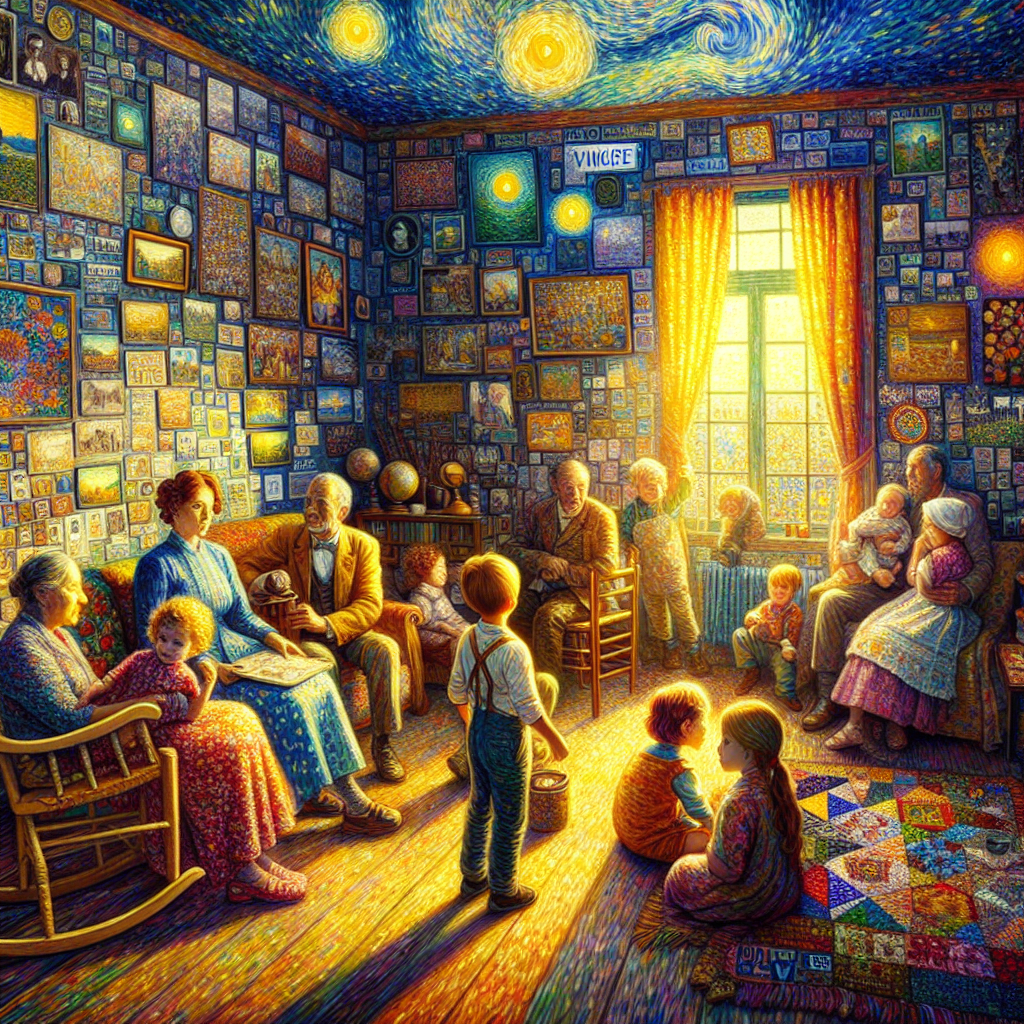
Conclusion
Other Resources

Other Resources
Here is a list of other resources you can review online to learn more:
- Storyworth
- RootsMagic
- LifeBio
- UpCounsel
- Can Telling and Preserving Personal or Family Legacy Stories Be Therapeutic?
- Personal Legacy Advisors
- Tributes
- YouMattered
- How To Write Legacy Story Headlines That Appeal To The Heart, Gut and Head
- FamilySearch
- MyWishes
- Trust And Will
- LastPass
- Funeral Finder
- Legacy Learned
- Tributize
- Postumo
- FindMyPast
- APH
- Lexikin
Use This Prompt To Get More Resources With Your Favorite Online AI Tool: Please provide me with a list of online articles with their URLs in a bulleted list that I can read regarding Raw Footage Is Not a Legacy

Other Resources
Glossary Terms
Raw Footage Is Not a Legacy – Glossary Of Terms
1. Raw Footage: Unedited video content captured directly from a camera, representing the original visual and audio elements.
2. Legacy: The impact or lasting influence of something, often associated with the preservation of memories and historical significance.
3. Authenticity: The quality of being genuine or real, particularly in the context of unedited media that reflects true moments.
4. Editing: The process of selecting, arranging, and modifying video or audio clips to create a polished final product.
5. Documentation: The act of recording events or processes, often used to preserve information for future reference.
6. Narrative: The structured story or account conveyed through visual or audio means, guiding the audience through the material.
7. B-Roll: Supplementary footage that adds context and visual interest, typically used alongside primary footage.
8. Creative Process: The series of actions and thought patterns involved in creating artistic content, including planning, shooting, and editing.
9. Footage: Recorded video material, often divided into categories such as raw and edited content.
10. Content Creation: The act of producing material, such as videos or articles, for distribution on various media platforms.
11. Visual Storytelling: The art of conveying a narrative through visual media, emphasizing imagery and cinematography.
12. Framing: The way subjects are positioned within a shot, influencing composition and viewer perception.
13. Cinematography: The art and technology of capturing motion pictures, focusing on lighting, camera angles, and shot composition.
14. Context: The circumstances or background information surrounding a piece of footage, affecting its interpretation and significance.
15. Post-Production: The stage in media creation that occurs after filming, involving editing, sound design, and visual effects.
16. Interview Footage: Video recordings of individuals answering questions, providing insights or narratives about a subject.
17. Voiceover: A recorded spoken commentary added to video footage, providing explanation or context for the visuals.
18. Clip: A short segment of video footage that can be extracted from a larger work for use in various contexts.
19. Archival Material: Historical footage or recordings stored for preservation and future access, often used for reference or research.
20. Aesthetic: The visual style and artistic elements of a piece of media that contribute to its overall impact.
21. Production Value: The quality of the materials and techniques used in creating media, influencing the final output’s professionalism.
22. Dynamic Range: The range of brightness levels captured in video, affecting visual depth and detail.
23. Sound Design: The process of creating the auditory landscape for a film or video, including sound effects, music, and dialogue.
24. Editing Suite: The software or physical space dedicated to video editing, allowing creators to trim, arrange, and finalize footage.
25. Viewer Engagement: The interaction and connection that an audience has with video content, often influencing retention and shares.
26. Platform: The medium or service used to distribute video content, such as social media, streaming sites, or television.
27. Copyright: The legal rights associated with the use of creative works, determining ownership and permission for distribution.
28. Creative Commons: A licensing system that allows creators to share work with certain usage rights while retaining some control.
29. Storyboard: A visual representation of a film or video sequence, outlining scenes and shots to be filmed.
30. Distribution: The process of making video content available to the public or target audience through various channels.

Glossary Of Terms
Other Questions
Raw Footage Is Not a Legacy – Other Questions
If you wish to explore and discover more, consider looking for answers to these questions:
- What practical steps turn raw footage into a coherent legacy story?
- How do you decide which moments to include and which to leave out?
- How can you preserve raw footage for decades or centuries?
- What technical formats and storage systems are best for long-term archiving?
- How do you balance authenticity with the desire to craft a compelling narrative?
- When does editing raw footage become unethical or misleading?
- How do you obtain informed consent from people captured in raw footage?
- What legal issues or copyright concerns arise when sharing family footage publicly?
- How should sensitive or traumatic moments be handled to protect subjects and viewers?
- How can raw footage be annotated or documented so future generations understand context?
- What storytelling techniques best highlight values and lessons from raw recordings?
- How do you involve family or community members in shaping the legacy narrative?
- What criteria determine whether to keep footage private, share within a family, or publish publicly?
- How can raw footage bridge cultural or generational gaps without imposing interpretation?
- What role do voiceovers, interviews, or captions play in turning raw clips into legacy pieces?
- How do you preserve audio quality and sync in archival footage?
- Which tools or software are recommended for organizing and cataloging raw media?
- How do you protect archived footage from data loss, corruption, or obsolescence?
- What ethical frameworks can guide decisions about editing and sharing intimate moments?
- How can storytellers ensure they are representing subjects authentically and respectfully?
- How do you create a narrative that resonates both emotionally and intellectually?
- What are effective ways to teach younger generations to value and continue legacy storytelling?
- How can raw footage be used in educational or community-building projects?
- What are common pitfalls when turning raw footage into a public documentary or memoir?
- How do you measure the social or emotional impact of legacy storytelling?
- What metadata should accompany footage to preserve context (dates, locations, people, events)?
- How should footage of deceased or vulnerable people be handled regarding permission and dignity?
- What resources exist for restoring or digitizing degraded analog footage?
- How can creators avoid exploiting subjects while still telling compelling stories?
- What are best practices for sharing raw footage on social media versus curated platforms?
- How can communities use shared raw archives to shape collective memory and identity?
- What funding, grants, or institutional support exists for archival and legacy projects?
- How do you decide whether raw footage should remain unedited as a historical record?
- What examples or case studies show raw footage successfully creating intergenerational connection?
- How do cultural differences influence what is considered appropriate to record or preserve?
- What steps protect personal privacy while enabling meaningful public access to footage?

Other Questions
Haiku
Raw Footage Is Not a Legacy – A Haiku
Legacy woven in time,
Raw threads stir hearts, minds, and souls,
Stories bridge our lives.
Haiku
Poem
Raw Footage Is Not a Legacy – A Poem
In a world of fleeting frames,
Raw footage captures lifes refrain,
Yet moments stripped of context fade,
True legacies are stories made.
Woven tales of heart and sweat,
In laughter shared and tears we met,
Each narrative a path we tread,
Reflects the truths weve known and fed.
What memories do we aspire to leave?
Not just accolades, but bonds we weave,
In quiet whispers, shared delight,
Connections bloom in soft twilight.
Raw moments pulse with honest grace,
A candid glimpse of the human race,
They bridge the gaps of time and space,
Inviting all to share our place.
Each frame a legacy, unadorned,
A testament to trials borne,
A silent vow to pass it on,
Embrace the raw, let silence dawn.
So craft your story, rich and true,
With every breach, the spirit grew,
For in the telling, hearts ignite,
A legacy woven, shining bright.

Poem
Checklist
Raw Footage Is Not a Legacy – A Checklist
Emotional Appeals
✅______ Reflect on personal stories that evoke strong emotions (joy, sorrow, triumph).
✅______ Identify memorable moments shared with loved ones that resonate deeply.
✅______ Consider how your stories can inspire empathy and connection.
Rational Appeals
✅______ Clarify the values and lessons you want your legacy to convey.
✅______ Analyze how your experiences can educate future generations.
✅______ Evaluate the impact of your narrative on understanding societal issues.
Ethical Appeals
✅______ Ensure accurate and respectful representation of individuals in your stories.
✅______ Obtain consent from those featured in your raw footage.
✅______ Reflect on the impact your storytelling may have on others’ lives.
Authority Appeals
✅______ Share authentic experiences that ground your stories in truth.
✅______ Establish credibility through honesty and vulnerability in your narratives.
✅______ Use personal background to enrich your storytelling authority.
Narrative Appeals
✅______ Create a compelling storyline that weaves together your experiences.
✅______ Include anecdotes that connect past, present, and future.
✅______ Highlight turning points and lessons learned throughout your journey.
Social Appeals
✅______ Foster community by inviting others to share their stories alongside yours.
✅______ Encourage discussions around shared values and lived experiences.
✅______ Utilize raw footage to evoke connections across generations.

Checklist
At LegacyExplorations, we help people plan and explore their legacy by collecting information and news regarding end-of-life planning.
Please share this post with your friends, family, or business associates who may want help to plan or explore their legacy.