

Unlocking The Secrets Of Personal Resilience
By Tom Seest
At LegacyExplorations, we help people plan and explore their legacy by collecting information and news regarding end-of-life planning.
Please share this post with your friends, family, or business associates who may want help to plan or explore their legacy.
Rebuilding The Puzzle Of Your Past
Life can sometimes feel like a jigsaw puzzle scattered across the table of our minds, each piece a fragment of our experiences—some jagged, others smooth, but all essential to the bigger picture of who we are. In the rush of daily responsibilities, we may inadvertently shove the puzzle into a dusty corner, believing that time alone will help it come together. But the truth? It takes intent and effort to reconstruct the narrative of our lives.
Legacy storytelling isn’t just a dramatic term—it’s a powerful act of reclaiming your past to enhance your future. Think about the stories your family told around the dinner table. Those personal legends were not just tales; they were your ancestors’ legacies, threads weaving connection into the fabric of your existence. Revisiting these stories can ignite a sense of belonging, a profound realization that you are part of something larger than yourself.
But it’s not merely nostalgia; it’s about grounding ourselves in a flawed yet beautiful reality. From the triumphs and milestones that fill us with pride to the mistakes that haunt our thoughts, each experience is a crucial puzzle piece. Embracing these complexities gives us the authority to share our truths—not just with others but with ourselves. When we reflect on our past, we gain clarity about our values, driving our actions with purpose.
Consider this: when was the last time you took a moment to sift through your own memories? Maybe there’s a box in the attic or a digital folder full of old photos. Dust it off and dive in! Each snapshot, each ticket stub, reveals a piece of your story—one that might inspire someone else. Sharing our struggles and triumphs connects us; it tells others they’re not alone, sparking conversation and community in a world that often feels isolating.
In rebuilding the puzzle of your past, you also create a narrative—a legacy that can empower not only you but those who come after you. Take ownership of your pieces, align them thoughtfully, and present your story with pride. Because when we lean into our past with honesty and courage, we don’t just build memories; we craft legacies that resonate long after we’re gone. Your story matters. Rebuild the pieces, and let it shine.

Rebuilding The Puzzle Of Your Past
Rebuilding The Puzzle Of Your Past
- Life is like a jigsaw puzzle of experiences, with each piece representing a part of who we are.
- Reconstructing our life narrative requires deliberate intent and effort, rather than relying on time alone.
- Legacy storytelling allows us to reclaim our past and enrich our future, connecting us to our ancestry.
- Revisiting personal legends enhances our sense of belonging to something larger than ourselves.
- Embracing both triumphs and mistakes provides clarity about our values and empowers us to share our truths.
- Reflecting on memories, such as old photos, can inspire connections and spark conversations within our communities.
- Taking ownership of our story and presenting it with pride helps create a meaningful legacy that can influence future generations.

Rebuilding The Puzzle Of Your Past
Table Of Contents
- Rebuilding The Puzzle Of Your Past
- What Memories Linger In Your Heart That Need Healing?
- How Can Understanding Your Past Shape Your Future?
- What Lessons Have Your Struggles Taught You About Resilience?
- How Does Your Past Define Your Values And Choices Today?
- What Stories From Your Past Still Seek Resolution?
- How Can Forgiveness Free You From Past Burdens?
- What Role Does Vulnerability Play In Sharing Your History?
- Conclusion
- Other Resources
- Glossary Of Terms
- Other Questions
- Haiku
- Poem
- Checklist
What Memories Linger In Your Heart That Need Healing?
What memories linger in your heart that need healing? Those fragments of time, shimmering yet shadowed, can hold both power and pain. Picture a sprawling family gathering, laughter dancing through the air like fireflies at dusk. Now, juxtapose that with the silence that fell when a loved one was lost, leaving an indelible mark on your heart. This is where legacy and storytelling intertwine, forming the tapestry of who we are.
These memories, both joyous and sorrowful, shape our lives. They influence our decisions, our relationships, and ultimately, the legacy we leave behind. Wanting to heal those heart-wrenching moments isn’t a sign of weakness; it’s an affirmation of humanity. Consider this: how often do we sweep our pain under the rug, convinced that moving on is the goal? Yet, in doing so, we deny ourselves the opportunity for growth.
Engaging with these memories can be daunting, but think of it as taking a disciplined yet empathetic approach. You wouldn’t ignore a wound on your skin; you’d clean it, bandage it, and tend to it. Similarly, revisiting these emotional scars brings clarity and understanding. We owe it to ourselves—and to those who care for us—to confront these lingering feelings. Each story we explore is a step toward unearthing a deeper truth, revealing the resilience we often forget we possess.
When we share these stories, we foster connection. The risk of vulnerability is high, but know this: others have walked similar paths. By opening up about what hurts, we create a community of support, reminding each other that healing is a shared journey. Our struggles become a beacon for others, proving that in our heartache, there lies an untapped strength.
Healing isn’t just a personal endeavor; it’s ethical. Every scar holds the weight of experience—an obligation to acknowledge and learn from it. So, pause and reflect: what story resides within you that deserves to be told? What memories need to be acknowledged so that you can embrace a brighter future? Grab hold of that story, own it, and turn it into your legacy. Trust that by addressing the tender memories in your heart, you’ll not only pave the way for your healing but inspire others to embark on their own journeys of discovery and connection.

What Memories Linger In Your Heart That Need Healing?
What Memories Linger In Your Heart That Need Healing?
- Memories of both joy and sorrow shape our identities and influence our decisions.
- Healing from heart-wrenching moments is an affirmation of humanity, not a sign of weakness.
- Ignoring painful memories may hinder personal growth; reflecting on them is essential.
- Engaging with emotional scars fosters clarity and understanding, similar to tending to a physical wound.
- Sharing stories of pain fosters connection and creates a supportive community.
- Healing is both a personal and ethical journey that requires acknowledgment of past experiences.
- Embracing and sharing our stories can inspire others and contribute to collective healing.

What Memories Linger In Your Heart That Need Healing?
How Can Understanding Your Past Shape Your Future?
There’s a certain power that comes from understanding your past. It’s like holding a compass in your hand that points not just to where you’ve been, but also illuminates the path ahead. Everyone has a legacy; the tales woven into the fabric of our lives serve as reminders of our roots and values. These stories are not just memories to collect dust—they’re living artifacts that can guide our everyday choices, influencing our decisions and shaping our futures.
Think for a moment about your own legacy. What lessons did your parents or grandparents share with you? How did their experiences, successes, and failures impart wisdom that you carry even today? This isn’t just family lore—it’s storytelling at its most powerful. It lets us peek into the lives of those who walked before us, illuminating the triumphs and trials that define our own journeys.
Emotionally, it can be galvanizing to understand where you came from. Reflecting on the struggles and victories of your ancestors instills a sense of purpose, connecting us to something greater than ourselves. When we grasp the magnitude of those stories, we’re inspired to honor them in our own lives, forming a bridge between past and future. This connection doesn’t just tug at the heartstrings; it also resonates deeply within our very core. It’s a call to action, a nudge to keep growing, evolving, and striving.
Rationally, aligning yourself with this understanding can lead to more informed decisions. When you assess your history—both personal and cultural—you discover patterns in your behavior, identifying habits or beliefs that have served you well, or perhaps held you back. This analytical reflection fosters critical thinking and informs future choices, leading to a more fulfilled, purpose-driven life.
Ethically, embracing our past gives rise to a sense of responsibility. We are the stewards of our legacies, tasked with carrying forward the ideals that resonate with truth and integrity. It’s about recognizing the weight of our choices, understanding how they ripple through time, and committing to make actions that echo positively in our communities.
As we connect the dots of our own narratives—each story adding depth to our character and purpose—we prepare steps toward a brighter future, rich with potential. We cultivate connections and find camaraderie in our shared experiences, uniting as a community transformed by the power of legacy storytelling. Let our past not just be a tale told; let it be the foundation of the future we build together.
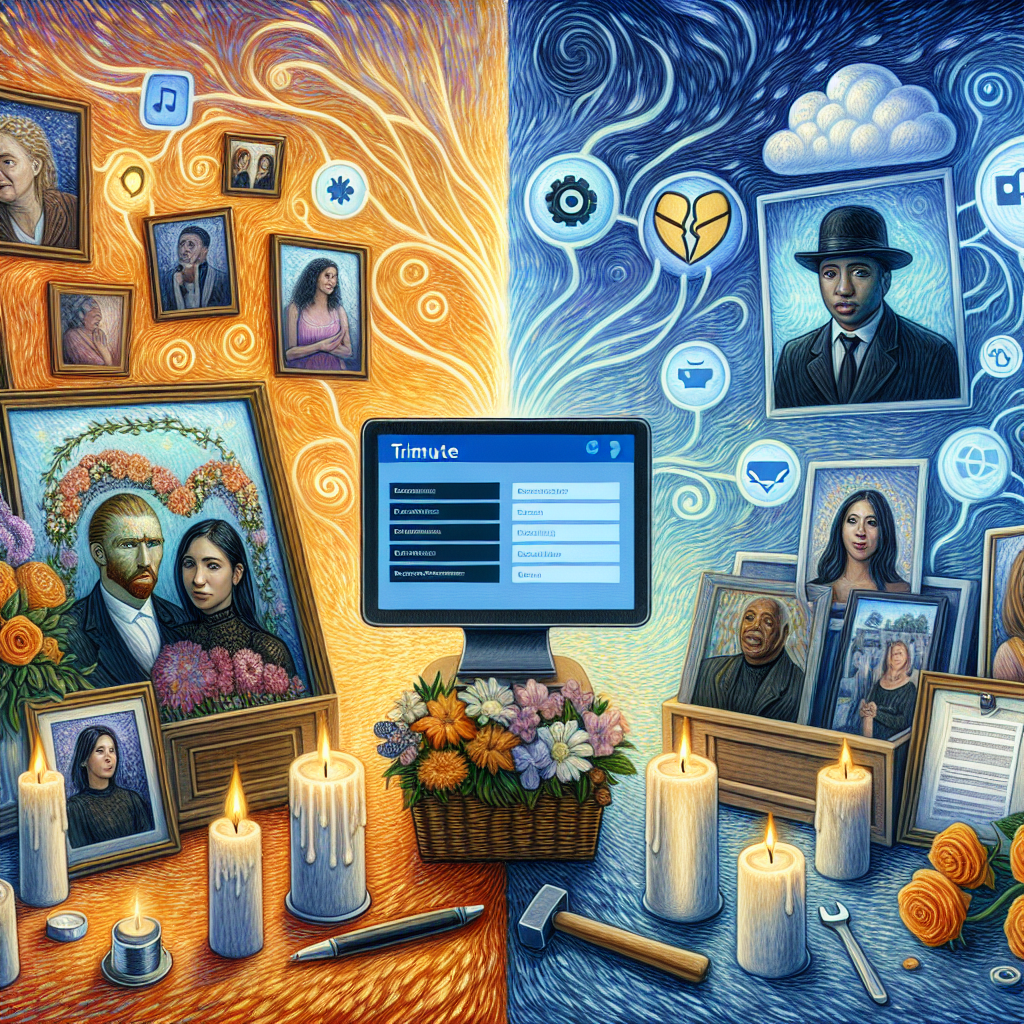
How Can Understanding Your Past Shape Your Future?
How Can Understanding Your Past Shape Your Future?
- Understanding your past serves as a compass, guiding both your history and future.
- Your legacy includes stories from your ancestors that reflect your roots and values.
- Lessons from previous generations provide powerful insights that shape your decisions today.
- Reflecting on your ancestry instills purpose and connects you to something greater.
- Analyzing your history reveals behavioral patterns that can guide informed decision-making.
- Embracing your past fosters a sense of responsibility to uphold ideals of truth and integrity.
- Connecting narratives enriches your character, fostering community and collaboration for a brighter future.

How Can Understanding Your Past Shape Your Future?
What Lessons Have Your Struggles Taught You About Resilience?
What will your legacy be? Each struggle becomes a thread in the fabric of your life story, intricately woven together to create a tapestry rich with lessons. Life can feel relentless; it throws challenges our way that test our fortitude. Those moments when we stumble often forge the strongest connections to our sense of resilience.
Think back to the last time you felt the weight of the world on your shoulders. Perhaps it was a job lost, a relationship ended, or a dream postponed. In that moment, you were not alone. Countless others have walked those winding paths. They, too, found themselves reconsidering their purpose, recalibrating their ambitions, and reassessing their strengths. It’s in these universal struggles that the real artistry of legacy storytelling emerges. These experiences, although painful, are opportunities to craft our identities and demonstrate how grit can morph into grace.
It’s not merely about overcoming obstacles; it’s the understanding that every setback teaches us something invaluable. This might resonate with your gut: that feeling when resilience begins to bloom as you rise from the ashes, dust yourself off, and forge ahead with newfound resolve. With each trial, you become more equipped to face whatever life throws your way. You build an arsenal of tools honed through your struggles—tools rooted in empathy, understanding, and determination that not only benefit you but those around you.
Consider the strength found in vulnerability. Sharing our struggles invites others in. It’s a testament to our humanity, a reminder that we’re all fellow travelers on this journey. Each of us carries stories of hardship and triumph—we become stewards of each other’s resilience. In doing so, we create a network of support that empowers everyone to keep moving forward, to not be defined by our setbacks but uplifted by our triumphs.
As you reflect on your personal journey, ask yourself: What will you take from your struggles? What stories will you tell? Your resilience isn’t just a badge of honor; it’s a commitment to inspire those around you. Embrace the lessons learned and let them guide you. Your legacy depends on it, not just for you, but for everyone who needs to hear your story. Together, we craft a narrative woven with perseverance and hope, reminding each other of our shared strength.

What Lessons Have Your Struggles Taught You About Resilience?
What Lessons Have Your Struggles Taught You About Resilience?
- Life struggles contribute to the tapestry of our life stories, rich with lessons.
- Challenges test our resilience and create strong connections to our sense of purpose.
- Many face similar hardships, leading to reassessment of goals and personal strengths.
- Setbacks provide invaluable lessons that foster growth and understanding.
- Resilience blooms as we recover from adversity, equipping us with essential life tools.
- Vulnerability in sharing struggles fosters human connection and support networks.
- Your journey and resilience can inspire others, shaping a legacy of hope and perseverance.

What Lessons Have Your Struggles Taught You About Resilience?
How Does Your Past Define Your Values And Choices Today?
We’re all carrying the weight of our past on our shoulders, whether we recognize it or not. Every choice we make today is intertwined with our legacy—like branches growing from a tree planted years ago. It’s our story, and that story shapes how we see the world, how we treat others, and how we navigate the challenges life throws our way.
Think for a moment about your roots. Maybe you grew up in a small town where hard work was the currency of respect. Perhaps your family faced adversity and learned to push through, instilling in you a sense of resilience that directs every decision you make now. These experiences don’t just fade with time; they become the soil from which your values sprout. The importance of honesty, the necessity of kindness, the grit needed to persevere—they’re all etched into your very fabric.
This isn’t mere nostalgia. It’s a narrative that weaves through our lives, influencing not just our individual choices but the collective choices of our communities. When we share our legacy through storytelling, we create connections that resonate on a deeper level. A shared experience can evoke compassion and understanding, reminding us we’re all in this together, trying to make sense of the chaos that life sometimes throws our way.
Our past is not an anchor; it’s a compass. An ethical compass that guides our interactions and choice-making. When you find yourself at a crossroads, it’s often those memories, those life lessons, that steer you clear of needless mistakes. It’s the voice of a mentor who told you to always work hard, or the laughter shared with friends that teaches the importance of loyalty. When we act in alignment with our values, we inspire trust and confidence in ourselves and in those around us.
Consider the legacy you’re crafting right now. What will your story say about you? Each choice you make today is a chapter in that story. Are you writing a tale of compassion and courage, or one of regret and missed opportunities? Embrace your past, draw strength from it, and let it empower you to forge a future that reflects the best parts of yourself—because the choices we make today are the seeds of our tomorrow. In understanding our history, we not only define ourselves but also inspire those who follow.

How Does Your Past Define Your Values And Choices Today?
How Does Your Past Define Your Values And Choices Today?
- We carry the weight of our past, consciously or unconsciously influencing our present choices.
- Our personal stories shape our worldview, relationships, and reactions to life’s challenges.
- Experiences from our upbringing contribute to our values and resilience.
- Storytelling allows us to share our legacies, fostering deeper connections within communities.
- Our past functions as a compass, guiding ethical decision-making and interactions.
- Each choice we make contributes to our personal narrative, influencing our future.
- Understanding our history empowers us to inspire others and shape a meaningful legacy.

How Does Your Past Define Your Values And Choices Today?
What Stories From Your Past Still Seek Resolution?
What stories from your past still seek resolution? It’s a question that lingers like an old friend you’ve lost touch with, yet wish you could reconnect with. Each of us carries a legacy shaped by our experiences, carving out a narrative that deserves to be told. Legacy storytelling isn’t just about the big moments; it’s about the small, messy, and often unresolved chapters that define us.
Think back to those pivotal moments. Maybe it’s the misunderstanding that turned into a family feud, the dream you let slip away because of fear, or perhaps it’s the friend you never had the courage to forgive. These stories reside in us, begging for acknowledgement, waiting for an ending that reflects who we’ve become. They’re not just remnants of our past; they’re threads in the fabric of our identity. Rationally, we know that revisiting these unresolved tales can be uncomfortable. Emotional scars can feel like a maze with no exit. Yet, it’s in facing these stories that we can truly find our strength and purpose.
Imagine for a moment the history we all share as human beings—stories of joy, mistakes, and redemption that weave us together. When you take a step back, you see that these tales are universal; they resonate with the struggles we all face, fostering connection. By sharing your own experience, you invite others to reflect on their stories, creating a tapestry of shared humanity. In doing so, you not only empower yourself but inspire those around you to confront their own unresolved chapters.
This isn’t merely an exercise in introspection—it’s an ethical call to action. By embracing our legacies, we set an example for the next generation. We teach them the importance of honesty, vulnerability, and closure. Your unfinished business can transform into a powerful lesson, a beacon of hope illuminating paths they may one day tread.
So ponder your stories—those lingering memories still yearning for resolution. They deserve an audience, and perhaps more importantly, you deserve the closure they can offer. Let your legacy storytelling begin, not just as a chore but as a celebration of your journey, with each narrative bringing you one step closer to understanding your heart, your head, and your gut.

What Stories From Your Past Still Seek Resolution?
What Stories From Your Past Still Seek Resolution?
- Legacy storytelling involves sharing experiences that shape our identities.
- Unresolved stories from our past, such as misunderstandings or lost opportunities, seek acknowledgment.
- Facing uncomfortable stories can lead to personal strength and purpose.
- Shared human experiences of joy and redemption foster connections among people.
- By reflecting on our own stories, we encourage others to address their unresolved chapters.
- Embracing our legacies sets a positive example for future generations regarding honesty and closure.
- Legacy storytelling is a celebration of one’s journey, offering closure and deeper self-understanding.

What Stories From Your Past Still Seek Resolution?
How Can Forgiveness Free You From Past Burdens?
Forgiveness is not about condoning the actions of others; it’s about liberating yourself from the shackles of resentment. Picture a story where a man, burdened by bitterness, carries the weight of past grievances everywhere he goes—slow, heavy, and utterly exhausting. Now imagine him taking a deep breath, setting down that weight, and feeling light enough to finally move forward. That’s the power of forgiveness—shedding the rust of old wounds to embrace a future full of possibility.
At the core, we all have our personal legacy—shaped by how we respond to life’s challenges. Each grievance can either mold us into angry statues or resilient storytellers. Choosing to forgive transforms our narrative from one of victimhood to one of strength. Think about it: when you let go, you’re not just freeing yourself from the past. You’re rewriting your story, giving it depth and meaning, and allowing yourself to grow.
Emotionally, forgiveness connects us to others in profound ways. We’ve all felt wronged, and often that deep hurt is shared. When you forgive, you send a message to yourself and those around you that you value peace over conflict. This isn’t just an abstract idea; it’s a real, tangible shift that invites compassion to the forefront. A heartfelt “I forgive you” can heal old wounds and foster community, bridging gaps and forging new connections.
Rationally, holding onto resentment takes energy—energy that could be better spent on building relationships or pursuing passions. Research shows that forgiveness can lead to improved mental and physical health, reducing stress and increasing overall happiness. It’s not just a feel-good cliché; it’s backed by studies. You are responsible for your emotions, and you have the authority to choose how you react to life’s injustices.
Ethically, extending forgiveness cultivates fairness. It places value on understanding and empathy rather than dwelling in darkness. It’s an act of grace, not weakness—an acknowledgment that, as flawed beings, we all stumble. Society thrives on forgiveness; it’s a fundamental pillar of our shared humanity that prompts us to lift each other up instead of tearing one another down.
So, let’s set down those burdens, embrace the transformative power of forgiveness, and step boldly into our legacies. After all, it’s never too late to write a better story.

How Can Forgiveness Free You From Past Burdens?
How Can Forgiveness Free You From Past Burdens?
- Forgiveness liberates you from resentment, rather than condoning others’ actions.
- Letting go of past grievances allows for personal growth and a positive future.
- Forgiveness transforms your narrative from victimhood to strength.
- Emotionally, it connects us and values peace over conflict, fostering community and compassion.
- Holding onto resentment consumes energy that could be used for building relationships and pursuing passions.
- Forgiveness improves mental and physical health, reducing stress and increasing happiness.
- Extending forgiveness promotes fairness, understanding, and empathy, essential for a thriving society.

How Can Forgiveness Free You From Past Burdens?
What Role Does Vulnerability Play In Sharing Your History?
Vulnerability is the unsung hero of legacy storytelling. It may seem like an odd way to build a narrative, but the truth is, letting your guard down can create powerful connections. When you share the unvarnished, messy parts of your history, you aren’t just recounting events; you’re inviting others into your world, your truth. This openness lays the foundation for trust—a vital currency in any meaningful relationship.
Think about the stories that resonate the most with you. They often revolve around someone grappling with adversity, revealing their fears, struggles, and triumphs. This is vulnerability at its finest—raw, relatable, and deeply human. When you portray your history with all its blemishes and textures, you craft a narrative that speaks to the heart. Those details give life to your experiences, making them more than mere anecdotes. They become lessons wrapped in the truth of what it means to be alive.
Rationally, vulnerability lays the groundwork for authenticity. People today crave genuineness, particularly in a world overflowing with curated images and highlight reels. When you dare to expose your flaws, you showcase courage, proving that perfection isn’t a prerequisite for sharing your story. This authenticity resonates deeply, fostering an environment where others feel safe to share their own histories, building a collective narrative strengthened through shared experiences.
Ethically, someone needs to take the first step. By speaking openly about your own vulnerabilities, you’re sending a message that it’s okay to not have it all figured out. You’re challenging the stigma surrounding the imperfect journey, encouraging a culture of acceptance and understanding. This is how you create a community—by showing people they’re not alone in their struggles.
From a social perspective, the act of sharing vulnerabilities can ignite conversations and foster connection among peers. It opens doors to empathy and compassion, forming bonds that traditional storytelling can’t achieve. The simple act of revealing an insecurity or recounting a difficulty can bring people together in unexpected ways.
So, as you think about your legacy storytelling, remember this: your history is a tapestry woven with both joy and sorrow. Embrace the vulnerability in sharing it, and you’ll not only honor your past; you’ll invite others to do the same, creating a ripple of connection that transcends time.

What Role Does Vulnerability Play In Sharing Your History?
What Role Does Vulnerability Play In Sharing Your History?
- Vulnerability enhances legacy storytelling by fostering powerful connections.
- Sharing the messy parts of one’s history invites others into your world and builds trust.
- Stories that resonate often involve characters facing adversity, showcasing their fears and triumphs.
- Authenticity is grounded in vulnerability, allowing for genuine connections in a curated world.
- By exposing personal flaws, individuals challenge stigma and promote a culture of acceptance.
- Sharing vulnerabilities can spark conversations and foster deeper connections among peers.
- Embracing vulnerability in storytelling honors the past and creates a collective narrative of connection.

What Role Does Vulnerability Play In Sharing Your History?
Conclusion
Rebuilding the puzzle of your past isn’t just a personal journey; it’s an essential endeavor that ignites connections, fosters resilience, and empowers not only ourselves but also those around us. Picture life as a vast tapestry, with each thread representing experiences—some vibrant, others frayed—but together they weave the entirety of who we are. Too often, we let the chaos of everyday life gather dust over our own stories, believing we can bury our past and somehow emerge unscathed. But here’s the truth: our past is not just something to escape; it’s a source of strength and identity.
Legacy storytelling—or reclaiming our narrative—affords us an opportunity to reconnect with what truly matters. It’s about diving deep into our personal history, embracing both the celebrations and the sorrows, and using these insights to shape a better future. The stories we share are not just anecdotes; they’re threads that tie us to our ancestors and to one another. Think of those pivotal moments in your life, the ones that molded your values and choices. Each experience carries weight, influencing your decisions today. This isn’t mere nostalgia; it’s about grounding yourself in reality to cultivate resilience.
Engaging with our past also creates a mindful awareness of our struggles. It’s this very vulnerability that crafts a compelling narrative. Sharing our hardships and triumphs inspires community and connection, revealing that none of us are alone in our battles. This act of storytelling is both emotional and ethical; it invites others to confront their own histories and redefine their narratives. It’s a powerful reminder that healing is a collective journey built on honesty and connection.
Consider your legacy—not just for personal fulfillment, but as a beacon for others. Each time you confront your past, explore unresolved stories, or find the courage to forgive, you’re not just uplifting yourself. You’re providing a guidepost for someone else navigating similar terrain. The power of your story can light the path for others, proving that from struggle comes strength and from vulnerability, community.
So dust off that box of memories, sift through the pieces, and reclaim your narrative. Fill your life with intention. Let your story, marked by both heartache and resilience, shine brightly as you craft a legacy that resonates with truth and hope. Your journey is more than just a tale; it’s a guide for others to navigate their paths toward healing and connection. Embrace it.

Conclusion
Conclusion:
- Rebuilding the puzzle of our past ignites connections, fosters resilience, and empowers ourselves and others.
- Life is a tapestry of experiences, with each thread representing both vibrant and frayed moments that define us.
- Our past is not something to escape; it’s a source of strength and identity.
- Legacy storytelling allows us to reconnect with what truly matters, shaping a better future by embracing our history.
- Sharing our stories creates community and reveals shared struggles, inspiring connection and healing.
- Confronting our past and finding courage to forgive not only uplifts us but provides guidance for others.
- By reclaiming our narrative, we craft a legacy filled with intention, truth, and hope, serving as a guide for others.

Conclusion
Other Resources

Other Resources
Here is a list of other resources you can review online to learn more:
- LegalNature
- YouMattered
- WishesKeeper
- How To Write Legacy Stories That Appeal To The Heart, Gut and Head
- LifeNaut
- UpCounsel
- FuneralWise
- PartingWishes
- RootsMagic
- LegacyLearned
- MyWishes
- LegacyFamilyTree
- Storyfile Life
- Willmaker
- LifeBio
- NoLo
- Funeral Finder
- EverLoved
- Is There A Need To Pay For Copyrighting Services For Personal Or Family Legacy Stories?
- Lexikin
Use This Prompt To Get More Resources With Your Favorite Online AI Tool: Please provide me with a list of online articles with their URLs in a bulleted list that I can read regarding Rebuilding The Puzzle Of Your Past

Other Resources
Glossary Terms
Rebuilding The Puzzle Of Your Past – Glossary Of Terms
1. Reconstruction: The process of reassembling memories and experiences to create a coherent narrative of one’s life.
2. Therapy: Professional treatment aimed at helping individuals understand and solve their personal issues, often related to past experiences.
3. Trauma: Psychological and emotional response to distressing events, which can impact one’s behavior and mental health.
4. Memory: The mental capacity to store, retain, and recall past experiences and information.
5. Self-reflection: The practice of introspection to evaluate one’s thoughts, emotions, and past actions to promote personal growth.
6. Coping mechanisms: Strategies or behaviors that individuals use to manage stress and emotional pain, particularly related to trauma.
7. Narrative therapy: A therapeutic approach that encourages individuals to tell their life stories to understand their experiences and develop new perspectives.
8. Emotional healing: The process of addressing and resolving emotional pain or trauma from the past to achieve mental well-being.
9. Integration: The ability to combine fragmented memories and experiences into a cohesive understanding of oneself.
10. Identity: A person’s conception and expression of their own self, shaped by past experiences and memories.
11. Forgiveness: The process of letting go of resentment or anger toward oneself or others for past wrongs.
12. Acceptance: Acknowledging past experiences without judgment, allowing for personal growth and healing.
13. Mindfulness: The practice of remaining present and fully engaging with the current moment, which can aid in processing past experiences.
14. Resilience: The capacity to recover quickly from difficulties and adapt positively in the face of adversity.
15. Insight: The understanding or awareness gained about oneself or one’s experiences, often through reflective practices.
16. Repression: A defense mechanism that involves unconsciously blocking out painful or traumatic memories from conscious awareness.
17. Regret: The feeling of sadness or disappointment over something that has happened or been done, often related to past decisions.
18. Connection: Building relationships with oneself and others as a means of healing and support while addressing past experiences.
19. Support system: A network of friends, family, or professionals that provides emotional support during the healing process.
20. Closure: Achieving a sense of resolution or understanding regarding past events, aiding in emotional healing.
21. Grief: The deep sorrow felt after a loss, which often requires processing past experiences and emotions.
22. Validation: The act of recognizing and affirming one’s feelings and experiences, crucial for healing and understanding.
23. Self-compassion: The practice of treating oneself with kindness and understanding in the face of struggles or failures.
24. Patterns: Recurring themes or behaviors that develop from past experiences, often influencing present actions and choices.
25. Change: The process of transformation that occurs when individuals confront and work through their past.
26. Discovery: The act of uncovering hidden truths about oneself or one’s past that contribute to personal growth.
27. Healing journey: The ongoing process of personal growth and recovery from past traumas and emotional pain.
28. Visualization: A technique used in therapy where individuals imagine scenarios to explore emotions or confront past experiences.
29. Reframing: Changing the way one perceives past experiences to gain a new understanding and lessen negative impacts.
30. Empowerment: Gaining control over one’s life by understanding and processing past experiences, leading to positive change.

Glossary Of Terms
Other Questions
Rebuilding The Puzzle Of Your Past – Other Questions
If you wish to explore and discover more, consider looking for answers to these questions:
- What are the specific steps one can take to start rebuilding their personal narrative?
- How can sharing stories from the past foster community and connection among individuals?
- What role do cultural backgrounds play in shaping personal legacies?
- How can one identify which memories need healing or resolution?
- What are some strategies for dealing with memories that are particularly painful or difficult?
- How does one go about creating a legacy for future generations?
- What are the emotional and psychological benefits of engaging with one’s past?
- How can storytelling be used as a tool for personal growth and resilience?
- What impacts do unresolved stories have on mental well-being?
- How can communities support individuals in their journeys of healing and storytelling?
- What is the significance of forgiveness in the context of personal growth?
- How can individuals cultivate the courage to share their vulnerable stories?
- What is the relationship between personal values and life decisions?
- In what ways can technology assist in preserving and sharing one’s legacy?
- How can one constructively reflect on negative memories without getting overwhelmed?

Other Questions
Haiku
Rebuilding The Puzzle Of Your Past – A Haiku
Fragments of our past,
We rebuild with intent now—
Legacy shines bright.

Haiku
Poem
Rebuilding The Puzzle Of Your Past – A Poem
In the quiet corners of our thoughts they lie,
Scattered pieces of a life, like stars in the sky.
Jigsaw moments, smooth and jagged,
Each holds a truth, a lesson, a wound once snagged.
Within family tales around the table shared,
Lies a legacy woven, a love declared.
Embrace the laughter, the silence, the strife,
Each thread is essential in the tapestry of life.
What stories linger, aching to be known?
Fragments of joy and sorrow, seeds we’ve sown.
Healing calls us to tread softly through pain,
To sift through the memories, to let go of disdain.
Understanding the past is the compass we seek,
Guiding our choices, making our futures unique.
Lessons from struggles shape who we become,
A legacy written, a resistance to succumb.
Forgiveness, a balm for the wounds we clutch tight,
Releasing the burdens, reclaiming the light.
Through vulnerability, our truth finds the air,
Connecting hearts, crafting courage laid bare.
So gather the pieces, assemble with grace,
Share your journey, your struggles, your face.
For in the storytelling, we find that we’re not alone,
In the puzzle of life, together we’ve grown.
Let your past be a guide, a narrative strong,
In every word spoken, we find where we belong.
Your story matters, a legacy in flight,
Rebuild the pieces, and let them ignite.

Poem
Checklist
Rebuilding The Puzzle Of Your Past – A Checklist
Checklist for Rebuilding the Puzzle of Your Past: Unlocking Personal Resilience
Heart: Emotional Appeals
_____ Reflect on the memories that linger in your heart; which ones need healing?
_____ Identify fragments of joy and sorrow that define your personal narrative.
_____ Consider how sharing your struggles can foster connection and support within your community.
_____ Explore what stories in your past inspire feelings of belonging and significance.
Head: Rational Appeals
_____ Analyze the lessons learned from your ancestors; what guiding principles do they impart on your choices today?
_____ Assess patterns in your behavior influenced by past experiences; how do they shape your values?
_____ Develop a clearer understanding of your experiences—both triumphs and failures—as a compass for future decisions.
_____ Reflect on the techniques you can employ to confront unresolved stories and emotional scars.
Gut: Ethical and Authority Appeals
_____ Acknowledge the responsibility you have to your legacy; how will you share your truth with future generations?
_____ Consider the ethical implications of your choices; how do they resonate within your community?
_____ Embrace the strength found in vulnerability; understand the power of sharing your experiences to inspire others.
_____ Recognize the authority you hold in crafting your personal narrative; how will you take ownership of your past and its impact on your future?
Social Appeals: Narrative and Community
_____ Identify unresolved stories in your life; which ones seek resolution or understanding?
_____ Foster a culture of forgiveness within your relationships; how can letting go of past grievances free you to connect more deeply?
_____ Engage in legacy storytelling—what narratives will you share to create bonds with others in your community?
_____ Encourage open conversations about your vulnerabilities; how can this foster empathy and compassion among peers?
Use this checklist as a guide to reflect on and embrace your past, rebuild your personal narrative, and enhance your resilience.

Checklist
At LegacyExplorations, we help people plan and explore their legacy by collecting information and news regarding end-of-life planning.
Please share this post with your friends, family, or business associates who may want help to plan or explore their legacy.