

Reviving Traditions: Gen X’s Emotional And Ethical Reboot
By Tom Seest
At LegacyExplorations, we help people plan and explore their legacy by collecting information and news regarding end-of-life planning.
Please share this post with your friends, family, or business associates who may want help to plan or explore their legacy.
Retro Works – Why Gen X Is Rebooting Old Businesses
There’s a certain magic that happens when nostalgia meets entrepreneurship. For those of us cruising through life with a well-worn flannel shirt and a coffee cup in hand, it’s not just about reviving old businesses; it’s about weaving our legacy into the very fabric of our communities. Generation X is stepping up, bringing to life a kind of storytelling that resonates with both heart and gut—a legacy story that honors the past while embracing the challenges of the future.
Consider the rustic diner that once buzzed with laughter and clinking silverware, now reborn under new ownership. It’s not merely about flipping burgers or pouring coffee; it’s a place where memories linger in the air, where every booth tells a story. It’s this connection—both emotional and social—that drives Gen X entrepreneurs to dig deep and create something special. We understand the power of community because we lived it. We remember the value of a dollar earned and the feeling of a job well done, and it’s this shared experience that builds trust in the businesses we choose to support.
As we navigate the complexities of modern life, more than ever we crave authenticity. This generation is not just flipping the sign from ‘Closed’ to ‘Open’; it’s about taking a stand. It’s about ethical entrepreneurship, sustainability, and the genuine desire to make a positive impact. By reviving old businesses, we’re honoring those who came before us— the craftsmen, local farmers, and corner shop owners who poured their hearts into their trade. This is more than just commerce; it’s a tribute to their legacy.
It’s also a call to action for those who feel lost in the hustle of today’s fast-paced world. When Gen X takes the reins of these beloved establishments, it’s a reminder that it’s not just about profit margins or market shares. It’s about humanity. It’s about connection. It’s about telling stories in a way that brings people together.
So, whether you’re sipping on a locally brewed coffee that was once just a dream or indulging in a homemade pie that evokes memories of grandma’s kitchen, remember: you’re part of this narrative. You’re not just a customer; you’re a vital link in a legacy that binds us all. By embracing the old, we’re paving the way for a future filled with heart, purpose, and shared memories.

Retro Works – Why Gen X Is Rebooting Old Businesses
Retro Works – Why Gen X Is Rebooting Old Businesses
- Nostalgia and entrepreneurship create a unique connection, allowing the past and future to intertwine.
- Generation X revitalizes businesses, focusing on storytelling and building a community legacy.
- Renovated establishments, like rustic diners, serve as emotional and social gathering places filled with history.
- Gen X entrepreneurs emphasize authenticity, ethical practices, and sustainability in their ventures.
- Reviving old businesses pays homage to previous generations and their dedication to craftsmanship and local trade.
- This movement encourages a sense of belonging and human connection, rather than just profit-driven goals.
- Customers play an integral role in this narrative, as they contribute to a shared legacy of community and memories.

Retro Works – Why Gen X Is Rebooting Old Businesses
Table Of Contents
- Retro Works – Why Gen X Is Rebooting Old Businesses
- What Nostalgic Memories Inspire You to Revisit Old Businesses?
- How Can Reviving Vintage Brands Drive Economic Growth Today?
- Should We Prioritize Local Craftsmanship Over Mass Production?
- Why Do You Believe Gen X Is Uniquely Positioned to Lead This Revival?
- How Do These Businesses Shape the Identity Of Our Communities?
- What Ethical Considerations Come Into Play When Rebooting a Brand?
- Can Storytelling Bridge the Gap Between Old and New Consumer Values?
- Conclusion
- Other Resources
- Glossary Of Terms
- Other Questions
- Haiku
- Poem
- Checklist
What Nostalgic Memories Inspire You to Revisit Old Businesses?
What is it about the flicker of an old neon sign or the familiar scent wafting from the kitchen of a family-run diner that can tug at your heartstrings and urge you to step back in time? Nostalgia isn’t just a warm blanket on a cold night; it’s a legacy of storytelling, a powerful connection that binds us to our past and shapes our identities. When you walk into those old businesses, you’re not just a customer; you become a part of their narrative, absorbing the rich tapestry of their history and culture.
Think about the local bakery where you shared your first croissant with a beloved friend, or the corner shop where your parents bought Saturday’s groceries. These places embody stories—both yours and theirs. Each creaky wooden floor, each peeling paint, tells a tale. This isn’t merely commerce; it’s a place where relationships were forged and lives intertwined, reminding us of simpler times.
On a gut level, there’s a distinct thrill in revisiting these spaces. You can practically hear the laughter, smell the fresh bread, and taste the nostalgia with every bite. Our senses awaken as we recall shared moments—the birthday cakes, the late-night coffee runs, the hearty meals made with love. These businesses aren’t just physical locations; they are vessels of joy and remembrance, anchoring us to who we are and where we came from.
From a rational standpoint, supporting these establishments is a choice rooted in ethics. In a world dominated by faceless corporations, returning to old businesses can feel like a stand against the tide of homogeneity. It’s a way to champion community values and recognize those who have built their livelihoods on relationships rather than transactions. When you spend your money there, you’re not just purchasing products; you’re investing in a legacy that deserves to survive and thrive.
Finally, there’s a communal aspect to revisiting these beloved spots. You’re bound to encounter friends and neighbors, sharing smiles and stories that remind us we are all part of something bigger. When we restore our connections to these old businesses, we rekindle not only our personal memories but also our collective history—creating new chapters in the legacy of storytelling that enriches our lives and communities. In every visit, you participate in something timeless and profound, making it not just a return, but a revival of what matters most.

What Nostalgic Memories Inspire You to Revisit Old Businesses?
What Nostalgic Memories Inspire You to Revisit Old Businesses?
- Nostalgia connects us to our past and shapes our identities through storytelling.
- Visiting old businesses allows us to become part of their narrative, absorbing their history and culture.
- Each location embodies memories and experiences, making them more than just places of commerce.
- Our senses are awakened as we remember shared moments associated with these establishments.
- Supporting local businesses is an ethical choice against the dominance of faceless corporations.
- Revisiting cherished spots fosters community connections and shared experiences.
- Each visit helps revive our collective history and contribute to a legacy of storytelling.

What Nostalgic Memories Inspire You to Revisit Old Businesses?
How Can Reviving Vintage Brands Drive Economic Growth Today?
Reviving vintage brands isn’t simply about nostalgia; it’s a powerful avenue for economic growth that resonates deeply with our collective consciousness. Every time we breathe life back into a time-tested brand, we’re not just resurrecting a logo or a product; we’re embracing a legacy that connects us to our past. It’s a story that unfolds through generations, giving us a tapestry of heritage to appreciate and cherish. This legacy storytelling carries with it the weight of trust, an implicit promise that these brands stand for quality, craftsmanship, and authenticity.
Consider this: when a vintage brand re-emerges, it stirs emotions. It’s a reminder of simpler times, sparking joy and warmth in our hearts. Think of your grandparents sharing stories of the products they cherished, the experiences they had. That connection breeds loyalty and creates a community around shared values and memories. It gives consumers not just a product, but also a narrative they’re proud to be part of—a narrative that humanizes brands, making them relatable and accessible.
On a rational level, reviving these brands stimulates local economies. By bringing back an iconic name, we often see resurgence in manufacturing jobs, expert craftsmanship, and innovation. Think about the artisans and tradespeople who thrive when vintage brands rise from the ashes. These jobs aren’t just economic transactions; they’re lifelines to careers deeply rooted in tradition, skill, and pride. Each restored product can ignite new interest in local supply chains, further driving growth and community investment.
But there’s an ethical dimension to this revival. In a world that increasingly prizes fast fashion and disposable goods, choosing to support a vintage brand means opting for sustainability. It champions quality over quantity, showing we value responsible consumerism and mindful spending. We send a powerful message: we don’t just want more stuff; we want meaningful stuff.
This isn’t just a business strategy; it’s a movement. As communities come together to support revived brands, they build social capital and foster connections. Every purchase is a vote for the values that brand stands for—craftsmanship, heritage, and community. It’s an invitation to engage, to invest, and, ultimately, to become part of a legacy that celebrates our shared history while laying the foundation for an inspiring future. Let’s revive these brands—not just for nostalgia’s sake, but for a more connected, sustainable tomorrow.

How Can Reviving Vintage Brands Drive Economic Growth Today?
How Can Reviving Vintage Brands Drive Economic Growth Today?
- Reviving vintage brands stimulates economic growth and resonates with our collective identity.
- This process involves embracing a legacy that connects us to our past and carries stories through generations.
- Vintage brands evoke emotions and foster community, tying consumers to shared values and memories.
- Reviving iconic brands often leads to job creation in manufacturing, craftsmanship, and innovation.
- Supporting vintage brands promotes sustainability and responsible consumerism over fast fashion.
- The revival of these brands builds social capital within communities, strengthening connections and shared values.
- This movement encourages investment in meaningful products, creating a legacy for a more connected and sustainable future.

How Can Reviving Vintage Brands Drive Economic Growth Today?
Should We Prioritize Local Craftsmanship Over Mass Production?
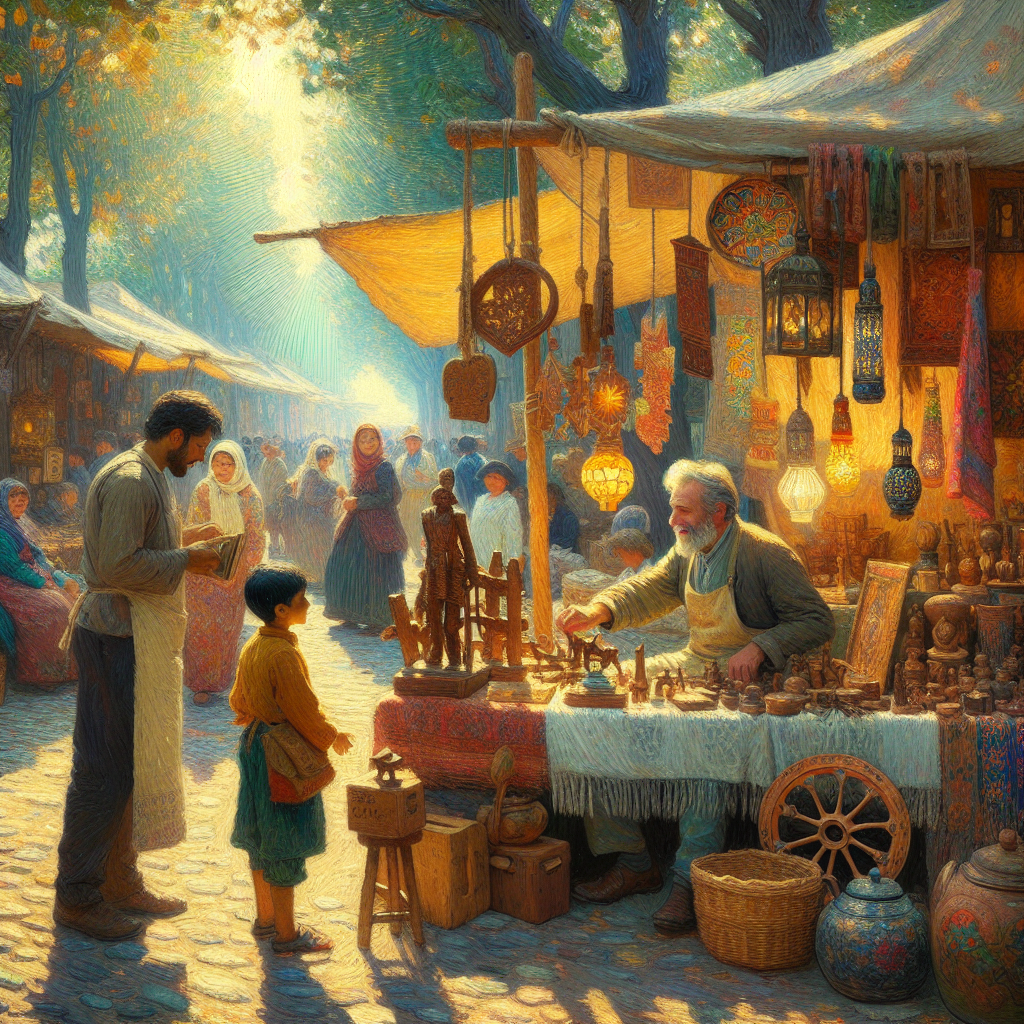
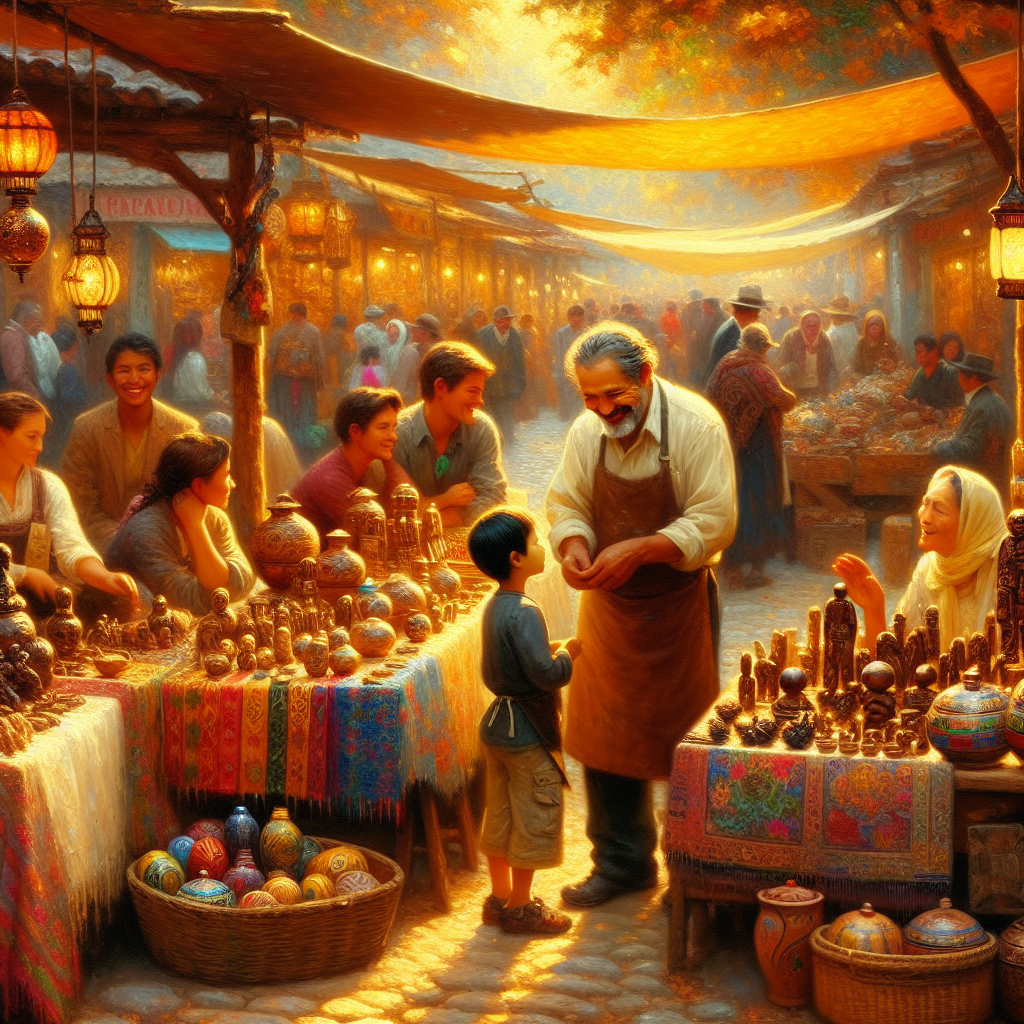
In a world where the hum of machines dominates the background, it’s easy to forget the rhythm of real craftsmanship. There’s something profoundly human about the artistry of local makers. Each hand-carved piece or hand-stitched garment isn’t just a product; it’s a legacy. It tells a story, one woven from the threads of tradition, nurture, and skill.
Consider this: When you buy that handmade ceramic mug from the artisan down the street, you’re not merely acquiring a cup. You’re part of a narrative that stretches beyond your morning coffee. You’re supporting a craftsman who’s spent countless hours honing their skill, infusing each piece with their spirit and dedication. The sweat of their brow is mixed into each individual creation, a far cry from the impersonal batches churned out by factories. Isn’t it moving to think of the effort, the failures, and the triumphs that carry on through each handcrafted item?
Rationally, choosing local craftsmanship can also be sound economics. Supporting local artisans strengthens your community. It encourages job creation, fosters innovation, and ultimately contributes to a resilient economy that can withstand the shifting tides of global trade. When you buy local, you’re making a choice to invest in your hometown, to help sustain livelihoods that might otherwise be forgotten in favor of cheaper foreign imports.
Ethically, local craftsmanship offers a more humane approach to consumption. The industrial treadmill doesn’t just churn out products; it sometimes overlooks the people behind them. Engaging with local artisans fosters respect for their craft and appreciation for the intricate process, dismantling the vanity of mass production that often prioritizes profit at the expense of people.
Every handcrafted item embodies a philosophy built upon relationships and community. Each purchase is an act of connection – a vote of confidence in the person rather than the machine. When we choose wisely, we inspire future generations not just to consume, but to create. Supporting local craftsmanship isn’t merely about economics; it’s about preserving a practice and encouraging a sustainable future rooted in tradition and skill that we can be proud to pass on.
Ultimately, this is about more than just what we buy; it’s about who we are as a community. The stories we choose to support with our dollars shape the legacy we leave behind. So, let’s make those stories count.
Should We Prioritize Local Craftsmanship Over Mass Production?
Should We Prioritize Local Craftsmanship Over Mass Production?
- The dominance of machines often overshadows the importance of real craftsmanship.
- Handmade items are not just products; they represent legacies and stories of tradition, nurture, and skill.
- Purchasing handmade goods connects consumers to artisans, infusing each piece with human effort and dedication.
- Support for local craftsmanship bolsters communities by creating jobs, fostering innovation, and building resilient economies.
- Local craftsmanship promotes a humane approach to consumption, respecting the artisans behind the products.
- Each handcrafted item signifies a relationship and community connection, emphasizing personal investment over mass production.
- Supporting local artisans preserves traditions and encourages a sustainable future that future generations can embrace.
Should We Prioritize Local Craftsmanship Over Mass Production?
Why Do You Believe Gen X Is Uniquely Positioned to Lead This Revival?
As we stand at a crossroads, where tradition meets the whirlwind of modernity, we find ourselves turning toward a generation that has often gone overlooked—Generation X. This cohort has lived the tapestry of life in vivid color, weaving together the lessons of the past with the hopes of the future. It’s a legacy storytelling, a narrative rich with authenticity that resonates deeply with today’s challenges.
Emotional appeal interlaces with rational thought when we consider the unique experiences of Gen X. They grew up amid economic upheaval and technological revolution, watching their parents work hard only to get laid off, then learning to embrace adaptability. This generation possesses the uncanny ability to empathize with struggle and seize change, making them uniquely equipped to lead us toward revival.
Ethically, the call to action is clear. Gen X understands the weight of responsibility. Raised with a sense of independence amidst societal shifts, they have built lives rooted in resilience and resourcefulness. They are the unsung heroes who often had to navigate complexities without much guidance—a quality that positions them as trustworthy advocates for change. They connect with diverse voices, encouraging collaboration over competition, united in the common goal of betterment.
It’s the stories of their lives—filled with triumphs and tribulations—that hold the potential to inspire others. In every encounter, Gen Xers bring a narrative that transcends mere words; it’s an invitation to understand, to connect, and to act. These stories resonate because they recognize the humanity in struggle, urging a collective uprising from the mundane to the extraordinary.
And let’s not ignore the power of community. The social fabric of Generation X is woven from friendships that span decades, binding them together with shared experiences. They champion the idea that collective action can spark significant change. It’s in their gatherings, their discussions, and their willingness to listen that true leadership emerges.
So, why do we believe Gen X is uniquely positioned to lead this revival? Because they embody a rare blend of emotional intelligence, ethical grounding, and profound experiences. They are storytellers of resilience, guiding us not just toward a brighter future but reminding us that we are all part of this ongoing narrative. Trust in them, for they hold the keys to ushering in a transformation—a rebirth grounded in shared humanity and unwavering solidarity.

Why Do You Believe Gen X Is Uniquely Positioned to Lead This Revival?
Why Do You Believe Gen X Is Uniquely Positioned to Lead This Revival?
- Generation X, often overlooked, blends tradition with modernity, bringing valuable lessons for the future.
- This cohort has experienced economic upheaval and technological change, cultivating adaptability and empathy.
- Gen X possesses a strong sense of responsibility, built on resilience and resourcefulness amid societal shifts.
- They are unsung heroes who navigate complexities and advocate for collaborative change.
- Their personal stories inspire connection and action, recognizing humanity in struggle.
- Community is vital for Gen X, fostering friendships that drive collective action for significant change.
- They embody emotional intelligence and ethical grounding, positioning them as storytellers of resilience for a transformative future.

Why Do You Believe Gen X Is Uniquely Positioned to Lead This Revival?
How Do These Businesses Shape the Identity Of Our Communities?
In the quiet corners of our towns, it’s often the small businesses that breathe life into our communities. These local enterprises do more than just offer goods and services; they weave the very fabric of our identity through a rich tapestry of legacy storytelling. Picture the warm glow of a family-owned diner where generations of laughter and conversation fill the air. It’s not just a meal; it’s a gathering spot that anchors us, reminding us of shared moments—of milestones celebrated and friendships forged over a single cup of coffee.
Think about the barbershop down the street, where the clippers hum in rhythm with the tales of the neighborhood. Each haircut comes with a sprinkle of history—stories of old love, daring adventures, and laughter that resounds like music in the hearts of the patrons. These stories create connections, forging a bond stronger than any advertising campaign could muster. They tell us who we are, where we’ve come from, and what we aspire to be.
The impact of these businesses extends beyond nostalgia. Rationally, they contribute to economic stability, creating jobs and fostering innovation. When we choose to support local shops, we’re investing in our communities— fueling growth and ensuring that our streets remain vibrant and alive. It’s about ethics too. There’s a profound trust that builds when we support those who live among us, who reinvest their earnings back into our neighborhoods rather than offshore warehouses or distant corporate headquarters.
Socially, we are drawn to support local businesses because they offer a sense of belonging. In a world that sometimes feels overwhelming and disconnected, these places ground us. They remind us of the power of community. When we buy local, we’re not just transactions; we become part of a larger narrative—a shared experience that enriches our daily lives.
As you walk through your town, take a moment to appreciate these local stewards of identity. Engage with them, share your own stories, and become part of this enduring legacy. By supporting small businesses, we do more than just make a purchase; we affirm our commitment to sustaining the community we cherish. Each dollar spent is a vote for the future we want—a future rooted in connection, resilience, and pride. Let’s champion these businesses and preserve the unique character that makes our communities feel like home.

How Do These Businesses Shape the Identity Of Our Communities?
How Do These Businesses Shape the Identity Of Our Communities?
- Small businesses enrich communities by offering goods and services while shaping local identity.
- Family-owned establishments serve as gathering spots, fostering shared moments and memories among patrons.
- Barbershops and similar venues create connections through storytelling, enhancing the sense of community.
- Local businesses contribute to economic stability by creating jobs and driving innovation.
- Supporting local enterprises fosters trust, as they reinvest in the neighborhoods they serve.
- There is a sense of belonging and community cohesion associated with shopping local, enriching daily life.
- Engagement with small businesses affirms commitment to sustaining cherished communities and preserving their unique character.

How Do These Businesses Shape the Identity Of Our Communities?
What Ethical Considerations Come Into Play When Rebooting a Brand?
Brand reboots are more than just a flashy new logo or a fresh marketing campaign; they delve deep into the ethical responsibilities that come with legacy storytelling. When a brand takes this leap, it’s not merely revamping its image; it’s engaging in a dialogue with its history, customers, and the wider community. It’s a marriage of past loyalty and future potential. In this endeavor, the heavy lifting begins with recognizing the emotional tapestry woven into the fabric of the brand.
Consider the stories that define what a brand has stood for. When a company decides to reboot, it has a chance to tap into its legacy—what made it resonate with customers in the first place? This requires introspection and honesty—qualities that foster genuine connections. Authenticity is not merely a buzzword; it’s the bedrock of trust. If a company strays from its values in pursuit of a shiny new direction, it risks alienating the very customers who helped build its name.
Furthermore, it’s essential to center ethics at every juncture. This means asking tough questions: Who are we leaving behind in this transition? Are we listening to the voices that our efforts might silence? With each rebranding effort, there lies a responsibility to foster inclusivity, ensuring that the new narrative resonates across varying demographics. A successful reboot acknowledges its past missteps and strives to make amends, building a future that is inclusive and reflective of a diverse audience.
But it’s not purely about the heart—there’s a head component, too. Businesses must rigorously analyze market trends, public sentiment, and competitor positioning. Strategic thinking should marry compassionate storytelling. The answer to “What’s next?” often lies not just in financial success, but in shaping a brand that customers want to support—not only out of loyalty but out of shared values.
Then there’s the gut. Trust is built through consistency. A brand may share a heartfelt story, but if its actions don’t match, consumers will sense the disconnect. Ethical transparency is key. Embrace accountability and show customers that you’re listening. As brand stewards, your potential to inspire action hinges on nurturing real relationships—offering not just products, but a renewed commitment to shared storytelling that reflects community values.
So, the next time a brand embarks on a reboot, it should do so with both a heart full of purpose and a mind geared toward impact—crafting a legacy that inspires, connects, and ultimately earns the trust of its community.

What Ethical Considerations Come Into Play When Rebooting a Brand?
What Ethical Considerations Come Into Play When Rebooting a Brand?
- Brand reboots involve deeper ethical responsibilities beyond just a new logo or marketing campaign.
- They require engaging in a dialogue with a brand’s history, customers, and the wider community.
- Companies must reflect on the emotional connections tied to their legacy to reconnect with customers.
- Authenticity and honesty are essential to build trust and avoid alienating loyal customers.
- Ethics must be prioritized, ensuring inclusivity and considering who may be left behind in the transition.
- Successful rebranding combines strategic analysis with compassionate storytelling, focusing on shared values.
- Consistency in actions is crucial for maintaining trust and inspiring community engagement through shared storytelling.

What Ethical Considerations Come Into Play When Rebooting a Brand?
Can Storytelling Bridge the Gap Between Old and New Consumer Values?
When you think about the stories that have shaped our lives, it’s clear that they weave together the old and the new in ways we often overlook. Legacy storytelling isn’t just a nostalgic trip down memory lane; it’s a powerful tool that breathes life into the values that have guided us through turbulent times, while also welcoming fresh ideas that resonate with the next generation. Why is this important? Because bridging the gap between old and new consumer values is not merely a marketing strategy; it’s a heartfelt mission to connect us all.
Consider for a moment the power of a story well told. It taps into the fabric of our shared experiences, creating an emotional resonance that cuts through the noise of modernity. When brands tell their stories authentically, they invite us into their journey, sparking connection and fostering a community around common beliefs. The rational mind can embrace data and trends, but it’s the gut feeling—the emotional core—that truly drives our decisions. We align ourselves with companies that reflect our own values, and when we hear a story that echoes our own, we’re compelled not just to support, but to champion.
Think for a minute about ethics. In a world where values are shifting like quicksand, consumers are searching for authenticity. Brands that own their past and communicate their journey cultivate trust. This trust is the linchpin for lasting relationships. Through legacy storytelling, brands establish authority by tethering their modern offerings to the foundational values that built them. They say, “We’ve been here before, and we’re here for you now.” This is how narratives become transformative; they show us that progress does not mean losing touch with who we are.
Imagine a company rooted in tradition yet embracing innovation—where a grandmother’s recipe blends seamlessly with cutting-edge techniques. It’s not just about selling products; it’s about honoring a legacy while boldly stepping into the future. When these stories are shared, they resonate across generations, reminding us that while the world may change, the essence of what matters remains constant.
Let’s not shy away from storytelling. Let’s embrace it, for it’s in these narratives that we find connection, inspiration, and, ultimately, action. By sharing and listening to each other’s stories, we can create a marketplace that doesn’t just sell but serves—a place where both old and new values coexist in harmony, enriching our lives and leaving a lasting legacy.

Can Storytelling Bridge the Gap Between Old and New Consumer Values?
Can Storytelling Bridge the Gap Between Old and New Consumer Values?
- Legacy storytelling intertwines old and new, serving as a powerful tool for connecting values across generations.
- Authentic storytelling fosters emotional resonance, creating community and connection through shared experiences.
- Consumers align with brands that reflect their values, compelled to support and champion those narratives.
- Trust is cultivated when brands own their past and communicate their journey, establishing lasting relationships.
- Legacy storytelling links modern offerings to foundational values, showing that progress doesn’t mean losing touch with identity.
- Companies can honor tradition while embracing innovation, creating a blend of old and new that resonates across generations.
- Embracing storytelling enriches lives, creating a marketplace where old and new values coexist in harmony.

Can Storytelling Bridge the Gap Between Old and New Consumer Values?
Conclusion
Generation X stands at the helm of a revival steeped in nostalgia, redefining what it means to do business in today’s fast-paced world. For these seasoned entrepreneurs, reviving old businesses isn’t simply about resurrecting the past; it’s an emotional and ethical journey woven into the broader fabric of our communities. Every rustic diner or local bakery reinvigorated by Gen X isn’t just a place to grab a bite; it’s about rekindling memories, sharing stories, and honoring the legacy of those who came before. These establishments serve as anchors, grounding us amid the chaos of modern consumerism, making them crucial parts of our collective identities.
Supporting local craftspeople over mass production is not merely an economic decision; it’s an ethical stance that endorses sustainability and crafts a narrative rich with authenticity. Each time we choose a handmade mug over a faceless factory product, we’re investing in more than just an item; we’re participating in a story of commitment to quality, history, and community. In acknowledging the grit and dedication that goes into local craftsmanship, we begin to reshape our understanding of consumption—not as transactions but as connections that bind us together.
Gen X, shaped by their unique experiences of economic upheaval and rapid technological change, embodies the rare mix of emotional resonance and rational wisdom necessary to lead this revival. They are the storytellers of resilience. Their shared struggles foster an empathy that drives community engagement and collective action, making them not just business leaders but trusted advocates for genuine connections. It’s this instinctual understanding of community reliance and shared endeavors that invites others to join in preserving what matters most—the stories, values, and fabric of our local identities.
As these revived businesses flourish, they become vital social hubs where relationships are forged and reaffirmed. Each visit to a familiar spot adds a chapter to our ongoing narrative—transforming customers into family and commerce into community. So, when you find yourself in a beloved old diner or at a favorite artisan market, take a moment to appreciate that you’re not just purchasing goods; you’re participating in a legacy that has the power to enrich lives and shape futures. Supporting these endeavors isn’t just about nostalgia; it’s about building a brighter tomorrow rooted in authenticity, connection, and shared pride. Embrace this movement, and together, we can create a future where both the past and the present thrive harmoniously.

Conclusion
Conclusion:
- Generation X leads a revival aimed at redefining modern business through nostalgia.
- Reviving businesses is an emotional and ethical journey that honors community legacy.
- Rustic diners and local bakeries evoke memories and are integral to collective identities.
- Supporting local crafts over mass production promotes sustainability and authenticity.
- Choosing handmade products fosters connections and enhances our understanding of consumption.
- Gen X brings a blend of emotional depth and rational insight to community engagement.
- Revived businesses serve as social hubs, transforming commerce into community and enriching lives.

Conclusion
Other Resources

Other Resources
Here is a list of other resources you can review online to learn more:
- International End of Life Doula Association
- LegalNature
- Digital Legacy Association
- Legacy Family Tree
- deviantART
- Directive Communication Systems
- How To Write Legacy Story Headlines That Appeal To The Heart, Gut and Head
- APH
- LegacyLearned
- Geni
- GhostMemo
- MyMoriam
- LifeWeb 360
- Trust And Will
- EverNote
- Lexikin
- StoryCorps
- PartingWishes
- WishesKeeper
- Legacy Learned
Use This Prompt To Get More Resources With Your Favorite Online AI Tool: Please provide me with a list of online articles with their URLs in a bulleted list that I can read regarding Retro Works – Why Gen X Is Rebooting Old Businesses

Other Resources
Glossary Terms
Retro Works – Why Gen X Is Rebooting Old Businesses – Glossary Of Terms
1. Gen X: The demographic cohort born approximately between 1965 and 1980, known for experiencing the rise of digital technology and cultural shifts.
2. Reboot: The act of revitalizing or restarting a business by reintroducing outdated concepts or products to a modern audience.
3. Nostalgia: A sentimental longing for the past, often driving Gen X entrepreneurs to recreate and revamp familiar brands or businesses.
4. Entrepreneurship: The process of starting and running a new business, often characterized by innovation and risk-taking.
5. Vintage: Referring to items from a previous era, particularly those of high quality or enduring value, often sought after by retro businesses.
6. Brand Revival: The strategy of bringing back defunct or dormant brands to tap into existing customer loyalty and market interest.
7. Sustainability: Business practices aimed at minimizing environmental impact, often embraced by retro businesses focusing on organic or recycled products.
8. Community: A group of individuals sharing similar interests or values, often cultivated by businesses that emphasize local culture and connection.
9. DIY: A do-it-yourself approach that encourages individuals to create or repair items on their own, often featured in retro businesses.
10. Craftsmanship: The skill and quality applied to making products, particularly important for businesses that focus on handmade or artisanal items.
11. Curation: The act of selecting, organizing, and presenting products or experiences, typically employed by retro shops or concepts that offer nostalgic goods.
12. Marketing: The process of promoting and selling products or services, often utilizing nostalgia to connect with Gen X consumers.
13. Pop Culture: The set of ideas, practices, and phenomena that are prevalent at a given point in time, often influencing retro businesses.
14. Heritage: The legacy or traditions passed down through generations, often valued by Gen X who seek to preserve aspects of their culture.
15. Customization: Tailoring products or services to meet individual customer preferences, commonly found in businesses looking to cater to nostalgia.
16. Online Marketplace: Digital platforms that facilitate the buying and selling of goods, which many retro businesses utilize to reach a wider audience.
17. E-commerce: The buying and selling of goods or services via the internet, crucial for modern retro enterprises.
18. Localism: The preference for supporting local businesses and products, often central to community-focused retro businesses.
19. Minimalism: A design philosophy emphasizing simplicity and function, sometimes adopted by retro brands to appeal to modern sensibilities.
20. Hybrid Model: A business framework that blends traditional and modern practices, often seen in the revival of retro concepts.
21. Social Media: Online platforms that facilitate networking and marketing, increasingly employed by retro businesses to engage customers.
22. Artisanal: Products made in a traditional or non-industrial manner, often emphasizing craftsmanship, quality, and historical techniques.
23. Brand Loyalty: The tendency of consumers to continue buying a particular brand due to a positive past experience, crucial for revived businesses.
24. Innovation: The introduction of new ideas or methods, often necessary for retro businesses to remain relevant while staying true to their roots.
25. Fandom: A community of enthusiasts sharing a common interest, often leveraged by retro businesses to build a dedicated customer base.
26. Vintage Market: A commercial space or event specializing in the trading of vintage items, fostering the nostalgia that drives retro enterprises.
27. Cultural Revival: A resurgence of interest in historical or traditional practices, often leading to the birth of new businesses.
28. Social Responsibility: The ethical obligation of businesses to act in ways that benefit society, increasingly vital in the branding of retro enterprises.
29. Aesthetics: The principles that guide the visual appeal of products or services, often reflective of the times being revived.
30. Consumer Behavior: The study of how individuals make purchasing decisions, particularly relevant for understanding the motivations behind Gen X’s business choices in retro markets.

Glossary Of Terms
Other Questions
Retro Works – Why Gen X Is Rebooting Old Businesses – Other Questions
If you wish to explore and discover more, consider looking for answers to these questions:
- What specific examples illustrate Gen X’s impact on reviving old businesses?
- How does nostalgia influence consumer behavior in today’s market?
- What challenges do Gen X entrepreneurs face in rebooting old businesses?
- How can communities support Gen X-led business revivals?
- What role does technology play in reviving and promoting vintage brands?
- Can younger generations connect with the nostalgia that drives Gen X entrepreneurs?
- How can reviving old businesses contribute to environmental sustainability?
- What training or resources are available for Gen X entrepreneurs interested in reviving old brands?
- How do local government policies impact the success of small businesses founded by Gen Xers?
- What are the financial implications of supporting local artisans versus mass production?
- How can storytelling be effectively used in modern marketing strategies?
- What are some successful case studies of revived vintage brands?
- How can we measure the social impact of revived local businesses on community identity?
- What ethical dilemmas might arise during the reboot of a legacy brand?
- What role do social media and online platforms play in promoting revived businesses?

Other Questions
Haiku
Retro Works – Why Gen X Is Rebooting Old Businesses – A Haiku
Nostalgia ignites,
Gen X revives, hearts unite—
Legacy in sights.

Haiku
Poem
Retro Works – Why Gen X Is Rebooting Old Businesses – A Poem
In echoes of laughter, where memories dwell,
Gen X revives businesses, weaving stories to tell.
With flannel and coffee, they walk through the door,
Not just to sell burgers, but to nurture and restore.
A rustic old diner, where the past comes alive,
Each booth a remembrance, every meal a reprise.
Through challenges faced, they honor the grind,
Crafting connections in the fabric we find.
Embracing nostalgia, authenticity shines bright,
A dance with the past, and a future in sight.
With hands that have labored, they value each thread,
In every small gesture, their community’s fed.
It’s not just commerce—it’s purpose and heart,
Supporting the local, where connections impart.
In a world of machines, they champion the hand,
Reveling in stories that unify and stand.
Sustainability beckons; the ethical call,
To rise against facelessness, together we’ll stand tall.
With each carefully chosen, handcrafted piece,
We honor our roots, and we nurture our peace.
Gen X, the storytellers, resilient and wise,
Navigating shifts with empathetic eyes.
As they invite us to rally, to engage and partake,
We find strength in our bonds, in the choices we make.
So let’s cherish these places where legacies bloom,
Investing in memories that ward off the gloom.
In every transaction, our values align,
A revival of spirit—a future that’s kind.
Together we gather, as neighbors and friends,
Forging connections that never shall end.
With heart, head, and gut, let’s revive and renew,
For in the tales we embrace, our community grew.

Poem
Checklist
Retro Works – Why Gen X Is Rebooting Old Businesses – A Checklist
Reviving Businesses Checklist: Heart, Head, and Gut Appeals
Emotional Appeals
_____ Reflect on your personal memories tied to local businesses. What stories stand out?
_____ Consider how reviving these establishments can evoke nostalgia and warmth in your community.
_____ Engage with the emotional narratives surrounding these businesses to foster deeper connections.
Rational Appeals
_____ Analyze the economic impact of supporting local vs. corporate businesses. How does local investment benefit the community?
_____ Assess the quality and craftsmanship of local products compared to mass-produced alternatives.
_____ Evaluate the sustainability aspect of local businesses. How does supporting them contribute to environmental responsibility?
Ethical Appeals
_____ Identify the values that matter to you. How do local businesses align with those values?
_____ Reflect on the importance of supporting ethical entrepreneurship and fostering community relationships.
_____ Consider the impact of consumer choices on local artisans and small businesses.
Authority Appeals
_____ Research successful stories of local business revivals and the strategies that led to their success.
_____ Identify community leaders or local organizations advocating for supporting local businesses.
_____ Attend workshops or talks that highlight the significance of local craftsmanship and storytelling in today’s economy.
Narrative Appeals
_____ Share your own stories of interaction with local businesses. What significance do they hold in your life?
_____ Participate in community storytelling events that celebrate local heritage and history.
_____ Support initiatives that encourage storytelling as a means to connect generations through local businesses.
Social Appeals
_____ Engage with your community by organizing or attending events that promote local businesses.
_____ Utilize social media to share your experiences and advocate for local entrepreneurship.
_____ Create or join support networks for local businesses to foster collaboration and shared learning.

Checklist
At LegacyExplorations, we help people plan and explore their legacy by collecting information and news regarding end-of-life planning.
Please share this post with your friends, family, or business associates who may want help to plan or explore their legacy.