

Unveil Hidden Selves: Discover The Unseen Narratives Within You
By Tom Seest
At LegacyExplorations, we help people plan and explore their legacy by collecting information and news regarding end-of-life planning.
Please share this post with your friends, family, or business associates who may want help to plan or explore their legacy.
Shadow Versions You Didnt Know Existed
In the vast tapestry of our culture, there exists a phenomenon that too often goes unnoticed: shadow versions of ourselves that flicker just beyond the periphery of awareness. These “shadow versions” don’t just exist in the realm of fiction; they are reflections of the choices we make and the paths we didn’t take. Each of us carries a unique legacy, shaped not just by our actions but equally by what we leave behind, the untold narratives that define who we could have become.
Take a moment to consider the stories that adopt a shadowy existence, like the unsung heroes of our communities. These are the people whose contributions, while significant, often fade into the background of society’s conscious memory. They are the educators who inspire with less fanfare, the tradespeople who build foundations without titles, and the artists whose work never graces the spotlight. Their stories are critical to our collective legacy, lending depth and richness to the fabric of our shared existence.
Legacy storytelling is not just an exercise in nostalgia; it’s a compelling reminder of the lives intertwined with our own. It urges us to think about how our choices today create ripples—our decisions shape not just our future but the future of those who come after us. It’s a call to pay attention to the invisible threads that connect us, igniting a sense of responsibility that tugs at the heart.
Authenticity is at the core of these narratives, engaging our heads as we reflect on the ethical implications of our legacies. Each shadow version represents a potential path, sparking questions about identity and purpose. It urges us to confront the complexity of our choices—the roads not taken and the lives intersected.
By sharing these stories, we foster a sense of community, illuminating the darker corners of human experience. We invite others to step into their own narratives, to confront their shadow versions and embrace the fullness of their existence. In doing so, we cultivate trust; we build connections that transcend mere acknowledgment and evolve into something profound.
So, as you navigate your path today, consider the shadow versions of yourself and those around you. Honor their stories, and allow them to inspire action in your life. It’s in recognizing and celebrating these unseen narratives that we can fully appreciate the legacy we weave together, one thread at a time.

Shadow Versions You Didnt Know Existed
Shadow Versions You Didnt Know Existed
- Shadow versions of ourselves reflect the choices made and paths not taken.
- These versions include unsung heroes whose contributions often fade from societal memory.
- Legacy storytelling reminds us of lives intertwined with ours and the impact of our choices.
- Choices we make today create ripples that affect our future and those who follow us.
- Authenticity in narratives raises questions about identity and purpose.
- Sharing these stories fosters community and illuminates overlooked human experiences.
- Recognizing and celebrating unseen narratives helps us appreciate our shared legacy.

Shadow Versions You Didnt Know Existed
Table Of Contents
- Shadow Versions You Didnt Know Existed
- What Hidden Fears Shape Your Shadow Self?
- How Does Your Upbringing Define You?
- What Stories Do You Tell to Mask Your Insecurities?
- Which Shadows Are You Afraid to Confront?
- How Do Societal Expectations Influence Your Shadow?
- Can Embracing Your Shadow Lead to Greater Authenticity?
- What Unresolved Emotions Haunt Your Decisions?
- Conclusion
- Other Resources
- Glossary Of Terms
- Other Questions
- Haiku
- Poem
- Checklist
What Hidden Fears Shape Your Shadow Self?
We all carry a shadow self, a part of us that often remains hidden, repressed beneath our polished façades. What shapes this darker aspect? Hidden fears—those niggling doubts and insecurities that linger in the corner of our minds. They’re like ghosts of our past, whispering intimidations, and they craft a legacy that isn’t always sunny. It’s time we shine a light on them.
Consider the stories we tell ourselves, the legacy of our experiences that form the basis of who we are. Each chapter is colored by fears that have arisen from failures, judgments, and rejection. In the workplace, fear of inadequacy can stifle creativity; in relationships, fear of vulnerability can block intimacy. When we ignore these fears, they insidiously shape our actions and decisions, often leading us down paths of resentment or isolation.
Narrative is a powerful instrument in understanding our shadow. Reflect on your own legacy storytelling. When you think of your life, what fears have you recognized, and which ones remain buried? These fears can often feel like a weight on the chest, twisting our gut and clouding our judgment. But recognizing them can turn the tide. Acknowledgment is the first step towards transformation. Instead of allowing them to dictate our self-worth, we can choose to share these stories and connect with others navigating similar shadows.
It’s about fostering an ethical culture where vulnerability is not seen as weakness, but as strength. Authenticity can build trust. When engaged in discussions with friends or colleagues, consider allowing your own shadows to emerge. It fosters a genuine connection; it reminds us we are not alone. We all share the human experience, laden with fears that shape our choices in ways both profound and subtle.
Take a moment to reflect on how your hidden fears are shaping your shadow self. Engage with them, confront them. Are there fears rooted in the ethical dilemmas of past decisions? Are they impacting not only your actions but also the narratives you pass to others? Embracing this exploration can inspire trust, confidence, and even action to face down these shadows. When we choose to illuminate our dark corners, we reclaim parts of ourselves, transforming those fears into empathy, understanding, and strength. In doing so, we write a legacy that shines bright—not just for ourselves, but for those who look to us for guidance amidst their own shadows.

What Hidden Fears Shape Your Shadow Self?
What Hidden Fears Shape Your Shadow Self?
- Everyone has a shadow self, a hidden part that is shaped by fears and insecurities.
- These hidden fears influence our actions and can lead to feelings of resentment and isolation.
- Narrative plays a vital role in understanding our shadow, prompting us to reflect on our experiences and fears.
- Acknowledging hidden fears is the first step towards transformation and connection with others.
- Creating a culture that views vulnerability as strength fosters authenticity and trust.
- Engaging with and confronting fears allows for personal growth and strengthens relationships.
- Illuminating our shadows helps transform fears into empathy, leading to a brighter legacy for ourselves and others.

What Hidden Fears Shape Your Shadow Self?
How Does Your Upbringing Define You?
Upbringing shapes us in ways we often overlook, intertwining our pasts with our present, crafting a legacy that resonates through generations. Each of our stories is a tapestry, woven from the threads of our childhood experiences, family values, and environment. Legacy storytelling isn’t just about recounting where we came from; it’s about understanding how those formative moments guide our actions, beliefs, and aspirations today.
Consider the dinner table conversations that defined your household. Did they revolve around hard work, integrity, and resilience? Or was it a place of criticism and fear? Each interaction serves as a building block in our character. The stories we hear—whether of triumph or struggle—forge our identity. A legacy of perseverance instills grit, while one steeped in compassion cultivates empathy. We are not merely products of our circumstances; we are the authors of our ongoing narratives, carrying forward the lessons learned from our parents, mentors, and friends.
Emotionally, these stories connect us. They remind us that we are not alone in our struggles and triumphs. As we share our journeys, we create a bond that transcends individual experiences. Rationally, understanding our upbringing enables us to make conscious choices. We can break cycles of negativity or embrace the positive traits we inherited. This awareness allows us to redefine our paths and the paths of those who follow.
Ethically, our upbringing lays the groundwork for our moral compass. The values instilled in us—be it honesty, hard work, or respect—navigate our decisions in an increasingly complex world. When we reflect on our legacy, we recognize not only the influence of those before us but also our responsibility to model these values for future generations.
Our upbringing also shapes our social interactions. We learn to navigate relationships based on our experiences; the warmth or coldness of our environment dictates our social instincts. This understanding fosters a deeper connection with others, creating a community rooted in shared experiences.
In essence, your upbringing is a powerful influence that defines not just who you are but who you can become. By embracing our stories and appreciating the legacy crafted for us, we step into a world of possibility. We can challenge the narratives we’ve inherited, triumph over adversity, and create a legacy worth sharing—one filled with authenticity, strength, and unwavering hope for the future.

How Does Your Upbringing Define You?
How Does Your Upbringing Define You?
- Upbringing shapes identity and legacy through childhood experiences, family values, and environment.
- Legacy storytelling emphasizes understanding how formative moments influence current actions and beliefs.
- Dinner table conversations impact character formation, with positive or negative interactions shaping resilience and empathy.
- Shared stories create emotional connections and bonds that transcend individual experiences.
- Understanding upbringing allows for conscious decision-making and the ability to redefine personal narratives.
- Ethical values instilled during upbringing guide decisions and responsibility towards future generations.
- Social interactions are influenced by upbringing, fostering connections within communities based on shared experiences.

How Does Your Upbringing Define You?
What Stories Do You Tell to Mask Your Insecurities?
Every one of us has a story to tell, a narrative we craft to fit ourselves into the world. The art of Legacy Storytelling is more than just recounting past events; it’s about how we shape our identities, often stitched together from experiences marked by vulnerability and triumph. The stories we choose to share often reveal more about our insecurities than we might care to admit.
Consider the tale of the self-made entrepreneur who shares endless anecdotes of success. As inspiring as these narratives might be, it’s crucial to peek behind the curtain. For every victory celebrated in front of an audience, countless battles are fought in silence. The relentless pursuit of success often masks deeper fears of inadequacy. This isn’t merely a personal insight; it reflects a broader societal pattern where we value outward appearances over internal realities. The bravado we project can be a shield against our insecurities, but it can also become a prison, isolating us from genuine connections.
Take a moment to reflect on your own legacy. What stories do you hold onto tightly, and why? Perhaps it’s the tale of resilience when faced with hardship, or maybe it’s the triumphant return to a long-lost passion. Sharing these narratives can be empowering; they foster a sense of belonging, resonating with others who may struggle in similar ways. When we recount these experiences, we invite others into our lives, building a community built on understanding and shared struggles.
Yet, there’s a line to walk here. Authenticity holds a powerful space in Legacy Storytelling, allowing us to connect on a human level. Vulnerability, when embraced, inspires trust. It draws people closer, revealing that behind every polished story lies an imperfect journey filled with doubt. We aren’t just sharing tales of glory; we’re articulating the human experience. Embracing our imperfections can serve not only as a source of strength but also as a call to action. When we acknowledge our flaws, we encourage others to do the same, breaking the cycle of isolation fostered by insecurity.
In this world, where social media amplifies the facade of perfection, it is time to reclaim our narratives. The stories we tell can bridge the gap between isolation and connection, allowing us to step beyond the masks we wear. Share your truths, celebrate your journey, and challenge the insecurities that lie beneath. In doing so, you don’t just craft a personal legacy; you become a beacon of authenticity for others.

What Stories Do You Tell to Mask Your Insecurities?
What Stories Do You Tell to Mask Your Insecurities?
- Everyone has a unique story, contributing to their identity through experiences of vulnerability and triumph.
- Legacy Storytelling goes beyond recounting events; it reflects deeper insecurities and societal patterns valuing appearances.
- Success stories, like those of self-made entrepreneurs, often hide a backdrop of silent struggles and fears of inadequacy.
- Sharing personal narratives can foster community and a sense of belonging, resonating with others facing similar challenges.
- Authenticity and vulnerability in storytelling build trust and connection, revealing the imperfect nature of human experiences.
- Acknowledging flaws encourages others to embrace their own, breaking the cycle of isolation from insecurities.
- Reclaiming personal narratives challenges societal facades and promotes genuine connections, becoming beacons of authenticity.

What Stories Do You Tell to Mask Your Insecurities?
Which Shadows Are You Afraid to Confront?
We all have shadows lurking in the corners of our minds—those haunting doubts, fears, and regrets that shape our lives. They whisper in the stillness of the night, reminding us of what we’ve avoided, what we lack, and what we’ve yet to achieve. Confronting these shadows is not just a personal quest; it’s a legacy worth pursuing.
Imagine standing at the crossroads of your life, where each direction leads to self-discovery or stagnation. A legacy is not simply about what we leave behind; it’s about the stories we tell ourselves and others along the way. Legacy storytelling isn’t reserved for the famous or the affluent; it belongs to every one of us. By confronting your shadows, you can craft a narrative that not only uplifts you but also inspires those around you.
It’s easy to cling to comfort, to let the shadows fester and grow. But think—for every moment that you shy away from confronting your fears, you’re not just robbing yourself of growth; you’re denying your family, friends, and even future generations a chance to see how resilience can forge strength. When you’re honest about your struggles, you humanize your experience, allowing others to relate to your journey. Sharing your challenges creates a bond, and suddenly, your legacy extends beyond mere words; it becomes a collective story of courage.
Head and gut interlock when we consider the benefits of tackling our fears. Rationally, addressing what holds us back creates space for opportunity. Whether it’s a failed relationship, a career that didn’t pan out, or the haunting “what ifs” of life, facing these realities allows us to learn and grow. Emotionally, the act of confronting these shadows can release a weight you didn’t realize you were carrying. Feel that burden lift as you step into the light, armed with the knowledge that you’re not alone in this fight.
So, what are you waiting for? The shadows may seem intimidating, but that’s where the magic lies. Stand firm and speak your truth, allowing your legacy to unfold through authentic storytelling. Walk through the shadows and discover the strength that resides within. Embrace the journey; you’ll find connection, purpose, and an inspiring story waiting to be told. Make your mark by confronting what frightens you most and let your legacy shine.

Which Shadows Are You Afraid to Confront?
Which Shadows Are You Afraid to Confront?
- Shadows represent haunting doubts, fears, and regrets that shape our lives.
- Confronting these shadows is a pursuit of personal legacy and self-discovery.
- Legacy storytelling is accessible to everyone, not just the famous or affluent.
- Facing fears not only promotes personal growth but also inspires others.
- Being honest about struggles creates human connections and shared narratives.
- Addressing fears creates opportunities for learning and emotional release.
- Embracing challenges leads to connection, purpose, and a powerful legacy.

Which Shadows Are You Afraid to Confront?
How Do Societal Expectations Influence Your Shadow?
We all carry a shadow—the collection of beliefs, experiences, and unseen influences that shape who we are. Societal expectations loom large, casting shadows over our potential and personal truths. Consider for a moment the legacy that those expectations create. What stories do we tell ourselves, and how do they intertwine with the narratives society imposes upon us? Each of us holds the power to define our path, yet external pressures can often steer us off course.
Take a moment to reflect on that familiar itch for approval. When we chase after what society deems “successful”—be it the prestigious job, the perfect family, or an enviable lifestyle—we can start to lose sight of our authentic selves. Embracing our shadows involves wrestling with these societal scripts, often written in invisible ink, reinforcing traditional gender roles or career paths that may not resonate with our true desires.
What happens when we prioritize those expectations? A story emerges, one that may not reflect our heart’s calling. Instead of narrating our own journey, we may end up playing a role defined by others. It’s like trying to fit a square peg into a round hole, a struggle that’s both frustrating and profound. Yet, this struggle can be a powerful catalyst for change.
The heart tells us not to ignore our instincts. Remember those moments when you felt alive, times when you acted against the tide and discovered what truly matters? Those are sparks of genuine authenticity. Rationally, understanding how societal norms shape our decisions empowers us to cultivate a more profound connection to our purpose. Ethical considerations arise as we navigate expectations—shouldn’t we honor our individuality rather than conform blindly?
Engaging with our shadows through legacy storytelling allows us to share our truths, revealing our vulnerabilities and triumphs. When we connect with others, we realize that we are not alone in this journey—everyone grapples with how to reconcile their personal narratives with societal pressures.
In embracing our shadows, we foster trust in ourselves and those around us. We ignite confidence in executing our own stories, transforming expectations into fuel for our personal quests. Let’s take steps towards that journey—acknowledge the shadow, embrace the legacy, and inspire others to find strength in their own truths. The story is ours to tell, and it’s high time we wrote it with authenticity and courage.

How Do Societal Expectations Influence Your Shadow?
How Do Societal Expectations Influence Your Shadow?
- Everyone carries a shadow, shaped by beliefs, experiences, and societal influences.
- Societal expectations can obscure personal truths and potential.
- Chasing societal definitions of success can lead to a loss of authenticity.
- Prioritizing these expectations may result in living a narrative defined by others.
- Understanding the impact of societal norms helps cultivate a deeper connection to purpose.
- Engaging in legacy storytelling fosters vulnerability and shared truths among individuals.
- Embracing shadows encourages trust in oneself and inspires authentic living.

How Do Societal Expectations Influence Your Shadow?
Can Embracing Your Shadow Lead to Greater Authenticity?
In a world that often pressures us to present a polished exterior, the notion of embracing our shadows—those parts of ourselves we’d rather hide—may seem counterintuitive. Yet, it’s these very shadows that can lead us to a more authentic existence. Imagine for a moment your own legacy. What story do you want to leave behind? Is it one of perfection or one that acknowledges the full tapestry of human experience, including the flaws and failures that shape us?
Legacy storytelling is a powerful tool here. It invites us to recount our journeys, complete with the bumps and bruises. When we dare to share our vulnerabilities, we invite others into our narrative, fostering deep connections. This isn’t just about being vulnerable; it’s about recognizing that our struggles are not unique. Everyone has faced demons, wrestled with insecurities, or felt unworthy. By acknowledging these shadow aspects, we don’t just validate our own experiences; we also create space for others to do the same.
Consider the rational benefits: embracing our complete selves fosters resilience. Those who confront their shadows often exhibit greater emotional intelligence and empathy. They’re better equipped to navigate life’s challenges, not because they’ve avoided pain but because they’ve walked through it. Acknowledging the shadow side doesn’t weaken us; it strengthens our resolve and our character.
Ethically, facing our shadow is a commitment to living truthfully. It’s a promise to ourselves and to those around us that we’ll be real, not just a facade. Authenticity inspires trust. When we present a complete picture—warts and all—we allow others to relate to us, creating a culture of openness where honesty reigns supreme.
Narratively, our shadow stories can serve as beacons. Think of the people in your life who have weathered storms and emerged with valuable lessons. Their stories are relatable and offer guidance. Just as they’ve shown the way, you too can shine a light for others, proving that the shadow is not something to fear but to embrace.
Socially, this connection we establish when we own our entire selves can change the fabric of our communities. By engaging in honest dialogue about our struggles, we normalize vulnerability and encourage others to join the conversation. In doing so, we cultivate an environment where authenticity thrives, benefiting everyone involved.
Embracing your shadow isn’t just about you; it’s about crafting a legacy that leaves an indelible mark, one story at a time.

Can Embracing Your Shadow Lead to Greater Authenticity?
Can Embracing Your Shadow Lead to Greater Authenticity?
- Embracing our shadows leads to a more authentic existence.
- Legacy storytelling helps recount journeys, including vulnerabilities, fostering connections.
- Recognizing our struggles normalizes vulnerability and validates shared experiences.
- Confronting shadows fosters resilience, emotional intelligence, and empathy.
- Facing our shadow is a commitment to authenticity, inspiring trust and openness.
- Shadow stories can guide others, proving that fear should be replaced with embrace.
- Owning our entirety can transform communities by encouraging honest dialogue.

Can Embracing Your Shadow Lead to Greater Authenticity?
What Unresolved Emotions Haunt Your Decisions?
Decisions shape our lives, like the brushstrokes of an artist creating a masterpiece. Yet, many of us grapple with unresolved emotions that cling to our choices, often influencing us in ways we don’t recognize. Think of those nagging doubts—the ones that swirl in your gut, forming a fog around clarity. They might just be the echoes of past experiences, wait-listed long ago but refusing to fade away.
Consider your legacy. Each decision we make doesn’t just impact us; it tells a story, a narrative that weaves through the fabric of our relationships and responsibilities. Legacy storytelling isn’t merely a concept; it’s the shared understanding of our actions and their ripples. When we confront the specters of our unresolved emotions, we can either allow them to dictate our paths or harness them to inform a future that reflects our true selves.
Emotions like fear, regret, and disappointment can act as anchors, dragging us back to moments we’d rather forget. They’re not mere blemishes on our character; they’re components of who we are. Recognizing this invites authenticity into our decision-making process. The rational mind tells us to weigh facts and figures, but the heart knows that every number has a story behind it. It’s about striking a balance—understanding emotions while remaining anchored in reality.
Social pressure can amplify these emotions too. We often make choices based on what others expect or what we believe will preserve our reputation. Yet, true confidence comes from a place of honesty, drawing not just from societal norms but from our inner compass. This requires bravery, a willingness to delve deep into the uncomfortable, to identify what truly drives us.
There’s immense power in vulnerability, in facing the unresolved. By embracing these emotions, we transform them from hindrances into features of a rich legacy. Each decision, rooted in clarity, allows us to engage authentically with ourselves and our communities, fostering deeper connections.
When we allow our experiences to dictate our decisions, we lose agency. The journey becomes about more than just choices; it becomes about crafting a legacy that resonates with our deepest values and truths. Acknowledge the ghosts from your past, let them guide you, but don’t let them weigh you down. Rather, let them make your story richer, a testament to growth and resilience, paving the way for meaningful decisions that honor your legacy.
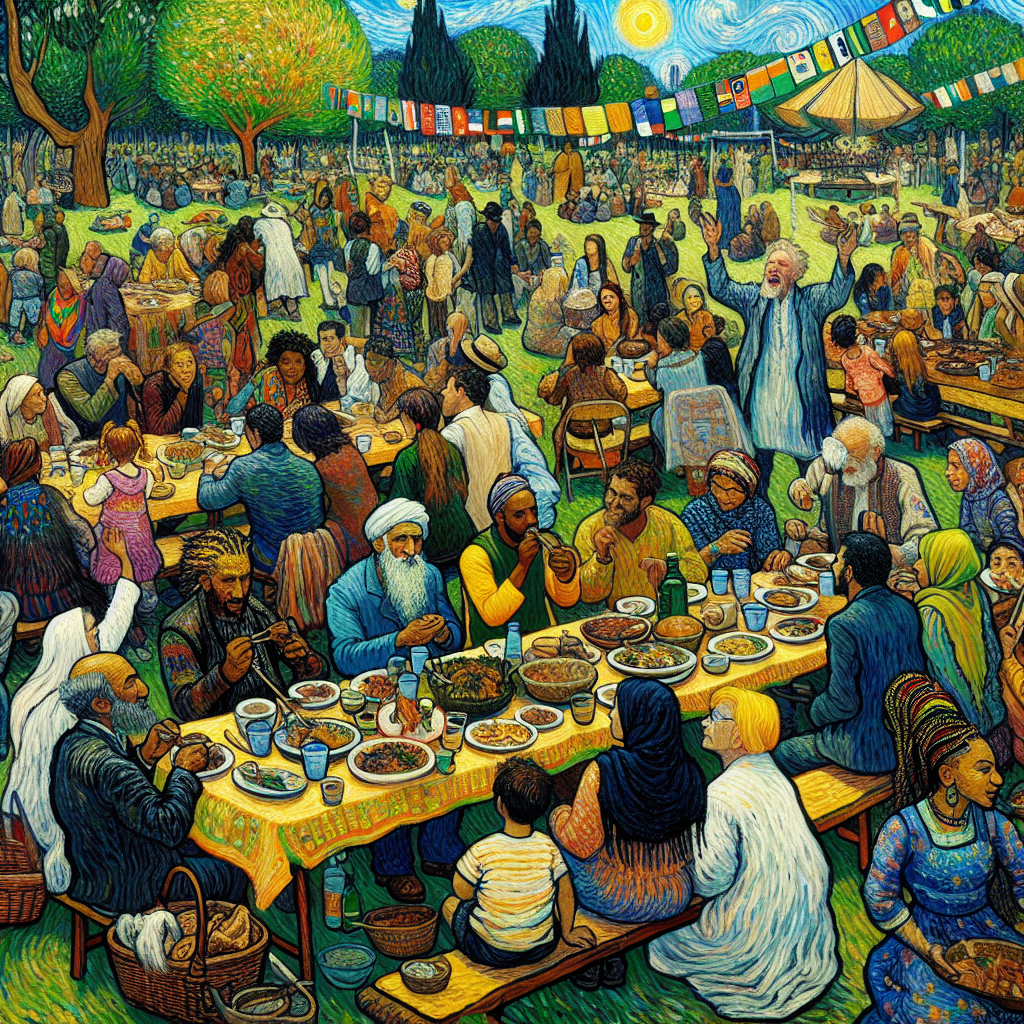
What Unresolved Emotions Haunt Your Decisions?
What Unresolved Emotions Haunt Your Decisions?
- Decisions influence our lives, shaped by unresolved emotions that affect our choices.
- Each decision contributes to our legacy, weaving narratives through relationships and responsibilities.
- Confronting unresolved emotions allows us to shape our paths and reflect our true selves.
- Emotions like fear and regret are integral to our identity, inviting authenticity in decision-making.
- Social pressure can distort our choices, but true confidence comes from personal honesty.
- Embracing vulnerability transforms hindrances into valuable aspects of our legacy.
- Recognizing past influences enables us to craft decisions that align with our values and truths.

What Unresolved Emotions Haunt Your Decisions?
Conclusion
In exploring the shadow versions of ourselves—the narratives we often overlook—we uncover profound insights about who we are and who we could be. These hidden personas, shaped by our choices and unmade possibilities, reflect a rich tapestry of defining moments that go beyond the surface of our daily lives. Each of us carries untold stories, akin to unsung heroes, whose contributions quietly mold our communities. They may not be celebrated in headlines, yet their legacies resonate, reminding us of the intricate threads connecting our experiences.
Legacy storytelling compels us to recognize how our decisions today ripple through time, affecting not only our lives but the lives of those who follow. The heart of this exercise lies in acknowledging the ethical implications of our past and present—weaving a narrative that is both personal and collective. In doing so, we confront our identities, the choices that shape them, and the paths left unexplored, fostering empathy within ourselves and our communities.
Delving into the shadows of our fears—those lingering insecurities and doubts—reveals an essential truth. These shadow selves often dictate our decisions, complicating our journeys with unacknowledged burdens. Yet, confronting these fears transforms them from sources of shame into powerful building blocks for authenticity. By sharing these stories, we dismantle the isolating walls that insecurities erect, fostering deeper connections that promote vulnerability as a strength.
Our upbringing further intertwines with these shadow narratives, shaping our perspectives and values, which in turn sculpt our legacies. The environment we grew up in leaves indelible marks on our identities. Reflecting on this allows us to break cycles of negativity, harnessing positive traits for our growth. This understanding nurtures not only personal resilience but also a sense of responsibility for how we influence future generations.
Society imposes expectations, often casting shadows over our true selves. Confronting these pressures liberates us from predefined roles, empowering us to reclaim our authenticity and craft personal narratives grounded in honesty and self-discovery. The stories we tell—and those we choose to share—can bridge the gap between isolation and connection, urging us toward a legacy rich with genuine human experience.
So, as we navigate our lives, let’s embark on the journey of embracing our shadows—acknowledging the stories that define us, engaging with our emotions, and standing tall against societal expectations. In this, we don’t merely recount our paths; we illuminate the way for others. Embracing our shadows is a courageous act that cultivates authenticity, calling forth a lasting legacy built on resilience and truth. Each step invites a richer narrative, a testament to the profound beauty found in our shared human experience.

Conclusion
Conclusion:
- Exploration of shadow selves reveals deep insights about identity and potential.
- Untold stories shape communities, acting as unsung heroes in our lives.
- Legacy storytelling highlights the impact of today’s decisions on future generations.
- Confronting fears transforms insecurities into strengths that foster authenticity.
- Upbringing influences our values, shaping personal legacies and resilience.
- Challenging societal expectations liberates us to craft honest personal narratives.
- Embracing shadows promotes deeper connections and enriches the human experience.

Conclusion
Other Resources

Other Resources
Here is a list of other resources you can review online to learn more:
- StoryCorps
- USLegalWills.com
- YouMattered
- Directive Communication Systems
- PartingWishes
- Remembered.com
- Tributize
- Association of Personal Historians
- Legacy Family Tree
- RocketLawyer
- Afternote
- Living Wisely
- Storyfile Life
- MyWishes
- Xarona
- EverLoved
- Geneanet
- Your Digital Afterlife
- LastPass
- Cake
Use This Prompt To Get More Resources With Your Favorite Online AI Tool: Please provide me with a list of online articles with their URLs in a bulleted list that I can read regarding Shadow Versions You Didnt Know Existed

Other Resources
Glossary Terms
Shadow Versions You Didnt Know Existed – Glossary Of Terms
1. Alter Ego: A secondary personality or identity that differs from an individual’s primary self.
2. Double Life: Leading two separate lives, often with contrasting values or behaviors.
3. Dark Side: The hidden, often morally ambiguous aspects of a person’s character.
4. Persona: The social facade or role that a person adopts in public settings.
5. Doppelgänger: A non-biologically related look-alike or counterpart of a person.
6. Subconscious: The part of the mind that is not fully aware but influences thoughts and behaviors.
7. Shadow Self: The unconscious part of the personality that the conscious ego doesn’t identify in itself.
8. Mirror Image: A reflection or representation that highlights contrasting traits.
9. Split Personality: A condition where an individual displays multiple distinct identities or personalities.
10. Facade: An outward appearance that conceals a less pleasant reality.
11. Inner Demon: A metaphorical representation of personal struggles or darker impulses.
12. Hidden Identity: Aspects of a person that are kept secret from others.
13. Ghost Self: The part of a person’s identity that feels unseen or unacknowledged by society.
14. Shadow Work: The process of exploring the unconscious aspects of the self.
15. Unconscious Mind: The part of the mind housing thoughts and feelings not immediately accessible to consciousness.
16. Persona Fragmentation: The splitting of one’s identity into pieces that are not integrated.
17. Shadow Archetype: Universal symbols representing the darker aspects of human nature.
18. Hidden Talents: Skills or abilities that remain unrecognized or undisclosed.
19. Veil of Illusion: The deceptive layer that obscures the true self.
20. False Self: A constructed persona that masks an authentic identity.
21. Identity Crisis: A period of uncertainty in which a person questions their sense of self.
22. Social Mask: The outward persona shaped by societal expectations and norms.
23. Cloaked Identity: A hidden self that is not immediately observable by others.
24. Repressed Self: Aspects of one’s identity that are suppressed due to societal or personal pressures.
25. Secret Life: A hidden aspect of a person’s existence that differs significantly from their public persona.
26. Altered State: A condition of consciousness that differs significantly from the norm, often revealing hidden aspects of self.
27. Underbelly: The less visible, often undesirable, aspects of something.
28. Inner Conflict: The struggle between different parts of the self, often highlighting shadow versions.
29. Psychological Projection: The defense mechanism where individuals attribute their own undesirable traits to others.
30. Unmasking: The process of revealing hidden identities or aspects of the self.

Glossary Of Terms
Other Questions
Shadow Versions You Didnt Know Existed – Other Questions
If you wish to explore and discover more, consider looking for answers to these questions:
- How can I identify the specific shadow aspects of my personality?
- What practical exercises or prompts reveal hidden fears and insecurities?
- How do I begin telling my legacy story—where do I start?
- When should I seek professional help (therapy, counseling) to work with my shadow?
- How can I share vulnerable parts of my story safely without oversharing?
- What are concrete steps to confront and integrate a feared shadow trait?
- How do unresolved emotions manifest in everyday decisions and relationships?
- How can I heal regret and transform it into purposeful action?
- What role does forgiveness (of self or others) play in reclaiming my narrative?
- How do I balance authenticity with appropriate personal boundaries?
- How can I support friends or family who are struggling with their shadows?
- Which journaling, meditation, or creative practices are most effective for legacy storytelling?
- How do cultural, socioeconomic, or generational factors shape the shadow I carry?
- How can I break harmful patterns inherited from my upbringing?
- What ethical issues arise when sharing other people’s stories as part of my legacy?
- How do I document and pass on values and lessons to future generations?
- How can embracing my shadow improve my leadership, career, or creativity?
- What are signs that my efforts to be authentic are causing unintended harm?
- How do social media and public image influence the stories we tell to mask insecurity?
- How can I measure or track personal growth related to confronting shadow aspects?
- How do I reconcile past decisions that hurt others while preserving my legacy?
- What common pitfalls should I avoid when transforming fears into strengths?
- How do age and life stage change the nature of the shadows I face?
- What resources—books, workshops, or approaches—best support shadow work?
- How can I cultivate a community or culture where vulnerability and legacy storytelling are encouraged?

Other Questions
Haiku
Shadow Versions You Didnt Know Existed – A Haiku
Shadows whisper truths,
Untold tales of the heart beat,
Embrace and inspire.

Haiku
Poem
Shadow Versions You Didnt Know Existed – A Poem
In shadows cast by choices made,
Lurk lives uncharted, paths delayed.
Whispered fears of our disguise,
Fuel our journeys, cloud our skies.
Yet in the dark, a spark ignites,
Narratives weave through quiet nights.
Legacy shapes in whispers told,
Of silent heroes, both young and old.
Embrace your fears, let shadows speak,
For in their depths, your truths will peek.
Authenticity, a heart’s embrace,
Invites connection, a shared space.
Upbringings thread, a guiding hand,
Molded by love, or fear’s cold strand.
Each story shared becomes a bridge,
To courage built upon the ridge.
What is left unsaid, a haunting tune,
Shapes our choices, dims our moon.
Confront your ghost, let light pour in,
In facing shadows, true journeys begin.
For every struggle, there’s strength to claim,
In vulnerability’s fold, ignite the flame.
A legacy crafted in realness, delight,
In the shadows, your truth finds light.

Poem
Checklist
Shadow Versions You Didnt Know Existed – A Checklist
Embracing Your Shadow Self
✅______ Reflect on the unsung heroes in your life and share their stories.
✅______ Identify hidden fears that shape your actions and decisions. Write them down.
✅______ Acknowledge your vulnerabilities and share them with someone you trust.
Emotional Appeals
✅______ Consider how societal expectations influence your choices. List ways to counteract these pressures.
✅______ Reflect on your upbringing. What lessons can you carry forward or redefine?
✅______ Identify decisions impacted by unresolved emotions and analyze their origins.
Ethical Appeals
✅______ Assess the moral implications of your choices. Are you honoring your true self?
✅______ Foster a culture of vulnerability in your community. Make a commitment to authenticity.
✅______ Engage in discussions about the impact of legacy storytelling on personal growth.
Authority Appeals
✅______ Seek inspiration from those who’ve successfully embraced their shadows. What can you learn from them?
✅______ Read or listen to books/articles about legacy storytelling for deeper insights.
✅______ Consult with a mentor or counselor for guidance on confronting your shadow self.
Narrative Appeals
✅______ Craft your legacy story, including triumphs and trials. What do you want to be remembered for?
✅______ Share your journey with others to inspire connection and understanding.
✅______ Create a narrative that includes the lessons learned from past failures and hidden fears.
Social Appeals
✅______ Build a support network that encourages sharing of authentic experiences.
✅______ Participate in group discussions focused on personal stories and growth.
✅______ Initiate a community project that highlights collective experiences and shared shadows.

Checklist
At LegacyExplorations, we help people plan and explore their legacy by collecting information and news regarding end-of-life planning.
Please share this post with your friends, family, or business associates who may want help to plan or explore their legacy.