

Empowering Generations Through Shared Knowledge
By Tom Seest
At LegacyExplorations, we help people plan and explore their legacy by collecting information and news regarding end-of-life planning.
Please share this post with your friends, family, or business associates who may want help to plan or explore their legacy.
Skill-Sharing Is the New Inheritance
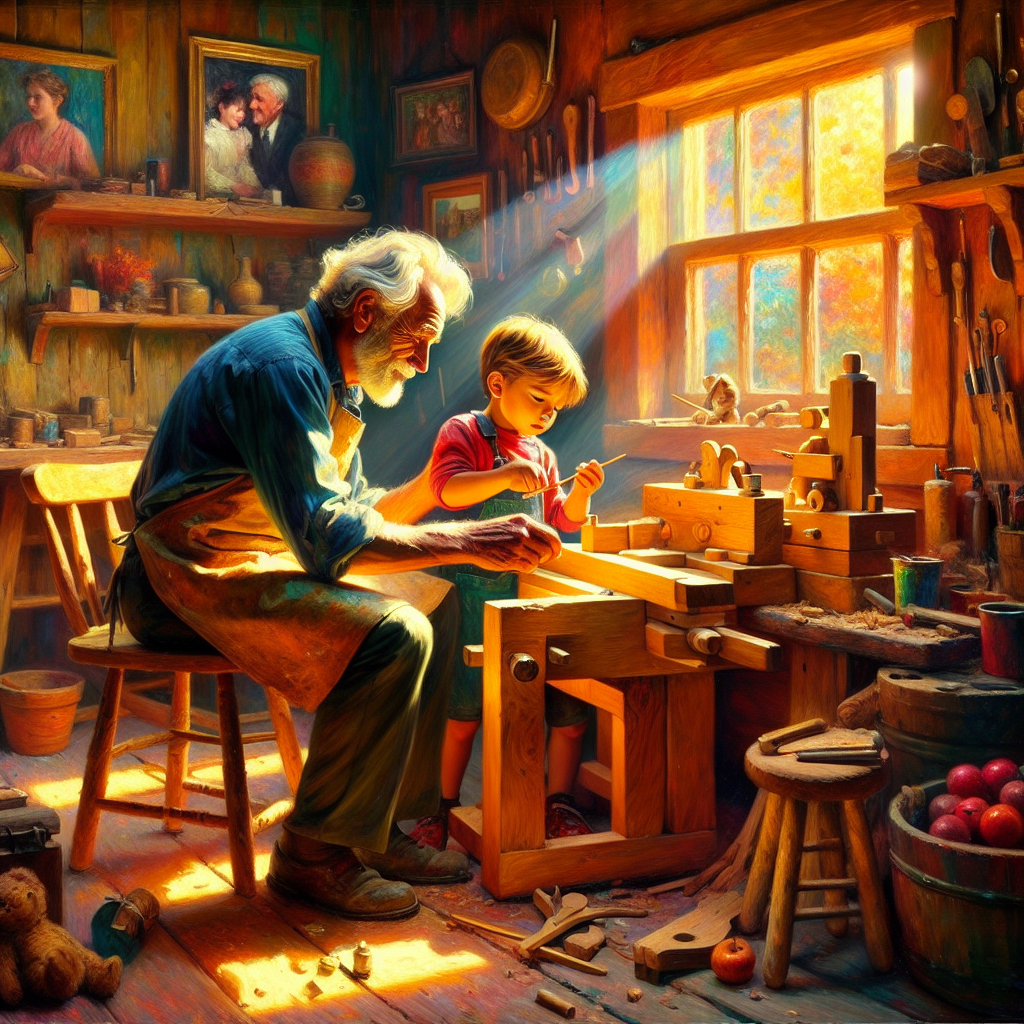
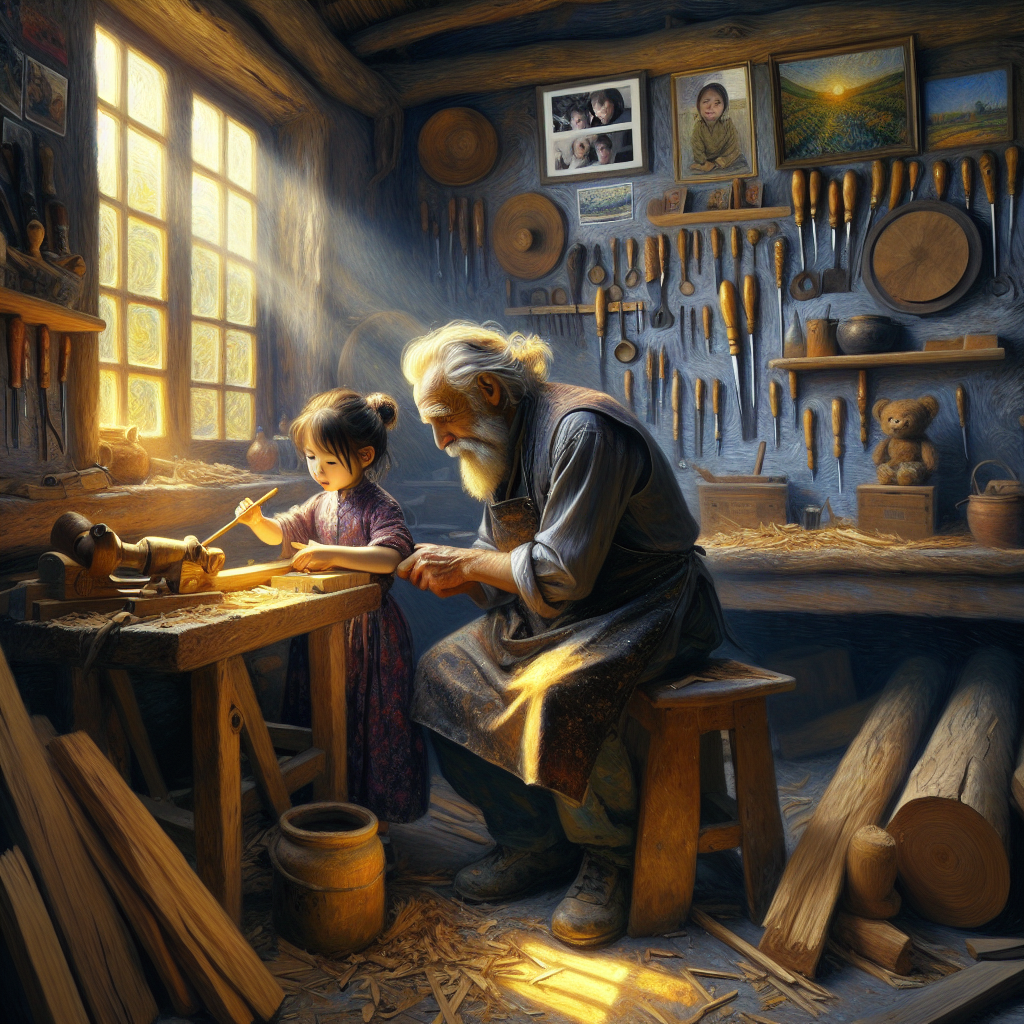
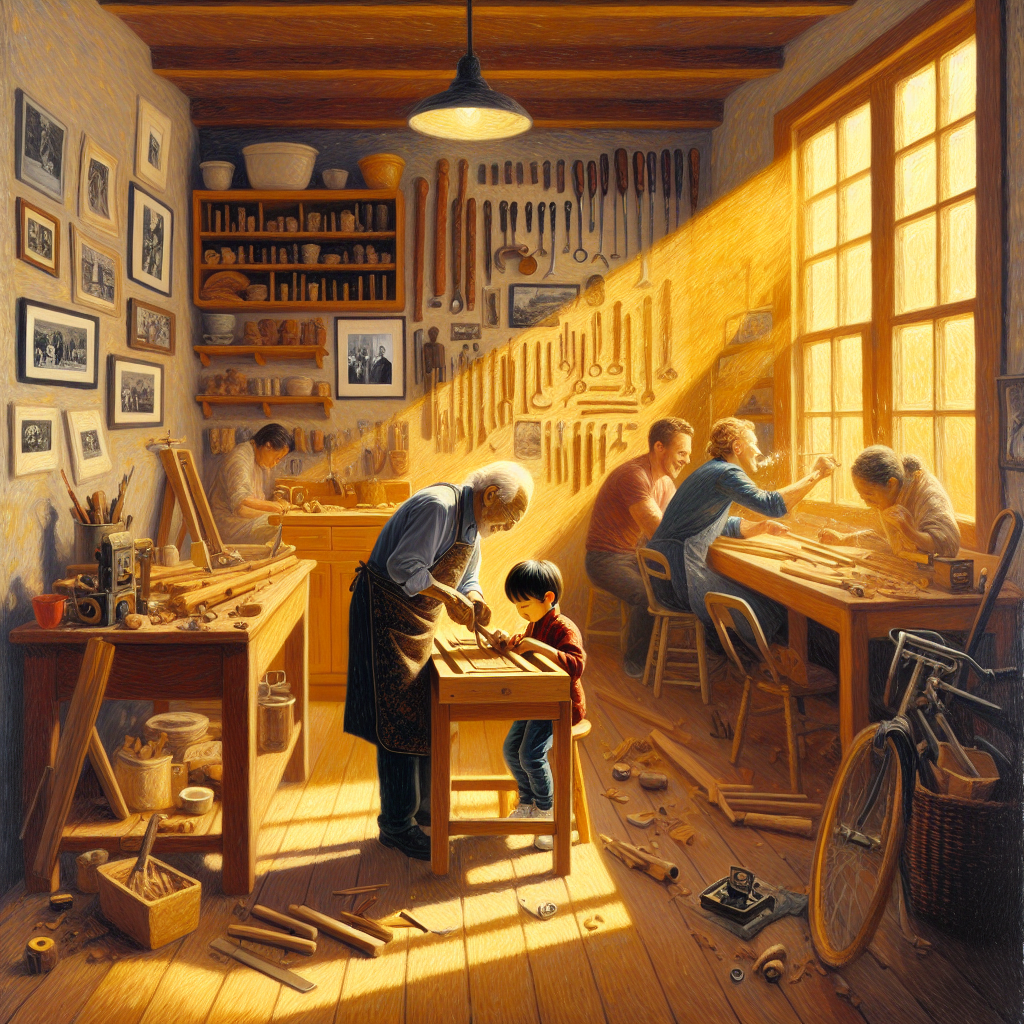
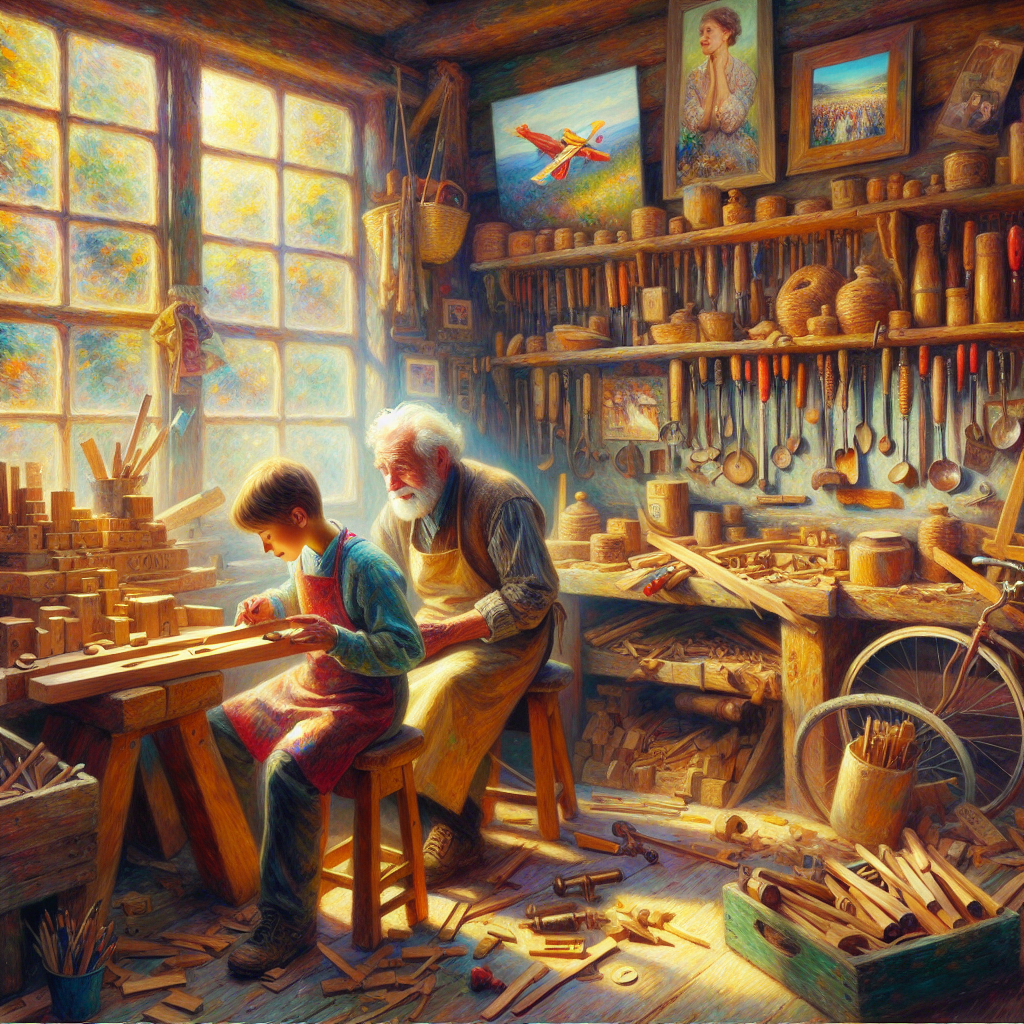
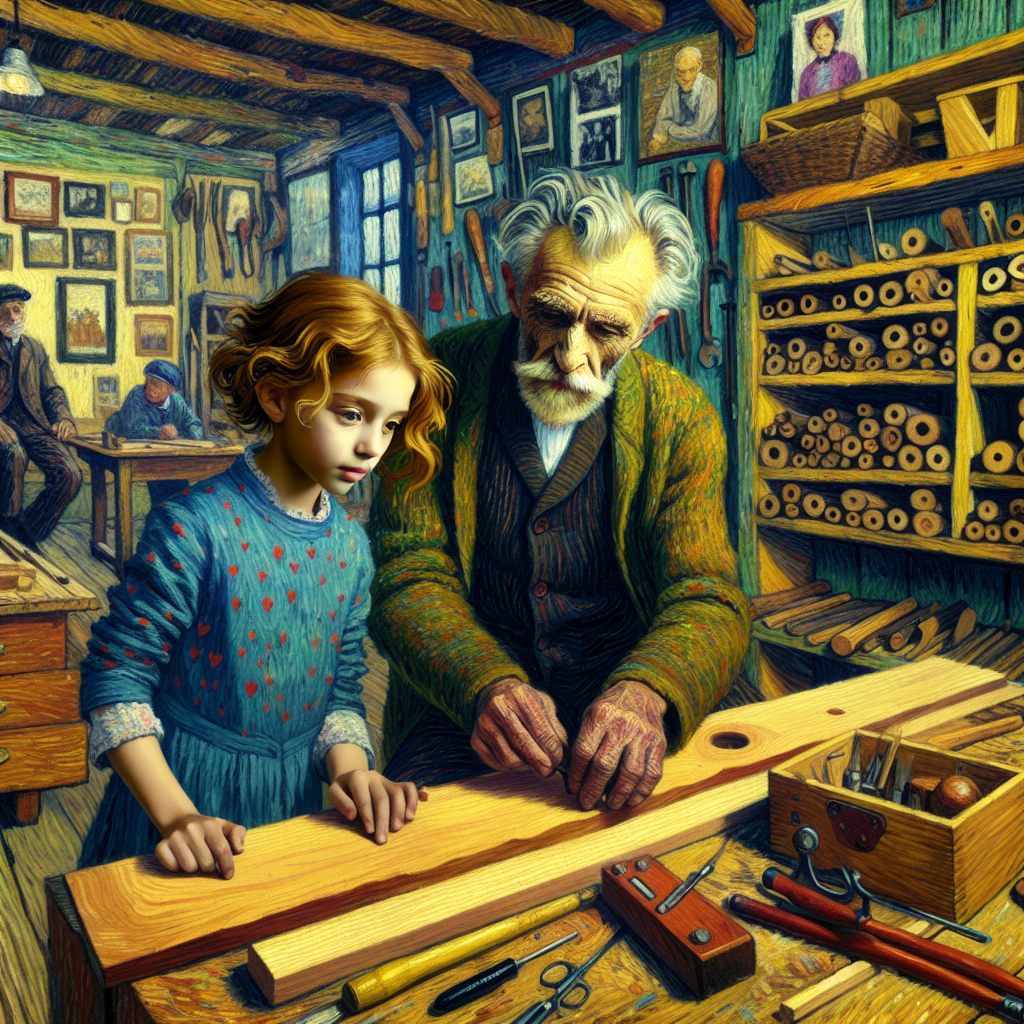
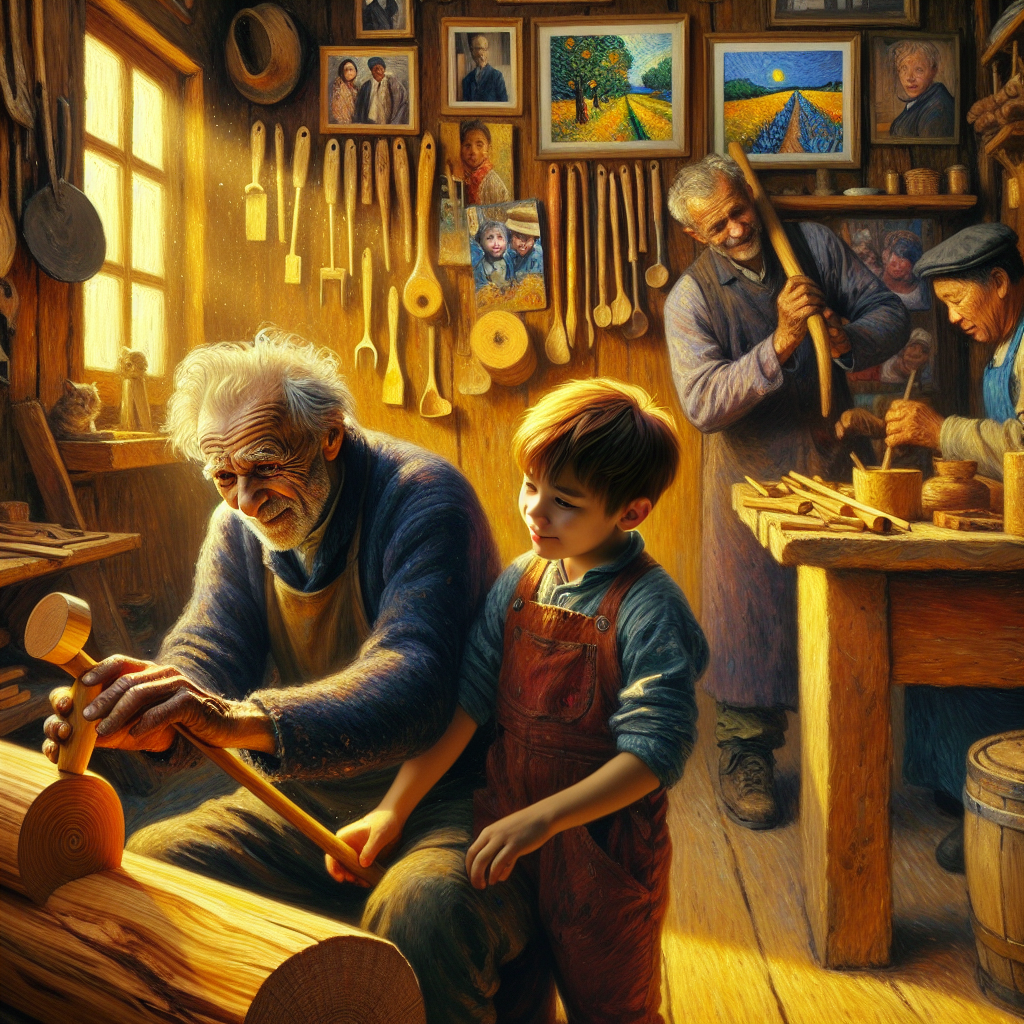
In a world increasingly defined by what we possess, the idea of inheriting a skill offers a refreshing counterpoint; it’s about what we can create rather than what we can hold. Picture this: an elderly craftsman, hands worn but steady, patiently teaches his grandchild how to shape wood with purpose. This isn’t just an exchange of technique; it’s a legacy storytelling woven through years of trial and error, laughter, and shared triumphs. The craft isn’t simply a means to an end; it’s a bonding ritual, a critical conversation that transcends generations.
Think about how much time we spend acquiring material wealth, yet how rarely we consider the value of passing down hard-earned wisdom. When we share our skills, we’re engaging in a deeper exchange that enriches the fabric of our lives. This isn’t just a nice idea; it’s backed by evidence that skills foster resilience, promote problem-solving, and ignite creativity in ways that money can’t replicate. Skills impart confidence, laying the foundation for real self-sufficiency and driving home the point that the true wealth of any family lies in its collective know-how.
Ethically, the act of skill-sharing goes beyond individual gain—it’s about community. When one person learns to fix a bike, bake a loaf of bread, or repair a leaky sink, that knowledge doesn’t just stay with them. They become a repository of information, lighting sparks in those around them. This fosters relationships, encouraging people to come together as we weave our own legacy storytelling into the public consciousness. Isn’t it special to think that a skill could not only transcend time but also build bridges between people from different walks of life?
When we take the time to weave these skills into the tapestry of our lives, we’re not just ensuring their survival; we’re empowering the next generation. We’re crafting a future where people don’t just inherit possessions but inherit the skills to thrive. So, let’s ask ourselves: What will we pass on, and how will we shape the world we leave behind? Embrace the power of skill-sharing, and know that by doing so, you’re not only enriching lives today but cultivating a lasting legacy for tomorrow.
Skill-Sharing Is the New Inheritance
Skill-Sharing Is the New Inheritance
- The concept of inheriting skills emphasizes creation over possession.
- A craftsman teaches his grandchild wood shaping, embodying a legacy of learning and bonding.
- Skill-sharing enriches lives and fosters resilience, problem-solving, and creativity.
- Skills build confidence and self-sufficiency, highlighting the true wealth of a family in its collective know-how.
- Ethically, skill-sharing contributes to community building and collective knowledge transfer.
- Skills can transcend time and unite people from diverse backgrounds.
- By passing down skills, we empower future generations to thrive and create a meaningful legacy.
Skill-Sharing Is the New Inheritance
Table Of Contents
- Skill-Sharing Is the New Inheritance
- What Skills Do You Wish You Had Learned From Your Family?
- How Can Sharing Skills Create Stronger Community Bonds?
- Can Mentorship Be the Key to Closing Generational Gaps?
- How Does Skill-Sharing Empower Individuals and Families?
- What Stories Inspire You to Teach and Learn New Skills?
- How Does Skill-Sharing Foster a Sense Of Belonging?
- What Are the Ethical Implications Of Hoarding Knowledge?
- Conclusion
- Other Resources
- Glossary Of Terms
- Other Questions
- Haiku
- Poem
- Checklist
What Skills Do You Wish You Had Learned From Your Family?
When you think about the skills your family could have passed down to you, consider those that go beyond the mundane tasks of daily life. Imagine if they had woven the art of legacy storytelling into your upbringing. Just picture it: evenings spent around the dinner table, where anecdotes transformed into lessons, and laughter intertwined with wisdom, guiding you like a lantern on a dark night. Those small moments, they shape who we are, marking our paths like footprints in the sand.
We often overlook the significance of these narratives, but they possess a powerful ability to connect generations. The stories of perseverance, sacrifice, or even folly become our moral compass, helping us navigate the rough waters of life. Listening to our grandparents recount their youth, perhaps as they wrestled with the challenges of their times, builds a bridge between then and now. This isn’t just nostalgia; it’s legacy. The ethical responsibility to preserve what matters, to honor those who came before us and, in turn, arm ourselves with the wisdom that can guide our choices today.
Moreover, consider how these lessons resonate with the rhythm of the human experience. We are social beings drawn to stories. They resonate in our hearts and minds, providing context to our struggles and triumphs. Sharing experiences fosters a sense of belonging, an understanding that you’re not alone in your journey. Imagine if you had grown up adept at not just hearing these stories but crafting your own, sharing them with your family, your friends, and perhaps even mentoring the next generation. The ability to articulate your journey—your victories and defeats—creates an inspiring tapestry that enriches both you and those who share it.
As you reflect on what skills you wish you had learned from your family, let this idea of legacy storytelling take root. Think of the impact it could have on your life perspective, your relationships, and your community engagement. Embrace the notion that you can still cultivate this skill, even if it starts with a simple retelling of a family memory. It’s never too late to pick up the mantle. The stories aren’t just tales—they’re the threads that weave our lives together, a shared narrative that endures through the ages. So, what are you waiting for? Your story is waiting to be written, and perhaps the world needs to hear it.

What Skills Do You Wish You Had Learned From Your Family?
What Skills Do You Wish You Had Learned From Your Family?
- Legacy storytelling is an essential skill that goes beyond daily tasks.
- Sharing anecdotes at family gatherings can impart lessons and wisdom.
- Stories connect generations, shaping our identities and guiding our choices.
- Narratives of perseverance and sacrifice act as moral compasses in life.
- Crafting and sharing your own stories fosters connection and belonging.
- Developing storytelling skills can enhance your life perspective and community engagement.
- It’s never too late to start telling your story—it’s a vital part of our shared narrative.

What Skills Do You Wish You Had Learned From Your Family?
How Can Sharing Skills Create Stronger Community Bonds?
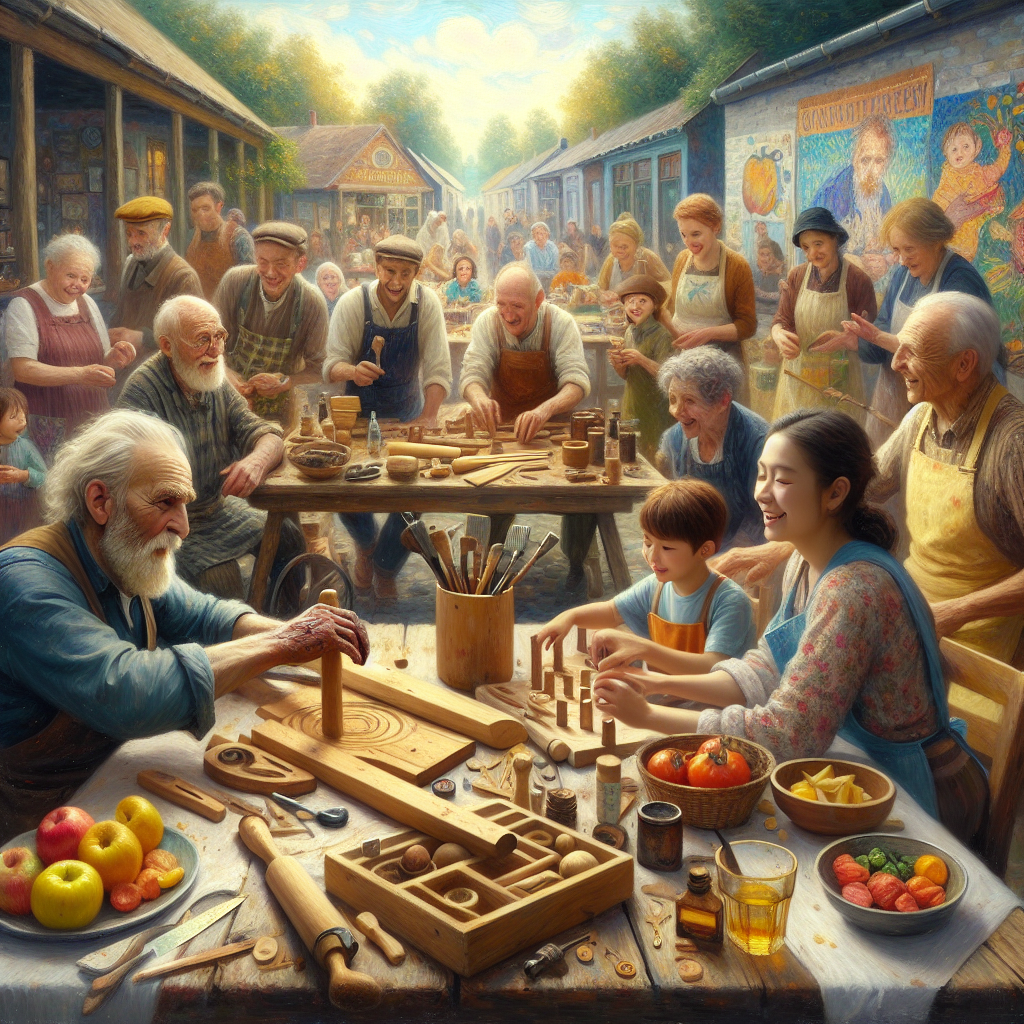
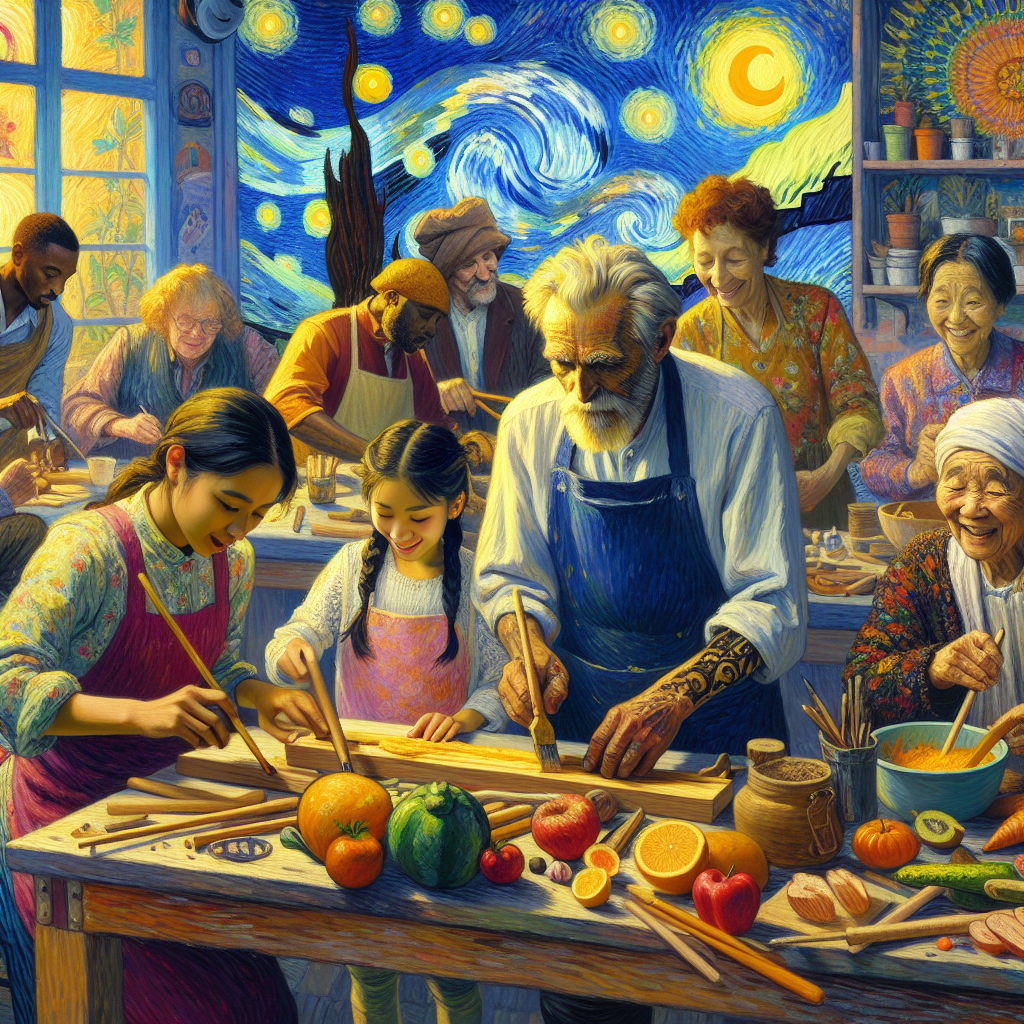
When we think about community, we often envision bustling streets filled with familiar faces, places where everyone comes together for a common purpose. But what truly forges these connections isn’t just proximity; it’s the act of sharing skills. Imagine a local craftsman passing down woodworking techniques to a curious child, or a culinary whiz inviting neighbors to learn how to whip up traditional family recipes. This is more than mere knowledge transfer—it’s legacy storytelling, where each shared skill crafts a narrative that binds us tighter.
At its core, sharing skills taps into something fundamental about human nature. We all have something to offer, and when we extend ourselves, we build trust within our community. Think about it: when you share what you know, you’re not just teaching someone; you’re inviting them into your world, building bridges instead of walls. This small act can foster a sense of belonging that resonates deeply. We all want to feel seen and valued, and when we give and receive skills, we affirm our shared humanity.
From a rational standpoint, building a community through skill-sharing is a win-win. It cultivates resilience; when individuals learn practical skills, they become less dependent on outside solutions. They’re not just consumers; they’re creators. These empowered individuals often lead to a more vibrant locale where entrepreneurship thrives, resulting in a symbiotic relationship that strengthens the entire community.
Ethically, it pushes us to reflect on our responsibilities. A sense of community isn’t something we can take for granted. It demands action. When we uplift others by sharing our skills, we embody the values that define solid societies—generosity, empathy, and stewardship. Trust in your neighbors grows when they see that you’re invested in their success, just as you are in your own.
And let’s not overlook the power of storytelling in this equation. Each skill that you pass on contains a piece of your journey—the trials, tribulations, and triumphs. These narratives shape our community, weaving a tapestry rich with experiences that future generations can draw inspiration from.
So the next time you pick up a tool or whip up a dish, consider inviting others along for the ride. It’s not just about teaching; it’s about creating connections that will echo through time, fortifying and reinforcing the bonds that make us a community, not just a collection of individuals. The act of sharing skills can transform not just lives, but entire neighborhoods, inspiring us to build a legacy that matters.
How Can Sharing Skills Create Stronger Community Bonds?
How Can Sharing Skills Create Stronger Community Bonds?
- Community is built on connections forged through skill-sharing, not just proximity.
- Sharing skills represents legacy storytelling, creating narratives that strengthen bonds.
- This act fosters trust and a sense of belonging, allowing individuals to feel seen and valued.
- Skill-sharing empowers individuals, cultivating resilience and encouraging creativity over dependency.
- It encourages a vibrant community with thriving entrepreneurship, benefiting everyone involved.
- Ethically, sharing skills demonstrates our investment in each other’s success and embodies core values like generosity and empathy.
- Every skill taught carries personal stories, enriching our community’s narrative for future generations.
How Can Sharing Skills Create Stronger Community Bonds?
Can Mentorship Be the Key to Closing Generational Gaps?
Mentorship is a powerful tool that can bridge the chasm between generations, offering a path to understanding that’s as vital as it is transformative. Picture this: an eager young individual steps into a workshop filled with seasoned hands—each scar, callus, and stain telling a legacy, a story crafted over years of both triumph and failure. In that moment, the walls of age and experience begin to crumble. The young learner isn’t just absorbing skills; they’re tapping into a narrative rich with insights and wisdom, a tapestry woven from countless life experiences.
At its core, mentorship poses a simple yet profound question: What can we pass down? It’s a chance to share not merely techniques or trade secrets, but the very essence of what makes us human. When a mentor recounts their legacy—perhaps a tale of personal belief overcoming hardship or an ethical dilemma faced head-on—they are lighting a fire in the hearts of the next generation. They’re planting seeds of resilience, creativity, and values that resonate deeper than any textbook lesson ever could.
For the young mentee, the connection becomes a symbiotic relationship. It’s not just about learning the ropes; it’s an invitation to step into a realm where ideas collide and grow. The head nods in agreement as they find logic in the mentor’s words, while the gut stirs with a newfound passion. They begin to realize that the lessons are not lessons at all, but rather an awakening—a calling to build upon that legacy, to contribute their own chapters to the unfolding story of progress.
But what happens when this intergenerational dialogue takes root within organizations and communities? It starts to shift culture, fostering an environment of mutual respect and collaboration. The older generation becomes more than just a memory of what once was—they evolve into active participants in shaping the present. Meanwhile, the younger generation gains not just skills, but confidence, knowing they carry the weight of history on their shoulders as they march forward.
Engaging in mentorship isn’t merely a good deed—it’s an ethical commitment to nurturing future leaders and custodians of knowledge. Each interaction has the power to create ripples that extend far beyond the initial exchange. So, let’s seize the opportunity to close the gaps, not just for our own benefit, but for the collective enrichment of society. After all, when we invest in each other, we invest in a legacy worth leaving behind.

Can Mentorship Be the Key to Closing Generational Gaps?
Can Mentorship Be the Key to Closing Generational Gaps?
- Mentorship bridges generational gaps, facilitating transformative understanding.
- Young individuals learn not only skills but also rich narratives of experience from mentors.
- Mentorship focuses on passing down the essence of humanity, including values and resilience.
- Stories shared by mentors ignite passion and creativity in young mentees.
- The relationship encourages mutual growth, inviting young learners to contribute to ongoing legacies.
- Intergenerational dialogue shifts organizational and community culture, fostering collaboration.
- Engagement in mentorship is an ethical commitment vital for nurturing future leaders and enriching society.

Can Mentorship Be the Key to Closing Generational Gaps?
How Does Skill-Sharing Empower Individuals and Families?
Skill-sharing is more than just an exchange of knowledge—it’s the weaving of a vibrant tapestry of human connection. Picture a community where your grandmother’s secret pie recipe is just as valued as your neighbor’s woodworking skills. Each person contributes not just their talents, but their stories, forming a legacy that transcends generations. This isn’t just about learning how to bake or build; it’s about sharing life experiences that build trust and resilience in families and neighborhoods.
Imagine a father teaching his daughter to fix a leaky faucet, passing on the age-old wisdom that every drip tells a story of life’s unpredictabilities. Not only does she gain a marketable skill, but she also learns the value of self-reliance and the satisfaction that comes from solving a problem with her own hands. This is empowerment at its core. It nurtures a sense of belonging, reminding us all that we’re part of something bigger than ourselves.
When individuals and families engage in skill-sharing, they are also tapping into the rational benefits of collaboration. We each have unique talents and expertise; by coming together, we create a support system that enhances collective knowledge and reduces reliance on commercial services. This can lead to substantial financial savings, allowing families to allocate their resources towards things that truly matter—like education, health, and experiences that create lasting memories.
Ethically, skill-sharing fosters a culture of generosity and gratitude. It reinforces the belief that to give is just as important as to receive. It cultivates an environment that encourages people to step up, share their gifts, and embrace vulnerability. By doing so, they not only fortify their own skill sets but also enrich the lives of those around them. The relationships built through this exchange are integral, creating a sense of camaraderie that can only be forged in the fires of shared experiences.
Socially, imagine the ripple effect as these individuals encourage their friends and families to explore new skills. The cycle grows, creating a community that thrives on collaboration and connection. Every lesson learned becomes a thread in the fabric of a shared legacy.
So, whether you’re picking up a new hobby or passing down a craft, remember: every skill shared opens up a whole new world. It’s an invitation to connect, evolve, and build a future that honors our collective stories. Let’s grab the toolbox, roll up our sleeves, and get to work.

How Does Skill-Sharing Empower Individuals and Families?
How Does Skill-Sharing Empower Individuals and Families?
- Skill-sharing fosters human connection and creates a vibrant community tapestry.
- Each person contributes talents and stories, forming a legacy that transcends generations.
- Empowerment arises from learning practical skills along with values of self-reliance and problem-solving.
- Collaboration through skill-sharing enhances collective knowledge and reduces reliance on commercial services.
- This practice leads to financial savings, allowing families to focus on important areas like education and health.
- Ethically, it cultivates generosity, gratitude, and encourages vulnerability among individuals.
- Skill-sharing generates a ripple effect, expanding community collaboration and building a shared legacy.

How Does Skill-Sharing Empower Individuals and Families?
What Stories Inspire You to Teach and Learn New Skills?
When we talk about what inspires us to teach and learn new skills, it’s essential to remember the power of Legacy Storytelling. Stories have a unique way of transcending generations; they carry the weight of experience coupled with the thrill of discovery. Think back to the tales your grandparents told around the kitchen table: they weren’t just recounting life events; they were weaving lessons into the fabric of those stories. Each anecdote served a purpose, each challenge a teaching moment—showing us the importance of resilience, adaptability, and the continuous pursuit of knowledge.
Consider the craftsman who spent years perfecting his trade. His journey wasn’t linear; it was fraught with failures, but each misstep became a teaching moment. When he shared his story with aspiring tradespeople, it wasn’t just about the mechanics of the craft, but about integrity and dedication. The gut-wrenching struggle of making ends meet was matched only by the triumph of mastering a skill. His story resonated on a level deeper than technical proficiency; it spoke to the very human experience of striving for something meaningful. This legacy became a beacon for those around him, inspiring them to learn and grow.
On the flip side, think of the young woman who stepped outside her comfort zone to embrace a new skill, perhaps cooking or coding. She was armed with little more than a desire to expand her horizons and the belief that learning new things could change her life. With each small victory—a well-cooked meal or a successful line of code—she discovered not just new abilities but a newfound confidence. This is where the head connects with the heart: every story of overcoming adversity inspires not just us as individuals but also a communal yearning to learn together.
The beauty of these narratives is that they encourage connection among us. When we share stories of our own struggles and successes, we create a tapestry of motivation and empathy. A teacher’s passion in the classroom often stems from their own experiences—their stories become markers, guiding others through the labyrinth of learning.
So, the next time you’re thinking about learning something new or teaching someone a skill, remember the power behind Legacy Storytelling. It’s not just knowledge being passed down; it’s the heartbeat of humanity, inspiring each of us to reach our fullest potential. Engage with those narratives, and you may find the courage to teach—or learn—something that could change your life or someone else’s forever.

What Stories Inspire You to Teach and Learn New Skills?
What Stories Inspire You to Teach and Learn New Skills?
- Legacy Storytelling transcends generations, blending experience with discovery.
- Grandparents’ stories weave lessons about resilience, adaptability, and knowledge.
- A craftsman’s journey highlights the importance of integrity, dedication, and learning from failures.
- Sharing personal stories can inspire and guide others through their own learning experiences.
- A young woman’s pursuit of new skills exemplifies the power of confidence and personal growth.
- Storytelling fosters connection, motivation, and empathy within communities.
- Engaging with these narratives encourages teaching and learning, unlocking human potential.

What Stories Inspire You to Teach and Learn New Skills?
How Does Skill-Sharing Foster a Sense Of Belonging?
Skill-sharing isn’t just about honing a craft or picking up a new hobby; it’s an age-old practice rooted in communal spirit and shared experience. It weaves together individuals into a tapestry of connection, where each thread tells a story—the legacy of generations. When we engage in skill-sharing, we’re not merely exchanging knowledge; we’re partaking in a form of legacy storytelling that transcends time and circumstance.
Think about your own journey. Perhaps you learned to weld from your grandfather or bake bread from your grandmother—a flicker of warmth igniting in those moments. These interactions, rich with laughter and trial, foster a sense of belonging that cannot be replicated in isolation. Allowing someone to teach you or offering your own expertise not only deepens individual skills but cements your connection to a larger community. It becomes a bonding ritual, an exchange that nurtures trust and invites collaboration.
On a rational level, skill-sharing creates opportunities for growth and development, allowing us to hone our competencies while expanding our perspectives. Each lesson taught or learned is a step toward understanding the diverse backgrounds that shape our identities. The more we engage, the more we appreciate the wealth of experiences that each person brings to the table, and the stronger our collective fabric becomes.
Ethically, skill-sharing promotes inclusivity and understanding. It pushes us to step outside our comfort zones, challenging biases and preconceptions. In our increasingly fragmented world, coming together in this way cultivates empathy and openness, essential components for any thriving community. It reminds us that we are all learners and teachers, regardless of age or experience. These interactions shape our values, molding us into a society that values contribution over competition.
The beauty of skill-sharing is that it has the power to transcend barriers—whether they be linguistic, cultural, or socioeconomic. It taps into a primal instinct to connect, creating a sense of safety and belonging that resonates in our gut. As we forge these bonds, we realize we’re not just individuals navigating life alone; we are part of a larger narrative, one filled with shared victories and tribulations.
So, whether you’re teaching someone to fix a bike or learning to play an instrument, remember this: it’s not just about knowledge transfer; it’s about weaving a rich, interconnected community tapestry, one skill at a time. Let that idea inspire you to pick up that baton and join the dance of connection, building a legacy that honors the past while paving the way for the future.

How Does Skill-Sharing Foster a Sense Of Belonging?
How Does Skill-Sharing Foster a Sense Of Belonging?
- Skill-sharing is an age-old practice that fosters communal spirit and shared experiences.
- Engaging in skill-sharing provides a sense of belonging and strengthens connections within a community.
- Skill-sharing is a form of legacy storytelling that bridges generational knowledge and experiences.
- It offers opportunities for personal growth, broadening perspectives, and appreciating diverse backgrounds.
- Ethically, skill-sharing promotes inclusivity, challenges biases, and cultivates empathy.
- The practice transcends barriers, creating a sense of safety and belonging across cultural and socioeconomic divides.
- Ultimately, skill-sharing is about building a rich, interconnected community and leaving a legacy for the future.

How Does Skill-Sharing Foster a Sense Of Belonging?
What Are the Ethical Implications Of Hoarding Knowledge?
In a world teeming with information, the act of hoarding knowledge begs a deeper reflection on what it means to hold onto wisdom while others yearn for insight. Each piece of information we conceal tightens our grip on power and, conversely, distances ourselves from those around us. The ethical implications of this behavior flicker like a candle’s flame, illuminating not just personal ambition but also the legacy we leave behind.
Consider for a moment a young individual, ambitious and eager. They stumble upon a treasure trove of knowledge—insights that could elevate their work, ideas that could spark innovation. Now, imagine the stark contrast between sharing that knowledge and withholding it. Holding onto it could lead to accolades and accolades alone, but sharing? That creates connections. It transforms the solitary act of learning into a legacy of storytelling. When we share the wealth of our knowledge, we weave a narrative that transcends generations.
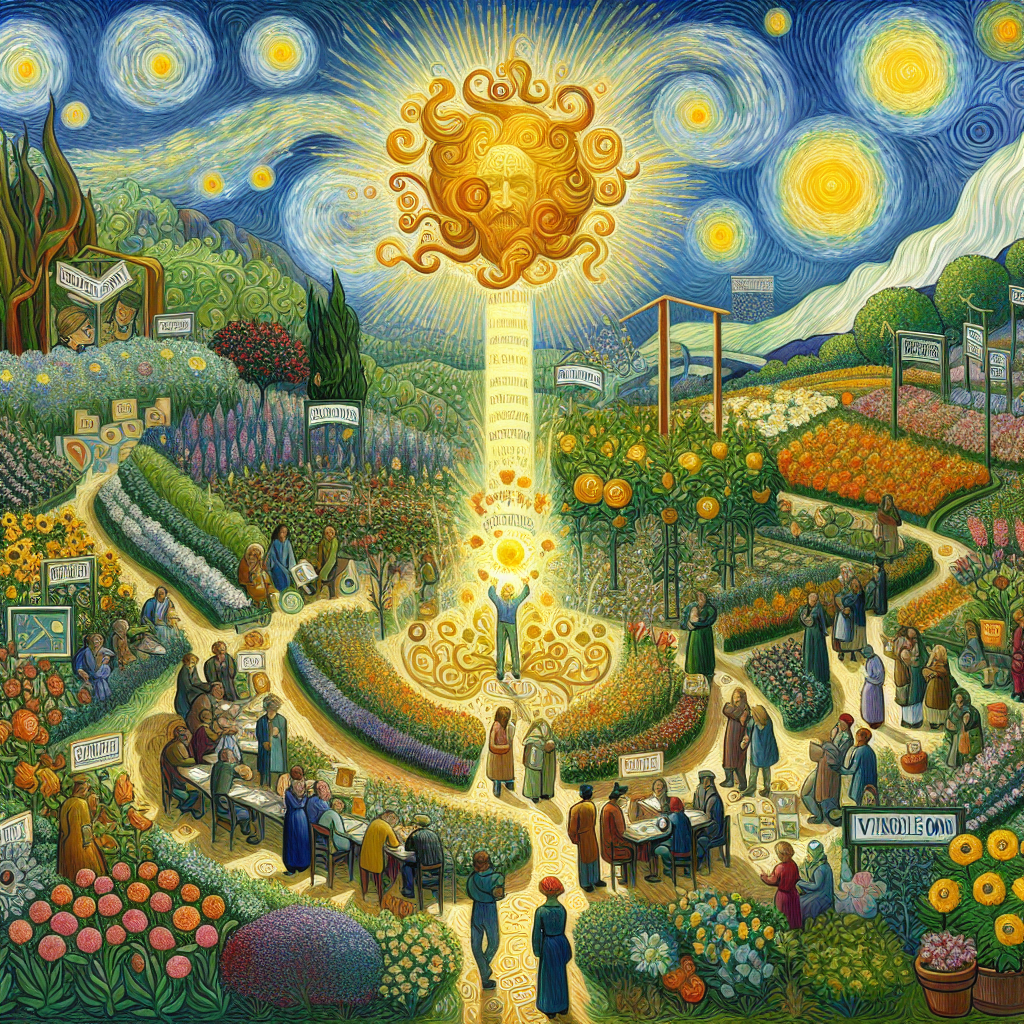
On a rational level, hoarding knowledge might seem advantageous in a competitive world. Yet, when we step back and analyze the long-term consequences, the picture changes. Why would we deny others the opportunity to grow? Knowledge is much like a garden; when nurtured and shared, it blossoms into something magnificent, enriching not only the lives of others but also enhancing our own understanding in the process.
The heart of this issue is undeniably emotional. Each instance of knowledge shared cultivates trust, fostering a culture where collaboration flourishes. Think of the collective impact—one piece of shared wisdom can ignite a chain reaction, changing lives and communities in profound ways. We have a moral obligation to help cultivate that garden, to ensure no one is left in the weeds.
Ethically, we must ask ourselves—what kind of society do we want to create? One where knowledge is a well-guarded treasure chest, or one where it acts as a bridge, connecting individuals and fostering a sense of belonging? As stewards of knowledge, we bear the responsibility to nurture our communities, choosing connection over isolation and growth over stagnation.
When the dust settles, it’s about more than just data points. It’s about the humanity in our choices, the echoes of our actions resonating in the hearts and minds of those we may never meet. Each act of sharing builds a narrative that cultivates not only knowledge but a legacy rooted in compassion, unity, and profound impact.
What Are the Ethical Implications Of Hoarding Knowledge?
What Are the Ethical Implications Of Hoarding Knowledge?
- Hoarding knowledge invites reflection on the balance between personal power and relational distance.
- Sharing knowledge fosters connections, transforming learning into a generational legacy.
- While hoarding may seem beneficial in a competitive context, it has long-term negative effects.
- Knowledge, when shared, resembles a garden that enriches both individuals and communities.
- Sharing knowledge cultivates trust and promotes collaboration within a community.
- We must consider the type of society we want: one that guards knowledge or one that shares it for collective growth.
- Acts of sharing knowledge create a legacy of compassion and impact that resonates beyond our immediate circles.

What Are the Ethical Implications Of Hoarding Knowledge?
Conclusion
Skill-sharing stands as a powerful testament to the true currency of life: the connections we forge and the wisdom we pass down. In a culture often obsessed with material wealth, it’s a refreshing reminder that our greatest inheritance lies not in what we own, but in the skills and knowledge we impart to future generations. Imagine the warmth of a grandparent patiently teaching their grandchild the nuances of woodworking. It’s not just a lesson in technique; it’s a deep dive into a legacy filled with stories of resilience, ingenuity, and enduring love. This process of sharing skills transforms mundane exchanges into meaningful rituals, creating bonds that enrich our lives and foster resilience.
As we dive into this world of skill-sharing, what we discover is a critical need for community—a core part of our humanity that often gets lost in isolation. Each time someone chooses to learn how to fix a bike or bake a loaf of bread, they aren’t just gaining knowledge; they’re igniting connections that build bridges across societal divides. This isn’t merely a sentimental notion; the evidence shows that skill-sharing cultivates creativity, instills confidence, and empowers families to live more self-sufficiently. It uplifts not just individuals, but entire neighborhoods, knitting a fabric of mutual support that stands strong against adversity.
Mentorship becomes vital in this narrative, cultivating bonds between generations that can help close the gaps of understanding. When seasoned hands offer their stories and lessons, they light a fire in the hearts of eager learners, shaping both character and capability. This intergenerational dialogue fosters a culture where collaboration reigns, breathing life into a collective legacy that resonates across time.
Delving deeper, let’s recognize the ethical obligations we share toward one another in this exchange. Every skill, every story, and every lesson shared stands as a ripple moving through our communities. When knowledge is hoarded, it creates barriers; when it is shared, it builds connections. As we reflect on the skills we wish had been passed down to us, we realize it’s never too late to begin that journey. The power of legacy storytelling isn’t confined to the past; it’s a living, breathing practice that we can engage in today.
So, let’s embrace skill-sharing as not just a practice, but a transformative way of life. Inspire others to join in, teach, learn, and connect, and watch as you craft a legacy that resonates with meaning, purpose, and the promise of a brighter future. What will you pass on? The legacy you build today not only enriches lives but plants seeds for an empowered tomorrow, making it not just a gift, but a profound responsibility. Pick up that tool, roll up your sleeves, and let’s get to work building a legacy that matters.
Conclusion
Conclusion:
- Skill-sharing emphasizes the significance of connections and wisdom over material wealth.
- Teaching and learning skills serves as a means to pass down legacies filled with stories of resilience and love.
- Skill-sharing fosters community, creating bonds that enhance self-sufficiency and cross societal divides.
- Engaging in skill-sharing cultivates creativity, builds confidence, and empowers neighborhoods.
- Mentorship is essential, bridging generational gaps and nurturing collaboration through shared experiences.
- Sharing knowledge combats isolation and creates connections, while hoarding it leads to barriers.
- Embracing skill-sharing is an active practice of legacy building, promoting purpose and responsibility for future generations.
Conclusion
Other Resources
Other Resources
Here is a list of other resources you can review online to learn more:
- Is There A Need To Pay For Copyrighting Services For Personal Or Family Legacy Stories?
- LegalNature
- Your Digital Afterlife
- How Has Time Changed The Cost Of Capturing Family Legacy Stories
- FamilySearch
- Personal Legacy Advisors
- UpCounsel
- How to Avoid Losing Your Family History One Generation at a Time
- GhostMemo
- FutureMe
- Meminto
- LastPass
- Ancestry
- RootsMagic
- YouMattered
- Digital Legacy Association
- LegacyLearned
- Legacy
- Can Telling and Preserving Personal or Family Legacy Stories Be Therapeutic?
- Remembered.com
Use This Prompt To Get More Resources With Your Favorite Online AI Tool: Please provide me with a list of online articles with their URLs in a bulleted list that I can read regarding Skill-Sharing Is the New Inheritance
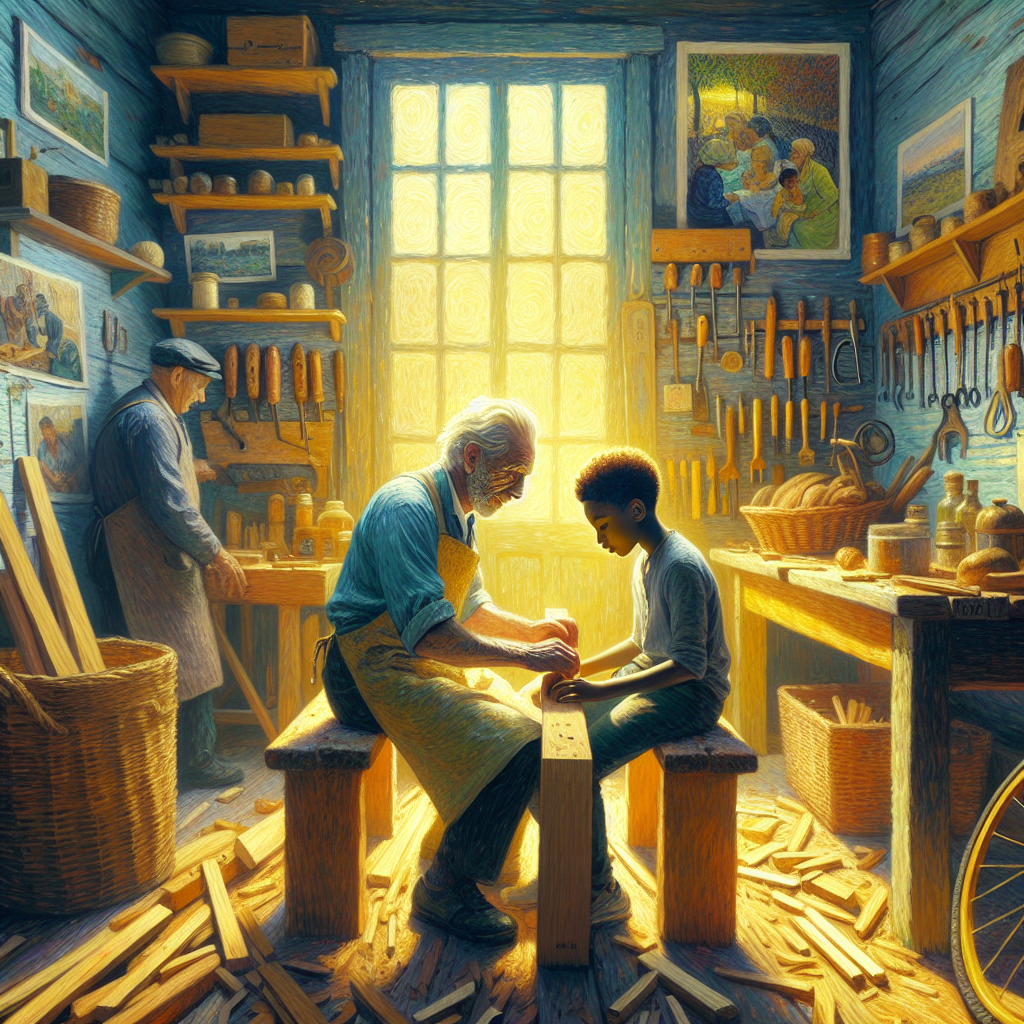
Other Resources
Glossary Terms
Skill-Sharing Is the New Inheritance – Glossary Of Terms
1. Skill-Sharing: The practice of exchanging knowledge and expertise among individuals, often in informal settings.
2. Inheritance: The assets, belongings, or skills passed down from one generation to another, traditionally through familial ties.
3. Collaboration: Working together with others to achieve a common goal or share skills effectively.
4. Mentorship: A guidance relationship where a more experienced individual supports the development of a less experienced person.
5. Crowdsourcing: Obtaining ideas, services, or content by soliciting contributions from a large group, often via the internet.
6. Community: A group of people sharing common interests, values, or skills, fostering collaboration and support.
7. Networking: Building and maintaining relationships for sharing information, resources, and opportunities.
8. Knowledge Transfer: The process of sharing or disseminating knowledge and skills from one person or group to another.
9. Reciprocity: Mutual exchange of skills or services, where each participant benefits from the other’s expertise.
10. Up-skilling: The process of learning new skills or improving existing ones to adapt to changing job markets or technologies.
11. Volunteering: Offering time and skills freely, often for community benefits, enhancing social ties and personal development.
12. Workshops: Structured events where individuals come together to learn or teach specific skills, often hands-on.
13. Apprenticeship: A system of training where an inexperienced individual learns a trade under the guidance of a skilled worker.
14. Online Learning: Educational platforms and courses delivered via the internet, offering accessible skill development opportunities.
15. Resource Sharing: The practice of sharing tools, materials, or spaces among individuals to foster collaboration.
16. Peer Learning: Learning facilitated among individuals of similar skill levels, often enhancing engagement and understanding.
17. Social Capital: The networks, relationships, and norms that enable individuals to work together effectively and access resources.
18. Skill Inventory: A comprehensive list of skills possessed by individuals, often used for personal development or team composition.
19. Cultural Exchange: Sharing knowledge, skills, and traditions from different cultures to promote understanding and cooperation.
20. Sustainability: The ability to maintain skill-sharing practices over the long term, fostering continuous learning and collaboration.
21. Intergenerational Learning: Knowledge and skills exchanged between different age groups, enriching both young and older participants.
22. Innovation: The introduction of new ideas, services, or skills that emerge through collaboration and creativity.
23. Facilitation: The act of guiding discussions or activities to enhance participation and enable skill-sharing among participants.
24. Scaling: Expanding skill-sharing initiatives to reach a broader audience, increasing impact and effectiveness.
25. Group Dynamics: The interactions and behaviors among individuals in a group that influence collaboration and learning.
26. Skill Gap: The disparity between skills needed in the workforce and the current skills possessed by individuals.
27. Learning Ecosystem: A network of interconnected resources, people, and organizations that support ongoing skill development.
28. Feedback Loop: A cycle of giving and receiving constructive criticism to enhance skills and learning outcomes.
29. Platform Economy: An economic model that relies on digital platforms for skill-sharing and service exchanges, enabling flexible work arrangements.
30. Equity: Ensuring fair access to skill-sharing opportunities, allowing individuals from diverse backgrounds to participate and benefit.

Glossary Of Terms
Other Questions
Skill-Sharing Is the New Inheritance – Other Questions
If you wish to explore and discover more, consider looking for answers to these questions:
- What are some examples of skills that can be effectively shared between generations?
- How can individuals begin the process of skill-sharing in their own families or communities?
- What are the long-term benefits of skill-sharing for personal and community development?
- Can skill-sharing be incorporated into educational systems?
- If so, how?
- What role does technology play in modern skill-sharing practices?
- How can storytelling enhance the experience of skill-sharing?
- Are there any challenges associated with sharing skills, and how can they be overcome?
- In what ways can mentorship programs facilitate skill-sharing across generations?
- What types of skills are most beneficial for community resilience?
- How can we encourage more people to participate in skill-sharing initiatives?
- How does sharing skills contribute to cultural preservation?
- What are the psychological benefits of learning through skill-sharing?
- How can organizations support skill-sharing among their members?
- What impact does skill-sharing have on social equality?
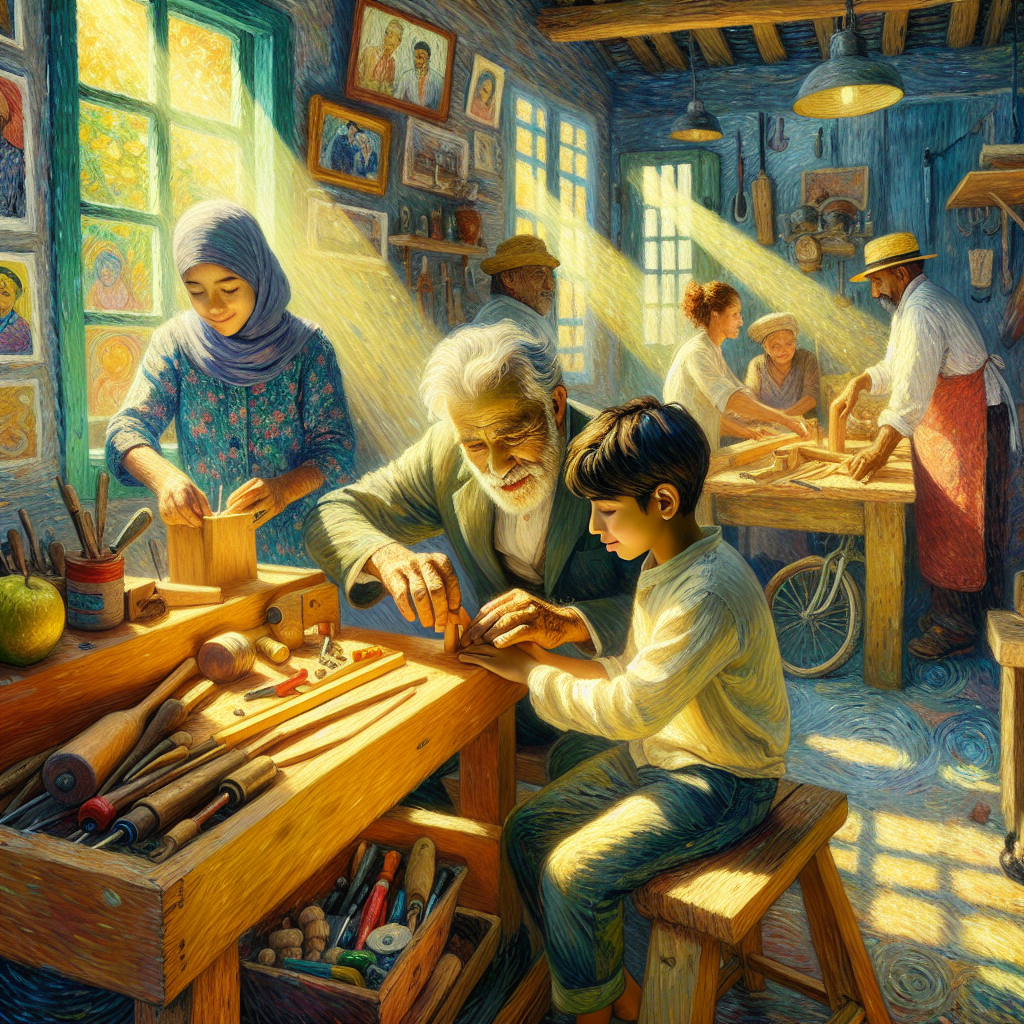
Other Questions
Haiku
Skill-Sharing Is the New Inheritance – A Haiku
Hands weaving stories,
Skills shared bridge gaps of time,
Legacies take root.
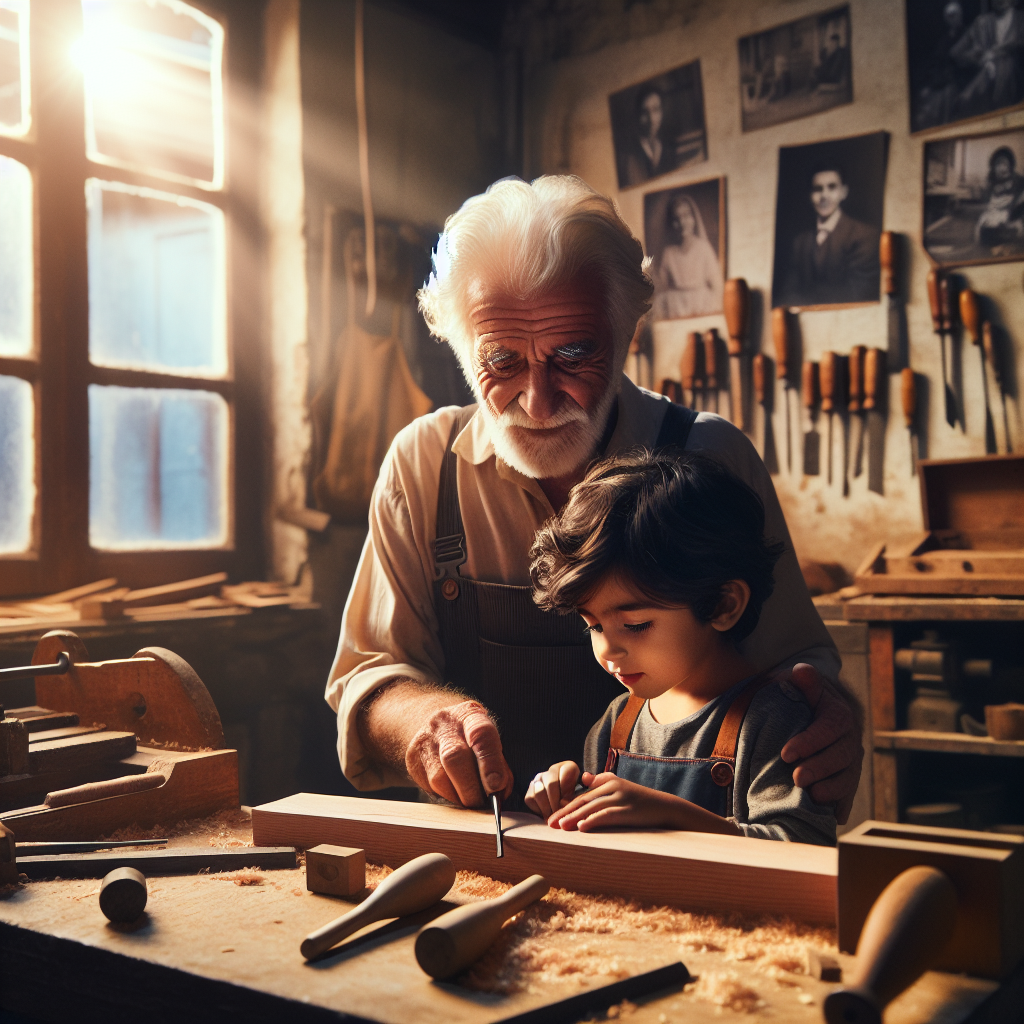
Haiku
Poem
Skill-Sharing Is the New Inheritance – A Poem
In a world where possessions reign,
A new inheritance begins to bloom,
Not riches, but skills passed down like grain,
Crafting legacies to chase away gloom.
Picture the craftsman, hands worn but wise,
Teaching a grandchild the art of their trade,
Not just techniques, but stories that rise,
Linking past to present, foundations laid.
Each skill shared is a thread in a seam,
Weaving connection in community’s heart,
A tale of resilience, a collective dream,
Where knowledge transforms, and doubts depart.
Mentors ignite passion, bridging the years,
A spark of wisdom lights the eager mind,
In their stories of struggle and hopes and fears,
A dance of trust and respect is designed.
Empowered, families build, laugh, and grow,
Learning together, they break down the walls,
Creating a culture where empathy flows,
As knowledge nurtures, and each spirit enthralls.
What stories inspire you to teach and to learn?
Each shared narrative holds strength anew,
In legacy storytelling, connections we earn,
A tapestry woven, where colors break through.
So grab a tool, roll your sleeves, start to share,
Knowledge is fleeting; let’s treasure its glow,
Craft a future with love, compassion, and care,
For in every skill shared, a new legacy grows.
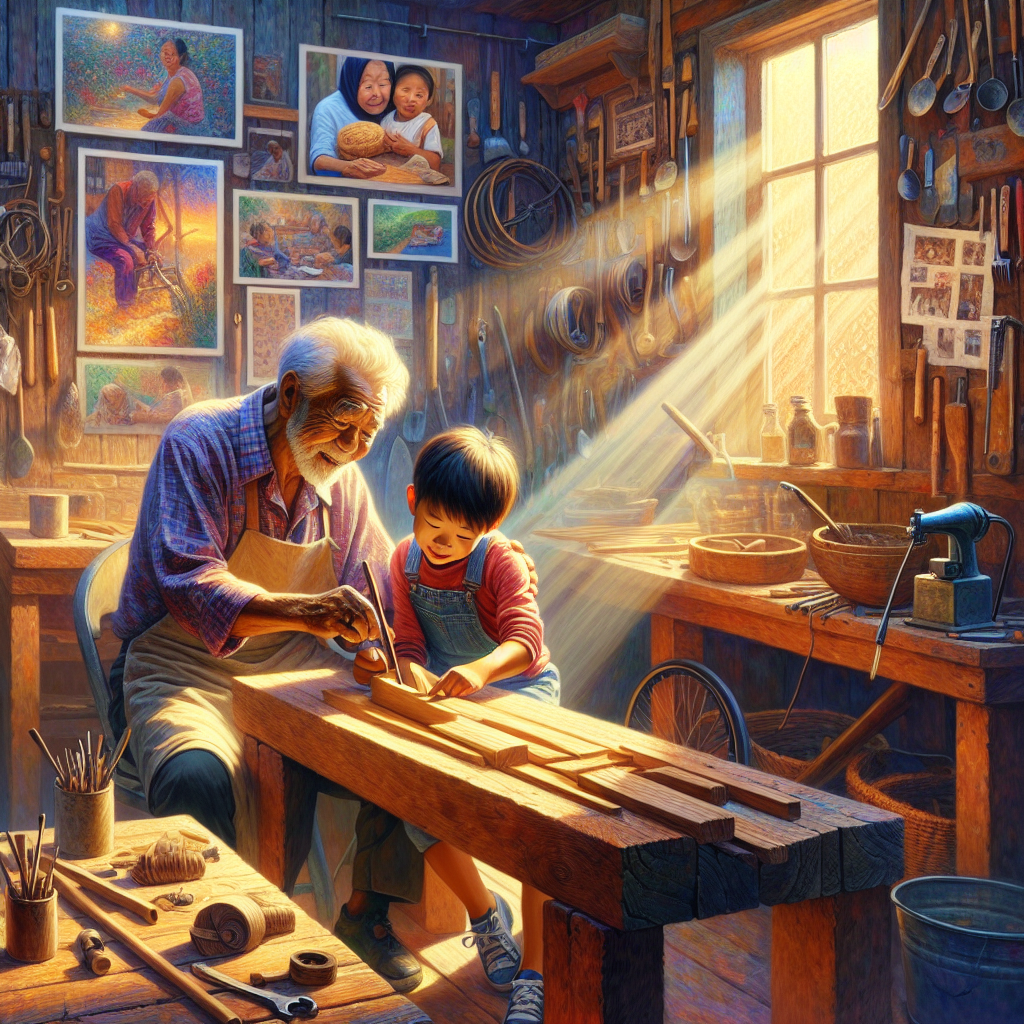
Poem
Checklist
Skill-Sharing Is the New Inheritance – A Checklist
Skill-Sharing Checklist: Empowering Generations Through Shared Knowledge
Heart Appeals (Emotional Connection)
_____ Reflect on a skill or story your family could have shared with you. What emotions does this evoke?
_____ Recall a memorable moment spent sharing skills with someone. How did it strengthen your bond?
_____ Consider the impact of your own stories—what legacy do you want to share with your loved ones?
Head Appeals (Rational Thought)
_____ Identify at least three skills you can share with others. How can sharing these skills lead to personal empowerment?
_____ List the practical benefits of skill-sharing (e. g. , cost savings, self-sufficiency). How can these benefits enhance your community?
_____ Analyze how skill-sharing fosters creativity and problem-solving within yourself and others.
Gut Appeals (Instinctive Feelings)
_____ Recognize a time when sharing a skill reignited a sense of purpose or passion in your life. How did it feel?
_____ Tune into the intuitive satisfaction gained from teaching or learning something new. What does this inspire you to do next?
_____ Assess your ethical responsibility in knowledge-sharing. What’s your gut feeling about hoarding knowledge versus sharing it?
Ethical Appeals
_____ Reflect on the impact of sharing skills in building community trust. How can you contribute to this?
_____ Consider the role that mentoring plays in your life. Are you fulfilling your ethical responsibility to guide others?
_____ Write down why it’s important to preserve and pass down family wisdom. What will you do to uphold this responsibility?
Authority Appeals (Credibility)
_____ Seek out mentors or experts in areas you wish to learn. Who can you approach for wisdom?
_____ Share your own journey as a skilled individual. How can your experience inspire others to start their skill-sharing journey?
_____ Research organizations in your community that promote skill-sharing initiatives. What can you learn from their practices?
Narrative Appeals (Storytelling)
_____ Create a narrative of your most valuable skill. What stories or experiences shaped your expertise?
_____ Reflect on the stories shared by family or mentors that taught you life’s lessons. How did these shape your worldview?
_____ Consider how the act of skill-sharing contributes to a larger narrative in your community. Begin drafting your own story to share.
Social Appeals (Community Engagement)
_____ Plan a skill-sharing workshop or event with friends, family, or neighbors. What skills will you teach and learn together?
_____ Identify community members whose skills you admire. Make a plan to connect with them for a skill exchange.
_____ Join local groups or clubs focused on skill-sharing. How can participation enhance your sense of belonging?
Use this checklist to explore the transformative power of skill-sharing and to cultivate meaningful connections across generations. Consider each point an invitation to actively engage and contribute to the legacy of shared knowledge.
Checklist
At LegacyExplorations, we help people plan and explore their legacy by collecting information and news regarding end-of-life planning.
Please share this post with your friends, family, or business associates who may want help to plan or explore their legacy.