

Empower Your Work: Create A Lasting Workflow
By Tom Seest
At LegacyExplorations, we help people plan and explore their legacy by collecting information and news regarding end-of-life planning.
Please share this post with your friends, family, or business associates who may want help to plan or explore their legacy.
Stop Switching Tools: Build a Legacy Workflow That Works
Every one of us has a legacy story that deserves to be told—one that isn’t constantly overhauled or abandoned for the latest tool or trend. Picture this: you wake up every day, excited to contribute to something larger than yourself. Your passion fuels your work, and your workflow becomes a trusted companion in this journey. But what happens when you shift gears too hastily, chasing after the new shiny object? You risk losing sight of your own narrative and purpose.
You’ve felt the weight of choice, haven’t you? Your heart races as you navigate an endless sea of apps and platforms, each promising simpler solutions and swifter success. But the reality is that every time you switch, you lose fragments of your story. It’s the difference between fleeting moments of productivity and a deep, resonant rhythm that guides your actions day in and day out. By committing to a legacy workflow, you’re not just opting for stability; you’re nurturing a foundation built on trust and authenticity.
Imagine the stories your team could share—challenges overcome, victories celebrated, and lessons learned—anchored in the shared experience of a workflow that works for everyone involved. This isn’t just about efficiency; it’s about creating a culture woven together by shared goals and mutual accountability. It’s about fostering relationships that allow you to lean on one another and forge connections that go beyond screens and schedules.
Now, let’s engage the mind and understand that a legacy workflow isn’t one-size-fits-all; it evolves. It adapts to the needs of your crew without losing sight of the core mission. When you’ve cultivated a system that resonates with your team, your effectiveness multiplies. You foster a sense of pride—ethical work that speaks to the values you cherish.
In a world obsessed with the next big thing, dare to be the exception. Stand firm in your commitment to your legacy story. Rally your team around a workflow that holds meaning, relevance, and histories that bind you together. You’ll find that when you work with intention and respect for your shared narrative, you’re not just building a workflow—you’re creating a legacy that inspires.

Stop Switching Tools: Build a Legacy Workflow That Works
Stop Switching Tools: Build a Legacy Workflow That Works
- Every individual possesses a unique legacy story that is significant and shouldn’t be discarded for fleeting trends.
- Engaging in work fueled by passion leads to a meaningful contribution beyond oneself.
- Chasing new tools can distort personal narratives and diminish purpose.
- Switching between apps and platforms can fragment your story, hindering sustained productivity.
- A legacy workflow fosters trust, authenticity, and a collaborative culture among teams.
- Such workflows are not rigid; they evolve with the needs of the team while maintaining core values.
- Committing to a legacy narrative creates a lasting impact, inspiring intentional and meaningful work.

Stop Switching Tools: Build a Legacy Workflow That Works
Table Of Contents
- Stop Switching Tools: Build a Legacy Workflow That Works
- How Often Do You Feel Frustrated With Tool Switching?
- What If A Stable Workflow Could Save You Time Every Week?
- Are You Ready To Invest In A Solution That Endures?
- How Does Constant Change Affect Your Team’s Morale And Productivity?
- What’s The True Cost Of Not Having A Consistent Workflow?
- How Would A Solid Workflow Impact Your Decision-Making Process?
- What Stories Of Success Can Inspire Your Journey To A Legacy Workflow?
- Conclusion
- Other Resources
- Glossary Of Terms
- Other Questions
- Haiku
- Poem
- Checklist
How Often Do You Feel Frustrated With Tool Switching?
Frustration—it creeps in, doesn’t it? When you find yourself hopping between tools, each designed to serve a purpose yet dragging you deeper into a quagmire of inefficiency. It’s that gut-wrenching feeling that can turn a promising day into a chaotic scramble. We’ve all been there, fighting our way through a sea of tabs, apps, and platforms, each one vying for your attention like kids in a candy store. It’s not just inconvenient; it’s a legacy storytelling of modern work life.
We start our day with ambitions high, armed with ideas that could spark a revolution in our projects. But as the minutes dissolve into hours spent switching gears—collecting files here, checking messages there—our original goals dissipate like early morning mist. You become your own worst enemy, navigating tools meant to liberate you but instead shackling you to more frustration.
Now, let’s think about this rationally. Studies suggest that context switching can cost us up to 40% of our productivity. That’s not just a statistic; that’s lost time, lost creativity, barely making a dent in what could be remarkable work. This isn’t just about efficiency; it’s about the gut-check reality that we’re all trading pieces of our focus and mental clarity for a perpetual game of whack-a-mole.
Yet, there’s a collective understanding that spans across industries; we’re all in this mess together. The tools may come and go, but the struggle of managing them? That’s universal. It fosters a camaraderie—shared stories—and an unspoken promise that we can do better. Together, we can advocate for streamlined tools that harness our energies rather than deplete them.
We need to stand up, voice our frustrations, and seek proficient solutions that not only simplify our lives but honor the work we’re trying to accomplish. As individuals and as a community, we must navigate these waters with ethical resolve, holding our productivity tools to a higher standard.
Imagine a world where switching doesn’t mean slowing down. A place where digital landscapes flow seamlessly, allowing our creativity to soar rather than lollygag over logistical nightmares. Trust that it’s possible, and let’s take that necessary step toward a more harmonious work environment. It’s time to move beyond mere survival with our tools and craft our legacy into one of innovation and creativity.

How Often Do You Feel Frustrated With Tool Switching?
How Often Do You Feel Frustrated With Tool Switching?
- Frustration arises from switching between various tools, leading to inefficiency.
- The initial high ambitions and ideas can be lost in the chaos of managing multiple platforms.
- Context switching can cost up to 40% of productivity, affecting creativity and focus.
- There is a universal struggle across industries regarding tool management.
- A collective camaraderie exists as people share stories of their frustrations with these tools.
- Advocating for streamlined tools can help harness energies instead of depleting them.
- Envision a seamless digital environment that enhances creativity and fosters innovation.

How Often Do You Feel Frustrated With Tool Switching?
What If A Stable Workflow Could Save You Time Every Week?
Imagine standing in the garage on a Saturday morning, surrounded by the tools of your trade. The sun casts warm rays through the window, illuminating years of projects, memories, and a little dust. You remember the days when time slipped through your fingers like grains of sand; continuous chaos, juggling deadlines, and chasing that ever-elusive work-life balance. Now, think about how a stable workflow could change that narrative. A good workflow isn’t just about efficiency; it’s about reclaiming time, restoring sanity, and allowing you to enjoy the fruits of your labor.
Tap into your legacy storytelling. We all have a story to tell about our careers—those moments of triumph, the epic failures, and the lessons learned along the way. A solid workflow can help you craft the next chapter of your story, one where each task contributes to the larger picture rather than feeling like an endless loop of busywork. Picture this: you finish your projects early, wrap up your to-do list, and still have time to share laughs with family or dive into that hobby you always put off. That’s not just a dream; it’s a reality within reach.
On a rational level, think about the numbers. Studies show that people who implement structured workflows not only save hours each week but also report higher job satisfaction. When everything has a place and purpose, you eliminate the wasted energy of scrambling around. You become a master of your own time, and they say time is money. So why not invest in a system that pays dividends in both?
Ethically speaking, consider the impact of your work. When you have control over your workflow, you can better serve your clients, produce quality work, and maintain a positive relationship with your colleagues. And there’s authority in that—others will notice, and you’ll be the go-to person everyone turns to for advice on streamlining their chaos.
Let’s foster connection in this hustle-heavy world. Nobody should feel isolated in their struggles. Sharing your victories and setbacks can inspire those around you. You’re not just improving your own life; you’re setting an example that can resonate beyond the walls of your workspace. So take that leap; invest the time in a stable workflow and transform your narrative. Embrace the possibility of living and working with intention, because you deserve it.

What If A Stable Workflow Could Save You Time Every Week?
What If A Stable Workflow Could Save You Time Every Week?
- Reflect on the impact of a stable workflow on reclaiming time and restoring sanity.
- Recognize that everyone has a story about their careers, shaped by successes and failures.
- A solid workflow can elevate your career narrative and contribute to meaningful outcomes.
- Implementing structured workflows can lead to time savings and increased job satisfaction.
- Control over your workflow helps you serve clients better and build positive relationships with colleagues.
- Sharing experiences can create connections and inspire others in their personal and professional journeys.
- Investing time in establishing a stable workflow can lead to a more intentional and fulfilling life.

What If A Stable Workflow Could Save You Time Every Week?
Are You Ready To Invest In A Solution That Endures?
When you think about investing in a solution that stands the test of time, consider not just the numbers, but the legacy—the legacy of innovation, hard work, and hope for a brighter future. Every great invention, every thriving community, has a story woven into its fabric. That legacy storytelling isn’t just about what came before; it’s about what we can create together moving forward.
Picture this: A small-town carpenter watches as his handcrafted furniture fills homes across the country. Years go by, and it’s no longer just about selling a product anymore. It’s about the families that gather around those dining tables, sharing meals, stories, and laughter. Each piece becomes part of a larger narrative—an investment in memories that endure long past any balance sheet can capture.
Now, let’s engage the head. Ask yourself: what does it truly mean to invest in a solution? It means considering sustainability, reliability, and potential returns—not just in the financial sense, but in the very way it shapes lives and builds communities. A smart investment goes beyond this quarter’s profits. It’s about supporting initiatives that are rooted in durability and integrity, where every dollar you spend feeds back into the community, fostering growth, rather than extracting life.
Then there’s the ethical dimension. In a world often driven by instant gratification, take a stand for long-lasting solutions that prioritize quality over quantity. Invest in companies that believe in transparency, sustainability, and ethical practices, those that are committed to producing not only for today but for generations. When you choose wisely, your choices ripple outward, affecting lives, environments, and economies.
Now, let’s talk about authority and trust. There are countless experts who can guide your decisions—reputable voices that have walked the path of sustainability and innovation. Listen to those who have come before and learn from their experiences. Their trials and triumphs provide invaluable insights into building a future that’s not just profitable but principled.
Finally, remember that we’re all part of a broader community. Your investment doesn’t stand alone—it becomes part of a collective effort to uplift and strengthen. So, the next time you contemplate making a choice, think about what that investment signifies. Ask yourself: are you ready to become part of a story that matters? One that resonates with the heart, challenges the head, and ignites the gut? The road ahead is waiting for those bold enough to walk it.

Are You Ready To Invest In A Solution That Endures?
Are You Ready To Invest In A Solution That Endures?
- Consider not just financial numbers, but the lasting legacy of innovation and hope.
- Great inventions and communities have narratives that reflect shared experiences.
- Investment transcends products; it fosters memories and family connections.
- Smart investing involves sustainability, reliability, and community impact.
- Support ethical companies prioritizing transparency and long-lasting solutions.
- Learn from industry experts to guide sustainable and principled investment choices.
- Your investment is part of a collective effort to strengthen communities; make choices that matter.

Are You Ready To Invest In A Solution That Endures?
How Does Constant Change Affect Your Team’s Morale And Productivity?
In today’s fast-paced world, where change feels more like a sprint than a stroll in the park, it’s essential to reflect on how this constant upheaval impacts our teams. The heart of this issue lies in understanding that every change—be it a new initiative, a policy shift, or a technological upgrade—carries with it a legacy. This isn’t just about adapting; it’s about storytelling. Each team member has their own story, their own reasons for showing up every day, and when change comes knocking, it often threatens to rewrite those narratives.
Picture this: a seasoned employee reflects on a decade spent building relationships and trust within the team. Suddenly, the landscape shifts, and they’re forced to confront new tools, new procedures, and even new colleagues. The gut punch of uncertainty can drain morale faster than a leaky bucket. It’s not just about the work; it’s about belonging, camaraderie, and shared history. When the status quo is continuously disrupted, the familiar threads that weave through these relationships begin to fray, leaving teams feeling fragmented instead of united.
Then there’s the rational side. Research consistently shows that stable environments boost productivity. When your team is bombarded with change after change, their focus can scatter, causing them to lose sight of their goals. They may become hesitant to innovate, fearing that their next great idea might be swept away in the whirlwind of transition. This isn’t just an emotional reaction; it’s rooted in the foundational principle of efficiency. If teams can’t think straight, they can’t act decisively.
Ethically, we owe it to our people to foster an atmosphere where change feels purposeful, not punishing. Be transparent about why changes are happening and invite your team into the conversation. Show them that their stories matter within this evolving narrative. Lead with empathy; listen to their concerns and celebrate their adaptability. Such measures can transform an unsettling process into an opportunity for growth, where each team member feels valued and understood.
Finally, reflect on the power of social connection. When teams navigate change together, sharing experiences and solutions, they strengthen their collective resilience. These moments can become milestones in their legacy—a testament to their perseverance, innovation, and unity. So, let’s embrace the narrative woven through our teams, crafting legacies that inspire trust and confidence, no matter how frequently the scenery shifts.

How Does Constant Change Affect Your Team’s Morale And Productivity?
How Does Constant Change Affect Your Team’s Morale And Productivity?
- In a fast-changing world, understanding the impact of constant upheaval on teams is essential.
- Each change carries a legacy, influencing individual stories and team dynamics.
- Disruption can drain morale and fragment relationships built on trust and camaraderie.
- Stable environments boost productivity, while continuous change scatters focus and stifles innovation.
- It’s important to foster purposeful rather than punishing change by being transparent and empathetic.
- Encouraging team discussions about change can help individuals feel valued and understood.
- Shared experiences in navigating change can strengthen resilience and build a legacy of unity.

How Does Constant Change Affect Your Team’s Morale And Productivity?
What’s The True Cost Of Not Having A Consistent Workflow?
Every day, businesses churn out work like a well-oiled machine, but there’s a hidden cost looming over those that don’t have a consistent workflow. Picture this: a hard-working team, hands stained with sweat, hustling to meet deadlines. Each spark of creativity falters as chaos creeps in, erasing the passion from the work that defines a company’s legacy. Storytelling is powerful; it frames narratives that linger in the minds of clients and customers. But without a solid workflow, those stories become muddied, lost in translation, and your legacy becomes a shadow of what could have been.
Rationally, consider the financial implications. Miscommunication, duplicated efforts, or missed deadlines don’t just lead to frustration; they lead to lost revenue. The countless hours spent wrestling with inefficiencies can be redirected toward innovation and growth. It’s simple math: gather your team around a steady flow, and suddenly, projects hit deadlines with precision. There’s both logic and ethics in this—creating an environment that values clarity and honor elevates everyone, not just the business but the people within.
Now let’s get to the heart and gut of the matter. Those chaotic moments often lead to burnout and frustration. Imagine the weight of a project that’s spiraling out of control, the tension palpable in the air. You’re working late, yet productivity is sliding through your fingers like grains of sand. That’s not just poor workflow; it’s the erosion of your team’s spirit. But when that team aligns under a consistent workflow, you witness transformation. Enthusiasm reignites; collaboration flourishes. It’s a simple switch that creates a rich and vibrant culture where creativity thrives.
And the beauty of a consistent workflow is its ripple effect on society. You become part of a community that values accountability, reliability, and respect. You’re not just building a team—you’re cultivating a legacy that other businesses will aspire to emulate. This is where impact and influence intersect. When clarity guides your team, stories are woven into the fabric of your organization, ensuring everyone is not just working for a paycheck but for something greater. So, reflect on the cost of chaos—both tangibly and intangibly—and embrace the power of a consistent workflow.

What’s The True Cost Of Not Having A Consistent Workflow?
What’s The True Cost Of Not Having A Consistent Workflow?
- Businesses face hidden costs without a consistent workflow, affecting productivity and morale.
- Chaos in work processes can hinder creativity and damage a company’s legacy.
- Miscommunication and inefficiencies result in lost revenue and squandered resources.
- A consistent workflow enables projects to meet deadlines with greater ease and efficiency.
- Improved workflow fosters a positive work culture, enhancing enthusiasm and collaboration.
- A reliable workflow cultivates a legacy that promotes accountability and respect within the community.
- Embracing clarity and structure helps teams work towards a greater purpose beyond financial gain.

What’s The True Cost Of Not Having A Consistent Workflow?
How Would A Solid Workflow Impact Your Decision-Making Process?
Imagine standing at the crossroads of a difficult decision, a moment where every choice feels heavy, like the weight of the world resting on your shoulders. Now, think about how a solid workflow could transform that daunting moment into a beacon of clarity. Picture this: you’ve established a process that not only organizes your thoughts but engages your emotions, guiding you through the decision-making labyrinth with confidence and purpose.
A well-defined workflow isn’t just a series of steps; it’s an essential framework that can help you sift through the chaos. By laying out the pros and cons, outlining the ethical implications, and acknowledging the emotional stakes, you’re not just making decisions; you’re crafting a legacy story. Each choice contributes to the tapestry of your life, weaving in the lessons learned and the relationships formed. Your legacy isn’t solely defined by monumental decisions but by the small, everyday choices that reflect your values and aspirations.
When a solid workflow is at play, it becomes a trusted ally in your decision-making arsenal. It appeals to your head—the rational assessment of facts and figures—while simultaneously respecting your heart, addressing those nagging feelings that often come into play. Your gut is the compass that leads you home, guiding you through uncertainty and fear, bringing you back to your core values. Imagine the trust you could build within yourself when every decision is backed by a methodical approach.
This isn’t merely about efficiency; it’s about connection. An effective workflow opens a dialogue within you, inviting you to engage with your fears, hopes, and dreams. It creates a safe space where you can explore the implications of your choices, not just for yourself but for those around you. What would it look like if your decisions were made with the conscious thought of how they impact your community? By considering the social and ethical ramifications, you not only strengthen your decisions but reinforce your place within the fabric of those around you.
In a world that often feels chaotic and uncertain, embracing a solid workflow can empower you. It invites you to face each decision with confidence, brings clarity to your thought process, and connects you to the bigger picture of your life’s narrative. When you unlock that potential, every choice you make becomes an opportunity to inspire, connect, and leave a lasting mark—your legacy.

How Would A Solid Workflow Impact Your Decision-Making Process?
How Would A Solid Workflow Impact Your Decision-Making Process?
- Standing at a crossroads of difficult decisions can feel overwhelming.
- A solid workflow transforms decision-making into a process of clarity and organization.
- Well-defined workflows help lay out pros and cons, ethical implications, and emotional stakes.
- Your legacy is shaped by both monumental and everyday choices reflecting your values.
- A good workflow serves as an ally, balancing rational thought and emotional insight.
- Effective workflows encourage reflection on the social and ethical impacts of decisions on the community.
- Embracing a solid workflow empowers you to face decisions confidently and thoughtfully, enhancing your life narrative.

How Would A Solid Workflow Impact Your Decision-Making Process?
What Stories Of Success Can Inspire Your Journey To A Legacy Workflow?
Every great legacy begins with a simple story—a moment of realization that what you do today can echo through time. Think about it: every single story of success stems from someone who decided that their life’s work deserved to be remembered, shared, and cherished. When we talk about Legacy Storytelling, we’re not just invoking the past; we’re igniting a fire within all of us to leave something meaningful behind. This journey is not just about individual triumphs; it’s about the connection we forge with others, the relationships that shape our paths, and the shared values that resonate through generations.
Take the tale of an ordinary farmer. With calloused hands and a worn-out plow, he sowed seeds not just in the soil but in the hearts of his community. His harvest wasn’t just grain—it was the foundation of a neighborhood that grew together, united by hard work and shared struggles. This is a testament to the fact that success doesn’t always scream but often whispers through quiet acts of kindness, tenacity, and commitment. The authenticity of his journey reminds us that Legacy Storytelling is deeply rooted in the everyday heroism of life.
Now, let’s engage our heads and hearts. These are not just stories to admire; they are blueprints for action. When you hear about the teachers who dedicate themselves to shaping future leaders, or the entrepreneurs who innovate against all odds, it’s easy to feel the spark of inspiration. They remind us that the journey is as important as the destination—that your legacy might be born from the tough decisions and sacrifices you make along the way. It’s about knowing that your actions today influence the stories that will be told tomorrow.
And here’s the kicker: your story matters just as much. You don’t need a grand stage or a million followers to create a legacy worth sharing. Whether it’s the kindness shown to a stranger, the skill passed on to a young apprentice, or the wisdom you impart to your children, these are the threads that weave the rich tapestry of a lifetime. Each small act of courage, each moment of connection, forms the bedrock of Legacy Storytelling. Embrace your journey, nurture those stories, and watch how they inspire others to craft their own legacies. Let’s make our lives not just tales of success but powerful narratives that resonate for years to come.
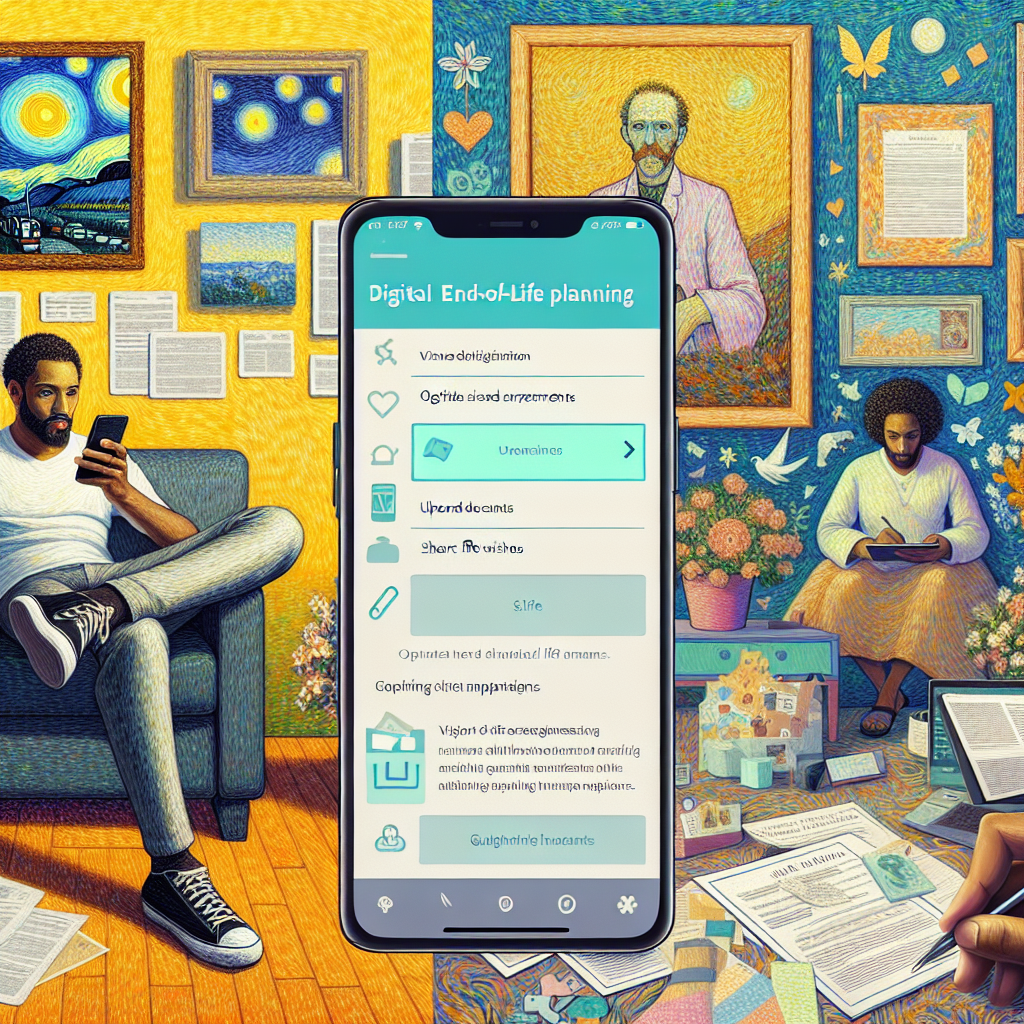
What Stories Of Success Can Inspire Your Journey To A Legacy Workflow?
What Stories Of Success Can Inspire Your Journey To A Legacy Workflow?
- Every great legacy starts with a story that emphasizes the impact of today’s actions on the future.
- Legacy Storytelling goes beyond the past, inspiring individuals to leave meaningful contributions behind.
- Success stories arise from connections, relationships, and shared values across generations.
- An ordinary farmer’s journey illustrates that success comes from quiet acts of kindness and commitment.
- Stories of dedication, such as teachers and entrepreneurs, serve as blueprints for taking action in our own lives.
- Your personal story is significant; impactful legacies can come from small, everyday actions.
- Embracing and sharing your journey can inspire others to create their own meaningful legacies.

What Stories Of Success Can Inspire Your Journey To A Legacy Workflow?
Conclusion
Every one of us has a legacy waiting to be built—a story yearning to unfold, woven through the threads of our heartfelt pursuits. The constant temptation to swap tools, to chase fleeting trends, often leads us into a chaotic cycle where our narratives fade into the background. It’s time to embrace a legacy workflow not merely as a system of efficiency, but as a lasting commitment to authenticity and purpose in our work.
Picture this: you wake each day, fueled by passion and a shared mission within your team. You’re not just executing tasks; you’re crafting a rich narrative filled with triumphs, setbacks, and invaluable lessons. But when you succumb to the lure of change, each switch pulls you further away from that collective story, fracturing the sense of connection that defines your team. Relying on a stable workflow isn’t just about productivity; it’s about nurturing a culture that thrives on shared goals and mutual respect.
Engage your mind for a moment. Entering a legacy workflow means fostering an environment that evolves—customizing it to meet the intricate needs of your crew while maintaining a clear focus on your mission. This approach brings about not just a sense of pride, but ethical clarity, enhancing the quality of work that resonates with the values we hold dear.
But that’s where the rubber meets the road. It’s rational: teams succeed when stability drives focus. It’s emotional: morale plummets amid constant changes, while a solid workflow fosters connection and collaboration. The gut check is simple—chaos eats creativity for breakfast. If we don’t anchor ourselves in a structured system, we risk drowning in inefficiency.
Communities thrive when each of us is invested in solutions that endure. Think of the carpenter whose handcrafted furniture connects families over shared meals—your contributions can shape similar legacies, reinforcing not just individual success, but collective growth.
The costs of chaotic processes, both financial and spiritual, emphasize why we must invest in clarity. When team members resonate with their roles—when they hold their narratives with pride—something beautiful happens. Enthusiasm reignites, collaboration flourishes, and legacies shape the very fabric of our organizations.
So I invite you: declare your commitment to a legacy workflow. Train your tools to serve your narrative and, in turn, empower your story. What kind of legacy will you leave behind? The time to make a meaningful impact is now, and your journey starts with the first step—embracing the enduring value of a steadfast path forward.

Conclusion
Conclusion:
- Everyone has a legacy waiting to be built through heartfelt pursuits.
- Frequent changes can lead to chaos, causing narratives to fade.
- A legacy workflow represents a commitment to authenticity and purpose in work.
- Stability in workflow fosters connection and collaboration within teams.
- A legacy workflow evolves to meet team needs while maintaining a clear mission focus.
- Investing in clarity combats chaos and encourages enthusiasm and collaboration.
- Embrace a legacy workflow now to make a meaningful impact and shape your narrative.

Conclusion
Other Resources
Other Resources
Here is a list of other resources you can review online to learn more:
- Geneanet
- NoLo
- USLegalWills.com
- Forever Missed
- Cake
- Tributes
- LastPass
- Obituary Templates
- Knotify.me
- FamilySearch
- LifeBio
- FuneralWise
- LifeWeb 360
- Ever Loved
- LifeSite
- How To Write Legacy Stories That Appeal To The Heart, Gut and Head
- MyMoriam
- APH
- WishesKeeper
Use This Prompt To Get More Resources With Your Favorite Online AI Tool: Please provide me with a list of online articles with their URLs in a bulleted list that I can read regarding Stop Switching Tools: Build a Legacy Workflow That Works

Other Resources
Glossary Terms
Stop Switching Tools: Build a Legacy Workflow That Works – Glossary Of Terms
1. Workflow: A structured sequence of tasks or processes designed to achieve a specific outcome.
2. Legacy Workflow: A long-established approach to managing tasks that has proven effective over time.
3. Tool Fatigue: The exhaustion or frustration resulting from frequently switching between different tools and software.
4. Integration: The process of combining different tools or systems to work together seamlessly.
5. Automation: The use of technology to perform tasks with minimal human intervention, streamlining processes.
6. Efficiency: The ability to accomplish tasks with minimal wasted resources, including time and effort.
7. Consistency: Maintaining uniformity in processes to enhance reliability and predictability.
8. Optimization: The process of making a system or workflow as effective and functional as possible.
9. Scalability: The capacity of a workflow or tool to handle growing amounts of work or accommodate growth.
10. User Experience (UX): The overall experience a user has when interacting with a product or system.
11. Feedback Loop: A system that incorporates user and process feedback into continuous improvement efforts.
12. Customization: The ability to modify tools or processes to better fit specific needs or preferences.
13. Collaboration: Working together with others to achieve a common goal, often facilitated by digital tools.
14. Documentation: Written records that outline processes, workflows, and procedures for future reference.
15. Project Management: The discipline of planning, executing, and overseeing projects to achieve particular objectives.
16. Version Control: A system for managing changes to documents, software code, or other collections of information.
17. Data Migration: The process of transferring data between storage types, formats, or systems.
18. Task Management: The process of managing a task through its lifecycle, from planning to execution.
19. Productivity: The measure of how efficiently a person can complete tasks and produce results.
20. Stakeholder: An individual or group with a vested interest in the outcome of a project or workflow.
21. Strategy: A plan of action designed to achieve specific goals or outcomes efficiently.
22. Interoperability: The ability of different systems and tools to exchange and make use of information.
23. Best Practices: Proven methods or techniques that consistently lead to desired results in a given field.
24. Change Management: A systematic approach to dealing with transitions or transformations within an organization.
25. Simplicity: The quality of being easy to understand or use, often a goal in workflow design.
26. Prototyping: The process of creating preliminary models of a system or workflow for testing and feedback.
27. Analytics: The systematic computational analysis of data to gain insights for decision-making.
28. Prioritization: The process of arranging tasks or items in order of importance or urgency.
29. Engagement: The level of interest and commitment that users show towards a tool, workflow, or organization.
30. Resilience: The ability of a workflow or system to adapt to changes or disruptions effectively.

Glossary Of Terms
Other Questions
Stop Switching Tools: Build a Legacy Workflow That Works – Other Questions
If you wish to explore and discover more, consider looking for answers to these questions:
- What are the key components of an effective legacy workflow?
- How can I identify the tools that best fit my workflow needs?
- What strategies can I use to prevent frustration from tool switching?
- How do I measure the effectiveness of a legacy workflow?
- What are some examples of successful legacy workflows in different industries?
- How can I engage my team in creating a shared workflow?
- What are the long-term benefits of a consistent workflow on team dynamics?
- How does team morale correlate with stability in workflows?
- What methods can I use to assess the impact of constant change on productivity?
- How can a solid workflow improve client relationships and project outcomes?
- What role does communication play in establishing a legacy workflow?
- How can I ensure my workflow evolves with my team’s needs?
- What steps can be taken to recover from the negative effects of poor workflow?
- How do ethical considerations shape my workflow choices?
- What impact does a legacy workflow have on work-life balance?

Other Questions
Haiku
Stop Switching Tools: Build a Legacy Workflow That Works – A Haiku
Stable workflows forge
Legacies from chaos—
Stories bind us tight.

Haiku
Poem
Stop Switching Tools: Build a Legacy Workflow That Works – A Poem
In a world awash with choices bright,
We chase the gleam, lose our guiding light,
Amidst a myriad of tools we seek,
Yet in the switch, our stories grow weak.
Awaken each dawn with purpose anew,
Craft a legacy in all that we do,
A workflow that nurtures, a rhythm that binds,
Where passion and purpose entwine in our minds.
Experience whispers in every lesson,
Through shared struggles, we find our connection.
Imagine communities where trust shall reign,
Where every task feeds a story, not pain.
Rational minds reveal lost time in swaps,
Productivity slips, like sand, it drops.
Emotions entwined in decisions we make,
A solid workflow, the path we must take.
Ethically sound, our choices reflect,
The values we hold, the lives we protect.
With clarity guiding, we elevate all,
Fueling connection, answering the call.
Picture the narratives that spring from the heart,
Each challenge and triumph knows its part,
Let legacy be woven through every endeavor,
An enduring impact, inspiring forever.
So gather your team, embrace the unfold,
In the stories you craft, let the future be told.
Stand firm in commitment, let insights ignite,
Together we’ll flourish, in work and in light.

Poem
Checklist
Stop Switching Tools: Build a Legacy Workflow That Works – A Checklist
Legacy Workflow Checklist
Heart
_____ Reflect on Your Legacy: Spend a few minutes writing down what successes and values you want to be remembered for in your work.
_____ Nurture Connections: Identify team members you’d like to connect with more deeply and plan a one-on-one conversation.
_____ Share Success Stories: Create opportunities to celebrate team accomplishments, whether big or small.
Head
_____ Evaluate Current Tools: List all tools currently in use and assess their effectiveness on a scale of 1-10.
_____ Identify Pain Points: Write down frustrations you have with switching tools and brainstorm solutions.
_____ Document Workflows: Create a flowchart of your current workflow to identify inefficiencies.
Gut
_____ Trust Your Instincts: When faced with a decision, pause and reflect on what your gut feeling is telling you.
_____ Monitor Team Morale: Check in with team members about how constant changes are impacting their morale and productivity.
_____ Set Realistic Goals: Establish three small, actionable goals that can be achieved this week to build confidence and momentum.
Emotional Appeal
_____ Create a Shared Vision: Gather your team to co-create a vision board that visualizes your shared goals and collective legacy.
Rational Appeal
_____ Research Best Practices: Look into successful case studies or white papers that highlight the importance of stable workflows in enhancing productivity.
Ethical Appeal
_____ Establish Ground Rules: Develop guidelines for tool usage that emphasize transparency, collaboration, and ethical practices.
Authority Appeal
_____ Consult Experts: Identify at least one thought leader or expert in workflow optimization and seek their insights or advice.
Narrative Appeal
_____ Craft Personal Narratives: Spend time writing personal narratives about significant lessons learned in your work journey and how they shaped your professional identity.
Social Appeal
_____ Foster Community: Organize regular team check-ins or social gatherings to strengthen relationships and build camaraderie in your workplace.
Checklist
At LegacyExplorations, we help people plan and explore their legacy by collecting information and news regarding end-of-life planning.
Please share this post with your friends, family, or business associates who may want help to plan or explore their legacy.