

Exploring Our Roots: How Synthetic Reality Redefines Family Bonds
By Tom Seest
At LegacyExplorations, we help people plan and explore their legacy by collecting information and news regarding end-of-life planning.
Please share this post with your friends, family, or business associates who may want help to plan or explore their legacy.
Synthetic Reality and Family History
In our rapidly advancing world, where technology seems to outpace our ability to comprehend it, we often overlook the power of our roots. Synthetic reality invites us to blend the digital with the tangible, crafting experiences that transcend mere existence. Imagine the walls of your home adorned not just with photographs but with interactive displays that tell your family’s legacy story, capturing moments that define who you are.
Consider how your ancestors’ experiences mirror the struggles and triumphs of today. Each life lived forms a thread in a larger tapestry, each story woven through time providing us not only context but also a sense of belonging. Legacy storytelling, in this synthetic landscape, can bring to life the narratives that have shaped families for generations. It’s not just about technology; it’s about thickening the plot, creating a connection that stretches across time and space, grounding us in a history that is both personal and profound.
In this case, synthetic reality becomes a tool for emotional exploration. Picture reviving family gatherings through virtual reality, where laughter and memories are shared, allowing younger generations to interact with their forebears in ways that once seemed impossible. This isn’t mere nostalgia; it’s a powerful reminder of our shared humanity. It arms us with wisdom, fostering a greater understanding of the lives that preceded us, pushing us to become better, not just for ourselves, but for those who come after.
Yet, with every technological advance, ethical considerations arise. As we navigate this synthetic terrain, we must ensure that the stories told respect the lives and legacies of those involved. It’s essential that we approach these narratives with reverence, honoring the truth while maintaining an authentic connection to our familial past. That’s where authority comes from—recognizing the weight of the stories entrusted to us.
As we embrace this new world, let us not forget that every legacy is an invitation to reflect on our shared experiences. When we engage with our family history through synthetic reality, we optimize our understanding of what it means to belong. It’s about creating bonds, sharing joys and sorrows, and building bridges between generations. So, step into this domain, where history breathes life, and allow your family’s narrative to influence who you are today. Embrace your legacy; it’s a story worth telling.
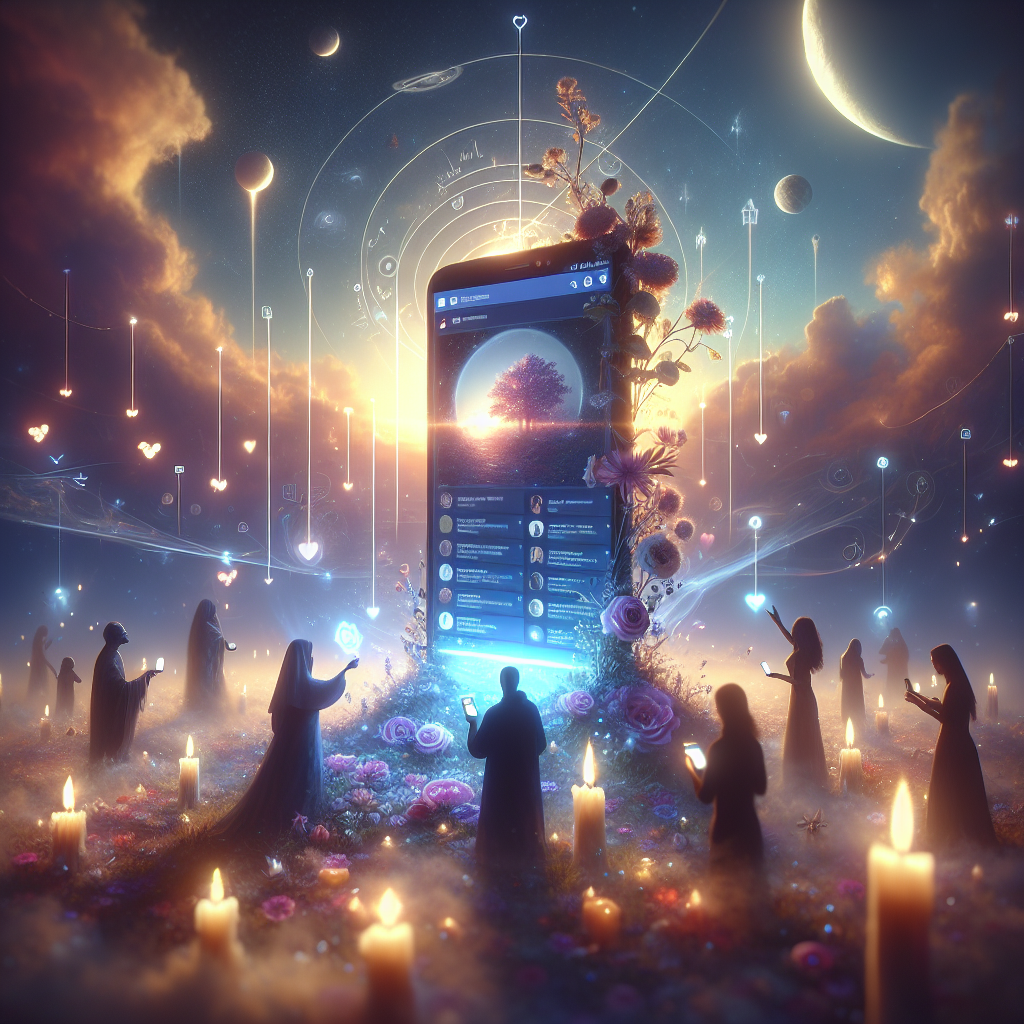
Synthetic Reality and Family History
Synthetic Reality and Family History
- Technology advances rapidly, often overshadowing the significance of our roots.
- Synthetic reality blends the digital and tangible, enhancing legacy storytelling.
- Interactive displays can showcase family histories, enriching personal narratives.
- Each ancestor’s story contributes to a collective tapestry of experiences.
- Synthetic reality fosters emotional connections and shared humanity through virtual experiences.
- Ethical considerations must guide the storytelling process to honor familial legacies.
- Engaging with family history through technology strengthens bonds across generations.

Synthetic Reality and Family History
Table Of Contents
- Synthetic Reality and Family History
- What Impact Does Synthetic Reality Have on Our Family Bonds?
- Can Synthetic Experiences Replace Real Family Interactions?
- How Do Family Histories Shape Perceptions Of Synthetic Realities?
- What Ethical Dilemmas Arise From Altering Family Memories?
- How Can Synthetic Reality Enhance Our Understanding Of Ancestry?
- How Do We Navigate Trust In Synthetic Family Narratives?
- Can Synthetic Reality Help Us Connect with Lost Family Heritage?
- Conclusion
- Other Resources
- Glossary Of Terms
- Other Questions
- Haiku
- Poem
- Checklist
What Impact Does Synthetic Reality Have on Our Family Bonds?
In a world where synthetic reality has woven itself into the fabric of everyday life, the dynamics of family bonds are both challenged and enriched. Imagine sitting together as a family, each engaged not with one another, but with virtual experiences that blur the lines between what’s real and what’s constructed. This is the new normal. Yet, amidst this digital haze, the essence of human connection still yearns to be nurtured.
Legacy storytelling has been an anchor through generations, where families gather not just to recount tales, but to share a lineage, values, and lessons learned. These stories fortify our identities, allowing us to understand where we come from and the paths laid out before us. Sadly, in our synthetic world, these moments can be overshadowed by pixelated distractions. We risk losing the art of sharing, the warmth of a voice telling tales of bravery, love, and resilience.
Consider for a moment the heart of your family. It’s built on memories, shared laughter, and even the tears that show our vulnerabilities. When we substitute these rich, experiential moments with synthetic alternatives, we run the risk of creating emotional distance. The gut feeling that tells us something is amiss might be right; it often is. A family where members inhabit digital realms instead of engaging with each other can find its foundation eroded.
Rationally speaking, we need to ask ourselves: what is the cost of convenience? As the allure of synthetic experiences grows, we must be vigilant stewards of our familial connections. By embracing a balanced approach, we can enjoy the best that technology offers while not letting it supplant our core values. Ethical considerations come into play here—are we giving precedence to screens over the smiles of the ones we love?
We have the power to choose how we engage with synthetic realities. Let’s embrace tools that promote connection rather than isolation. Share meals together, tell your family’s legacy story, and embrace the discomfort that might come from face-to-face interactions after spending too long in a synthetic space.
Building a future where synthetic reality coexists with genuine bonds can be transformative. Each thoughtful decision strengthens the ties that bind us. Trust and confidence grow when we prioritize our connections, ensuring our family’s story continues to resonate through generations.

What Impact Does Synthetic Reality Have on Our Family Bonds?
What Impact Does Synthetic Reality Have on Our Family Bonds?
- Synthetic reality influences family dynamics, creating both challenges and enrichment.
- Families increasingly engage with virtual experiences, diminishing direct human interaction.
- Legacy storytelling holds value in sharing lineage, values, and lessons learned.
- There is a risk of losing the art of storytelling due to distractions from technology.
- Emotional distance can grow when experiential moments are replaced by synthetic alternatives.
- A balanced approach to technology is necessary to preserve core family values.
- Intentional engagement can strengthen familial bonds and maintain family narratives for future generations.

What Impact Does Synthetic Reality Have on Our Family Bonds?
Can Synthetic Experiences Replace Real Family Interactions?
In a world increasingly dominated by technology, the question looms large: can synthetic experiences replace real family interactions? As we dive into this question, it’s essential to reflect on the powerful role family plays in shaping who we are. Our legacy is often defined by the stories we share—the moments filled with laughter, tears, and lessons learned. These are more than just memories; they are the threads that weave our identities.
Picture a family gathered around the dinner table, the aroma of home-cooked meals filling the air. It’s in these moments that legacy storytelling comes to life, where anecdotes reveal wisdom passed down through generations. This connection nurtures not only love but also resilience, and it’s something that digital interactions simply cannot replicate. Sure, synthetic experiences can offer convenience—virtual gatherings and apps designed to simulate connection can keep us linked across vast distances. However, they can fall short in fostering the raw emotional bond that occurs in face-to-face interactions, the kind that resonates deeply with our hearts and guts.
Rationally speaking, psychological studies underline that in-person interactions bolster mental well-being and emotional safety. Real conversations allow us to grasp the nuances of body language and tone, elements that video calls and messaging fail to convey. When a family gathers in person, each member feels a sense of belonging, an affirmation that they are part of something larger than themselves—an intricate web of shared history and mutual support.
Ethically, we must consider what we stand to lose in this digital age. Authenticity is sacrificed when we replace real interactions with synthetic ones; the integrity of our connections diminishes. A family that opts for digital over personal is a family that may grow distant, losing the essence of what it means to be together.
But it’s not just about ethics; it’s about action. We have the power to choose connection over convenience. Embrace the discomfort of in-person gatherings, the messy, beautiful reality of shared lives. When we prioritize these moments, we not only create lasting traditions but reinforce the very narratives that shape our family’s legacy. Together, let’s commit to fostering those connections—because true family interaction is irreplaceable and forms the foundation of trust and love that we all seek. The question isn’t just if synthetic can replace real; it’s about why we would ever want it to.

Can Synthetic Experiences Replace Real Family Interactions?
Can Synthetic Experiences Replace Real Family Interactions?
- The prevalence of technology raises concerns about synthetic experiences replacing real family interactions.
- Family plays a crucial role in shaping identity through shared stories and experiences.
- In-person gatherings foster emotional connections and resilience that digital interactions cannot replicate.
- Psychological studies highlight the importance of in-person interactions for mental well-being and emotional safety.
- Authenticity and integrity of family connections may diminish with an over-reliance on digital communication.
- Choosing in-person gatherings reinforces family legacy and creates lasting traditions.
- True family interaction is essential for building trust and love, emphasizing the value of real connections over convenience.

Can Synthetic Experiences Replace Real Family Interactions?
How Do Family Histories Shape Perceptions Of Synthetic Realities?
Family histories act as a lens through which we view the world, shaping our perceptions of synthetic realities in profound ways. The stories passed down through generations—those woven into the fabric of our identities—serve as both a grounding force and an unsettling reminder of how much of our reality is constructed. When you think about legacy storytelling, consider the narratives that define us, influencing our choices, values, and relationships with technology and artificial constructs.
For many, these stories are rich with emotion and wisdom, packed with the struggles and triumphs of those who preceded us. They remind us that our experiences, whether authentic or synthetic, can resonate deeply with the core of who we are. We might remember a grandparent’s tales of resilience during tough times, instilling a sense of ethical responsibility towards future generations. Those narratives resonate today, making our current choices about technology deeply personal. They pull at our heartstrings, reminding us that amid synthetic realities, we must remain true to our human experiences.
Logically, how we perceive these synthetic constructs is influenced by what we’ve learned. For instance, if we were raised in a family that embraced technological advancements with skepticism, we might find ourselves questioning the authenticity of the very tools that connect us. This dichotomy—embracing innovation while fearing its implications—is a constant tug-of-war rooted in our histories. Each family member’s story is a thread in this tapestry, telling us what is valuable and what is to be questioned.
Consider the narrative of a family who cherished face-to-face interactions over digital communication. This may foster a healthy skepticism about the increasingly synthetic interactions that now dominate our lives. It prompts us to think critically about how much of our lives we want to model after the constructs we create. This isn’t just a matter of preference; it’s about connection. Our ability to engage with both the analog and the digital realms is informed by our past.
Ultimately, the intersection of family history and synthetic realities calls for a conscious choice: to honor our legacies while navigating the brave new world ahead. It’s a call to action to cultivate narratives that respect the past while embracing the future, ensuring that technology serves us rather than defines us. In doing so, we can foster a more authentic connection to both our heritage and the shifting landscape of reality.

How Do Family Histories Shape Perceptions Of Synthetic Realities?
How Do Family Histories Shape Perceptions Of Synthetic Realities?
- Family histories shape our perception of synthetic realities, influencing identity and values.
- Legacy storytelling conveys emotional wisdom and ethical responsibility passed through generations.
- Narratives evoke personal connections to technology, reminding us of human experiences.
- Perceptions of technology are shaped by family attitudes, creating a dynamic between skepticism and acceptance.
- Healthy skepticism toward synthetic interactions can stem from valuing face-to-face communication.
- The engagement with analog and digital realms is informed by our familial pasts.
- The intersection of family history and synthetic realities necessitates honoring legacies while embracing future technologies.

How Do Family Histories Shape Perceptions Of Synthetic Realities?
What Ethical Dilemmas Arise From Altering Family Memories?
When we talk about family memories, we’re diving into the rich tapestry that weaves our lives together—a legacy storytelling woven from laughter, tears, and shared experiences. These memories are not just snapshots; they are the foundation upon which our identities are built. But what happens when the urge to edit, enhance, or simply alter these cherished recollections arises?
Imagine a family gathering, full of joy and warmth. One member recalls an event differently, perhaps not out of malice but out of a desire to elevate the narrative. Suddenly, the truth feels like a fluid concept, shaped more by preferences than by reality. This is where the ethical dilemmas surface. Altering memories might feel harmless, even beneficial at times—perhaps smoothing over past conflicts—but at what cost?
We wrestle with the notion of authenticity. Isn’t the beauty of our memories tied intrinsically to their imperfections? When we sanitize the stories of our lives, we might inadvertently strip them of their emotional weight. These are the tales that remind us of who we are, not just as individuals but as part of a greater whole. When we tweak these narratives, do we risk losing the very essence of what binds us together?
Rationally, the act of memory alteration may seem innocuous. After all, who wouldn’t want to present their lives in the best possible light? Yet, when we take the wheel of memory, we’re stepping into murky ethical waters. Our recollection of history is not just personal; it is also social, impacting relationships and the collective view of our family legacy. Altered memories can fracture trust, throwing a wrench into the delicate machinery of familial bonds, leading to rifts that echo through generations.
Furthermore, the intersection of technology and memories adds another layer of complexity. With advancements that allow us to curate and create memories, do we risk creating a fabricated legacy—one that may look good on paper but feels hollow in our hearts? The allure of crafting an ideal legacy can overshadow the messy, beautiful truth of living.
Ultimately, the power of memory lies not in its perfection but in its honest representation of our journey. It’s this authenticity that fosters real connection—where our stories resonate and inspire both in the living room and beyond. As we navigate this landscape, we must ask ourselves: Which legacy do we truly want to leave behind? One that is marred by alterations, or one that embraces the raw, unfiltered essence of who we are?

What Ethical Dilemmas Arise From Altering Family Memories?
What Ethical Dilemmas Arise From Altering Family Memories?
- Family memories form a rich tapestry that defines our identities through shared experiences.
- Altering memories can lead to ethical dilemmas, as truth becomes subjective and shaped by preferences.
- The beauty of memories lies in their imperfections, which can be lost through sanitization.
- Memory alteration can fracture trust and impact family relationships, leading to generational rifts.
- Technological advancements allow for curated memories but may result in a fabricated legacy.
- Authenticity in memories fosters genuine connections and inspires sharing within families.
- We must consider the legacy we want to leave—one based on alterations or one embracing our true selves.

What Ethical Dilemmas Arise From Altering Family Memories?
How Can Synthetic Reality Enhance Our Understanding Of Ancestry?
In a world where we often feel disconnected from our roots, synthetic reality emerges as a bridge, linking us to our ancestral past in ways that traditional methods simply cannot achieve. Imagine standing in a vibrant digital recreation of your grandmother’s kitchen, breathing in the scents of her favorite recipes, and hearing her laughter as she tells tales of resilience and love. This isn’t just technology; it’s legacy storytelling at its finest. It allows us to engage with our heritage on a deeply emotional level, rekindling memories and weaving narratives that form the fabric of who we are.
Synthetic reality doesn’t just entertain; it educates. Delving into our ancestry through digital reconstructions offers a rational understanding of our family history. Data can paint the picture of where we came from—migration patterns, life experiences, cultural shifts. This will not only pique our intellectual curiosity but also give us insights into the challenges and triumphs faced by those who came before us. Such knowledge fosters a strong sense of identity and purpose, inspiring us to carry the torch of our heritage into the future.
Moreover, the ethical implications of synthetic reality in ancestry research cannot be overlooked. As we navigate through our family’s past, we confront the complexities of history—stories of struggle, triumph, and sacrifice. This process not only enriches our understanding but also cultivates empathy for those who walked a different path. It invites us to learn from their experiences, building a more compassionate world as we honor their legacies.
Engagement with this technology enables collaboration across generations. Grandparents can share stories with grandchildren in immersive environments, creating bonds and instilling values. This social interaction fosters a communal sense of belonging. As family members gather to explore their digital history, it encourages discussions that may have remained dormant, breathing life into the stories that define us.
It’s time to embrace synthetic reality as a tool not just for personal exploration but as a means to foster connection with those who came before us. This technology empowers us to understand our ancestry in a profound way, transforming data into stories that resonate in the heart, stimulate the mind, and stir the gut. As we embark on this journey, we are reminded that history is not just dates and events; it is the passionate legacy storytelling of every soul that came before us.

How Can Synthetic Reality Enhance Our Understanding Of Ancestry?
How Can Synthetic Reality Enhance Our Understanding Of Ancestry?
- Synthetic reality connects us to our ancestral past in ways traditional methods cannot.
- It offers an emotionally engaging experience, revitalizing memories and narratives of heritage.
- Technology aids in understanding family history through data on migration, experiences, and culture.
- Insights gained foster a strong sense of identity and purpose, encouraging us to honor our heritage.
- Exploring ancestry through synthetic reality cultivates empathy for historical struggles and triumphs.
- This technology promotes intergenerational collaboration, creating bonds and encouraging value sharing.
- Embracing synthetic reality enhances our understanding of history as personal, rich storytelling.

How Can Synthetic Reality Enhance Our Understanding Of Ancestry?
How Do We Navigate Trust In Synthetic Family Narratives?
Navigating trust in synthetic family narratives requires more than just a good story; it demands an understanding of our shared human experience. Legacy storytelling is where the heart of this journey lies. These narratives, woven from a mix of truths, emotions, and aspirations, form bonds that transcend time and space, giving us the opportunity to connect not just with the past, but with one another.
Consider the very essence of what it means to belong. Family isn’t always defined by blood; sometimes, it’s forged through shared experiences and mutual understanding. When synthetic models aim to represent these relationships, they walk a delicate line between authenticity and artifice. It’s crucial to ask: what stories are being told, and who is telling them? Authenticity lends authority to these narratives. The voices behind them must resonate with genuine experiences that echo the complexities of real life. We must foster an environment where these stories can flourish, promoting transparency while respecting the emotional weight they carry.
Emotional appeal is paramount. The stories we share should reflect our joys, struggles, and triumphs. They remind us of our common humanity. Think of the moments that shape us—a father teaching his child to ride a bike, a grandmother sharing wisdom over a warm meal. These are not just tales; they are touchstones of our existence, holding the power to evoke empathy and understanding. We find ourselves in these narratives and that connection can breed trust.
Yet, the head and gut must also be engaged. Rationality plays a role: we question why certain stories resonate more than others. What elements make these narratives compelling? Are they constructed with integrity, backed by research and real accounts? It’s critical to examine the sources we trust, understanding that the best stories are often rooted in factual experience along with the emotional.
In this digital age, as we encounter more synthetic representations, the challenge is to distinguish between the genuine and the manufactured. Instead of retreating into skepticism, we need to embrace a discerning openness. After all, each story we hear is a chance to reflect on our own legacy. By engaging with synthetic family narratives responsibly, we can cultivate trust that encourages dialogue, enriches relationships, and fortifies the bonds that connect us all. When we approach these narratives with both curiosity and caution, we foster a richer tapestry of shared experiences that ultimately lead us towards a more united understanding of what it means to be family.
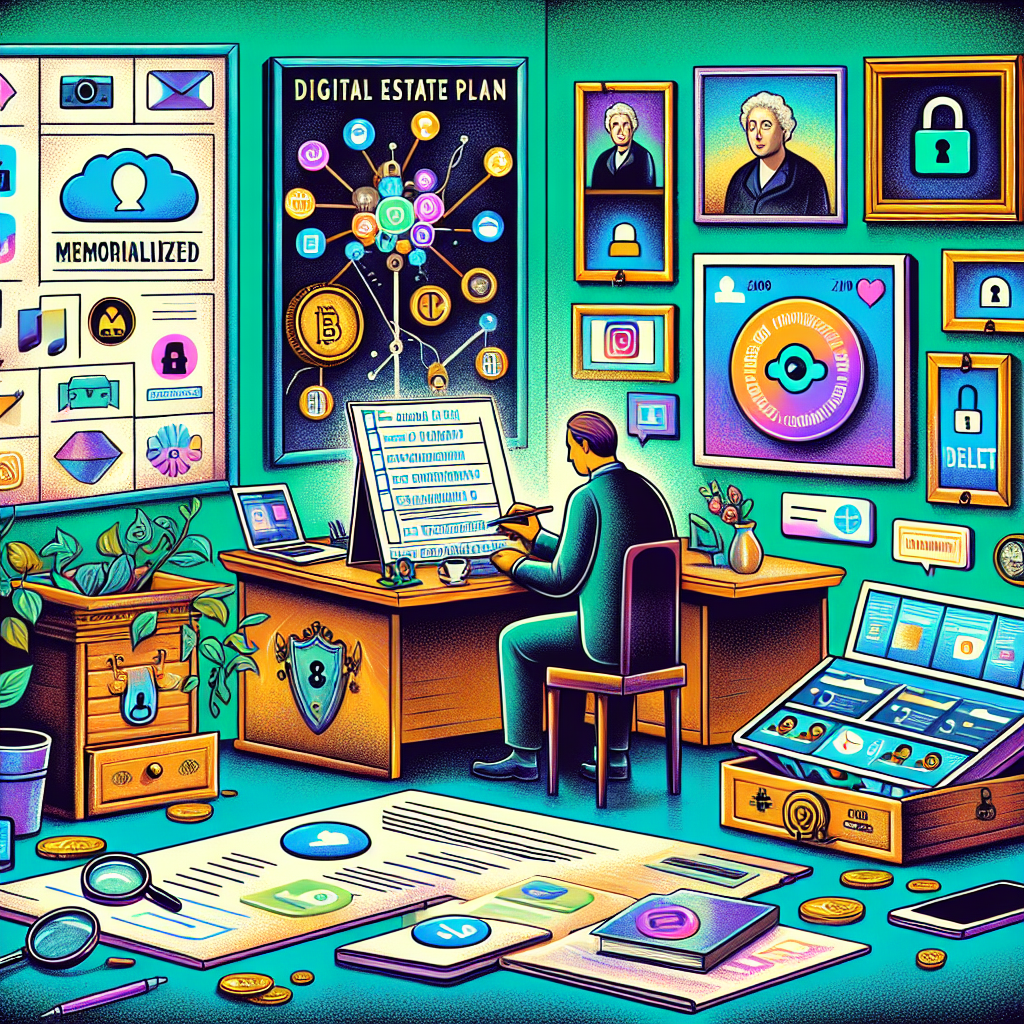
How Do We Navigate Trust In Synthetic Family Narratives?
How Do We Navigate Trust In Synthetic Family Narratives?
- Navigating trust in synthetic family narratives requires understanding shared human experiences.
- Legacy storytelling forms bonds that connect us across time and space.
- Family is often defined by shared experiences rather than blood relations.
- Authenticity is vital for stories; they should resonate with genuine experiences.
- Emotional appeal in narratives evokes empathy and reinforces connections.
- Rationality and integrity in storytelling are essential for building trust.
- A discerning openness to synthetic narratives can enrich relationships and understanding.
How Do We Navigate Trust In Synthetic Family Narratives?
Can Synthetic Reality Help Us Connect with Lost Family Heritage?
In an age where technology stretches the limits of imagination, synthetic reality offers a fascinating opportunity to reconnect with our family heritage. Imagine stepping back in time, feeling the echoes of past generations that shaped who we are today. It’s more than just a digital experience; it’s a gateway to our roots—a way to engage with Legacy Storytelling that breathes life into our ancestors’ stories. This isn’t about mere nostalgia; it’s about embracing the past to empower our future.
When we think about the stories passed down through generations, we recognize their weight. These narratives are more than mere words; they are threads woven into the fabric of our identity. The tech we have today allows us to recreate these moments with striking accuracy. Synthetic reality can transport us to places we’ve never been, immersing us in the sights, sounds, and emotions that our family members once experienced. This visceral connection appeals to our gut, igniting a sense of belonging that transcends time and space.
Rationally, the benefits are immense. As we engage with our heritage through these innovative tools, we bolster our understanding of history and culture. This enhanced awareness fosters an ethical responsibility—preserving the memories of those who came before us. By tapping into the power of digital mediums, we can ensure that stories of resilience, struggle, and triumph are not lost to the ages. We owe it to our forebears to remember them, to honor the sacrifices they made, and to celebrate the legacies they’ve entrusted to us.
Here’s where the heart of the matter comes in: synthetic reality also nurtures connections in a modern age that often feels fragmented. Through shared experiences and collaborative storytelling, families can bridge generational gaps, inviting younger members into conversations about heritage they might otherwise overlook. This social aspect enriches our lives, creating bonds that can seamlessly span across miles and years.
By embracing this technology, we stand as custodians of our past, while equipping ourselves for an empowered future. So, whether it’s a virtual reality tour of an ancestral homeland or interactive experiences that delve deep into family traditions, the call is simple: seek, explore, and engage with the narratives that define us. The journey into our legacy is not just a personal quest; it’s a collective endeavor that can unite families, foster understanding, and ultimately shape our identity. Let’s let the echoes of our heritage resonate loudly, reminding us of who we are and where we come from.

Can Synthetic Reality Help Us Connect with Lost Family Heritage?
Can Synthetic Reality Help Us Connect with Lost Family Heritage?
- Synthetic reality reconnects us with family heritage and past generations.
- It provides a digital gateway to engage in Legacy Storytelling.
- These narratives are crucial threads in our identity.
- Synthetic reality immerses us in our ancestors’ experiences.
- Engaging with heritage enhances understanding of history and culture.
- It fosters connections and bridges generational gaps through shared storytelling.
- This collective endeavor shapes our identity and honors our forebears.

Can Synthetic Reality Help Us Connect with Lost Family Heritage?
Conclusion
In a world racing toward an uncertain future, the significance of our roots and the stories that shape us cannot be overstated. Synthetic reality serves as a revolutionary tool, allowing us to revisit and redefine our family histories, crafting connections that span generations. Imagine your ancestral tales not merely represented in faded photographs but brought to life through immersive experiences that invoke laughter, tears, and genuine understanding. This isn’t about indulging in nostalgia; it’s about enriching our sense of belonging and grounding ourselves in a narrative far larger than our individual existence.
As we confront the deluge of digital distractions, the importance of authentic family interactions becomes clearer. The heart of family life—those shared meals and laughter-filled gatherings—is irreplaceable, offering emotional depth that synthetic alternatives often lack. Our histories are not just stories; they are the fabric of our identities, woven with the triumphs and tribulations of those who came before us. When technology offers synthetic representations of these moments, we must engage cautiously, weighing convenience against the vital connections we risk losing.
Ethically, the evolution of narrative in the digital realm demands integrity. It is critical to honor the authenticity of memories, avoiding the allure of embellishing or altering them for the sake of creating a better story. History is enriched, not devalued, by its imperfections. By fostering an environment that respects these truths, we cultivate trust within our familial bonds, ensuring that each story told resonates with the weight of shared experience.
Moreover, as synthetic reality nurtures interactions between generations, it opens doors for deeper understanding. Imagine grandparents sharing stories within a virtual framework that invites younger family members to engage with the past, enriching their present. This approach not only promotes empathy but also nurtures a community that thrives on shared narratives, ultimately fortifying our familial threads.
In embracing synthetic reality, we are called to preserve the legacy of those who paved the way for us. By resurrecting their stories through innovative technology, we breathe life into the lessons they imparted, weaving a richer tapestry of our identity. The goal is not mere escapism but a journey of empowerment—one where we acknowledge our heritage, confront the complexities of our narratives head-on, and celebrate the unbreakable ties that bind us across time. As we navigate this brave new world, let us commit to honoring our past while boldly stepping toward a future steeped in connection and understanding.

Conclusion
Conclusion:
- The importance of our roots and family stories is emphasized in an uncertain future.
- Synthetic reality allows for immersive experiences that redefine family histories.
- Authentic family interactions provide emotional depth, contrasting with digital distractions.
- Personal histories shape our identities and should be honored in their true form.
- Ethical storytelling in the digital age requires respect for authenticity and memory.
- Synthetic reality can foster connections between generations, promoting empathy and understanding.
- Embracing technology serves as a means to empower and celebrate our heritage.

Conclusion
Other Resources

Other Resources
Here is a list of other resources you can review online to learn more:
- Forever Missed
- LegacyFamilyTree
- Willmaker
- RootsMagic
- LegalZoom
- Afternote
- FutureMe
- Ever Loved
- Living Wisely
- Is There A Need To Pay For Copyrighting Services For Personal Or Family Legacy Stories?
- LegacyLearned
- Storyworth
- Remembered.com
- Obituary Templates
- Digital Legacy Association
- How Has Time Changed The Cost Of Capturing Family Legacy Stories
- FindMyPast
- Meminto
- LifeSite
- Funeral Services Guide
Use This Prompt To Get More Resources With Your Favorite Online AI Tool: Please provide me with a list of online articles with their URLs in a bulleted list that I can read regarding Synthetic Reality and Family History

Other Resources
Glossary Terms
Synthetic Reality and Family History – Glossary Of Terms
1. Augmented Reality: A technology that overlays digital information onto the real world, enhancing the user experience.
2. Virtual Reality: A simulated experience that can be similar to or completely different from the real world, often used for immersive experiences.
3. Synthetic Reality: A blend of augmented and virtual reality that creates an interactive environment for users, combining real and digital elements.
4. Genealogy: The study and tracing of family lineages and histories.
5. Digital Archive: A collection of digital documents and records that preserve information about individuals and families.
6. Data Visualization: The graphical representation of information and data, often used to illustrate family trees and connections.
7. 3D Modeling: The process of creating a three-dimensional representation of an object or environment, often used in synthetic reality applications.
8. Immersive Experience: A fully engaging interactive experience that deeply involves the user, often through the use of virtual or augmented reality.
9. Ontology: A branch of philosophy and information science dealing with the nature of being; in data terms, it defines the categories of terms and their relationships.
10. Metadata: Data that provides information about other data, crucial for understanding family history records.
11. Biometric Data: Information related to physical characteristics used in identification, which can be integrated into family history research.
12. Collaborative Platforms: Online tools that facilitate shared work and communication among users, useful for collective genealogy projects.
13. Family Tree: A visual diagram representing family relationships, showing lineage and ancestry.
14. Ancestral Research: The practice of investigating one’s family tree to gather historical and genealogical information.
15. Cultural Heritage: The legacy of physical artifacts and intangible attributes of a group or society, passed down through generations.
16. Historical Context: The background or circumstances in which events or information occur in family history.
17. Digital Storytelling: The practice of using digital media to tell stories about family histories and experiences.
18. Bioinformatics: The application of computer science and information technology to biological data, including genetic information related to ancestry.
19. Social Network Analysis: The examination of social relationships within families or communities, often used to visualize family connections.
20. Crowdsourcing: The process of obtaining ideas or services by soliciting contributions from a large group of people, relevant in gathering family history data.
21. Interactive Timeline: A digital representation of chronological events related to family history, allowing users to navigate through time.
22. Replicant: In synthetic reality, a virtual character or avatar that may represent a family member or historical figure.
23. Holistic View: An approach that considers all aspects of family history, including social, economic, and cultural influences.
24. Synthetic Biology: A field combining biological research with engineering principles, sometimes involved in reconstructing family genetic data.
25. Molecular Genealogy: The study of genetic material to trace lineage and relationships, often used in conjunction with traditional genealogical methods.
26. Narrative Reconstruction: The process of piecing together family stories from various sources to form a coherent history.
27. Algorithmic Matching: The use of algorithms to connect individuals with similar ancestral backgrounds in genealogy databases.
28. Digital Heritage: The preservation and dissemination of cultural heritage through digital means.
29. Transmedia Storytelling: A narrative that unfolds across multiple platforms, engaging broader aspects of family history.
30. Ethical Considerations: The evaluation of moral implications related to privacy and data use in family history research.
Glossary Of Terms
Other Questions
Synthetic Reality and Family History – Other Questions
If you wish to explore and discover more, consider looking for answers to these questions:
- What exactly is “synthetic reality” and how does it differ from virtual reality (VR) or augmented reality (AR)?
- Which technologies (AI, 3D modelling, sensory simulation, DNA data) are used to build synthetic family experiences?
- How accurate and reliable are synthetic reconstructions of people, places, and events?
- Who owns the data, images, and digital likenesses used to create family narratives?
- What kinds of consent are required from living relatives and, ethically, for deceased individuals?
- How do we verify the authenticity of a synthetic family memory or narrative?
- Can synthetic reality create or amplify misleading, false, or altered family histories?
- What legal protections exist against misuse, defamation, or unauthorized deepfakes of relatives?
- How do privacy laws and regulations apply to storing, sharing, and monetizing synthetic family content?
- What ethical guidelines should govern editing, enhancing, or omitting family memories?
- How can families prevent commercial exploitation or unwanted monetization of their legacies?
- Are there accepted standards or best practices for preserving digital family legacies long-term?
- How expensive and accessible are these tools for ordinary families?
- What technical skills or professional services are needed to create high-quality synthetic narratives?
- How might synthetic recreations influence children’s identity formation and sense of belonging?
- Can synthetic reality be used therapeutically—for grief, closure, or memory support—and with what evidence?
- What psychological risks exist from immersive re-experiencing of family events or deceased relatives?
- How should families balance synthetic experiences with in-person interactions to maintain healthy bonds?
- Are there cultural, spiritual, or religious objections to digitally recreating ancestors?
- How should conflicting versions of family stories be handled within a synthetic reconstruction?
- Can synthetic reality be integrated with genealogy research, archival records, and DNA ancestry results?
- What safeguards prevent deepfake impersonation or identity theft of family members?
- How transparent must platforms be about what elements are real, reconstructed, or fabricated?
- What kinds of governance, oversight, or regulation are needed for synthetic family storytelling?
- Who decides which memories are preserved, edited, or excluded in a shared family narrative?
- How could synthetic narratives alter historical records or collective cultural memory?
- Can synthetic tools help recover lost heritage when documentation or witnesses are missing?
- Which file formats, metadata practices, and backup strategies best ensure future access and portability?
- How do algorithmic biases affect the portrayal of race, gender, class, or culture in synthetic family stories?
- Are there documented case studies showing benefits or harms from using synthetic family experiences?
- How might companies monetize family legacies, and what are the ethical implications?
- What responsibilities do creators and platform providers have toward vulnerable family members (children, elders, trauma survivors)?
- How should traumatic or sensitive family events be represented or omitted in synthetic narratives?
- What are best practices for involving multiple generations in designing and approving synthetic family content?
- How can museums, archives, and community organizations contribute to standards and ethical frameworks?
- What empirical research exists on the long-term social and emotional effects of synthetic family interactions?

Other Questions
Haiku
Synthetic Reality and Family History – A Haiku
Family roots entwined,
Synthetic tales bridge the past,
Hearts and minds connect.
Haiku
Poem
Synthetic Reality and Family History – A Poem
In digital realms where shadows play,
Our roots entwine in a synthetic way.
Walls once bare, now tell our tale,
Interactive stories, love’s holy grail.
Ancestors whisper through time’s embrace,
Their laughter, struggles, a shared space,
Legacy stitched in a vibrant thread,
Binding generations, where memories tread.
Yet shadows linger in pixel’s glow,
As faces fade in a synthetic show.
What cost does convenience lay,
When warm hearts drift far away?
In gatherings lost to glowing screens,
An art forgotten, beneath bright machines.
The heart speaks loud through a genuine voice,
While ethics guide, urging us to make the choice.
We wrestle with truths, in memories vast,
Authenticity glimmers, must not be masked.
Each tale we share, a sacred light,
Reverberates through familial night.
Synthetic bridges, weaving our past,
With each step forward, a legacy cast.
Empathy blooms in our ancestral tales,
As we honor the stories that time unveils.
So come, hand in hand, let us unite,
In real connections, dispelling the night.
Together we delve, through digital streams,
To honor our history, embody our dreams.

Poem
Checklist
Synthetic Reality and Family History – A Checklist
Emotional Appeals
✅______ Reconnect through the past Create immersive experiences that allow family members to relive cherished memories together.
✅______ Share stories Encourage family storytelling sessions, combining technology with personal narratives to deepen emotional connections.
✅______ Honor legacy Ensure that every family story told respects the emotional weight and significance of those involved.
Rational Appeals
✅______ Understand your history Research and present family histories using data and analytics to illuminate migration paths and life events.
✅______ Evaluate technology’s role Discuss the advantages and limitations of synthetic experiences versus real-life interactions for memory retention and connection.
✅______ Make informed choices Assess the implications of digital interactions on family ties critically.
Ethical Appeals
✅______ Preserve authenticity Approach family narratives with honesty, resisting the temptation to alter memories for a pleasing presentation.
✅______ Maintain integrity Ensure storytelling respects the truths of family histories, avoiding embellishment that could fracture trust.
✅______ Acknowledge complexities Honor the multifaceted nature of family tales, including struggles and triumphs, when utilizing technology.
Authority Appeals
✅______ Incorporate expert insights Use information from historians or genealogists to add credibility to your family narratives.
✅______ Embrace historical contexts Learn from reputable sources about how technologies can enhance, not replace, real connections.
Narrative Appeals
✅______ Craft compelling stories Use narrative techniques in synthetic reality to construct richer, engaging family histories that resonate on emotional levels.
✅______ Create a shared legacy Foster a collective family narrative that reflects unified experiences, beliefs, and values passed down through generations.
Social Appeals
✅______ Engage younger generations Use synthetic reality to bridge generational gaps, allowing younger family members to explore and appreciate their heritage.
✅______ Encourage collaborative storytelling Facilitate discussions and activities that promote shared experiences and legacy building among all family members.
✅______ Build community connections Share family stories with extended networks to foster broader understanding and relationships within the family community.

Checklist
At LegacyExplorations, we help people plan and explore their legacy by collecting information and news regarding end-of-life planning.
Please share this post with your friends, family, or business associates who may want help to plan or explore their legacy.