

Embrace Change: Stay Relevant In A Rapidly Evolving World
By Tom Seest
At LegacyExplorations, we help people plan and explore their legacy by collecting information and news regarding end-of-life planning.
Please share this post with your friends, family, or business associates who may want help to plan or explore their legacy.
Technology Ages Faster Than You Do
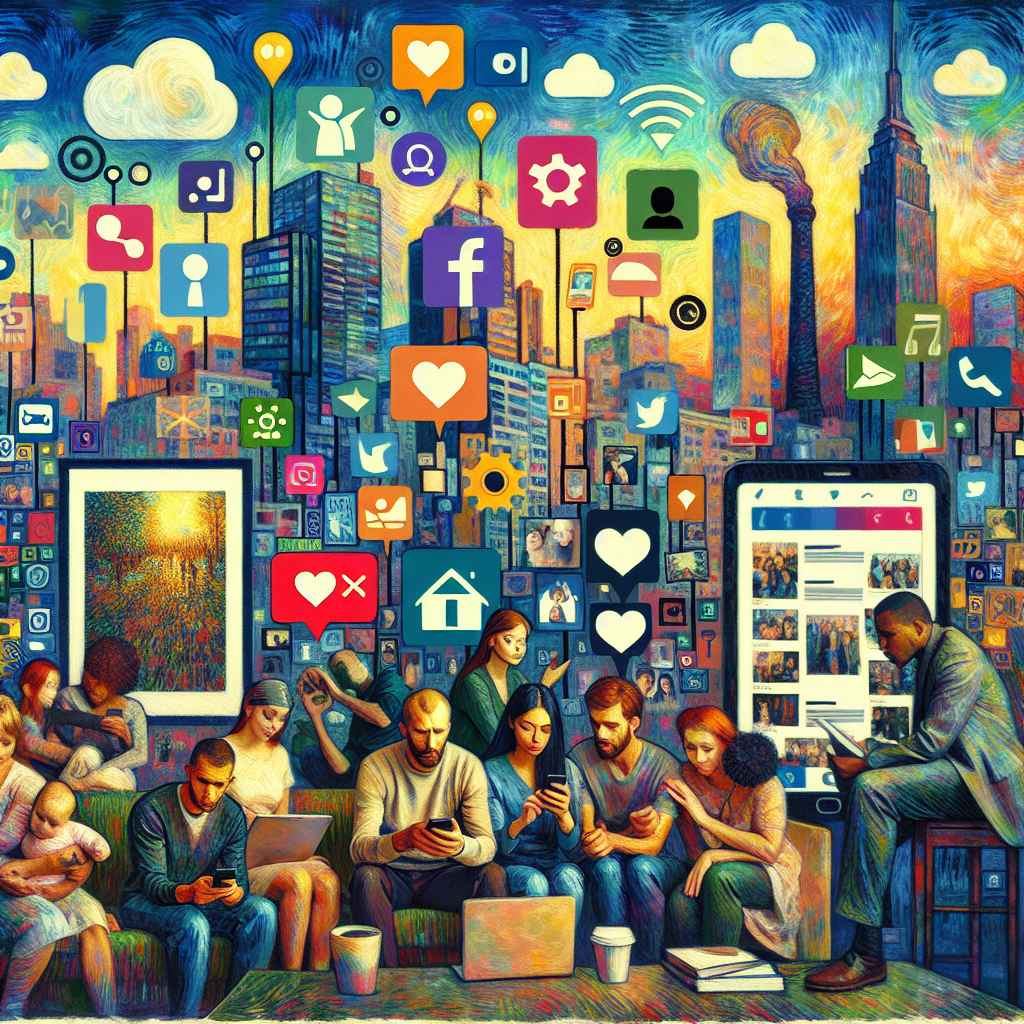
In a world where technology evolves faster than a blink, it’s easy to feel lost in the shuffle. One moment, you’re proudly showing off your latest smartphone, and before you know it, it’s yesterday’s news, replaced by a sleeker, smarter model. This relentless pace can leave us feeling like relics, but it’s essential to embrace the change and carve our own path.
Amidst the frenzy of progress, your legacy storytelling matters. It’s a powerful tool that bridges the gap between the past and the future. Think about the stories that shaped you—those moments that ignited a spark in your heart and left an indelible mark on your soul. These narratives are not merely memories; they’re the threads that weave our identities. We must cherish them and share them, for they carry the wisdom of experience in a rapidly changing landscape.
Rationally, we can perceive the benefits of technology. It brings us closer together, allows for unprecedented access to information, and fosters innovation. Yet, as we marvel at these advancements, a critical question arises: Are we losing touch with what truly matters? Technology can be a double-edged sword. It connects us, yet it can isolate us when we forget to engage with the world around us. Balancing the allure of gadgets with genuine human connection is key.
From an ethical standpoint, we owe it to ourselves and future generations to ensure that while we sprint into the future, we remain grounded in our values. The pressure to adopt the latest trends shouldn’t overshadow the significance of our unique stories. By sharing our journeys and triumphs, we allow others to learn, reflect, and grow. Every voice matters in this ever-evolving narrative.
As we navigate this sea of changes, know that you’re not alone. Countless others share your struggles and victories. Engage with your community, and prioritize shared experiences over fleeting technologies. These moments will resonate far deeper than any cutting-edge gadget could.
Trust in the power of your story and remember: Legacy is not defined by the technology we wield but by the connections we forge and the lives we touch. Let’s embrace the shift without losing sight of our core—our humanity. The future is bright, but it’s our collective legacy storytelling that will illuminate the path forward.

Technology Ages Faster Than You Do
Technology Ages Faster Than You Do
- Technology evolves rapidly, making it easy to feel obsolete.
- Legacy storytelling bridges the past and future, shaping our identities.
- Technology offers connection and access to information but can isolate us.
- Balance is needed between technological allure and genuine human connection.
- Our unique stories are vital and must not be overshadowed by trends.
- Community engagement and shared experiences outweigh fleeting technologies.
- Legacy is defined by connections and the impact we have on others.

Technology Ages Faster Than You Do
Table Of Contents
- Technology Ages Faster Than You Do
- What Emotions Does Rapid Tech Change Stir In You?
- How Do You Feel Left Behind By Tech?
- What Ethical Implications Arise From Aging Tech?
- Are We Losing Our Humanity to Advancing Technology?
- How Do You Determine the Authority In Tech Advice?
- What Narratives Shape Our View Of Aging Technology?
- How Does Social Media Influence Your Tech Choices?
- Conclusion
- Other Resources
- Glossary Of Terms
- Other Questions
- Haiku
- Poem
- Checklist
What Emotions Does Rapid Tech Change Stir In You?
In a world spinning faster than ever before, where the latest gadget inevitably feels outdated as soon as it hits the shelves, we’re left grappling with a whirlwind of emotions. Rapid technological change isn’t just about the devices we use; it reaches deep into our legacy storytelling, shaping the very narratives we share and how we connect with one another.
You might find yourself excited by the promise of innovation, your heart racing at the thought of what’s next. New tools unlock new potential, sparking creativity and wonder. Yet, lurking just beneath the surface, there’s the gnawing anxiety: What do these rapid shifts mean for my job, my community, my place in the world? It’s a modern-day paradox. Our heads tell us to embrace change and adapt, but our guts whisper warnings about what could be lost—the stories of those who came before us, the hands-on skills that defined craftsmanship and connection.
Think about it: every time a new technology emerges, it carries the weight of our shared history. There’s an ethical narrative to consider, too. As we race to integrate these advancements into our daily lives, we must pause and reflect. Are we prioritizing efficiency over empathy? Are we valuing speed over the legacy storytelling that binds us together? The ability to take a moment, to recall the journey that brought us here, empowers us amid the chaos.
The authority of experience plays a role as well. We’ve seen industries transformed before our eyes, right before the dawn of the digital age, yet the human element remains critical. The stories of those who navigated similar transitions serve as beacons. They remind us that while technology may evolve, our core values and connections don’t have to suffer. We can forge paths where tech serves as a tool to strengthen, not sever, the relationships we hold dear.
Moreover, this is something we can tackle as a collective—a conversation, a shared endeavor. As we stand at this crossroads of innovation, it’s essential we engage deeply with one another. Foster that connection, lean into those feelings, and recognize that amid the relentless tide of change, we have a voice. We have a choice. And together, we can weave a narrative that honors our past while embracing the future. Trust in the process, and let’s move forward, hand in hand.

What Emotions Does Rapid Tech Change Stir In You?
What Emotions Does Rapid Tech Change Stir In You?
- Rapid technological change affects not only devices but also legacy storytelling and connections.
- Innovation can spark excitement and creativity, but also anxiety about job security and community impacts.
- There’s a paradox between embracing change and fearing the loss of traditional skills and stories.
- New technologies carry the weight of shared history, necessitating reflection on ethics and values.
- We must prioritize empathy and legacy over mere efficiency and speed in our interactions with technology.
- The authority of experience is vital; stories of past transitions remind us of enduring core values.
- Collective engagement and shared narratives are essential as we navigate the crossroads of innovation.

What Emotions Does Rapid Tech Change Stir In You?
How Do You Feel Left Behind By Tech?
In today’s fast-paced digital landscape, it’s easy to feel left behind by technology. Imagine standing on the edge of a bustling city, where everyone is darting by, eyes glued to screens, immersed in innovations that feel like a private club you can’t quite enter. The discomfort of being an outsider can be overwhelming. You’re not just grappling with gadgets or codes; you’re wrestling with a sense of disconnection from a world that seems to be moving ahead without you.
This feeling isn’t just about lacking the latest smartphone or software; it digs deeper into our collective human experience. It’s a symptom of a broader narrative, a legacy of storytelling passed down through generations. Each of us carries the weight of our own tales, rich with dreams, struggles, and moments of triumph. Yet, as new technologies emerge and redefine our interactions, those stories can feel eclipsed. What was once shared over coffee now gets lost in digital noise, leaving us yearning for genuine connection.
Rationally, we know that tech serves a purpose; it streamlines processes and connects us globally. But emotionally, it can alienate. Just picture a grandparent trying to navigate social media to connect with distant family members. The yearning to bond is palpable, yet the barrier of understanding can seem insurmountable. It’s vital that we consider the ethical implications of leaving anyone behind in this digital age. If innovation doesn’t serve everyone, then what purpose does it truly serve?
Authority figures tout tech as essential for success, insisting that adaptation is key. While their insights are valuable, it’s crucial to recognize that success is subjective, rooted in our values and connections. Your story, your legacy, matters. It doesn’t require a tablet or a smartphone to tell it; instead, it demands attention and sincerity.
Society thrives when we embrace our differences and unite through shared experiences. Those who feel left behind shouldn’t be cast aside as relics of a bygone era. Rather, they should be celebrated for their unique perspectives, rich histories, and capacity for growth. Tech should bridge gaps, not widen them. You have a role to play in this evolving narrative. Engage with your community. Share your legacy. Let’s ensure that no one remains on the sidelines, forgotten in a world that strives to leave no one behind.

How Do You Feel Left Behind By Tech?
How Do You Feel Left Behind By Tech?
- Feeling disconnected in a fast-paced digital world, akin to being an outsider in a busy city.
- This disconnection reflects deeper human experiences and narratives passed down through generations.
- Emerging technologies often overshadow personal stories, leading to a yearning for genuine connection.
- Technology serves a purpose but can emotionally alienate users, especially older generations.
- Success in the digital age is subjective, tied to individual values and connections rather than just technological adaptation.
- Society benefits from embracing differences and shared experiences, valuing unique perspectives and histories.
- Technological advancement should unify rather than isolate; everyone should have a role in this narrative.

How Do You Feel Left Behind By Tech?
What Ethical Implications Arise From Aging Tech?
As we stand on the precipice of a rapidly evolving technological landscape, it’s important to reflect on the ethical ramifications of the devices we’ve come to rely on, especially as they begin to show their age. Technology isn’t just cold steel and silicon; it’s an extension of our lives, our connections, and even our very identity.
Consider the legacy storytelling that technology has provided us. It’s through these platforms that we’ve shared milestones, expressed our creativity, and forged relationships. Yet, when tech becomes outdated, it threatens not only the stories we’ve built but also the very means of sharing them. Imagine looking through an old photo album only to find out the pictures are gone because they were stored on an obsolete device. This evokes a sense of loss, akin to losing a piece of our shared history.
Rationally, the obsolescence of technology raises questions. What happens to the data we deem valuable as tools become obsolete? Who is responsible for ensuring the proper archiving or destruction of sensitive information? The answers are murky, often tangled in the threads of corporate responsibility and consumer autonomy.
Ethically, we must grapple with the idea of planned obsolescence. Is it right for companies to design products that become unusable, pushing us toward endless cycles of consumption? This isn’t merely a business decision; it translates into waste, both materially and culturally. As the devices we use to narrate our lives become unserviceable, we also risk burying stories that deserve to be remembered.
Furthermore, as we navigate this landscape, we have an ethical obligation to foster inclusivity. Aging tech often leaves behind those unable to keep pace with advancements, creating a divide that can fracture communities. This is not just about technology; it’s about the trust and confidence we place in systems that are designed to connect us.
From a social perspective, as we repurpose or recycle our tech, we must strive for a model that respects the legacy we leave behind. This is where action becomes imperative. Supporting initiatives that promote sustainable practices and equitable access to technology can help bridge these gaps, ensuring everyone has the chance to contribute to the narrative.
Ultimately, the ethical implications of aging tech are not merely academic; they touch our lives and communities profoundly. By engaging with these questions now, we can shape a future that honors our collective legacy, ensuring that technology serves us rather than leaves us behind.

What Ethical Implications Arise From Aging Tech?
What Ethical Implications Arise From Aging Tech?
- The technological landscape is rapidly evolving, raising ethical concerns about aging devices.
- Technology serves as an extension of our lives, impacting our identity and connections.
- Outdated tech threatens legacy storytelling, risking the loss of shared history and memories.
- Obsolescence poses questions about data preservation and corporate responsibility.
- Planned obsolescence fosters cycles of consumption, leading to material and cultural waste.
- Aging technology can create divides in communities, highlighting the need for inclusivity.
- Supporting sustainable practices and equitable tech access is vital for preserving our narrative.

What Ethical Implications Arise From Aging Tech?
Are We Losing Our Humanity to Advancing Technology?
In our unyielding pursuit of progress, we often find ourselves questioning the very essence of what it means to be human. As technology weaves itself into the fabric of our daily lives, are we becoming more connected, or are we drifting further apart? The answer isn’t as simple as black and white, and that’s where the legacy of storytelling plays a crucial role.
Look around; we are living in an era where each ping of a smartphone or buzz of a notification seems to pull us deeper into a digital abyss. We scroll through feeds, absorbing curated snippets of life, while real conversations happen less frequently. We’re constantly connected yet feel more isolated than ever. This is not just an observation; it’s a call to action. We need to reclaim the narratives that define our humanity. Legacy storytelling reminds us of the power of shared experiences and memories. It grounds us, connecting our past to our present.
Think about the stories that shaped you—those told around the dinner table or shared with friends by a campfire. They foster a sense of belonging, a reminder that we are part of something greater. In a world obsessed with efficiency, we risk losing the grit and depth that these stories provide. Emotional connections are vital components of our humanity, and with advancing technology, we must make a conscious effort to preserve these bonds.
Let’s consider the rational side. Data-driven advancements can improve our lives; they can enhance education, healthcare, and even relationships. But we must evaluate how we integrate these tools into our lives. When technology replaces face-to-face interactions with time spent in front of a screen, we must ask ourselves what we might be sacrificing. Compassion, empathy, and the ability to listen—these are qualities that technology cannot replicate.
Ethically, we have a responsibility to not just adopt new technologies, but to use them wisely. As we embrace innovation, we should ensure it enhances rather than diminishes our humanity. Our collective stories are what bind us; they should guide our use of technology, ensuring that it serves our humanity rather than defines it.
At the heart of this issue lies a profound truth: we hold the power to shape our future. By consciously weaving legacy storytelling into our interactions and decisions, we can strike a balance. Let’s create spaces where technology complements our narratives, fosters connections, and ultimately enriches our humanity. The question is not whether to embrace technology, but how to do so while holding onto the stories that make us who we are.

Are We Losing Our Humanity to Advancing Technology?
Are We Losing Our Humanity to Advancing Technology?
- The essence of humanity is questioned as technology becomes deeply integrated into daily life.
- Despite constant connectivity, people feel increasingly isolated, highlighting the need to reclaim narratives that define humanity.
- Legacy storytelling emphasizes the importance of shared experiences and emotional connections.
- Data-driven advancements can enhance various aspects of life, but we must consider their impact on face-to-face interactions.
- Compassion, empathy, and listening are irreplaceable qualities that technology cannot replicate.
- Ethical use of technology should enhance humanity rather than diminish it, guided by our collective stories.
- Balancing technology and storytelling is crucial for fostering human connections and enriching our lives.

Are We Losing Our Humanity to Advancing Technology?
How Do You Determine the Authority In Tech Advice?
In a world that spins faster every day, where tech jargon morphs into a second language, finding the right voice to trust can feel like searching for a needle in a digital haystack. Yet, the journey to discern authority in tech advice doesn’t need to be daunting. It’s rooted in Legacy Storytelling, where the past informs the paths we walk today.
When you hear advice about the latest gadget or software, consider the person sharing their insights. Have they walked the talk? Have they tweaked a thousand lines of code, or do they simply play the role of a talking head? Real authority often comes from lived experience, from the stories that shape understanding. It’s about how they became a trusted source, not just what they say. Those legacy stories are the threads that weave credibility, showing they’ve faced challenges, learned, and evolved in the tech landscape.
Moreover, connecting with the advice on an emotional level can’t be overlooked. Ask yourself: does their enthusiasm resonate with you? Are they sharing their successes and failures in a way that mirrors your own journey? Their passion can cut through the noise, making even the most complex concepts relatable and inspiring.
Rationality plays a critical role too. Look for evidence behind their claims. Are they referencing studies, user experiences, or credible figures in the industry? Genuine authorities don’t just share opinions; they back them with data and thoughtfulness. This rational approach not only builds a foundation of trust but invites you to feel empowered—armed with knowledge that resonates in your gut.
And let’s not forget the ethical dimension. Are they transparent about their affiliations? Do they prioritize the user over profit? In this age where the motivation behind advice can often hide in shadows, those who stand tall with clarity create a bond of trust. When you see someone prioritizing the community and ethics in their recommendations, it becomes easier to believe in their authority.
Ultimately, finding the authority in tech advice is a blend of their legacy, emotional connection, rational evidence, and ethical clarity. It’s a personal journey, an invitation to connect with voices that resonate with your truth, embarking on a path illuminated by trust and shared experience—because in the labyrinth of tech advice, it’s not just about the information. It’s about who shares it and why they matter to you.

How Do You Determine the Authority In Tech Advice?
How Do You Determine the Authority In Tech Advice?
- Finding trustworthy tech advice can be challenging amidst overwhelming information.
- Legacy Storytelling highlights the importance of a person’s experience in establishing credibility.
- Evaluate whether the advice-giver has practical experience or merely presents theoretical knowledge.
- An emotional connection and enthusiasm can enhance the relatability of advice.
- Rationality is crucial; credible sources support claims with evidence and data.
- Ethical transparency and user prioritization foster trust in authority figures.
- Identifying tech authority involves a combination of personal connection, evidence, and ethical clarity.

How Do You Determine the Authority In Tech Advice?
What Narratives Shape Our View Of Aging Technology?
As we journey through life, we encounter countless stories—some bold, others subtle—that shape our perceptions of aging technology. These narratives often carry significant weight, molding our philosophies, our emotional responses, and our societal attitudes towards the devices and systems that surround us. Aging technology has a legacy, a storytelling component that resonates deeply within each of us, reflecting our values, dreams, and fears.
Picture a brick-and-mortar store with a creaky wooden floor, the scent of history lingering in the air. This place, like aging technology, embodies a legacy of craftsmanship and human ingenuity. We tend to romanticize these stories, evoking images of the past where things were built to last and imbued with purpose. It’s in these memories that we find ourselves connected, not only to the technology but to the people who created it. This legacy storytelling pulls at our heartstrings, reminding us of the joy and simplicity of a time when life seemed less frenetic and more tactile.
But there’s also a rational side. As we consider the advancements that aging technologies may lack, we must recognize that obsolescence does not equate to irrelevance. Technology ages just like we do, each iteration representing a chapter in an ongoing narrative. There’s a growing understanding that we can innovate without discarding the old. By reimagining and repurposing, we not only promote sustainability but also respect the groundwork laid by previous generations. It’s an ethical consideration, honoring the efforts of those who shaped our current technological fabric.
Authority figures in the tech world often guide us, sharing data and trends that may provoke concern about aging systems’ effectiveness. They enlighten us, empowering us to make informed choices about what we keep, upgrade, or dispose of. As consumers, embracing these changes becomes a social responsibility, an act of stewardship for future generations.
Our narratives about aging technology must inspire connection, trust, and action. By acknowledging the stories embedded in our devices, we foster a culture of appreciation rather than disposability. We’re called not just to adapt but to become stewards of progress, ensuring that the legacy left behind is one of respect, innovation, and mindful progression. Together, we can turn the page on the narrative of aging technology, allowing it to be a source of strength rather than a reminder of obsolescence.

What Narratives Shape Our View Of Aging Technology?
What Narratives Shape Our View Of Aging Technology?
- Life encounters numerous stories that shape perceptions of aging technology.
- Aging technology has a legacy that reflects our values, dreams, and fears.
- There is a romanticized connection to past craftsmanship and human ingenuity.
- Obsolescence does not mean irrelevance; innovation can coexist with the old.
- Reimagining and repurposing aging technologies promotes sustainability and honors past efforts.
- Authority figures provide data that help consumers make informed choices about technology.
- Narratives about aging technology should inspire connection, trust, and social responsibility.

What Narratives Shape Our View Of Aging Technology?
How Does Social Media Influence Your Tech Choices?
In today’s digital age, the choices we make about technology aren’t just influenced by specs or reviews; they’re deeply intertwined with the fabric of our social lives. Social media serves as a modern-day campfire, a space where we gather not just to gossip but to share stories, experiences, and recommendations. This legacy of storytelling is powerful, shaping our perceptions of what’s cool and what’s essential.
Consider the last time you were on your favorite platform. Did you scroll through a friend’s post showcasing their latest gadget? Perhaps it was a video demonstrating a must-have app, or a tweet raving about the newest phone update. These moments aren’t mere snippets of information; they are emotional connections. When someone we trust shares their delight in a product, it resonates with us. It invokes a gut feeling, compelling us to consider purchasing the same device, not just for its features, but for the experience tied to it.
On a rational level, social media serves as a massive marketplace of ideas. We have access to a wealth of information at our fingertips—reviews from experts and everyday users alike, comparisons, and discussions. This transparency empowers us, enabling informed choices in a world filled with flashy advertisements and marketing hype. We’re not just consumers; we’re active participants in a conversation that shapes our tech landscape.
Yet this influence carries ethical dimensions. The line between genuine recommendation and influencer sponsorship can blur, leading us to question the authenticity behind our decisions. As we navigate this digital maze, we must critically assess the sources of our information. Are we following trusted authorities, or have we fallen into the trap of popularity over substance?
Engagement is vital. When we share our own tech experiences, we strengthen community bonds. It’s more than just buying a device; it’s about sharing a piece of our lives, our legacy. We each have a story to tell, from the proud parent capturing moments to the ambitious entrepreneur seeking tools for success. These narratives create an emotional tapestry that ties us together in our tech choices.
Ultimately, our decisions about technology are influenced not just by what we see and hear but by how we feel and connect with others. So, as you consider your next purchase, remember the stories shared, the bonds formed, and the community that surrounds you. In this interconnected world, your tech choices reflect not only your needs but also your relationships and values.

How Does Social Media Influence Your Tech Choices?
How Does Social Media Influence Your Tech Choices?
- Technology choices in the digital age are influenced by social interactions, not just specifications or reviews.
- Social media acts as a modern campfire, facilitating storytelling and sharing of experiences and recommendations.
- Emotional connections arise from posts and shares about products, affecting purchase decisions beyond features.
- Social media provides access to diverse information, enabling informed decisions amidst marketing hype.
- The authenticity of recommendations can be questioned due to blurred lines between genuine advice and sponsorship.
- Community engagement strengthens bonds, with shared tech experiences reflecting personal stories and legacies.
- Tech choices are influenced by emotions and relationships, embodying individual values and community ties.

How Does Social Media Influence Your Tech Choices?
Conclusion
Navigating the ever-evolving landscape of technology can often feel like trying to keep your head above water in a swift current. We live in an age where the latest and greatest gadgets shift at lightning speed, leaving many to wonder if they’re becoming obsolete. Yet, amid this whirlwind of progress, embracing change is crucial, not just for survival, but to thrive in a world that rewards adaptability and innovation.
As we reflect on our relationship with technology, it’s vital to recognize the power of legacy storytelling. Each of our stories, the experiences that have shaped us, form a rich tapestry of connection that technology should amplify, not overshadow. In rapid innovation, we must not ignore the values that bind us together. Every gadget and application carries the risk of isolating us; it’s in our shared narratives and real conversations that we find genuine connections.
Emotions play a pivotal role in how we perceive these transformations. On one hand, the excitement of new possibilities can ignite our imaginations. On the other, the anxiety of being left behind lingers, prompting us to question our place in this fast-paced digital narrative. Yet, the reality is that adaptation doesn’t mean sacrificing our humanity. It’s about finding a balance—ensuring that as technology advances, we don’t lose sight of shared experiences and the storytelling that foster community.
From an ethical standpoint, we have a responsibility to ensure that technology serves everyone, not just those who can afford to stay ahead of the curve. Inclusion must be at the forefront as we advance; we can’t afford to leave anyone behind in this digital age. Recognizing each person’s unique story enriches our collective narrative, proving that legacy isn’t defined by the latest technology but by the connections we forge.
Moreover, the voices we trust in this tech landscape have a profound impact on our choices. Authority comes from experience and credibility, not just claims or endorsements. Seek out those who share genuine insights and personal journeys, as their narratives will help guide your decisions. In this interconnected world, our choices reflect not just our individual needs, but our values and relationships.
At the heart of these discussions lies a shared truth: technology is a tool, and it’s up to us to wield it wisely. By fostering our connections, prioritizing shared experiences, and ensuring our legacies are honored, we can embrace the future while remaining anchored in our humanity. Let’s write a narrative that celebrates our stories, creating a future rich with purpose and connection amidst the advancing tide of technology.

Conclusion
Conclusion:
- Technology is rapidly evolving, making it crucial to embrace change for survival and success.
- Legacy storytelling and shared experiences should be prioritized to foster genuine connections amidst technological advancements.
- Emotions significantly influence our perceptions of technology, balancing excitement and anxiety over adaptation.
- Adapting to technology must not compromise our humanity or shared experiences.
- Inclusion and the recognition of individual stories are essential to ensure technology serves everyone in the digital age.
- Credible voices based on personal experiences should guide our decisions in the tech landscape.
- Technology is a tool that must be wielded wisely to create a future rich in purpose and connection.

Conclusion
Other Resources

Other Resources
Here is a list of other resources you can review online to learn more:
- Lexikin
- Directive Communication Systems
- Can Telling and Preserving Personal or Family Legacy Stories Be Therapeutic?
- RootsMagic
- How Has Time Changed The Cost Of Capturing Family Legacy Stories
- EverLoved
- LegacyLearned
- GhostMemo
- Storyfile
- LifeBio
- INELA
- Is There A Need To Pay For Copyrighting Services For Personal Or Family Legacy Stories?
- My Wonderful Life
- FutureMe
- Storyworth
- Geneanet
- MyHeritage
- Obituary Templates
- ForeverMissed
- FamilySearch
Use This Prompt To Get More Resources With Your Favorite Online AI Tool: Please provide me with a list of online articles with their URLs in a bulleted list that I can read regarding Technology Ages Faster Than You Do

Other Resources
Glossary Terms
Technology Ages Faster Than You Do – Glossary Of Terms
1. Acceleration: The rapid pace at which technology evolves and improves over time.
2. Obsolescence: The state of being outdated or no longer needed due to advancements in technology.
3. Innovation: The introduction of new ideas, products, or methods that improve existing technologies.
4. Disruption: A significant change that affects or displaces existing technologies or markets.
5. Automation: The use of technology to perform tasks with minimal human intervention.
6. Artificial Intelligence (AI): The simulation of human intelligence processes by machines, particularly computer systems.
7. Blockchain: A decentralized digital ledger used to securely record transactions across multiple computers.
8. Cloud Computing: The delivery of computing services over the internet, allowing for on-demand access to resources.
9. IoT (Internet of Things): The network of physical devices connected to the internet, enabling them to collect and share data.
10. Big Data: Extremely large datasets that can be analyzed to reveal patterns, trends, and associations in technology.
11. Augmented Reality (AR): An interactive experience that combines real-world and digital content, enhancing perception of reality.
12. Virtual Reality (VR): A simulated experience that can be similar to or completely different from the real world.
13. Cybersecurity: The practice of protecting systems, networks, and programs from digital attacks.
14. Machine Learning: A subset of AI where algorithms improve automatically through experience and data usage.
15. 5G: The fifth generation of mobile network technology, offering faster speeds and more reliable internet connections.
16. Wearable Technology: Electronic devices that can be worn on the body, tracking fitness, health, or other metrics.
17. Technology Convergence: The merging of different technologies to create new functionalities and products.
18. Digital Transformation: The integration of digital technology into all areas of a business, fundamentally changing operations and value delivery.
19. Startups: New businesses that aim to innovate and scale, often in technology sectors.
20. Fintech: Technology aimed at improving and automating financial services and processes.
21. E-commerce: The buying and selling of goods or services using the internet.
22. Social Media: Online platforms that facilitate the creation and sharing of content, shaping communication and marketing.
23. User Experience (UX): The overall experience a person has when interacting with a product or service, particularly in technology.
24. Programming Language: A standardized set of instructions used to create software applications.
25. Data Privacy: The protection of personal and sensitive information from unauthorized access and misuse.
26. Tech Literacy: The ability to effectively use technology tools and adapt to new technological advances.
27. Smart Devices: Electronic devices equipped with internet connectivity and advanced sensors to enhance user functionality.
28. Digital Divide: The gap between individuals or communities in their access to modern information and communication technology.
29. Deep Learning: A class of machine learning based on artificial neural networks that mimic human decision-making.
30. Sustainability in Tech: The practice of developing technology that considers environmental impacts and promotes long-term ecological balance.

Glossary Of Terms
Other Questions
Technology Ages Faster Than You Do – Other Questions
If you wish to explore and discover more, consider looking for answers to these questions:
- How can I keep my skills relevant as technology changes?
- What practical steps can individuals take to preserve their digital memories and legacy stories?
- Which tools or services are best for backing up and migrating old data?
- How do I evaluate whether a new technology is worth adopting?
- What inexpensive or low‑tech ways exist to stay connected across generations?
- How can communities help people who feel left behind by tech?
- What are clear signs that a device or platform will become obsolete soon?
- Who is responsible for preserving users’ data when companies discontinue services?
- What legal rights do consumers have over their digital content and device data?
- How can I tell if tech advice or product recommendations are biased or sponsored?
- What ethical frameworks exist for companies to avoid planned obsolescence?
- How does planned obsolescence affect the environment and e‑waste levels?
- What policies or regulations are being proposed to address aging technology and inclusivity?
- How can older adults be taught digital literacy in a respectful, effective way?
- What resources are available for reskilling or career transitions caused by automation?
- How can technology be designed to strengthen rather than weaken social connections?
- What are best practices for repurposing or recycling outdated devices safely?
- How do I assess the trustworthiness of a tech influencer or online review?
- What are the psychological effects of rapid tech change, and how can they be managed?
- How do data privacy and security concerns change as platforms age or are retired?
- What community programs or initiatives successfully bridge the digital divide?
- How can legacy storytelling be incorporated into education and intergenerational programs?
- What standards or open formats make long‑term access to digital files more likely?
- How should families plan for digital legacies after a loved one dies?
- Which case studies show technology enhancing rather than eroding humanity?
- How can consumers pressure companies to be more transparent about product lifecycles?
- What metrics can measure whether a new technology improves wellbeing or harms it?
- How does social media marketing shape perceptions of necessity versus novelty?
- What affordable assistive technologies help those excluded by mainstream innovations?
- How can organizations ethically archive user‑generated content when platforms change?

Other Questions
Haiku
Technology Ages Faster Than You Do – A Haiku
In a world of change,
Stories weave our legacy,
Embrace with our hearts.

Haiku
Poem
Technology Ages Faster Than You Do – A Poem
In a world where change accelerates,
Technology’s race leaves many in its wake.
New gadgets gleam, yet we feel the weight,
Of stories lost, of the connections we forsake.
Excitement pulses as each device appears,
But beneath the thrill, anxiety stirs,
What of the past, the ties that brought us here?
In the digital rush, empathy blurs.
Our legacies weave through the tales we share,
Echoes of laughter, struggles, and dreams.
In the rush for progress, let’s pause and care,
For human touch transcends the newest schemes.
As tech evolves, be the voice that stands,
That bridges the gaps, preserves the touch.
Celebrate each story with open hands,
For in our narratives, there lies our crux.
Let not the tide of progress erase,
The heart, the gut, the essence of our soul.
Embrace the shift, yet hold firm your place,
In a world of noise, keep the stories whole.
With every smile shared and every hand clasped tight,
Our legacy’s strength thrives in human delight.
In the symphony of life, amidst the cheer and strife,
Let’s craft a future where our stories ignite.

Poem
Checklist
Technology Ages Faster Than You Do – A Checklist
Appeal to the Heart
✅______ Reflect on personal stories that have shaped your identity. What experiences define you?
✅______ Identify the connections you value most. Have you nurtured these relationships amid technological distractions?
✅______ Share a cherished story with someone in your life to strengthen emotional ties.
Appeal to the Head
✅______ Assess the technologies you currently use. Are they enhancing your life or creating unnecessary stress?
✅______ Research current trends in technology that may affect your industry or personal interests. How can you adapt?
✅______ Evaluate the credibility of tech advice. Consider the experience and data behind recommendations.
Appeal to the Gut
✅______ Trust your instincts how does a new technology or trend make you feel? Does it excite or overwhelm you?
✅______ Acknowledge any feelings of disconnection or anxiety related to rapid tech changes. What can you do to address these feelings?
✅______ Consider how technological losses affect your sense of community and legacy. What steps can you take to preserve essential stories?
Ethical Considerations
✅______ Reflect on the potential impact of new technologies on your values. Are you prioritizing connection over convenience?
✅______ Advocate for inclusivity in technology. How can you support those who may be left behind?
✅______ Consider the environmental implications of technology obsolescence. How can you make more sustainable choices?
Authority in Technology
✅______ Determine the qualifications and experiences of the sources providing tech advice. Do they share their failures and successes?
✅______ Seek multiple perspectives when exploring new tech. Balance emotional input with rational evaluations.
✅______ Stay informed by following trusted authority figures in tech who prioritize ethics and community.
Narrative Strength
✅______ Examine how your narratives around technology influence your choices. Are they rooted in fear, excitement, or nostalgia?
✅______ Share your experiences in tech use with others to foster a communal understanding of its impact.
✅______ Identify outdated devices or methods you still value and consider how you can integrate them into modern use.
Social Engagement
✅______ Engage in conversations about technology within your community. What stories do others share that influence your perspective?
✅______ Use social media as a platform to discuss meaningful tech experiences, promoting genuine connections.
✅______ Encourage collective storytelling around technology’s impact, celebrating both progress and legacy.
Checklist
At LegacyExplorations, we help people plan and explore their legacy by collecting information and news regarding end-of-life planning.
Please share this post with your friends, family, or business associates who may want help to plan or explore their legacy.