

Honor Our Past: Bridging Tech’s Future With Timeless Memories
By Tom Seest
At LegacyExplorations, we help people plan and explore their legacy by collecting information and news regarding end-of-life planning.
Please share this post with your friends, family, or business associates who may want help to plan or explore their legacy.
Technology Moves Forward – Memory Gets Left Behind
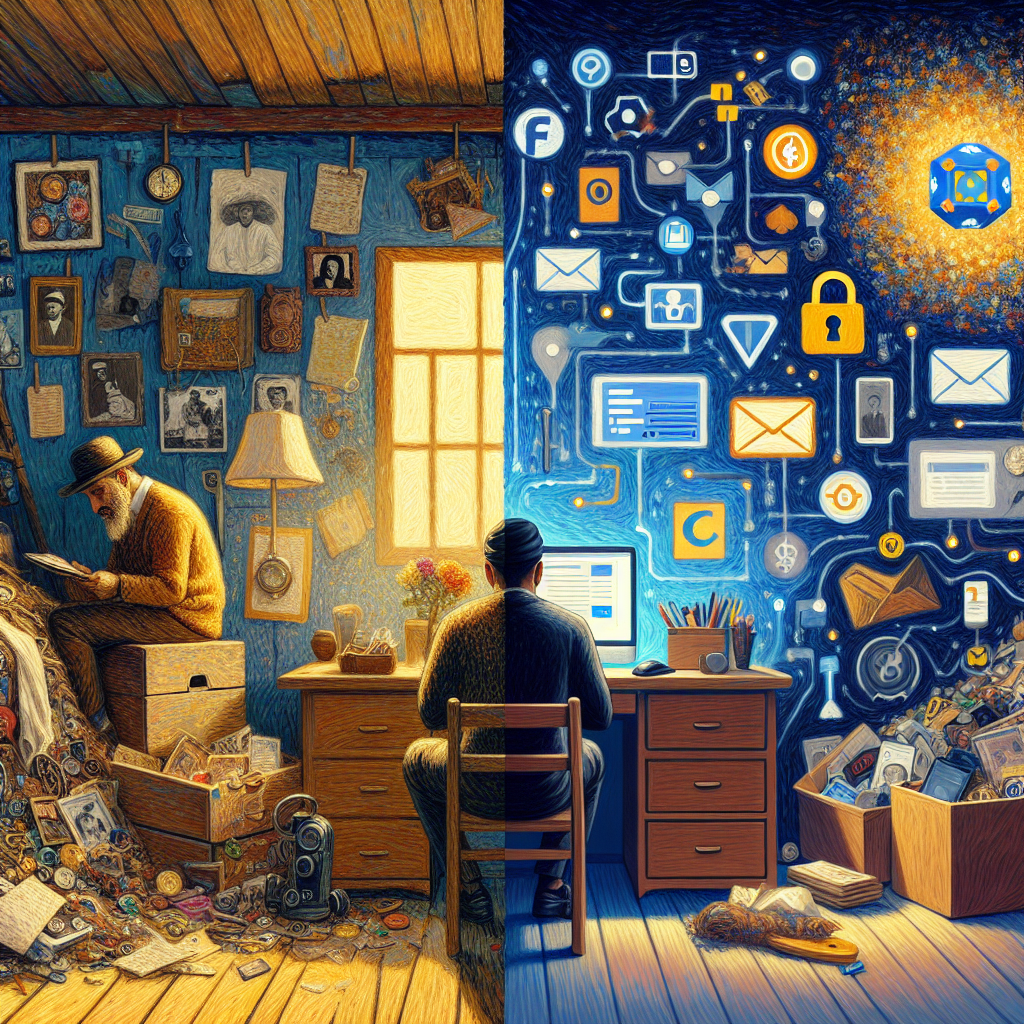
In a world where technology races forward at breakneck speed, it seems that our collective memory often lags behind. We live in an age defined by our gadgets—smartphones, AI, and cloud computing that promise to elevate our lives in ways we never imagined. Yet, as these advancements cast longer shadows, our connection to the past—our legacy storytelling—fades. We’ve become so preoccupied with the new that we risk losing sight of the root of our humanity: the stories that have shaped us.
Consider the tales handed down through generations. These narratives are more than mere recollections; they are the ties that bind us to who we are. They remind us of intimate moments—the laughter around a dinner table or the whispers of a grandmother’s bedtime stories. But as technology marches on, we often prioritize speed over substance, convenience over connection. Our memories become fragmented, scattered across digital devices and social media archives—fragments that lack the richness and texture of a well-told tale.
This isn’t simply a matter of nostalgia. It’s about the ethical imperative of memory and the stories we choose to pass on. Each memory we hold is a lesson wrapped in emotion, a trial faired, or a victory won. It informs our choices and molds our identity. If we allow these stories to slip away, we’re not just losing information; we’re losing the very fabric of our community and culture.
Let’s pause for a moment and reflect: who will remember your story? In a society driven by digital noise, it becomes increasingly vital to reclaim our narratives. We must embrace our legacy storytelling, share the eloquent tales of our forebears, and allow them to inspire a new generation. The beauty is in the connection—bridging the gap between past and present to create a tapestry rich with experience and insight.
Real progress isn’t just about the latest technological advancement; it’s about understanding where we come from. It’s a call to action: not just to witness our current successes but to remember and honor the journey that led us here. When we make space for our memories, we cultivate deeper relationships, foster confidence in each other, and build a foundation for future storytellers. It’s time to honor our legacy, ensuring that as we move forward, we do so with our memories intact—anchored in the stories that make us who we are.

Technology Moves Forward – Memory Gets Left Behind
Technology Moves Forward – Memory Gets Left Behind
- Technological advancements often overshadow our collective memory and legacy storytelling.
- Personal narratives bind us to our identity and recall significant moments in life.
- Modern priorities focus on speed and convenience, fragmenting our memories.
- Stories carry lessons and emotions that shape our choices and identity.
- Reclaiming our narratives is essential amidst the distractions of the digital age.
- Real progress involves honoring our past and the journey that shaped us.
- Maintaining our memories fosters deeper relationships and a strong community foundation.
Technology Moves Forward – Memory Gets Left Behind
Table Of Contents
- Technology Moves Forward – Memory Gets Left Behind
- What Memories From the Past Shape Your Present Choices?
- How Does Tech Advancement Impact Our Nostalgia?
- Are We Losing Touch with Meaningful Moments In Our Lives?
- How Do You Balance Innovation with Preserving Tradition?
- What Ethical Implications Arise When We Prioritize Tech Over Memory?
- How Can Storytelling Bridge the Gap Between Old Memories and New Tech?
- Do You Feel Technology Can Enhance Rather Than Replace Memories?
- Conclusion
- Other Resources
- Glossary Of Terms
- Other Questions
- Haiku
- Poem
- Checklist
What Memories From the Past Shape Your Present Choices?
Our lives are a tapestry woven from threads of memory, each one a stitch that holds together our legacy. It’s not just nostalgia; it’s the powerful storytelling of our existence. The lessons learned from our past struggles and triumphs shape how we make decisions today. Picture a young person standing at a crossroads, faced with a choice that could alter their future. In that moment, it’s not just facts or statistics that guide them, but the rich narrative of their lived experiences.
Think about the memories that flicker like a campfire in our minds: a parent’s sacrifices, a mentor’s encouragement, or perhaps a friend’s betrayal. These moments, whether steeped in warmth or pain, have a way of anchoring our choices in a sea of uncertainty. If we examine our personal legacy closely, we see how it is crafted by the stories we tell ourselves and those we’ve passed down. They connect us to our past but also serve as a compass, gently steering us towards the future we desire.
Emotionally, these memories can stir feelings of pride, guilt, or regret, driving us to act or refrain from certain behaviors. Rationally, they provide a framework for decision-making, as we assess outcomes based on previous experiences. Legacies aren’t merely inherited; they are created in moments of reflection and realization. Every decision we make is influenced by the silent whispers of our past.
Ethically, the choices we face often carry the weight of our family history and societal expectations. We might confront dilemmas where the right path isn’t always the most popular one. Drawing from our legacy means considering what we stand for and how our choices will echo through time. The authority of our own life story imparts legitimacy to our convictions, urging us to choose pathways that align with our core values.
Socially, we aren’t alone in our journey. Our memories resonate with others, creating bonds and fostering connection. When we share our stories, we not only affirm our experiences but also encourage others to reflect on their own. Every time you choose to share the narrative of your life, you weave a part of your legacy into the collective fabric of humanity.
Ultimately, embracing the power of our memories allows us to make deliberate choices today, ensuring that our legacy is one we can be proud of—a story worth telling.

What Memories From the Past Shape Your Present Choices?
What Memories From the Past Shape Your Present Choices?
- Lives are shaped by memories, creating a legacy through storytelling.
- Past struggles and triumphs influence current decision-making.
- Memories serve as anchors in uncertain times, affecting choices.
- Personal legacies are crafted from shared stories and experiences.
- Emotional responses to memories drive behavior and decision-making.
- Ethical choices reflect family history and societal expectations.
- Sharing personal narratives fosters social connections and collective legacy.

What Memories From the Past Shape Your Present Choices?
How Does Tech Advancement Impact Our Nostalgia?
Tech advancement has a remarkable way of reshaping our perceptions, particularly when it comes to nostalgia. As technology continues to evolve, it brings forth new tools and mediums that breathe fresh life into the past. We find ourselves on a relentless journey, where our cherished memories are not lost but revitalized through inventive lenses.
Consider the concept of legacy storytelling. It’s in our nature to share stories—those personal narratives that stitch together our experiences, cultures, and identities. Technology has made it easier for us to chronicle these legacies, with platforms allowing us to capture and share reflections from our lives in ways that were once unimaginable. This digital toolkit becomes a bridge to our past, enabling us to revisit those fleeting moments that defined us, and perhaps, reshape how we view them.
Nostalgia isn’t merely about reminiscing; it’s about connection. Today, a simple video call can bring loved ones together, allowing us to share treasured recollections face-to-face, even when separated by miles. Social media acts as a modern scrapbook, where memories are not just preserved but celebrated. This creates a communal space for reflection, inviting us to share our stories, our successes, and even our failures. We gravitate towards these platforms, and as we do, we weave a tapestry of collective memory that honors both the past and our evolving selves.
But there’s a deeper layer to this connection. As we embrace these advancements, we are challenged to consider the ethical dimensions of nostalgia. Are we curating an accurate representation of our histories, or glossing over the complexities that make us who we are? Authentic storytelling requires honesty. It calls for us to confront both the triumphs and tribulations that reflect our true legacy.
While technology fosters linkages, it also invites us to think critically about the stories we tell. Are we intertwining fact with memory, or are we crafting a convenient narrative? In doing so, we render our past both relatable and inspiring. The challenge lies in using these advancements not just to revisit what was, but to shape what can be. Let us harness technology to propel us forward while keeping our legacy stories at the forefront, infusing them with the richness and depth that only our lived experiences can provide. By doing so, we forge a path that honors our history and inspires future generations.

How Does Tech Advancement Impact Our Nostalgia?
How Does Tech Advancement Impact Our Nostalgia?
- Tech advancement reshapes perceptions of nostalgia, revitalizing cherished memories.
- Legacy storytelling allows personal narratives to connect experiences and identities.
- Digital tools enable easier chronicling and sharing of life reflections.
- Nostalgia fosters connection through modern means like video calls and social media.
- Social media serves as a communal space for sharing successes, failures, and memories.
- Authentic storytelling requires honesty, confronting both triumphs and tribulations.
- Challenges include critically evaluating how we represent our histories while using technology to inspire future generations.

How Does Tech Advancement Impact Our Nostalgia?
Are We Losing Touch with Meaningful Moments In Our Lives?
In a world consumed by the relentless march of technology, it seems we’ve misplaced our compass when it comes to the meaningful moments that define us. Each day, the allure of screens draws us in, offering a curated peek into lives that often overshadow our own. But as we scroll through endless feeds, we fail to grasp what it means to truly connect—not just with others but with ourselves.
Legacy is not merely a word; it embodies the stories we weave throughout our lives. Every laugh shared around a dinner table, every silent moment spent watching the stars, every tear shed in the comforting arms of a loved one contributes to a larger narrative that shapes who we are. When we engage in genuine storytelling, we anchor these moments in a way that transcends time. It’s the tales of our triumphs, our failures, and our everyday struggles that resonate deeply. They remind us that the human experience is rich and multifaceted, grounded in authentic connection and empathy.
But how often do we take the time to share these stories? Amid the chaos of daily life, it’s easy to overlook the everyday occurrences that can form the backbone of our own legacy. Yet, each moment holds the potential for profound meaning if we allow ourselves to be present. When we set aside our devices, we open the door to vulnerability—the essence of authentic connection.
This isn’t just about personal reflection; it’s an ethical imperative. By fostering a culture of meaningful moments and encouraging open dialogue, we invite others to share their narratives, creating a tapestry woven from various threads of human experience. Here, we find an authority greater than any statistic or social media influencer—our collective voices, anchored in trust and shared humanity.
So, how do we reclaim those meaningful moments? It starts with conscious choices: putting down our phones, listening deeply, and valuing what’s right in front of us. It means recognizing that our time is finite and that each second is a choice to invest in connection. As we reflect on our legacies, let’s challenge ourselves to engage in the raw, unfiltered storytelling that fuels our souls and binds us together. In doing so, we not only enrich our lives but also inspire others to cherish their moments, creating a ripple effect that honors the depth of the human experience.
Are We Losing Touch with Meaningful Moments In Our Lives?
Are We Losing Touch with Meaningful Moments In Our Lives?
- Technology distracts us from meaningful moments and authentic connections.
- Legacy encompasses the stories and experiences that shape who we are.
- Engaging in genuine storytelling preserves moments that transcend time.
- Everyday occurrences hold profound meaning if we are present.
- Fostering a culture of meaningful interactions invites diverse narratives.
- Reclaiming meaningful moments requires conscious choices, like reducing device usage.
- Raw storytelling enriches lives and inspires others to cherish their experiences.

Are We Losing Touch with Meaningful Moments In Our Lives?
How Do You Balance Innovation with Preserving Tradition?
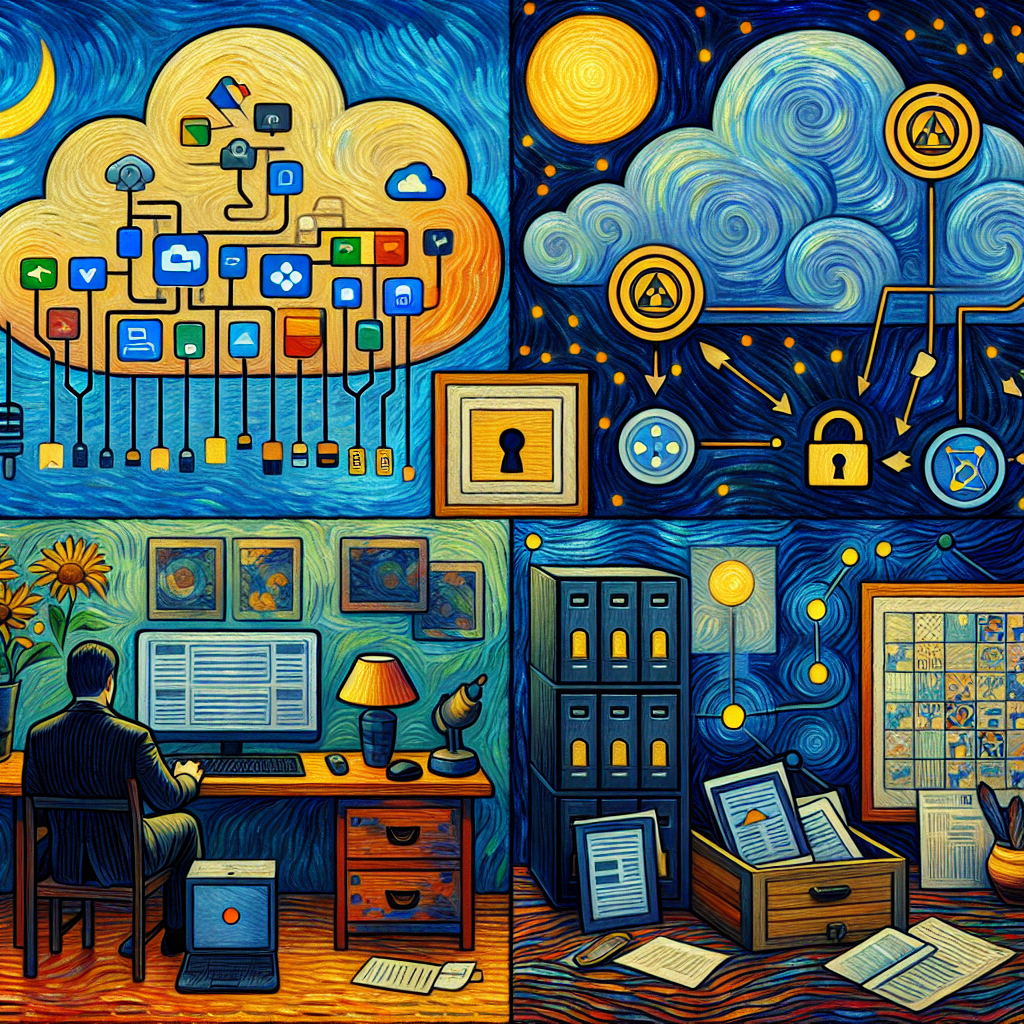
Balancing innovation with preserving tradition is no simple feat, but it’s a challenge worthy of our best efforts. At the heart of this struggle lies our legacy—a collection of stories woven together throughout time, resisting the inevitable pull of constant change. Legacy storytelling is about honoring where we come from while navigating an ever-evolving landscape.
Consider the craftsman, steeped in the art passed down through generations. Each stroke of the brush or turn of the wood lathe isn’t just a task; it’s a conversation with the past. When we innovate within these frameworks, we breathe new life into established traditions. It’s not about throwing away the old ways but rather infusing them with fresh perspectives. This dynamic creates a bridge between generations—a common ground where the wisdom of the past and the creativity of the present coalesce.
Rationally speaking, preserving tradition can ground us amid chaos. In a world that seems to shift beneath our feet, there’s comfort in knowing that certain values and practices endure. These traditions serve as a moral compass, reminding us who we are at our core. The challenge is how to adapt these traditions to stay relevant without losing their essence. This isn’t an act of rebellion against the old but an evolution—crafting stories that resonate in today’s context while honoring their origins.
Ethically, we have a responsibility to our communities to maintain the threads that connect us, fostering a sense of belonging. The act of storytelling becomes a tool for sharing experiences, values, and lessons learned. When we engage with our traditions through innovation, we invite others to join the dialogue, sparking curiosity and encouraging them to explore their own heritage.
Narratively, every great story has conflict and resolution, and so too does our quest for balance. The tension between holding tight to what’s familiar and stepping into the unknown is profound. Yet, it’s through this tension that we find growth. Each attempt to merge the new with the old crafts a narrative richer than either could achieve alone.
Ultimately, this endeavor is about connection. The shared experience of blending tradition with innovation fosters a community that thrives on mutual respect and understanding. When we embrace both, we do more than survive—we flourish, cultivating a legacy that not only honors the past but inspires future generations to tell their stories in new and exciting ways.
How Do You Balance Innovation with Preserving Tradition?
How Do You Balance Innovation with Preserving Tradition?
- Balancing innovation with tradition is challenging yet essential, rooted in our legacy of stories.
- Legacy storytelling honors our origins while adapting to a changing landscape.
- Craftsmanship reflects a dialogue with the past, allowing for innovation within tradition.
- Preserving tradition provides stability and a moral compass amid chaos.
- Adapting traditions ensures relevance without losing their essence, representing an evolution rather than rebellion.
- Storytelling fosters community connection, sharing values and experiences across generations.
- Combining tradition and innovation leads to a richer narrative and a thriving, respectful community.

How Do You Balance Innovation with Preserving Tradition?
What Ethical Implications Arise When We Prioritize Tech Over Memory?
In today’s fast-paced world, where technology reigns supreme, we run the risk of overshadowing the invaluable lessons embedded within our memories. We’ve become enamored with sleek devices that promise to store our experiences for us, but in doing so, we might be neglecting the very essence of who we are. Each of us carries a legacy, a collection of memories that shape our identities and connect us to generations past. The art of storytelling, passed from one person to another, is being replaced by algorithms that hardly grasp the nuances of our lives.
Think about the way we once gathered around the dinner table. Those moments sparked conversations rooted in our histories—narratives filled with triumphs, failures, laughter, and tears. These Legacy Storytelling sessions aren’t just charming anecdotes; they are critical threads that weave together our social fabric. When we prioritize tech over these genuine interactions, we risk losing the emotional intelligence that comes from shared human experiences. The warmth of a voice, the twinkle of an eye recalling a fond memory—that’s where our heart learns to empathize and our gut learns to trust.
Yet, it’s not just about nostalgia. Reflecting on our past helps us navigate the present and prepare for the future. Technology can offer convenience, but it often lacks the wisdom embedded in lived experiences. Relying solely on digital memory prompts a reluctance to engage with the world around us. We become passive consumers of information rather than active participants in our own stories.
Moreover, there’s a profound ethical dilemma here. As we lean heavily into technological solutions, we inadvertently endorse a standard that elevates efficiency over authenticity. What does that say about our values? Is it ethical to sacrifice deep connections for the mere convenience of a device that can recall facts but fail to convey meaning? We become authority figures in our own right, but do we really want to be known for our tech-savvy skills rather than the richness of our stories?
Ultimately, the choice is ours. We must embrace both our historical narratives and the benefits of technology. By nurturing our memories and sharing our legacies, we not only honor ourselves and our relationships but also inspire future generations to carry forth their stories, creating a lasting impact that transcends gadgets.

What Ethical Implications Arise When We Prioritize Tech Over Memory?
What Ethical Implications Arise When We Prioritize Tech Over Memory?
- Modern technology risks overshadowing the invaluable lessons in our memories.
- People are becoming reliant on devices that store experiences, neglecting their own identities.
- The art of storytelling is being replaced by algorithms that overlook life’s nuances.
- Legacy Storytelling fosters genuine human connections and emotional intelligence.
- Reflecting on the past aids in navigating the present and preparing for the future.
- The ethical dilemma of prioritizing efficiency over authenticity in our connections.
- Embracing both personal narratives and technology can create a lasting impact on future generations.

What Ethical Implications Arise When We Prioritize Tech Over Memory?
How Can Storytelling Bridge the Gap Between Old Memories and New Tech?
In an era dominated by rapid technological advancements, the beauty of legacy storytelling remains a powerful conduit connecting us to our past. This form of storytelling doesn’t merely recount events; it serves as a vital link to our roots, our families, and our shared human experience. At its core, legacy storytelling intertwines the threads of nostalgia, emotion, and shared history, allowing us to preserve treasured memories in a world that often feels transient.
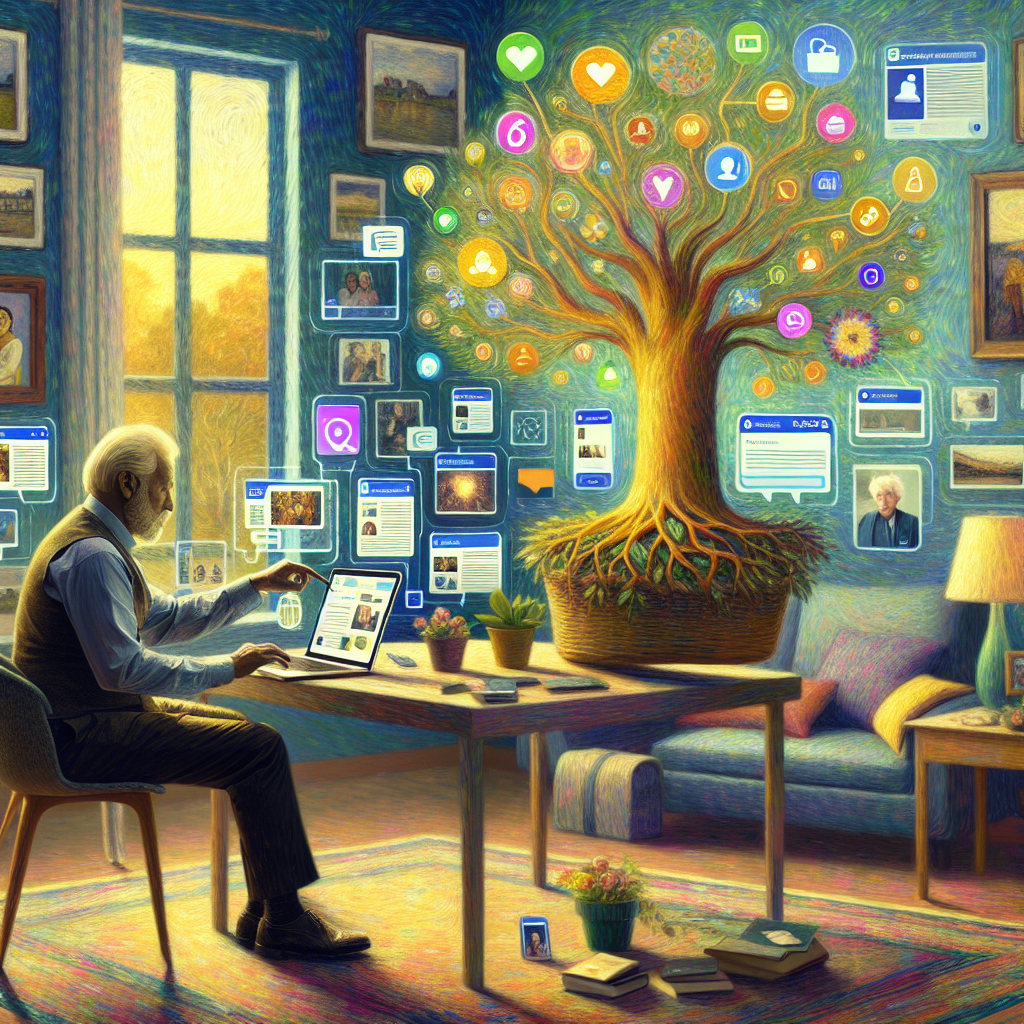
Consider your grandmother’s tales of hardships and triumphs. Each time she shared a story, she didn’t just pass on information; she infused the narrative with lessons of resilience and love. It’s these emotional connections that deepen our understanding of ourselves and our place in the world. When we look at new technology—be it virtual reality, social media, or interactive apps—it can sometimes feel sterile, devoid of the warmth that comes from personal experiences. Yet, when legacy storytelling and technology converge, something magical happens. Technology becomes not just a tool, but a vessel for safeguarding our heritage.
Rationally, we live in a world where the past often battles against our relentless push into the future. New tech can seem intimidating, but it is essential to adapt and lead lives enriched by our histories. By utilizing modern platforms for legacy storytelling, we can share our experiences with a wider audience, inviting others to find relatable moments in our narratives. This digital sharing democratizes memory, forging connections across generations. It encourages a community dialogue where old memories meet new tech, fostering an understanding that transcends age and background.
Ethically, we have a responsibility to safeguard and share our legacies. Technology presents an opportunity to honor those who came before us, ensuring their wisdom is not lost but celebrated. It creates a space where stories can impact not just individual lives but entire communities by teaching empathy and understanding through shared experiences.
As we leverage these new tools, we’re not just telling stories; we’re sparking movements. Every voice matters. Every story has the power to inspire action, build trust, and foster connections that endure. In this blend of old memories and new tech, we find not confusion, but clarity—a reaffirmation that who we are is deeply woven with who we’ve been. The call is clear: let’s embrace the technology that surrounds us not only to innovate but also to honor our past through compelling legacy storytelling.
How Can Storytelling Bridge the Gap Between Old Memories and New Tech?
How Can Storytelling Bridge the Gap Between Old Memories and New Tech?
- Legacy storytelling serves as a vital link to our roots and shared human experience.
- Emotional connections in storytelling deepen our understanding of ourselves and our place in the world.
- New technologies can feel sterile, but when combined with legacy storytelling, they safeguard our heritage.
- Utilizing modern platforms allows wider sharing of experiences, fostering connections across generations.
- There is an ethical responsibility to safeguard and share our legacies through technology.
- Stories can impact communities by teaching empathy and understanding through shared experiences.
- Embracing technology helps honor our past while inspiring action and building enduring connections.

How Can Storytelling Bridge the Gap Between Old Memories and New Tech?
Do You Feel Technology Can Enhance Rather Than Replace Memories?
Memories shape who we are; they’re the stitches that hold the fabric of our lives together. When we gather around a table, sharing laughs and stories, we’re engaging in an ancient form of legacy storytelling, passing down experiences and lessons learned. But today, we find ourselves at a crossroads, with technology breathing new life into how we remember. Rather than being mere substitutes, these advancements can enhance our recollections, weaving them into an even richer tapestry.
Think about the last time you flipped through a family album or watched a video from an old vacation. Each snapshot carries a story, a slice of time that connects us to our past. Now, imagine enhancing those moments with the tools of modern technology. Virtual reality can place us back in those cherished locations, while apps enable us to piece together our narratives in ways our ancestors could only dream of. This not only helps preserve our memories but also enriches them, transforming mere recollections into immersive experiences.
However, it’s crucial to tread thoughtfully. Technology can, at times, feel like it’s trying to replace our memories rather than enhance them. The ethical implications are profound—are we digitizing experiences in a way that oversimplifies or even distorts the essence of those moments? It’s a question of balance. We must harness these tools without losing the emotional weight of our memories. When used responsibly, technology can expand the depth of our storytelling instead of merely stacking our memories into a digital archive.
As social creatures, our interactions with others add layers of meaning to our memories. Sharing those experiences—whether in person or through a screen—creates connections that resonate deeply. When you engage with others, sharing stories enriched by technology, you create shared experiences that linger in the heart and mind much longer than a simple photograph ever could.
Trust in technology means recognizing its potential to honor our past while enhancing our present. The stories we tell become more vibrant and meaningful, inviting future generations to connect with their heritage. So, let’s embrace the tools at our disposal. They’re not here to replace our cherished memories; they’re here to help us celebrate and share them like never before. After all, memories are not just about the past; they are about forging connections that endure, one story at a time.

Do You Feel Technology Can Enhance Rather Than Replace Memories?
Do You Feel Technology Can Enhance Rather Than Replace Memories?
- Memories are fundamental to our identity, acting as the fabric of our lives.
- Gathering to share stories is an ancient form of legacy storytelling.
- Technology enriches memories by enhancing them rather than replacing them.
- Modern tools can transform recollections into immersive experiences.
- Ethical considerations arise when digitizing memories, risking oversimplification.
- Shared experiences through technology strengthen connections and emotional resonance.
- Embracing technology allows for meaningful storytelling and preservation of heritage.

Do You Feel Technology Can Enhance Rather Than Replace Memories?
Conclusion
In the face of rapid technological advancement, we often overlook the profound connections to our past that define our humanity. The race towards the latest gadgetry risks casting the rich narratives of our lives into the shadows, reminding us that while technology offers convenience, it can never replace the essence of our shared stories. These tales, passed down through generations, serve as a guide, shaping our identities and informing our choices. Each memory is a thread in the fabric of our legacy, anchoring us to who we are and where we come from. Embracing legacy storytelling isn’t just a nostalgic exercise; it’s an ethical imperative that fosters community and deeper relationships.
Consider the roles our memories play in decision-making. They inform our choices, stirring emotions that push us toward our better selves. As young adults stand at life’s crossroads, it’s the weight of these shared experiences—moments we’ve witnessed or have been recounted to us—that guide their paths. The dialogue between the past and the present invites reflection on our lived experiences. In this age of social media and digital communication, we can harness technology to spotlight these personal narratives, weaving them into the ever-expanding tapestry of communal memory.
However, the challenge lies in how we balance innovation with the preservation of tradition. Our digital tools can amplify our stories, transforming them into more immersive experiences. Yet, we must be vigilant not to allow the convenience of technology to overshadow the authenticity of our memories. While advancements can enrich our storytelling, there’s a responsibility to ensure that our recounting remains true to the complexity of life itself.
As we strive to uphold our legacies, a pivotal question arises: how do we reclaim our meaningful moments from the grips of modern distractions? It starts with conscious efforts—putting down our devices and investing in face-to-face interactions that foster genuine connection. By weaving our memories into the dialogue of everyday life, we cultivate a culture rooted in empathy and understanding.
In doing so, we honor not only our individual narratives but also those who came before us, ensuring that their stories remain part of our collective consciousness. Ultimately, as we move forward in this technologically driven world, let’s commit to blending innovation with memory, ensuring our legacies not only endure but thrive, inspiring future generations to share their own stories.

Conclusion
Conclusion:
- Technological advancement can overshadow our profound connections to the past that define humanity.
- Legacy storytelling is an ethical imperative that fosters community and deeper relationships.
- Memories inform decision-making and guide young adults at life’s crossroads.
- Personal narratives can be highlighted through social media and digital communication.
- Balancing innovation with preservation of tradition is crucial for authentic storytelling.
- Conscious efforts, such as face-to-face interactions, can reclaim meaningful moments from modern distractions.
- Blending innovation with memory ensures that our legacies endure and inspire future generations.
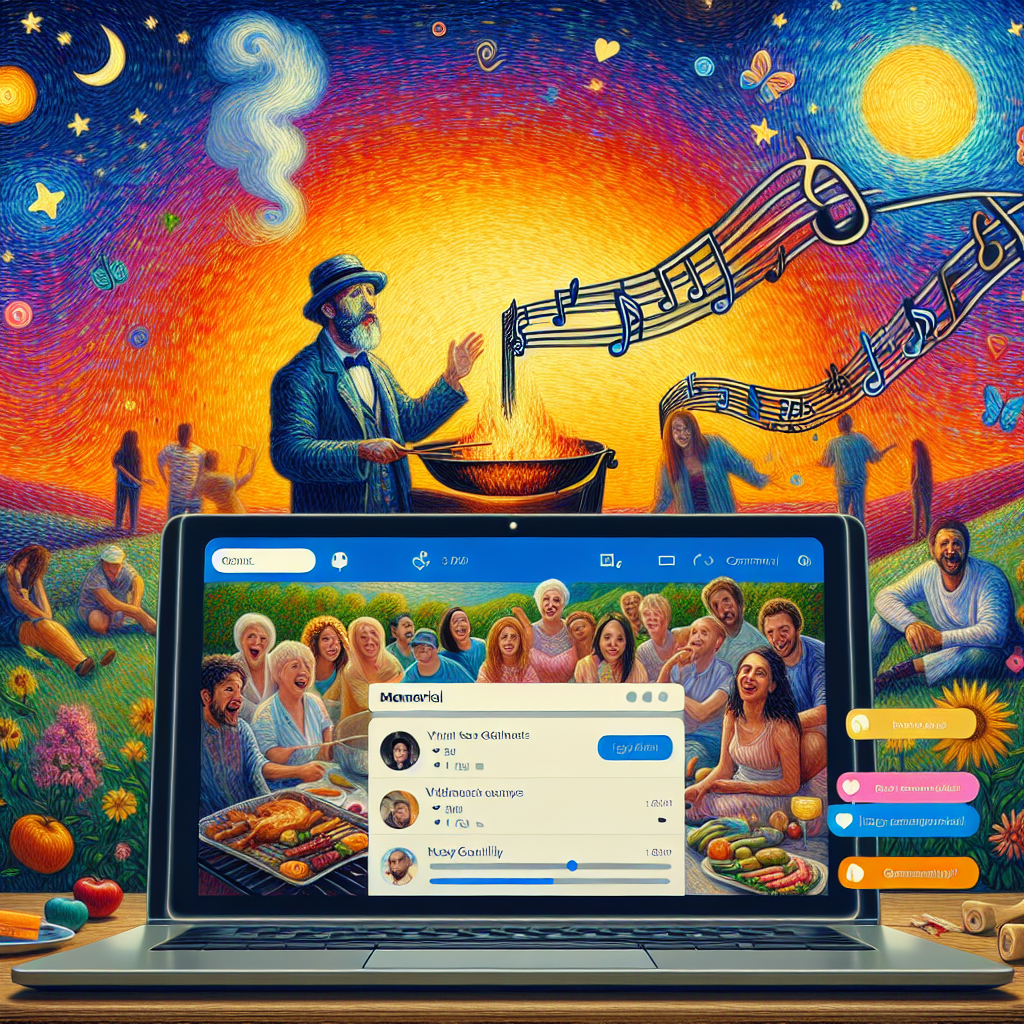
Conclusion
Other Resources

Other Resources
Here is a list of other resources you can review online to learn more:
- Meminto
- Afternote
- Tributize
- NoLo
- INELA
- How to Save Your Family�s Stories from Being Lost Forever � A Step-by-Step Guide to Creating a Lasting Digital Legacy
- Living Wisely
- Forever Missed
- How To Write Legacy Story Headlines That Appeal To The Heart, Gut and Head
- Ever Loved
- Personal Legacy Advisors
- Can Telling and Preserving Personal or Family Legacy Stories Be Therapeutic?
- FamilySearch
- DocuBank
- EverLoved
- Directive Communication Systems
- How Has Time Changed The Cost Of Capturing Family Legacy Stories
- RocketLawyer
- GhostMemo
- LastPass
Use This Prompt To Get More Resources With Your Favorite Online AI Tool: Please provide me with a list of online articles with their URLs in a bulleted list that I can read regarding Technology Moves Forward – Memory Gets Left Behind

Other Resources
Glossary Terms
Technology Moves Forward – Memory Gets Left Behind – Glossary Of Terms
1. Technology: The application of scientific knowledge for practical purposes, especially in industry and daily life.
2. Innovation: The process of introducing new ideas, products, or methods that improve or transform existing technologies.
3. Obsolescence: The process of becoming outdated or no longer useful, often due to advancements in technology.
4. Legacy System: An outdated computer system, application, or technology that is still in use, often due to its critical role in operations.
5. Data Storage: The recording of information in a storage medium for future use, which can become less relevant as technology evolves.
6. Cloud Computing: The delivery of computing services over the internet, allowing for storage and access to data remotely rather than locally.
7. Artificial Intelligence (AI): The simulation of human intelligence processes by machines, especially computer systems, including learning and reasoning.
8. Big Data: Extremely large data sets that can be analyzed computationally to reveal patterns, trends, and associations, especially relating to human behavior.
9. Diminishing Returns: A decrease in the incremental benefit of additional investment in a particular area of technology.
10. Virtual Reality (VR): A technology that uses computer-generated simulations to create immersive experiences that can mimic real or imagined environments.
11. Augmented Reality (AR): An interactive experience combining the real world with computer-generated elements, enhancing perception.
12. User Interface (UI): The means by which a person interacts with a computer, software, or application, crucial for user experience.
13. Software Development: The process of creating and maintaining applications and frameworks through programming and design.
14. Hardware: The physical components of a computer and related devices that support technology functions.
15. Bandwidth: The maximum rate of data transfer across a network at any given time, which can affect performance and technology efficiency.
16. Cryptography: The practice and study of techniques for securing communication and information against unauthorized access.
17. Blockchain: A system of recording information in a way that makes it difficult or impossible to change, hack, or cheat the system.
18. IoT (Internet of Things): The interconnection of everyday devices to the internet, allowing them to send and receive data.
19. Disruption: A disturbance or interruption in an industry or market, often caused by technological advances that create new methods or products.
20. Dissemination: The act of spreading information widely, often enabled by digital technologies.
21. Networking: The practice of connecting computers and other devices to share resources and information.
22. Tech Debt: The implied cost of additional rework caused by choosing an easy solution now instead of using a better approach that would take longer.
23. Interface: The point of interaction between users and technology, which can include software interfaces and physical device controls.
24. Scalability: The capability of a system to handle a growing amount of work or its potential to accommodate growth.
25. Wearables: Devices like smartwatches and fitness trackers that can be worn on the body and often monitor health metrics.
26. Adaptive Technology: Technology modified or designed to assist people with disabilities, enhancing accessibility.
27. Data Privacy: The aspect of information technology that deals with the proper handling of sensitive data.
28. Ethical Hacking: The practice of deliberately probing systems for vulnerabilities to improve security rather than exploit weaknesses.
29. Cybersecurity: The protection of computer systems and networks from theft, damage, and unauthorized access.
30. Sustainability: The ability to be maintained at a certain rate or level, particularly in the context of environmentally friendly technology practices.

Glossary Of Terms
Other Questions
Technology Moves Forward – Memory Gets Left Behind – Other Questions
If you wish to explore and discover more, consider looking for answers to these questions:
- How can I start preserving my family’s stories today?
- What tools and apps are best for recording and organizing personal memories?
- How do I ensure digital memories remain accessible as formats and platforms change?
- Who owns and controls digital legacy content after someone dies?
- What privacy and consent issues arise when recording or sharing others’ stories?
- How can I verify the authenticity of digitized memories and avoid distortion?
- What are best practices for combining oral storytelling with photos, video, and documents?
- How can communities or organizations help preserve collective cultural memories?
- What role should schools play in teaching legacy storytelling and memory preservation?
- How can technology (VR/AR/AI) be used ethically to enhance memories without replacing the lived experience?
- What safeguards exist against deepfakes or manipulated versions of personal histories?
- How do generational differences affect what gets preserved and how it’s valued?
- How much does it cost to preserve and archive a personal or family legacy?
- What are low-cost or no-cost options for people with limited resources?
- How do cultural differences influence which memories are considered worth preserving?
- How can busy people make time for meaningful storytelling in daily life?
- What legal documents or metadata should accompany archived memories to maintain context?
- How long should digital memories be kept, and who decides when to delete them?
- How can organizations balance efficiency and authenticity when documenting history?
- What measures can be taken to protect archived memories from data loss or obsolescence?
- How do we evaluate the ethical trade-offs between convenience of tech platforms and depth of human connection?
- What are practical steps to encourage elders to share stories before they’re lost?
- How can families create intergenerational projects that blend tradition and technology?
- What responsibilities do tech companies have in preserving users’ legacy content?
- How can storytellers avoid romanticizing the past while preserving its lessons honestly?
- What metrics or indicators show that legacy storytelling is strengthening relationships or community bonds?
- How can public archives and museums adapt to incorporate personal digital legacies?
- What role can AI play in organizing, transcribing, and enriching personal archives—and what are the risks?
- How can people assess whether a digital preservation method will be future-proof?
- What examples exist of successful projects that have preserved and revitalized community memories?
- How should families handle conflicting or contested memories when creating a shared legacy?
- How can storytelling be made accessible for people with disabilities or language barriers?
- What ethical guidelines should govern public sharing of painful or traumatic family histories?
- How do we teach younger generations the value of legacy storytelling in a screen-centric world?
- What incentives might motivate individuals, institutions, or governments to invest in memory preservation?
- How do we strike a healthy balance between documenting life and living it?

Other Questions
Haiku
Technology Moves Forward – Memory Gets Left Behind – A Haiku
Memories entwined,
Tech whispers of the past lost,
Hearts and stories thrive.

Haiku
Poem
Technology Moves Forward – Memory Gets Left Behind – A Poem
In a world where gadgets gleam and glow,
Our roots risk fading in the relentless flow.
Technology races, but what do we gain,
When memories linger like shadows of pain?
Once, at the table, we shared tales so dear,
Of triumphs, of laughter, and moments sincere.
But now we’re absorbed in a digital haze,
Missing the threads of our cherished days.
Each story, a reminder, each laugh, a song,
Shapes who we are in a world that feels wrong.
Emotions entwined in our ancestral lore,
Lessons and legacies—rich fabrics we wore.
Yet algorithms lead us to scroll and to swipe,
As the heart longs for stories, for truth, and for life.
The ethical balance—hold old memories tight,
While we embrace innovation, ignite loves light.
So let’s lift our voices, blend past with the new,
Using tech as a canvas, to share what is true.
Anchor our future in the stories we weave,
As we dance with our heritage, we learn to believe.
For every shared moment, each heartfelt embrace,
Bridges the gap of both time and space.
In honoring legacy, let connection be ours,
As we forge new pathways, where love always powers.

Poem
Checklist
Technology Moves Forward – Memory Gets Left Behind – A Checklist
Emotional Appeals
✅______ Reflect on a significant memory that defines who you are.
✅______ Share a story from your past that evokes strong emotions with a loved one.
✅______ Create a tradition of storytelling during family gatherings.
Rational Appeals
✅______ Identify three lessons learned from your past experiences that guide your current decisions.
✅______ List ways technology can help document your legacy stories.
✅______ Assess how your memories shape your identity and impact your choices.
Ethical Appeals
✅______ Consider the importance of preserving authentic memories in a digital age.
✅______ Reflect on how technology can both enhance and distort your recollections.
✅______ Decide to share at least one story that honors your heritage and values.
Authority Appeals
✅______ Research how historical narratives influence current societal norms.
✅______ Engage with community storytelling events or workshops.
✅______ Document your family history through interviews with older relatives.
Narrative Appeals
✅______ Write down a pivotal story from your past that holds valuable lessons for the future.
✅______ Create a visual timeline of your life’s significant events to share with others.
✅______ Choose a modern storytelling platform (e.g., blog, social media) to share your legacy.
Social Appeals
✅______ Connect with friends or family members to share memories and insights.
✅______ Participate in community storytelling events to exchange narratives with others.
✅______ Start a memory-sharing group, encouraging participants to share their life stories.

Checklist
At LegacyExplorations, we help people plan and explore their legacy by collecting information and news regarding end-of-life planning.
Please share this post with your friends, family, or business associates who may want help to plan or explore their legacy.