

Connecting Generations Through Digital Narratives
By Tom Seest
At LegacyExplorations, we help people plan and explore their legacy by collecting information and news regarding end-of-life planning.
Please share this post with your friends, family, or business associates who may want help to plan or explore their legacy.
Telling Your Life Story In a Smartphone World
In a world awash with filters and curated highlights, the art of Legacy Storytelling remains an anchor in the turbulent sea of fleeting moments and viral trends. We all hold a treasure trove of experiences, lessons learned, and tales that shape who we are, yet the onslaught of smartphone distractions often pulls our gaze away from this rich tapestry of life. Yet, it’s crucial we turn back; that we reconnect with our personal narratives—not just for ourselves, but for those who come after us.
Imagine gathering your loved ones—huddled around a dinner table or lounging in a backyard. As the sun sets and the stories begin to unfurl, you resonate with their laughter, their tears, their shared humanity. These moments are not just memories; they are legacy-building blocks. When you share your struggles, triumphs, and everything in between, you invite connection and vulnerability. This isn’t just storytelling; it’s sowing seeds for the future—seeds that can inspire your children, your grandchildren, and generations beyond to embrace their own journeys with courage.
Now, let’s talk about the “how.” Lead with your gut; don’t fear the raw, unfiltered truth. It’s easy to present a sanitized version of life, but real stories resonate. You don’t need to have a Pulitzer Prize to tell your story, just authenticity. In an age where algorithms dictate our worth through likes and shares, take a breath and remember: real engagement isn’t captured in a single post but is forged through genuine connections.
The ethical imperative is clear. Too many narratives go untold. Too many voices sit on the sidelines while the loudest, brightest influencers dominate the stage. But here’s the kicker: everyone’s life holds value, and your unique experiences are pieces of a larger puzzle. By stepping into the light, you’re not simply asserting your presence; you’re claiming your space in a world desperate for authenticity.
So, let’s not hide behind screens. Let’s turn off the notifications and engage in Legacy Storytelling that resonates through generations. Sharing your journey can empower others, inspire change, and affirm that we’re all part of a collective experience. This isn’t just about you; it’s about us, our shared stories, and our connected futures. Open your heart, your mind, and your voice, and watch as the world transforms—one story at a time.

Telling Your Life Story In a Smartphone World
Telling Your Life Story In a Smartphone World
- Legacy Storytelling serves as an anchor amid distractions from filters and viral trends.
- We all possess valuable experiences and lessons that shape our identities.
- Reconnecting with personal narratives is vital for ourselves and future generations.
- Sharing stories fosters connection, vulnerability, and legacy-building with loved ones.
- Authentic storytelling, not sanitized versions, resonates more deeply with others.
- Every individual’s story holds value; everyone can contribute to a larger narrative.
- Engaging in Legacy Storytelling empowers others and strengthens our collective experience.

Telling Your Life Story In a Smartphone World
Table Of Contents
- Telling Your Life Story In a Smartphone World
- What Memories Are You Cherishing That Deserve To Be Shared?
- How Can Storytelling Shape Our Understanding Of Ourselves?
- Are We Losing Our Personal Narratives In A Digital Age?
- What Is The Significance Of Storytelling In Preserving Our History?
- Can Your Life Story Inspire Others To Embrace Their Own Journeys?
- How Can We Ensure Future Generations Know Our True Experiences?
- What Role Does Vulnerability Play In Telling Your Life Story?
- Conclusion
- Other Resources
- Glossary Of Terms
- Other Questions
- Haiku
- Poem
- Checklist
What Memories Are You Cherishing That Deserve To Be Shared?
In the hustle and bustle of daily life, we often overlook the power of our memories. Yet, each moment we cherish carries a weighty legacy—a tale waiting to be told. Think about it: how many stories from your life are etched in your mind, waiting to bridge generations? Legacy storytelling isn’t just about recounting the past; it’s about crafting the future, weaving threads of experience, wisdom, and emotion that resonate with others.
Consider a simple family gathering, the laughter, the aroma of a home-cooked meal, and the stories that emerge like old friends. Those moments connect us not just on a sentimental level but also on a rational one. Sharing your memories can foster traditions that ground younger generations, offering them a sense of identity and belonging in a world that often feels chaotic. This is where the ethical responsibility of sharing comes into play. By articulating our memories, we enrich others’ lives, provide lessons learned from mistakes, and celebrate triumphs that inspire resilience.
Narrative is a powerful tool. When you share your stories, you invite others into your experience, creating an intimate bond that transcends time. Think about the last time you told a story that drew in your friends or family; you could see the shift in their expressions, the way their minds painted pictures alongside your words. Those sparks of connection remind us just how vital each story is, igniting curiosity and empathy in those who listen.
But there’s more to it. In an age where our lives are often lived in snippets and hashtags, it’s crucial to reclaim the art of storytelling. It’s not merely an exercise in nostalgia; it’s a social obligation to chronicle our experiences, our losses, and our triumphs. By sharing, we create a tapestry rich with varied colors and textures, allowing others to find solace or inspiration in similar experiences.
So, let’s dig deep into our hearts, extracting those vivid memories that shaped us. Whether it’s a lesson learned or a joy celebrated, each cherished moment serves as a building block in our collective narrative. As you reflect on your life, ask yourself: What memories are you holding close that could inspire or resonate with someone else? Let’s harness the power of our stories and pass down a legacy that, in turn, shapes the future.

What Memories Are You Cherishing That Deserve To Be Shared?
What Memories Are You Cherishing That Deserve To Be Shared?
- Memories hold significant power and carry a legacy worth sharing.
- Legacy storytelling connects generations by bridging past and future experiences.
- Family gatherings foster traditions and a sense of identity for younger generations.
- Sharing memories enriches lives, teaches lessons, and inspires resilience.
- Narrative creates intimate bonds, drawing listeners into shared experiences.
- Reclaiming the art of storytelling is crucial in today’s fast-paced, digital world.
- Reflecting on our memories can inspire others and contribute to a meaningful legacy.

What Memories Are You Cherishing That Deserve To Be Shared?
How Can Storytelling Shape Our Understanding Of Ourselves?
What is it about a well-told story that sticks with us, weaving itself into the very fabric of who we are? Each of us carries a legacy — a collection of experiences, values, and lessons, passed down like heirlooms, waiting to be unpacked. Storytelling is the thread that stitches these pieces together, a mechanism that not only entertains but deepens our understanding of ourselves and those around us.
At its core, storytelling invites us to reflect on our own lives, sparking a conversation that intertwines the personal with the universal. Think about it: when we hear tales of resilience, struggle, and triumph, we don’t just listen; we see ourselves echoing those sentiments. That moment when a character overcomes adversity ignites a spark within us, echoing our own battles and victories. It reminds us we’re not alone in this chaos of existence.
But let’s get real. Stories hold power because they articulate the messy, complex truths of the human experience. They don’t shy away from discomfort; rather, they embrace it. They tackle ethical dilemmas head-on, forcing us to confront our values and beliefs. A gripping tale about a moral quandary pushes us to ponder: what would we do in a similar situation? This is not just thought-provoking; it’s an invitation to act, to align our daily choices with our moral compass.
Consider the narratives we share within families and communities. Each story shapes our identity, fostering connection and understanding across generations. When we gather around a fire or over a dinner table, we’re not merely recounting experiences; we’re actively engaging in legacy storytelling. We pass down wisdom and caution from those who walked before us, reinforcing societal bonds and encouraging growth. This communal aspect of storytelling fulfills a deep-rooted need for belonging.
As we embrace these narratives, we carve out spaces where we can express our hopes, fears, and aspirations. It’s a call to listen closely — to our own inner voices and to others who share their truths. So next time a story crosses your path, take it to heart. Reflect, share, and let it mold your understanding of yourself and your place in the world. In doing so, you contribute to a legacy that can uplift, inspire, and reshape futures.

How Can Storytelling Shape Our Understanding Of Ourselves?
How Can Storytelling Shape Our Understanding Of Ourselves?
- A well-told story weaves itself into our identity, forming a legacy of experiences, values, and lessons.
- Storytelling deepens our understanding of ourselves and connects personal experiences with universal themes.
- Stories of resilience and triumph resonate with our personal struggles, reminding us of our shared humanity.
- They articulate the complex truths of the human experience, tackling discomfort and ethical dilemmas.
- Stories prompt us to reflect on our values and make choices aligned with our moral compass.
- Family and community narratives shape our identity, fostering connection and understanding across generations.
- Engaging with stories allows us to express hopes and fears, contributing to a legacy that can inspire and uplift.

How Can Storytelling Shape Our Understanding Of Ourselves?
Are We Losing Our Personal Narratives In A Digital Age?
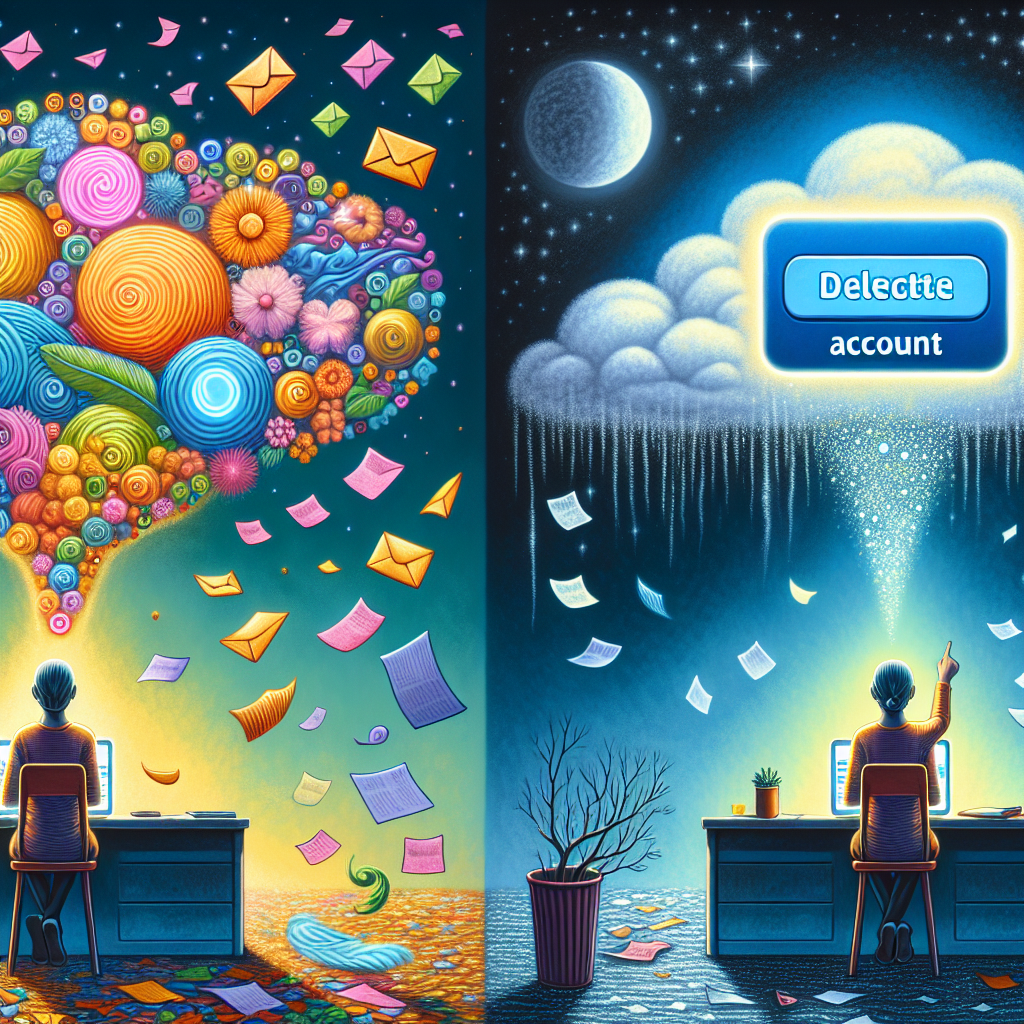
In a world where swipes and clicks overshadow conversations, we must consider what we might be sacrificing. Our personal narratives—those rich, intricate tapestries of experience—risk unraveling in the digital ether. When was the last time you gathered around a table with friends, sharing stories that made you laugh or cry? Those moments, so fundamental to our existence, are fading. While we document our lives through curated social media posts, the authenticity of Legacy Storytelling is lost in a sea of filtered images and fleeting impressions.
Think about it: each one of us has a treasure trove of experiences that shaped who we are. The way we tell our stories carries the weight of our histories, cultures, and identities. By sharing them, we not only honor our past but also establish deep connections. Yet, as we trade face-to-face interactions for virtual validation, we risk losing the very essence of what makes us human. We create an echo chamber of likes and shares instead of robust dialogues that challenge us, inspire us, and ultimately enrich our lives.
The data tells a stark story: humans crave connection. Research shows that storytelling can elevate empathy and understanding. It speaks to our heads, hearts, and guts. When we hear someone’s journey—the struggles, the triumphs, the lessons learned—we feel a surge of relatability. We nod along, perhaps even clutch our hearts, as we recognize our own paths in theirs. But when we reduce our experiences to polished soundbites, we deny ourselves and others the opportunity to connect on a deeper level.
Ethically, we must ask ourselves: what do we value? Are we content with superficial engagements that provide a temporary hit of dopamine? Or do we aspire to foster genuine relationships built on shared narratives? The answer lies within us, embedded in our collective wisdom. By embracing Legacy Storytelling, we not only honor those who came before us but also pave the way for those who will follow.
Let’s reclaim our stories and resist the urge to let a screen dictate our connections. As we share our truths, we reinforce the bonds that make us resilient and compassionate. By engaging in meaningful conversations, we kindle the flame of understanding amidst a chaotic digital world. It’s time to step back, reflect, and embrace the art of storytelling—our legacy depends on it.

Are We Losing Our Personal Narratives In A Digital Age?
Are We Losing Our Personal Narratives In A Digital Age?
- Digital interactions through swipes and clicks are overshadowing meaningful conversations.
- Personal narratives are at risk of being lost in the digital world, unraveling without genuine connection.
- Curated social media posts detract from the authenticity of Legacy Storytelling, replacing it with filtered impressions.
- Storytelling is essential for honoring our past and establishing deep connections that reflect our histories and identities.
- Humans crave connection; research shows that storytelling enhances empathy and understanding.
- We must choose between superficial engagements for validation or fostering genuine relationships through shared narratives.
- Reclaiming storytelling is essential for resilience and compassion in a chaotic digital landscape, as it reinforces meaningful bonds.

Are We Losing Our Personal Narratives In A Digital Age?
What Is The Significance Of Storytelling In Preserving Our History?
Storytelling isn’t just an art; it’s the lifeblood of our legacy. It weaves together the fabric of our history, connecting generations in a way that dates back to campfires and cave walls. This ancient practice does more than relay facts; it breathes life into the stories of who we are, from the triumphs that inspire us to the struggles that humble us.
Think about it: every family gathering is a treasure trove of tales waiting to be shared. Those anecdotes—your grandfather’s hardships or your mother’s adventures—are not mere entertainment. They are crucial threads in the tapestry of your existence. They offer perspective, grounding us in our heritage and reminding us of the choices made before us. To discard these stories is to risk losing our very identity.
Rationally speaking, storytelling is effective because of its ability to echo truths. When we hear narratives of perseverance, resilience, and hope, they resonate deep within us, shaping our values and decisions. It invites us to reflect on our own experiences and challenges. We can learn from the mistakes of those before us and carry forth their wisdom, ensuring that neither their struggles nor successes fade into obscurity. This cycle allows for growth—not only for individuals but for entire communities.
On an ethical front, storytelling compels us to confront uncomfortable truths. It encourages empathy by allowing us to walk in another’s shoes, reminding us that our differences—whether in culture, background, or perspective—enrich our collective human experience. Every voice matters, and every story deserves to be heard. It fosters a sense of responsibility to share our own narratives while honoring those of others.
Look around you—our society thrives on shared stories. When we gather around the kitchen table or share moments on social media, we’re not just communicating; we’re creating bonds that transcend time and space. Storytelling invites connection, whether among family, friends, or even strangers. It cultivates understanding in a world eager for division, fueling the notion that we are all part of a larger narrative.
So, the next time you gather with loved ones, remember: you hold a piece of history in your hands. Share your stories, listen to others, and embrace the beautiful, messy tapestry that is your legacy. It’s not just about preserving history; it’s about living it—and more importantly, passing it on.

What Is The Significance Of Storytelling In Preserving Our History?
What Is The Significance Of Storytelling In Preserving Our History?
- Storytelling is essential for preserving our legacy and weaving together the fabric of history.
- Family gatherings are rich with personal anecdotes that connect us to our heritage and identity.
- Effective storytelling encapsulates truths that resonate with our values and decisions.
- Sharing narratives allows us to learn from past experiences, fostering growth for individuals and communities.
- Storytelling promotes empathy by encouraging us to understand diverse perspectives and cultures.
- In society, shared stories create bonds that transcend time and space, fostering connection.
- Embracing storytelling is crucial for preserving history and ensuring it is lived and passed on.
What Is The Significance Of Storytelling In Preserving Our History?
Can Your Life Story Inspire Others To Embrace Their Own Journeys?
Every life is an unrepeatable journey, woven with threads of struggle, triumph, joy, and pain. When we share our story—the real, gritty, raw version—we invite others to see themselves in our experience. We’re not offering a template or a blueprint; we’re sharing a legacy that transcends time. It’s the art of legacy storytelling, a powerful tool that reminds us of our shared humanity and the universal themes that bind us.
Think of a moment in your own life when you felt utterly lost. There you were, grappling with choices that seemed to lead nowhere but deeper confusion. Now imagine if someone had lifted the veil and let you glimpse their own trials. How would that have altered your path? When you recount your hardships, you’re not merely regurgitating facts; you’re crafting a narrative that holds the power to resonate deeply. It’s often in our darkest moments that our stories become the lanterns guiding others through their own fog.
Rationally, sharing our experiences also builds bridges. These bridges enable vital connections, reminding us that others have walked similar paths. Whether it’s the seasoned tradesperson recounting the risks taken to forge a career, or the young entrepreneur navigating the tumult of invention, each story carries its own weight of authenticity. Authenticity breeds trust. When we open up, we cut through societal facades, inviting others to take a seat at our table to share their own struggles and aspirations.
Ethically, we have a responsibility to illuminate the messy truths of life. Society often hails perfection, but behind closed doors, every success is a patchwork of failures stitched together with resilience. By being transparent about our journeys, we empower others to embrace their imperfections and infuse their narratives with grit and authenticity.
When we speak with vulnerability, we resonate on a deeply emotional level. Our stories remind others that they are not alone. That’s the beauty of legacy storytelling—it creates a chorus of voices that resonate through time. As we share, we engender a culture of acceptance, encouraging everyone to step into their own unique narrative, to celebrate each twist and turn, each setback and comeback. So, take heart, share your story; you may just ignite a spark in someone ready to embrace their journey with open arms.

Can Your Life Story Inspire Others To Embrace Their Own Journeys?
Can Your Life Story Inspire Others To Embrace Their Own Journeys?
- Every life is a unique journey filled with struggle, triumph, joy, and pain.
- Sharing our authentic stories invites others to see themselves in our experiences.
- Legacy storytelling transcends time and highlights our shared humanity and universal themes.
- Recounting hardships can guide others through their own difficult moments.
- Sharing experiences fosters connections and trust, bridging gaps in understanding.
- Transparency about life’s imperfections empowers others to embrace their own journeys.
- Vulnerability in storytelling creates a culture of acceptance, encouraging personal narratives.

Can Your Life Story Inspire Others To Embrace Their Own Journeys?
How Can We Ensure Future Generations Know Our True Experiences?
When we think about our lives and the stories that shape us, it’s imperative to recognize the importance of legacy storytelling. These are the narratives that transcend time, reaching across generations like a bridge made of words and memories. They carry the weight of our experiences, the laughter, the tears, the lessons learned in the trenches of everyday life. We have a duty, not just to ourselves, but to our children and their children, to craft stories that are as raw and real as the life we’ve lived.
Imagine gathering around a fire, the warmth of the flames mirrored in the eyes of those you love. In that moment, you’re not just sharing a tale; you’re weaving a fabric that binds your family together. Your stories reveal who you are, grounding your legacy in the authenticity of your triumphs and struggles. It’s not just about spinning a yarn; it’s about serving as a beacon of hope and resilience for those who come after you.
To ensure that future generations grasp the essence of who we were, we must be intentional about our storytelling. Don’t just recount the events; share the emotions that colored those moments. Describe the sweat on your brow when you faced adversity. Paint a picture of the joy you felt during your greatest achievements. Think of the hard-earned wisdom that can only come through experience, and don’t shy away from the lessons learned through failure. This is the stuff that truly resonates, the grit that gives our stories their weight and significance.
Ethically, it’s our responsibility to honor those who walked before us, paving the way for our stories. By sharing our truths—however messy or imperfect—we foster a sense of community, reminding others that they are not alone in their journeys. This builds trust, as those who listen to our experiences become encouraged to share their own.
So, how can we better ensure that our stories echo in the hearts of future generations? Start today. Write, record, or simply speak your truth. Pass it down with pride. Remember, it’s not just about making an impact; it’s about building a legacy that thrives off authenticity and connection. In doing so, we empower the next generation to embrace their own narratives, carrying the torch of truth forward into the future.

How Can We Ensure Future Generations Know Our True Experiences?
How Can We Ensure Future Generations Know Our True Experiences?
- Legacy storytelling is crucial as it connects generations through shared narratives.
- These stories encapsulate our life experiences, including emotions like laughter and tears.
- Crafting authentic stories helps ground our legacy in both triumphs and struggles.
- Intentional storytelling involves sharing emotions and vivid experiences, not just events.
- Honoring those before us and sharing our truths fosters community and encourages others.
- We should actively document and share our stories to ensure they resonate with future generations.
- Building a legacy through authentic storytelling empowers the next generation to tell their own stories.

How Can We Ensure Future Generations Know Our True Experiences?
What Role Does Vulnerability Play In Telling Your Life Story?
Vulnerability is the unpolished gem in the rough stone of our life stories. It’s that moment when the wall cracks, exposing the tender bits we often try to hide, but it’s also where the magic happens. Without vulnerability, our tales become threads of bravado and bravado alone—hollow echoes of experience that fail to resonate. Life has a way of teaching us through our struggles, and those lessons are what make our legacy authentic and compelling.
When we open ourselves up, we invite connection. Consider the power of a well-told story that reveals the missteps, the heartaches, the questions we all harbor. There’s an undeniable strength in laying bare our flaws and failures. They remind us—each and every one of us—that life isn’t a curated Instagram feed; it’s messy, chaotic, and beautifully human. When you share your vulnerabilities, you not only affirm your authenticity but also give others permission to share theirs.
Rationally, acknowledging vulnerability speaks to our very nature. Social psychology teaches us that people bond over shared experiences of hardship and triumph. It’s a fundamental way to forge connections, to build relationships based not on perfection, but on realness. Your vulnerability can spark someone else’s courage, catapulting them into their own story of resilience. We find solace in knowing we’re not alone—our struggles are often the threads that weave humanity together.
From an ethical standpoint, there’s a considerable responsibility that comes with legacy storytelling. Your journey—a tapestry woven from triumphs and tribulations—has the potential to shape future generations. It’s not merely your story; it’s a beacon of hope or a lesson in humility for others. By owning your narrative, you contribute to a bigger dialogue. You show that vulnerability isn’t a weakness; it’s a strength, a testament that overcoming hardship is just as important as celebrating success.
It’s about fostering that gut feeling that says, “I can relate.” When you embrace vulnerability, you inspire others not just to listen to your story, but to reflect on their own. You plant seeds of trust and confidence, creating a legacy that encourages openness and resilience—the essence of what it means to be human. Share your truth, and let others know that their stories matter too; together, we can cultivate a deeper understanding and connection.

What Role Does Vulnerability Play In Telling Your Life Story?
What Role Does Vulnerability Play In Telling Your Life Story?
- Vulnerability is likened to an unpolished gem, revealing the tender parts of our lives that we often hide.
- Without vulnerability, life stories become hollow echoes, lacking real resonance and authenticity.
- Opening up fosters connection, powering well-told stories that resonate through shared hardships.
- Acknowledging flaws and failures highlights the messy, chaotic nature of humanity, contrasting with curated images of perfection.
- Vulnerability can inspire courage in others, forming bonds through shared experiences of struggle and triumph.
- Legacy storytelling carries responsibility, as personal narratives can serve as hope and lessons for future generations.
- Embracing vulnerability not only encourages openness but also validates that everyone’s story matters, deepening human connection.

What Role Does Vulnerability Play In Telling Your Life Story?
Conclusion
In this chaotic and hyper-digital world, where lives are often distilled into snippets of curated content, the essence of Legacy Storytelling fights to reclaim its rightful place in our hearts and homes. We find ourselves wrestling with the question: What becomes of our stories when the art of storytelling fades in favor of likes and shares? Each one of us carries a set of experiences—rich tapestries woven from laughter, tears, struggles and victories—that represent who we are and shape our legacies. Imagine a family gathering, the atmosphere thick with anticipation as beloved stories rise to the surface, each tale igniting a spark of recognition or revelation. These moments aren’t merely nostalgic; they are the foundation of our shared human experience, a powerful reminder that our histories are interwoven.
The truth? Authenticity in storytelling holds an ethical weight. Every voice matters—there’s an unfilled space created by those who don’t share their truths. It’s a social obligation to step onto the stage with our own narratives, ones that are raw, messy, and real. Encouragement comes from the understanding that vulnerability isn’t a liability; instead, it’s a strength that fosters profound connections. When we articulate our flaws, struggles, and triumphs, we grant permission for others to do the same, paving pathways for empathy and resonance. Don’t let the digital age rob you of that.
As we embark on this thoughtful journey back to Legacy Storytelling, consider the responsibility we carry for future generations. The tales we pass down—filled with heartfelt emotion, wisdom, and vulnerability—are powerful catalysts for hope and inspiration. They ground us in our identities, reminding us of communal bonds that transcend time and space. This isn’t just your story; it’s a part of a collective narrative that deserves to be honed, shared, and celebrated.
In the end, ask yourself: What will your legacy be? Can it transform a life, ignite understanding, or inspire courage in another soul standing at a crossroads? Share those life lessons, the tough ones that shaped you, and watch as they resonate—inspiring others to face their challenges with renewed tenacity. By engaging in Legacy Storytelling, we cultivate a world where every story matters, where experiences connect us, and where the beauty of sharing our journeys can lead to a richer, more compassionate future for us all. Let’s embrace this powerful art, not just to preserve the past, but to illuminate the path ahead for generations to come.

Conclusion
Conclusion:
- The chaotic digital world diminishes the art of storytelling, challenging us to reclaim the essence of Legacy Storytelling.
- Each person’s life experiences are a unique tapestry that shapes their identity and legacy.
- Family gatherings ignite stories that reinforce our shared human experience and collective history.
- Authenticity in storytelling is ethically important; every voice adds value to the narrative.
- Vulnerability in sharing our narratives fosters connections and builds empathy.
- The stories we pass down can inspire future generations by sharing wisdom, emotion, and resilience.
- Engaging in Legacy Storytelling enables us to create a compassionate future by honoring shared experiences.

Conclusion
Other Resources

Other Resources
Here is a list of other resources you can review online to learn more:
- EverLoved
- LifeWeb 360
- Funeral Services Guide
- Remembered.com
- Digital Legacy Association
- Directive Communication Systems
- Storyfile
- YouMattered
- Legacy Family Tree
- How To Write Legacy Stories That Appeal To The Heart, Gut and Head
- Geni
- Can Telling and Preserving Personal or Family Legacy Stories Be Therapeutic?
- LifeBio
- How Has Time Changed The Cost Of Capturing Family Legacy Stories
- Storyfile Life
- NoLo
- APH
- deviantART
- FutureMe
- AmericanAncestors
Use This Prompt To Get More Resources With Your Favorite Online AI Tool: Please provide me with a list of online articles with their URLs in a bulleted list that I can read regarding Telling Your Life Story In a Smartphone World

Other Resources
Glossary Terms
Telling Your Life Story In a Smartphone World – Glossary Of Terms
1. Autobiography: A self-written account of one’s life, detailing personal experiences and reflections.
2. Narrative: The structured telling of a story, including plot, characters, and themes.
3. Digital Legacy: The collection of digital information and content a person leaves behind after passing, including social media posts, photos, and videos.
4. Social Media: Platforms that allow users to create and share content or participate in social networking, influencing how life stories are told and shared.
5. Memoir: A branch of autobiography that focuses on specific experiences or periods in a person’s life rather than the entire life story.
6. User Interface (UI): The means by which a user interacts with a digital device; crucial for storytelling apps and platforms.
7. Digital Footprint: The trail of data one leaves behind while using the internet, significant in understanding how personal stories are perceived online.
8. Multimedia: Integrated use of text, audio, video, and images to enhance storytelling, particularly on digital platforms.
9. Podcast: An audio program available for streaming or download, often used to narrate personal stories and experiences.
10. Blog: An online journal or informational website where individuals can express thoughts, share stories, and engage with audiences.
11. Video Diary: A personal video recording capturing thoughts and life events, providing a visual narrative of one’s story.
12. Photography: The art of capturing images that can illustrate moments and feelings in one’s life story.
13. Online Privacy: The practice of protecting personal information from unauthorized access when sharing life stories online.
14. Crowdsourcing: Engaging a community to contribute stories or feedback, shaping the narrative collaboratively.
15. Digital Storytelling: Using digital media tools to tell stories, combining text, audio, images, and video.
16. Self-Representation: The way an individual chooses to portray themselves in a digital environment, influencing their personal narrative.
17. Virtual Reality (VR): An immersive digital experience that can create a presence in a simulated environment, enhancing storytelling.
18. Social Networking: Building connections with others online that contribute to sharing and expanding life’s narratives.
19. Curation: The act of selecting and organizing personal content for presentation, often in the context of social media or personal websites.
20. Anonymity: The quality of being unknown or unacknowledged in online spaces, affecting how stories are told and received.
21. Engagement: Interaction and participation with an audience through likes, comments, and shares, expanding the reach of personal stories.
22. Influencer: A person who holds the power to affect the purchasing decisions of others because of their authority or connection to their audience, often sharing life stories to build connection.
23. Narrative Arc: The chronological construction of plot in a story, enhancing the dramatic experience of life events.
24. Content Creation: The process of generating ideas and producing various forms of media to tell personal stories.
25. Sustainability: The practice of ensuring that storytelling methods and online platforms can continue to operate and respect the environment.
26. Self-Discovery: The process of learning about oneself, often reflected in the telling of life stories.
27. Audience: The group of people who consume and engage with personal stories, influencing how they are told.
28. Digital Ethics: The moral guidelines governing the use of digital media, particularly relevant in sharing personal narratives.
29. Memory Mapping: A technique for visualizing memories and experiences that can help organize and present one’s life story.
30. Authenticity: The quality of being genuine or true to oneself, important for compelling storytelling in a digital context.

Glossary Of Terms
Other Questions
Telling Your Life Story In a Smartphone World – Other Questions
If you wish to explore and discover more, consider looking for answers to these questions:
- What are some practical steps to begin legacy storytelling?
- How can technology be used to enhance storytelling in a digital age?
- What are some examples of impactful legacy stories from history?
- How can we encourage younger generations to share their stories?
- What are common barriers to storytelling, and how can they be overcome?
- How does sharing our stories contribute to community building?
- What are some ways to ensure the stories we share remain authentic?
- What impact does storytelling have on mental health and well-being?
- How do cultural differences influence storytelling practices?
- In what ways can organizations utilize storytelling for their missions?
Other Questions
Haiku
Telling Your Life Story In a Smartphone World – A Haiku
Stories weave the past,
Threads of joy, pain unite us—
Legacies alive.

Haiku
Poem
Telling Your Life Story In a Smartphone World – A Poem
In quiet corners where stories bloom,
Life’s rich tapestry finds its room,
Beyond the filters, beyond the screen,
Lies a treasure that must be seen.
Gather round the hearth, let voices blend,
In laughter and tears, our hearts transcend,
Each struggle and triumph, a lesson to share,
A legacy written in the love we dare.
Don’t fear the raw, unpolished truth,
For hidden in woes lies the wisdom of youth;
Our shared humanity, a tapestry spun,
Woven by lives, each story a sun.
In the age of haste, connections fray,
Yet every life matters, in its own way.
From old tales whispered to new dreams ignited,
In passing our stories, the future’s invited.
Vulnerability’s strength, a beacon of light,
In sharing our flaws, we invite others’ might.
For when we reflect, we discover and grow,
Through each heartfelt narrative, we kindle the glow.
So stop for a moment, take back the night,
Embrace the messiness, let your soul take flight.
In the rhythm of stories, we honor, we heal,
Creating a legacy that time won’t conceal.
Let’s cherish our memories, those moments profound,
For in telling our tales, true purpose is found.
We ignite hearts to embark on their quests,
With every shared journey, we become our best.

Poem
Checklist
Telling Your Life Story In a Smartphone World – A Checklist
Legacy Storytelling Checklist
Emotional Appeals
_____ Reflect on Vulnerability: List moments in your life where vulnerability led to deeper connections.
_____ Identify Cherished Memories: Think of three life experiences that bring you joy or lessons learned. Write them down.
_____ Engage in Story Sharing: Plan a gathering with friends or family to share a personal story.
Rational Appeals
_____ Assess Your Influence: What key experiences could inspire others? List them and consider their impact.
_____ Examine Your Past: Reflect on the choices you have made and how they shaped who you are today.
_____ Analyze Your Narratives: How do your life stories contribute to your understanding of your own identity?
Ethical Appeals
_____ Commit to Authentic Storytelling: Make a vow to share your genuine experiences with those around you.
_____ Honor Voices: Consider whose stories have shaped you. Plan to share them alongside your own.
_____ Embrace Purposeful Sharing: Reflect on the responsibility you have to convey the truth of your journey.
Authority Appeals
_____ Seek Expertise: Identify books or resources on storytelling to enhance your narrative skills.
_____ Learn from Others: Attend a storytelling workshop or seminar to gain new insights and techniques.
_____ Invite Mentors: Find someone whose storytelling resonates with you and ask for their guidance.
Narrative Appeals
_____ Craft a Story Outline: Begin drafting a personal narrative based on significant life events.
_____ Engage in Active Listening: Practice listening to others’ stories with the intention of understanding their journey.
_____ Reconnect with Your Heritage: Investigate family histories or community stories that have shaped your background.
Social Appeals
_____ Join Storytelling Communities: Seek out local or online groups that focus on sharing personal narratives.
_____ Promote Collective Storytelling: Encourage friends to share their stories and create a dialogue around shared experiences.
_____ Document Your Legacy: Start a blog, podcast, or journal to share your stories and foster community engagement.
Each item on this checklist aims to enhance your storytelling practice, deepen connections, and contribute to a meaningful legacy that resonates across generations.

Checklist
At LegacyExplorations, we help people plan and explore their legacy by collecting information and news regarding end-of-life planning.
Please share this post with your friends, family, or business associates who may want help to plan or explore their legacy.