

Empower Your Voice, Share Your Truth
By Tom Seest
At LegacyExplorations, we help people plan and explore their legacy by collecting information and news regarding end-of-life planning.
Please share this post with your friends, family, or business associates who may want help to plan or explore their legacy.
Telling Your Story Even If No One Else Helps
In a world where everyone seems too busy to listen, the act of telling your story can feel like standing in front of a silent audience, a single candle flickering amid a storm. Yet, it’s in that very act of sharing—raw and unfiltered—that we find our strength and purpose. Legacy storytelling isn’t about an audience; it’s about the truth we carry within us, waiting for the brave moment to be voiced.
Consider this: every tear shed, every laugh shared, every obstacle faced becomes part of a tapestry that’s uniquely yours. You might be thinking, “Who cares about my story?” But that couldn’t be further from the truth. Our stories connect us in ways we often don’t anticipate. They serve as beacons, guiding others who find themselves in similar struggles. Just as the strongest trees grow tall from their roots, so too does our growth arise from the narratives of our past.
When you speak your truth, you establish credibility. It’s a bold move to lay bare your trials and tribulations, revealing not just the successes but the moments when you stumbled and fell. This isn’t about painting yourself as a hero; it’s about sharing the authenticity of your human experience. It’s in those vulnerable moments that trust is built, both with your audience and with yourself. Your words hold power—power to inspire, encourage, and evoke empathy.
Every story paints a picture of resilience. You may not have a grand stage or an army of supporters, but remember, the act of communicating your journey is an act of courage. When you share your story, you invite others to bring theirs forth, creating a ripple effect that fosters connection. You become an advocate for those who feel voiceless, encouraging them to step into their narratives and embrace their roles as storytellers, too.
In moments of silence, when you feel unheard, realize that your voice contains the potential to ignite change—not just in the world around you but within your very self. Start today. Gather your thoughts, pen down your journey, and unleash it into the wild. Your story matters, not because of the accolades it may earn, but because it is a part of your legacy—a powerful testament to being alive, feeling deeply, and daring to share. So speak up—because your experience might just be the light someone else needs to find their way.

Telling Your Story Even If No One Else Helps
Telling Your Story Even If No One Else Helps
- Sharing your story is an act of strength and purpose amidst a busy world.
- Legacy storytelling reflects the truth within us, waiting for the right moment to be expressed.
- Every personal experience contributes to a unique tapestry that connects us with others.
- Speaking your truth establishes credibility and builds trust through authenticity.
- Vulnerable moments in storytelling inspire empathy and encourage connection.
- Your journey can empower others to share their narratives, creating a ripple effect.
- Every story is a powerful testament to life, urging you to express your experiences and ignite change.

Telling Your Story Even If No One Else Helps
Table Of Contents
- Telling Your Story Even If No One Else Helps
- What Moments In Your Life Have Shaped Who You Are Today?
- How Can Sharing Your Story Empower Others To Find Their Voice?
- What Fears Hold You Back From Expressing Your Truth To The World?
- What Impact Could Your Story Have On Someone Else’s Life?
- How Can The Act Of Storytelling Help You Heal Old Wounds?
- What Examples Of Resilience Can You Find In Your Own Narrative?
- How Do Societal Expectations Silence Your Authentic Voice?
- Conclusion
- Other Resources
- Glossary Of Terms
- Other Questions
- Haiku
- Poem
- Checklist
What Moments In Your Life Have Shaped Who You Are Today?
Moments. They come and go, but some linger like dust in sunlight, settling in our hearts. It’s those pivotal experiences that carve our path, shaping us into who we are. Picture this: a young person standing on a creaking old dock, feeling the wood groan underfoot while casting a line into a glittering lake. Each splash and ripple reflects a choice. What lies beneath the surface? It’s a metaphor for life—the depths we often avoid exploring but that hold the stories of our legacy.
Consider the importance of storytelling in our lives. It’s through sharing these moments that we connect with others. Think of a time when you felt like an outsider, searching for your place in this big, chaotic world. Perhaps it was the bittersweet taste of a first heartbreak or the exhilaration of scoring that winning point in a big game. Each experience draws lines between who you were and who you are becoming—not just for you, but for those who bear witness to your journey.
Emotional encounters often feel like a tightrope walk between joy and despair. They cultivate resilience, a muscle we didn’t know we had. Rationally, it breaks down like this: every setback is fuel; every triumph, a stepping stone. You’re not just creating a life for yourself but for future generations. Your choices ripple outward, crafting a legacy that inspires others to embrace their own stories.
When we engage in conversations about our lives, we foster connection and remind each other that vulnerability isn’t weakness; it’s a bridge to empathy. Each shared moment holds the potential to spark change in the lives of others. Whether it’s a lesson learned through hardship or a victory celebrated in community, these narratives empower us to act with purpose.
We’ve all experienced those turning points—the late-night conversations, the unexpected kindness from a stranger, the laughter shared over a simple meal. Each instance beckons us to reflect on our role in this intricate tapestry of existence. So, ask yourself: What moments have shaped you? Embrace those stories. They’re not just yours; they belong to all of us. In this shared experience, we find strength, understanding, and the courage to carry forward a legacy worth sharing.
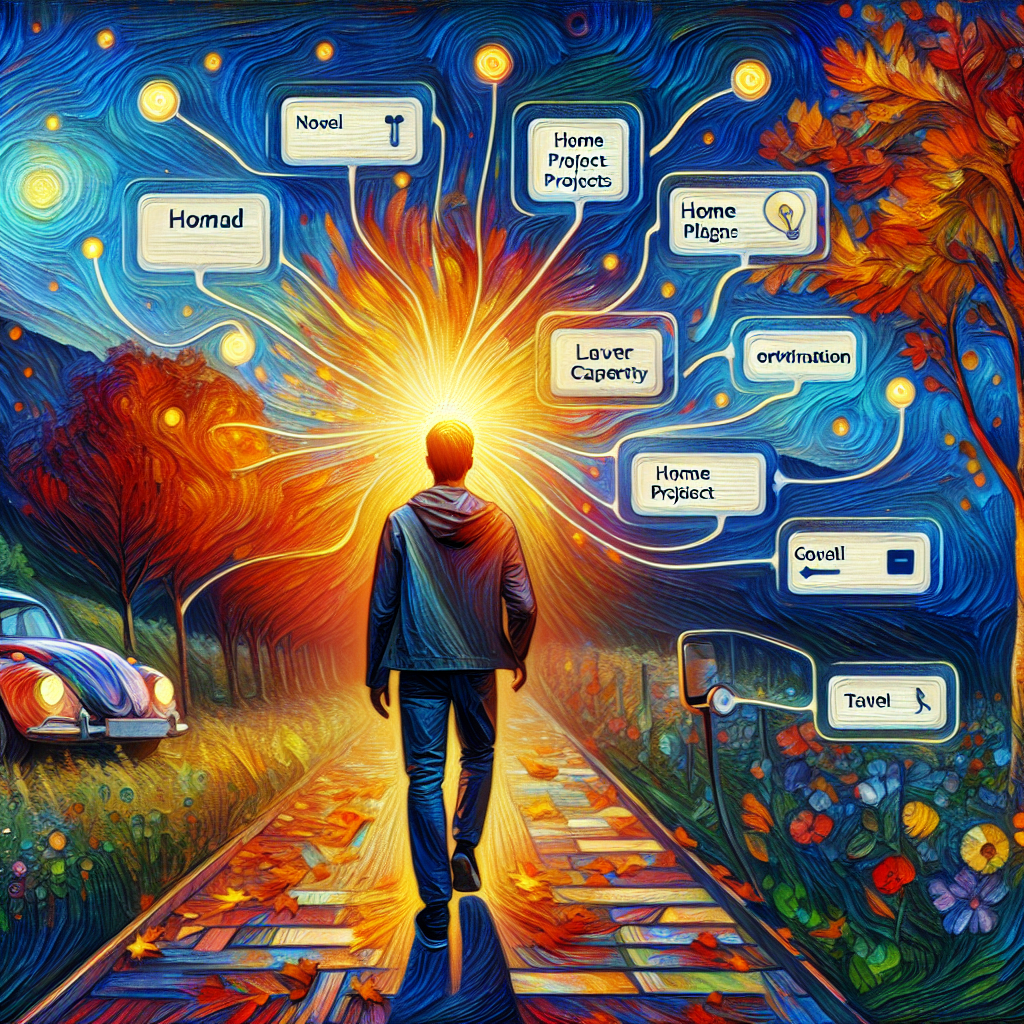
What Moments In Your Life Have Shaped Who You Are Today?
What Moments In Your Life Have Shaped Who You Are Today?
- Moments that linger shape our identities and life paths.
- Life’s choices are represented through experiences, akin to casting a line into a lake.
- Storytelling connects us and reflects shared experiences, like feeling like an outsider.
- Emotional encounters foster resilience and transform setbacks into strengths.
- Our choices create a legacy that impacts future generations and inspires others.
- Vulnerability and sharing personal narratives promote empathy and connection.
- Reflecting on pivotal moments allows us to embrace our shared humanity and legacy.

What Moments In Your Life Have Shaped Who You Are Today?
How Can Sharing Your Story Empower Others To Find Their Voice?
There’s a certain weight to a story, an unspoken truth that travels straight from the heart to the gut. When we share our narratives—a chronicle of struggle, triumph, and everything in between—we’re not just recounting our past; we are giving others the right to recognize their own resilience. In a world filled with noise, standing up and sharing your legacy can be a clarion call for those who might still be wading through silence.
Consider the power of storytelling. It’s an age-old tradition—a bridge through which we connect with one another on a deeply human level. By laying bare our experiences, we provide a roadmap for others who feel lost. Each tale shared is a flicker of hope, illuminating paths for those who may believe their voices don’t matter. We might think our anecdotes are mundane, but to someone else, the very act of hearing that someone else has faced adversity can be a lifeline.
Think about it: every story has the capacity to ignite change, tapping into the rational side of our humanity. When someone hears about another’s struggle and subsequent victory or even ongoing fight, it resonates. They not only empathize; they can see a reflection of their own potential for resilience. It’s contagious. Yes, it requires vulnerability to put your experiences out there, but consider the ethics of withholding your narrative. Each untold story is a missed opportunity to help someone else find their voice, to validate their feelings and experiences.
Moreover, sharing your legacy isn’t just about you. It’s a social act, a communal fire where we gather to see what others are facing. Each story adds to the greater dialogue, creating an environment in which everyone feels safer to express themselves. You’re leveraging your authority—not as an expert, but as a fellow traveler on this shared human journey.
When you step forward with your truth—whether it’s a tale of failure or success—you are crafting a powerful narrative that can stir someone from their emotional paralysis. So, don’t hold back. Share your story. You may find that in speaking your truth, you empower others to raise their voices too, fostering a ripple effect of courage and connection that reverberates across lives. The more we share, the more we strengthen our collective narrative. It’s the courage to voice our stories that leads to genuine liberation—not just for ourselves but for the entire community.

How Can Sharing Your Story Empower Others To Find Their Voice?
How Can Sharing Your Story Empower Others To Find Their Voice?
- Stories carry a profound weight, sharing resilience and truth from the heart to the gut.
- Sharing our narratives helps others recognize their own resilience amid struggles and triumphs.
- Storytelling connects us on a deeply human level, serving as a roadmap for the lost.
- Each story shared offers hope and validation, showing others they are not alone in adversity.
- Untold stories represent missed opportunities to help others find their voice and validate their experiences.
- Sharing your legacy fosters a communal environment for expression and dialogue among individuals.
- By voicing your truth, you empower others to share, creating a ripple effect of courage and connection.

How Can Sharing Your Story Empower Others To Find Their Voice?
What Fears Hold You Back From Expressing Your Truth To The World?
The world is noisy. Every day, we’re inundated with opinions, expectations, and judgments that weigh down our authentic selves. It’s easy to feel overwhelmed, to question the value of our voice amidst the clamor. But let’s take a moment to reflect on that. Think about the legacy we leave behind—the stories we choose to tell, or, perhaps more tragically, the stories we choose to keep silent. Our individual truths hold the power to inspire, challenge, and connect with others in ways we may not even realize.
Fear can be a formidable opponent; it lurks in the shadows, feeding on insecurities. We fear being judged, ridiculed, or not being taken seriously. It’s a rational concern, one that weighs heavily on our hearts as we consider sharing our stories. Yet, it’s also the very fear that stifles our growth and the growth of those around us. Consider this: when we silence ourselves, we not only miss the chance to express our truth but rob others of the inspiration they might spark from our journeys. In the grand tapestry of life, every thread has its place and purpose.
Have you ever been moved by a shared experience or a raw moment of vulnerability? Those are the stories that resonate most, create common ground, and foster connection. They remind us of our shared humanity and the universal struggles we face. When we have the courage to step forward and share our truth, we engage in a profound form of narrative storytelling that speaks to the heart. We invite others to join us, to feel seen, heard, and understood.
Ethically, it’s an obligation to speak out. Each of us has a responsibility to share our experiences, not just for our own sake but for the collective good. Authority doesn’t come from title or position but from the authenticity of our voices. Your lived experience is a powerful tool, and wielding it can break down barriers and build bridges.
So, what holds you back? Is it fear of failure, fear of rejection, or perhaps a fear of being vulnerable? Acknowledge those apprehensions, but don’t let them dictate your choices. Your truth is your strength. By finding the courage to embrace and express it, you contribute not only to your legacy but to a narrative that can uplift others. Let’s stop asking ourselves “What if?” and start asking “Why not?” The world doesn’t just need your stories; it craves them.

What Fears Hold You Back From Expressing Your Truth To The World?
What Fears Hold You Back From Expressing Your Truth To The World?
- The world is filled with noise, making it challenging to express our authentic selves.
- Reflecting on the legacy of our stories is essential, as both spoken and unspoken truths have a profound impact.
- Fear of judgment and ridicule can prevent us from sharing our stories, ultimately hindering collective growth.
- Silencing ourselves denies others the inspiration that can arise from our experiences.
- Shared experiences foster connections by reminding us of our shared humanity and struggles.
- We have an ethical obligation to share our stories for both personal and collective benefit.
- Embracing our truth empowers us and can uplift others; we should focus on sharing our narratives rather than succumbing to fears.

What Fears Hold You Back From Expressing Your Truth To The World?
What Impact Could Your Story Have On Someone Else’s Life?
Every single one of us carries a legacy within us—an intricate tapestry of experiences, heartaches, and triumphs knit together by the threads of our choices. When we share our stories, we open a door not only to our lives but also to the potential transformation of someone else’s journey. Imagine a person standing on the precipice of a decision, weighed down by doubt and fear. Your words could be the lantern that lights their path, a bridge over troubled waters, or the spark that ignites their next great endeavor.
Storytelling isn’t just about recounting personal narratives; it’s about connecting on a fundamental human level. Each tale we tell possesses the power to inspire, resonate, and foster community. When we reveal our struggles and victories, we do more than entertain; we show others that they’re not alone. This connection can alleviate the burden of isolation and give others the courage to face their own trials head-on.
Consider the rational aspect: numerous studies reveal that shared experiences trigger empathy and understanding. Telling your story isn’t just cathartic for you; it offers a rational blueprint for others seeking guidance or solace. It becomes a beacon of light, illuminating not only your pathway but also providing a roadmap for those who follow. This is the profound beauty of legacy storytelling—your narrative can shift the trajectory of another’s life in unforeseen ways.
Ethically, we bear a responsibility to share our truths. In doing so, we acknowledge the common threads that weave through the tapestry of humanity. It’s about fostering an environment where vulnerability is celebrated, and lessons learned are passed forward. Everyone has a story worth telling; each experience is laden with wisdom meant to be shared.
And let’s not forget the power of social connection. The more stories circulate, the stronger the bond within our communities. A wealth of shared experiences cultivates not only understanding but also norms where feelings are validated and voices are heard. Your story could be the one that galvanizes a friend, a colleague, or a stranger to take that leap of faith, confront their fears, or even change the world.
So, wield your legacy—a gift wrapped in words. Share it boldly, and watch as it creates ripple effects that reach beyond the shores of your own life, touching others in ways you may never fully comprehend.

What Impact Could Your Story Have On Someone Else’s Life?
What Impact Could Your Story Have On Someone Else’s Life?
- Everyone carries a personal legacy of experiences, challenges, and victories shaped by their choices.
- Sharing stories can inspire and transform others, providing guidance during difficult decisions.
- Storytelling connects people on a human level, helping to alleviate feelings of isolation.
- Research shows that sharing experiences fosters empathy and understanding among individuals.
- Legacy storytelling holds the potential to positively change the trajectories of others’ lives.
- We have an ethical responsibility to share our truths, promoting vulnerability and communal learning.
- Circulating stories strengthens community bonds and validates feelings, encouraging action and change.

What Impact Could Your Story Have On Someone Else’s Life?
How Can The Act Of Storytelling Help You Heal Old Wounds?
The act of storytelling is more than just a way to pass the time—it’s a powerful tool for healing. It can bridge generations, mend fractured relationships, and unearth the roots of our most profound wounds. Legacy storytelling, in particular, is a form of narrative that carries the weight of our histories, allowing us to confront the past with courage and clarity. When we tell our stories, we invite others into our lives, creating a shared space where emotions can be explored and understood.
Think about it: when a friend shares their struggles, it resonates because you’ve faced your own battles. It’s the gut-punch realization that we’re not alone in our suffering. Storytelling fosters connection, urging us to acknowledge our experiences and those of others. It’s a compassionate thread weaving through the fabric of humanity, urging us to pull together instead of drifting apart in silence.
But there’s more to it. Storytelling gives us permission to examine our past—rationally taking stock of what happened, why it hurts, and what it means for our future. The act of dictating our narrative puts us in control, ensuring that our voices ring louder than the echoes of old pain. This process fosters confidence; shaping a narrative that emphasizes resilience and growth is empowering. Each word becomes a stepping stone on our path toward healing, transforming old wounds into testimonies of survival.
From an ethical standpoint, sharing your truth can inspire others to do the same. It’s a commitment to authenticity that can shift the atmosphere in any room. The weight of your story can inspire someone else to find their voice, creating a ripple effect of vulnerability and courage. The legacy of this sharing isn’t just about personal healing; it builds a community where empathy reigns supreme.
So, how can the act of storytelling help you heal those old wounds? It’s simple. It’s about reclaiming your narrative. It’s about honoring your journey and inviting others to walk alongside you, deep in their own struggles. As you weave your tale, remember: it’s not just your story; it’s an invitation for others to connect, heal, and ultimately, inspire. Embrace the power of your voice, and let your story be the torch lighting the way for someone else.

How Can The Act Of Storytelling Help You Heal Old Wounds?
How Can The Act Of Storytelling Help You Heal Old Wounds?
- Storytelling is a powerful healing tool, bridging generations and mending relationships.
- Legacy storytelling helps confront past wounds with courage and clarity.
- Telling our stories fosters connection and emphasizes shared human experiences.
- The process allows for rational examination of the past, promoting understanding of personal pain.
- By controlling our narrative, we empower ourselves and highlight resilience and growth.
- Sharing our truths can inspire others to find their voices and build empathetic communities.
- Embracing storytelling is about reclaiming your journey and inviting connection and healing.

How Can The Act Of Storytelling Help You Heal Old Wounds?
What Examples Of Resilience Can You Find In Your Own Narrative?
When you think back on your life, what moments truly define your resilience? It’s a tough question, but digging into your personal legacy storytelling can unearth profound insights. Picture yourself at a crossroads, each path leading you further from—or closer to—who you aspire to be. The moments you chose the harder path, the one littered with obstacles, are where your resilience shines brightly.
Consider the time you faced a daunting challenge, whether it was a career setback, a personal loss, or simply a moment of self-doubt. Remember the ache in your gut as you stood on the precipice of failure, wondering if you were strong enough to push through. That feeling? It’s universal. We all have our stories, woven with highs and lows, and in those moments of struggle, we arouse the resilient spirit within us.
Narrative is powerful. It connects us all. Sharing your story of overcoming adversity not only honors your journey but also acts as a beacon for others navigating similar waters. Think of someone you admire—perhaps a friend who battled illness, a mentor who reinvented themselves after losing a job, or even a stranger who confronted prejudice head-on. Their stories inspire you, planting seeds of courage in your heart. Why not be the author of a similar legacy for someone else?
Resilience isn’t merely about enduring hardship—it’s about transforming that pain into purpose. Acknowledge how each challenge you faced has sculpted you into the person you are today. Your grit, fueled by hope and an unwavering belief in better days ahead, can serve as a guide for others. It instills a sense of confidence that we can indeed rise, no matter how many times we fall.
Now, let’s bring it home. Think about your community. People around you need encouragement, stories of triumph over trial. Whether you share it over coffee, in a community gathering, or through social media, your narrative offers a lifeline. It doesn’t just highlight your strength; it inspires resilience in others. We are all part of this interconnected journey, each story thread binding us tightly in the fabric of human experience.
So, what examples of resilience lie within your narrative? Tap into that well of experience, share it, and watch as it resonates. You might just ignite a spark in someone else’s life, inviting them to summon their own resilience when they need it most.

What Examples Of Resilience Can You Find In Your Own Narrative?
What Examples Of Resilience Can You Find In Your Own Narrative?
- Reflect on your life to identify moments that define your resilience.
- Choosing the harder path in life reveals your resilience and character.
- Every individual has faced challenges that trigger feelings of self-doubt and fear of failure.
- Sharing your story of overcoming adversity can inspire and support others facing similar challenges.
- Resilience transforms pain into purpose and shapes your identity.
- Your personal narrative can encourage and uplift your community by showcasing strength and resilience.
- Sharing experiences can ignite hope and motivate others to develop their own resilience.

What Examples Of Resilience Can You Find In Your Own Narrative?
How Do Societal Expectations Silence Your Authentic Voice?
Every day, we step into a world where the chatter of societal expectations drowns out our inner voice. From the moment we’re born, we’re handed a script—one that outlines who we should be, what we should pursue, and how we should behave. This script becomes our identity, molding our choices and shaping our paths. Yet, this carefully crafted narrative often bears little resemblance to the legacy we truly wish to create.
Imagine a small child with vivid dreams, thinking about the future with wide-eyed wonder. Fast forward a few years, and those dreams become muffled by a chorus of “shoulds” and “musts.” Friends, family, society—all agents of conformity—sometimes unintentionally turn the volume up on their expectations. The result? We suppress our authentic voice, trading in passion for predictability, creativity for conformity. This is where we lose the essence of who we are.
In our pursuit of approval and acceptance, we allow external pressures to dictate the roles we play. The irony is that these pressures often come from people who, too, are trying to silence their own voices in favor of societal norms. It’s a cycle perpetuated by fear—fear of judgment, fear of failure, and fear of being different. But let’s take a step back. What if we dared to break this cycle? What if we chose to tell our own legacy story instead?
Consider this: what would it take to defy the script and let your authentic voice shine? Perhaps it starts with a moment of vulnerability—sharing an idea that feels personal or embracing a passion that’s deeply ingrained in you. The truth is, when we dare to speak our own truth, we inspire others to do the same. It’s a ripple effect, where one act of courage can empower a whole community to embark on their own journeys of self-discovery.
We’re all in this together—bound by the complexities of life and the shared desire for connection. By rejecting societal expectations and embracing our true selves, we not only honor our personal journey but also invite authentic conversations. Remember, the legacy you leave isn’t measured by typical milestones; it’s defined by the genuine stories you share and the voices you uplift along the way. So, take a deep breath, listen to your gut, and let your authentic voice ring out. Your legacy is waiting.

How Do Societal Expectations Silence Your Authentic Voice?
How Do Societal Expectations Silence Your Authentic Voice?
- Societal expectations often drown out our inner voice from the moment we are born.
- We are handed a script that shapes our identity and choices, often misaligning with our true aspirations.
- A child’s vivid dreams can become stifled by external pressures from friends, family, and society.
- We trade authenticity for conformity in our quest for approval and acceptance.
- This cycle is fueled by fear of judgment, failure, and being different, perpetuated by those around us.
- Breaking free requires vulnerability and courage to embrace and share our true passions and ideas.
- By being authentic and sharing our stories, we inspire others and create a ripple effect of self-discovery.

How Do Societal Expectations Silence Your Authentic Voice?
Conclusion
In a world where the constant noise of societal expectations often drowns out our individual voices, it’s crucial to recognize the profound power that storytelling holds. Each of us is a walking tapestry, woven with the threads of our experiences, trials, and triumphs. These narratives don’t just define us; they connect us to one another in a way that transcends the mundane boundaries of daily life. When you share your story—no matter how small you think it may be—you’re creating an opportunity for connection that can light the way for someone feeling lost in their own darkness.
Think about the last time you heard someone share a vulnerable moment from their life. That shared experience likely resonated with you, illuminating your own struggles and reminding you that you are not alone. This reciprocity of vulnerability fosters understanding and builds bridges among us. When you express your truth, you are not merely recounting a tale; you are asserting your humanity and inviting others to recognize their resilience.
It takes courage to voice your experiences, especially when fear looms large in the shadows, whispering doubts and insecurities in your ear. But those fears—of judgment, rejection, or insignificance—shouldn’t steal your thunder. Each moment spent in silence is a lost chance to spark someone else’s courage. By stepping to the forefront and sharing your truth, you become a beacon of hope for others, emboldening them to do the same. This act creates a ripple effect, strengthening the fabric of our communities through shared narratives.
As you reflect on your life, consider the moments that have shaped your resilience. Every setback and every triumph are not just markers of your personal journey; they are guiding lights for others seeking their own path. Your legacy is more than just your individual experience; it’s an inheritance of stories that give voice to collective struggles, encouraging others to rise, heal, and connect.
So, take a moment to embrace your narrative. Write it down, share it aloud, or whisper it to a friend. The power of storytelling is monumental—it can heal old wounds, dismantle walls of isolation, and ignite conversations that matter. In doing so, you not only honor your journey but also invite an authentic dialogue that resonates far beyond yourself. Your story matters, and the world is waiting to hear it.

Conclusion
Conclusion:
- Storytelling holds profound power to connect individuals amidst societal expectations.
- Each person’s experiences weave a unique narrative that enriches our shared humanity.
- Sharing personal stories creates opportunities for connection and support for others in their struggles.
- Vulnerability fosters understanding and builds bridges among individuals.
- Voicing experiences requires courage and helps others feel less alone in their challenges.
- Personal setbacks and triumphs serve as guiding lights for those seeking their own paths.
- Embracing and sharing your narrative can heal wounds, dismantle isolation, and spark meaningful conversations.

Conclusion
Other Resources

Other Resources
Here is a list of other resources you can review online to learn more:
- ForeverMissed
- Xarona
- Geneanet
- Tributize
- Tributes
- MyHeritage
- Legacy Learned
- Willmaker
- YouMattered
- AmericanAncestors
- Memorial Matters
- RocketLawyer
- How to Avoid Losing Your Family History One Generation at a Time
- IronClad Family
- Trust And Will
- Funeral Services Guide
- How To Write Legacy Stories That Appeal To The Heart, Gut and Head
- Is There A Need To Pay For Copyrighting Services For Personal Or Family Legacy Stories?
- APH
Use This Prompt To Get More Resources With Your Favorite Online AI Tool: Please provide me with a list of online articles with their URLs in a bulleted list that I can read regarding Telling Your Story Even If No One Else Helps

Other Resources
Glossary Terms
Telling Your Story Even If No One Else Helps – Glossary Of Terms
1. Authenticity: The quality of being genuine and true to oneself in sharing personal experiences.
2. Narrative: A spoken or written account of connected events; a story that conveys meaning or perspective.
3. Resilience: The capacity to recover quickly from difficulties; an essential trait for sharing personal stories despite challenges.
4. Vulnerability: The emotion of being open to criticism or rejection, which can enhance the impact of storytelling.
5. Reflection: The process of thinking deeply about personal experiences to gain insights and convey meaningful stories.
6. Empathy: The ability to understand and share the feelings of others, often cultivated by sharing one’s own story.
7. Voice: The unique perspective and style of an individual expressed through their storytelling.
8. Agency: The capacity to act independently and make choices about how and when to share personal stories.
9. Connection: The bond formed with others through shared experiences and emotional narratives.
10. Catharsis: The emotional release and relief that can occur through the act of telling one’s story.
11. Empowerment: Gaining confidence and strength through the sharing of personal stories, often inspiring others.
12. Purpose: The underlying reason or motivation for telling a personal story, often related to personal growth or social change.
13. Boundaries: The personal limits set around what aspects of one’s story are shared or kept private.
14. Context: The circumstances or background that inform the significance of a personal story.
15. Clarity: The quality of being clear and easy to understand, crucial for effective storytelling.
16. Courage: The mental or moral strength to confront fears and share personal truths.
17. Inspiration: The process of being mentally stimulated to do or feel something, often as a result of hearing someone else’s story.
18. Legacy: The impact and importance of one’s story, particularly how it influences future generations.
19. Articulation: The clear expression of thoughts and feelings in storytelling, facilitating understanding among listeners.
20. Listening: The active process of receiving and understanding another’s story, fostering mutual connection.
21. Judgment: The evaluation of one’s own or another’s story; an obstacle that can hinder the telling of personal experiences.
22. Healing: The process of recovery from emotional pain through sharing and acknowledging one’s story.
23. Storytelling: The art of conveying events and emotions through a structured narrative, aimed at engaging an audience.
24. Facilitation: The act of guiding discussions or environments where stories can be shared safely and openly.
25. Engagement: The level of interest and involvement shown by listeners or readers in a story being told.
26. Diversity: The inclusion of different perspectives and experiences that enrich storytelling.
27. Transformation: The process of change that occurs within an individual as a result of reflecting on and telling their story.
28. Audience: The group of individuals who receive and interpret the story being told, influencing its delivery and impact.
29. Sharing: The act of communicating one’s story or experiences, often with the intention of fostering connection.
30. Narrative Arc: The structure of a story that includes a beginning, middle, and end, guiding the listener through the emotional journey.

Glossary Of Terms
Other Questions
Telling Your Story Even If No One Else Helps – Other Questions
If you wish to explore and discover more, consider looking for answers to these questions:
- What are some techniques for effectively sharing my story?
- How can I overcome the fear of judgment when telling my story?
- What specific benefits does storytelling provide for personal healing?
- How can I find my authentic voice amidst societal expectations?
- What are some common challenges people face when sharing their narratives?
- How can storytelling foster community and connection?
- What role does vulnerability play in effective storytelling?
- How can I encourage others to share their stories?
- What impact can storytelling have on mental health and well-being?
- What are some examples of powerful stories that have made a difference?
- How can I structure my story to make it more compelling?
- What are the ethical considerations when sharing someone else’s story?
- Are there any tools or resources available to help with storytelling?

Other Questions
Haiku
Telling Your Story Even If No One Else Helps – A Haiku
Speak your truth aloud,
In silence, strength can be found;
Stories heal and bind.

Haiku
Poem
Telling Your Story Even If No One Else Helps – A Poem
In a world of crowded silence, where stories fade away,
A flicker of your truth remains—a beacon in the fray.
Though voices may surround you, busy, loud, and grand,
Your narrative, a candle bright, invites the heart to stand.
Each tear you’ve shed, each joy you’ve known,
Threads woven in your tapestry, a legacy you own.
In sharing all your struggles, and those triumphant beats,
You find connection’s rhythm, the pulse of human feats.
Dare to voice your journey, be it stumble or ascent,
For in your raw unveiling lies the wisdom you’ve cemented.
Your truth, a gift, an ember lit, can spark the flame in others;
In every tale of hardship shared, we uncover one another.
Fear may loom like shadows, whisper doubt, and hold you tight,
Yet honesty transforms the dark, illuminating night.
The silent weight of stories held can stifle and, in truth,
With courage, we can elevate, reclaim our bravest youth.
Expectations press upon us, scripts written by the world,
Yet inside every heart’s desire, a wild dream is curled.
When one dares break the silence, defying scripted lines,
A symphony of voices rise, like stars that brightly shine.
So gather ‘round this moment—let your narrative unfold,
Your legacy is waiting, a treasure to behold.
For every life you touch with truth, every soul you can inspire,
You weave a larger story, igniting hearts with fire.
Together, let’s embrace the strength within our tales,
Our journeys, intertwined, like ships that fill the sails.
Your story matters dearly, so speak with heart and grace,
And watch as echoes ripple—each voice can find its place.

Poem
Checklist
Telling Your Story Even If No One Else Helps – A Checklist
Checklist for Empowering Your Voice and Sharing Your Story
Heartfelt Connection
_____ Reflect on a personal story that shaped your life. What emotions does it evoke?
_____ Identify moments of vulnerability when you felt truly seen or heard. How did sharing those moments change you?
_____ List three people who might benefit from hearing your story. How can you reach out to them?
Rational Reflection
_____ Write down key lessons learned from your experiences. How can these serve as guidance for others?
_____ Analyze a challenging moment in your life. What strategies did you use to overcome it?
_____ Consider how your story can resonate on a universal level. What common themes can others relate to?
Ethical Responsibility
_____ Ask yourself: Are you withholding any stories that could help others? What holds you back?
_____ Consider the impact of untold stories. How might sharing your narrative contribute to a larger conversation?
_____ Commit to being authentic in your storytelling. What risks are you willing to take to ensure your truth is heard?
Authoritative Insight
_____ Identify reasons your experiences give you a unique perspective. How does this position you to help others?
_____ Research examples of stories that have made a significant impact. What can you learn from them?
_____ Acknowledge your right to share your voice. What makes your story valuable?
Narrative Creation
_____ Start drafting your story. Outline key events or emotions that you want to convey.
_____ Experiment with different storytelling styles. How does changing your format (written, spoken, visual) affect your narrative?
_____ Think of a powerful opening line that captures your message. What do you want to evoke from your audience right away?
Social Engagement
_____ Join a group or community where storytelling is encouraged. How can you participate actively?
_____ Share your story on social media or a blog. What would you like to say to inspire others?
_____ Connect with fellow storytellers. Offer to exchange stories—what can you learn from their experiences?
Gut Instinct
_____ Listen to your instincts about your own experiences. Which stories push your emotional buttons the most?
_____ Identify fears that impede your storytelling. Name them and confront one at a time.
_____ Trust your inner voice when sharing; what feels right? What do you feel compelled to say?
Bonus Inspiration
_____ Reflect on how your story can be a beacon for others. Who might it guide or inspire?
_____ Keep a journal to document your feelings about storytelling. What insights emerge over time?

Checklist
At LegacyExplorations, we help people plan and explore their legacy by collecting information and news regarding end-of-life planning.
Please share this post with your friends, family, or business associates who may want help to plan or explore their legacy.