

Decoding Power: How Terms Of Service Shape Our Digital Legacy
By Tom Seest
At LegacyExplorations, we help people plan and explore their legacy by collecting information and news regarding end-of-life planning.
Please share this post with your friends, family, or business associates who may want help to plan or explore their legacy.
Terms Of Service As Historical Authority
In the bustling digital world we inhabit, terms of service can often feel like a wall of tech jargon designed to confuse rather than clarify. But buried within that legalese lies a crucial legacy storytelling—a narrative that shapes our trust and interactions with online platforms. These documents are more than mere agreements; they represent a contract with history, a written assurance that the past informs the present and guides the future.
Consider this: every digital platform we engage with holds a legacy, a legacy not just of code and algorithms, but of human experience and shared values. When we comb through these terms, we’re not just reading; we’re connecting with a broader narrative that tells us how we can navigate these virtual spaces responsibly, ethically, and effectively. The stories etched in the small print echo lessons learned from the earliest days of the internet, reminding us that with great power comes great responsibility.
Our heads might grapple with the complexity of these documents, but our hearts can recognize their vital role. Each paragraph is a testament to the responsibilities we take on as users. When a company outlines its commitments to data privacy or user safety, it’s a reflection not merely of legal compliance but of an ethical stance that seeks to foster a safe environment for its users. This is a call to action for all of us: read, understand, and engage with these terms not as barriers, but as bridges to trust and transparency.
In many ways, these terms serve as a social contract, guiding our collective behavior in shared digital spaces. They invite us to participate responsibly in a community that values mutual respect and dignity. Much like every well-told story, these documents allow us to engage with ideas of fairness and accountability, even when the pixels on our screens feel distant and impersonal.
So, the next time you find yourself scrolling through a lengthy terms of service page, pause to reflect on the legacy storytelling inherent within. Acknowledge that each line represents not just legal obligations—a dull intellectual exercise—but an opportunity to engage with the ethical fabric that binds us in this digital age. Trust isn’t just given; it’s earned, and it begins with the willingness to understand the stories behind the terms we all live by. This is how we can foster a safer, more connected online community.

Terms Of Service As Historical Authority
Terms Of Service As Historical Authority
- Terms of service often appear as confusing legal jargon but contain essential narratives that shape trust with online platforms.
- These documents go beyond agreements; they represent historical contracts that influence present and future interactions.
- Every digital platform has a legacy rooted in human experience and shared values, informing responsible navigation of virtual spaces.
- Terms serve as reminders of the responsibility users undertake, reflecting companies’ commitments to data privacy and user safety.
- They function as a social contract, encouraging responsible participation in digital communities valuing mutual respect and dignity.
- Reading and understanding these terms fosters trust and transparency, presenting opportunities for ethical engagement.
- Each line in terms of service represents a chance to connect with the ethical fabric of the digital age, promoting safer online interactions.

Terms Of Service As Historical Authority
Table Of Contents
- Terms Of Service As Historical Authority
- What Are the Ethical Implications Of Enforced Terms Of Service?
- How Do Terms Of Service Shape Our Online Trust and Relationships?
- What Historical Precedents Influence Current Terms Of Service?
- In What Ways Do Terms Of Service Reflect Societal Values and Norms?
- How Can We Hold Corporations Accountable to Their Terms Of Service?
- Why Do We Often Overlook the Authority Of Terms Of Service Agreements?
- How Can Understanding Terms Of Service Empower Consumers Today?
- Conclusion
- Other Resources
- Glossary Of Terms
- Other Questions
- Haiku
- Poem
- Checklist
What Are the Ethical Implications Of Enforced Terms Of Service?
What Are the Ethical Implications of Enforced Terms of Service?
In the digital age, the terms of service are more than just legal jargon; they’re the fine print of our online existence. They dictate how we engage, interact, and share our lives in the vast realms of the internet. These enforced terms, often buried beneath towering walls of text, carry significant ethical implications. They touch our lives in ways we may not fully comprehend, shaping the very legacy of our online identities.
Think back to a time when you signed up for a social media platform. You clicked “agree” without a second thought. In that moment, you weren’t merely accepting a contract; you were becoming part of a vast digital tapestry, woven together with the threads of countless other users. Yet, what does it mean when those threads are governed by rules designed to protect corporations rather than the individuals behind the screens? Legacy storytelling in this context takes on a new urgency. Each of us has a story to tell, but the platforms controlling our narratives hold the keys to our expression, dictating which voices are amplified and which are silenced.
From an ethical standpoint, we must confront the power dynamics inherent in enforced terms of service. When users are left in the dark, unaware of how their data is collected or manipulated, trust erodes. The association between corporations and their users should be built on transparency and respect, yet too often, it resembles a one-sided relationship. This isn’t just about privacy; it’s about integrity. Are we willing to accept agreements that may threaten our rights in the name of convenience? There’s a gut-level discomfort in feeling like a pawn in a game played by powerful entities.
Now consider the flip side: the responsibility of organizations that craft these terms. They need to focus on ethical foundations that prioritize user rights and data sovereignty. Authority comes into play here—trusted figures and organizations must advocate for clarity and fair treatment in the digital realm. As this conversation evolves, it’s essential to foster connections between users and providers, urging each party to engage in dialogue that redefines these relationships.
Ultimately, we must recognize the humanity in our digital interactions. Engaging with terms of service should be an informed, consensual affair that encourages agency and awareness. This journey is not merely about protecting ourselves; it’s about building a legacy of informed choice and shared respect in an interconnected world. If we can inspire individuals to read and understand these terms rather than skim through them, we’re not just changing agreements; we’re changing lives.

What Are the Ethical Implications Of Enforced Terms Of Service?
What Are the Ethical Implications Of Enforced Terms Of Service?
- Terms of service shape our online interactions and identities, often hidden in complex language.
- Users frequently agree to these terms without understanding the implications for their rights.
- Rules are often designed to protect corporations rather than individual users, impacting legacy storytelling.
- The power dynamics in enforced terms erode trust, as users remain unaware of data manipulation.
- Organizations crafting these terms must prioritize user rights and advocate for transparency.
- Fostering dialogue between users and providers is essential for redefining relationships in the digital space.
- Encouraging informed consent in engaging with terms of service can lead to more respectful and meaningful online interactions.

What Are the Ethical Implications Of Enforced Terms Of Service?
How Do Terms Of Service Shape Our Online Trust and Relationships?
In the digital age, where our lives intertwine with technology, Terms of Service (ToS) documents often serve as the unsung heroes or hidden villains of online interactions. They’re not just legal jargon; they’re the foundation upon which trust is built—or broken. Think about it: every time you click “agree,” you’re stepping into a partnership. Your personal legacy, your narrative, is now linked with a company or platform, one that tells a story of mutual benefit or betrayal.
However, the complexity of these agreements can leave the average user feeling like they’re navigating a labyrinth. The fine print might seem dull, but it contains the heartbeat of our online relationships. When companies communicate their policies clearly, they’re not just fulfilling a legal obligation; they’re engaging in legacy storytelling. They draw on authority and transparency, inspiring confidence that transforms a simple digital interaction into a meaningful connection. When the terms are fair and understandable, they resonate with our ethical compass, allowing us to trust that we won’t be taken advantage of.
Yet, the opposite is true too. Overly complex or deceptive terms fuel skepticism. We feel exposed, as if our digital selves are being bartered for profit without our consent. This breach of trust can lead to a feeling of disconnection from the very platforms we rely on daily. In that moment, our gut tells us to back away slowly, to re-evaluate our encounters in this expansive digital marketplace.
It’s here that the narrative becomes vital. When companies prioritize clarity, they aren’t merely reciting legalese; they’re sharing their story, their commitment to ethical practices. This narrative shapes how we view our relationships with the platforms we use. A well-crafted ToS can foster connection and reduce anxiety, transforming our expectations into something reassuring. We feel like we’re not just another data point but valued participants in a shared journey, one that nurtures trust rather than undermines it.
In this landscape, it’s critical to recognize that the words in those agreements matter. They reflect the values of the companies behind them. So as we navigate our online lives, we must be vigilant, seeking out those who prioritize our relationship through clear communication. By doing so, we champion a culture that honors our legacy, respects our stories, and nurtures an ethical digital environment—a place we can trust and thrive in.

How Do Terms Of Service Shape Our Online Trust and Relationships?
How Do Terms Of Service Shape Our Online Trust and Relationships?
- Terms of Service (ToS) documents are crucial for building or breaking trust in online interactions.
- Every agreement clicked represents a partnership between users and companies, linking personal narratives.
- The complexity of ToS agreements can overwhelm the average user, obscuring important information.
- Clear communication of policies reflects transparency and ethical commitment, fostering meaningful connections.
- Complex or deceptive terms can create skepticism and feelings of vulnerability among users.
- A well-crafted ToS can enhance user confidence, making individuals feel valued in their online interactions.
- Users should seek companies that prioritize clarity and ethical practices in their agreements.

How Do Terms Of Service Shape Our Online Trust and Relationships?
What Historical Precedents Influence Current Terms Of Service?
In today’s digital landscape, the terms of service agreements often feel like labyrinthine contracts crafted by lawyers with a penchant for jargon. However, if we take a moment to peel back the layers, we can trace a powerful legacy of storytelling that grounds these legal texts in our collective experience. The story of how we got here is not just about technology; it’s about trust, relationships, and the balancing act of freedom and responsibility.
Historically, the relationship between service providers and consumers has been shaped by tales of trust and betrayal. Remember when you lent your friend a book, expecting it back in pristine condition? That expectation of respect mirrors the ethics behind our current agreements. Those pages in our lives—filled with ups and downs, commitments and breaches—form the bedrock of our interactions today. Terms of service are the modern-day equivalent of those agreements, albeit with legalese that can often confound even the sharpest minds.
As we navigate this digital world, we must recognize the ethical commitment behind these documents. They are intended to protect both parties. However, just as a story can take a dark turn, so too can the interpretation of these terms. Misleading practices or vague language can lead to mistrust, prompting a gut reaction from users. In a climate where personal data is a currency, we can’t afford to take these agreements lightly. It’s crucial to foster transparency and encourage clear communication, ensuring that users understand what they’re signing up for. Each story of data misuse or breach serves as a stark reminder of the importance of vigilant storytelling in our terms, reinforcing the value of respecting users’ rights.
Engagement matters. In this era where we’re surrounded by screens, our voices need to be part of the narrative. We have a responsibility to shape these agreements, to ensure they reflect the values we hold dear, like integrity and accountability. Just as townsfolk gathered around a fire to share stories of the past, today we must confront the complexities of digital agreements together.
Legacy storytelling is not merely about recounting events; it’s about understanding the lessons they impart. As we reflect on the history of user agreements, we find a call to action. It’s an encouragement to engage with these terms, advocate for clarity, and participate in shaping a trustworthy digital future. In doing so, we not only honor our legacy but also craft a narrative that others can rely on—a narrative that bridges past and present, emotion and reason, community and trust.

What Historical Precedents Influence Current Terms Of Service?
What Historical Precedents Influence Current Terms Of Service?
- Terms of service agreements are complex legal documents often filled with jargon.
- These agreements reflect a legacy of storytelling centered on trust and relationships.
- The history of service provider-consumer relationships includes themes of trust and betrayal.
- Current terms of service aim to protect both parties but can create mistrust when misinterpreted.
- Transparency and clear communication are essential for users to understand agreements.
- User engagement is crucial in shaping agreements that reflect integrity and accountability.
- Legacy storytelling encourages advocacy for clarity and participation in establishing a trustworthy digital future.

What Historical Precedents Influence Current Terms Of Service?
In What Ways Do Terms Of Service Reflect Societal Values and Norms?
Terms of Service (ToS) might initially seem like a tedious pile of legal jargon, often ignored by users eager to dive into the next shiny app or online service. However, these documents are more than just rules of engagement; they serve as a Legacy Storytelling tool that reflects the fundamental values and norms of our society. When companies draft a ToS, they’re not just checking a box—they’re setting the stage for how we interact with one another and the digital world.
At an emotional level, consider how these agreements influence our relationships with technology. They shape our expectations around privacy, data ownership, and shared responsibility. A robust ToS can inspire trust, reassuring users that their information is handled with care. In contrast, vague language or hidden clauses might set off alarm bells in our gut, prompting questions about integrity and transparency.
Rationally speaking, understanding these terms can empower users. The complexities of ToS may dissuade many from reading the fine print, yet taking the time to engage with these documents can prevent future conflicts and foster a sense of informed citizenship in the digital landscape. Ethical considerations come into play as well. A company that prioritizes clear, fair terms demonstrates a commitment to ethical business practices, earning respect and loyalty from its users. Conversely, a lack of clarity or fairness can alienate, leading to eroded trust and fractured relationships.
Narratively, every ToS tells a different story—some heralding inclusivity and user empowerment while others murkily tread in ambiguity and risk. When we view these agreements through the lens of storytelling, we can connect the dots between a company’s claims and their actual practices. This connection is essential; it helps cultivate a social fabric where trust is woven tightly into the digital experience.
As we navigate the complexities of our increasingly digital lives, it’s crucial to recognize that Terms of Service are a reflection of the world we live in, a mirror of our collective values. Engaging with them is not just a chore; it’s a responsibility. By understanding and advocating for transparent, fair ToS, we not only protect ourselves but also contribute to the evolution of a digital landscape rooted in respect and community. This is where our legacy lies—not just in the technologies we choose, but in the principles we uphold.
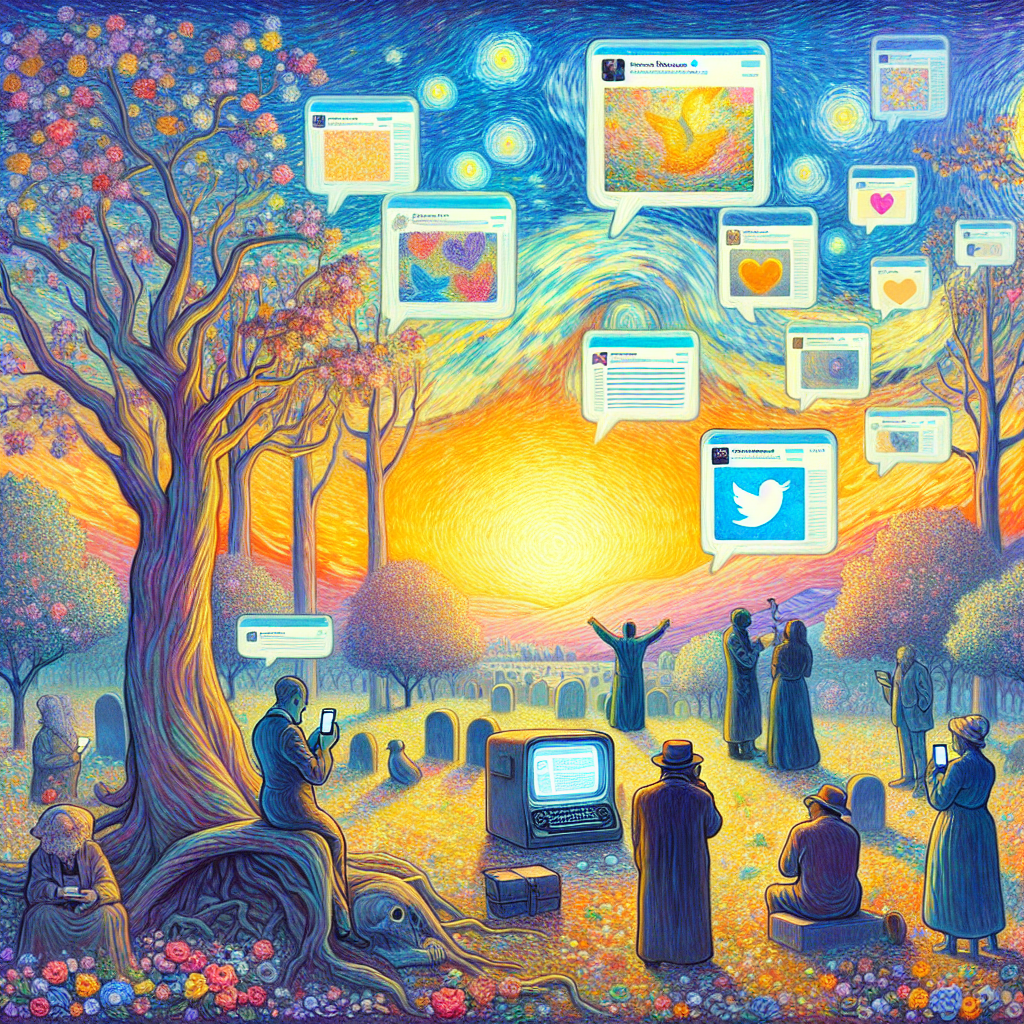
In What Ways Do Terms Of Service Reflect Societal Values and Norms?
In What Ways Do Terms Of Service Reflect Societal Values and Norms?
- Terms of Service (ToS) are essential legal documents reflecting societal values and norms.
- ToS influence relationships with technology, shaping expectations around privacy and data ownership.
- A robust ToS can inspire trust, while vague terms may raise concerns about integrity.
- Understanding ToS empowers users and fosters informed citizenship in the digital landscape.
- Clear and fair terms indicate a company’s commitment to ethical business practices.
- Each ToS tells a unique story, highlighting inclusivity or ambiguity in user empowerment.
- Engaging with ToS is a responsibility that contributes to a respectful and community-oriented digital environment.

In What Ways Do Terms Of Service Reflect Societal Values and Norms?
How Can We Hold Corporations Accountable to Their Terms Of Service?
We live in a world where the digital landscape is as vast as it is invisible, and nestled within that expanse are the terms of service we agree to every day. These agreements can feel like daunting legal tomes, full of jargon that would leave the average person feeling bewildered. But what if we viewed them through the lens of legacy storytelling—the tales we pass down that shape our collective understanding of right and wrong?
Imagine a small business owner who has poured their heart and soul into creating an online shop. Each product tells a story, each transaction is a trust forged between buyers and sellers. When a corporation fails to uphold its terms of service, it not only breaches that trust but also disrespects the very essence of individual ambition. This matters to us all. We can’t just accept that our favorite platforms can alter the rules of the game at will, leaving us feeling like pawns on a digital chessboard.
Holding corporations accountable means shining a light on ethical practices. It’s about demanding transparency in a world that often obscures the truth. We’ve seen it time and again—when companies falter in their commitments, the fallout isn’t just about lost revenue; it impacts communities, livelihoods, and our faith in the systems designed to protect us. We need to arm ourselves with the knowledge and agency to demand better, to ask questions that lead to real change.
We can make this personal. Every time we accept terms without understanding them, we are giving away not just our rights but also our stories. This is where our shared narratives come into play. By sharing experiences, we form a collective memory that reinforces our demands for accountability. When community members come together to hold a corporation accountable, they craft a powerful narrative—a legacy storytelling of resilience and shared purpose.
Our lives are intertwined with these corporate entities, and it’s our duty to ensure they respect the agreements they’ve made. We need to hold them to their own standards, not just because it’s right, but because it ensures that every small story—like that small business or tech startup—continues to thrive in an ecosystem that values integrity. It’s a call to action for all of us: let’s engage, question, and assert our place in the narrative of accountability. Together, we have the power to create a future where trust and transparency reign supreme.

How Can We Hold Corporations Accountable to Their Terms Of Service?
How Can We Hold Corporations Accountable to Their Terms Of Service?
- The digital landscape includes complex terms of service that can be difficult to understand.
- Viewing these agreements as part of legacy storytelling helps frame our understanding of trust and responsibility.
- Corporate failures to uphold their agreements breach trust and disrespect individual ambitions.
- Holding corporations accountable demands transparency and ethical practices.
- Community efforts to hold corporations accountable create narratives of resilience and shared purpose.
- Accepting terms without understanding can lead to the loss of rights and personal stories.
- Engagement and questioning are essential for fostering a future of trust and integrity in corporate relationships.

How Can We Hold Corporations Accountable to Their Terms Of Service?
Why Do We Often Overlook the Authority Of Terms Of Service Agreements?
Terms of Service agreements often feel like a digital labyrinth, filled with jargon that leaves us scratching our heads. In a world where time is precious, it’s easy to scan through these lengthy documents without fully grasping their implications. This isn’t just about unread contracts; it’s a legacy storytelling issue—an echo of a time when oral agreements and personal trust reigned supreme. We crave connection, yet we willingly enter into relationships with companies and platforms, signing away our rights without a second thought.
The gut reaction might be unease. We know these agreements hold power, dictating how our data is used and how companies can interact with us. It’s a matter of authority, but the very nature of the agreement can feel invasive. The emotional appeal lies in the simple truth that, when we blindly agree, we surrender a piece of our lives. We sacrifice control, often without realizing we’ve done so until it’s too late. This is where narrative shapes understanding; stories of individuals who’ve faced consequences after ignoring these terms resonate deeply. They remind us that these documents are not mere formalities—they’re the foundations of our interactions in the digital age.
From a rational standpoint, the sheer length and complexity of these agreements create an overwhelming barrier. Most people don’t have the time or energy to navigate them, and many don’t have the legal background to decode the fine print. Yet, accepting this reality doesn’t have to lead to complacency. Acknowledging the authority of these agreements is the first step toward empowerment. When we take a moment to read, to question—to think not just about the convenience of signing but the implications—we start to reclaim that control.
Ethically, there’s a responsibility on both sides. Companies must present their terms clearly and transparently, demystifying this necessity while fostering trust. The relationship is reciprocal; when businesses respect our need for clarity, they elevate their own authority while reinforcing a bond of goodwill.
Ultimately, overlooking these agreements isn’t just about disinterest; it’s about a collective need to bridge the gap between the digital and personal. By engaging with the authority these documents hold, we not only protect ourselves but also contribute to a culture that values informed consent. Let’s inspire action: the next time we’re presented with a Terms of Service, let’s approach it not with indifference, but with curiosity and courage, recognizing that within those walls of text lies the power to shape our digital legacy.

Why Do We Often Overlook the Authority Of Terms Of Service Agreements?
Why Do We Often Overlook the Authority Of Terms Of Service Agreements?
- Terms of Service (ToS) agreements are often complex and filled with jargon.
- Time constraints lead people to scan these documents without understanding their implications.
- ToS agreements reflect a shift from personal trust to formalized digital relationships.
- Blindly agreeing to these terms results in a loss of control over personal data.
- The complexity of ToS agreements serves as a barrier to understanding for many individuals.
- Companies hold a responsibility to communicate their terms clearly and transparently.
- Engagement with these agreements fosters a culture of informed consent and protects individual rights.

Why Do We Often Overlook the Authority Of Terms Of Service Agreements?
How Can Understanding Terms Of Service Empower Consumers Today?
Understanding terms of service is like discovering an old family recipe—hidden away but packed with essential knowledge. When you first glance at those legal documents, they can feel daunting, like navigating a maze of jargon. However, digging deeper can reveal the foundation of how businesses operate and how they interact with us, the consumers. This knowledge is not just about reading fine print; it’s about claiming your power and ownership in the digital age.
Every app you download or website you visit has a story, a legacy built upon the principles outlined in their terms of service. These documents are the narratives that shape our interactions, laying out rights and responsibilities for both parties. When consumers take the time to read and understand them, we unlock the door to informed decisions. It’s an act of empowerment, akin to understanding the mechanics of a car before setting out on a long road trip. You wouldn’t want to be cruising down the highway, unaware of hidden fees or terms that could stall your journey.
At its core, understanding these agreements taps into our ethical responsibility. Every click we make carries weight, creating the social fabric that defines our digital community. When we engage with companies without a clear grasp of what’s at stake, we risk supporting practices that may not align with our values. Legacy storytelling teaches us that history matters; it shapes our expectations and guides our choices. By fostering transparency, businesses can cultivate trust, forging a relationship where consumers feel confident and secure.
Think about the last time you had an uneasy feeling about a new app or service. That gut instinct often stems from a lack of clarity. But when you take the time to review terms of service, you gain insight into how your data is managed and what rights you’re surrendering. This knowledge is crucial—it connects us to a community of empowered consumers who are aware of their rights and willing to advocate for themselves.
Ultimately, understanding terms of service is not merely an intellectual exercise; it’s a narrative we all share. By coming together to discuss and dissect these agreements, we can create a movement. A movement toward greater accountability and transparency in the digital marketplace, ensuring that the legacy we leave for future generations of consumers is one of empowerment and respect.

How Can Understanding Terms Of Service Empower Consumers Today?
How Can Understanding Terms Of Service Empower Consumers Today?
- Understanding terms of service is essential for consumers, akin to uncovering a valuable family recipe.
- These documents can initially seem complex, but they reveal how businesses operate and interact with consumers.
- Reading and comprehending terms of service empowers consumers, enabling informed decision-making.
- Engaging with these agreements reflects our ethical responsibilities and shapes our digital community.
- A lack of knowledge about terms can lead to unwise support of practices misaligned with personal values.
- Transparency from businesses fosters trust, creating secure relationships with consumers.
- Discussing terms of service can lead to a movement advocating for accountability and respect in the digital marketplace.

How Can Understanding Terms Of Service Empower Consumers Today?
Conclusion
In the intricate dance of the digital era, Terms of Service (ToS) stand as both gatekeepers and storytellers of our online lives. They might come across as dry legal documents, cloaked in jargon and densely packed with rules, yet they encapsulate a critical framework shaping our interactions and legacy in this expansive virtual landscape. These agreements are not merely contractual obligations; they serve as narratives reflecting our collective values and ethics in a digital community where trust is paramount.
As users, each time we click “agree,” we enter a pact steeped in complexity and meaning. This decision ties our stories to the companies and platforms we engage with. Each ToS is a reflection of human experience, where the balance between rights and responsibilities plays a pivotal role. They remind us that while technology connects us, it also demands a level of responsibility.
When companies lay out their commitments—whether related to data privacy or user security—they signal an ethical obligation to foster a safe digital environment. This transparency isn’t just good practice; it’s a call to action for users to take responsibility for understanding the terms that govern their engagements. Amid this digital complexity, it’s essential to recognize these agreements as social contracts that promote mutual respect and accountability.
The ethical implications of these agreements are profound. By prioritizing clear and fair terms, companies not only earn trust but also foster a sense of community. On the flip side, opacity fuels skepticism, severing the fragile threads of trust between users and corporations. Thus, engaging meaningfully with ToS transforms us from passive consumers into informed participants, ensuring our rights are respected and our voices heard.
Legacy storytelling plays a transformative role in this discourse. It encourages us to examine our digital relationships and assert the narrative we wish to forge. The historical precedent of digital interactions informs the ethical landscape we navigate today, reminding us that our agreements embody the lessons of the past. These documents, too, reflect societal norms and expectations, reinforcing the collective values we uphold as a community.
Ultimately, recognizing the authority and implications of Terms of Service equips us not only to protect ourselves but also to contribute to a more transparent, responsible digital ecosystem. As we embrace this responsibility woven into each agreement, we pave the way toward a future enriched by trust, clarity, and shared ethical standards—ensuring our digital legacy honors the stories of all users, past and present.

Conclusion
Conclusion:
- Terms of Service (ToS) act as both gatekeepers and narratives of our online lives.
- These agreements reflect our collective values and ethics in a trust-dependent digital community.
- Clicking “agree” signifies a complex commitment tying our experiences to the companies we engage with.
- Companies’ commitments to data privacy and user security foster a safe digital environment.
- Transparency in ToS promotes user responsibility and mutual respect in digital interactions.
- Engaging with ToS actively transforms users into informed participants, ensuring rights and voices are respected.
- Recognizing the authority of ToS contributes to a more transparent, responsible digital ecosystem, shaping our collective legacy.

Conclusion
Other Resources

Other Resources
Here is a list of other resources you can review online to learn more:
- LegacyFamilyTree
- LegacyLearned
- Everplans
- LastPass
- Bcelebrated
- My Wonderful Life
- Remembered.com
- APH
- WishesKeeper
- Xarona
- Ever Loved
- Tributize
- Storyfile Life
- Cake
- IronClad Family
- Association of Personal Historians
- Funeral Finder
- LifeNaut
- Meminto
Use This Prompt To Get More Resources With Your Favorite Online AI Tool: Please provide me with a list of online articles with their URLs in a bulleted list that I can read regarding Terms Of Service As Historical Authority

Other Resources
Glossary Terms
Terms Of Service As Historical Authority – Glossary Of Terms
1. Terms of Service (ToS): Legal agreements outlining the rules and guidelines for using a service.
2. Historical Authority: The trustworthiness and credibility given to historical documents or figures.
3. Contract: A legally binding agreement between parties that outlines obligations and rights.
4. Jurisdiction: The authority of a court or governing body to make legal decisions and judgments.
5. Liability: Legal responsibility for one’s actions or obligations, often outlined in terms of service.
6. Arbitration: A method of resolving disputes outside of court, typically outlined in ToS agreements.
7. Indemnification: A clause that protects one party from the legal consequences of another’s actions.
8. Breach: The violation of any terms or conditions set forth in a contract or agreement.
9. Amendment: A formal change or addition to a legal document, such as terms of service.
10. User Agreement: Similar to ToS, it specifies the terms under which users access a service.
11. Consent: Agreement by users to abide by the terms, often required before accessing a service.
12. Privacy Policy: A document that outlines how a company collects, uses, and protects user data.
13. Disclaimer: A statement that limits liability and clarifies the extent of claims or conditions.
14. Force Majeure: A clause that frees parties from liability for unforeseen events that prevent contract fulfillment.
15. Governing Law: Specifies which jurisdiction’s laws will govern the terms of service.
16. Termination: The process of ending or canceling an agreement, typically highlighting the conditions under which it occurs.
17. Waiver: The voluntary relinquishment of a known right, often included in terms of service.
18. User Rights: The entitlements of users as defined in terms of service agreements.
19. Compliance: Adhering to the terms and regulations established in a contract.
20. Infringement: Violation of another’s rights, commonly referenced in terms related to intellectual property.
21. Sublicense: Permission granted to third parties to use licensed material, often detailed in terms of service.
22. Severability: A clause that ensures if one part of the agreement is invalid, the rest remains enforceable.
23. Assignment: The transfer of rights or obligations under a contract from one party to another.
24. Provisions: Specific clauses included in terms of service that outline conditions and requirements.
25. Third-Party: An entity not directly involved in a contractual agreement but affected by its terms.
26. User-Generated Content (UGC): Any content created by users, often governed by terms related to ownership and rights.
27. Service Level Agreement (SLA): A contract that defines the expected level of service between a provider and a customer.
28. Modifications: Changes made to the terms of service, which can require user acknowledgment.
29. Notice: A formal way of informing parties of changes or conditions related to the terms of service.
30. Enforcement: The act of ensuring compliance with the terms outlined in a legal agreement.

Glossary Of Terms
Other Questions
Terms Of Service As Historical Authority – Other Questions
If you wish to explore and discover more, consider looking for answers to these questions:
- What key terms in a ToS should every user understand before agreeing?
- How legally binding are online Terms of Service across different jurisdictions?
- How often do companies change their ToS and how are users notified?
- What rights do users retain over content they create and upload?
- How do ToS handle ownership and licensing of user-generated content?
- What recourse do users have if a company violates its own ToS?
- How do arbitration clauses and class-action waivers affect consumer remedies?
- How do privacy laws like GDPR or CCPA interact with platform ToS?
- What protections exist for minors under common Terms of Service?
- How do ToS address data collection, retention, and deletion policies?
- How and when can users request data portability or permanent deletion?
- What disclosures are platforms required to make about third-party data sharing?
- How are cross-border data transfers and international rules handled in ToS?
- How do ToS govern the use of user data for training AI and machine learning?
- What transparency obligations do platforms have around algorithms and content moderation?
- How do ToS define prohibited content and the moderation or takedown process?
- What liability limits do companies typically include and how do they affect users?
- How can communities or users challenge unfair or deceptive ToS clauses?
- What role do regulators and consumer protection agencies play in enforcing ToS?
- How can users verify that a platform is actually following the commitments in its ToS?
- What are common “dark patterns” in ToS presentation and consent flows?
- How accessible and readable are typical ToS for non-lawyers, and how can that be improved?
- What historical examples show ToS causing major user harm or benefit?
- How can archived ToS be used as a historical record and who maintains those archives?
- How do small businesses and creators negotiate or adapt to platform ToS?
- What industry standards or voluntary codes exist to improve ToS fairness?
- How can civic groups, journalists, or researchers hold platforms accountable to their ToS?
- What practical tools or services help users summarize or analyze ToS quickly?
- What should organizations include in a “user-first” ToS to build trust?
- How do ToS impact marginalized communities differently, and what safeguards are needed?
- What economic incentives influence how platforms write and change their ToS?
- How do ToS address security breaches, notification, and user compensation?
- What governance models (e.g., community moderation, co-ops) offer alternatives to corporate ToS control?
- How can individuals influence ToS—through advocacy, litigation, or market choices?

Other Questions
Haiku
Terms Of Service As Historical Authority – A Haiku
Hidden in the scroll,
Trust weaves through silent contracts,
Choices shape our path.

Haiku
Poem
Terms Of Service As Historical Authority – A Poem
In a digital realm where trust must reside,
Terms of Service stand as our guide.
Not mere contracts lost in a sea,
But echoes of history, shaping what we see.
They weave our stories, reflecting our plight,
Crafting a legacy of wrongs and rights.
Each clause, each line, calls us to care,
A reminder of ethics in the software’s snare.
Click “agree” and step into a dance,
Where your narrative merges with a corporate romance.
Yet hidden within, truth can be shy,
A tale of power—who’s wronged, who’s nigh.
With technology’s grip, we navigate fears,
Blindly surrendering rights through the years.
But knowledge is armor, deciphering intent,
To claim back our stories, to challenge and question.
Finding our voice in the maze of the text,
Unfolding the meaning of what’s come next.
In the bonds of consent, we seek what is fair,
Empowered we stand, an informed, vigilant heir.
Let’s connect our narratives, advocate for light,
For a future where trust isn’t just out of sight.
In these agreements of complex design,
Lies the power to shape a legacy divine.

Poem
Checklist
Terms Of Service As Historical Authority – A Checklist
Checklist for Engaging with Terms of Service (ToS)
✅______ Reflect on your digital legacy: How do your choices shape your online presence?
✅______ Consider your trust: Does this company foster a sense of safety and security in its terms?
✅______ Recognize the narrative: How do the terms align with your values and expectations?
Rational Assessment
✅______ Read thoroughly: Make it a habit to read the entire document, not just the highlighted sections.
✅______ Identify key responsibilities: What are your obligations as a user? What responsibilities does the company have towards you?
✅______ Evaluate clarity: Are the terms presented in understandable language? Is there any confusing jargon?
Ethical Considerations
✅______ Assess ethical implications: Does this agreement respect user rights and data privacy?
✅______ Question fairness: Are the terms balanced between company interests and user protections?
✅______ Reflect on integrity: Does the document align with ethical practices you support?
Authority Awareness
✅______ Acknowledge industry standards: How do these terms compare to best practices in the industry?
✅______ Research the company: What is their reputation regarding transparency and user treatment?
✅______ Hold corporations accountable: Be proactive in reporting any misleading or unfair practices you encounter.
Narrative Connection
✅______ Share experiences: Discuss with others how terms of service have affected your digital interactions.
✅______ Understand the broader impact: How do these agreements reflect societal values and norms?
✅______ Create a personal narrative: How do your choices today influence your digital story tomorrow?
Social Responsibility
✅______ Advocate for transparency: Encourage companies to simplify their terms for all users.
✅______ Educate others: Share insights on how to navigate terms of service responsibly.
✅______ Build a collective voice: Join or form groups that promote better practices in digital agreements.
Gut Reactions
✅______ Trust your instincts: If something feels off, investigate and dig deeper.
✅______ Slow down: Take your time before clicking “agree” to ensure you fully understand the implications.
✅______ Reflect on discomfort: Acknowledge any uneasy feelings about the terms, and question the underlying reasons.

Checklist
At LegacyExplorations, we help people plan and explore their legacy by collecting information and news regarding end-of-life planning.
Please share this post with your friends, family, or business associates who may want help to plan or explore their legacy.