

Your Story, Your Impact: Claiming The Power Within
By Tom Seest
At LegacyExplorations, we help people plan and explore their legacy by collecting information and news regarding end-of-life planning.
Please share this post with your friends, family, or business associates who may want help to plan or explore their legacy.
The Account Is You
In the grand tapestry of life, every one of us holds a unique thread, woven through the experiences that shape our very existence. This isn’t just about the mundane details of our daily grind; it’s about the legacy we leave behind. As we navigate the highs and lows, we craft a narrative—one that can resonate deeply with others, inspiring courage, resilience, and understanding. This is the essence of legacy storytelling. It’s the rhythm of life, woven with moments that have the power to transcend time.
Consider the stories of those who have come before us. Their challenges, triumphs, and failures serve as a compass, guiding us through our own journeys. When we share these tales with authenticity, we tap into something fundamental within us all. It’s a reminder that we are not alone. Each account is a piece of a larger mosaic, a testament to what it means to be human. Our experiences, while individual, resonate collectively, offering lessons that echo long after we have moved on.
Think about a moment in your life that changed everything. Perhaps it was a mentor who believed in you when you didn’t believe in yourself, or a failure that propelled you forward. These experiences aren’t just stories; they are powerful narratives that define our character and shape our choices. When we articulate these stories, we connect with others on an emotional level, bringing our truths into the light. We evoke feelings of empathy, vulnerability, and strength, crafting an unbreakable bond through shared experience.
Now, consider the impact of your narrative on those around you. By sharing your journey, you foster a culture of openness and trust. You become an authority—not because you have all the answers, but because you have the courage to share your story. This act of vulnerability inspires others to do the same, creating a ripple effect of connection and understanding.
In a world filled with noise, our stories stand out. They resonate not only in our heads but also in our hearts and guts. They stir a desire for action, a yearning for authenticity, and a sense of belonging. When we embrace our stories, we’re not just accounting for our lives; we’re inviting others to join us on this incredible journey. This is how legacy storytelling transforms lives and builds a legacy that is vibrant, relatable, and, most importantly, deeply human.

The Account Is You
The Account Is You
- Each person holds a unique thread in the tapestry of life, shaped by their experiences.
- Legacy storytelling transcends mundane details, resonating with courage, resilience, and understanding.
- Sharing authentic stories connects us, reminding us that we are not alone in our experiences.
- Personal narratives define our character and choices, evoking empathy and vulnerability.
- By sharing our journeys, we create a culture of openness and trust, inspiring others.
- In a noisy world, our stories invite others to join us, creating connection and belonging.
- Legacy storytelling transforms lives, building a vibrant and relatable human legacy.

The Account Is You
Table Of Contents
- The Account Is You
- What Defines Your True Identity In This Digital World?
- How Do You Balance Authenticity and Online Persona?
- What Are the Emotional Impacts Of Social Media on Self-Worth?
- Are You Comfortable Sharing Your Personal Story with Others?
- How Can Vulnerability Foster Deeper Connections with Others?
- How Do You Navigate Conflicting Opinions About Your Identity?
- Why Is It Crucial to Uphold Integrity In Your Online Interactions?
- Conclusion
- Other Resources
- Glossary Of Terms
- Other Questions
- Haiku
- Poem
- Checklist
What Defines Your True Identity In This Digital World?
In a landscape increasingly defined by pixels and posts, it’s easy to lose sight of who we truly are. Beyond the filtered photos and curated profiles lies the essence of our identity, shaped more by the stories we tell than by the platforms that host them. This digital age presents not just challenges but an opportunity for legacy storytelling—crafting narratives that reflect our true selves while resonating with others.
Your identity isn’t merely a collection of likes or followers; it’s the culmination of experiences, values, and emotions. Think about the tales that have shaped you—the triumphs, the failures, the laughter shared around a dinner table, and the quiet moments of reflection. These are the stories that anchor us. They remind us of our roots and connect us to a broader community. In a world where authenticity often takes a backseat, embracing our unique narratives can serve as a beacon, guiding not just ourselves but others seeking truth amid the noise.
Engagement in the digital realm can foster a kinship that feels both exhilarating and daunting. While social connections have transformed our interactions, they can also lead to isolation if we allow these platforms to define us. Real connections are made through vulnerability—sharing the raw, unedited moments that reveal our true selves to others. It’s in these moments we foster trust and understanding, not just among our peers but within ourselves.
From a rational perspective, consider the impact of your digital footprint. Every post is a brushstroke in the grand mural of your legacy; it’s crucial to choose wisely what colors you use. Ethics come into play when discussing how we represent ourselves and others online. The responsibility of communicating truth through our stories has never been more vital. As digital citizens, we wield significant influence, and with that, a duty to uplift and inspire rather than mislead.
Imagine a world where every person is proud of their narrative, where honesty reigns. When we share our struggles and victories, we don’t just tell our stories; we invite others to embark on their journeys, sparking a collective movement toward authenticity and connection. So, delve into that legacy storytelling; uncover the depth of your identity in this digital realm. Through genuine connection, we can cultivate a community that celebrates not just our accomplishments, but our humanity.

What Defines Your True Identity In This Digital World?
What Defines Your True Identity In This Digital World?
- The digital age challenges our perception of identity amidst curated profiles and filtered photos.
- True identity is shaped by personal stories, experiences, and values rather than social media metrics.
- Legacy storytelling allows individuals to reflect their authentic selves and connect with others.
- Vulnerability in sharing unedited moments fosters deeper connections and understanding.
- Each digital footprint contributes to one’s legacy, necessitating mindful and ethical online representation.
- Honesty in sharing struggles and victories promotes a movement towards authenticity and connection.
- Building genuine connections can create a community that values both achievements and humanity.

What Defines Your True Identity In This Digital World?
How Do You Balance Authenticity and Online Persona?
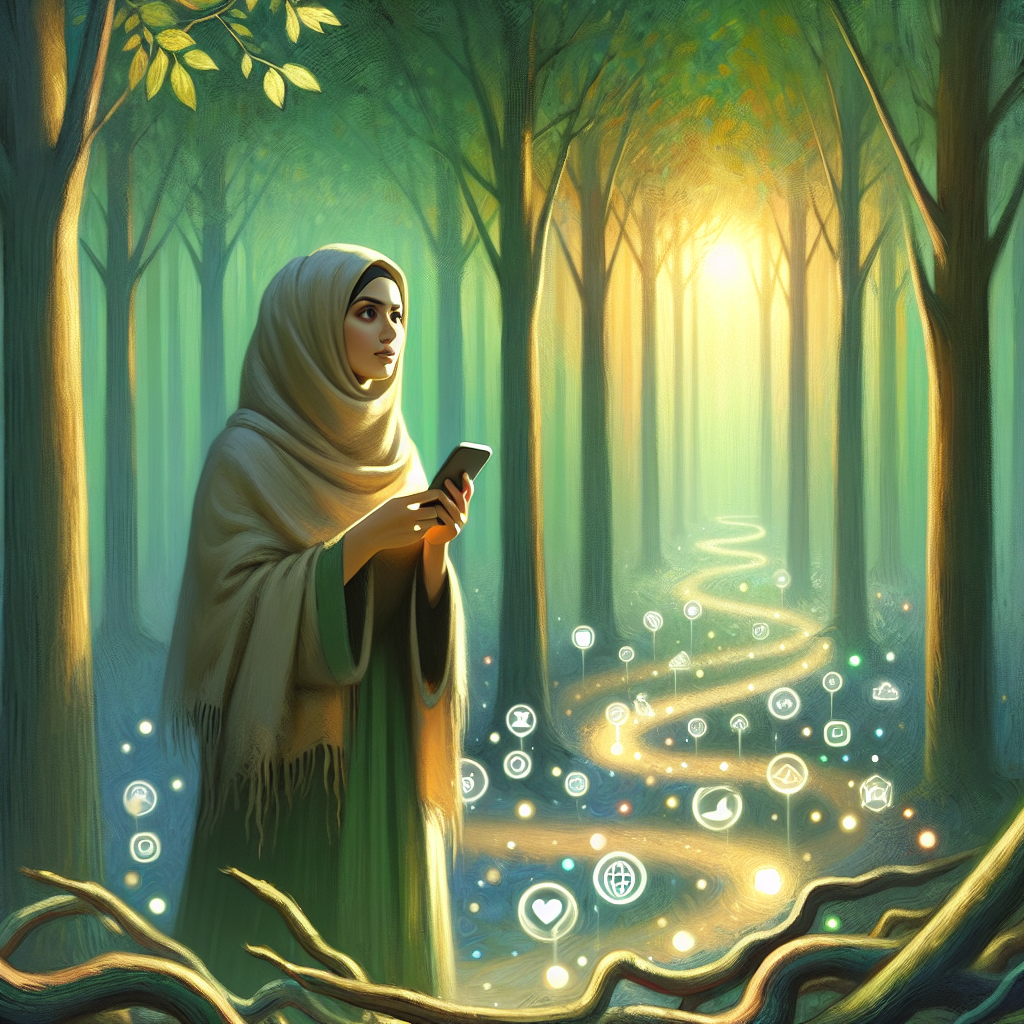
In an age dominated by screens and curated images, balancing authenticity with an online persona can feel like walking a tightrope. How do you showcase who you truly are while also appealing to the expectations of an audience often hungry for polished narratives? It begins with recognizing that every post, every tweet, every video is more than mere content. It’s a piece of your legacy, a thread in the rich tapestry of storytelling that defines not just your journey but also your values.
Legacy storytelling isn’t just about the moments we share; it’s about the stories we tell ourselves and others. These narratives can either enhance our authenticity or distance us from it, depending on how we approach them. It’s easy to fall into the trap of fabricating an online persona that reflects what we think people want to see. However, in a world that thrives on connections, vulnerability can be a powerful asset. Sharing your genuine experiences—not just the highlights but the lows too—creates a profound sense of relatability. It fosters connection, inviting your audience into your life.
Rationally, consider the long-term implications of this balance. Authenticity cultivates trust and loyalty in your audience. By being transparent about both your achievements and struggles, you establish credibility that resonates on a human level. People are drawn to those who face adversity, and when you share your journey openly, it says more about you than any perfectly curated photo could.
Ethically, it’s about responsibility. The online space is saturated with curated images that often distort reality. When you opt for authenticity, you contribute to a culture of honesty. Your audience deserves more than just a highlight reel; they deserve to see the grit and determination that goes into building a life worth sharing.
From a narrative perspective, think about how your story can inspire others. Each experience, whether it’s a setback or a triumph, has the potential to motivate someone else who is navigating similar waters. By weaving these elements together, you invite your audience on a journey—a celebration of the human experience that connects hearts and minds.
Ultimately, the balance between authenticity and online persona is not just about preference; it’s about embodying integrity in a digital landscape. Do not shy away from your true self. When you speak from the heart, trust builds, and connections deepen. Go ahead, share your legacy through storytelling, and inspire others to do the same.
How Do You Balance Authenticity and Online Persona?
How Do You Balance Authenticity and Online Persona?
- Balancing authenticity with an online persona is challenging in a digital age dominated by curated images.
- Every social media post is part of your legacy and influences how your story and values are perceived.
- Legacy storytelling includes both shared moments and the truths we tell ourselves and others.
- Vulnerability and sharing genuine experiences foster connection and relatability with your audience.
- Authenticity cultivates trust and loyalty, enhancing credibility by being transparent about achievements and struggles.
- Choosing authenticity contributes to a culture of honesty, showing the effort behind your achievements.
- Your experiences can inspire others, inviting them to join your journey and celebrate the human experience.

How Do You Balance Authenticity and Online Persona?
What Are the Emotional Impacts Of Social Media on Self-Worth?
The digital age has woven social media into the very fabric of our lives, creating a complex landscape of connection, aspiration, and often, disillusionment. As we scroll through curated snapshots of others’ lives—be it a beach getaway, a promotion at work, or a perfect family dinner—our self-worth is continuously evaluated against these polished highlights. This landscape, while enchanting, can also be a double-edged sword.
When we immerse ourselves in the daily barrage of posts, it’s easy to feel like we’re scribbling in the margins of someone else’s legacy—one that seems more appealing and accomplished than our own. The narrative of a successful life can become a weighty burden, prompting questions that press against our very beings: “Am I doing enough? Am I enough?” These thoughts latch onto our hearts and minds, intertwining into a troubling concoction of comparison and inadequacy.
Emotional impacts arise when the need for validation from followers becomes a primary criterion for self-assessment. Each like, each comment holds an emotional stake in our perception of self-worth. While positive feedback can provide a fleeting sense of belonging, the absence of it can spiral into feelings of rejection, anxiety, and isolation. It’s a juxtaposition of social connection and personal disconnection that affects mental well-being.
Moreover, the ethical dimensions of social media usage come into play. There’s an unspoken obligation to portray authenticity while navigating a platform built on performance. As we engage in legacy storytelling—crafting narratives that reflect our realities—we must assess whether we’re shaping stories that resonate truthfully or simply pandering to the whims of public perception. In doing so, we risk losing sight of what it means to be genuinely human in a world that often rewards the superficial.
Fostering connection amidst this social melee is essential. Understanding that everyone grapples with insecurities behind their carefully curated images fosters empathy. By sharing stories of vulnerability alongside triumphs, we humanize our experiences, creating space for a more genuine dialogue about self-worth.
We must champion an environment where authentic conversations thrive—where metrics of success extend beyond likes and retweets. It’s time to reclaim our narratives, grounding our self-worth in the fuller picture of who we are, embracing our legacies, imperfections and all, challenging the notion that value lies solely in the digital applause. It’s a call to action, urging us to look inward and nurture the self-appreciation that transcends the screen.

What Are the Emotional Impacts Of Social Media on Self-Worth?
What Are the Emotional Impacts Of Social Media on Self-Worth?
- The digital age integrates social media into everyday life, shaping connections and aspirations.
- Curated posts lead to self-worth evaluation, creating feelings of inadequacy and comparison.
- Validation from followers impacts emotional well-being, with likes influencing self-assessment.
- Absence of positive feedback can result in rejection, anxiety, and isolation.
- The ethical obligation of authenticity contrasts with a performance-driven platform.
- Sharing vulnerabilities alongside successes can foster empathy and genuine connections.
- Reclaiming narratives and focusing on authentic self-worth is essential in the digital space.

What Are the Emotional Impacts Of Social Media on Self-Worth?
Are You Comfortable Sharing Your Personal Story with Others?
There’s something profoundly human about sharing our stories. Each tale we tell is a thread in the vast tapestry of our existence, a piece of a Legacy Storytelling that connects us to one another. The weight of our experiences, both burdensome and beautiful, can resonate with others in ways we often underestimate. Yet, the question remains: are we comfortable opening up and exposing those threads to the world?
When we choose to share our personal stories, we engage in an act that requires courage and vulnerability. It’s not always easy to peel back our layers, revealing moments of joy, pain, triumph, and failure. But in doing so, we tap into an essential truth: our experiences are not just ours. They belong to the collective human experience. Imagine sitting around a fire, swapping tales that echo the common struggles and victories of life. That sense of belonging fosters connection, creating a shared understanding.
Think about how often we encounter stories that change our perspectives. Perhaps a friend recounts their struggles with loss, and in their narrative, you hear echoes of your own. The power of their vulnerability may encourage you to reflect on your journey. This is where Legacy Storytelling shines—our stories inspire action, ignite empathy, and create bridges of understanding between generations. When we speak, we give others permission to do the same. We cultivate a culture of openness, where stories can be shared without fear or judgment.
On a rational level, sharing personal stories can serve as a vital teaching tool. They provide insights into life’s complexities and can guide others through tumultuous times. When we share lessons learned from our own experiences, we move beyond individual narratives and impact the broader community. There’s authority in lived experience, a weight that no textbook can replicate.
Moreover, stories promote ethical responsibility. By sharing our truths, we highlight the importance of authenticity in a world often filled with curated facades. Genuine storytelling encourages others to embrace their own authenticity.
Ultimately, engaging with our stories is about more than just sharing; it’s about understanding. It’s an invitation for listeners to explore their own narratives, fostering trust and confidence. The act of sharing can be liberating, a reminder that we are never alone in our struggles. Embrace the discomfort of vulnerability, and you may uncover a world of connection waiting just beyond the surface.

Are You Comfortable Sharing Your Personal Story with Others?
Are You Comfortable Sharing Your Personal Story with Others?
- Sharing personal stories connects us to the collective human experience.
- Storytelling requires courage and vulnerability, revealing layers of joy, pain, and triumph.
- Legacy Storytelling fosters a sense of belonging and shared understanding.
- Personal narratives can change perspectives and inspire reflection.
- Sharing stories provides vital lessons that guide others through challenges.
- Authentic storytelling promotes ethical responsibility and encourages personal authenticity.
- Engaging with our stories fosters trust and connection, reminding us we are not alone.

Are You Comfortable Sharing Your Personal Story with Others?
How Can Vulnerability Foster Deeper Connections with Others?
Vulnerability is not a sign of weakness; it’s a testament to the strength of the human spirit. When we open ourselves up to others, we initiate a beautiful exchange. We invite connection on a deeper level, crafting what can be thought of as a legacy—a story that unfolds through shared experiences and emotions. This is where true relationships are forged.
Think about it: every great story you’ve ever heard has been built on a foundation of vulnerability. Characters reveal their fears, struggles, and dreams, and through their journeys, we find bits of ourselves. Our own stories—etched into the fabric of who we are—become rich with authenticity when we allow others a glimpse into our reality. This isn’t just about confession; it’s about sharing the essence of what it means to be human.
Logically, we know that no one has it all figured out. Every person has scars, fears, and failures tucked away beneath the surface. When we share those parts of ourselves, we create an environment where others feel safe to do the same. This reciprocity fosters trust. It transforms conversations from mundane exchanges into heartfelt dialogues. Suddenly, we see each other as partners in navigating life’s complexities, not just passing ships in the night.
Ethically, we owe it to ourselves and to one another to embrace vulnerability. It encourages us to extend grace to others when they falter, viewing their struggles not as shortcomings but as opportunities for connection. It’s in these moments that we create a community—a tapestry of shared humanity—allowing us to touch one another’s lives deeply.
The authority of shared experience is a powerful tool. When we lead with our truths, we illuminate pathways for others. People are drawn to those who are willing to be real, who don’t shy away from the messy parts of life. It’s magnetic; it invites others to join in, creating a richer tapestry of relationships grounded in honesty and mutual support.
Engaging in this kind of vulnerability can be daunting. But consider the reward: a more profound connection with those around you. Each moment spent in openness is an investment in a legacy that transcends the individual, becoming part of the larger human story. Embrace your own vulnerability, and you’ll inspire others to do the same. Together, let’s build a community where our legacies are defined by our willingness to connect through our shared truths.

How Can Vulnerability Foster Deeper Connections with Others?
How Can Vulnerability Foster Deeper Connections with Others?
- Vulnerability is a testament to the strength of the human spirit, inviting deeper connections.
- True relationships are formed through shared experiences and emotions that reveal our authentic selves.
- Everyone has fears and failures; sharing these creates an environment of safety and trust.
- Embracing vulnerability allows for mutual support, transforming mundane conversations into meaningful dialogues.
- Extending grace to others reinforces community bonds and shared humanity.
- Leading with authenticity draws people in, fostering richer relationships.
- Investing in vulnerability nurtures profound connections and builds a legacy that enriches the human story.

How Can Vulnerability Foster Deeper Connections with Others?
How Do You Navigate Conflicting Opinions About Your Identity?
When it comes to navigating the labyrinth of conflicting opinions about your identity, it often feels like stepping into a wrestling ring, where every voice is shouting its own version of the truth. From the early days, we collect impressions from family, friends, and society, each crafting a piece of our identity puzzle. Yet, as we grow, those pieces can clash. Understanding how to reconcile these differences is key.
Legacy storytelling plays a pivotal role in this journey. It’s not just about recounting experiences, but about owning them. Think of the tales passed down through generations—stories that illuminate who we are and where we come from. They offer a framework for understanding ourselves amidst the noise. Engaging with your own legacy, peeling back the layers of experiences, provides a strong anchor. From this vantage point, you can discern which opinions resonate with your core values and which just don’t fit.
It’s crucial to remember the humanity behind conflicting opinions. Each voice carries its own story, its own fears and triumphs. When you approach differing views with empathy, you allow yourself space to understand rather than simply react. This isn’t about losing your voice; it’s about enriching it. Embracing this narrative not only fosters connection with others but also cultivates a deeper relationship with yourself.
The head wants logic; it looks for reason. Utilize that need by examining the foundations of conflicting opinions. Is it fear? Misinformation? Perhaps it’s cultural misunderstanding. Distilling these arguments down to their essence can empower you to respond with clarity, rather than just defensiveness.
Then there’s the gut, the powerful instinct that demands attention. Your intuition serves as a compass in this chaotic landscape. Pay attention to how different opinions feel to you. Don’t shy away from those gut feelings—let them guide your exploration. Acting on those instincts can lead you toward identity decisions that feel authentic, a reflection of your true self.
Navigating conflicting opinions about your identity isn’t just a challenge; it’s an opportunity for growth. By combining legacy storytelling with empathy and introspective analysis, you can weave your unique narrative, one that honors your past while boldly stepping into the future. It’s about trust—trust in your journey and in the authenticity of your voice. Embrace it, and lead with it.

How Do You Navigate Conflicting Opinions About Your Identity?
How Do You Navigate Conflicting Opinions About Your Identity?
- Navigating conflicting opinions about identity can feel overwhelmed by varied voices.
- Identity is shaped by early impressions from family, friends, and society.
- Legacy storytelling is crucial for understanding one’s identity and experiences.
- Empathy towards differing opinions fosters deeper connections and personal growth.
- Logical analysis of conflicting views helps clarify underlying fears and misunderstandings.
- Intuition serves as a vital compass in exploring and affirming one’s identity.
- Combining storytelling, empathy, and introspection leads to a more authentic self.

How Do You Navigate Conflicting Opinions About Your Identity?
Why Is It Crucial to Uphold Integrity In Your Online Interactions?
Maintaining integrity in our online interactions is not just about following rules; it’s about honoring a legacy that shapes who we are and how we relate to one another. Every time we engage in the digital realm, we are participating in a complex tapestry woven from countless individual threads. Each post, tweet, or comment carries the weight of our values, beliefs, and the stories we choose to tell. When we act with integrity, we contribute to a narrative that can inspire others and create a positive ripple effect.
Think about it: the internet is a vast landscape filled with opportunities for connection and understanding. However, it’s also fraught with pitfalls. Misinformation, anonymity, and the ease of spreading negativity can lead us down a dark path. Upholding integrity means taking the higher road, ensuring that our contributions reflect not just our personal truths but also respect for those around us. This commitment to honesty fosters trust, which is the bedrock of meaningful relationships, both online and offline.
Consider the emotional impact of your words. A comment that uplifts can change someone’s day, while one that tears down can echo in ways we may never realize. Every interaction, no matter how small, becomes part of our legacy. The stories we share—whether they’re uplifting or harmful—shape perceptions and can alter lives. We all have the power to be storytellers in our own right. Let’s choose to craft narratives that unite rather than divide.
Rationally, integrity in our interactions also positions us as credible voices in a crowded marketplace of ideas. When people see us as ethical, they are more likely to trust what we say and stand for. This establishes authority not through force but through respect and authenticity. It inspires others to join in, creating a community grounded in shared principles.
Finally, consider the social aspect: when we embody integrity, we inspire others to do the same. Each act of honesty and decency encourages a culture that values integrity over sensationalism. The more we uphold these ideals, the more they become part of the collective consciousness, crafting a supportive environment where everyone can thrive.
It all circles back to the kind of legacy we wish to leave behind. Upholding integrity in our online interactions isn’t just a choice; it’s a call to be part of something greater than ourselves, to contribute to a better, more connected world.

Why Is It Crucial to Uphold Integrity In Your Online Interactions?
Why Is It Crucial to Uphold Integrity In Your Online Interactions?
- Maintaining integrity online honors a legacy that shapes interpersonal relationships.
- Every digital interaction contributes to a narrative reflecting our values and beliefs.
- Integrity fosters trust, essential for meaningful relationships both online and offline.
- Words carry emotional weight; positive remarks can uplift, while negative comments can hurt.
- Acting with integrity establishes credibility and authority in discussions.
- Upholding integrity encourages a culture that values honesty over sensationalism.
- Choosing integrity contributes to a better, more connected world and a positive legacy.

Why Is It Crucial to Uphold Integrity In Your Online Interactions?
Conclusion
In the intricate tapestry of life, each of us weaves our own unique narrative, stitched from experiences that shape who we are and the legacies we leave behind. The essence of legacy storytelling lies not only in recounting triumphs but also in the moments of vulnerability and struggle that resonate deeply with our shared humanity. Life isn’t a series of highlights; it’s a collection of challenges and victories that connect us. When we dare to expose our authentic selves, we invite others into our stories, fostering understanding and empathy in a world often driven by curated facades.
Consider the stories that shaped your journey—those instances when a mentor believed in you or when failure turned into an unexpected lesson. These narratives are not mere recollections; they are powerful testimonies that unite us, proving that none of us are alone in our experiences. Each time we share our truths, we create unbreakable bonds that ignite courage in others, inspiring them to share their own tales. This act of storytelling not only imparts wisdom but also nurtures a culture of trust and connection within our communities.
In an age dominated by digital personas, balancing authenticity with an appealing online presence can be daunting. Yet, maintaining our integrity is paramount. The narratives we share, whether on social media or in personal encounters, define not just who we are, but also how we impact those around us. Upholding integrity means committing to authenticity, choosing narratives that uplift rather than distort. Each post we make is a brushstroke in the larger picture of our legacy, shaping perceptions that ripple through our circles.
Additionally, the emotional complexity of social media and its influence on self-worth cannot be ignored. The pursuit of likes and validation can lead us down tumultuous paths of comparison, making it crucial to ground our identities in genuine connection rather than fleeting approval. Real strength lies in vulnerability—acknowledging our struggles, sharing our failures, and celebrating our victories.
Ultimately, as we navigate these intricate interactions, let us embrace our stories and the power they hold. By doing so, we don’t just tell our own tales; we beckon others into a collective human experience—one rooted in authenticity, connection, and integrity. Our legacy becomes a vibrant testament to what it means to truly live, offering inspiration and assurance to all who find themselves on similar paths. In this journey, we discover not just the importance of our stories, but the profound connections they foster, enriching the human experience in the process.

Conclusion
Conclusion:
- Each person weaves a unique narrative from their experiences, shaping their identity and legacy.
- Legacy storytelling encompasses both triumphs and struggles, highlighting our shared humanity.
- Authentic storytelling fosters understanding and empathy in a world driven by curated images.
- Personal stories, including mentorship and failures, serve as powerful testimonies that connect us.
- Upholding integrity in our narratives is essential for shaping perceptions and impacting communities.
- Real strength comes from vulnerability, focusing on genuine connections rather than validation through social media.
- Embracing our stories enriches the human experience and inspires collective understanding and connection.

Conclusion
Other Resources

Other Resources
Here is a list of other resources you can review online to learn more:
- deviantART
- LegacyLearned
- FindMyPast
- StoryCorps
- Obituary Templates
- Memorial Matters
- MyHeritage
- Trust And Will
- Tributes
- How To Write Legacy Story Headlines That Appeal To The Heart, Gut and Head
- Legacy
- Legacy Family Tree
- Forever Missed
- Postumo
- My Wonderful Life
- Is There A Need To Pay For Copyrighting Services For Personal Or Family Legacy Stories?
- LegalZoom
- Knotify.me
- YouMattered
Use This Prompt To Get More Resources With Your Favorite Online AI Tool: Please provide me with a list of online articles with their URLs in a bulleted list that I can read regarding The Account Is You

Other Resources
Glossary Terms
The Account Is You – Glossary Of Terms
1. Account: A record or statement of financial expenditure and receipts relating to a particular period or purpose.
2. Identity: The characteristics and qualities that make one person or group different from another.
3. Self-Perception: How one views and evaluates oneself, influencing thoughts, behaviors, and interactions.
4. Authenticity: The degree to which one is true to their own personality, spirit, or character, despite external pressures.
5. Personal Brand: The perception others have of an individual based on various visible markers such as social media presence, behavior, and achievements.
6. Perspective: A particular attitude or way of considering a matter; a viewpoint that influences how one interprets experiences.
7. Reflection: The process of introspection, thinking deeply about one’s actions, thoughts, and experiences to gain insights.
8. Values: Fundamental beliefs or ideals that guide behavior and decision-making, shaping one’s actions and judgments.
9. Self-Accountability: The practice of taking responsibility for one’s own actions and outcomes.
10. Goal Setting: The process of identifying specific, measurable, achievable, relevant, and time-bound objectives to improve oneself.
11. Mindfulness: The practice of being fully present and engaged in the moment, aware of thoughts and feelings without judgment.
12. Growth Mindset: The belief that abilities and intelligence can be developed through dedication and hard work.
13. Vision: A clear and inspiring description of what one wants to achieve in the future, guiding personal and professional aspirations.
14. Resilience: The ability to recover quickly from difficulties; mental toughness in the face of adversity.
15. Empathy: The capacity to understand and share the feelings of others, fostering connection and compassion.
16. Self-Discovery: The process of gaining insight into one’s own character, feelings, motives, and desires.
17. Integrity: The quality of being honest and having strong moral principles; consistency of actions, values, and beliefs.
18. Social Identity: The part of an individual’s identity derived from membership in social groups.
19. Narrative: The spoken or written account of connected events; how one tells their own story can shape perceptions of self.
20. Self-Efficacy: Belief in one’s capacity to execute behaviors necessary to produce specific performance attainments.
21. Mindset: An established set of attitudes held by someone, influencing how one interprets challenges and opportunities.
22. Feedback: Information about reactions to a product, person’s performance, or behavior, crucial for personal development.
23. Self-Expression: The process of making one’s thoughts, feelings, and ideas known; a vital aspect of identity formation.
24. Well-Being: The state of being comfortable, healthy, or happy; an overarching term for various aspects of life satisfaction.
25. Adaptability: The ability to adjust to new conditions, enabling personal growth and resilience.
26. Meaning: The significance or purpose that one attributes to experiences, guiding decisions and actions.
27. Community: A group of individuals who share common interests, values, or characteristics, contributing to a sense of belonging.
28. Courage: The mental or moral strength to persevere and withstand challenges or difficulties.
29. Positivity: The practice of maintaining a hopeful and constructive attitude toward oneself and the environment.
30. Legacy: Something received from a predecessor, influencing future generations and shaping one’s identity and values.

Glossary Of Terms
Other Questions
The Account Is You – Other Questions
If you wish to explore and discover more, consider looking for answers to these questions:
- What is “legacy storytelling” and how does it differ from ordinary storytelling?
- What practical steps can I take to identify the most important stories from my life?
- How do I decide which personal stories are appropriate to share publicly and which to keep private?
- What techniques make a personal narrative compelling and memorable?
- How can I structure my story to highlight values, lessons, and impact?
- Which digital platforms are best suited for different kinds of legacy storytelling?
- How can I preserve and archive my stories for future generations?
- What are simple daily or weekly habits to build a meaningful digital legacy over time?
- How do I protect my privacy and the privacy of others when sharing personal stories online?
- How do I handle negative feedback, trolling, or criticism after sharing vulnerable content?
- What ethical considerations should I weigh when telling stories that involve other people?
- How can I measure the impact or reach of the stories I share?
- How do I balance authenticity with professional or career concerns?
- When might oversharing be harmful to my well‑being or relationships?
- How can vulnerability be used strategically without undermining credibility?
- What are tactics for translating personal stories into speeches, articles, or multimedia pieces?
- How can I adapt my story for different audiences while staying true to the core message?
- How do I respond when family or cultural traditions conflict with my chosen narrative?
- What legal issues should I consider (defamation, consent, copyrights) when publishing personal stories?
- How can I teach or encourage others to share their stories safely and effectively?
- How does my digital footprint shape how future employers, partners, or family will perceive me?
- What role does fact‑checking and honesty play in legacy storytelling?
- How can I use stories to build trust and authority in my community or industry?
- How do I overcome fear or shame that prevents me from sharing meaningful experiences?
- How can storytelling be used therapeutically to process trauma or grief?
- What tools or resources (books, courses, software) help improve storytelling skills?
- How do I maintain integrity online when commercial pressures or metrics tempt me to curate a false persona?
- How can I ensure my stories inspire action rather than fueling comparison or insecurity in others?
- How do I handle conflicting versions of my identity told by others (family stories, public narratives)?
- What are best practices for intergenerational storytelling—passing lessons and memories to children and grandchildren?
- How can organizations use legacy storytelling to strengthen culture and values?
- When is it better to tell a story privately (in conversation) rather than publish it online?
- How can I monetize my storytelling without compromising authenticity?
- What metrics or signs indicate my storytelling is fostering real connection rather than superficial engagement?
- How should I revise or update my legacy narratives as my perspectives and life circumstances change?

Other Questions
Haiku
The Account Is You – A Haiku
Stories weave our lives,
Threads of truth, shared in courage—
Legacy unfolds.

Haiku
Poem
The Account Is You – A Poem
In threads of life, each story we weave,
A tapestry rich, in moments we believe.
Our joys and burdens, shared along the way,
Craft a legacy, a role we all play.
Through trials faced, our truths are laid bare,
With courage to speak, we invite others to share.
In vulnerability’s light, our spirits entwine,
Crafting bonds of trust, where empathy shines.
In digital realms, identity may blur,
Yet beneath the surface, hearts still stir.
Our essence resides in the paths that we tread,
Not likes or followers, but the words we’ve said.
With honesty’s grace, let our voices unite,
Rejecting façades, embracing the light.
For in our shared stories, the mundane and grand,
We find our connection, a helping hand.
Let legacy storytelling be our guiding star,
As we embrace the power that’s uniquely ours.
With integrity upheld, we cultivate space,
For a world that celebrates the human embrace.
So stand up and share, let your narrative flow,
In the heart of connection, true legacies grow.
Through each tale we tell, our impact rings clear,
For the account is you, and your voice holds us near.

Poem
Checklist
The Account Is You – A Checklist
Heart
✅______ Identify a personal story. Reflect on a moment that significantly shaped your life. What emotions arise when you think about it?
✅______ Explore vulnerability. List three experiences where you felt vulnerable. How did sharing them change your connections with others?
✅______ Foster empathy. Recall a friend’s story that resonated with you. How did it inspire empathy in your own experiences?
Head
✅______ Define your legacy. What core values do you want your story to convey? Write down at least three.
✅______ Analyze digital footprints. Evaluate two recent social media posts. Do they align with your true self? What changes would you make?
✅______ Set clear communication goals. What message do you want to convey through your storytelling? How will you measure its impact?
Gut
✅______ Gauge your comfort level. Are you comfortable sharing your story? Rate your comfort on a scale of 1-10 and reflect on why.
✅______ Trust your instincts. Think about conflicting opinions about your identity. How do they make you feel? What does your gut tell you about them?
✅______ Commit to authenticity. Identify one area where you can be more authentic online. What steps will you take to implement this change?
Ethical and Authority Appeals
✅______ Reflect on responsibility. Consider how your narrative influences others. Are you promoting truth? Where can you improve?
✅______ Acknowledge your authority. Share a lesson learned from your experiences. How can this knowledge benefit others?
Narrative and Social Appeals
✅______ Craft a community connection. Write a short paragraph that describes how your story can foster community and open dialogue.
✅______ Encourage shared experiences. Invite someone to share their story. How can this exchange deepen connections within your community?

Checklist
At LegacyExplorations, we help people plan and explore their legacy by collecting information and news regarding end-of-life planning.
Please share this post with your friends, family, or business associates who may want help to plan or explore their legacy.