

Rediscovering Humanity In A Data-Driven World: What Truly Counts
By Tom Seest
At LegacyExplorations, we help people plan and explore their legacy by collecting information and news regarding end-of-life planning.
Please share this post with your friends, family, or business associates who may want help to plan or explore their legacy.
The Algorithm Doesnt Know What Matters
The Algorithm Doesn’t Know What Matters
In a world overwhelmed by data, we often place our faith in algorithms to steer us through life’s decisions. But let’s pause for a moment and consider the core of what makes us human: our experiences, our connections, our legacy. Algorithms are brilliant at calculating probabilities, but they lack the nuance of genuine understanding. They may sift through endless streams of information, but they cannot grasp the emotional terrain we navigate.
Legacy storytelling is a practice that speaks to the heart of who we are. It connects us to our past, reinforcing the values imparted by those who walked before us. Think of the stories shared around a dinner table—tales filled with laughter, tears, and lessons learned through hardship. These stories resonate with us not because they are perfectly structured but because they mirror our struggles and triumphs. When we share our narratives, we create a sense of belonging, building a community of shared experiences that algorithms can’t replicate.
Rationally, we recognize that our decisions shape the future. While an algorithm might recommend a course of action based on data trends, it cannot account for the ethical dilemmas we face. Decisions made in the gray areas of life—where right and wrong blur—often carry moral weight that no formula can quantify. Here’s where the power of our stories comes into play. They remind us that every choice has consequences that ripple through generations, influencing not just our lives, but the lives of those who follow.
Socially, our connections matter. The trust we place in one another transcends the cold computations of technology. This interaction fosters an environment where we can collaborate and innovate. When we gather to share our stories, we create a foundation of trust, allowing us to tackle challenges together. Such environments inspire confidence and action, encouraging us to confront our fears and champion the causes that resonate with our values.
So, as we trudge into an increasingly automated future, let’s not forget the essence of what matters most. Stories are not just relics of the past; they are the compass guiding our present and future decisions. They foster an understanding that our humanity cannot be captured in numbers alone. It’s the legacy we leave behind—crafted through our stories—that will truly define us.

The Algorithm Doesnt Know What Matters
The Algorithm Doesnt Know What Matters
- Algorithms excel at data analysis but lack genuine understanding of human emotions.
- Legacy storytelling connects us to our past, reinforcing shared values and experiences.
- Personal narratives create a sense of belonging and community that algorithms cannot replicate.
- Ethical dilemmas in decision-making are beyond the scope of algorithmic recommendations.
- Stories remind us of the consequences of our choices, impacting future generations.
- Trust and cooperation among people transcend technological calculations, fostering innovation.
- Stories guide our decisions and define our legacy, emphasizing our humanity over data.

The Algorithm Doesnt Know What Matters
Table Of Contents
- The Algorithm Doesnt Know What Matters
- What Defines What Truly Matters In Our Lives?
- How Do We Challenge Algorithmic Bias?
- Can We Trust Algorithms to Reflect Our Values?
- What Role Does Empathy Play In Technological Decisions?
- Are We Losing Our Humanity to Machine-Driven Choices?
- How Can We Reclaim Agency Over Algorithmic Influences?
- What Stories Highlight the Impact Of Algorithms on Us?
- Conclusion
- Other Resources
- Glossary Of Terms
- Other Questions
- Haiku
- Poem
- Checklist
What Defines What Truly Matters In Our Lives?
In a world swirling with distractions, the question of what truly matters cuts through the noise like a well-tuned engine. It’s often in the simplest moments that we uncover our deepest truths. Legacy is more than what we leave behind; it’s the stories we share while we’re still here. These narratives shape our identity and connect us to one another, weaving a tapestry of experiences that reveals who we are.
Consider the power of storytelling. It’s not just an art; it’s a lifeline. Every interaction is a chance to create a meaningful exchange. Picture a grandmother sharing tales of resilience in the face of hardship—the tales that cultivate a sense of belonging and instill values across generations. This is how we inspire trust, and how we remind ourselves that we are part of something larger than our individual lives. These stories guide us, serving as touchstones that illuminate a path amid life’s chaos.
Yet, storytelling is also a mirror reflecting our failures and triumphs. When we allow our hearts to lay bare their narratives, we invite others to do the same, creating empathy and understanding. Imagine the strength found in vulnerability. It’s through shared struggles that we foster connection, making the weight of our burdens feel a bit lighter. When we focus on what matters—honesty, hard work, love, community—we build bridges instead of barriers.
From the perspective of reason, aligning our priorities with what truly matters is an exercise in simplicity. Ask yourself: do the daily tasks and choices reflect values that resonate? Engaging with our core principles leads to ethical living, where every decision feels intentional rather than reactive. When lived authentically, our choices inspire those around us to reflect on their own priorities, acting as a catalyst for positive change.
In these moments of clarity, remember that life isn’t just a series of events; it’s a collection of meaningful stories. Each of us has the power to shape our legacy by defining what matters most. It involves listening to our gut, exploring our hearts, and using our heads to create a life rich with purpose. We have the opportunity to craft not just our individual stories, but also the collective narrative that can inspire generations to come. So, seize that chance. Make your story count; what matters to you may just spark a movement in someone else.

What Defines What Truly Matters In Our Lives?
What Defines What Truly Matters In Our Lives?
- In a distracting world, recognizing what matters cuts through the noise.
- Legacy encompasses the stories shared during our lives, shaping identity and connection.
- Storytelling is essential for creating meaningful exchanges and fostering belonging.
- Vulnerability in storytelling invites empathy and strengthens connections.
- Aligning daily choices with personal values fosters ethical living and intentionality.
- Life is a collection of meaningful stories, and each person can shape their legacy.
- Shared narratives have the potential to inspire collective movements and positive change.

What Defines What Truly Matters In Our Lives?
How Do We Challenge Algorithmic Bias?
In a world dominated by numbers, codes, and artificial intelligence, it’s easy to forget the human stories that lie beneath the surface of algorithmic decisions. We often think of algorithms as impartial, like a digital judge devoid of bias. Yet the truth is more complex. Algorithms reflect the values and assumptions of those who design them, often perpetuating systemic inequalities. To challenge algorithmic bias effectively, we need to engage in what I call “Legacy Storytelling.” This approach humanizes the data, inviting us to consider those impacted by technology, pushing us to ask, “Whose legacy is this?”
We start with empathy, understanding that behind every statistic is a real person with real experiences. Recognizing the narratives that algorithms generate can help us question their authority. Imagine a job applicant passed over due to biased automated screening. That person isn’t just a number – they have dreams, aspirations, and contributions to make. By elevating these stories, we can shift the conversation from abstract data points to tangible human lives. This not only stirs our hearts but sparks a deep, personal obligation to act.
Rationally, we must demand transparency in how algorithms are created and implemented. The ethical implications of algorithmic decisions must be front and center. Who gets to decide what’s considered “normal”? Shouldn’t the design process include voices from all walks of life, especially those traditionally marginalized? It’s time to foster an environment where diversity in input leads to better outcomes for everyone. This isn’t just about ethics; it’s about fair business practices that enhance trust and engagement within our communities.
Engagement is crucial. We need to foster discussions that bring together technologists, ethicists, and everyday people—those who use or are affected by these technologies. When we share experiences through storytelling, we foster a sense of community and shared purpose, creating a platform for change that extends beyond the digital realm.
Lastly, let’s not shy away from action. We must advocate for inclusive design practices and push for regulatory measures that hold those who design algorithms accountable. By demanding accountability, we not only challenge bias but also build a society that values fairness and inclusivity. This journey requires collective effort—one step forward, one story at a time. As we champion change, let’s remember the power of our voices and the legacies we create together.

How Do We Challenge Algorithmic Bias?
How Do We Challenge Algorithmic Bias?
- Algorithms often reflect the biases and values of their creators, perpetuating systemic inequalities.
- “Legacy Storytelling” humanizes data, highlighting the real people affected by algorithmic decisions.
- Empathy is essential; every statistic represents a person with dreams and aspirations.
- Transparency in algorithm design and implementation is necessary for ethical considerations.
- Diverse voices must be included in the design process to ensure fair outcomes.
- Engaging discussions among technologists, ethicists, and affected individuals are vital for fostering community and change.
- Advocacy for inclusive design practices and accountability in algorithm creation is crucial to combat bias.

How Do We Challenge Algorithmic Bias?
Can We Trust Algorithms to Reflect Our Values?
In the world of zeros and ones, algorithms operate like modern-day frontiersmen, venturing where humanity has dared to tread but with a promise that feels more like a gamble. They wield the incredible potential to analyze our preferences, predict our behaviors, and even influence our decisions. Yet, as we hand over the reins to these digital beasts, we must ask ourselves: Are we truly comfortable letting them define our values?
Consider the legacy of storytelling, passed down through generations; it’s more than just a means of communication. It’s a reflection of who we are, our struggles, our triumphs, the very essence of our humanity wrapped in narratives that resonate with emotion, truth, and authenticity. Algorithms, on the other hand, tend to lack this depth. They thrive on patterns, on data devoid of the heart that beats at the core of our stories. While they promise efficiency, the question remains—whose story do they tell?
When we trust algorithms, we’re not merely trusting lines of code; we’re placing faith in the unseen hands that design them. That’s where ethical considerations come into play. Are these designers aware of the values we hold dear? Are they willing to infuse their creations with the very principles that govern our society? This isn’t a minor concern. It’s about ensuring that technology works for us, that it listens to our cues, both spoken and unspoken. An algorithm that reflects our values can inspire confidence, forging a partnership between humans and machines—one that serves the greater good, not just the whims of a select few.
Yet, it’s not just about personal comfort; it’s also about community. The conversations around algorithms should feel inclusive, drawing everyone in, offering a sense of belonging rather than alienation. When we engage collectively in the process of shaping these technologies, we breathe life into the data, weaving our realities into their frameworks.
The bottom line is this: algorithms can be powerful allies, but they should never overshadow the profound narratives that define our existence. As we march forward into this digital dawn, let’s make sure our legacy of storytelling finds its way into the heart of technology, ensuring that algorithms reflect not just our choices, but the values that truly matter. Trust isn’t merely given; it’s earned, and it’s time we put in the effort to craft algorithms aligned with our shared humanity.
Can We Trust Algorithms to Reflect Our Values?
Can We Trust Algorithms to Reflect Our Values?
- Algorithms analyze preferences, predict behaviors, and influence decisions, posing questions about value definition.
- Storytelling reflects human essence, struggles, and triumphs, contrasting with the depthlessness of algorithms.
- Trusting algorithms equates to trusting their designers, raising ethical concerns about value awareness.
- Algorithms must be designed to reflect societal values and principles for technology to serve the greater good.
- Community involvement in shaping algorithms fosters inclusivity and ensures diverse narratives are represented.
- Algorithms can enhance human experience but should not overshadow the significance of personal narratives.
- Efforts should be made to craft algorithms that align with shared humanity, emphasizing earned trust.

Can We Trust Algorithms to Reflect Our Values?
What Role Does Empathy Play In Technological Decisions?
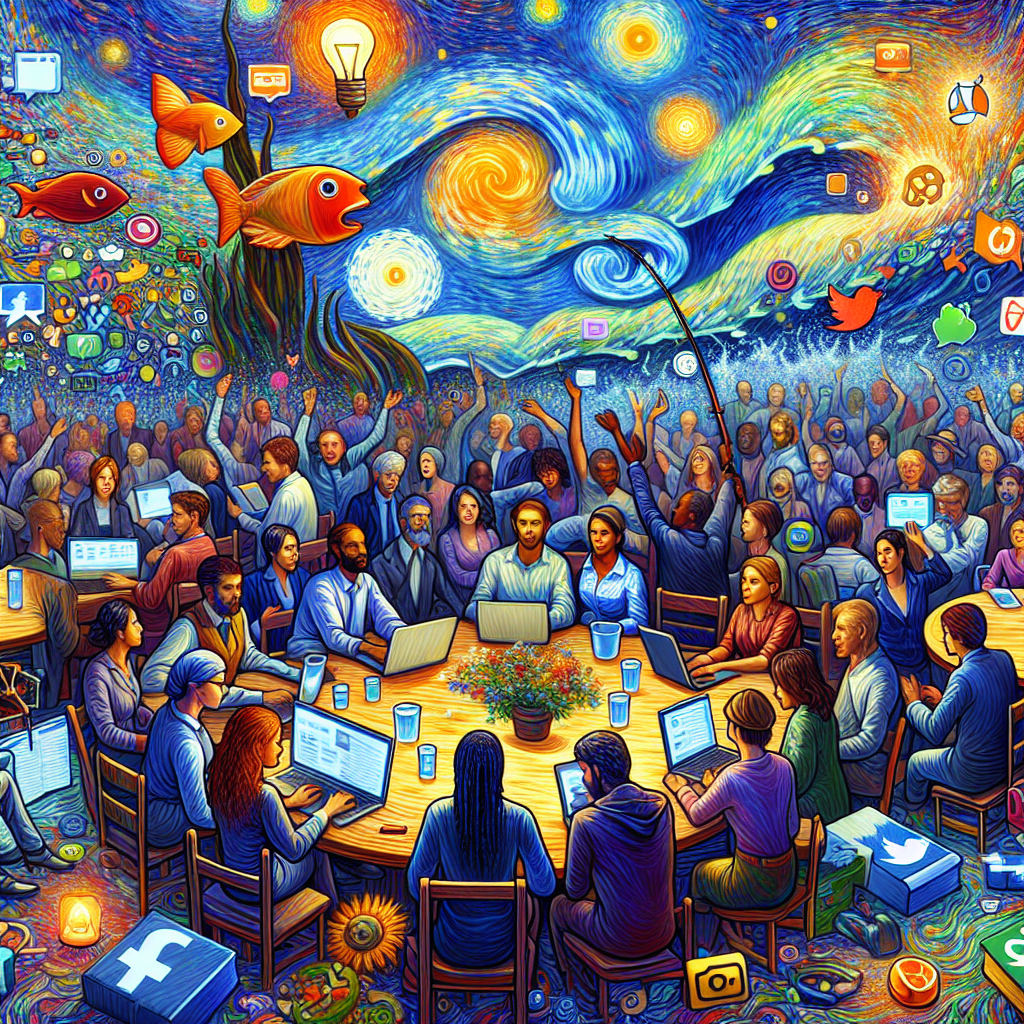
Empathy isn’t just a buzzword; it’s the missing ingredient in the recipe for responsible technological decision-making. Picture this: you’re a developer working late into the night on a new app. You’re excited and focused, but have you paused to think about how your creation impacts the lives of everyday people? Legacy storytelling, the art of sharing meaningful experiences, gives us a lens through which we can view our technological innovations. By grounding our work in real human stories, we can create solutions that resonate deeply with the community we aim to serve.
Think about the last time technology failed you. Maybe a glitch ruined your day, or an automated response left you feeling unheard. Those moments are etched in our memories. They remind us that technology, devoid of empathy, can alienate rather than connect. By evoking emotional appeal, we foster a visceral understanding of what users truly need. When developers lead with empathy, they’re not just thinking about functionality; they’re considering how their creations fit into the tapestry of people’s lives.
There’s a rational component as well. When companies invest in understanding their audiences, they mitigate risk. They create products that aren’t just market-ready but heart-ready. Listening to the voices of those they aim to serve leads to more thoughtful innovation. This practical approach not only enhances user satisfaction but builds a stronger brand reputation grounded in trust.
Moreover, ethical considerations demand empathy in our decision-making processes. As technology continues to evolve rapidly, we must ask ourselves: Are we doing the right thing? Creating technology with an understanding of its societal impact fosters a sense of responsibility. When corporations act as stewards of technology, they embody authority and integrity. They acknowledge the power they wield and use it wisely, ensuring that their advancements serve to uplift rather than diminish.
Lastly, storytelling connects us all. Each line of code has the potential to tell a legacy story, illustrating how technology intertwined with empathy can lift communities. When we invite voices into our innovation narrative, we foster a social connection that encourages collaboration, understanding, and ultimately, progress.
Empathy isn’t just a warm feeling; it’s a catalyst for meaningful change. In a world increasingly driven by technology, let’s ensure that the human experience remains at the forefront of our innovations. After all, when we lead with empathy, we cultivate not just better products, but a better world.

What Role Does Empathy Play In Technological Decisions?
What Role Does Empathy Play In Technological Decisions?
- Empathy is essential for responsible technological decision-making.
- Developers should consider the impact of their creations on everyday people.
- Legacy storytelling helps ground technological innovations in real human experiences.
- Understanding user needs fosters emotional connections and enhances functionality.
- Investing in audience understanding mitigates risk and improves brand trust.
- Ethical considerations in technology require empathy to ensure responsible advancements.
- Storytelling in technology promotes collaboration and a shared sense of community.
What Role Does Empathy Play In Technological Decisions?
Are We Losing Our Humanity to Machine-Driven Choices?
In an age where machines increasingly dictate our choices, we must pause and ponder the implications on our humanity. The legacy of our ancestors, steeped in storytelling, reminds us of the power of human connection and the richness of lived experiences. Every decision we make is woven into a larger narrative—one that speaks to our values, our struggles, and our aspirations. Yet, as algorithms become our decision-making partners, we risk losing the very essence of what makes us human.
Imagine a world where decisions are sanitized, stripped of the nuance that comes from our imperfections. The grocery store, once a vibrant marketplace filled with interactions and laughter, is now often reduced to a series of machine-generated recommendations. We no longer select fruits based on their color or fragrance; instead, we rely on predictive analytics to “suggest” what to buy. The thrill of discovery gives way to recommendations based on past purchases, effectively killing spontaneity and replacing it with a calculated efficiency. While these choices might seem practical, they can leave us feeling disconnected and hollow.
There’s an ethical narrative here worth examining. Are we content to let machines herd us into cultural conformity? By allowing choices to be dictated by algorithms, we surrender control over our preferences, limiting our ability to forge our own paths. Authority figures in tech promote this as progress—more choices, more convenience. Yet it often comes at the cost of our collective story. We become mere data points, our lives reduced to patterns and trends void of emotion and experience.
Conversely, embracing our legacy of storytelling fosters a deeper social connection that technology fails to replicate. Our shared histories and narratives enrich our communities and bind us together. They resonate with our head, heart, and gut, urging us to remember the value of human interaction. We find warmth in the tales of our neighbors, discover empathy in struggles, and create bonds that transcend superficial connections.
Let’s reclaim our narrative. By consciously engaging with the world, making choices driven by our values rather than mere convenience, we can inspire trust and confidence in ourselves and one another. It’s time to step away from the screen and back into the stories that have shaped us—stories that can guide us forward, reminding us that our humanity is not a choice for algorithms to make, but a legacy for us to uphold.

Are We Losing Our Humanity to Machine-Driven Choices?
Are We Losing Our Humanity to Machine-Driven Choices?
- Machines increasingly dictate our choices, impacting our humanity.
- The legacy of storytelling highlights the importance of human connection and lived experiences.
- Every decision reflects our values and stories, risking the loss of our human essence.
- Relying on algorithms for choices diminishes spontaneity and leads to a sense of disconnection.
- Ethical concerns arise as machines promote cultural conformity and limit personal preferences.
- Shared narratives foster social connections that technology cannot replicate.
- Reclaiming our narrative involves making values-driven choices to inspire trust and community.

Are We Losing Our Humanity to Machine-Driven Choices?
How Can We Reclaim Agency Over Algorithmic Influences?
In an age dominated by algorithms, it’s easy to feel like mere spectators in our own lives. Yet, reclaiming agency over these algorithmic influences requires more than just technical knowledge—it demands an understanding rooted in something deeper. It’s about reconnecting with our legacy storytelling, the way our ancestors shared wisdom and experiences that resonated through generations. This isn’t just a technical discussion; it’s personal, woven into the fabric of who we are.
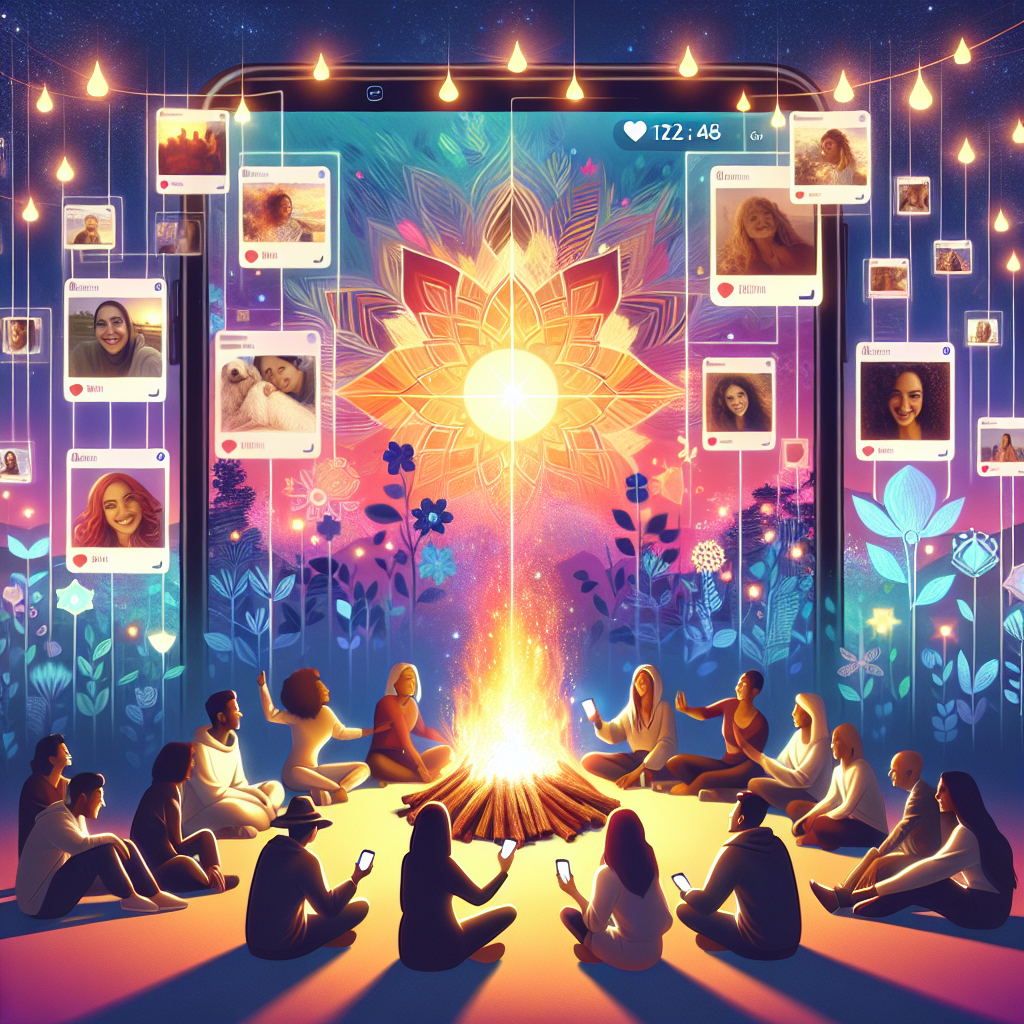
Imagine sitting around a fire, listening to tales that shaped communities and forged identities. Each story was a thread, binding people together, and imparting lessons in resilience and morality. Today, the algorithms that govern our online experiences echo this essential human need for connection. They curate our feeds and shape our perceptions, often without our conscious consent. But like any compelling narrative, the power lies in who controls the telling. If we don’t engage with these influences actively, we hand over the pen to unseen forces.
To change the narrative, we must acknowledge that these algorithms are not inherently bad; rather, they reflect what we choose to feed them. By selectively engaging with content that uplifts, inspires, and challenges us instead of isolating us in echo chambers, we reclaim our narrative. It’s about making informed choices—deciding which stories to amplify. This process is both an act of courage and responsibility. When we choose the content that resonates personally and ethically, we take ownership of our digital experiences.
Rationally, we must equip ourselves with the knowledge to understand how these algorithms function. This is not to be relegated to the domain of tech experts; it’s a call for all of us. Accessible resources and community discussions promote a culture of awareness and engagement. When we share our insights and experiences, we create a powerful feedback loop, ensuring that our collective voices shape the platforms we inhabit.
Reflecting on our shared legacy storytelling empowers us to engage with the world around us authentically. It builds trust—not just in ourselves but in the communities we form to navigate the complexities of this algorithm-driven reality. By fostering connections and fortifying our narrative interests, we can reclaim our agency and inspire others to do the same. Let’s write our story together, ensuring that in every interaction, we remain the authors of our digital destinies.

How Can We Reclaim Agency Over Algorithmic Influences?
How Can We Reclaim Agency Over Algorithmic Influences?
- In a world influenced by algorithms, reclaiming agency requires deeper understanding, not just technical knowledge.
- Legacy storytelling from our ancestors emphasizes the importance of connection and the sharing of wisdom.
- Algorithms curate online experiences, shaping perceptions often without users’ conscious consent.
- Recognizing that algorithms reflect user choices allows for a shift in narrative control.
- Engaging with uplifting and challenging content can prevent isolation in echo chambers.
- Knowledge about algorithm functionality is essential for everyone, not just tech experts.
- Communal insights and storytelling empower collective agency and foster trust in navigating digital realities.

How Can We Reclaim Agency Over Algorithmic Influences?
What Stories Highlight the Impact Of Algorithms on Us?
What Stories Highlight the Impact of Algorithms on Us?
In a world increasingly governed by algorithms, the stories we tell about their influence carry more weight than we often realize. These are not just technical tales spun by experts; they are Legacy Stories, narratives woven into the fabric of our lives, reflecting our triumphs and tribulations as individuals, communities, and a society.
Take the small business owner who relied on social media algorithms for visibility. With dreams pinned on their culinary expertise, they post daily, only to wrestle with the reality that their heartwarming story of perseverance rarely sees the light of day. A post that deserves to connect with hundreds barely reaches a handful, leading to frustrations echoed across the entrepreneurial landscape. This story hits home, resonating with anyone who’s poured their soul into their passion yet struggles against the unseen forces of technology.
Consider the high school student, an aspiring creator, searching for their voice amidst a sea of curated content. The algorithms intended to enrich their experience often box them into echo chambers, drowning out diverse perspectives and voices. Stories that should inspire creativity instead create confinement, proving that the very tools designed for empowerment can sometimes feel like shackles. This narrative—common yet profound—opens a dialogue about what it means to find authenticity in a world favoring the formulaic over the unique.
And then there’s the overwhelmed parent, desperately seeking balanced information about child-rearing. In an age of instant answers, they navigate a labyrinth of algorithm-driven recommendations, often at the mercy of tools that prioritize clicks over quality. Their emotional journey, rife with doubt and fear, warns us of the ethical implications of algorithmic decision-making. When algorithms dictate our choices, we must question who benefits—our families or the platforms that profit from our attention?
These stories intertwine with our collective experience, forcing us to confront the consequences of our reliance on technology. We find ourselves grappling with questions of authority and trustworthiness: Are we giving away our narratives to the whims of algorithms? Will future generations inherit a nuanced understanding of the world, or will they be confined to algorithmically driven tales that lack depth and empathy?
By sharing these narratives, we foster connections, igniting a spark of understanding about the real impact of algorithms on our lives. Together, we can demand a more balanced narrative landscape that values human stories, ensuring our legacies are reclaimed from the binary confines of technology. It’s time to recognize that while algorithms can inform, it’s our stories that inspire and drive us forward.

What Stories Highlight the Impact Of Algorithms on Us?
What Stories Highlight the Impact Of Algorithms on Us?
- Stories of algorithmic impact on individuals reflect broader societal issues and personal experiences.
- A small business owner struggles for visibility on social media despite their culinary passion, highlighting algorithmic frustrations.
- A high school student faces confinement in echo chambers, limiting diverse perspectives and creativity.
- An overwhelmed parent seeks reliable child-rearing information, navigating algorithm-driven content focused on clicks rather than quality.
- These narratives raise ethical questions about the influence of algorithms on our choices and who truly benefits from them.
- Collectively, these experiences challenge us to reconsider authority, trustworthiness, and the nature of our stories in a digital age.
- Emphasizing human stories over algorithmic narratives is essential to reclaiming personal legacies and inspiring future generations.

What Stories Highlight the Impact Of Algorithms on Us?
Conclusion
In the cacophony of our data-driven world, it’s easy to forget that machines don’t truly understand us. Algorithms churn through data like well-oiled machines, recommending our next meal or our next binge-watch based on patterns, but they lack the human touch that shapes our lives. Our legacy lies not in numbers or trends but in the stories we tell each other, narratives filled with heart, perseverance, and genuine connection. These tales, shared around our family tables or between friends, are the threads that weave our unity, giving context to our myriad experiences and the lessons we’ve learned along the way.
As we navigate through the complexities of existence, let’s acknowledge that our choices mean more than just utilitarian decisions shaped by digital prompts. Each decision reverberates through time, affecting not only our lives but the futures of those who follow in our footsteps. Our stories are the custodians of this legacy, burdened with the moral weight of every choice, and they guide us as we confront ethical dilemmas. Trust is built through these connections—between our actions and the people they impact—reminding us that technology should amplify our voices, not drown them out.
In a world increasingly influenced by algorithms, we must strive to preserve our humanity. Social connection fosters innovation and collaboration, allowing us to share experiences, build trust, and challenge the status quo. Remember the stories of resilience and triumph that inspire us, forging a sense of belonging that algorithms alone cannot replicate.
The ethical implications of our reliance on technology must be at the forefront of our conversations. We must democratize the conversation around who shapes the algorithms that guide us, ensuring that diverse voices contribute to our digital landscape. Ultimately, the authority of technology should mirror our values, reflecting an understanding of our collective humanity.
It’s time to reclaim the narrative, to send a strong message that while technology is a useful tool, it should serve the greater good. As we stand on the brink of an automated future, let’s ensure our shared stories are not lost in the noise of data but are instead the guiding light leading us forward. Reconnect with your narrative, engage with your community, and advocate for a world where technology enhances, rather than defines, our humanity. The legacy we leave behind will not be measured in data points but in the richness of our shared stories—those are what truly matter.

Conclusion
Conclusion:
- Machines lack true understanding and human touch despite data processing capabilities.
- Our legacy is defined by stories that highlight heart, perseverance, and connection.
- Choices have significant moral weight and influence future generations.
- Trust is built through personal connections impacted by our actions.
- Social connection is vital for innovation, collaboration, and challenging the status quo.
- Diverse voices must be included in discussions about the algorithms that shape our lives.
- Reclaiming the narrative is essential for ensuring technology serves the greater good.

Conclusion
Other Resources
Other Resources
Here is a list of other resources you can review online to learn more:
- FindMyPast
- LifeBio
- Digital Legacy Association
- Storyfile
- Legacy Family Tree
- Everplans
- deviantART
- Storyworth
- International End of Life Doula Association
- WishesKeeper
- APH
- How to Save Your Family�s Stories from Being Lost Forever � A Step-by-Step Guide to Creating a Lasting Digital Legacy
- LifeSite
- LifeWeb 360
- Cake
- How To Write Legacy Stories That Appeal To The Heart, Gut and Head
- 23AndMe
- MyMoriam
- How To Write Legacy Story Headlines That Appeal To The Heart, Gut and Head
- LegacyFamilyTree
Use This Prompt To Get More Resources With Your Favorite Online AI Tool: Please provide me with a list of online articles with their URLs in a bulleted list that I can read regarding The Algorithm Doesnt Know What Matters

Other Resources
Glossary Terms
The Algorithm Doesnt Know What Matters – Glossary Of Terms
1. Algorithm: A set of rules or calculations designed to perform a task or solve a problem.
2. Data: Raw facts and figures collected for analysis and processing by algorithms.
3. Machine Learning: A subset of artificial intelligence that enables systems to learn from data and improve over time without explicit programming.
4. Feature: An individual measurable property or characteristic used by an algorithm to make predictions or classifications.
5. Bias: A systematic error in data or algorithms that leads to unfair outcomes or reinforces stereotypes.
6. Parameter: A variable used within an algorithm to influence its output and behavior during the learning process.
7. Training Set: A subset of data used to teach an algorithm how to perform a specific task.
8. Test Set: A separate subset of data used to evaluate the performance of a trained algorithm.
9. Overfitting: A modeling error that occurs when an algorithm learns noise from the training data instead of the actual patterns.
10. Underfitting: A situation where an algorithm is too simple to capture the underlying trend of the data.
11. Neural Network: A computational model inspired by the human brain that consists of layers of interconnected nodes or neurons.
12. Deep Learning: A type of machine learning that utilizes neural networks with many layers to analyze complex data patterns.
13. Predictive Analytics: The practice of using statistical techniques and algorithms to make predictions about future outcomes based on historical data.
14. Data Mining: The process of discovering patterns and knowledge from large amounts of data.
15. Model: A mathematical representation of a process used by an algorithm to make predictions.
16. Output: The final result produced by an algorithm based on the input data.
17. Input: The data fed into an algorithm for processing and analysis.
18. Training Phase: The initial stage where an algorithm learns from the training set to identify patterns.
19. Validation Set: A portion of the data used to fine-tune model parameters and prevent overfitting.
20. Cross-Validation: A technique used to assess how the results of a statistical analysis will generalize to an independent dataset.
21. Heuristic: A problem-solving approach that employs a practical method based on experience rather than a fixed algorithm.
22. Complexity: The degree of intricacy and the number of parameters within an algorithm, influencing its performance and interpretability.
23. Explainability: The capacity of an algorithm to present understandable and interpretable results to users.
24. Transparency: The degree to which an algorithm’s inner workings and decision-making processes are clear and accountable.
25. Dataset: A collection of related data points organized for analysis and processing by algorithms.
26. Performance Metric: A standard for measuring the effectiveness of an algorithm, often through accuracy, precision, recall, or F1 score.
27. Generalization: The ability of an algorithm to perform well on unseen data, demonstrating its learning capability.
28. Anomaly Detection: The identification of rare items, events, or observations that raise suspicions by differing significantly from the majority of the data.
29. Clustering: A type of unsupervised learning used to group similar data points together based on their features.
30. Natural Language Processing (NLP): A field of artificial intelligence focused on the interaction between computers and human language, enabling machines to understand and respond to textual data.

Glossary Of Terms
Other Questions
The Algorithm Doesnt Know What Matters – Other Questions
If you wish to explore and discover more, consider looking for answers to these questions:
- What is legacy storytelling and how does it differ from other forms of storytelling?
- How can individuals use legacy storytelling to influence algorithmic outcomes?
- What concrete steps can organizations take to design algorithms that reflect human values?
- How do algorithms acquire bias and how can bias be detected?
- What tools and methods exist for auditing algorithmic bias and fairness?
- Who should be responsible for regulating algorithmic transparency and accountability?
- What ethical frameworks can guide the creation of human-centered algorithms?
- How can marginalized voices be included meaningfully in algorithm design processes?
- How should privacy and data ownership be balanced with storytelling and personalization?
- What practical steps can consumers take to reclaim agency over their algorithm-driven feeds?
- How can developers and product teams build empathy into the design and testing phases?
- What measurable metrics indicate whether an algorithm aligns with community values?
- How can we balance the convenience of algorithmic recommendations with preserving spontaneity and discovery?
- What legal rights and remedies do users have when harmed by algorithmic decisions?
- How do recommendation systems affect cultural diversity, creativity, and minority perspectives?
- What notable examples exist of algorithms causing real harm, and how were they mitigated?
- How can small businesses and creators adapt to or counteract opaque platform algorithms?
- How should educators teach algorithmic literacy and critical engagement to students?
- What role should governments and policymakers play in ensuring fair algorithmic practices?
- How can storytelling be systematically integrated into AI and product development lifecycles?
- What funding, incentives, or business models support human-centered technology initiatives?
- How can communities build platforms that prioritize human narratives over engagement metrics?
- What standards, audits, or certifications could verify ethical algorithm design?
- How can we measure the long-term societal and cultural impacts of algorithmic decision-making?
- How do we ensure transparency and explainability without exposing proprietary trade secrets?
- What signs reveal an algorithm is narrowing an individual’s perspective or creating an echo chamber?
- How can citizens and employees effectively advocate for algorithmic accountability inside companies?
- How can legacy stories be preserved, amplified, and scaled in digital environments?
- What training and interdisciplinary skills do technologists need to understand social and ethical consequences?
- How might future generations’ identities and choices be shaped if current algorithmic trends continue?

Other Questions
Haiku
The Algorithm Doesnt Know What Matters – A Haiku
Data swirls around us,
Yet hearts breathe stories that bind,
Humans, not coded.

Haiku
Poem
The Algorithm Doesnt Know What Matters – A Poem
In a world of numbers, cold and stark,
Where algorithms rule, they leave their mark.
Yet among the data, a truth does shine,
It’s the stories we share that truly entwine.
Each heartbeat whispers of legacy’s thread,
Of connections we cherish, of words left unsaid.
In laughter and tears, our lives intertwine,
A tapestry woven, both yours and mine.
We seek not the patterns in pixels and code,
But the warmth of a story, the trust that it showed.
In community’s embrace, our spirits ignite,
Fostering strength in shared narratives bright.
Ethics and choices wade through the gray,
While algorithms calculate our path each day.
But in shades of our struggles, we find our own way,
Reflecting the values that guide us to stay.
To challenge the biases imprinted in lines,
We must lift the stories that break through confines.
Humanity, cherished, calls us to act,
With voices united, our truths to unpack.
As machines take the helm, let’s not drift apart,
But hold tight to our stories that live in the heart.
For it’s not data alone, but the soul’s gentle glow,
That shapes our decisions and teaches us how to grow.
So step from the shadows where algorithms stray,
Reclaim your own narrative, come what may.
In the echo of ages, let your legacy ring,
Together through stories, our humanity sings.

Poem
Checklist
The Algorithm Doesnt Know What Matters – A Checklist
Emotional Connection
✅______ Reflect on personal stories that define your values.
✅______ Engage in activities that foster meaningful interactions with others.
✅______ Share anecdotes from your life that highlight resilience and community.
Rational Reflection
✅______ Assess whether your daily decisions align with your core values.
✅______ Question algorithm-driven choices—do they enhance or diminish your experiences?
✅______ Keep a journal of decisions influenced by technology and their outcomes.
Ethical Considerations
✅______ Identify ethical dilemmas in your personal and professional life.
✅______ Advocate for transparency in technology use and algorithm design.
✅______ Engage in discussions about the moral implications of technology with peers.
Authority and Inclusion
✅______ Research the creators behind the algorithms you interact with.
✅______ Seek out diverse perspectives to challenge preconceived notions.
✅______ Participate in community meetings focused on technology impact.
Narrative Engagement
✅______ Compose a personal legacy story that captures your journey and values.
✅______ Encourage storytelling circles within your community or family.
✅______ Use creative mediums (writing, art, etc.) to express human experiences.
Social Responsibility
✅______ Build strong relationships by sharing and listening to others’ stories.
✅______ Champion local businesses and initiatives affected by technology.
✅______ Collaborate with others to craft a narrative that resonates with collective experiences.
Awareness and Education
✅______ Stay informed about how algorithms influence media consumption.
✅______ Read up on case studies showcasing the human impact of technology.
✅______ Educate others about the importance of empathy in technological advancements.
Active Agency
✅______ Spot algorithmic biases in content you consume and voice concerns.
✅______ Curate your digital interactions to include narratives that uplift and inspire.
✅______ Empower others to reclaim their narratives and challenge algorithmic influences.

Checklist
At LegacyExplorations, we help people plan and explore their legacy by collecting information and news regarding end-of-life planning.
Please share this post with your friends, family, or business associates who may want help to plan or explore their legacy.