

Rediscovering Lost Connections In Our Digital Afterlife
By Tom Seest
At LegacyExplorations, we help people plan and explore their legacy by collecting information and news regarding end-of-life planning.
Please share this post with your friends, family, or business associates who may want help to plan or explore their legacy.
The App Graveyard Of Modern Memory
The App Graveyard of Modern Memory
In our pursuit of progress, we often forget the remnants of our digital past—the apps that once held our attention but now languish like forgotten relics. This is not just a tale of technology but a legacy storytelling of a generation. These applications, each with its own unique purpose and narrative, shaped our lives, connected us in ways we often took for granted, and contributed to the tapestry of our personal histories.
Think back to the first time you used an app that made your life easier or sparked joy. Maybe it was a game that ignited competition among friends, or a social media platform that brought loved ones closer despite physical distances. Each download was a small commitment, a step into a world of possibilities. Yet just as rapidly as they ascended, many of these digital wonders fell into obscurity. The app graveyard is filled with the remnants of dreams and innovations that once inspired trust and confidence. It serves as a somber reminder that what captivates us today can easily fade into the shadows of tomorrow.
Rationally, we understand the nature of technology—its inevitable evolution means that some will inevitably falter. Yet, it’s hard not to feel a pang in our gut when we realize that the once-thriving communities built around these apps no longer exist. Consider the accountability of tech developers who idealistically released apps into the world but ultimately abandoned them. There’s a moral responsibility to ensure that our digital legacies are remembered, not discarded.
The story of these lost applications is, in many ways, a reflection of our own lives. Each flicker on our screens, each tap on our devices, tells a story of connection, laughter, heartache, and growth. As we navigate this fast-paced digital landscape, it’s essential to pause and reflect on these narratives—to cherish the moments that brought us together and shaped our identities.
Let this be a call to hold onto our experiences. While the apps of yesteryear may fade, the memories and lessons they imparted endure. We have the power to keep their stories alive by sharing them, ensuring that the values of connection, creativity, and community persist in the ever-shifting sands of technological change. In doing so, we not only honor our past but also inspire future innovations that remember the human element in a world increasingly dominated by screens.

The App Graveyard Of Modern Memory
The App Graveyard Of Modern Memory
- Digital apps once shaped our lives, now often forgotten.
- These applications created connections and contributed to personal histories.
- Many apps that sparked joy have fallen into obscurity.
- The app graveyard symbolizes the fleeting nature of technology and community.
- Developers have a moral responsibility to preserve digital legacies.
- Lost applications reflect our own stories of connection and growth.
- We can honor these memories by sharing experiences and valuing community.
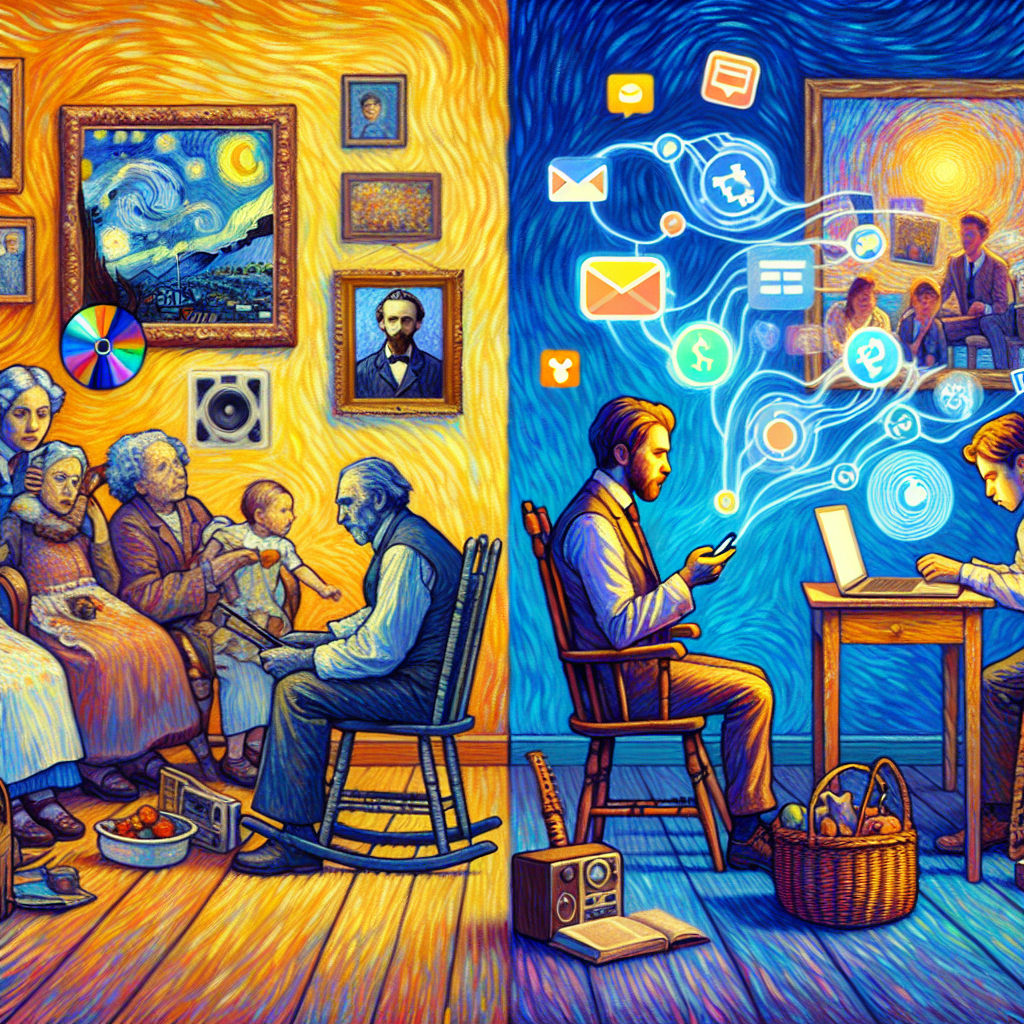
The App Graveyard Of Modern Memory
Table Of Contents
- The App Graveyard Of Modern Memory
- How Do We Measure the Value Of Our Digital Experiences?
- Can Recalling Old Apps Spark Joy Or Nostalgia In Our Lives?
- How Does App Obsolescence Affect Our Sense Of Identity?
- How Have Our Social Interactions Changed with App Turnover?
- What Role Does User Feedback Play In App Longevity?
- How Can We Support the Apps That Enrich Our Lives?
- What Stories Do Abandoned Apps Tell About Our Digital Culture?
- Conclusion
- Other Resources
- Glossary Of Terms
- Other Questions
- Haiku
- Poem
- Checklist
How Do We Measure the Value Of Our Digital Experiences?
In the digital landscape, measuring the value of our experiences goes beyond mere analytics and metrics; it touches on our shared legacy and the stories we tell. It’s reminiscent of the way generations before us shared tales around a campfire, each story a thread that connects us to one another, weaving a fabric of understanding and trust. The essence of legacy storytelling lives on in our digital interactions, reminding us that every pixel, every click, carries the weight of human connection.
To grasp the true value of our digital experiences, we must first look beyond numbers. Sure, page views and conversion rates are vital, but they’re just the tip of the iceberg. Each digital interaction is an opportunity—a chance to resonate with our audience emotionally, to pull at their heartstrings, to inspire action. It’s about creating a narrative that speaks to their struggles and triumphs; a story that lingers long after the interaction is over. When we tap into this powerful storytelling, we create a bond that fosters loyalty and trust.
From a rational standpoint, we should leverage data to enhance these experiences. Data gives us insight into user behavior, preferences, and pain points. It serves as the map for our journey, guiding us towards crafting solutions that not only meet users’ needs but also create an emotional impact. When we marry data-driven insights with compelling storytelling, we elevate our offerings beyond mere transactions; we transform them into meaningful experiences.
Ethically, we must consider the responsibility that comes with this power. Our digital legacies are not just about marketing; they’re about building communities and fostering connections. We stand on the shoulders of giants, echoing the lessons of those who came before us. As we curate our digital experiences, we must honor this legacy, ensuring we craft narratives that are inclusive and resonant with diverse audiences.
Ultimately, it’s about creating a digital ecosystem where every user feels valued. We should aspire to make experiences that don’t just look good but feel good, making people think, laugh, and connect. When we succeed, we’re not just measuring value; we’re creating a lasting impact—narratives that inspire action and forge a deeper connection in an increasingly digital world. By embracing legacy storytelling, we transform our digital experiences from mere transactions into a heartening dialogue, inviting everyone to be a part of the journey.

How Do We Measure the Value Of Our Digital Experiences?
How Do We Measure the Value Of Our Digital Experiences?
- Measuring digital experiences transcends analytics; it involves shared legacy and storytelling.
- Legacy storytelling fosters connection, weaving a fabric of understanding and trust.
- Each digital interaction is an opportunity to emotionally resonate and inspire action.
- Data should be leveraged to enhance experiences by understanding user behavior and preferences.
- Combining data-driven insights with storytelling transforms transactions into meaningful experiences.
- Ethically crafting narratives honors the legacy of past generations and fosters community connection.
- Aspirations should focus on creating valuable, impactful experiences that resonate with diverse audiences.

How Do We Measure the Value Of Our Digital Experiences?
Can Recalling Old Apps Spark Joy Or Nostalgia In Our Lives?
In a world that’s always racing ahead, it’s easy to overlook the treasures tucked away in the depths of our digital past. When we think about old apps, we’re not just reminiscing about outdated technology; we’re engaging in a form of legacy storytelling, connecting us to the moments that shaped our experiences and relationships. Remembering the first app that made your life a little easier, or the one that brought laughter to evenings spent with friends, triggers an emotional response. These recollections are a reminder of simpler times, of when technology felt like a novelty rather than a necessity.
Consider how each app carries a piece of our journey. The connecting thread of nostalgia weaves through our lives, grounded in experiences shared. That old photo-editing tool that once turned our mundane captures into masterpieces; it wasn’t just about improving an image — it was about expressing ourselves, about creativity flowing unfiltered into a canvas. Engaging with these memories invites us to reflect on how far we’ve come and the lessons learned along the way.
Rationally, revisiting these apps can also be enlightening. What functionalities did they offer that we now take for granted? Or perhaps they served as a reminder of the endless innovation that surrounds us. As we sift through these digital relics, we can draw parallels to our present circumstances. Each swipe and tap tells a story, reinforcing the notion that progress often builds on the foundations of what came before. Recognizing this lineage creates a sense of respect for the past and an appreciation for the present.
Ethically, there’s power in sharing these stories. By opening up about our experiences with various apps, we nurture a culture that values memory and connection. There’s honesty in vulnerability, inviting dialogue about both triumphs and missteps. This shared experience fosters community, reminding us that we’re not alone in our nostalgia; others have walked the same path, marveled at the same pixels.
Legacy storytelling isn’t merely about looking back. It’s about how these reflections bind us in the present, inspiring trust in our shared narratives and experiences. Engaging with the past can guide us as we navigate our digital presence today. Each time we recall that once-cherished app, we’re not just reflecting; we’re celebrating the journey of who we are and where we’re headed. Embrace these memories, for they not only spark joy—they enrich the very fabric of our lives.

Can Recalling Old Apps Spark Joy Or Nostalgia In Our Lives?
Can Recalling Old Apps Spark Joy Or Nostalgia In Our Lives?
- Old apps represent legacy storytelling, connecting us to pivotal experiences and relationships.
- Nostalgia for early apps emphasizes simpler times when technology felt novel.
- Each app reflects a piece of our journey and shared experiences.
- Revisiting apps reveals functionalities we now take for granted and highlights ongoing innovation.
- Sharing app-related memories fosters community and encourages dialogue about both successes and failures.
- Legacy storytelling enriches our current digital presence by aligning past experiences with our present identity.
- Embracing these memories enhances our lives, celebrating who we are and guiding our future.

Can Recalling Old Apps Spark Joy Or Nostalgia In Our Lives?
How Does App Obsolescence Affect Our Sense Of Identity?
In a world where apps are the lifeblood of our daily routines, the notion of app obsolescence hits harder than one might expect. Each app we download represents a fragment of our identity—a piece of our legacy storytelling. Think about it: the photo-editing tool that transformed our mundane snapshots into cherished memories or the social platform where we crafted our digital personas. When these apps fade away or become outdated, it feels like losing a chapter of our lives.
Rationally speaking, the loss of an app can seem trivial. After all, there are countless alternatives ready to take its place. But it dives deeper than mere functionality. The apps we cling to have often woven themselves into the very fabric of our social interactions and personal narratives. They influence how we communicate, present ourselves, and even form relationships. When they vanish, it’s not just a disruption; it’s an emotional upheaval. It’s akin to losing a friend who once helped us navigate life’s complexities.
Each app carries with it a narrative—our own chronicles of moments, thoughts, and connections—an archive of shared experiences. When an app becomes obsolete, it strips away that chapter without warning, leaving a void that can feel disorienting. The friendships forged over shared memes, the jokes captured in group chats, all become ephemeral as we scramble to recreate our digital presence anew. This transition challenges our sense of continuity and belonging, as we are forced to adapt to new tools that may not resonate with our established identities.
Ethically, it’s imperative for developers and creators to consider the impact of app obsolescence on users. If technology is intended to enhance human connection, then there should be a commitment to preserving the tools that foster it. It’s easy to overlook the emotional grind of transitioning from one platform to another, yet it bears a weight that deserves attention.
Socially, we must acknowledge this shared experience. We’ve all felt the pang of losing an app that we’ve invested time and emotion into. These moments can ignite conversations about what we value in technology and its role in defining who we are. By fostering discussions around app obsolescence, we can encourage a sense of community, reminding each other that our stories, intertwined through these tools, are what truly matter. In navigating this evolving landscape, we can reclaim our narratives, ensuring that while technologies may fade, the essence of who we are endures.
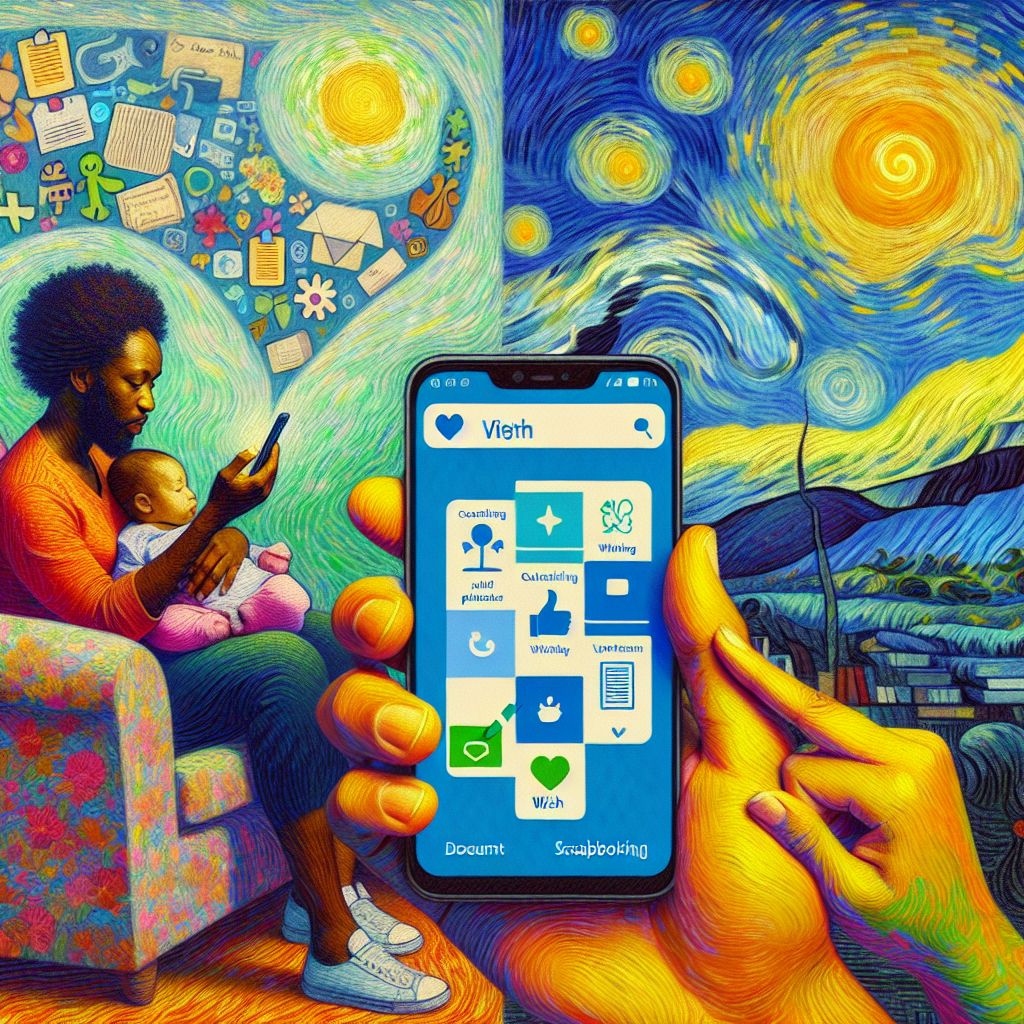
How Does App Obsolescence Affect Our Sense Of Identity?
How Does App Obsolescence Affect Our Sense Of Identity?
- Apps are integral to daily routines and represent fragments of our identity.
- Loss of an app can feel like losing a chapter of life, affecting personal narratives.
- Apps influence communication, self-presentation, and relationship-building.
- The obsolescence of apps leads to emotional upheaval, akin to losing a friend.
- Each app carries personal narratives and shared experiences, which vanish when the app does.
- Developers should recognize the emotional impact of app obsolescence on users.
- Discussions about app obsolescence can foster community and emphasize the importance of our intertwined stories.

How Does App Obsolescence Affect Our Sense Of Identity?
How Have Our Social Interactions Changed with App Turnover?
In the hustle and bustle of our modern lives, we find ourselves entangled in a web of constantly changing social interactions, all thanks to the dizzying turnover of apps that vie for our attention. Each notification pings like a call from an old friend, beckoning us to engage and connect. Yet, as we dive into this digital sea, we must ponder: what kind of connections are we forging amidst this rapid change?
One might reflect on the notion of legacy storytelling—how we share our stories, our triumphs, and our struggles. Once, we gathered around campfires, exchanging tales that wove us together. Now, we share snippets of our lives through screen-sized windows, employing a language rich in emojis and filters, a modern-day storytelling style that, for all its instant gratification, often leaves the heart yearning for something deeper. The warmth of a face-to-face conversation cannot be replicated by a shared meme or a fleeting video clip.
As the landscape shifts, there’s an undeniable ethical dimension to our social fabric. Each app brings its own set of values and social norms, shaping our interactions in unique ways. We need to remain vigilant, discerning the quality of the connections we foster. Are we building relationships based on substance or are we simply filling the void with dopamine hits? This requires a conscious effort to prioritize meaningful exchanges, inviting others not just to interact with us, but to truly know us.
Rationally, we can measure the efficacy of these connections. Studies show that authentic relationships contribute to our overall happiness and well-being. Engagement through social media can create a façade of connection but often masks loneliness. We’ve all experienced the irony of sitting in a room full of people glued to their screens, each one of us longing for a deeper conversation, a shared laugh, a moment of genuine connection.
The narrative of our times is evolving, and as we embrace new platforms, we must do so with intention. Let’s cultivate spaces—both online and offline—where conversations flow and stories are shared. When we stand on the shoulders of these digital giants, we must remember the ground beneath our feet. A legacy of authentic connection awaits if we dare to venture beyond the screen. In every swipe and click, let’s strive to deepen our ties, enriching not only our lives but the lives of those around us. After all, a community thrives on the bonds we choose to nurture.

How Have Our Social Interactions Changed with App Turnover?
How Have Our Social Interactions Changed with App Turnover?
- Notifications draw us in, prompting questions about the quality of our connections.
- Legacy storytelling is evolving from traditional sharing to digital snippets, often lacking depth.
- Face-to-face conversations provide warmth that digital interactions cannot replicate.
- Ethical considerations arise as different apps shape our social norms and relationships.
- Authentic relationships enhance happiness, contrasting with the façade of online engagement.
- Emphasizing meaningful exchanges can foster deeper connections in both digital and physical spaces.

How Have Our Social Interactions Changed with App Turnover?
What Role Does User Feedback Play In App Longevity?
User feedback serves as the lifeblood of app longevity, akin to the way a well-told legacy shapes a family’s history. It’s not just about fixing bugs or adding features; it’s about understanding the very fabric of what users desire and need. When developers listen to their users, they weave a narrative that resonates deeply, turning a simple app into a trusted companion in daily life.
Consider the emotional pull of hearing from someone who uses your app daily. Their stories bring meaningful context—a single user’s journey through your app could spark a thousand ideas. Maybe they discovered a hidden feature that transformed the way they work or connect. Or perhaps they experienced frustration that led to a moment of clarity, revealing an opportunity for improvement. These feedback moments become part of the app’s legacy, showcasing how it evolves through real relationships. It’s about creating a rich tapestry of shared experiences that users can relate to, igniting passion and loyalty.
Rationally, the numbers speak volumes. Apps that actively engage with feedback often see improved retention rates, higher user satisfaction, and an influx of new users through positive word-of-mouth. The analytics don’t lie; when developers prioritize user input, they not only enhance functionality but build an ecosystem of trust. Users feel valued when their opinions matter, compelling them to remain invested in the app’s journey.
Ethically, the responsibility to uphold user trust is paramount. By genuinely considering user feedback, developers demonstrate that they’re not just in it for profit; they care about the end-user experience. This builds a powerful sense of community where users feel they’re part of the development process, not just passive consumers. When they see their suggestions materialize, it creates a bond that fosters connection and long-term loyalty.
On a social level, user feedback cultivates a space for collaboration. It invites a diverse community to influence the app’s trajectory, making the development process more inclusive. As users share their feedback, they contribute to a larger legacy that ultimately benefits everyone, reflecting their values and enhancing the collective experience.
In this intricate dance between developers and users, feedback isn’t just a tool; it’s a profound story written by everyone involved. It underscores the truth that great apps don’t just emerge; they evolve with the stories of the people who use them, ensuring they withstand the test of time.

What Role Does User Feedback Play In App Longevity?
What Role Does User Feedback Play In App Longevity?
- User feedback is essential for app longevity, shaping its legacy.
- Understanding user needs transforms apps into trusted companions.
- User experiences provide context, inspiration, and insights for improvement.
- Engaging with feedback leads to better retention and higher satisfaction rates.
- Valuing user opinions fosters trust and investment in the app’s journey.
- Genuine consideration of feedback builds a sense of community among users.
- User feedback encourages collaboration, benefiting the overall development process.

What Role Does User Feedback Play In App Longevity?
How Can We Support the Apps That Enrich Our Lives?
In a world brimming with options, the apps we choose often reflect our values and aspirations. They shape our daily experiences, transforming the mundane into something extraordinary. Yet, behind every app that enriches our lives is a team of passionate creators, storytellers weaving a legacy tailored to our needs. Supporting these innovators isn’t just about using their products; it’s about connecting to a larger narrative that fosters community and progress.
Consider this: how often do we stop to think about the stories behind the apps we download? Each one carries a legacy of those who dared to dream, to innovate, and, at times, to struggle. When we advocate for these applications, we honor their journey and amplify their impact. It goes beyond mere financial support; it’s about championing a vision that resonates with our own life stories.
Engaging with these platforms means investing not just in technology but in the potential for transformation. Each click, each download, sends a message to creators that their work matters. It’s not just about convenience; it’s about collective growth. The apps that empower us with knowledge, connection, and creativity help us forge deeper ties to our world and the people we share it with.
Ethically, we have a duty to nurture the environments that foster such innovation. By promoting apps that prioritize user well-being and social responsibility, we can create a ripple effect that encourages a healthier digital landscape. Supporting ethical platforms means supporting diversity and accessibility, ensuring everyone can benefit from the benefits that technology offers. Each of us can be a part of this movement, advocating for the tools that align with our values and contribute positively to society.
Moreover, as we navigate this digital landscape, we can collectively exercise our voice as consumers. Sharing our experiences, whether through reviews or social media, amplifies the stories of those behind the screens. It builds trust and confidence among users and creators alike, forging relationships grounded in mutual respect and shared goals.
In this era of rapid change, the apps we choose to support can leave a lasting impact. By embracing the stories behind them, we nurture a culture of innovation, honesty, and unity. It’s not just about convenience; it’s about standing together, celebrating the legacy of those who shape our digital experiences, and ensuring that we all continue to thrive in this exhilarating journey.
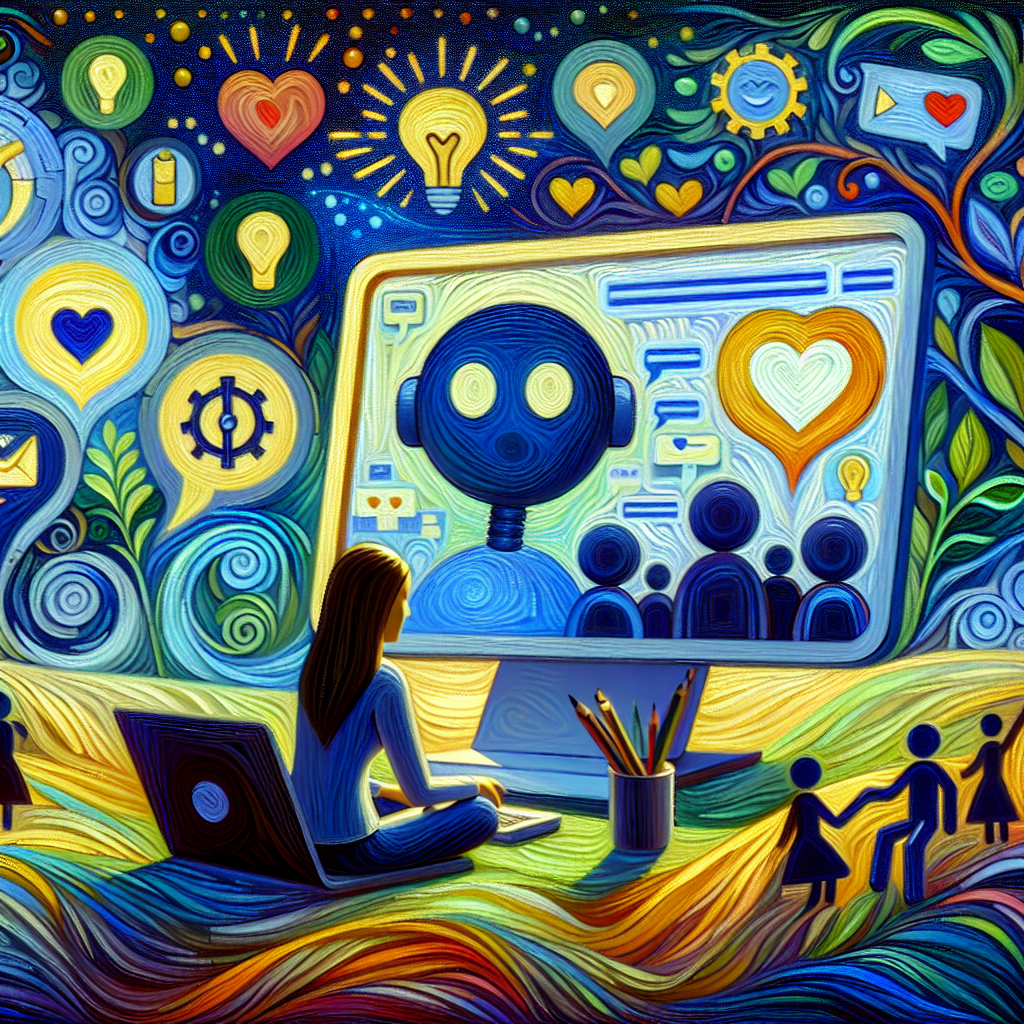
How Can We Support the Apps That Enrich Our Lives?
How Can We Support the Apps That Enrich Our Lives?
- The apps we choose reflect our values and aspirations, transforming daily experiences.
- Each app carries a legacy from creators who dream, innovate, and sometimes struggle.
- Advocating for apps honors their journeys and amplifies their impact beyond financial support.
- Engaging with platforms represents an investment in technology and potential transformation.
- Promoting apps that prioritize user well-being encourages a healthier digital environment.
- Consumers can amplify creators’ stories through reviews and social media, building trust and relationships.
- Supporting the right apps nurtures a culture of innovation, honesty, and unity in a rapidly changing landscape.

How Can We Support the Apps That Enrich Our Lives?
What Stories Do Abandoned Apps Tell About Our Digital Culture?
In a world where a new app pops up every moment, our devices are often cluttered with the remains of yesterday’s tech dreams. Abandoned apps tell a deeper narrative about our digital culture—one that intertwines innovation, aspiration, and ultimately, the fleeting nature of connectivity. Each neglected icon on our screens represents an untold story, a legacy of those who once believed in their potential to change lives.
Consider the entrepreneur who poured countless hours and resources into that shiny new app. They envisioned a platform that would connect people, solve problems, or streamline mundane tasks. For them, launching wasn’t just about coding; it was a chapter in their legacy storytelling. These visions illuminate our immense human desire to create and contribute. Yet, as time passes, many of these creations fail to find their audience, left to gather digital dust while users chase the next shiny object that catches their eye.
This abandonment raises critical questions—what drives our relentless pursuit of novelty? In the fervor of innovation, we often overlook the value of what we’ve discarded. These forgotten apps serve as reminders that not every well-intentioned endeavor survives the harsh scrutiny of market forces. Yet, we must acknowledge the dreams they encapsulated. There’s a palpable heartache in realizing that these digital tools, once bursting with potential, have become mere remnants of our collective curiosity and ambition.
The ethics of our digital consumption comes into play as well. Are we, as consumers, simply replacing one app after another, discarding them like yesterday’s news, without consideration for the effort behind them? There’s an opportunity to foster a connection—to understand that every app abandoned represents a human story, a piece of someone’s aspiration gone unnoticed. This awareness can spur us to engage more thoughtfully with the tools we choose to embrace.
As we reflect on these stories, a narrative emerges—not just about the apps themselves, but about us as a society. The act of downloading and quickly discarding speaks to our hunger for instant gratification yet also our desperation for connection. The digital landscape we navigate is intricate, with every pixel representing countless hours of labor, creativity, and hope. We find ourselves at a crossroads, tasked with deciding what we value in our increasingly fragmented digital lives.
In essence, the abandoned apps are not just forgotten icons; they are echoes of our digital culture, urging us to pause, reflect, and consider the legacies we create and leave behind. They invite us to be more intentional about our choices, inspiring a more profound reverence for both the creators and the creations that shape our connected lives.

What Stories Do Abandoned Apps Tell About Our Digital Culture?
What Stories Do Abandoned Apps Tell About Our Digital Culture?
- Abandoned apps reflect a deeper narrative about digital culture, emphasizing innovation and the fleeting nature of connectivity.
- Each neglected app icon represents a story of unfulfilled potential and the aspirations of creators who believed in their impact.
- Entrepreneurs invest significant time and resources into apps, viewing their launch as part of their legacy.
- Many creations fail to gain traction and are forgotten as users pursue newer options.
- The abandonment of apps prompts reflection on consumer habits and the ethics of digital consumption.
- Every discarded app symbolizes a human story and the collective ambition that it carried.
- Abandoned apps challenge us to be more intentional in our digital interactions and recognize the efforts behind them.

What Stories Do Abandoned Apps Tell About Our Digital Culture?
Conclusion
The App Graveyard of Modern Memory serves as a poignant reminder of the fleeting nature of our digital landscape, where once-captivating apps drift into obscurity. Each of these applications tells a story—a narrative of connections, joy, and innovation that characterized a generation. Reflecting on the apps that once sparked joy or simplified our lives is more than nostalgia; it’s an invitation to recognize the lasting impact they had on our identities and relationships. They were not mere tools but extensions of ourselves, threading through the fabric of our daily experiences and interactions.
Yet, this evolution raises vital questions about our ethical responsibility. As technologists and consumers, we must confront the implications of app obsolescence. Developers have a moral duty to consider the toll their creations take on communities when they abandon them, while users must engage with technology in a way that honors its potential. Each digital interaction highlights a shared legacy shaped by human connection—an intricate web that binds us through stories of trials and triumphs.
Moreover, as we navigate this fast-paced world, it’s essential to support the apps that enrich our lives. Doing so involves recognizing the efforts of developers who breathe life into these platforms, telling their stories, and advocating for their continued growth. This isn’t just about using an app; it’s about joining a larger narrative that fosters collaboration and shared values. By promoting ethical practices and championing innovations that prioritize well-being, we cultivate a healthier digital ecosystem.
In doing so, we forge deeper connections that resonate beyond screens, encouraging a culture of authenticity and trust. Embracing our digital past equips us to understand our present and envision a future where technology fosters genuine human interaction. Every abandoned app echoes the complexities of our digital culture, calling us to appreciate both the stories of creators and the memories we have built together. Recognizing the sentimental value of these interactions can inspire us to weave our own narratives, ensuring that the essence of community, connection, and creativity endures, even amidst rapid change. This call to acknowledge our digital roots invites us to cherish and share the moments that shape our lives while navigating the relentless tide of technological advancement.

Conclusion
Conclusion:
- The App Graveyard serves as a reminder of the fleeting nature of the digital landscape.
- Each abandoned app tells a story of connections, joy, and innovation from a generation.
- Reflection on these apps invites recognition of their impact on our identities and relationships.
- Developers have a moral duty to consider the consequences of abandoning applications.
- Supporting enriching apps is essential for fostering a healthier digital ecosystem.
- The embracing of digital past equips us to understand the present and envision a more authentic future.
- Recognizing the sentimental value of interactions encourages the endurance of community and creativity.

Conclusion
Other Resources

Other Resources
Here is a list of other resources you can review online to learn more:
- Legacy Family Tree
- deviantART
- DocuBank
- UpCounsel
- Tributize
- Everplans
- LivingDNA
- Legacy
- INELA
- IronClad Family
- How Has Time Changed The Cost Of Capturing Family Legacy Stories
- Your Digital Afterlife
- LastPass
- LifeSite
- MyWishes
- Postumo
- LegacyLearned
- LifeBio
- LegalZoom
Use This Prompt To Get More Resources With Your Favorite Online AI Tool: Please provide me with a list of online articles with their URLs in a bulleted list that I can read regarding The App Graveyard Of Modern Memory

Other Resources
Glossary Terms
The App Graveyard Of Modern Memory – Glossary Of Terms
1. App Graveyard: A digital space where unused or obsolete applications reside, often forgotten by users.
2. Obsolescence: The state of being outdated or no longer useful, particularly in technology.
3. User Engagement: The interaction between users and applications, reflecting how actively they use a given app.
4. Digital Afterlife: The continuation of an app’s presence online even after its active use has ceased.
5. Software Lifecycle: The stages an application goes through from initial development to obsolescence and deletion.
6. Legacy Software: Older software that is still in use but may not be compatible with current systems or standards.
7. App Decommissioning: The process of formally retiring an application from service, often involving data migration.
8. User Interface (UI): The means by which users interact with a digital application, including layout, buttons, and design elements.
9. User Experience (UX): The overall experience of a user when interacting with an application, encompassing usability and satisfaction.
10. Data Hoarding: The practice of accumulating and retaining data from unused applications, which may lead to privacy concerns.
11. App Store: A digital marketplace where users can download, purchase, and update applications for various devices.
12. Updates: Modifications made to an application to improve its performance, fix bugs, or enhance features.
13. API (Application Programming Interface): A set of protocols that allow different applications to communicate with each other.
14. App Fatigue: A phenomenon where users become overwhelmed by too many applications, leading to decreased engagement.
15. Version Control: A system that manages changes to application code over time, allowing for collaboration and rollback if necessary.
16. Cloud Storage: A service that allows data to be stored on remote servers and accessed via the internet, often related to apps.
17. Data Analytics: The process of examining data to gain insights, often used by developers to understand user behavior.
18. Gamification: The application of game-like elements in non-game contexts, used to boost user engagement.
19. Push Notifications: Alerts sent to a user’s device to inform them about updates or new content from applications.
20. User Onboarding: The process of guiding new users through an app’s features to enhance their initial experience.
21. Cross-Platform Compatibility: The ability of an application to function on multiple operating systems or devices.
22. Uninstall: The act of removing an application from a device, often leading it toward the app graveyard.
23. Functionality: The set of features and capabilities that an application offers to its users.
24. App Ecosystem: The interconnected network of applications, users, and developers that coexist within a marketplace.
25. Privacy Policy: A legal document outlining how user data collected by an application is handled and protected.
26. User Retention: The ability of an application to keep its users engaged over time, preventing abandonment.
27. Beta Testing: A pre-release phase where an application is tested by a limited audience to gather feedback before official launch.
28. Interface Design: The act of creating the visual elements of an application to ensure usability and aesthetics.
29. End-of-Life: A phase in which an application is no longer supported or updated by its developers.
30. Digital Minimalism: A lifestyle choice that advocates for reducing unnecessary digital clutter, including app usage.

Glossary Of Terms
Other Questions
The App Graveyard Of Modern Memory – Other Questions
If you wish to explore and discover more, consider looking for answers to these questions:
- How can I retrieve or export my data from an app that has been discontinued?
- Who is legally responsible for preserving user data when an app shuts down?
- What rights do users have to access or transfer their content from abandoned platforms?
- Are there standard formats or protocols for making app data portable across services?
- What practical steps should I take now to protect the memories stored in apps I use?
- Which third‑party tools or services specialize in archiving app data and digital memories?
- How do app shutdowns affect long‑term personal records like photos, messages, and documents?
- What obligations do app developers have to notify users before discontinuing a service?
- How can families plan for digital inheritance and transfer of accounts after someone dies?
- What privacy risks arise when exporting or archiving data from closed apps?
- How can communities preserve group conversations, social networks, or collaborative projects tied to a single app?
- Are there ethical guidelines for republishing or sharing content salvaged from abandoned apps?
- How do app business models (ad‑supported, freemium, subscription) influence their risk of abandonment?
- What technical challenges prevent old apps and their data from being preserved?
- Can open‑source releases or community forks revive abandoned apps, and how common is that?
- What role should app stores and platform providers play in ensuring app longevity or graceful shutdowns?
- How does app obsolescence shape individual and collective identity over time?
- What psychological effects can result from losing access to long‑standing digital spaces?
- How do abandoned apps influence cultural memory and historical research of the digital era?
- What policies or regulations could reduce the frequency or harm of abrupt app shutdowns?
- How costly is it for creators to maintain or archive an app for long‑term access?
- Which preservation formats or metadata practices are best for future accessibility?
- How do DRM, server‑side content, and proprietary formats complicate archiving efforts?
- Are there ethical considerations when scraping or mirroring content from defunct services?
- How can users vet apps for sustainability before investing time and personal data in them?
- What responsibilities do investors and stakeholders have toward preserving apps they fund?
- Which examples exist of successful preservation projects or digital museums for obsolete apps?
- How can developers design apps with graceful degradation or easy data export in mind?
- What community strategies help keep niche or sentimental apps alive longer?
- How might future technologies (e.g., interoperability standards, decentralized storage) change app longevity?
- What are best practices for documenting the social context and stories behind app‑based communities?
- How should we balance nostalgia for old apps with the need to adopt more secure, modern tools?
- What environmental impacts arise from maintaining legacy servers and archival infrastructures?
- How can educators and cultural institutions incorporate the history of abandoned apps into digital literacy?

Other Questions
Haiku
The App Graveyard Of Modern Memory – A Haiku
Digital echoes fade,
Forgotten dreams linger still,
Memories connect.

Haiku
Poem
The App Graveyard Of Modern Memory – A Poem
In the graveyard of apps we find,
Fleeting echoes of joys entwined.
Each digital spark, a tale once bright,
Now lurks in shadows, out of sight.
Connections forged in fleeting time,
Moments cherished, a rhythm, a rhyme.
The games we played, the friends we made,
Their legacy lost in the tech parade.
But pause to remember, let nostalgia spark,
Through screens we shared our laughter, our mark.
Yet, as we leap to newer heights,
The weight of loss dims our sights.
For every app that fades away,
A fragment of self begins to sway,
Identity stitched with every download,
Now left behind, become a code.
In the rush of change, we seek to belong,
Yet true connection feels less strong.
With every swipe, a story slips,
In hollow chats, the heartache grips.
Let us honor the past, where memories dwell,
In stories shared, let our voices swell.
To support the dreams that enrich our days,
Is to craft a narrative that lovingly stays.
Each forgotten icon, a chapter untold,
Calls for reflection, for values upheld.
In the tapestry of tech, both vast and wide,
Together, let’s cherish what’s lost and abide.
Poem
Checklist
The App Graveyard Of Modern Memory – A Checklist
Emotional Appeals
✅______ Reflect on your fondest memories related to past apps ⠀
✅______ Identify apps that brought joy or significant experiences into your life ⠀
✅______ Share your favorite app stories with friends and family ⠀
Rational Appeals
✅______ Analyze the functionalities of old apps that you found valuable ⠀
✅______ Compare the evolution of technology from past apps to current apps ⠀
✅______ Consider how your needs and preferences have changed over time ⠀
Ethical Appeals
✅______ Evaluate the responsibility of app creators in preserving digital legacies ⠀
✅______ Discuss the importance of acknowledging the efforts behind every app ⠀
✅______ Advocate for ethical practices in the development and maintenance of apps ⠀
Authority Appeals
✅______ Seek out expert opinions on the impact of app obsolescence on our lives ⠀
✅______ Follow influencers who highlight the importance of meaningful digital tools ⠀
✅______ Learn from case studies of apps that successfully maintained user engagement ⠀
Narrative Appeals
✅______ Engage in conversations that weave personal stories around app experiences ⠀
✅______ Explore the communal aspects of nostalgia with others who shared similar app experiences ⠀
✅______ Document your digital journey, highlighting key apps that have shaped your identity ⠀
Social Appeals
✅______ Participate in online forums or groups dedicated to remembering obsolete apps ⠀
✅______ Promote discussion about what qualities make apps worthwhile in a digital community ⠀
✅______ Encourage feedback on current apps to contribute to their improvement and longevity ⠀

Checklist
At LegacyExplorations, we help people plan and explore their legacy by collecting information and news regarding end-of-life planning.
Please share this post with your friends, family, or business associates who may want help to plan or explore their legacy.