

Uncovering Lost Stories: The Legacy Of Forgotten Voices
By Tom Seest
At LegacyExplorations, we help people plan and explore their legacy by collecting information and news regarding end-of-life planning.
Please share this post with your friends, family, or business associates who may want help to plan or explore their legacy.
The Archaeology Of Obsolete Media
The archaeology of obsolete media isn’t just about dusting off old film reels or flipping through the faded pages of a forgotten magazine. It’s a journey into our collective past, an exploration of how we’ve communicated, entertained, and informed ourselves over generations. Each piece unearthed is more than just an artifact; it’s a legacy storytelling moment, a testament to the creativity and innovation of those who came before us.
Picture this: a worn-out cassette tape, its magnetic ribbon threaded through an ancient machine. As you listen, snippets of a long-lost song pull at your heart, evoking memories of a time when mixtapes meant something. It wasn’t just about music; it was connection. Each selection told a story, capturing emotions, friendships, and the essence of budding romance. In these obsolete media forms, we find echoing narratives that resonate with our personal experiences, revealing how deeply we are intertwined with the very fabric of our history.
But let’s not stop at the sentimental. When we think rationally, we realize that these artifacts serve a crucial purpose in shaping our understanding of the world. They hold the power to inform future generations, illustrating how societal paradigms shift over time. Discovering the origins and evolution of media—be it radio, television, or print—encourages critical thinking. We understand not only what was said but how it was said, who had the voice, and why that matters.
Socially, this exploration can foster connection. Consider how communities gather around stories shared through media; these relics can inspire discussions about changing values and lessons learned. They challenge us to reflect on the ethics of our modern consumption. As we sift through the remnants, we ask ourselves: what are we leaving behind? How will future generations perceive the world we’ve created?
In exploring obsolete media, we find authority in our shared histories. Museums and archives become living classrooms where past and present collide, allowing us to forge an ethical approach to creation and preservation. We make choices that honor those who contributed to our media landscape while ensuring that new voices can rise.
So, dive into the stacks, sift through the digital dust, and reconnect with the legacy storytelling that shaped us. This isn’t just an archaeological dig; it’s an invitation to rediscover our humanity and the power of shared experiences, crafting a stronger narrative for all.

The Archaeology Of Obsolete Media
The Archaeology Of Obsolete Media
- The archaeology of obsolete media explores our collective past and communication methods.
- Artifacts like cassette tapes hold emotional connections and personal narratives.
- These objects illustrate societal shifts and encourage critical thinking about media evolution.
- Exploration of media fosters community connections and discussions on changing values.
- Artifacts challenge us to consider our ethical consumption and implications for future generations.
- Museums and archives serve as living classrooms that bridge past and present.
- Engaging with obsolete media invites a rediscovery of humanity and shared experiences.

The Archaeology Of Obsolete Media
Table Of Contents
- The Archaeology Of Obsolete Media
- How Does Old Media Shape Our Understanding Of History?
- What Stories Do Forgotten Technologies Tell About Our Past?
- Can Preserving Obsolete Media Help Us Learn From Past Mistakes?
- How Does Nostalgia Influence Our Connection to Obsolete Formats?
- What Ethical Dilemmas Arise In the Preservation Of Outdated Media?
- How Can the Decline Of Certain Media Forms Impact Our Culture?
- What Role Does Nostalgia Play In Our Consumption Of Media?
- Conclusion
- Other Resources
- Glossary Of Terms
- Other Questions
- Haiku
- Poem
- Checklist
How Does Old Media Shape Our Understanding Of History?
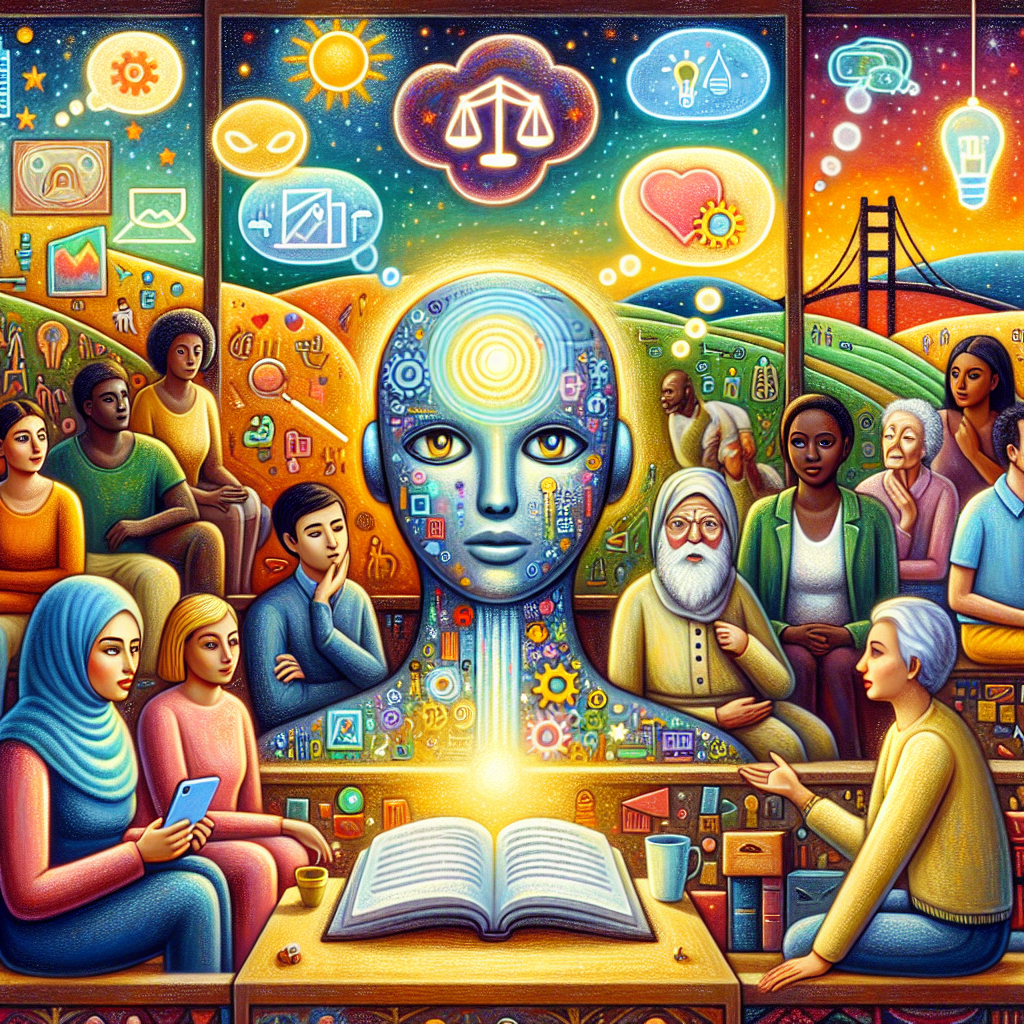
When we think about history, we often overlook the unsung heroes of its narrative: old media. These time-honored mediums—newspapers, radio broadcasts, and vintage films—form a rich tapestry that shapes our understanding of the past. It’s through legacy storytelling that the whispers of history reach our ears, connecting us across generations. The stories they tell are rooted in the fabric of our culture, serving as a bridge that links our present understanding to the experiences of those who came before us.
Consider the newspaper articles that captured the fervor of social movements, the radio broadcasts that brought the world into homes during turbulent times, or the black-and-white footage that immortalized pivotal moments. Each of these mediums not only documented events but also infused them with emotion, painting a picture that elicits feelings of pride, sorrow, and resilience. They remind us that history isn’t just a collection of dates and facts; it’s a dynamic, living story that reflects our shared human experience.
Rationally, old media provides context. It offers a window through which we can analyze the decisions and consequences that shaped the world we inhabit today. By engaging with these resources, we arm ourselves with knowledge, allowing us to critically assess how past events influence contemporary issues. Are we merely repeating history, or are we learning from it? This exploration not only satisfies our intellectual curiosity but also feeds a deeper understanding of responsibility. It urges us to learn from the missteps and victories that define our collective legacy.
Ethically speaking, there’s an obligation to preserve these narratives. Protecting old media means safeguarding the lessons they impart. As we sift through the archives, we must recognize the authority these sources hold. They grimly remind us of the struggles faced by those before us and inspire us to act judiciously in the present.
Yet, it’s not just about the facts; it’s about connection. Legacy storytelling fosters a sense of community, drawing us into a shared past that helps us understand who we are today. It invites the gut to react, feeling the weight of injustice, the triumph of victory, and the nuance of human emotion.
Embrace the stories that old media tell. They hold the key to understanding our history and, ultimately, ourselves. By honoring these narratives, we ignite our passion for progress and nurture the bonds that keep our societies resilient and united.

How Does Old Media Shape Our Understanding Of History?
How Does Old Media Shape Our Understanding Of History?
- Old media, including newspapers, radio, and films, contribute significantly to the understanding of history.
- Legacy storytelling connects generations, linking present experiences to past narratives.
- Media captures the essence of historical events, infused with emotion and cultural significance.
- Engagement with old media allows for critical analysis of past decisions and their influence on current issues.
- There is an ethical obligation to preserve old media to safeguard important lessons from history.
- Legacy storytelling fosters community and shared understanding, evoking emotional responses to historical events.
- Honoring these narratives ignites a passion for progress and strengthens societal bonds.
How Does Old Media Shape Our Understanding Of History?
What Stories Do Forgotten Technologies Tell About Our Past?
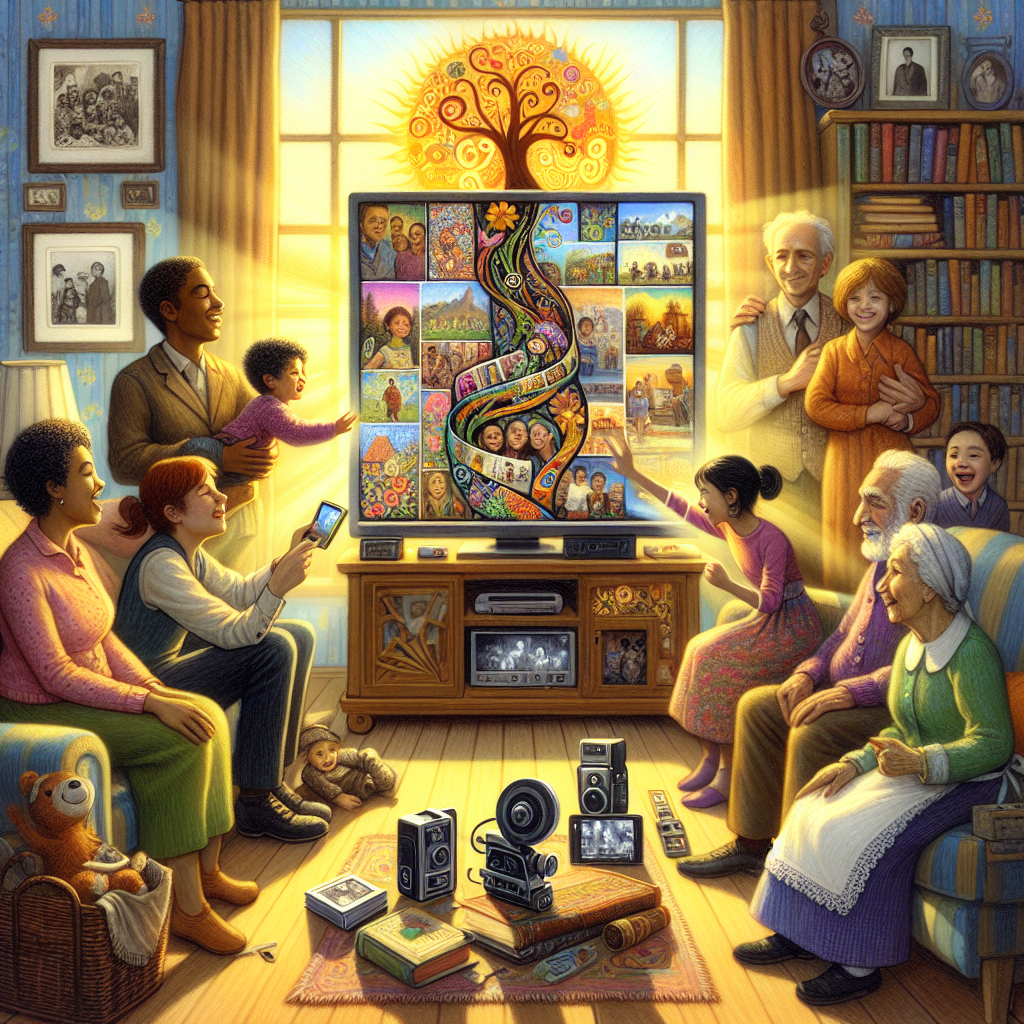
In the quiet corners of our history, the echoes of forgotten technologies linger, whispering tales of human ingenuity and resilience. These relics hold the profound legacy of our predecessors, reminding us that innovation often springs from necessity. Each discarded tool or obsolete device is a thread in the grand tapestry of human experience, telling stories that resonate with our hearts, minds, and very instincts.
Take the railway spike, for instance. It may seem just a piece of metal, but in its simplicity, it embodies the relentless spirit of progress. The sound of steam engines cutting through the countryside was once the heartbeat of a nation, uniting families and fueling dreams. Yet, in our fast-paced world, we often overlook these elements of our heritage. When we pause to appreciate them, we’re not just recalling a moment in time; we’re engaging in a form of legacy storytelling that connects us to the sacrifices and triumphs of those who came before us.
Every forgotten technology is steeped in narrative. Consider the typewriter. What once transformed the art of communication is now merely an artifact gathering dust. But each click of its keys was a voice, a whisper of ambition and creativity in the pursuit of a better tomorrow. Remembering these moments helps us recognize our shared humanity. It’s important not only to acknowledge the inventors and innovators but also to appreciate the social contexts in which they labored. Their struggles with limitation and failure foster a connection that inspires trust and resilience in us today.
In exploring these narratives, we tap into a deep well of emotional truth. We’re reminded of our own challenges and triumphs, the ways we adapt to the changing tides of technology and culture. The stories of forgotten technologies serve as a keen reminder: while we’re often preoccupied with the latest gadget or breakthrough, the essence of progress lies in our ability to learn from the past.
As we revive these stories, we unlock not just nostalgia but also wisdom. These tales urge us to forge forward with confidence, embracing both the lessons of historical triumphs and defeats. In this shared journey, we find our path not merely through innovation but through understanding the legacy left for us to explore. As we move toward an uncertain future, let us carry their stories, ensuring we never forget where we came from.

What Stories Do Forgotten Technologies Tell About Our Past?
What Stories Do Forgotten Technologies Tell About Our Past?
- Forgotten technologies are relics of human ingenuity and resilience.
- Each obsolete device reflects the spirit of progress and tells a narrative.
- The railway spike symbolizes the unity and dreams of a bygone era.
- The typewriter transformed communication, representing ambition and creativity.
- Recognizing these technologies connects us to shared human experiences and histories.
- Learning from past triumphs and failures fosters resilience and inspires confidence.
- Reviving these stories ensures we remember our legacy as we navigate the future.
What Stories Do Forgotten Technologies Tell About Our Past?
Can Preserving Obsolete Media Help Us Learn From Past Mistakes?
In our fast-paced world, the urge to rush forward often overshadows the importance of looking back. Preserving obsolete media—be it dusty vinyl records, faded photographs, or old film reels—serves not just as an act of nostalgia, but as a profound means of Legacy Storytelling. Each piece of this forgotten tapestry carries the weight of human experience, a reminder of who we’ve been. These artifacts breathe life into stories that deserve to be told, not only to celebrate past triumphs but to acknowledge our collective missteps.
Digging into this forgotten media is like unearthing a treasure chest of lessons. A forgotten photograph of a family gathering from the 1950s may evoke a sense of longing for simpler times, but it also reminds us of things we might not want to repeat—the societal divides, the struggles that defined those moments. Our past mistakes are often cloaked in the guise of cherished memory, quietly waiting for us to engage with them. By recognizing these moments, we cultivate a rational understanding of how our choices reverberate through time, shaping our present and future.
On an ethical level, there’s a responsibility to preserve these remnants. While generations rise and fall, the stories contained within these media speak to a shared humanity, giving voice to those who may have been marginalized or neglected. This is not merely a preservation of artifacts; it’s an acknowledgment that every voice matters. As we confront our current societal issues, understanding the stories of the past can guide us toward more compassionate choices, fostering unity rather than division.
Introducing these pieces to younger generations fortifies connections through shared narratives. Imagine a child discovering a worn-out cassette tape of their grandparents’ favorite songs. In that moment, they connect with a piece of history that shapes their identity. It’s about breaking down barriers—sparking conversations around family lore, cultural heritage, and the mistakes we’ve made.
In a world often focused on the relentless march of progress, preserving obsolete media is a bold act of connection. It’s an invitation to pause, reflect, and learn. By embracing these artifacts, we honor our legacy, ensuring that the lessons of our past are not lost but are instead woven into the fabric of our ongoing story. We have the power to inspire change by looking back, to write a future that learns from the past while forging new paths. Let’s take that step together.

Can Preserving Obsolete Media Help Us Learn From Past Mistakes?
Can Preserving Obsolete Media Help Us Learn From Past Mistakes?
- Preserving obsolete media is essential for Legacy Storytelling, reminding us of our past.
- Artifacts such as vinyl records and photographs carry important human experiences and stories.
- Rediscovering old media reveals lessons about societal divides and past mistakes.
- Ethically, preserving these artifacts ensures marginalized voices are acknowledged.
- Sharing historical media with younger generations fosters identity and connection.
- Preservation acts as an invitation to pause and reflect, encouraging learning from the past.
- Understanding past stories can inspire compassionate choices and unity in current societal issues.

Can Preserving Obsolete Media Help Us Learn From Past Mistakes?
How Does Nostalgia Influence Our Connection to Obsolete Formats?
Nostalgia is a powerful force that shapes our connections to the past, intricately weaving through our lives like threads in a well-worn tapestry. It’s not just about old memories or dusty albums; it’s about *legacy storytelling*, where each format—be it vinyl records, cassette tapes, or even floppy disks—carries the echoes of our collective experiences. These obsolete formats remind us of a time when life was perhaps simpler, filled with moments shared over the hum of a turntable or the crackle of a tape deck.
As we delve into attic boxes or scroll through digital archives, there’s a palpable sense of discovery. Each item sparks a memory, a story waiting to be told, pulling at the heartstrings. There’s an emotional weight to these objects. They encapsulate not just personal milestones but also universal truths. Think back to holding a photo in your hands instead of a swipe on a screen; the tangible nature of that experience makes it resonate deeper. It invokes a shared nostalgia that binds us to a community—an unspoken understanding of what it was like to live those moments.
On a rational level, our attachment to these formats can be understood through the lens of accessibility and authenticity. As technology races forward, our connection to the past becomes rooted in the authenticity of those obsolete forms. In a world dominated by sleek, digital alternatives, often sterile and uniform, the warmth of a vinyl record spinning in the evening defines a quality we yearn for. It’s not merely about listening to music; it’s about engaging in a ritual, anchoring ourselves in something real and tangible. This pulls at our ethics, reminding us to cherish and preserve these artifacts of human experience, not just for ourselves, but for future generations who may find joy and meaning in them.
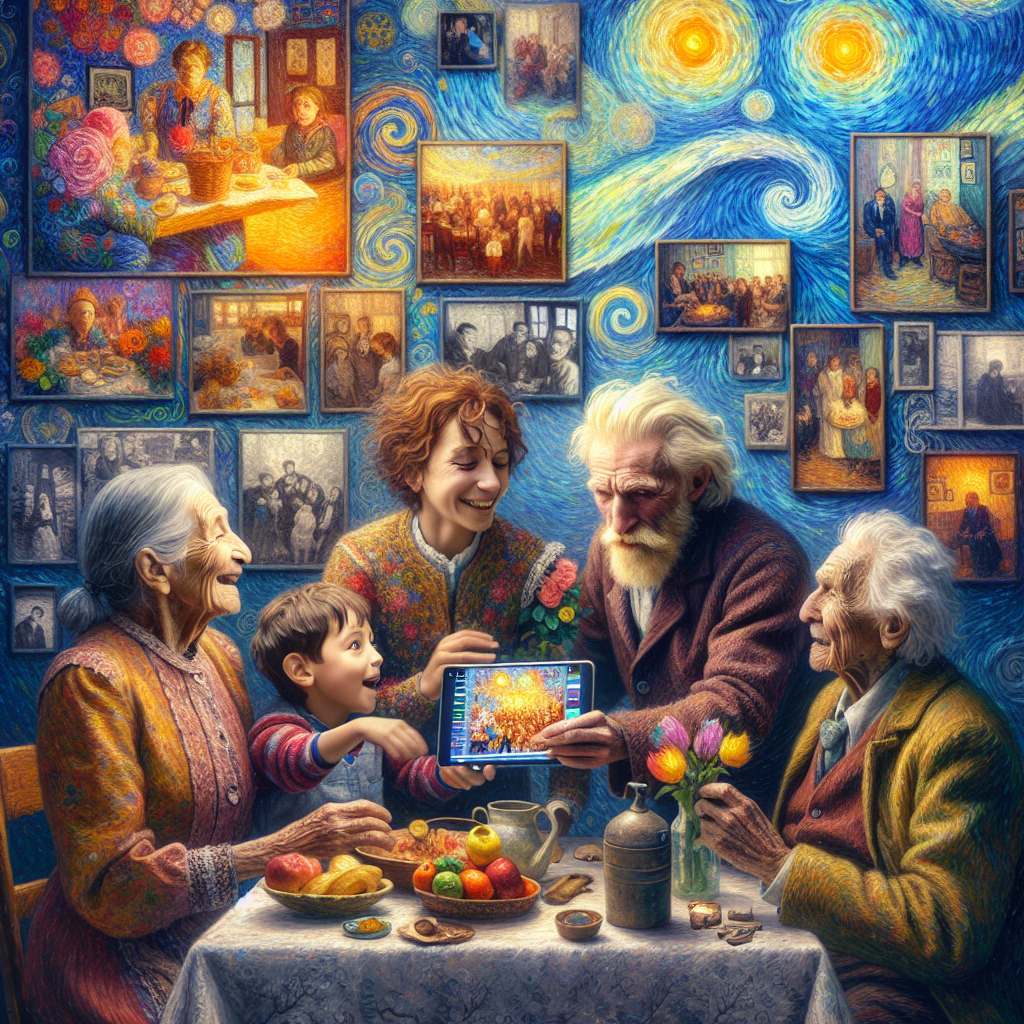
Nostalgia also invites us to reflect on our legacy—the stories we tell and the formats through which we share them. When we embrace these obsolete mediums, we honor those who came before us, fostering connections that span generations. The act of sharing a vintage photograph during a family gathering or playing an old record at a party creates moments of togetherness, reinforcing community ties.
These connections inspire trust and confidence in our stories. As we cherish these formats, we may not only reminisce but also encourage others to explore their history, ensuring that our legacies, with all their intricate narratives, continue to thrive in the folds of time. Embracing nostalgia is not just a journey backward; it’s an invitation to share, connect, and inspire as we forge ahead.

How Does Nostalgia Influence Our Connection to Obsolete Formats?
How Does Nostalgia Influence Our Connection to Obsolete Formats?
- Nostalgia weaves through our lives, shaping connections to the past..
- Legacy storytelling encompasses formats like vinyl records and cassette tapes, echoing collective experiences.
- Physical objects invoke memories that resonate more deeply than digital ones, fostering community ties.
- Emotional weight ties these artifacts to personal milestones and universal truths.
- Attachment to obsolete formats reflects a desire for authenticity and connection amidst digital uniformity.
- Sharing vintage items reinforces generational connections and trust in our narratives.
- Embracing nostalgia encourages exploration of history and preserves legacies for future generations.
How Does Nostalgia Influence Our Connection to Obsolete Formats?
What Ethical Dilemmas Arise In the Preservation Of Outdated Media?
In a world inundated with technology that evolves at a dizzying pace, the preservation of outdated media surfaces as a complex tapestry—woven with threads of nostalgia, responsibility, and ethical quandaries. A legacy of storytelling is embedded in every grain of old film, each crackling vinyl record, and the faded pages of books slowly disintegrating into dust. These artifacts do more than document history; they capture the very essence of who we are. Yet, as we navigate the delicate process of preserving them, we face dilemmas that tug at our hearts, challenge our intellects, and stir our very cores.
The emotional appeal rests in the fact that for many, outdated media is a vessel for cherished memories. It connects generations, evoking a sense of belonging and identity. But the question looms: how do we balance this emotional weight with the pressing need for progress? There’s a fine line between honoring our past and letting it clutter our future. The rational perspective urges us to weigh the cost of preservation against the benefits of innovation. Do we invest in spaces to archive physical media, or do we invite the future by redirecting funds to contemporary storytelling mechanisms?
Ethically, we must consider the implications of archiving certain media. Whose stories are we saving, and whose are we leaving behind? The narratives we choose to preserve can shape social memory, granting visibility to some while rendering others invisible. This responsibility demands not just authority in decision-making but a collective conscience. Our choices reflect societal values and cultural sensitivity—a call to understand that the legacy of storytelling should strive for inclusivity.
Furthermore, there’s a gut instinct that kicks in—the nagging feeling that something vital could disappear if we don’t act. It’s about safeguarding more than just media; it’s about safeguarding the lessons, triumphs, and failures that inform our shared human experience. The stories of the past can illuminate our path forward, and yet, if not weighed with care, they could also anchor us to an outdated narrative that no longer serves.
In this ongoing dialogue about what to preserve, we find ourselves at a crossroads. Each decision has the potential to inspire action, encouraging us to forge connections that transcend time. By honoring our past, we invite engagement with the present and empower future generations to craft their own stories. In essence, the preservation of outdated media is not just about keeping a record—it’s about nurturing the legacy we leave behind.

What Ethical Dilemmas Arise In the Preservation Of Outdated Media?
What Ethical Dilemmas Arise In the Preservation Of Outdated Media?
- The preservation of outdated media intertwines nostalgia, responsibility, and ethical dilemmas.
- Old artifacts like films and records capture essential stories about our identity.
- Balancing the emotional weight of memories with the need for progress is a key challenge.
- Decisions on preservation must consider which stories are saved and which are overlooked.
- The responsibility of archiving reflects societal values and calls for inclusivity.
- Safeguarding stories of the past is crucial for understanding our shared human experience.
- Preservation efforts can inspire connections across generations and empower future storytelling.

What Ethical Dilemmas Arise In the Preservation Of Outdated Media?
How Can the Decline Of Certain Media Forms Impact Our Culture?
The decline of certain media forms reverberates deeply within our culture, impacting not just the stories we tell, but the very fabric of our collective identity. As we lose traditional platforms—whether print newspapers crumbling into dust or film reels fading into obscurity—we’re not just losing content; we’re severing connections to our legacy storytelling.
Imagine gathering around a family radio or flipping through a newspaper, the ink still warm, as stories brought communities together. Each article, each broadcast, represented a thread in a vibrant tapestry of shared experiences and emotions. When those threads begin to unravel, we risk a disconnect from our past and ourselves. What happens to the tales of triumph and tragedy? They become whispers in the wind.
From a rational standpoint, this shift towards digital singularity restricts our access to diverse narratives. Algorithms prioritize clicks over context, often presenting a narrow reflection of society. The ranger of “just click here” replaces the depth of “let me tell you a story.” Our capacity for critical thinking suffers, and with it, our ability to engage with complex issues. If we forget how to appreciate the nuances of a well-crafted narrative, we run the risk of losing an essential tool for understanding the human experience.
Ethically speaking, the impact extends beyond individual consumption. With the decline of traditional media, we witness a diminishing number of voices in the public sphere. Authoritative channels that once held power accountable become overshadowed by sensationalism and virality. Trust erodes when the stories shaping our worldview come from irregular sources, leading to a culture steeped in misinformation. If a society is only as good as its conversations, it’s critical we engage in those rooted in truth and integrity.
On a more personal level, think of how stories shape our relationships—those shared moments of laughter or tears that bind us to one another. As we inch away from these formats, we risk losing the simple joy of connection, the raw, unfiltered exchange of ideas that fuels community and belonging.
Ultimately, reducing our interaction with rich, historical storytelling isn’t merely a trend; it’s a call to action. It’s a reminder that we must reclaim our narratives, fostering spaces where legacy storytelling can thrive. Together, we hold the power to breathe new life into these cherished traditions, inspiring a culture that honors its roots while daring to dream. Let’s bridge this gap and embrace a future where stories are not just heard but felt deeply in our hearts and lived in our lives.

How Can the Decline Of Certain Media Forms Impact Our Culture?
How Can the Decline Of Certain Media Forms Impact Our Culture?
- The decline of traditional media forms affects collective identity and storytelling.
- Loss of platforms like print newspapers and film separates us from legacy storytelling.
- This transition to digital singularity limits access to diverse narratives.
- Algorithms favor sensationalism, eroding critical thinking and engagement with complex issues.
- Diminished voices in the public sphere lead to misinformation and a loss of trust.
- Stories play a vital role in shaping relationships and fostering community connection.
- Reclaiming legacy storytelling is essential for honoring culture and driving future narratives.

How Can the Decline Of Certain Media Forms Impact Our Culture?
What Role Does Nostalgia Play In Our Consumption Of Media?
Nostalgia serves as a powerful lens through which we consume media, bridging the gap between our past and present, evoking deep emotional resonances that make us feel connected to both ourselves and to each other. Think about it: every time you catch a whiff of a certain scent or hear a familiar tune, memories flood back, tying you to moments that shaped who you are. This isn’t just sentimental fluff; it’s legacy storytelling at its finest. The stories we cherish from yesteryear become the blueprints for our identities, influencing our choices and preferences today.
As we immerse ourselves in films, music, or even video games, we find ourselves drawn to narratives that echo those formative experiences. This isn’t merely an act of indulgence; it’s a quest for connection. When a story resonates, it transcends the screen or page, allowing us to relive moments that remind us of our roots, the laughter shared, or the challenges overcome. These are not just personal reminisces but universal themes that affirm our shared human journey. Each time we engage with nostalgic media, we’re reinforcing our ties to a collective memory, anchoring ourselves within a larger community.
From a rational perspective, nostalgia serves as a comforting refuge during turbulent times. In an ever-changing world, familiar stories offer us a sense of stability. They remind us that while we may be swept away by the chaos of modern life, these narratives endure, providing solace and continuity. They can guide us, sometimes even inspiring actions rooted in the values they reinforce—be it courage, love, or friendship.
Consider the ethical aspect. By consuming media that honors or recalls tales from the past, we acknowledge the journey of those who came before us. This respect fuels a cycle of appreciation and learning, helping us foster ethical narratives that recognize inclusivity and diversity.
Nostalgia is inherently social, too. Sharing a favorite film or song with someone isn’t just about the entertainment; it’s an invitation into a shared space of understanding and connection. These moments can forge bonds, allowing us to express our identities while discovering those of others.
Nostalgia isn’t just a sentiment; it’s a call to reflect and connect with our legacy, a reminder to embrace the very stories that have shaped us. It urges us to not only remember where we came from but also to inspire future generations through the narratives we choose to celebrate today.
What Role Does Nostalgia Play In Our Consumption Of Media?
What Role Does Nostalgia Play In Our Consumption Of Media?
- Nostalgia connects our past and present, evoking deep emotional responses.
- Memories tied to scents or music shape our identities and influence our preferences.
- Narratives from films, music, and video games allow us to relive formative experiences.
- Nostalgic media reinforces collective memory and fosters community bonds.
- It provides comfort during turbulent times, offering a sense of stability.
- Engaging with past stories acknowledges previous journeys and promotes inclusivity.
- Nostalgia encourages reflection and connection with our legacy while inspiring future generations.

What Role Does Nostalgia Play In Our Consumption Of Media?
Conclusion
The exploration of obsolete media is more than an archaeological dig through time; it’s a heartfelt connection to our shared human experiences and the stories that shape our culture. Each artifact—be it a vinyl record or a faded newspaper—serves as a window into the past, echoing the voices and emotions of those who came before us. This journey reminds us that the fabric of our history is woven with threads of creativity, innovation, and resilience. Imagine unearthing a beloved mixtape or an old film reel; those moments become time machines, taking us back to vivid memories of connection and community.
At an emotional level, these artifacts stir nostalgia, rekindling feelings of joy, longing, and reflection. They evoke milestones and shared experiences, linking generations. Yet, this exploration isn’t merely an exercise in sentimentality; it invites us to engage rationally. By questioning how these narratives have evolved, we gain insight into the shifting paradigms of our society. Understanding why certain stories were told and who decided to tell them enriches our perspective, encouraging critical thinking that can inform our present.
Ethically, preserving these media forms carries a responsibility. Each decision about what to keep and share reflects our values and prioritization of voices within our cultural narrative. In honoring the stories of the marginalized and the overlooked, we ensure that history serves as a lesson rather than a relic left to gather dust.
Socially, the ties forged through shared stories promote community and unity. In a world increasingly fragmented by rapid technological change, revisiting outdated media fosters connections across generations. Imagine a grandchild discovering a dusty cassette tape of their grandparents’ favorite songs; that single experience could spark conversations about identity, heritage, and the lessons learned from the past.
Ultimately, the challenge lies in navigating the decline of certain media forms. We must advocate for the preservation of these valuable narratives, ensuring they continue to inform and inspire future generations. As we sift through the remnants of our past, let’s embrace this legacy of storytelling, crafting a culture that honors its roots while daring to evolve. Each forgotten piece not only tells us where we came from but also lights the way for a future rich with possibilities. In this endeavor, we reclaim our shared humanity and the power of the stories that bind us together, compelling us to move forward with purpose and introspection.

Conclusion
Conclusion:
- The exploration of obsolete media connects us to shared human experiences and cultural narratives.
- Artifacts like vinyl records and faded newspapers serve as windows into the past, evoking emotions and voices of previous generations.
- This journey fosters nostalgia and rekindles memories of connections and community.
- Engaging with these narratives invites critical thinking about their evolution and societal paradigms.
- Preserving media forms reflects our values and champions marginalized voices in our cultural heritage.
- Shared stories through outdated media promote unity and community across generations.
- We must advocate for the preservation of these narratives to inspire and inform future generations.

Conclusion
Other Resources

Other Resources
Here is a list of other resources you can review online to learn more:
- Tributes
- MyWishes
- IronClad Family
- LifeNaut
- Funeral Services Guide
- MyMoriam
- Willmaker
- FamilySearch
- FindMyPast
- Legacy
- USLegalWills.com
- Storyfile Life
- Ancestry
- FuneralWise
- Is There A Need To Pay For Copyrighting Services For Personal Or Family Legacy Stories?
- Association of Personal Historians
- How to Save Your Family�s Stories from Being Lost Forever � A Step-by-Step Guide to Creating a Lasting Digital Legacy
- RocketLawyer
- Tributize
- LegacyFamilyTree
Use This Prompt To Get More Resources With Your Favorite Online AI Tool: Please provide me with a list of online articles with their URLs in a bulleted list that I can read regarding The Archaeology Of Obsolete Media

Other Resources
Glossary Terms
The Archaeology Of Obsolete Media – Glossary Of Terms
1. Archaeology: The study of human history and prehistory through excavation and analysis of artifacts, structures, and other physical remains.
2. Obsolete Media: Forms of media that are no longer in widespread use, often replaced by newer technologies.
3. Artifact: Any object made or used by humans, typically of cultural or historical interest.
4. Digital Archaeology: The field that studies digital artifacts, including data, software, and hardware, to understand past cultures and technologies.
5. Cultural Heritage: The legacy of physical artifacts and intangible attributes inherited from past generations.
6. Media Archaeology: A theoretical approach that investigates the historical and cultural significance of past media technologies and their impact on society.
7. Ephemera: Materials that were intended for short-term use and typically not preserved, such as flyers, tickets, and advertisements.
8. Obsolescence: The process by which a technology becomes outdated and is replaced by newer innovations.
9. Preservation: The act of maintaining or keeping cultural heritage and artifacts in their original state for future study and enjoyment.
10. Fieldwork: The practice of conducting research in the natural environment or site of an archaeological investigation.
11. Documentary Evidence: Written or recorded materials that provide insights into past media and cultural practices.
12. Technological Determinism: The theory that technology is a primary influence on cultural and societal developments.
13. Media Convergence: The blending of different media forms and technologies, leading to new ways of communicating and sharing information.
14. Archival Science: The study and management of the preservation and access of historical documents and records.
15. Oral History: The collection and study of historical information through interviews and recordings of personal recollections.
16. Disposal: The process by which obsolete media and artifacts are discarded or destroyed.
17. Restoration: The process of returning an artifact to its original condition or appearance through careful repair and conservation techniques.
18. Intermediality: The relationship and interplay between different media forms and how they influence one another.
19. Material Culture: The physical objects, resources, and spaces that people use to define their culture.
20. Archiving: The systematic arrangement, preservation, and study of records and artifacts for future reference.
21. Fossilization: The process by which media artifacts are preserved in their original form, often inadvertently, such as through degradation of materials.
22. Hypermediacy: A term used to describe a condition where multiple media interfaces are simultaneously present, enhancing user engagement.
23. Data Preservation: Techniques used to retain and protect data from loss or deterioration over time.
24. Retro Technology: Older technologies that have re-emerged in popularity, often celebrated for their vintage appeal.
25. Media Literacy: The ability to access, analyze, evaluate, and create media in various forms critically.
26. Destruction: The intentional or unintentional act of eliminating obsolete media, resulting in loss of cultural artifacts.
27. Historical Context: The circumstances or conditions surrounding the creation and use of media at a particular time in history.
28. User-generated Content: Content created and shared by non-professionals, often through online platforms, that reflects contemporary culture.
29. Transmedia Storytelling: A narrative that unfolds across multiple platforms and formats, expanding traditional storytelling methods.
30. Digitization: The process of converting analog information into digital format for easier access and preservation.

Glossary Of Terms
Other Questions
The Archaeology Of Obsolete Media – Other Questions
If you wish to explore and discover more, consider looking for answers to these questions:
- What specific preservation methods are most effective for different obsolete media formats (film, tape, vinyl, paper, floppy disks)?
- How do archivists decide which items are worth preserving and which to discard?
- Who owns obsolete media artifacts and who has the right to preserve or display them?
- What legal and copyright issues arise when digitizing and sharing obsolete media?
- How can we ensure marginalized voices and minority narratives are included in preservation efforts?
- What are the technical challenges of migrating data from obsolete formats to modern ones?
- How do institutions balance authenticity with restoration when repairing damaged media?
- What standards exist for metadata, cataloging, and long-term access to digitized collections?
- How much does preservation and digitization cost, and who pays for it?
- What role do museums, libraries, and community archives play in preserving legacy media?
- How can private collectors and institutions collaborate to improve access and preservation?
- What training and career paths exist for professionals in obsolete media preservation?
- How do climate and storage conditions affect different types of media, and what are best practices?
- What are the ethical implications of repurposing or commercializing preserved media?
- How do we verify provenance and authenticity for artifacts with incomplete histories?
- What tools, software, and hardware are recommended for amateur preservation projects?
- How can communities engage younger generations in legacy storytelling and preservation?
- What are notable case studies where preserving obsolete media changed historical understanding?
- How do archivists handle sensitive or potentially harmful content uncovered in old media?
- What are the risks of digital obsolescence and how can digitized archives remain accessible long-term?
- How do cultural attitudes toward nostalgia influence what gets preserved and why?
- What criteria determine when restoration alters an artifact’s historical integrity?
- How can individuals start preserving family media like cassettes, tapes, and photographs at home?
- What funding models and grants are available for small archives and community preservation projects?
- How do preservation priorities differ across countries and cultural institutions?
- What role can open-source initiatives and crowdsourcing play in digitization and annotation?
- How should institutions handle contested or controversial historical narratives found in archived media?
- What future technologies might improve the preservation and interpretation of obsolete media?
Other Questions
Haiku
The Archaeology Of Obsolete Media – A Haiku
Obsolete echoes speak,
Stories wrapped in time’s embrace,
Lessons guide our path.
Poem
The Archaeology Of Obsolete Media – A Poem
In shadows deep where stories lie,
Forgotten echoes gently sigh,
Old tapes and prints, a faded song,
Whispers of past where we belong.
A cassette spins tales of laughter,
Moments shared that follow after,
In each worn groove, a heart’s refrain,
Binding us close through joy and pain.
Artifacts of lives once led,
In faded ink, the words are wed,
Compelling tales of might and fear,
Voices lost still linger near.
Society shifts as years unfold,
In stories told, our truths behold,
Through every hiccup, triumph, despair,
Lessons buried, beyond compare.
Yet, as we sift through sepia stains,
Ethical threads weave through our grains,
Whose tales to keep and whose to spare?
In choices made, a duty we bear.
Nostalgia draws, a bittersweet spark,
Illuminates paths once dimmed and dark,
It grounds us firm as futures tease,
Through historys lens, we seek to please.
So let us gather, reflect, and learn,
Embrace the past, for wisdom we yearn,
With every tale, a bridge we find,
A legacy shared, by heart, head, and mind.
Checklist
The Archaeology Of Obsolete Media – A Checklist
Checklist for Engaging with Obsolete Media
✅______ Reflect on personal memories associated with old media artifacts (e.g., songs, films).
✅______ Identify the emotions evoked by shared experiences tied to obsolete formats.
✅______ Encourage storytelling sessions to share narratives connected to these artifacts.
Rational Appeals
✅______ Analyze how past media informs current societal norms and values.
✅______ Discuss critical lessons learned from historical media and their relevance today.
✅______ Explore the evolution of different media forms and their impact on communication.
Ethical Appeals
✅______ Consider the responsibility to preserve and honor marginalized voices in history.
✅______ Assess the implications of choosing which stories and artifacts to preserve.
✅______ Promote inclusive practices in the documentation and storytelling process.
Authority Appeals
✅______ Research authoritative sources on media preservation and history.
✅______ Highlight the role of museums and archives in educating about past media.
✅______ Engage with experts in the field during discussions or workshops.
Narrative Appeals
✅______ Encourage the sharing of personal narratives linked to specific media formats.
✅______ Create a timeline that integrates old media with significant cultural events.
✅______ Utilize storytelling as a means to promote understanding of shared histories.
Social Appeals
✅______ Initiate community discussions around the cultural significance of obsolete media.
✅______ Organize events that celebrate and share collective memories tied to old media.
✅______ Foster connections by encouraging groups to explore family stories through media artifacts.
At LegacyExplorations, we help people plan and explore their legacy by collecting information and news regarding end-of-life planning.
Please share this post with your friends, family, or business associates who may want help to plan or explore their legacy.